


How to defog your windshield: A quick guide

Updated June 1, 2026
Foggy windshields are just part of life here in muggy Florida. One minute you’re ready to head out the door and hit your daily commute, and the next you can barely see through your windshield to get out of the driveway. Between the Orlando humidity, summer thunderstorms, and the almost constant need for air-conditioning in the car, it’s no surprise that so many drivers are looking up how to defog windshield glass when they get behind the wheel.
Executive Summary:
- Windshields fog because of moisture and temperature differences. In Florida, fog commonly forms when humid air meets cooler glass, either on the outside (hot weather) or inside (cold or rainy weather).
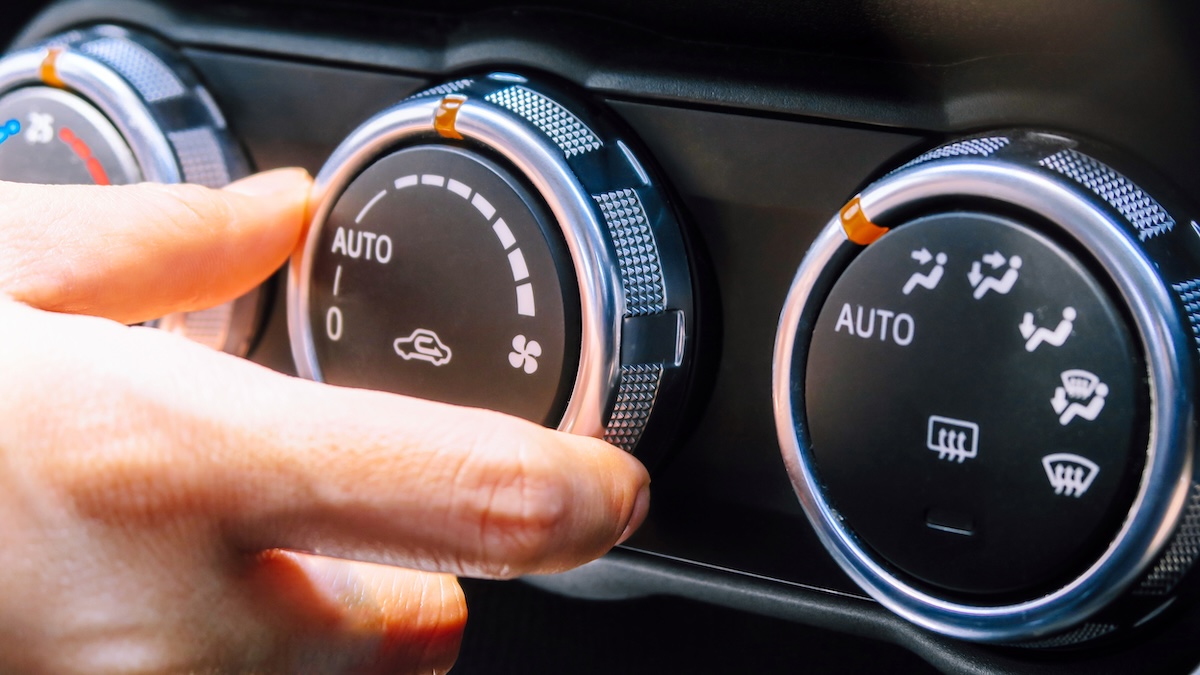
- To defog the inside of your windshield: turn on the defroster with heat, run the A/C to remove moisture, turn off air recirculation, and crack the windows slightly to let humid air escape.
- To clear fog on the outside of the windshield: use your wipers, reduce extreme A/C cooling, and allow the cabin and outside temperatures to equalize by slightly opening the windows.
- Prevention is key. Keep the windshield clean, remove excess moisture from the cabin, replace dirty cabin air filters, maintain the A/C system, and consider using anti-fog products.
- Persistent fogging may indicate a vehicle issue. Problems such as water leaks, faulty weather stripping, heater core issues, clogged cabin air filters, or A/C malfunctions should be inspected by a service technician.
Here’s the good news: you can learn how to defog your windshield pretty quickly and easily. It’s simpler than you think, especially when you understand why the fog happens in the first place. Our Toyota of Orlando team of experts is here with your easy guide to clearing your windshield fast, as well as tips on how to prevent fog buildup AND stay safe on the road in less-than-ideal weather.

Why Does Your Windshield Fog Up?
Before you learn how to defog windshield glass, let’s talk about what causes the fog in the first place. In almost every case, it comers down to temperature differences and moisture (plenty of that here in Orlando).
Fog happens when warm, humid air hits a cooler surface. It then condenses into tiny water droplets. Your windshield is the perfect place for this reaction because the glass temperature is usually pretty different from the air temperature both inside and outside of the car.
Here’s a more in-depth breakdown:
Fog On The Outside Of The Windshield
Fog on the outside of the glass happens most often in hot and humid weather. The outside air is extremely moisture-laden, and the windshield is cool from the air-conditioning inside of your Orlando Toyota’s cabin. When that humid air hits the cold glass, you get condensation- aka fog – on the outside.
This is especially common during:
- Summer mornings
- Heavy rainstorms
- Humid evenings
- Sudden temperature changes

Fog On The Inside Of The Windshield
Fog on the inside of the glass happens when it’s colder outside. Moisture inside of your car from breathing, damp shoes, umbrellas, and wet clothing can hit the cold windshield glass and cause condensation.
This is common during:
- Cold mornings
- Rainy weather
- Winter months
- After entering the car with wet clothes
Regardless, no matter where the fog forms, it’s important that you clear it away before driving. A foggy windshield means reduced visibility, which makes it harder for you to see traffic, pedestrians, and road hazards.

How To Defog Windshield Glass In Cold Weather
Let’s start with the cold weather scenario. If the fog is forming on the inside of your Orlando Toyota’s windshield, you’ll want to remove moisture from the cabin air. Here’s the fastest and most effective method to make it happen.
Step 1: Turn On The Defroster
Start by turning your front defroster on high heat. The warm air helps evaporate moisture from your windshield’s surface.
Pro tip: Many newer Orlando Toyotas automatically direct their airflow toward the windshield when you activate defrost mode, which makes the process even easier.
Step 2: Turn On The A/C
This might sound weird, but your air conditioning system actually helps remove moisture from the air inside your car. Even during winter, running the A/C while using the heater can help dry out your cabin faster.
Step 3: Turn Off Air Recirculation
Fresh air is your friend here. If your recirculation button is on, your car continues cycling humid air throughout the cabin. Turning it off allows cooler, drier outside air to enter your ride and dry things out.
Step 4: Crack The Windows
Opening the windows slightly can also help humid air escape more quickly. Even a small amount of airflow can make a big difference.
Step 5: Be Patient
Sometimes it takes a few minutes for the moisture to fully clear. Be patient – a car accident isn’t worth it!

How To Defog Windshield Glass In Hot Weather
If the fog is on the outside of the windshield, it’s a pretty easy fix. Here are some quick tips to get the glass clear again.
Use Your Windshield Wipers
A lot of times, a quick swipe of your wipers clears the condensation immediately.
Lower The A/C
If your A/C is making the windshield too cold compared to the outside air, try raising the cabin temperature a bit.
Roll The Windows Down For a Minute
Allowing warm outside air into the cabin can help stabilize the temperature difference that’s causing the condensation.
Avoid Blasting Maximum Cold Air Immediately
Sometimes jumping straight into ice cold A/C creates exterior fogging. Gradually cooling your cabin can help prevent it.

Tips To Prevent Windshield Fogging
Now that you know how to defog windshield glass, let’s talk about prevention. Here are a few simple habits that can make foggy windows much less common.
Tip #1: Keep Your Windshield Clean
Did you know that dirty glass traps moisture more easily? Dust, oils, fingerprints, and grime all give water droplets something to cling to, which means condensation can form more easily. Clean both the inside and outside of your windshield regularly using:
- Automotive glass cleaner
- Microfiber towels
- Ammonia-free products if you have window tint
A clean windshield helps reduces fogging, and it also improves visibility at night.

Tip #2: Remove Excess Moisture From Your Car
Florida humidity loves to sneak into your car, especially on those insanely hot summer days. Try to minimize moisture buildup inside your cabin by:
- Shaking off your umbrellas before entering
- Wiping your shoes dry
- Removing wet floor mats
- Avoiding leaving damp towels or clothing inside the car
Too much moisture trapped in the cabin can make fogging much worse.
Tip #3: Replace Old Cabin Air Filters
Your cabin air filter plays a big role in airflow and humidity control. A dirty or clogged filter can reduce your defroster’s effectiveness and make window fogging worse.
If you notice things like:
- Weak airflow
- Musty odors
- Slow defogging
- Excess humidity
…it might be time for a replacement.
Tip #4: Stay On Top Of A/C Maintenance
Your air conditioning system does a lot more than keep you cool. It also removes humidity from your cabin air. If your A/C system isn’t working properly, your windows can fog more often. Routine auto service at Toyota of Orlando can help ensure your:
- Air conditioning system
- Defroster
- Heater core
- Ventilation system
…are all working efficiently.
Tip #5: Use Anti-Fog Products
There are plenty of anti-fog sprays and wipes designed specifically for automotive glass. These products create a barrier that reduces condensation buildup. Our Toyota of Orlando Parts Center can help you find products that:
- Are safe for tinted windows
- Work on interior glass
- Work on exterior glass
- Last longer in humid climates
Just call or visit us today!
Do Home Remedies Actually Work for Windshield Fog?
You’ve probably heard about DIY tricks for how to defog windshield glass. Some drivers swear by them, and our Toyota of Orlando team is breaking them down for you.
One of the most popular DIY hacks for windshield fog is shaving cream. Supposedly, applying a thin layer to the inside of your windshield and wiping it away leaves behind a film that helps reduce condensation. Other home remedies include things like:
- Vinegar and water solutions
- Potato slices
- Anti-fog chalk products
Your results will vary, of course, but a lot of drivers swear that these tricks help, even if only temporarily.
Modern Toyota Features That Help Prevent Fogging
Many of the newer Toyotas here at Toyota of Orlando come equipped with advanced climate control features that make foggy windows less of a hassle. Depending on your Toyota model, you might have features like:
- Automatic climate control
- Rear window defrosters
- Heated side mirrors
- Smart airflow systems
- Humidity sensors
- Remote start climate prep
Vehicles like the new Toyota Camry, Toyota RAV4, Toyota Highlander, and Toyota Corolla are designed with comfort and visibility in mind, especially during unpredictable Florida weather.

Don’t Ignore Persistent Fogging
If your windshield fogs excessively all the time, it could point to a larger issue. Potential causes include:
- Water leaks inside the cabin
- Faulty weather stripping
- Heater core problems
- Malfunctioning A/C systems
- Clogged cabin air filters
If your windows constantly fog no matter the weather, it’s a good idea to schedule a service appointment at our Orlando car care center.
Visit Toyota Of Orlando For Service And Parts
Still have questions about how to defog windshield glass or need help finding anti-fog products? Toyota of Orlando is here to help. Our service experts can inspect your A/C system, replace cabin air filters, and make sure your defroster is working properly so you can drive safely year-round.
Call Toyota of Orlando today at (407) 298-0001 or visit us at 3575 Vineland Road, just off I-4 near the Millenia Mall.
FAQs:
1. How do I know if my car air-conditioning or heat isn’t working?
How much does an oil change cost?

Care care doesn’t have to cost a fortune (believe it or not). If you keep up with a routine car maintenance schedule, pay attention to how your car looks and sounds, and avoid aggressive driving, it shouldn’t break the bank to regularly care for your car. And one car care appointment you NEVER want to miss is your oil change.
Here’s the breakdown – regular oil changes are one of the easiest and most affordable ways to protect your ride’s engine and extend your car’s life. Whether you drive a fuel-efficient sedan, a family SUV, or a powerhouse truck, clean motor oil keeps everything running smoothly. It reduces friction, prevents overheating, and helps your engine components stay lubricated. Skipping this simple car care can lead to gnarly, expensive engine repairs down the road, which is why it’s so important to stay on top of it. But how much does an oil change cost at the end of the day? Our Toyota of Orlando service team here is to walk you through it.
How much does an oil change cost at Toyota of Orlando?
How much does an oil change cost when you schedule it at our Orlando Toyota Service Center (or anywhere else)? The answer varies. Here are some points to consider:
- If you’re getting a conventional oil change, the cost should be anywhere between $35-75.
- If you’re getting a synthetic oil change, the cost should be anywhere between $65-125.
- However, the size of your ride can also affect the cost of your oil change. A typical passenger car (like a sedan) will need around 5 quarts of oil to get the job done, but larger trucks and SUVs may require additional oil, which can boost the price up.
Another factor that can affect how much an oil change costs is the type of oil filter your car needs. Some filters are more advanced and designed to last longer, especially in vehicles using synthetic oil. Luxury trims, performance vehicles, and trucks that tow heavy loads might also require specialty oil products or additional inspections during service.
What Happens During an Oil Change at our Toyota Service Center?
At Toyota of Orlando, our goal is to keep your vehicle maintenance affordable and convenient for all of our customers. We frequently offer Orlando Toyota service specials that can help lower the cost of routine maintenance like oil changes, tire rotations, battery inspections, and more. Checking for coupons before your appointment can help you save even more money when you get here.
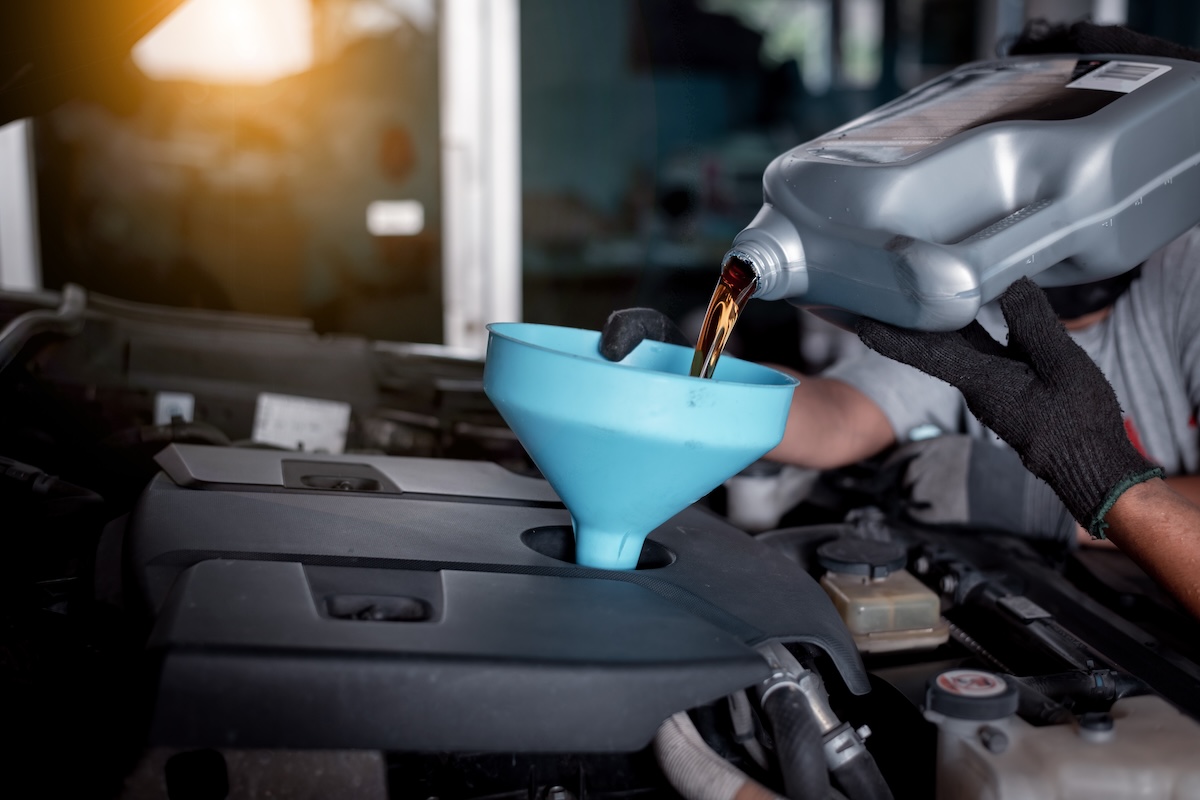
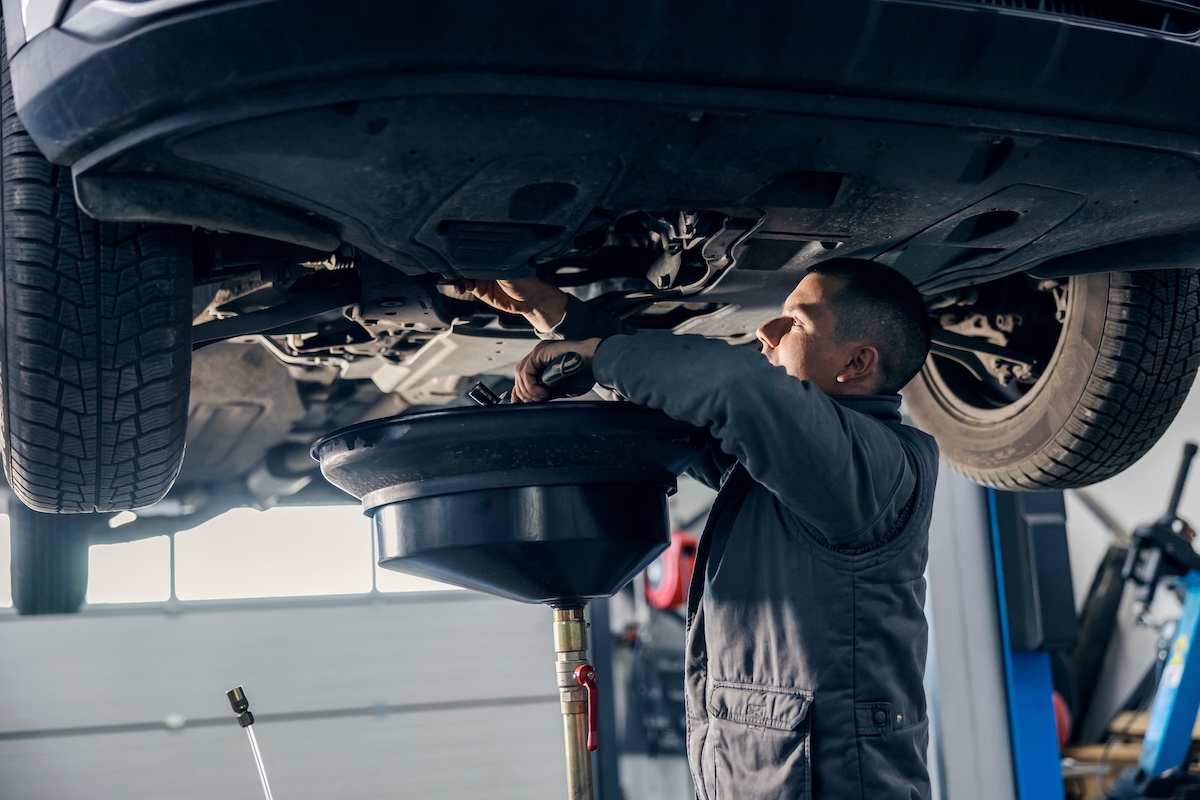
- During your Orlando oil change, our Toyota service techs will drain out all of the old oil to ensure you’re working on a clean slate. (And they’ll discard the old oil appropriately – you can’t just dump it in the trash or down the drain.)
- They’ll also replace the dirty oil filter with a clean one and add the recommended amount of fresh oil back into your engine. It’s a simple process and shouldn’t take a long amount of time, barring any complications.
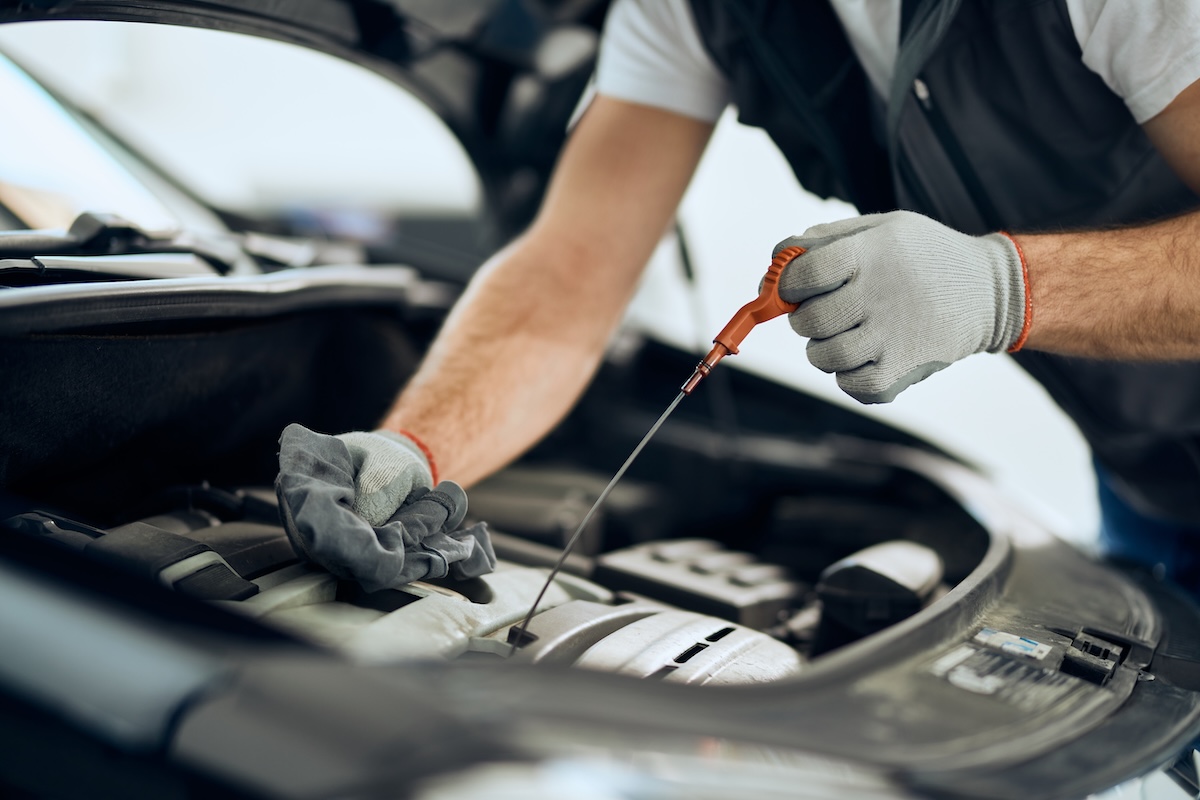
Your oil change appointment will also include a quick multi-point inspection. Our Toyota service technicians check your tire pressure, fluid levels, battery health, brakes, belts, and hoses to make sure your ride is in good shape overall. Catching small issues early can help you avoid bigger repair bills later.
How often should you schedule an oil change?
Here are a few other things to keep in mind besides the question of “how much does an oil change cost”:
- The intervals at which you’ll need an oil change depend on your driving habits and the type of oil you use.
- Orlando Toyotas that use conventional oil typically need an oil change every 3,000 – 5,000 miles.
- Cars that use synthetic oil can go longer, usually needing an oil change every 7,500 – 15,000 miles. Check with our auto service techs to see which schedule YOUR car should be on. And remember, the more you drive, the sooner you’ll need an oil change.
- Conventional and synthetic oil changes both have their perks and drawbacks, so it’s a personal choice for you (or your car might require a certain type of oil – ask our techs to check it out).
Your driving conditions matter, too. If you frequently sit in Orlando traffic, take short trips around town, drive in extremely hot weather, tow cargo, or take frequent road trips, your engine works harder than average. In these situations, you might need oil changes more frequently to keep your ride protected.
Many newer Toyotas are equipped with maintenance reminder systems that alert you when it’s time for your service. Even with these reminders, it’s still a good idea to keep track of your mileage and stay on top of your owner’s manual recommendations.
Conventional vs. synthetic oil: what’s the difference?
Basically, conventional oil is cheaper than synthetic. It’s made from refined crude oil. However, it doesn’t last as long and some drivers say it doesn’t offer the same performance benefits as synthetic.
Synthetic oil is much more refined and processed. It costs more than conventional oil, but lasts a lot longer (so you can go longer in between oil changes). It also helps to enhance vehicle performance.
- Synthetic oil is beneficial in extreme temperatures because it flows more smoothly in cold weather and resists breakdown in high heat.
- Many modern Toyotas are designed specifically for synthetic oil because it helps improve their fuel efficiency and engine protection.
- You might also be able to use a synthetic blend, which is a mix of conventional and synthetic oils. Synthetic blends are a great middle-ground option for drivers who want some of the benefits of synthetic oil without the higher price tag.
If your car is getting up there in years, our Orlando auto service techs might recommend high mileage oil.
- This special motor oil is designed to keep older cars up and running and help prevent leaks.
- High mileage oil contains additives that help reduce wear and condition engine seals.
- This makes it a popular choice for cars with more than 75,000 miles on the odometer.

What happens if you skip oil changes?
Many drivers wonder if delaying an oil change by a few weeks or a few thousand miles is really a big deal. Unfortunately, it is. Neglecting your oil changes can lead to serious engine damage over time, which means big repair bills.
- When your car’s oil gets old, it becomes dirty and less effective at lubricating your engine components.
- Sludge can build up inside the engine, friction increases, and heat can cause parts to wear out faster.
- Eventually, ignoring oil changes can lead to reduced fuel efficiency, poor engine performance, costly repairs, or even complete engine failure.
Routine oil changes are much less expensive than replacing major engine components, which is why preventive maintenance is always worth it.
Why choose Toyota of Orlando for your next oil change?
When you bring your ride to Toyota of Orlando for service, you can feel confident knowing your car is being cared for by factory-trained Toyota technicians. Our Orlando Toyota Service Center uses quality parts, recommended oils, and the latest equipment to help keep your ride running at its best.
We also make scheduling service easy and convenient. Whether you need a quick oil change, tire service, brake inspection, or larger repair, our team is here to help make the process stress-free.
Bottom line, you should ask our techs at Toyota of Orlando not only how much does an oil change cost, but also which motor oil you should be using for your car. And don’t forget to ask how often you should be scheduling this service. They can get you on a routine and also send you helpful reminders when you’re due to come in.
Schedule your Orlando oil change today
Have questions or want to get your next oil change on the books? Schedule today online, call (407) 298-0001, or visit us in person at 3575 Vineland Road, just off I-4 near the Millenia Mall. Our Orlando Toyota Service Center is here to help keep your car running smoothly mile after mile.
The best cars for dogs: Toyota edition

Are your four-legged friends one of your top priorities when you’re shopping for a car? We get it… and we also get that a JBL sound system or sporty 20″ wheels probably aren’t the features you’re looking for in that respect. Toyota of Orlando is here to help you find the best cars for dogs in our Toyota lineup. Let’s get started!
Key Points:

What Features Belong in the Best Cars for Dogs?
When you’re choosing a vehicle, it’s easy to get caught up in performance specs or tech upgrades, but if you’re a pet parent, your priorities shift a bit. Comfort, safety, and convenience for your dog become just as important as fuel efficiency or horsepower. Whether you’re heading to the dog park, the vet, or taking a road trip across Florida, having one of the best cars for dogs can make all the difference in your day-to-day routine.
So, what features ARE you looking for in the best cars for dogs? Here’s what our Orlando Toyota specialists think should be on your list:
- An interior that’s durable. We don’t recommend leather interiors if you’re going to be regularly carting your pets around . Even with seat covers, their nails can still scratch the seats.
- A larger cargo area. You want the space for your four-legged friends to ride comfortably if they’re in the back, as well as the space to transport one or more crates should you need to.
- Fold-flat rear seats. This is key if you have a smaller SUV or a sedan – folding the rear seats down will create a much larger cargo space.
- A low height. If you want your dogs to be able to jump into the car themselves, it’s important to find one that’s lower to the ground, especially if you have larger dogs that you’re not able to lift.
These core features are important, sure, but they also directly impact your dog’s safety and stress levels while riding in the car. Dogs that feel cramped or stressed during travel get anxious more easily, which can make even short trips less-than-fun. Choosing one of the best cars for dogs helps ensure your four-legged friends has enough room to relax.
More Features to Consider in Your Next Orlando Toyota
And here are a few other features you might want to consider when shopping at Toyota of Orlando for the best cars for dogs:
- A SofTex interior that’s durable and easy to wipe clean (vacuuming dog fur out of fabric seats is less than fun, trust us)
- If you opt for a fabric interior, one that’s the same color as your pet’s fur so you can go longer in between car detailings
- A rear cargo door that’s a hatchback OR opens wide enough to let you load your pets
- Rear-zone climate control so you can keep your pets comfortable no matter the weather outside
- Tie-down points in the rear cargo area where you can secure your pets’ crate while the car is in motion
Car Accessories for Your Pets
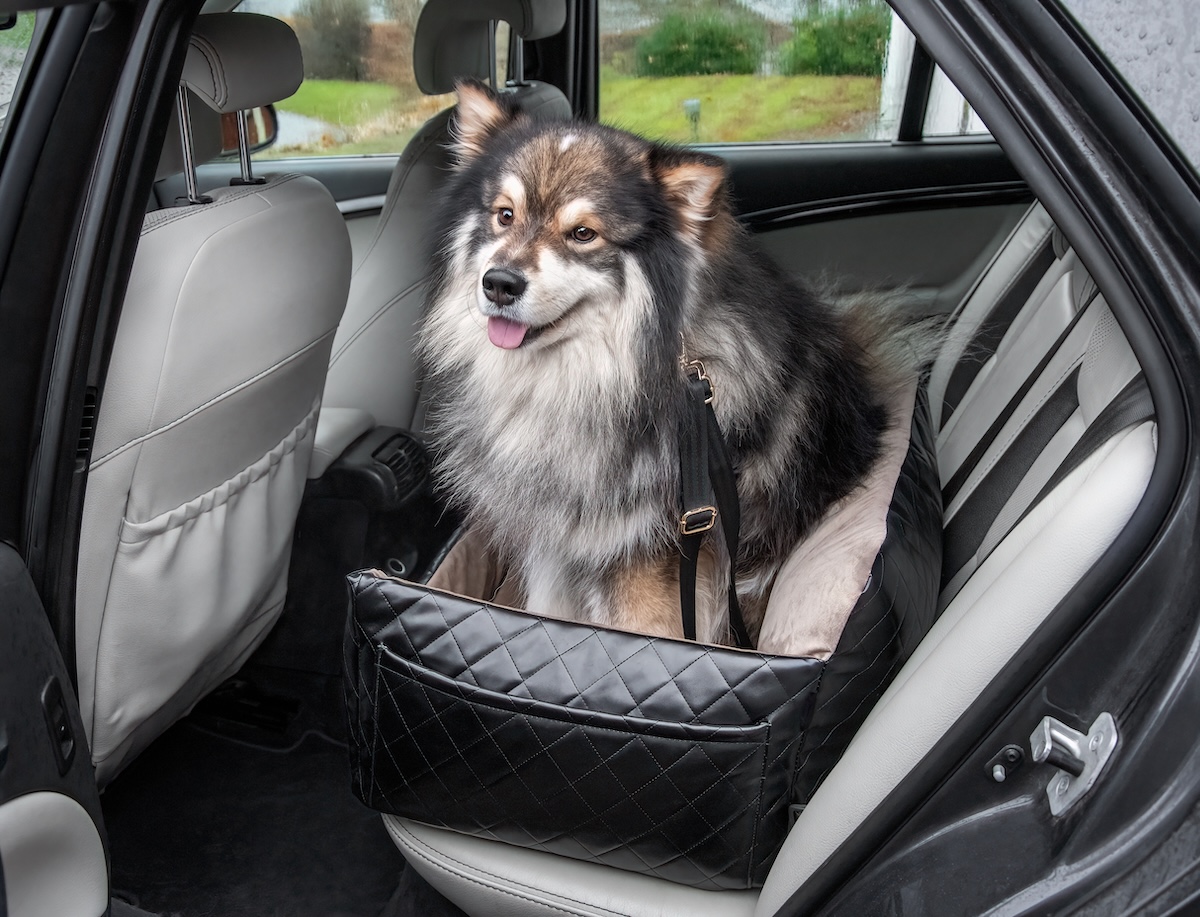
You might also want to think about accessories for your four-legged friends. Things like pet barriers, cargo liners, and seat protectors can go a long way in keeping your car clean AND your dog safe. When it comes to the best cars for dogs, you might also want to invest in portable ramps for older dogs that have trouble climbing in, or collapsible water bowls for longer stretches on the road.
Another pro tip? Take into consideration how easy it’ll be to clean your car in general. Dogs bring in dirt, sand, fur, and sometimes even water after a good swim. Orlando Toyotas with fewer crevices, more durable floor mats, and easy-to-clean surfaces can save you a lot of time and energy.
Which of Our New Orlando Toyotas Is Best for Dogs?
So, which new Toyotas at Toyota of Orlando meet the bill? Here are our top picks when it comes to the best cars for dogs.
The Toyota RAV4.
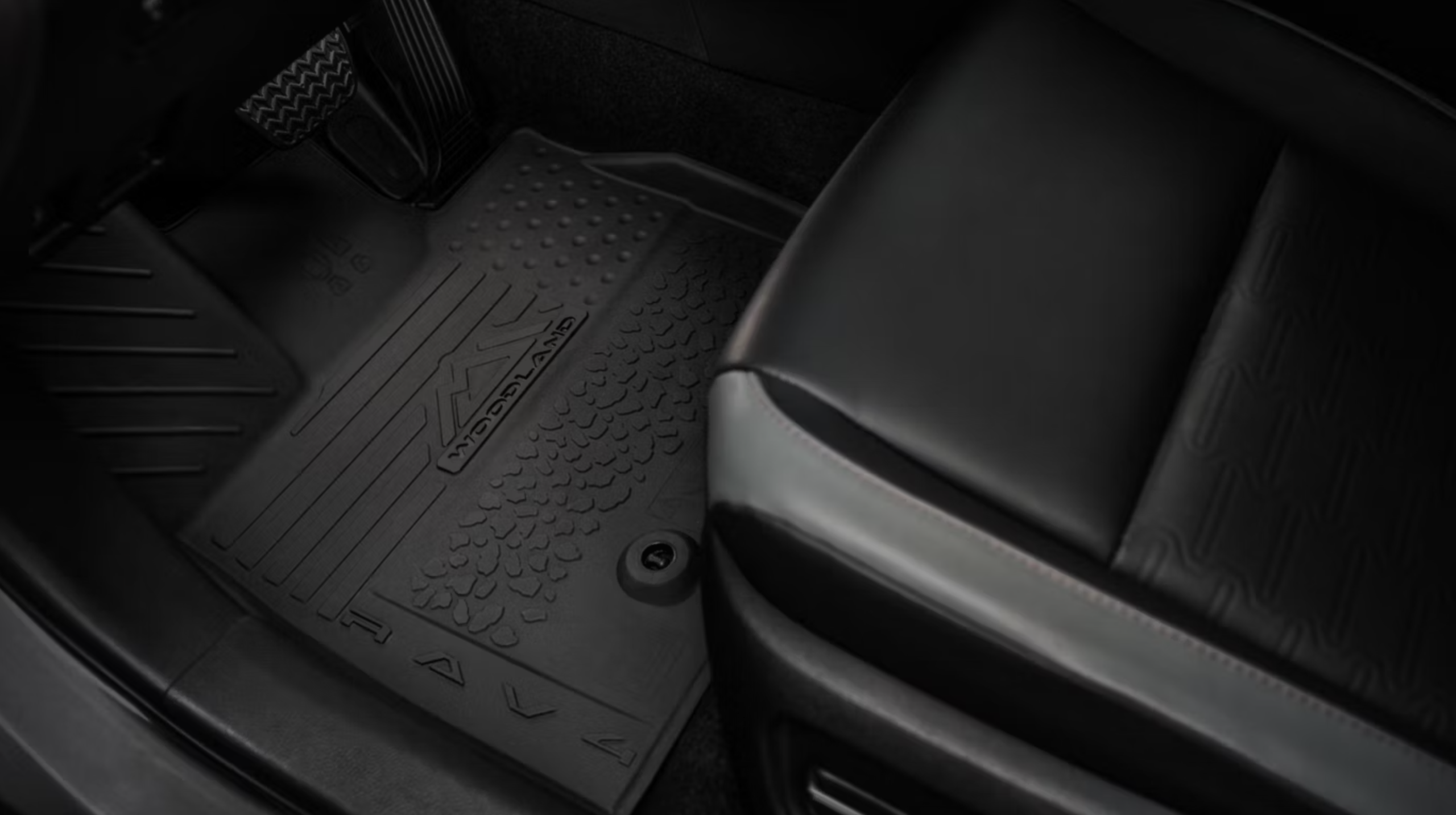
This spacious and fuel-efficient Orlando Toyota SUV is perfect for pets. It has a larger cargo hold, fold-down second-row seats, and dual-zone climate control with rear-seat vents.
- The new Toyota RAV4 is one of the most versatile options when it comes to the best cars for dogs. It’s not too large to handle daily commuting, but still offers plenty of room for your pup to stretch out. Plus, its ride height makes it easier for dogs to hop in and out compared to larger SUVs.
The Toyota Camry.
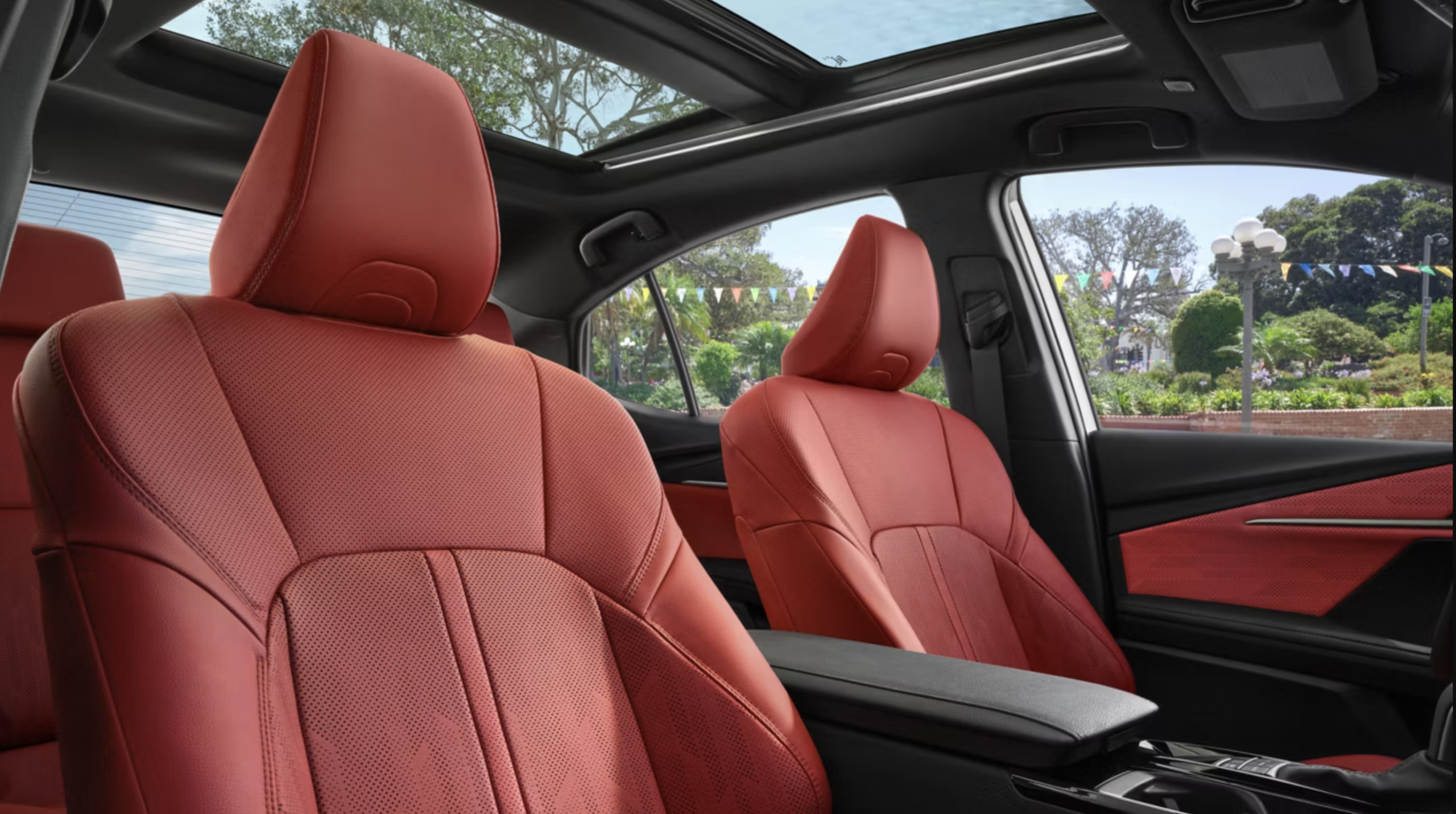
You might wonder how a sedan can possibly be one of the best cars for dogs, but this new Toyota fits the bill. It has a low height for easy entry, available SofTex interior, and fold-flat rear seats so you can expand your rear cargo space if need be.
- Sedans like the Orlando Toyota Camry are great for pet owners who don’t necessarily need a full SUV but still want comfort and efficiency. It’s also a great choice if your dog likes riding in the back seat instead of the cargo area. And with excellent fuel economy, it’s ideal for frequent trips with your furry companion.
The Toyota Highlander.
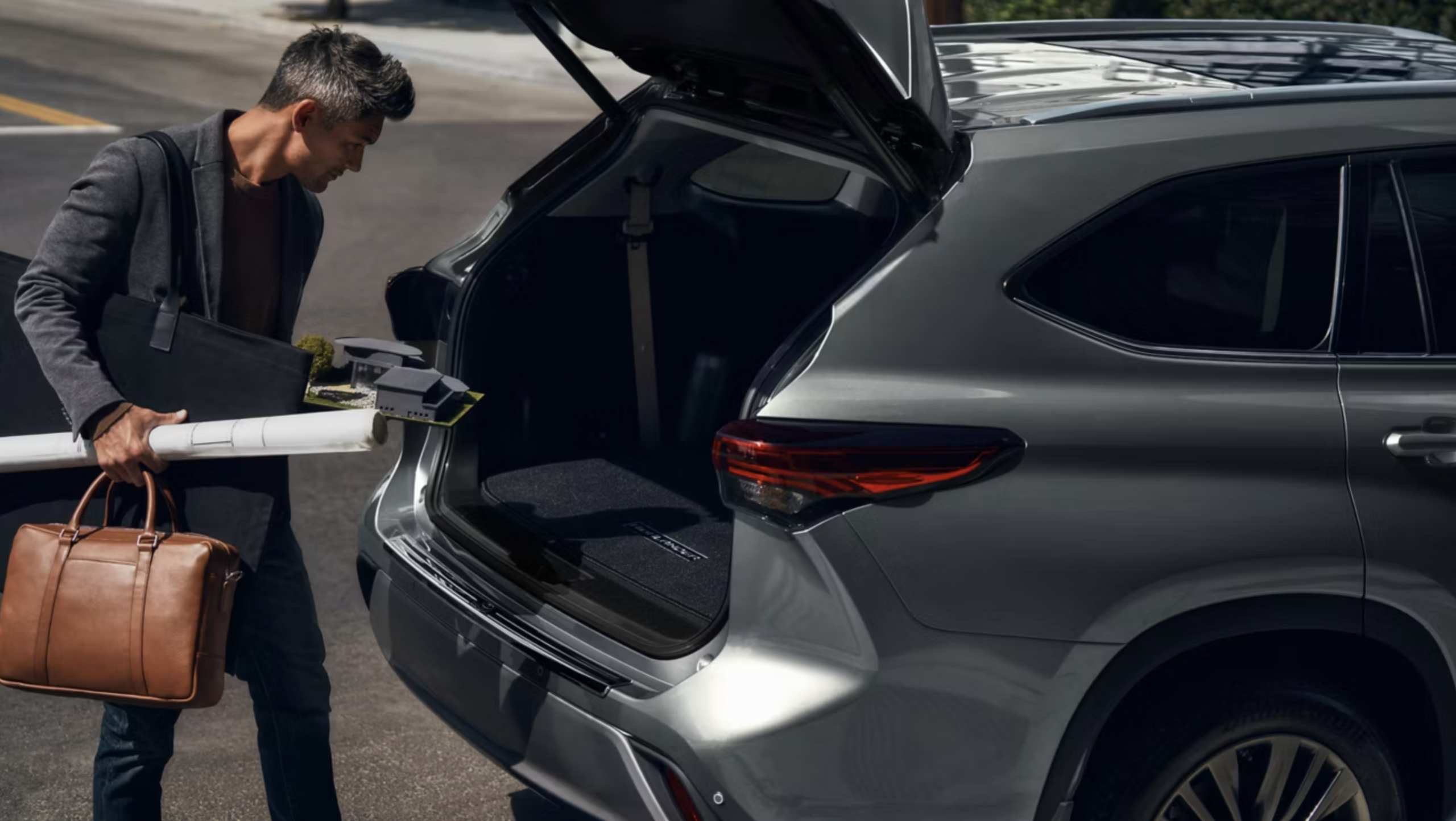
If you’re hauling the family around + four-legged friends, the Highlander is a great option. You can fold the third row down for extra-large cargo space and still have the second row for human passengers. It also has three-zone climate control so no matter where your pets are sitting, they’ll be comfortable.
- The Highlander really shines when you have multiple dogs or a mix of passengers and pets. It’s one of the best cars for dogs if you need flexibility. Whether you’re loading up crates, dog beds, or travel gear, the Highlander gives you room to do it all without sacrificing passenger comfort.
The Toyota 4Runner.
If adventure is the name of your game, you and your pet need to get behind the wheel of the Toyota 4Runner. It’s off-road-ready for you and has a large rear cargo space for your furry friends. You’ll also find features like an available SofTex interior, all-weather floor mats for muddy paws, and a sliding rear cargo deck for easy loading and unloading.
- For pet owners who love the outdoors, the 4Runner is easily one of the best cars for dogs. Whether you’re heading to hiking trails, beaches, or camping spots, this SUV is built to handle it all. Dogs that love adventure will appreciate the extra space and durability this model provides.
And remember, you should never put your dog – or any other pet – in the bed of a pickup truck.
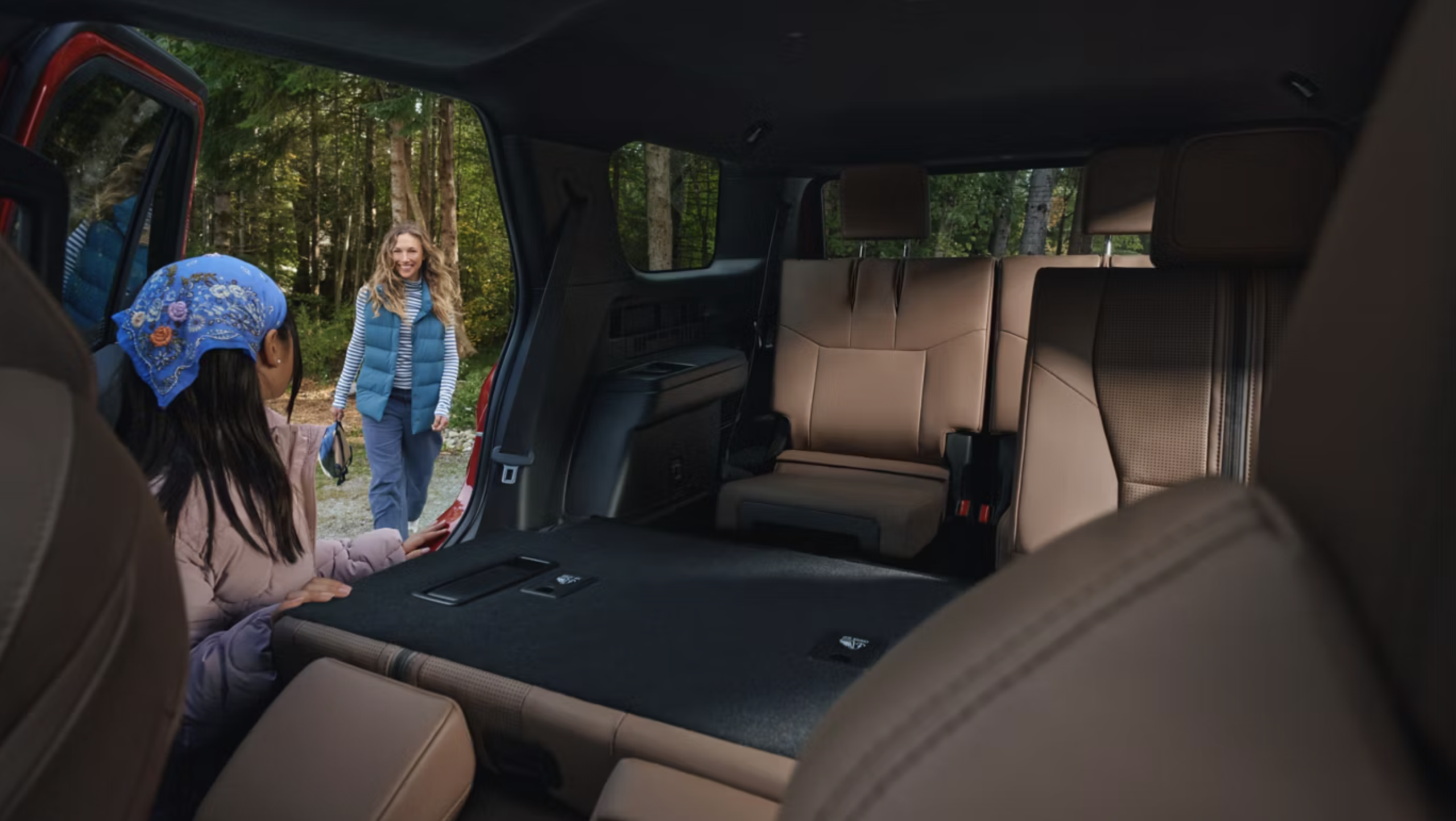
Stay Safe When Driving With Your Pets
Safety should always come first when traveling with pets. Keeping your dog inside the vehicle, properly secured, helps protect them in case of an accident. Many pet owners looking for the best cars for dogs also choose to use seatbelt harnesses or crates for extra safety.
Test Drive the Best Cars for Dogs at Toyota of Orlando
Ready to test drive any one of these Toyotas, or see if any of our other new or used cars are a fit for you and your pets? Call Toyota of Orlando today at (407) 298-4500 or stop by. We’re a dog-friendly business, and we’re just off I-4 near the Millenia Mall at 3575 Vineland Road!
FAQs:
1. What can I do to make traveling with pets easier?
Traveling with pets is easier when you plan ahead with essentials like a pet seat cover, portable water bowl, leash, and favorite toys to keep them comfortable. Toyota SUVs like the RAV4, Highlander, and Grand Highlander also offer spacious interiors and available rear climate controls to help pets stay relaxed during longer drive
2. Which Toyotas have the most cargo space?
Toyota models with the most cargo space include the Grand Highlander, Sequoia, and Sienna, making them great options for families, pets, and road trips. These vehicles offer flexible seating and large storage areas that make it easy to pack pet carriers, luggage, and travel gear.
3. How can I protect my Toyota from pets?
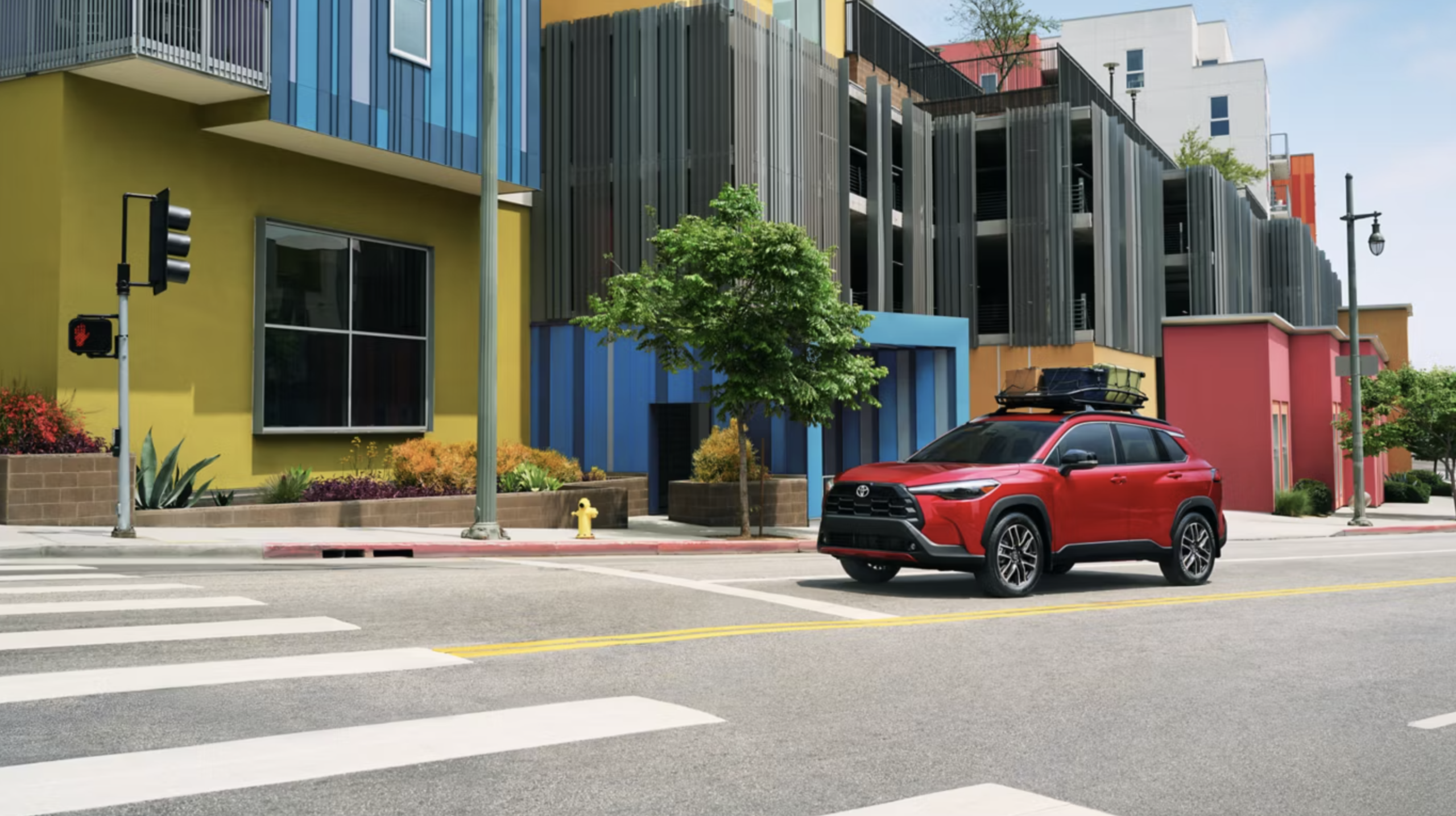
If you’re looking for a practical and efficient compact SUV that’s still up for anything, then it’s time to explore the 2026 Toyota Corolla Cross vs Subaru Crosstrek. These two SUVs offer versatility, fuel efficiency, and affordability… but how do they differ, and which one is better for your everyday drive time? Our team at Toyota of Orlando is breaking it down.
Key Points:
- The 2026 Toyota Corolla Cross is positioned as the better everyday compact SUV thanks to its lower starting price, stronger fuel economy, and long-term value compared to the Subaru Crosstrek.
- The Corolla Cross offers better MPG and a more efficient hybrid option, while the Crosstrek focuses more on standard AWD and off-road capability.
- Toyota provides more cargo space, a quieter cabin, and user-friendly technology, making the Corolla Cross ideal for commuting, road trips, and daily driving.
- Both SUVs offer advanced safety features, but Toyota Safety Sense™ 3.0 stands out with additional features like Proactive Driving Assist.
- Final recommendation: Choose the Corolla Cross for affordability, comfort, efficiency, and reliability; choose the Crosstrek if you prioritize rugged styling and outdoor performance.
One of the key things to remember in the 2026 Toyota Corolla Cross vs Subaru Crosstrek comparison is that the Corolla Cross is a true daily driver. It’s designed around comfort, fuel economy, and long-term value. The Crosstrek, on the other hand, is more about all-wheel drive and rugged capabilities (not too big of a concern here in Orlando). We’re making it easy – explore the differences in price, performance, interior, tech and safety, and efficiency with us below.
Toyota Corolla Cross vs Subaru Crosstrek: A True Price Comparison
We know every driver wants affordability up front. When it comes to pricing, the 2026 Toyota Corolla Cross is definitely the smarter buy if you’re on a budget.
- 2026 Toyota Corolla Cross (Estimated MSRP):
- Starting around $24,500
- Hybrid models start around $29,000
- 2026 Subaru Crosstrek (Estimated MSRP):
- Starting around $26,500
- Hybrid models starting around $32,000
The Orlando Toyota Corolla Cross has a lower starting MSRP, which makes it more accessible for everyone, especially first-time buyers. Even if you shoot for a hybrid model, you’re still going to get that affordable starting price point and amazing fuel efficiency to help you save even after your initial purchase.
Key Takeaway: If your focus is on the price and the value of your ride over time, the 2026 Toyota Corolla Cross is definitely a better option.
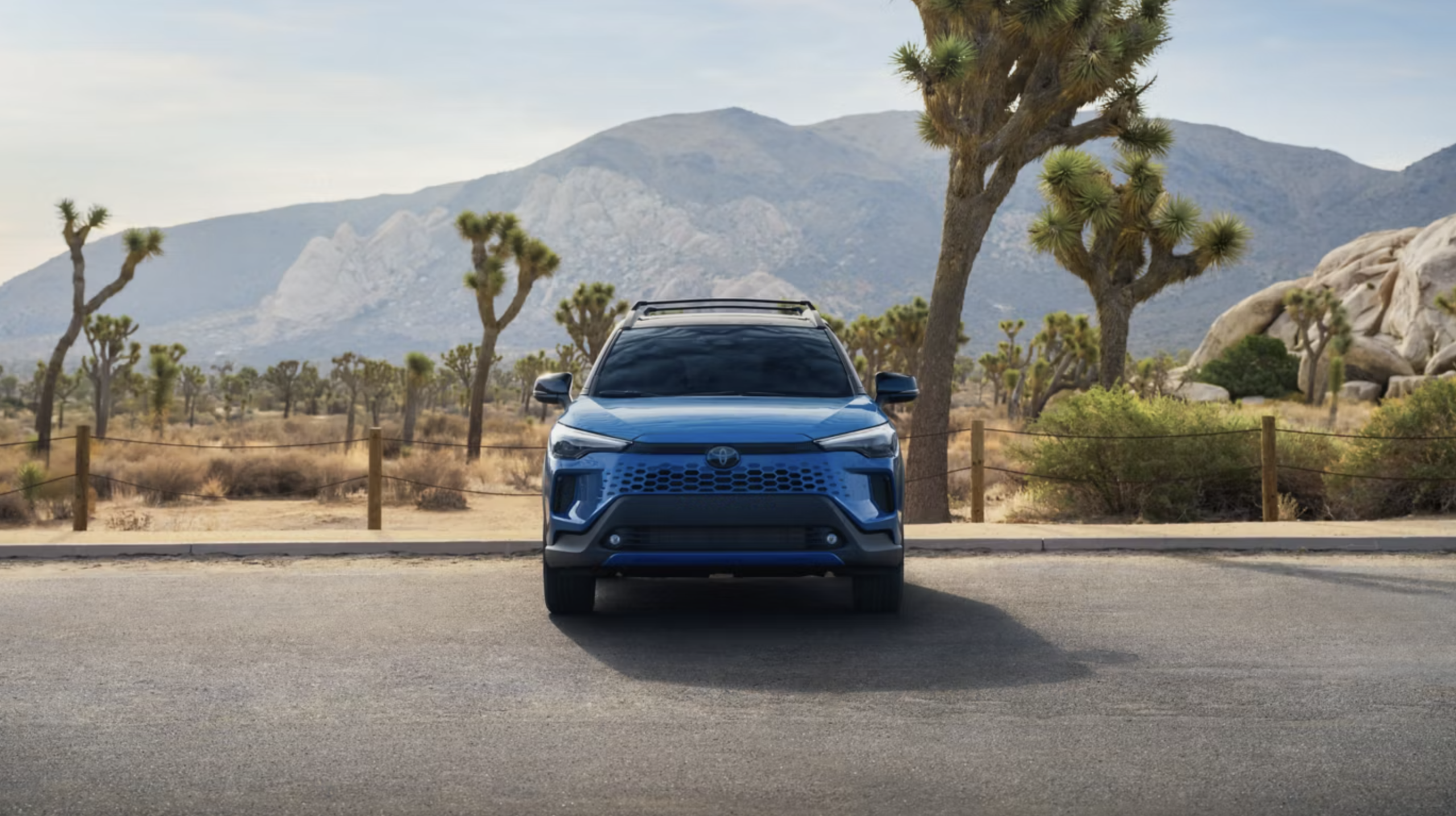
Performance In These Two Compact SUVs: What to Expect
Performance is where the Toyota Corolla Cross vs Subaru Crosstrek comparison really starts to get spicy. Here’s the breakdown from our Orlando Toyota team.
2026 Toyota Corolla Cross
- 2.0L 4-cylinder engine with 169 horsepower
- Available All-Wheel Drive (AWD)
- Hybrid powertrain option with up to 196 horsepower
- Smooth CVT transmission
- Tuned for comfort and efficiency
2026 Subaru Crosstrek
- 2.0L 4-cylinder engine (base model) with 152 horsepower
- 2.5L 4-cylinder (higher trims) with 182 horsepower
- Standard AWD on all trims
- More rugged suspension tuning
- Higher ground clearance of 8.7 inches
If you like to take things off the pavement on the weekends, then the Subaru Crosstrek will get you there as it has higher ground clearance and comes standard with all-wheel drive on all models. However, the Orlando Toyota Corolla Cross actually gives you more horsepower than both Subaru powertrains. This means better acceleration, power, and responsiveness in your daily driver.
Key Takeaway: If you want off-road abilities, you may want to opt for the new Crosstrek. However, if you want better overall performance and fuel efficiency for your everyday drive, get behind the wheel of the 2026 Toyota Corolla Cross.
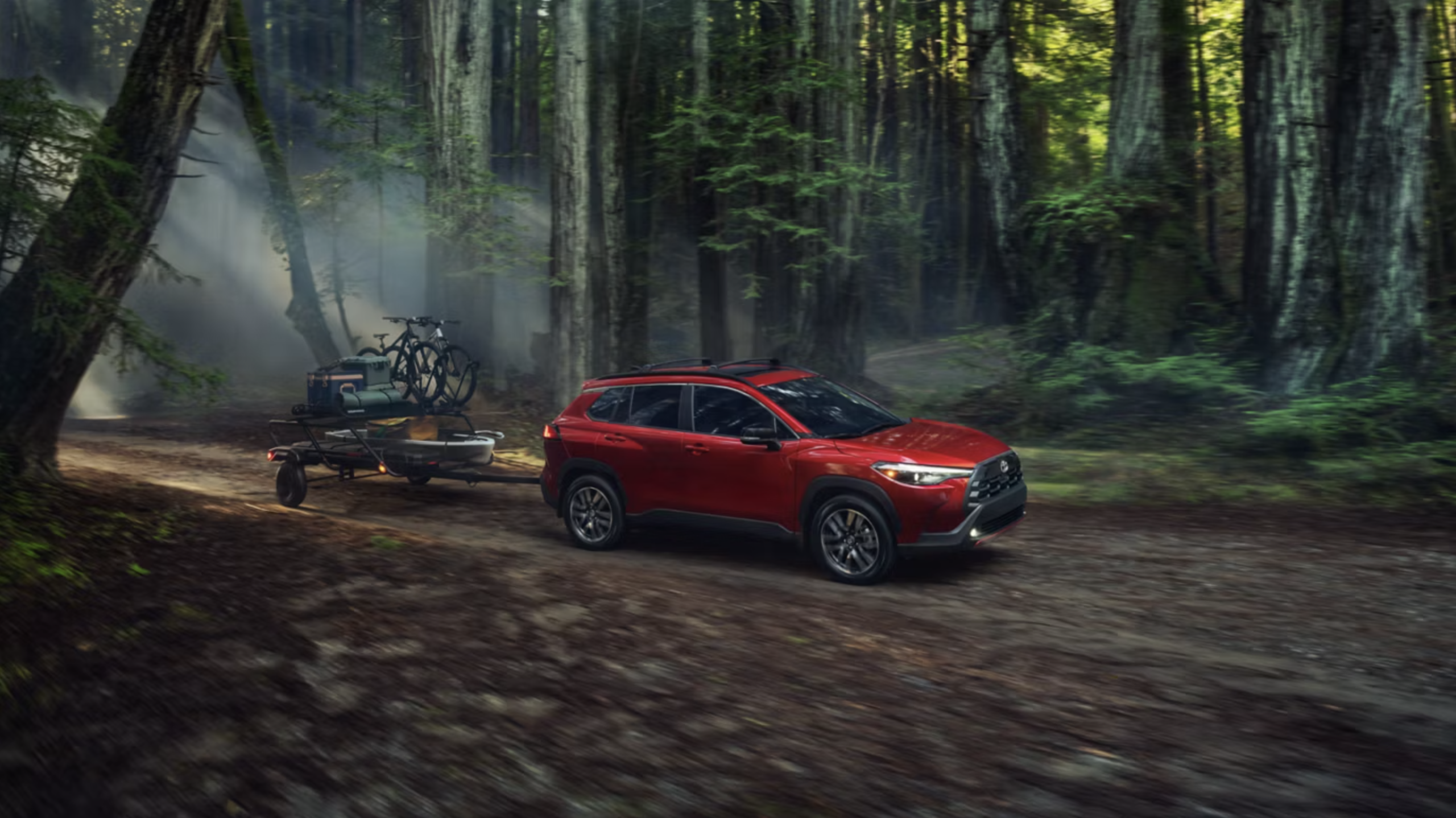
2026 Toyota Corolla Cross vs Subaru Crosstrek: Fuel Efficiency Breakdown
Gas prices are insane. We know fuel efficiency matters, and if it matters most to you, Toyota is going to be your best bet for your new ride. Here’s how these two compact SUVs compare.
2026 Toyota Corolla Cross
- Gas model: 31–33 MPG combined
- Hybrid model: 40–42 MPG combined
Subaru Crosstrek
- 2.0L engine: 29 MPG combined
- 2.5L engine: 27 MPG combined
Big differences, right? The 2026 Toyota Corolla Cross gives you dramatically better fuel efficiency – we’re talking 10-15 mpg more than the 2026 Subaru Crosstrek. Over time, you’ll save big bucks (especially if you’re a daily commuter or like to road trip).
Key Takeaway: The Orlando Toyota Corolla Cross – especially the hybrid – is the clear winner here.
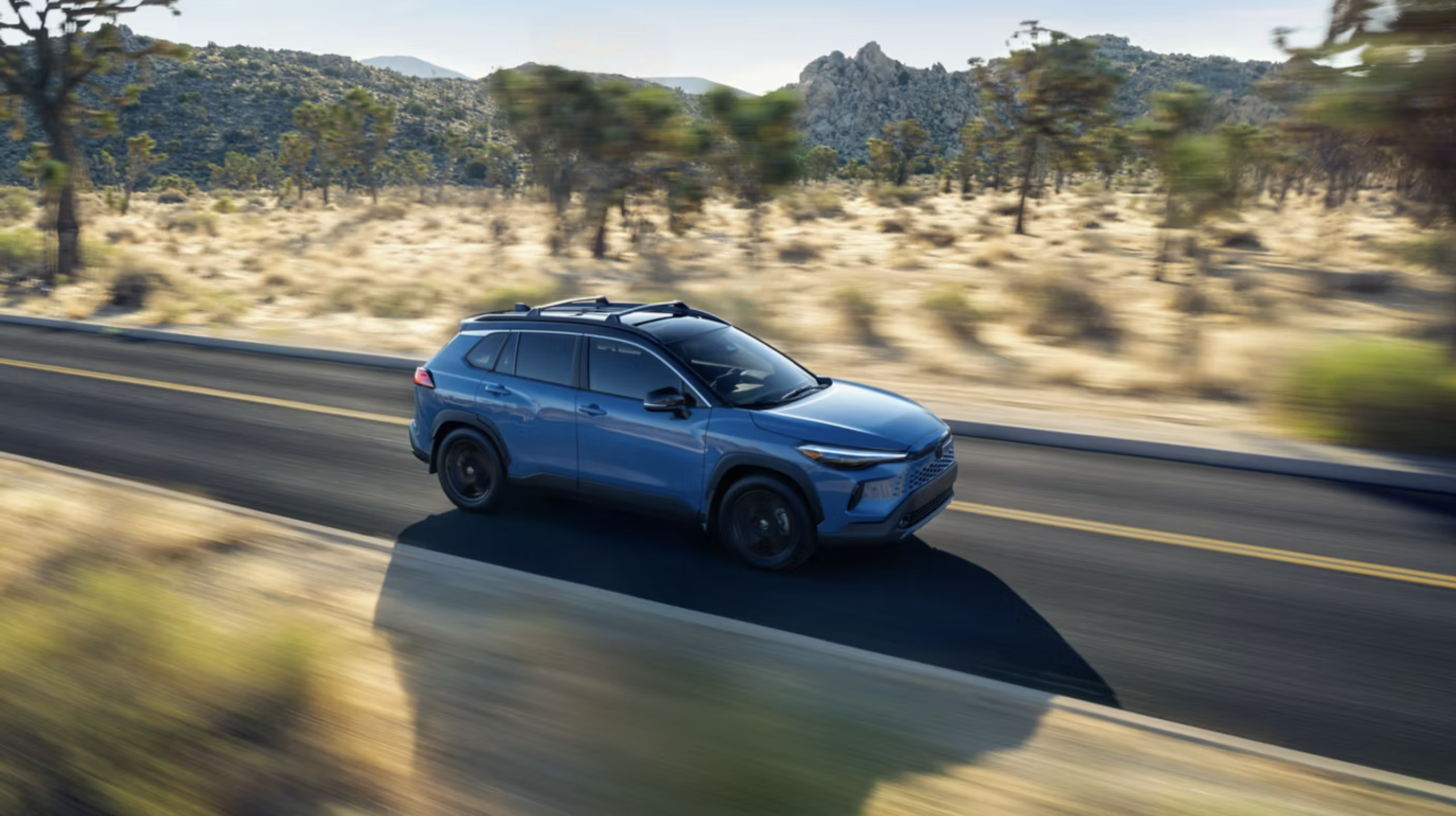
What Are the Interiors Like in These SUVs?
In the Toyota Corolla Cross vs Subaru Crosstrek comparison, how do the interiors stack up? Here’s what you can expect.
2026 Toyota Corolla Cross Interior
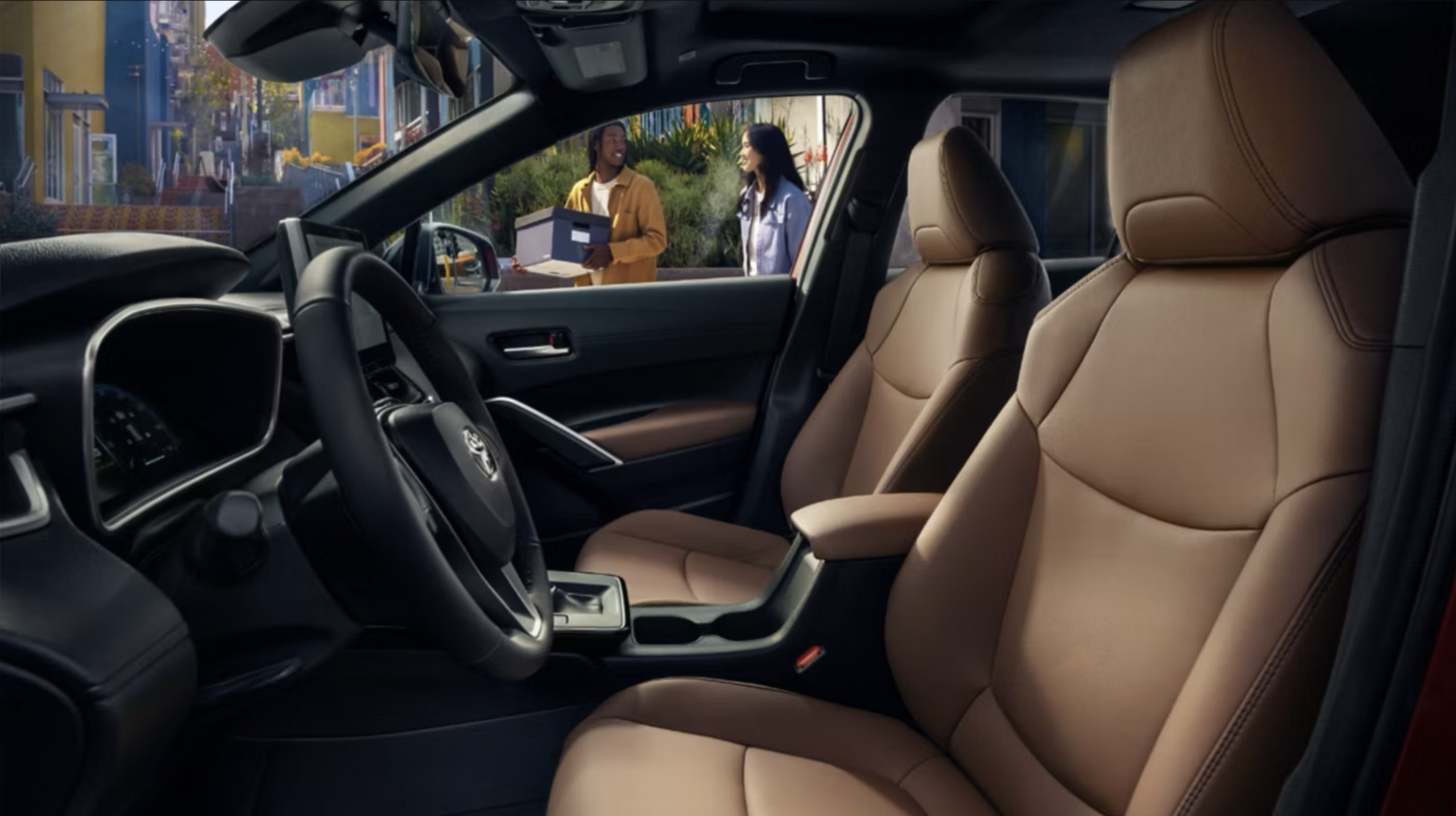
- A clean, modern dashboard design
- Available SofTex®-trimmed seating
- Spacious rear seating for passengers
- Cargo capacity of up to 66.8 cubic feet (with the rear seats folded down)
- Smooth, quiet ride quality
2026 Subaru Crosstrek Interior
- A durable, rugged interior styling
- Available StarTex® water-repellent upholstery
- Slightly tighter rear seat space
- Cargo capacity of up to 54.7 cubic feet (with the rear seats folded down)
- More upright seating position for passengers
It really depends on what you’re looking for as a driver. The Orlando Toyota Corolla Cross has more cargo space and a quieter cabin, which makes it perfect for road trips and day-to-day driving. The Subaru Crosstrek, on the other hand, is built for durable outdoor adventures.
Key Takeaway:
- The 2026 Toyota Corolla Cross gives you comfort and space throughout the interior.
- The 2026 Subaru Crosstrek interior is durable and ready for the great outdoors.
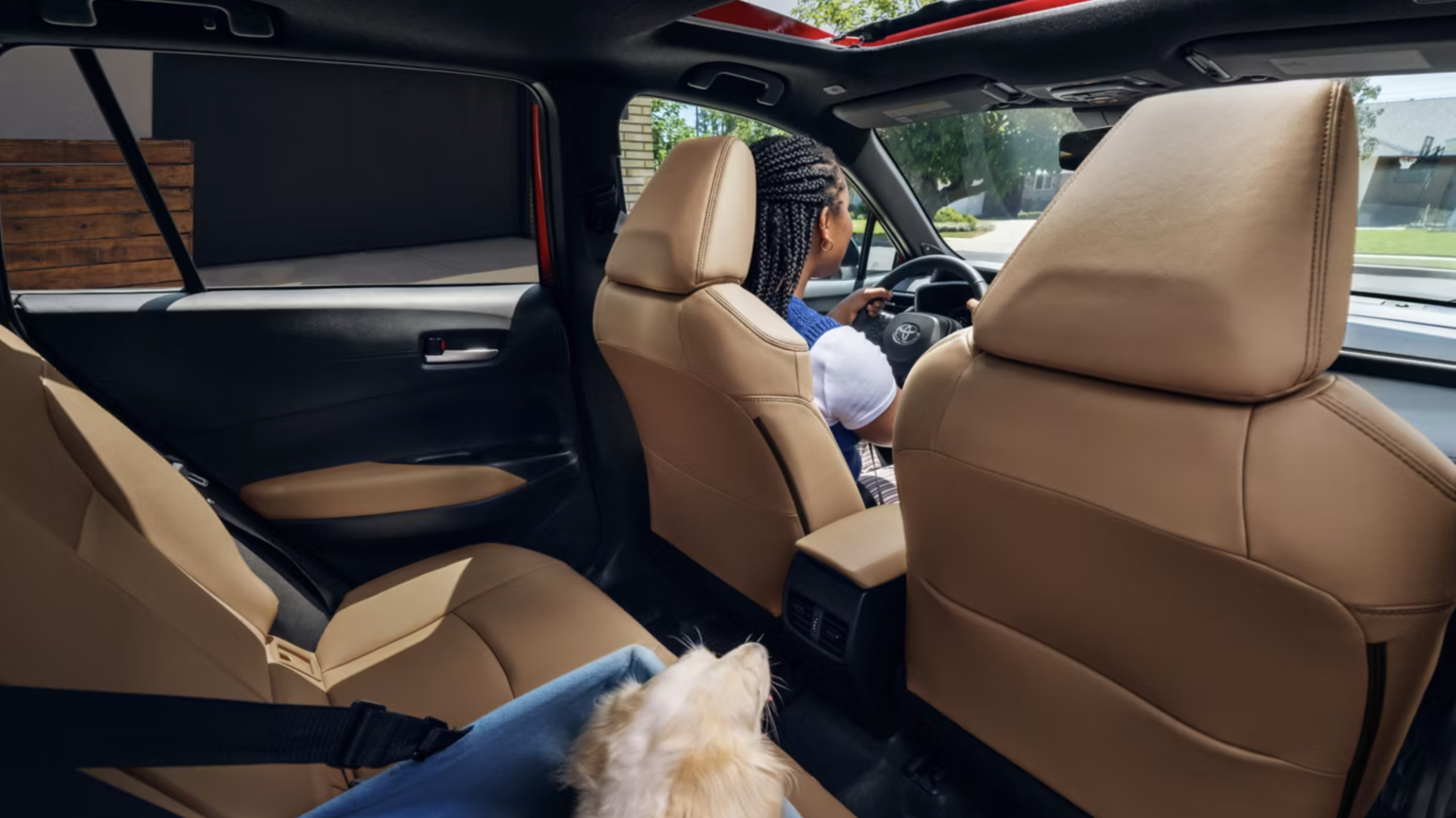
Technology Comparison for the Toyota Corolla Cross vs Subaru Crosstrek
These two SUVs are competitive in terms of technology, but Toyota pulls ahead with solid usability and great value.
2026 Toyota Corolla Cross Tech
- Standard 8-inch touchscreen (available 10.5-inch)
- Wireless Apple CarPlay® & Android Auto™
- Available JBL® premium audio system
- Digital gauge cluster (up to 12.3 inches)
- Remote Connect and cloud-based navigation
2026 Subaru Crosstrek Tech
- Standard dual 7-inch screens or available 11.6-inch vertical touchscreen
- Wireless smartphone integration (newer trims)
- Available Harman Kardon® audio
- Digital display (smaller than Toyota’s optional cluster)
Toyota has more usable, intuitive, and clear-cut technology. It also has faster response times and a more traditional layout.
Key Takeaway: The 2026 Toyota Corolla Cross pulls ahead because it has more user-friendly tech and better value.
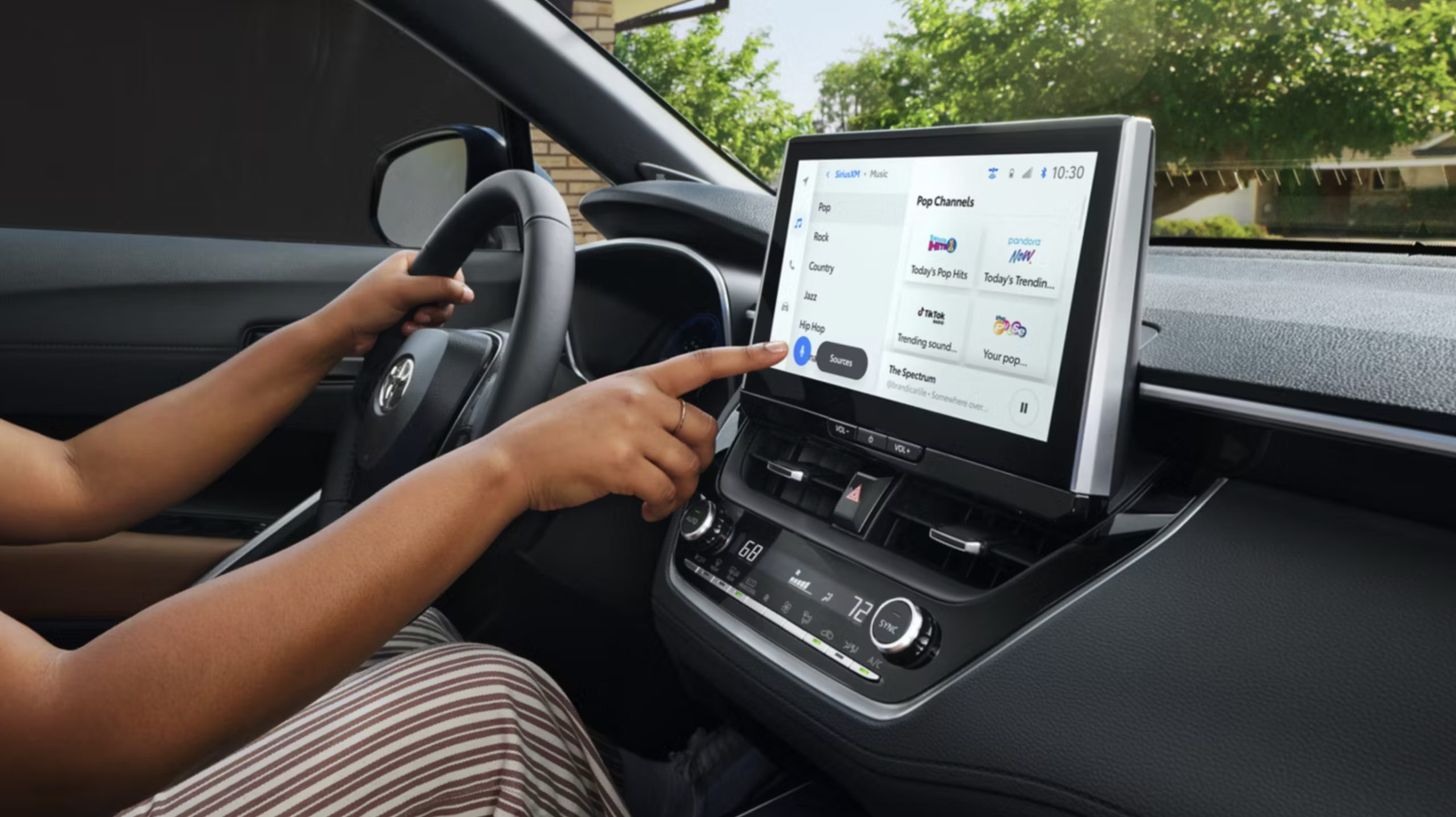
Safety Features in the Corolla Cross and Crosstrek
We know that safety is a strong selling point for pretty much every driver, and both of these SUVs deliver with advanced driver-assist systems. Here’s how things stack up.
2026 Toyota Corolla Cross Safety: Toyota Safety Sense™ 3.0
- Pre-Collision System with Pedestrian Detection
- Lane Departure Alert with Steering Assist
- Adaptive Cruise Control
- Lane Tracing Assist
- Road Sign Assist
- Proactive Driving Assist
2026 Subaru Crosstrek Safety: EyeSight® Driver Assist
- Pre-Collision Braking
- Lane Keep Assist
- Adaptive Cruise Control
- Lane Centering
- Automatic Emergency Steering
Both of these safety suites are great, but Toyota Safety Sense 3.0 goes to the top of the list with features likes Proactive Driving Assist.
Takeaway: You’ll get top-tier safety in both the Toyota Corolla Cross and Subaru Crosstrek, but Toyota gives you a slightly more advanced option with its Proactive Driving Assist.
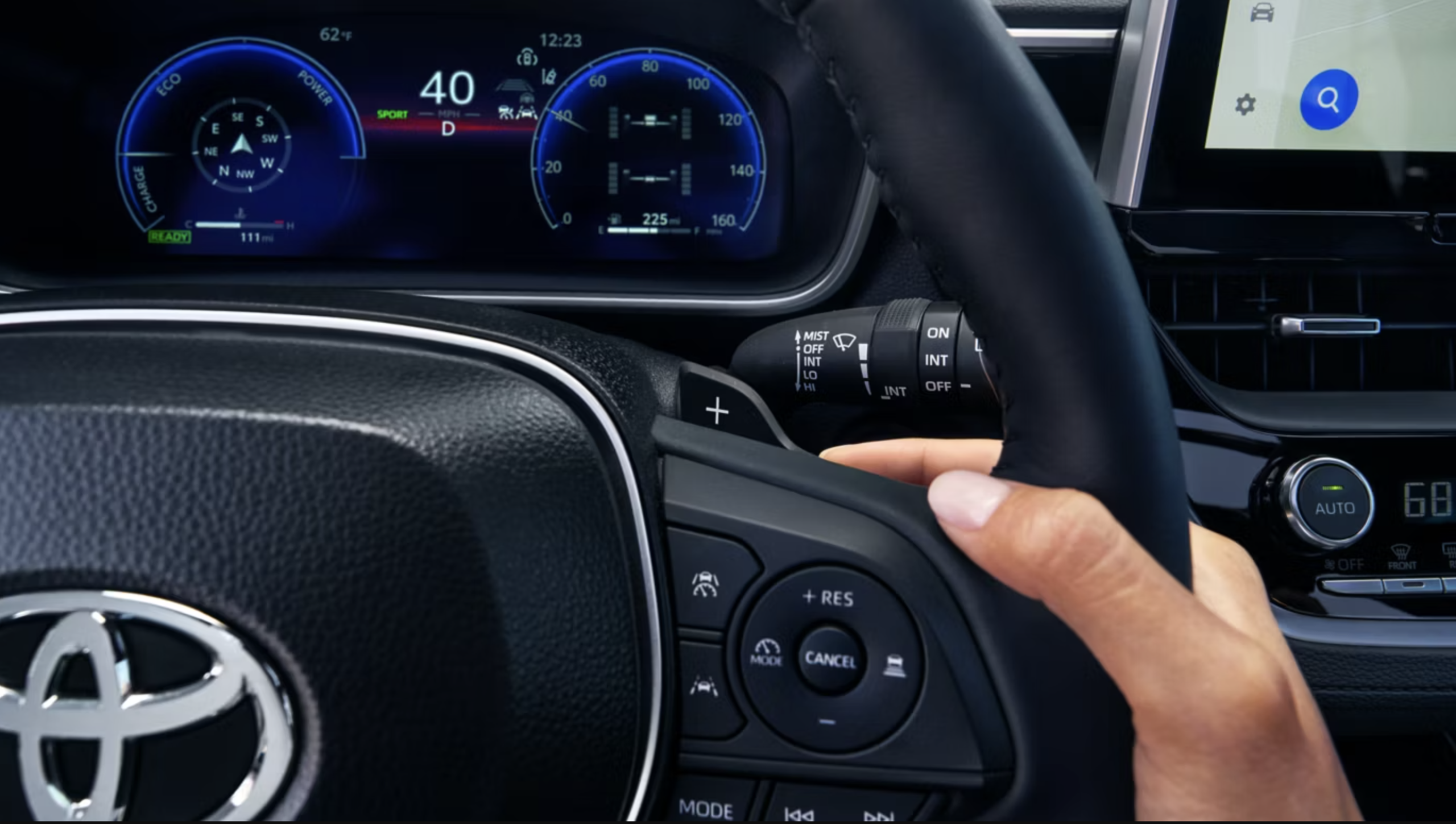
Overall Value and Ownership: 2026 Toyota Corolla Cross vs Subaru Crosstrek
Ownership and long-term value matter no matter which car you’re taking home. Here’s where these two SUVs stand.
2026 Toyota Corolla Cross Benefits
- Has a strong reputation for reliability and longevity
- Lower maintenance costs over time
- Excellent resale value
- Hybrid option adds long-term savings
2026 Subaru Crosstrek Benefits
- Standard AWD for all trims
- Strong appeal for outdoor lifestyles
- Proven off-road capability in its class
We know that the Subaru Crosstrek is good for off-road adventures, but the 2026 Toyota Corolla Cross is a more balanced ownership experience. This is even more true when you factor in fuel savings, maintenance, and daily driving.
The Final Verdict: Toyota Corolla Cross vs Subaru Crosstrek
It’s a tough choice, but you’ve got to make it. Here’s your final quick guide to the 2026 Toyota Corolla Cross vs Subaru Crosstrek.
Choose the 2026 Toyota Corolla Cross if you want:
- Better fuel efficiency (especially in the hybrid model)
- Lower starting price
- More cargo space and comfort
- User-friendly technology
- Long-term value and reliability
Choose the 2026 Subaru Crosstrek if you want:
- Standard AWD on every trim
- More off-road capability
- Higher ground clearance
- Rugged styling and durability
Test Drive the 2026 Toyota Corolla Cross at Toyota of Orlando
See for yourself… the 2026 Toyota Corolla Cross is waiting for you at Toyota of Orlando! We’re open seven days a week at 3575 Vineland Road, just off I-4 near the Mall at Millenia.
Car camping: Toyota of Orlando’s top hacks

Camping is a great way to get outdoors and enjoy the fresh air with friends and family, but camping in Florida summer can be… challenging. It’s hot, it’s humid, there are bugs, there are pests… you get our point. Sleeping in a tent can be daunting in the Sunshine State, but there are other options at hand that won’t cost you a fortune. We’re talking car camping, and our Orlando Toyota dealership is here with hacks to help you do it.
7 car camping hacks
Hack #1: Consider a car tent. Why not make the most of the space you have (and the cold air blowing out of the A/C)? Consider investing in a car tent that fits your specific make and model and test it out before you actually head out into the wilderness to ensure it fits properly.
Hack #2: Know where to park. Car camping is a real form of camping, and you shouldn’t just pull your car over and pick a spot to break camp. You should look for designated camping spots or sites for safety and security. Not to mention, most campgrounds have bathrooms, showers, etc. for your convenience.
Hack #3: Buy window screens. If you’re trying to let the fresh air in and/or want enough privacy to change and sleep in your car, look for window screens. These easy-to-use screens slide over your windows and still let the doors close securely so you have privacy AND can keep bugs and other pests out.
Hack #4: Look for an inflatable car mattress. Just because you’re sleeping in the back of your car doesn’t mean you have to be uncomfortable. Invest in an inflatable air mattress designed specifically for cars to get comfortable. Be sure to cross-reference the measurements before you purchase, and don’t forget you’ll need a way to blow it up. And be sure to bring blankets, pillows, and/or sleeping bags!
Hack #5: Charge up devices with a portable solar charger. Don’t drain your car battery by charging your devices when car camping – invest in a solar charger for your phones, tablets, radio, etc. to keep your devices up and running.
Hack #6: Put solar-lighting on your to-buy list. You don’t want to keep your car lights on all night while car camping (see the above mention of draining your car’s battery) so invest in some solar lighting. A solar lantern will keep the inside of your car illuminated, and solar lights – whether a string of them or some stake lights – will ensure your campsite stays well-lit enough for you to move around.
Hack #7: Pack a portable kitchen. Just because you’re car camping doesn’t mean you need to eat takeout all the time or live off of granola bars. Pack a portable kitchen with a folding table, a portable camp stove, and a car cooler that can plug into the cigarette lighter of the car to keep foods cool all day long. And don’t forget a collapsible sink so you can clean up afterward!
Shop for a camp-ready new Toyota at Toyota of Orlando
Ready to tackle car camping this summer? Shop for a new Toyota OR the accessories to get it camping-ready at Toyota of Orlando. We’re open seven days a week at 3575 Vineland Road, just off I-4 near the Millenia Mall. You can call us at (407) 298-4500 or shop online!
Are you planning a camping trip or two now that warm weather has rolled into the Orlando area? Or maybe you’re thinking ahead for when the weather cools off again this fall (we see you). Regardless, if you’re going to be camping a lot or camping in your car, it’s a good idea to have a car that’s suited for it. Toyota of Orlando is here with a list of new Toyotas that are up for the job!
The five best cars for camping at Toyota of Orlando
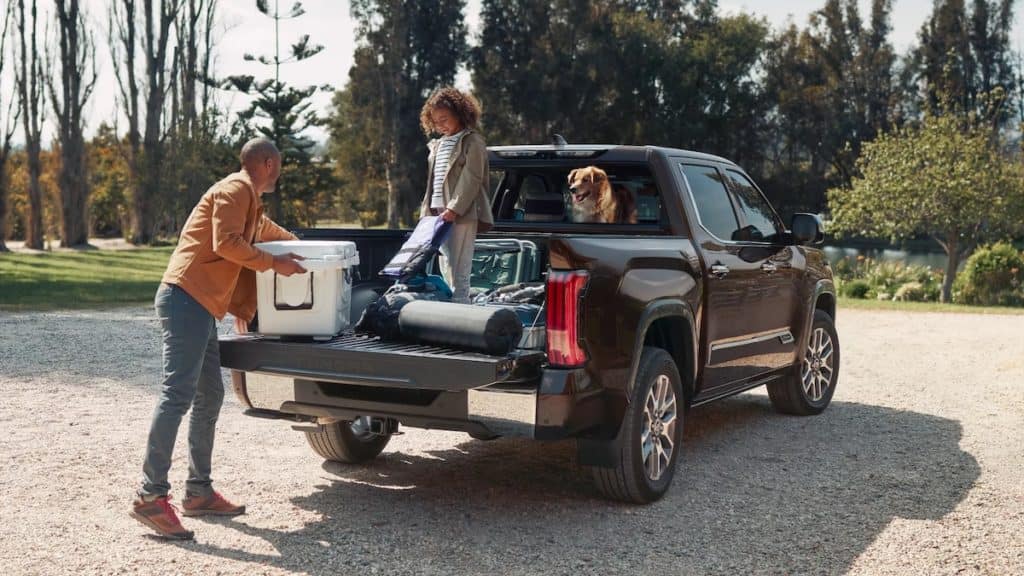
Toyota Tacoma: Whether you want to pull a trailer, boat, or just more camping gear behind you, the Orlando Toyota Tacoma has got you covered. We consider it to be one of the best cars for camping because it’s got a spacious bed for gear OR for sleeping off the ground and can easily tow more cargo behind it. Plus, you’ll have tons of off-roading features so you can REALLY get out of civilization, like four-wheel drive, electronically-locking rear differential, rear-wheel drive, active traction control, and more.
Toyota RAV4: Did you know that there’s actually a TRD model of the popular Toyota RAV4 this year and it’s ready to tackle off-road terrain? Add that to the fact that the 2022 Toyota RAV4 is fuel-efficient (getting 27/35 mpg) but can still seat five with ease and have plenty of cargo space to spare (40 cubic feet) and you’re ready for whatever Mother Nature throws at you.
Toyota Highlander: Push the back seats down and get comfortable – the 2022 Toyota Highlander has roughly 84 cubic feet of cargo space in the back so you can stretch out. Why sleep in a tent? Plus, this new Toyota SUV offers camping-friendly features like five USB ports for charging and three total 120V power outlets, Apple CarPlay and Android Auto, and a panoramic glass moonroof so you can still see the stars and wake up to the sun.
Toyota Sienna: Want something fuel-efficient to reach those faraway spots and roomy enough to get the whole crew there? Consider the Orlando Toyota Sienna, which is now an economical and efficient hybrid. We consider this much-loved SUV to be one of the best cars for camping because of its incredible cargo capacity and features like three-zone automatic climate control, Qi wireless charging, and a 10″ color Head-Up Display. No matter how far out your camping adventures take you, you’ll be comfortable getting there.
Toyota Tundra: The Toyota Tundra is one of the best cars for camping simply because it’s so performance-driven. It’s ready for anything on or off the road with features like rear-wheel drive with limited-slip differential, four-wheel drive, and the option of Load-leveling Rear Height Control Air Suspension. Plus, the interior is spacious and comfortable, loaded with tech, and featuring leather-trimmed seats with heating and cooling so you’re as comfortable as possible on or off the pavement.
Plan your next camping trip today in a new Toyota
Ready to get behind the wheel of one of the best cars for camping and hit the open road? Adventure is calling and Toyota of Orlando is ready to help you find it. Call us today at (407) 298-4500 or stop by and see us in person at 3575 Vineland Road, just off I-4 near the Millenia Mall.
Updated on May 15, 2026
So you bought your new (or new to you) car, and now you’re ready to customize it AND take the steps to ensure that it stays in the best condition possible. One of the best ways to achieve both of these goals is to invest in a set of floor mats. However, just like any other part of the car purchasing process, you’re going to have multiple options available to you. One of the most common is choosing between carpet mats and all-weather mats. We checked in with the experts at our Orlando Toyota parts store to see which was better, and here’s what they had to say.

Executive Summary:
- Floor mats are essential for protecting your Toyota’s interior from dirt, spills, wear and tear, while also helping maintain resale value.
- Carpet floor mats are more affordable, customizable, and offer a polished interior look, but they require more maintenance and can absorb stains and moisture.
- All-weather floor mats are more durable, easier to clean, and better at handling rain, mud, sand, pets, and active lifestyles common in Florida.
- Choosing between carpet and all-weather mats depends on your driving habits, passengers, maintenance preferences, and budget.
- Some drivers use both types interchangeably to balance style and protection depending on the season or situation.
Orlando Toyota Parts Tips: What to Know About Floor Mats
Why you need floor mats at all
First of all, whichever you choose, you do need floor mats in your Orlando Toyota. Here are the top reasons why they’re a great investment:
- They protect your car. Just like the floor of your home, the floor of your car can easily get trashed. Muddy shoes, spilled coffee, crumbs… just existing in your vehicle can quickly destroy the carpet on the bottom of it, especially if you have kids or pets. Putting in floor mats will protect your car’s carpet, lead to fewer detailings, and keep your car’s resale value high over time as it keeps your interior cleaner and in better condition.
- They’re an easy way to customize your car. Floor mats come in various colors, textures, prints, and more. They’re a simple way to customize the interior of your car without having to spend a ton of time or money to make it happen.
Beyond those basics, floor mats also help reduce your long-term wear and tear that you might not notice right away. Constant friction from shoes can thin out your car’s original carpet, and once that damage is done, it’s not easy (or cheap) to fix. Investing in the right floor mats upfront can save you from costly interior repairs down the line.
Another benefit? Cleaner daily driving. Whether you’re commuting through Orlando traffic or heading out for a weekend road trip, having reliable floor mats makes cleanup quick and stress-free. Instead of worrying about every spill or mess, you can just remove and clean the mats when needed.
So, which type of floor mats should you invest in for your new Toyota? Here’s the breakdown between of all-weather floor mats vs carpet options.
Carpet mats vs all-weather mats
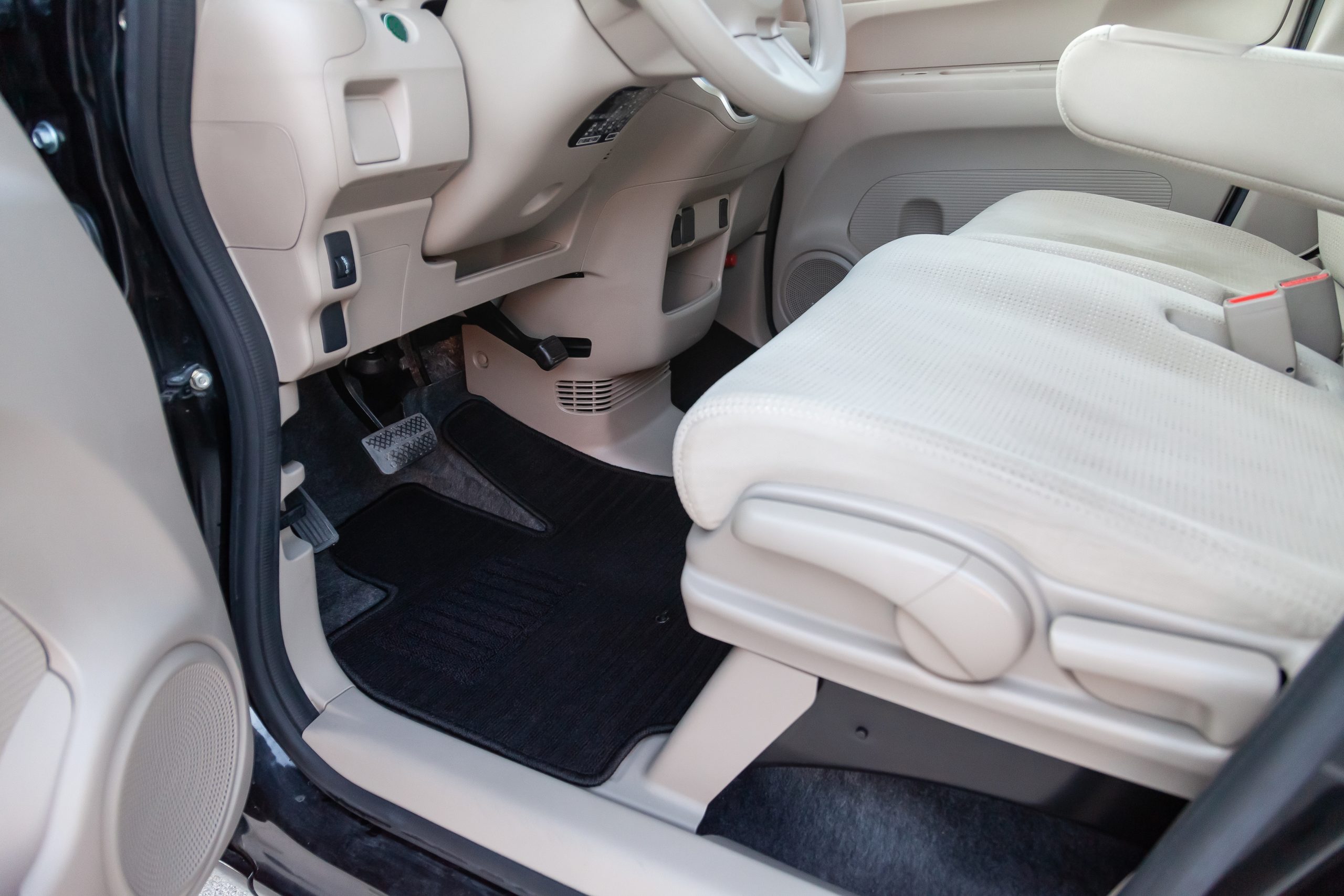
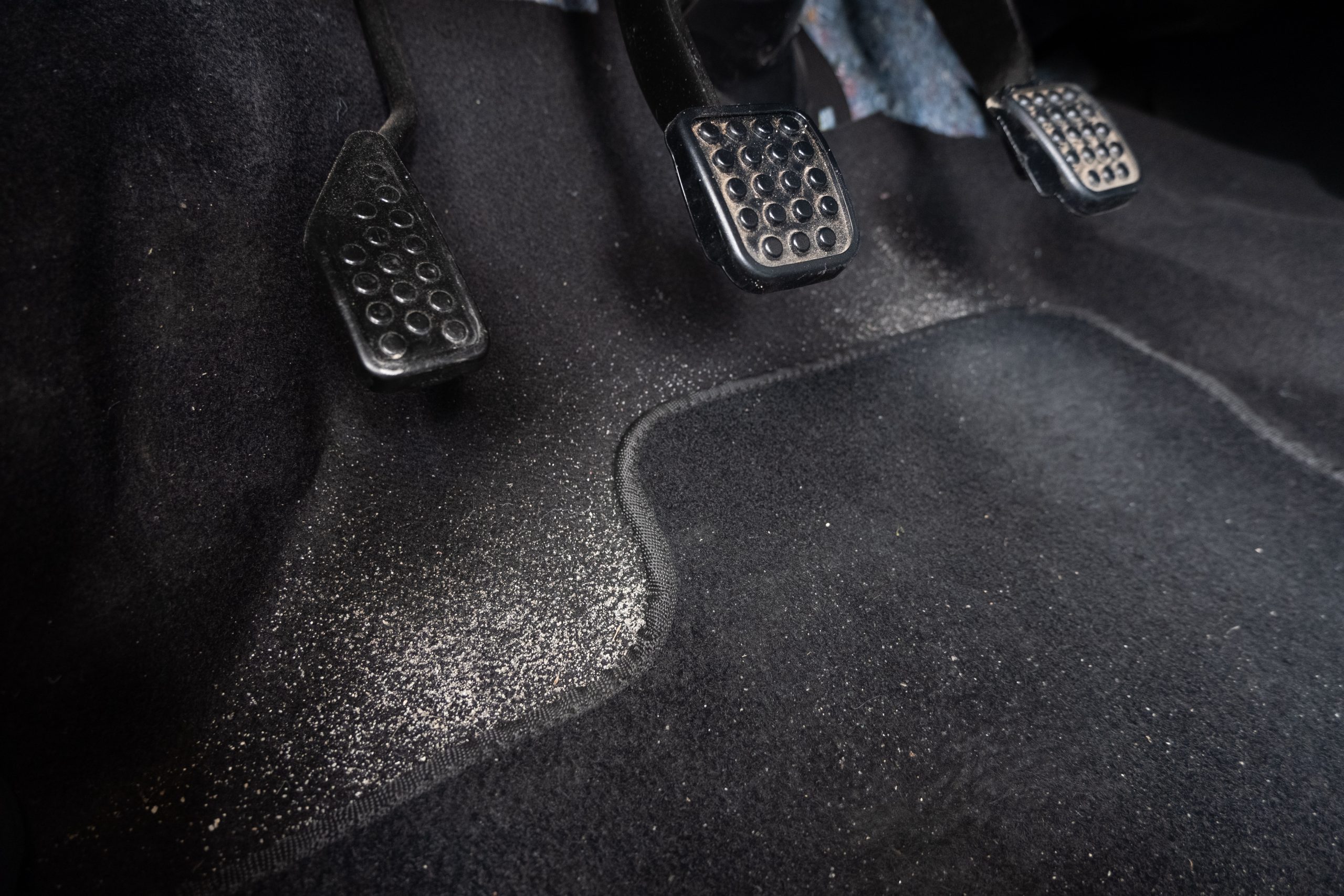
Carpet mats have some pros, for sure. They’re cheaper, for starters, and you can find both OEM and aftermarket options that will fit your car. Additionally, they’re durable (usually made from Berber or other tough fabrics) and can be customized in terms of their color, embroidery, etc. Last, they’re less expensive than all-weather floor mats so if you’re on a budget, they’re a solid option.
- Carpet floor mats also tend to give your interior a more polished, upscale look. If you like a cohesive, lux finish inside your vehicle, carpet mats blend seamlessly with your existing interior. They’re especially popular for drivers who primarily stick to city driving and don’t deal with a lot of dirt, rain, or outdoor conditions.
- However, it’s worth noting that carpet mats do need a bit more maintenance. They can absorb liquids and stains, which means spills might need immediate attention to prevent odors or permanent stains. Regular vacuuming and occasional deep cleaning will help keep them looking fresh, but they’re not quite as low-maintenance as the all-weather options.
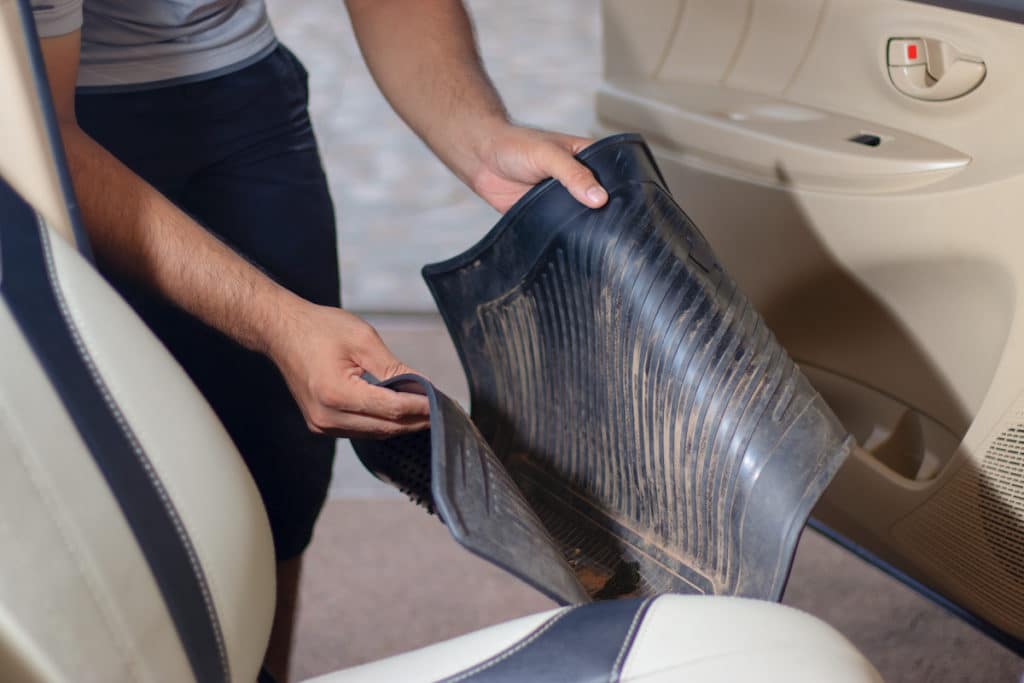
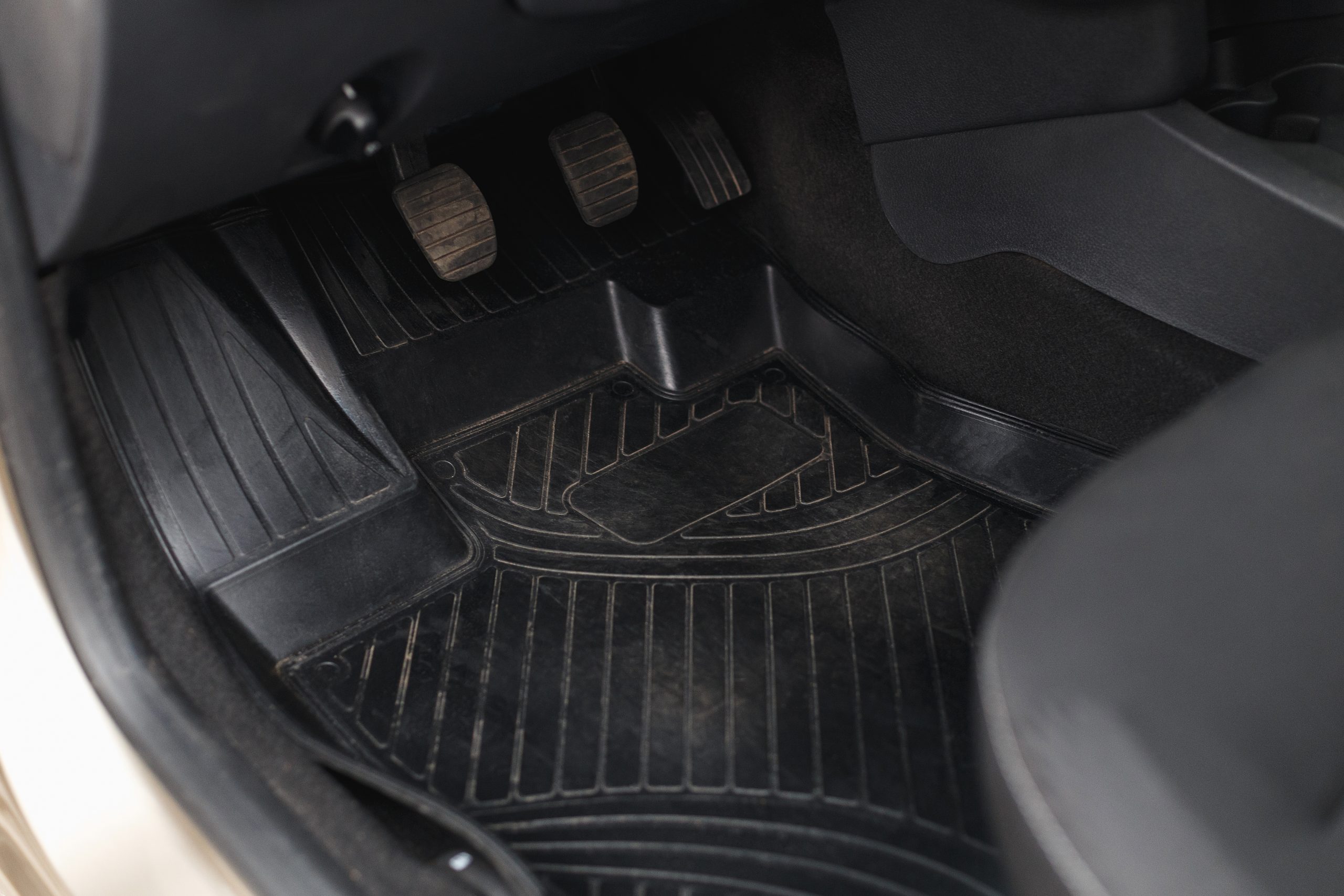
All-weather mats, on the other hand, also have their pros. They last longer than carpet mats, which do wear out over time. All-weather mats are also better at containing messes like mud, dirt, and liquids. These special floor mats are made of water-repellant rubber and have special grooves laser cut into them to contain spills. They’re simple to clean; you can simply shake them out or even rinse them with a hose. And they’re perfect for people who live in winter weather and regularly have to deal with snow, slush, ice, and mud.
- Even here in Florida, all-weather floor mats vs carpet is still a relevant conversation. While we don’t deal with snow, we definitely get our fair share of rain, sand, and muddy conditions. If you love the beach, go hiking, or have kids involved in sports, all-weather floor mats can be a game changer. They keep moisture and debris contained so it doesn’t ruin your vehicle’s flooring.
- Another big advantage of all-weather mats is their durability over time. They’re designed to handle heavy use without breaking down, cracking, or wearing thin. For drivers who use their Orlando Toyota daily or for work, this can make a huge difference in maintaining the interior.
How to choose between all-weather floor mats vs carpet
Still deciding between all-weather floor mats vs carpet? It really comes down to your lifestyle and how you use your vehicle. Here are a few things to consider:
- Your daily routine: If your day-to-day driving is mostly commuting and errands, carpet mats may be all you need. If you’re constantly in and out of your car with messy shoes or gear, all-weather mats are the better option.
- Weather and environment: Orlando drivers may not see snow, but rainstorms, humidity, and sandy conditions are common here in Central Florida. All-weather floor mats can help protect against those elements.
- Passengers: Kids and pets can be tough on interiors; we know this. If you regularly have passengers who bring in dirt, snacks, or spills, all-weather mats are easier to manage.
- Maintenance preferences: If you want something low-effort, all-weather mats win. If you don’t mind occasional deep cleaning and prefer a softer or more polished look, carpet mats are a good fit.
- Budget: Carpet mats are generally more affordable upfront, but all-weather mats may last longer, giving you more value over time.
When It Comes to Floor Mats, Why Not Both?
Here’s a tip from our Orlando Toyota parts team: you don’t necessarily have to choose just one. Some drivers actually keep both types of floor mats and switch them out depending on the season or situation.
For example, you might use carpet mats most of the year for a clean, comfortable look, then swap in all-weather mats during snowy or rainy months or road trips. This gives you the best of both worlds. Get style when you want it and protection when you need it.
Keep Your Interior Looking Like New with Toyota of Orlando
No matter which option you choose, investing in high-quality floor mats is one of the easiest ways to protect your car and keep it looking great. When it comes to all-weather floor mats vs carpet, there’s no one-size-fits-all answer. It’s really all about what works best for your driving habits and your lifestyle.
Still not sure which you need for your new ride? Visit Toyota of Orlando today! Our Parts Store is open seven days a week at 3575 Vineland Road (just off I-4 near the Millenia Mall). On top of that, our Toyota parts experts are here to help you choose the perfect floor mats for your car. Call ahead of time for info at (407) 298-0001!
FAQs:
- Where can I shop Toyota parts and accessories? Right here at Toyota of Orlando! We have a fully stocked parts store onsite, experienced parts specialists to help you find what you need, and a convenient online store if we don’t have what you’re looking for at that moment.
- How do I protect the interior of my car? One of the easiest ways to protect your car’s interior is by investing in high-quality floor mats to guard against dirt, spills, mud, and everyday wear. Regular cleaning, quick attention to stains, and using protective accessories like seat covers can also help keep your interior looking newer for longer and maintain your vehicle’s resale value.
- Does Toyota of Orlando have deals on floor mats? We run regular parts specials to help you get the best deals on parts and accessories. Ask about them when you stop by and see us!
The 2026 Toyota Tacoma: A Truck For Adventurers
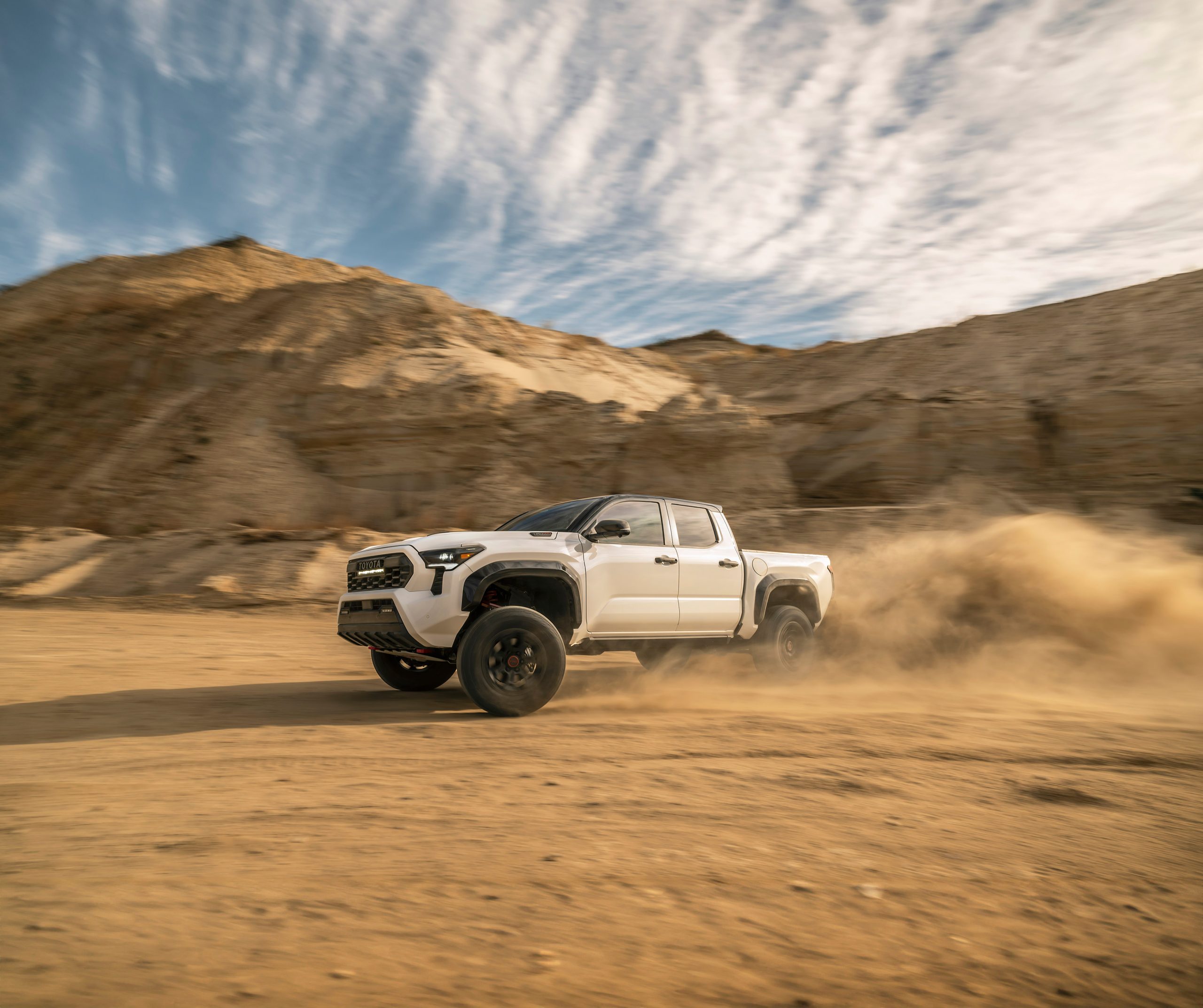
The Toyota Tacoma is a midsize truck that can go anywhere and do anything, and this year’s model is no exception! The 2026 Toyota Tacoma brings some newly refined areas across the truck and matches them with smart tech, smoother performance, and better trail capability. It’s truly the complete package for modern adventurers! We’re going over everything you need to know about the 2026 Toyota Tacoma and why this truck remains America’s most trusted midsize pickup.
New Updates in the 2026 Toyota Tacoma
The Toyota Tacoma had a pretty large revamp two years ago, so this year’s model is just a more refined and polished version. There are small enhancements throughout the truck to enhance comfort, everyday drivability, and off-road usability. Some key highlights include:
- Fine-tuned hybrid power delivery, which will give you a smoother transition when you’re shifting between gas and electric power.
- Increased towing capacity of up to 6,800 pounds on the i-FORCE MAX hybrid models.
- Wireless trailer camera system integration for better visibility while towing.
- Enhanced sound insulation for quieter rides around Orlando and beyond.
- Updated Trailhunter trim overland package with revised suspension tuning and better roof rack capacity.
Performance and Capability of the 2026 Toyota Tacoma
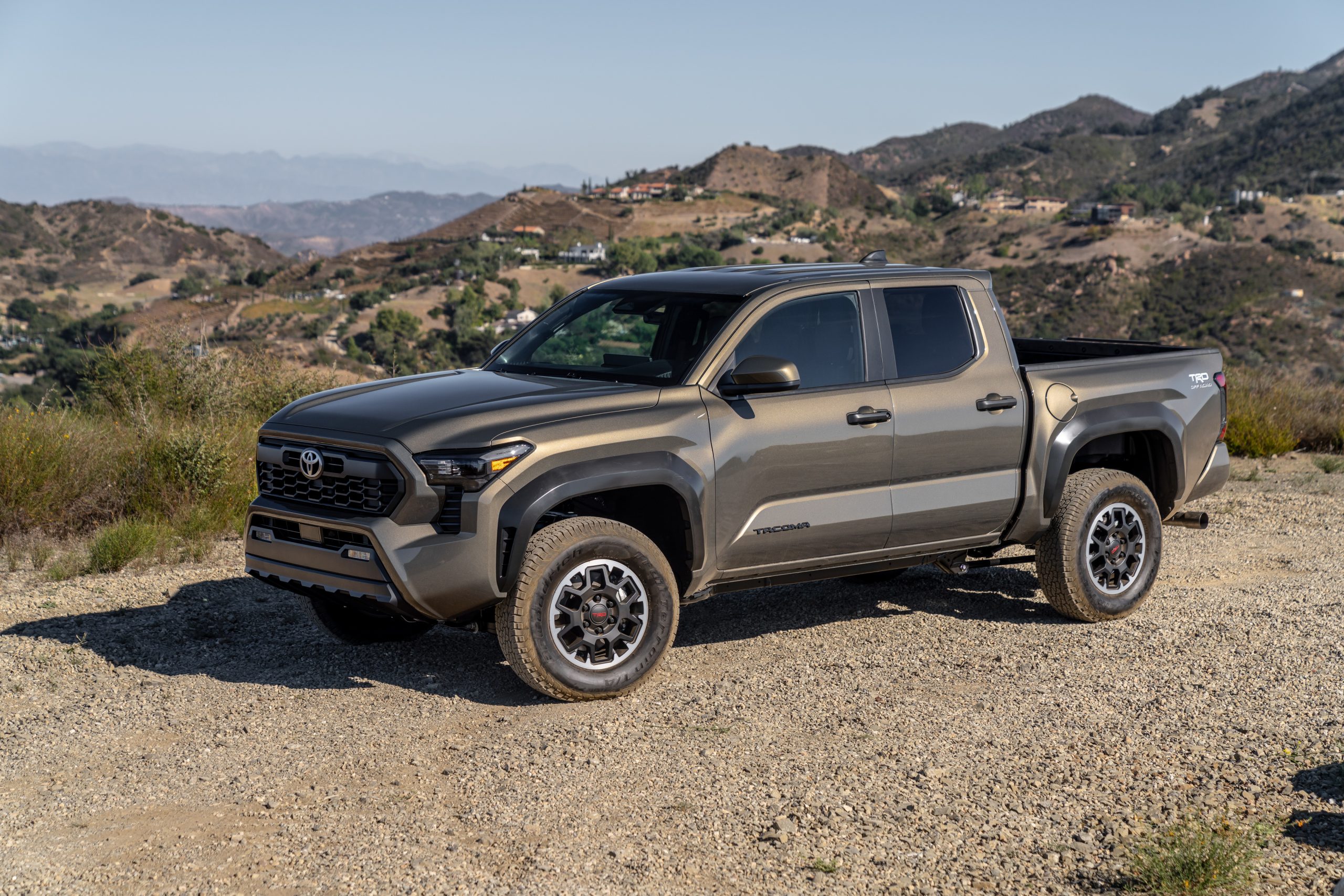
The Tacoma is built to perform on any terrain: pavement, sand, mud, or even rock! Now you get to choose between two powertrains for the 2026 Toyota Tacoma, both engineered to deliver serious torque and efficiency.
- The 2.4-liter turbocharged four-cylinder (i-FORCE) system
- Paired with either a 6-speed manual or an 8-speed automatic transmission.
- Up to 278 horsepower and 317 lb-ft of torque (with automatic).
- The 2.4-liter i-FORCE MAX hybrid system
- Delivers instant power thanks to the 48-hp electric motor.
- Produces up to 326 horsepower and 465 lb-ft of torque.
Other capabilities and performance details include:
- A towing capacity up to 6,800 pounds (as previously mentioned).
- A payload rating of 1,700 pounds, depending on the trim.
- Multi-link rear suspension on higher trims for improved ride quality.
- Standard 4WD options with selectable drive modes like Normal, Mud, Snow, and Sand.
- An available disconnecting front sway bar for extreme off-road articulation.
- Upgraded FOX internal-bypass shocks are on the TRD Pro and Trailhunter models.
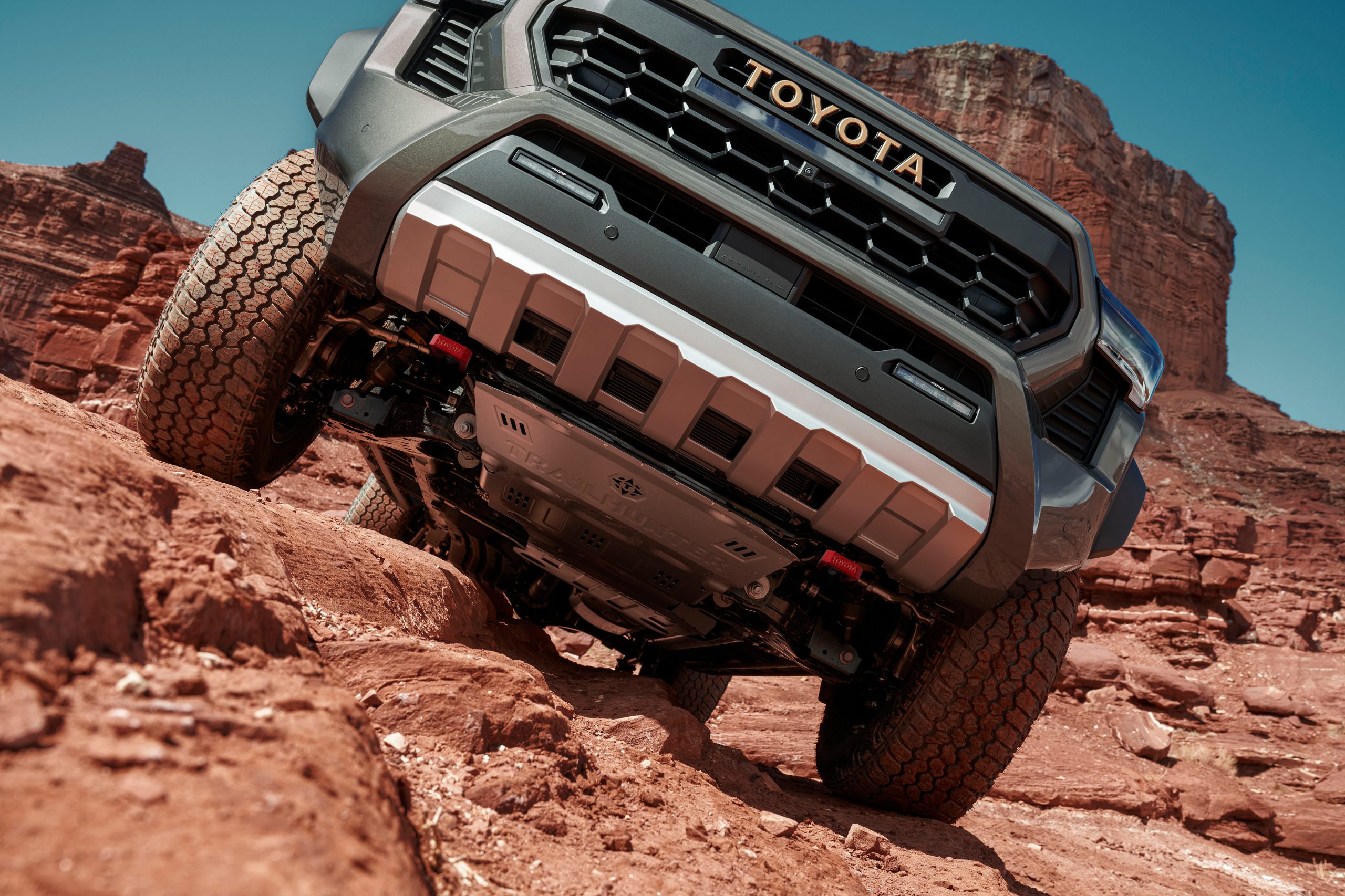
Enjoy The Rugged Style of a Tacoma
Toyota struck gold with the Tacoma’s redesign by combining classic toughness with a modern edge. The 2026 Toyota Tacoma builds on this winning look with design highlights such as:
- A wide and muscular stance, with flared fenders emphasizing strength.
- Aggressive hex-mesh grille flanked by sleek LED headlights.
- Boxed steel frame construction for peak durability.
- A tailgate with an integrated release handle and a hidden storage compartment.
- A functional hood scoop on the TRD trims to evoke top performance.
- Optional sport bar and roof rails to enhance utility and rugged aesthetics.
Each trim of the Tacoma has its own vibe – from the trail-ready TRD Pro to the sleek, blacked-out Nightshade Edition. But no matter which one you choose, this iconic Toyota truck looks like it means business!
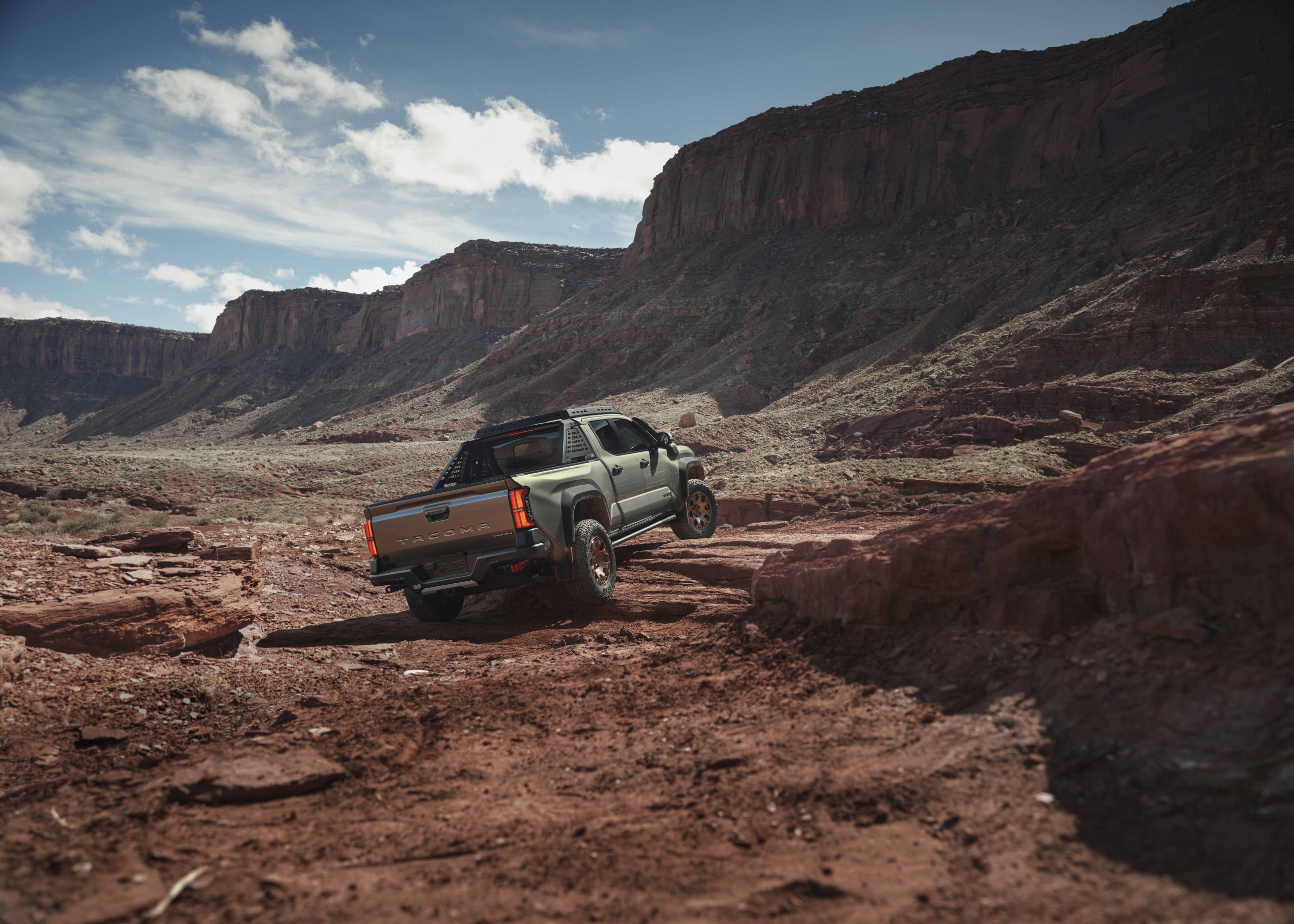
The 2026 Toyota Tacoma’s Interior
Climb inside the 2026 Toyota Tacoma, and you’ll immediately see Toyota’s focus on comfort, technology, and daily usability. This year’s model stepped away from the older generation’s utilitarian cabin feel to bring a more refined, relaxing interior. It’s the perfect blend of practicality and comfort!
- Enjoy SofTex, leather, or fabric-trimmed seating (depending on trim level).
- There are heated and ventilated front seats for year-round comfort, and even a power-adjustable driver’s seat with memory settings on higher trims!
- The cabin layout was redesigned with higher-quality materials, better ergonomics, and more spacious rear under-seat storage.
- Use the open storage ledge above the glovebox for any quick-grab items like a phone or tools.
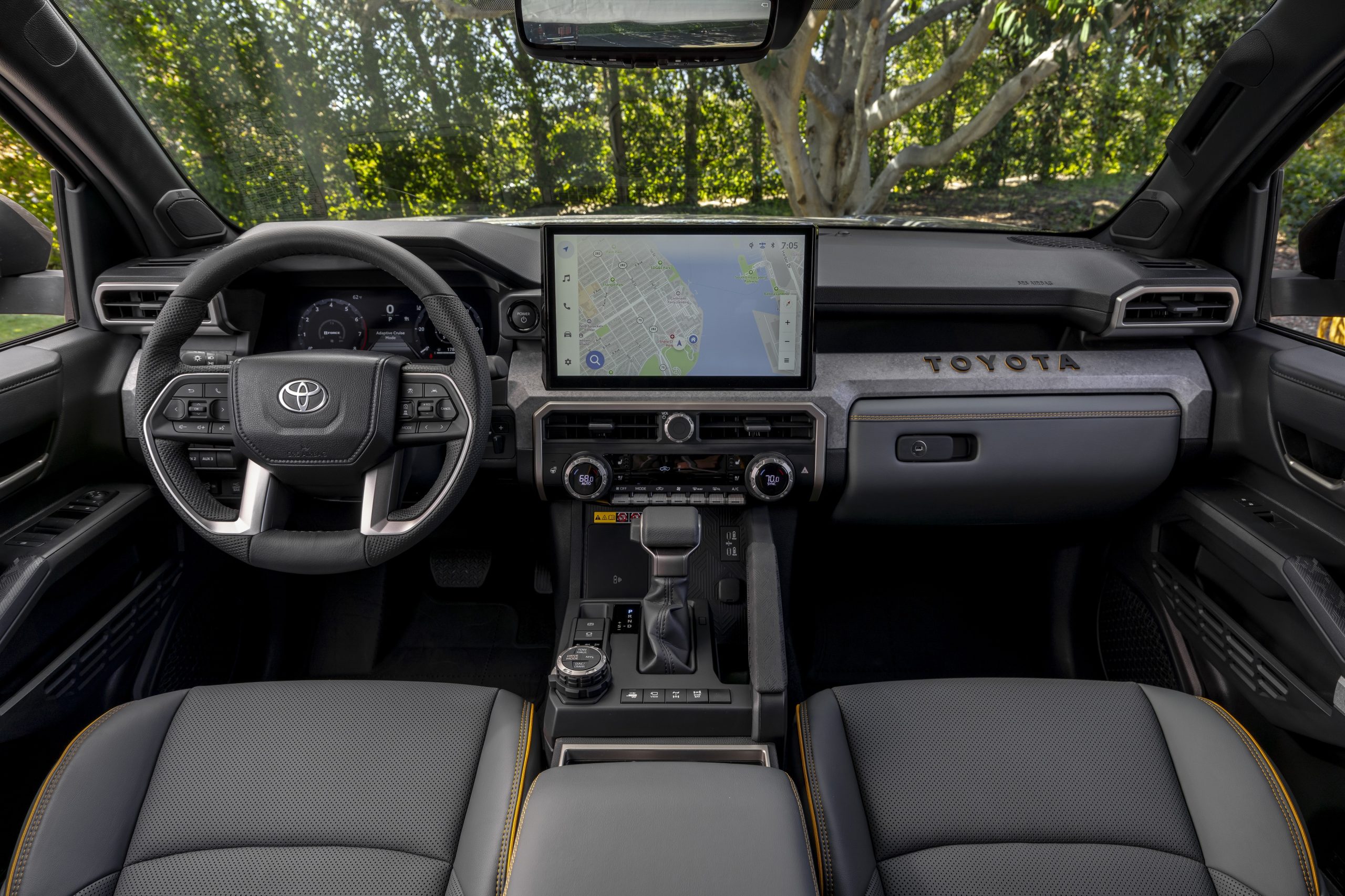
Staying Connected and Entertained in a Tacoma
The 2026 Toyota Tacoma includes the latest infotainment features from Toyota, making it as innovative as it is tough! You’ve got tech and connectivity highlights like:
- A standard 8-inch or available 14-inch touchscreen with Toyota’s latest Multimedia System.
- A 12.3-inch digital gauge display with configurable graphics.
- Multiple USB-C ports throughout the cabin and a wireless charging pad for easy connectivity.
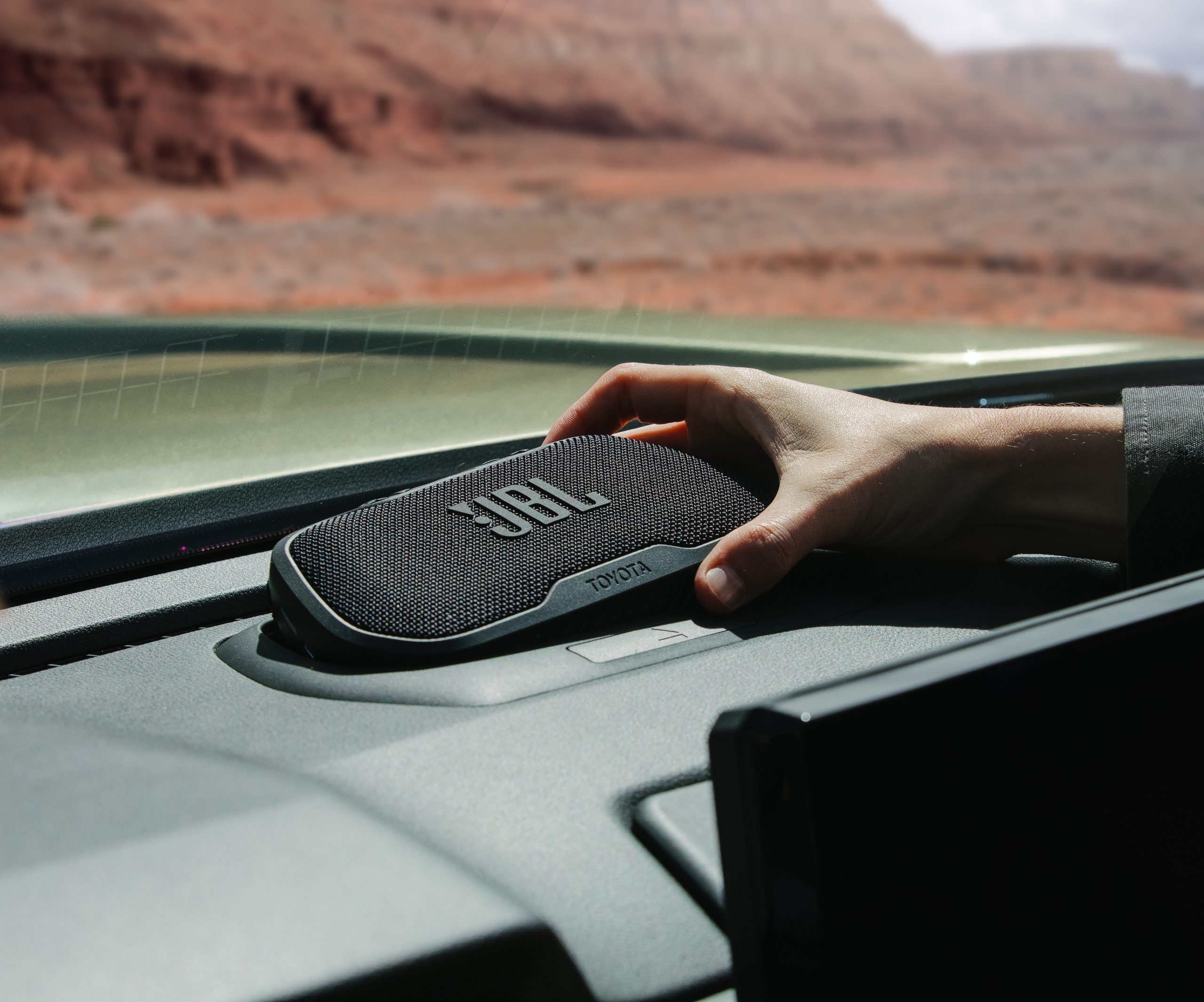
- A premium JBL audio system with a removable Bluetooth speaker on select trims.
- Smart key and digital key functionality for remote access.
Now let’s talk about safety. The 2026 Toyota Tacoma comes standard with Toyota Safety Sense 3.0, so you get plenty of security and driver assist features, such as:
- The Pre-Collision System with Pedestrian and Cyclist Detection
- Adaptive Cruise Control
- Lane Tracing and Lane Departure Alert
- Road Sign Assist
- Proactive Driving Assist
- Rear Cross-Traffic Alert with Blind Spot Monitor
Test Drive the 2026 Toyota Tacoma!
The 2026 Toyota Tacoma continues to raise the bar in the midsize truck world. From hauling gear for a camping trip to tackling dirt roads out of town to cruising through Orlando to run errands, this truck can do it all – and with a perfect blend of gritty and modern vibes.
Are you ready to take the 2026 Toyota Tacoma for a spin? Then visit Toyota of Orlando today! Call ahead to schedule a test drive at 407-298-4500, or come visit our dealership today at 3575 Vineland Road.
You got your first speeding ticket – now what?





Choosing a lift kit for your Toyota Tacoma
Updated on April 13, 2026
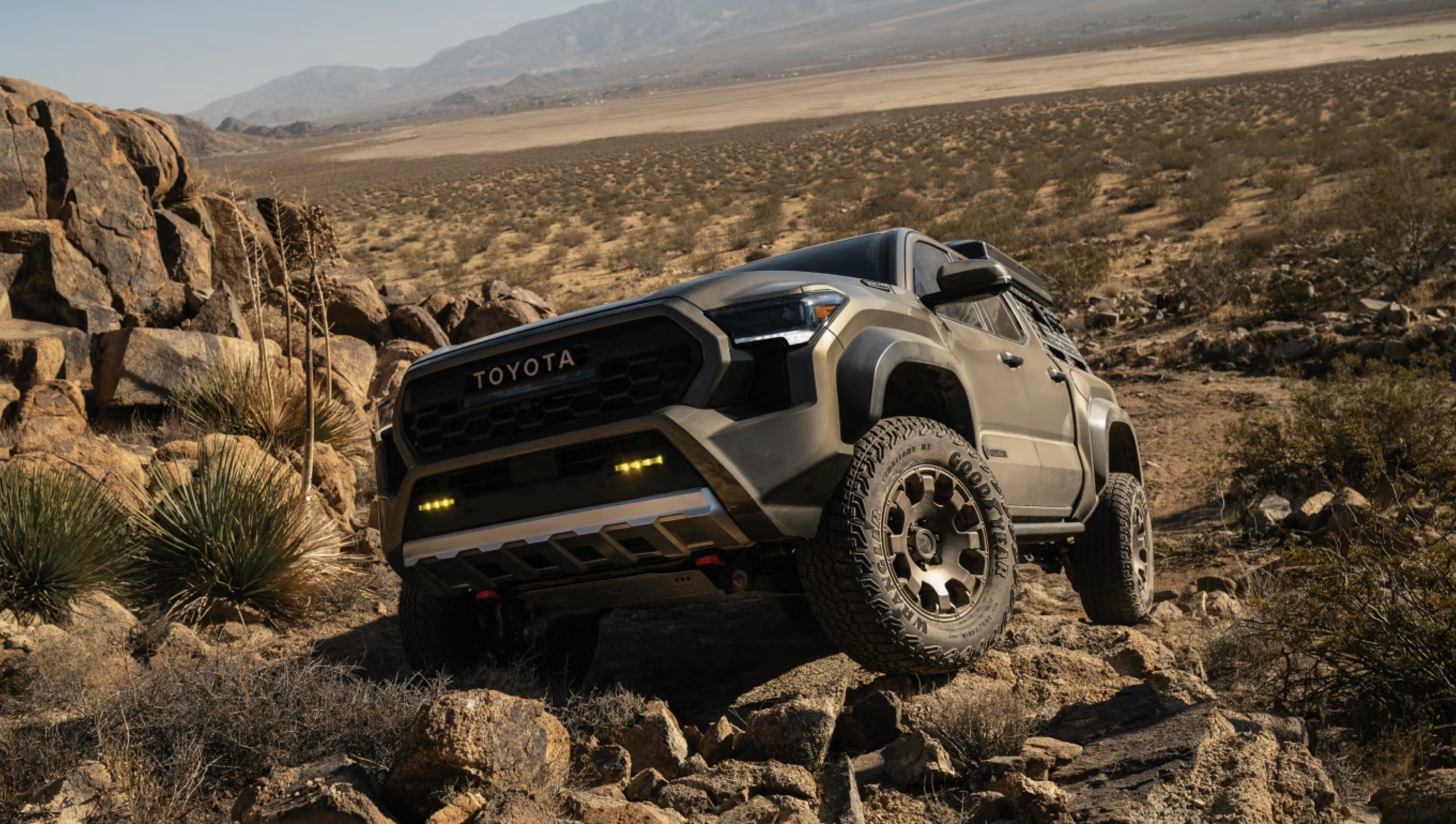
So you finally got your dream Tacoma and it’s sitting in your driveway, waiting to be customized. A lift kit is one of the most common modifications that Tacoma drivers add to their trucks. But how do you choose the right lift kit for your new Orlando Toyota? Our parts specialists are here with tips.
Choosing the Right Lift Kit for Your Toyota Tacoma
- Understand your lift kit options: Tacoma owners can choose between leveling kits (for appearance and minor clearance), suspension lifts (for maximum off-road capability and tire clearance), and body lifts (less common and mostly aesthetic).
- Match the lift to your driving needs: Your ideal setup depends on how you use your truck. Daily driving may call for a mild leveling kit, while serious off-roading requires a larger suspension lift with increased ground clearance.
- Plan for performance, comfort, and cost: Lift kits impact ride quality, require compatible tires, and may involve additional modifications. Budget should include installation and supporting components.
- Consider OEM and professional support: Toyota now offers a factory-backed lift kit with performance upgrades, and working with a trusted parts department ensures proper fitment, safety, and long-term reliability.
- Think long-term when customizing: Choosing a lift kit that aligns with future upgrades and your overall goals helps avoid costly changes later and ensures your Tacoma evolves with your needs.
What are lift kits?
Let’s start by defining what a lift kit actually is. A lift kit is a chassis modification that is designed to lift or level the suspension of your truck. There are multiple options when choosing a lift kit for your Toyota Tacoma – here are the three most common.
A leveling kit: When you drive your Toyota Tacoma home from our Orlando Toyota dealership, you’ll notice that it has a “rake” in its suspension. This is when the front end of the truck sits a bit lower than the rear – it occurs naturally due to the engine’s weight. Leveling kits are designed to lift the front end so it sits evenly with the rear of the truck and they also give you the opportunity to add bigger tires and increase your ground clearance.
A suspension lift: A full suspension lift kit for your Toyota Tacoma increases tire clearance in the front AND back of your truck (rather than just the front). This allows for larger tires and more ground clearance, which is great for off-roading. Plus, it looks sportier. These kits vary in size and you’ll have tons of options when it comes to brand and the height of the lift.
A body lift: Body lift kits are less common than leveling or suspension lift kits. Body lift kits don’t touch the suspension to allow for more ground clearance – instead, they increase the distance between the body and the frame of the vehicle. This means your suspension stays stock. It also means that these lift kits aren’t at all popular for off-roading.
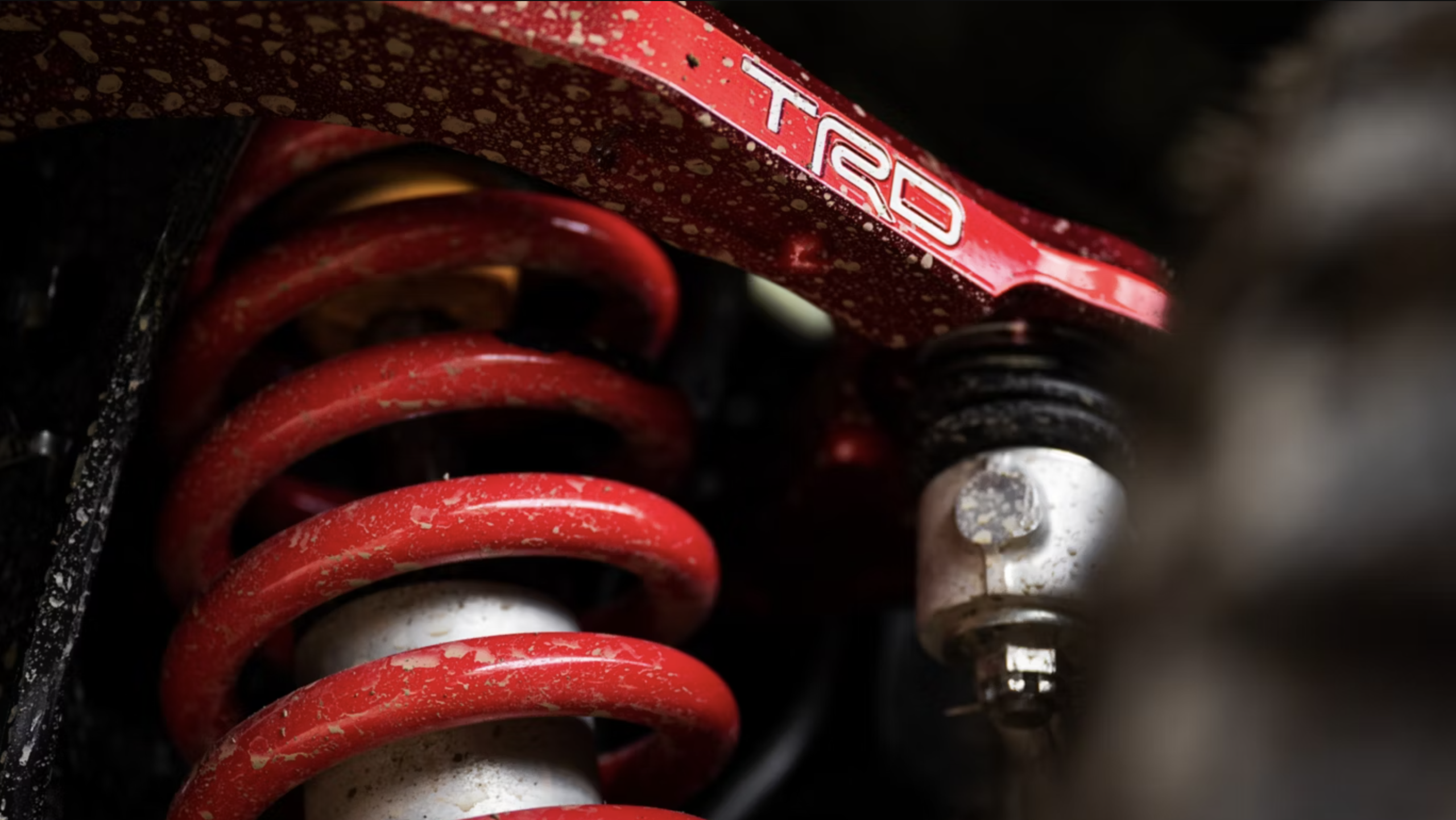
Keep in mind that when you add a Toyota Tacoma lift, you may want to (or have to) adjust other parts of your truck, too. A lift kit could result in modifications to the brake lines, driveshafts, differential and transfer cases, and ring gears. (That’s why we recommend working with a professional if you don’t know your way around a truck.)
One thing to keep in mind before choosing a Toyota Tacoma lift kit is how you actually use your truck day to day. Some drivers want a more aggressive stance for their daily commute around Orlando, while others want more clearance for weekends on the trail. There’s a big difference between wanting your Tacoma to look tougher in the parking lot and needing it to perform better off-road. That’s why it’s a good idea to think through your goals before buying parts. It can save you time, money, and a lot of trial and error later.
Which lift kit is right for your Toyota Tacoma?
Now you’ve got a grasp on what a lift kit is and the different options available to you… so which one is the best lift kit for your Toyota Tacoma? Here’s what the Toyota of Orlando parts experts have to say about it.
If you’re trying to decide between a lift kit and a leveling kit, ask yourself these questions:
- ▪Are you going to be taking on some serious off-road terrain? We’re talking rock crawling, trudging through mud and sand, driving mountain trails. If so, then a lift kit will afford you more ground clearance and the room to add on the tires you need to take on any terrain.
- Conversely, are you just adding a lift kit for aesthetic purposes? If so, a leveling kit will balance out your truck and give it a more aggressive appearance.
More lift kit tips from the pros
If you decided on a lift kit to get off the pavement, here are a few more tips:
- If you’re going to be driving on moderate trails, a 1-inch to 2-inch lift should suffice.
- If you’re going to tackle larger rocks and stumps while on the trails, look into a lift that gives you 3-4 extra inches.
- If you’re doing serious rock crawling, a 6-inch lift kit should do the job.
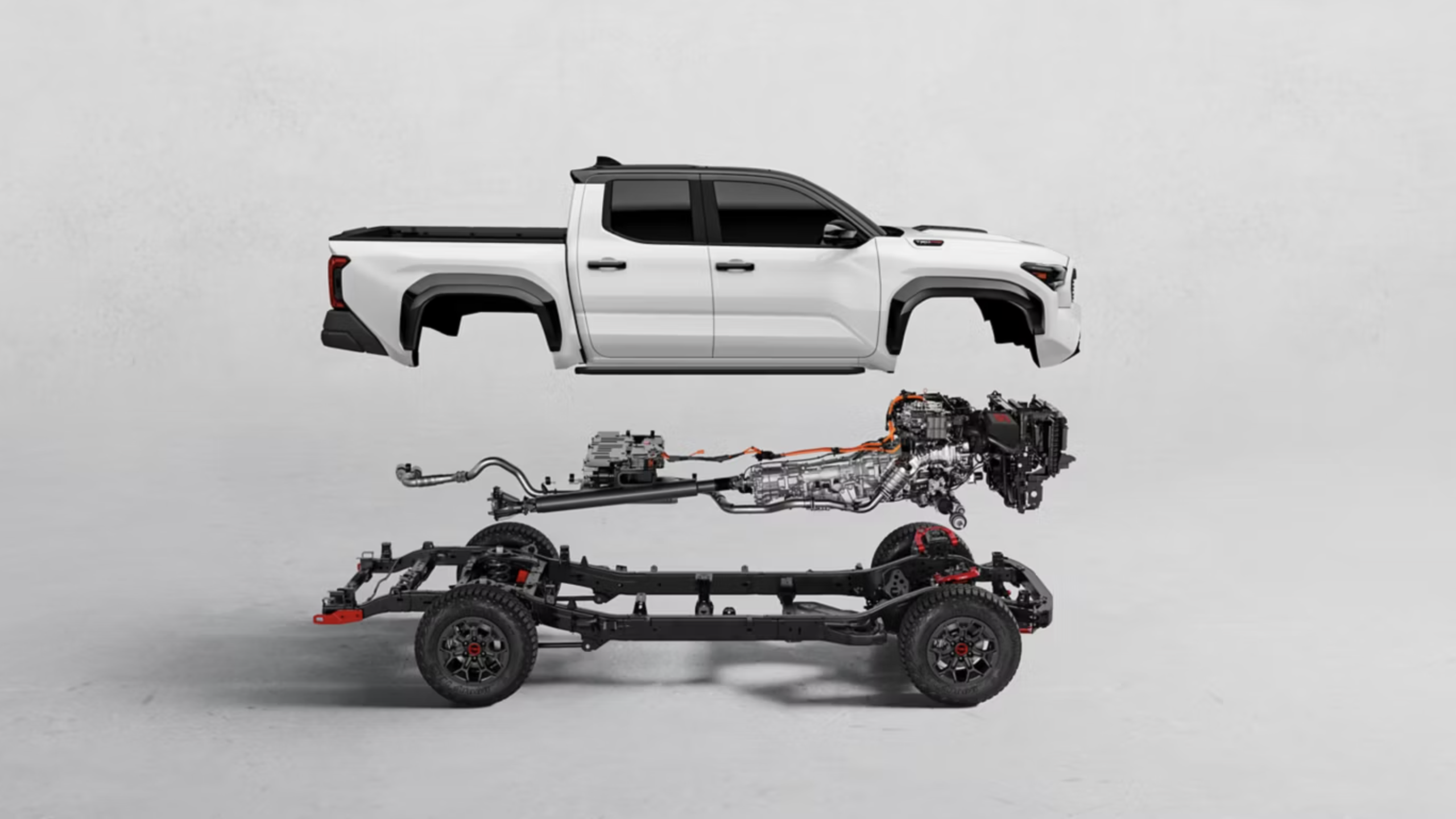
It’s also important to think about ride quality. A Toyota Tacoma lift kit can definitely change how your truck feels behind the wheel. Some setups are built to maintain a ride that feels close to stock, while others are designed with off-road capability as the main priority. If your Tacoma is your daily driver, you’ll probably want a setup that still feels comfortable on I-4, around downtown Orlando, and on everyday errands. If it’s more of a weekend adventure vehicle, then you may be okay sacrificing a little on-road comfort in exchange for extra clearance and trail performance.
How do lift kits affect your truck’s tires?
Another factor to think about is tires. Many drivers start shopping for a Toyota Tacoma lift kit because they want to run larger, more aggressive tires. That makes sense, but it’s important to remember that tires and lift kits usually go hand in hand. A small leveling kit may be enough if you just want a slightly bigger tire and a tougher overall look. However, if you want a much larger tire setup, you may need a more complete suspension lift and possibly additional trimming or modifications. Planning all of this out in advance can help you avoid surprises during installation.
How much does a Toyota Tacoma lift kit cost?
You’ll also want to think about cost.
- A leveling kit is generally the most budget-friendly option, which makes it a popular choice for drivers who want a quick visual upgrade.
- A suspension lift is more of an investment, but it also gives you the biggest change in capability.
- A body lift often lands somewhere in the middle, but again, it’s usually less desirable for drivers who actually plan to head off-road.
When you’re comparing options, remember to factor in installation, alignment, and any supporting parts you may need in addition to the Toyota Tacoma lift kit itself.
Where can you buy Toyota Tacoma lifts?
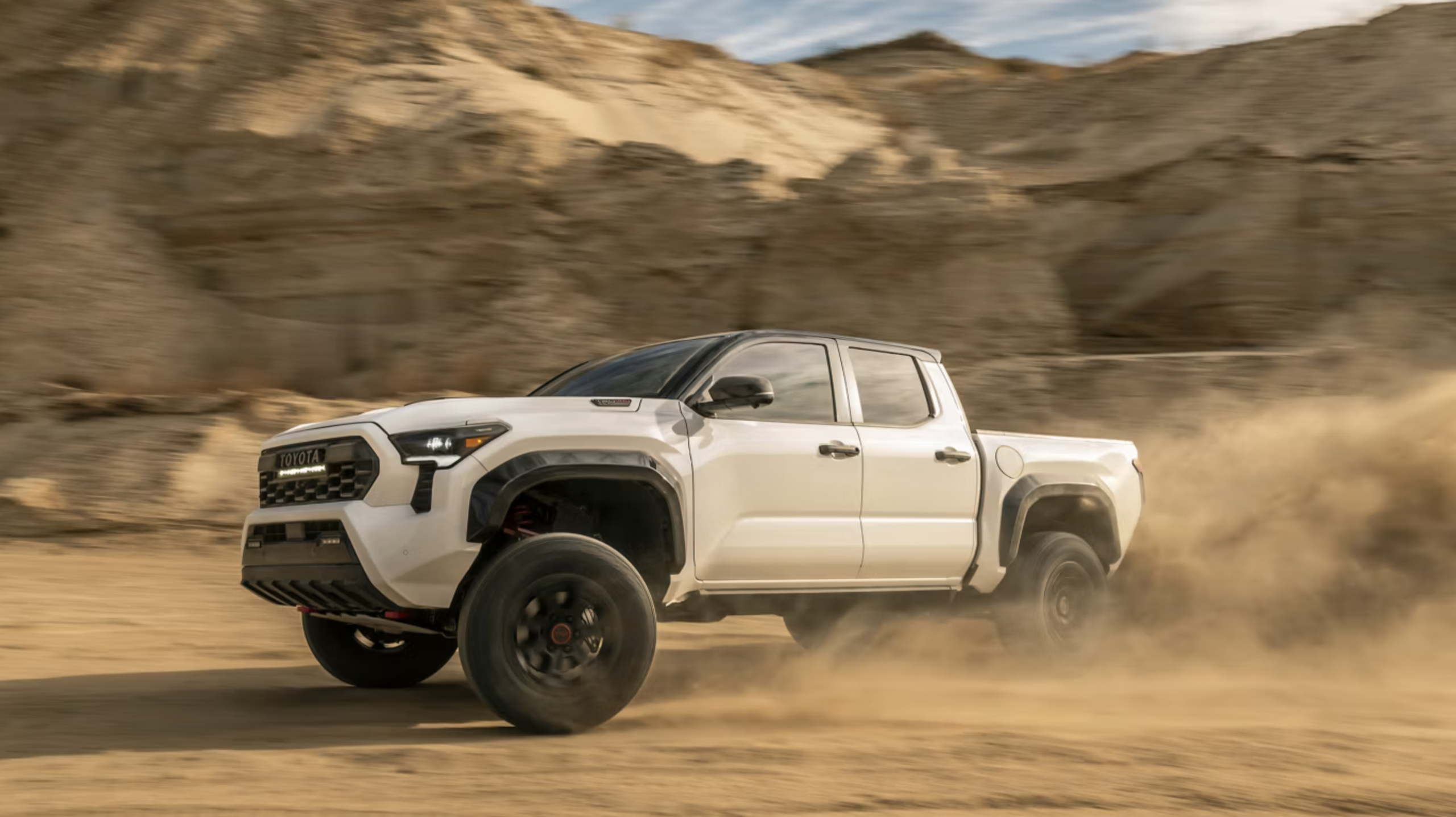
Here’s the best news yet – Toyota actually offers a Toyota brand lift kit for the Tacoma. Here’s what it includes:
- TRD-tuned Bilstein
- Monotube shocks optimized for body control and ride comfort
- Heritage-inspired TRD Pro-style front grille
- Millimeter wave radar sensor for TSS (Toyota Safety Sense) integration
- Wire harness and cable spacers
The lift kit fits Toyota Tacoma V6 and 4×4 models from 2020 on. Once the parts are installed, you’ll increase frame ground clearance by 1.7 inches. The kit also improves the approach angle (+3.1 to 32 degrees), breakover angle (+1.6 to 22 degrees), and departure angle (+0.5 to 24 degrees). TRD Off-Road grades see even further improvement to the approach angle that increases to 35.5 degrees (+3.5).
Plus, the new Associated Accessories Program (AAP) will give you access to aftermarket parts and accessories for your new Toyota Tacoma.
Why buy a Toyota lift kit from a dealer?
This is one reason it’s smart to shop for your Toyota Tacoma lift kit through a trusted parts department. When you work with professionals, you can ask questions about compatibility, installation, and what setup makes the most sense for your truck. Not every kit fits every Tacoma the same way, and factors like model year, trim level, drivetrain, and how you plan to use the truck all matter. Our team can help you narrow down your options so you don’t end up buying parts that aren’t the right fit.
Do you need professional installation for a Toyota Tacoma lift kit?
Professional installation matters, too. While some truck owners love taking on their own projects, suspension modifications are a big deal. Installing a Toyota Tacoma lift kit incorrectly can affect alignment, steering, braking, and overall drivability. It can also cause premature wear on suspension components and tires. Having it done by experienced technicians gives you more peace of mind, especially if you plan to take your Tacoma off-road after the install.
And don’t forget about the long-term picture. The right Toyota Tacoma lift kit should work for your truck now and for how you plan to use it in the future. Maybe you’re starting with light trail use now, but you know you want to add bigger tires, wheels, or other off-road accessories later. Choosing a setup that gives you room to grow can be a smart move. On the other hand, if you know you just want a clean, leveled look and better road presence, then keeping it simple may be the best route.
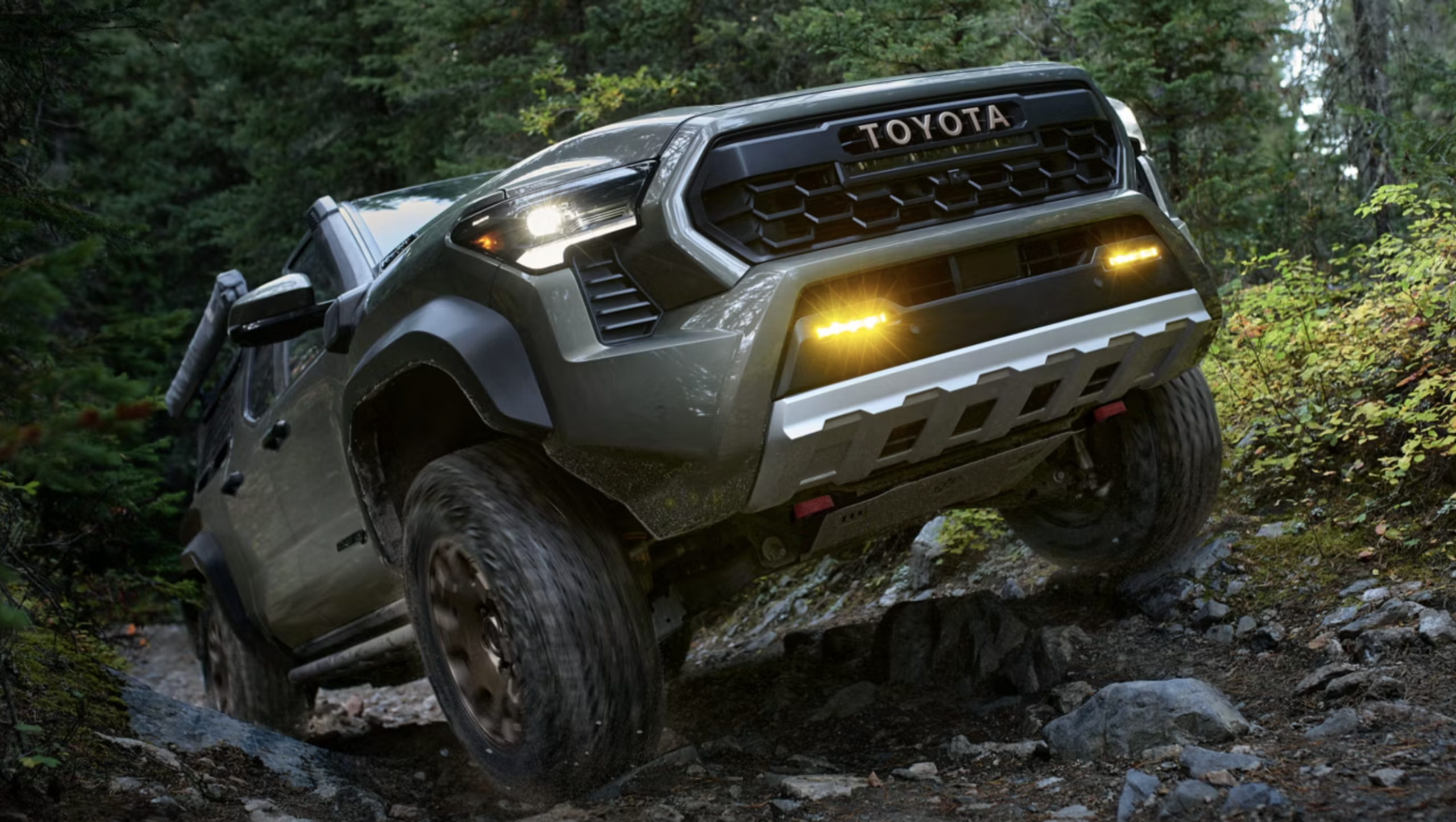
Find your Toyota Tacoma lift kit today
Ready to find the right lift kid for your Toyota Tacoma? Contact Toyota of Orlando today. You can shop parts online, call us at (407) 298-4500, or stop by and see us in person. Our parts store is open seven days a week at 3575 Vineland Road, just off I-4 near the Millenia Mall.
Whether you’re shopping for a basic leveling kit or a more capable Toyota Tacoma lift kit for off-road adventures, our team is here to help you find the right match. We can help you choose parts that fit your truck, your budget, and your driving style so you can customize your Tacoma with confidence. If you’re ready to upgrade your truck’s look and capability, Toyota of Orlando is the place to start.
FAQs:
1. What options are there when it comes to suspension?
When it comes to truck suspension upgrades, the most common options include leveling kits, suspension lift kits, and body lifts. Leveling kits raise the front end to create an even stance, while suspension lifts increase ground clearance and off-road capability by lifting the entire suspension system. Body lifts, on the other hand, raise the truck’s body from the frame without changing suspension geometry, making them more appearance-focused than performance-driven.
2. Do I need special tires if I put a lift kit on my truck?
Not always, but it depends on the size of the lift. Smaller leveling kits can often work with your existing tires, while larger suspension lifts typically require bigger, more aggressive tires to match the added clearance and performance. It’s important to choose tires that fit properly with your new setup to avoid rubbing and maintain safe handling.
3. What other off-roading accessories and tips should I be aware of?
Beyond a lift kit, there are several key accessories that can improve your truck’s off-road capability and safety. Upgraded all-terrain or mud-terrain tires, skid plates, and rock sliders help protect your vehicle and improve traction on rough terrain. You may also want to consider recovery gear like tow straps, a winch, and traction boards, as well as practical upgrades like better lighting and onboard air for adjusting tire pressure.
Connect with us


- September 2026
- August 2026
- July 2026
- June 2026
- May 2026
- April 2026
- March 2026
- February 2026
- January 2026
- December 2025
- November 2025
- October 2025
- September 2025
- August 2025
- July 2025
- June 2025
- May 2025
- April 2025
- March 2025
- February 2025
- January 2025
- December 2024
- November 2024
- October 2024
- September 2024
- August 2024
- July 2024
- June 2024
- May 2024
- April 2024
- March 2024
- February 2024
- January 2024
- December 2023
- November 2023
- October 2023
- September 2023
- August 2023
- July 2023
- June 2023
- May 2023
- April 2023
- March 2023
- February 2023
- January 2023
- December 2022
- November 2022
- October 2022
- September 2022
- August 2022
- July 2022
- June 2022
- May 2022
- April 2022
- March 2022
- February 2022
- January 2022
- December 2021
- November 2021
- October 2021
- September 2021
- August 2021
- July 2021
- June 2021
- May 2021
- April 2021
- March 2021
- February 2021
- January 2021
- December 2020
- November 2020
- October 2020
- September 2020
- August 2020
- July 2020
- June 2020
- May 2020
- April 2020
- March 2020
- February 2020
- January 2020
- December 2019
- November 2019
- October 2019
- September 2019
- August 2019
- July 2019
- June 2019
- May 2019
- April 2019
- March 2019
- February 2019
- January 2019
- December 2018
- November 2018
- October 2018
- September 2018
- August 2018
- July 2018
- June 2018
- May 2018
- April 2018
- March 2018
- February 2018
- January 2018
- July 2017
- June 2017
- May 2017