


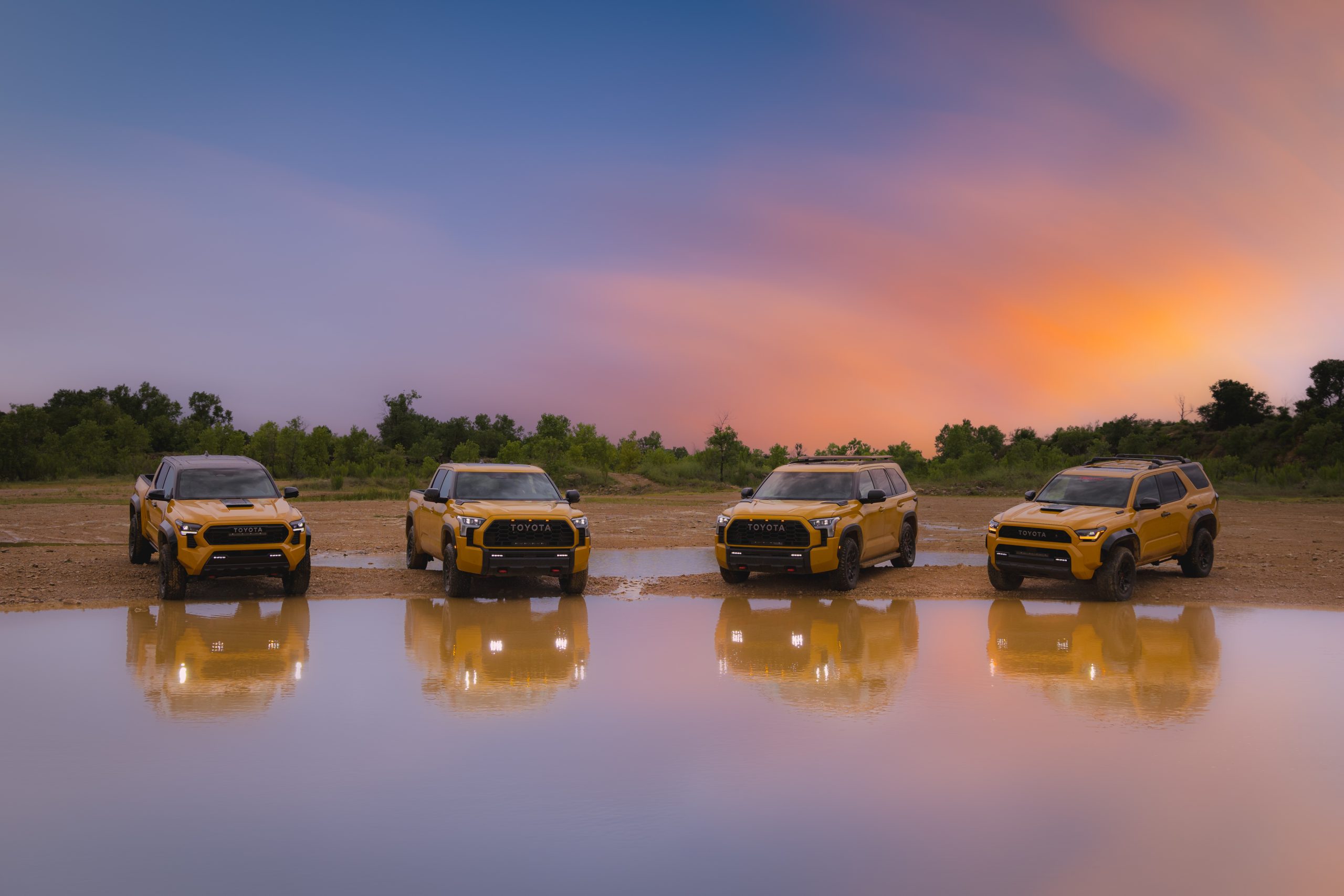
Get ready – the 2027 Toyota TRD Pro lineup is headed our way, and these bold new tricks are sporting two new exterior paint colors as well as refinements to their legendary off-roading abilities. If you like vehicles that turn heads, it’s time to schedule your test drive. Because whether you like the Toyota Tundra, Tacoma, 4Runner, or Sequoia, there’s something for everyone and with the new Honeycomb and Hot Honey paint colors round it all out. Let’s get started – here’s your guide to the 2027 Toyota TRD Pro updates!
Executive Summary
- The 2027 Toyota TRD Pro lineup is coming in hot with two bold new paint colors: Honeycomb for the Tacoma, Tundra, and Sequoia, and Hot Honey for the 4Runner. They’re the latest additions to Toyota’s long-running tradition of exclusive TRD Pro colors, and we’re already obsessed.
- These new colors aren’t the only updates headed our way. The 2027 Toyota Tundra and Sequoia TRD Pro are getting new vehicle-specific FOX QS3 shocks designed to improve ride quality, stability, and adjustability when you head off the pavement.
- Every 2027 Toyota TRD Pro is built for adventure with serious off-road equipment. Depending on the model, you can find features like FOX suspension, Multi-Terrain Select, Crawl Control, locking rear differentials, skid plates, all-terrain tires, and advanced four-wheel-drive systems.
- Select TRD Pro models will also bring back Toyota’s ISODynamic Performance Seats. They’re designed to reduce side-to-side body movement on rough terrain, helping you stay more comfortable when your trail ride gets a little bumpy.
Another Year of Exclusive TRD Pro Colors Headed Our Way
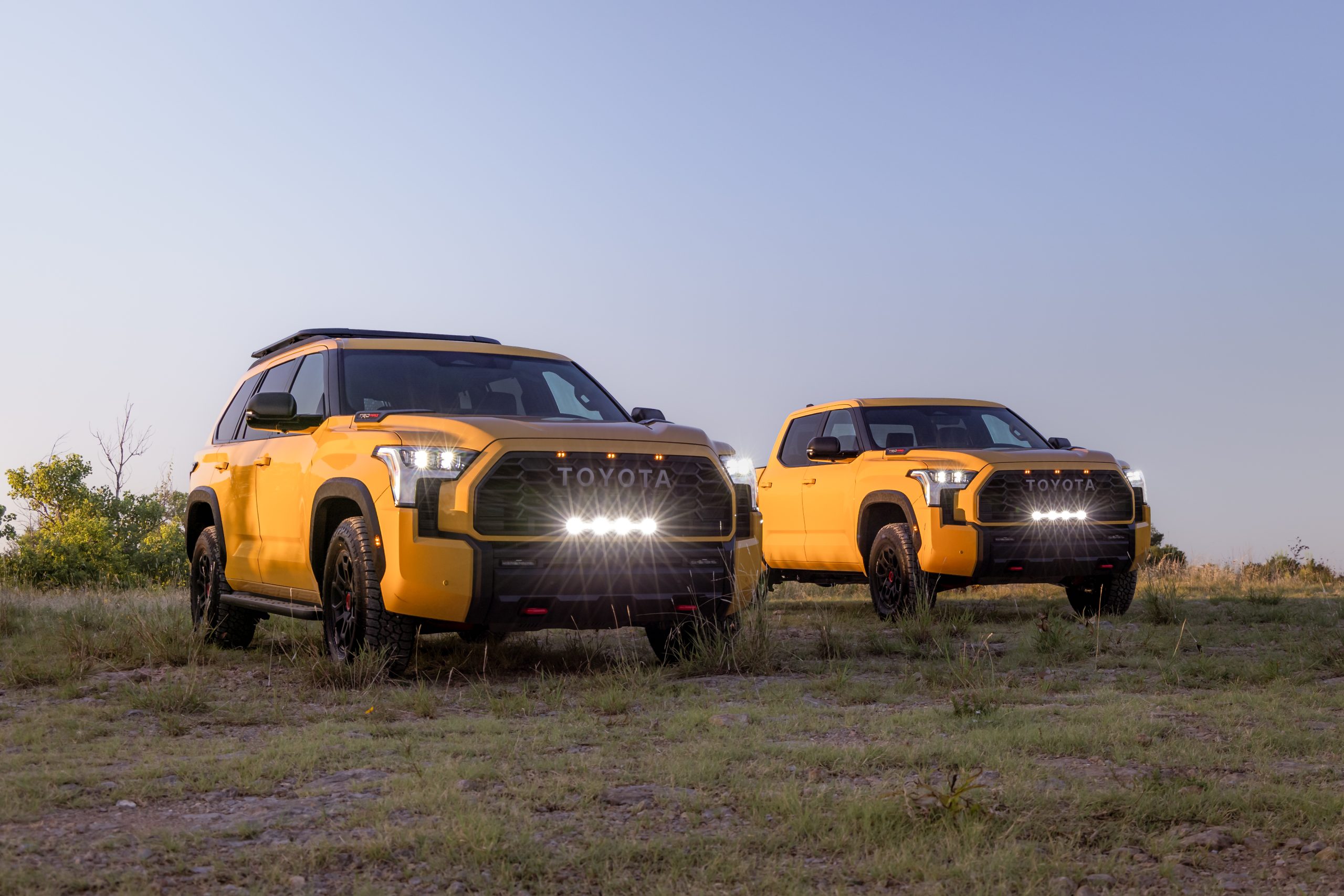
Toyota has built itself a reputation of assigning a signature TRD Pro paint color every year (we live for this), and they never fail to disappoint. Previous model years have included fan favorites like Lunar Rock, Solar Octane, Mudbath, Wave Maker, and more. And for 2027, Toyota’s building on that tradition with the all new Honeycomb and Hot Honey colors.
This year you can take home the 2027 Tacoma, Tundra, and Sequoia in the all-new Honeycomb color. On top of that, the 2027 Toyota 4Runner is rolling out in a slight variation called Hot Honey, giving you plenty of eye-catching options. If you’re ready to make a statement every time you pull into a parking lot or up to a trailhead, it’s time to head over to Toyota of Orlando to explore these all-new paint colors.
TRD Pro Paint Colors: Inspired by Adventure
Color has always been a key component in the TRD Pro lineup. Every exclusive shade is carefully crafted to evoke feelings of exploration, excitement, and the great outdoors. Honeycomb and Hot Honey continue in this vein, and they lean into warmth and energy. They also pair perfectly with TRD Pro features like:
- Bold TRD Pro grille
- Black exterior accents
- Functional skid plates
- Flared fenders
- Off-road tires
- Wide stance
- Signature red recovery hooks on applicable models
There’s no way around it – everyone is going to know it’s a TRD Pro.
The 2027 Toyota TRD Pro Has More Than Looks On Its Side
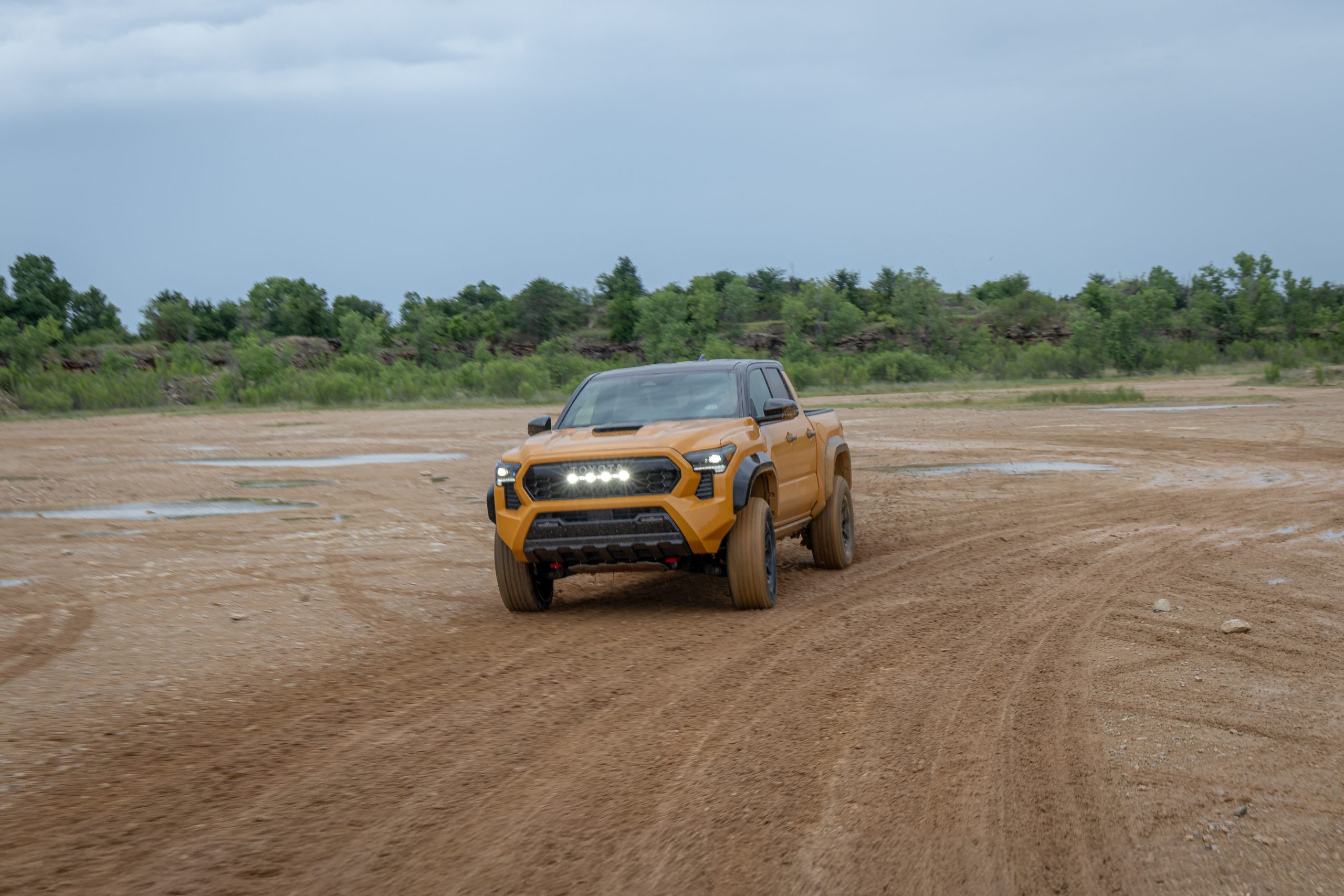
Yes, they look good (especially with those new paint colors up for grabs). However, the TRD Pro is about a lot more than just looks. You’ll also find some upgrades when it comes to off-road performance, including:
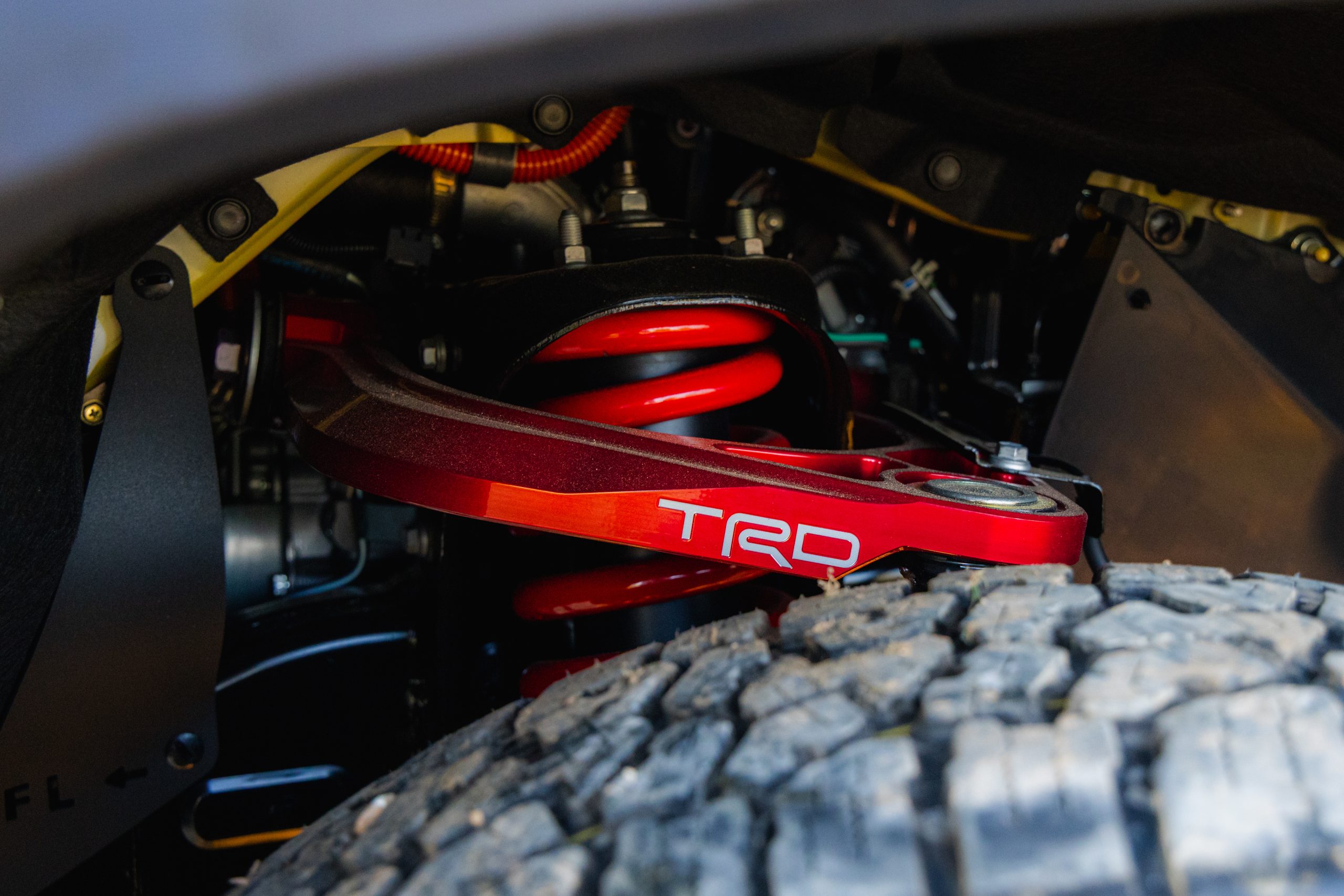
- The 2027 Toyota Tundra and Sequoia TRD Pro will have new vehicle-specific FOX QS3shocks. They’re upgraded from the existing suspension and designed to deliver exceptional ride quality, better stability, and more adjustability for uneven terrain. Whether you’re hitting the grocery store or taking on tough mountain trails, this suspension meets you where you need it most.
- You’ll also get standard red tow hooks on the new Tundra and Sequoia TRD Pro models – so it looks cool, but also serves a major purpose.
That’s not all, though. Every single 2027 Toyota TRD Pro is another example of Toyota’s off-road capabilities. Depending on which Orlando Toyota you take home, you can expect features like:
- FOX performance suspension
- Locking rear differential
- Multi-Terrain Select
- Crawl Control
- Multi-Terrain Monitor
- Underbody skid plates
- All-terrain tires
- TRD-tuned suspension
- High ground clearance
- Advanced four-wheel-drive systems
From muddy trails to sandy beaches and rugged mountain paths, the TRD Pro lineup has got your back.
The ISO Dynamic Performance Seats Are Back
If you’re the type of driver who wants a little extra comfort during off-road adventures, you’ll be happy to know that Toyota is going to include its ISODynamic Performance Seats on select TRD Pro models again this year. These seats are designed to stabilize you while you’re driving across rough terrain – they reduce side to side body movement. This means less fatigue on trail rides and better comfort when the off-roading gets technical.
Learn More About the 2027 Toyota TRD Pro at Toyota of Orlando
We aren’t sure exactly when the 2027 TRD Pro models will start rolling in, so follow us on social for more information! You can also stop by to see this year’s color – Wavemaker – in person, or to take any of our TRD Pro models for a spin. Toyota of Orlando is open seven days a week at 3575 Vineland Road, just off I-4 near the Mall at Millenia!
FAQs
What are the new 2027 Toyota TRD Pro colors?
The 2027 Toyota Tacoma, Tundra, and Sequoia TRD Pro will be available in the new Honeycomb exterior color. The 2027 Toyota 4Runner TRD Pro gets its own variation called Hot Honey.
What’s new on the 2027 Toyota Tundra and Sequoia TRD Pro?
Both models are getting new vehicle-specific FOX QS3 shocks for improved ride quality, stability, and adjustability on uneven terrain. They’ll also come standard with red tow hooks for a functional pop of classic TRD Pro style.
What makes a Toyota TRD Pro good for off-roading?
TRD Pro models are designed with serious off-road equipment, which can include FOX performance suspension, locking rear differentials, Crawl Control, Multi-Terrain Select, skid plates, and all-terrain tires. Exact features vary depending on the Toyota model you choose.
What are Toyota ISODynamic Performance Seats?
ISODynamic Performance Seats are designed to help stabilize occupants and reduce side-to-side body movement while traveling over rough terrain. That can mean better comfort and less fatigue when you’re spending more time on the trails.
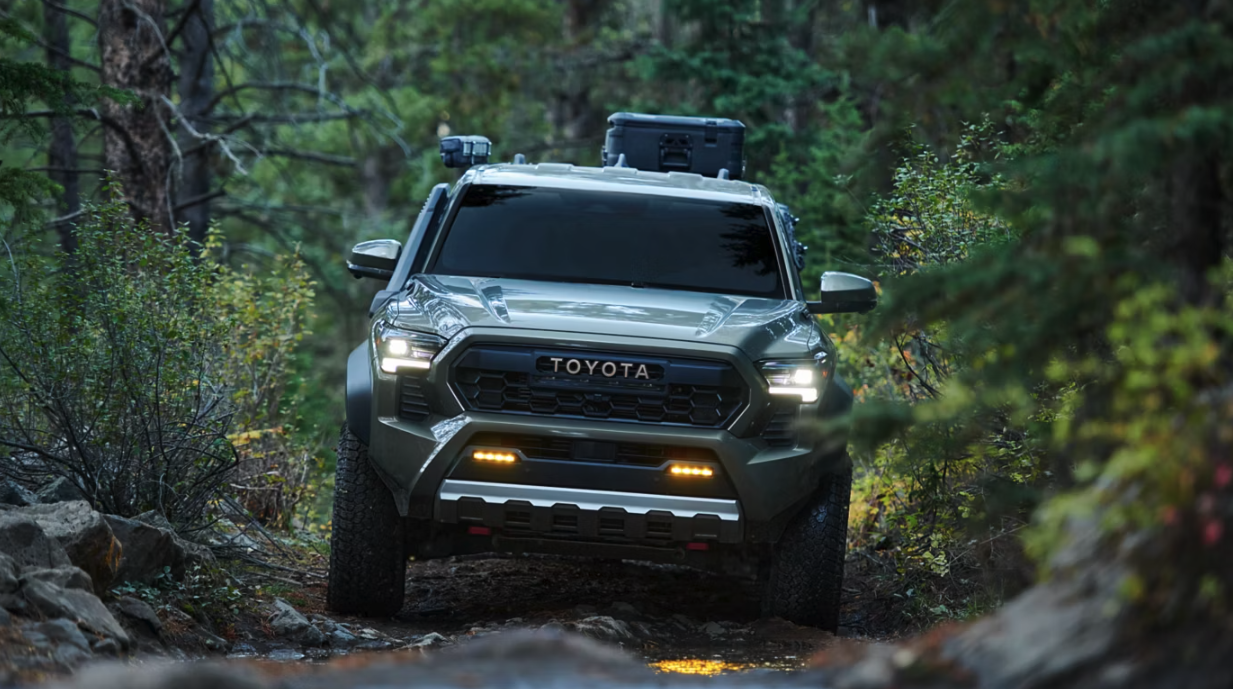
Are you a fan of getting off the beaten path in your Toyota truck or SUV? Well, we’ve got good news for you. Toyota recently announced that they’ll be expanding their partnership with onX, one of the most popular digital navigation platforms out there. If you’re an overland, hiker, hunter, or fisher, we know you’ve heard of it. And this enhanced collaboration is way more than just simple navigation – it’s designed to make adventures easier than ever while also protecting trails and public lands for future generations to come.
Executive Summary
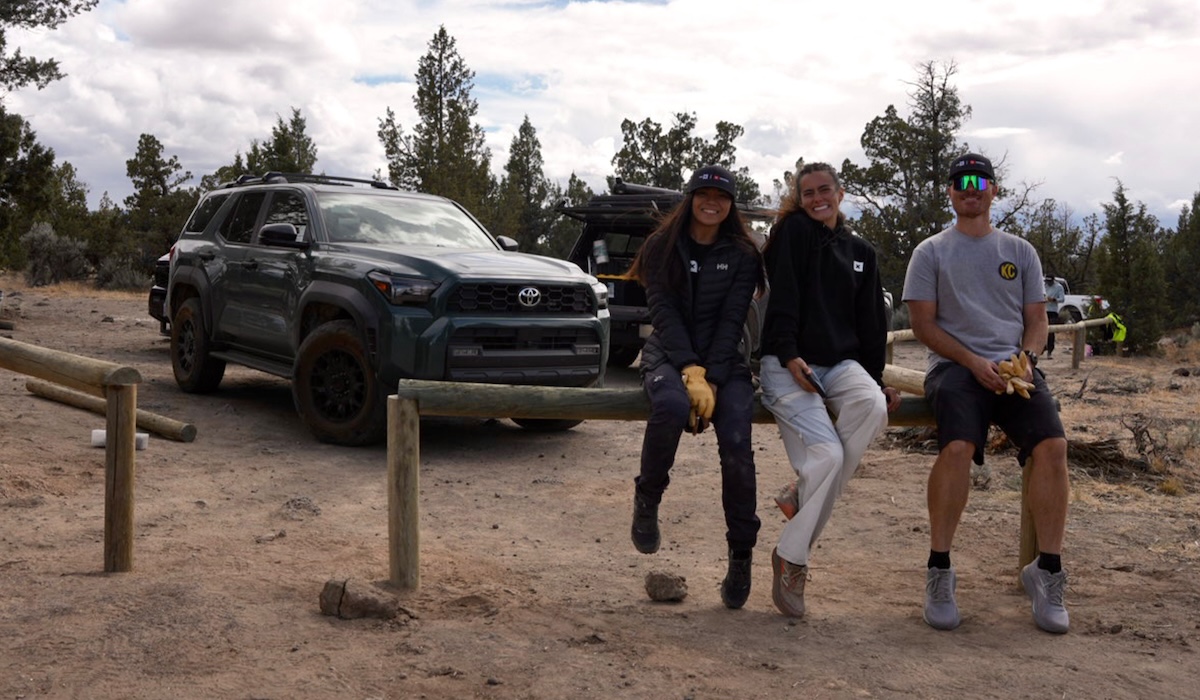
- Toyota and onX are expanding their partnership for 2026, giving outdoor enthusiasts even more tools to explore off-road trails, backcountry roads, camping spots, and public lands with confidence.
- Eligible buyers of select 2026 Toyota Tacoma, Tundra, 4Runner, Sequoia, and Land Cruiser models will receive six months of complimentary onX Elite membership, including access to onX Offroad, Hunt, Backcountry, TroutRoutes Pro, and Fish.
- The partnership goes beyond navigation with an expanded Trail Revival Project focused on trail maintenance, restoration, sustainable recreation, and keeping public lands accessible for future generations.
- Toyota and onX are also launching the Trail Creators Program to promote responsible outdoor adventures, while new onX Offroad features will let users report trails that need maintenance or restoration.
- For Orlando Toyota drivers who love off-roading, overlanding, camping, hunting, fishing, or hiking, the partnership combines Toyota’s trail-ready capability with navigation tools designed specifically for adventures beyond the pavement.
Whether you’re heading into the mountains, exploring service roads, or just finding new camping spots around Orlando, onX is the tool you need. And its latest partnership with Toyota just fits thanks to vehicles like the Tacoma, 4Runner, Land Cruiser, and Tundra that are in our lineup. We’ve got the details – let’s get started.
What Is onX and Why Does It Matter?
Still not sure what onX is (or maybe you’ve never even heard of it)? It’s a digital mapping platform designed specifically for outdoor adventure. Traditional GPS apps focus on paved roads to get you from point A to point B, but onX specializes in detailed maps for remote areas (aka no pavement). Depending on what you’re doing, you can access:
- Off-road trails
- Backcountry roads
- Public and private land ownership information
- Camping locations
- Hunting maps
- Fishing access points
- Hiking trails
- Offline navigation
One of the biggest perks is that you can download maps to use before you leave your cell service area in Orlando. When you’re out in the woods with no signal, the maps still work – you can navigate with confidence and not worry about having no service or internet.
Toyota Owners Will Receive Complimentary onX Elite Access for 2026
So what does this expanded partnership mean for you? We’ve got big news: eligible owners of select 2026 Toyotas will get six months of complimentary onX Elite membership. To be eligible, you have to purchase a 2026:
- Toyota Tacoma
- Toyota Tundra
- Toyota 4Runner
- Toyota Sequoia
- Toyota Land Cruiser
This Elite membership gives you access across the onX ecosystem, which includes:
- onX Offroad
- onX Hunt
- onX Backcountry
- TroutRoutes Pro
- onX Fish
You’ll have premium navigation tools immediately after buying your new Orlando Toyota. This means you can take any adventure and make the most of it starting day one.
Why Toyota and onX Just Make Sense
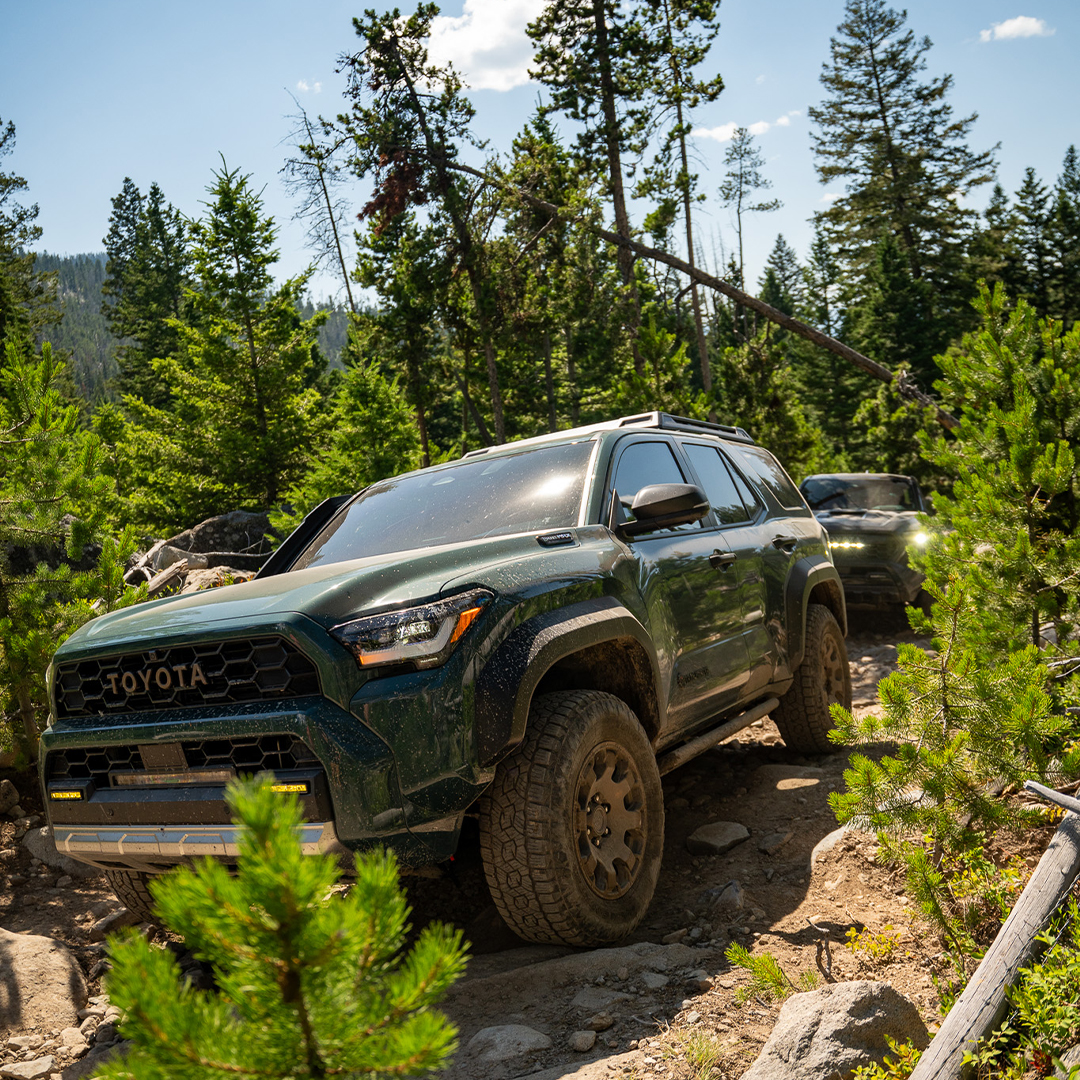
Toyota is renowned for building off-road ready rides. The Tacoma, Land Cruiser, and 4Runner especially have become fan favorites with outdoor enthusiasts. This is because they’re durable, reliable, and pack off-road features like four-wheel drive and more. However, being capable is only one part of exploring the world outside Orlando.
You also need to know where to do and how to get back safely… and that’s where onX comes in. Instead of relying on generic standard mapping apps (that usually don’t show remote trails or forest roads), you have onX. With this app, you can find legal routes to travel, check land ownership boundaries for hunting and fishing and hiking, and plan your trips with the utmost confidence.
How onX Is Helping Protect Public Lands
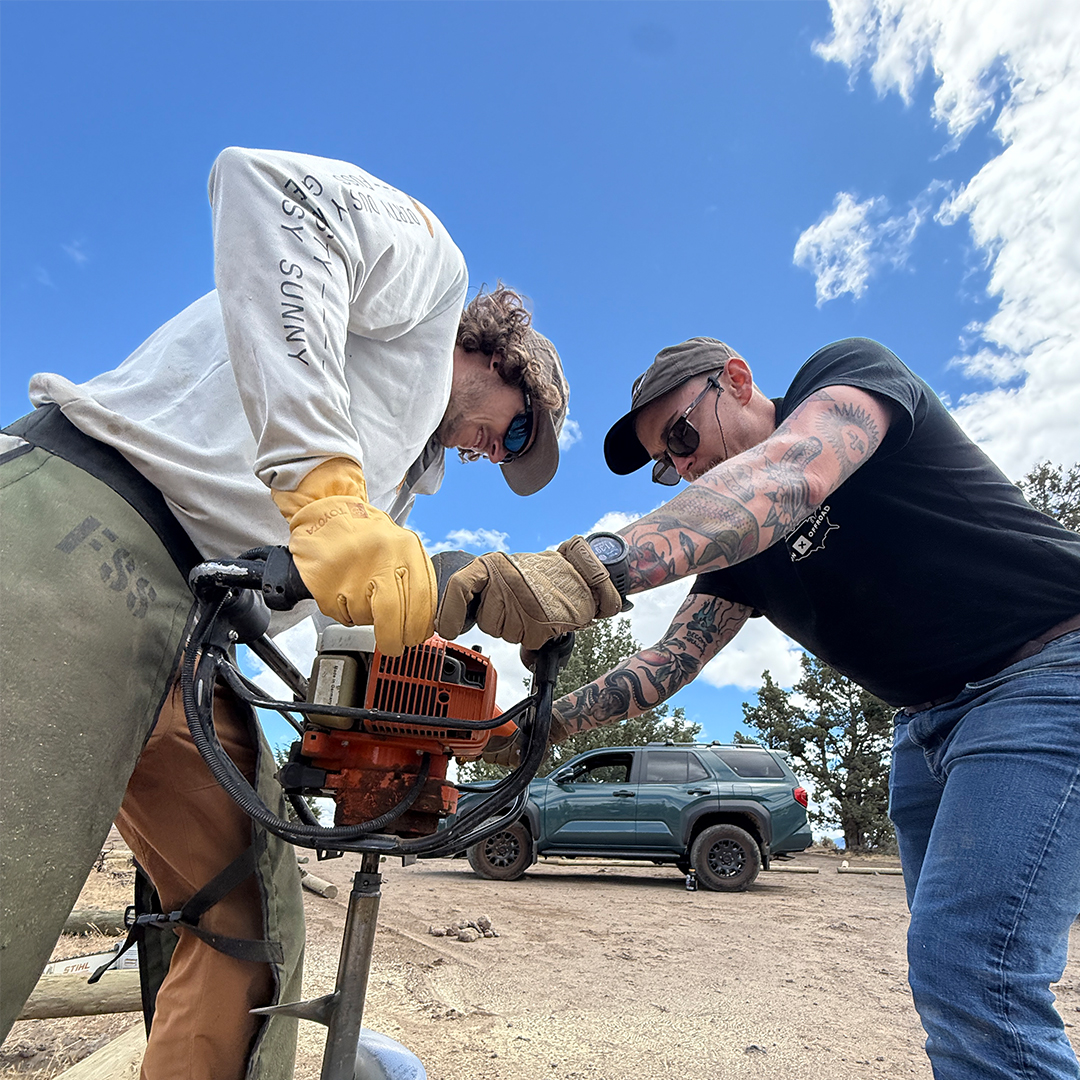
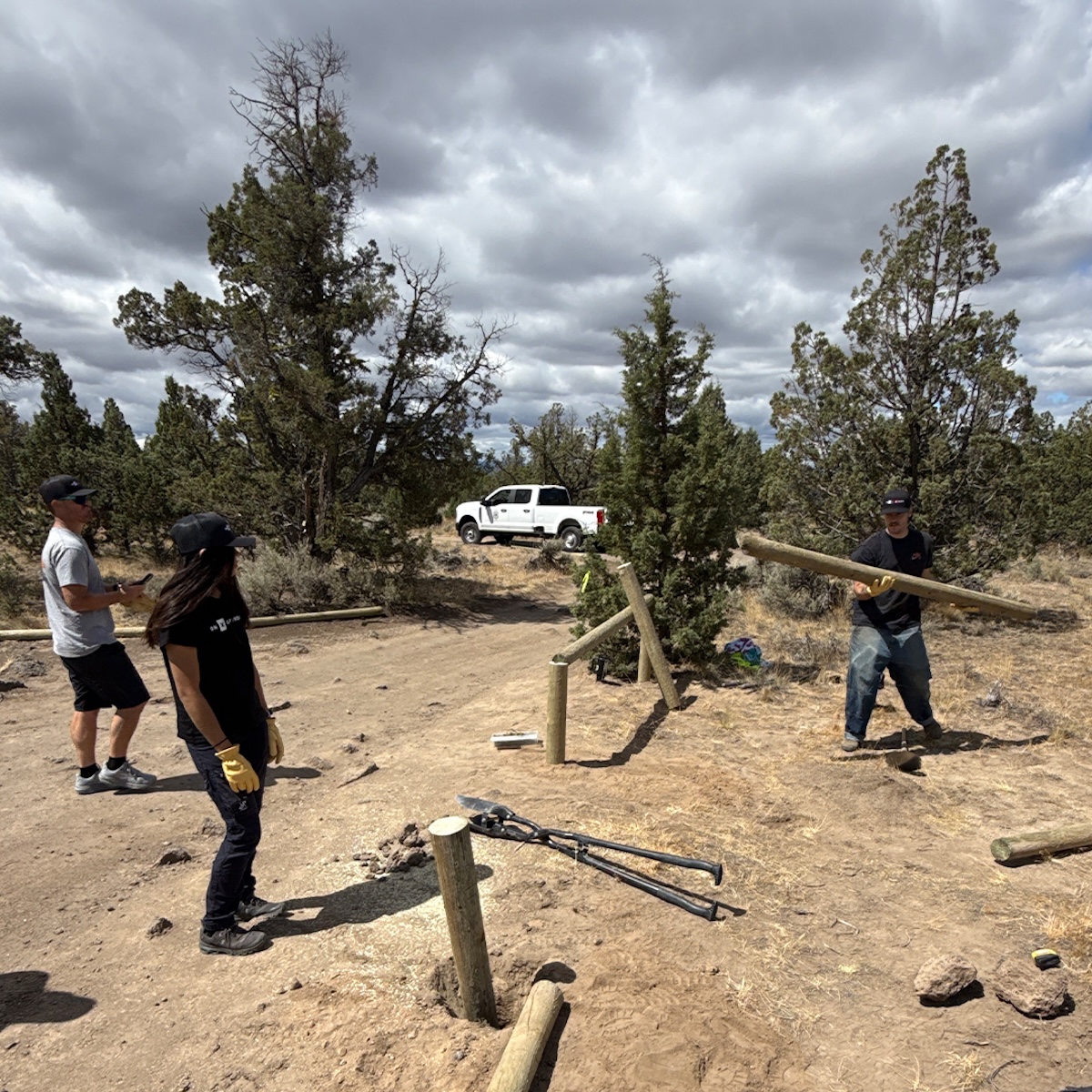
One of the best parts of this partnership is the conservation aspect of it. Toyota and onX are officially expanding their Trail Revival Project. It’s an initiative focused on maintaining and restoring trails across America. Their goal? To keep public lands open, accessible, and able to be enjoyed by future generations.
Their partnership projects for the Trail Revival Project include:
- Trail maintenance
- Restoration efforts
- Sustainable recreation initiatives
- Volunteer opportunities
- Conservation projects
Instead of just encouraging people to explore more, both Toyota and onX are investing in preserving the places we love to explore.
The All-New Trail Creators Program
Toyota and onX are also launching the Trail Creators Program. This particular initiative is blending outdoor enthusiasts, content creators, and advocates for responsible adventure. Instead of showing off beautiful destinations, this group of people will demonstrate best outdoor practices like:
- Staying on designated trails
- Respecting wildlife
- Leaving no trace
- Protecting natural resources
- Encouraging ethical outdoor behavior
The idea? To inspire people to explore while simultaneously teaching them how to both help and preserve the environments they’re exploring.
Explore New Features for onX Offroad This Year
This exciting new expanded partnership also means you’ll have access to new features inside onX Offroad. One important update is that users can now report trails that need maintenance or restoration both here in Orlando and across America. This creates a feedback loop between adventurers and the organizations working tirelessly to maintain the trail systems.
When you combine this with offline navigation, detailed route info, and public land data, you get so much more than just navigation. It’s a tool to get where you’re going, but it’s also a way to play your part in trail management.
Who Benefits from this Toyota + onX Partnership?
Anyone who loves outdoor adventures will benefit from onX, but the partnership with Toyota really benefits anyone who loves overlanding and off-roading. If you’re into camping, hunting, fishing, hiking, or even just visiting national parks, reliable navigation and detailed trail information are a must.
Find Outdoor Adventures with a New Toyota Today
Curious to learn more about Toyota and onX’s partnership, or want to get behind the wheel of a 2026 Toyota that’s trail-ready? Come down to Toyota of Orlando today – we’re open seven days a week at 3575 Vineland Road, just off I-4 near the Mall at Millenia.
FAQs
What is onX Offroad?
onX Offroad is a digital mapping and navigation platform built for adventures beyond paved roads. It offers detailed information on off-road trails, backcountry roads, public lands, camping areas, and more, plus offline maps for exploring without cell service.
Which 2026 Toyota models qualify for complimentary onX Elite access?
Eligible owners who purchase a 2026 Toyota Tacoma, Tundra, 4Runner, Sequoia, or Land Cruiser can receive six months of complimentary onX Elite membership. This provides access to multiple onX platforms designed for off-roading, hiking, hunting, fishing, and other outdoor activities.
How are Toyota and onX helping protect trails and public lands?
Toyota and onX are expanding the Trail Revival Project, which supports trail maintenance, restoration, conservation, and sustainable recreation. They’re also introducing the Trail Creators Program to encourage responsible habits like staying on designated trails, respecting wildlife, and leaving no trace.
Can I use onX when I don’t have cell service?
Yes! You can download maps before leaving Orlando or another area with cell service and access them offline once you’re out on the trail, making it easier to navigate remote areas with confidence.
What Car Should I Buy? Choosing the Best Toyota

Are you asking yourself “what car should I buy” and not able to come up with a clear answer? Our Toyota of Orlando team is here to help. Check out this complete guide to choosing the best Toyota – we’ll help you find the perfect car to match your life, your budget, your comfort level behind the wheel. And on top of that, we’ll give you test drive tips to cement your choice. Let’s get started!
Step 1: Outline your needs
Kick off your process by writing down how you’re going to use your new Toyota. This can help narrow our big lineup into an easy-to-digest handful of vehicles. Here are some main questions to start with:
- How many people do you carry most days, and do you need a 3rd row? (The 2026 Toyota Corolla and Camry fit 4–5, while the 2026 Toyota Highlander, Grand Highlander, and Sequoia offer 3 rows.)
- Do you prioritize fuel savings or horsepower? Hybrid Toyotas like the Camry, RAV4 Hybrid, and Prius focus on efficiency, while trucks like the Tacoma and Tundra focus on towing and hauling.
- Do you spend a lot of time on Orlando city streets only, or do you need something that can handle towing and off‑road?
- If you’re mostly commuting around Orlando, the Camry, Corolla, Prius, and RAV4 are great options.
- If you have a big family and like road trips, consider the RAV4, Highlander, Sienna, and Grand Highlander.
- If you off-road or regularly tow and haul, consider the Tacoma, Tundra, 4Runner, Land Cruiser, or Sequoia.
- Also think about parking. If you routinely park in a tight parking garage or lot, compact models like the Corolla and Corolla Cross are perfect.
Make a short “must-have” list of all the qualities you need in your next ride, and then you can use it to cross-reference the Orlando Toyota possibilities.

Step 2: Pick your vehicle type
Now align your needs with the main Toyota categories to answer the “what car should I buy” conundrum. Here’s a quick guide to get you started from our expert team at Toyota of Orlando.
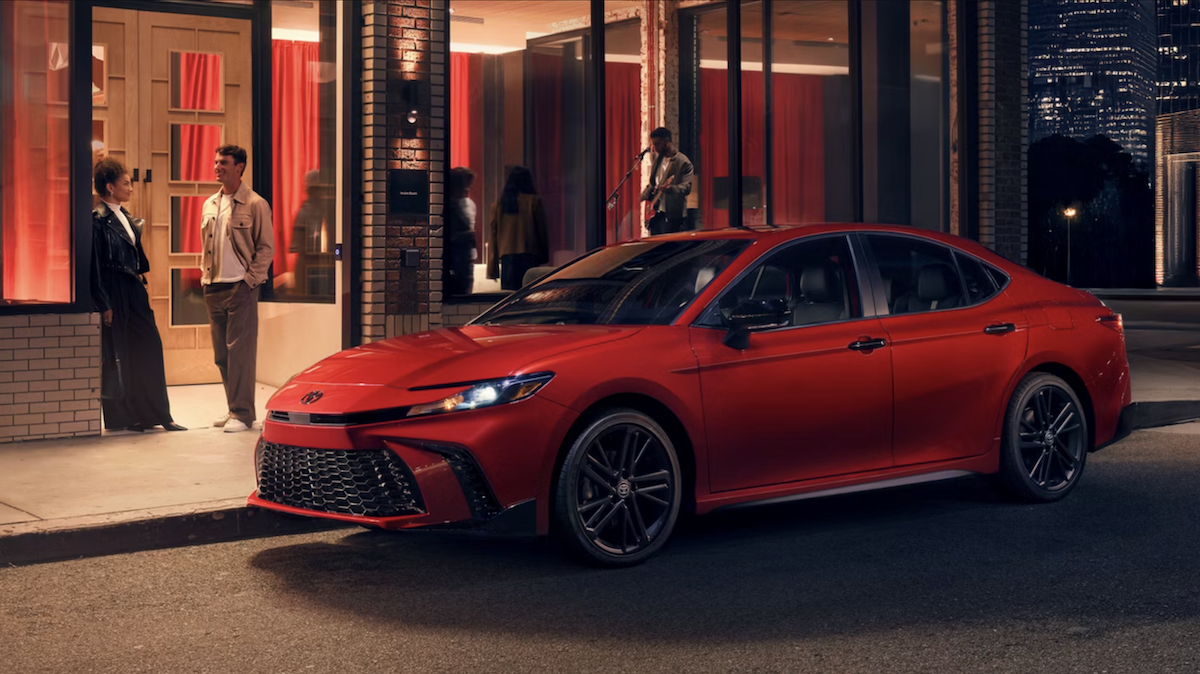
Sedans like the Corolla and Camry:
- Best for commuting, have good fuel economy, easier to park
- Both are available in hybrid
- Camry offers more space while Corolla is more compact
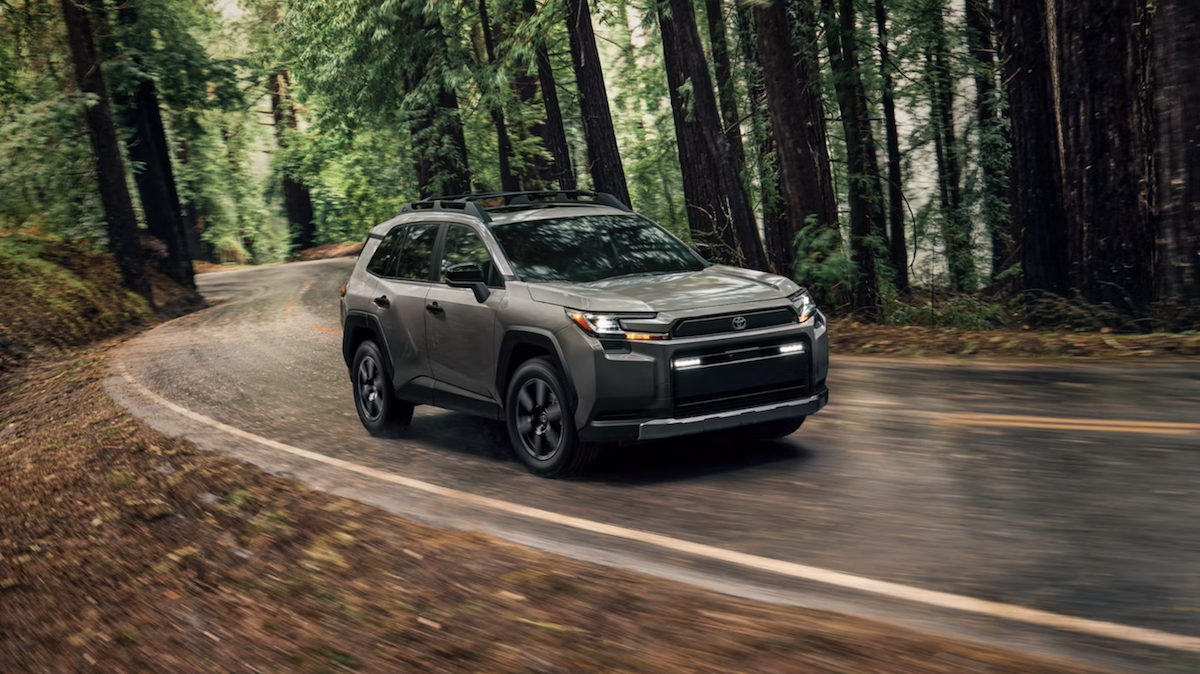
Compact SUVs/Crossovers like the RAV4, RAV4 Hybrid, Corolla Cross, and Crown Signia:
- Best for small families, road trips, and light outdoor use.
- More cargo space and higher seating than sedans, and the hybrid options save fuel.
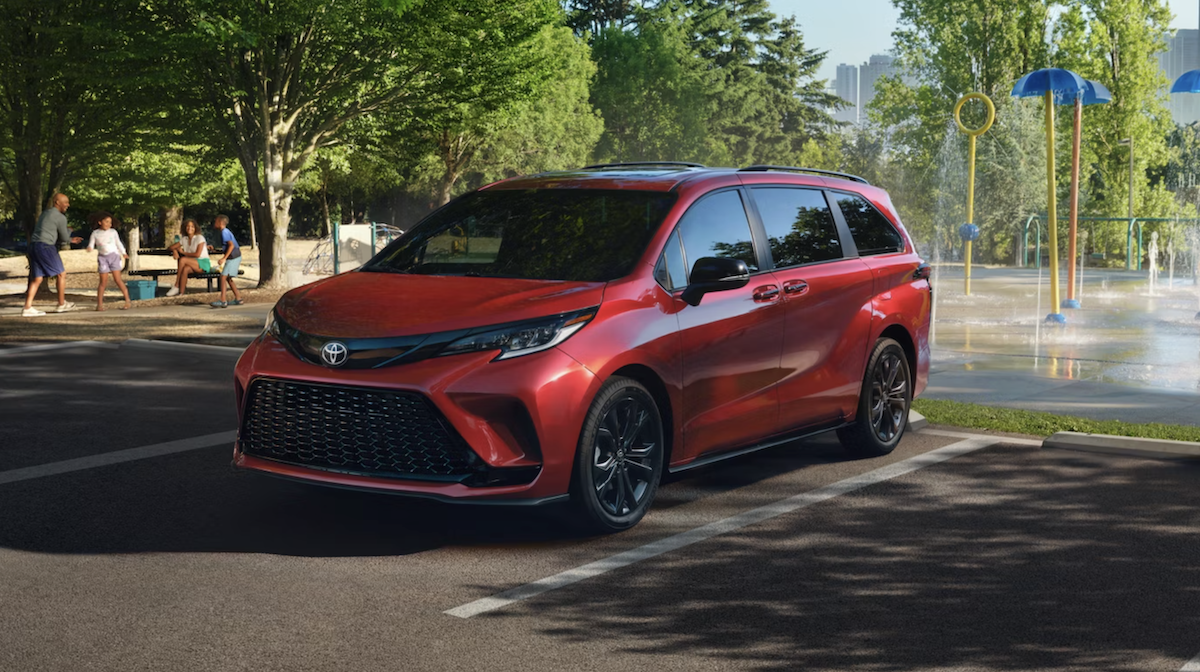
3‑Row SUVs & Minivan like the Highlander, Grand Highlander, Sequoia, and Sienna:
- Best for larger families or frequent passengers.
- The Grand Highlander and Sequoia offer more space and power, while the Sienna is hybrid-only and very family-focused.
Trucks & Off‑road like the Tacoma, Tundra, 4Runner, and Land Cruiser:
- Best for towing boats/trailers, rough roads, and camping.
- The Tacoma and Tundra emphasize towing and payload, while the 4Runner and Land Cruiser are top picks for off‑road durability.
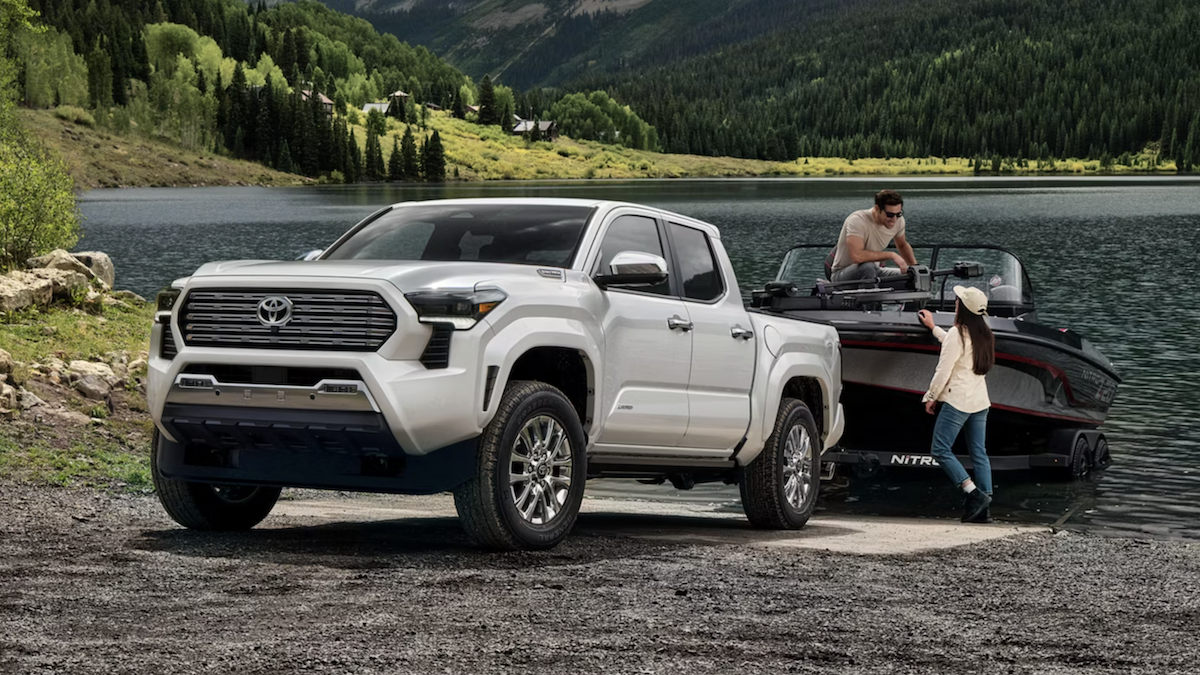
Try to narrow your options to one or two body styles (like compact SUV or sedan).
Step 3: Shortlist 2-3 Orlando Toyota models
Next, use our site to look at our model lineup. This will let you filter our inventory by size, price, and fuel efficiency. Use your “must haves” list and pick two to three models to consider.
Here are a few solid examples of good shortlists you could bring to Toyota of Orlando with you:
- Fuel-efficient commuter Toyota: Corolla Hybrid, Prius, Camry Hybrid.
- Small family in Florida: RAV4, RAV4 Hybrid, Highlander.
- Trailer or boat owner: Tacoma, Tundra, Sequoia.
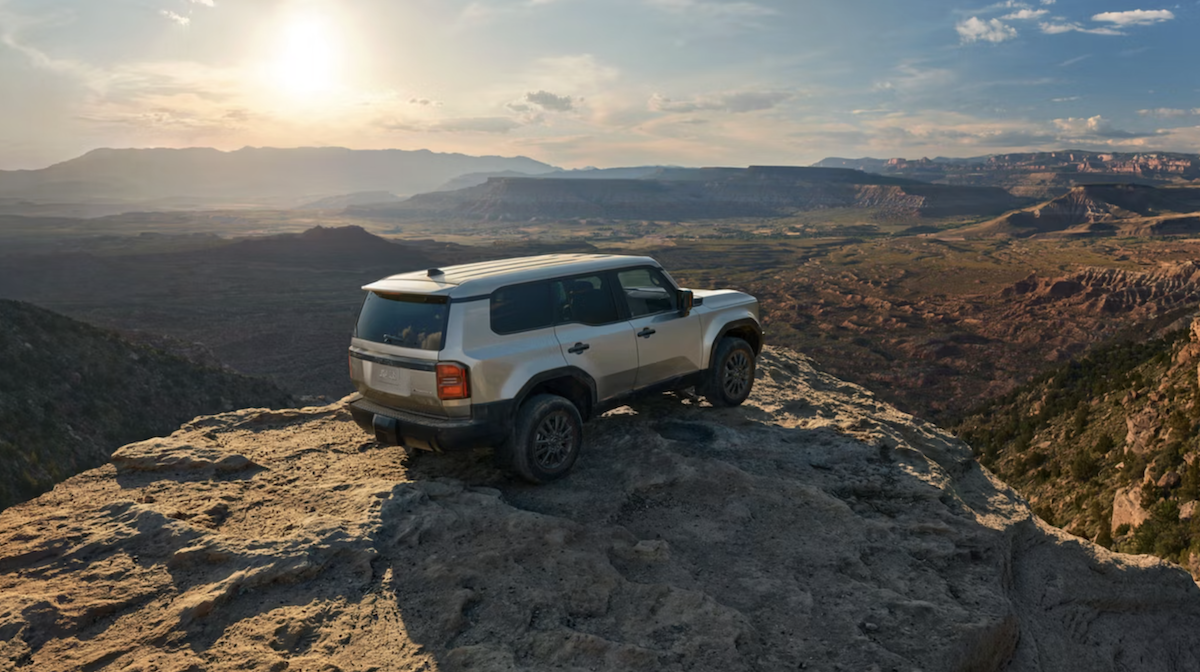
Check basic details for each, including:
- The seating and cargo volume.
- The EPA fuel economy (MPG).
- The towing and hauling capacity.
- The starting prices and their typical trim levels (LE, XLE, Limited, etc.).
This gives you a much more focused list to bring with you when you want to explore options – our Toyota of Orlando team can easily work from a list like this to find the perfect solution.
Step 4: Understand key safety and tech
Almost all of our Orlando Toyotas – the new ones – come with a standard safety suite called Toyota Safety Sense. Getting familiar with the features before your test drive can help you ask better questions AND see if they meet your daily drivers needs. Here are the main TSS features you’ll be able to explore:
- Pre‑Collision System with Pedestrian Detection: Warns you of a possible forward crash and can help you brake, including for people and bikes.
- Lane Departure Alert / Lane Tracing Assist: Warns you and gently assists you if you drift. Also helps keep you centered in your lane.
- Dynamic Radar Cruise Control: Keeps your car a set distance from the car ahead on the highway.
- Automatic High Beams and Road Sign Assist: Helps you with nighttime visibility and recognizing certain road signs.
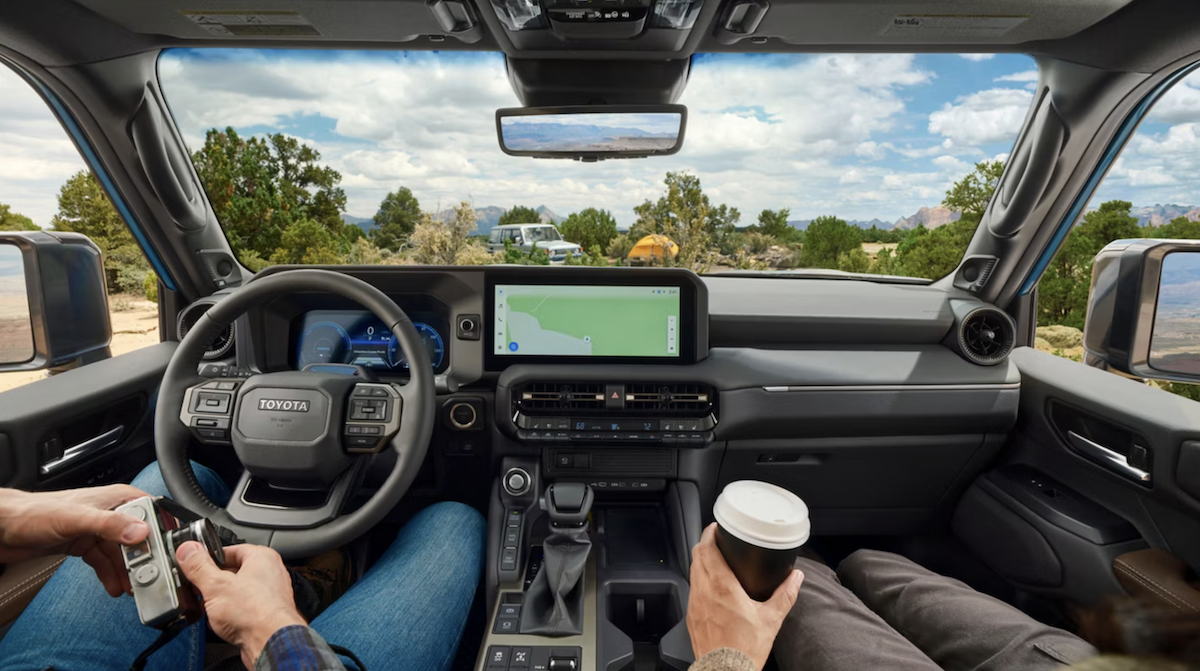
You should also think about entertainment and convenience tech. Explore Toyota features like:
- Smartphone integration: Apple CarPlay and Android Auto are widely available on our Orlando Toyotas, so decide if they’re important to you.
- Convenience: Consider features like power seats, heated seats, power liftgates, and sunroofs.
- Driver aid tech: Look at element like a blind spot monitor, rear cross-traffic alert, and advanced parking sensors.
Circle which of these features are “must-have” vs “nice to have” before going in for your test drive at Toyota of Orlando.
Step 5: Set a realistic budget
Before visiting any dealer, have a price or monthly payment range in mind as a guide. Think about things like:
- The current starting MSRPs for your shortlisted models on our site
- If you’re paying cash, financing (loan), or leasing
You can also use our online payment calculator to explore your payments with different down payments and terms.
Step 6: Prepare for the dealership visit
A little prep makes your visit to us smoother and less stressful. Here are some tips to get you rolling:
- Gather important documents: You’ll likely need your driver’s license and proof of insurance.
- Call or schedule online: Ask to drive specific models and trims (for example, “RAV4 XLE and RAV4 Hybrid XLE”) when you give our Orlando Toyota sales team a ring.
- Pick the right time: Choose a daylight test drive time and, if possible, avoid rush hour so you’re not stressed.
- Make a simple checklist for when you get behind the wheel:
- Space and comfort.
- Visibility.
- Ride quality and noise.
- Controls, buttons, and tech ease of use.
- Acceleration, braking, and steering feel.
Give our sales team a heads up that you’re comparing models and you want to test drive more than one to ensure you find the perfect fit.
Step 7: Inspect the Toyota before driving it
Before you pull away for your test drive, take 5–10 minutes to walk around and sit in the driver’s seat. Here’s what you should look for:
Outside the car:
- Walk around and look for obvious defects (like panel gaps, paint issues, tire condition), even on a new car. Better safe than sorry!
- Open the trunk or cargo area. Check the loading height and space for strollers, golf clubs, luggage, etc. – anything you know you’ll be loading in the back
- Open rear doors and sit in the backseat. This is your chance to check legroom, headroom, and how easy it is to get in and out.
Inside the car:
- Adjust your seat, the steering wheel, and the mirrors until you’re comfortable. make sure you can see clearly in all directions.
- Try the controls and buttons, including:
-
- The headlights, wipers, climate controls, parking brake, and shifter.
- Test the infotainment system, pairing your phone if you can (at least do this before you leave the dealership).
-
- Look around for blind spots created by pillars or headrests.
If anything feels cramped or your visibility is poor, note it. This may not be the right Orlando Toyota for you!
Step 8: What to do during your test drive
Starting the car up and low‑speed driving
- Listen when you start the car: The engine should sound smooth and free of odd knocking or grinding noises.
- Check the smoothness pulling away from a stop.
- Test the brake response (not too grabby or too soft).
- Examine the steering effort at low speeds and how easy it is to park.
Orlando streets
- Drive through normal stop‑and‑go traffic, turns, and lane changes.
- Notice things like:
- How the transmission shifts and how responsive the throttle feels.
- How the suspension handles bumps, speed humps, and rough patches in the road.
- Cabin noise from wind, tires, and traffic.
Also see how stable the car feels at speed and how much noise you hear.
Parking and tight maneuvering
- Practice a few parking situations, like parallel or backing into a spot.
- Evaluate the backup camera, parking sensors, and turning circle to ensure they’re easy to use.
You can also ask your Toyota of Orlando salesperson to demonstrate safety features that you’re unsure about. And finally, after your test drive sit in the driver’s seat and ask yourself “can I see myself driving this Toyota every day?” If you’re not sure, talk to your sales person about your doubts.
Schedule a test drive at Toyota of Orlando
Ready to get behind the wheel yourself? We’re ready to make it happen – schedule a test drive at Toyota of Orlando and answer the “what car should I buy” question with the most confidence possible. You can call us at (407) 298-4500 or swing by – we’re open until 10pm every night at 3575 Vineland Road, just off I-4 near the Mall at Millenia!
Truck Steps: A Beginner’s Guide
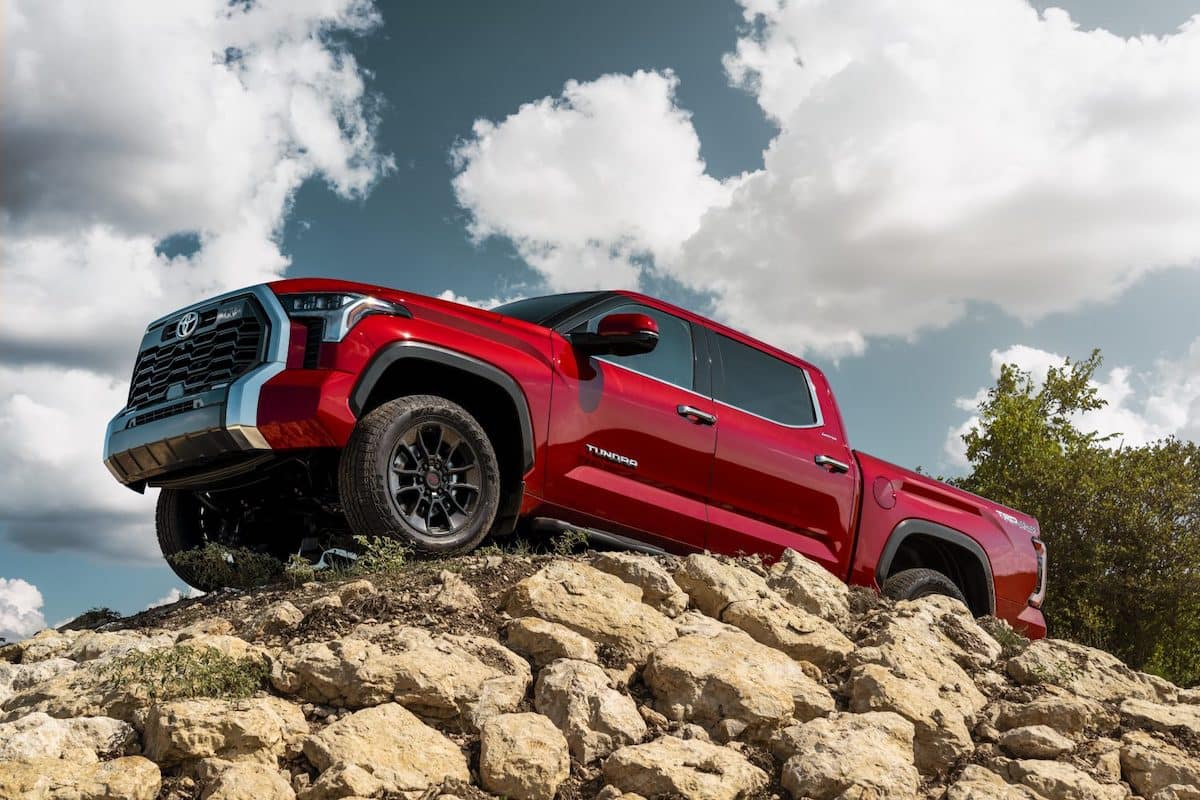
Whether you just bought a truck or you’re ready to upgrade your current ride, you’ve probably come across the idea of truck steps. And at first glance, they probably all seem the same… an easy way to get into your ride and make it look a little more aggressive. However, not all truck steps are created equally, and there are different styles designed for different needs.
We know it’s also easy to feel overwhelmed when you’re exploring parts and accessories for your Orlando Toyota truck, and we’re here to help. This guide will walk you through all of the types of truck steps and what they’re used for so you can choose which is best for your needs. On top of that, our Toyota of Orlando parts team is always here to help you find the perfect solution in person! We’re all about Making It Simple ®.
Executive Summary
- Truck steps make it easier and safer to get into your Orlando Toyota truck, but different styles are designed for different needs, from daily commuting and family driving to work and off-road adventures.
- Traditional and power running boards offer the most everyday convenience, while nerf bars and hoop steps give you a sportier or more compact option without taking up as much space.
- If you’re hitting the trails, rock sliders offer heavy-duty protection for your truck’s rocker panels, while bed steps and hitch steps make loading and unloading cargo easier.
- Materials matter, too. Aluminum, stainless steel, powder-coated steel, and composite truck steps each offer different advantages when it comes to durability, corrosion resistance, maintenance, and price.
- Some truck steps are easy DIY bolt-on accessories, but power running boards, lighted steps, rock sliders, and other heavy-duty options are often best left to the pros for a secure and properly aligned installation.
What are Truck Steps?
First things first – what are truck steps?
Basically, they’re accessories that give you a safer and more convenient way to climb inside the cab of your truck. They can be mounted in different locations, including beside the truck bed, under the doors, or by the rear bumper. They can also be factory-installed or aftermarket. Most Orlando Toyota truck owners consider truck steps because they can:
- Make getting into taller trucks easier, especially for children, seniors, and shorter passengers
- Add style and customization
- Help protect the truck’s body from road debris
- Make loading cargo easier
- Improve everyday convenience
Which are the best truck steps for you? Well, that depends on how you use your truck, where you drive, and what you need on a day-to-day basis. Let’s jump into it.
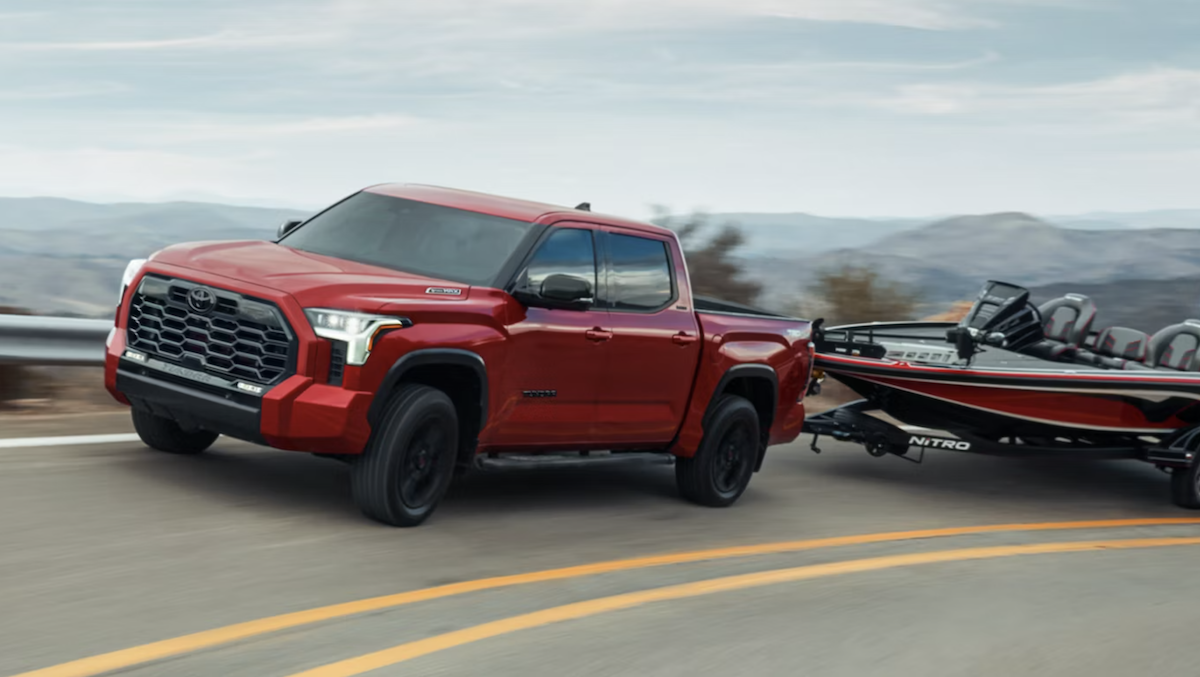
Type 1: Running Boards
Running boards are probably the most common and most popular truck steps out there. They run the full length of your truck’s cab and are the largest stepping surface, which makes getting in and out of the truck much easier. You can install running boards in different widths, materials, and finishes so you can truly customize your Orlando Toyota.
Pros
- A wide, stable stepping surface
- Excellent for families and daily drivers
- Protect lower body panels from road debris
- Available in numerous styles and finishes
Cons
- Can reduce ground clearance slightly
- Larger surfaces can collect dirt or mud
- Some finishes require regular cleaning
Best for: Daily drivers, families, commuters, and anyone who wants maximum comfort in their Orlando Toyota truck.
Type 2: Power Running Boards
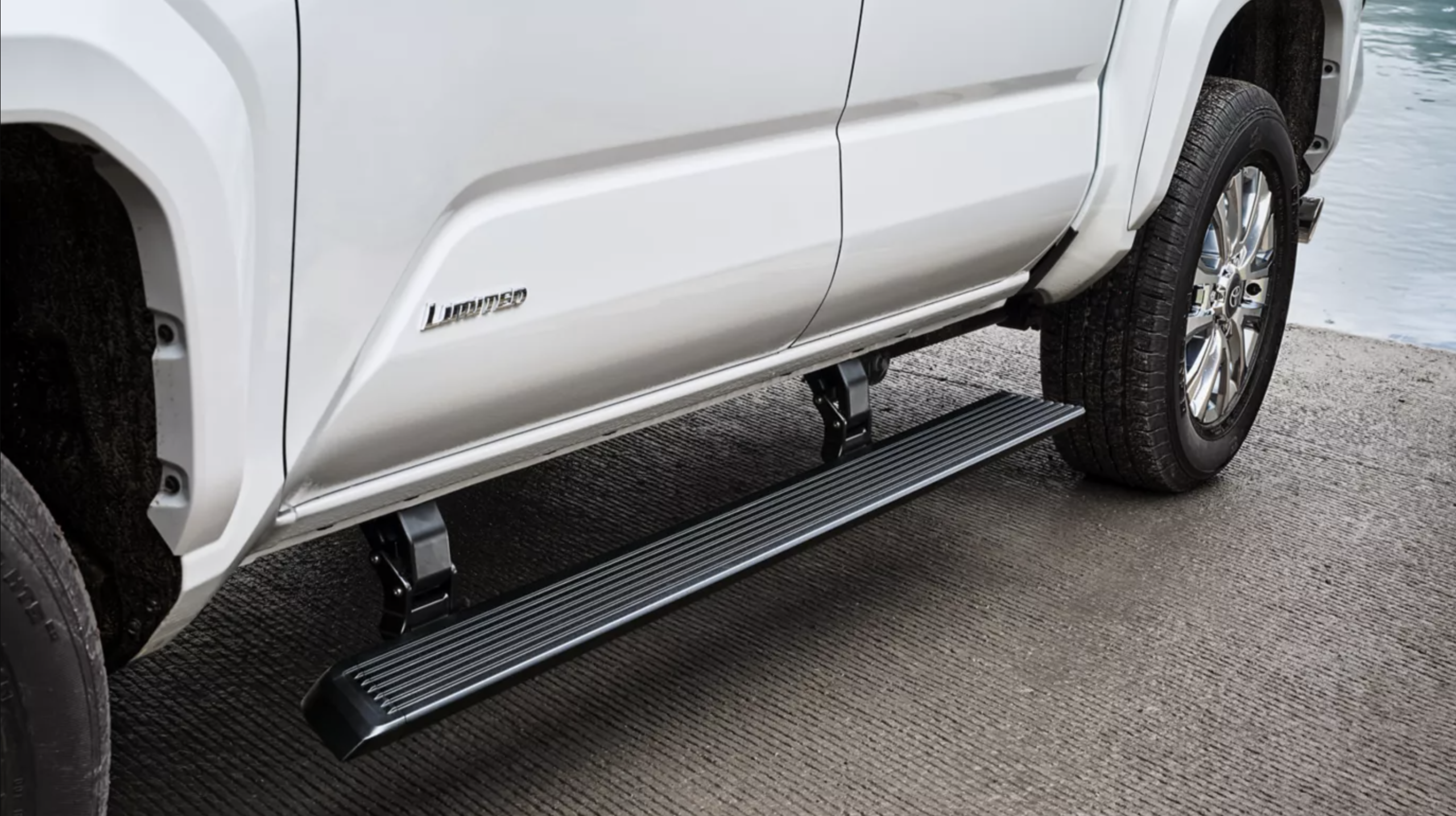
If you want the most when it comes to convenience, power running boards may be it. These unique truck steps retract underneath the truck when the doors are closed to stay hidden most of the time. They automatically extend when you open your door to let you enter and exit the truck with ease. This feature means you get a clean, streamlined appearance when you’re out and about, but convenience when you need it most.
Pros
- Automatic deployment
- Cleaner appearance
- Better ground clearance when retracted
- Premium look and feel
Cons
- Higher purchase price
- More complicated installation
- Electrical components might require maintenance over time
Best for: Luxury trucks, lifted trucks, and drivers who want both convenience and style.
Type 3: Lighted Running Boards
If you hit the road at night a lot, lighted truck steps can make it even easier and safer to climb in and out of your truck. These special running boards have built-in LED lighting that illuminates your steps whenever you unlock or open the doors.
Pros
- Improved nighttime visibility
- Sleek style
- Easier entry in dark parking lots
- Available with customizable lighting on some models
Cons
- Higher cost
- More wiring during installation
- Lighting components might eventually need replacement
Best for: Night drivers and anyone looking for a premium appearance on their Orlando Toyota.
Type 4: Nerf Bars or Step Bars
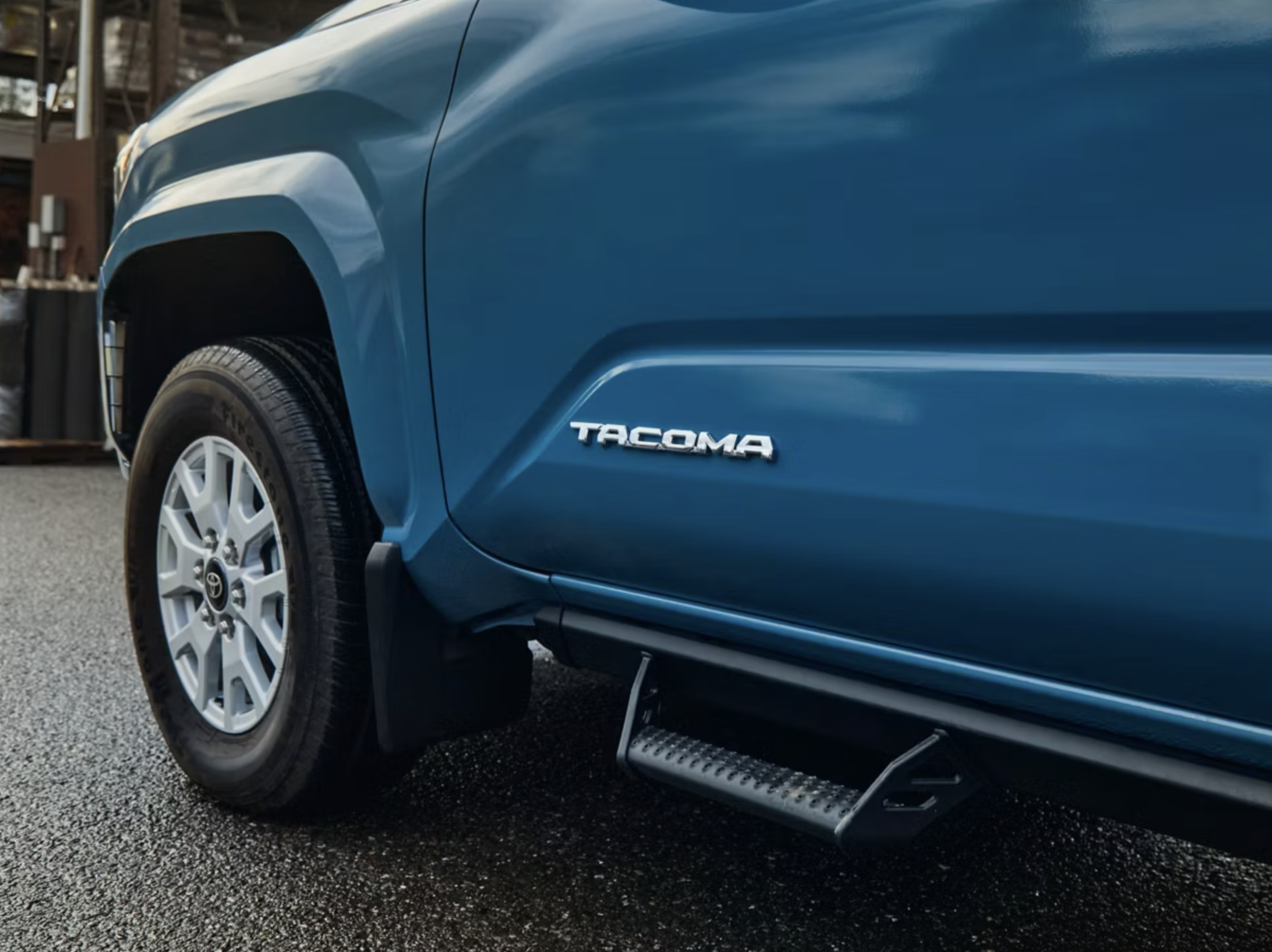
Nerf bars, which are also called step bars, are another popular type of truck steps. Instead of a wide platform like traditional running boards, nerf bars have round or oval tubes with textured step pads under the driver and passenger doors. They’re narrower, which makes them a little sportier than traditional running boards.
Pros
- Generally more affordable
- Easier installation
- Sleek, rugged appearance
- Lightweight design
Cons
- Smaller stepping surface
- Less protection than running boards
- Can be slippery if not cleaned regularly
Best for: Budget-conscious truck owners and those who prefer a sportier look on their Orlando Toyota.
Type 5: Rock Sliders
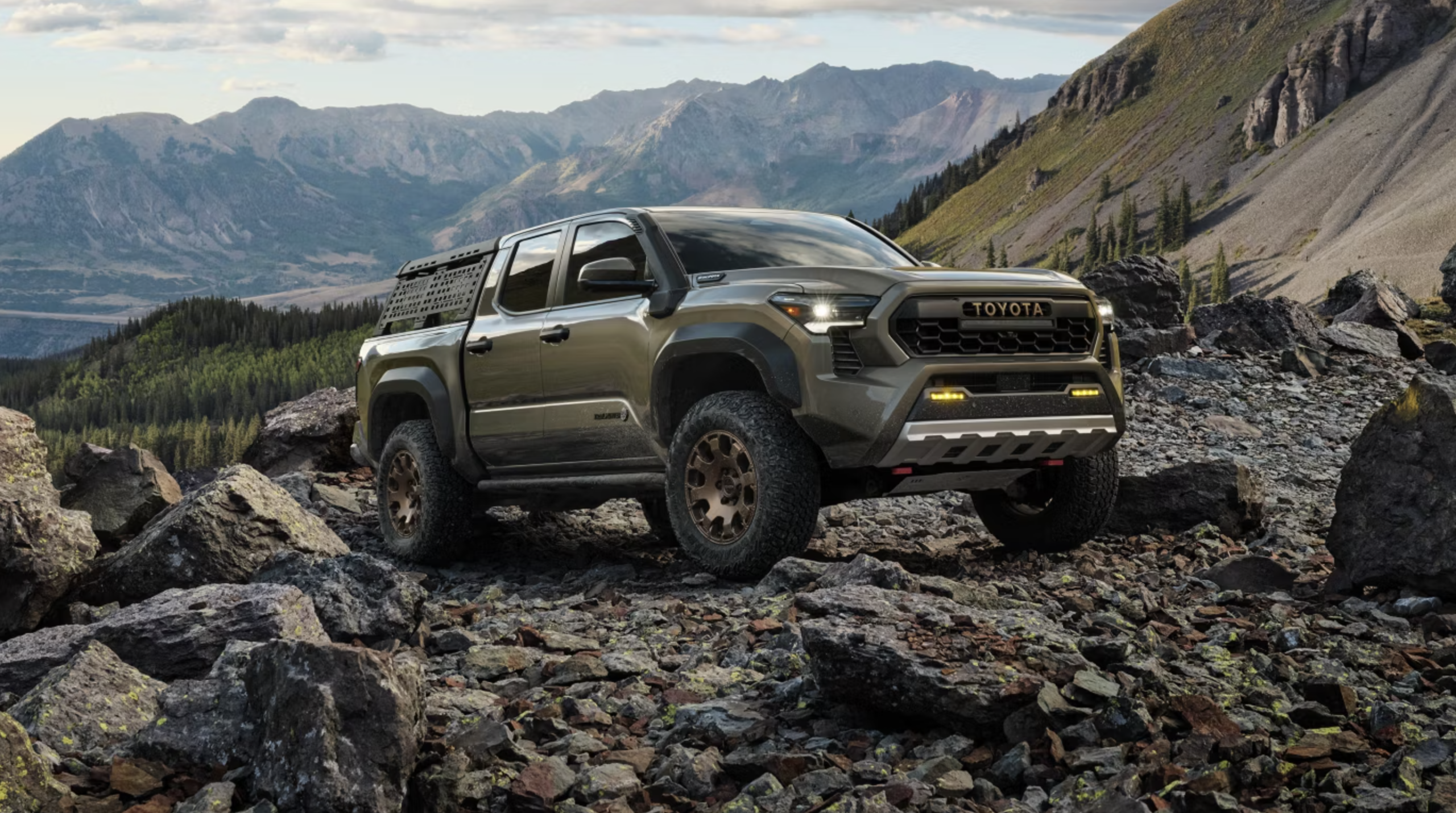
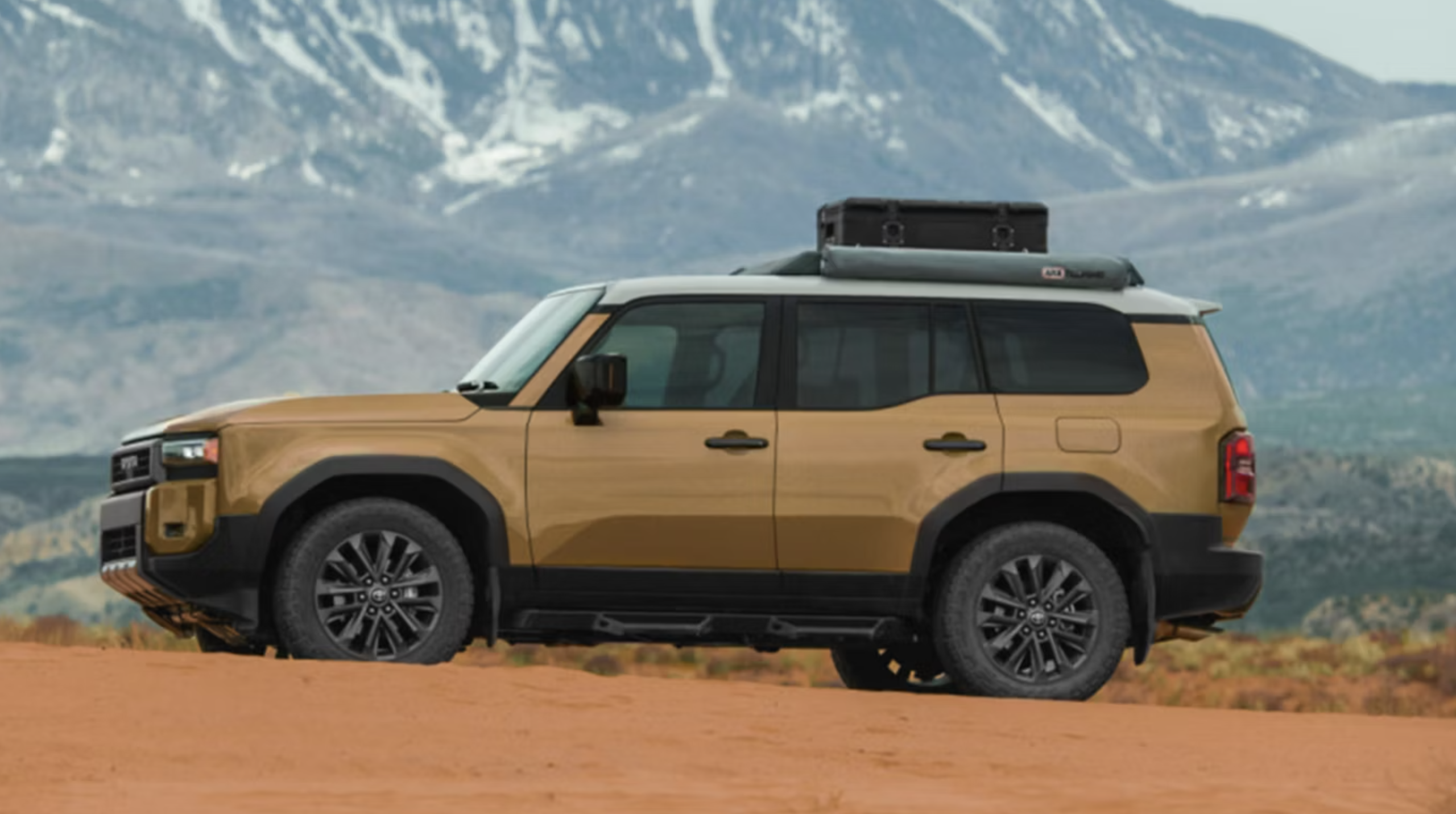
Rock sliders are more than the average truck steps. They offer serious off-road protection on tough trails. Rock sliders are mounted directly to the truck’s frame, and they’re specially designed to protect the truck’s rocker panels from rocks, trees, and other obstacles on the trail. If you’re an off-road enthusiast, they’re a must on your new Toyota.
Pros
- Extremely durable
- Excellent body protection
- Better ground clearance than many running boards
- Built for demanding trails
Cons
- Less comfortable as everyday steps
- Heavier
- More expensive
- Professional installation is recommended
Best for: Off-road enthusiasts and overlanding builds, like the Orlando Toyota Trailhunter models.
Type 6: Hoop Steps
Hoop steps are compact truck steps that put an individual step under each door, rather than a full-length running board or step bar. If you want easy cab access without having to install a large accessory on your Orlando Toyota, hoop steps are a great option.
Pros
- Compact design
- Affordable
- Minimal visual impact
- Easy installation
Cons
- Smaller stepping surface
- Less convenient than full-length boards
- Limited body protection
Best for: Drivers who want a simple entry solution without changing their truck’s appearance too much.
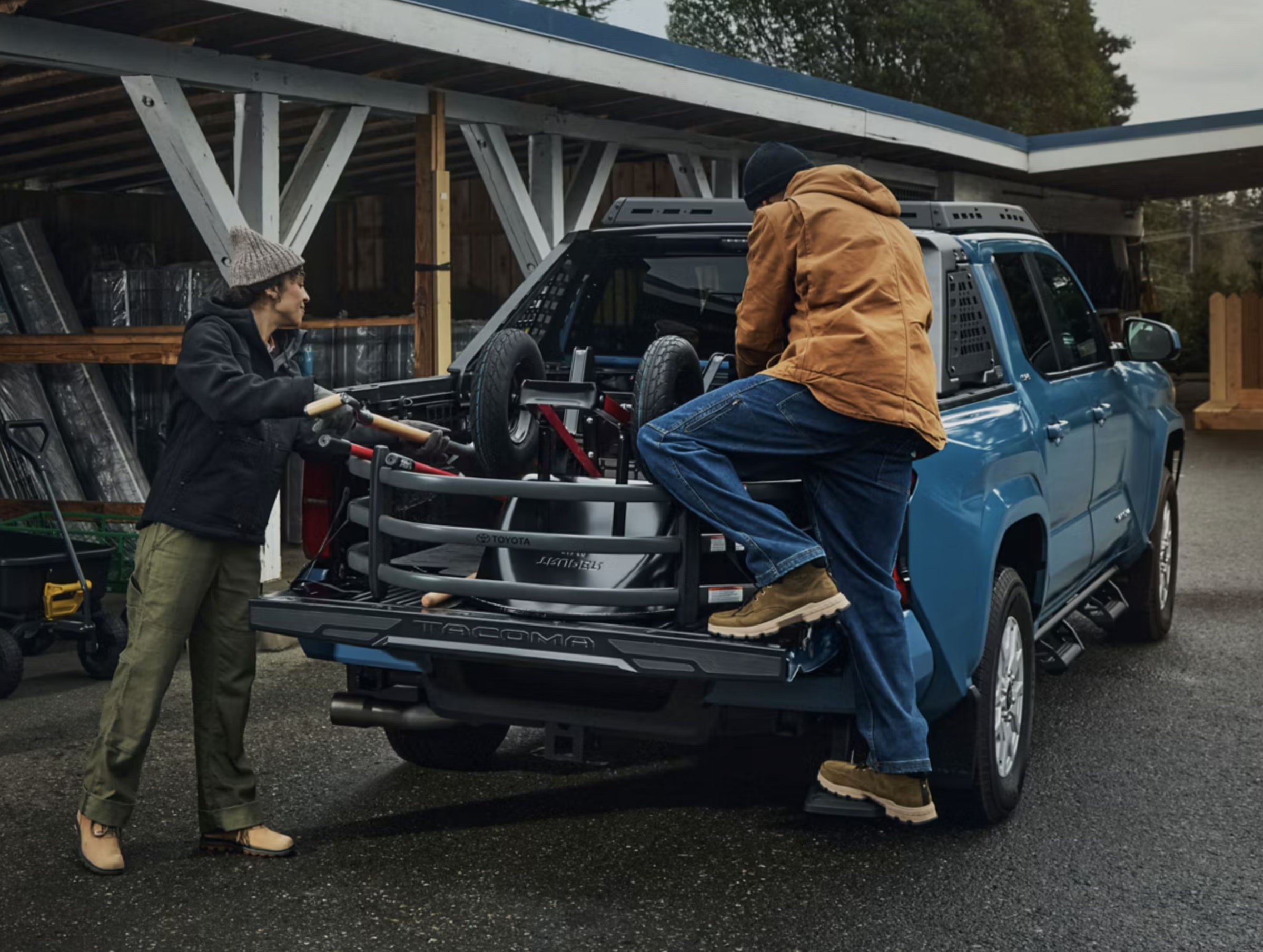
Type 7: Bed Steps
Most truck steps are designed to help you get into the cab, but bed steps are designed specifically to help you get into the bed of your Toyota truck. We see them commonly on rides like the Orlando Toyota Tundra; they fold down from beneath the rear bumper or bedside, and fold back up when they’re not in use.
These are especially helpful on tall or lifted trucks to give you the extra height you need to access the bed easily.
Pros
- Easier cargo loading
- Fold away when not needed
- Stable footing
- Great for work trucks
Cons
- Don’t help with entering the cab
- May interfere with certain accessories
- Some need model-specific installation
Best for: Contractors, DIYers, and anyone who frequently uses their truck bed.
Type 8: Hitch Steps
Hitch steps are truck steps that slide directly into your truck’s trailer hitch receiver. This is a convenient way to step up and access the bed. The cool thing about hitch steps is that they’re removable, and they’re also easy to install (and cost less than traditional truck steps).
Pros
- Quick installation
- Affordable
- Improves rear access
- Easily removable
Cons
-
Occupies the hitch receiver
- Doesn’t help passengers enter the cab
- Can reduce the departure angle slightly
Best for: Truck owners who frequently load and unload gear from the bed.
Which Truck Steps Should You Choose?
Choosing the right truck steps really boils down to how you use your truck every day and what you want the overall style to look like. Here’s a quick reference guide:
Daily commuting: Traditional running boards or nerf bars are convenient, easy to use, and fit style-wise.
Families: Wide running boards can make it easier for kids and older passengers to climb into the cab of the truck.
Work trucks: Bed steps and running boards are perfect for loading tools and equipment, not to mention crews.
Off-road adventures: Rock sliders give you the protection and durability you need, as well as the height.
Lifted trucks: Power running boards give you the access without sacrificing ground clearance.
What Are Truck Steps Made Of?
You’ll find that most truck steps come in one of these four common materials.
Aluminum, which is:
- Lightweight
- Rust-resistant
- Excellent for humid climates like Orlando
Stainless Steel, which is:
- Premium in appearance
- Highly durable
- Excellent in terms of corrosion resistance
Powder-Coated Steel, which is:
- Strong and affordable
- Popular for work trucks
- Available in textured black finishes
Composite Materials, which are:
- Lightweight
- Low maintenance
- Resistant to corrosion
- More budget-friendly
Can You Install Truck Steps At Home DIY Style?
A lot of truck steps are designed as bolt-on accessories that use factory mounting points. This means that if you’re up for it, they could be a DIY weekend project for you (but keep in mind you need the time and the tools). However, we do recommend professional installation sometimes if you’re installing:
- Power running boards
- Rock sliders
- Lighted truck steps
- Heavy-duty work accessories
Having a Toyota of Orlando pro do the install can help ensure that you have secure mounting and proper alignment, and that they’ll offer safety and convenience for years to come.
Are Truck Steps Worth It?
Almost all of the time, yes. They can add convenience to your day-to-day driving, safety for your family, protection while off-roading, and a customized style to your Orlando Toyota truck. The key? Choosing the right ones… and our team is here to help.
Explore Truck Step Options at Toyota of Orlando
Want to explore the truck steps out there and choose which ones fit your needs and ride best? Visit our parts department at Toyota of Orlando today – we’re open seven days a week at 3575 Vineland Road, just off I-4 near the Mall at Millenia.
FAQs
What type of truck steps are best for everyday driving?
Traditional running boards are one of the best choices for everyday driving because they offer a wide, stable stepping surface and make getting into the cab easier. Nerf bars are another great option if you want something a little sportier and more budget-friendly.
What are the best truck steps for a lifted truck?
Power running boards are a great fit for lifted trucks because they extend when you open the door and retract when you don’t need them. This gives you easier access to the cab without permanently sacrificing as much ground clearance.
Do I need rock sliders if I go off-roading?
If you regularly tackle tough trails, rock sliders can be a smart addition to your Orlando Toyota truck. They mount to the frame and help protect the rocker panels from rocks, trees, and other obstacles you might encounter off-road.
Can I install truck steps myself?
Many truck steps use factory mounting points and can be installed at home if you have the right tools and experience. However, power running boards, lighted steps, rock sliders, and heavy-duty accessories may be better suited for professional installation.
The four main types of car brakes

Updated August 2026
Your car brakes are one of the most important safety systems on your Toyota. Every time you slow down for a stoplight, avoid an obstacle in the road, or come to a stop in Orlando’s heavy traffic, you’re relying on your braking system. It has to perform perfectly or you could end up in an accident or collision. That’s why at Toyota of Orlando, routine brake maintenance isn’t just recommended… we see it as essential!
Executive Summary:
- Modern vehicles use four main braking systems: disc brakes, drum brakes, Anti-lock Braking Systems (ABS), and parking (emergency) brakes, and each one plays an important role in keeping you safe on the road.
- Disc brakes offer the strongest, most consistent stopping power and are the standard on most new Toyota models, while drum brakes are still found on some rear wheels and require regular maintenance to perform their best.
- ABS helps you maintain steering control during emergency braking, and your parking brake prevents your vehicle from rolling while reducing stress on your transmission when parked.
- Warning signs like squealing, grinding, vibrations, a soft brake pedal, or longer stopping distances shouldn’t be ignored. Regular brake inspections help catch worn pads, damaged rotors, sticking calipers, and old brake fluid before they become costly repairs.
- Orlando’s stop-and-go traffic, summer heat, and frequent rainstorms can accelerate brake wear, making routine brake maintenance even more important for local drivers.
Keeping your car brakes in the best condition helps protect you, your passengers, and everyone else on the road. Our Toyota of Orlando service technicians recommend:
- Replacing worn brake components before they fail
- Maintaining proper brake fluid levels
- Regularly inspecting important parts like your brake rotors, brake calipers, and brake pads to ensure everything is working together efficiently
Your braking system is made up of a lot of parts, and you don’t have to become a brake expert overnight. That’s where we come in! At Toyota of Orlando, our factory-trained techs handle everything from routine brake inspections to complete brake repairs using Genuine Toyota Parts whenever we can.
And to help you better understand what’s happening every time you press the brake pedal, check out this guide explaining the four main types of car brakes, how they work, and why regular brake maintenance is so important. We’re Making It Simple®!
What are the four main types of car brakes?
Modern cars use a few different braking technologies, but the two main mechanical braking systems are disc brakes and drum brakes. Our modern Orlando Toyotas are also equipped with Anti-lock Braking Systems (ABS) and an emergency (parking) brake that add another layer of safety.
1. Disc brakes: The most common type of car brakes
Disc brakes are the standard on pretty much every new Toyota because they’re powerful, reliable, and can easily handle a variety of driving conditions.
This type of car brakes system includes:
- Brake pads
- Brake rotors
- Brake calipers
- Hydraulic brake fluid
Here’s how everything works together – let our Orlando Toyota brake techs break it down for you.
- When you press the brake pedal, brake fluid travels through hydraulic brake lines.
- The pressure activates the brake calipers.
- The calipers squeeze the brake pads against the brake rotors.
- The friction created slows the wheels until your car comes to a complete stop.
Simple, right? One reason disc car brakes are so popular is because they can handle heat. The brake rotors are exposed to open air, so they cool much faster than enclosed systems. That helps reduce brake fade during repeated braking, like when you’re driving in stop-and-go Orlando traffic or down long hills.
Disc brakes are also exceptional in wet weather. As an Orlando driver, you know how fast afternoon thunderstorms can appear. Disc brakes shed water faster than drum brakes, which gives you full braking performance sooner after driving through heavy rain.
Our new Toyota models typically have disc brakes on all four wheels, which means excellent stopping performance, durability, and consistency.
2. Drum brakes: A traditional type of car brakes
Drum brakes are still found on some cars, but they’re a lot less common today. They’re usually on the rear wheels of smaller or more budget-friendly models.
Instead of using a brake rotor and brake pads, drum car brakes work differently. They have curved brake shoes inside a metal drum. When you apply the brakes:
- Hydraulic pressure forces the brake shoes outward.
- The shoes press against the inside surface of the spinning drum.
- Friction slows the wheel and brings the car to a stop.
While drum brakes work, they have some disadvantages compared to disc brakes.
- They retain heat longer.
- They’re more susceptible to brake fade during repeated stopping.
- Water can become trapped inside the drum, increasing the risk of corrosion.
- They’re generally more difficult to inspect and service.
That being said, drum brakes are perfectly safe if you maintain and adjust them. Many manufacturers still use them on rear wheels because they’re cheaper and integrate well with parking brake systems.
If your Orlando Toyota has drum brakes, routine inspections are especially important so we can make sure they’re wearing evenly and operating correctly.

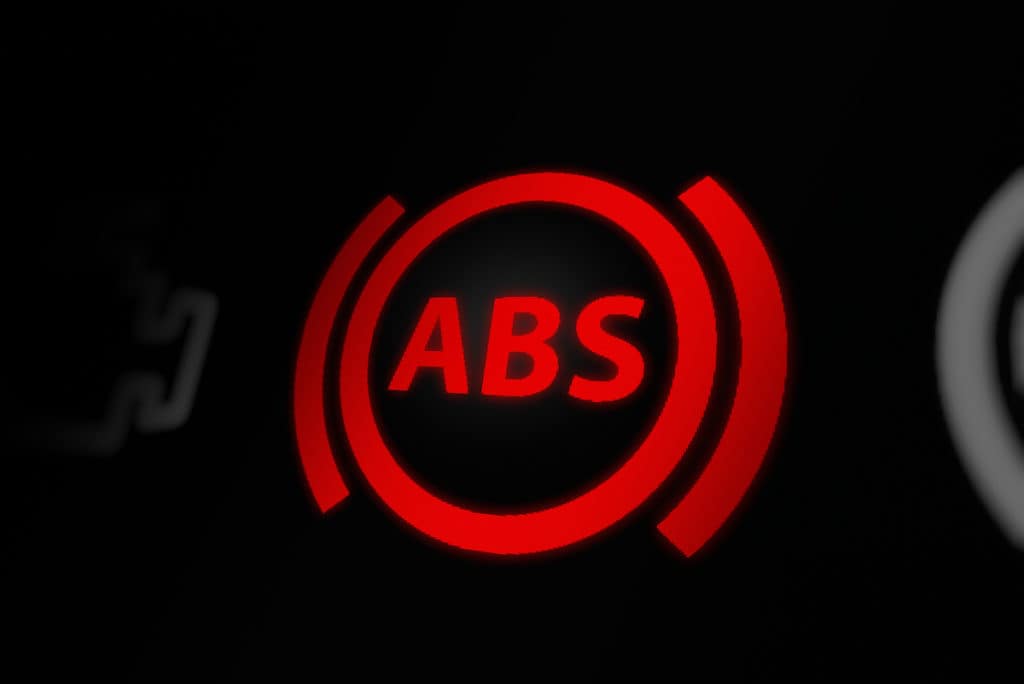
3. Anti-lock Braking System (ABS): Car brakes for emergency situations
Anti-lock Braking Systems (commonly known as ABS) aren’t actually a separate type of car brakes. They’re an advanced safety feature that works alongside your primary braking system.
ABS is designed to prevent your wheels from locking when you have to hit the brakes hard. Without ABS, slamming on the brakes could cause your tires to skid across the pavement, making it difficult to steer and avoid collisions.
Here’s how ABS works:
- Wheel speed sensors constantly monitor each wheel.
- If one wheel begins locking up during braking, the ABS computer detects it immediately.
- The system rapidly reduces and reapplies brake pressure several times per second.
- This allows the wheels to continue rotating while still slowing your car.
The result? Better steering control during emergency stops. You’ll probably notice the brake pedal vibrating or shaking during ABS activation. That’s completely normal and means the system is working like it should.
ABS can be especially important during:
- Heavy Orlando rainstorms
- Wet roads
- Loose gravel
- Emergency highway stops
- Sudden obstacle avoidance
And remember – ABS is great, but you should still use a safe following distance and keep up with your tires to ensure you can stop safely.
4. Emergency brakes (parking brakes)
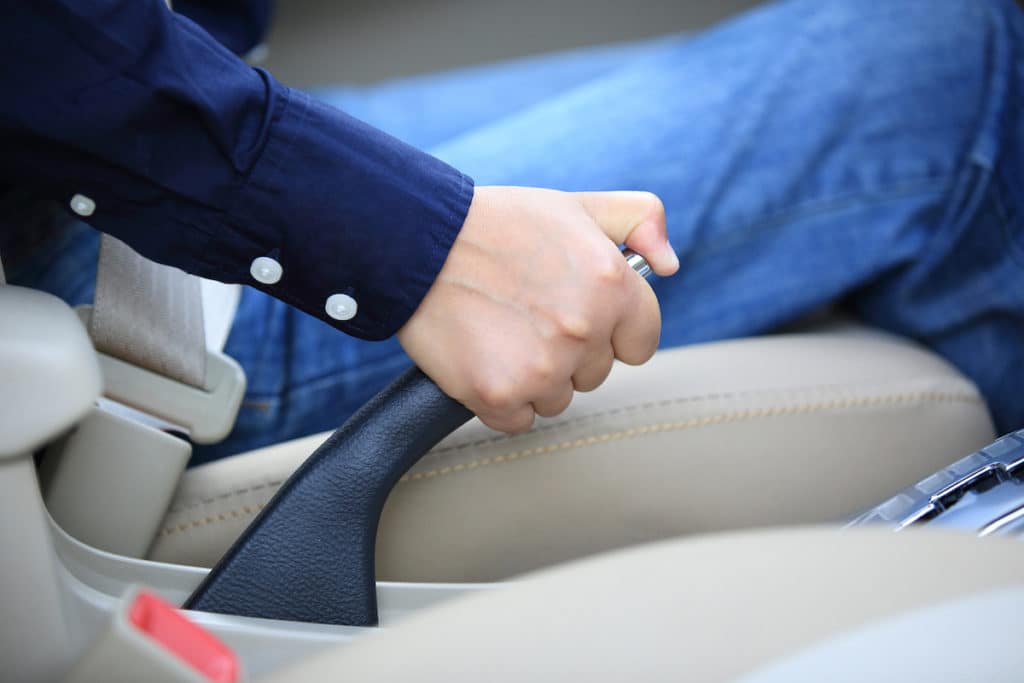
Your emergency brake – which is also called the parking brake – is another important part of your car’s overall braking system. Depending on your Orlando Toyota model, it will be:
- A traditional hand lever
- A foot pedal
- An electronic parking brake switch
Unlike your main car brakes, the parking brake doesn’t rely on hydraulic pressure. Instead, it uses a mechanical cable or electronic actuator to keep your ride from rolling when it’s parked.
You should use your parking brake regularly because it:
- Helps prevent your car from rolling on hills
- Reduces stress on your transmission when your car is parked
- Provides an additional layer of safety
- Keeps your parking brake parts from sticking due to lack of use
It’s not meant to stop your car during everyday driving, but the emergency brake can help gradually slow your ride if your primary braking system fails. If that ever happens, apply the parking brake slowly and steadily. Don’t yank it suddenly at highway speeds!
What are the signs your car brakes need service?
Your car brakes usually give you warning signs before they have a major issue. Paying attention to these symptoms can help prevent big repairs and also keep you and yours safer. Some common signs that your car brakes need service include:
- Squealing or squeaking when braking
- Grinding noises
- Vibrations in the brake pedal or steering wheel
- A soft or spongy brake pedal
- Your vehicle pulling to one side while braking
- Increased stopping distance
- Brake warning light illuminated
- Burning smells after heavy braking
If you notice any of these symptoms, bring your car to Toyota of Orlando ASAP for a brake inspection!
Why regular brake maintenance matters
Your braking system is made up of parts that naturally wear over time just like anything else. Regular brake maintenance helps catch problems early before they become bigger and more expensive. Here’s what our Toyota of Orlando technicians inspect during brake service.
Brake pads
Brake pads are designed to wear gradually as they create friction against the brake rotors. Most brake pads last anywhere from 30,000 to 70,000 miles, depending on your driving habits, traffic conditions, and car type.
Ignoring worn brake pads can damage your car’s rotors, which are significantly more expensive to replace.
Brake rotors
Brake rotors are the smooth metal surface your brake pads squeeze against. Over time they can become:
- Warped
- Scored
- Cracked
- Excessively worn
Damaged rotors usually cause vibrations while you’re braking and should be resurfaced or replaced if they’re in poor shape.
Brake calipers
Brake calipers hold the brake pads and apply the hydraulic pressure during braking. If a caliper sticks or leaks, it can cause:
- Uneven brake pad wear
- Pulling while braking
- Reduced stopping performance
- Premature rotor damage
Routine inspections help catch these issues early, so schedule yours at Toyota of Orlando.
Brake fluid
Brake fluid transfers hydraulic pressure through your braking system. Over time, it naturally absorbs moisture from the air. Moisture contamination lowers its boiling point and can reduce your brakes’ effectiveness, especially during heavy braking.
That’s why manufacturers recommend replacing brake fluid at regular service intervals. Our Toyota of Orlando techs can get you on a schedule!
Orlando driving can be harder on car brakes
Living in Orlando means your car brakes often work harder than drivers in other parts of the country. Some local driving conditions that increase brake wear include:
- Heavy stop-and-go Orlando traffic
- Frequent tourist congestion near attractions
- Summer heat that increases brake temperatures
- Daily commuting on I-4
- Sudden afternoon thunderstorms requiring additional braking
Regular brake inspections help ensure your braking system is prepared for whatever Orlando roads throw your way.
Trust Toyota of Orlando with your brake service
Whether your vehicle needs new brake pads, rotor replacement, brake fluid service, or a complete brake inspection, Toyota of Orlando is here to help. Schedule brake service with us at (407) 298-0001 or online, and don’t forget to ask about our money-saving brake service specials today!

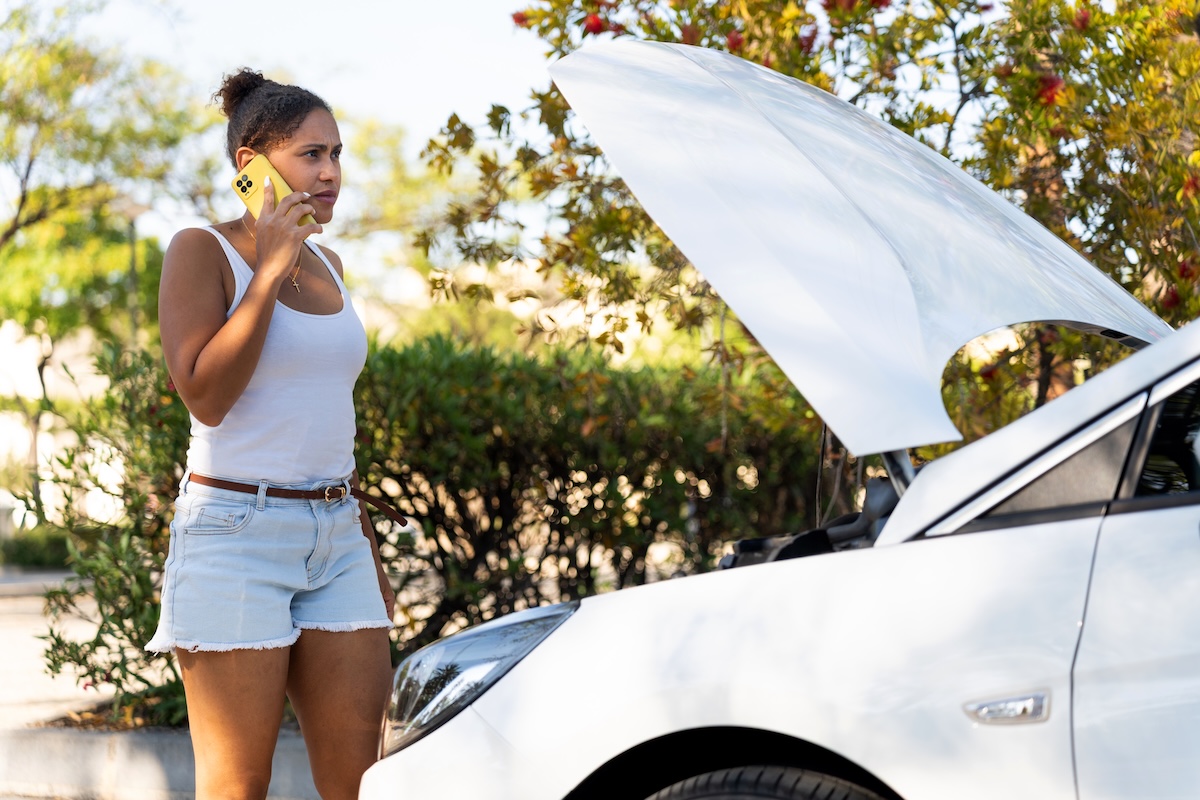
If you’ve ever found yourself broken down on the side of I-4 with a flat tire or stuck in a parking lot in the blazing heat with a dead battery, you have a solid idea of how important roadside assistance can be. Whether you’re doing your day to day commute in Orlando or heading out of town, car trouble can show up when you least expect it.
Here’s the good news – roadside assistance can help! It’s designed to get you back on the road as quickly and safely as possibly. Our Orlando Toyota team is breaking down some of the most common FAQs about roadside assistance, how to use it, and how to stay prepared for car emergencies. We’re Making It Simple®!
Executive Summary:
- Roadside assistance provides emergency help when your vehicle can’t be safely driven, including jump-starts, flat tire changes, fuel delivery, lockout assistance, towing, and winching (when covered by your plan).
- If your car breaks down in Florida, move to a safe location if possible, turn on your hazard lights, stay inside your vehicle when it’s safe, and contact your roadside assistance provider. If you’re in immediate danger or blocking traffic, call 911.
- Most roadside assistance plans cover towing, but mileage limits and services vary. Review your coverage so you know exactly what’s included before you need it.
- Orlando’s heat, heavy traffic, afternoon thunderstorms, and hurricane season can increase the likelihood of breakdowns and affect response times. Preventative maintenance is one of the best ways to avoid roadside emergencies.
- Regular battery checks, tire inspections, oil changes, and keeping an emergency kit in your vehicle can help reduce your chances of needing roadside assistance and keep you safer on Florida roads.
What is Roadside Assistance?
Roadside assistance is a service that gets you emergency help when your car is disabled and can’t be safely driven. Instead of being stranded or trying to figure out the problem yourself, you can call roadside assistance and have trained professionals sent to your exact location.
It depends on the plan that you have, but roadside assistance can include things like:
- Jump-starting a dead battery
- Changing a flat tire
- Delivering fuel if you run out of gas
- Lockout assistance if your keys are locked inside your ride
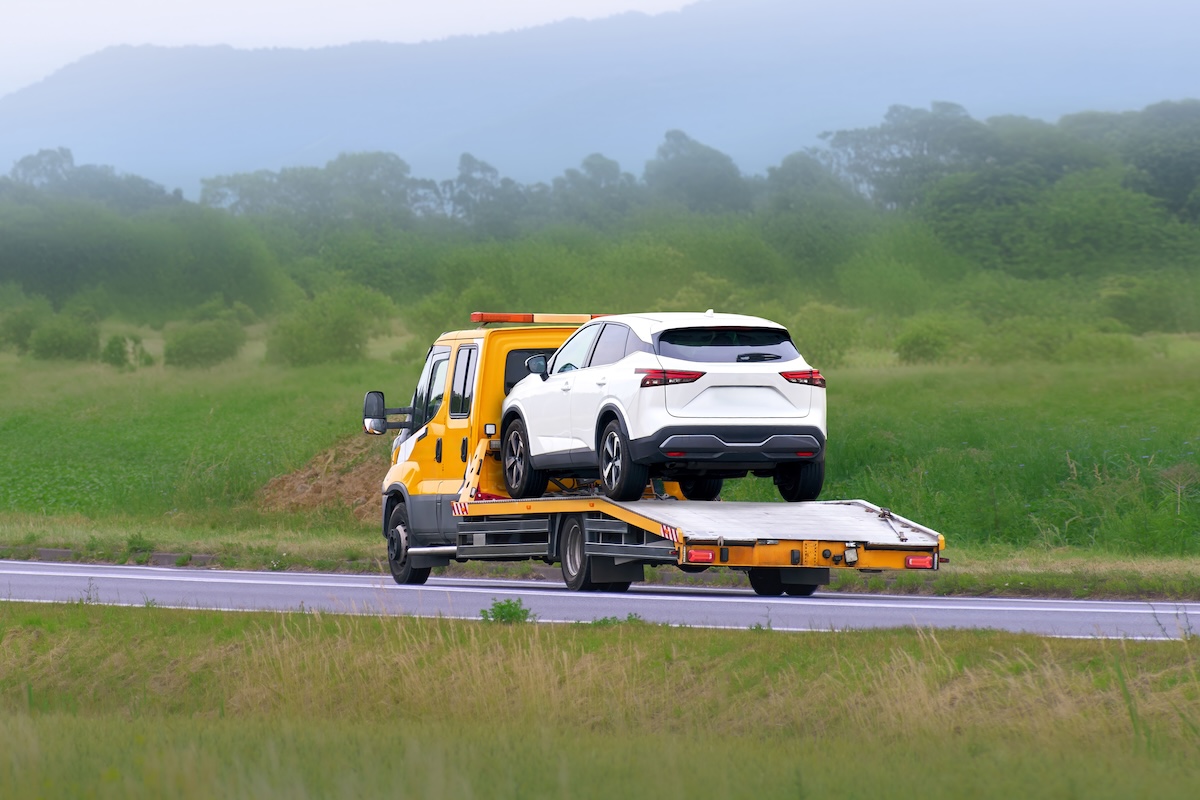
- Towing to a nearby repair shop
- Winching if your car is stuck (under qualifying conditions)
Did you know that a lot of new Toyota models (and Toyota Certified Used Cars) actually offer complimentary roadside assistance for a limited time? You can also explore coverage through your car insurance company, your credit card company, or join a roadside assistance membership organization.
Can I Get Roadside Assistance in Florida?
Yes! Most roadside assistance providers will get you help throughout Florida. This includes major cities like Orlando, Tampa, Jacksonville, Miami, and more, as well as other towns and highways.
Here’s one thing to keep in mind, though – roadside assistance response times can vary due to external factors like:
- Weather conditions
- Traffic congestion
- Your exact location
- Demand during holidays or severe storms
For example, if you’re stuck on I-4 during a thunderstorm in Friday rush hour, you may have to wait longer for help than you would on a sunny Sunday morning.
What Should You Do If Your Car Breaks Down on a Florida Highway?
If you find yourself stranded on a highway, always remember safety first before anything else. Here’s what our Orlando Toyota team recommends:
- First, move your car completely onto the shoulder.
- Next, turn on your hazard lights immediately.
- Stay inside your car if it’s safe to do so.
- Call your roadside assistance provider.
- If you feel unsafe or you’re blocking traffic, call 911.
Florida highways like I-4, the Turnpike, and I-95 see heavy traffic on the daily, so you really should stay inside your car unless you absolutely can’t. It’s safer!

What Should I Have Ready When I Call Roadside Assistance?
To make your roadside assistance service as fast as possible, you should have information ready to go including:
- Your exact location (GPS or nearby landmarks help)
- Your car’s make, model, and color
- A description of the problem
- Your phone number
- Your roadside assistance membership information, if applicable
A lot of roadside assistance apps can automatically share your GPS location, too – this makes it easier for the service providers to find you.
Will Roadside Assistance Fix My Car Right Then and There?
It depends on what’s wrong with it. Sometimes, with a minor issue, the technician can get you back out on the road pretty quickly. Common repairs are easier to do on the fly, including:
- Jump-starting the battery
- Installing your spare tire
- Unlocking your vehicle
- Adding enough fuel to reach a nearby gas station
However, if it’s a bigger issue like engine or transmission trouble or electrical problems, you might need a tow to our Orlando Toyota service center.
Does Roadside Assistance Cover Towing?
Most roadside assistance plans cover towing your car, but the distance they’ll tow varies. Some plans will tow you to the nearest repair shop, while others have a mileage limit before you have to pay additional charges. That’s why our Orlando Toyota service team recommends reviewing your coverage and asking any questions. Be sure to ask things like:
- How many miles are included
- If there are service limits
- Which repair shops qualify
- If there are additional fees
Can Roadside Assistance Change My Flat Tire?
Definitely! Flat tires are actually one of the most common roadside repairs. A technician should be able to:
- Install your spare tire as long as it’s in good condition
- Check that it’s properly inflated
- Help see if the damaged tire should be repaired or replaced
If your spare tire isn’t usable or is in bad condition, you may have to get a tow to our Toyota of Orlando auto service center.
What Happens If My Car Battery Dies?
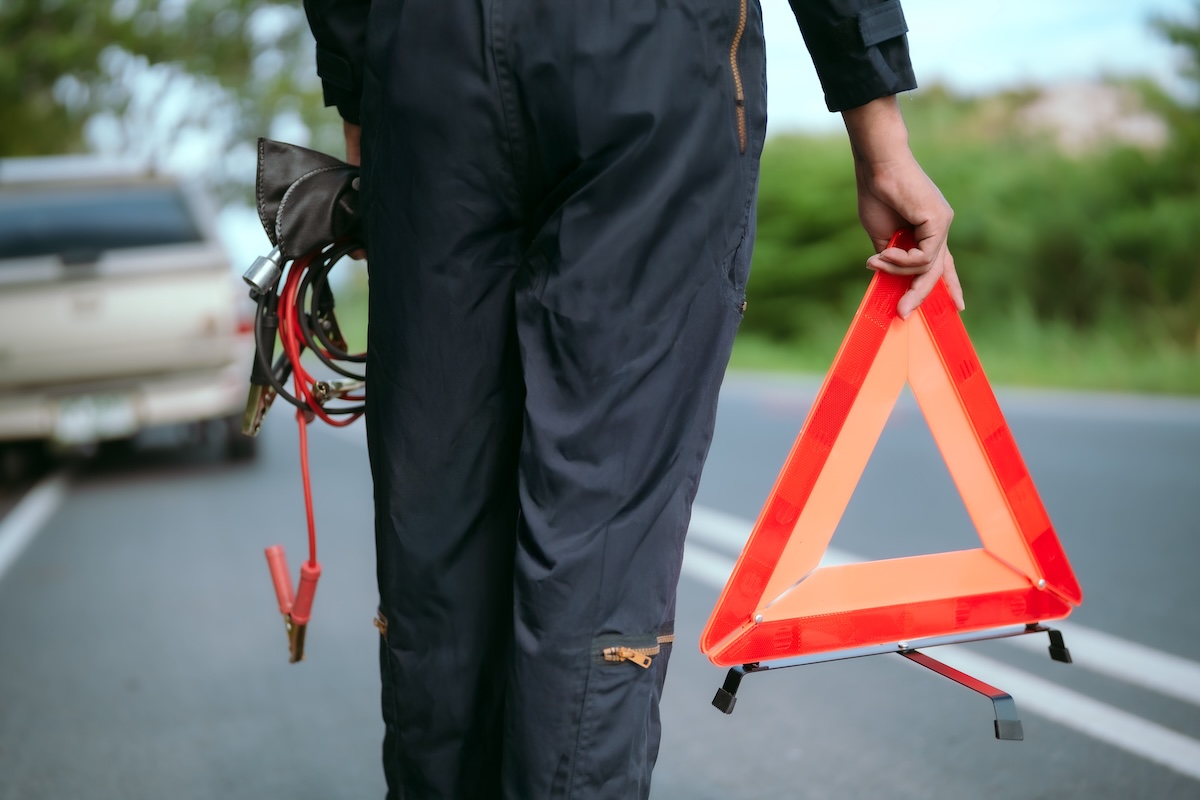
We know that Orlando’s high temperatures are rough on car batteries. Heat speeds up the chemical reactions inside the battery, which can actually shorten its lifespan. Your battery may wear out sooner than you’d expect, which can leave you in a tough spot.
Good news, though – roadside assistance techs can usually:
- Test your battery
- Jump-start your car
- Tell you if the battery should be replaced
If your car battery has constant issues, you should schedule a battery inspection at Toyota of Orlando to avoid another breakdown.
Can Roadside Assistance Unlock My Car?
Sure can! Lockout assistance is common and it’s included with a lot of roadside assistance plans.
If you lock your keys in the car, a roadside tech can unlock your car without damaging your locks or windows. It’s worth noting that if you drive a newer Toyota with the SmartKey System, the process might change a little, but a roadside tech can still get your car unlocked.
Don’t try to force your car door open yourself. You can damage the weather seals, paint, trim, or locking mechanism on the door. Call for help to avoid expensive future repairs!
Can Roadside Assistance Bring Me Gas?
Ooof, you ran out of gas. It actually happens more often than you think, and most roadside assistance plans will deliver you enough fuel to make it to the nearest gas station. It depends on your plan, but:
- The fuel might be included
- You might pay only for the fuel delivered
- Additional delivery fees could apply
It’s always smart to avoid getting to E, especially if your’e driving more rural roads around Orlando.
Can Roadside Assistance Help Me After a Hurricane?
Technically, yes. But you should keep in mind that response times can be a lot longer after major storms. Our hurricane season here in Florida runs from June to November, and severe storms can cause road closures, fallen trees, flooding, and other delays.
If your car is having issues after a hurricane, you should:
- Stay away from floodwaters
- Never attempt to drive through standing water
- Contact roadside assistance once you’re in a safe location
- Follow any local emergency guidance regarding road closures
If conditions are bad, the roads may not be safe enough for roadside assistance to get to you so be sure to drive carefully.
Is Roadside Assistance Worth Having in Orlando?
Our vote? Yes. We have heavy traffic, intense heat, severe storms, and we’re a hub for long-distance travel. We think roadside assistance is well worth it and a great safety net to have as you travel Orlando and its surrounding areas.
Even if you never need it, the fact that you can get a tow, a battery jump, a fuel delivery, and more can give you better peace of mind and reduce your stress.
How Can You Reduce Your Chances of Needing Roadside Assistance?
Roadside assistance is great, but it’s even better if you never get in a situation where you need it. We recommend preventative maintenance at Toyota of Orlando to reduce your risk of a breakdown. Our checklist includes:
- Check your tire pressure monthly
- Replace worn tires before they fail
- Test your battery annually
- Keep up with oil changes and scheduled maintenance
- Watch for dashboard warning lights
- Replace worn windshield wipers before Florida’s rainy season
- Keep your fuel tank from getting too low
- Carry a basic emergency kit with water, a flashlight, and a phone charger
You’ll never be able to predict what happens are you drive, but regular maintenance can reduce your changes of needing roadside assistance in a big way.
Stay Prepared with Toyota of Orlando
No one plans for a roadside emergency, but they can happen to anyone. And whether you’re curious about the roadside assistance available with a new Toyota purchase or want to keep your current car in the best shape possible, we can help! Visit Toyota of Orlando today or call us at (407) 298-4500.
FAQs
What services does roadside assistance usually include?
Most roadside assistance plans cover common emergencies like jump-starting a dead battery, changing a flat tire, fuel delivery, lockout assistance, towing, and, in some cases, winching. The exact services depend on your provider and membership plan.
Does roadside assistance cover towing?
Yes, most roadside assistance plans include towing, but the distance covered varies by provider. Some plans tow to the nearest repair facility, while others include a set number of miles before additional charges apply.
What should I do if my car breaks down on a Florida highway?
If it’s safe, move your vehicle completely onto the shoulder and turn on your hazard lights. Stay inside your vehicle if possible, contact your roadside assistance provider, and call 911 if you’re in an unsafe location or blocking traffic.
Is roadside assistance worth having in Florida?
For many Florida drivers, the answer is yes. Between heavy traffic, high temperatures, long road trips, and severe weather, roadside assistance provides valuable peace of mind and can save you time, stress, and potentially expensive towing costs.
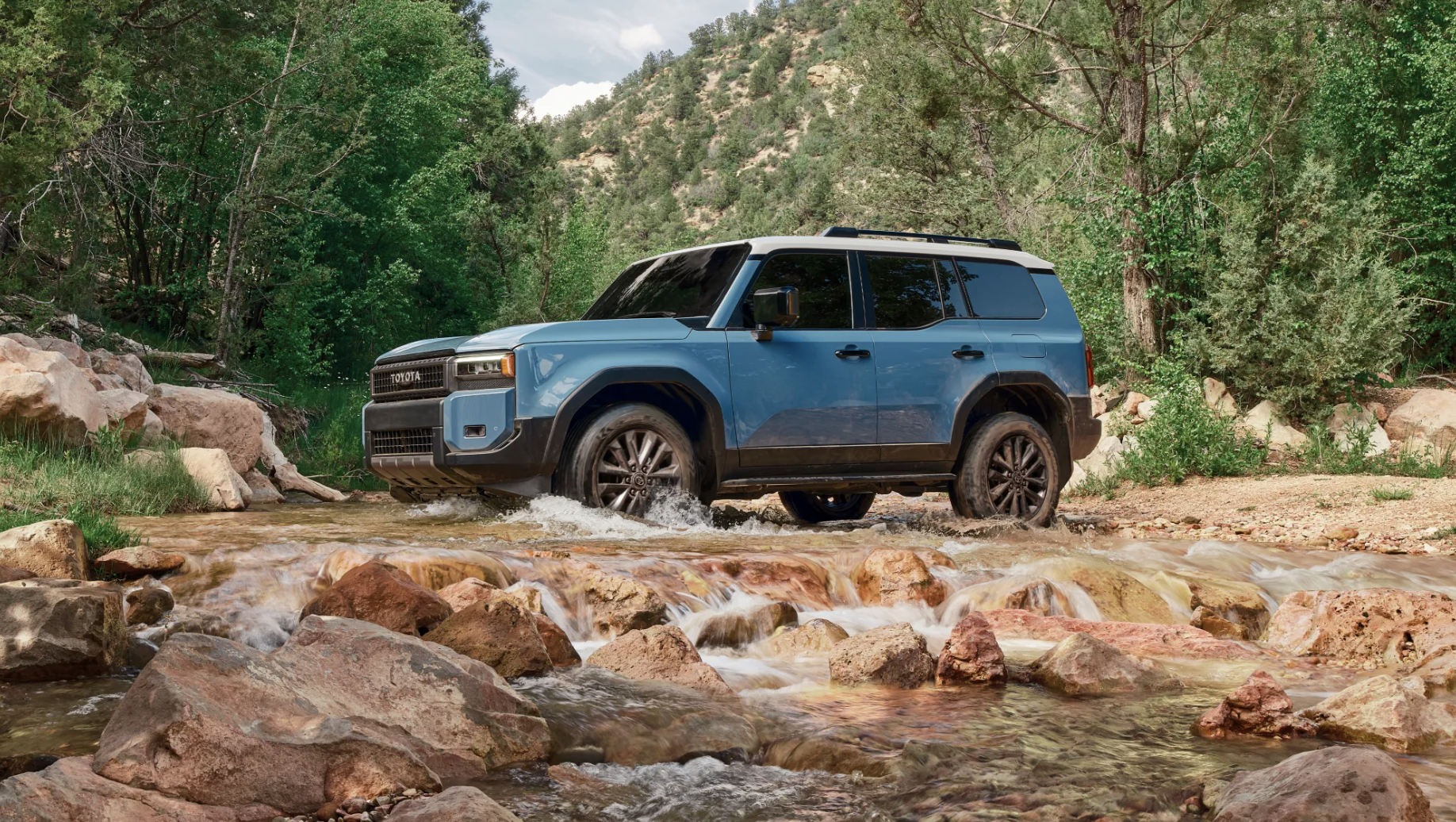
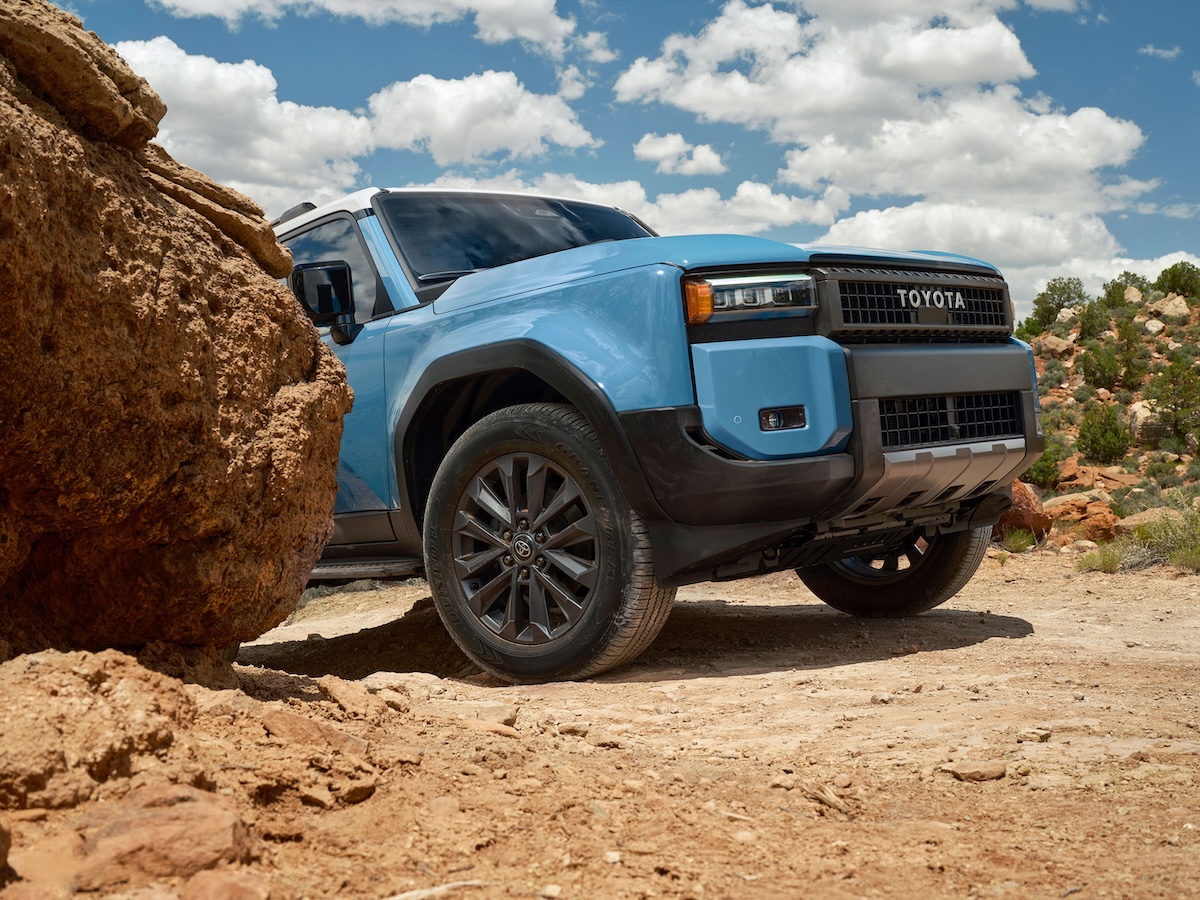
The Toyota Land Cruiser has always had a reputation that’s tough to beat. It’s an SUV that’s proved its durability and capability for decades, generation after generation. In 2027 Toyota is doubling down on its existing legacy to update this rugged off-roader and add in a bit more everyday style and comfort.
Have you been watching the Orlando Toyota Land Cruiser and maybe planning to put one in your driveway? You’re in luck – this latest generation focuses on off-road abilities, efficiency, and everyday versatility. Our expert team is here to explain… let’s explore everything the 2027 Toyota Land Cruiser has to offer!
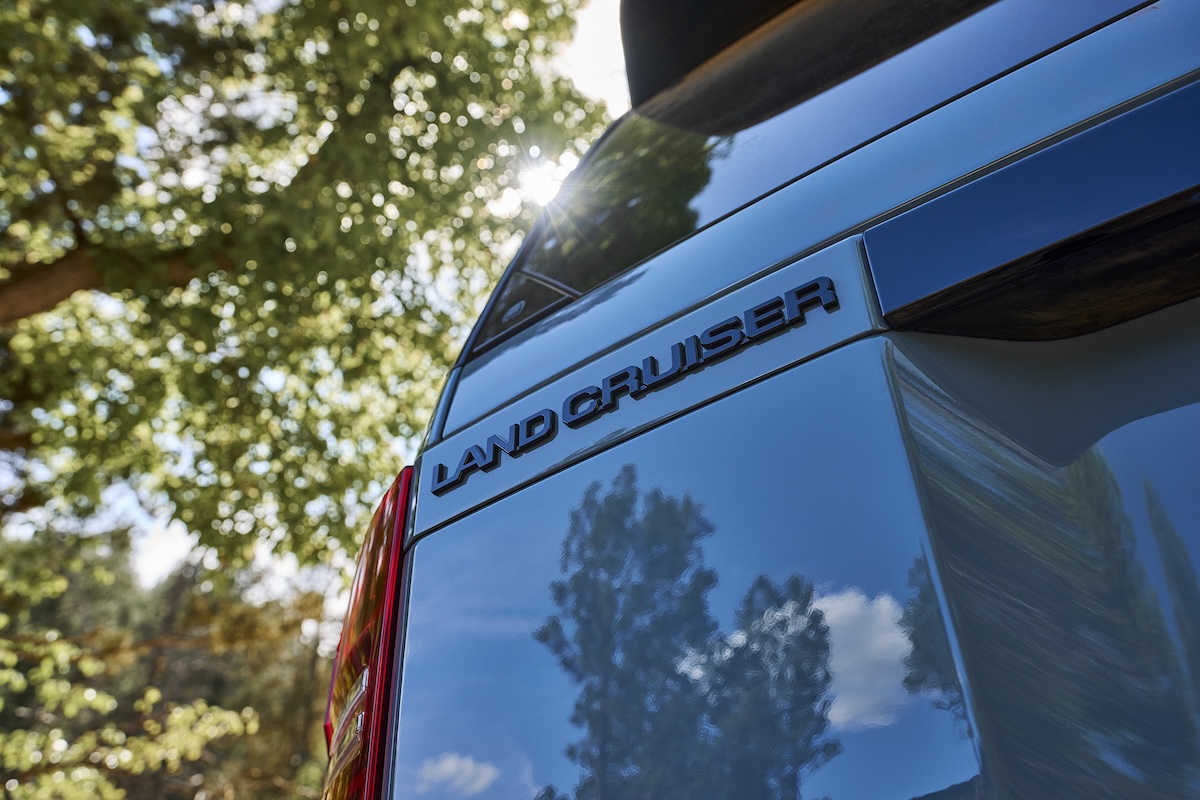
What’s New on the 2027 Toyota Land Cruiser?
The 2027 Toyota Land Cruiser has updates, but Toyota is also following the old adage of “if it’s not broken, don’t fix it”. Their goal this year was to enhance the existing off-roader to make it perfect for every driver. Here’s what you can expect:
- A new high-mount air intake is up for grabs – perfect if you’re an off-roader. This means the 2027 Toyota Land Cruiser can easily handle dusty trails and deeper water crossings… it’s ready for anything.
- Available heated and ventilated second-row seats. This small detail helps to keep everyone comfortable on long drivers and during those extreme summer and winter temps.
- A new paint color is also on the table called Inked. It gives a sleek, modern option for 2027 Land Cruiser drivers to consider.
No, we don’t see any HUGE updates… but Toyota is keeping what’s working solid and refining the details. We’re not complaining!
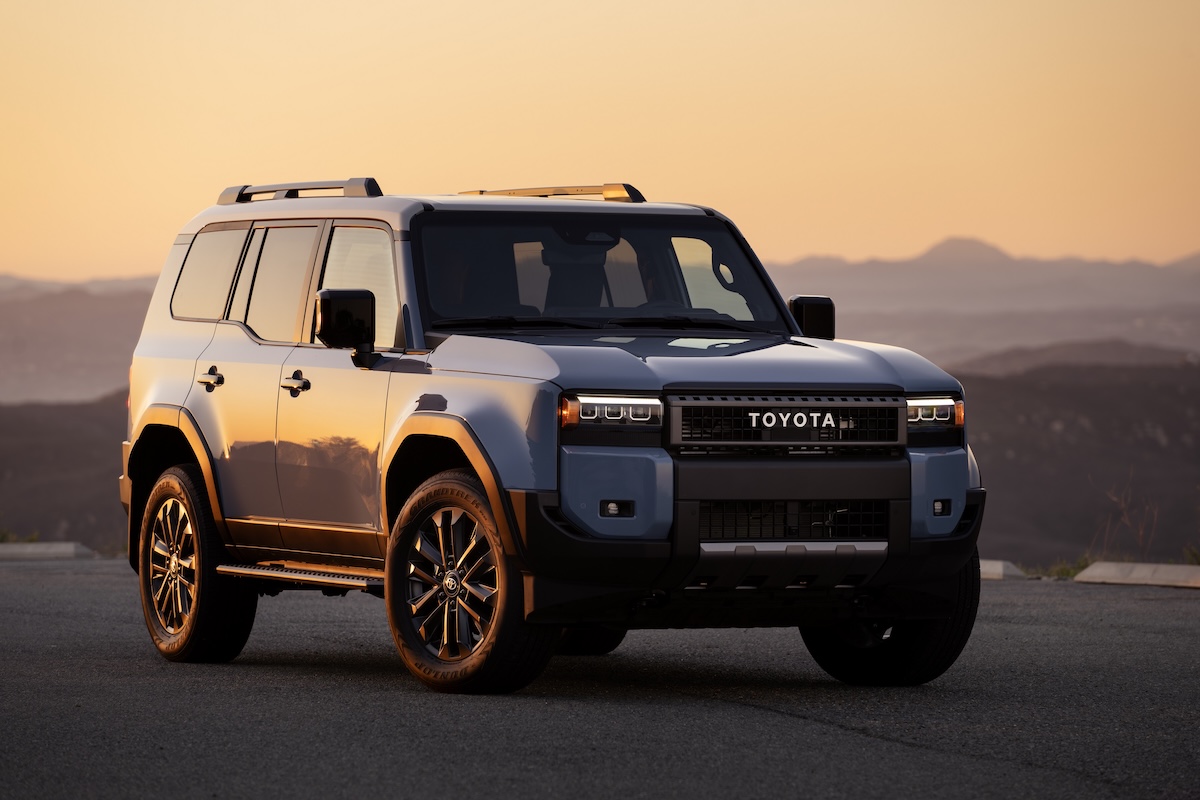
Performance: The 2027 Land Cruiser is Built for Anything
We know that the 2027 Toyota Land Cruiser will offer Toyota’s I-FORCE MAX hybrid powertrain again this model year, delivering 326 horsepower and 465 lb-ft torque. You’ve got lots of low-end power that’s great for towing and off-roading, but also perfectly efficient for everyday driving.
- The 2027 Toyota Land Cruiser also offers full-time four-wheel drive, which means it can handle any terrain without issue. Toss in center and rear locking differentials, and rocky surfaces have got nothing on you.
- However, even though it’s built for rugged terrain, its hybrid powertrain improves your power and fuel efficiency to make it more efficient and practical than older Land Cruisers. You truly get the best of both worlds.
What Is the TNGA-F Platform in This Orlando Toyota Off-Roader?
The 2027 Toyota Land Cruiser sits on the TNGA-F truck platform, which it shares with siblings like the Tundra, Sequoia, and Tacoma. This particular platform uses special manufacturing processes like laser blank welding to create an incredibly strong boxed-frame. The resulting frame is simultaneously durable and lightweight.
In plain terms? That means you get better off-road performance, better stability on paved surfaces, and a structure that’s built to last. On top of that, the 2027 Toyota Land Cruiser can tow up to 6,000 pounds, making it a perfect option for getting out of town.
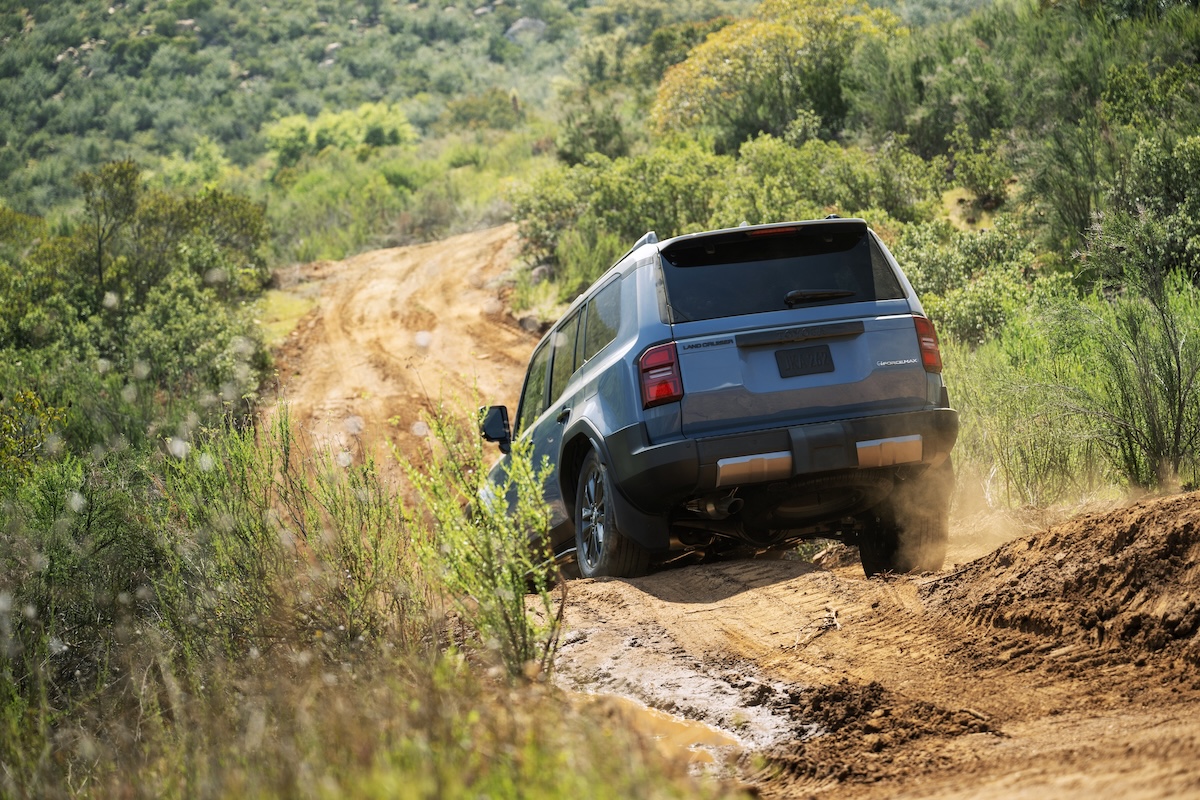
The New Land Cruiser Has the Off-Road Tech to Get You There
Being off-road ready isn’t just about the hardware. The 2027 Toyota Land Cruiser has other features that make it trail-ready, including smart technology features. We love the Multi-Terrain Monitor, which uses multiple cameras around the vehicle to give you a clear view of everything around you. If you’re taking on rocks, steep surfaces, mountainous terrain, or tight trails, you want this feature on your ride. It’s especially helpful for new off-roaders who have a little trepidation about taking on off-road territory.
Get a Premium Experience in the 2027 Toyota Land Cruiser
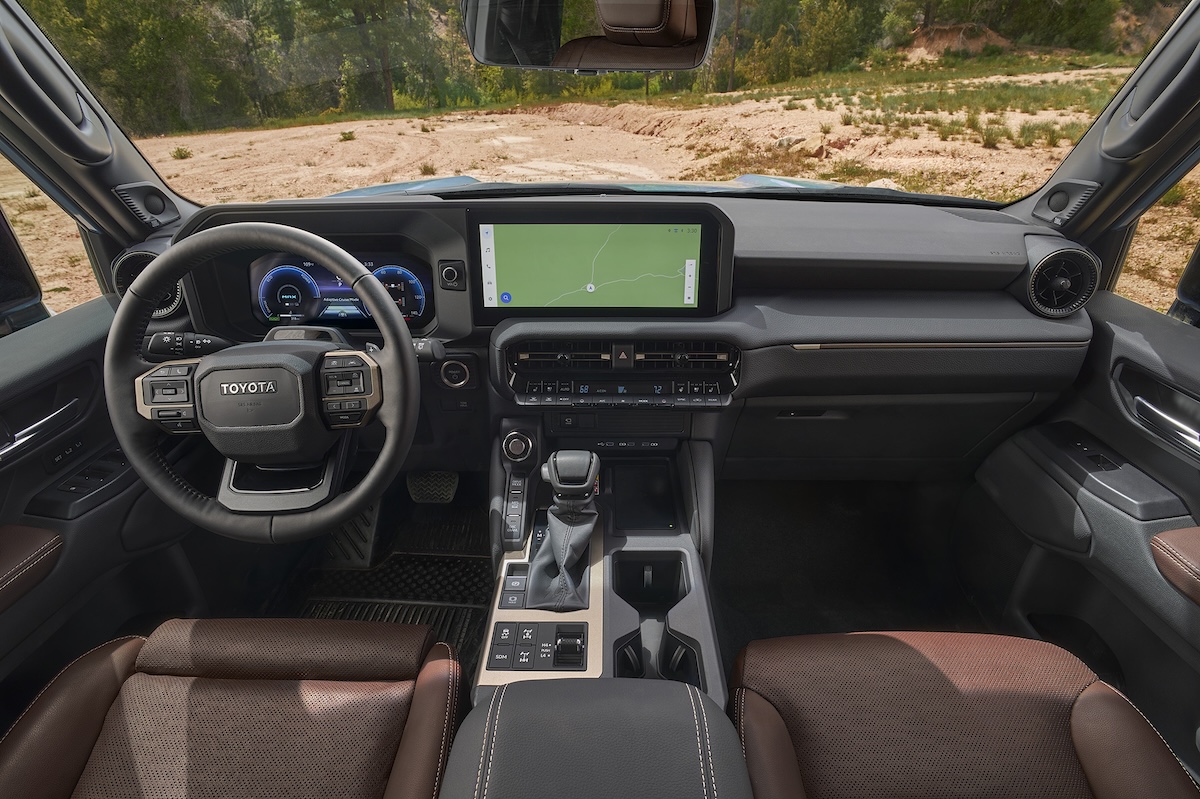
Yes, it’s durable… but that doesn’t mean you can’t settle in and get comfy in the Orlando Toyota Land Cruiser. The cabin is designed to make any drive comfortable, whether you’re off-road or just running errands. We love the heated and ventilated front seats, reclining rear seats, and top tech. This year’s model includes a standard 8-inch touchscreen (with the option of a 12.3-inch touchscreen if you’re interested) and Toyota’s latest Audio Multimedia platform.
When Will It Get Here, and How Much Will It Cost?
It looks like the 2027 Toyota Land Cruiser will arrive at dealerships in spring or summer of 2026, making it one of the earliest releases for the upcoming model year.
- Pricing starts at an MSRP of $57,880, making it a competitively priced option for drivers who want an off-road SUV that’s also bringing hybrid performance, premium features, and everyday comfort to the table.
The Toyota Land Cruiser: A Legacy That Continues
The Orlando Toyota Land Cruiser has been around for decades. Over that time, it’s deservedly earned a reputation for durability, reliability, and off-road prowess. It’s actually one of Toyota’s longest-running models, having launched back in 1951.
In 2027, Toyota isn’t trying to rewrite the Land Cruiser’s history. It’s building on the existing legacy! You still get the same capable off-roader, but you also get modern tech, a comfortable and sleek interior, and smarter features that keep it practical and efficient.
Take the 2027 Toyota Land Cruiser for a Test Drive
Don’t just take our word for it. Come see the 2027 Toyota Land Cruiser in person when it arrives! We’re just off I-4 near the Mall at Millenia, and we’re open seven days a week. Call us today at (407) 298-4500 to find out when it arrives, or stop by and chat with our sales team!
College is about to get back into session and a whole new group of incoming freshmen is gearing up to start their first semester! (Go Knights!) UCF kicks off their fall semester on August 20, which means you’ve got a little less than three weeks to get your college student into gear. One of the biggest hurdles to tackle can be ensuring that they have reliable transportation to get to class, work, labs, study groups, and everything else their busy schedule requires. We’ve got good news; Edmunds recently released a list of the best used cars for college students, and the Toyota RAV4 made the cut!

What makes the Toyota RAV4 so great for college students?
The list is composed of four cars and Edmunds used criteria like value, performance, advanced safety features, utility and fuel efficiency. Their specific pick? The 2016 Toyota RAV4. However, we feel that any Toyota RAV4 would easily meet (and beat) all of the above-listed criteria. Check out why this Orlando Toyota SUV is a perfect pick for your college-bound kids.
Value: Did you know that the Orlando Toyota RAV4 holds almost 50% of its purchase price over five years? That’s pretty excellent when it comes to owning a vehicle as vehicles are one of the fastest depreciating assets on the market. Also, compact SUVs like this one are renowned industry-wide for holding excellent resale value as they age.
Performance: Performance… where to start? Well, this new Toyota SUV comes in both gasoline-powered AND hybrid models, giving you plenty of options. It also comes decked out with impressive performance options like all-wheel drive, dynamic torque control, automatic limited-slip differential, towing capabilities of up to 1,500 pounds (with an available tow package), and even a cold-weather equipment package to help it more efficiently and safely handle snow.
Advanced safety features: You want your kids to be in a safe vehicle no matter how old they are. The 2018 model of this SUV offers advanced features like Toyota Safety Sense P, Star Safety System, front and rear parking sonar, an Advanced Airbag System, a tire pressure monitoring system, a Blind Spot Monitor with Rear Cross-Traffic Alert, and Hill Start Assist Control.
Utility: Utility is the name of the game in the Toyota RAV4. This Orlando Toyota offers efficiency features like a power rear liftgate, Bluetooth wireless streaming for phone and music, a backup camera and bird’s eye view camera, navigation, and HomeLink Universal Transceiver.

Fuel efficiency: The 2018 model of this incredible SUV gets 23/30 mpg unless you shoot for a hybrid model – then you’re looking at 34/30. You’ll also have an ECO drive mode available to throttle your settings to enhance your fuel efficiency and save you money at the pump.
Test drive this Orlando Toyota SUV today
See for yourself! Get you AND your college student behind the wheel today. Toyota of Orlando is open seven days a week until 10 pm at 3575 Vineland Road, just off I-4 near the Millenia Mall. Call (407) 298-4500 to schedule your appointment and get more information about the deals we’ve got going on today!

Back to school is around the corner – in just two weeks, we’ll be dealing with carpool, pickup and dropoff lines, school buses, and traffic. A lot more traffic. However, if you’re behind the wheel of a new Toyota (or you’d like to be), new Toyota technology can help you get into the swing of things as easy as possible. Check out some of our favorite Orlando Toyota technology to make the most of your back to school!

Use these five Toyota technology features to make your back to school the best yet
Blind spot monitor with rear cross-traffic alert: Traffic definitely picks up when back to school arrives and even if you’re not going to school yourself, you’re bound to feel the effects of it. Whether you live by a primary school or a college, there will be more drivers on the road (and more young drivers, if you’re picking up what we’re putting down). That’s why we love the Blind Spot Monitor feature. It’ll help you safely change lanes in heavy traffic by alerting you with a chiming noise and a flashing light that there’s someone in your blind spot and you need to wait to get over. And the rear cross-traffic alert is perfect for safely backing out of parking spots in busy school parking lots.
Toyota Safety Sense: You’re going to be carrying around precious cargo a lot more often during back to school with class, sports, club, lessons, tutoring… why not feel as safe as possible doing it? Toyota Safety Sense includes features like Pre-Collision System with Pedestrian Detection, Lane Departure Alert with Steering Assist, Lane Tracing Assist, Automatic High Beams, Full-Speed Range Dynamic Radar Cruise Control, and Road Sign Assist. Get the peace of mind you deserve no matter how often you have to hit the highway.
Driver Easy Speak: Sick of yelling to be heard in the back of the car? Use the Driver Easy Speak button. This cool Toyota technology amplifies your voice so everyone in the car – even the kids sitting in the very back seat fighting – can hear exactly what you’re saying.
Apple CarPlay/Android Auto: We can’t get enough of the new Apple CarPlay and Android Auto Toyota technology. You’ll be able to listen to and respond to text messages, pull up navigation apps, play streaming music, and even access select other apps without lifting a finger (literally, you can use voice control).
Test drive a new Toyota with all the back to school tech you’ve been looking for at Toyota of Orlando
What are you waiting for? See all of these new Toyota technology features and more in person – visit Toyota of Orlando. We’re conveniently located just off I-4 near the Millenia Mall at 3575 Vineland Road, and we’re open seven days a week until 10 pm. Call us today at (407) 298-4500, and have the best back to school ever!
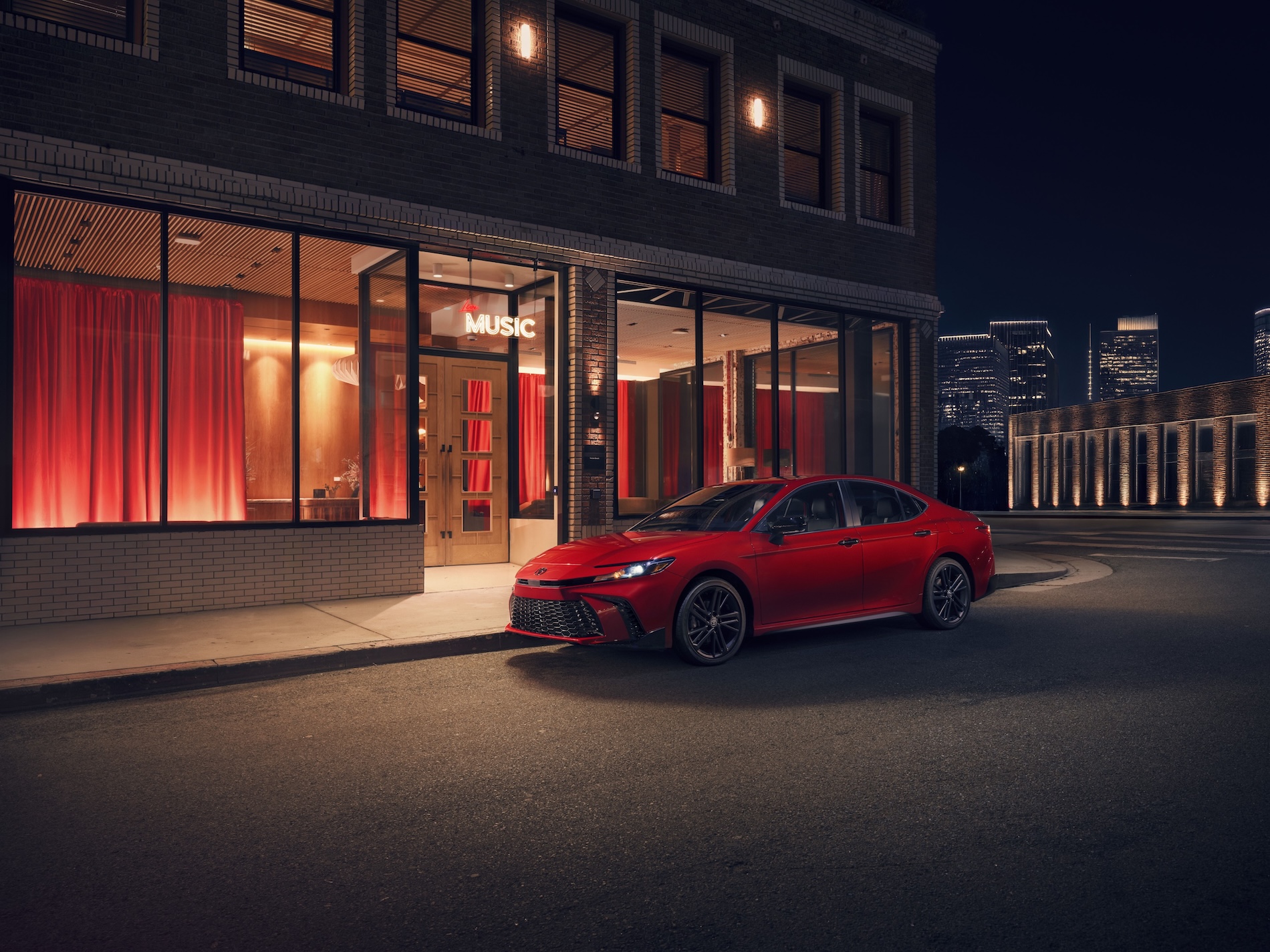
We all know the Orlando Toyota Camry has been a best-seller for decades. It’s renowned for its reliability, its value, its comfort, and its style. But for 2026 Toyota is taking things up a notch – get ready to meet the 2026 Toyota Camry Nightshade Edition. It’s built on the sporty SE model and blends aggressive, dark style with efficient hybrid performance for an incredible result. This is one of the most exciting Camrys we’ve seen yet, and we can’t wait for it to arrive at Toyota of Orlando. Let’s get into it!
2026 Toyota Camry Nightshade Edition: Sleek Dark Style to Turn Heads
One of the first things that will catch your eye on the new 2026 Toyota Camry Nightshade Edition is its blacked-out aesthetic. If you want a new Orlando Toyota that’s sleek and street-smart, you’ve met your match. The Nightshade Edition of this bold best-seller features gloss-black exterior accents, including a dark front grille, window trim, rear spoiler, and mirror caps. The result is a Camry that’s more aggressive and standout than the rest of the lineup, so if you want to turn heads, it’s time for your test drive.
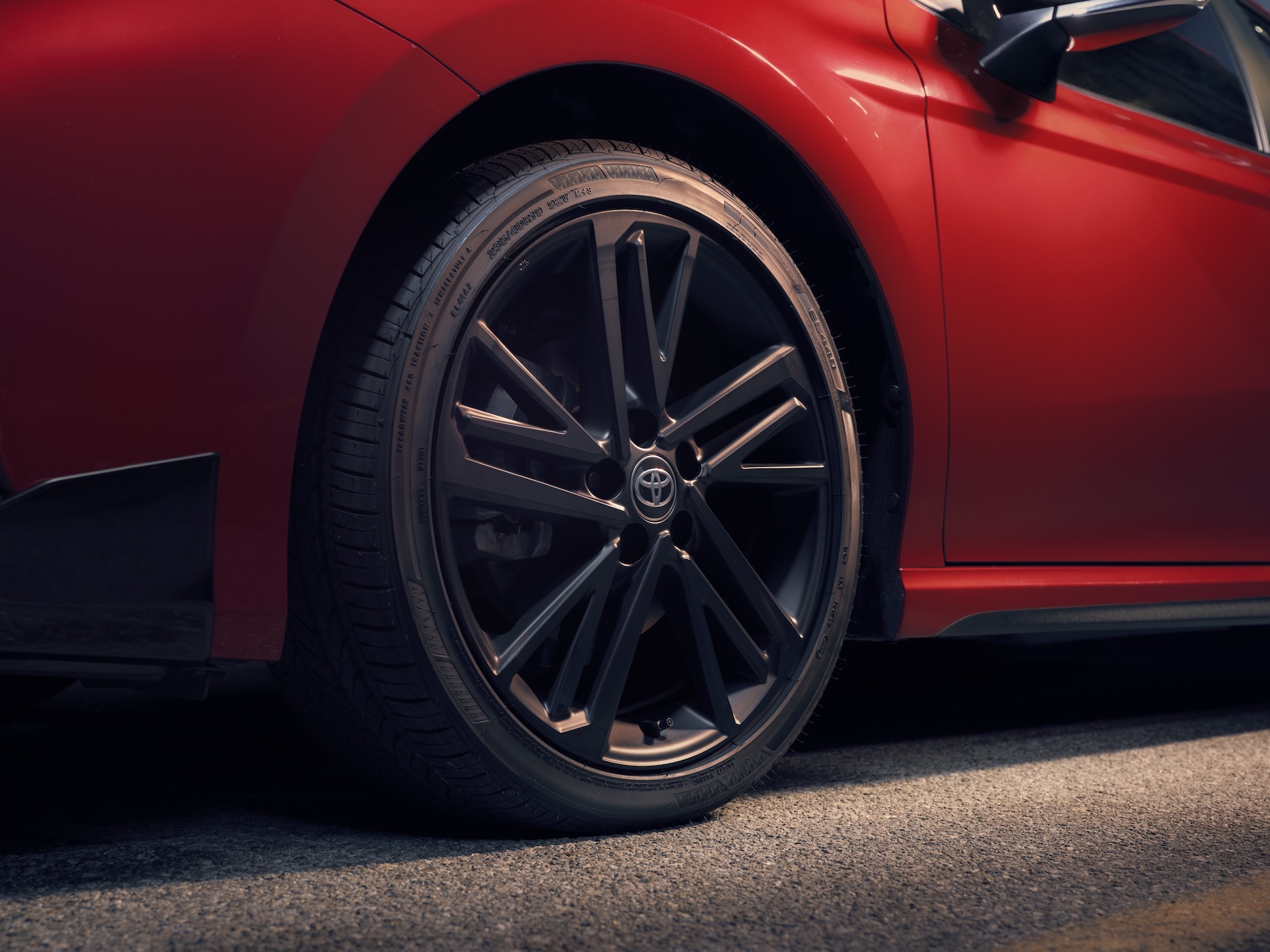
One thing we really love about the Nightshade Edition of the 2026 Toyota Camry is the wheels – this model comes with a set of bronze-finished 19-inch alloy wheels that pop against the dark accents and bold paint colors. This makes your new Camry look upscale, customized, and sleeker than ever before. Speaking of paint colors, you can choose from hues including:
- Midnight Black Metallic
- Ice Cap (white)
- Underground (a cool, urban gray)
Each of these paints pairs perfectly with the dark accents and bronze wheels for a truly unique, premium look.
Hybrid Power in the 2026 Toyota Camry Nightshade Edition
Obviously we love the way the way the new 2026 Toyota Camry looks in the Nightshade Edition (and in general), but what we love even more is the performance it offers. The Orlando Toyota Camry is now hybrid only, and showcases Toyota’s proven 2.5-liter Dynamic Force 4-cylinder hybrid engine that’s paired with an electric motor to get you 208 horsepower. This translates to responsive acceleration while maintaining the quiet, smooth ride the Camry is known for. Best of both worlds!
You’re also going to love the fuel efficiency the 2026 Toyota Camry brings to the table. You’ll get power, but you’ll also get an estimated 51 mpg in the city and 53 mpg on the highway. This puts this Orlando Toyota at the top of its class for fuel economy, and it means lower fuel costs for you, too.
Another feature we love on the new 2026 Toyota Camry Nightshade Edition is the electronic on-demand all-wheel drive. It gives drivers extra traction and control when the roads are slippery, which means more peace of mind every time you get behind the wheel.
Stay Comfy and Connected in the 2026 Toyota Camry
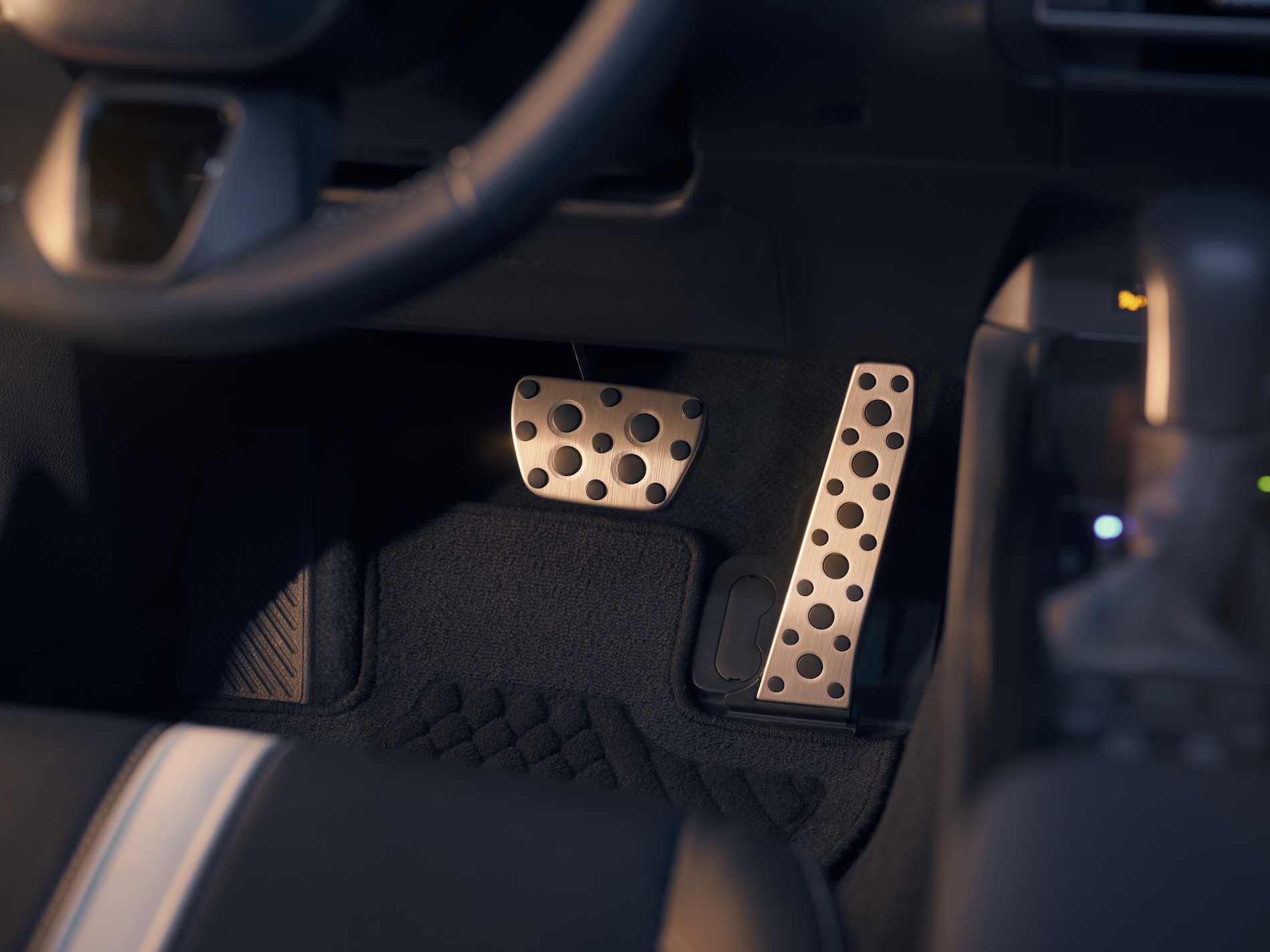
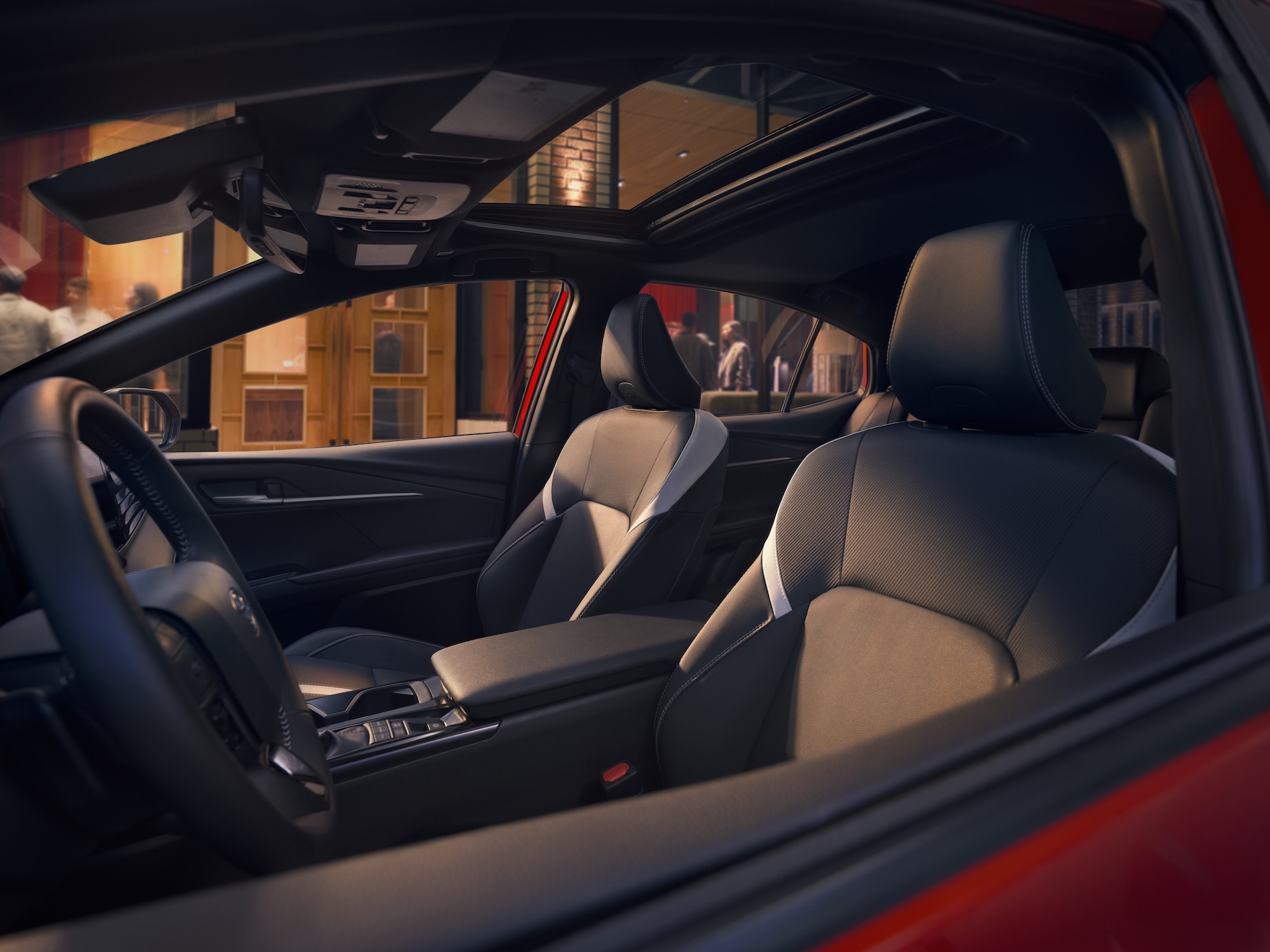
Sportiness and luxury abounds in the cabin of the 2026 Toyota Camry Nightshade Edition. The interior is blacked out and sports a clean design to vibe with the exterior for a sleek and cohesive look. The seats are trimmed in sporty SofTex, and the driver gets an 8-way power adjustable seat for extra comfort and efficiency. The cabin itself is laid out with ergonomics and modern design in mind so you can sit back and enjoy the ride whether you’re driving or a passenger.
What About Tech in this Orlando Toyota?
Let’s talk tech. The 2026 Toyota Camry Nightshade Edition comes decked out with an 8-inch Toyota Audio Multimedia touchscreen, wireless Apple CarPlay, and Android Auto. You can stay connected without cords dragging you down, and you’ll also stay comfortable with dual zone automatic climate control. You can enjoy premium touches like push-button start, USB-C ports for charging, and the option of a JBL premium audio system for an incredible driving experience.
Get Peace of Mind in the 2026 Toyota Camry: The Safety Features
Toyota is all about safety, and the 2026 Toyota Camry is no exception. It comes with a full suite of safety and driver-assistance features. You’ll have Toyota Safety Sense 3.0 on your side, which means features like:
- Pre-Collision System with Pedestrian Detection: This helps avoid or mitigate front-end collisions.
- Lane Departure Alert with Steering Assist: This helps keep you centered in your lane.
- Full-Speed Range Dynamic Radar Cruise Control: This maintains safe distances during highway cruising.
- Lane Tracing Assist: This keeps the vehicle aligned within clearly marked lanes.
- Road Sign Assist: This recognizes certain road signs and displays them on the dash.
- Automatic High Beams: These switch between high and low beams for oncoming traffic automatically.
Together, these features help reduce driver fatigue, prevent accidents, and keep everyone safer on the road every day.
Drive A Camry Like You’ve Never Seen Before
What are you waiting for? Drive home the new 2026 Toyota Camry in the Nightshade Edition for a bold, modern look on a best-selling classic. You can test drive it today at Toyota of Orlando – we’re just off I-4 near the Mall at Millenia. Stop by and see us at 3575 Vineland Road!
Connect with us


- August 2026
- July 2026
- June 2026
- May 2026
- April 2026
- March 2026
- February 2026
- January 2026
- December 2025
- November 2025
- October 2025
- September 2025
- August 2025
- July 2025
- June 2025
- May 2025
- April 2025
- March 2025
- February 2025
- January 2025
- December 2024
- November 2024
- October 2024
- September 2024
- August 2024
- July 2024
- June 2024
- May 2024
- April 2024
- March 2024
- February 2024
- January 2024
- December 2023
- November 2023
- October 2023
- September 2023
- August 2023
- July 2023
- June 2023
- May 2023
- April 2023
- March 2023
- February 2023
- January 2023
- December 2022
- November 2022
- October 2022
- September 2022
- August 2022
- July 2022
- June 2022
- May 2022
- April 2022
- March 2022
- February 2022
- January 2022
- December 2021
- November 2021
- October 2021
- September 2021
- August 2021
- July 2021
- June 2021
- May 2021
- April 2021
- March 2021
- February 2021
- January 2021
- December 2020
- November 2020
- October 2020
- September 2020
- August 2020
- July 2020
- June 2020
- May 2020
- April 2020
- March 2020
- February 2020
- January 2020
- December 2019
- November 2019
- October 2019
- September 2019
- August 2019
- July 2019
- June 2019
- May 2019
- April 2019
- March 2019
- February 2019
- January 2019
- December 2018
- November 2018
- October 2018
- September 2018
- August 2018
- July 2018
- June 2018
- May 2018
- April 2018
- March 2018
- February 2018
- January 2018
- July 2017
- June 2017
- May 2017