



Back to school is around the corner – in just two weeks, we’ll be dealing with carpool, pickup and dropoff lines, school buses, and traffic. A lot more traffic. However, if you’re behind the wheel of a new Toyota (or you’d like to be), new Toyota technology can help you get into the swing of things as easy as possible. Check out some of our favorite Orlando Toyota technology to make the most of your back to school!

Use these five Toyota technology features to make your back to school the best yet
Blind spot monitor with rear cross-traffic alert: Traffic definitely picks up when back to school arrives and even if you’re not going to school yourself, you’re bound to feel the effects of it. Whether you live by a primary school or a college, there will be more drivers on the road (and more young drivers, if you’re picking up what we’re putting down). That’s why we love the Blind Spot Monitor feature. It’ll help you safely change lanes in heavy traffic by alerting you with a chiming noise and a flashing light that there’s someone in your blind spot and you need to wait to get over. And the rear cross-traffic alert is perfect for safely backing out of parking spots in busy school parking lots.
Toyota Safety Sense: You’re going to be carrying around precious cargo a lot more often during back to school with class, sports, club, lessons, tutoring… why not feel as safe as possible doing it? Toyota Safety Sense includes features like Pre-Collision System with Pedestrian Detection, Lane Departure Alert with Steering Assist, Lane Tracing Assist, Automatic High Beams, Full-Speed Range Dynamic Radar Cruise Control, and Road Sign Assist. Get the peace of mind you deserve no matter how often you have to hit the highway.
Driver Easy Speak: Sick of yelling to be heard in the back of the car? Use the Driver Easy Speak button. This cool Toyota technology amplifies your voice so everyone in the car – even the kids sitting in the very back seat fighting – can hear exactly what you’re saying.
Apple CarPlay/Android Auto: We can’t get enough of the new Apple CarPlay and Android Auto Toyota technology. You’ll be able to listen to and respond to text messages, pull up navigation apps, play streaming music, and even access select other apps without lifting a finger (literally, you can use voice control).
Test drive a new Toyota with all the back to school tech you’ve been looking for at Toyota of Orlando
What are you waiting for? See all of these new Toyota technology features and more in person – visit Toyota of Orlando. We’re conveniently located just off I-4 near the Millenia Mall at 3575 Vineland Road, and we’re open seven days a week until 10 pm. Call us today at (407) 298-4500, and have the best back to school ever!
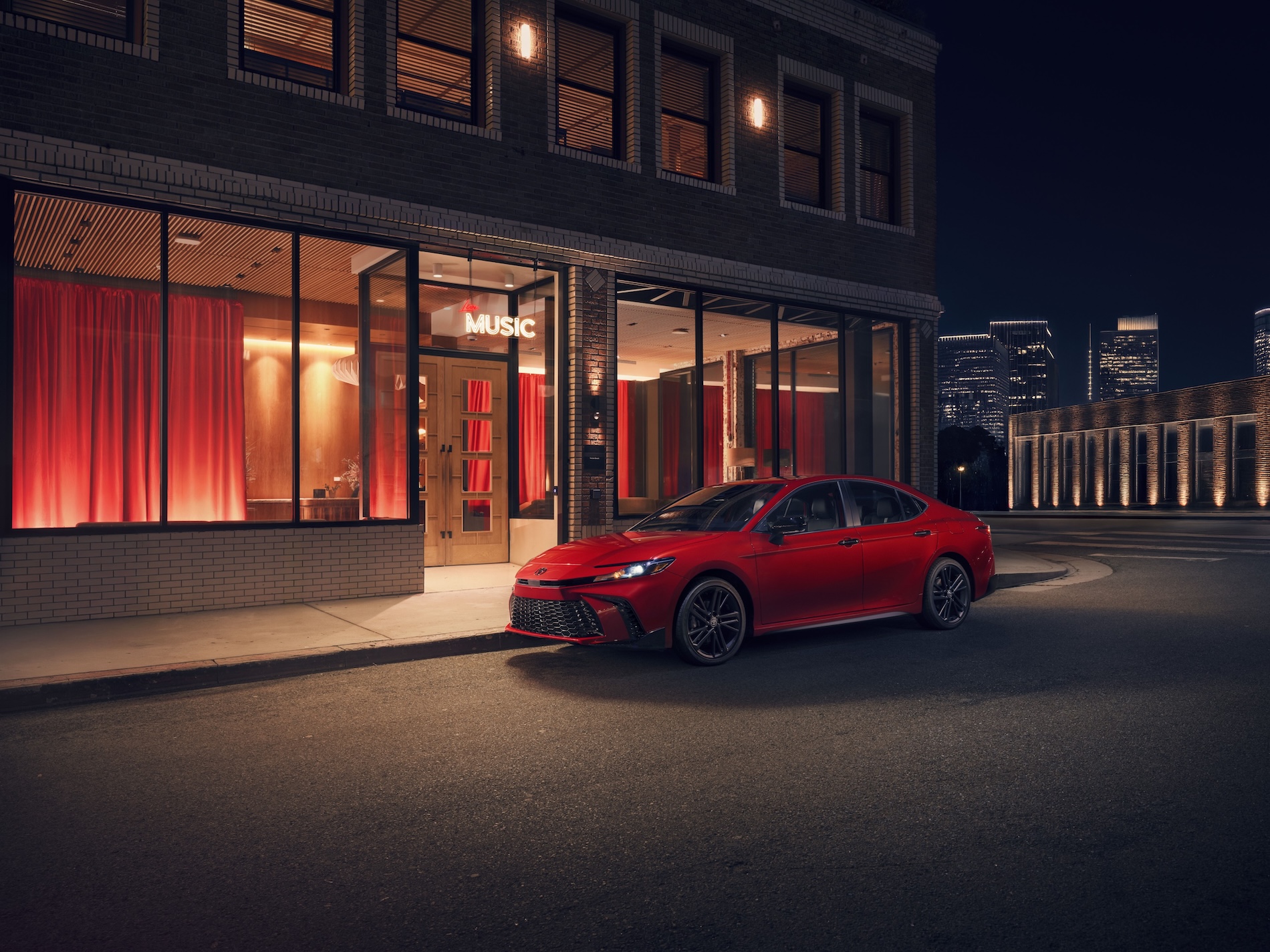
We all know the Orlando Toyota Camry has been a best-seller for decades. It’s renowned for its reliability, its value, its comfort, and its style. But for 2026 Toyota is taking things up a notch – get ready to meet the 2026 Toyota Camry Nightshade Edition. It’s built on the sporty SE model and blends aggressive, dark style with efficient hybrid performance for an incredible result. This is one of the most exciting Camrys we’ve seen yet, and we can’t wait for it to arrive at Toyota of Orlando. Let’s get into it!
2026 Toyota Camry Nightshade Edition: Sleek Dark Style to Turn Heads
One of the first things that will catch your eye on the new 2026 Toyota Camry Nightshade Edition is its blacked-out aesthetic. If you want a new Orlando Toyota that’s sleek and street-smart, you’ve met your match. The Nightshade Edition of this bold best-seller features gloss-black exterior accents, including a dark front grille, window trim, rear spoiler, and mirror caps. The result is a Camry that’s more aggressive and standout than the rest of the lineup, so if you want to turn heads, it’s time for your test drive.
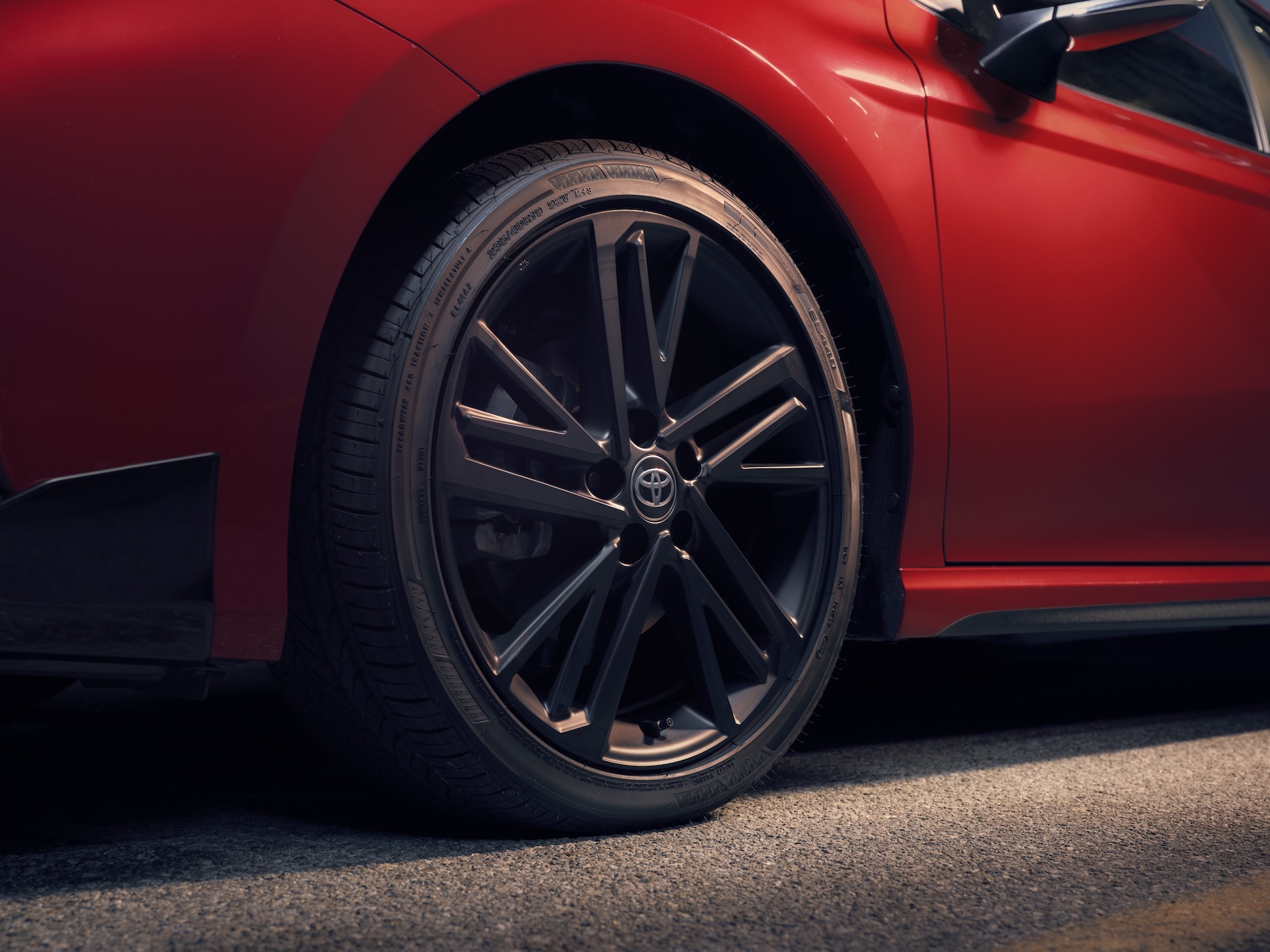
One thing we really love about the Nightshade Edition of the 2026 Toyota Camry is the wheels – this model comes with a set of bronze-finished 19-inch alloy wheels that pop against the dark accents and bold paint colors. This makes your new Camry look upscale, customized, and sleeker than ever before. Speaking of paint colors, you can choose from hues including:
- Midnight Black Metallic
- Ice Cap (white)
- Underground (a cool, urban gray)
Each of these paints pairs perfectly with the dark accents and bronze wheels for a truly unique, premium look.
Hybrid Power in the 2026 Toyota Camry Nightshade Edition
Obviously we love the way the way the new 2026 Toyota Camry looks in the Nightshade Edition (and in general), but what we love even more is the performance it offers. The Orlando Toyota Camry is now hybrid only, and showcases Toyota’s proven 2.5-liter Dynamic Force 4-cylinder hybrid engine that’s paired with an electric motor to get you 208 horsepower. This translates to responsive acceleration while maintaining the quiet, smooth ride the Camry is known for. Best of both worlds!
You’re also going to love the fuel efficiency the 2026 Toyota Camry brings to the table. You’ll get power, but you’ll also get an estimated 51 mpg in the city and 53 mpg on the highway. This puts this Orlando Toyota at the top of its class for fuel economy, and it means lower fuel costs for you, too.
Another feature we love on the new 2026 Toyota Camry Nightshade Edition is the electronic on-demand all-wheel drive. It gives drivers extra traction and control when the roads are slippery, which means more peace of mind every time you get behind the wheel.
Stay Comfy and Connected in the 2026 Toyota Camry
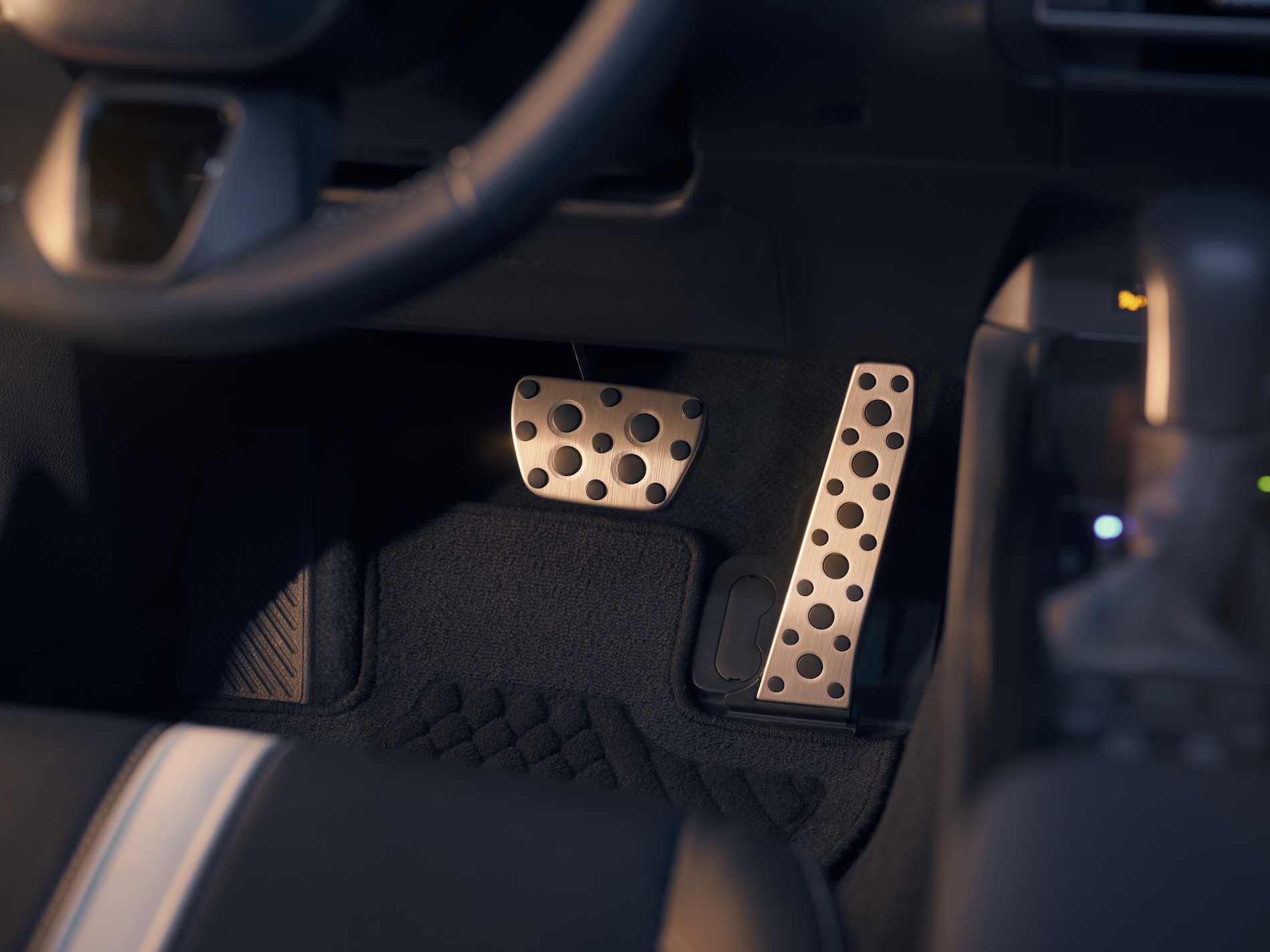
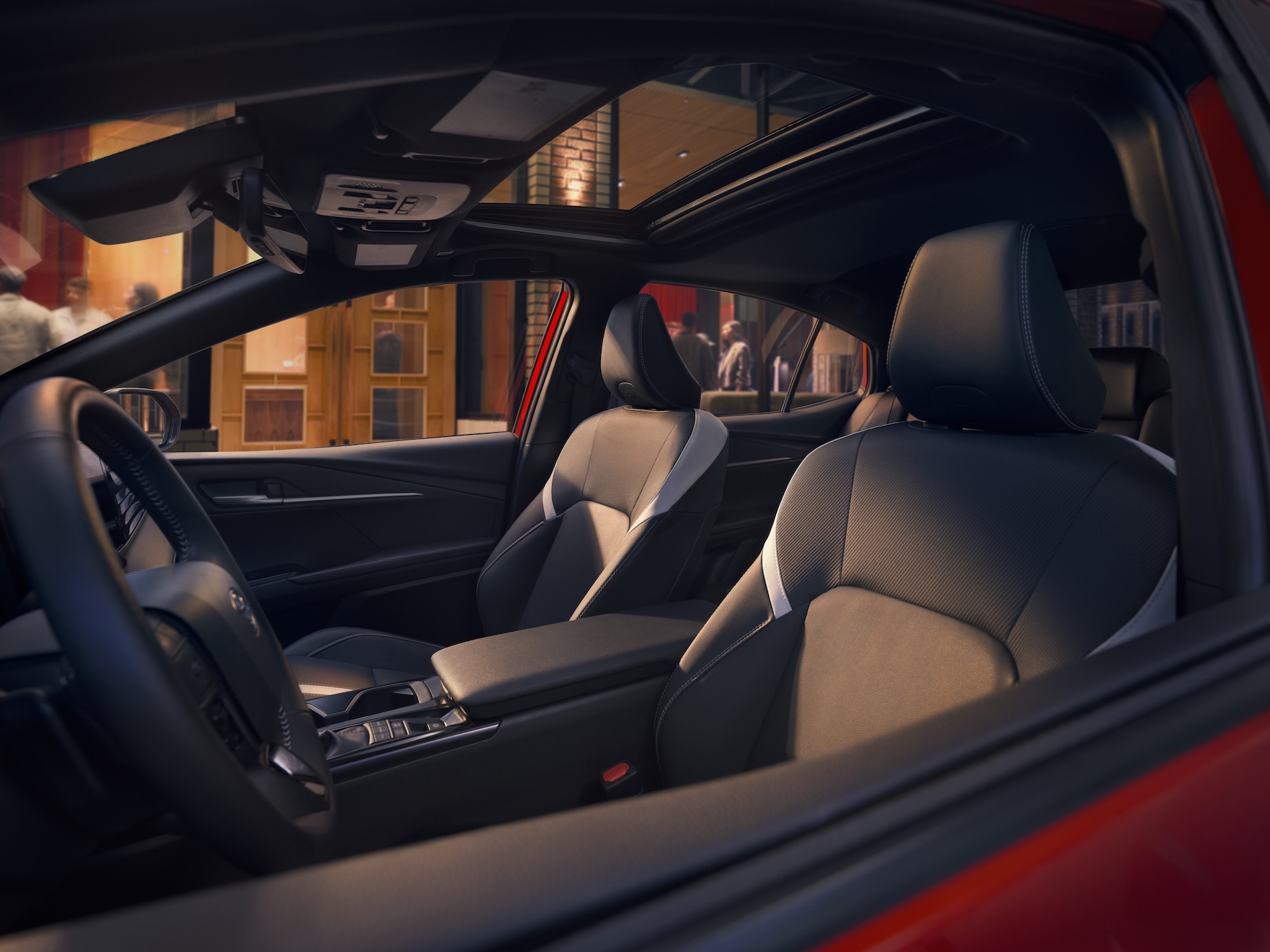
Sportiness and luxury abounds in the cabin of the 2026 Toyota Camry Nightshade Edition. The interior is blacked out and sports a clean design to vibe with the exterior for a sleek and cohesive look. The seats are trimmed in sporty SofTex, and the driver gets an 8-way power adjustable seat for extra comfort and efficiency. The cabin itself is laid out with ergonomics and modern design in mind so you can sit back and enjoy the ride whether you’re driving or a passenger.
What About Tech in this Orlando Toyota?
Let’s talk tech. The 2026 Toyota Camry Nightshade Edition comes decked out with an 8-inch Toyota Audio Multimedia touchscreen, wireless Apple CarPlay, and Android Auto. You can stay connected without cords dragging you down, and you’ll also stay comfortable with dual zone automatic climate control. You can enjoy premium touches like push-button start, USB-C ports for charging, and the option of a JBL premium audio system for an incredible driving experience.
Get Peace of Mind in the 2026 Toyota Camry: The Safety Features
Toyota is all about safety, and the 2026 Toyota Camry is no exception. It comes with a full suite of safety and driver-assistance features. You’ll have Toyota Safety Sense 3.0 on your side, which means features like:
- Pre-Collision System with Pedestrian Detection: This helps avoid or mitigate front-end collisions.
- Lane Departure Alert with Steering Assist: This helps keep you centered in your lane.
- Full-Speed Range Dynamic Radar Cruise Control: This maintains safe distances during highway cruising.
- Lane Tracing Assist: This keeps the vehicle aligned within clearly marked lanes.
- Road Sign Assist: This recognizes certain road signs and displays them on the dash.
- Automatic High Beams: These switch between high and low beams for oncoming traffic automatically.
Together, these features help reduce driver fatigue, prevent accidents, and keep everyone safer on the road every day.
Drive A Camry Like You’ve Never Seen Before
What are you waiting for? Drive home the new 2026 Toyota Camry in the Nightshade Edition for a bold, modern look on a best-selling classic. You can test drive it today at Toyota of Orlando – we’re just off I-4 near the Mall at Millenia. Stop by and see us at 3575 Vineland Road!
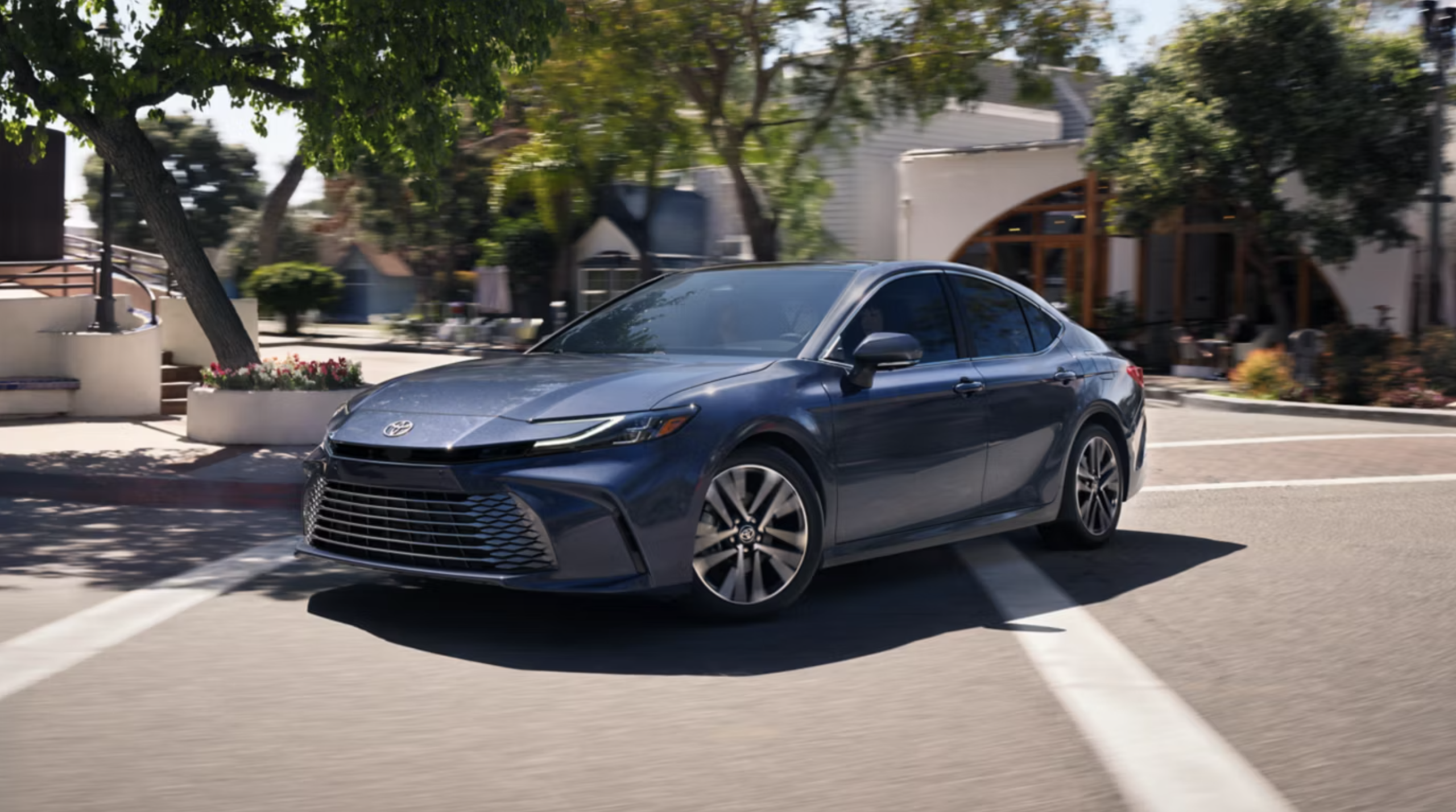
When you’re shopping for a dependable and fuel-efficient midsize sedan (and one that looks good to boot), the two top contenders in your list are probably the 2026 Toyota Camry and 2026 Honda Accord. Both of these midsize sedans continue to get better and better every year, offering serious competition and giving you solid choices when it comes to your next ride. However, we strongly feel the 2026 Toyota Camry should be your top choice when it comes to midsized sedans. We know we’re biased here at Toyota of Orlando, so that’s why we’re bringing the facts.
We’re breaking down the 2026 Toyota Camry vs Honda Accord so you can confidently choose your next new sedan and drive home happy. We’ll discuss how they stack up in terms of fuel efficiency, performance, price, tech, safety, style, and more… let’s get into it.
How Does Price Compare When It Comes to the New Toyota Camry vs Honda Accord?
Let’s talk about affordability. The 2026 Toyota Camry and 2026 Honda Accord are competitively priced for their segment, but this Orlando Toyota brings more value along for the ride with its standard hybrid powertrain across the lineup.
2026 Toyota Camry Starting MSRP:
- LE (FWD): $29,300
- SE: $31,800
- Nightshade: $32,800
- XLE: $34,500
- XSE: $35,700
2026 Honda Accord Starting MSRP:
- LX: ~$28,990
- EX: ~$30,500
- Sport Hybrid: ~$32,900
- Touring Hybrid: ~$38,000+
So while the base prices aren’t too dissimilar, the real difference boils down to exactly what you get for your money. The 2026 Toyota Camry is all-hybrid this year – that means every single model in the lineup has a powerful and efficient hybrid powertrain. The 2026 Honda Accord is still split between gas and hybrid options, and you have to move up to higher trims to get that hybrid efficiency. This boosts the price significantly.
Bottom line: When it comes to price comparison for the Toyota Camry vs Honda Accord in 2026, the Camry pulls ahead with its combination of affordable price points and exceptional hybrid powertrain options.
Which of These Sedans Wins When It Comes to Performance?
The 2026 Toyota Camry has had a major glow-up in the past few years. On top of its new hybrid powertrains, it also offers improved performance and responsiveness. Here’s what you can expect when you get behind the wheel of this Orlando Toyota.
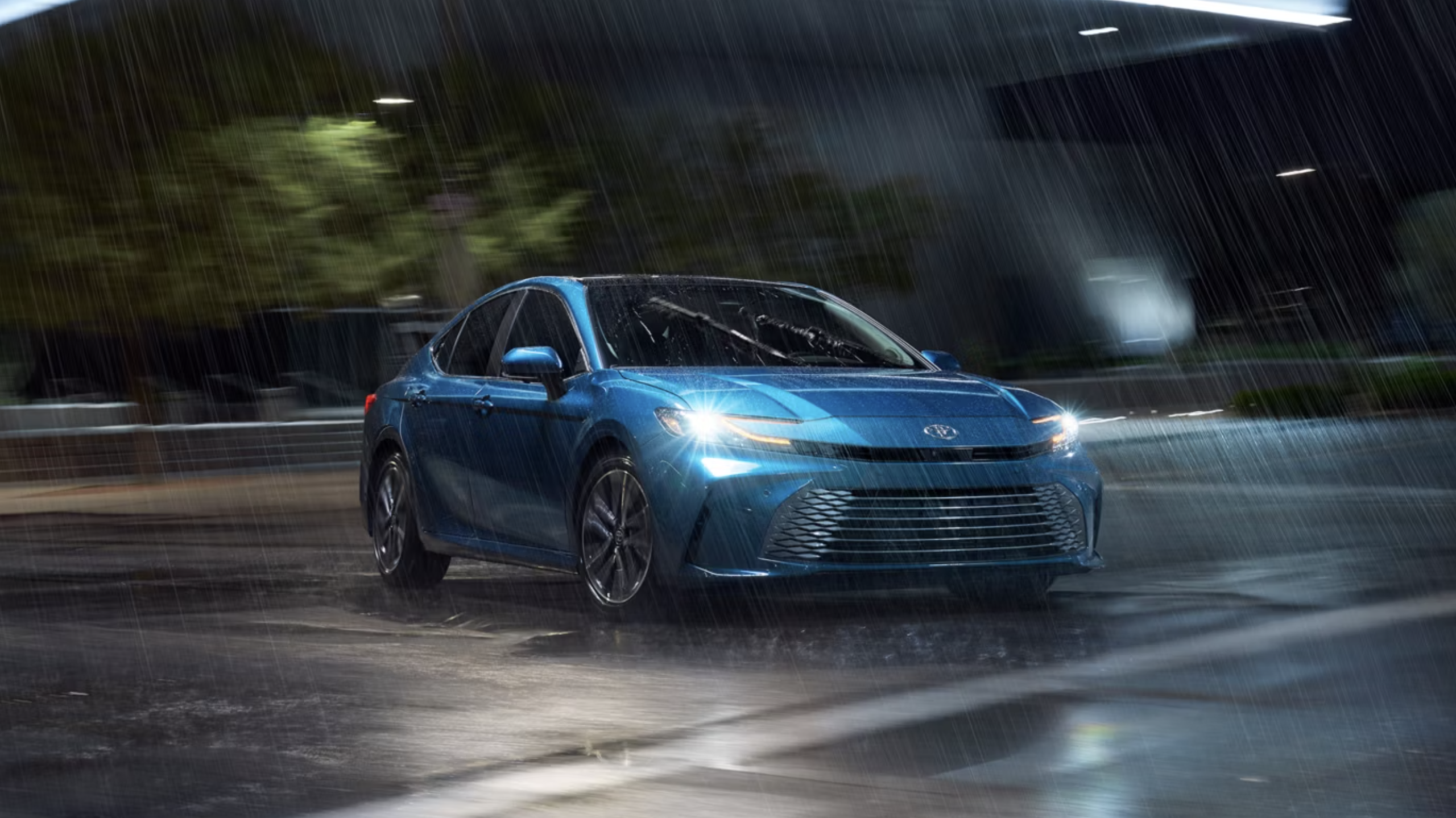
2026 Toyota Camry Performance Specs:
- 2.5L 4-cylinder hybrid system
- Up to 232 combined horsepower (on AWD models)
- Electronic On-Demand All-Wheel Drive available
- Continuously Variable Transmission (eCVT)
2026 Honda Accord Performance Specs:
- 1.5L turbocharged engine (LX, EX): with 92 hp
- 2.0L hybrid system (higher trims) with 204 hp
- Front-Wheel Drive only
- CVT (gas) / eCVT (hybrid)
So yes, while the 2026 Honda Accord gives you a gasoline option, it can’t come close to the balance of power and fuel efficiency in the 2026 Toyota Camry (basically, in the Camry you get more of both). Further, the Orlando Toyota Camry offers you all-wheel drive options… something you can’t get on a Honda Accord right now. With the rainy summers we have here in Orlando, AWD is a major game-changer.
Bottom line: You get more horsepower and fuel efficiency in the 2026 Toyota Camry, as well as an all-wheel drive option. This makes it versatile, safe, and affordable to drive.
Get a Premium Feel in the 2026 Toyota Camry this year
Both of these sedans give you a spacious and comfortable cabin that seats up to five people. However, Toyota has better materials and a more refined design throughout. Here’s what we love about both of these midsized sedans.
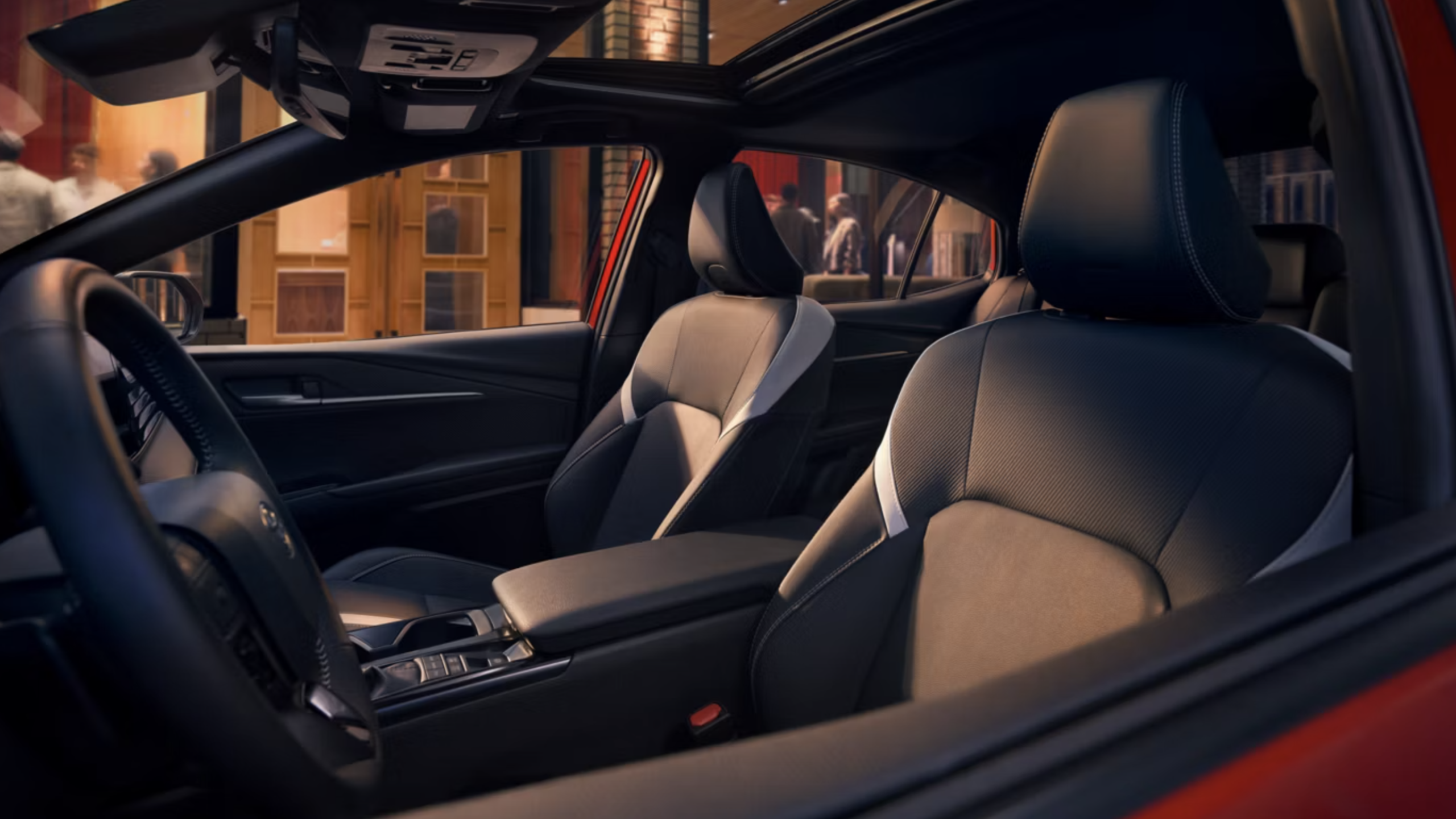
2026 Toyota Camry Interior Highlights:
- Available leather-trimmed seats
- Heated and ventilated front seats
- Dual-zone automatic climate control
- 60/40 split-folding rear seats
- Available panoramic glass roof
2026 Honda Accord Interior Highlights:
- Cloth or leather-trimmed seating
- Heated front seats (on higher trims)
- Dual-zone climate control
- Standard moonroof (on select trims)
You get plenty of legroom in both (even in the backseat), but the Orlando Toyota Camry gives you slightly more luxurious options like ventilated seating and more premium finishes.
What about cargo space? Well, in the Toyota Camry vs Honda Accord comparison, the Accord pulls ahead slightly.
- Camry trunk: 15.1 cubic feet
- Accord trunk: 16.7 cubic feet
However, as you can see the difference isn’t that much and overall, you get more for less in the 2026 Toyota Camry.
Bottom line: If you want that premium feel, get it in the 2026 Toyota Camry without having to give up usability and affordability.
Which Tech is Better: Toyota Camry vs Honda Accord
We know tech matters for today’s drivers. It’s all about staying connected, entertained, and efficient when you’re out on the road. In there 2026 Toyota Camry vs Honda Accord comparison, both offer a well-equipped cabin. However, the Orlando Toyota Camry has a more updated infotainment system and a modern vibe.
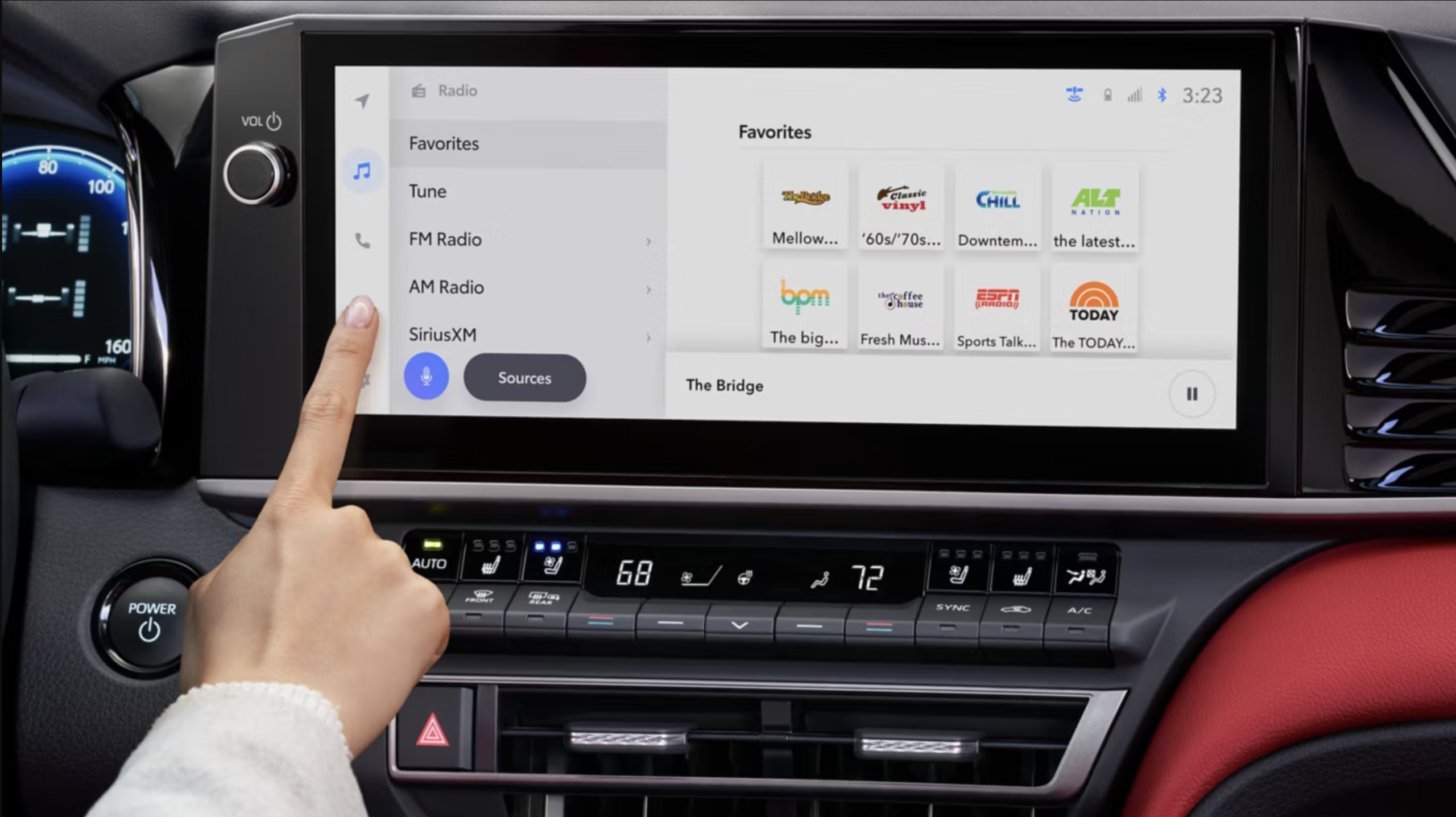
2026 Toyota Camry Technology Features:
- Standard 8-inch touchscreen (12.3-inch available)
- Wireless Apple CarPlay® & Android Auto™
- Available 12.3-inch digital gauge cluster
- Wireless charging pad
- JBL® premium audio system (available)
2026 Honda Accord Technology Features:
- 7-inch touchscreen (12.3-inch on higher trims)
- Apple CarPlay® & Android Auto™ (wireless on select trims)
- 10.2-inch digital driver display
- Bose® premium audio system (Touring trim)
We love the 2026 Toyota Camry for its clean interface, better (faster) response times, and more options when it comes to screen size. On top of that, it has wireless charging, wireless smartphone integration, and more that are all standard.
Bottom line: If you want advanced technology options at any level, check out the 2026 Toyota Camry.
Find Safety that Excels in these Two Sedans
We know that safety is a priority for every driver, and both the 2026 Toyota Camry and 2026 Honda Accord come with a comprehensive suite of safety features. However, Toyota – renowned for its safety tech on a global basis – pulls ahead with the new Toyota Safety Sense 3.0 System. Here’s what you can expect.
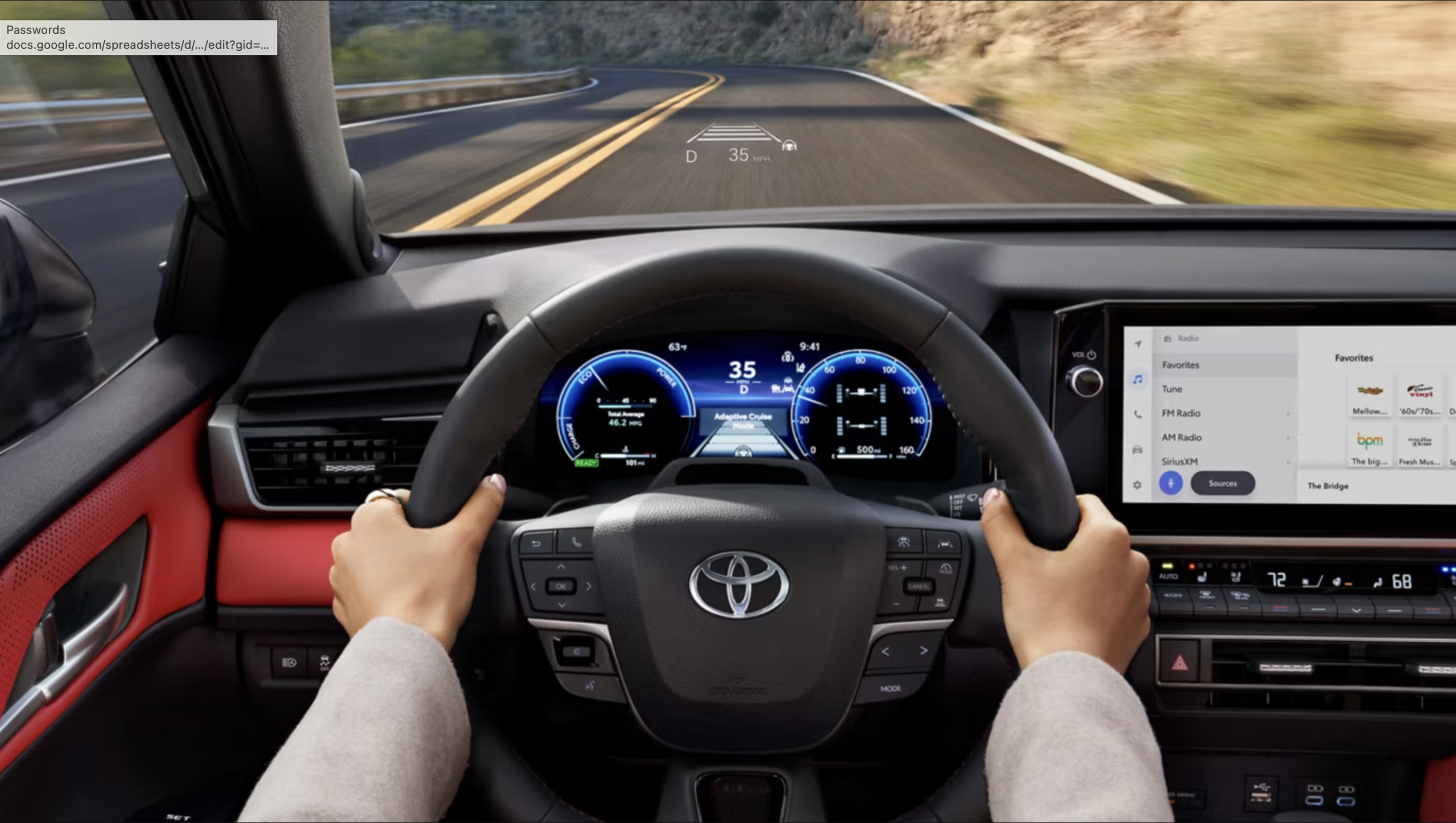
2026 Toyota Camry Safety Features:
- Pre-Collision System with Pedestrian Detection
- Full-Speed Range Dynamic Radar Cruise Control
- Lane Departure Alert with Steering Assist
- Lane Tracing Assist
- Road Sign Assist
- Proactive Driving Assist
2026 Honda Accord Safety Features (Honda Sensing®):
- Collision Mitigation Braking System™
- Adaptive Cruise Control
- Lane Keeping Assist System
- Traffic Sign Recognition
- Road Departure Mitigation
In the safety ratings comparison for the Toyota Camry vs Honda Accord, both sedans earn top ratings. However, Toyota has more proactive features in its safety tech lineup to help prevent accidents and collisions.
Bottom line: Both the Camry and Accord are safe choices. However, the Orlando Toyota Camry gives you slightly more advanced technology.
Fuel Efficiency in the 2026 Toyota Camry vs Honda Accord
Fuel economy is where the 2026 Toyota Camry truly shines (and outshines the 2026 Honda Accord). If you like to save money on gas, check this out.
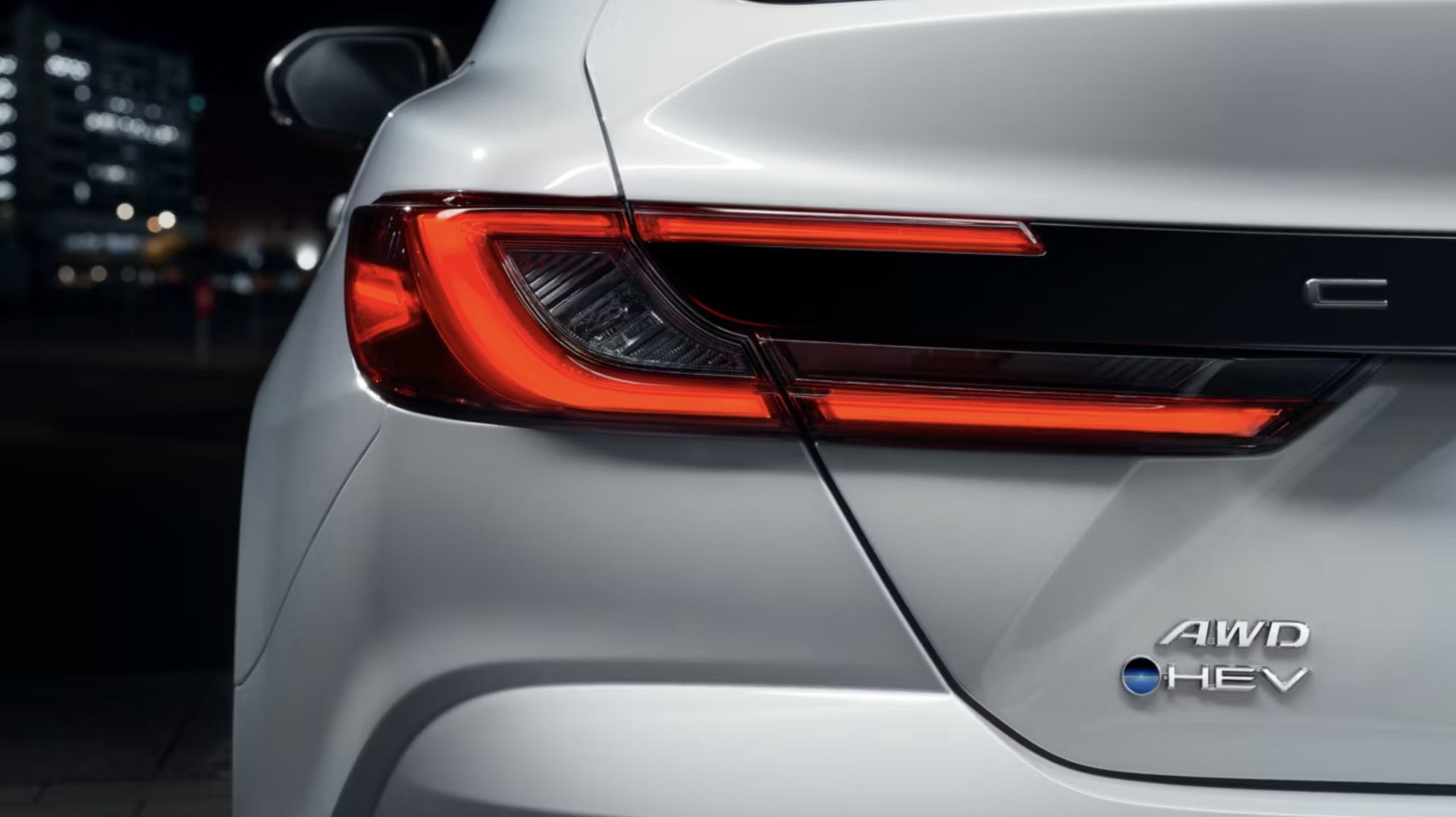
2026 Toyota Camry MPG:
- Up to 53 MPG city / 50 MPG highway (FWD LE)
- Slightly lower for AWD models (around 50 combined MPG)
2026 Honda Accord MPG:
- Gas models: ~29 city / 37 highway
- Hybrid models: ~51 city / 44 highway
Remember: every 2026 Toyota Camry is a hybrid. This means you can get incredible fuel efficiency no matter which model you choose. If you want that same hybrid performance in the 2026 Honda Accord, you’re going to have to shell out for higher trim levels.
Bottom line: The Orlando Toyota Camry gives you better overall MPGs and is a smart long-term investment.
Why the 2026 Toyota Camry Should Be Your Next Buy
Listen, both the 2026 Toyota Camry and 2026 Honda Accord are great buys when it comes to midsize sedans. However, the Orlando Toyota Camry pulls ahead in several important areas.
Where the New Camry Wins:
- Standard hybrid powertrain across all trims
- Available all-wheel drive (exclusive in this comparison)
- Better fuel economy overall
- More advanced standard technology
- Premium interior features in higher trims
The Honda Accord is definitely a strong competitor, especially if you want a gas engine, but lacks the Camry’s hybrid fuel efficiency, modern technology, and well-rounded versatility.
Shop the 2026 Toyota Camry at Toyota of Orlando
See for yourself – shop the new Toyota Camry right here at Toyota of Orlando! We’re open seven days a week at 3575 Vineland Road just off I-4 near the Mall at Millenia.
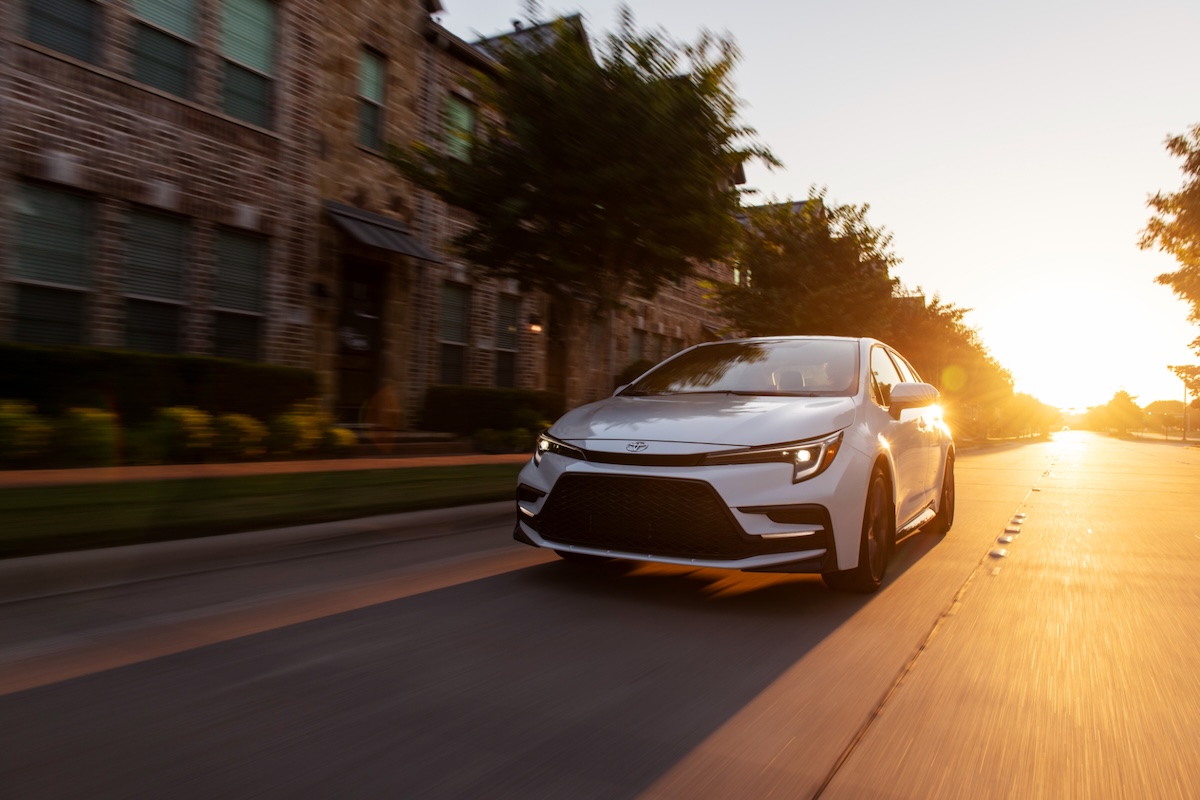
The 2026 Toyota Corolla is back for another year of best-selling status, and it’s definitely one of the most appealing compact cars on the market right now. It’s got a mix of fuel efficiency, style, technology, and reliability at a price that’s exceptionally affordable for most buyers. On top of that, it’s versatile and fun to drive – it’s a win-win, no matter how you look at it. If you’re ready for an efficient and worry-free ride, it’s time to put the 2026 Toyota Corolla in your driveway. Our Orlando Toyota team is here to break down everything this best-seller is bringing to the table this year!
Performance and Power Options in the 2026 Toyota Corolla
When you think of the 2026 Toyota Corolla, you think of reliability and gas savings. You’ll get well-rounded choices when it comes to performance depending on what you want out of your drive time. Here are the two powertrains up for grabs this year.
- There are gas-powered models up for grabs that get you a 2.0L 4-Cylinder engine with 169 horsepower and 151 lb-ft torque. This model focuses on smooth acceleration for easy highway merging and enough pep to take on city streets. The 2026 Toyota Corolla certainly isn’t a sports car, but it offers you precise steering and solid control through turns and curves to make you feel confident.
- If you go the hybrid route, you’ll find a 1.8L 4-cylinder engine combined with an electric motor, which results in a combined 138 horsepower. It also delivers exceptional fuel efficiency – we’re talking 50mpg+ combined. It also transitions seamlessly between gas and electric power, which feels responsive but not jarring. If you have a long commute or want to save your money for something other than gas costs, this is the Orlando Toyota Corolla for you.
Toyota has also fine-tuned the suspension on this sedan, as well as enhanced the steering for the perfect blend of comfort and stability. Here are some of the highlights for the 2026 model year.
- You have independent MacPherson strut front suspension and multi-link rear suspension for a solid, planted feel on the road. This helps you absorb bumps and maintain control at high speeds.
- There’s also smooth braking, solid highway stability, and you’ll find that the 2026 Toyota Corolla is easy to maneuver even in tight spaces.
No matter where your Toyota Corolla takes you in Orlando – busy downtown streets, high-speed highways, and more – you can feel confident and in control when you’re behind the wheel.
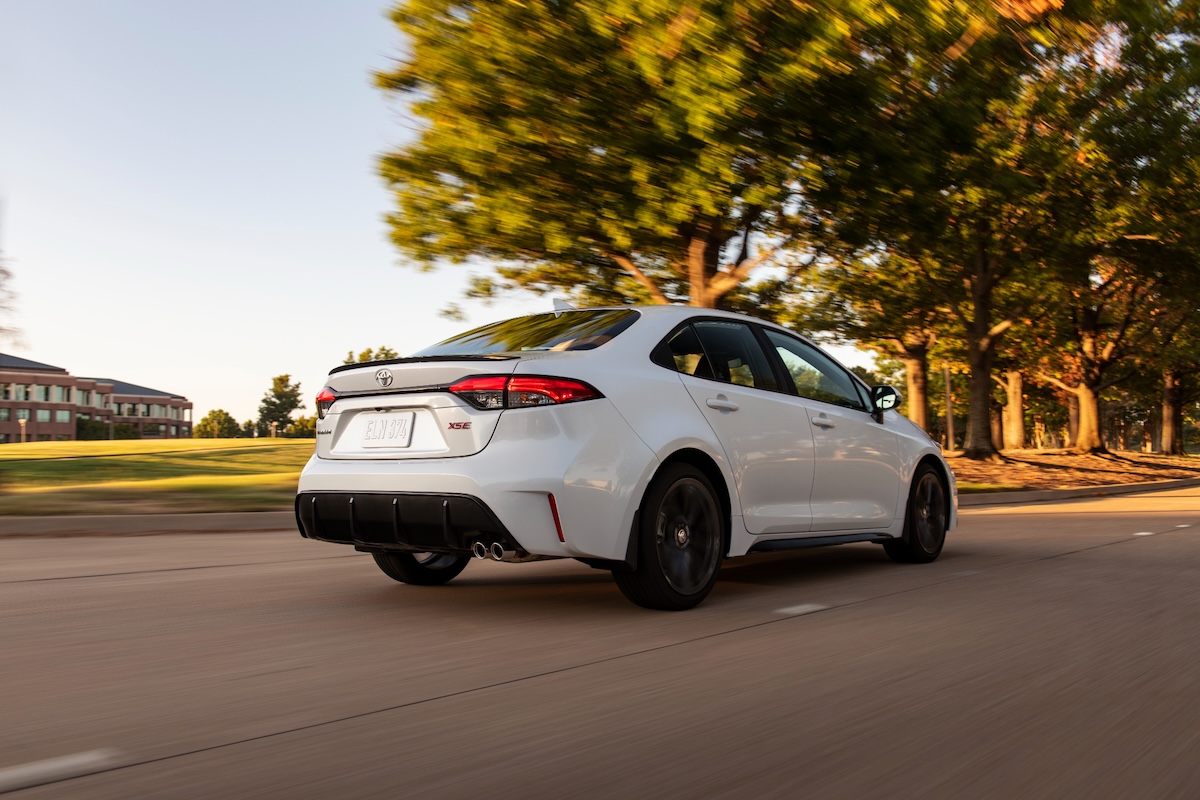
Find Style That Stands Out in this New Toyota
One of the biggest changes you’ll notice when you look at the most recent generations of the Corolla is its design. The 2026 Toyota Corolla offers a sleek and modern look that feels more premium that what you’d expect for its budget price. Here are some of the features we love most at Toyota of Orlando:
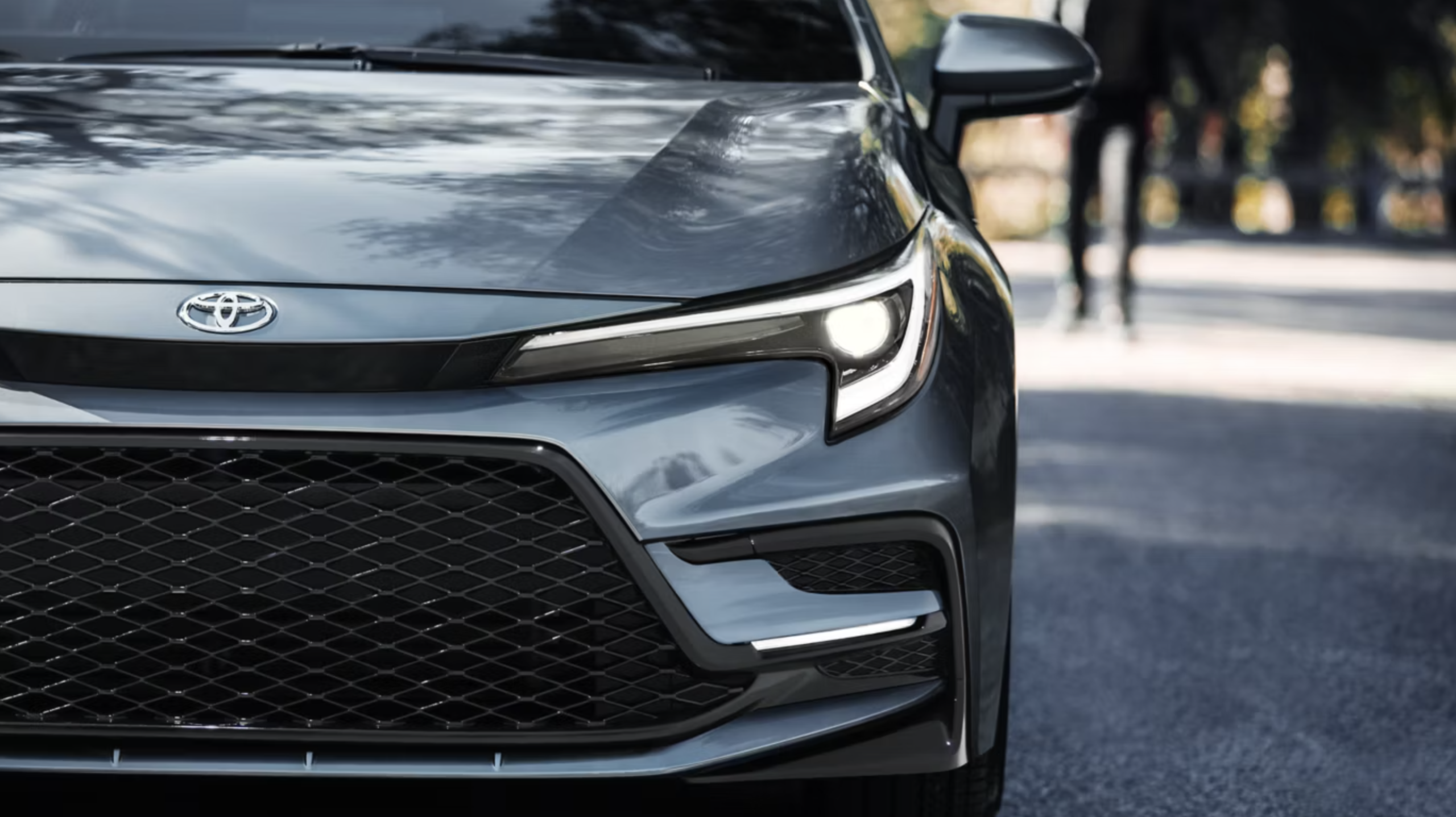
- You’ve got a bold Toyota grille, sharp LED headlights, and clean exterior lines for an aggressive, sporty edge.
- You’ll have an aerodynamic look from the side, and its slightly lowered stance only adds to its sportiness.
- It may be an economy car, but the 2026 Toyota Corolla isn’t bland or boring. It’s fun, stylish, and youth-oriented while still looking sleek enough to fit in anywhere.
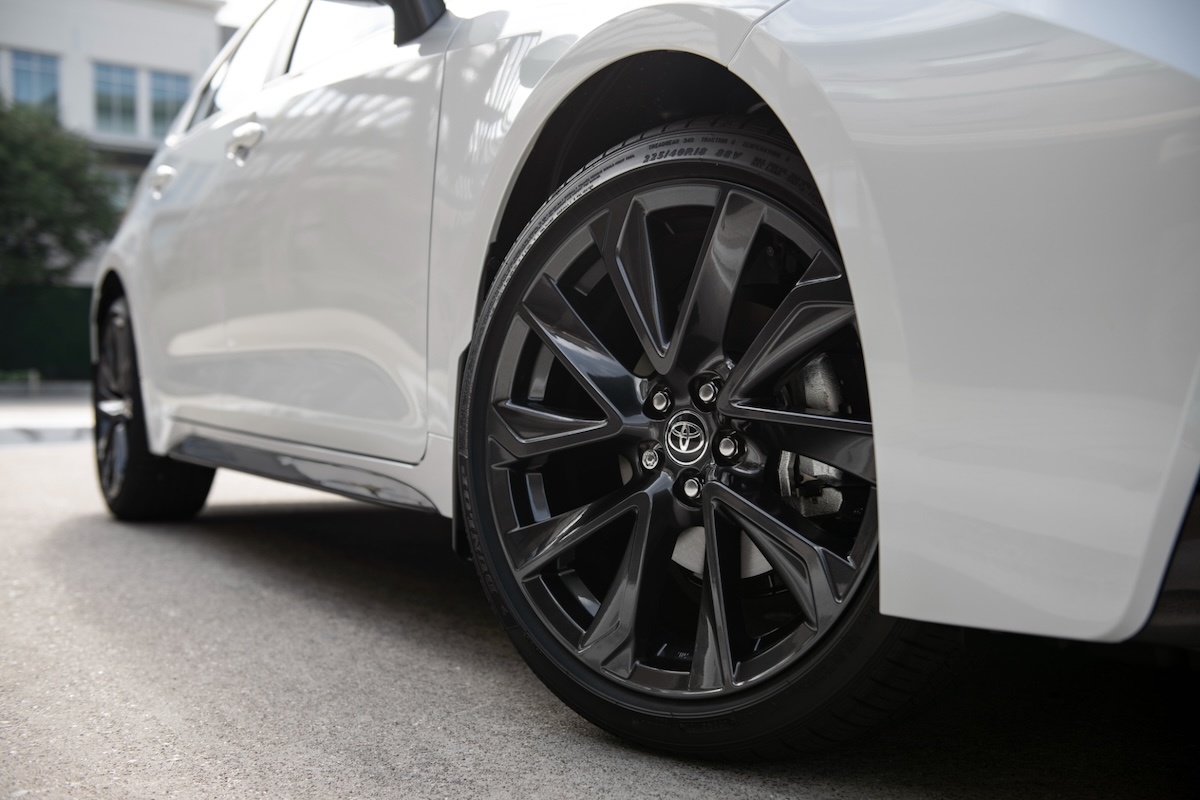
You’ll also have options when it comes to the 2026 Toyota Corolla – you can choose between lower grades that are simpler and more budget-friendly up to higher grades that have features like extra tech, slight upgrades on the interior, and bigger wheels. Bottom line, the flexibility is there for you to find the right Corolla for your drive time needs at Toyota of Orlando.
What’s Interior Comfort and Space Like in this Orlando Toyota?
Hop into the driver’s seat of the 2026 Toyota Corolla, and you’ll see that Toyota has big interest in making sure you have a quality experience every time you hit the road.
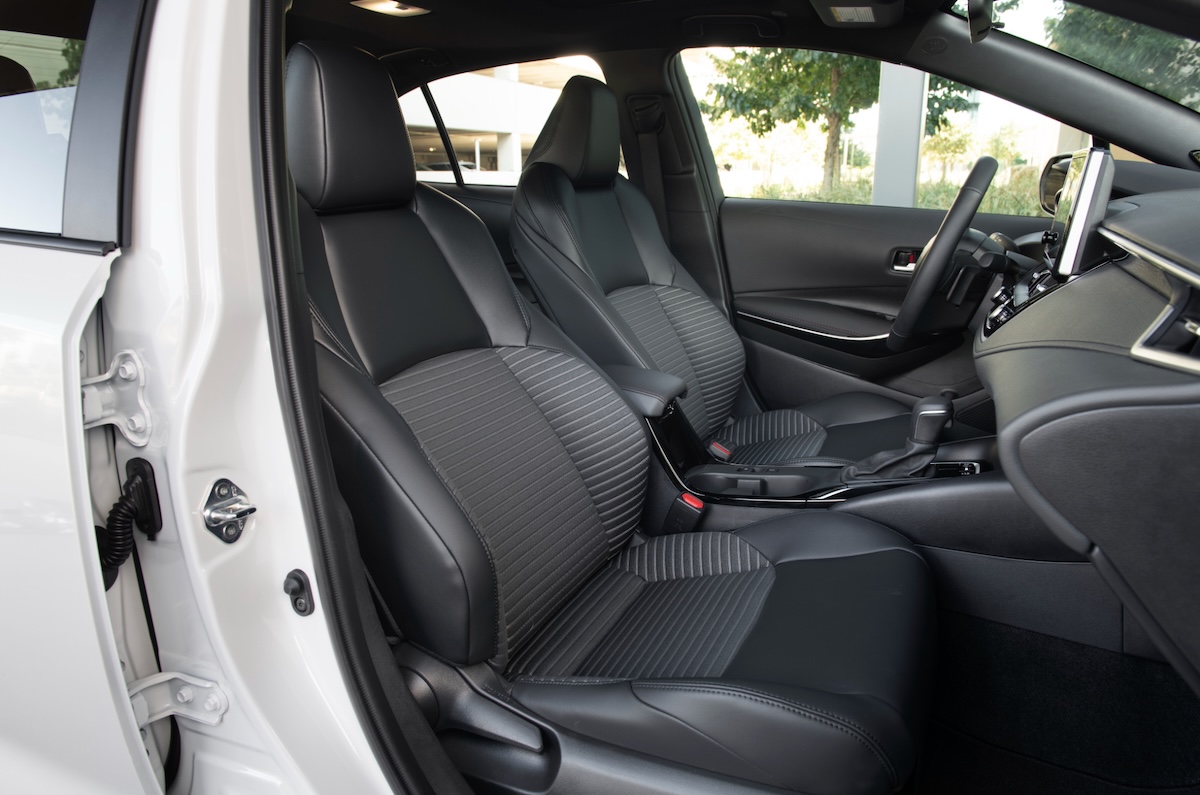
- Your cabin is comfortable and practical, but still has an upscale feeling inside of it, especially when you consider the price tag.
- The seating is supportive for comfortable drives no matter how long you’re on the road, and you’ve got tons of legroom both in the front and back to stretch out.
- The interior holds up well with fabric and SofTex options for trim plus soft-touch materials, and no matter which model you choose you can count on quality.
- Opt for a higher trim if you want premium finishes like contrast stitching and SofTex, which lends a classy feel to the cabin (without breaking the bank).
The 2026 Toyota Corolla may be compact, but you’ve got enough space for everyday needs. You can carry up to five people inside the cabin and the trunk is big enough for a week’s worth of luggage or a solid Costco haul. You can also split and fold the rear seats to extend that cargo space to accommodate large items. Get compact design and efficiency without having to sacrifice convenience.
Technology Features to Note in the 2026 Toyota Corolla
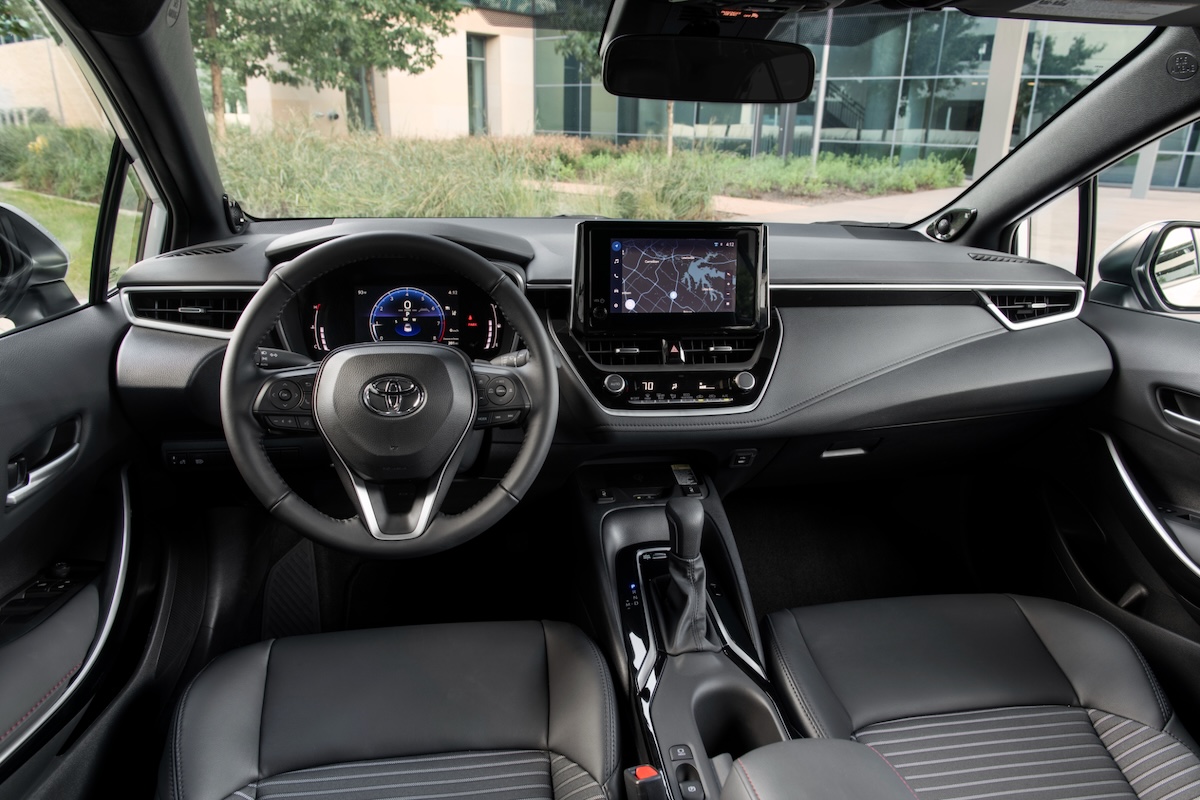
Toyota is committed to safety and technology, and this new Orlando Toyota definitely reflects that. Even the entry-level models come with a large touchscreen audio system. Here are some of the other tech and safety highlights to look forward to:
- Wireless Apple CarPlay and Android Auto, which means it’s simple to hook up your smartphone and use all of your favorite apps for messaging, calls, music, and navigation.
- You can also shoot for Qi wireless charging, multiple USB-C ports for charging, premium JBL sound system options, and even larger infotainment screens if you go for higher trim levels.
- Toyota Safety Sense, which is a suite of safety tech that includes lane departure warning, adaptive cruise control, and automatic emergency braking. These are all features that are usually pricey add-ons in other brands but you get them standard in this new Toyota.
Reliability and Affordability are King in the New Toyota Corolla
One thing you can always count on – pun intended – in the 2026 Toyota Corolla is reliability. Toyota is renowned in general for building durable cars, and the Corolla has a decades-long proven track record to back it up. If you get routine maintenance, this ride can last upwards of 200k miles without batting an eye – you’ve got miles and miles to go.
- It’s also priced for accessibility. Compared to other compact sedans with similar features, it’s got one of the best values out there. You can also save money over time with its fuel efficiency, especially if you go for the hybrid model with those major MPGs.
- And let’s not forget the ownership costs and resale value. The 2026 Toyota Corolla has lower repair costs on average, and it holds its value exceptionally well to ensure you get your money’s worth if you decide to sell or trade in down the road.
The 2026 Toyota Corolla Offers a Car for Every Driver
Want a smart, reliable pick for your next ride? Then it’s time to take the 2026 Toyota Corolla for a spin at Toyota of Orlando. We’re open until 10pm every single night and we’re conveniently located just off I-4 near the Mall at Millenia. Check out our inventory online and shop our new Corolla specials – we’re ready to get you behind the wheel of this best-seller!
When you’re on the hunt for a compact sedan, you probably have two options at the top of your list: the Toyota Corolla, and the Honda Civic. Both of these sedans have exceptional reputations for efficiency, affordability, and reliability… but at the end of the day, which one is the winner?
We’re taking a closer look at the 2026 Toyota Corolla vs Honda Civic comparison to see which sedan pulls ahead when you take a closer peek at the details. Our expert team here at Toyota of Orlando is breaking down the price, performance, interior, tech, safety, and fuel efficiency to help you make an educated decision (and also to prove that while we’re biased, we’re also right). Yes, both of these cars are great choices… but if you read on, you’ll be able to see why the Orlando Toyota Corolla should be at the top of your shopping list. Let’s go!
2026 Toyota Corolla vs Honda Civic: Pricing and Cost
We know that many compact car shoppers have affordability as one of their top ranking factors in their final choice. Here’s how the 2026 Toyota Corolla ranks vs the Honda Civic when it comes to cost.
2026 Toyota Corolla Pricing (Estimated):
- LE: Starting around $23,500
- SE: Starting around $25,000
- XSE: Starting around $28,500
- Hybrid models: Starting around $24,500
2026 Honda Civic Pricing (Estimated):
- LX: Starting around $24,000
- Sport: Starting around $26,000
- EX: Starting around $27,500
- Touring: Starting around $31,000
- Hybrid models: Starting around $29,000
What to take away:
- The Orlando Toyota Corolla has a lower starting MSRP, so if budget is a concern, you’ve got a solid options.
- Corolla hybrid models have a lower starting price point than Honda hybrid models, so you get that fuel efficiency you’ve been dreaming of without having to shell out extra money.
- The Honda Civic has sharper price increases as you climb through the lineup, so you have to shell out more money to get the features you want.
The Final Verdict:
If you want to get the most bang for your buck, you should put the 2026 Toyota Corolla in your driveway. You have upfront affordability and better access to affordable hybrid options, too.
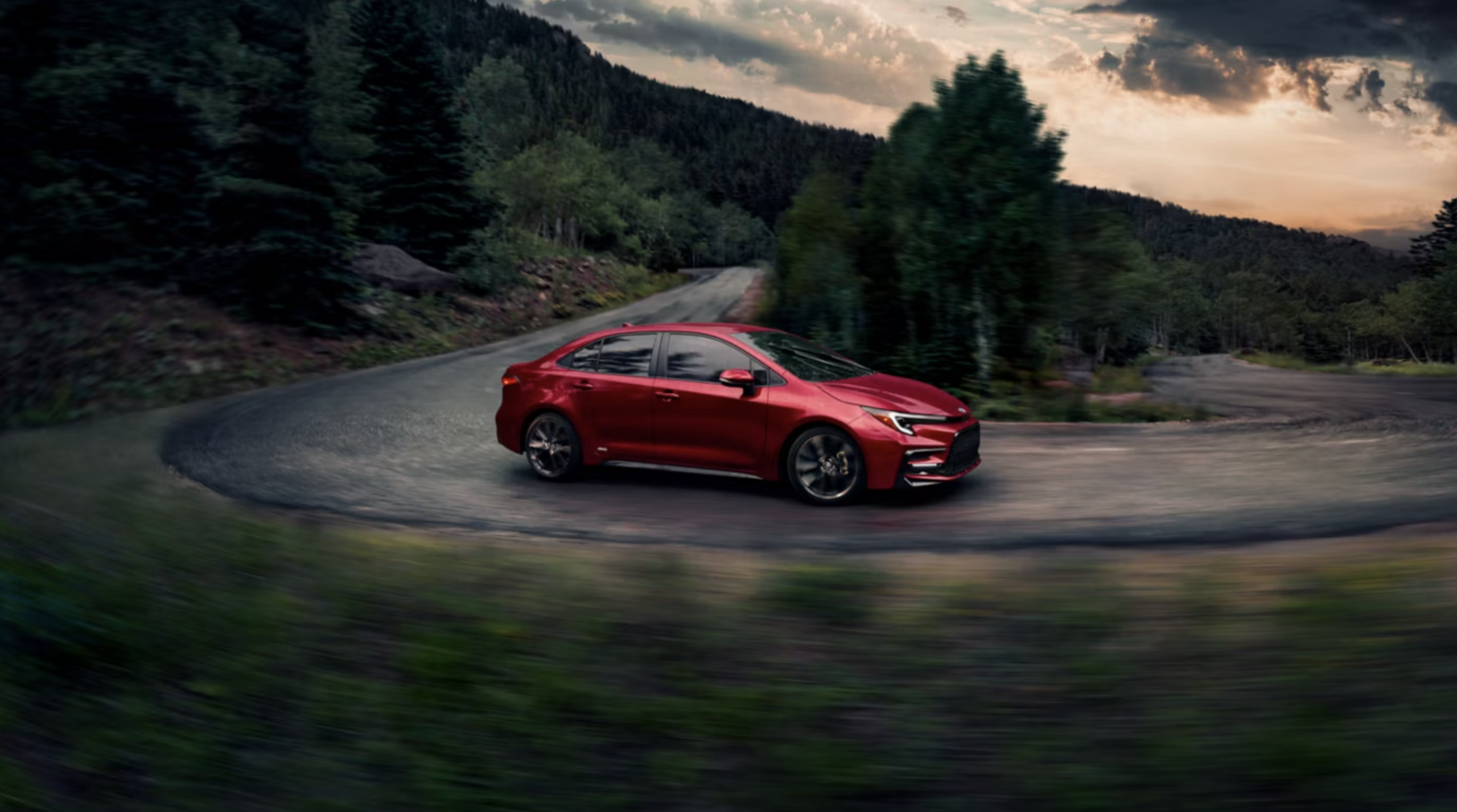
What to Expect from Performance and Daily Driving
Both the Orlando Toyota Corolla and Honda Civic are built for daily driving, but have some noticeable differences that leave the Corolla ahead of the pack.
2026 Toyota Corolla Performance:
- 2.0L 4-cylinder engine
- 169 horsepower
- CVT (Continuously Variable Transmission)
- Available Hybrid powertrain: 138 combined horsepower
- Available AWD on hybrid models
2026 Honda Civic Performance:
- 2.0L 4-cylinder engine (base trims)
- 158 horsepower
- 1.5L turbocharged engine (higher trims): up to 180 horsepower
- CVT transmission
- Hybrid system: around 200 combined horsepower
What They’re Like to Drive:
- The 2026 Toyota Corolla: This Orlando Toyota is smooth, comfortable, and maneuverable. It’s perfect for daily driving, whether commuting on the highway or hitting city streets.
- The 2026 Honda Civic: This sedan gives you slightly sportier handling with more powerful engine options in higher trims (but remember, those will come at a cost).
The Final Verdict:
If sporty is the name of the game for you, check out the higher trims of the Honda Civic. However, if you want everyday reliability, a comfortable interior, and the option of all-wheel drive, check out the 2026 Toyota Corolla at Toyota of Orlando.
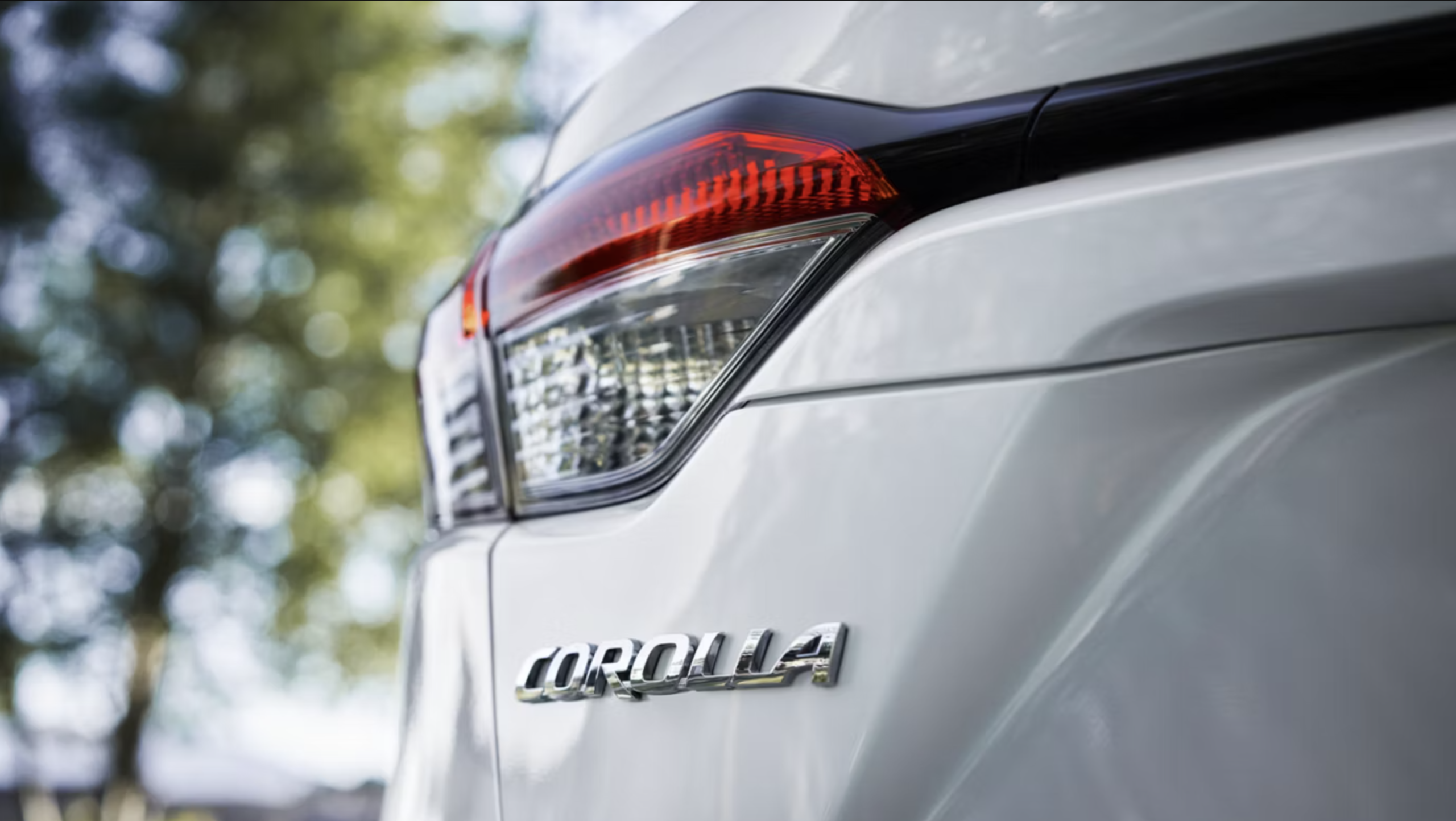
Explore Interior Comfort and Design in the 2026 Toyota Corolla vs Honda Civic
We know having a nice, comfortable interior is important to a lot of drivers, especially if you spend a decent chunk of time behind the wheel. Here’s what you can expect in the Toyota Corolla vs Honda Civic comparison this year.
2026 Toyota Corolla Interior:
- Seating for 5 passengers
- Available SofTex-trimmed seats
- 8-way power-adjustable driver’s seat on higher trims
- Rear seat legroom: 34.8 inches
- Trunk space: 13.1 cubic feet
2026 Honda Civic Interior:
- Seating for 5 passengers
- Available leather-trimmed seats
- Power-adjustable front seats
- Rear seat legroom: 37.4 inches
- Trunk space: 14.8 cubic feet
The Interior Highlights We Love:
- The 2026 Honda Civic has an ever so slightly larger cargo area and a bit more rear legroom
- The 2026 Toyota Corolla has better ergonomics, a simpler and cleaner design, and more durable interior for long-term comfort and value
- This Orlando Toyota is also designed with intuitive controls and a seamless layout for better daily drives
The Final Verdict:
You’re going to get a slight edge in the Honda Civic in terms of space in some areas, but the Toyota Corolla’s interior make the most of your comfort, usability, and long-term durability. It depends on what you want most from your daily driver.
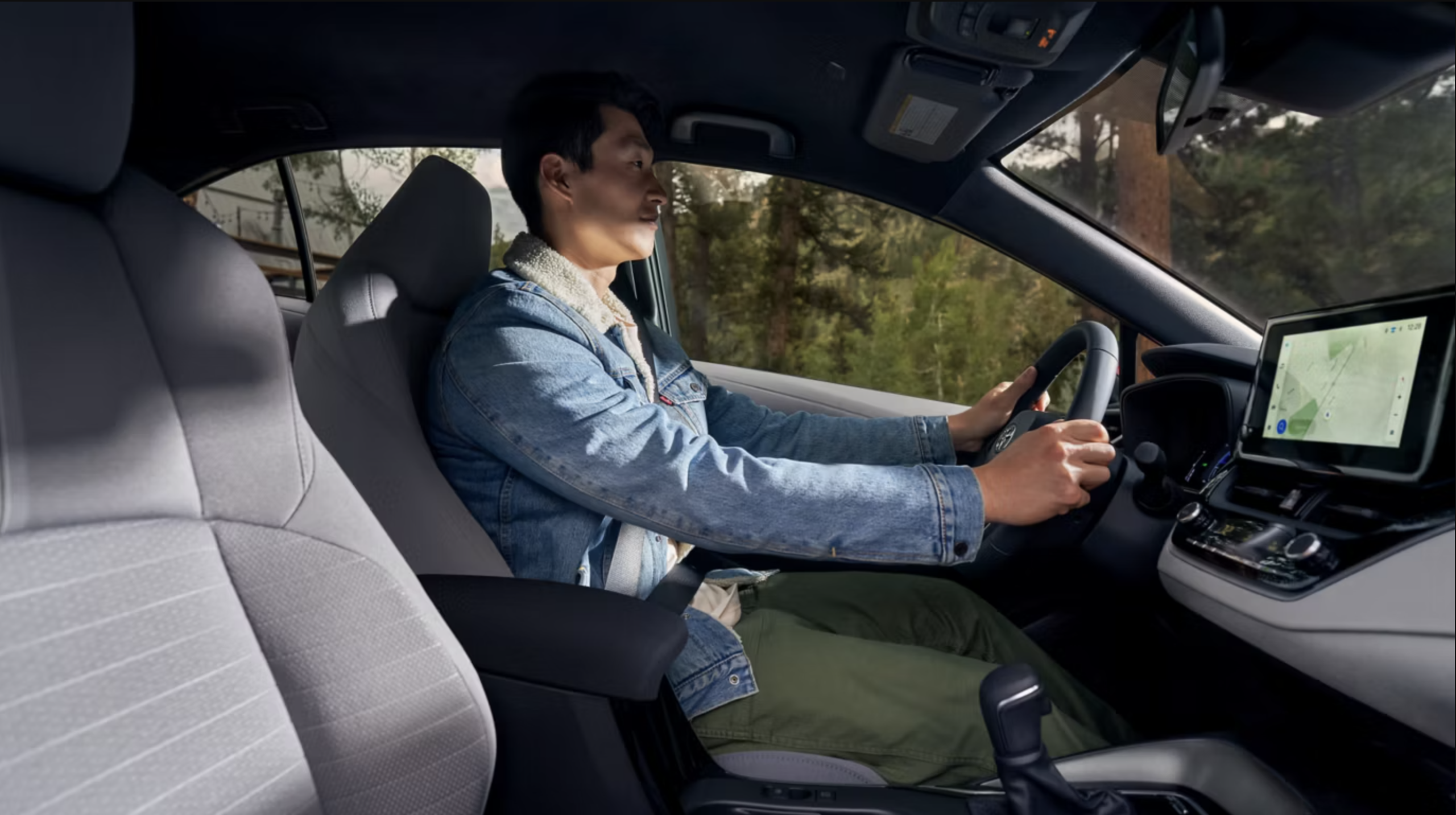
What’s Tech Like in These Two Sedans?
Drivers nowadays want seamless connectivity, intuitive features, and the best of the best when it comes to entertainment and efficiency. Here’s what you can expect between the 2026 Toyota Corolla vs Honda Civic.
2026 Toyota Corolla Technology:
- Standard 8-inch touchscreen (up to 10.5-inch also available)
- Wireless Apple CarPlay & Android Auto
- An available 12.3-inch digital gauge cluster
- Toyota Audio Multimedia system
- Available wireless charging
- Over-the-air updates
2026 Honda Civic Technology:
- Standard 7-inch touchscreen (9-inch also available)
- Apple CarPlay® & Android Auto™ (wireless only on higher trims)
- Available 10.2-inch digital instrument cluster
- Bose® premium audio system (only on the Touring trim)
What to Take Away:
- You can get a bigger touchscreen on the 2026 Toyota Corolla, as well as better wireless smartphone integration
- The 2026 Honda Civic does give you a premium audio system option, but it’s only available on the higher trim.
The Final Verdict:
If you want accessible, user-friendly features available on all models, the 2026 Toyota Corolla is a solid option for you.
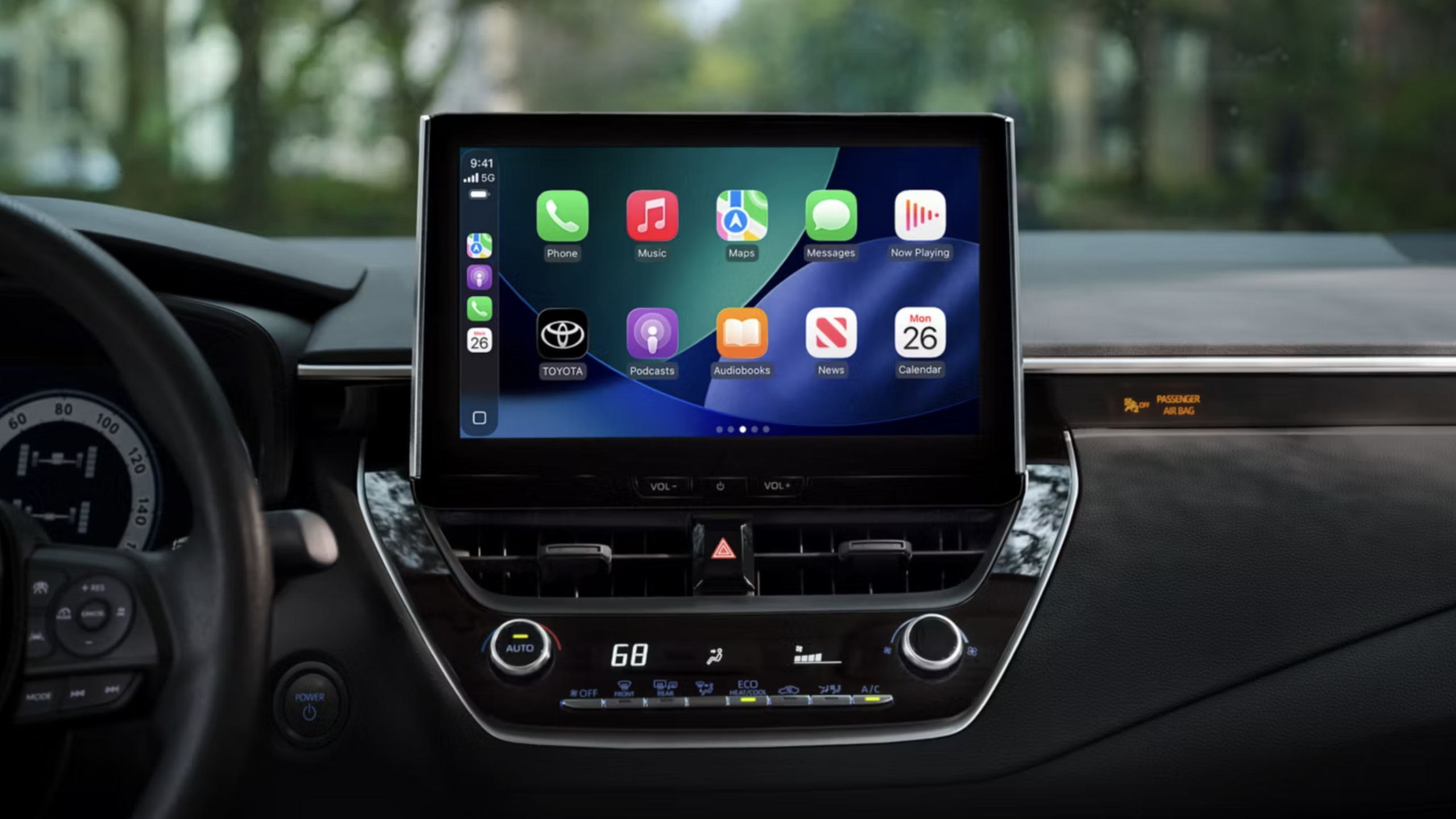
Toyota vs Honda in 2026: Safety and Driver Assistance Technology
Safety is important to EVERY drive, no matter what you’re planning on putting in your driveway. You’ll get plenty of safety tech in both of these cars, but Toyota leads when it comes to standard features. Here’s how safety stacks up in the Orlando Toyota Corolla vs Honda Civic comparison.
2026 Toyota Corolla Safety:
- Toyota Safety Sense™ 3.0 (standard on all trims)
- Pre-Collision System with Pedestrian Detection
- Lane Departure Alert with Steering Assist
- Full-Speed Range Dynamic Radar Cruise Control
- Lane Tracing Assist
- Road Sign Assist
- Automatic High Beams
2026 Honda Civic Safety:
- Honda Sensing suite
- Collision Mitigation Braking System
- Lane Keeping Assist System
- Adaptive Cruise Control
- Traffic Sign Recognition
What to Know About Safety Ratings:
- Both of these compact sedans are expected to earn Top Safety Pick ratings for 2026 from the IIHS
What to Take Away:
- Toyota Safety Sense™ 3.0 is one of the most advanced standard safety suites on the market right now.
- The Orlando Toyota Corolla includes better driver-assist features, especially with adaptive cruise control and lane tracing.
The Final Verdict:
Both of these sedans are safe. However, the 2026 Toyota Corolla has a more comprehensive safety package that comes standard.
What to Expect for Fuel Efficiency in the 2026 Toyota Corolla vs Honda Civic
Gas isn’t cheap. We get it, and we know fuel efficiency is a BIG part of the final decision for many buyers. Here’s the breakdown.
2026 Toyota Corolla MPG:
- Gas models:
- Up to 32 city / 41 highway MPG
- Hybrid models:
- Up to 50+ combined MPG
2026 Honda Civic MPG:
- Gas models:
- Up to 31 city / 40 highway MPG
- Hybrid models:
- Up to 49 MPG combined
What to Take Away:
- Orlando Toyota Corolla gas models slightly outperform the Honda Civic in highway efficiency (which can help if you’re a commuter).
- The 2026 Toyota Corolla Hybrid is still one of the most fuel-efficient sedans out there.
- You also get AWD hybrid capability without sacrificing major efficiency in the new Toyota Corolla.
The Final Verdict:
The Orlando Toyota Corolla takes the lead when it comes to overall efficiency, especially considering its hybrid options. It’s a great option if you want to cut your fuel costs.
Our Final Thoughts on Toyota Corolla vs Honda Civic
Honestly, they’re both great options. However, the 2026 Toyota Corolla stands out a bit more when it comes to getting more for less. It’s more well-rounded than its Honda competition, especially when you look at points like:
- It has a lower starting price and better overall value
- It gives you more affordable hybrid options with amazing MPG
- It’s available in AWD in hybrid models (which is unique in the segment)
- It has user-friendly technology across all trims
- Its offers comprehensive standard safety features
- You get proven long-term reliability
If you want a reliable, efficient sedan that gives you the most bang for your buck, the 2026 Toyota Corolla is it.
See for Yourself: Take a Test Drive at Toyota of Orlando
Don’t take our word for it. See for yourself! Check out the 2026 Toyota Corolla in person at Toyota of Orlando. We’re open seven days a week at 3575 Vineland Road, just off I-4 near the Mall at Millenia.
The three different types of engine placements

Updated July 2026
When you think about your car’s engine, you probably picture it sitting under the hood in front of you. And for most cars on the road today, that’s exactly where it is. But not every vehicle follows that design. Did you know engineers have experimented with different engine layout configurations for decades? It’s because where an engine is placed has a major impact on how your car accelerates, handles, brakes, and even how much interior space it has.
Most of the Toyotas at our dealership use a front-engine design. However, understanding the different types of engine layout can help you appreciate why sports cars, trucks, SUVs, and commuter cars all feel different behind the wheel. Whether you’re just curious or you’re shopping for your next ride, Toyota of Orlando is here to explain the three primary engine layouts and how they work.
Executive Summary
- The three main engine layout designs are front-engine, mid-engine, and rear-engine.
- Front-engine vehicles are the most common because they provide a great balance of comfort, safety, practicality, and predictable handling.
- Mid-engine layouts are favored for high-performance sports cars thanks to their exceptional balance and cornering ability.
- Rear-engine layouts are uncommon today but offer strong acceleration and unique driving characteristics.
- Most Toyota vehicles feature a front-engine layout designed for everyday reliability and confidence on the road.

What is an engine layout?
An engine layout is where the engine is placed in a vehicle. Yes, every engine has the same job (powering your ride) but its location changes how the car’s weight is distributed. This affects different aspects of your daily driving, including:
- Steering feel
- Cornering ability
- Traction
- Braking performance
- Ride comfort
- Interior and cargo space
Auto manufacturers have to be careful when they select an engine layout, and be sure that it matches the purpose of the car. For example, a family SUV has different priorities than a high-performance sports car. This is why you see different engine layouts depending on the car you’re looking at.
Type #1: Front-engine layout
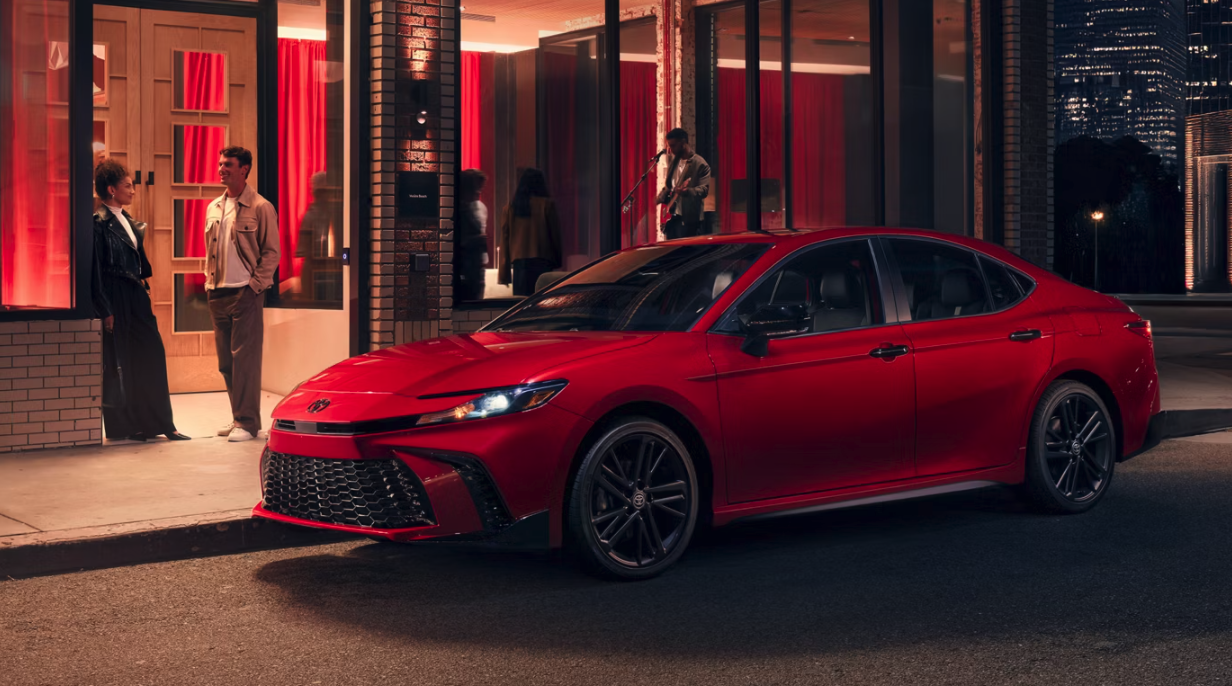
A front-engine layout is the most common configuration out there today. In this setup, the engine sits under the hood of the car in front of the driver and front passenger. It’s easily accessed by just popping the hood. We have this setup on almost every car at Toyota of Orlando, including:
- Toyota Corolla
- Toyota Camry
- Toyota RAV4
- Toyota Highlander
- Toyota Grand Highlander
- Toyota Prius
- Toyota Crown
- Toyota Tacoma
- Toyota Tundra
- Toyota Sequoia
Why is the front-engine layout so popular?
Why is the front-engine setup so popular? Here are just a few reasons.
It offers excellent everyday handling. The engine sits over the front wheels, which means more predictable steering and stable handing in everyday driving conditions.
It has more passenger and cargo space. The engine placement under the hood means the engineers can make the most of cabin space and cargo space, which means front-engine cars are great for families and commuters.
It has lower production and repair costs. Front-engine cars are usually easier and cheaper to manufacture and service. Most auto service techs work on this layout everyday, so maintenance and repairs are straightforward and quick.
It works with multiple drivetrains. A front-engine layout can be paired with:
- Front-wheel drive (FWD)
- Rear-wheel drive (RWD)
- All-wheel drive (AWD)
- Four-wheel drive (4WD)
This means manufacturers like Toyota can build everything from sleek sedans to rugged off-road trucks to spacious SUVs with the same basic engine placement.
Front-engine with rear-wheel drive: What to know
It’s important to note that not every front-engine car sends the powers to the front wheels. Rides like the Toyota Supra and Toyota Tundra have a front-engine, rear-wheel drive setup. This means the engine sends power to the rear wheels, and you get incredible acceleration and a sportier driving experience. However, it’s worth noting that rear-wheel drive can require a little more driver skill in wet or slippery conditions.
Type #2: Mid-engine layout
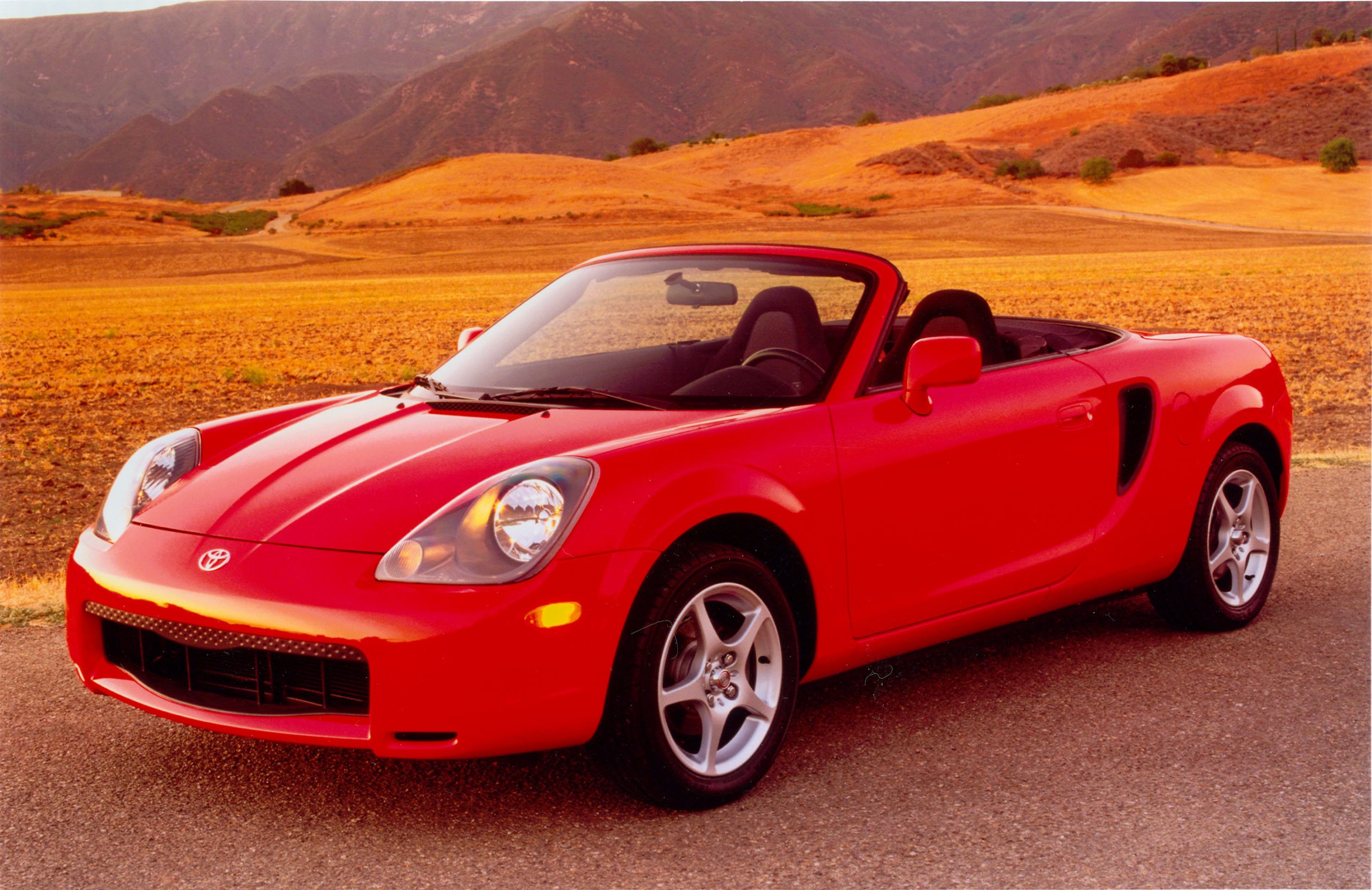
A mid-engine layout means the engine is behind the driver and front passenger, but ahead of the rear axle of the car. This design isn’t super common today, but it was on one legendary Orlando Toyota: The Toyota MR2.
This particular engine placement is used mostly in sports cars because it changes how the car behaves. Here are some highlights of a mid-engine placement:
It has outstanding balance. Putting the engine in the center of the car creates superior weight distribution from front to back. This helps your Orlando Toyota stay balanced during:
- Hard acceleration
- Heavy braking
- Fast cornering
- Quick transitions
It has sharper handling. Most of the weight is in the center, so mid-engine cars can respond more quickly to steering inputs. That’s one of the main reasons that exotic sports cars like Ferrari, McLaren, and others use this setup for their vehicles.
However, there are some trade-offs to a mid-engine setup.
- It means limited interior space. The engine sits behind the front seats, so most mid-engine cars only seat two people.
- It means less cargo room. There’s not much storage to be had because the engine takes up a lot of the available space.
- It has less forgiving handling. Skilled drivers might love the responsiveness, but a mid-engine layout can be less predictable if you lose traction.
Type #3: Rear-engine layout
A rear-engine layout puts the engine behind the rear axle, where you’d usually find the trunk on an Orlando Toyota. This configuration is extremely rare now, but you will see the Porsche 911 still using a rear-engine design today.
Advantages of a rear-engine layout
There are some perks to a rear-engine setup (if you can find it), including:
- Strong acceleration. There’s more weight over the back wheels, so you get crazy traction during acceleration.
- A unique driving feel. A lot of driving enthusiasts like the distinct feel that comes with a rear-engine setup.
Rear-engine cars aren’t without their issues, though, like:
- Oversteer. All of the weight is at the back of the car, which means this setup can cause a car to spin out if traction is lost.
- More challenging handling. Unskilled drivers won’t be able to handle a vehicle with this setup as well during emergency maneuvers.
- Limited packaging. Rear-engine setups also reduce your cargo space and make engineering more complicated.
All in all, this setup isn’t practical for a daily driver… which is why so many manufacturers have shifted away from it.
Which engine layout is best for your next Orlando Toyota?
The answer depends on what you want your car’s purpose to be. Here’s the breakdown from our Toyota of Orlando sales team.
Front-engine
Best for:
- Daily commuting
- Families
- Road trips
- Fuel efficiency
- Practicality
- Easy maintenance
Mid-engine
Best for:
- Performance driving
- Track days
- Sports car enthusiasts
- Maximum cornering ability
Rear-engine
Best for:
- Enthusiast driving
- Unique driving dynamics
- High-performance sports cars
For the basic daily driver, a front-engine layout is the best all-around choice. You get dependable handling, a lot of passenger and cargo space, and lower ownership costs.
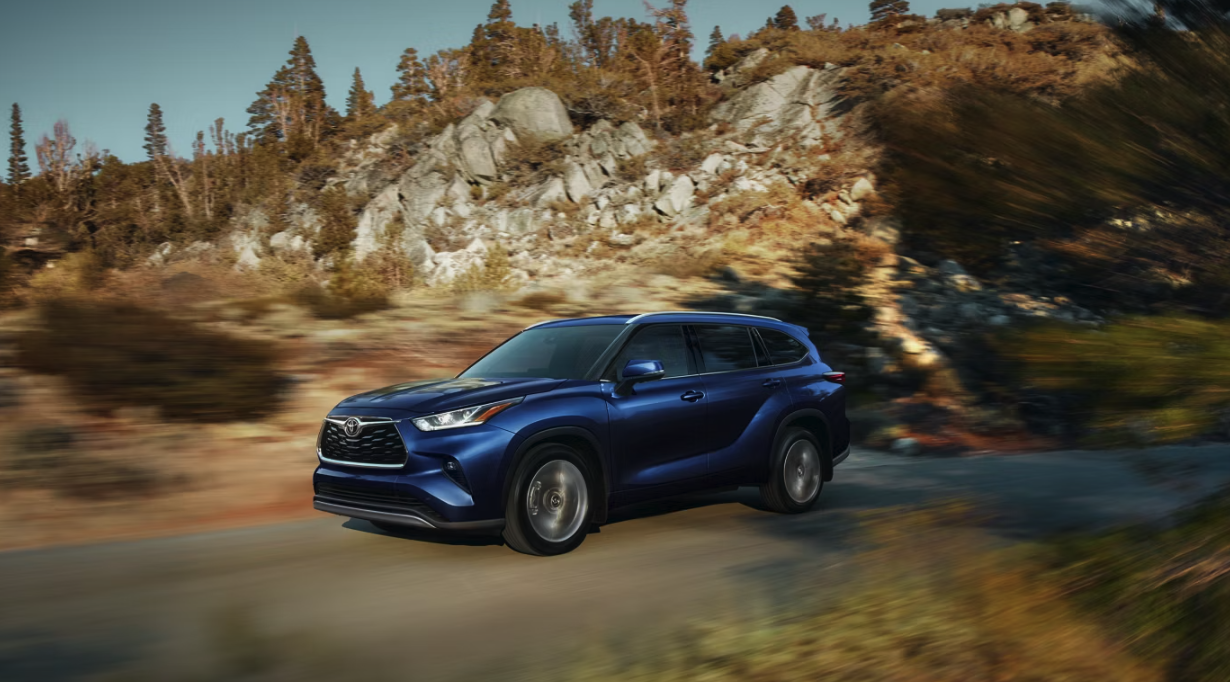
Why Toyota loves the front-engine layout
Toyota has spent decades focusing on its reputation for reliability, comfort, safety, and value… and a front-engine layout hits all of those goals. No matter which Orlando Toyota you’re taking home, a front-engine design gives you the predictability you need in a daily driver.
Learn more about Toyota engineering at Toyota of Orlando
Whether you’re interested in performance, fuel efficiency, towing capability, or just understanding how your ride works, our experts at Toyota of Orlando are here to help. We can explain the engineering behind your Toyota, answer your questions, and help you find the model that’s right for your lifestyle.
Stop by to explore the latest Toyota lineup or contact our team today to schedule a test drive. We’re open seven days a week and we’re just off I-4 near the Mall at Millenia!
Frequently Asked Questions
What is an engine layout?
An engine layout refers to where the engine is positioned within a vehicle. The three primary layouts are front-engine, mid-engine, and rear-engine, and each affects handling, weight distribution, interior space, and overall driving characteristics.
Why do most Toyota vehicles use a front-engine layout?
Toyota primarily uses a front-engine layout because it provides excellent reliability, predictable handling, spacious interiors, easier maintenance, and versatility across sedans, SUVs, trucks, and hybrids.
Is a mid-engine layout better than a front-engine layout?
Not necessarily. A mid-engine layout offers superior balance and handling for high-performance driving, but it usually sacrifices interior space and practicality. For everyday driving, a front-engine layout is the better choice for most drivers.
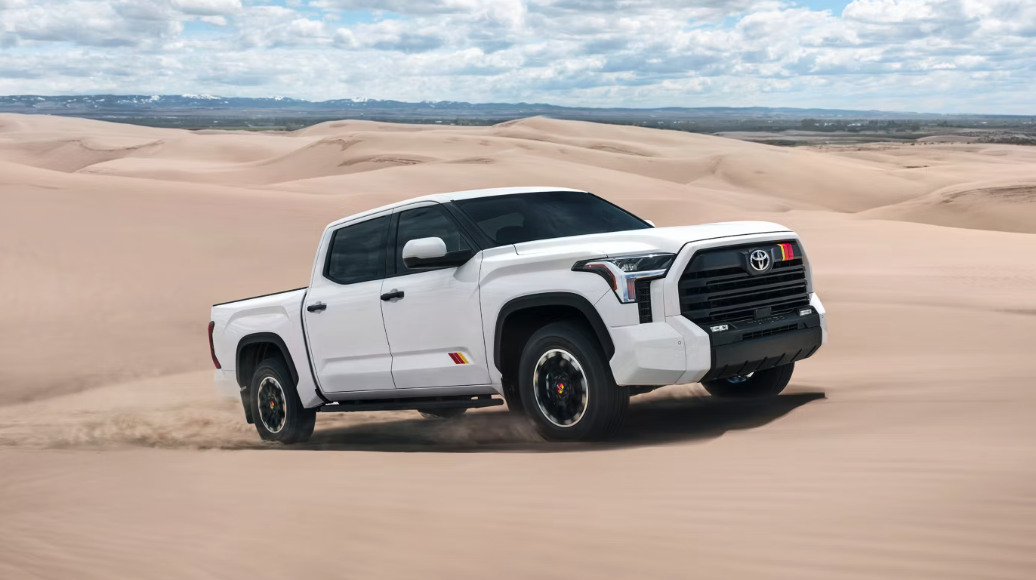
When you’re shopping for a full-size trucks, you want something capable… and that’s probably why the 2026 Toyota Tundra and 2026 Ford F-150 are on your list. They both offer pretty incredible towing abilities, top technology, durability meant for decades, and premium interiors. However, if we had to pick between the two, the 2026 Toyota Tundra would be at the top of our list in the number one spot (and it’s not because we’re an Orlando Toyota dealer).
If you want modern and powerful performance, advanced technology at every turn, and reliability that’s tough to beat, it’s time to take the new Toyota Tundra for a spin. However, we know you’re doing your research – and that’s why we’re comparing the 2026 Toyota Tundra vs Ford F-150 for you. Let’s take a closer look!
- The 2026 Toyota Tundra delivers more standard value, with a twin-turbo V6, 10-speed automatic transmission, and Toyota Safety Sense™ 3.0 included across the lineup, even if its starting MSRP is higher than the Ford F-150.
- Toyota’s i-FORCE MAX hybrid stands out with up to 437 horsepower and 583 lb-ft of torque, giving the Tundra impressive acceleration, towing performance, and efficiency in one package.
- The Ford F-150 wins on maximum towing and payload, but most truck owners won’t reach those limits. For everyday towing, hauling, and recreation, the Tundra has more than enough capability.
- The Tundra offers a more refined interior and standard safety features, while technology is essentially a draw thanks to Toyota’s intuitive infotainment system and Ford’s innovative Pro Power Onboard generator.
- Overall, the 2026 Toyota Tundra is the better all-around truck, combining power, comfort, technology, efficiency, and long-term reliability into one well-rounded package.
How Does Price Stack Up in the 2026 Toyota Tundra vs Ford F-150 Comparison?
At first glance, the 2026 Ford F-150 has a slightly cheaper starting point when it comes to entry-level pricing. Its base XL models start at around $37,000, and from there the different configurations can climb into the mid-$40,000 range and higher.
The 2026 Toyota Tundra has a starting MSRP of around $43,000 for the base SR trim and moves into higher pricing as you explore the different models and configurations.
Here’s what you should remember: yes, the 2026 Ford F-150 has a cheaper starting price point. However, you have to look beyond the base trim price. Toyota may cost a bit more, but it includes a substantial amount of better standard equipment – we’re talking Toyota Safety Sense 3.0, a 10-speed automatic transmission, and a twin-turbocharged powertrain. The face value price may be more, but you’re also getting a lot more value.
Performance and Power in the 2026 Toyota Tundra vs Ford F-150
Let’s talk about performance and power – how do these two full-sized trucks stack up when it matters most? We’re breaking it down.
The Tundra has a more simplified powertrain lineup – there are two versions of its 3.4L twin-turbocharged V6 engine. You can get:
An i-FORCE Twin-Turbo V6
- 389 horsepower
- 479 lb-ft of torque
- 10-speed automatic transmission
An i-FORCE MAX Hybrid
- 437 horsepower
- 583 lb-ft of torque
- 10-speed automatic transmission
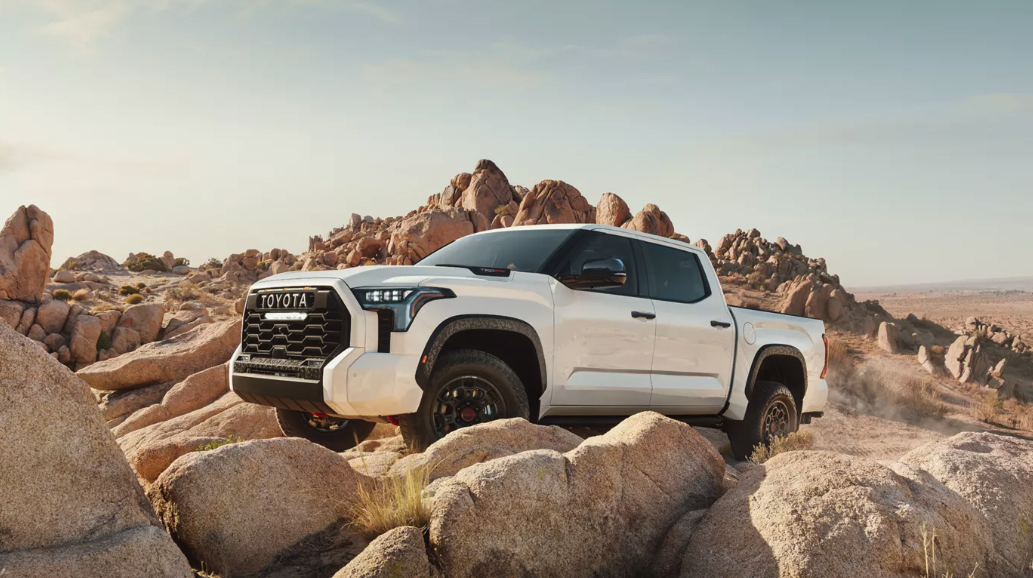
At Toyota of Orlando, we love the hybrid powertrain. It combines low-end torque with smooth acceleration and improved fuel efficiency, which means it’s an absolute powerhouse. And unlike some competitors that only use hybrid technology to improve fuel efficiency, Toyota uses it to enhance the truck as a whole. (It gets more horsepower and torque than its V8 predecessor!)
Meanwhile, you’ll get more options with the Ford F-150 when it comes to powertrains, including:
- 2.7L EcoBoost V6
- 5.0L V8
- 3.5L EcoBoost V6
- 3.5L PowerBoost Hybrid
- High-Output EcoBoost V6 (Raptor)
- Supercharged V8 (Raptor R)
The Powerboost hybrid gives you around 430 horsepower and 570 lb-ft of torque (still falling short of the Orlando Toyota Tundra).
Winner: Toyota Tundra
Yes, you get a lot of engine options when it comes to the Ford F-150. However, the Tundra will give you more horsepower and torque at the top, which means you get incredible acceleration, towing, and hauling abilities.
Towing and Capability
Speaking of towing and hauling, let’s get into the details. How does the 2026 Toyota Tundra vs Ford F-150 comparison pan out when it comes to these performance specifics?
The Tundra has:
- Maximum towing capacity pf up to 12,000 pounds
- Maximum payload of approximately 1,940 pounds
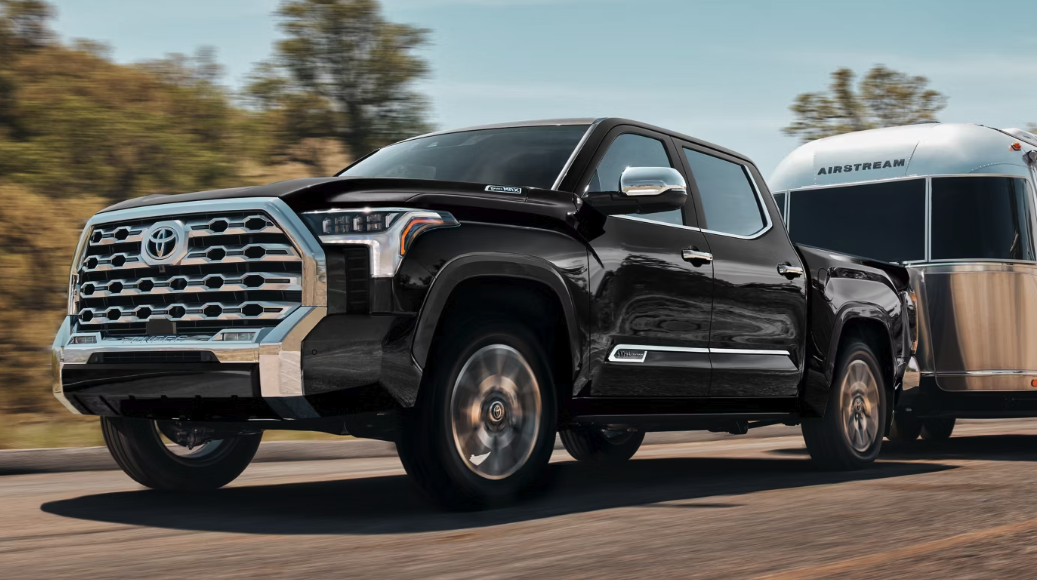
- This powerhouse is also decked out with advanced towing technology like trailer backup assistance features, integrated towing cameras, and multiple drive modes including TOW/HAUL.
The F-150 has:
- Maximum towing capacity of up to 13,500 pounds with the 3.5L EcoBoost V6.
- Maximum payload of up to 2,440 pounds in certain configurations.
Like we said, Ford has tons of options when it comes to engine configurations, so you can maximize your payload and towing.
Winner: Ford F-150
The 2026 Ford F-150 comes out on top on this one. However, it’s worth noting that most truck drivers never hit those maximum limits when it comes to towing and hauling. For most recreational trailers, work equipment, and boats, the Orlando Toyota Tundra will get the job done perfectly well.
Comparing the Interior of the 2026 Toyota Tundra vs Ford F-150
We know that modern truck drivers are looking for a blend of capability and comfort, and refinement is always a nice touch. Here’s how the interiors of these two trucks compare:
The Toyota Tundra Interior
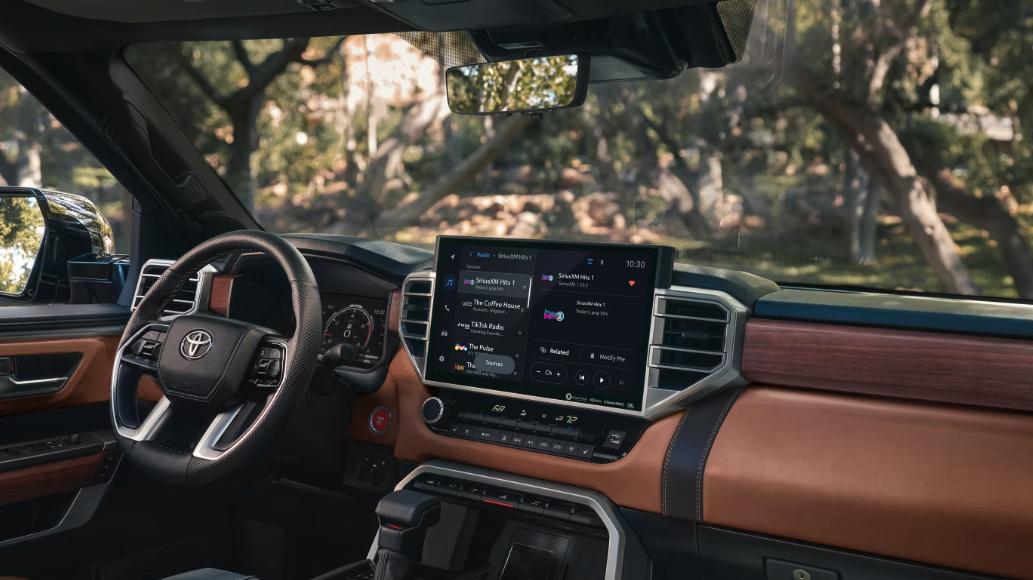
The Orlando Toyota Tundra was recently redesigned inside and out, and now it has one of the most upscale interiors on the market. You’ll love features like:
- SofTex® or premium leather seating
- Heated and ventilated front seats
- Panoramic moonroof
- 14-inch touchscreen
- Power vertical rear window
- Premium audio systems
- Massive center console storage
If you go for a higher trim like the Platinum, Capstone, or 1794 Edition, you’ll find that the interior is similar to luxury SUVs in terms of its materials and craftsmanship.
The Ford F-150 Interior
The 2026 Ford F-150 is also comfortable and spacious inside the cabin. Available features include:
Available features include:
- Leather seating
- Max Recline seats
- Large digital displays
- Work Surface center console
- Premium audio systems
- Numerous storage solutions
Winner: Toyota Tundra
Both of these full-size trucks have beautiful interiors, but Toyota’s feels more modern and upscale no matter which trim you choose. The materials feel more premium and the Capstone model offers you a true taste of luxury.
Technology Features in these Full-Size Trucks
Technology is important in every ride these days, so let’s take a look at how the 2026 Toyota Tundra vs Ford F-150 comparison works out in this category.
Toyota Tundra Technology
The Tundra offers:
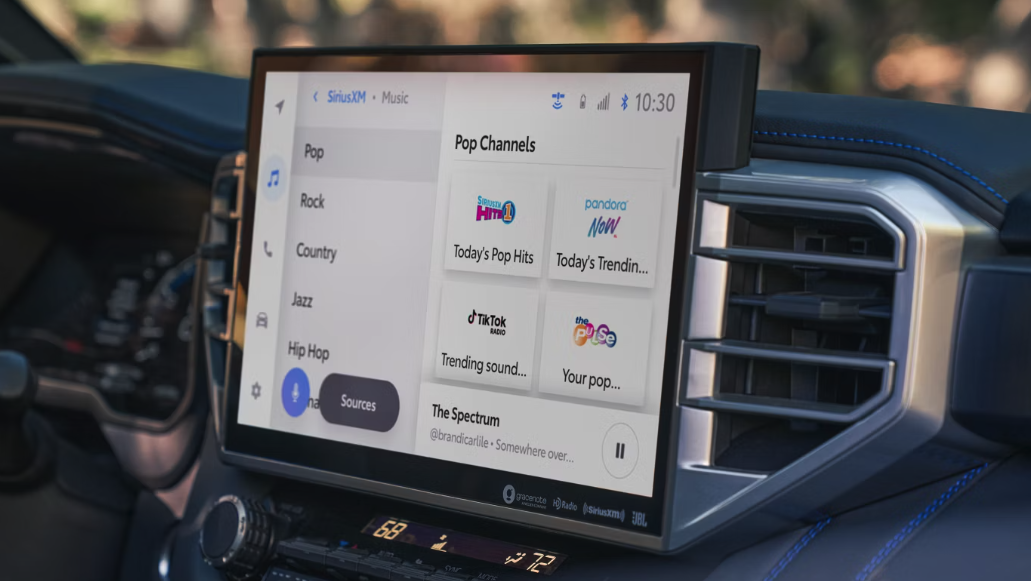
- Available 14-inch Toyota Audio Multimedia touchscreen
- Wireless Apple CarPlay®
- Wireless Android Auto™
- Cloud-based navigation
- Voice assistant functionality
- Digital gauge cluster
- Over-the-air updates
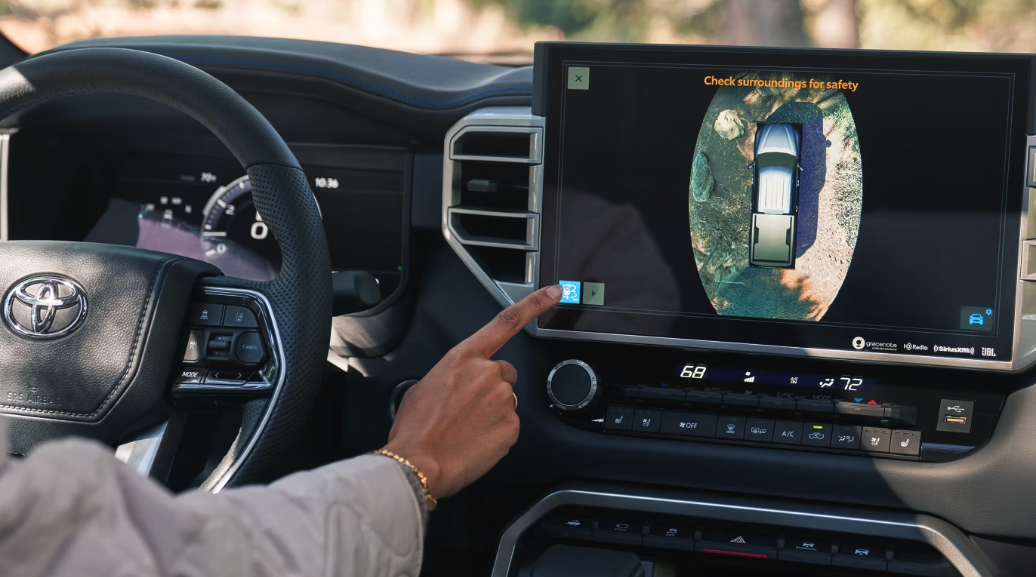
- Multiple camera views for towing and parking
On top of that, Toyota’s newest infotainment system is fast and intuitive for users.
Ford F-150 Technology
The Ford F-150 offers:
- SYNC® infotainment system
- Large touchscreen displays
- Digital instrument cluster
- Pro Power Onboard generator system
- Trailer technology features
- Connected services
One interesting feature that the Ford F-150 offers is the Pro Power Onboard system, which basically turns the truck into a mobile generator.
Winner: Tie
At the end of the day, it’s a tie. Toyota has a more user-friendly infotainment system, while Ford has interesting work-oriented technology.
Safety Comparison for the 2026 Toyota Tundra vs Ford F-150
The Tundra definitely has a clear lead when it comes to safety technology (and it’s easy to see why – it’s a Toyota.). Here’s how these two trucks compare:
Toyota Safety Sense™ 3.0
The Orlando Toyota Tundra includes Toyota Safety Sense™ 3.0, featuring:
- Pre-Collision System with Pedestrian Detection
- Dynamic Radar Cruise Control
- Lane Departure Alert
- Lane Tracing Assist
- Road Sign Assist
- Automatic High Beams
- Proactive Driving Assist
Note: these are standard features across the lineup.
Ford Co-Pilot360™
The new Ford F-150 offers:
- Automatic Emergency Braking
- Blind Spot Monitoring
- Lane Keeping System
- Adaptive Cruise Control
- Available BlueCruise hands-free driving technology
Winner: Toyota Tundra
You’re going to get comprehensive safety packages on both trucks. However, Toyota has a commitment to safety and as such, has made advanced driver-assistance technology standard throughout the lineup (you don’t have to pay more to get it).
Who Wins When It Comes to Fuel Efficiency?
Fuel economy varies a lot in both the 2026 Toyota Tundra and 2026 Ford F-150 based on their configurations, so it’s not a clearcut comparison. However, we want to note that the Orlando Toyota Tundra I-FORCE MAX hybrid powertrain stands out. It’s a seamless blend of power and fuel efficiency. This makes it a top choice for drivers who need both.
Winner: Slight Edge to Toyota
You can get a hybrid truck from both manufacturers, but Toyota’s I-FORCE MAX system offers you more horsepower and torque while still maintaining exceptional fuel efficiency.
Who’s the Overall Winner in the 2026 Toyota Tundra vs Ford F-150 Comparison?
We’ll admit it – the 2026 Ford F-150 is a strong contender and definitely one of the most capable trucks on the road, especially if you want towing, payload, and customization options. However, we think the all-around winner is the Orlando Toyota Tundra. It’s refined, powerful, efficient, and perfect for daily driving on top of towing and hauling.
Ready to see it for yourself? Stop by Toyota of Orlando. We’re open seven days a week at 3575 Vineland Road, just off I-4 near the Mall at Millenia.
FAQs
Is the 2026 Toyota Tundra or Ford F-150 better?
It depends on your priorities, but for most drivers, the 2026 Toyota Tundra is the better all-around choice. It offers more standard features, a more upscale interior, a powerful hybrid option, and Toyota’s reputation for long-term reliability.
Can the 2026 Toyota Tundra tow as much as the Ford F-150?
The Ford F-150 has a higher maximum towing capacity of up to 13,500 pounds in select configurations, while the Toyota Tundra can tow up to 12,000 pounds. However, the Tundra is more than capable of handling most boats, campers, trailers, and work equipment that the average truck owner tows.
Does the 2026 Toyota Tundra come with a hybrid engine?
Yes. The available i-FORCE MAX hybrid powertrain produces up to 437 horsepower and 583 lb-ft of torque while also improving fuel efficiency. Unlike some hybrid trucks, Toyota’s system is designed to boost both performance and efficiency.
Which truck has better safety features: the 2026 Toyota Tundra or Ford F-150?
Both trucks offer advanced driver-assistance technologies, but the Toyota Tundra has the advantage because Toyota Safety Sense™ 3.0 comes standard on every trim. That means you get features like Pre-Collision System, Dynamic Radar Cruise Control, Lane Tracing Assist, and Proactive Driving Assist without paying for higher trim levels.
Pollen on Cars: The Dos and Don’ts of Car Care

Updated July 2026
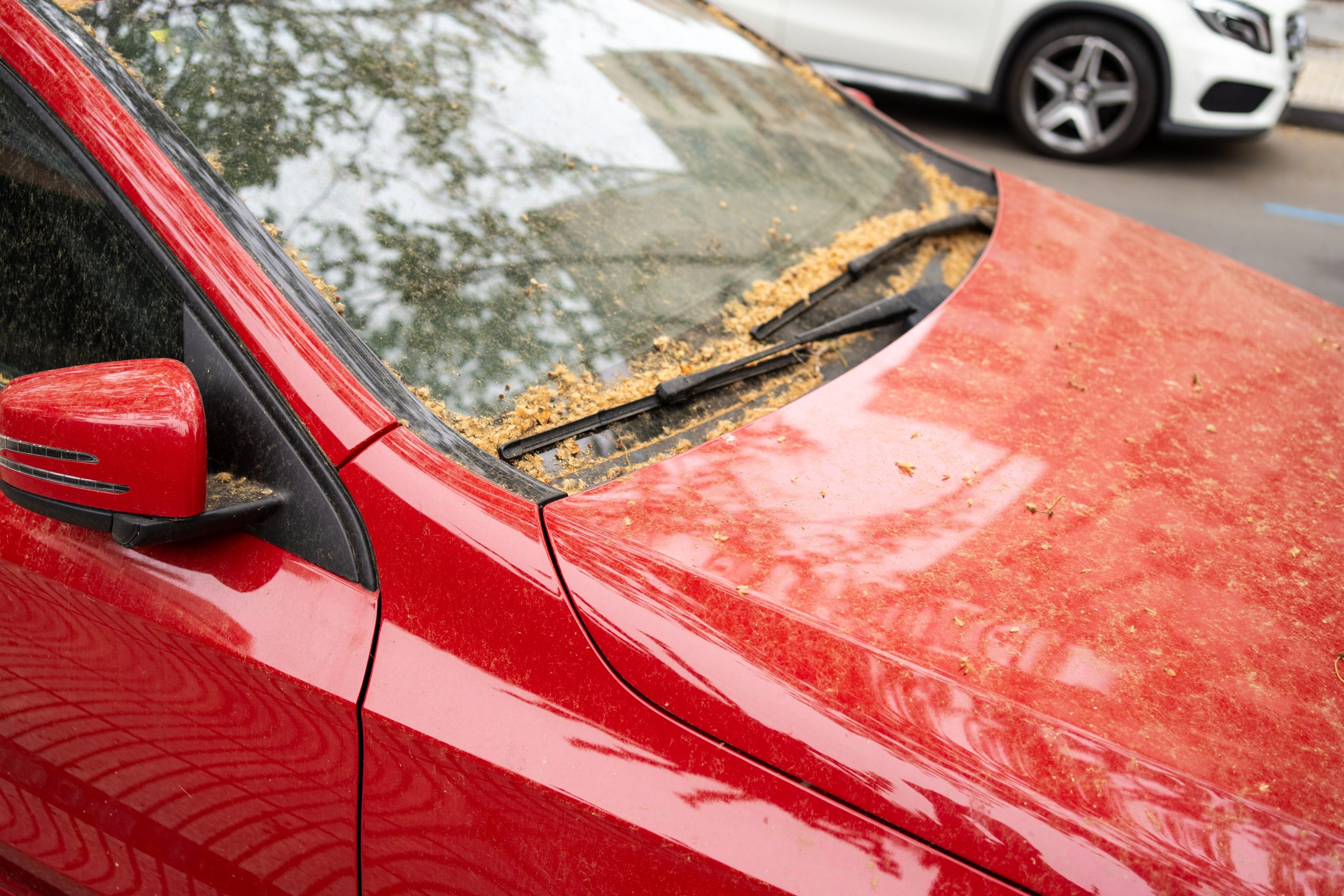
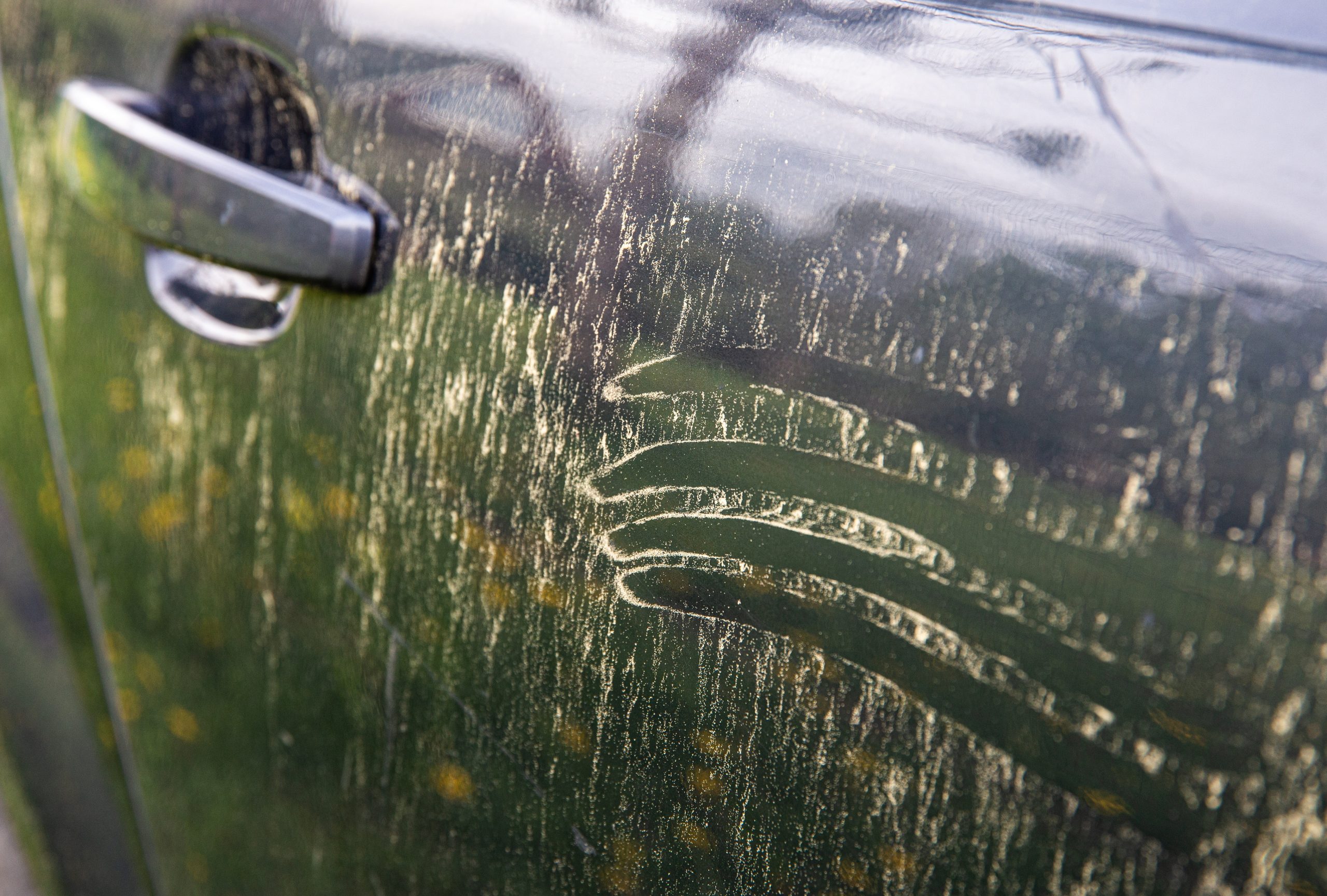
Here in Orlando, pollen is a thing. At certain times of the year there’s a literal coating of yellow-green on everything outside, and we’re not just talking about patios, sidewalks, and outdoor furniture. Pollen on cars is a huge frustration for Florida drivers, especially if you park under trees or outside for long periods of time.
And while pollen on cars may seem like just an eyesore (making your car look filthy even if you just detailed it), it can actually be a bigger problem than that. Leaving pollen on your car for too long can damage and stain your car’s paint, as well as make it wear prematurely.
Here’s your good news for the day – it’s not hard to protect your ride through pollen season and beyond. Check out this complete guide from our detailing experts here at Toyota of Orlando.

Executive Summary
- Pollen on cars is more than just an annoyance—it can trap moisture, contribute to oxidation, leave stains, and make your paint harder to clean if it’s left sitting for long periods.
- The best defense is prevention. Regular washing, wax, paint sealants, or ceramic coatings help keep pollen from bonding to your vehicle’s paint and make cleanup much easier.
- Never wipe dry pollen off your car. Always rinse first, then wash with automotive car soap and microfiber towels to avoid scratching the paint.
- Don’t forget about your car’s interior and air filters. Pollen can collect inside your cabin and clog both your cabin and engine air filters more quickly during peak pollen season.
- Parking in a garage or covered area, avoiding flowering trees, and washing your vehicle more frequently during heavy pollen season can help keep your Toyota looking its best.
Why Is Pollen On Cars Such a Big Issue?
A lot of drivers think pollen is harmless because it’s soft and lightweight – it’s not like mud coating your Orlando Toyota. However, pollen isn’t as simple as it seems; it’s not just yellow dust. Pollen actually contains tiny organic particles that trap moisture against your car’s paint. And when you mix that with the intense sunshine, humidity, heat, and rain, that layer of pollen can do surprising damage.
If pollen sits on your ride long enough, it can actually:
- Hold moisture against the paint
- Mix with rain and create acidic residue
- Contribute to oxidation over time
- Leave behind stubborn stains
- Make washing your vehicle more difficult
One day of pollen buildup isn’t going to damage your car paint, don’t get us wrong. But pollen on cars that accumulates week after week and doesn’t get washed off can cause long-term cosmetic damage.
Four tips for handling pollen season
Tip #1: Prepare your Toyota before pollen season arrives.
So, what’s the best way to prep for pollen on cars before it actually happens? Here are our Orlando Toyota service team’s tips:
- Detail your car regularly and keep it on a schedule
- Wash it routinely and apply a quality coat of wax
- Consider a paint sealant or ceramic coating if you live in an area where pollen on cars is a big issue (like Florida)
Wax, sealant, and ceramic coating won’t stop pollen from landing on your car. However, they act as a protective barrier between pollen and your paint and prevent the pollen from bonding. They also make it easier to wash off, which means less scrubbing.
Tip #2: Remove pollen on cars as often and gently as you can
Peak pollen season is when you should be doing the most to keep your car clean, and this means watching more than usual to get the pollen off. However, you also need to make sure you’re washing your car the right way.
Don’t even try to wipe pollen of your car with a dry towel or duster. It can cause scratches, especially if there’s dirt and dust mixed in. Instead, use these steps to remove pollen from your Orlando Toyota:
- Rinse your car thoroughly
- Use automotive car wash soap to get it clean (not dish soap – it can strip away protective layers)
- Wash with a clean microfiber mitt
- Dry using a microfiber drying towel
- Reapply wax as needed throughout pollen season for that protective layer
Not sure you have the right car detailing supplies? Pop by Toyota of Orlando. Our parts team can help you pick the right supplies for your car, especially during pollen season.
Tip #3: Choose your parking carefully
Where you choose to park your ride will definitely affect how much pollen on cars is an issue for you. Our Orlando Toyota service team recommends parking hacks like:
- Park inside your home garage
- Use a covered parking space
- Avoid parking directly beneath flowering trees
- Stay away from areas where tree branches hang over parking spots
Even choosing a parking spot that’s a short distance away from trees can make a big difference. But if you find yourself having to park outside all the time, just wash your car more often during peak pollen season to prevent that buildup.
Tip #4: Don’t forget the interior and under the hood.
Pollen on cars is definitely noticeable on the exterior, but that’s not the only place it collects. Every time you open a door or a window, pollen gets inside your Orlando Toyota too. It can settle on your dash, seat, carpets, and vents (and make your allergies ten times worse). Be sure to keep your car’s cabin clean too by doing things like:
To help keep your cabin clean:
- Vacuum the carpets regularly
- Wipe down hard surfaces with microfiber towels
- Keep your windows closed during high pollen days
- Replace your cabin air filter when needed
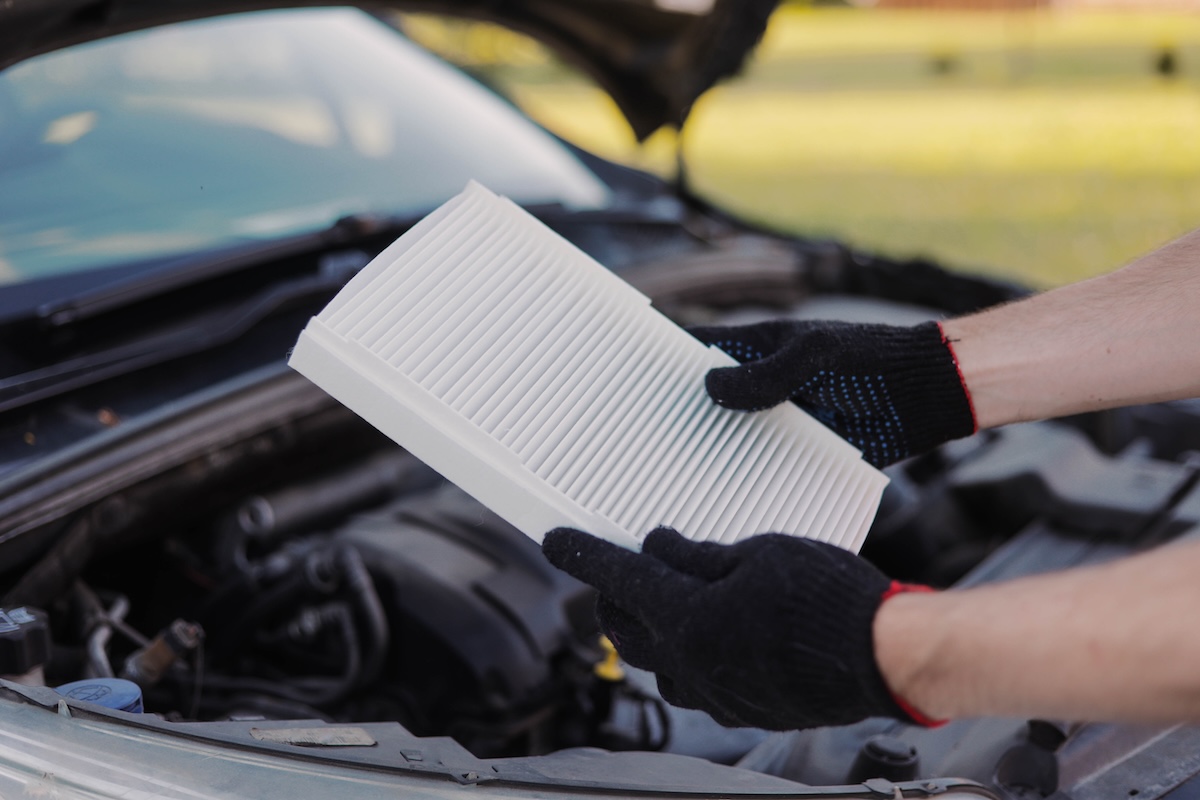
Your cabin air filter traps dirt, dust, and yup – pollen – before they get into your car’s interior. During pollen season, it might clog up faster and need to be replaced sooner. And don’t forget about your engine air filter – it can also get dirtier faster during pollen season!
Not sure if you need to replace either or both? Let Toyota of Orlando help – our service team can check them out and fill you in.
Should You Use a Car Cover During Pollen Season?
A lot of drivers take matters into their own hands and consider a car cover to prevent pollen on cars. However, this is only a viable solution if you use it correctly.
- A clean, well-fitted car cover can protect your car when it’s parked. Make sure both your car AND the cover are clean.
- Use a breathable cover designed specifically for your car, and be sure to remove it and clean it regularly.
- A dirty cover will trap more pollen, dirt, and dust against the paint, and can also cause scratching if the cover moves in the wind.
How Often Should You Wash Your Car During Pollen Season?
There’s really no one schedule that works for keeping pollen off cars. If your car sits in a garage or covered parking most of the time, you can probably get away with washing it every few weeks. However, if your car is outside a majority of the time, you might want to rinse it every few days during pollen season to remove loose pollen before it has time to stick.
Routinely washing your car also gives you a chance to look for other contaminants like tree sap, bird droppings, and dead bugs that can also damage your Toyota’s paint.
Keep your Toyota Looking Its Best with Toyota of Orlando
Need help dealing with pollen, other contaminants, or just detailing in general? We’ve got your back at Toyota of Orlando. Stop by to shop our Toyota parts store or chat with one of our expert auto service techs today. We’re open seven days a week at 3575 Vineland Road, just off I-4 near the Mall at Millenia!
Everyone loves a moonroof on their car – in fact, it’s one of the most popular comfort features out there. It’s a way to bring fresh air and natural light into your ride, and it makes everything just feel more open. Whether you’re sitting in traffic on the way to work or hitting the open highway for a road trip, it’s feature that you’ll use pretty often. However, just like any other part on your Orlando Toyota, it needs routine maintenance to continue operating in peak condition.

Executive Summary
- Moonroof maintenance is essential for preventing leaks, reducing wear on moving parts, and avoiding expensive repairs down the road.
- Simple DIY maintenance like cleaning the glass, tracks, seals, and drainage channels can keep your moonroof operating smoothly for years.
- Watch for warning signs such as water leaks, unusual noises, slow operation, or a moonroof that won’t fully open or close, as these often indicate it’s time for professional service.
- Panoramic moonroofs require extra attention because of their larger size and additional moving components, making regular inspections and cleaning even more important.
- Routine moonroof maintenance helps protect your vehicle’s interior from water damage while extending the life of the motor, seals, and other components.
Most people don’t think about moonroof maintenance – that is, until something goes wrong or it stops working. Problems can range from dripping water to a slow-moving window to a moonroof that won’t close at all. And these problems can turn this favorite feature into a big hassle and an even bigger repair bill. The good news? You can avoid most of these issues by staying on top of moonroof maintenance.
And here’s the better news – our Orlando Toyota service team is here to help! We’e explaining how to maintain a moonroof, avoid common issues like moonroof leaks, and basically just giving you our best moonroof maintenance tips. Let’s get started!
Why Is Moonroof Maintenance So Important?
Your car’s moonroof is more than just a piece of glass and a way to let the outside in. It’s actually a pretty complex system of moving parts, and they all have to work together seamlessly every time you open or close it. A moonroof is composed of these parts:
- Sliding tracks
- Electric motors
- Drainage channels
- Rubber weather seals
- Hinges and guide rails
- Electronic switches and controls
As you can see, there’s a lot going on. And that’s why it’s so important to get regular moonroof maintenance at Toyota of Orlando to make sure all of the parts work together properly. Without the right service, you can get things like dirt, leaves, pollen, and other debris built up inside the tracks and drains. This can eventually cause issues with opening and closing the moonroof, as well as leaks.
If you stay on top of moonroof maintenance, it can:
- Help prevent water leaks
- Extend the life of your moonroof motor
- Reduce the wind noise inside your car
- Keep your moonroof glass operating smoothly
- Prevent expensive repairs
- Protect your Orlando Toyota’s interior from water damage
Just a few quick minutes of your time – or a quick service appointment at Toyota of Orlando – can save you hundreds, even thousands of dollars in future repairs. Why wouldn’t you take the time?
DIY Moonroof Maintenance To Do At Home
You don’t have to schedule moonroof maintenance too often, and there are steps you can take at home to stretch it out even further. Check out these tips from our Toyota of Orlando service team.
Keep the Glass Clean
One of the easiest types of car moonroof care you can do is to simply clean the glass itself.
- Whenever you wash your car, clean the moonroof glass with an automotive glass cleaner and a soft microfiber towel.
- Be sure to use an automotive glass cleaner. Regular cleaners can be abrasive and could scratch the glass or damage the surrounding trim.
- Clean around the edges of the glass, too. Dirt collects where the glass meets the frame a lot of the time, and from there the dirt and debris can work into the moving parts of your moonroof system.
This will remove dirt, pollen, dust, bird droppings, and fingerprints and ensure that you have clear visibility and that the glass doesn’t look dull or clouded.
Clean the Moonroof Tracks Regularly
Another piece of DIY moonroof maintenance you can do is to keep the moonroof tracks clean. Every time you open your moonroof, you expose the tracks to debris like leaves, dust, sand, pine needles, pollen, dirt, and other debris. And over time, it can all build up to prevent smooth operation. This buildup can cause your moonroof to open and close slowly, make grinding noises, or stop opening altogether.
Here’s how you can clean moonroof tracks quickly and easily.
- Open the moonroof all the way
- Remove loose debris with a soft brush or a handheld vacuum.
- Wipe the tracks with a damp microfiber cloth
- Dry the tracks thoroughly before closing the moonroof
Do not use screwdrivers, metal tools, or anything sharp to clean the moonroof tracks. These can all damage the track or its protective coating and leave you with pricy repairs. Keeping your moonroof tracks clean is one of the easiest ways to prevent them!
Lubricate Parts When Needed
Let’s preface this by saying that our techs at Toyota of Orlando can definitely help you with anything that’s not DIY enough for your comfort level. That being said, a lot of drivers think that you should add grease to moonroof tracks… but that’s not necessarily a good idea. Here’s why.
- Different manufacturers recommend different lubricants, and your moonroof system may need a specific product.
- The wrong product can attract MORE dirt and debris for bigger problems.
Lubrication is an important part of how to maintain a moonroof, so don’t skip it. Bottom line, if your owner’s manual recommends lubrication for the tracks, only apply a small amount and be sure to use a product that’s recommended by the manufacturer. And only apply it to the right parts! If you’re at all unsure about this process, let the experts handle it – we can definitely help out at the Toyota of Orlando service center.
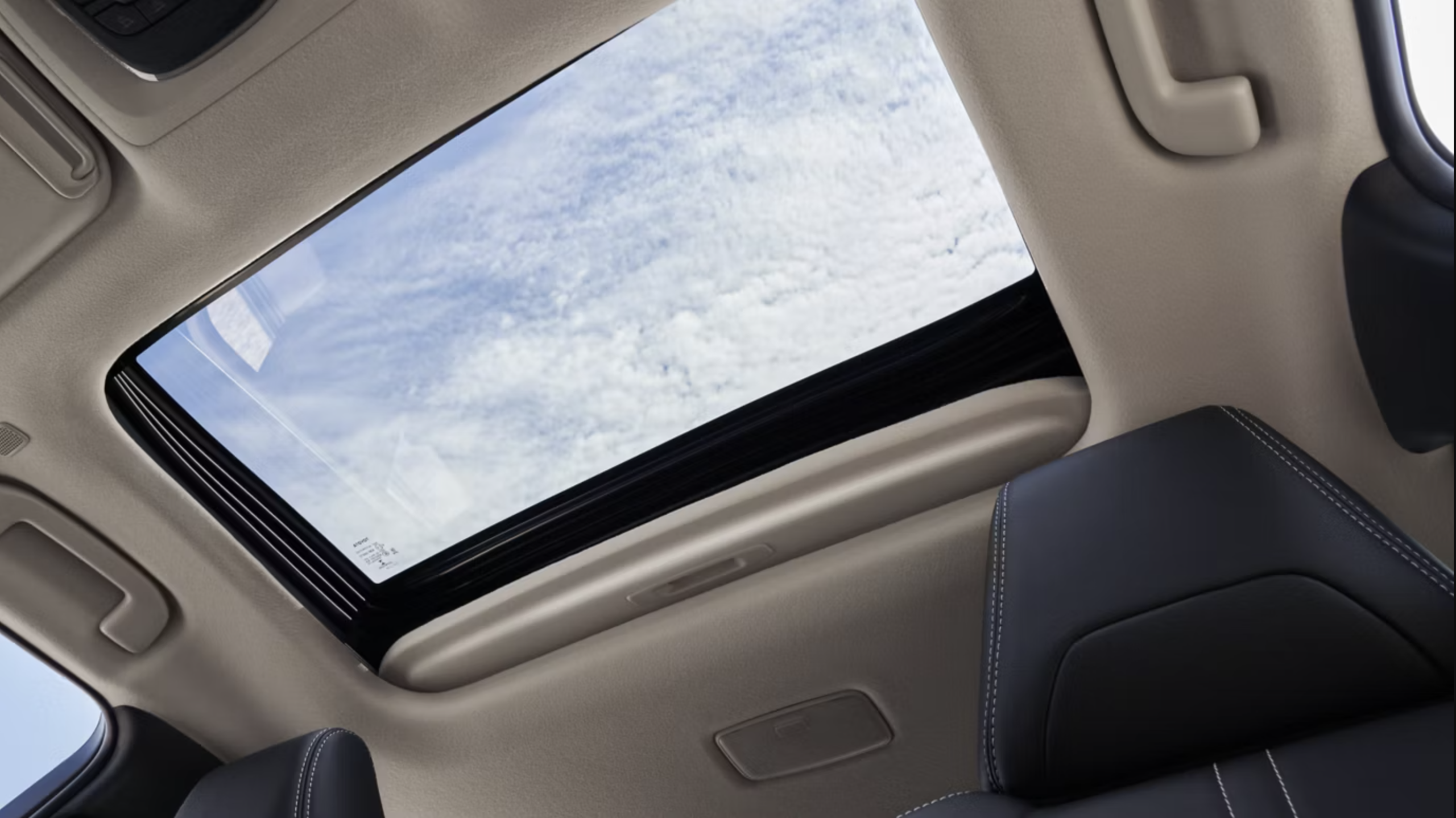
Inspect the Moonroof Seals
Your moonroof seals are critical in keeping water, wind, and outside air from creeping into your cabin. But because they’re constantly exposed to the sun, rain, heat, and changing temperatures, they naturally are going to wear out over time.
That’s why we recommend inspecting them every few months. Look for things like:
- Cracks
- Tears
- Dryness
- Shrinking
- Brittleness
- Areas pulling away from the frame
It’s also a good idea to clean the seals with mild soap and water and dry them. If your manufacturer recommends it, you can also apply a rubber conditioner to keep them soft and flexible.
Damaged or worn out seats are one of the most common causes of moonroof leaks, and water can creep all the way into your car’s headliner. Be sure to inspect them regularly so you can catch damage before it causes bigger issues and repairs.
Clean Your Moonroof Drain
A lot of people incorrectly assume that a moonroof is totally waterproof. However, most moonroofs let a little bit of water past the seal – they’re designed that way. The water is then pushed into a hidden drainage channel and carried away through drain tubes inside the moonroof system. This system works great… until the moonroof drains get clogged.
Leaves, pollen, bugs, dirt, and other debris can block the drainage system over time. When this happens, the water has nowhere to go and starts leaking inside your Orlando Toyota’s cabin.
Routinely doing a moonroof drain cleaning can help stop:
- Wet carpets
- Water stains on your car’s headliner
- Mold and mildew
- Damp seats
- Interior cabin odors
- Electrical damage
If you find water dripping inside your cabin after it rains or you go through a car wash, you may have clogged moonroof drains. Luckily for you, we offer moonroof drain cleaning at Toyota of Orlando! It’s a quick maintenance service that can help prevent expensive repairs down the road.
Know What Warning Signs to Look For
If your moonroof is in good shape, it should operate smoothly and quietly. If you hear sounds like:
- Grinding
- Clicking
- Popping
- Squeaking
- Rattling
When you’re using it, then it’s time for an inspection. Our Orlando Toyota techs can help. And don’t delay, because those noises can mean:
- Dirty tracks
- Dry moving parts
- Worn hardware
- Misalignment
- A failing motor
If you deal with these issues right away, you can usually prevent big moonroof repairs later on.
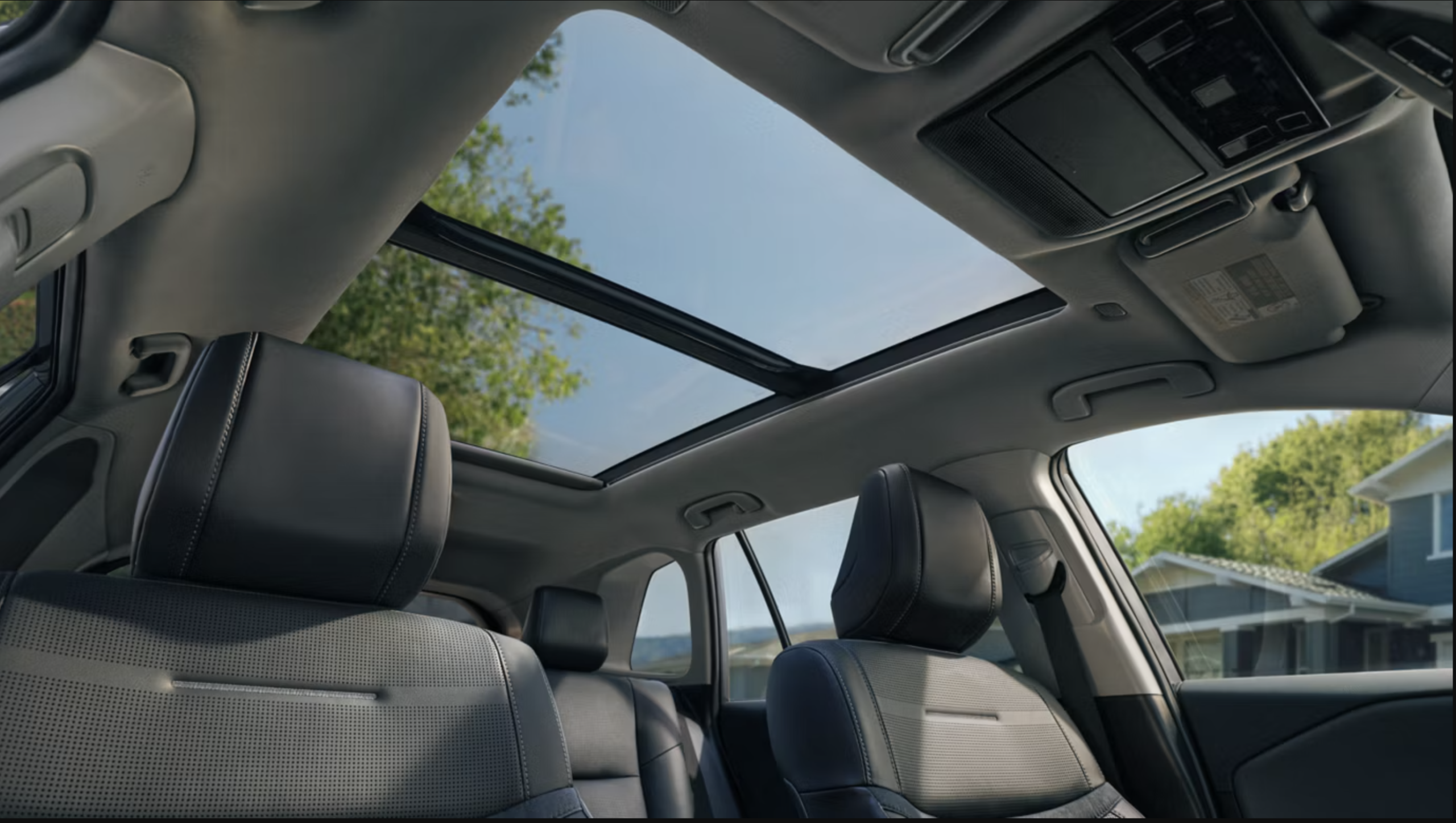
Never Force Your Moonroof Open or Closed
Here’s another pro tip from our Toyota of Orlando service team – never try to force your moonroof open if it hesitates or seems stuck. Trying to manually move the glass can damage parts, including:
- The electric motor
- Sliding cables
- Guide rails
- Track alignment
- Glass mounting hardware
Instead of pushing on it, stop and check the tracks for debris. If you don’t see anything or clearing the debris doesn’t do anything, it’s time to bring your ride to Toyota of Orlando for an inspection. And if your moonroof won’t close, get it repaired ASAP. If you don’t and it rains, you could have water damage inside your Orlando Toyota’s cabin.
Be Careful In Automatic Car Washes
If your moonroof is factory-installed, it’s designed to deal with rain and automatic car washes. However, don’t take your chances. Before you drive into an automatic car wash, be sure to check the seals for damage and make sure it’s completely closed.
If you find yourself with a moonroof leak after a car wash but not a normal rainstorm, it could mean your seals or drains need some professional TLC.
Open Your Moonroof Sometimes
OK so maybe your car came with a moonroof that you don’t really care about, so you don’t use it very much. It’s still a good idea to open and close it every few weeks. This helps keep the parts moving smoothly, and can keep the seals from sticking. It can also confirm that the motor is working correctly.
Cars that don’t use their moonroof often sometimes end up having more issues because the parts sit unused for long periods of time.
Panoramic Moonroof Maintenance Tips
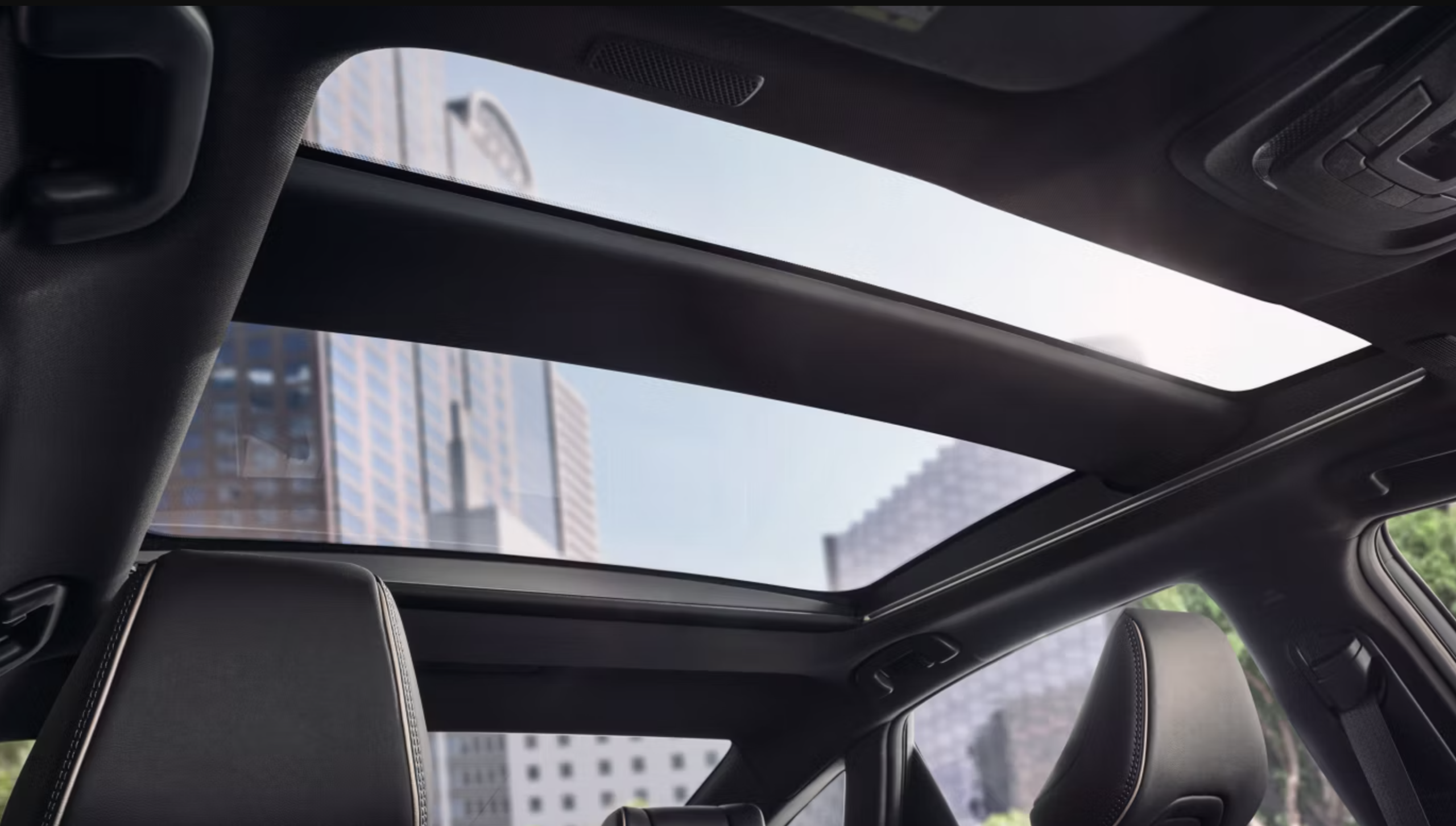
If you’re one of the lucky ones who has a panoramic moonroof in your car, it’s even more important to do routine maintenance. A panoramic moonroof has a larger glass panel, which means it has more moving parts than a regular moonroof. Because it’s notably larger, it’s important to keep the tracks clean and the drainage system clear.
If your Orlando Toyota has a pano moonroof, use this moonroof maintenance checklist:
- Clean the glass regularly
- Inspect the moonroof seals
- Keep the moonroof tracks free of debris
- Schedule moonroof drain cleaning when it’s needed
- Deal with strange noises or slow operation right away
If you give it the right care, your panoramic moonroof can roll on reliably for years to come.
Nine Signs You Need Professional Moonroof Repair
Just like any other part of your car, moonroof parts can eventually wear out. Here are some common signs that you need moonroof repairs at Toyota of Orlando.
- Water leaking into your car’s cabin
- Excessive wind noise
- Grinding or clicking sounds
- Slow operation
- Uneven glass alignment
- A moonroof that won’t close completely
- Visible damage to the seals
- Water stains on the headliner
- The controls stop responding
If you catch these signs early on and deal with them, it can mean a simpler and cheaper moonroof repair.
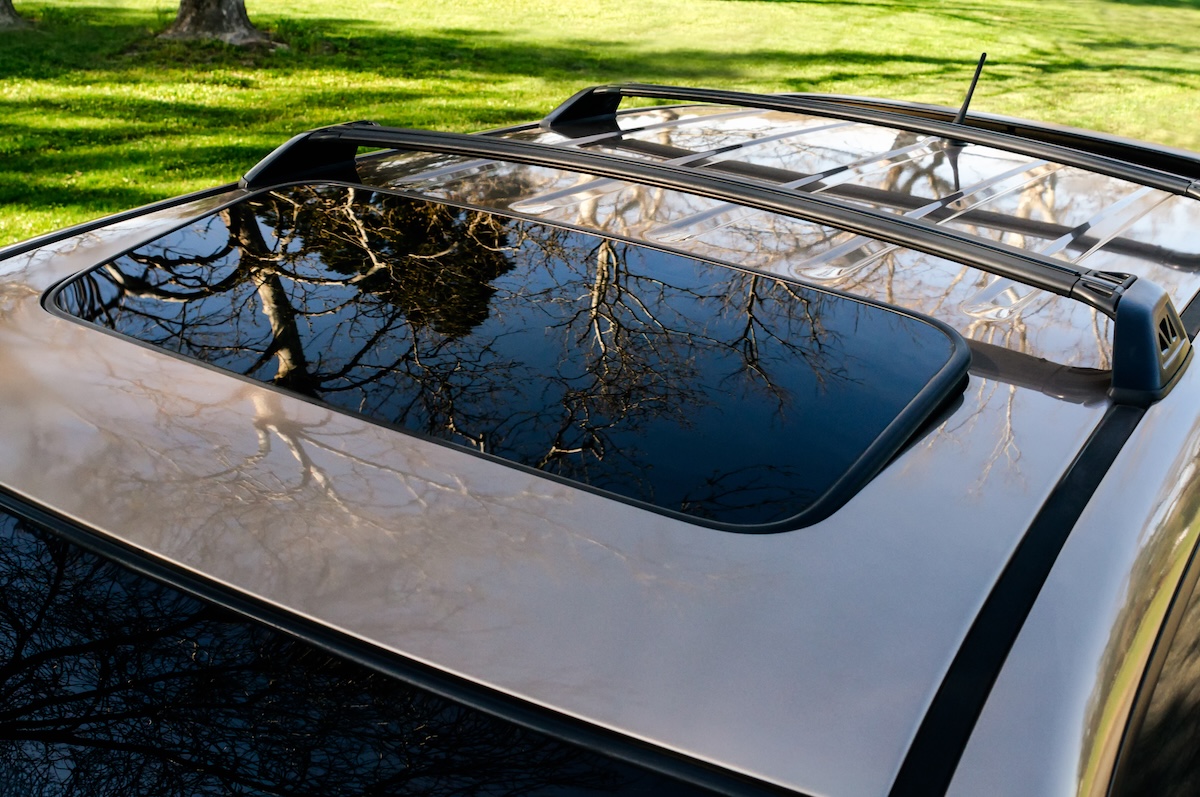
How to Keep Your Moonroof Working Like New
Keeping up with moonroof maintenance is the best way to protect your car and your money. By taking the steps our Toyota of Orlando service team recommended above, you can stop problems before they start and enjoy years of fresh air and sunshine.
Think you might need some help with moonroof maintenance, or know you need moonroof repairs that you can’t put off any longer? Contact Toyota of Orlando today. We’re open seven days a week at (407) 298-0001 and we’re conveniently located just off I-4 near the Mall at Millenia.
FAQs:
How often should I perform moonroof maintenance?
It’s a good idea to inspect and clean your moonroof every few months, especially if you park outdoors. Regular cleaning of the tracks, seals, and drains can prevent many common problems before they start.
Why is my moonroof leaking water?
Most moonroof leaks are caused by clogged drain tubes or worn weather seals rather than the glass itself. Keeping the drains clear and inspecting the seals regularly can help prevent water from entering your vehicle.
Can I lubricate my moonroof tracks myself?
Yes, but only if your owner’s manual recommends it and you use the manufacturer-approved lubricant. Using the wrong product can attract dirt and actually create more problems over time.
What are the signs my moonroof needs professional repair?
Water leaks, excessive wind noise, grinding or clicking sounds, slow operation, uneven glass alignment, or controls that stop responding are all signs it’s time to have your moonroof inspected by a professional. Catching these issues early can help avoid more expensive repairs.

Updated 2026
Halloween will be here before you know it, and that means it’s time to start thinking about creepy costumes, candy buckets, and all the spooky celebrations you’ll be attending in the month of October. And it’s never to early to start planning your trick-or-treating routes – after all, Halloween is only one night a year and you want to maximize your candy haul. We’re here with a list of the best places for trick or treating in Orlando!
You’ve got so many options – theme parks, local Halloween events, and family-friendly neighborhoods to get your scare on and collect your sweet treats. Central Florida has endless opportunities to scare up some fun, which is why Toyota of Orlando has put together this helpful guide. Read on to explore some of the top spots for trick or treating in Orlando in 2026, plus our best safety tips to keep your little ghouls and goblins safe while you celebrate.

Parent Taking Children Trick Or Treating At Halloween
Executive Summary
- Discover the best places for trick or treating in Orlando in 2026, including family-favorite neighborhoods like Baldwin Park, Laureate Park, Winter Garden, Dr. Phillips, and Winter Park, plus fun destinations like Old Town Kissimmee.
- Explore more Halloween fun with theme park events, trunk-or-treats, and local fall festivals featuring candy trails, costume contests, hayrides, and pumpkin patches.
- Keep your family safe while celebrating by wearing reflective gear, staying on sidewalks, traveling in groups, inspecting candy, and remaining alert around traffic.
- Plan ahead for the best experience by arriving early at popular neighborhoods, checking event schedules in advance, and choosing locations that match your family’s preferred Halloween style.
7 of the Best Spots for Trick or Treating in Orlando
#1: Baldwin Park
We LOVE Baldwin Park at Halloween. It’s most definitely one of the most popular destinations for trick or treating in Orlando. It’s conveniently located just minutes away from downtown Orlando, and it boasts beautiful homes, walkable streets, and legendary Halloween spirit.
The entire neighborhood is excellent for candy collecting, but you don’t want to miss New Broad Street. On this main drag, residents showcase their elaborate Halloween decor, inflatables, haunted houses, and more. Plus, many residents hand out full-sized candy bars (remember we talked about maximizing that candy haul?). You might also see treat stations, themed Halloween displays, and food trucks throughout the neighborhood.
Safety wise, it’s well-lit and the sidewalks are wide, which makes it an excellent choice for families, especially if you have young kids or strollers. Pro tip? Get there early to get a parking spot – they fill up quickly.
#2: Laureate Park in Lake Nona
Lake Nona’s Laureate Park is always a top destination for families who are looking for a top spot for trick or treating in Orlando. The neighborhood is a quaint mix of townhouses, cottages, and larger family homes, and they’re all connected by wide and pedestrian-friendly sidewalks. Participation is high, so you’ll find plenty of fellow fright-seekers while you collect candy.
There’s a great sense of spooky Halloween spirit here, too. Most residents celebrate with decorations that are fun and family-friendly, and you’ll have tons of photo opps to celebrate the season. On top of that, you can head over to Boxi Park for a quick dinner after candy collecting to cap the night.
#3: Old Town Kissimmee Halloween Celebration
Old Town Kissimmee isn’t technically a neighborhood; we know that. However, it’s a mainstay for a lot of Orlando families on Halloween night, and with good reason. A typically Halloween celebration at Old Town includes:
- Candy stations throughout the property to collect sweet treats
- Costume contests with prizes
- Halloween-themed entertainment
- Live performers
- Family-friendly Halloween activities
- Music and dancing to get into the spirit
If you’re looking for an easy and controlled environment for your Halloween celebrations, Old Town is a great alternative to your traditional trick or treating in a neighborhood. Be sure to follow them on social media to get event schedules, dates, and times closer to Halloween!

#4: Tuskawilla
Tuskawilla is in east Orlando, and it’s a top destination for haunted happenings on Halloween. It’s a truly family-oriented community, and it features highlights like:
- Well-maintained sidewalks
- Excellent street lighting
- Safe pedestrian areas
- Plenty of homes handing out candy and treats
- Creative decorations
A lot of residents go all out – they put up decorations weeks ahead of time to make sure they create memorable experiences for everyone. There’s also a strong turnout for trick or treating in Orlando here because so many families already live in the area. It’s definitely a top spot if you want a safe spot to let your littles experience Halloween magic.
#5: Winter Garden
Winter Garden is a little bit outside Orlando, but an easy jump down 429 or the Turnpike. And here’s even better news – there are several frighteningly fun neighborhoods for you explore here. Check out spots like:
- Belle Meade
- Black Lake Preserve
- Hickory Hammock
- Independence
- Waterleigh
All of the above neighborhoods are known throughout Central Florida for their dreadful decorations, terrifying treat hauls, and haunted happenings. Want more great news? Downtown Winter Garden is a top spot for after you’re done trick or treating. You’ll find tons of restaurants and bars, shops, community events, and entertainment to explore once you’ve collected your candy. Downtown is also well-lit, historic, and easily walkable if you’ve still got the energy.
#6: Dr. Phillips
Dr. Phillips is definitely one of the best areas for families who want the best trick or treating in Orlando near the attractions. Plenty of families live in this area, so you’ll find lots of homes participating in the Halloween festivities. There are spooky decorations, tons of candy-gathering opportunities, and well-lit sidewalks designed with pedestrians in mind.
Dr. Phillips is also convenient if you’re visiting Orlando and staying at or near the theme parks. Why not get a traditional Halloween experience while you’re here? A lot of local businesses and entertainment venues also host Halloween-themed events on and before the holiday, which means plenty of opportunities to scare yourself silly.
#7: Winter Park
Winter Park is one of Central Florida’s most charming and historic neighborhoods, and Halloween only heightens its appeal. You’ll be able to wander historic homes, brick roads, and tree-lined streets that amplify the spookiness of the season and create a creepy, authentic atmosphere. Neighborhoods around Park Avenue have high participation, so you can also enjoy extensive Halloween decorations and top-notch candy collecting. And when you’re done, head to Park Avenue! Downtown Winter Park has delicious restaurants, a multitude of shops, and a festive atmosphere to round out your celebration. Want to feel like you’ve stepped into a spooky movie? Don’t miss this top spot for trick or treating in Orlando.
Additional Halloween Events Around Orlando in 2026
Trick or treating is always a traditional and fun way to celebrate the season, but it doesn’t have to end there. So many families in Orlando attend local Halloween events before and on Halloween night. Keep your eyes peeled for haunted happenings like:
Theme Park Halloween Celebrations
We’re known worldwide for our theme park and attractions in Orlando, and spooky season is a great time to visit. You’ll find scary-good celebrations and events like:
- Character meet-and-greets
- Halloween parades
- Candy trails
- Costume opportunities
- Seasonal entertainment and decorations
- Haunted houses and scare zones
Be sure to explore everything that parks like Universal Orlando, Walt Disney World, and Sea World have to offer. Word to the wise? Always check the attraction websites for event dates, ticket requirements, and costume guidelines before you head out to scare up some fun.
Community Trunk-or-Treat Events
Schools, churches, and cities throughout Orlando usually host trunk-or-treat events – it’s where people decorate their vehicles and hand out candy. These events are held at safe, well-lit, and centralized locations to promote safety and fun for all. They’re especially fitting for younger kids who might not be up for a full night of trekking through a neighborhood to collect their candy.
Local Fall Festivals
Many communities in Orlando also host fall festivals if you’re not into spooky season. Check out these events for fall fun like:
- Hayrides
- Pumpkin patches
- Petting zoos
- Carnival games
- Food vendors
- Trick-or-treat stations
These events can be a fun and non-spooky way to celebrate Halloween, or just build anticipation for the big night itself.

Halloween Safety Tips for Trick or Treating in Orlando
So how can you stay safe when you’re trick or treating in Orlando? Our team has put together some expert tips to keep you and your little ghosties safe all night long.
Wear reflective materials
A lot of costumes on Halloween are dark in color, which can make it difficult for drivers to see you and your spooky crew. Add reflective tape, glow sticks, or flashing accessories to make yourselves more visible after sunset.
Stay on the sidewalks
Whenever possible, use sidewalks and designated crosswalks. Avoid cutting across yards or crossing streets in the middle of the block.
Travel in groups
Children should always trick-or-treat with adults or responsible older teens, and there’s safety in numbers. Large groups are easier for drivers to spot when they’re crossing. Don’t trick-or-treat alone!
Inspect candy before eating
Check your candy before you dig into it. Don’t eat candy that’s unwrapped (even partially), torn, punctured, or looks like it’s been tampered with in any way. If it looks odd or suspicious, toss it.
Put phones away
Distracted walking can be just as deadly as distracted driving. Keep your phone away and be aware of your surroundings at all times, even on sidewalks.
Drive extra carefully
If you have to drive to get to your spooky celebration on Halloween night, be sure to do so carefully. Drive slow in residential neighborhoods and scan the road for trick-or-treaters crossing, especially at crosswalks. Be sure to come to a complete stop at stop signs and red lights, and use your headlights and turn signals.
Happy Halloween from Toyota of Orlando
From our Toyota of Orlando family to yours, we wish you a fun, safe, and candy-filled Halloween 2026. Whether you’re heading to Baldwin Park, Winter Garden, Lake Nona, Winter Park, or another local favorite, there are plenty of great options for trick or treating in Orlando this year.
Have fun, stay safe, and don’t forget to save a few pieces of candy for later. Happy Halloween!
FAQs
What are the best neighborhoods for trick or treating in Orlando?
Some of the top spots include Baldwin Park, Laureate Park in Lake Nona, Tuskawilla, Dr. Phillips, Winter Garden, and Winter Park. Each offers strong community participation, festive decorations, and family-friendly streets.
Are there alternatives to traditional neighborhood trick or treating?
Yes! Orlando offers plenty of options, including Old Town Kissimmee’s Halloween celebration, theme park Halloween events, community trunk-or-treats, and local fall festivals with family-friendly activities.
How can I keep my family safe while trick or treating?
Wear reflective clothing or glow accessories, stay on sidewalks and crosswalks, travel in groups, inspect all candy before eating it, avoid phone distractions, and drive cautiously in residential neighborhoods on Halloween night.
Connect with us


- September 2026
- August 2026
- July 2026
- June 2026
- May 2026
- April 2026
- March 2026
- February 2026
- January 2026
- December 2025
- November 2025
- October 2025
- September 2025
- August 2025
- July 2025
- June 2025
- May 2025
- April 2025
- March 2025
- February 2025
- January 2025
- December 2024
- November 2024
- October 2024
- September 2024
- August 2024
- July 2024
- June 2024
- May 2024
- April 2024
- March 2024
- February 2024
- January 2024
- December 2023
- November 2023
- October 2023
- September 2023
- August 2023
- July 2023
- June 2023
- May 2023
- April 2023
- March 2023
- February 2023
- January 2023
- December 2022
- November 2022
- October 2022
- September 2022
- August 2022
- July 2022
- June 2022
- May 2022
- April 2022
- March 2022
- February 2022
- January 2022
- December 2021
- November 2021
- October 2021
- September 2021
- August 2021
- July 2021
- June 2021
- May 2021
- April 2021
- March 2021
- February 2021
- January 2021
- December 2020
- November 2020
- October 2020
- September 2020
- August 2020
- July 2020
- June 2020
- May 2020
- April 2020
- March 2020
- February 2020
- January 2020
- December 2019
- November 2019
- October 2019
- September 2019
- August 2019
- July 2019
- June 2019
- May 2019
- April 2019
- March 2019
- February 2019
- January 2019
- December 2018
- November 2018
- October 2018
- September 2018
- August 2018
- July 2018
- June 2018
- May 2018
- April 2018
- March 2018
- February 2018
- January 2018
- July 2017
- June 2017
- May 2017