


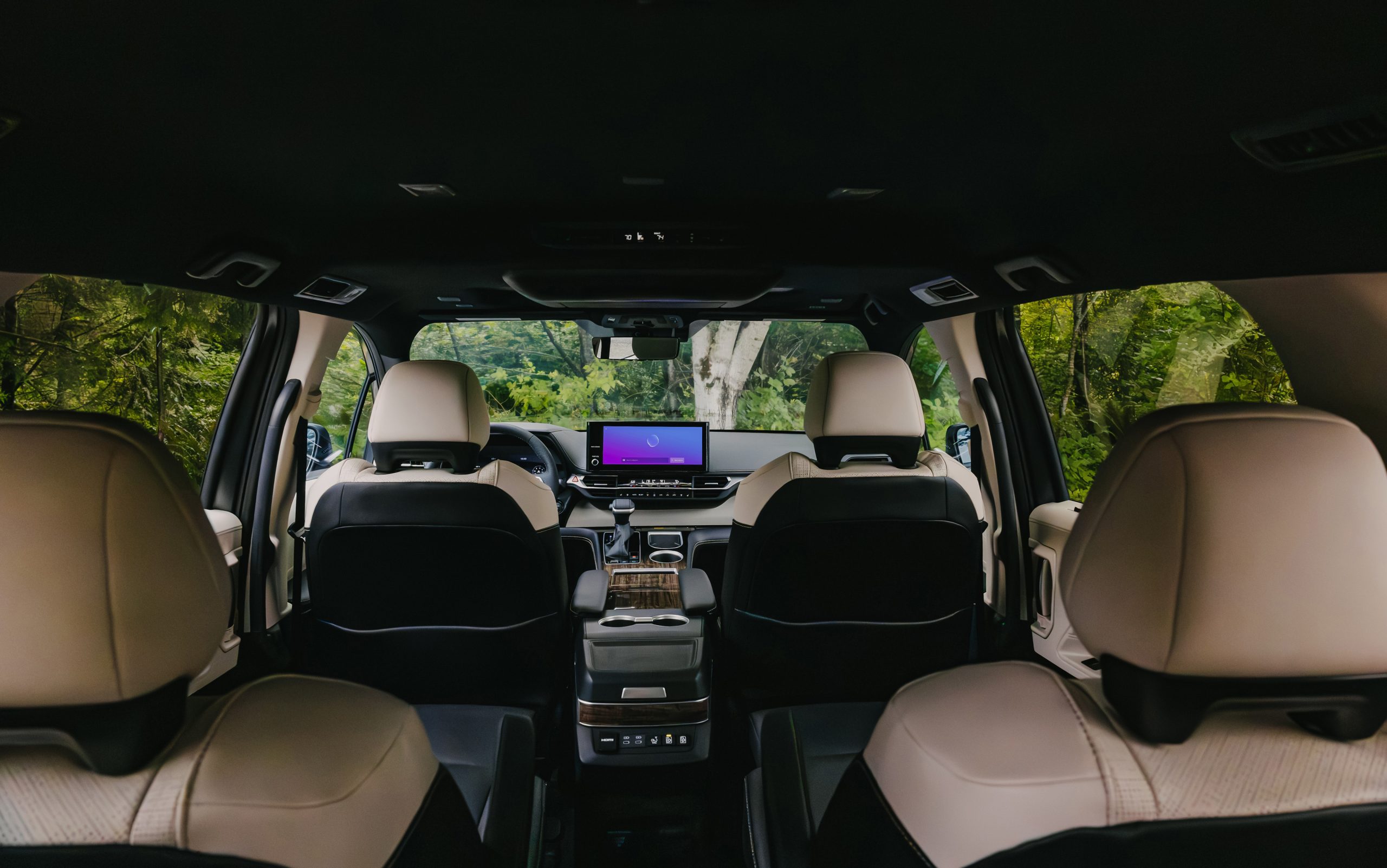
Looking for a three-row ride with max passenger space? You probably have come across the 2026 Toyota Sienna and 2026 Honda Odyssey in your research. Both of these spacious solutions have roomy interiors, the best new technology, seating for up to eight, and tons of cargo space. However, they have very different approaches when it comes to your next family vehicle.. and that’s why we’re here to walk you through it.
Let’s explore how this Orlando Toyota stands up to its Honda competition – we’re comparing the price, performance, efficiency, interior, tech, and safety. Check out our complete guide to the 2026 Toyota Sienna vs Honda Odyssey!
Pricing and Value in the Toyota Sienna vs Honda Odyssey
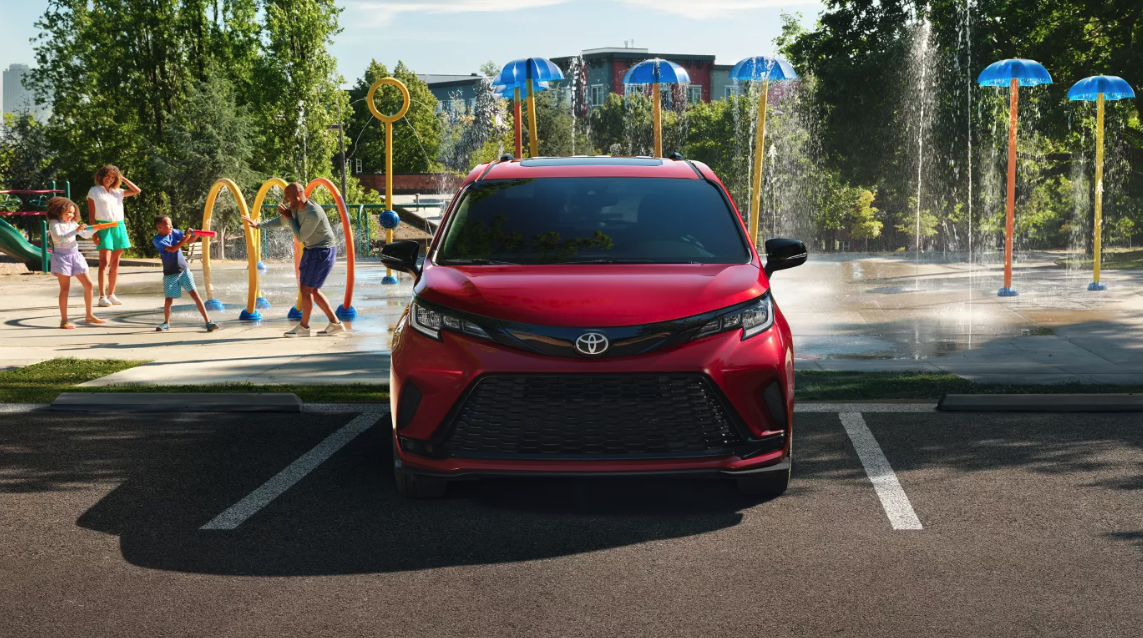
Value is not the same thing as price – it extends beyond what you initially pay for the car. But let’s start by comparing the MSRPs of these two family minivans.
- The 2026 Toyota Sienna starts at around $40,120.
- The 2026 Honda Odyssey starts at around $42,795.
So when you look at the pricing at first, it doesn’t seem like there’s too much of a difference. However, the 2026 Toyota Sienna is all hybrid – this efficient new technology is standard on every money. You don’t have to shell out extra to save on gas. On top of that, this Orlando Toyota has lower long-term ownership costs. So you’re saving on owning the vehicle and fueling it… it’s pretty clear off the bat that in the Toyota Sienna vs Honda Odyssey comparison, the Sienna pulls ahead.
What Are Performance and Driving Like In These Minivans?
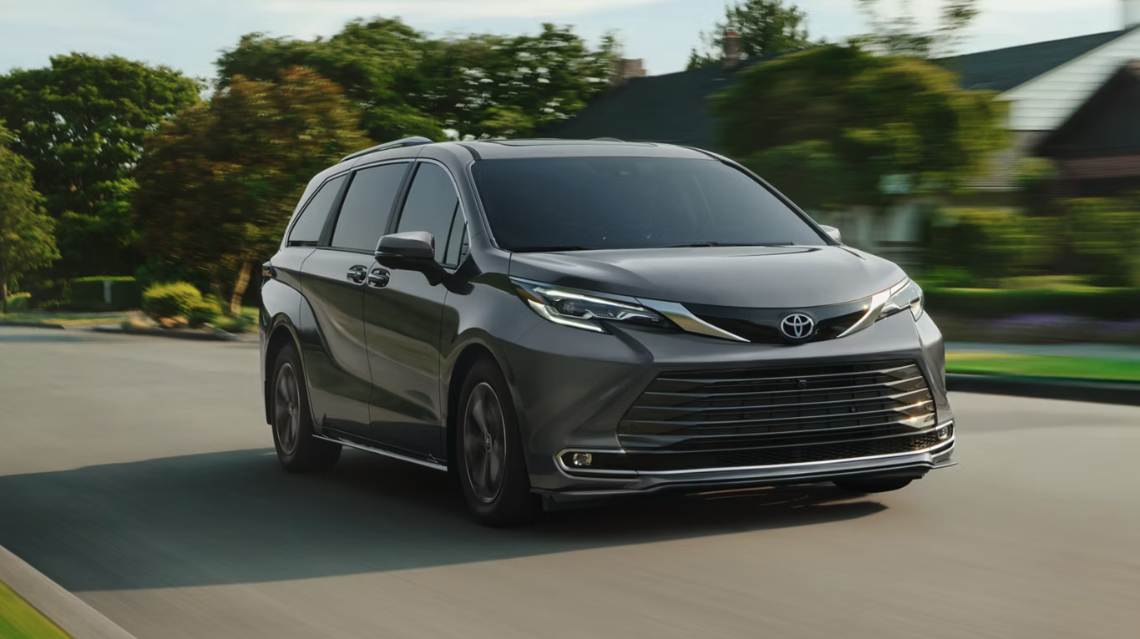
The biggest differences in the 2026 Toyota Sienna vs Honda Odyssey comparison lie under the hood. Here’s what you should know before you take a test drive at Toyota of Orlando.
Every 2026 Sienna comes decked out with a:
- 2.5-liter four-cylinder hybrid powertrain
- 245 total system horsepower
- An electronically controlled continuously variable transmission (eCVT)
- Front-wheel drive or available Electronic On-Demand AWD
This minivan was designed to make sure you have an efficient, smooth, and comfortable ride for everyday driving. Remember that you have that hybrid powertrain under the hood, which means instant torque for quick acceleration as well as a smooth, quiet drive time, every time.
The 2026 Honda Odyssey features a:
- 3.5-liter V6 engine
- 280 horsepower
- 262 lb-ft of torque
- 10-speed automatic transmission
- Front-wheel drive only
So yes, you get a faster ride when you pick the Honda. If you want more acceleration (thanks to that V6 powertrain) then you might want to opt for this particular family minivan. However, if you’re more concerned about gas savings, smooth driving, and easy handling, check out the 2026 Toyota Sienna.
This Orlando Toyota Has Available All-Wheel Drive
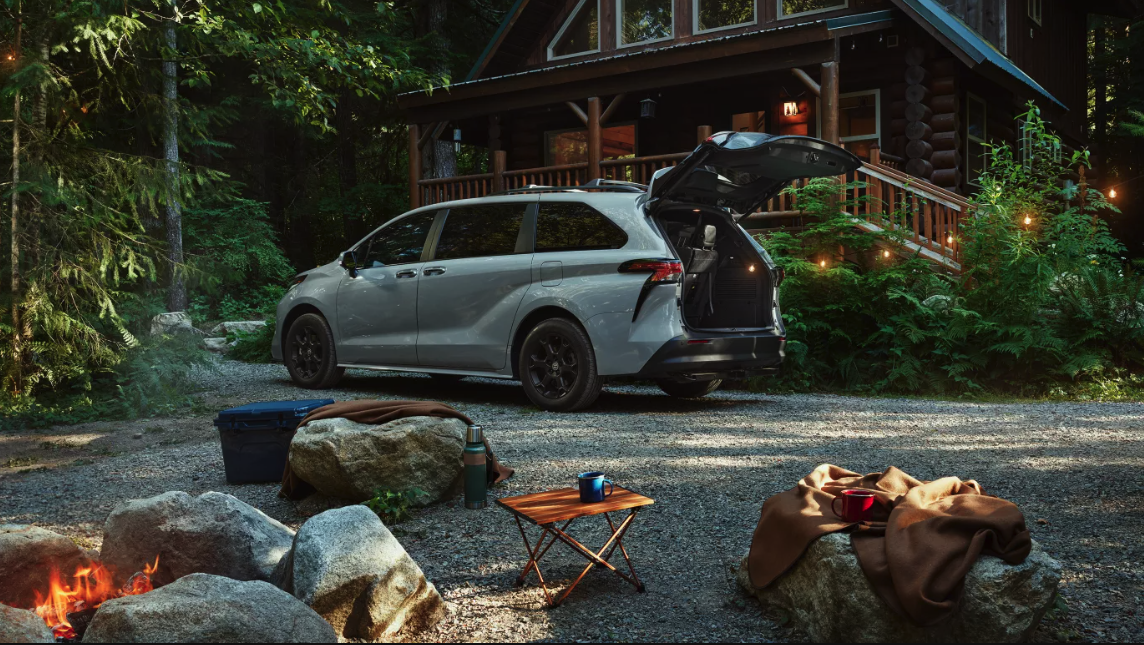
Here’s another perk you’ll love in the 2026 Toyota Sienna – all-wheel drive. It’s on most of the lineup as standard equipment, and the Honda Odyssey is mostly front-wheel drive. If you frequently hit the road or hate driving in Orlando thunderstorms, the Toyota Sienna is definitely going to be at the top of your list.
Explore the Interiors of the Toyota Sienna vs Honda Odyssey
If you’re looking for interior space, you’re in luck – the 23026 Toyota Sienna and Honda Odyssey are some of the most spacious rides on the market today. Let’s break down the differences so you can see which one best suits your needs.
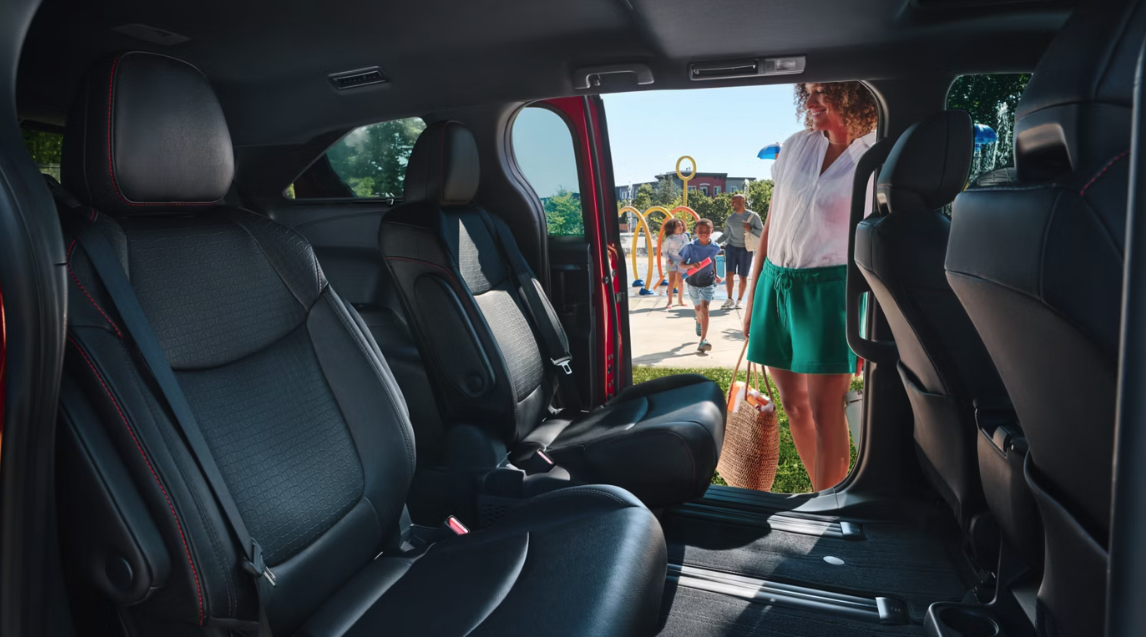
In the 2026 Toyota Sienna, you’ll get:
- Seating for seven or eight passengers depending on configuration
- Available captain’s chairs in the second row
- Available ottoman-style second-row seating
- Multiple USB charging ports throughout the cabin
- Available panoramic moonroof
- Premium materials on higher trim level
The interior design revolves around comfort and utility, and has numerous storage compartments and other family-friendly features throughout like second- and third-row sunshades.
In the 2026 Honda Odyssey, you’ll find:
- Magic Slide® second-row seats
- Eight-passenger seating
- Flexible seat positioning options
- Easy third-row access
The Magic Slide is definitely one of the strongest features on this minivan. You’ll find it easy to configure the cabin and move between rows. However, the Toyota Sienna also has this advantage with sliding second row seats and fold-flat third row seats.
What About Cargo Capacity?
There’s tons of cargo space in both of these family minivans. The Honda Odyssey does have more cargo volume when the seats are folded. However, the Toyota Sienna offers competitive storage space behind the third row, and still gives you tons of cargo volume with the second and third rows folded flat. Whether you’re on carpool duty or hitting the highway for a road trip, you’re set.
How Easy Is It To Stay Connected in these Minivans?
A modern family vehicle is basically a command center on wheels, which means you need the best of the best in terms of technology. Here’s our comparison of the Toyota Sienna vs Honda Odyssey in this department.
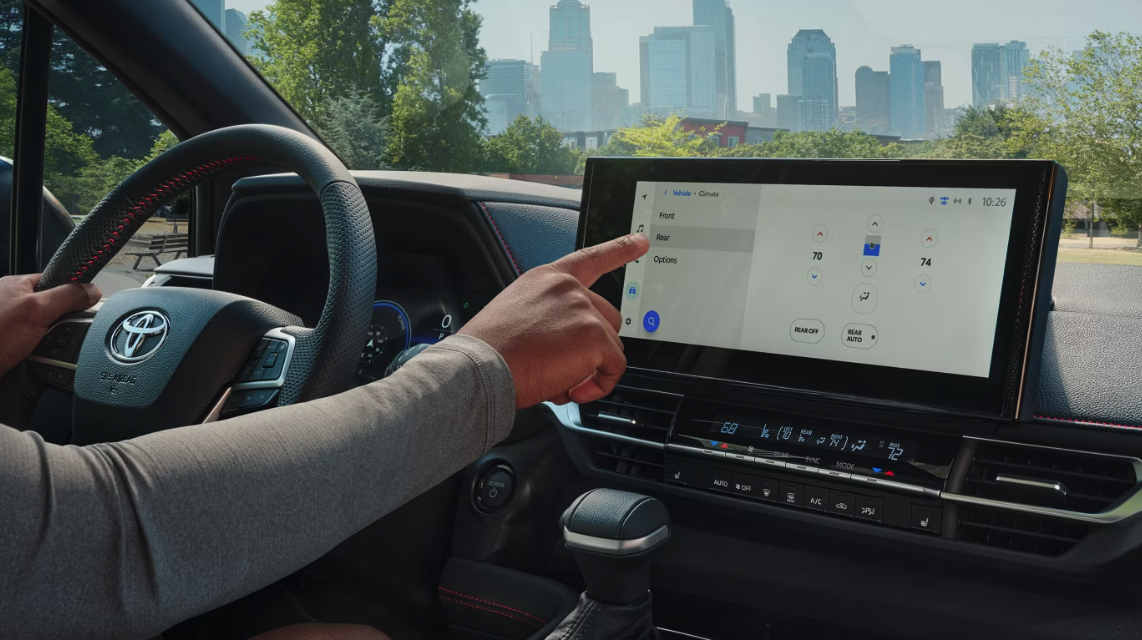
Depending on trim level, the 2026 Toyota Sienna offers features like:
- Toyota Audio Multimedia system
- Large touchscreen display
- Wireless Apple CarPlay®
- Wireless Android Auto™
- Available JBL® premium audio system
- Multiple USB-C charging ports
- Available digital rearview mirror
- Available rear-seat entertainment system
- Available wireless charging
Toyota also added additional standard equipment to the Sienna lineup for 2026, which means you get more bang for your buck.
The 2026 Honda Odyssey includes:
- 9-inch touchscreen
- Wireless Apple CarPlay®
- Wireless Android Auto™
- CabinWatch®
- CabinTalk®
- Rear entertainment system
- Family-focused communication features
Most of Honda’s top interior technology is dedicated to parents who need to monitor and communicate with rear-seat passengers. Both of these minivans offer exceptional features, but the Toyota Sienna has a newer multimedia platform that’s more modern and user-friendly.
Safety Matters in These Family Rides
When you’re shopping for a family vehicle, you want the best safety features on the market. We get it, and Toyota has long been known as one of the best when it comes to safety technology. Let’s break down the Toyota Sienna vs Honda Odyssey to see which comes out on top.
Toyota Safety Sense™ 2.0
The 2026 Toyota Sienna includes Toyota Safety Sense as standard equipment, featuring:
- Pre-Collision System with Pedestrian Detection
- Lane Departure Alert
- Lane Tracing Assist
- Full-Speed Range Dynamic Radar Cruise Control
- Road Sign Assist
- Automatic High Beams
The Orlando Toyota Sienna also includes numerous airbags, stability systems, and advanced driver-assistance technologies across the lineup.

Honda Sensing®
The Odyssey comes standard with:
- Collision Mitigation Braking System™
- Road Departure Mitigation System
- Adaptive Cruise Control
- Lane Keeping Assist System
- Forward Collision Warning
- Lane Departure Warning
So yes, minivans offer comprehensive safety technology packages. However, recent IIHS testing shows the Toyota Sienna earning a better rating in the updated moderate-overlap front crash test than the Odyssey.
Fuel Efficiency: Which Saves You More Gas in the Toyota Sienna vs Honda Odyssey?
Here’s where the differences really start to show in this van-to-van comparison.
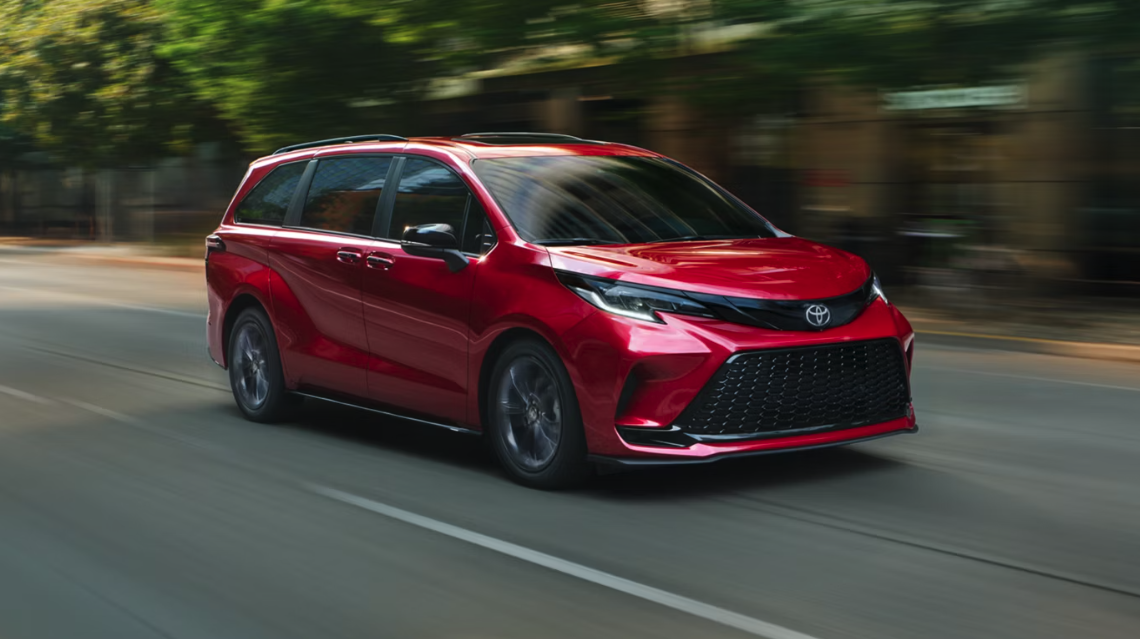
The 2026 Toyota Sienna gets an estimated:
- 36 MPG combined (FWD)
- 35 MPG combined (AWD)
Every Orlando Toyota Sienna benefits from hybrid efficiency without you needing to to plug in or change your driving habits.
The 2026 Honda Odyssey gets an estimated:
- 19 MPG city
- 28 MPG highway
- 22 MPG combined
While solid for a V6 minivan, these numbers simply can’t compete with the Sienna’s hybrid efficiency. You’re going to save measurably less on fuel driving this Toyota. Over several years of ownership, you could end up saving thousands of dollars.
Final Verdict: The 2026 Toyota Sienna vs Honda Odyssey
So, which are you taking home? All in all, the Orlando Toyota Sienna is a comfortable, efficient, and safe way to get around… and you can see for yourself. Stop by Toyota of Orlando for a test drive today! We’re open seven days a week at 3575 Vineland Road, just off I-4 near the Mall at Millenia.
Car Belts: Your Complete Guide
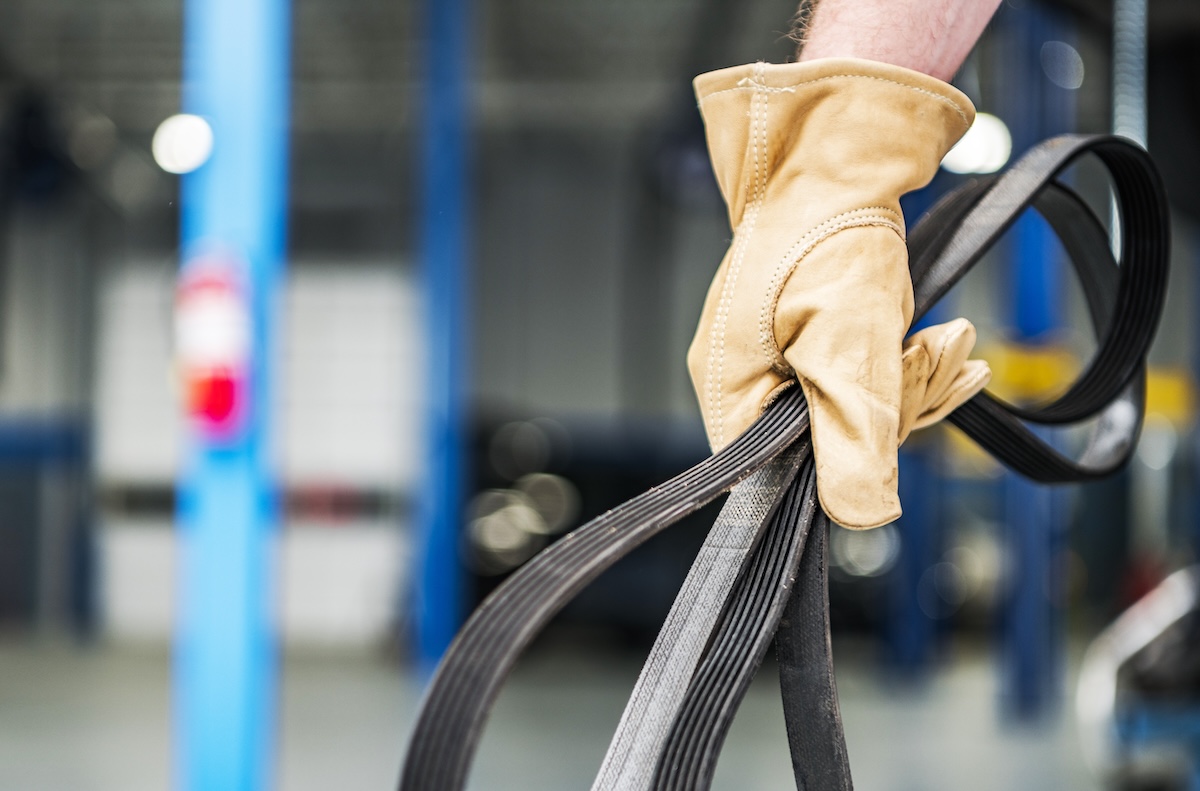
If you own a car, you’re probably familiar with the basics of what’s going on under the hood. You know you need routine oil changes, tire rotations, brake checks, and battery service. But do you know what’s going on when it comes to your car belts? The belts in your car play a critical role in performance, and if they’re not in top shape, they can keep it from running properly. Not only that, car belts that are worn or damaged can actually lead to expensive repairs down the road.
Here at Toyota of Orlando’s service center, our techs believe that every driver should have a basic understanding of how cars work and what each part does. Check out our beginner’s guide to car belts – we’re running through what they are, how they work, how to spot trouble, and when to schedule car belt service. Let’s get into it!
Car Belts: What Are They?
Let’s make things as simple as possible starting out. Car belts are basically reinforced rubber belts that send power from your car’s engine to other parts of your ride. As your engine runs, these belts spin pulleys, and these pulleys power other systems. All in all, belts keep your car running smoothly.
Sounds pretty simple, right? Here’s another fun fact – modern car belts are built to stand up against friction, heat, and thousands of miles on the road… but they don’t last forever, just like anything else. With time and wear, they can stretch, wear out, or get damaged by heat.
Car belts vary from car to car, but depending on your ride, you might have one or more of these common ones:
- Serpentine belt
- Timing belt (or a timing chain on many newer Toyota models)
- Drive belt
- Alternator belt
Some car belt names are used interchangeable, but all of them serve a different purpose and our Orlando Toyota service techs are here to explain them.
The Serpentine Belt: One of the Most Important Car Belts
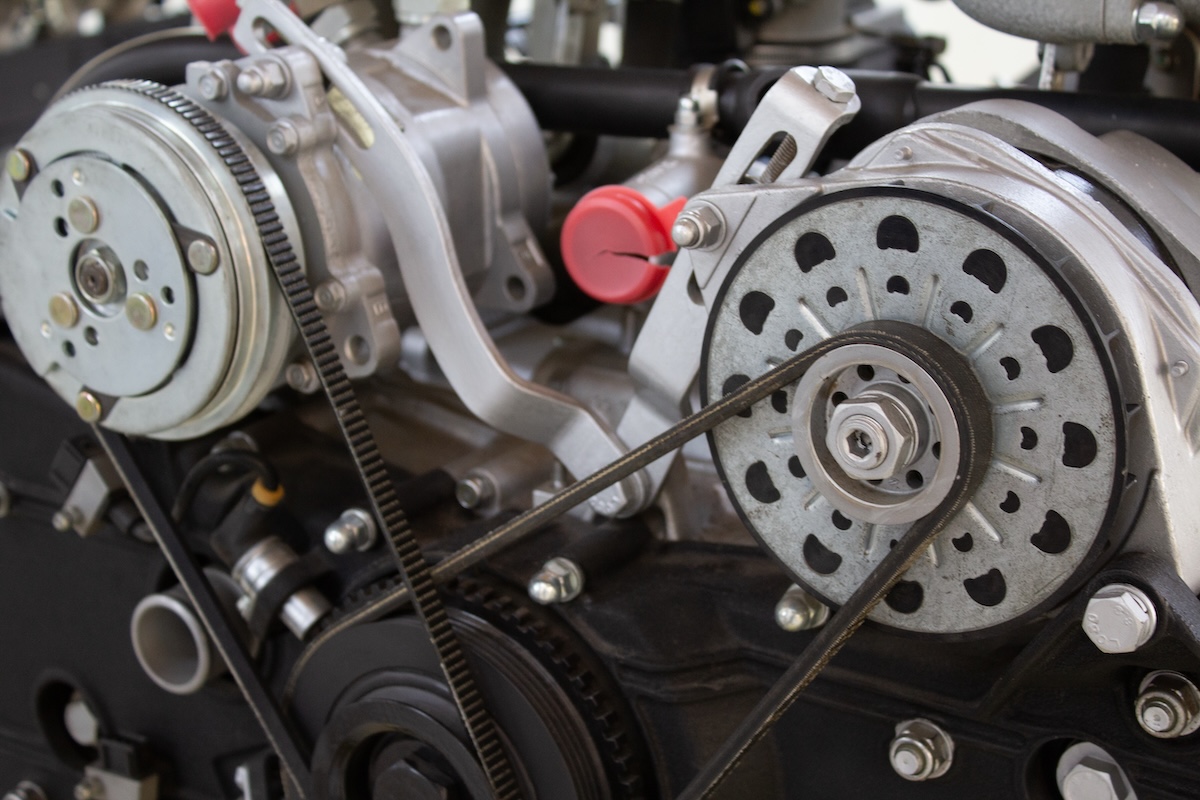
The serpentine belt is one of the most critical car belts in your vehicle. While older cars might use several separate belts, today’s Orlando Toyotas can use a single serpentine belt to power multiple parts of your car. These parts can include:
- The alternator
- The air conditioning compressor
- The power steering pump
- The water pump on some vehicles
Why is it called a serpentine belt? Because it snakes around several pulleys in the engine compartment to power multiple parts at once.
Convenient, right? The only drawback is that if the serpentine belt breaks while you’re driving, you’ll have immediate problems, like:
-
- The battery might stop charging because the alternator stops getting power
- Your steering could become difficult if your Orlando Toyota uses hydraulic power steering
- Your car could overheat if your water pump is powered by the serpentine belt
Here’s the good news. Most serpentine belts last between 60,000 to 100,000 miles depending on the conditions you drive in and the miles you put on your car. The best way to keep track of this VIP car belt is to get it regularly inspected (we’ve got you covered at Toyota of Orlando).
The Timing Belt: Keeps It All Together
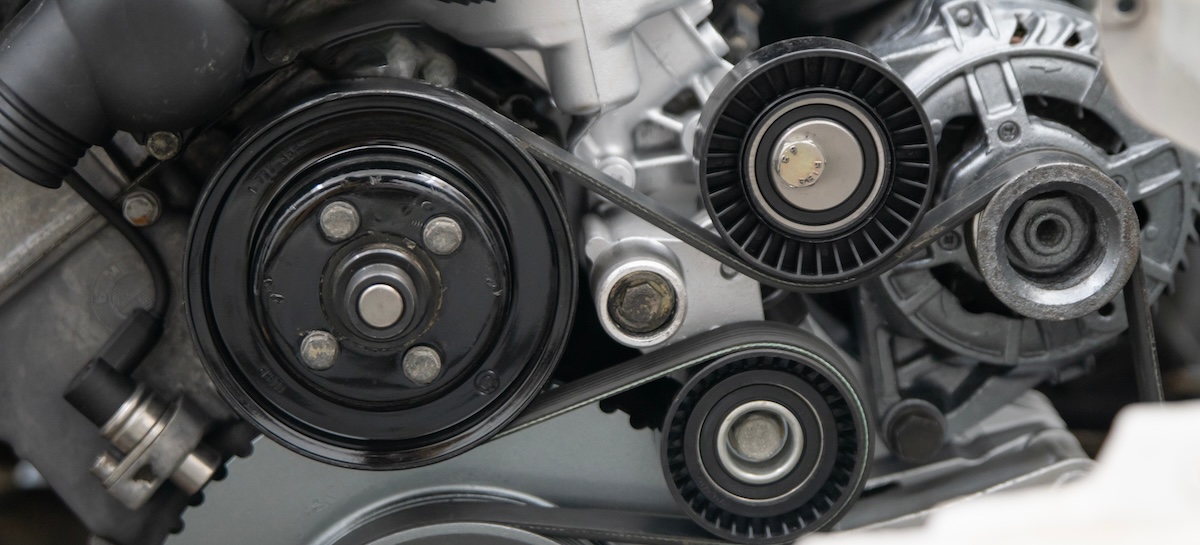
While the serpentine belt powers accessories outside the engine, the timing belt has an entirely different job.
So by now you know that the serpentine belt powers parts outside of your engine, like your alternator. The timing belt has a very different job – it keeps your crankshaft and camshaft synchronized. To put it simply, it makes sure that your Orlando Toyota’s engine valves open and close at the exact right times. The timing here is important for a high-performing engine.
Your timing belt is located inside your engine, behind protective covers (after all, it plays a critical role in performance). However, this makes it hard to inspect during a routine check under the hood. If you think you might have a timing belt issue, it’s important to bring your car to our Orlando auto service center ASAP. If the timing belt fails, it can cause expensive or even irreparable engine damage.
Here’s a spot of hope if you drive a new Toyota – most of our new models use a timing chain instead of a timing belt. Timing chains usually last longer and don’t need as much routine maintenance. Not sure which one you have? Ask one of our Toyota of Orlando techs or check your owner’s manual.
Drive Belt vs Alternator Belt: How Are They Different?
If you’ve heard someone mention a drive belt or alternator belt, don’t be confused.
You may have heard people mention drive belts or alternator belts, and we’re here to clarify.
- The drive belt is another name for the serpentine belt because it powers some of the engine’s accessories.
- The alternator belt is an older term – in older cars, there was a dedicated alternator belt. However, newer cars use the serpentine belt for that.
These names are still commonly used, but usually refer to the serpentine belt at the end of the day.
Warning Signs Your Car Belts Need Service
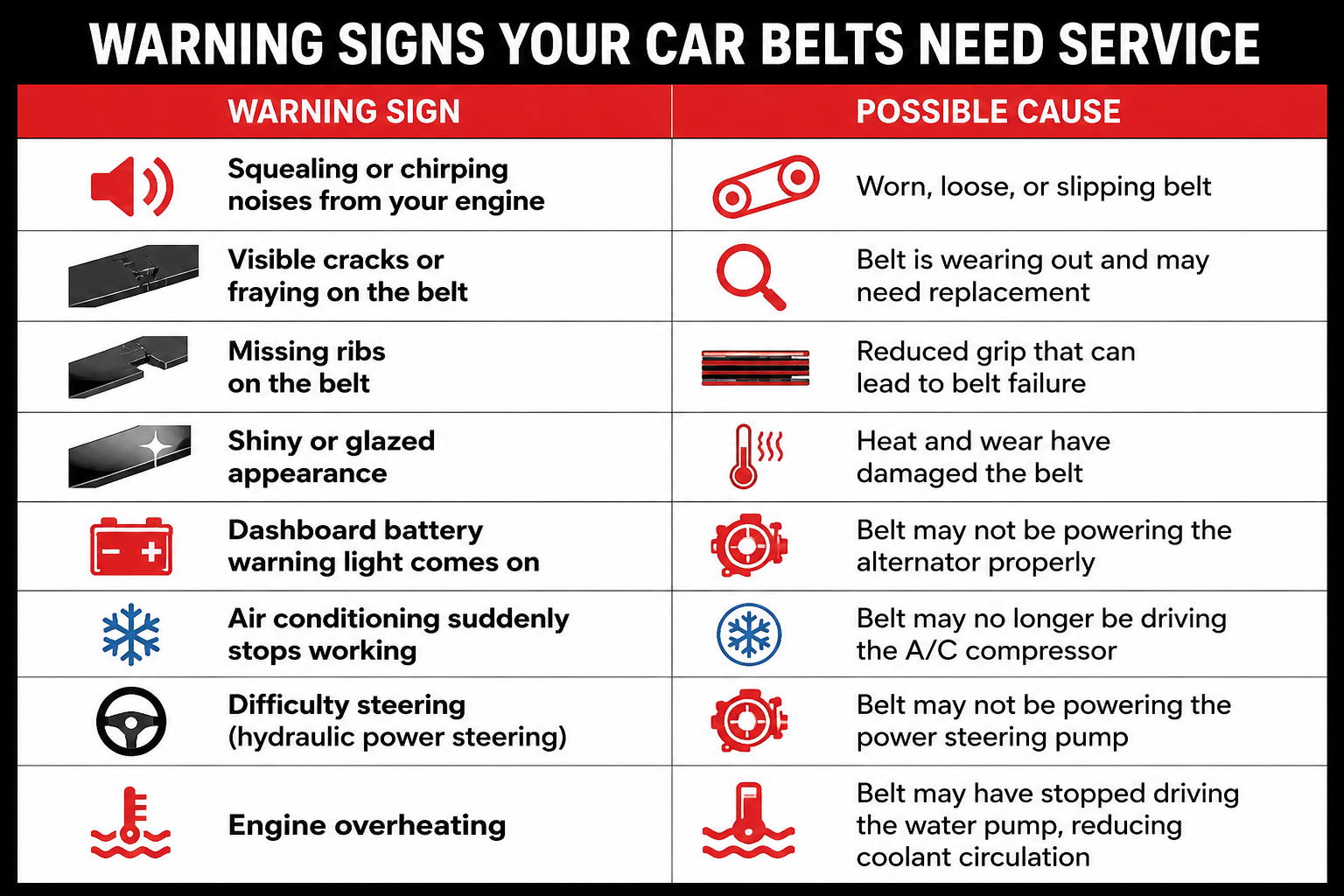
Since belts wear gradually over time, it’s important to recognize the warning signs before one fails completely.
Like we said, car belts wear out over time. It’s smart to be able to spot trouble and know when one is on the way out. Here are some common signs you may need a new car belt soon:
- Squealing or chirping noises from your engine
- Visible cracks or fraying on the belt
- Missing ribs on the belt
- A shiny or glazed appearance (this indicates wear)
- Your dashboard battery warning light comes on
- Your air conditioning suddenly stops working
- Difficulty steering (if you drive a car with hydraulic power steering)
- Your engine overheating
These symptoms are warning signs. They don’t mean the belt has completely failed, but it could be a sign of problems to come. These signs can also mean you have an issue with a pulley or a belt tensioner. That’s why we’re so big on multi-point inspections at Toyota of Orlando – we want to spot issues before they become big, expensive repairs.
How Often Should You Replace Car Belts?
There isn’t a single replacement schedule that applies to every vehicle.
There’s no single replacement schedule for every car. However, we can give you some rough guidelines on when to replace car belts. Use these, your owner’s manual, and multi-point inspections to keep your car in good shape.
- Your serpentine belt should be checked during your routine maintenance appointments (like oil changes, etc.). It should be replaced when it shows signs of excessive wear, or if you’re at the recommended service interval for replacement.
- Your timing belt should be replaced according to the guidelines in your owner’s manual. If you wait too long, you could do catastrophic engine damage.
It’s especially important to do regular inspections in Florida. The heat here can cause the rubber in the belts to age more quickly over time.
What Happens If You Don’t Replace Car Belts?
It can be tempting to ignore a squealing belt for a few days or weeks, but small problems can become much bigger ones if left unaddressed.
We know it’s tempting to ignore car belt issues for a bit – you’ll get to it when you can, right? However, ignoring a small issue can actually cause bigger issues for you down the road. A worn belt can snap and leave you with a broken car and a big bill. Replacing a belt before it fails is almost always cheaper than dealing with the aftermath of a belt breaking.
Our Toyota of Orlando Team Can Inspect Your Car Belts
Hearing a funny noise or think you might have a car belt issue? Visit Toyota of Orlando today. Our techs are trained to keep your car in the best shape possible and we’re open seven days a week to ensure we can. Call us today at (407) 298-4500 or stop by and see us at 3575 Vineland Road, just off I-4 near the Mall at Millenia.
Frequently Asked Questions
What does a serpentine belt do?
A serpentine belt powers important engine accessories like your alternator, A/C compressor, power steering pump, and water pump.
Is the drive belt the same as the serpentine belt?
In most modern Toyotas, yes. The drive belt can be used to describe the serpentine belt because it powers or “drives” multiple engine accessories.
Does every Toyota have a timing belt?
Nope. A lot of newer Toyota models use a timing chain instead of a timing belt. Your owner’s manual or your Toyota service advisor can tell you which one your car uses.
Last updated on July 10, 2026
The Toyota Tacoma has been a mainstay in the Toyota lineup for a long time. It’s a legend among outdoorsmen, campers, off-roaders, and overlanders. This is due to its reliability and strong resale value, as well as its customization potential and off-road prowess. Whether you’re navigating city streets, exploring remote trails, or taking a cross-country road trip, the Tacoma has got you covered.
This is why Toyota created one of the most memorable concepts ever at the 2021 SEMA show: the Tacozilla Toyota camper. It’s been years since its big debut, but its popularity hasn’t faded. And even though it was never put into production, it still serves as major inspiration for Tacoma owners who want the ultimate overland rig setup. Our Toyota of Orlando team is here to explain… let’s get into it!

Executive Summary
- The Tacozilla Toyota camper is a custom Toyota camper concept built on a Toyota Tacoma platform.
- Toyota unveiled the concept at the 2021 SEMA Show as a tribute to classic Toyota-Chinook campers from the 1970s.
- The camper includes living quarters, a kitchenette, sleeping space, a bathroom, and serious off-road capability.
- Although Toyota has not announced production plans, the concept helped fuel growing interest in Tacoma overlanding and camper builds.
- The modern Tacoma lineup continues to be one of the most popular foundations for custom Toyota camper conversions.
The Tacozilla Toyota Camper: A Dream Build for Adventurers
When Toyota first unveiled the Tacozilla Toyota camper, off-roaders immediately took notice. The concept perfectly blended off-roading and camping, and paired that mix with a sporty Tacoma platform. It was a simple but smart idea: mix the rugged capability of an Orlando Toyota Tacoma with the comforts of a compact motorhome. The end result? A Toyota camper that could overland, off-road, and tackle tough terrain while still offering a comfy place to sleep, relax, and even cook dinner.
This Toyota camper was developed by the Toyota Motorsports Garage team in Texas, and they used a Tacoma TRD Sport as the base. They also made it a point to pay homage to the classic Toyota-Chinook campers that were popular in the 1970s and 1980s (while throwing in modern engineering and off-road features).
And to this day, the Tacozilla Toyota camper is still one of the most-searched Toyota concepts ever.
What Made Tacozilla Toyota Camper So Popular?
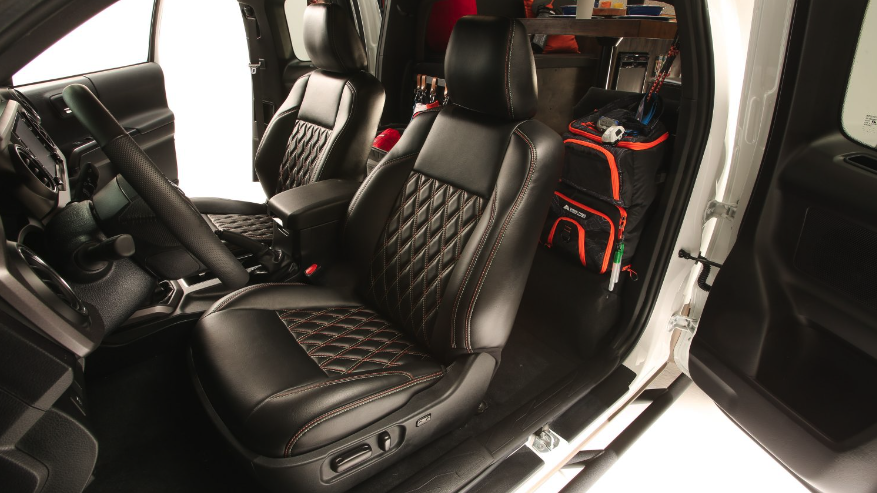
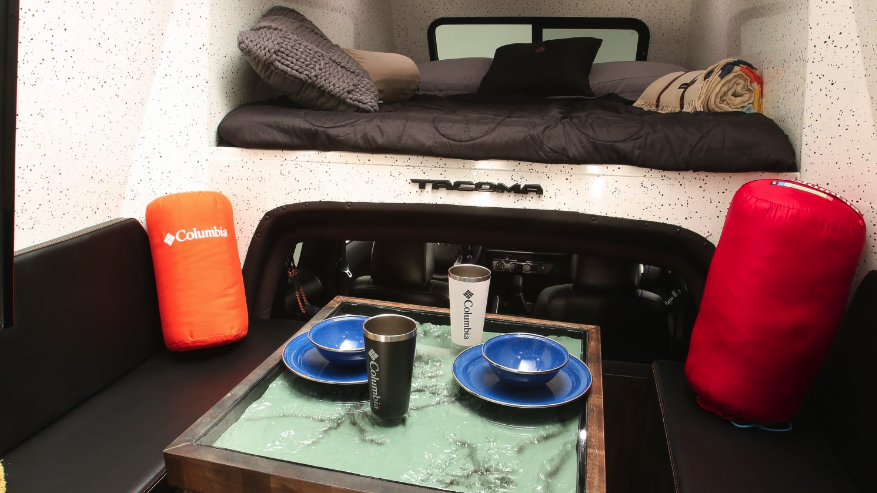
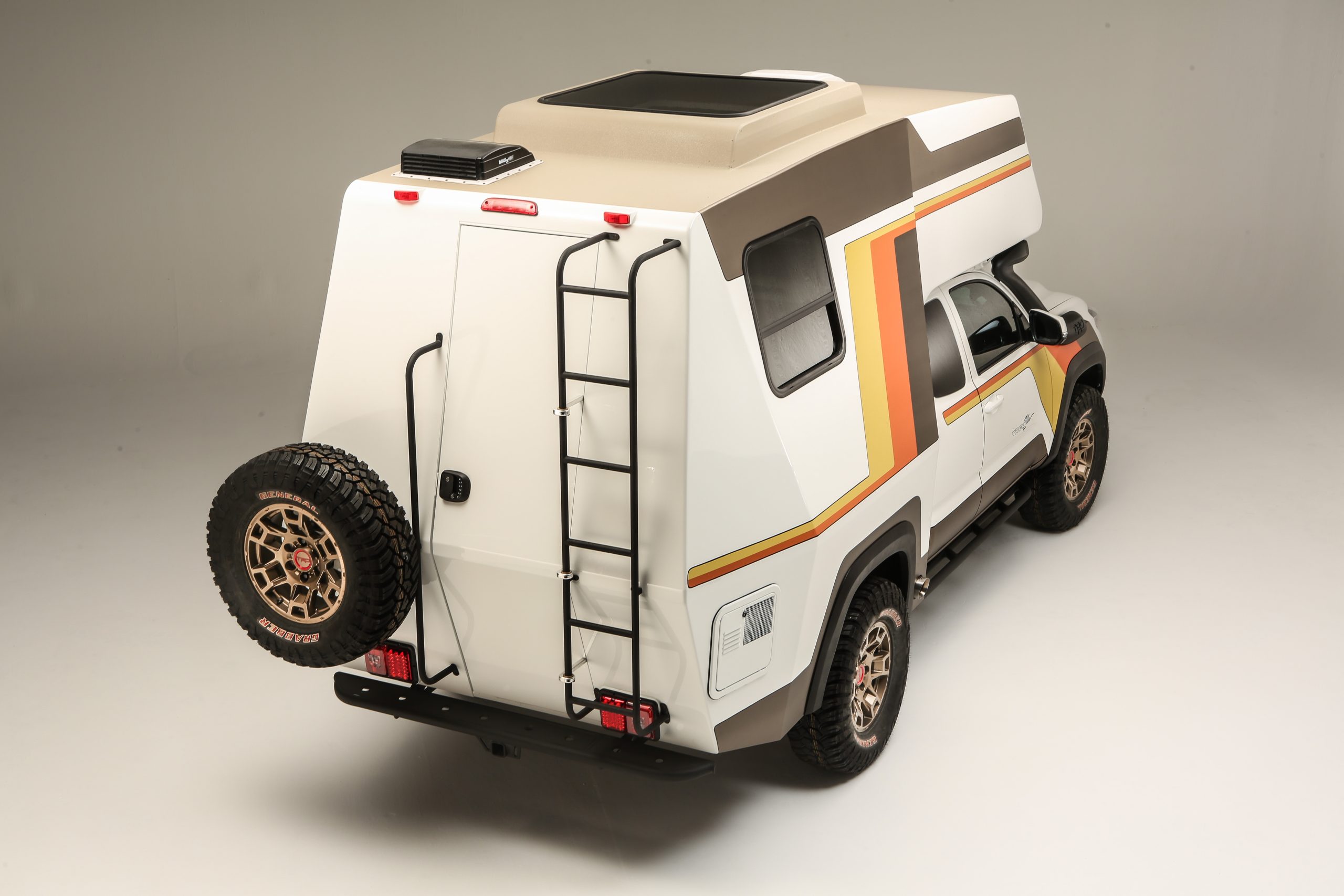
When you first look at the Tacozilla, it looks like something out of a retro magazine. This Toyota camper has vintage-inspired graphics, a white exterior, and a white camper shell. However, you’re getting vintage vibes with a modern Tacoma platform. Here are some of the features we love most at Toyota of Orlando:
- A custom-built camper body integrated into the Tacoma chassis
- Raised roof design for standing room inside
- Dining area and seating space
- Kitchenette with cooking capabilities
- Functional bathroom with toilet and running water
- Sleeping quarters large enough for two adults
- Rear access door
- Lifted suspension setup
- All-terrain tires designed for off-road travel
- Short rear overhang for improved approach and departure angles
- Retro-inspired exterior graphics
The design team’s goal was to make a camper that could be comfortable but still take on tough terrain. This combo was supposed to be the perfect balance of adventure and convenience, and we think they nailed it.
Toyota’s Camping Heritage
We think one of the reasons people loved the Tacozilla Toyota camper so much was because it wasn’t an altogether new idea. Toyota actually has a solid history with campers. Here are the highlights:
- In the 1970s and 1980s, companies like Chinook built camper conversions and used Toyota pickup trucks as their bases.
- These Toyota campers were small, fuel-efficient, and easier to drive than bigger RVs.
- A lot of these vintage Toyota campers are still out on the road today and are considered major collectibles.
Many of those vintage Toyota campers remain on the road today, and some have even developed cult followings among collectors.The new Tacozilla pays homage to them, but mixes in advanced off-road tech and modern performance features.
Why Do Tacoma Owners Love Camper Builds?
Toyota has never committed to actually produce the Tacozilla for general sale, but it definitely encouraged a comeback in terms of adventure rigs. The Toyota Tacoma is one of the most modified vehicles in the automotive market, and camper conversions are some of the most popular upgrades. But what makes this Orlando Toyota truck so popular for camper conversions?
Durability
Toyota Tacomas are renowned for their durability and long life. It’s super common to see models with hundreds of thousands of miles on them still running strong. This makes them perfect for long-distance road trips and remote exploration.
Off-Road Capability
There are so many new off-road features up for grabs. At Toyota of Orlando, our Tacomas are decked out with features like Multi-Terrain Select, CRAWL Control, locking rear differentials, skid plates, and off-road suspension systems. This makes them perfect for tackling tough terrain.
Strong Aftermarket Support
If you buy an Orlando Toyota Tacoma, you’ve got access to one of the biggest aftermarket communities in the auto world. You can opt for aftermarket parts and accessories like roof-top tents, bed racks, suspension upgrades, camper shells, and more.
Manageable Size
Tacomas are capable, but they’re still easy to maneuver due to their more compact size. This is perfect for off-roaders who want versatility and comfort without a massive truck.
How Has the Tacoma Has Evolved Since the Tacozilla?
If you remember, the Tacozilla Toyota camper debuted at SEMA in 2021. So what’s changed since then? Well, for starters, the Orlando Toyota Tacoma was completely redesigned. It has a new look, new technology, new performance, and better off-roading capabilities. Here are some of the features we love most:
- Advanced multimedia technology
- Digital gauge displays
- Improved towing capabilities
- New powertrain options including a hybrid powertrain
- Advanced safety features through Toyota Safety Sense
- Enhanced off-road trims like the TRD Pro and Trailhunter
We particularly love the new Toyota Tacoma Trailhunter. This truck has become a favorite with off-roaders and overlanders because its features are focused on performance, and it’s designed specifically for extended off-roading.
Will Toyota Ever Build a Production Toyota Camper?
So will there ever be another Toyota camper? A lot of people ask, and the answer is still no (at least for now). Toyota has no plans to actually mass produce the Tacozilla, much to our disappointment. However, here’s the good news – the current Orlando Toyota Tacoma is perfectly capable of being modified for overlanding and off-roading. Explore parts and accessories like:
- Camper shells
- Roof-top tents
- Slide-in campers
- Drawer storage systems
- Portable kitchens
- Solar power systems
- Auxiliary batteries
- Water storage tanks
Depending on your budget and goals, you can build anything from a simple weekend adventure rig to a fully equipped overlanding vehicle. The Toyota Tacoma is versatile enough for it, so all you need is your imagination.
Test Drive the Toyota Tacoma at Toyota of Orlando
Want to start exploring our current lineup of Toyota Tacoma for sale? Visit us at Toyota of Orlando! We’re open seven days a week at 3575 Vineland Road just off I-4 near the Mall at Millenia.
FAQs About the Tacozilla and Toyota Campers
Is the Tacozilla available for purchase?
Nope (sadly). The Tacozilla was created as a concept vehicle for the 2021 SEMA Show and was never released as a production model.
What truck was the Tacozilla built on?
The Tacozilla was built using a Toyota Tacoma TRD Sport platform and featured extensive custom modifications to create a fully functional Toyota camper.
Can you turn a Toyota Tacoma into a camper?
Absolutely. Many Tacoma owners install camper shells, roof-top tents, slide-in campers, or custom overlanding equipment to create their own Toyota camper setup tailored to their travel needs.
4 signs you should retire your used car
Is it time to retire your used car?
It can be a tough decision to make, especially if your car is paid off and you own it in full. Should you really get into a new car and start all over with a new payment? Here at Toyota of Orlando we get it, and we’re here to help make your decision a little bit easier. There are certain signs that are surefire indicators you should hang up your keys and our auto service techs have taken the time to explain each one in detail so you can see if it applies to your situation. Check it out!

When is it time to call it quits with your used car?
Sign #1: You’ve been in a serious car accident. Have you been in a major accident or collision that did some serious damage to your car? Depending on the auto repairs necessary to get it back on the road, it may be time to call it a day with your current used car. This is especially true if you have damage to the frame or anything else that might make the insurance company call it a total loss. The best way to gauge if ANY repairs are worth it is to estimate the current value of your car. If the repairs cost more than that, it’s time to get into a new ride.
Sign #2: You can’t seem to find affordable replacement parts, or find replacement parts at all. Is it getting harder and harder to find the replacement parts you need for your ride? Is it getting costlier and costlier just to keep it up and running? The older the vehicle is, the harder and more expensive it can be to keep it in good shape because the parts go out of production and alternate parts may not get the job done. If this is the case, consider retiring your used car for something more up-to-date.
Sign #3: Your rust issues are getting hard to handle. Rust is hard to control and can be very, very expensive to fix. If you have big-time rust damage that’s spread-out over large areas on your car you can certainly have our Toyota of Orlando body shop take a peek at it, but we may recommend calling it a day and sinking your hard-earned money into something newer.
Sign #4: Your engine block is damaged. Damage to the engine block can be a budget-buster. You’ll typically notice this type of trouble when you go to start your ride and it refuses to get going, or it stalls out in traffic on you. Have our Toyota of Orlando techs take a peek under the hood to see what’s going on and as noted before, if the repairs exceed the value of your used car, it’s time to call it quits and invest your money into something more reliable.
Let Toyota of Orlando help you through the process!
Not sure, or want our Orlando Toyota service techs to check out your situation? Call us today! We’re open seven days a week and whether you want to fix up your old ride or get into a new one, we can help. You can reach us at (407) 298-4500!
Should you pay for auto repairs or trade in?
So you’re at the mechanic’s shop and it looks like the bill is going to be a hefty one – is it worth it? Should you pay for the repairs and get your ride back on the road, or should you trade it in, wash your hands of it, and start over from scratch with a new car? Toyota of Orlando is here to explain and not only that, we have a program at our dealership that can help you answer this very question.

Is it time to ditch auto repairs and trade in?
How do you know if you should make auto repairs or trade in your car? Here are some main guidelines to think about when you’re faced with this decision:
- How much do the repairs cost, and how much have you spent so far? Do the math to get an estimate of how much you’ll be shelling out overall and then consider routine maintenance, fuel, and insurance costs. How much is it really costing you on an annual basis to keep your car? Also, take into consideration that a lot of new cars – including our new Toyotas – come with complimentary maintenance for the first 2 years/24,000 miles.
- Once you’ve come up with that number, think about how much your car is worth if you were to trade it in today. You can use the KBB calculator to get an idea of its value. If what you’re paying on an annual basis is more than the value of the car, it’s most likely time to move on and start over with something new.
- Also, think about technology. Entertainment, safety, and convenience technology all change at a rapid rate as of late. Is your old car seriously lacking when it comes to safety? Are you ready for an upgrade when it comes to audio? New cars mean new features, and most likely features that you can’t install on your old car.
- Take into consideration your drive time, too. Are you constantly worrying that your unreliable car will break down and leave you stranded? Are you wasting hours going back and forth to the repair shop? Is driving becoming embarrassing? All are signs that it might be time to cut ties and get into something new.
So, how can we help? Here at Toyota of Orlando we have the Vehicle Exchange Program, which was designed to do exactly what it sounds like – exchange your old vehicle for a new one. Our trained sales specialists can help you weigh out the value of your current ride and assess whether or not it’s worth it to get into a new one! Let them take a look at your ride and give you an idea of what payments will be.
Toyota of Orlando can help you decide between auto repairs and a trade-in!
Bring your car in and figure out how much it’s worth, and then let our Vehicle Exchange Program work their magic! Toyota of Orlando is open seven days a week at 3575 Vineland Road, just off I-4 near the Millenia Mall!
5 trade in tips for your used car
Are you thinking about trading in your car? For some people, it’s as simple as walking into the dealership and handing over their keys. However, if you want to get the most bang for your buck (whether you’re getting cash for your car or rolling the equity into another purchase), then there are some simple steps you should take before you trade in. Toyota of Orlando is here with 5 surefire tips to help you get your money’s worth when it’s time to turn in your keys.

Tip #1: Gather your paperwork.
When you’re doing a trade in on a used car, you definitely need the title and your driver’s license. However, having other paperwork on hand can also help. Our Orlando Toyota sales specialists recommend keeping auto service records so future buyers can rest assured that your car was well cared for. You should also keep any receipts from parts and accessories added to the vehicle as well as warranties that can be transferred to the new owners.
Tip #2: Have your car detailed.
If you trade in at a dealership, they’ll undoubtedly clean your car before they put it back out on the lot. But remember that appearance counts. You should detail your car before you bring it in to be appraised for a trade! Take time to wash the exterior and apply a coat of protective wax (which also helps enhance the shine of the paint). Vacuum and wipe down the interior, being careful to get into all the nooks and crannies. If your seats or floor mats are stained, shampoo them to get them looking like-new again. It also helps to clean the windows (inside and out) and give the tires a shine.
Tip #3: Take care of routine maintenance and small repairs.
Make sure your car is up to date on routine car maintenance like oil changes, tire rotations, and brake service. No one wants to buy a car that’s going to need to go into the shop immediately thereafter. Also, think about making small repairs – hammer out dents, replace burnt out fuses and bulbs, fixing a sagging headliner, etc. Major repairs may be more money and time than they’re worth, so factor in how much the repair costs and how much it’ll knock off the value of the car if you don’t get it done. Is it worth having it fixed before you trade in to get more money for your car?
Tip #4: Use an appraisal tool to get an idea of how much your car is worth.
We have a handy appraisal tool on our website where you can find out how much your car is worth – use it so you can get a ballpark idea of the number you’re looking for when you visit our Orlando Toyota dealership.
Tip #5: Decide what you want to get for your car.
Do you want to take cash for your car when you trade in, or are you looking to roll that equity into another purchase? Decide before you arrive at the dealership and then shop accordingly.
Ready to trade in and get your money’s worth? Call Toyota of Orlando today to schedule an appraisal at (407) 298-0001!
What Really Happens When You Trade in Your Car?

Are you thinking about trading in your old ride to get yourself a new set of wheels? Here at Toyota of Orlando, we’ll offer you top dollar cash for your car, since we’re always in need of used cars for our lot. However, what actually happens when you trade in your car? We’re here to fill you in on the process, as well as give you tips on how to prepare for it. Let’s get started!

Are you ready to trade in your old ride?
- When you get to our dealership, the first thing you’ll do is tell the salesperson who greets you that you’re there to trade in your car. They’ll take your information to get everything in the system, and also to pull a vehicle history report on your car to check for accidents, etc.
- Our used car director will then take your keys and perform a bumper-to-bumper visual inspection of your vehicle. They’ll check over the general condition, as well as take a peek under the hood. Additionally, our Orlando Toyota specialist will turn your car on to ensure it’s running smoothly, the gadgets are working, and the air-conditioning is running (a must-have here in Central Florida). Finally, depending on the vehicle, our team will take your car for a short test drive to check its handling.
- After that, our team will pull up information regarding the trade in value of your car and decide what condition it’s in… from there, they’ll settle on an offer to make you. And we offer cash on the spot if you’re happy with the offer, even if you decide you’re not going to buy your next car from us!
Toyota of Orlando makes trading in and trading up easier than ever

So how can you prepare to trade in your car? Here are some steps to take before you arrive at Toyota of Orlando:
- Look up the trade-in value of your car before you arrive – this will help you decide if you’re comfortable with the offer that our team makes you.
- Wash and wax your car, and vacuum the inside. You’ll be surprised at what a little elbow grease can do to a car’s appearance! A good coat of wax can bring a paint job back to life, and a vacuumed interior can make a car a whole lot more appealing.
- Fill in small paint scratches and fix little dings. It doesn’t take a lot of time or money on your part, but it definitely makes a difference in your car’s appearance. Also, consider shampooing the carpets and upholstery to do away with any stains.
- Take care of small fixes – we’re talking a burnt out headlight bulb or a blown fuse. They’re inexpensive to fix, but the less work the buyer has to do, the better.
- Gather up your paperwork! You’ll want to provide service records (this proves the car has been well-maintained), and the car’s title. And don’t forget to bring extra key fobs with you to hand over, too!
Ready to trade in your car? Call us today to schedule an appointment – we’re open seven days a week until 10pm at (407) 298-4500!
Is it time for you to kick your old car to the curb to make room in your life for a new one? First of all, congrats – buying a new car is exciting and rewarding. However, what are your plans for your old ride? If you’re not sure what to do with your retiree vehicle, Toyota of Orlando is here to help. Check out the options available to you for getting rid of your old car.

Option #1: Trade it in or sell it to us. We’re always looking for preowned cars to stock our used lot, and we’ll add yours to our inventory whether you want to trade it in or just sell it to us. Our used cars director will appraise your vehicle and make you a cash offer on the spot regardless of whether you plan to buy your new car from us or someone else. This is a quick and easy way to get your money’s worth, and you can schedule an appointment with us to save time and at least just get the offer so you can better weigh your options.
Option #2: Sell it privately. You can also sell your car privately. This gives you a little more control over the process and lets you dictate the price, but keep in mind that you have to do all the legwork when you sell privately. You’re going to be the one transferring the title and tag and doing all of the associated paperwork (instead of us), so make sure it’s worth your while before you take this route.
Option #3: Sell it online. Selling your old car online is another option. This is sort of like trading in at a dealership but instead, using an online service that will come to pick your car up from your house. The only downside? You can’t haggle the offer in person – what you get is what you get with no room for improvement.
Option #4: Donate it. Another option is donation. If you don’t really need the money or don’t feel it’s worth the time or effort to trade in or sell your car, you can definitely hand over the keys for free. Plenty of local non-profits take old cars as donations and not only can you feel good about your decision, but you can also write it off as a tax benefit to save yourself a bit of money. Typically, the IRS will allow you to write off whatever the car would sell for if sold at auction. Defer to your accountant with questions!
Option #5: Junk it. Finally, you can always junk your old car if you’re completely done with it and it’s not safe or able to be donated. In this scenario, you’d need to find a junkyard or junk removal service to tow it away and dispose of it for you. You won’t get any money for it, but at least it’ll be off your plate.
Have questions or want to schedule a trade-in appraisal? Call Toyota of Orlando today! We’re open seven days a week at (407) 298-4500 and conveniently located just off I-4 near the Millenia Mall at 3575 Vineland Road.

Are you at a crossroads with your car, trying to decide whether you should shell out more money for vital auto repairs or just wash your hands of it and cash out? We get it – it’s a tough spot to be, and it can be hard to decide which route is the most responsible and efficient one to take. Luckily, our Orlando auto repair techs are here to help you figure out the best path for you and your vehicle.
4 signs it’s time to trade in
Here are four major signs it’s time to trade in, trade up, and stop putting money into auto repairs:
1) Your car is dangerous or unreliable. ‘
If your car has become dangerous – we’re talking consistent problems with braking, accelerating, etc. – or is just incredibly unreliable, then it’s time to cash out and move on. You don’t want to put others or yourself in danger when you hit the road, nor do you want to be constantly waiting for a tow truck. If this is the case with your car, we recommend skipping the auto repairs and saving that money for a down payment on a new ride.
2) You’re making repeated trips to the mechanic.
Find yourself spending a lot of time at the body shop getting auto repairs? If you feel like it’s quickly becoming your second home and your car’s issues just can’t seem to be resolved, do yourself a big favor and move on. Trade your ride in and get behind the wheel of something that’s reliable AND affordable, and enjoy your newly freed up weekends and afternoons.
3) You’ve been wanting an upgrade in terms of technology.
Feel like your current car just doesn’t cut it when it comes to safety tech, connectivity, or both? If it’s also experiencing problems that require big auto repairs, now’s your opportunity to trade in for something more advanced. Get the features you need… this is an excellent time to do it!
4) Your car’s value is less than the cost of repairs.
Here at Toyota of Orlando, our used cars director can quickly and efficiently appraise your car to tell you how much it’s worth. We also have a handy trade-in value tool on our site for you to utilize. If the value of your car is less than the estimated cost of repairs, it’s not worth putting more money into the vehicle. Instead, put that money into something newer and more dependable.
What’s the Toyota of Orlando Vehicle Exchange Program?
And we can help you do it! The Vehicle Exchange Program at Toyota of Orlando was designed especially for people like you. Our specialists can pull a CarFax, do an in-person appraisal of your car, talk to your mechanic, and help you find a new vehicle that has comparable or even lower payments. And they’re here seven days a week until 10 pm to serve you!
Come on down to Toyota of Orlando. We’re just off I-4 near the Millenia Mall at 3575 Vineland Road, and you can call us at (407) 298-0001 to get the process started!
If you’ve ever made a big purchase – a car, a motorcycle, a boat, etc. – you’ve probably heard the term “vehicle depreciation” bandied about. But what does it mean, and more specifically, what does it mean for your investment? Toyota of Orlando is here to explain vehicle depreciation and how you can counteract it to hold onto the resale value in your next ride.
Why should you worry about vehicle depreciation?

Here’s the bottom line: when you buy a car, it depreciates. Simply put, this means that it loses value over time because of the wear and tear you put it through. Most cars lose 15-35% of their value in the first year (!!) and then up to 50% or more in the next three. This affects your car’s resale value and in turn, affects how much money you’ll get when you sell or trade it in down the line. Some vehicles depreciate less quickly than others; for example, Toyotas are renowned in the automotive world for holding their value well and getting you more bang for your buck as they age in comparison to other makes and models.
How can you keep your Orlando Toyota’s value high?
So, how can you combat vehicle depreciation? Here are some quick Orlando Toyota tips to help you retain the existing value in your vehicle and get the money you deserve when you sell or trade in down the line.
Tip #1: Do your research. Find out which makes and models hold value the best and base your final purchase on that data.
Tip #2: Stay on top of auto service. Keep your car on a routine car maintenance schedule at Toyota of Orlando for things like oil changes, tires rotations, etc., and be sure to take care of repairs as quickly as possible. A well-maintained car will hold its value and depreciate less than one that misses maintenance appointments on the regular.
Tip #3: Watch your mileage. You bought the car to drive it, sure. But cars with more miles on them depreciate faster! Keep your mileage at a reasonable number to try and retain some of the resale value already built into your ride.
Tip #4: Consider elements like size, paint color, and fuel efficiency. These elements may or may not be important to you, but they definitely affect vehicle depreciation. Larger cars that cost more upfront tend to lose their value than smaller, more affordable models. Additionally, you should choose neutral paint colors when shopping because those are more desirable to future shoppers down the road. And finally, choose something fuel-efficient – the more economical a car is with fuel, the more desirable it’ll be to a future buyer.
Tip #5: Buy for your climate. All-wheel drives are popular in climates with lots of snow and ice, but they aren’t as in-demand in climates like Florida where we don’t see much besides rain. Think about where you live and where you might sell or trade-in before you buy.
Want a trade-in appraisal or need to get on a routine car care schedule? Call Toyota of Orlando today – we’re open seven days a week for your convenience at (407) 298-4500.
Connect with us


- September 2026
- August 2026
- July 2026
- June 2026
- May 2026
- April 2026
- March 2026
- February 2026
- January 2026
- December 2025
- November 2025
- October 2025
- September 2025
- August 2025
- July 2025
- June 2025
- May 2025
- April 2025
- March 2025
- February 2025
- January 2025
- December 2024
- November 2024
- October 2024
- September 2024
- August 2024
- July 2024
- June 2024
- May 2024
- April 2024
- March 2024
- February 2024
- January 2024
- December 2023
- November 2023
- October 2023
- September 2023
- August 2023
- July 2023
- June 2023
- May 2023
- April 2023
- March 2023
- February 2023
- January 2023
- December 2022
- November 2022
- October 2022
- September 2022
- August 2022
- July 2022
- June 2022
- May 2022
- April 2022
- March 2022
- February 2022
- January 2022
- December 2021
- November 2021
- October 2021
- September 2021
- August 2021
- July 2021
- June 2021
- May 2021
- April 2021
- March 2021
- February 2021
- January 2021
- December 2020
- November 2020
- October 2020
- September 2020
- August 2020
- July 2020
- June 2020
- May 2020
- April 2020
- March 2020
- February 2020
- January 2020
- December 2019
- November 2019
- October 2019
- September 2019
- August 2019
- July 2019
- June 2019
- May 2019
- April 2019
- March 2019
- February 2019
- January 2019
- December 2018
- November 2018
- October 2018
- September 2018
- August 2018
- July 2018
- June 2018
- May 2018
- April 2018
- March 2018
- February 2018
- January 2018
- July 2017
- June 2017
- May 2017