



If you’re facing issues with your car fender (those fender benders – we know how it is sometimes), then you might be in need of a repair or even a replacement. Toyota of Orlando is here to walk you through what this car part is, why it’s important, and how to tell if you need a repair or a replacement to get it back into like-new shape. Let’s kick it off!
Car Fender Repair vs. Replacement: What Orlando Drivers Need to Know
- Car fenders play a critical protective role by shielding your vehicle, paint, and surrounding drivers from debris kicked up by your tires, making them essential for both safety and aesthetics.
- Minor damage can often be repaired, including small dents, scratches, or surface rust. This makes it a faster, more affordable option that can even preserve your original paint.
- Severe damage requires full replacement, especially if the fender is cracked, bent, or misaligned, as this can impact safety, tire wear, and overall vehicle performance.
- Costs vary based on vehicle size and complexity, with replacements ranging from around $1,000 for smaller cars to up to $6,000 for larger vehicles, depending on labor, parts, and technology.
- Professional inspection is key, as hidden structural damage may not be visible, and certified technicians can ensure proper repair, part fitment, and safety restoration.
What is a car fender?
First things first – what is a car fender, and why does it matter? Here’s what you should know about this part on your Orlando Toyota.
- A car fender is the part of your car that frames the wheels and wheel wells. You’ll have four of them on your Orlando Toyota – one on each wheel.
It’s a curved panel that runs from the bumper to the doors. - In simple terms, your car fender acts like a protective shield around your wheels. Because your tires are constantly rotating and making contact with the road, they kick up all kinds of debris. Without fenders, that debris would fly freely into your vehicle’s body and into surrounding traffic. So while they may seem like just another body panel, they actually play a big role in keeping your car protected and looking good.
What does a car fender do?
Now you know what a car fender is, but what does it do and why does it matter if yours is in good shape? Here’s your quick guide to this car part.
- A car fender is designed to prevent dirt, sand mud, rocks, and other debris from being thrown into the air by your tires.
- This helps protect your car’s paint, braking systems, and other parts of your Orlando Toyota.
- Fenders also prevent debris from being tossed into other cars and pedestrians around you.
- In other words, your car fender protects both your vehicle and everyone else on the road. When your fender is intact and properly aligned, it helps maintain your car’s aerodynamics and keeps road grime from constantly pelting your paint. That means fewer chips, fewer scratches, and less wear and tear over time.
It also plays a role in safety. If debris is allowed to fly freely from your tires, it can cause visibility issues for drivers behind you or even lead to damage to nearby vehicles. Keeping your fenders in good condition is part of being a responsible driver here in Orlando.
Have a clear understanding of what a car fender is and why it matters? Now let’s move on to what you should do if yours gets damaged.
How to deal with fender repair and replacement
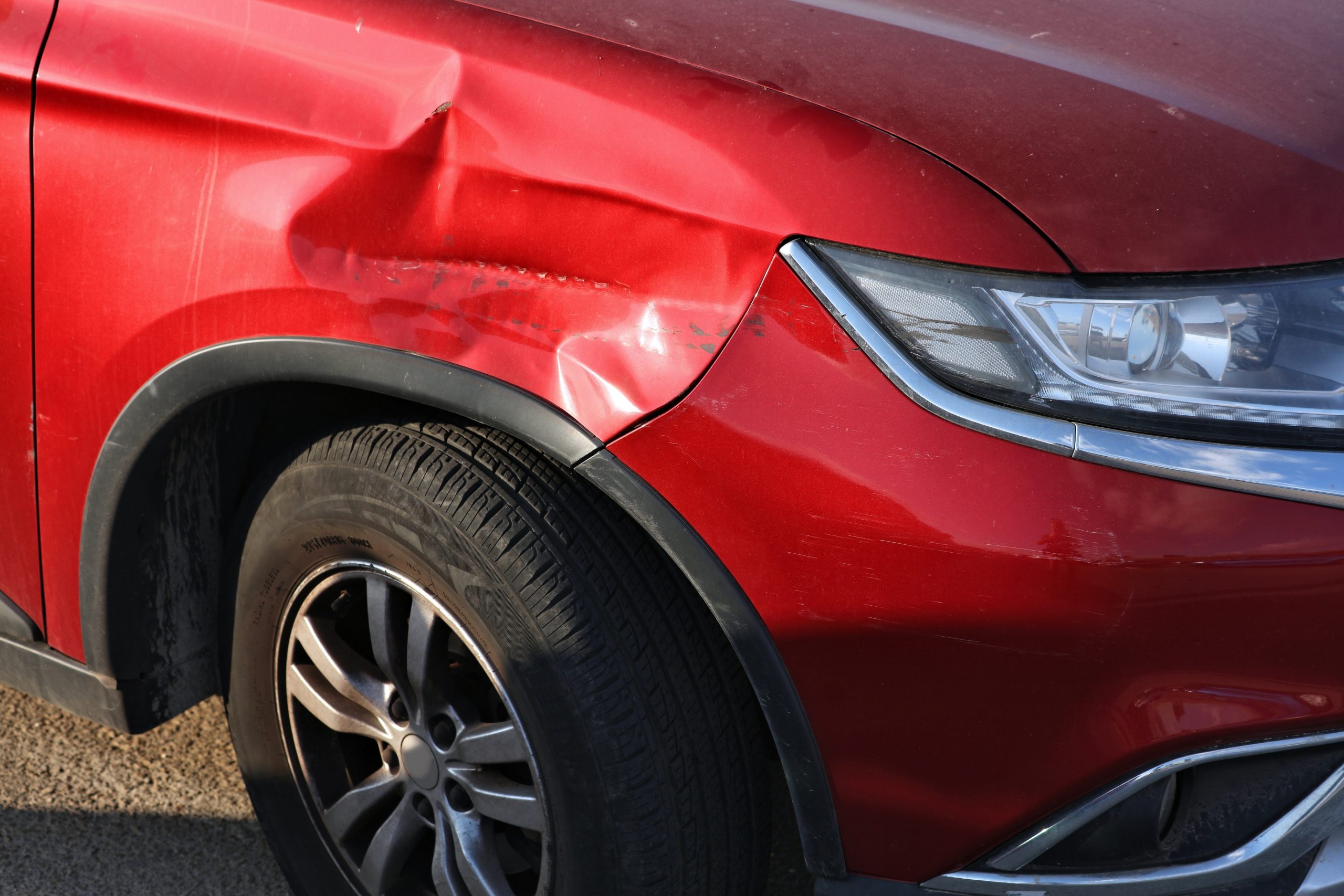
Unfortunately, at some point in your car’s life, it’s bound to be damaged. Damage occurs from accidents, collisions, rogue shopping carts, and more. This means that at some point, you may need fender repair or replacement. But how do you know which is necessary? This is where our Orlando auto body repair experts step in. Here’s what they have to say about it.
Sometimes the damage to your vehicle is minor, and fender repair is all you need. This tends to be less expensive and takes less time to complete, which is good news for you. The rule of thumb is that if the damage is cosmetic and doesn’t affect your car’s structural integrity or safety, simple repairs will do the trick.
Here are the circumstances in which you’ll just need car fender repair (instead of replacement) on your Orlando Toyota:
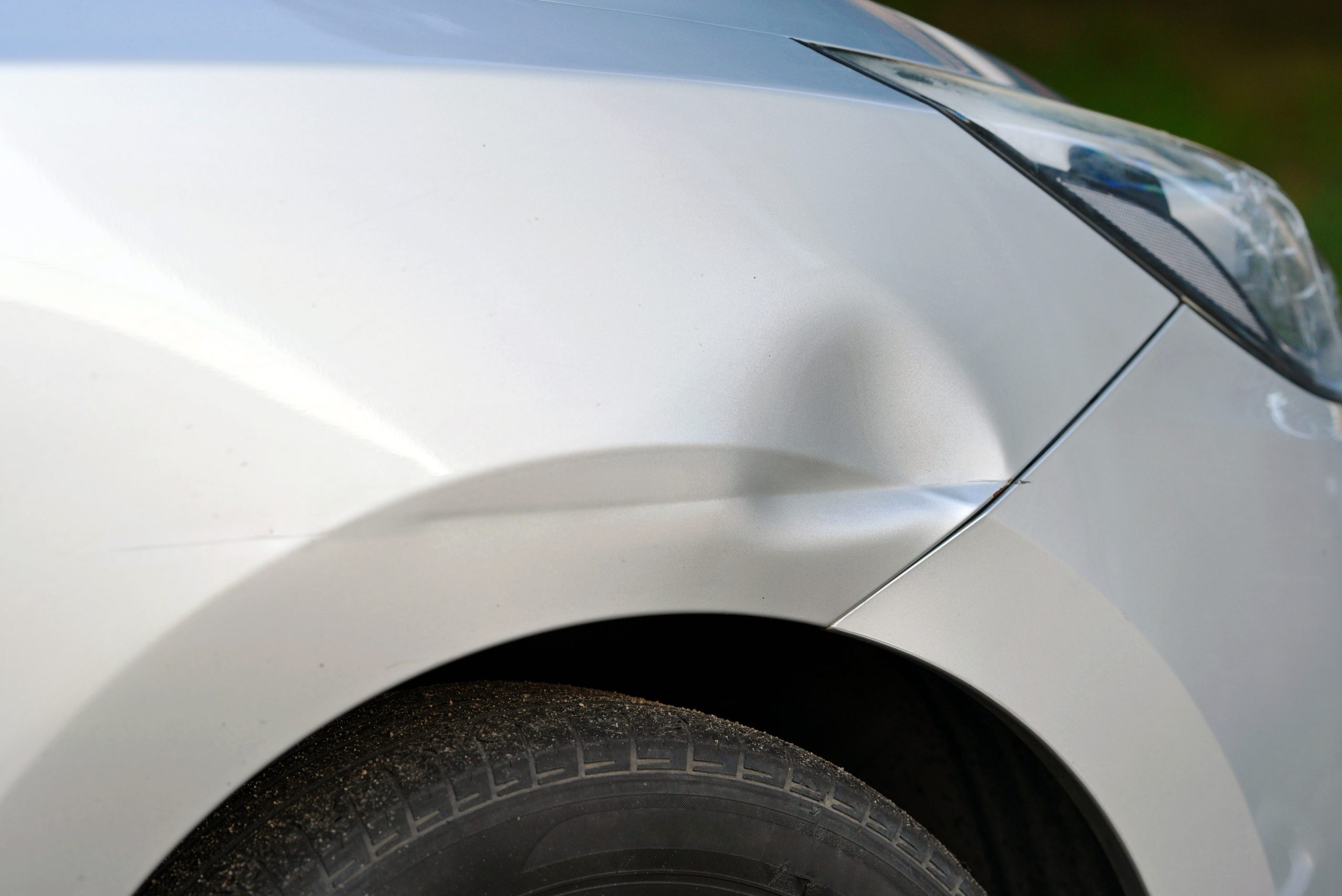
- Minor dents and scratches. Surface scratches and dents can be easily repaired, especially if you bring your car to the Toyota of Orlando body shop. We may even be able to use PDR (paintless dent repair) to get your car looking like-new again.
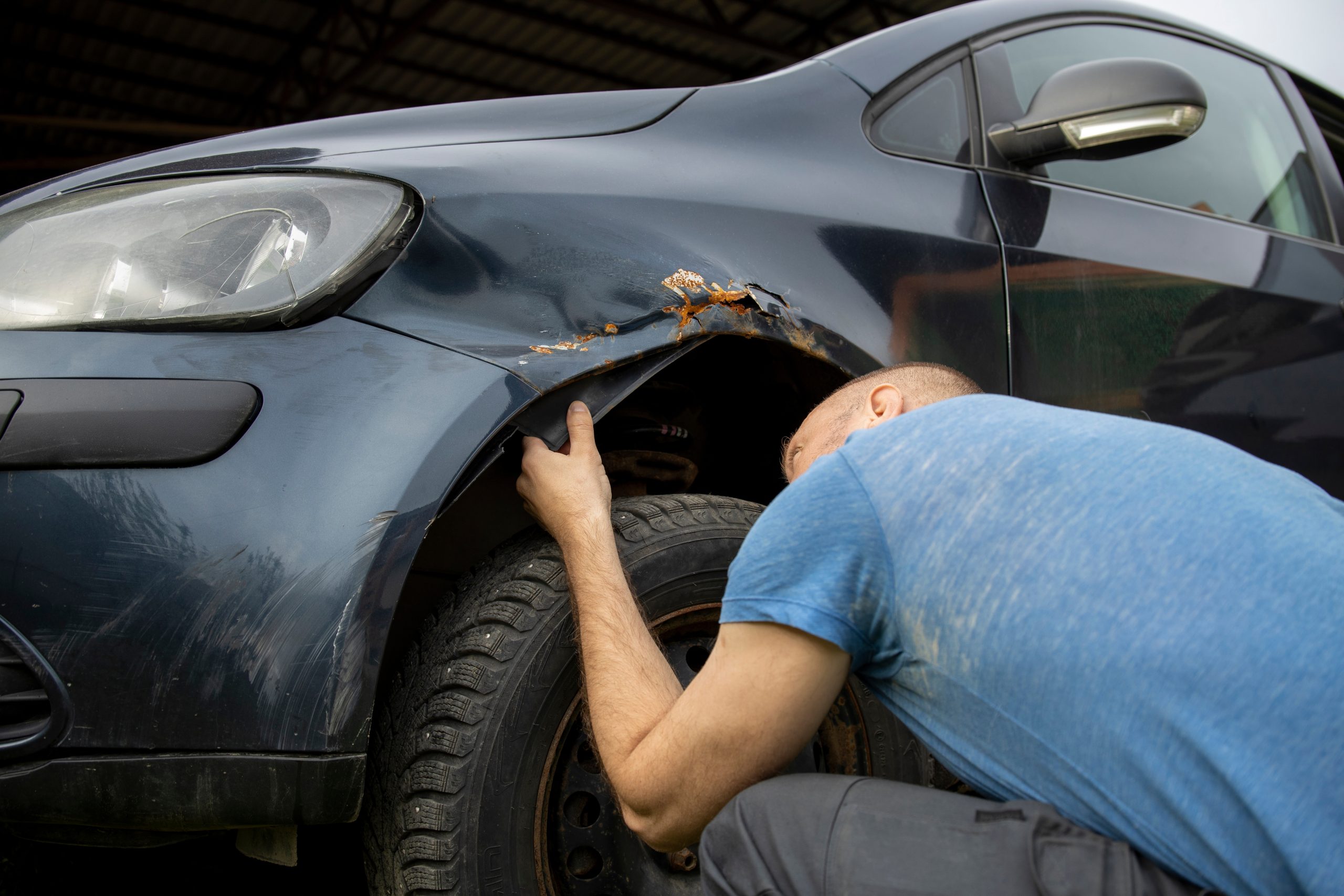
- Small rusted areas. Rust is never good, but as long as the rust on your car fender is on the surface and doesn’t compromise the structure integrity of the metal, our techs can sand it down and repaint to get you back on the road.
In many cases, fender repair can be completed relatively quickly. Depending on the extent of the cosmetic damage, you might even have your Orlando Toyota back the same day. Paintless dent repair is especially popular because it preserves your original factory paint, which helps maintain your vehicle’s value.
How insurance impacts your car fender repair
Another factor to consider is your insurance. If the damage is minor, some drivers choose to handle fender repair out-of-pocket to avoid filing a claim. Our Toyota of Orlando team can provide a free estimate so you can weigh your options and decide what works best for your situation. However, if the damage to your car fender affects the structural integrity of your vehicle or puts you and your passengers at risk, you’re going to need a replacement. Here are some signs you need to put these auto repairs on the books at Toyota of Orlando:
- Cracks. Cracks mean your fender can no longer function properly – its structural integrity has been compromised. If you were to get into another accident, the fender could actually damage other parts of your car.
- A fender that’s bent or misaligned. If you notice that your car’s fender is bent or misaligned, it could rub your tires or other parts of your Orlando Toyota. This is a sign that you need replacement ASAP.
You may also notice unusual noises while driving, especially if the fender is rubbing against your tire. This can cause premature tire wear and create an unsafe driving condition. If your vehicle pulls to one side after an accident or the wheel well area looks uneven, it’s time to have it inspected by our Orlando auto body repair professionals.
In some cases, hidden damage can also exist beneath the surface. What looks like a simple dent could actually indicate deeper structural issues. That’s why it’s always smart to bring your vehicle to a certified body shop like Toyota of Orlando. Our trained technicians can assess the full extent of the damage and recommend the right solution.
What is the front fender replacement cost vs back fender replacement cost?
It’s never cheap to replace parts on your car (sorry). We also can’t give you a black-and-white answer as to the cost (sorry again). Here’s what you should know:
- The front fender replacement cost – and back, for that matter – depends on the size of your vehicle.
- Smaller vehicles are usually around $1,000 (but again, it depends on the make, model, year, and size of your car).
- SUVs, pickup trucks, and other larger models can cost anywhere from $1,500 to $6,000.
- Labor, paint matching, and parts availability all factor into the final front fender replacement cost or back fender replacement cost. For example, if your Orlando Toyota has advanced safety features like sensors or cameras mounted near the fender, those components may need to be recalibrated after replacement. That can impact the overall cost as well.
Keep in mind that OEM (original equipment manufacturer) parts are typically recommended to ensure proper fit and long-term durability. While aftermarket parts may sometimes be available, using OEM parts at Toyota of Orlando helps maintain your vehicle’s quality and resale value. The good news? Our team will always provide a transparent estimate before any work begins. That way, you know exactly what to expect when it comes to your car fender repair or replacement.
Schedule car fender repair and replacement at Toyota of Orlando
Need repairs or replacement for this important car part? Don’t wait – get your free estimate and schedule today at Toyota of Orlando. We’re just off I-4 near the Mall of Millenia at 3575 Vineland Road. Whether you’re dealing with a small dent or major collision damage, our Orlando auto body repair experts are here to help. We’ll inspect your car fender, walk you through your options, and get your Orlando Toyota back on the road looking like-new again. Schedule your appointment today and let us take care of the rest!
FAQs about car fenders
1. Do you offer car bumper repair?
We sure do. Our Orlando Toyota Collision Center is staffed with trained Toyota technicians and Genuine Toyota Parts to get every part on your ride back to like-new condition, including your car bumper. If you need car bumper repair, visit us today!
2. How can I fix scratches and dents in my car?
It really depends on the extent of the scratches and dents. If they’re superficial, small, and shallow, you may be able to swing DIY repairs at home. However, if you want to restore your car to like-new condition and have repairs that stand the test of time, it’s best to get professional scratch and dent repair at Toyota of Orlando’s body shop.
3. What is paintless dent repair, and do you offer it?
Yes, we do! Paintless dent repair (PDR) is when a technician can repair a dent on your ride without having to touch up or replace the paint in that area. It seems simple, but it’s actually more complicated than you think, which is why it’s great to schedule it with our techs at our body shop.
Car care tips: How to get stickers off of your car

Updated on April 1, 2026
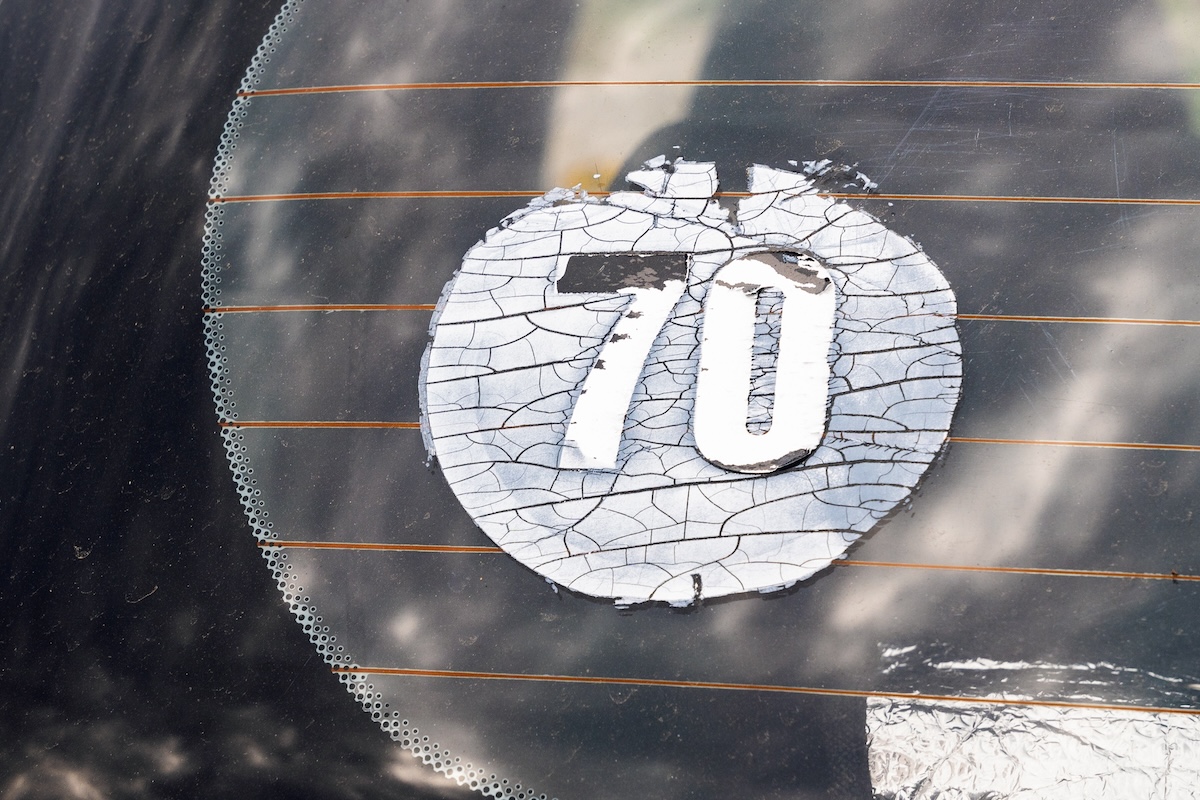
Maybe it’s a fandom sticker that’s faded beyond recognition or the need to remove a parking decal from last semester. Whatever it is, we’ve all been in the situation where we need to know how get a sticker off a car. However, it’s not as simple as just peeling it off. Most stickers made for cars are made with a special adhesive that makes them difficult to remove. And with good reason… you don’t want someone stealing your parking decal! Toyota of Orlando is here with tips to help you remove stickers from your car without damaging the paint or glass. Check out our guide below!
How to Safely Remove Stickers From Your Car Without Damaging the Paint
- Multiple safe methods to remove car stickers: The blog outlines five effective techniques: heat, Goo Gone, ice, rubbing alcohol, and white vinegar. Each is designed to loosen adhesive and make removal easier without damaging your vehicle.
- Technique matters to protect your paint: Using proper tools (like microfiber cloths or plastic cards), avoiding sharp objects on paint, and peeling at a 45-degree angle can prevent scratches and residue issues.
- Stubborn stickers may require combined approaches: Older or baked-on decals often need a mix of heat and adhesive removers, along with patience to avoid leaving behind glue or damaging surfaces.
- Post-removal care is essential: Cleaning the area and applying wax helps restore shine, protect the clear coat, and maintain a consistent finish across your vehicle.
- Prevention tips can save time and effort: Avoid placing stickers on painted surfaces when possible. Opt for glass or removable clings to reduce the risk of damage and simplify future removal.
How to get a sticker off a car: What to know beforehand
Before you get started, there are a few important things to keep in mind. First, patience is key. Trying to rush the process or aggressively scrape a sticker off can lead to scratches, chipped paint, or damaged tint. Second, always test any product you’re using on a small, inconspicuous area first. This is especially true if you’re working on painted surfaces. And finally, make sure your vehicle is clean and dry before attempting sticker removal. Dirt and debris can cause scratching if you start rubbing or scraping right away. A quick wash around the area can make a big difference in protecting your Orlando Toyota’s finish.
Toyota of Orlando’s top 5 ways to remove a sticker from your car
Option #1: Heat
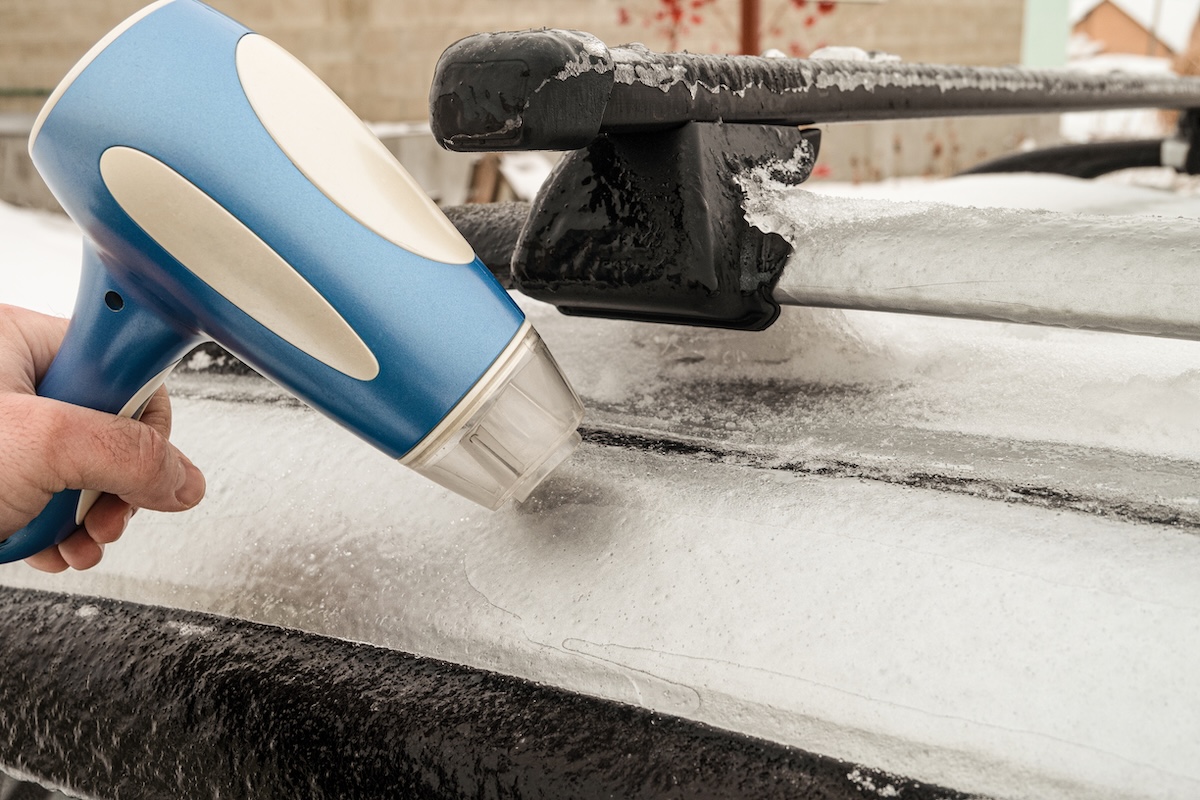
If you have a blow dryer on hand, plug it into an extension cord and take it outside. Our Orlando Toyota car care techs recommend heating the sticker you want to remove with the hand dryer for a minute or so. This will help warm up the adhesive, so you can peel back a corner. Just be careful not to overheat one small section for too long with the hair dryer. Also, keep the dryer moving so you don’t damage the clear coat. Once the sticker starts to lift, pull it slowly at a 45-degree angle rather than straight up. This can help prevent tearing and reduce leftover sticker residue. Use a rubber spatula or your finger to carefully peel the rest of the sticker away from the paint. You can use rubbing alcohol to remove any residue left over.
Heat works well because adhesive on the sticker softens when warmed. If you don’t have a blow dryer, parking your car in direct Florida sunlight for a bit can also help loosen things up (especially here in Orlando where the sun is strong most of the year).
Option #2: Goo Gone
Goo Gone’s main purpose is to get rid of sticky stuff, so it can be extremely helpful in this aspect of car care. Liberally apply it to the sticker, wait a few minutes, and peel the sticker away from your Orlando Toyota.
If you’re dealing with an older sticker that’s baked onto the surface, you may need to apply the Goo Gone more than once. Let it soak into the edges so it can penetrate the sticker fully. After removing the sticker, wipe the area clean with a microfiber cloth. You should also wash it with soap and water to remove any oily residue. This step is especially important if the sticker was on painted surfaces, as leftover product can attract dirt or dull your ride’s shine over time.
Option #3: Ice
Quite the opposite from heat, ice can actually help remove a sticker from your car. It’s a great trick if you’re working with a thinner decal or something that’s more brittle. The cold temperature hardens the adhesive, making it less stretchy and easier to chip away.
Hold the ice against the sticker for a few minutes to break up the adhesive and then start to peel it away. You may need a bit of help from a credit card or a razor blade, but we don’t recommend using metal on anything but glass (you could damage your car’s paint if you use it on painted surfaces). If you use a credit card, hold it flat against the surface and gently push under the edge of the sticker until you can peel it up. And remember, when working on windows, always be careful if your vehicle has tinted glass . Scraping too aggressively can damage the tint film if you’re working on the interior.

Option #4: Rubbing alcohol
Smearing rubbing alcohol on a sticker can help break up the adhesive on the back so it’s easier to peel. On top of that, rubbing alcohol is easy to find and usually safe for glass and most painted surfaces if you use it properly. Apply it with a soft cloth and allow it to sit for a minute before attempting to peel the sticker. If there’s still residue, gently rub in a circular motion until the adhesive dissolves.
Follow up with a wash and a coat of wax if the sticker was on your car’s paint. Waxing afterward helps protect your car’s clear coat and keeps your Orlando Toyota looking shiny and clean.

Option #5: White vinegar
White vinegar is a simple household solution that can actually be effective. The mild acidity helps weaken the adhesive without being overly harsh on surfaces like paint. Soak a sponge in white vinegar and hold it over the sticker until it’s soaked through. Then peel the sticker slowly away and use vinegar to help rub off any leftover adhesive.
If the sticker doesn’t come off easily the first time, reapply and let it sit a bit longer. After the sticker is gone, rinse the area thoroughly and dry it with a microfiber towel to prevent streaking, especially if you’re working on glass.

Extra Toyota tips for stubborn stickers
Sometimes you’ll run into a sticker that just doesn’t want to budge. In those cases, combining your methods can help. For example, you could apply heat first to lift the edges, and then use Goo Gone or rubbing alcohol to tackle leftover adhesive. The key is to go slowly and avoid forcing it. Peeling a sticker too quickly can leave behind layers of paper or glue that are harder to remove than the sticker itself.
Another important factor is timing. The longer a sticker has been on your vehicle, the more likely it is to leave residue or cause uneven paint fading underneath. In sunny climates like Orlando, UV exposure can cause the surrounding paint to fade slightly. This can make the area under the sticker look newer once it’s removed. While this usually evens out over time, regular washing and waxing can help you maintain a consistent finish on your ride.
Protecting your paint after sticker removal
Once you’ve successfully removed the sticker and cleaned away the adhesive, it’s a good idea to give that area a little extra attention. Wash the spot with car-safe soap and water, dry it completely, and apply a coat of wax. This helps protect the clear coat and also blends the surface back in with the rest of your vehicle. Remember, proper car care doesn’t stop once the sticker is gone. Protecting your paint ensures your ride keeps looking its best for years to come.
Let us help you with your car care supplies at Toyota of Orlando
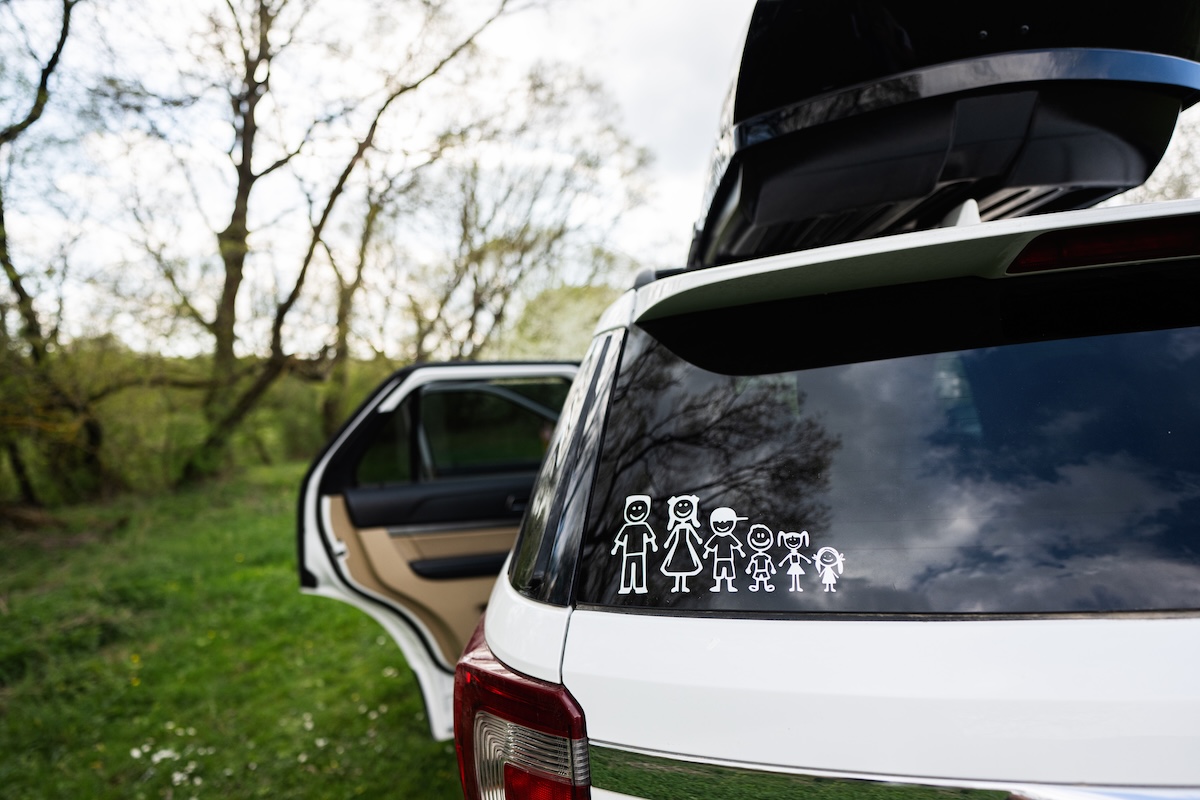
And for future reference, avoid putting stickers on the car’s paint. They’re harder to remove and you can easily damage your car’s paint while doing it. This can lead to needing a touchup or even a paint job. If you have to put a sticker on your ride, our Toyota of Orlando auto service techs recommend putting it on the glass.
If you’re someone who loves decorating your car with decals, consider removable window clings instead of permanent adhesive stickers. They’re much easier to take off and won’t leave behind stubborn residue. It’s a small switch that can save you time and effort down the road.
Get more tips from our Orlando Toyota experts
Have more questions about how to remove a sticker from a car or need help finding supplies for a stubborn sticker? Call our car care experts at (407) 298-0001 or stop by and see us at 3575 Vineland Road. We’re just off I-4 across from Millenia Mall! Our team is always happy to help you keep your Orlando Toyota looking its best with professional car care advice and quality service you can count on.
FAQs about Car Paint
1. Can you fix car paint damage at home?
Yes, minor car paint damage like small scratches, swirl marks, or chips can often be fixed at home using touch-up paint, polishing compounds, or scratch repair kits. However, deeper scratches, peeling paint, or clear coat damage typically require professional repair to achieve a smooth, color-matched finish.
2. How do you get stains off your car paint?
You can remove stains from car paint by washing the area first, then using products like bug and tar remover, white vinegar, or a clay bar to break down contaminants. For tougher stains like water spots or tree sap, a gentle polish or specialized cleaner may be needed, followed by waxing to protect the paint.
3. How can you protect your car’s paint?
Here at Toyota of Orlando, we’re dedicated to giving every customer an exceptional car buying and ownership experience. And we’ve got big news – that dedication is being recognized on a national level! We’re proud and excited to announce that our Orlando Toyota dealership has been named a 2026 Cars.com Dealer of the Year at the State Brand Level. It’s one of the most respected honors in the automotive industry, and we truly believe that we have our customers to thank for it!
As a leading Toyota dealership in Orlando, this award reflects what our team strives for every single day: putting our customers first and creating a dealership experience that stands out from everyone else in Central Florida.
Built on Customer Experience: Toyota of Orlando
What makes this award especially meaningful is that it comes directly from our customer feedback. Cars.com determines its Dealer of the Year winners based on verified customer reviews, including DealerRater scores and response rates. With more than 15 million consumer reviews from across North America, this recognition highlights dealerships like ours that consistently deliver outstanding service and sales experiences to our loyal customers.
At Toyota of Orlando, we believe buying a car should be exciting, transparent, and stress-free. Whether you’re searching for a new Toyota, a reliable used car, or expert auto service, our goal is to make every step as simple and enjoyable as possible. That’s what sets us apart as a trusted Toyota dealership in Orlando! We’re committed to a focus on people, not just transactions or sales goals.
It Takes a Team to Become a Dealer of the Year
This award is the result of a team that genuinely cares. From our knowledgeable sales professionals to our experienced service technicians and customer support staff, every department works together to create a five-star experience for every customer that comes through our doors. Cars.com recognized our commitment to “outstanding customer service and sales experiences,” which is something we take seriously every day.
We’re proud to help our customers find the perfect vehicle for their lifestyle, whether it’s a fuel-efficient sedan, a versatile SUV, or a dependable truck. And we’re just as committed after the sale, providing ongoing Toyota service and support you can count on from our trained technicians.
A Leader Among Toyota Dealerships in Orlando
Being named Dealer of the Year at the state level marks Toyota of Orlando as a standout Toyota dealership in Orlando and across Florida. It reflects the trust that our customers put in us and the reputation we’ve built in the Central Florida community over the decades we’ve been here. We know drivers have tons of choices when it comes to car shopping. That’s why we focus on what matters most: great pricing, a wide selection of vehicles, and a customer-first approach that makes your experience easy and enjoyable when you shop with us. From online shopping tools to our state-of-the-art service center, we’re committed to delivering convenience and value at every turn!
What’s Next for Our Team?
While we’re incredibly proud of this achievement, we’re not slowing down. We see this award as motivation to keep improving and continue setting the standard for what a Toyota dealership in Orlando should be. As Cars.com shared in their recognition, Toyota of Orlando is expected to continue “leading in both the region and the industry” and we fully plan to exceed those expectations.
Thank You, Orlando!
This recognition wouldn’t be possible without our amazing customers. Your reviews, your feedback, and your continued support are what made this award a reality. If you’ve been searching for a Toyota dealership in Orlando that truly puts customers first, we invite you to visit us today and experience the difference for yourself. Come see why we’ve been named a 2026 Cars.com Dealer of the Year, and why so many drivers in Central Florida choose Toyota of Orlando. We’re open seven days a week just off I-4 near the Mall at Millenia!
Can you really do paintless dent repair at home?
Updated on March 13, 2026
Executive Summary
Paintless Dent Repair (PDR) protects your factory finish by removing minor dents without sanding, fillers, or repainting. This makes it quicker and often more affordable than traditional repairs.
DIY methods can work for very small, shallow dents, using techniques like a plunger, dry ice, boiling water (for plastic bumpers), or store-bought dent repair kits. However, results are not guaranteed.
Not all dents are suitable for DIY repair. Deep creases, sharp body lines, cracked paint, or difficult-to-reach areas typically require professional tools and experience.
Professional PDR delivers more precise and reliable results. Certified technicians use specialized tools and lighting to fully restore the panel while preserving your vehicle’s value.
When unsure, it’s best to call the experts. Our Collision Center provides trained technicians, quality workmanship, and peace of mind for more complex dent repairs.
Can You Really Do Paintless Dent Repair at Home?
There’s nothing like stepping out to your Orlando Toyota vehicle in a parking lot, only to find an unexpected dent. Maybe someone banged a door into it, or you parked a little too close to a shopping cart. However, now you’re left with a dent that wasn’t there yesterday.
Naturally, you start thinking, will a DIY work? We’re “Making it Simple” by going over how it works, whether you can do it at home, and the tips and tricks that might help. Also, we’ll help you decide when it’s smarter to call in the professionals at Toyota of Orlando Collision Center.
What Is Paintless Dent Repair (PDR)?
Paintless Dent Repair (PDR) is a technique that removes dents and dings without sanding, body filler, or repainting. Instead of traditional bodywork, it gently manipulates the metal back into its original shape, preserving the factory finish and keeping your Orlando Toyota paint intact.
This means no mismatched paint, no primer, and often a much faster process than traditional dent repair. That’s why PDR has grown in popularity among car owners and professional body shops alike.
Is DIY Paintless Dent Repair Worth Trying at Home?
The simple answer? The answer is maybe, but it depends on many factors. Toyota of Orlando will go over it for you below!
Some small dents can (sometimes) be popped out with DIY techniques at home. However, more complex dents benefit greatly from trained Orlando Toyota technicians and specialized tools like the ones we have at our dealership. Before you jump in, it’s important to understand both the limitations and possibilities of DIY PDR.
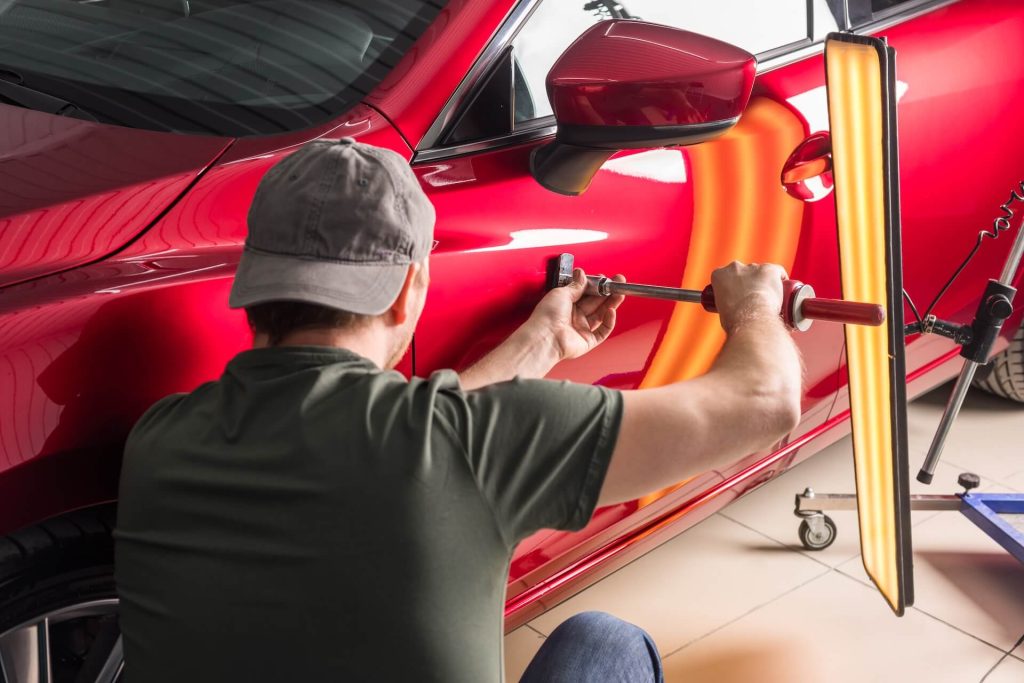
5 DIY Paintless Dent Repair Methods You Can Try
Here are some of the common methods people use at home to try to fix minor dents without painting.
1. The Plunger Trick
Believe it or not, a household plunger can help pull out shallow dents, especially on body panels with smooth surfaces. Wet the plunger, stick it over the dent, and pull firmly. If you get a good seal, the dent might pop back out.
Best for: Minor dents on flatter sections of panels like doors or the rear quarter.
Pros: No special tools needed.
Cons: Doesn’t work on all dents, and sometimes only partially removes the dent.
2. Dry Ice Method
This one sounds like a science experiment: wearing thick gloves, you rub dry ice over the dent. Plus, the idea is that rapid cooling contracts the metal, which can sometimes make the dent pop outward on its own.
Warning: Always use gloves. Dry ice can cause serious skin injury.
Best for: shallow, small dents.
Note: This doesn’t always work, and it’s more of a “try it and see” method.
3. Boiling Water for Plastic Bumpers
If the dent is on a plastic bumper, heating the area with boiling water can make the plastic more flexible. Then, you might be able to push the dent out from behind the panel using your hands.
Best for: Plastic bumper dents, not metal body panels.
Pros: Simple and inexpensive.
Cons: Risk of burns if you’re not careful.
4. Hairdryer & Compressed Air
This method combines heat and cold to manipulate metal.
- Heat the dented area with a hairdryer to expand the metal.
- Quickly spray a stream of compressed air (held upside down) to cool it and contract the metal.
Sometimes, that sudden temperature change causes the dent to pop out!
Best for: Shallow dents with minimal paint damage.
5. Metal Rod & Rubber Knockdown
Additionally, the next technique is more like real Orlando Toyota paintless dent repair, but it’s also trickier. You use a long metal rod from behind the panel (through an access hole), and gently massage the dent from the inside out while knocking down any high spots with a rubber mallet.
This is closer to what professionals do and requires patience, precision, and ideally, the right tools. Sound too complicated? Let us handle it at Toyota of Orlando. We’ll be happy to help!
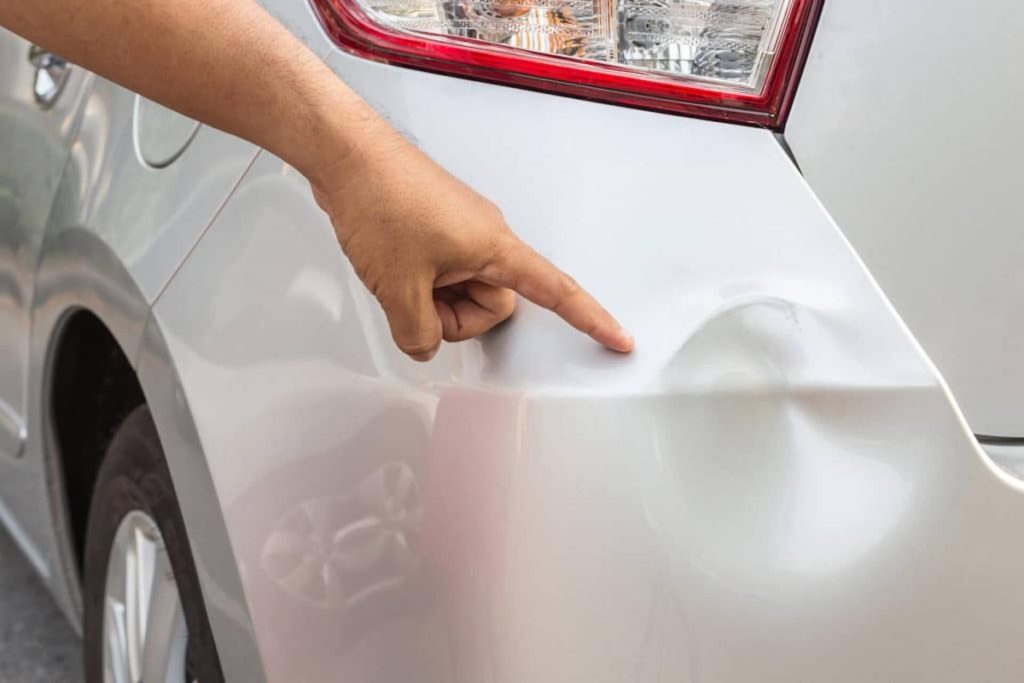
What Makes DIY Paintless Dent Repair Difficult?
Before you fire up the glue gun or grab your plunger, consider a few things.
Skill Matters
Using professional paintless dent repair tools like dent rods, picks, glue tabs, and light boards takes practice. Also, a little pressure in the wrong spot can make the dent worse or even crack your paint. It may not be worth it, and you might be better off leaving it to the professionals at the Toyota of Orlando Collision Center.
Not All Dents Are DIY-Friendly
Deep creases, dents with paint damage, dents on sharp body lines, or panels with access issues are usually not good candidates for DIY PDR. These require an Orlando Toyota body shop’s expertise and tools.
You Can Accidentally Make It Worse
Applying too much force, using the wrong tool, or accidentally creating new dings can make the repair more expensive later on. It’ll save your wallet to leave it to the pros.
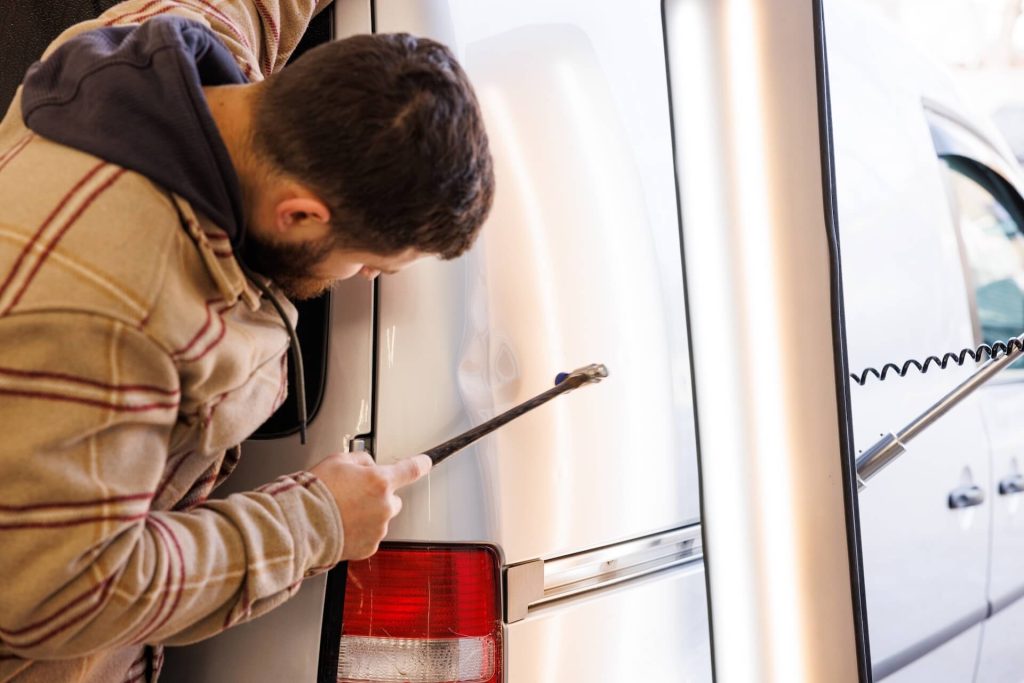
DIY Kits from Auto Parts Stores: Helpful or Harmful?
Yes, you can buy DIY paintless dent repair kits online or at auto parts stores that include:
- Glue pullers
- Dent tabs
- Hot glue gun
- Suction cups
- Simple rods
However, while they’re inexpensive and might work for very minor dents, they don’t replace professional tools or training as you’d get at our dealership.
Many car owners try these kits and see moderate results. However, others find the dent doesn’t fully go away, or they end up with paint damage that requires professional correction.
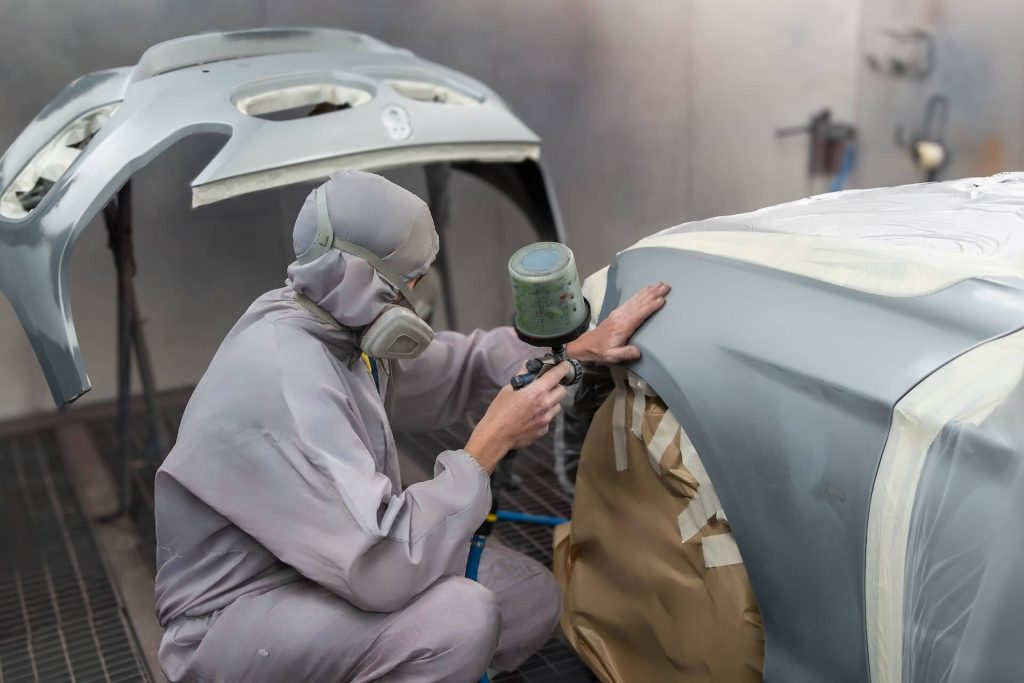
When to Call a Professional
Sometimes, DIY PDR is worth a shot, especially for small, shallow dents with no paint damage. But other times? It’s worth leaving it to the experts at our Collision Center.
Also, here are some good reasons to bring your Toyota to the pros at our body shop:
Paint Is Cracked or Scratched
If the dent has affected the paint, DIY methods are not recommended. Also, scratching or chipping paint can lead to rust and bigger repair bills.
Deep or Complex Dents
Dents with sharp creases or deep impacts often need specialized tools and experience.
You Want a Flawless Finish
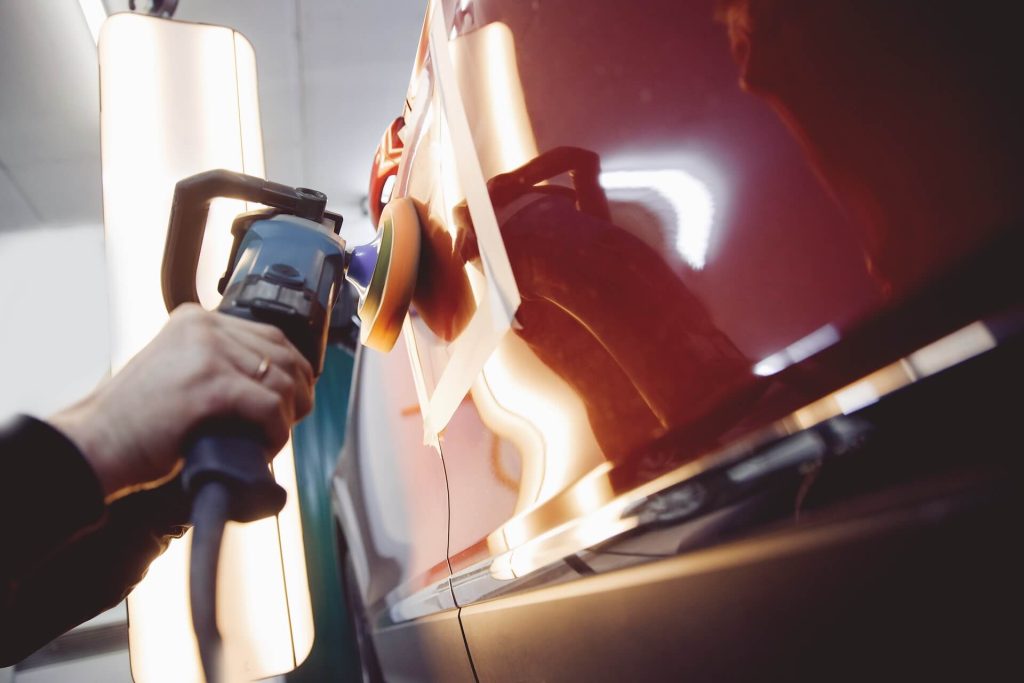
In addition, professional technicians use light boards and precision tools to ensure the metal is restored with minimal distortion and a clean finish.
You Want Warranty & Peace of Mind
Also, at our Collision Center, trained technicians can guarantee results, which is something DIY won’t offer.
Professional PDR: What to Expect
Here’s what to expect when you bring your Toyota to a certified body shop like our dealership for paintless dent repair:
- Technicians assess the dent’s size, location, and paint condition.
- In addition, they use precise metal rods and tools to massage the dent from behind.
- Also, light boards help reveal high and low spots so they can be smoothed out.
- Lastly, because no paint is removed or altered, your Toyota keeps its factory finish and value.
PDR often costs less and takes less time than traditional dent repair, and it’s usually covered by insurance when appropriate.
Final Thoughts: DIY or Professional?
DIY paintless dent repair can work for very minor dents, and it’s a fun challenge if you enjoy hands-on projects. But it’s not a guaranteed fix, and it can be risky if you don’t know what you’re doing.
For many Toyota owners, the best choice is to try simple methods as a first attempt. However, if the dent doesn’t pop out, call in the professionals for a quality, long-lasting repair that preserves your car paint and value.
Need Help With Paintless Dent Repair at Toyota of Orlando?
If you’ve tried at-home fixes and your Toyota still isn’t looking like it used to, or if the dent is more complicated than expected, we’ve got you covered!
Visit our Collision Center, where our trained technicians specialize in:
- Paintless dent repair
- Paint touch-ups
- Scratch removal
- Dings, chips, and collision repair
We’ll help get your Toyota back to like-new condition. Call today or schedule online! We’re open and waiting at 3575 Vineland Road, just off I-4 near the Mall at Millenia.
FAQ
1. How can you protect your car paint?
Our dealership offers professional car paint services at our Collision Center. Additionally, our trained technicians provide paint touch-ups, scratch repair, and full paint refinishing to restore your vehicle’s factory-quality finish.
2. How can you protect your car paint?
Protect your car’s paint by washing it regularly, applying wax or paint sealant, and parking in shaded or covered areas whenever possible. Also, you can add extra protection with paint protection film or ceramic coating and address chips or scratches quickly to prevent rust and further damage.
3. How can you remove stains and blemishes from car paint?
You can remove stains and blemishes from car paint by washing the area thoroughly and using a clay bar or specialized automotive cleaner. However, for more stubborn marks, light polishing with a quality compound can help restore the finish, but more serious damage may require professional detailing or paint correction.
Updated on 3/19/26
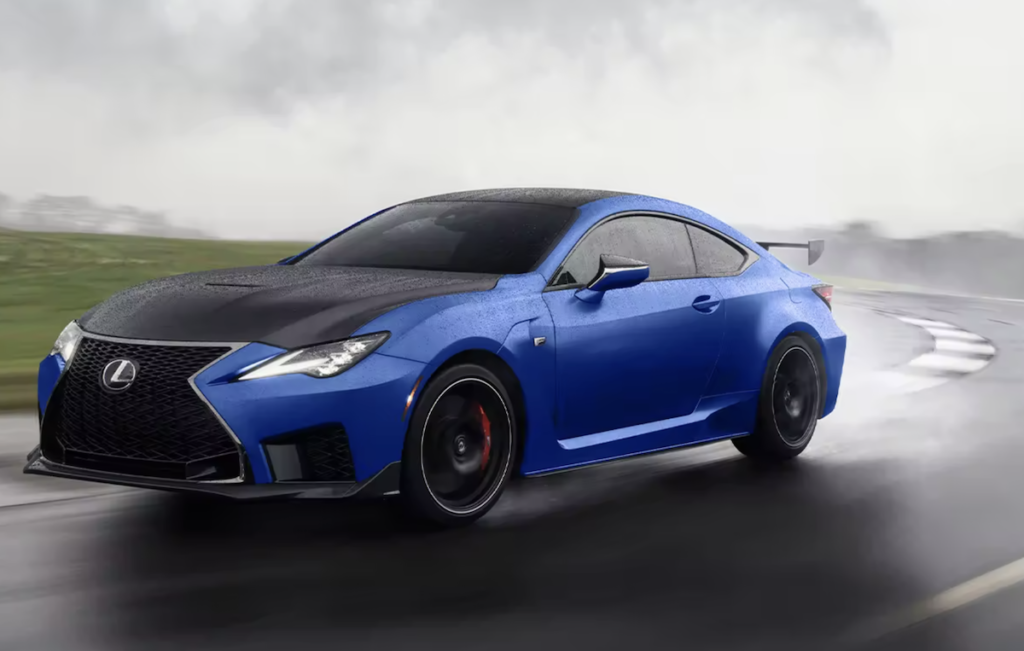
If you drive a Lexus and find yourself wondering “Can I take my car to a Toyota dealership for service?” – especially here in the Orlando area – you’re not alone! Many Lexus owners ask this question, especially if they don’t live near a Lexus dealer or are out on the road and need reliable maintenance without the stress. Let’s walk through what you need to know, how it works, and why it might make sense to book your Lexus service right here at Toyota of Orlando.
Scheduling Lexus Service with a Toyota dealer
- Yes, you can schedule Lexus service at a Toyota dealership, including right here at Toyota of Orlando.
- Routine maintenance and light repair work are usually no problem for Toyota-trained technicians.
- Factory warranty work or complex diagnostics may still be best left to a Lexus-authorized service center.
- Calling ahead and letting the service team know you’re bringing a Lexus helps ensure you have a smooth visit.
Yes, You Can Schedule Lexus Service at a Toyota Dealership
The short and friendly answer is yes! You can schedule Lexus service at a Toyota dealership, including right here at Toyota of Orlando’s Service Center. That’s because Lexus and Toyota are part of the same company, and they share a lot of the same engineering, parts, and overall automotive DNA.
Even though Lexus operates as Toyota’s luxury brand (which is why you don’t see new Lexus cars on new Toyota sales lots and vice-versa), there’s a ton of overlap under the hood. Engines, transmissions, and many of the vehicle systems are designed and developed under Toyota’s umbrella. Because of that, Toyota-certified technicians often have the training and tools needed for basic Lexus maintenance and many common repairs.
That’s why yes, you can call up our Orlando auto service team, let them know you’re bringing in a Lexus, and schedule an appointment. It’s especially useful if a Lexus dealer is far away or you’re traveling through Central Florida and need maintenance done quickly.
How Toyota and Lexus Are Connected (But Still Different)
Before we dig into the specifics, it helps to understand that:
- Lexus is the luxury division of Toyota. Toyota Motor Corporation created Lexus to compete in the premium segment, so the vehicles often have more advanced features, luxury-oriented upgrades, and higher-end components.
- Because both brands fall under the same corporate umbrella, they share many parts and systems, making it easier for Toyota service techs to work on many Lexus models.
So while a Lexus may feel different from a Toyota on the road, under the hood there’s a lot of technical common ground, and that opens the door for shared service capability.
What Kinds of Lexus Service Toyota Dealerships Can Handle
At Toyota of Orlando, we can help with many routine Lexus services, including:
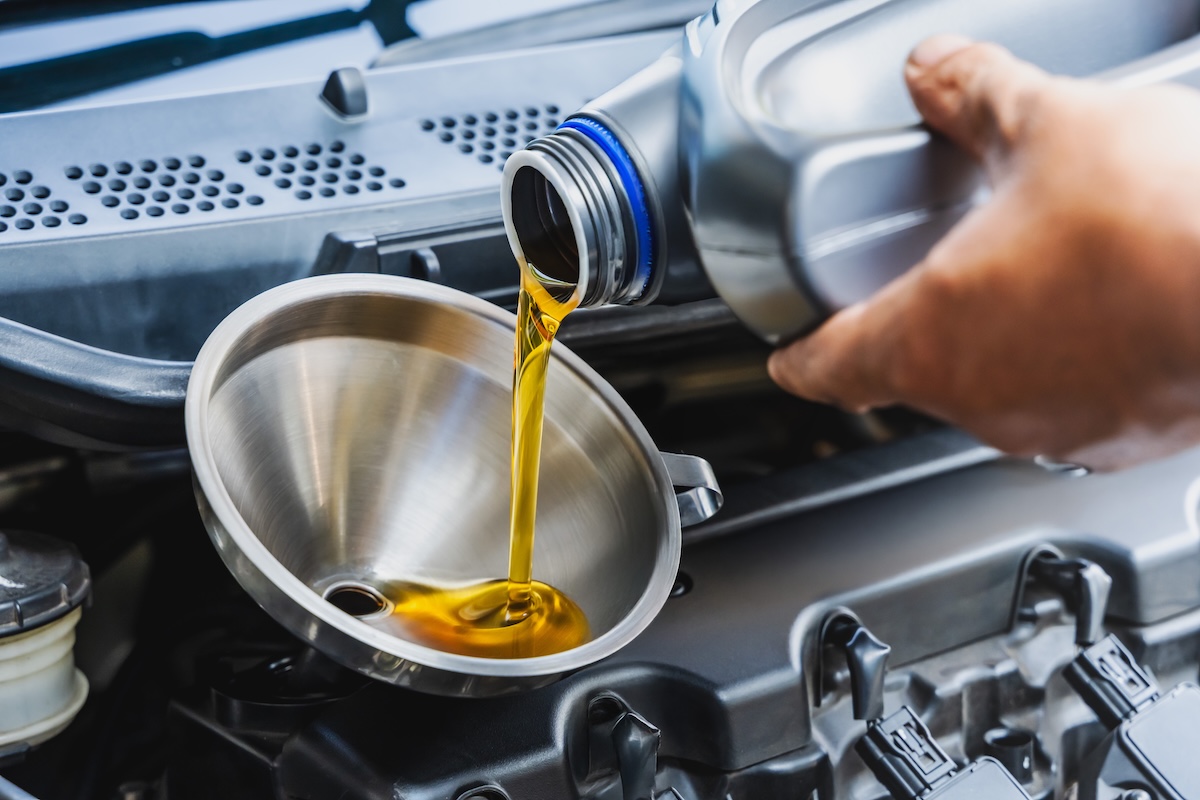
- Oil and filter changes
- Tire rotations and balancing
- Brake inspections and minor brake repairs
- Fluid checks and replacements
- Battery tests and replacements
- Multi-point inspections
- Basic electrical diagnostics
Because Toyota and Lexus share so much in common, you’ll often see the same genuine OEM parts used on both brands. That’s great for quality and reliability.
These routine services are exactly the kinds of appointments you can call in or schedule online through our Toyota of Orlando Service Center.
Why Calling Ahead Is Really Helpful
Even though you can bring your Lexus in for service, it’s best practice to call ahead before scheduling and let our service advisors know:
- That you’re bringing a Lexus, so they can plan accordingly.
- What kind of service you need, this helps them check if they have the right parts in stock.
- If the vehicle is still under factory warranty, because warranty coverage might affect where the work should be done.
Because Lexus dealerships are typically fewer and farther between than Toyota dealers, you can often find a Toyota service location closer to you in Central Florida.
What About Lexus Warranty Work?
This is an important factor: If your Lexus is still under its factory warranty, Toyota dealerships don’t officially honor Lexus warranty coverage. That means for warranty-related recalls or repairs you want covered under Lexus’s warranty, you would need to go to a Lexus-authorized dealership. Warranty work is different from basic maintenance because the factory wants to be sure the service center uses certified Lexus parts and tools, and that the technician is trained specifically for luxury-level work.
So if your warranty is still active and the repair or service might involve coverage, double-check with Lexus first. Otherwise, routine maintenance typically isn’t impacted.
Certain Lexus Models May Need Specialized Attention
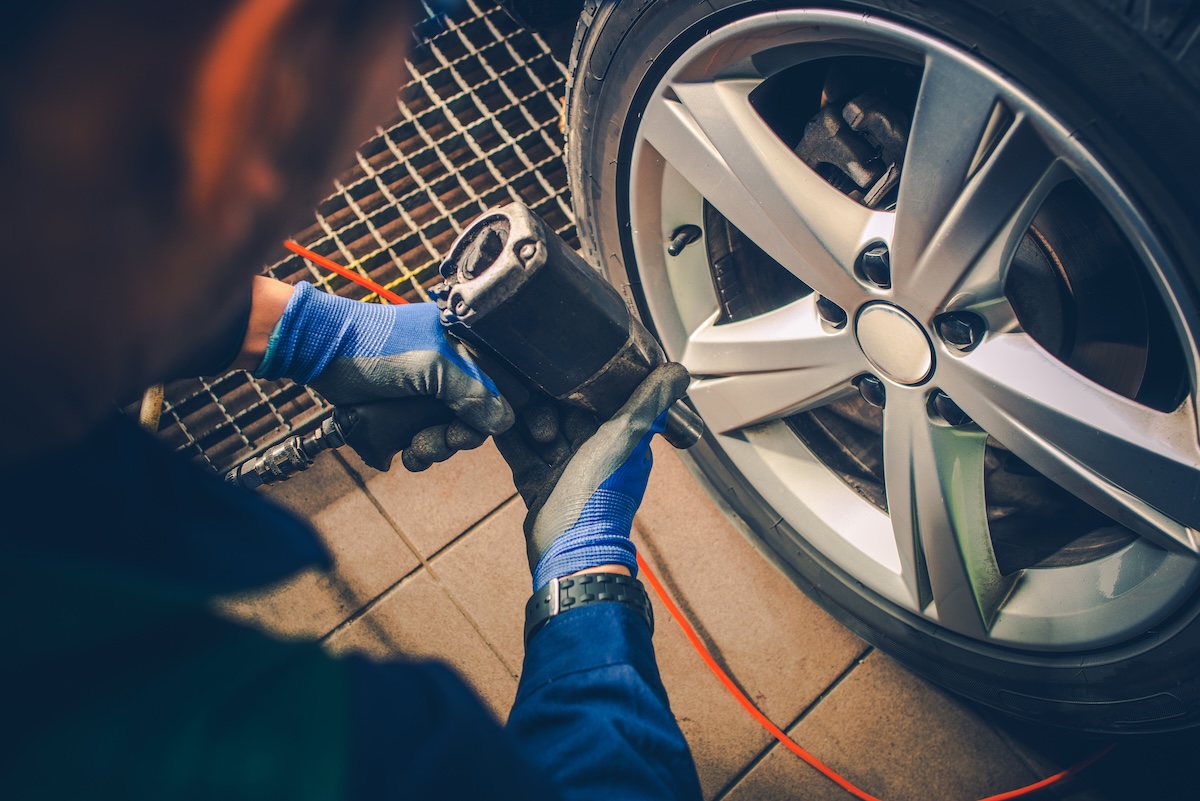
Another thing to keep in mind is that some Lexus models, especially performance-oriented trims, hybrid systems, and advanced luxury tech, may require specific diagnostic tools or training that are more often found at Lexus service centers.
For example:
- Complex electric or hybrid drivetrain work
- Advanced suspension or AWD system diagnostics
- Luxury-specific interior component troubleshooting
Those types of services might be better handled at a Lexus-certified location. But for most everyday, routine services, Toyota service centers like ours can get you taken care of.
Benefits of Servicing Your Lexus at a Toyota Dealership
Choosing a Toyota dealership for routine Lexus care can mean:
- Greater convenience – more locations, easier scheduling
- Often faster service appointments
- Familiar, certified technicians ready for basic Lexus work
- Genuine parts when available
- Local Orlando service near I-4, Millenia Mall, and Central Florida
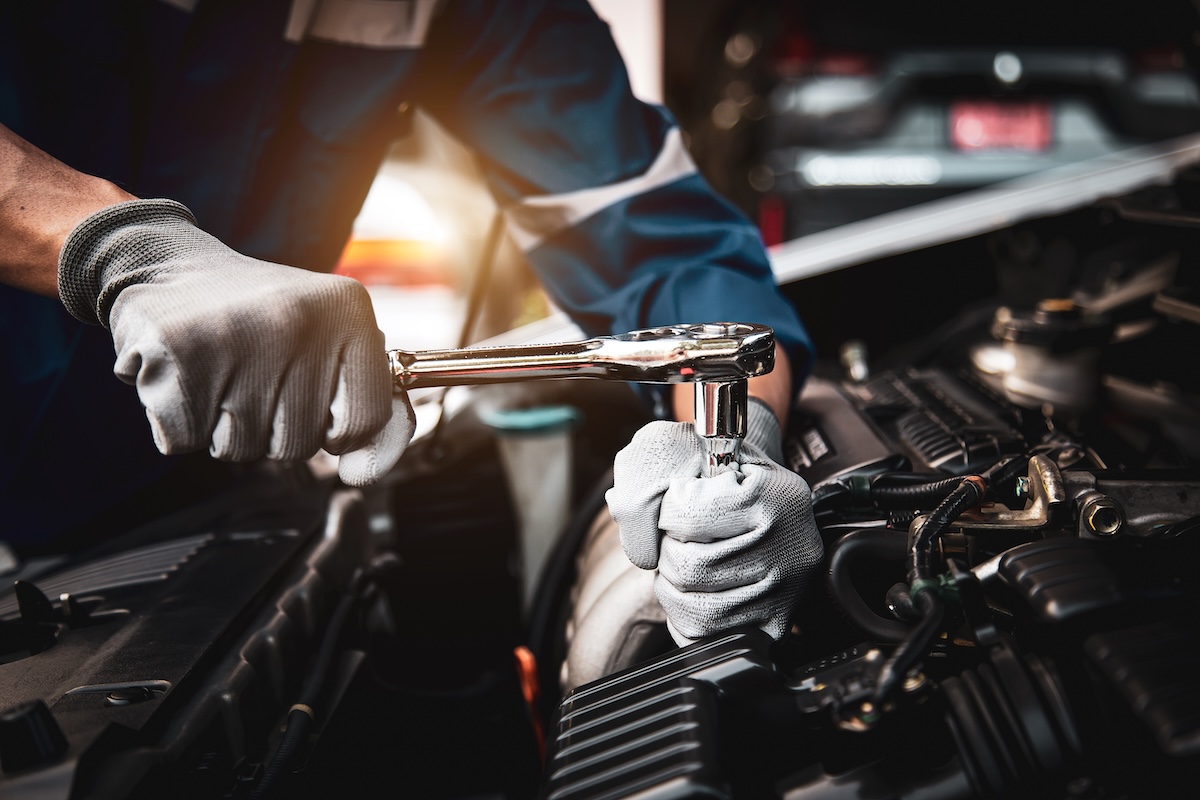
This crossover servicing option exists because Toyota and Lexus engineers design these vehicles on shared platforms so your Toyota tech likely already has experience working on Lexus systems.
How to Schedule Lexus Service at Toyota of Orlando
Ready to get your Lexus serviced?
Here’s how to do it with ease:
Call us:
Toyota of Orlando Service Center at (407) 298-0001
Schedule online:
Use our online service scheduler anytime; just select your preferred date and service type.
Visit us in person:
We’re conveniently located at 3575 Vineland Road in Orlando, just off I-4 near the Millenia Mall. Perfect whether you live here or are passing through Central Florida.
Our goal is to make your appointment simple, stress-free, and affordable, whether you drive a Toyota, a Lexus, or both.
Schedule today at our Auto Service Center
If you’re in Orlando or visiting Central Florida and need quality care for your Lexus, give our team a call or book online – we’re here to help keep your vehicle running its best!
FAQs:
What auto services do we offer at Toyota of Orlando?
We offer a wide variety of auto service and repairs at Toyota of Orlando, including:
- Oil and filter changes
- Tire rotations and balancing
- Brake inspections and minor brake repairs
- Fluid checks and replacements
- Battery tests and replacements
- Multi-point inspections
- Basic electrical diagnostic
And more. Not sure if we can help you with the service you need? Call us today to find out!
What are the most important auto services?
Believe it or not, the most important auto services you can get for your ride – Lexus or Toyota – are the routine ones. Staying up on oil changes, tire rotations, battery checks, brake service, and inspections can save you time and money down the road.
Does Toyota of Orlando offer service specials?
Absolutely. We offer both price-matching AND auto service specials that we update frequently to meet your needs. Check them out before you book your next Toyota service appointment to save bug bucks!

Big news in the world of Toyota – the 2027 Toyota Highlander has been completely redesigned, and we’re talking bumper to bumper, inside and out. Even the powertrain has been overhauled – what used to be a gas and hybrid family ride is now going to be fully electric. It’s been reimagined from the ground up but although it’s sporting a brand-new look, it still retains the comfort, safety, and versatility of former generations.

Updates for the 2027 Model Year
So, what can you expect from the 2027 Toyota Highlander when it arrives at our Orlando Toyota dealership? Here are some of the main highlights before we dive into it:
- It still seats up to seven and has a spacious, comfortable cabin perfect for everything from school pick-up to family road trips
- It’ll sport a brand-new electric powertrain – this means plugging in and charging up and no need for gas
- It’s Toyota’s first three-row electric vehicle for the U.S. market and the first three-row EV assembled in America
- It’s not only sporting a sleek new design – it’s also got cutting-edge technology to match its forward-thinking powertrain
The goal? For Toyota to continue to show its commitment to expanding its electrified lineup. We’re here for it – let’s get ready to welcome the 2027 Toyota Highlander to Toyota of Orlando!
Exterior Style: What to Expect from this Electrified SUV
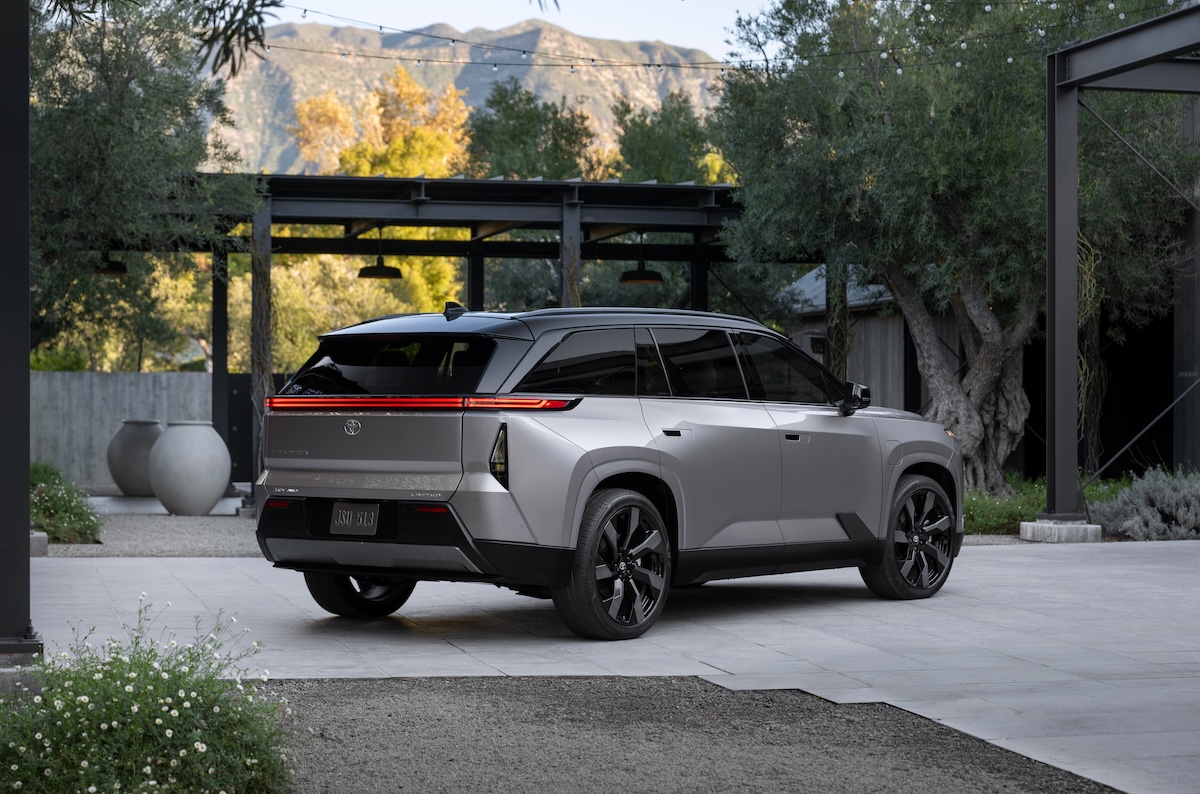
The 2027 Toyota Highlander looks starkly different from previous models – it’s new exterior is streamlined, aerodynamic, and futuristic. It’s sporting:
- Clean, sculpted lines with broad fenders and an athletic stance
- An LED daytime running light scheme that’s modern and high tech
- Flush door handles and a unique, sleek front fascia
Basically, it’s going to stand out no matter where it’s parked… so get ready to turn heads.
What’s It Like Inside the Cabin of the 2027 Toyota Highlander
What’s it like inside the cabin of this new Toyota SUV? Here’s what you can expect when you drive it home from Toyota of Orlando.
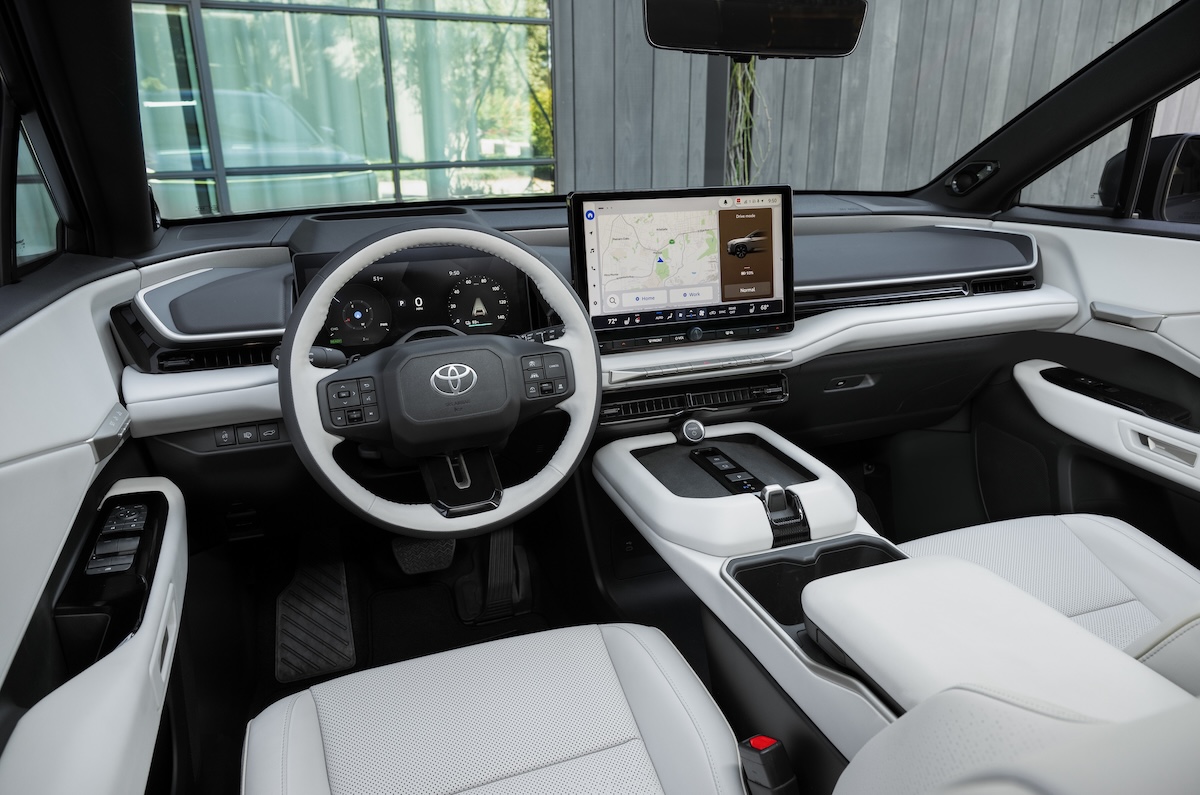
- A tech-forward cabin that has a 14-inch touchscreen as the centerpiece, as well as a 12.3 inch digital driver’s display.
- The interior is three-row and offers the option of a second-row bench or captain’s chairs. The cabin is trimmed with SofTex and soft-touch materials, and heated front seats come standard. You can also opt for ventilated front seats and heated second-row seats.
- There’s customizable ambient lighting throughout the cabin, as well as tons of charging options to keep your devices powered up.
- You’ll love the available panoramic fixed glass roof for your daily dose of sunshine.
- You can fold the third row completely flat to access more than 45 cubic feet go cargo space… room for anything.
All in all, it’s an airy, comfortable, and convenient interior to enjoy every time you hit the road.
Let’s Talk Performance in the 2027 Toyota Highlander
The 2027 Toyota Highlander will be up for grabs in two models when it arrives at Toyota of Orlando: XLE and Limited. Here are the performance highlights for each:
- The XLE grade comes in both front-wheel drive or electronic all-wheel drive. The FWD models have a standard 77.0-kWh battery, while the AWD models offer you the choice of the 77.0-kWh battery or a larger 95.8-kWh battery.
- AWD models will produce 338 net combined horsepower and 323 lb-ft torque. FWD models will produce 221 net combined horsepower and 198 lb-ft of torque.
- The Limited grade will come standard with AWD and the 95.8-kWh battery.
- AWD models will also come with multi-terrain select and CRAWL control so you can take this Orlando Toyota anywhere.
- All models will sport Toyota Safety Sense 4.0, as well as the Toyota Audio Multimedia system so your tech and safety are the best of the best.
Let’s talk about Vehicle-to-Load (V2L) capability. This is a first for a Toyota model sold in America, and it’s pretty exciting. Basically, the 2027 Toyota Highlander can serve as a mobile power source. It’s able to supply electricity to external devices and appliances. This means you can get your tailgate on, but you can also provide backup energy at home if we get one of our infamous summer hurricanes and the power goes out.
The 2027 Toyota Highlander will also integrate Toyota’s Charge Assist and ECO Charge Features. This means you can optimize charging – it enables your Orlando Toyota to charge during lower-rate periods or when renewable energy is available.
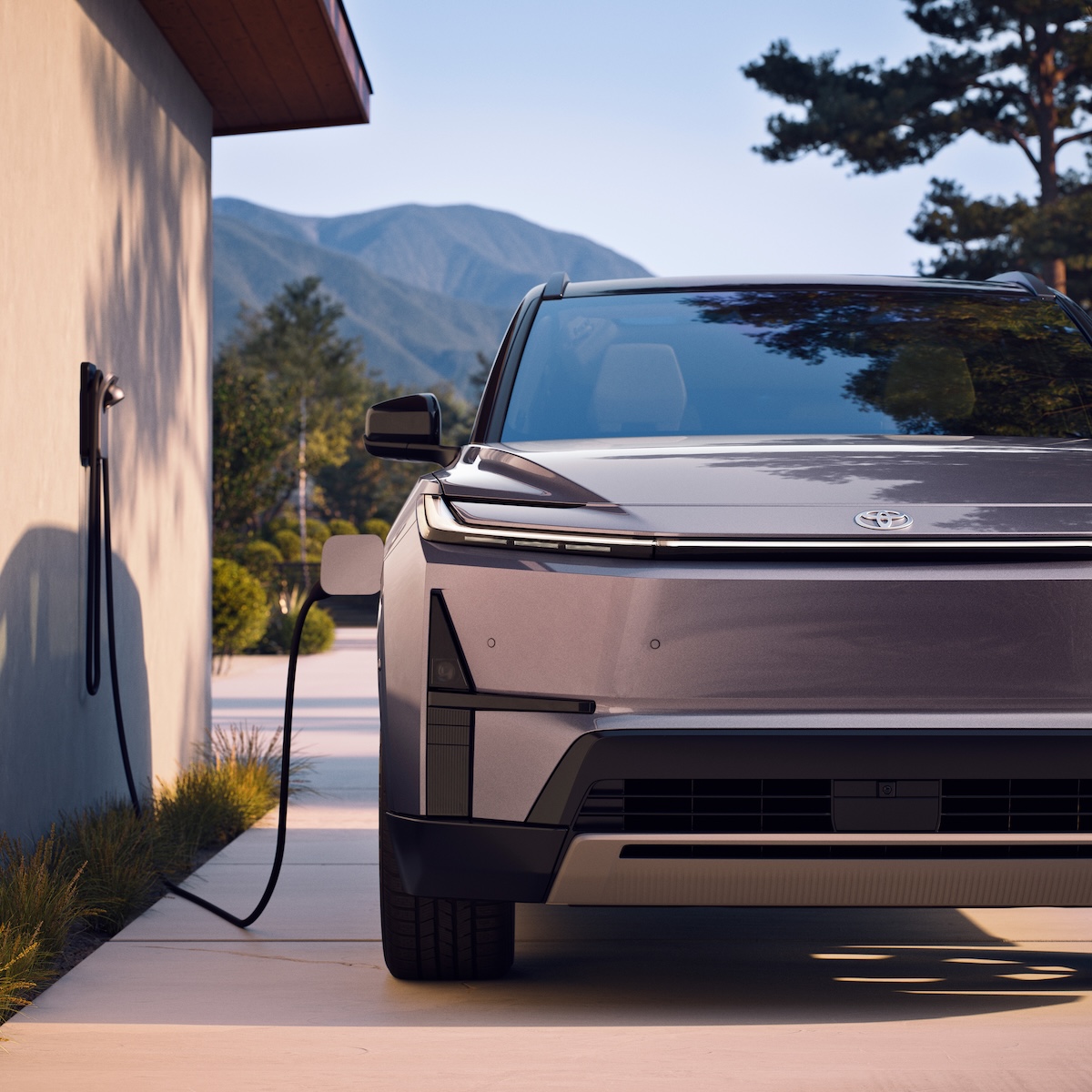
The Orlando Toyota Highlander as an EV
Driving an electric car is a truly unique experience, and we know that some drivers have a little trepidation about it. But you can expect a quick, responsive, fun ride thanks to a lower center of gravity and instant torque from that electric motor. Toyota placed a precedent on ensuring that the 2027 Toyota Highlander would not only be efficient, but also enjoyable to drive. “Our goal with the new Highlander was to develop a BEV that fits customers’ lives and brings a smile to their faces with sharp acceleration feel and a quiet ride,” said Highlander chief engineer Yoshinori Futonagane. Here are some more fun facts about Toyota’s EV initiative:
-
- The 2027 Toyota Highlander is the fourth EV in Toyota’s EV lineup, joining the Toyota bZ, bZ Woodland, and C-HR.
- Toyota plans to offer 22 different models with electrified powertrains in the future.
Production of the 2027 Toyota Highlander will take place in Georgetown, Kentucky. Its batteries will be sourced from Toyota’s new $13.9-billion battery plant in North Carolina, as well as from a supplier partner. Just further proof that Toyota is fully invested in American manufacturing and advanced battery tech!
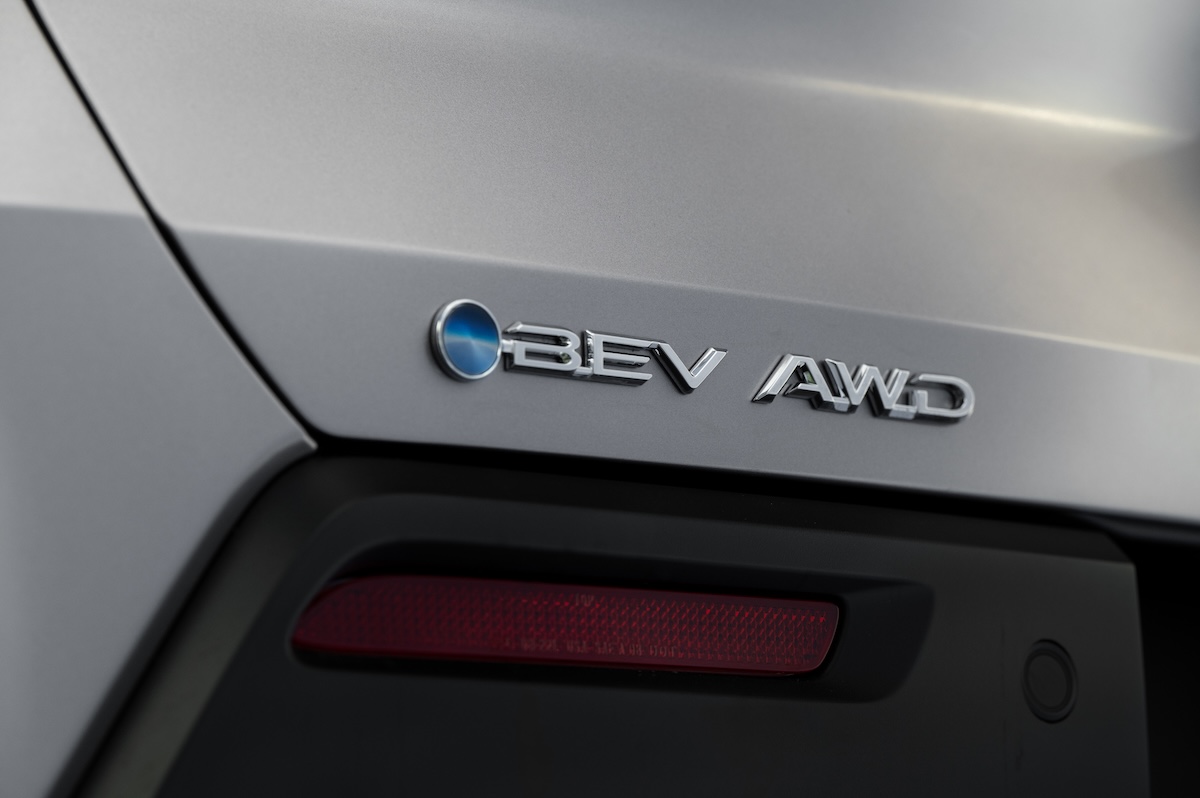
When will the 2027 Toyota Highlander be at Toyota of Orlando?
The 2027 Toyota Highlander will start arriving at dealerships in late 2026 and into early 2027. The MSRP isn’t available yet, but we expect it to be announced closer to the actual sale date (and we’ll keep you posted).
Find the Perfect EV at Toyota of Orlando
Want to learn more about EVs or explore our current EV lineup? Or maybe you’re eager to get your hands on a 2026 Toyota Highlander before they’re gone. Either way, swing by Toyota of Orlando. We’re open until 10pm just off I-4 near the Mall at Millenia. Follow us on social media for more updates about the 2027 Toyota Highlander!
Choosing a lift kit for your Toyota Tacoma
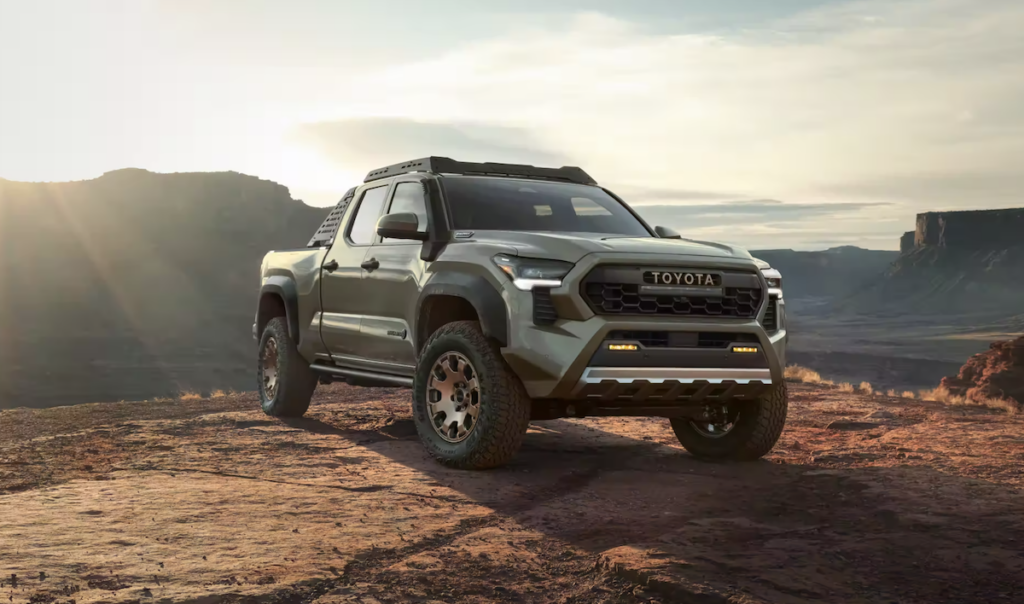
So you finally got your dream Tacoma and it’s sitting in your driveway, waiting to be customized. A lift kit is one of the most common modifications that Tacoma drivers add to their trucks. But how do you choose the right lift kit for your new Orlando Toyota? Our parts specialists are here with tips.
The Toyota Tacoma: Built for safety
When the Orlando Toyota Tacoma comes to mind, the first characteristic you likely think of isn’t safety. Performance, definitely. This truck is renowned globally for its versatile and powerful performance, perfect for getting off the pavement. You may also think of style, as it has a unique and sporty appearance woven into its design both inside and outside. However, safety probably is at the bottom of the list of qualities that spring to mind when you think of the Toyota Tacoma.
This Toyota Tacoma survived a traumatic accident
Not anymore – after a recent post to the Toyota USA Facebook, safety has definitely become a more prominent benefit when it comes to owning this Toyota truck! Take a look at the photo below:

This truck was in a traumatic accident with a semi-truck – for most vehicles, that would mean a complete and total loss of the vehicle and likely, devastating injuries to its occupants. But when you look at this picture, you can see that while the front and back ends of the truck were completely crushed by the semi and the force of the impact, the cab is intact. And so were its passengers. It seems impossible, but the picture doesn’t lie, and neither does the EMT who submitted it.
See all of the safety features in this Orlando Toyota today
What makes safety so possible in this Orlando Toyota truck? Here are some of the safety features you’ll find when you get behind the wheel:
Toyota Safety Sense P. This is a special and unique set of safety technologies that Toyota developed including the Pre-Collision System with Pedestrian Detection, Lane Departure Alert, Dynamic Radar Cruise Control, and Automatic High Beams.
- A driver and front passenger Advanced Airbag System
- 3-point seatbelts for ALL seating positions as well as the LATCH system for car seats
- A tire pressure monitoring system to ensure all tires are inflated to the proper levels and not in danger of a blowout
- A Blind Spot Monitor with Rear Cross-Traffic Alert
- Multi-terrain select and CRAWL control for off-road safety
- Active Traction Control for superior handling on all surfaces
- Star Safety System, which is composed of Vehicle Stability Control, Traction Control, Anti-lock Brakes, Brake Assist, and Smart Stop Technology
- A rear parking assist sonar and an integrated backup camera so parking is a breeze
- Hill Start Assist Control for getting going on steep surfaces.
Not to mention, an engine immobilizer to help prevent theft.
And the best news yet? All of this safety can be at your fingertips for an affordable price. The 2018 Toyota Tacoma has a starting MSRP of just $25,400 so it’s an affordable option for all. And you’ll have tons of trim-levels, cab sizes, engine sizes, bed sizes, packages, accessories, and more to choose from. It’s simple to make it customized to your drive time needs!
What are you waiting for? See EVERYTHING the 2018 Toyota Tacoma has to offer you – get behind the wheel. Toyota of Orlando is open seven days a week at 3575 Vineland Road, just off I-4 near the Millenia Mall. Call today to schedule your test drive! (407) 298-4500
The 2026 Toyota Tacoma: A Truck For Adventurers
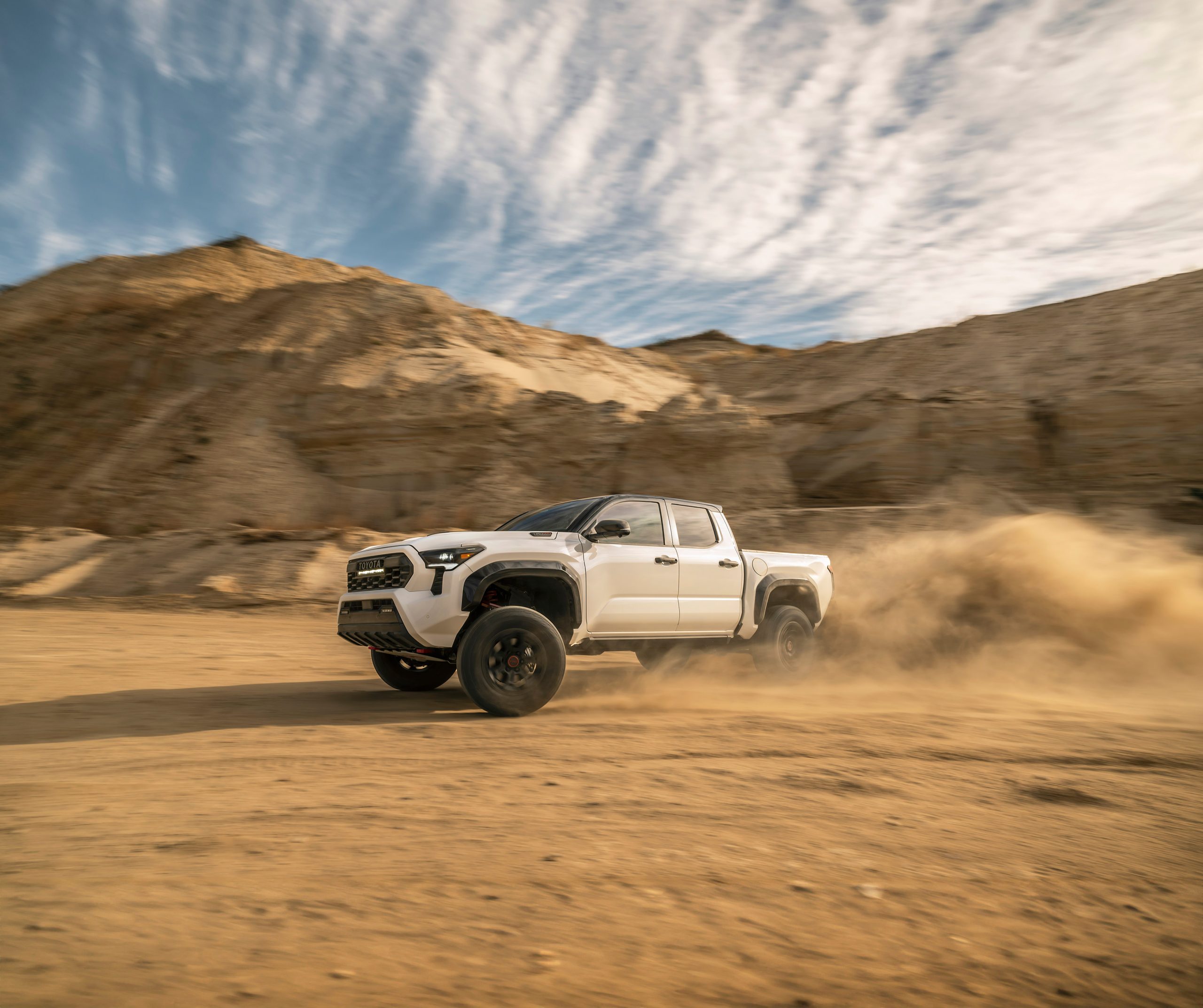
The Toyota Tacoma is a midsize truck that can go anywhere and do anything, and this year’s model is no exception! The 2026 Toyota Tacoma brings some newly refined areas across the truck and matches them with smart tech, smoother performance, and better trail capability. It’s truly the complete package for modern adventurers! We’re going over everything you need to know about the 2026 Toyota Tacoma and why this truck remains America’s most trusted midsize pickup.
New Updates in the 2026 Toyota Tacoma
The Toyota Tacoma had a pretty large revamp two years ago, so this year’s model is just a more refined and polished version. There are small enhancements throughout the truck to enhance comfort, everyday drivability, and off-road usability. Some key highlights include:
- Fine-tuned hybrid power delivery, which will give you a smoother transition when you’re shifting between gas and electric power.
- Increased towing capacity of up to 6,800 pounds on the i-FORCE MAX hybrid models.
- Wireless trailer camera system integration for better visibility while towing.
- Enhanced sound insulation for quieter rides around Orlando and beyond.
- Updated Trailhunter trim overland package with revised suspension tuning and better roof rack capacity.
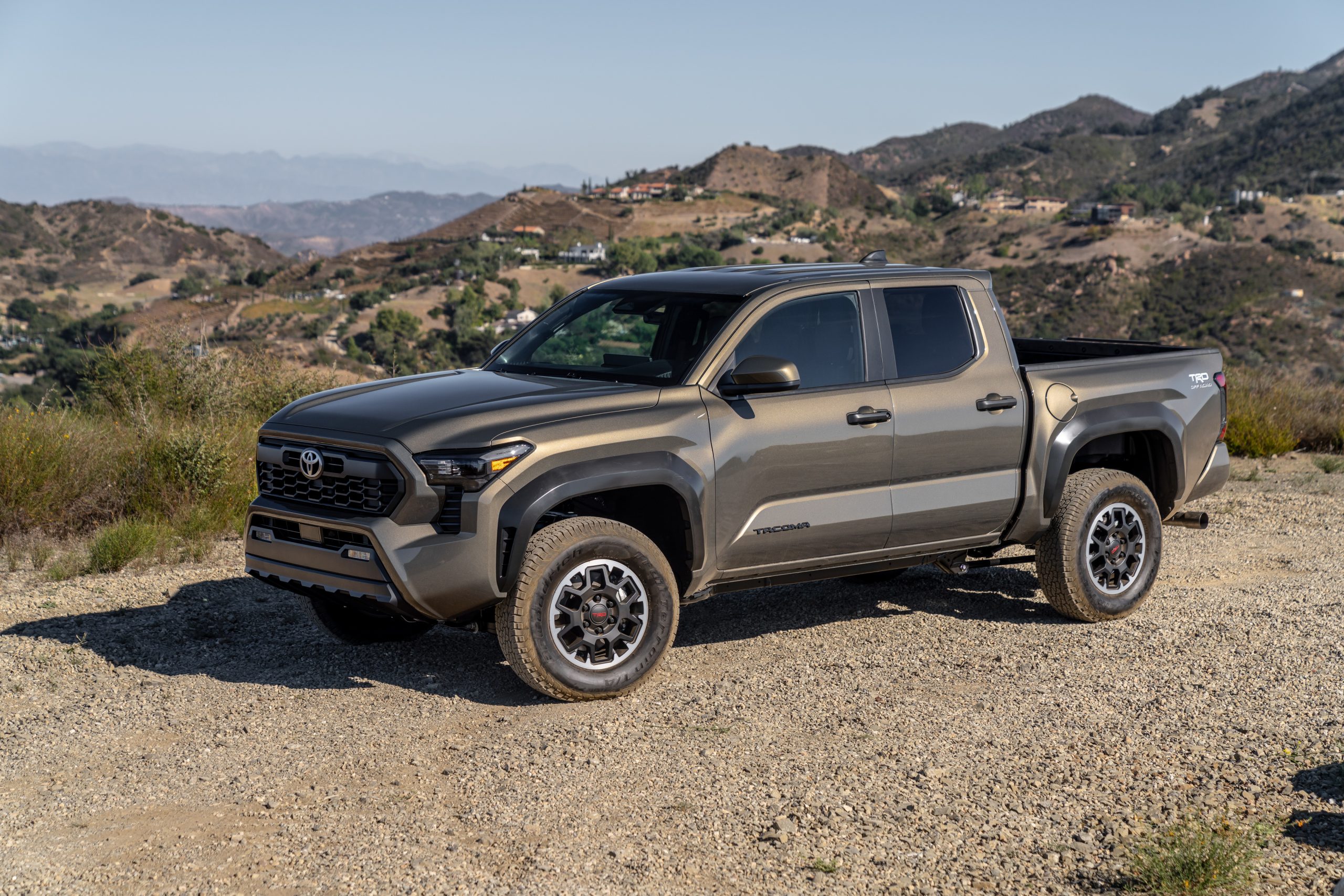
Performance and Capability of the 2026 Toyota Tacoma
The Tacoma is built to perform on any terrain: pavement, sand, mud, or even rock! Now you get to choose between two powertrains for the 2026 Toyota Tacoma, both engineered to deliver serious torque and efficiency.
- The 2.4-liter turbocharged four-cylinder (i-FORCE) system
- Paired with either a 6-speed manual or an 8-speed automatic transmission.
- Up to 278 horsepower and 317 lb-ft of torque (with automatic).
- The 2.4-liter i-FORCE MAX hybrid system
- Delivers instant power thanks to the 48-hp electric motor.
- Produces up to 326 horsepower and 465 lb-ft of torque.
Other capabilities and performance details include:
- A towing capacity up to 6,800 pounds (as previously mentioned).
- A payload rating of 1,700 pounds, depending on the trim.
- Multi-link rear suspension on higher trims for improved ride quality.
- Standard 4WD options with selectable drive modes like Normal, Mud, Snow, and Sand.
- An available disconnecting front sway bar for extreme off-road articulation.
- Upgraded FOX internal-bypass shocks are on the TRD Pro and Trailhunter models.
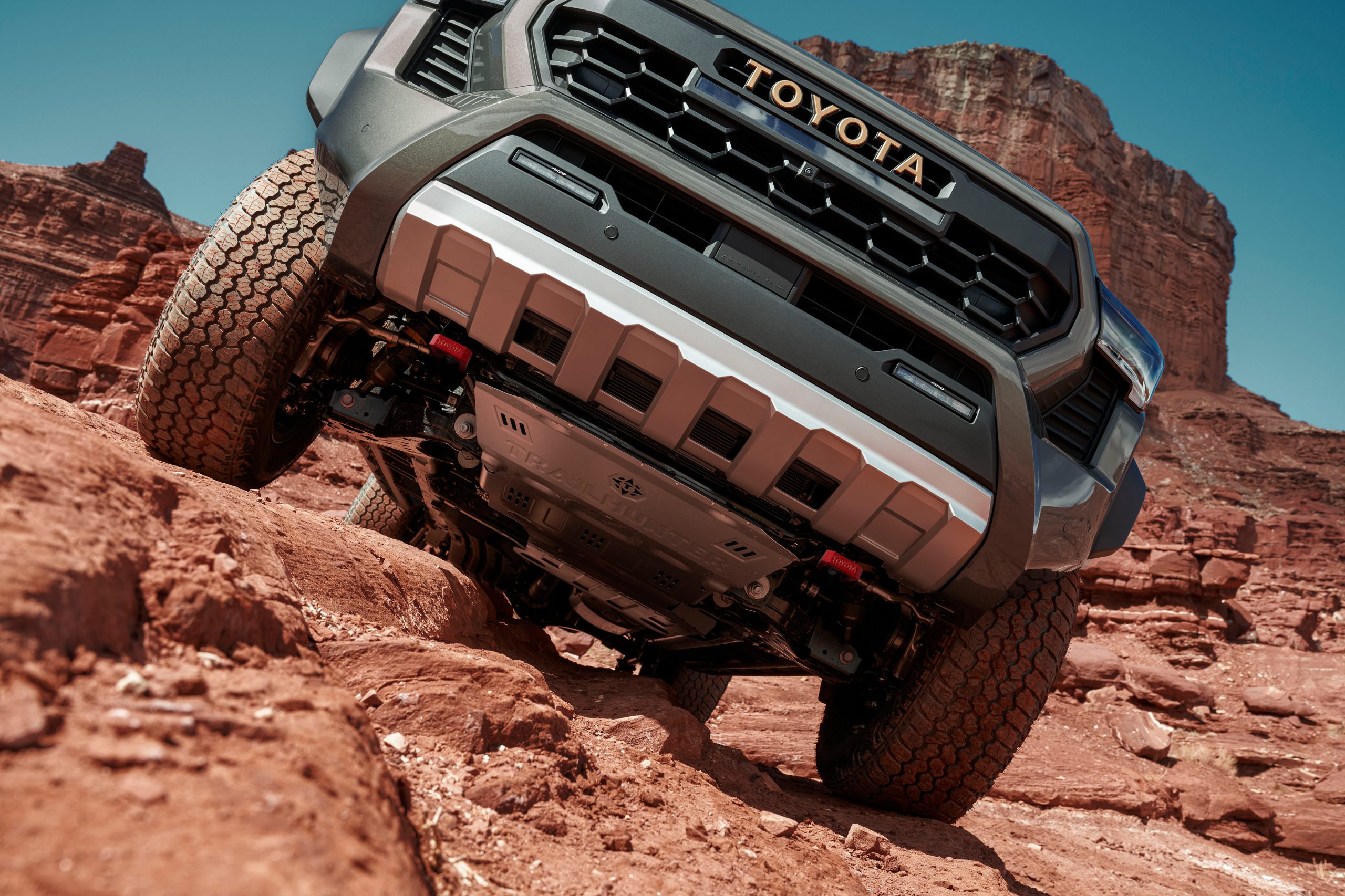
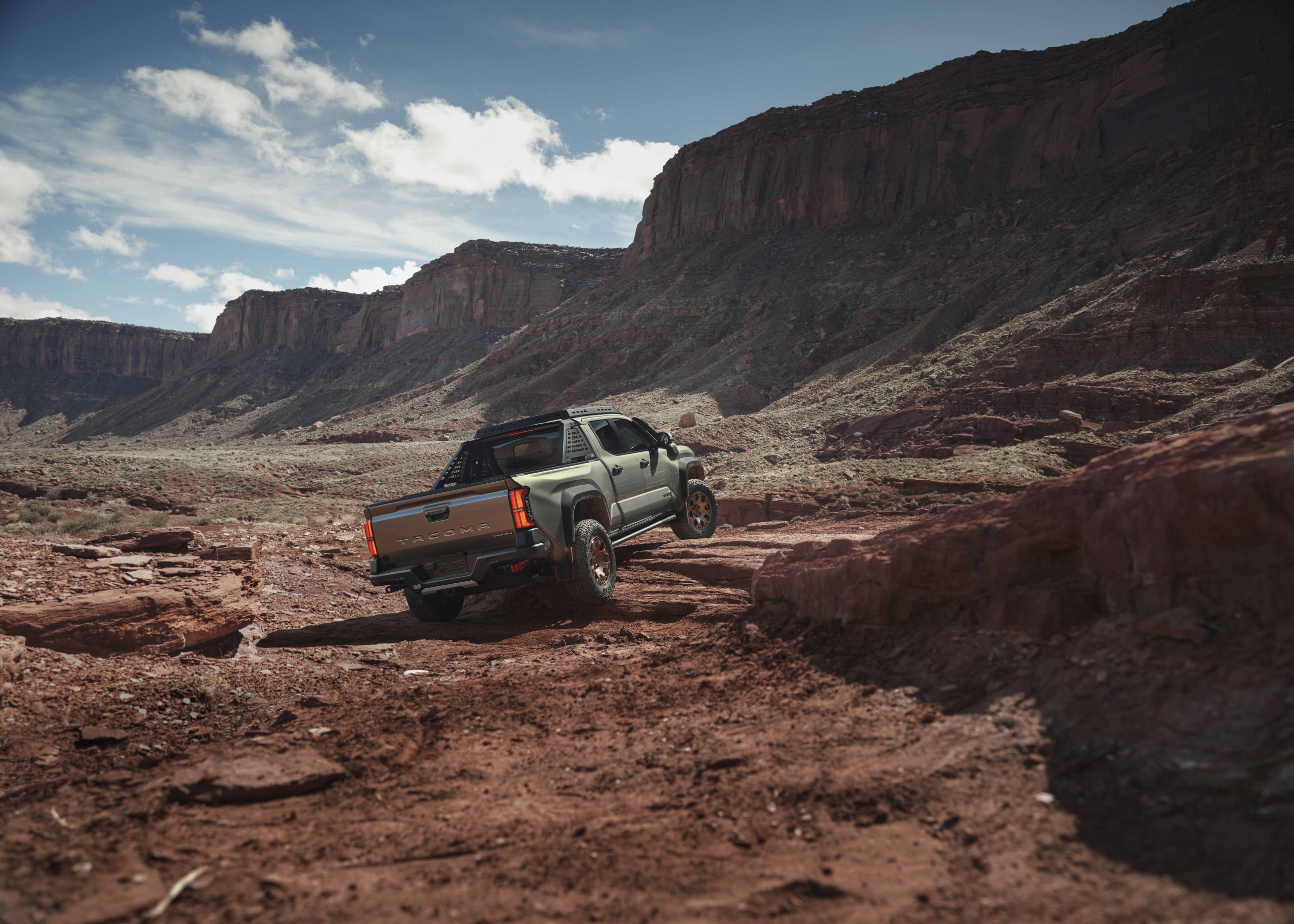
Enjoy The Rugged Style of a Tacoma
Toyota struck gold with the Tacoma’s redesign by combining classic toughness with a modern edge. The 2026 Toyota Tacoma builds on this winning look with design highlights such as:
- A wide and muscular stance, with flared fenders emphasizing strength.
- Aggressive hex-mesh grille flanked by sleek LED headlights.
- Boxed steel frame construction for peak durability.
- A tailgate with an integrated release handle and a hidden storage compartment.
- A functional hood scoop on the TRD trims to evoke top performance.
- Optional sport bar and roof rails to enhance utility and rugged aesthetics.
Each trim of the Tacoma has its own vibe – from the trail-ready TRD Pro to the sleek, blacked-out Nightshade Edition. But no matter which one you choose, this iconic Toyota truck looks like it means business!
The 2026 Toyota Tacoma’s Interior
Climb inside the 2026 Toyota Tacoma, and you’ll immediately see Toyota’s focus on comfort, technology, and daily usability. This year’s model stepped away from the older generation’s utilitarian cabin feel to bring a more refined, relaxing interior. It’s the perfect blend of practicality and comfort!
- Enjoy SofTex, leather, or fabric-trimmed seating (depending on trim level).
- There are heated and ventilated front seats for year-round comfort, and even a power-adjustable driver’s seat with memory settings on higher trims!
- The cabin layout was redesigned with higher-quality materials, better ergonomics, and more spacious rear under-seat storage.
- Use the open storage ledge above the glovebox for any quick-grab items like a phone or tools.
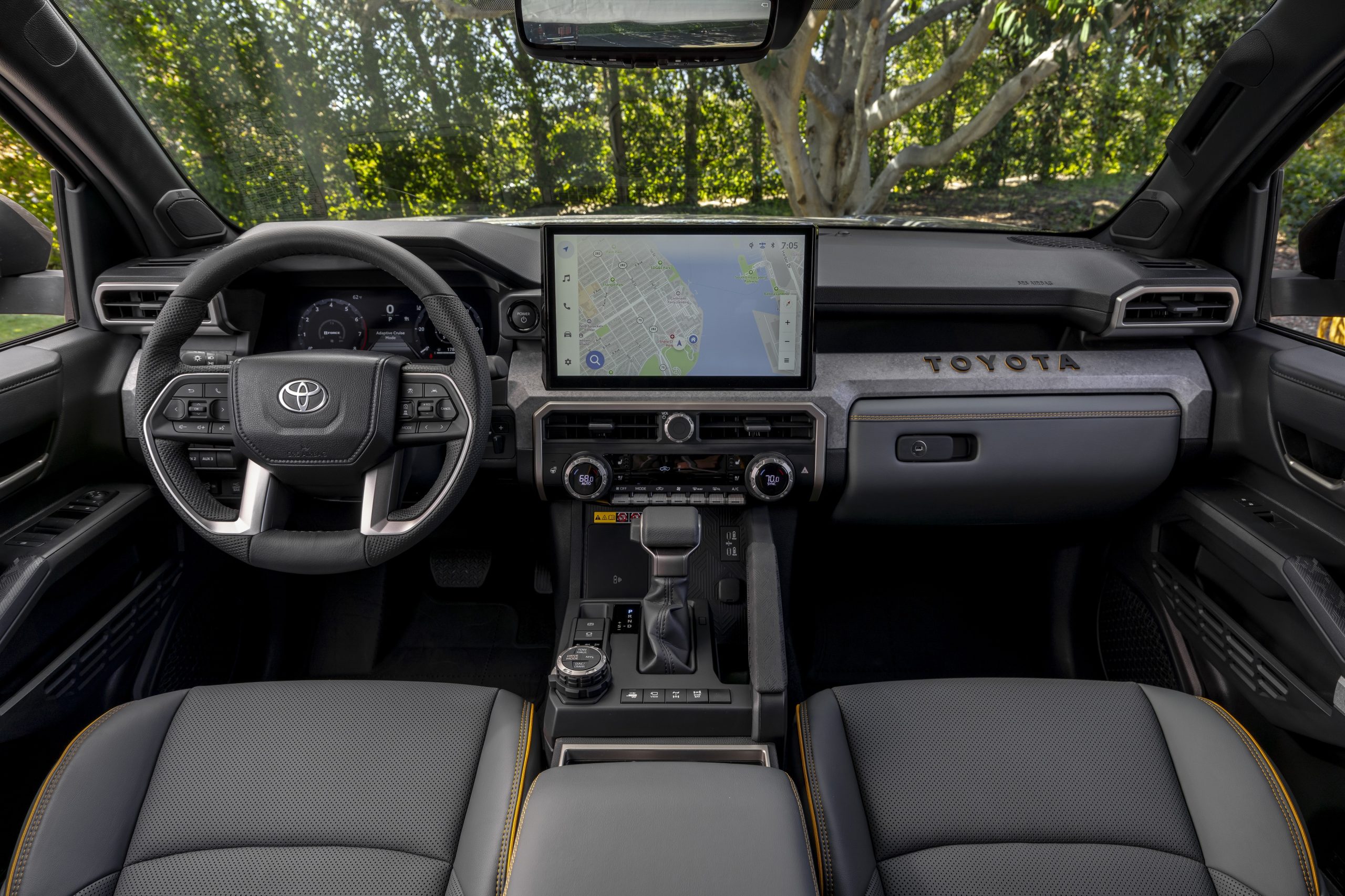
Staying Connected and Entertained in a Tacoma
The 2026 Toyota Tacoma includes the latest infotainment features from Toyota, making it as innovative as it is tough! You’ve got tech and connectivity highlights like:
- A standard 8-inch or available 14-inch touchscreen with Toyota’s latest Multimedia System.
- A 12.3-inch digital gauge display with configurable graphics.
- Multiple USB-C ports throughout the cabin and a wireless charging pad for easy connectivity.
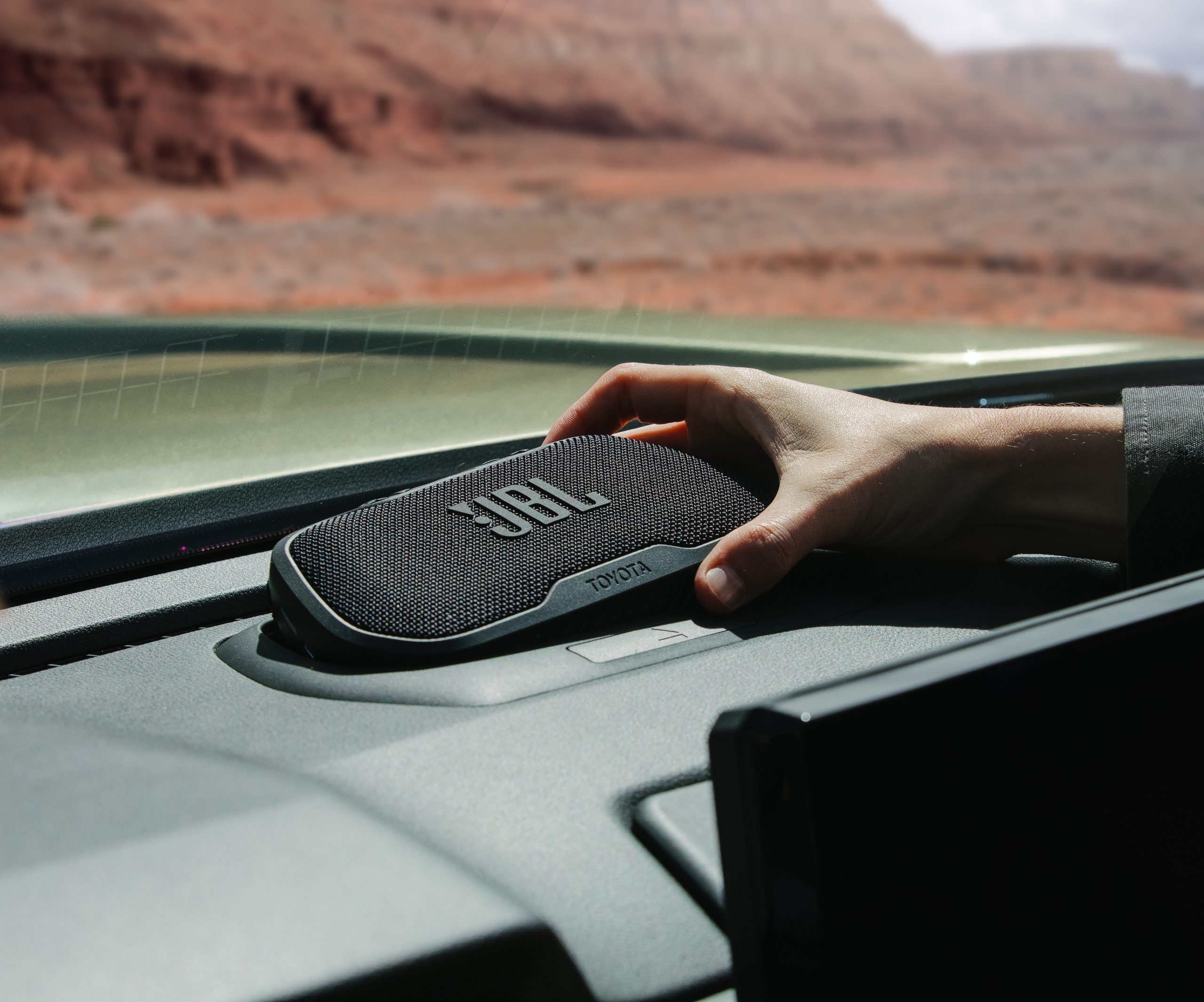
- A premium JBL audio system with a removable Bluetooth speaker on select trims.
- Smart key and digital key functionality for remote access.
Now let’s talk about safety. The 2026 Toyota Tacoma comes standard with Toyota Safety Sense 3.0, so you get plenty of security and driver assist features, such as:
- The Pre-Collision System with Pedestrian and Cyclist Detection
- Adaptive Cruise Control
- Lane Tracing and Lane Departure Alert
- Road Sign Assist
- Proactive Driving Assist
- Rear Cross-Traffic Alert with Blind Spot Monitor
Test Drive the 2026 Toyota Tacoma!
The 2026 Toyota Tacoma continues to raise the bar in the midsize truck world. From hauling gear for a camping trip to tackling dirt roads out of town to cruising through Orlando to run errands, this truck can do it all – and with a perfect blend of gritty and modern vibes.
Are you ready to take the 2026 Toyota Tacoma for a spin? Then visit Toyota of Orlando today! Call ahead to schedule a test drive at 407-298-4500, or come visit our dealership today at 3575 Vineland Road.
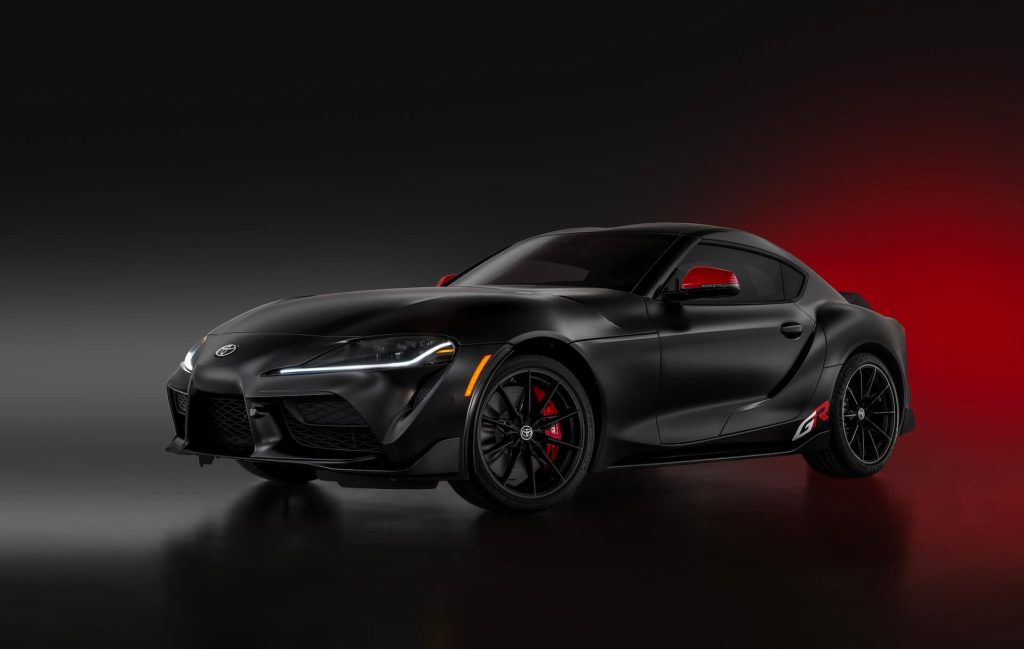
A brief history of the Toyota Supra
Updated on February 9, 2026
Executive Summary
- Iconic Heritage (1978–2026): The Toyota Supra debuted in 1978 and quickly became a motorsports and pop culture legend. After a hiatus from 2002 to 2019, it was revived to great acclaim and remains one of Toyota’s most celebrated performance cars.
- Five Generations of Evolution: Each generation advanced in power, design, and technology. There was the Celica-based A40/A50 with a modest 123 horsepower. Also, the twin-turbocharged A80 produces up to 276 horsepower. Finally, the BMW co-developed the 2026 GR Supra MkV Final Edition.
- Engineering Excellence: The Supra has consistently delivered thrilling driving experiences with Toyota’s signature reliability.
- Cultural Impact: Beyond the racetrack, the Supra has achieved global fame through appearances in movies, video games, and car enthusiast circles, securing its status as a symbol of speed, style, and tuning potential.
- Modern Relevance: The latest Supra continues Toyota’s legacy of innovation by offering cutting-edge performance and technology while paying homage to its classic roots.
The Toyota Supra History
At this point in time, if you haven’t heard of the Toyota Supra, you may have been living under a rock. This iconic sports car was incredibly popular from 1978 until 2002, when it was retired. Popular demand saw its revival in 2019, and since then, it’s continued to be a fan favorite for drivers who want an exciting experience every single time they get behind the wheel. This vehicle is known for its sleek styling, impressive performance, and motorsports heritage. The Supra has earned a legendary reputation that few vehicles can match.
Also, the Toyota Supra has become deeply embedded in pop culture. From dominating racetracks to starring in movies, video games, and car enthusiast communities around the world, the Supra has transcended being “just a car.” Its tuning potential, reliability, and powerful inline-six engines have made it a staple among performance enthusiasts and collectors alike.
We’re “Making it Simple®” by going over the history of the Orlando Toyota Supra.
What is the history of the Orlando Toyota Supra?
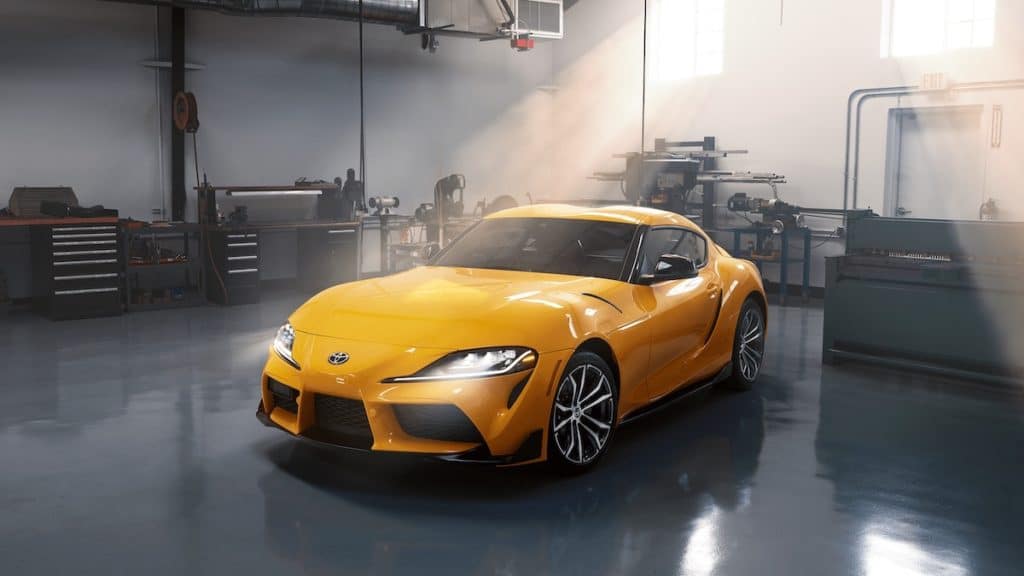
As noted, the Orlando Toyota Supra was introduced to the market way back in 1978. There are five generations of this sports car, with the latest being introduced in 2019 after a period of retirement. Across each generation, Toyota refined the Supra’s balance of speed, comfort, and cutting-edge technology, ensuring it stayed competitive with some of the world’s most respected performance cars. Here’s the breakdown of the different generations.
First generation:
This generation was referred to as the A40/A50; it was based heavily on the popular Toyota Celica. It was first introduced in Japan as the Celica XX and then in America as the Celica Supra and had a 2.0L inline-six engine that offered 123 horsepower and electronic fuel injection. You could choose from a four-speed automatic transmission or a five-speed manual transmission, and the car came with disc brakes, four-link rear suspension, and MacPherson strut front suspension. Subsequent model years featured updates like power door locks and windows, an optional sunroof, and a four-speaker stereo system. This generation was available through 1980.
Second generation:
In addition, the second generation of the Orlando Toyota Supra was introduced in 1981 and was called the A60. It was available in two models: The Performance (P-Type) and Luxury (L-Type). The two cars were identical when it came to mechanics, but had pretty vast differences when it came to appearance. The P-type had fender flares, headlight washers, and was also available in a manual transmission. The L-type showcased a leather interior, a digital instrument cluster, and came in an automatic transmission. In 1984, significant changes were made in terms of performance – power was increased to 160 horsepower and 163 lb-ft of torque. In 1985, the Toyota Supra was redesigned again to feature slightly increased power, automatic-off headlights, and a theft-deterrent system.
Third generation:
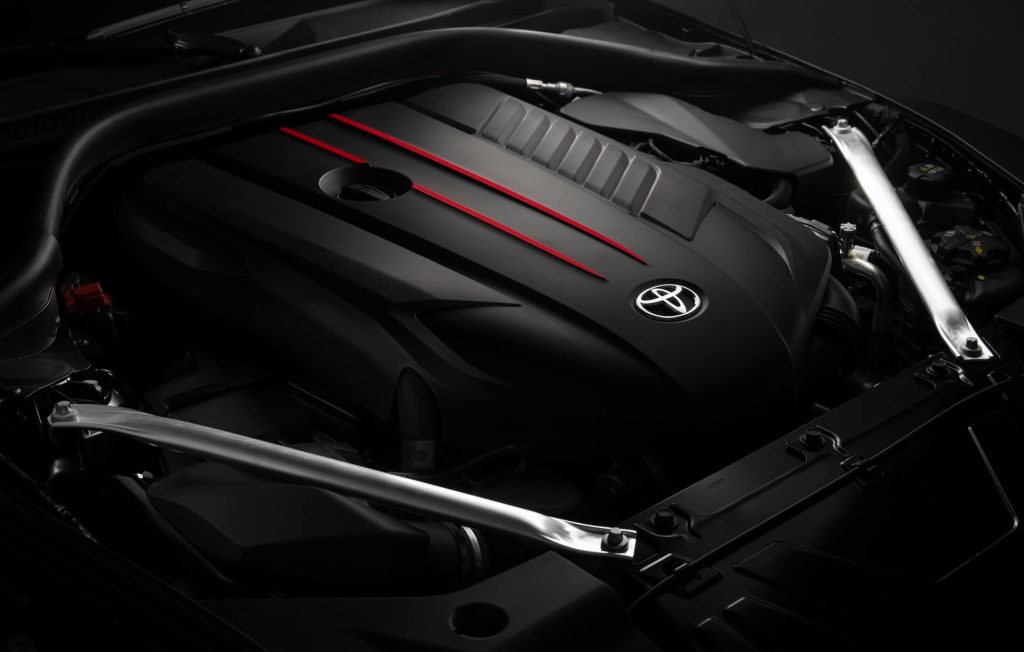
In addition, the third generation of the Toyota Supra, or the A70, was introduced to the market in 1986. Also, it was now the Toyota Supra (not the Celica Supra) and had a rear-wheel-drive layout, an updated 3.0L inline-six engine with 200 horsepower, and the option of a turbocharger in 1987. It also showcased major technology updates like a 3-channel ABS, an Acoustic Control Induction System, double wishbone suspension, and more. This model carried through to 1992.
Fourth generation:
Next, the fourth generation of the Toyota Supra was introduced in 1992 and was around through 2002. It was the A80 model and was a high-performance car. It offered two engines. Also, there was a naturally-aspirated inline-six that got 220 horsepower and 210 lb-ft of torque, and a twin-turbocharged engine that offered 276 horsepower and 318 lb-ft of torque. It was also lighter despite the fact that it offered more features than previous generations (like dual airbags, bigger tires, traction control, etc.).
Fifth generation:
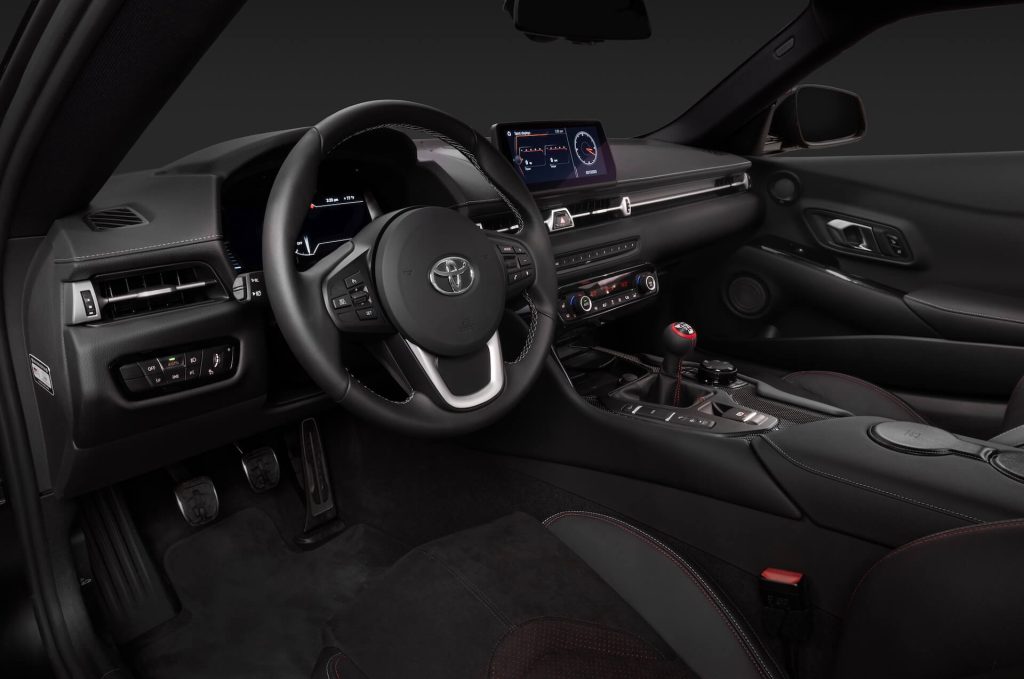
The fifth generation of the Toyota Supra was introduced in 2019. Also, this sports car was a collaboration with BMW and is based on the Z4; it showcases two engine options (a turbocharged 2.0L inline-four and a turbocharged 3.0L inline-six) and comes in an automatic transmission. And the best news? You can see it in person today at Toyota of Orlando!
Why the Toyota Supra still matters today
Even decades after its original debut, the Toyota Supra continues to represent Toyota’s commitment to performance engineering. The fifth-generation model blends modern technology, precision handling, and turbocharged power while paying homage to the Supra’s storied past. Additionally, for drivers around Toyota of Orlando looking for a sports car that delivers excitement, heritage, and everyday drivability, the Supra remains a standout choice.
Test Drive the Toyota Supra at Toyota of Orlando
Schedule your test drive with the Toyota Supra today at Toyota of Orlando. We’re located at 3575 Vineland Road. Our sales specialists will be happy to take care of you!
Common FAQ of the Toyota Supra
1. What other sports cars does Toyota have?
Toyota’s got a few other sports cars besides the Toyota Supra: the GR86 (a light, rear‑wheel‑drive coupe), the rally-inspired GR Corolla hot hatch, plus GR‑tuned versions of some regular models that crank up the sporty feel. If you’re into smaller, tossable cars, the GR86 and GR Corolla are the ones you’ll probably vibe with most.
2. What does turbocharged mean?
Turbocharged basically means the engine has a little “air pump” that uses exhaust gas to shove extra air into the engine, so it can make more power without getting much bigger. More air plus more fuel equals a stronger “boom” in each cylinder, so the car feels quicker and more fun to drive.
3. Is the Toyota Supra still for sale?
You can still buy a new GR Supra right now, including the 2026 Toyota Supra MkV Final Edition, but it’s in its last model year and production is ending in 2026, so they won’t be around new for much longer. If you’re thinking about one, it’s definitely a “don’t wait too long” situation.
Connect with us


- April 2026
- March 2026
- February 2026
- January 2026
- December 2025
- November 2025
- October 2025
- September 2025
- August 2025
- July 2025
- June 2025
- May 2025
- April 2025
- March 2025
- February 2025
- January 2025
- December 2024
- November 2024
- October 2024
- September 2024
- August 2024
- July 2024
- June 2024
- May 2024
- April 2024
- March 2024
- February 2024
- January 2024
- December 2023
- November 2023
- October 2023
- September 2023
- August 2023
- July 2023
- June 2023
- May 2023
- April 2023
- March 2023
- February 2023
- January 2023
- December 2022
- November 2022
- October 2022
- September 2022
- August 2022
- July 2022
- June 2022
- May 2022
- April 2022
- March 2022
- February 2022
- January 2022
- December 2021
- November 2021
- October 2021
- September 2021
- August 2021
- July 2021
- June 2021
- May 2021
- April 2021
- March 2021
- February 2021
- January 2021
- December 2020
- November 2020
- October 2020
- September 2020
- August 2020
- July 2020
- June 2020
- May 2020
- April 2020
- March 2020
- February 2020
- January 2020
- December 2019
- November 2019
- October 2019
- September 2019
- August 2019
- July 2019
- June 2019
- May 2019
- April 2019
- March 2019
- February 2019
- January 2019
- December 2018
- November 2018
- October 2018
- September 2018
- August 2018
- July 2018
- June 2018
- May 2018
- April 2018
- March 2018
- February 2018
- January 2018
- July 2017
- June 2017
- May 2017