


Here at Toyota of Orlando, we're all about innovation. We love it when Toyota announces a new model or even a new concept because we know even if it doesn't necessarily make it to our dealership, it'll influence the vehicles in upcoming generations in a big way. However, sometimes the models and concepts released by Toyota can be a little... weird, to put it bluntly. Today we're talking five of the weirdest models and concepts we've seen in the past few decades - check it out. 5 of the weirdest Toyota models ever debuted Toyota Mega Cruiser: The Toyota Mega Cruiser - believe it or not - actually made it into production and was on the market from 1996 to 2002 in Japan only. It was designed to mirror the (once) popular Hummer vehicles and ended up being used primarily by the military in Japan as a transport vehicle, as well as by police, firefighters, and other first responders. This Toyota model was a 4-door SUV with a 4.1L turbo diesel inline-4 engine and an automatic transmission with a two-speed transfer case that sent power to all four wheels. It was also huge and weird and while well-suited for military purposes, looked seriously off on suburban streets. Toyota Tundrasine: This one is as weird as it gets. Back in 2015, Toyota thought - for whatever reason - that it would be a cool idea to introduce a new Toyota Tundra concept model at SEMA known as the Tundrasine. (We're cringing.) It's a mix of a 1794 Edition Toyota Tundra truck and a limousine (cringing even harder), was 26 feet long, and offered eight doors that led to an interior inspired by Lear jets - it was bedecked in brown leather and luxury features. And it still had a bed for cargo. Weird. Toyota Previa: The Toyota Previa was another Toyota model that made it to production; this minivan was actually a popular option back in the 1990's. It was produced in America from 1990-1997 and was then discontinued, but continued to be produced on a worldwide basis until 2019 (why? We don't know.). This minivan was actually a mid-engine model and important components could only be accessed by basically disassembling the interior. The first gen was also available in manual transmission, which is pretty odd for a minivan. Toyota Sera: When we think of this three-door hatchback coupe, we think of Back to the Future. Why? The doors say it all - instead of opening out like a normal Toyota model, they actually open up a la Delorian. It was manufactured from 1990-1995 and sold exclusively in Japan, and offered features like three models, a 1.5L inline-4 engine, automatic and manual transmissions, and oddly enough, a pretty spacious trunk area under the hatchback door. Toyota FC-V: The Toyota FC-V Plus was a concept car developed and debuted in 2015 and its vibe is extremely futuristic. It's a fuel cell vehicle that also produced its own electricity that you could tap into. Other than that... well, just look at it. Find a normal Toyota today at Toyota of Orlando Ready to get your hands on a more normal new Toyota model? Call us today - Toyota of Orlando is open seven days a week at (407) 298-4500.
The three different types of engine placements
Updated July 2026 When you think about your car's engine, you probably picture it sitting under the hood in front of you. And for most cars on the road today, that's exactly where it is. But not every vehicle follows that design. Did you know engineers have experimented with different engine layout configurations for decades? It’s because where an engine is placed has a major impact on how your car accelerates, handles, brakes, and even how much interior space it has. Most of the Toyotas at our dealership use a front-engine design. However, understanding the different types of engine layout can help you appreciate why sports cars, trucks, SUVs, and commuter cars all feel different behind the wheel. Whether you're just curious or you’re shopping for your next ride, Toyota of Orlando is here to explain the three primary engine layouts and how they work. Executive Summary The three main engine layout designs are front-engine, mid-engine, and rear-engine. Front-engine vehicles are the most common because they provide a great balance of comfort, safety, practicality, and predictable handling. Mid-engine layouts are favored for high-performance sports cars thanks to their exceptional balance and cornering ability. Rear-engine layouts are uncommon today but offer strong acceleration and unique driving characteristics. Most Toyota vehicles feature a front-engine layout designed for everyday reliability and confidence on the road. What is an engine layout? An engine layout is where the engine is placed in a vehicle. Yes, every engine has the same job (powering your ride) but its location changes how the car’s weight is distributed. This affects different aspects of your daily driving, including: Steering feel Cornering ability Traction Braking performance Ride comfort Interior and cargo space Auto manufacturers have to be careful when they select an engine layout, and be sure that it matches the purpose of the car. For example, a family SUV has different priorities than a high-performance sports car. This is why you see different engine layouts depending on the car you’re looking at. Type #1: Front-engine layout A front-engine layout is the most common configuration out there today. In this setup, the engine sits under the hood of the car in front of the driver and front passenger. It’s easily accessed by just popping the hood. We have this setup on almost every car at Toyota of Orlando, including: Toyota Corolla Toyota Camry Toyota RAV4 Toyota Highlander Toyota Grand Highlander Toyota Prius Toyota Crown Toyota Tacoma Toyota Tundra Toyota Sequoia Why is the front-engine layout so popular? Why is the front-engine setup so popular? Here are just a few reasons. It offers excellent everyday handling. The engine sits over the front wheels, which means more predictable steering and stable handing in everyday driving conditions. It has more passenger and cargo space. The engine placement under the hood means the engineers can make the most of cabin space and cargo space, which means front-engine cars are great for families and commuters. It has lower production and repair costs. Front-engine cars are usually easier and cheaper to manufacture and service. Most auto service techs work on this layout everyday, so maintenance and repairs are straightforward and quick. It works with multiple drivetrains. A front-engine layout can be paired with: Front-wheel drive (FWD) Rear-wheel drive (RWD) All-wheel drive (AWD) Four-wheel drive (4WD) This means manufacturers like Toyota can build everything from sleek sedans to rugged off-road trucks to spacious SUVs with the same basic engine placement. Front-engine with rear-wheel drive: What to know It’s important to note that not every front-engine car sends the powers to the front wheels. Rides like the Toyota Supra and Toyota Tundra have a front-engine, rear-wheel drive setup. This means the engine sends power to the rear wheels, and you get incredible acceleration and a sportier driving experience. However, it’s worth noting that rear-wheel drive can require a little more driver skill in wet or slippery conditions. Type #2: Mid-engine layout A mid-engine layout means the engine is behind the driver and front passenger, but ahead of the rear axle of the car. This design isn’t super common today, but it was on one legendary Orlando Toyota: The Toyota MR2. This particular engine placement is used mostly in sports cars because it changes how the car behaves. Here are some highlights of a mid-engine placement: It has outstanding balance. Putting the engine in the center of the car creates superior weight distribution from front to back. This helps your Orlando Toyota stay balanced during: Hard acceleration Heavy braking Fast cornering Quick transitions It has sharper handling. Most of the weight is in the center, so mid-engine cars can respond more quickly to steering inputs. That’s one of the main reasons that exotic sports cars like Ferrari, McLaren, and others use this setup for their vehicles. However, there are some trade-offs to a mid-engine setup. It means limited interior space. The engine sits behind the front seats, so most mid-engine cars only seat two people. It means less cargo room. There’s not much storage to be had because the engine takes up a lot of the available space. It has less forgiving handling. Skilled drivers might love the responsiveness, but a mid-engine layout can be less predictable if you lose traction. Type #3: Rear-engine layout A rear-engine layout puts the engine behind the rear axle, where you’d usually find the trunk on an Orlando Toyota. This configuration is extremely rare now, but you will see the Porsche 911 still using a rear-engine design today. Advantages of a rear-engine layout There are some perks to a rear-engine setup (if you can find it), including: Strong acceleration. There’s more weight over the back wheels, so you get crazy traction during acceleration. A unique driving feel. A lot of driving enthusiasts like the distinct feel that comes with a rear-engine setup. Rear-engine cars aren’t without their issues, though, like: Oversteer. All of the weight is at the back of the car, which means this setup can cause a car to spin out if traction is lost. More challenging handling. Unskilled drivers won’t be able to handle a vehicle with this setup as well during emergency maneuvers. Limited packaging. Rear-engine setups also reduce your cargo space and make engineering more complicated. All in all, this setup isn’t practical for a daily driver… which is why so many manufacturers have shifted away from it. Which engine layout is best for your next Orlando Toyota? The answer depends on what you want your car’s purpose to be. Here’s the breakdown from our Toyota of Orlando sales team. Front-engine Best for: Daily commuting Families Road trips Fuel efficiency Practicality Easy maintenance Mid-engine Best for: Performance driving Track days Sports car enthusiasts Maximum cornering ability Rear-engine Best for: Enthusiast driving Unique driving dynamics High-performance sports cars For the basic daily driver, a front-engine layout is the best all-around choice. You get dependable handling, a lot of passenger and cargo space, and lower ownership costs. Why Toyota loves the front-engine layout Toyota has spent decades focusing on its reputation for reliability, comfort, safety, and value… and a front-engine layout hits all of those goals. No matter which Orlando Toyota you’re taking home, a front-engine design gives you the predictability you need in a daily driver. Learn more about Toyota engineering at Toyota of Orlando Whether you're interested in performance, fuel efficiency, towing capability, or just understanding how your ride works, our experts at Toyota of Orlando are here to help. We can explain the engineering behind your Toyota, answer your questions, and help you find the model that's right for your lifestyle. Stop by to explore the latest Toyota lineup or contact our team today to schedule a test drive. We’re open seven days a week and we’re just off I-4 near the Mall at Millenia! Frequently Asked Questions What is an engine layout? An engine layout refers to where the engine is positioned within a vehicle. The three primary layouts are front-engine, mid-engine, and rear-engine, and each affects handling, weight distribution, interior space, and overall driving characteristics. Why do most Toyota vehicles use a front-engine layout? Toyota primarily uses a front-engine layout because it provides excellent reliability, predictable handling, spacious interiors, easier maintenance, and versatility across sedans, SUVs, trucks, and hybrids. Is a mid-engine layout better than a front-engine layout? Not necessarily. A mid-engine layout offers superior balance and handling for high-performance driving, but it usually sacrifices interior space and practicality. For everyday driving, a front-engine layout is the better choice for most drivers.
The three different types of engine placements
Updated July 2026 When you think about your car's engine, you probably picture it sitting under the hood in front of you. And for most cars on the road today, that's exactly where it is. But not every vehicle follows that design. Did you know engineers have experimented with different engine layout configurations for decades? It’s because where an engine is placed has a major impact on how your car accelerates, handles, brakes, and even how much interior space it has. Most of the Toyotas at our dealership use a front-engine design. However, understanding the different types of engine layout can help you appreciate why sports cars, trucks, SUVs, and commuter cars all feel different behind the wheel. Whether you're just curious or you’re shopping for your next ride, Toyota of Orlando is here to explain the three primary engine layouts and how they work. Executive Summary The three main engine layout designs are front-engine, mid-engine, and rear-engine. Front-engine vehicles are the most common because they provide a great balance of comfort, safety, practicality, and predictable handling. Mid-engine layouts are favored for high-performance sports cars thanks to their exceptional balance and cornering ability. Rear-engine layouts are uncommon today but offer strong acceleration and unique driving characteristics. Most Toyota vehicles feature a front-engine layout designed for everyday reliability and confidence on the road. What is an engine layout? An engine layout is where the engine is placed in a vehicle. Yes, every engine has the same job (powering your ride) but its location changes how the car’s weight is distributed. This affects different aspects of your daily driving, including: Steering feel Cornering ability Traction Braking performance Ride comfort Interior and cargo space Auto manufacturers have to be careful when they select an engine layout, and be sure that it matches the purpose of the car. For example, a family SUV has different priorities than a high-performance sports car. This is why you see different engine layouts depending on the car you’re looking at. Type #1: Front-engine layout A front-engine layout is the most common configuration out there today. In this setup, the engine sits under the hood of the car in front of the driver and front passenger. It’s easily accessed by just popping the hood. We have this setup on almost every car at Toyota of Orlando, including: Toyota Corolla Toyota Camry Toyota RAV4 Toyota Highlander Toyota Grand Highlander Toyota Prius Toyota Crown Toyota Tacoma Toyota Tundra Toyota Sequoia Why is the front-engine layout so popular? Why is the front-engine setup so popular? Here are just a few reasons. It offers excellent everyday handling. The engine sits over the front wheels, which means more predictable steering and stable handing in everyday driving conditions. It has more passenger and cargo space. The engine placement under the hood means the engineers can make the most of cabin space and cargo space, which means front-engine cars are great for families and commuters. It has lower production and repair costs. Front-engine cars are usually easier and cheaper to manufacture and service. Most auto service techs work on this layout everyday, so maintenance and repairs are straightforward and quick. It works with multiple drivetrains. A front-engine layout can be paired with: Front-wheel drive (FWD) Rear-wheel drive (RWD) All-wheel drive (AWD) Four-wheel drive (4WD) This means manufacturers like Toyota can build everything from sleek sedans to rugged off-road trucks to spacious SUVs with the same basic engine placement. Front-engine with rear-wheel drive: What to know It’s important to note that not every front-engine car sends the powers to the front wheels. Rides like the Toyota Supra and Toyota Tundra have a front-engine, rear-wheel drive setup. This means the engine sends power to the rear wheels, and you get incredible acceleration and a sportier driving experience. However, it’s worth noting that rear-wheel drive can require a little more driver skill in wet or slippery conditions. Type #2: Mid-engine layout A mid-engine layout means the engine is behind the driver and front passenger, but ahead of the rear axle of the car. This design isn’t super common today, but it was on one legendary Orlando Toyota: The Toyota MR2. This particular engine placement is used mostly in sports cars because it changes how the car behaves. Here are some highlights of a mid-engine placement: It has outstanding balance. Putting the engine in the center of the car creates superior weight distribution from front to back. This helps your Orlando Toyota stay balanced during: Hard acceleration Heavy braking Fast cornering Quick transitions It has sharper handling. Most of the weight is in the center, so mid-engine cars can respond more quickly to steering inputs. That’s one of the main reasons that exotic sports cars like Ferrari, McLaren, and others use this setup for their vehicles. However, there are some trade-offs to a mid-engine setup. It means limited interior space. The engine sits behind the front seats, so most mid-engine cars only seat two people. It means less cargo room. There’s not much storage to be had because the engine takes up a lot of the available space. It has less forgiving handling. Skilled drivers might love the responsiveness, but a mid-engine layout can be less predictable if you lose traction. Type #3: Rear-engine layout A rear-engine layout puts the engine behind the rear axle, where you’d usually find the trunk on an Orlando Toyota. This configuration is extremely rare now, but you will see the Porsche 911 still using a rear-engine design today. Advantages of a rear-engine layout There are some perks to a rear-engine setup (if you can find it), including: Strong acceleration. There’s more weight over the back wheels, so you get crazy traction during acceleration. A unique driving feel. A lot of driving enthusiasts like the distinct feel that comes with a rear-engine setup. Rear-engine cars aren’t without their issues, though, like: Oversteer. All of the weight is at the back of the car, which means this setup can cause a car to spin out if traction is lost. More challenging handling. Unskilled drivers won’t be able to handle a vehicle with this setup as well during emergency maneuvers. Limited packaging. Rear-engine setups also reduce your cargo space and make engineering more complicated. All in all, this setup isn’t practical for a daily driver… which is why so many manufacturers have shifted away from it. Which engine layout is best for your next Orlando Toyota? The answer depends on what you want your car’s purpose to be. Here’s the breakdown from our Toyota of Orlando sales team. Front-engine Best for: Daily commuting Families Road trips Fuel efficiency Practicality Easy maintenance Mid-engine Best for: Performance driving Track days Sports car enthusiasts Maximum cornering ability Rear-engine Best for: Enthusiast driving Unique driving dynamics High-performance sports cars For the basic daily driver, a front-engine layout is the best all-around choice. You get dependable handling, a lot of passenger and cargo space, and lower ownership costs. Why Toyota loves the front-engine layout Toyota has spent decades focusing on its reputation for reliability, comfort, safety, and value… and a front-engine layout hits all of those goals. No matter which Orlando Toyota you’re taking home, a front-engine design gives you the predictability you need in a daily driver. Learn more about Toyota engineering at Toyota of Orlando Whether you're interested in performance, fuel efficiency, towing capability, or just understanding how your ride works, our experts at Toyota of Orlando are here to help. We can explain the engineering behind your Toyota, answer your questions, and help you find the model that's right for your lifestyle. Stop by to explore the latest Toyota lineup or contact our team today to schedule a test drive. We’re open seven days a week and we’re just off I-4 near the Mall at Millenia! Frequently Asked Questions What is an engine layout? An engine layout refers to where the engine is positioned within a vehicle. The three primary layouts are front-engine, mid-engine, and rear-engine, and each affects handling, weight distribution, interior space, and overall driving characteristics. Why do most Toyota vehicles use a front-engine layout? Toyota primarily uses a front-engine layout because it provides excellent reliability, predictable handling, spacious interiors, easier maintenance, and versatility across sedans, SUVs, trucks, and hybrids. Is a mid-engine layout better than a front-engine layout? Not necessarily. A mid-engine layout offers superior balance and handling for high-performance driving, but it usually sacrifices interior space and practicality. For everyday driving, a front-engine layout is the better choice for most drivers.

What is a turbocharged engine?
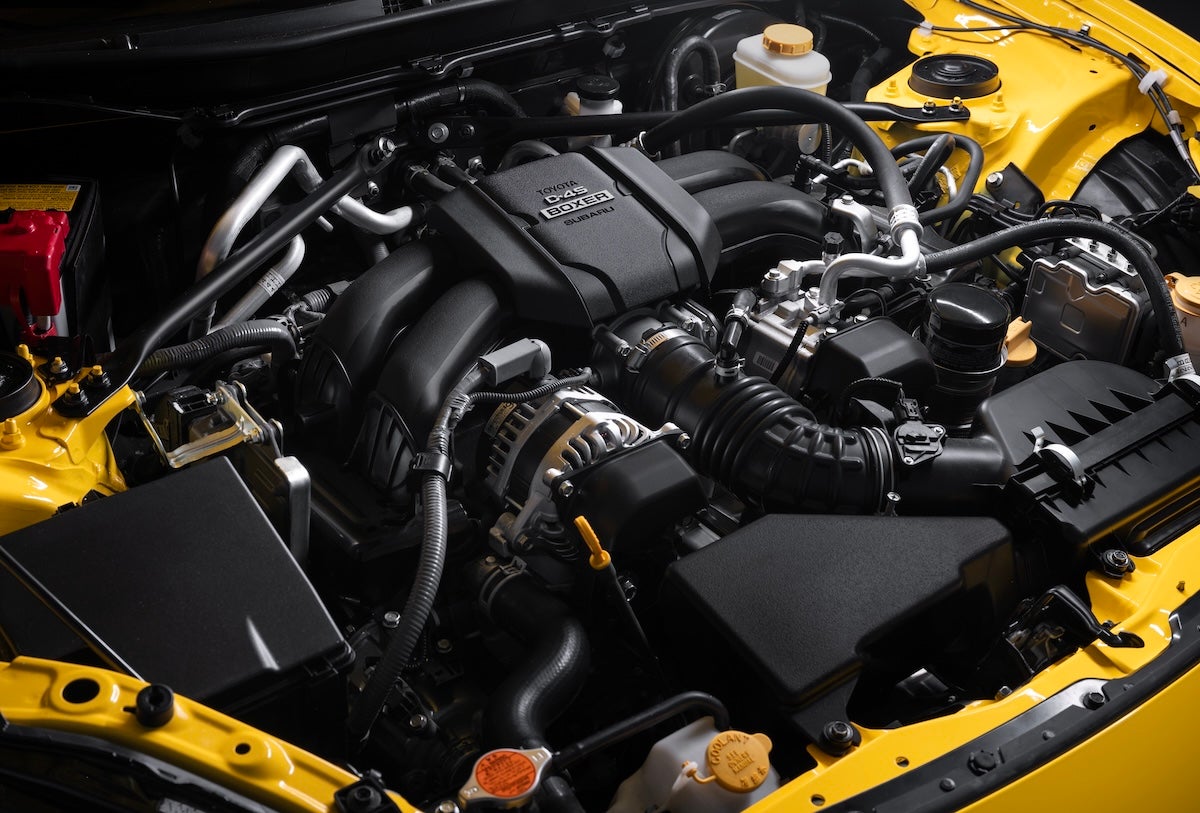
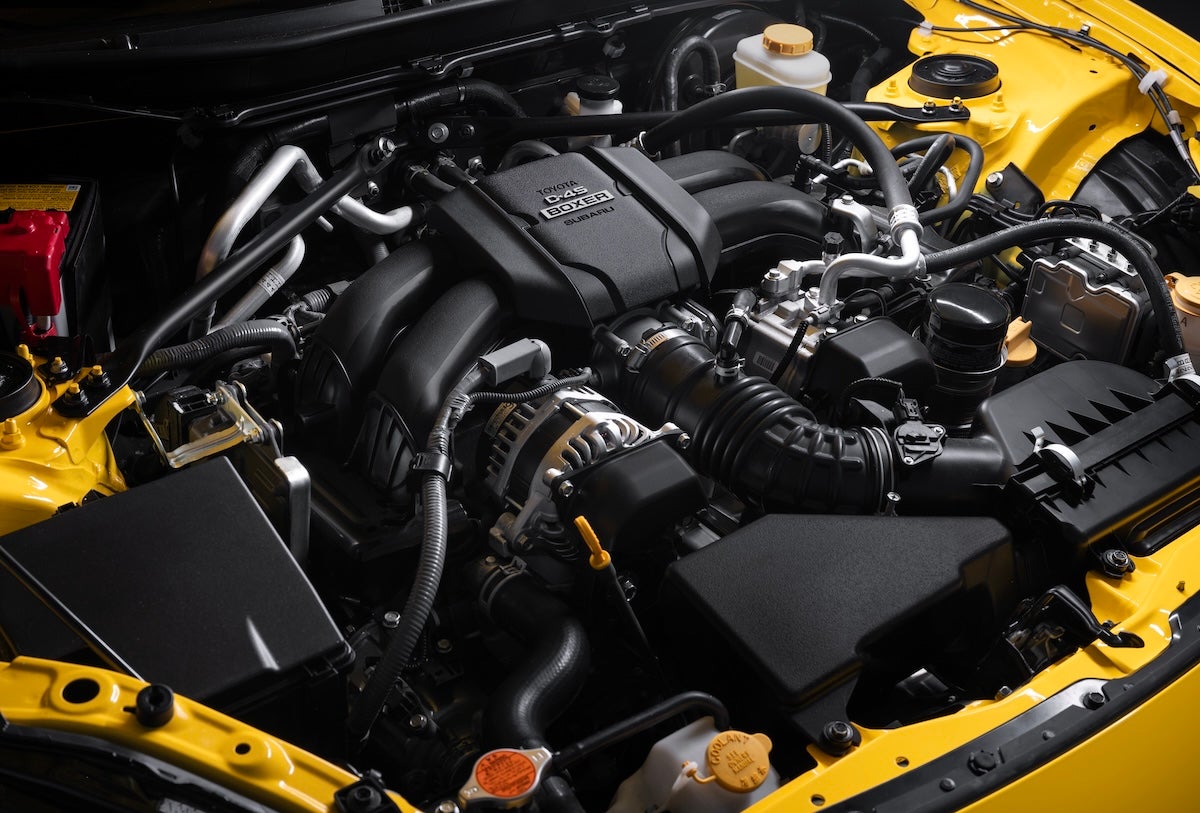
The automotive world is all abuzz lately because big news about the 2021 Toyota Supra recently was announced - the 2021 model will feature two new engine options (inline six and 4-cylinder), and both of them will be turbocharged. However, what exactly does turbocharged mean and how does it affect your drive time? Toyota of Orlando is here with answers. What is a turbocharged engine? A turbocharged engine is frequently referred to simply as a "turbo" engine. It's purpose? To boost both fuel efficiency and power in a vehicle, which is what makes it such a popular option for sports cars (and anyone who wants to get where they're going fast). But how does a turbo achieve this extra efficiency and power inside your engine bay? Here's a basic breakdown: A turbocharged engine essentially uses turbine power and forced induction to push extra compressed air into your engine's combustion chamber. This improves your Orlando Toyota's power because the extra air being forced into the combustion chamber subsequently results in more fuel being pushed in as well. This is where that "boost" in power comes from - the extra fuel combusting at a faster rate than a normally-aspirated engine. Turbocharged vs supercharged Turbo engines haven't always been called turbos, though. They were originally known as turbosuperchargers because this was when the term "superchargers" encompassed all engines that used forced induction (aka forced compressed air) to boost power and efficiency. However, today superchargers and turbochargers are considered to be two different things. Turbocharged engines use a turbine that's powered by the engine's exhaust gas to force the extra air into the combustion chamber. A supercharger is mechanically-driven - it's usually powered by a belt attached to the crankshaft. A twincharger, on the other hand, is an engine that uses both a turbocharger AND a supercharger. Which is better? That really depends on the individual driver and the drive time experience they prefer, but our Orlando Toyota dealership is here to point out some of the pros and cons of both types of chargers. Check it out: One of the disadvantages you'll find in turbocharged cars is lag. This is the gap of time between the demand for increased power (the throttle being opened) and the actual input of compressed air to result in that power. It happens because this type of charger relies on the buildup of exhaust gas pressure to power the turbine. When a car is operating at idle or a low speed, it takes a bit of time to build up that exhaust pressure and push it above the norm. A disadvantage of superchargers, on the other hand, is the toll that the charger takes on the engine. Because it's mechanically-driven, it puts the engine through additional wear and tear and actually uses some of the horsepower that the engine produces (although the horsepower that it subsequently creates outweighs the loss). Another con? Superchargers create far more excess heat than turbochargers, which can be bad for your engine. Have questions or want to see a turbocharged engine in person? Call us - the 2020 Toyota Supra is waiting for you to take it home at Toyota of Orlando!

What is a turbocharged engine?
The automotive world is all abuzz lately because big news about the 2021 Toyota Supra recently was announced - the 2021 model will feature two new engine options (inline six and 4-cylinder), and both of them will be turbocharged. However, what exactly does turbocharged mean and how does it affect your drive time? Toyota of Orlando is here with answers. What is a turbocharged engine? A turbocharged engine is frequently referred to simply as a "turbo" engine. It's purpose? To boost both fuel efficiency and power in a vehicle, which is what makes it such a popular option for sports cars (and anyone who wants to get where they're going fast). But how does a turbo achieve this extra efficiency and power inside your engine bay? Here's a basic breakdown: A turbocharged engine essentially uses turbine power and forced induction to push extra compressed air into your engine's combustion chamber. This improves your Orlando Toyota's power because the extra air being forced into the combustion chamber subsequently results in more fuel being pushed in as well. This is where that "boost" in power comes from - the extra fuel combusting at a faster rate than a normally-aspirated engine. Turbocharged vs supercharged Turbo engines haven't always been called turbos, though. They were originally known as turbosuperchargers because this was when the term "superchargers" encompassed all engines that used forced induction (aka forced compressed air) to boost power and efficiency. However, today superchargers and turbochargers are considered to be two different things. Turbocharged engines use a turbine that's powered by the engine's exhaust gas to force the extra air into the combustion chamber. A supercharger is mechanically-driven - it's usually powered by a belt attached to the crankshaft. A twincharger, on the other hand, is an engine that uses both a turbocharger AND a supercharger. Which is better? That really depends on the individual driver and the drive time experience they prefer, but our Orlando Toyota dealership is here to point out some of the pros and cons of both types of chargers. Check it out: One of the disadvantages you'll find in turbocharged cars is lag. This is the gap of time between the demand for increased power (the throttle being opened) and the actual input of compressed air to result in that power. It happens because this type of charger relies on the buildup of exhaust gas pressure to power the turbine. When a car is operating at idle or a low speed, it takes a bit of time to build up that exhaust pressure and push it above the norm. A disadvantage of superchargers, on the other hand, is the toll that the charger takes on the engine. Because it's mechanically-driven, it puts the engine through additional wear and tear and actually uses some of the horsepower that the engine produces (although the horsepower that it subsequently creates outweighs the loss). Another con? Superchargers create far more excess heat than turbochargers, which can be bad for your engine. Have questions or want to see a turbocharged engine in person? Call us - the 2020 Toyota Supra is waiting for you to take it home at Toyota of Orlando!
Clean up your drive time in the new year in a new Toyota hybrid
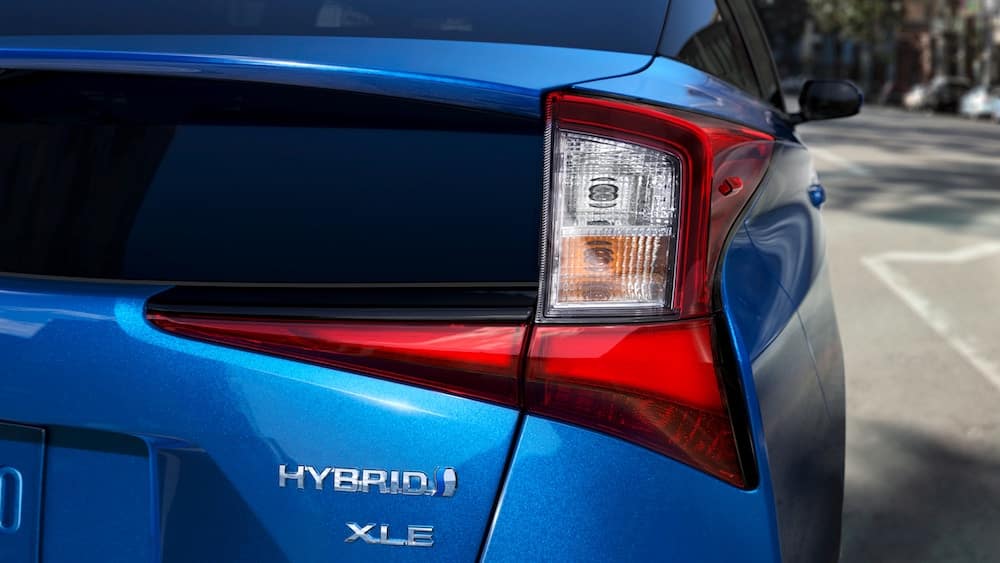
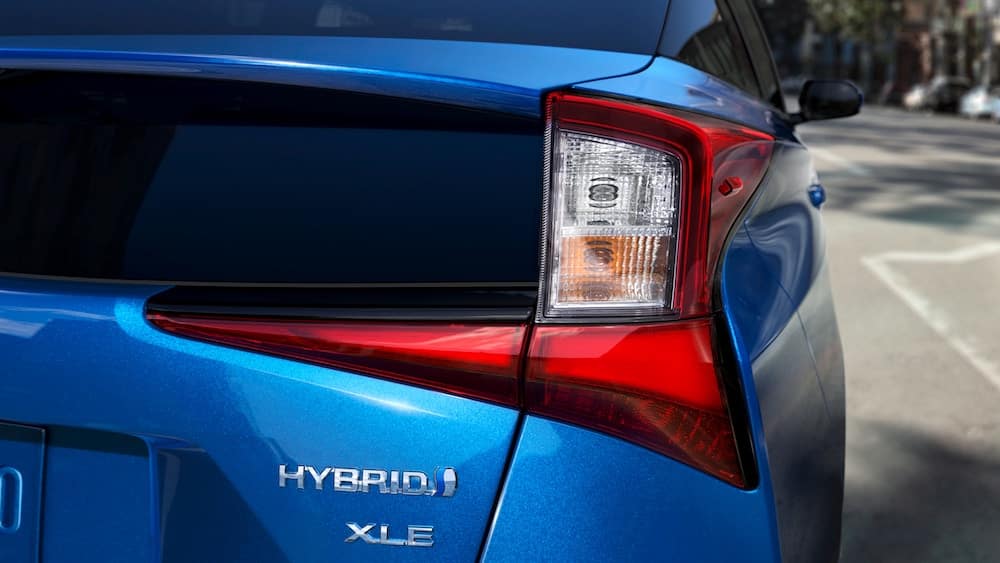
A new year is coming - what resolutions will you be putting into play when the clock strikes midnight on New Year's Eve? Losing weight, saving money, and learning a new skill or hobby rank at the top of the list of most common resolutions, but we have another suggestion. Why not make your life a little bit greener? There's a multitude of ways to make your life greener; you can use reusable grocery bags, get rid of single-use plastics in your house, and up your recycling game. However, a big way to make a big impact on the planet is to clean up your drive time by getting behind the wheel of a new Toyota hybrid. Make 2020 your greenest year yet with an Orlando Toyota hybrid Hybrid cars offer a much more eco-friendly drive time solution than gasoline-powered cars and not only that, include the same incredible technology, safety, and performance. Here are some highlights to consider when thinking about signing the dotted line on a new Toyota hybrid: These innovative new Toyotas have both an electric motor and a gasoline engine under the hood. Whenever it's feasible, the car will switch from using the gasoline engine to using the electric motor (like when you're moving at low speeds or sitting at a stoplight). This switch-off means fewer emissions and less fuel usage, which in turn means less natural resources used (and more money in your bank account). Fewer emissions and less fuel usage means less of an impact on the environment, so you can feel good every time you get behind the wheel. New Toyota hybrids also put the electric motor into play when the gasoline engine needs a little more power, like when accelerating or climbing a hill. That extra push from the electric motor means your gasoline engine doesn't have to work as hard, which in turn means fewer emissions and less fuel used. What options are available to you at Toyota of Orlando? See what we mean? Just getting behind the wheel of an Orlando Toyota hybrid can make a big difference in how green your day-to-day life is... with minimum effort on your part. And we've got even more good news! Hybrid cars are becoming increasingly popular and more readily available, and we've got everything from compact hatchback cars to spacious, family-friendly SUVs waiting on our lot at Toyota of Orlando. Check out the options you can test drive today: Toyota Corolla Hybrid Toyota Camry Hybrid Toyota Prius Toyota Avalon Hybrid Toyota RAV4 Hybrid Toyota Highlander Hybrid Toyota Prius Prime And they're not just eco-friendly. Like we mentioned, when you get behind the wheel of one of these Orlando Toyota hybrids you can expect a super green performance. However, you can also expect the best of the best when it comes to safety and entertainment technology as well as performance capabilities - some of our hybrids even come with all-wheel drive options, for example. Schedule your test drive today and make 2020 your greenest year yet! Toyota of Orlando is open seven days a week at (407) 298-4500 and our sales specialists are happy to help you pick the perfect new Toyota hybrid for your drive time resolution.
Clean up your drive time in the new year in a new Toyota hybrid
A new year is coming - what resolutions will you be putting into play when the clock strikes midnight on New Year's Eve? Losing weight, saving money, and learning a new skill or hobby rank at the top of the list of most common resolutions, but we have another suggestion. Why not make your life a little bit greener? There's a multitude of ways to make your life greener; you can use reusable grocery bags, get rid of single-use plastics in your house, and up your recycling game. However, a big way to make a big impact on the planet is to clean up your drive time by getting behind the wheel of a new Toyota hybrid. Make 2020 your greenest year yet with an Orlando Toyota hybrid Hybrid cars offer a much more eco-friendly drive time solution than gasoline-powered cars and not only that, include the same incredible technology, safety, and performance. Here are some highlights to consider when thinking about signing the dotted line on a new Toyota hybrid: These innovative new Toyotas have both an electric motor and a gasoline engine under the hood. Whenever it's feasible, the car will switch from using the gasoline engine to using the electric motor (like when you're moving at low speeds or sitting at a stoplight). This switch-off means fewer emissions and less fuel usage, which in turn means less natural resources used (and more money in your bank account). Fewer emissions and less fuel usage means less of an impact on the environment, so you can feel good every time you get behind the wheel. New Toyota hybrids also put the electric motor into play when the gasoline engine needs a little more power, like when accelerating or climbing a hill. That extra push from the electric motor means your gasoline engine doesn't have to work as hard, which in turn means fewer emissions and less fuel used. What options are available to you at Toyota of Orlando? See what we mean? Just getting behind the wheel of an Orlando Toyota hybrid can make a big difference in how green your day-to-day life is... with minimum effort on your part. And we've got even more good news! Hybrid cars are becoming increasingly popular and more readily available, and we've got everything from compact hatchback cars to spacious, family-friendly SUVs waiting on our lot at Toyota of Orlando. Check out the options you can test drive today: Toyota Corolla Hybrid Toyota Camry Hybrid Toyota Prius Toyota Avalon Hybrid Toyota RAV4 Hybrid Toyota Highlander Hybrid Toyota Prius Prime And they're not just eco-friendly. Like we mentioned, when you get behind the wheel of one of these Orlando Toyota hybrids you can expect a super green performance. However, you can also expect the best of the best when it comes to safety and entertainment technology as well as performance capabilities - some of our hybrids even come with all-wheel drive options, for example. Schedule your test drive today and make 2020 your greenest year yet! Toyota of Orlando is open seven days a week at (407) 298-4500 and our sales specialists are happy to help you pick the perfect new Toyota hybrid for your drive time resolution.
The ins and outs of hydrogen fuel cars
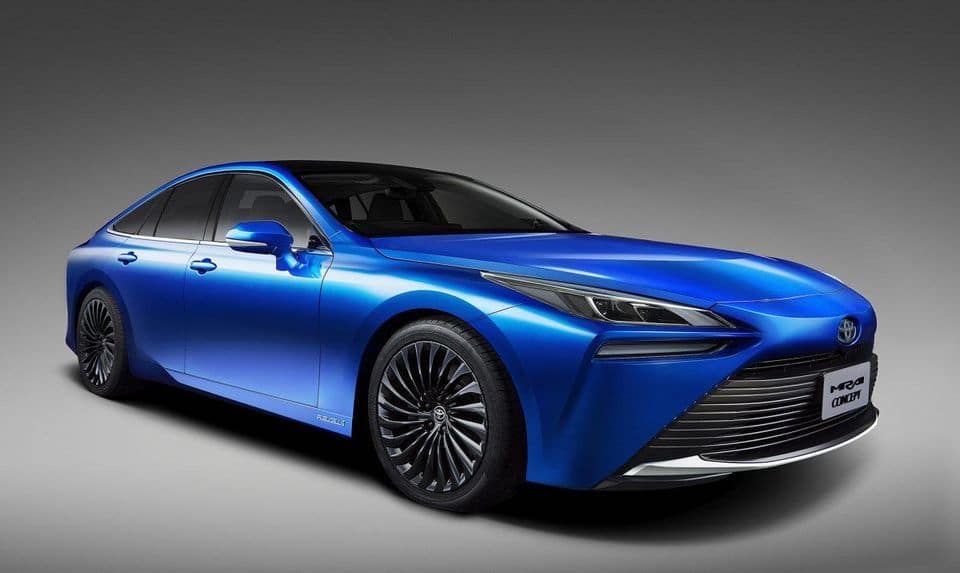
If you want to make your drive time more eco-friendly, there are a number of ways to do it. You can take public transportation, join a carpool, condense your trips, and consider riding a bike when the weather is nice. However, another easy and effective way to make your day-to-day a whole lot greener is to take home one of our green Orlando Toyotas. Hydrogen fuel cell cars: As green as it gets There are a ton of options when it comes to green cars here at Toyota of Orlando. We've got a large range of hybrids, including everything from compact hatchbacks to spacious family SUVs. You'll also be able to explore electric car options like the Toyota Prius Prime. However, one vehicle that we're eagerly awaiting is the Toyota Mirai - an innovative hydrogen fuel car that offers the cleanest, greenest performance yet, putting out only water vapor as emissions. Hydrogen fuel cell cars like the Toyota Mirai are picking up in popularity, but a lot of people still don't quite understand how they work or why they're such a great pick for a green ride. Toyota of Orlando is here to break it down - check out the basics on hydrogen fuel cars below! Toyota of Orlando's answers to hydrogen car FAQs Fueling a hydrogen fuel car: Fueling one of these Orlando Toyotas isn't that different than fueling your gasoline-powered car or hybrid. You pull up to a fueling station that looks remarkably similar to the ones you're already used to - you'll see a terminal with a hose and nozzle, as well as a screen payment and other information. There may also be a cooling fan or two, a fuel reservoir, and a compressor onsite. You'll pay up, put the nozzle into your vehicle, and fuel! Costs of hydrogen fuel: Believe it or not, hydrogen fuel isn't that much more expensive than gasoline. In fact, one of the only reasons it's a tad bit pricier right now is because it's a relatively new fuel source and not readily available in a lot of places (you'll only find fueling stations in California and Hawaii right now). However, as it becomes more popular and widespread, the cost should drop even further. Dangers of hydrogen fuel: But what about the compressed fuel and leaks? Are they more dangerous with this type of Orlando Toyota? No, believe it or not, because the fuel tends to dissipate quickly before it has a chance to ignite (unlike gasoline), lowering the chances of fire spreading to other parts of the car. Additionally, hydrogen fuel cell cars come with several fail-safe measures to prevent leaks or other problems with the fuel. Have questions about these innovative new Toyotas? Call Toyota of Orlando today! We can give you the scoop on the new Toyota Mirai or get you behind the wheel of a new Toyota hybrid. We're open seven days a week at (407) 298-4500 and conveniently located just off I-4 across from the Millenia Mall.
The ins and outs of hydrogen fuel cars
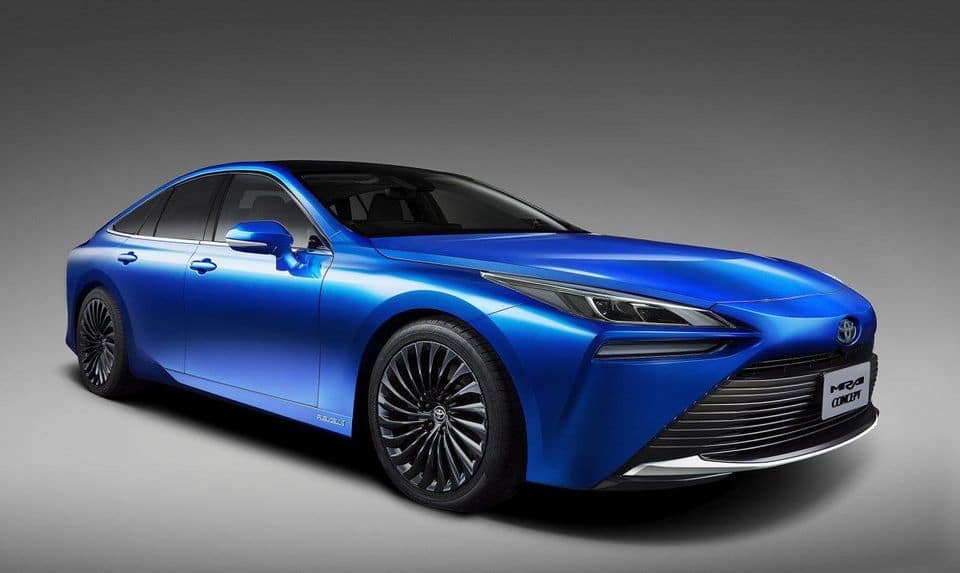
If you want to make your drive time more eco-friendly, there are a number of ways to do it. You can take public transportation, join a carpool, condense your trips, and consider riding a bike when the weather is nice. However, another easy and effective way to make your day-to-day a whole lot greener is to take home one of our green Orlando Toyotas. Hydrogen fuel cell cars: As green as it gets There are a ton of options when it comes to green cars here at Toyota of Orlando. We've got a large range of hybrids, including everything from compact hatchbacks to spacious family SUVs. You'll also be able to explore electric car options like the Toyota Prius Prime. However, one vehicle that we're eagerly awaiting is the Toyota Mirai - an innovative hydrogen fuel car that offers the cleanest, greenest performance yet, putting out only water vapor as emissions. Hydrogen fuel cell cars like the Toyota Mirai are picking up in popularity, but a lot of people still don't quite understand how they work or why they're such a great pick for a green ride. Toyota of Orlando is here to break it down - check out the basics on hydrogen fuel cars below! Toyota of Orlando's answers to hydrogen car FAQs Fueling a hydrogen fuel car: Fueling one of these Orlando Toyotas isn't that different than fueling your gasoline-powered car or hybrid. You pull up to a fueling station that looks remarkably similar to the ones you're already used to - you'll see a terminal with a hose and nozzle, as well as a screen payment and other information. There may also be a cooling fan or two, a fuel reservoir, and a compressor onsite. You'll pay up, put the nozzle into your vehicle, and fuel! Costs of hydrogen fuel: Believe it or not, hydrogen fuel isn't that much more expensive than gasoline. In fact, one of the only reasons it's a tad bit pricier right now is because it's a relatively new fuel source and not readily available in a lot of places (you'll only find fueling stations in California and Hawaii right now). However, as it becomes more popular and widespread, the cost should drop even further. Dangers of hydrogen fuel: But what about the compressed fuel and leaks? Are they more dangerous with this type of Orlando Toyota? No, believe it or not, because the fuel tends to dissipate quickly before it has a chance to ignite (unlike gasoline), lowering the chances of fire spreading to other parts of the car. Additionally, hydrogen fuel cell cars come with several fail-safe measures to prevent leaks or other problems with the fuel. Have questions about these innovative new Toyotas? Call Toyota of Orlando today! We can give you the scoop on the new Toyota Mirai or get you behind the wheel of a new Toyota hybrid. We're open seven days a week at (407) 298-4500 and conveniently located just off I-4 across from the Millenia Mall.

A quick guide to Toyota SUVs and crossovers
The end of the year is drawing near, and now's a great time to kick your old ride to the curb and climb behind the wheel of something new. Why spend a new year in an old ride that you don't like driving? If you're considering putting one of our Orlando Toyota crossovers or SUVs in your driveway, we can help - check out this quick guide breaking down the differences to make your shopping experience easy-peasy. Which of our Orlando Toyotas would you put in your driveway? Toyota RAV4: The Toyota RAV4 is a compact SUV perfect for drivers who want a bit more space but don't want to sacrifice fuel efficiency or sporty maneuverability to get it. You can get it in both gasoline and hybrid models with 2.5L engines, and it comes in seven models: the LE/LE Hybrid, XLE/XLE Hybrid, XLE Premium, Adventure, TRD Off-Road, XSE Hybrid, and Limited/Limited Hybrid. Starting MSRP is $25,850. Toyota C-HR: Sporty, youthful, and fun, the Orlando Toyota C-HR is the perfect crossover if you want something sleek and edgy with top tech and great fuel efficiency. Sporting a 2.0L inline-four engine, it comes in three models - LE, XLE, and Limited. It has a starting MSRP of $21,145. Toyota Sequoia: The new Toyota Sequoia is a stylish blend of capability and family-friendliness. It's spacious and durable, built on the Toyota Tundra's platform. You'll find a 5.7L V8 engine under the hood and five models to choose from - the SR5, TRD Sport, Limited, Platinum, and TRD Pro. The MRSP kicks off at $49,905. The options are endless when you shop our SUV and crossover inventory Toyota Highlander: Looking for the ultimate family ride but not sure you want to commit to a minivan? Check out the Orlando Toyota Highlander. It's got all the safety tech, convenience features, and interior space you need for a family ride. You can take it home in a gasoline 3.5L V6 or hybrid 2.5L 4-cylinder configuration comes in five models - the L, LE/LE Hybrid, XLE/XLE Hybrid, Limited/Limited Hybrid, and Platinum/Platinum Hybrid. Starting MSRP is $31,830. Toyota 4Runner: Get off the pavement with ease in the Toyota 4Runner - it's decked out with everything you need to hit the trails including four-wheel drive, active traction control, and more. It comes in 8 models - the SR5, SR5 Premium, TRD Off-Road, TRD Off-Road Premium, Limited, TRDO Pro, Nightshade, and Venture. You'll also find a 4.0L V6 engine under the hood. Starting MSRP is $36,020. Toyota Land Cruiser: The ultimate in luxury, the iconic Orlando Toyota Land Cruiser is also pretty formidable when it comes to taking things off the pavement. It's got a 5.7L V8 engine under the hood and sports features like CRAWL Control, four-wheel drive, seating for 8, and more. It comes in just one model plus a special edition Heritage model and has a starting MSRP of $85,315. Which Orlando Toyota SUV will you put in the driveway this winter? Come check them all out and take a test drive at 3575 Vineland Road, just off I-4 near the Millenia Mall. We're open seven days a week!

A quick guide to Toyota SUVs and crossovers
The end of the year is drawing near, and now's a great time to kick your old ride to the curb and climb behind the wheel of something new. Why spend a new year in an old ride that you don't like driving? If you're considering putting one of our Orlando Toyota crossovers or SUVs in your driveway, we can help - check out this quick guide breaking down the differences to make your shopping experience easy-peasy. Which of our Orlando Toyotas would you put in your driveway? Toyota RAV4: The Toyota RAV4 is a compact SUV perfect for drivers who want a bit more space but don't want to sacrifice fuel efficiency or sporty maneuverability to get it. You can get it in both gasoline and hybrid models with 2.5L engines, and it comes in seven models: the LE/LE Hybrid, XLE/XLE Hybrid, XLE Premium, Adventure, TRD Off-Road, XSE Hybrid, and Limited/Limited Hybrid. Starting MSRP is $25,850. Toyota C-HR: Sporty, youthful, and fun, the Orlando Toyota C-HR is the perfect crossover if you want something sleek and edgy with top tech and great fuel efficiency. Sporting a 2.0L inline-four engine, it comes in three models - LE, XLE, and Limited. It has a starting MSRP of $21,145. Toyota Sequoia: The new Toyota Sequoia is a stylish blend of capability and family-friendliness. It's spacious and durable, built on the Toyota Tundra's platform. You'll find a 5.7L V8 engine under the hood and five models to choose from - the SR5, TRD Sport, Limited, Platinum, and TRD Pro. The MRSP kicks off at $49,905. The options are endless when you shop our SUV and crossover inventory Toyota Highlander: Looking for the ultimate family ride but not sure you want to commit to a minivan? Check out the Orlando Toyota Highlander. It's got all the safety tech, convenience features, and interior space you need for a family ride. You can take it home in a gasoline 3.5L V6 or hybrid 2.5L 4-cylinder configuration comes in five models - the L, LE/LE Hybrid, XLE/XLE Hybrid, Limited/Limited Hybrid, and Platinum/Platinum Hybrid. Starting MSRP is $31,830. Toyota 4Runner: Get off the pavement with ease in the Toyota 4Runner - it's decked out with everything you need to hit the trails including four-wheel drive, active traction control, and more. It comes in 8 models - the SR5, SR5 Premium, TRD Off-Road, TRD Off-Road Premium, Limited, TRDO Pro, Nightshade, and Venture. You'll also find a 4.0L V6 engine under the hood. Starting MSRP is $36,020. Toyota Land Cruiser: The ultimate in luxury, the iconic Orlando Toyota Land Cruiser is also pretty formidable when it comes to taking things off the pavement. It's got a 5.7L V8 engine under the hood and sports features like CRAWL Control, four-wheel drive, seating for 8, and more. It comes in just one model plus a special edition Heritage model and has a starting MSRP of $85,315. Which Orlando Toyota SUV will you put in the driveway this winter? Come check them all out and take a test drive at 3575 Vineland Road, just off I-4 near the Millenia Mall. We're open seven days a week!
The New Toyota Mirai is Back with an All-New Look
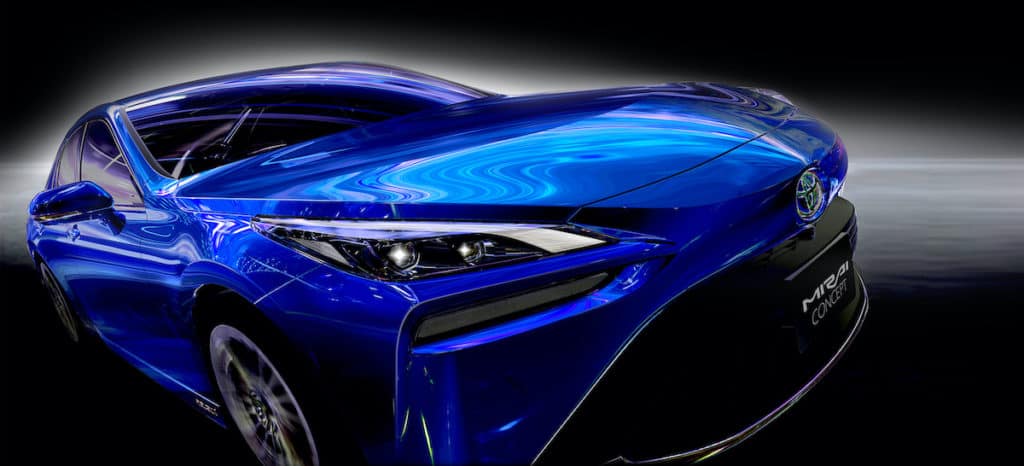
Toyota is an auto manufacturer that's never been one to go with the flow. Toyota is an auto manufacturer that has always made waves in the world of cars, especially when it comes to developing fuel-efficient technology. The Toyota Prius paved the way for electrified vehicle engineering all the way back in 1997 and the Toyota Mirai brought with it an all-new vehicle fuel source by using hydrogen back in 2015. Being at the forefront of new technology and cleaner fueling is something that Toyota takes great pride in and they don't plan on giving up the crown anytime soon. While the Toyota Mirai has been paving the way for an all-new fueling source and it's returning for the 2021 model year with all-new look that we think you'll love! Toyota of Orlando has the latest details on the new Toyota Mirai and what you can expect. What's New with the Revolutionary Toyota Mirai? The new Toyota Mirai has always been an elusive vehicle to those living in the Orlando area. This is because hydrogen fueling stations are currently limited to select areas like metropolitan California and Hawaii. Needless to say, we don't currently sell the Mirai here at the dealership (but, we can dream right?). While we may not see a Mirai here anytime soon, staying up to date on Toyota's new wave-making vehicle is still important and, who knows, maybe one day we'll get hydrogen fueling stations on this coast. But, for now, here's what to expect from the new Toyota Mirai: First off, the Toyota Mirai has been redesigned for its second generation. Inspired by sporty coupes and streamlined vehicles, the Mirai has been imbued with a look that both looks and feels good. Not only does this new vehicle look good, but it also sports more room than the first generation due to its longer and wider sedan design. Another major departure for the Orlando new Toyota Mirai is the change in the drivetrain from front to rear wheel. This will give drivers a sportier feel power coming from behind the driver. The interior has also been redesigned to match the exterior and drivetrain. The cabin will feature better exterior noise cancellation plus amazing technology upgrades like an 8-inch touchscreen combination meter, an optional digital rearview mirror, a 12.3-inch infotainment touchscreen, and a 14-speaker JBL sound system. The new Toyota Mirai will also feature a higher range than its predecessor. Toyota's target is to deliver a new Orlando Toyota vehicle that achieves a 30% longer range than the first generation Mirai to give drivers more time and mileage between fill-ups. The new model will still retain the convenient hydrogen fueling times from its predecessor generation. 20-inch alloy wheels will be an available style option for the 2021 Mirai. There haven't been many other revealed style options. The 2021 Orlando new Toyota Mirai is estimated to go on sale in later next year and we can't wait to see the final product of this revolutionary vehicle. While Orlando may not be ready to welcome a hydrogen fueled vehicle, we may see this technology before we know it. Luckily, you can still shop for an incredibly fuel-efficient vehicle with us today! Come check out our inventory at 3575 Vineland Road.