Blog / New Toyota

Blog

All New Toyota Toyota of Orlando's Tips Toyota of Orlando News Toyota Service Orlando Toyota Service Used Cars Toyota of Orlando Service Toyota of Orlando Body Shop
designing a new Toyota

Toyota of Orlando breaks down car platforms and structure

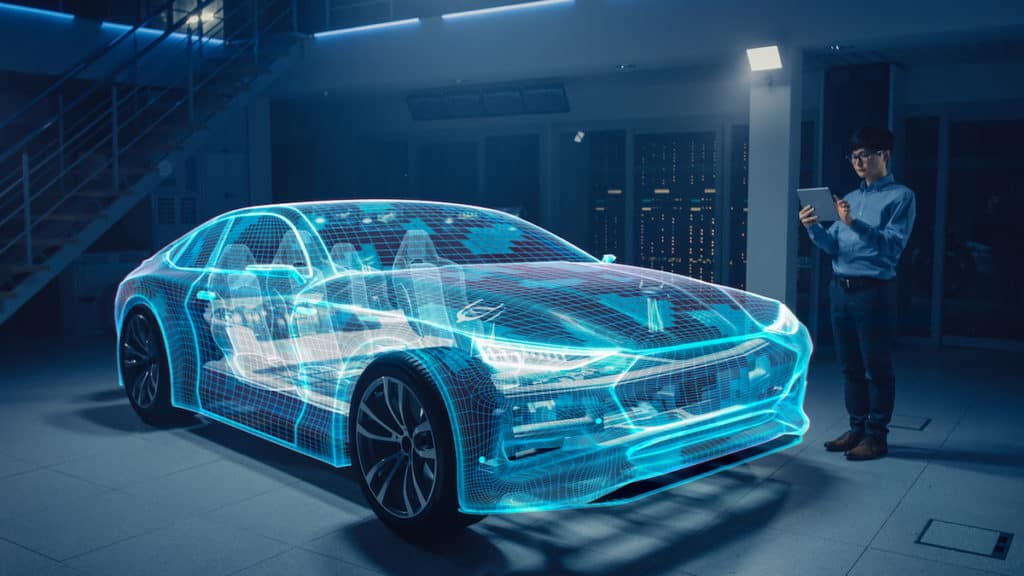
When you think of a new Toyota, you likely think of how it looks and all of the features it includes. We're talking features like engine, off-roading elements, entertainment technology, safety technology, convenience elements... the list could go on, but we're willing to bet that one thing you've never thought about is the platform that your new Toyota (or the Toyota you currently drive) was built on. Toyota of Orlando is here to explain the ins and outs of car platforms so next time you're shopping, you can do the best research possible before signing the dotted line. What is a car platform and why does it matter? Essentially, a car platform is a structure upon which the vehicle is built. Think of it sort of like the foundation of a house - it's what the rest of your Orlando Toyota rests on and builds up from. It can translate to the chassis design, engineering points, and aesthetic features of the car, but typically refers to the technical aspects of the design of the car. For example, a car platform will usually define elements like: The types of suspension used both in the front and back of the car The power steering parts and other steering mechanisms The engine placement, powertrain parts, and type of engine to be installed Both the front and rear axles, as well as the wheelbase, which is the distance between the two axles To name a few. Why are car platforms shared? Another cool thing about car platforms is that they can actually be shared. This is when the platform or at least the platform specs are shared among models within a make, or even to other makes (like the Orlando Toyota 86 and the Subaru BRZ). Automakers do this because designing a new vehicle is expensive and time-consuming. It requires drawing up the design, assembling the vehicle, and then testing it thoroughly to ensure it performs the way it should and also is safe. By sharing car platforms, automakers can cut out a lot of these steps. This also means perks like: Tons of testing - even if a car platform is shared with another make or model, it's still tested for quality and safety (which gives you extra peace of mind). Production is cheaper since no design is required and in turn, this means it's cheaper for you to buy the vehicle. Familiarity emerges. When two models share a car platform, a driver can feel more comfortable behind the wheel and it can make switching between models easier for them. Here's an example for you. Since 2015, Toyota has been using the TNGA platform for nearly 50% of its vehicles. This Orlando Toyota car platform encompasses the steering system, airbags, seat frames, shifters, and pedals. This standardizes some elements to make it easy when it comes to production and design. Ready to get shopping? Call us! Toyota of Orlando is open seven days a week at (407) 298-4500.

Toyota of Orlando

Where do new Toyotas get their names?

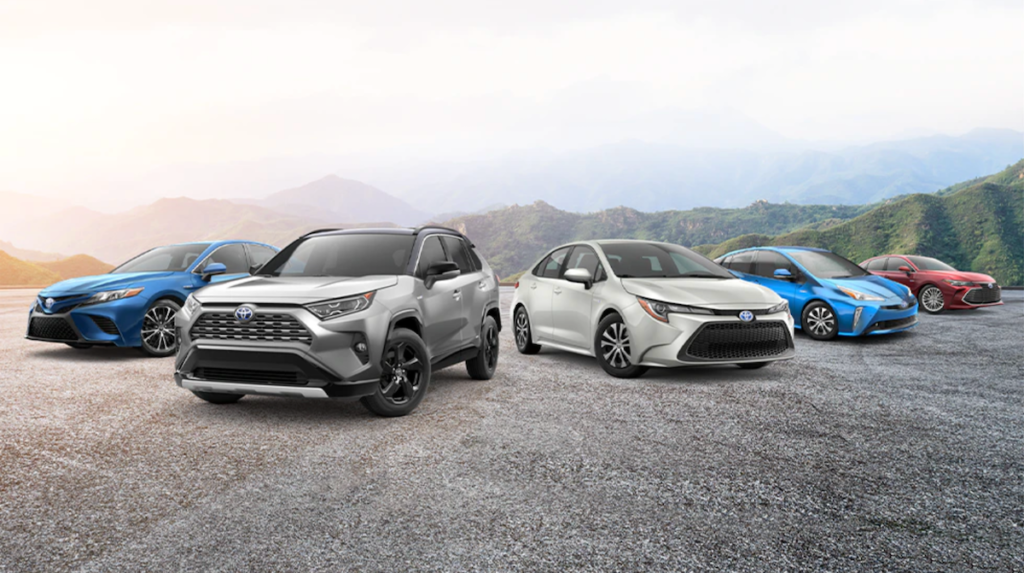
Have you ever taken a close look at the new Toyota models in our inventory? If you have, then you've probably noticed that the names of the models are pretty unique. It's not like the Lexus lineup where each vehicle is a series of letters (RX, LX, GX) or the Mazda lineup, where nearly every vehicle is "Mazda" with a number and maybe a few letters after it to denote the model. No, Toyota definitely put some thought into their new Toyota names, and today we're breaking down the meaning of each so you can better understand them! Camry: Camry means "crown", so it makes sense that one of the cornerstones of the Toyota lineup would carry this moniker. After all, the Toyota Camry pretty much is kind when it comes to performance, reliability, and style. Highlander: The Orlando Toyota Highlander is named such because of the people who live in the Scottish Highlands. This particular region of Scotland is noted for its ruggedness, and its people are associated with energy and power. Makes sense in our eyes that this durable and reliable SUV would sport this name! Tacoma: The Toyota Tacoma is named after Mt. Tacoma (now Mt. Ranier) in Washington State. This versatile and rugged truck is also associated with strength and power, just like the mountain. Sequoia: The Toyota Sequoia is named after the Sequoia trees in California's Redwood forests. These trees are renowned for their huge size and beauty, as well as their longevity. Sounds like the Sequoia to us! Prius: Prius is actually Latin for "prior" or "to go before". The Orlando Toyota Prius was the first mass-produced hybrid vehicle in the world, so this name is definitely fitting. Tundra: The Toyota Tundra truck is well-known for its power, ruggedness, and toughness. That's why it's been named after the rugged region of the Arctic Tundra. Avalon: The Toyota Avalon is all about sophistication, mystery, and comfort. It's named after the mythical Celtic island paradise of Avalon, where King Arthur went to heal his wounds after his final battle. Yaris: The new Toyota Yaris is a unique blend of etymology. It's pulled from "Charis"; she's the Greek goddess of beauty and creativity. Toyota blended "Charis" with the German word "ja", which means "yes" and is pronounced "ya". Put the two together and what do you get? Ya-ris. Sienna: The new Toyota Sienna, known for its sophistication and sleek beauty despite the fact that it's a family vehicle, is named after the Italian city of Siena, also renowned for its beauty. RAV4: RAV4 is actually an acronym - it stands for "Recreational Active Vehicle with 4Wheel Drive". Corolla: Corolla is another word for the ring of petals around the center of a flower; Toyota chose this moniker because the Orlando Toyota Corolla is known for being compact, but still beautiful. 4Runner: 4Runner is a mashup of "off-road runner" and "4WD". 86: The Toyota 86 is named as such because of the legendary Toyota AE86 sports car that preceded it. Land Cruiser: Land Cruiser is derived from a vehicle that can literally go anywhere - as long as it's on land. Venza: Venza is a combination of the words "venture" and "Monza". Monza is a city in Italy that has an outdoor racecourse, and Toyota chose to mix it with venture to represent outdoor adventure, driving performance, and leisure. Supra: Supra means "above" or "to surpass" in Latin; it's pretty fitting for this powerful sports car known for its speed. C-HR: C-HR is an acronym for both "Compact High Rider" and "Cross Hatch Run-About". Mirai: Mirai means "future" in Japanese - fitting for a vehicle that's bringing the latest and greatest technology to your drive time. You can test drive any and all of these new Toyotas today to see if they really fit their name - contact Toyota of Orlando at (407) 298-4500!

Toyota of Orlando

Where do new Toyotas get their names?

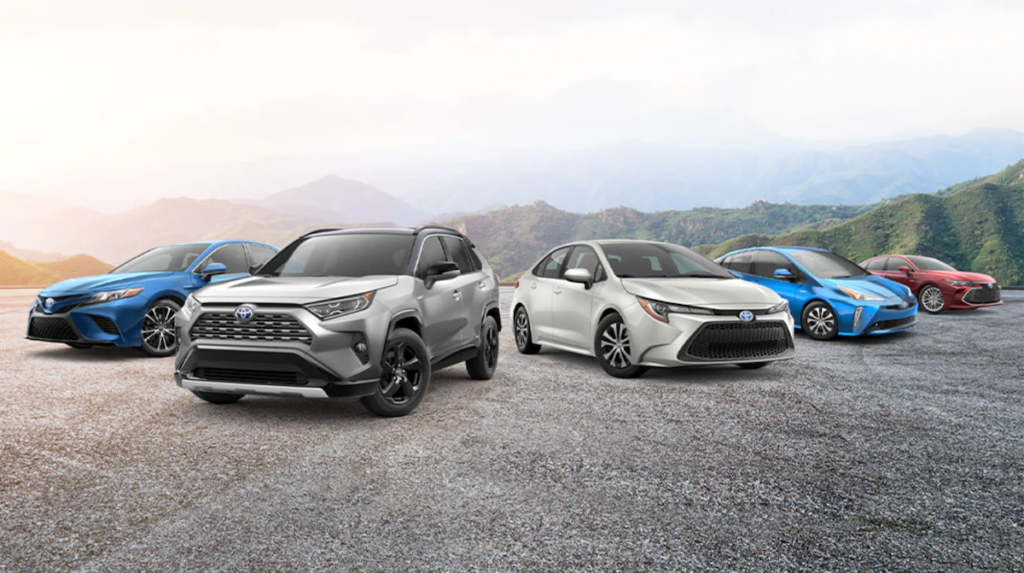
Have you ever taken a close look at the new Toyota models in our inventory? If you have, then you've probably noticed that the names of the models are pretty unique. It's not like the Lexus lineup where each vehicle is a series of letters (RX, LX, GX) or the Mazda lineup, where nearly every vehicle is "Mazda" with a number and maybe a few letters after it to denote the model. No, Toyota definitely put some thought into their new Toyota names, and today we're breaking down the meaning of each so you can better understand them! Camry: Camry means "crown", so it makes sense that one of the cornerstones of the Toyota lineup would carry this moniker. After all, the Toyota Camry pretty much is kind when it comes to performance, reliability, and style. Highlander: The Orlando Toyota Highlander is named such because of the people who live in the Scottish Highlands. This particular region of Scotland is noted for its ruggedness, and its people are associated with energy and power. Makes sense in our eyes that this durable and reliable SUV would sport this name! Tacoma: The Toyota Tacoma is named after Mt. Tacoma (now Mt. Ranier) in Washington State. This versatile and rugged truck is also associated with strength and power, just like the mountain. Sequoia: The Toyota Sequoia is named after the Sequoia trees in California's Redwood forests. These trees are renowned for their huge size and beauty, as well as their longevity. Sounds like the Sequoia to us! Prius: Prius is actually Latin for "prior" or "to go before". The Orlando Toyota Prius was the first mass-produced hybrid vehicle in the world, so this name is definitely fitting. Tundra: The Toyota Tundra truck is well-known for its power, ruggedness, and toughness. That's why it's been named after the rugged region of the Arctic Tundra. Avalon: The Toyota Avalon is all about sophistication, mystery, and comfort. It's named after the mythical Celtic island paradise of Avalon, where King Arthur went to heal his wounds after his final battle. Yaris: The new Toyota Yaris is a unique blend of etymology. It's pulled from "Charis"; she's the Greek goddess of beauty and creativity. Toyota blended "Charis" with the German word "ja", which means "yes" and is pronounced "ya". Put the two together and what do you get? Ya-ris. Sienna: The new Toyota Sienna, known for its sophistication and sleek beauty despite the fact that it's a family vehicle, is named after the Italian city of Siena, also renowned for its beauty. RAV4: RAV4 is actually an acronym - it stands for "Recreational Active Vehicle with 4Wheel Drive". Corolla: Corolla is another word for the ring of petals around the center of a flower; Toyota chose this moniker because the Orlando Toyota Corolla is known for being compact, but still beautiful. 4Runner: 4Runner is a mashup of "off-road runner" and "4WD". 86: The Toyota 86 is named as such because of the legendary Toyota AE86 sports car that preceded it. Land Cruiser: Land Cruiser is derived from a vehicle that can literally go anywhere - as long as it's on land. Venza: Venza is a combination of the words "venture" and "Monza". Monza is a city in Italy that has an outdoor racecourse, and Toyota chose to mix it with venture to represent outdoor adventure, driving performance, and leisure. Supra: Supra means "above" or "to surpass" in Latin; it's pretty fitting for this powerful sports car known for its speed. C-HR: C-HR is an acronym for both "Compact High Rider" and "Cross Hatch Run-About". Mirai: Mirai means "future" in Japanese - fitting for a vehicle that's bringing the latest and greatest technology to your drive time. You can test drive any and all of these new Toyotas today to see if they really fit their name - contact Toyota of Orlando at (407) 298-4500!

sports car in Orlando FL

A brief history of the Toyota Supra

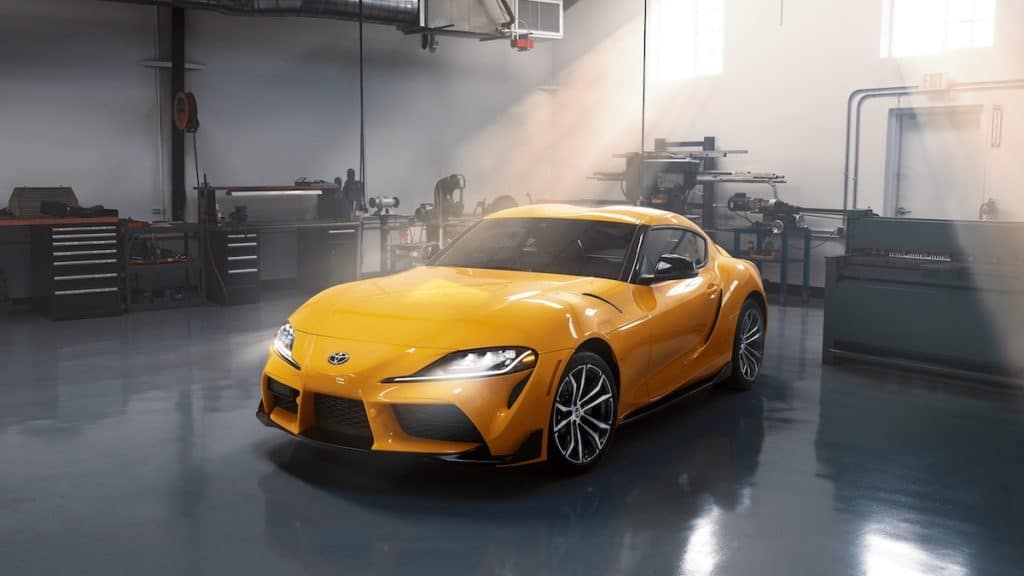
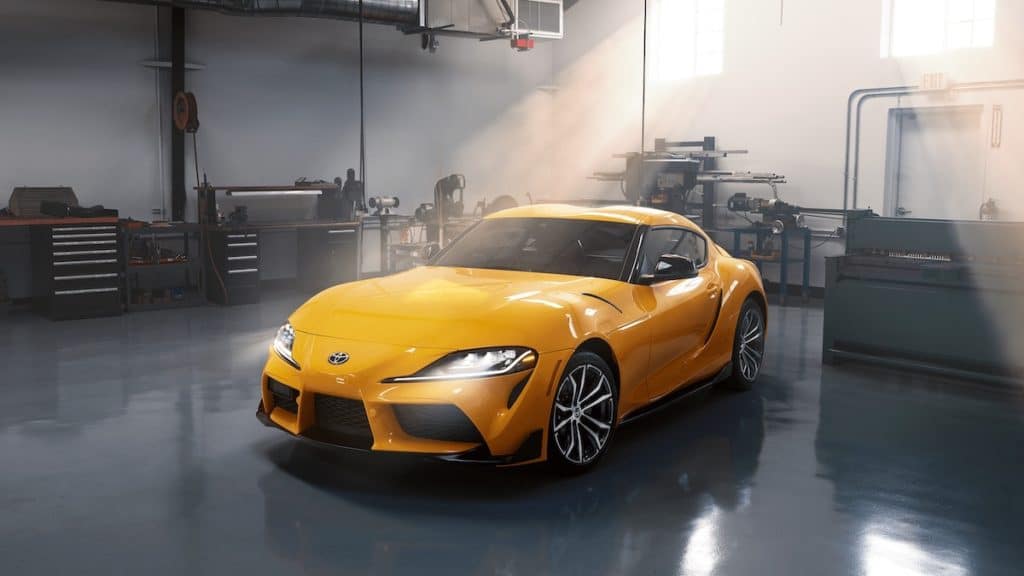
Updated on February 9, 2026 Executive Summary Iconic Heritage (1978–2026): The Toyota Supra debuted in 1978 and quickly became a motorsports and pop culture legend. After a hiatus from 2002 to 2019, it was revived to great acclaim and remains one of Toyota’s most celebrated performance cars. Five Generations of Evolution: Each generation advanced in power, design, and technology. There was the Celica -based A40/A50 with a modest 123 horsepower. Also, the twin-turbocharged A80 produces up to 276 horsepower. Finally, the BMW co-developed the 2026 GR Supra MkV Final Edition. Engineering Excellence: The Supra has consistently delivered thrilling driving experiences with Toyota’s signature reliability. Cultural Impact: Beyond the racetrack, the Supra has achieved global fame through appearances in movies, video games, and car enthusiast circles, securing its status as a symbol of speed, style, and tuning potential. Modern Relevance: The latest Supra continues Toyota’s legacy of innovation by offering cutting-edge performance and technology while paying homage to its classic roots. <span data-mce-type="bookmark" class="mce_SELRES_start"></span><span data-mce-type="bookmark" class="mce_SELRES_start"></span> The Toyota Supra History At this point in time, if you haven’t heard of the Toyota Supra, you may have been living under a rock. This iconic sports car was incredibly popular from 1978 until 2002, when it was retired. Popular demand saw its revival in 2019, and since then, it’s continued to be a fan favorite for drivers who want an exciting experience every single time they get behind the wheel. This vehicle is known for its sleek styling, impressive performance, and motorsports heritage. The Supra has earned a legendary reputation that few vehicles can match. Also, the Toyota Supra has become deeply embedded in pop culture. From dominating racetracks to starring in movies, video games, and car enthusiast communities around the world, the Supra has transcended being “just a car.” Its tuning potential, reliability, and powerful inline-six engines have made it a staple among performance enthusiasts and collectors alike. We’re “Making it Simple®” by going over the history of the Orlando Toyota Supra. What is the history of the Orlando Toyota Supra? As noted, the Orlando Toyota Supra was introduced to the market way back in 1978. There are five generations of this sports car, with the latest being introduced in 2019 after a period of retirement. Across each generation, Toyota refined the Supra’s balance of speed, comfort, and cutting-edge technology, ensuring it stayed competitive with some of the world’s most respected performance cars. Here’s the breakdown of the different generations. First generation: This generation was referred to as the A40/A50; it was based heavily on the popular Toyota Celica. It was first introduced in Japan as the Celica XX and then in America as the Celica Supra and had a 2.0L inline-six engine that offered 123 horsepower and electronic fuel injection. You could choose from a four-speed automatic transmission or a five-speed manual transmission, and the car came with disc brakes, four-link rear suspension, and MacPherson strut front suspension. Subsequent model years featured updates like power door locks and windows, an optional sunroof, and a four-speaker stereo system. This generation was available through 1980. Second generation: In addition, the second generation of the Orlando Toyota Supra was introduced in 1981 and was called the A60. It was available in two models: The Performance (P-Type) and Luxury (L-Type). The two cars were identical when it came to mechanics, but had pretty vast differences when it came to appearance. The P-type had fender flares, headlight washers, and was also available in a manual transmission. The L-type showcased a leather interior, a digital instrument cluster, and came in an automatic transmission. In 1984, significant changes were made in terms of performance – power was increased to 160 horsepower and 163 lb-ft of torque. In 1985, the Toyota Supra was redesigned again to feature slightly increased power, automatic-off headlights, and a theft-deterrent system. Third generation: In addition, the third generation of the Toyota Supra, or the A70, was introduced to the market in 1986. Also, it was now the Toyota Supra (not the Celica Supra) and had a rear-wheel-drive layout, an updated 3.0L inline-six engine with 200 horsepower, and the option of a turbocharger in 1987. It also showcased major technology updates like a 3-channel ABS, an Acoustic Control Induction System, double wishbone suspension, and more. This model carried through to 1992. Fourth generation: Next, the fourth generation of the Toyota Supra was introduced in 1992 and was around through 2002. It was the A80 model and was a high-performance car. It offered two engines. Also, there was a naturally-aspirated inline-six that got 220 horsepower and 210 lb-ft of torque, and a twin-turbocharged engine that offered 276 horsepower and 318 lb-ft of torque. It was also lighter despite the fact that it offered more features than previous generations (like dual airbags, bigger tires, traction control, etc.). Fifth generation: The fifth generation of the Toyota Supra was introduced in 2019. Also, this sports car was a collaboration with BMW and is based on the Z4; it showcases two engine options (a turbocharged 2.0L inline-four and a turbocharged 3.0L inline-six) and comes in an automatic transmission. And the best news? You can see it in person today at Toyota of Orlando! Why the Toyota Supra still matters today Even decades after its original debut, the Toyota Supra continues to represent Toyota’s commitment to performance engineering. The fifth-generation model blends modern technology, precision handling, and turbocharged power while paying homage to the Supra’s storied past. Additionally, for drivers around Toyota of Orlando looking for a sports car that delivers excitement, heritage, and everyday drivability, the Supra remains a standout choice. Test Drive the Toyota Supra at Toyota of Orlando Schedule your test drive with the Toyota Supra today at Toyota of Orlando. We’re located at 3575 Vineland Road. Our sales specialists will be happy to take care of you! Common FAQ of the Toyota Supra 1. What other sports cars does Toyota have? Toyota’s got a few other sports cars besides the Toyota Supra: the GR86 (a light, rear‑wheel‑drive coupe), the rally-inspired GR Corolla hot hatch, plus GR‑tuned versions of some regular models that crank up the sporty feel. If you’re into smaller, tossable cars, the GR86 and GR Corolla are the ones you’ll probably vibe with most. 2. What does turbocharged mean? Turbocharged basically means the engine has a little “air pump” that uses exhaust gas to shove extra air into the engine, so it can make more power without getting much bigger. More air plus more fuel equals a stronger “boom” in each cylinder, so the car feels quicker and more fun to drive. 3. Is the Toyota Supra still for sale? You can still buy a new GR Supra right now, including the 2026 Toyota Supra MkV Final Edition, but it’s in its last model year and production is ending in 2026, so they won’t be around new for much longer. If you’re thinking about one, it’s definitely a “don’t wait too long” situation.


sports car in Orlando FL

A brief history of the Toyota Supra

Updated on February 9, 2026 Executive Summary Iconic Heritage (1978–2026): The Toyota Supra debuted in 1978 and quickly became a motorsports and pop culture legend. After a hiatus from 2002 to 2019, it was revived to great acclaim and remains one of Toyota’s most celebrated performance cars. Five Generations of Evolution: Each generation advanced in power, design, and technology. There was the Celica -based A40/A50 with a modest 123 horsepower. Also, the twin-turbocharged A80 produces up to 276 horsepower. Finally, the BMW co-developed the 2026 GR Supra MkV Final Edition. Engineering Excellence: The Supra has consistently delivered thrilling driving experiences with Toyota’s signature reliability. Cultural Impact: Beyond the racetrack, the Supra has achieved global fame through appearances in movies, video games, and car enthusiast circles, securing its status as a symbol of speed, style, and tuning potential. Modern Relevance: The latest Supra continues Toyota’s legacy of innovation by offering cutting-edge performance and technology while paying homage to its classic roots. <span data-mce-type="bookmark" style="display: inline-block; width: 0px; overflow: hidden; line-height: 0;" class="mce_SELRES_start"></span><span data-mce-type="bookmark" style="display: inline-block; width: 0px; overflow: hidden; line-height: 0;" class="mce_SELRES_start"></span> The Toyota Supra History At this point in time, if you haven’t heard of the Toyota Supra, you may have been living under a rock. This iconic sports car was incredibly popular from 1978 until 2002, when it was retired. Popular demand saw its revival in 2019, and since then, it’s continued to be a fan favorite for drivers who want an exciting experience every single time they get behind the wheel. This vehicle is known for its sleek styling, impressive performance, and motorsports heritage. The Supra has earned a legendary reputation that few vehicles can match. Also, the Toyota Supra has become deeply embedded in pop culture. From dominating racetracks to starring in movies, video games, and car enthusiast communities around the world, the Supra has transcended being “just a car.” Its tuning potential, reliability, and powerful inline-six engines have made it a staple among performance enthusiasts and collectors alike. We’re “Making it Simple®” by going over the history of the Orlando Toyota Supra. What is the history of the Orlando Toyota Supra? As noted, the Orlando Toyota Supra was introduced to the market way back in 1978. There are five generations of this sports car, with the latest being introduced in 2019 after a period of retirement. Across each generation, Toyota refined the Supra’s balance of speed, comfort, and cutting-edge technology, ensuring it stayed competitive with some of the world’s most respected performance cars. Here’s the breakdown of the different generations. First generation: This generation was referred to as the A40/A50; it was based heavily on the popular Toyota Celica. It was first introduced in Japan as the Celica XX and then in America as the Celica Supra and had a 2.0L inline-six engine that offered 123 horsepower and electronic fuel injection. You could choose from a four-speed automatic transmission or a five-speed manual transmission, and the car came with disc brakes, four-link rear suspension, and MacPherson strut front suspension. Subsequent model years featured updates like power door locks and windows, an optional sunroof, and a four-speaker stereo system. This generation was available through 1980. Second generation: In addition, the second generation of the Orlando Toyota Supra was introduced in 1981 and was called the A60. It was available in two models: The Performance (P-Type) and Luxury (L-Type). The two cars were identical when it came to mechanics, but had pretty vast differences when it came to appearance. The P-type had fender flares, headlight washers, and was also available in a manual transmission. The L-type showcased a leather interior, a digital instrument cluster, and came in an automatic transmission. In 1984, significant changes were made in terms of performance – power was increased to 160 horsepower and 163 lb-ft of torque. In 1985, the Toyota Supra was redesigned again to feature slightly increased power, automatic-off headlights, and a theft-deterrent system. Third generation: In addition, the third generation of the Toyota Supra, or the A70, was introduced to the market in 1986. Also, it was now the Toyota Supra (not the Celica Supra) and had a rear-wheel-drive layout, an updated 3.0L inline-six engine with 200 horsepower, and the option of a turbocharger in 1987. It also showcased major technology updates like a 3-channel ABS, an Acoustic Control Induction System, double wishbone suspension, and more. This model carried through to 1992. Fourth generation: Next, the fourth generation of the Toyota Supra was introduced in 1992 and was around through 2002. It was the A80 model and was a high-performance car. It offered two engines. Also, there was a naturally-aspirated inline-six that got 220 horsepower and 210 lb-ft of torque, and a twin-turbocharged engine that offered 276 horsepower and 318 lb-ft of torque. It was also lighter despite the fact that it offered more features than previous generations (like dual airbags, bigger tires, traction control, etc.). Fifth generation: The fifth generation of the Toyota Supra was introduced in 2019. Also, this sports car was a collaboration with BMW and is based on the Z4; it showcases two engine options (a turbocharged 2.0L inline-four and a turbocharged 3.0L inline-six) and comes in an automatic transmission. And the best news? You can see it in person today at Toyota of Orlando! Why the Toyota Supra still matters today Even decades after its original debut, the Toyota Supra continues to represent Toyota’s commitment to performance engineering. The fifth-generation model blends modern technology, precision handling, and turbocharged power while paying homage to the Supra’s storied past. Additionally, for drivers around Toyota of Orlando looking for a sports car that delivers excitement, heritage, and everyday drivability, the Supra remains a standout choice. Test Drive the Toyota Supra at Toyota of Orlando Schedule your test drive with the Toyota Supra today at Toyota of Orlando. We’re located at 3575 Vineland Road. Our sales specialists will be happy to take care of you! Common FAQ of the Toyota Supra 1. What other sports cars does Toyota have? Toyota’s got a few other sports cars besides the Toyota Supra: the GR86 (a light, rear‑wheel‑drive coupe), the rally-inspired GR Corolla hot hatch, plus GR‑tuned versions of some regular models that crank up the sporty feel. If you’re into smaller, tossable cars, the GR86 and GR Corolla are the ones you’ll probably vibe with most. 2. What does turbocharged mean? Turbocharged basically means the engine has a little “air pump” that uses exhaust gas to shove extra air into the engine, so it can make more power without getting much bigger. More air plus more fuel equals a stronger “boom” in each cylinder, so the car feels quicker and more fun to drive. 3. Is the Toyota Supra still for sale? You can still buy a new GR Supra right now, including the 2026 Toyota Supra MkV Final Edition, but it’s in its last model year and production is ending in 2026, so they won’t be around new for much longer. If you’re thinking about one, it’s definitely a “don’t wait too long” situation.

Toyota safety tests

What in the world is the Moose Test?

When you get behind the wheel of an Orlando Toyota, you know that you're in safe hands. Toyota does extensive safety testing for each and every one of its vehicles and on top of that, it's always conducting new research to create, design, and implement new safety technologies. In fact, Toyota even has a facility devoted entirely to safety research in Ann Arbor, Michigan - the Toyota Collaborative Safety Research Center. This institution spends countless hours researching, testing, and designing different features and technologies to keep you and your loved ones safe when you're behind the wheel. On top of that, all Toyotas undergo stringent testing for safety before they hit the road. Both the IIHS and NHTSA assign ratings to each vehicle to ensure it's meeting the standards it should for the safest performance possible. What exactly is the Moose Test? However, one safety test that you may not have heard of yet is the Moose Test. This unique test isn't very commonly known and we're here to give you the details. All of our Orlando Toyotas undergo testing for crashing and rollovers to see how they'll fare in those instances. The Moose Test, however, tests just how well your vehicle would fare if a large animal (like a moose) were to wander into the roadway as you're driving. Here are a few things to know about the Moose Test: It's most commonly used in Sweden and it actually originates from there, having been created and put into use in the 1970s. (Apparently, they see a lot of wandering moose.) Researchers set up an s-shaped pattern of orange cones on the road with a sudden left turn and a straight-away bookending the segment. The test is designed to simulate an object suddenly crossing into your Orlando Toyota's path and obstructing the way forward. To avoid a collision, the driver has to swerve out of the way of the object and then regain control of their car to continue driving in a straight line. The vehicles in this test typically travel at 40-50 mph. The test isn't easy - a lot of vehicles don't pass it on the first go, leading automakers to reconsider the design and implementation of their safety systems, features, and technologies. However, the test is really only performed in Sweden - it's not often in North America that you'll have a moose pass in front of you on the open road. And don't forget, some of the responsibility in this test AND in real-life situation lies with the driver. It's critical that whenever you're behind the wheel you're focused on driving and driving alone. This means no distractions, no taking your hands off the wheel, and no taking your eyes off the road. It also means implementing your best defensive driving skills so you can react to a situation BEFORE an accident occurs, rather than reacting to an accident as it's happening. Have questions about Toyota safety features or the Moose Test? Toyota of Orlando - as always - has answers. Visit us at 3575 Vineland Road or call us at (407) 298-4500 today!

Toyota safety tests

What in the world is the Moose Test?

When you get behind the wheel of an Orlando Toyota, you know that you're in safe hands. Toyota does extensive safety testing for each and every one of its vehicles and on top of that, it's always conducting new research to create, design, and implement new safety technologies. In fact, Toyota even has a facility devoted entirely to safety research in Ann Arbor, Michigan - the Toyota Collaborative Safety Research Center. This institution spends countless hours researching, testing, and designing different features and technologies to keep you and your loved ones safe when you're behind the wheel. On top of that, all Toyotas undergo stringent testing for safety before they hit the road. Both the IIHS and NHTSA assign ratings to each vehicle to ensure it's meeting the standards it should for the safest performance possible. What exactly is the Moose Test? However, one safety test that you may not have heard of yet is the Moose Test. This unique test isn't very commonly known and we're here to give you the details. All of our Orlando Toyotas undergo testing for crashing and rollovers to see how they'll fare in those instances. The Moose Test, however, tests just how well your vehicle would fare if a large animal (like a moose) were to wander into the roadway as you're driving. Here are a few things to know about the Moose Test: It's most commonly used in Sweden and it actually originates from there, having been created and put into use in the 1970s. (Apparently, they see a lot of wandering moose.) Researchers set up an s-shaped pattern of orange cones on the road with a sudden left turn and a straight-away bookending the segment. The test is designed to simulate an object suddenly crossing into your Orlando Toyota's path and obstructing the way forward. To avoid a collision, the driver has to swerve out of the way of the object and then regain control of their car to continue driving in a straight line. The vehicles in this test typically travel at 40-50 mph. The test isn't easy - a lot of vehicles don't pass it on the first go, leading automakers to reconsider the design and implementation of their safety systems, features, and technologies. However, the test is really only performed in Sweden - it's not often in North America that you'll have a moose pass in front of you on the open road. And don't forget, some of the responsibility in this test AND in real-life situation lies with the driver. It's critical that whenever you're behind the wheel you're focused on driving and driving alone. This means no distractions, no taking your hands off the wheel, and no taking your eyes off the road. It also means implementing your best defensive driving skills so you can react to a situation BEFORE an accident occurs, rather than reacting to an accident as it's happening. Have questions about Toyota safety features or the Moose Test? Toyota of Orlando - as always - has answers. Visit us at 3575 Vineland Road or call us at (407) 298-4500 today!

Toyota of Orlando trucks

The 2022 Toyota Tundra: What you should know

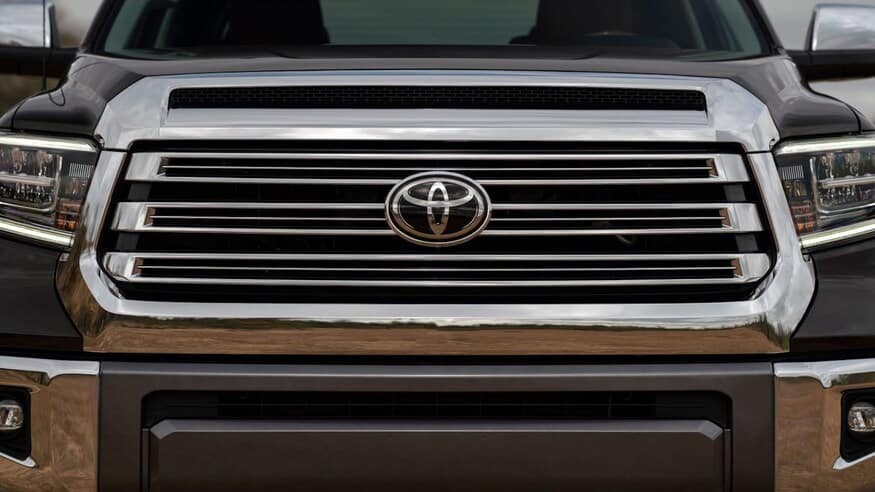
When you actually take a look back at the last time the Orlando Toyota Tundra was completely redesigned, you may be surprised - this popular truck has been a much-loved option for a long time, but it hasn't seen a complete overhaul since 2008. That's 12 years and while things have been updated and improved since then, the Toyota Tundra is still... well, the same. What will the 2022 Toyota Tundra feature? However, that's about to change. In 2022 this Orlando Toyota truck will be getting a full makeover from top to bottom, inside and out, bumper to bumper and Toyota of Orlando is here with the scoop on what you can expect when it arrives. Here are the highlights. The 2022 Toyota Tundra will no longer feature a V8 engine option... like, at all. From now on, this best-selling truck will be sporting a V6 engine. Higher-end models will likely offer a 3.4L option that gets 416 horsepower, while lower models will most likely offer a 3.5L that gets 278 horsepower. It's rumored that both will offer much-improved horsepower. We may even see a hybrid option up for grabs in the 2022 model year as other makes make their way into the electric segment alongside it and Toyota continued to expand its hybrid lineup. A new chassis is in play - the new Toyota Tundra will showcase body-on-frame construction with new high-strength steel that also lowers the overall weight of the truck. The chassis will reflect the TNGA-F design (Toyota New Global Architecture-F) which was recently introduced to the make. Gone are the leaf springs once found in the rear - the remodeled version of this Orlando Toyota truck will have coil springs as well as a live rear axle. We expect that due to the new design and chassic, the new elements, and the new engine, this popular truck will see big improvements in terms of towing, hauling, and performance in general (right now it maxes out at hauling 1,730 lbs and towing 10,200 lbs). The newest Entune infotainment system will be inside the cab, featuring a massive 12" touchscreen interface and a head-up display option. This new Toyota truck will also boast a full Safety Sense suite with the latest and greatest safety technology, including automatic lane centering, advanced radar cruise control, and more. The interior and exterior of this much-loved Toyota truck will boast a complete redesign, including a larger grille and taller hood, as well as an evolution reflecting the current design trends of this decade. When will it arrive? We expect to see this remodeled Toyota Tundra until mid-to-end 2021 and we haven't gotten details just yet about price, trim-levels available, or additional features and accessories. But we'll be sure to keep you posted! Call us with questions about this Orlando Toyota today Have questions or want to check out our current lineup of Toyota trucks? Call Toyota of Orlando today at (407) 298-4500 or stop by and see us at 3575 Vineland Road, just off I-4 across from the Millenia Mall.

Toyota of Orlando trucks

The 2022 Toyota Tundra: What you should know

When you actually take a look back at the last time the Orlando Toyota Tundra was completely redesigned, you may be surprised - this popular truck has been a much-loved option for a long time, but it hasn't seen a complete overhaul since 2008. That's 12 years and while things have been updated and improved since then, the Toyota Tundra is still... well, the same. What will the 2022 Toyota Tundra feature? However, that's about to change. In 2022 this Orlando Toyota truck will be getting a full makeover from top to bottom, inside and out, bumper to bumper and Toyota of Orlando is here with the scoop on what you can expect when it arrives. Here are the highlights. The 2022 Toyota Tundra will no longer feature a V8 engine option... like, at all. From now on, this best-selling truck will be sporting a V6 engine. Higher-end models will likely offer a 3.4L option that gets 416 horsepower, while lower models will most likely offer a 3.5L that gets 278 horsepower. It's rumored that both will offer much-improved horsepower. We may even see a hybrid option up for grabs in the 2022 model year as other makes make their way into the electric segment alongside it and Toyota continued to expand its hybrid lineup. A new chassis is in play - the new Toyota Tundra will showcase body-on-frame construction with new high-strength steel that also lowers the overall weight of the truck. The chassis will reflect the TNGA-F design (Toyota New Global Architecture-F) which was recently introduced to the make. Gone are the leaf springs once found in the rear - the remodeled version of this Orlando Toyota truck will have coil springs as well as a live rear axle. We expect that due to the new design and chassic, the new elements, and the new engine, this popular truck will see big improvements in terms of towing, hauling, and performance in general (right now it maxes out at hauling 1,730 lbs and towing 10,200 lbs). The newest Entune infotainment system will be inside the cab, featuring a massive 12" touchscreen interface and a head-up display option. This new Toyota truck will also boast a full Safety Sense suite with the latest and greatest safety technology, including automatic lane centering, advanced radar cruise control, and more. The interior and exterior of this much-loved Toyota truck will boast a complete redesign, including a larger grille and taller hood, as well as an evolution reflecting the current design trends of this decade. When will it arrive? We expect to see this remodeled Toyota Tundra until mid-to-end 2021 and we haven't gotten details just yet about price, trim-levels available, or additional features and accessories. But we'll be sure to keep you posted! Call us with questions about this Orlando Toyota today Have questions or want to check out our current lineup of Toyota trucks? Call Toyota of Orlando today at (407) 298-4500 or stop by and see us at 3575 Vineland Road, just off I-4 across from the Millenia Mall.

Why do we never see Toyota convertibles anymore?

If you really sit and think about it, when was the last time you saw a Toyota convertible out on the road? The answer is probably not for a while - not a new one, at least. And in all actuality, you probably haven't seen many of them at all, new OR used. Why, though? Toyota convertibles and convertibles in general used to be exceptionally popular drive time solutions here at Toyota of Orlando and across the market, but the desire for this submodel has died off. We're here to examine why. What happened to Toyota convertibles? Back in the 1990s and 2000s, Toyota convertibles were a hot commodity on the market. The Orlando Toyota Solara was a fun and sporty way to hit the road in style and get your daily dose of fresh air and vitamin C. And it wasn't just Toyota convertibles that were on the must-have list - convertibles of all makes and models were popular drive time solutions. The Mazda Miata was released in 1989 and sold over a million units, making it the most popular convertible ever sold. So what happened? Why did convertibles fall off the map, including the Toyota Solara convertible? Here's what we think at Toyota of Orlando. They were not that safe. When you think about it, convertibles from that time period, in general, were not very safe vehicles. Their roofs were usually soft top or retractable tops that left you and your passengers vulnerable if you got into an accident or worse, rolled over. Additionally, because they didn't have a roof, this type of Orlando Toyota also had compromised structural integrity. This made them even more dangerous to pilot on the open road. If Toyota were to introduce a new convertible model onto the market today, we have a feeling they'd go back to the drawing board to redesign it for majorly improved safety and structural integrity. They're not very fuel-efficient. Let's talk aerodynamics really quickly. Take cars like the Orlando Toyota Prius for example - this sleek hybrid was designed in a shape that would allow air to easily flow over it. This means it can move through the air at a constant speed without having to use more power (or fuel) to maintain that speed because of wind resistance. Toyota convertibles, on the other hand, are anything but aerodynamic. As you drive them, they get pockets of trapped air that create drag and in turn, lower your fuel efficiency. Additionally, convertibles are heavy cars - this is intentional to counterbalance the lack of a roof. This extra weight in the design lowers your fuel efficiency even further. Will we see an Orlando Toyota convertible in the future? Like we said, we don't foresee this type of submodel coming back to the market anytime soon at Toyota of Orlando. But that doesn't mean we don't have tons of fun and sporty options for you to hit the road in - come shop our wide selection of new AND used cars today! We're open seven days a week at 3575 Vineland Road, just off I-4 near the Millenia Mall. Call us to schedule your test drive at (407) 298-4500.

Why do we never see Toyota convertibles anymore?

If you really sit and think about it, when was the last time you saw a Toyota convertible out on the road? The answer is probably not for a while - not a new one, at least. And in all actuality, you probably haven't seen many of them at all, new OR used. Why, though? Toyota convertibles and convertibles in general used to be exceptionally popular drive time solutions here at Toyota of Orlando and across the market, but the desire for this submodel has died off. We're here to examine why. What happened to Toyota convertibles? Back in the 1990s and 2000s, Toyota convertibles were a hot commodity on the market. The Orlando Toyota Solara was a fun and sporty way to hit the road in style and get your daily dose of fresh air and vitamin C. And it wasn't just Toyota convertibles that were on the must-have list - convertibles of all makes and models were popular drive time solutions. The Mazda Miata was released in 1989 and sold over a million units, making it the most popular convertible ever sold. So what happened? Why did convertibles fall off the map, including the Toyota Solara convertible? Here's what we think at Toyota of Orlando. They were not that safe. When you think about it, convertibles from that time period, in general, were not very safe vehicles. Their roofs were usually soft top or retractable tops that left you and your passengers vulnerable if you got into an accident or worse, rolled over. Additionally, because they didn't have a roof, this type of Orlando Toyota also had compromised structural integrity. This made them even more dangerous to pilot on the open road. If Toyota were to introduce a new convertible model onto the market today, we have a feeling they'd go back to the drawing board to redesign it for majorly improved safety and structural integrity. They're not very fuel-efficient. Let's talk aerodynamics really quickly. Take cars like the Orlando Toyota Prius for example - this sleek hybrid was designed in a shape that would allow air to easily flow over it. This means it can move through the air at a constant speed without having to use more power (or fuel) to maintain that speed because of wind resistance. Toyota convertibles, on the other hand, are anything but aerodynamic. As you drive them, they get pockets of trapped air that create drag and in turn, lower your fuel efficiency. Additionally, convertibles are heavy cars - this is intentional to counterbalance the lack of a roof. This extra weight in the design lowers your fuel efficiency even further. Will we see an Orlando Toyota convertible in the future? Like we said, we don't foresee this type of submodel coming back to the market anytime soon at Toyota of Orlando. But that doesn't mean we don't have tons of fun and sporty options for you to hit the road in - come shop our wide selection of new AND used cars today! We're open seven days a week at 3575 Vineland Road, just off I-4 near the Millenia Mall. Call us to schedule your test drive at (407) 298-4500.

5 of the weirdest Toyotas ever dreamed up

Here at Toyota of Orlando, we're all about innovation. We love it when Toyota announces a new model or even a new concept because we know even if it doesn't necessarily make it to our dealership, it'll influence the vehicles in upcoming generations in a big way. However, sometimes the models and concepts released by Toyota can be a little... weird, to put it bluntly. Today we're talking five of the weirdest models and concepts we've seen in the past few decades - check it out. 5 of the weirdest Toyota models ever debuted Toyota Mega Cruiser: The Toyota Mega Cruiser - believe it or not - actually made it into production and was on the market from 1996 to 2002 in Japan only. It was designed to mirror the (once) popular Hummer vehicles and ended up being used primarily by the military in Japan as a transport vehicle, as well as by police, firefighters, and other first responders. This Toyota model was a 4-door SUV with a 4.1L turbo diesel inline-4 engine and an automatic transmission with a two-speed transfer case that sent power to all four wheels. It was also huge and weird and while well-suited for military purposes, looked seriously off on suburban streets. Toyota Tundrasine: This one is as weird as it gets. Back in 2015, Toyota thought - for whatever reason - that it would be a cool idea to introduce a new Toyota Tundra concept model at SEMA known as the Tundrasine. (We're cringing.) It's a mix of a 1794 Edition Toyota Tundra truck and a limousine (cringing even harder), was 26 feet long, and offered eight doors that led to an interior inspired by Lear jets - it was bedecked in brown leather and luxury features. And it still had a bed for cargo. Weird. Toyota Previa: The Toyota Previa was another Toyota model that made it to production; this minivan was actually a popular option back in the 1990's. It was produced in America from 1990-1997 and was then discontinued, but continued to be produced on a worldwide basis until 2019 (why? We don't know.). This minivan was actually a mid-engine model and important components could only be accessed by basically disassembling the interior. The first gen was also available in manual transmission, which is pretty odd for a minivan. Toyota Sera: When we think of this three-door hatchback coupe, we think of Back to the Future. Why? The doors say it all - instead of opening out like a normal Toyota model, they actually open up a la Delorian. It was manufactured from 1990-1995 and sold exclusively in Japan, and offered features like three models, a 1.5L inline-4 engine, automatic and manual transmissions, and oddly enough, a pretty spacious trunk area under the hatchback door. Toyota FC-V: The Toyota FC-V Plus was a concept car developed and debuted in 2015 and its vibe is extremely futuristic. It's a fuel cell vehicle that also produced its own electricity that you could tap into. Other than that... well, just look at it. Find a normal Toyota today at Toyota of Orlando Ready to get your hands on a more normal new Toyota model? Call us today - Toyota of Orlando is open seven days a week at (407) 298-4500.

Contact Us

Fill out this form below and we'll contact you shortly
*Required Fields