

Blog / Orlando Toyota Service

Blog

All Orlando Toyota Service Toyota of Orlando's Tips Toyota of Orlando News New Toyota Toyota Service Used Cars Toyota of Orlando Service Toyota of Orlando Body Shop
guide to car belts

Car Belts: Your Complete Guide

If you own a car, you’re probably familiar with the basics of what’s going on under the hood. You know you need routine oil changes, tire rotations, brake checks, and battery service. But do you know what’s going on when it comes to your car belts? The belts in your car play a critical role in performance, and if they’re not in top shape, they can keep it from running properly. Not only that, car belts that are worn or damaged can actually lead to expensive repairs down the road. Here at Toyota of Orlando’s service center, our techs believe that every driver should have a basic understanding of how cars work and what each part does. Check out our beginner’s guide to car belts - we’re running through what they are, how they work, how to spot trouble, and when to schedule car belt service. Let’s get into it! Executive Summary: Car belts are essential to your vehicle's performance. Components like the serpentine belt and timing belt help power critical systems and keep your engine running properly, making routine inspections an important part of vehicle maintenance. Different belts serve different purposes. The serpentine belt powers accessories like the alternator, A/C compressor, and power steering, while the timing belt (or timing chain on many newer Toyotas) keeps the engine's internal components synchronized. Know the warning signs of a worn belt. Squealing noises, cracks, fraying, battery warning lights, overheating, loss of A/C, or difficult steering can all indicate it's time to have your car belts inspected. Replacing worn belts before they fail can prevent costly repairs. A broken serpentine belt can leave you stranded, while a failed timing belt can cause severe engine damage. Following your owner's manual and scheduling regular inspections can help avoid expensive breakdowns. Florida's heat can shorten belt life. High temperatures accelerate rubber wear, making routine multi-point inspections especially important for Central Florida drivers to catch problems before they become major repairs. Car Belts: What Are They? Let’s make things as simple as possible starting out. Car belts are basically reinforced rubber belts that send power from your car’s engine to other parts of your ride. As your engine runs, these belts spin pulleys, and these pulleys power other systems. All in all, belts keep your car running smoothly. Sounds pretty simple, right? Here’s another fun fact - modern car belts are built to stand up against friction, heat, and thousands of miles on the road… but they don’t last forever, just like anything else. With time and wear, they can stretch, wear out, or get damaged by heat. Car belts vary from car to car, but depending on your ride, you might have one or more of these common ones: Serpentine belt Timing belt (or a timing chain on many newer Toyota models) Drive belt Alternator belt Some car belt names are used interchangeable, but all of them serve a different purpose and our Orlando Toyota service techs are here to explain them. The Serpentine Belt: One of the Most Important Car Belts The serpentine belt is one of the most critical car belts in your vehicle. While older cars might use several separate belts, today’s Orlando Toyotas can use a single serpentine belt to power multiple parts of your car. These parts can include: The alternator The air conditioning compressor The power steering pump The water pump on some vehicles Why is it called a serpentine belt? Because it snakes around several pulleys in the engine compartment to power multiple parts at once. Convenient, right? The only drawback is that if the serpentine belt breaks while you’re driving, you’ll have immediate problems, like: The battery might stop charging because the alternator stops getting power Your steering could become difficult if your Orlando Toyota uses hydraulic power steering Your car could overheat if your water pump is powered by the serpentine belt Here’s the good news. Most serpentine belts last between 60,000 to 100,000 miles depending on the conditions you drive in and the miles you put on your car. The best way to keep track of this VIP car belt is to get it regularly inspected (we’ve got you covered at Toyota of Orlando). The Timing Belt: Keeps It All Together While the serpentine belt powers accessories outside the engine, the timing belt has an entirely different job. So by now you know that the serpentine belt powers parts outside of your engine, like your alternator. The timing belt has a very different job - it keeps your crankshaft and camshaft synchronized. To put it simply, it makes sure that your Orlando Toyota’s engine valves open and close at the exact right times. The timing here is important for a high-performing engine. Your timing belt is located inside your engine, behind protective covers (after all, it plays a critical role in performance). However, this makes it hard to inspect during a routine check under the hood. If you think you might have a timing belt issue, it’s important to bring your car to our Orlando auto service center ASAP. If the timing belt fails, it can cause expensive or even irreparable engine damage. Here’s a spot of hope if you drive a new Toyota - most of our new models use a timing chain instead of a timing belt. Timing chains usually last longer and don’t need as much routine maintenance. Not sure which one you have? Ask one of our Toyota of Orlando techs or check your owner’s manual. Drive Belt vs Alternator Belt: How Are They Different? If you've heard someone mention a drive belt or alternator belt, don't be confused. You may have heard people mention drive belts or alternator belts, and we’re here to clarify. The drive belt is another name for the serpentine belt because it powers some of the engine’s accessories. The alternator belt is an older term - in older cars, there was a dedicated alternator belt. However, newer cars use the serpentine belt for that. These names are still commonly used, but usually refer to the serpentine belt at the end of the day. Warning Signs Your Car Belts Need Service Since belts wear gradually over time, it's important to recognize the warning signs before one fails completely. Like we said, car belts wear out over time. It’s smart to be able to spot trouble and know when one is on the way out. Here are some common signs you may need a new car belt soon: Squealing or chirping noises from your engine Visible cracks or fraying on the belt Missing ribs on the belt A shiny or glazed appearance (this indicates wear) Your dashboard battery warning light comes on Your air conditioning suddenly stops working Difficulty steering (if you drive a car with hydraulic power steering) Your engine overheating These symptoms are warning signs. They don’t mean the belt has completely failed, but it could be a sign of problems to come. These signs can also mean you have an issue with a pulley or a belt tensioner. That’s why we’re so big on multi-point inspections at Toyota of Orlando - we want to spot issues before they become big, expensive repairs. How Often Should You Replace Car Belts? There isn't a single replacement schedule that applies to every vehicle. There’s no single replacement schedule for every car. However, we can give you some rough guidelines on when to replace car belts. Use these, your owner’s manual, and multi-point inspections to keep your car in good shape. Your serpentine belt should be checked during your routine maintenance appointments (like oil changes, etc.). It should be replaced when it shows signs of excessive wear, or if you’re at the recommended service interval for replacement. Your timing belt should be replaced according to the guidelines in your owner’s manual. If you wait too long, you could do catastrophic engine damage. It’s especially important to do regular inspections in Florida. The heat here can cause the rubber in the belts to age more quickly over time. What Happens If You Don’t Replace Car Belts? It can be tempting to ignore a squealing belt for a few days or weeks, but small problems can become much bigger ones if left unaddressed. We know it’s tempting to ignore car belt issues for a bit - you’ll get to it when you can, right? However, ignoring a small issue can actually cause bigger issues for you down the road. A worn belt can snap and leave you with a broken car and a big bill. Replacing a belt before it fails is almost always cheaper than dealing with the aftermath of a belt breaking. Our Toyota of Orlando Team Can Inspect Your Car Belts Hearing a funny noise or think you might have a car belt issue? Visit Toyota of Orlando today. Our techs are trained to keep your car in the best shape possible and we’re open seven days a week to ensure we can. Call us today at (407) 298-4500 or stop by and see us at 3575 Vineland Road, just off I-4 near the Mall at Millenia. Frequently Asked Questions What does a serpentine belt do? A serpentine belt powers important engine accessories like your alternator, A/C compressor, power steering pump, and water pump. Is the drive belt the same as the serpentine belt? In most modern Toyotas, yes. The drive belt can be used to describe the serpentine belt because it powers or “drives” multiple engine accessories. Does every Toyota have a timing belt? Nope.A lot of newer Toyota models use a timing chain instead of a timing belt. Your owner's manual or your Toyota service advisor can tell you which one your car uses.


Hybrid car battery

What To Do If Your Hybrid Car Battery Dies

Hybrid vehicles are known to be reliable, fuel-efficient, and have a long battery life. However, occasional hybrid car battery issues can occur. Trust us, we know it can be overwhelming, especially with two batteries to consider (the standard 12-volt battery and the high-voltage hybrid battery). While most no-start situations are caused by the 12-volt battery, the hybrid battery can fail and cause some complex issues. So what happens when you find yourself in one of these situations? Today, Toyota of Orlando is going over what signs you need to watch for and the smartest next steps to protect your hybrid car battery from danger. Understanding the Hybrid Car Battery The hybrid car battery (also called the traction battery) is the high-voltage battery pack in your Orlando Toyota that powers the electric motor and works alongside the gas engine to move your car. Unlike the 12-volt standard battery, it’s designed to last many years and hundreds of thousands of miles. It also can’t be jump-started, which makes it hard to repair at home. When the traction battery begins to fail, the main symptoms are vastly different from those of a dead standard battery. Signs Your Hybrid Car Battery May Be Failing If you notice one or more of the following signs, the hybrid car battery may be failing: Dashboard Warning Messages Alerts such as “Check Hybrid System” or “Hybrid System Malfunction” keep appearing. These messages often indicate that the vehicle’s control systems have detected an issue with the battery pack or related components. Engine Running Constantly The gas engine runs almost all the time, even at lower speeds or when idling. The vehicle’s fuel economy will drop significantly since the electric motor is no longer assisting as it should. Vehicle Will Not Go Into “READY” Mode The car powers on, but it refuses to enter READY mode. If the 12-volt battery has been tested and confirmed healthy, this is a strong indicator of a high-voltage system issue. Loss of Power or No Electric Driving You’ll notice reduced acceleration or a sluggish performance on the road. The vehicle is unable to drive on electric power at all, even briefly. If you notice any of these symptoms, it’s time to stop guessing and move on to a professional for an official diagnosis. Next Steps to Deal With Hybrid Car Battery Issues If you notice your hybrid car battery starting to fail, here are your next steps: Do Not Attempt DIY High-Voltage Repairs: Hybrid car batteries operate at very high voltage, which can be extremely dangerous to work with without the proper training and equipment. Never remove battery covers or panels. Do not touch or disconnect any orange-colored cables (these indicate high-voltage components in your Toyota). Avoid attempting any internet “fixes” or home repairs. High-voltage systems should only be handled by factory-trained hybrid or EV technicians with specialized safety gear. Get a Professional Diagnosis: Your Orlando Toyota will need a proper inspection by experts who work with hybrid cars every day. Have your hybrid towed or drive it carefully (if it’s still safe to do so) to Toyota of Orlando or another hybrid-specialist repair facility. Technicians can access the vehicle's control modules, retrieve diagnostic trouble codes, test the health and performance of the hybrid car battery, and check any related symptoms, such as the wiring. This will ensure you’re not replacing a hybrid car battery when it could be a completely different issue (and even covered under warranty). Ask about Hybrid Car Battery Repair or Replacement Options: If the battery is the confirmed source of issues, there are several paths you can follow. New OEM Hybrid Battery - Most reliable option with the longest expected lifespan, but also the most expensive. Remanufactured/Reconditioned Battery - More affordable than a new battery, but quality and longevity will greatly vary depending on the rebuilder. Used Battery from Salvaged Vehicle - Cheapest option and is best for a short-term solution due to the uncertain lifespan. Check Your Warranty or Goodwill Assistance: The majority of hybrid vehicles come with extended hybrid car battery warranties and vary based on the model year and region. Often, the battery will remain under warranty for 8-10 years or up to a significant mileage. Even if your vehicle is slightly out of the warranty, it’s still worth asking about. In some cases, manufacturers or dealerships may offer goodwill assistance if the battery failure is premature or unusual. Always ask before committing to a full replacement. Tips For Top Hybrid Car Battery Health Once you’re able to hit the road again in your hybrid Toyota, or if you’re trying to prevent possible issues in the future, here are some simple habits to help maximize your hybrid car battery health! Drive Regularly: Long periods of sitting can stress both the 12-volt standard battery and the traction battery. Avoid Extreme Heat: When possible, try not to park your hybrid Toyota in direct sunlight for extended periods (especially in the summer). Keep Battery Cooling Vents Clear: Make sure to keep these vents (often near the rear seats or cargo area) clear by removing dust buildup. Avoid blocking the vents with luggage, and regularly clean out any pet hair if you travel with animals. 12-Volt vs. Hybrid Battery Issues: Conclusion So let’s go back to the start. If your Orlando hybrid won’t start and you’re seeing: A dark dashboard Weak or non-responsive remote No READY light You’re probably dealing with a weak 12-volt standard battery. This is an inexpensive issue and is easy to replace. However, if you’re noticing major warning signs while experiencing driving problems, or if the vehicle is refusing to even go into READY mode to drive, then it’s time to call for professional help. These are some very common signs that point towards an issue with the hybrid car battery. When in doubt, a trained hybrid technician can help give you clarity, peace of mind, and the safest guidance for what to do. Have you noticed a problem with one of your batteries? We’re ready to assist you! Give the Toyota of Orlando Service Center a call at 407-298-0001, or visit us in person at 3575 Vineland Road to get your car batteries checked out today.

Can you jumpstart a hybrid?

Can You Jumpstart a Hybrid? Everything You Need to Know

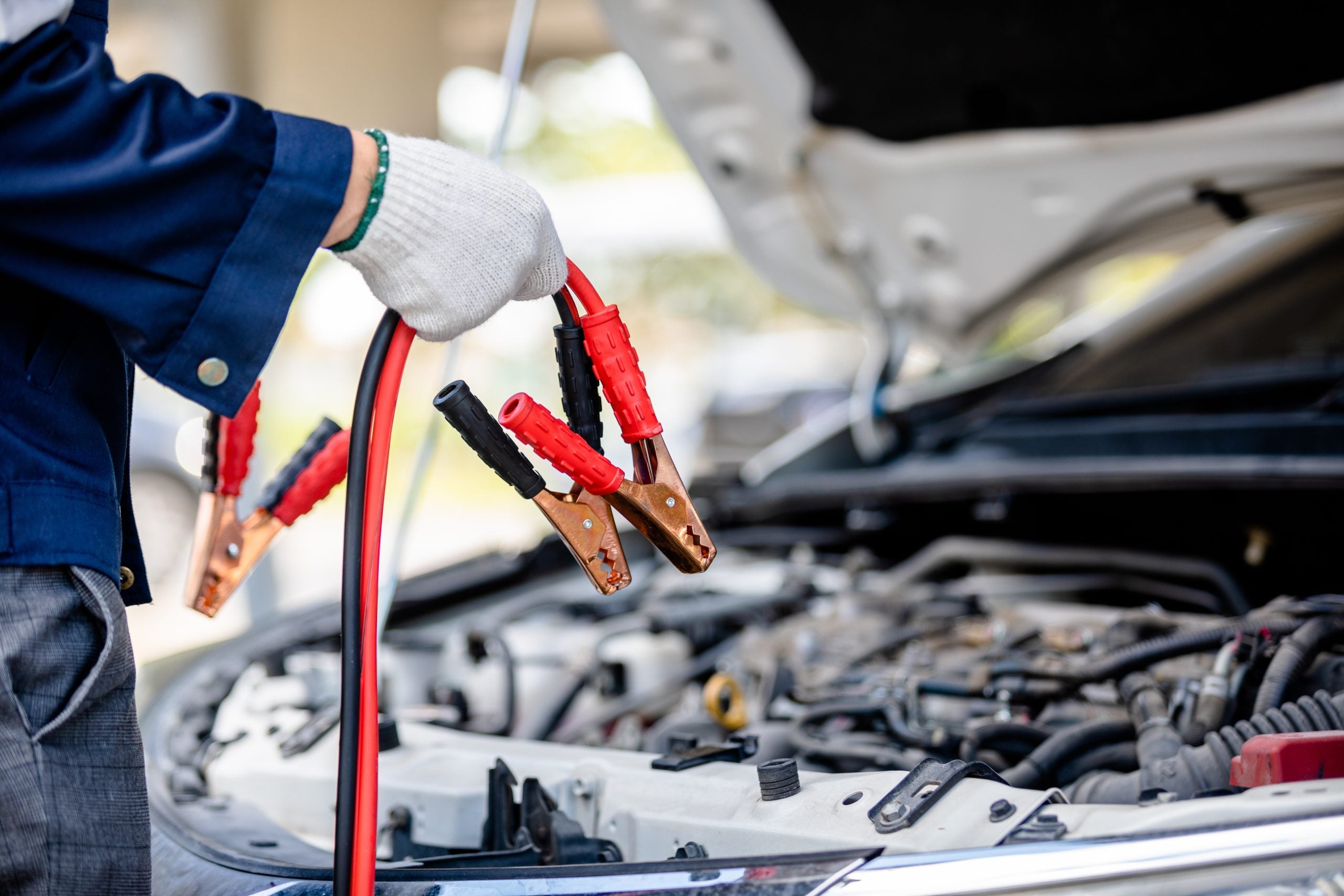
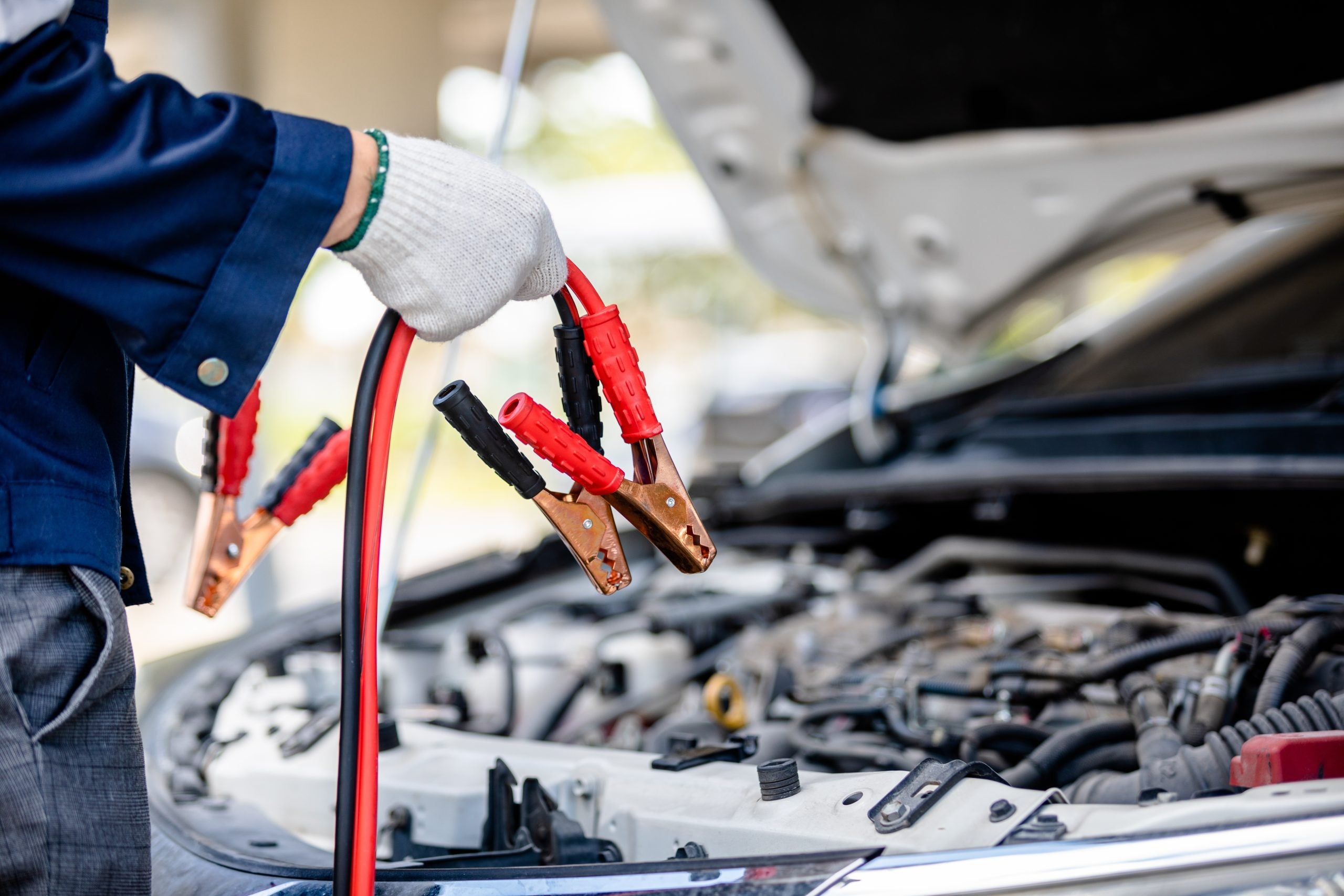
Have you ever asked yourself, “ Can you jumpstart a hybrid car?” While the short answer is yes, the long answer is more complicated. You have to understand what’s going on underneath the hood of your Toyota and how both (yes, both) of your batteries power your hybrid car. This is everything you need to know to answer “Can you jumpstart a hybrid?” the next time someone asks! Two Batteries, Two Jobs for “Can You Jumpstart a Hybrid?” As we mentioned earlier, you need to understand both batteries in your hybrid Toyota before answering the question, “Can you jumpstart a hybrid?” These two batteries are separate and have very different responsibilities. 12-Volt Battery Purpose: This battery powers the computers, dashboard, locks, lights, and relays in your Toyota. Its main job is to “wake up” the car and close contactors so the hybrid system can turn on. If you’re asking, “Can you jumpstart a hybrid battery?”, then this is the only one that’s possible! Location: In a hybrid car, the battery can be located under the hood (similar to a gas vehicle), or it may be stored in the trunk, cargo area, or under a rear seat. If it’s not under the hood, many models have a special jump terminal. This way, you don’t have to reach the physical battery in order to jumpstart it, which can make the answer to “can you jumpstart a vehicle?” much easier! High Voltage Hybrid Battery Purpose: This battery feeds the electric motor(s) that power your car forward and works with the gasoline engine to improve fuel economy and give your car extra energy. Location: Usually, the high voltage battery is buried under a rear seat or is under the rear of the car, and is sealed behind covers, orange-colored cables, and warning labels. Why You Can’t Jumpstart the Hybrid Battery When your hybrid Toyota won’t start, and you’re trying to search “can you jumpstart a hybrid?”, most of the time the issue is with the 12-volt battery. The high voltage hybrid battery, on the other hand, should never be used to jumpstart and should only be serviced by trained technicians. These batteries aren’t designed to be “boosted” like a normal car battery. Some key reasons why you cannot and should not jumpstart the hybrid battery are: Dangerous Voltage Levels: The hybrid pack runs at several hundred volts. Improper contact can result in severe shocks, burns, or worse. Complex Battery Management: The hybrid pack is monitored by a battery management system (BMS) that tracks its temperature, cell balance, and state of charge. By jumping it, you could bypass its safety and monitoring logic, which risks damage to the cells, wiring, or control modules. Fire and Damage Risk: Connecting external power incorrectly to a high-voltage pack can cause rapid overheating, venting, or even a fire! This is the main concern for people researching “can you jumpstart a hybrid?’ Can You Jumpstart a Hybrid? Here’s How! Now that we’ve saved you a search of “Can you jumpstart a hybrid?”, let’s get into the one battery you can jumpstart: the standard, 12-volt battery. This one comes standard in the majority of cars, so everyone knows it. The goal with a hybrid vehicle is to power the 12-volt system enough for the car to enter “READY” mode. Before you start, we recommend: Read your owner’s manual carefully on jumpstarting. It may specify a special underhood jump terminal and exact grounding points that you need to know when searching “can you jumpstart a hybrid?” Make sure to use good cables or a quality jump pack. Thin or floppy cables may not work well and can overheat with your hybrid battery. Ensure both vehicles (or the car and the jump pack) are on a flat, safe surface with the parking brake(s) on, in park, and everything switched off. Step One: Locate the Proper Connection Points Open the hood of your Toyota. Find the designated positive jump terminal (usually under a red plastic cap in a fuse/relay box) and the recommended ground point (often a solid, unpainted metal part of the body/engine bay). Even if the 12-volt battery is in the trunk, there will still be an underhood terminal for you to use! Step Two: Connect the Cables in the Right Order Perhaps one of the more common reasons people search “Can you jumpstart a hybrid?” is to find out the order for connecting the cables on their Toyotas. To reduce the chance of sparks, use this order: Red clamp to the positive (+) jump terminal on the hybrid Toyota. Red clamp to the positive (+) terminal on the helper car/jump pack. Black clamp to the negative (-) terminal on the helper car/jump pack. Black clamp to the approved ground point on the Toyota hybrid. This will be away from moving parts and fuel components, and ideally, isn’t the direct negative post of the 12-volt battery. Step Three: Energize and Wait Briefly If you’re using another car, start the helper car and let it idle for a few minutes. If you’re using a jump pack, turn it on and let it sit connected for a few minutes. Step Four: Turn On the Hybrid Toyota Sit in the hybrid Toyota that you’re researching “can you jumpstart a hybrid?” for. Press the brake pedal firmly, and press the START/POWER button as normal. You’re not listening for a big motor sound, but instead you’re looking for: A “READY” light on the dashboard, or The main display is illuminating normally, or Indicator lights are behaving as they do on a normal start. The gasoline engine may or may not start immediately. In many hybrids, it will only kick on when it’s needed! Step Five: Remove the Cables in Reverse Order Once your hybrid is in READY mode and is stable, remove the cables in this order: The black clamp from the hybrid’s ground point. The black clamp from the helper vehicle/jump pack. The red clamp from the helper vehicle/jump pack. The red clamp from the hybrid’s positive jump terminal. Step Six: Keep the Toyota in READY Leave the car in READY for about 30 minutes so the system can recharge the 12-volt battery, and then drive to our Orlando Service Center to get the battery checked out! If the battery is weak and you turn the car off too soon, it might not have enough charge to power the computers the next time, and you’ll be stuck again. Ta-da, you’ve answered, “Can you jumpstart a hybrid?” and you’re good to go! Ask “Can You Jumpstart a Hybrid?” & More at Toyota of Orlando! So can you jumpstart a hybrid? You definitely can! If you’re still unsure or have any more questions, our Toyota of Orlando service techs can help! Give our service center a call at 407-298-0001 or visit us in person at 3575 Vineland Road!

Auto mechanic near me

How To Find a Reliable Auto Mechanic Near Me

Are you tired of researching “auto mechanic near me” and getting disappointing results? Well, look no further, cause Toyota of Orlando is here to help! Finding a reliable auto mechanic means you need to know what to look for: solid credentials, good reviews, clear communication, and fair pricing. In other words, typing in “good auto mechanic near me” isn’t going to cut it. Today, Toyota of Orlando is going to walk you through how to research your next auto mechanic and what to look for to get the best service! “Auto mechanic near me” → Get recommendations The first step we suggest before typing in “auto mechanic near me” is to ask your friends and family who they recommend. Personal recommendations are often the most trustworthy way to find a good mechanic. Ask who they used for repairs, what work they had done, and how quickly it was fixed! Once you have a list of names, search for the shops online. This will help you see whether the experiences you hear match the overall favor of public reviews. If you see consistency with the word-of-mouth and online feedback, then it’s a strong sign of a reliable operation! “Auto mechanic near me” → Read reviews the smart way Speaking of reviews, there are various online review sites ( like Yelp or RepairPal) that can show patterns in how a shop treats its customers. Pay attention to recurring themes in the comments like honesty, accuracy of estimates, and if the issue was properly fixed the first time. If you spot a negative review, check out how the shop responds! A professional, respectful response and willingness to make things right are two great signs, and are often more telling of the business’s character than a perfect rating. “Auto mechanic near me” → Check out credentials and certifications Another way to look for technicians who are certified, as in they have passed standardized tests and regularly recertify to stay up-to-date. For example, our Toyota Certified Technicians are required to complete a full series of exams in areas like brakes, engines, and electrical systems. These ensure your tech will have a deep expertise in how to fix your car. If you drive a specific brand that is more specialized (for example, a European or electric vehicle), you should check whether the shop has manufacturer-specific training or certifications. Some shops also participate in programs like AAA Approved Auto Repair, which requires the business to meet standards for equipment, technician training, and customer satisfaction. “Auto mechanic near me” → Visit the shop and talk to them If possible, stop by the shop for a small job (like an oil change) before you visit for something major. While you’re there, you can assess the facility to ensure everything appears organized and that the technicians are using modern equipment. Also, pay attention to how other cars are handled while you wait! You can also talk to a service advisor and ask a few simple questions about your car maintenance schedule or a minor concern. There are also three key questions to ask while you visit (or if you call beforehand): Are your technicians ASE certified, and is anyone an ASE Master Technician? What kind of warranty do you offer for parts and labor? Do you provide written estimates and get approval before doing additional work? A good shop will ensure its staff are prepared to explain things clearly in simple language to customers and always take your questions seriously. They’ll make sure to be very clear on what a warranty will cover, and not pressure you into unnecessary work while documenting any suggestions they identify. Another important research topic that the “auto mechanic near me” search won’t tell you! “Auto mechanic near me” → Evaluate communication and transparency A reliable mechanic communicates clearly about what’s wrong, what needs to be done, and what can wait. You should be receiving updates if a job will take longer or cost more than expected, and why. Look for a shop that’s upfront about their diagnostic process and labor rates rather than giving a vague “ballpark” answer. Transparent pricing, written invoices, and a willingness to walk you through the bills are good signs that your car is in good hands. “Auto mechanic near me” → Consider convenience and price We know convenience matters, trust us. It’s important to consider the location, hours, and whether the shop offers rides or loaner cars for you. On the other hand, you need to avoid picking a mechanic solely because they are the cheapest. A cut-rate shop may skip proper diagnostics or use lower-quality parts to stay a cheap option. But, you’ll end up dealing with the consequences of a poor job down the road. Reliability is about value, not just the lowest quote. Make sure you find a fair price from a good shop, not the first one that appears after your search “auto mechanic near me”. “Auto mechanic near me” → Build a relationship before an emergency As we mentioned before, it’s important to build a good relationship with a technician before a major repair is needed. Use routine maintenance visits to build a relationship, learn how the shop operates, and see how they treat you over time. As the trust grows, you will have a go-to place for bigger repairs. Plus, the mechanic will also get to know your vehicle’s history, which can lead to a faster diagnosis. Visit Toyota of Orlando’s Service Center for Repairs We’ve given plenty of topics to research instead of “auto mechanic near me” for your next service needs. Want us to make it easier for you? Come to Toyota of Orlando’s Service Center! Our techs are prepared to answer all your car questions. Trust us, they will make sure you get the top-notch service you (and your car) deserve! Book an appointment online today or give us a call at 407-298-4001.

What Is a Cabin Air Filter, and When Should You Replace Yours?

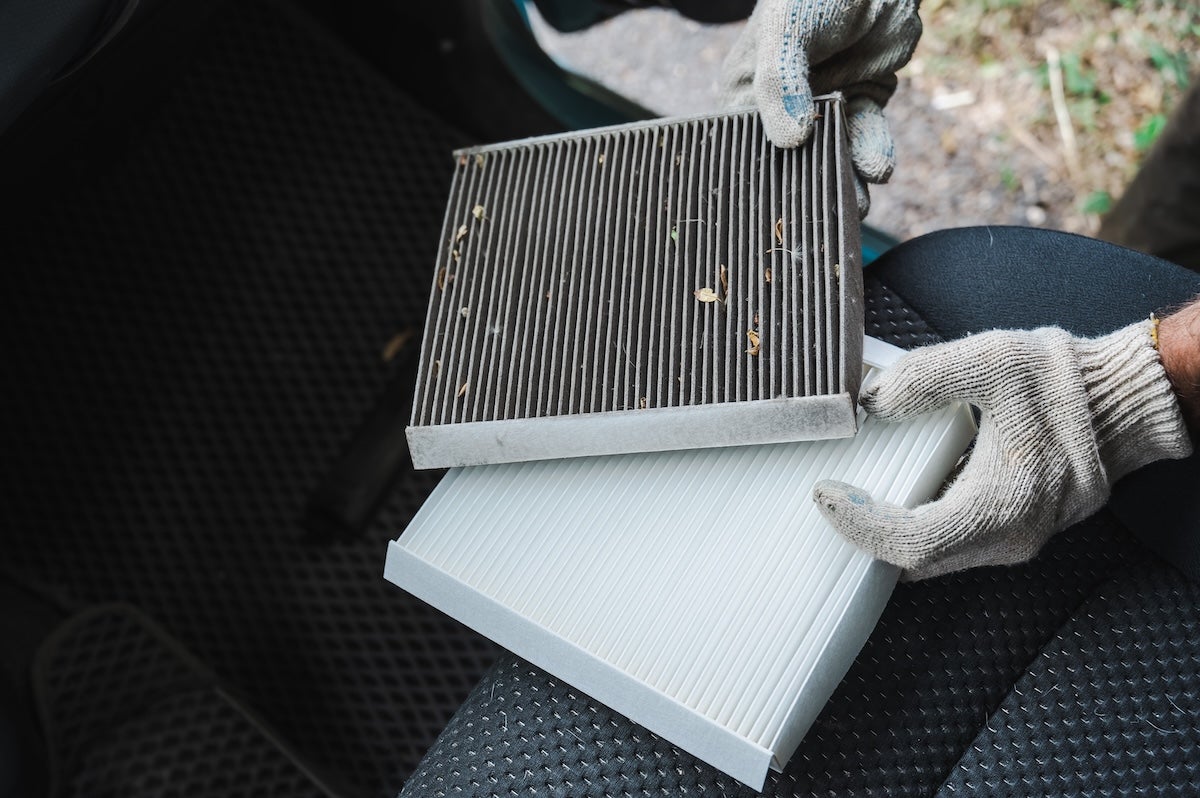
Imagine riding around your car - whether it’s winter and you’ve got the windows up to stay warm, or it’s summer and you’ve got the windows up to stay cool, it’s a priority to be breathing in fresh clean air. This is all possible thanks to your cabin air filter - but how does this important car part work, and how do you know when it’s time to replace it? Toyota of Orlando’s expert service team is walking you through the cabin air filter’s job, how it works, and how to troubleshoot the one in your car. Let’s get started! What Does the Cabin Air Filter Actually Do? Your cabin air filter is a critical part of your Toyota’s heating, ventilation, and air-conditioning systems ( HVAC). It’s main job is to clean the air entering your car’s interior. As the outside air flows through the ventilation system, the cabin air filter traps dirt, dust, pollen, smog, mold, bacteria, exhaust fumes, and even bad smells before they get into the cabin. Pretty important, right? Most modern cars feature it as a standard part to ensure drivers get a comfortable and safe driving experience. Why Is the Cabin Air Filter Important? Like we said, the cabin air filter has a pretty important job when it comes to your drive time. Here are some of the ways it impacts your time behind the wheel and why it’s so critical to have one in your Orlando Toyota. Air quality and health: This filter acts like a barrier between outdoor pollutants and the cabin. This shields you and your passengers from allergens, irritants, and more. This is especially important for people who suffer from allergies or respiratory conditions. Comfort: This car part keeps out dust and bad odors to ensure the air inside your cabin - you know, the air you’re breathing - stays clean and fresh. HVAC performance: A clean air filter allows air to flow freely through your HVAC system. This means your Orlando Toyota is able to efficiently cool, heat, and defrost all of its windows. Vehicle protection: This filter also helps extend the life of your HVAC system. By collecting all of the dirt, debris, etc. before they enter the HVAC system, the filter reduces the chance of breakdowns or expensive repairs. Warning Signs That Your Cabin Air Filter Needs to Be Replaced Like any car part, cabin air filters won’t last forever. So how can you troubleshoot to see if it’s time to replace yours? Here are some common warning signs from our Toyota of Orlando auto service techs to be on the lookout for. Reduced airflow from vents: Does your car seem like it’s not blowing air as forcefully from the vents on your dashboard? This can happen if your cabin air filter is clogged - it blocks air movement. Bad smells inside the cabin: If the inside of your car smells musty or moldy, especially when you’re running the AC or heat, it can mean your filter is dirty or moldy and needs to be replaced. Foggy windows that won’t clear: If you’re struggling to clear your windshield, it might mean that your air filter is clogged. A clogged filter prevents enough air from moving through the system to dry the glass. More dust on surfaces: Does it feel like your car is dustier than normal on the inside? A dirty air filter can’t trap as many dirt and dust particles, which means they make it into your cabin. Noisy or strained HVAC: If you’re noticing weird sounds like whistling or fan noises, your cabin air filter may be clogged and need to be changed. This is also true if your system is working hard but isn’t effective in cooling or heating the cabin. Increased allergy symptoms: If you’re sneezing, coughing, or have watery eyes while driving, this can signal that allergens are making it past your cabin filter and you need to replace it. How Often Should You Change Your Cabin Air Filter? Most auto manufacturers and our Toyota service techs recommend that you change your air filter every 12,000 - 15,000 miles. However, if you drive in cities, construction zones, areas with high pollen, or on dirt roads frequently, then you might need to swap your filter more often. What Happens If You Don’t Replace this Part? Not swapping out this filter can lead to multiple problems (that just aren’t worth dealing with), including: 1. Decreased Air Quality A clogged or dirty air filter loses its effectiveness. This means it’s letting pollutants, dirt, allergens, and exhaust fumes into your car’s interior. This can make your commute wholly unpleasant and even lead to increased allergies or respiratory issues. 2. Reduced HVAC Efficiency When your air filter is blocking airflow because it’s dirty, your HVAC system has to work harder to keep up. This means it’s harder for your AC to cool and your heater to heat. This can lead to your fan or blower motor overheating and failing (which means expensive repairs). 3. Persistent Odors A dirty filter is the perfect home for mold and bacteria. This can create bad smells inside your cabin (like the kind that air fresheners won’t fix). 4. Poor Visibility Like we discussed, a clogged filter can prevent your car from being able to defrost its windows. This means reduced visibility, which increases your risk of accidents as you travel through Orlando. 5. Dirty Cabin A dirty cabin filter means more dirt, dust, and other contaminants in your Orlando Toyota’s cabin. This means a dirty cabin and more detailing duties for you. 6. Potential Environmental Impact + Money Lost If your HVAC system is working hard to keep up with a dirty filter, you’ll find your car using more gas and also putting out more emissions. This means you’re not only contributing to pollution more, but you’re also wasting more hard-earned money on fuel. How to Check and Replace Your Cabin Air Filter We can definitely help you change this filter at Toyota of Orlando, but we can also show you how to do it yourself if you’re a DIY type of person (and we can also sell you the right filter for your car). Here’s how to do it: Locate it (it’s usually behind the glove box or under the dashboard), pull it out, and look for things like: Heavy dust or dirt buildup Discoloration or black spots (indicating mold) Cracking or damage If you notice any of these signs or just know you’re due for a replacement, swap it out. Replacement is easy and quick but again, our Orlando auto service techs can help you out if you’re unsure of how to do it. Schedule a Cabin Air Filter Replacement at Toyota of Orlando Ready to swap your cabin air filter? Get top-notch service and the best deals in Central Florida - schedule at Toyota of Orlando today. Our auto service techs can get you back on the road in no time with a fresh, clean-smelling cabin! Call us at (407) 298-0001 or stop by 3575 Vineland Road, just off I-4 near the Mall at Millenia.

Exhausted,Man,Driver,Feeling,Blood,Pressure,Sitting,Inside,Car,Hot

Why Is My Car AC Blowing Warm Air? A Beginner's Guide

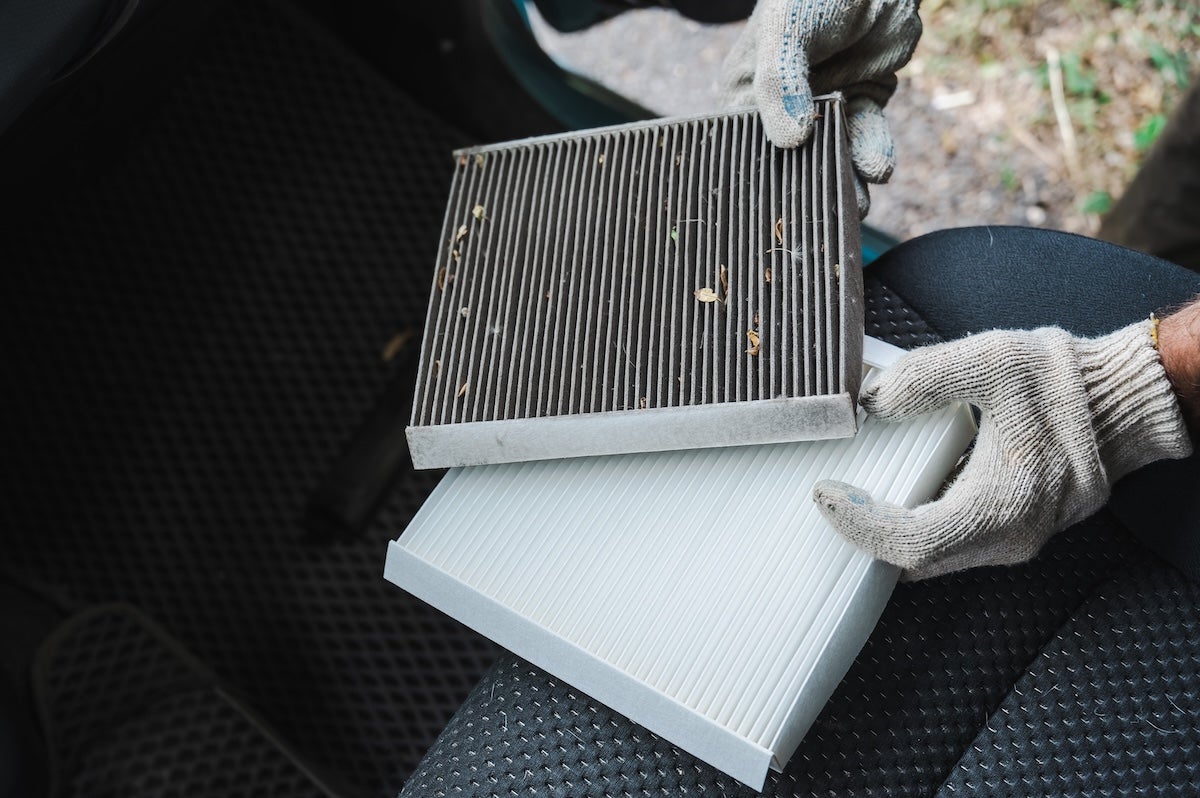
When summer is in full swing, the last thing you want to do is climb into the driver’s seat and realize your car air conditioner is blowing warm air… especially in the afternoon when the temperature is at its peak. If you’ve ever wondered “why is my car AC blowing warm air?” you’re not alone. Our Orlando Toyota service team is here to break down the common causes behind this problem, how you can fix it with car AC repair, and what steps you can take to prevent it from happening again. Let’s get started! <span data-mce-type="bookmark" class="mce_SELRES_start"></span> Why Is My Car AC Blowing Warm Air in the Afternoon? Curious why your car AC is blowing warm air, especially in the afternoon? Here are some of the most common causes of this issue. 1. Low or leaking refrigerant. Refrigerant is the lifeblood of your car’s AC system. This chemical cycles through the system, absorbing heat from the cabin and then releasing it outside. If the system is low on refrigerant (usually due to a leak), then there’s not enough coolant to absorb the heat properly. This means your AC starts blowing warm air. You may notice this issue more in the afternoon because heat from the sun can make small leaks more problematic. Pressure rises in the system, which means leaks become worse. Also, your AC works hard in the summer afternoon heat and will be less effective without the proper amount of coolant. How to fix this issue with car AC repair: Have your car’s air conditioning system checked and serviced annually, especially before summer arrives. Think you might have a leak? Schedule auto service at Toyota of Orlando. 2. Dirty Cabin Air Filter Your car’s cabin air filter removes dust, dirt, pollen, and other debris from the air before it enters your cabin. Over time, it gets clogged, especially if you drive in urban or dusty environments. A dirty cabin air filter means restricted airflow, which can make it feel like the air coming out of the vents is weak or warm. Again, you’re more likely to notice this in the afternoon - the AC has to work harder with more heat and sunlight working against it. A dirty filter means more limited airflow, which makes cooling way less effective. How to fix this issue with car AC repair: Check and replace your cabin air filter once a year - usually around 12,000 - 15,000 miles. Be sure to check your owner’s manual for the factory recommendation. Our Toyota of Orlando tech team can also help you figure out when to change the cabin air filter. Cabin Air Filter Replacement, Air filter in the cabin that is dirty after use for a while. Automotive air conditioning, check dust and amiss in car, Car care and maintenance concept. 3. Faulty or Failing Compressor The compressor is the heart of your car’s AC system. It pumps refrigerant through the system, so if it’s not working then the refrigerant doesn’t circulate and the system can’t cool the air. This could be due to the compressor breaking, wearing out, or not engaging for some reason. You might notice this more in the afternoon because after sitting in the hot sun all day, a tired compressor is more likely to fail under stress. How to fix this issue with car AC repair: If you hear loud noises or notice that the AC switches to warm air after running cold for a few minutes, then it could be the compressor. A technician should inspect it and if needed, repair or replace it. Our Orlando Toyota service techs can help you out! To avoid this issue, be sure to run your car AC once a month for 10-15 minutes in ALL seasons (not just summer) to keep your compressor in the best shape. 4. Problems with the Condenser The condenser’s job is to cool down refrigerant after it’s removed heat from your car’s cabin. Road debris, a car accident, and even dirt can block, bend, or damage the condenser, which prevents it from doing its job. If the condenser doesn’t work, your refrigerant stays hot, which means the air does, too. You might notice this more in the afternoon because the condenser can get hot when your car is parked in direct sun. This makes it harder to cool refrigerant. How to fix this issue with car AC repair: Keep your grille area clear and rinse the condenser with water when you’re washing your car, but avoid using a high-pressure sprayer that can bend the fins. 5. Faulty Blower Motor or Fans Your car’s blower motor pushes cooled air out of the vents. If the motor - or its fans - is weak, clogged, or broken, it will result in poor airflow or hot air being pushed into the cabin. Be sure to listen for odd noises when the AC is on and notice if the airflow changes at all while you’re running it. Hot summer afternoons can put an extra load on the system in your car, which can lead to issues with overheating the motor or causing the fan electronics to fail. How to fix this issue with car AC repair: Have one of our Orlando car care techs inspect and repair or replace the motor or fans as needed. You can also prevent this by addressing odd smells, noises, and airflow issues immediately. Woman check air condition in car. Cold temperature in vehicle 6. Electrical Problems Your Orlando Toyota’s AC system relies on a ton of wires, sensors, relays, and switches. A frayed wire, blown fuse, or bad sensor can bring your whole AC system to a halt, which means the AC might blow hot air. Heat can make electrical faults worse, and sensors may shut off if the engine is overheating. How to fix this issue with car AC repair: Electrical diagnostics require a technician, and we can help at Toyota of Orlando. You can always check your car’s fuse box for blown fuses but if you’re unsure how to do it, let our expert team take care of it for you. Routine car maintenance can help you identify these issue before they cause larger problems. 7. User Error Believe it or not, sometimes your AC settings just aren’t getting the job done. Accidentally turning your heat on or setting the system to defrost can cause warm air to blow into the cabin. Doublecheck your climate control panel to make sure your AC is on, the thermostat is set to cool, and you have recirculation turned on to enable max cooling capabilities. Step-by-Step Solutions: Answering Why is My Car AC Blowing Warm 1. Check Your Settings Make sure your Orlando Toyota’s AC system is set to “cool,” that the AC button is on, and the fan speed is turned up. 2. Inspect the Cabin Filter Locate and inspect the cabin air filter in your car. If it’s dirty or clogged, replace it. 3. Look for Obvious Blockages Peek through the grille of your Orlando Toyota to see if debris is blocking the condenser. Remove what you can safely, but leave the rest to our tech team. 4. Assess Airflow If the air coming out of the vents is weak or only comes out at certain speeds, you may need blower motor repair. Ask our Toyota of Orlando auto service techs to take a look. 5. Seek Professional Help at Toyota of Orlando If you don’t notice a simple problem, a trusted mechanic is your next stop. Our team can check refrigerant levels, compressor function, and electrical connections. How to Prevent Your Car’s AC From Blowing Warm Air Get AC checks during routine service, especially ahead of summer. Change the cabin air filter yearly or as recommended by your owner’s manual. Park in the shade or use a sunshade to keep your car cooler inside. Run the AC monthly, even in winter, to keep everything working smoothly. Fix small issues right away. Don’t ignore weaker cooling power or odd sounds. Gently clean the condenser and grill area when you wash your car to avoid blockages. Schedule car AC repair at Toyota of Orlando Think you might need an expert hand? Contact the Toyota of Orlando auto service center. We’re open seven days a week and we’re ready to get you back on the road. You can call us at (407) 298-0001 or schedule online today!

tires for Toyota Tundra

Alloy Wheel Repair for Beginner’s

When you’re shopping at Toyota of Orlando, alloy wheels are a popular choice to pick for your ride. Also, these wheels offer a modern vibe and reduced weight for the road, which makes for a more fuel-efficient ride. Also, the reduced weight makes these wheels less likely to get damaged by potholes, curbs, and other road hazards. It’s important to understand alloy wheel repair so you know when to swing by for an auto repair. Toyota of Orlando is “Making it Simple™” to understand everything there is to know about the shoes of your car. Why You Should Pay Attention to Your Alloy Wheel Repair First, we’re going over why you should pay attention to your alloy wheels and why it’s important! Safety: If you damage your wheels, there is more wrong than just the cosmetic appeal most likely. Things like scratches, dents, cracks, and bends can compromise the structural integrity of the car wheel. Further, this leads to air leaks, tire blowouts, or loss of control while driving. If you neglect alloy wheel repair, then you increase your chance of car accidents on the highway. And, no one wants to end up with an even bigger auto repair later on! Be sure to stop by Toyota of Orlando for any auto repairs. Protecting Your Investment: Alloy wheels are an investment because they look good and offer more protection than your typical wheel. Also, maintaining your car wheels will help keep the resale value. Who doesn’t like some extra bucks when it comes to reselling your ride? However, neglecting minor wheel damage can lead to even more problems and a repair that will break your wallet later. Enhanced Aesthetics: In addition, alloy wheels are chosen over other types of wheels for their sleek and modern look. Scruffs, scratches, and curb damage will take away from your Orlando Toyota appearance. Additionally, having timely auto repairs restore the original finish and keep your ride looking like a beauty on the road. Plus, it helps prevent corrosion that can worsen over time (and hurt your wallet). <span data-mce-type="bookmark" class="mce_SELRES_start"></span><span data-mce-type="bookmark" class="mce_SELRES_start"></span> When Do You Need Alloy Wheel Repair? Next, recognizing the early signs of wheel damage is important for safety and saving you some money. Toyota of Orlando has common signs to look for if you experience any type of wheel damage. Visible Damage: First, you’ll want to do a full inspection of your Orlando Toyota and check for scratches, dents, chips, and cracks on the wheel surface. In addition, minor cosmetic damage can lead to even bigger problems. Vibrations or Shaking: Also, if you feel vibrations or shaking in your steering wheel or while you’re driving, this can indicate a bent rim or wheel imbalance. Wheel alignments and tire balancing will be your besties when it comes to this! Frequent Air Pressure Loss: If you’re losing air in your car tires, a cracked or bent wheel might be the cause. Stop by Toyota of Orlando if you notice any of these things and we can diagnose what is wrong with your die right away! Uneven Tire Wear: Additionally, damaged wheels can cause misalignment, which can lead car tires to wear unevenly. This is why it’s important to stop at our dealership and our auto service techs can swap out your tires super fast! Pulling to One Side: Plus, if you feel your car pulling to one side, wheel damage or a wheel alignment could be the cause. And, this can lead to other problems in the future, too. Weird Sounds: Lastly, if you hear any thumping or rattling sounds while driving over bumps and potholes, this could be the cause of wheel or rim issues. If you notice any of these problems, you should stop by Toyota of Orlando before you end up with an alloy wheel repair that costs even more money to fix. Step-by-Step Alloy Wheel Repair If you’re having a professional fix your wheels (basically us), it takes several steps to restore the appearance and structural integrity. Grab that popcorn and read on! Cleaning and Inspection: First, the wheel needs to be cleaned and inspected for any damage. This will be documented. Repair Damage: Orlando Toyota auto technicians might have to sand down scratches, fill dents with metal filler, or use special tools to reshape bent parts. If the damage is really bad, it’ll need to be wielded. Priming and Painting: After all auto repairs, the wheel is primed and repainted to match the original part. Worried we don’t have the color you need? No worries. We can whip up any color you’re looking for! Wheel Balancing and Reinstallation: Finally, the tire needs to be balanced and reinstalled to ensure your safety on the highway. If you don’t do this, it can lead to bigger problems down the line. Alloy Wheel Repair Cost Additionally, alloy wheel repair cost depends on the wheel type, type of damage, and location. This can cost anywhere from $85-460 depending on your tire size. The bigger the tire, the more expensive the cost will be. How to Save Money on Alloy Wheel Repair Plus, we have some tips on how to save money! Bundle Repairs: If you repair all four of your wheels at one time, it’ll save you money in the long run. We usually have great deals and specials going on to save you money. Avoid Markups: Next, be sure to go to the reputable Orlando Toyota Collision Center for your repairs. We’ll make sure everything is ready to go and you have the best deal possible. Regular Inspections: Lastly, detecting early damage will save you more money in the long run! Stop by Toyota of Orlando! If you need an alloy wheel repair, stop by Toyota of Orlando. We’re located at 3574 Vineland Road. Also, you can call us at (407) 298-6006 to schedule an appointment.

routine car maintenance

Your Car Maintenance Checklist for 500,000 Miles and Beyond

Toyotas are known for their longevity - we know you’ve heard of the Million Mile Tundra and other high mileage superstars in our lineup. However, hitting 500,000 miles in your own Toyota should be pretty easy if you know how to take care of it properly. Our Orlando Toyota service techs are here to help you get there and beyond - check out our car maintenance checklist for your high mileage car. We’re “Making It Simple™”! <span data-mce-type="bookmark" class="mce_SELRES_start"></span> What Toyota of Orlando Service Do You Need at 500,000 Miles? Getting your Toyota to 500,000 miles should be easy - as long as you stick to a routine car care schedule and address issues as they pop up (rather than ignoring them for a few months), your Orlando Toyota should sail to the 500k mark without issue. But what about after that? How do you care for a high mileage car? Here’s what our auto service experts recommend in terms of a car maintenance checklist once you hit the 500,000 mile mark. An oil and oil filter change. You should change your oil every 5,000 to 10,000 miles depending on your car and the type of oil you use (our Toyota of Orlando techs can recommend the right oil and the right oil change schedule). You’ll want to use a high-mileage synthetic oil to reduce leaks and protect older engine parts. Transmission service. You should replace your Orlando Toyota’s transmission fluid and filter routinely, even if your car has a rebuilt transmission. High mileage cars benefit from fresh transmission fluid as it helps prevent slipping and overheating. A coolant flush. Our Toyota of Orlando techs recommend a coolant flush and replacement at 500,000 miles. This will help prevent overheating and also reduce corrosion in the radiator and the engine block. Tire service and alignment: You should be getting routine tire service and replacing them as needed, and have our team inspect your wheel bearings for wear and tear while they’re at it. Body and undercarriage checks: Have our Toyota of Orlando auto service team check your ride for rust, especially on the frame and brake lines. If any rust is discovered, you should deal with it immediately. Inspect Brakes, Suspension, and Belts During High Mileage Service Appointments Brake service. Schedule brake service for your high milage car. You’ll want to replace old brake fluid and have our Orlando auto service techs check all components in your brake system. High mileage cars are at risk for leaks and failures in their calipers, brake lines, and master cylinders, so let our techs keep you on the right track. Suspension and steering service. How’s your suspension holding up on your high mileage car? Part of our car maintenance checklist is inspecting the shocks, struts, bushings, ball joints, tie rods, and the steering rack, and making replacements where necessary. Loose suspension can affect steering, handling, and your safety, so don’t skip this service. Belts, hoses, and seals inspection. Rubber wears out over time no matter how good the quality. Let our Toyota of Orlando techs inspect your serpentine belt, timing belt, and all hoses and replace when necessary. This can help prevent costly repairs and even catastrophic failure. Fuel system check. Let our techs clean your high mileage car’s fuel injectors, replace the fuel filter, and check the whole system for leaks. Clogged injectors and dirty filters can cause engine damage and bad performance. Don’t Forget About Your Electrical and Exhaust Systems Electrical system inspection. Our Toyota of Orlando techs will test your battery, alternator, and starter for issues. They’ll also inspect all wiring and sensors in your car for corrosion or faults, as high mileage cars can sometimes suffer electrical issues. Exhaust system check. Inspecting the exhaust system is another important item on our car maintenance checklist for 500,000 miles. Our techs can look for rust, leaks, and test the catalytic converter function to ensure that you’re not emitting dangerous fumes, and that you’re compliant with emissions laws in your state. Rear car exhaust pipe and suspension. What Are Common Issues in High Mileage Cars? High mileage cars need a little TLC, so you’ll need to do more than just follow a car maintenance checklist. You should also be on the lookout for issues, including: Engine wear and tear: Be on the lookout for signs like increased oil use, loss of engine compression, and oil leaks. Transmission problems: If your transmission slips, is noisier than usual, or has delayed shifting, you should bring your car to Toyota of Orlando. Suspension issues: Look for odd noises coming from your suspension system (like clunking) as well as uneven tire wear and poor handling. All of these signs can point to suspension problems. Electrical problems: If you notice sensor errors, electrical power failures, or flickering lights, you might have electrical issues and our Toyota of Orlando techs should take a look. Leaks: If you notice oil, coolant, brake fluid, or transmission fluid leaks, bring your car in. High mileage cars are more likely to have issues with seals and gaskets. How Does Following a Car Maintenance Checklist Help Your Car Age Gracefully? What are the benefits of sticking to a car maintenance checklist once your ride reaches 500,000 miles? Here are some of the perks you’ll be able to enjoy according to our Orlando auto service experts: Better reliability: You’ll break down less and your car will run smoothly 24/7, which means you don’t have to worry. More safety. When your brakes, tires, and suspensions are in good shape, it protects you and other drivers out on the road. Increased longevity: Routine car care extends the life of your car well beyond what you’d expect - you can get to a million miles and more if you’re driving a Toyota! Cost savings: Save money by catching issues early during routine maintenance checks - this will save you from having to spend a ton of money on repairs later. Resale value: A car that has a well-documented maintenance record has better resale value, even if it’s 500,000 miles or more! Old car speedometer with high mileage. Dashboard of oldschool car. Old car dashboard. What Happens if You Ignore Your Car Maintenance Checklist? Now you know the perks of keeping a car maintenance schedule - let’s talk about what can possibly happen if you ignore it and don’t keep up with your Orlando Toyota’s care. You can experience major breakdowns. Small issues can quickly turn into expensive or even catastrophic problems, like engine or transmission failure. Your fuel efficiency may go down. Old oil, dirty oil filters, and worn spark plugs force your engine to work harder. This means you use more gas and subsequently, have to spend more at the gas pump. Your safety is at risk. Worn-out brakes, old tires, and unwieldy suspension can cause accidents and collisions or leave you stranded with a roadside emergency. You’ll have higher repair bills. Putting off your car maintenance checklist usually results in bigger and more expensive repair bills down the road. Your car’s lifespan will be shorter. Skipping out on your car maintenance checklist can dramatically shorten its life. This means you’ll have to not only shell out for big repairs but also replace your car sooner. Protect your investment! Count on Toyota of Orlando to Stick to Your Car Maintenance Checklist Need a little TLC for your high mileage car? We’ve got your back at Toyota of Orlando. Our techs can care for your car well beyond 500,000 miles, keep you on a car maintenance checklist schedule, and remind you when you’re due to come in for a visit. Protect your ride - schedule your Toyota service today! We’re open seven days a week with the longest service hours in Central Florida at 3575 Vineland Road.

spring clean

How to Clean Car Wheels, Step by Step

When most people think about detailing the exterior of their car, they focus on getting the paint looking like-new and the windows smudge-free. But there’s one part of your car that often gets overlooked: the wheels. If you’ve ever wondered why your freshly washed ride still looks a little “meh,” chances are your wheels are the culprit. But don’t worry - cleaning your wheels isn’t rocket science. In fact, it’s one of the most satisfying parts of detailing your car. Toyota of Orlando is "Making It Simple™"! Check out our step-by-step guide on how to clean car wheels and the products you should shop. A person is washing a car tire with a green brush. Tire is covered in water and soap. Blue car wash with white soap foam. Auto care service. Car cleaning service concept. Vehicle cleaning service. Why Should You Know How to Clean Car Wheels? Your car wheels are like your ride's shoes - they're hit the hardest with road dirt, brake dust, and general grime. It's important to routinely clean them, and here's why: Your wheels are like the shoes of your car—they take the brunt of the road’s dirt, grime, and brake dust. Here’s why you shouldn’t skip them: Brake Dust: Brake dust can build up as you use your car. Every time you brake, tiny metal particles from your brake pads stick to your wheels. If you don't clean your car wheels, the brake dust can corrode the finish and eventually damage your wheel (not a cheap repair). Safety: Excessive grime and dirt can hide cracks and other damage on your wheels. This can cause problems down the road - you need to be able to see any damage to address it. Resale value: Regularly cleaning your car wheels prevents corrosion, staining, and other damage. This helps keep your car's value high for when you're ready to sell. Curb appeal: Dirty wheels make your car look dated, old, and low-quality. Learn how to clean car wheels to keep your car looking fresh and new. What Supplies Do You Need for Cleaning Car Wheels? Before you get started, you should shop for supplies at our Orlando Toyota parts store. Here's what you'll need for proper cleaning: Wheel Cleaner: Choose a product designed for your type of wheels (alloy, chrome, painted, etc.). If you're not sure which is right, ask the parts counter at Toyota of Orlando to help. Wheel Brush: You'll need a soft-bristled brush to get into tight spots without scratching your wheels. Microfiber Towels: You'll need these for drying and buffing, just like your car paint. Bucket of Water: These are for rinsing your brush and wheels. Hose or Pressure Washer: You'll need this to rinse off dirt and cleaner. And it never hurts to have tire cleaner and tire shine for that finishing touch. Step-by-Step: How to Clean Car Wheels 1. Start with the wheels. When detailing the exterior of your Orlando Toyota, start with the wheels before washing the rest of the car. Your wheels are likely the dirtiest part, and you don't want to splash grime on your clean paint. Here's a word to the wise, too - don't use harsh household cleaners or degreasers. This can actually do more harm than good and damage your wheels. 2. Rinse them thoroughly. Use a hose or pressure washer to blast away loose dirt and brake dust. This step will help prevent scratching when you start scrubbing your wheels. 3. Use the wheel cleaner. Spray wheel cleaner generously all over the wheel. This means the face, the spokes, and the lug nuts. Follow the instructions on the bottle, which generally advise you to leave the spray to sit for a few minutes. Don't let it dry, though! 4. Scrub with a wheel brush. Dip your wheel brush into a bucket of clean water and then scrub, focusing on: The face of the wheel Between the spokes Around the lug nuts The inner barrel (as far as you can reach) If your wheels are excessively dirty, repeat this step. 5. Rinse again. Rinse your wheels thoroughly - remove all the cleaner and loosened dirt and grime. Make sure your wheels are sparkling - dirt residue left on the wheel can attract more dirt. 6. Dry with a microfiber towel. Prevent water spots by drying your car wheels. Use a clean, dry microfiber towel and then throw it in the washer - don't use the same towel on your car paint. 7.  Shine the tires. Want your tires to pop and look like new? Spray on a tire shine product to make them look straight out of the showroom. How to Keep Your Car Wheels in Top Shape Now you know how to clean your car wheels - let's talk about how to keep them in the best shape possible. Here are our Orlando Toyota tips: Clean your wheels everytime you detail your car's exterior. Always let your wheels cool down after driving before cleaning them. Cleaning hot wheels can cause the cleaner to dry more quickly and cause damage. Use separate towels and sponges for wheels and paint to avoid scratches. Protect your wheels in between detailing with a wheel sealant or wax. This will help repel brake dust and make cleaning easier in the future. Get More Tips on How to Clean Car Wheels from Toyota of Orlando There you have it - you know how to learn car wheels, how to protect them in between detailing, and the products you should use. Ready to shop for detailing supplies or need more tips? Visit Toyota of Orlando today! We're just off I-4 near the Mall at Millenia at 3575 Vineland Road.

Toyota service center

What to Expect At Your Toyota Service Appointment

So you scheduled a service appointment at our Toyota of Orlando Service Center. Congrats - you're well on your way to a healthy car that lasts for miles to come! Whether you're coming in for routine auto service or need auto repairs on an existing issue, you're in the best hands with our trained service techs. However, we know that even the simplest Toyota service appointment can sometimes make people anxious. How much will it cost? How long will it take? What if they find a bigger problem? Here's our guide to what you can expect when you schedule Toyota service at Toyota of Orlando - we're "Making It Simple™". Toyota Service: How To Schedule If you've already scheduled your Toyota service appointment at our Orlando auto service center, you know just how easy it is. If you haven't, we've got good news. There are three easy ways to schedule service at Toyota of Orlando. Schedule online. We have a convenient online service scheduler - just fill out your info, submit it, and you're good to go. It's easy and fast and you can do it right from your phone, tablet, or computer. Call us. Have something specific you want to discuss when scheduling a Toyota service appointment? Call us! Our team is ready and waiting to get you scheduled and put your mind at ease. You can reach us seven days a week at (407) 298-0001. Stop by. We're open seven days a week and our doors open at 6 am Monday - Friday. Stop by and chat with a service advisor - they can get you on our schedule for an appointment in no time. What To Expect When You Arrive at Your Toyota Service Appointment What about when you get to Toyota of Orlando - what should you expect? Here's the breakdown. Pull into our convenient service drive. One of our skilled advisors will greet you, get your information, collect your keys, and direct you to our comfortable waiting area so we can get your Toyota service started. Enjoy the waiting area. We have free WiFi, comfortable chairs and couches, tables where you can work, and TVs to keep you entertained. We also have a full-service cafe where you can grab coffee, snacks, and even a meal if you're hungry. Stay informed. Our techs will conduct a free multi-point inspection to ensure your car doesn't have any other issues before they get started. They'll also send you text updates throughout your Orlando Toyota service to let you know how things are going and keep you aware of your timeline. What if they find another issue? Our Toyota of Orlando techs won't start any other repairs or services without asking first. If they find an issue that you weren't aware of, a service advisor will explain it to you, walk you through your options, and give you an estimate. We want you to feel at ease! Don't feel like hanging around? Take one of our free service shuttles over to Mall at Millenia or surrounding shopping and dining! If it's in a five-mile radius, we can get you there (and pick you up when you're ready). Get in and out. When your car is finished, your service advisor will collect you, explain the work that was done, and walk you over to our Cashier so you can pay your bill and hit the road. We want to get you back on the road in a timely manner! Save on Toyota Service with Us We also make it easy to save when you schedule Orlando auto service with us. We offer price matching, and we have daily Toyota service specials designed to save you money. You'll find coupons for oil changes, tire rotations, batteries, brakes, rental cars, and more - we want to ensure you get the best possible service for the best possible price. Not only that, all of our Toyota of Orlando service center repairs are guaranteed for one year or 12,000 miles to give you the peace of mind you deserve when it comes to car care. Keep Your Car in the Best Shape Possible with Toyota of Orlando Once you're done with your service, we'll get you on the road... but it won't be the last time you hear from us! We can get you on a routine car care schedule and send you text and email reminders when you're due. Stay on top of important Toyota service appointments like tire rotations and oil changes to keep your car in the best shape possible. Our trained auto service techs are here to make it happen at Toyota of Orlando! <span data-mce-type="bookmark" class="mce_SELRES_start"></span> Schedule Your Toyota Service Appointment Today Ready to make it happen? We're here - contact Toyota of Orlando at (407) 298-0001, schedule online, or stop by! We're open seven days a week at 3575 Vineland Road, just off I-4 near the Mall at Millenia.

broken headlight

You have a broken headlight: What now?

So you have a broken headlight... what now? Some drivers may ignore it, figuring they can limp by until they get around to fixing it. However, you can get into trouble with a broken headlight so it's in your best interest to address it right away. We're "Making it Simple™" at Toyota of Orlando - check out our guide on handling this broken car part! What Happens If You Have a Broken Headlight? First of all, let's talk about the risks of driving around with a broken headlight so you understand why you should get it fixed immediately. Here's what our Orlando Toyota repair experts have to say about the risks: You have less visibility in the dark with a broken headlight. This makes you more susceptible to accidents and collisions because you can't see as well, which means you're putting yourself and others in danger. You also have less visibility when driving in the rain. You should turn on your headlights when driving in the rain not so you can see better, but so other drivers can see your vehicle better. If you have a broken headlight, they can't see you as well... which again means you're more at-risk for an accident or collision. You can be pulled over - it's illegal to drive without headlights in Orlando and the state of Florida. Both of your headlights need to be in good working condition from dusk until dawn. Being pulled over can result in a ticket, which means a fine and possible points on your driver's license. That's why it's critical to deal with the issue right away. But how should you handle it? How to Fix a Broken Headlight The repairs you'll need depend on what's wrong with your headlight. If it's broken in terms of not illuminating, you may need a replacement bulb or have a wiring issue. If you have a broken headlight cover, it means the casing around the light has been shattered or cracked and needs to be fixed. Let's dive into both issues. If Your Headlight Isn't Illuminating You need to check the bulb first. Has it burnt out? If so, you need to replace it. You can check with our Toyota of Orlando parts store - they can help you find the right bulb for your make and model. Swapping the bulb is usually a pretty simple fix, but if you're uncomfortable and need some assistance our service team is happy to help. However, sometimes it's not the bulb. If you replace the lightbulb and the headlight still isn't working, you may have issues with: A blown fuse in the headlight circuit Damaged wiring in the headlight A bad battery connection Delayed headlight relay A faulty headlight switch All of the above are worth a visit to Toyota of Orlando to have our techs take a peek and see what's going on. If You Have a Broken Headlight Cover What if the casing - the clear plastic over the headlight - gets broken in an accident or collision? In this case, you may be able to just replace the casing (and the Toyota of Orlando service center has got you on that one). However, there may be more damage to the bulb, the lens, the wiring, etc. if you get into an accident or collision, so it's definitely worth taking a closer look. Here's what you should do if you have a broken headlight cover. If you got into an accident or collision, call your insurance company to see if your policy will pay for a broken headlight. This is wise if the accident wasn't your fault or if you think there may be more damage to the headlight than just the cover. Bring your car into our auto service center to let our techs take a look. They can fix a broken headlight cover, replace your bulb, and our body shop can repair any other damage your car sustained in the accident or collision. How Much Does Broken Headlight Repair Cost? Just like most other car repairs, there's no black-and-white answer when it comes to broken headlight repair cost. Here's a general idea: Replacing a headlight bulb is usually pretty inexpensive - it can run $20-30 depending on the bulb you need and if you can do it yourself (having it installed by a professional may cost a bit more). Replacing a headlight lens can cost between $100-300. Replacing a headlight switch can be anywhere from $150-250. Replacing headlight wiring can be anywhere from $125 and up depending on the extent of the wiring damage. Replacing an entire headlight assembly can run anywhere from $100-1,000 depending on your vehicle and the extent of the damage. Keep in mind that if there's other damage to your car (like from an accident or collision), it could cost more to get things up and running again. Our Orlando Toyota body shop is here to get you back on the road in no time. Schedule Broken Headlight Repair at Toyota of Orlando Need repairs for your headlights? We've got your back. Schedule repairs today at Toyota of Orlando. You can call us at (407) 298-0001 or stop by 3575 Vineland Road, just off I-4 near the Mall of Millenia!

Contact Us

Fill out this form below and we'll contact you shortly
*Required Fields