

Blog / New Toyota

The three different types of engine placements

Clermont Toyota sports car

Updated July 2026

When you think about your car's engine, you probably picture it sitting under the hood in front of you. And for most cars on the road today, that's exactly where it is. But not every vehicle follows that design. Did you know engineers have experimented with different engine layout configurations for decades? It’s because where an engine is placed has a major impact on how your car accelerates, handles, brakes, and even how much interior space it has.

Most of the Toyotas at our dealership use a front-engine design. However, understanding the different types of engine layout can help you appreciate why sports cars, trucks, SUVs, and commuter cars all feel different behind the wheel. Whether you're just curious or you’re shopping for your next ride, Toyota of Orlando is here to explain the three primary engine layouts and how they work.

Executive Summary

  • The three main engine layout designs are front-engine, mid-engine, and rear-engine.
  • Front-engine vehicles are the most common because they provide a great balance of comfort, safety, practicality, and predictable handling.
  • Mid-engine layouts are favored for high-performance sports cars thanks to their exceptional balance and cornering ability.
  • Rear-engine layouts are uncommon today but offer strong acceleration and unique driving characteristics.
  • Most Toyota vehicles feature a front-engine layout designed for everyday reliability and confidence on the road.
Toyota tips

What is an engine layout?

An engine layout is where the engine is placed in a vehicle. Yes, every engine has the same job (powering your ride) but its location changes how the car’s weight is distributed. This affects different aspects of your daily driving, including:

  • Steering feel
  • Cornering ability
  • Traction
  • Braking performance
  • Ride comfort
  • Interior and cargo space

Auto manufacturers have to be careful when they select an engine layout, and be sure that it matches the purpose of the car. For example, a family SUV has different priorities than a high-performance sports car. This is why you see different engine layouts depending on the car you’re looking at.

Type #1: Front-engine layout

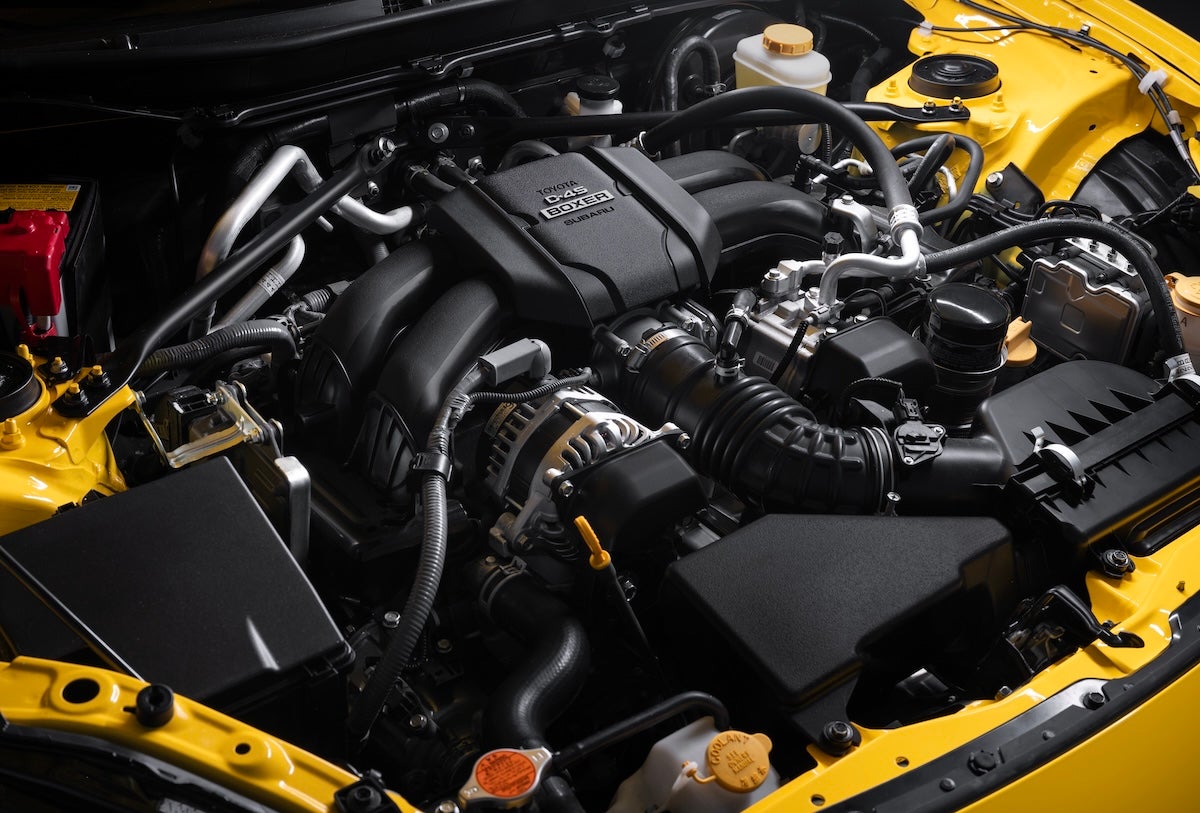
A front-engine layout is the most common configuration out there today. In this setup, the engine sits under the hood of the car in front of the driver and front passenger. It’s easily accessed by just popping the hood. We have this setup on almost every car at Toyota of Orlando, including:

  • Toyota Corolla
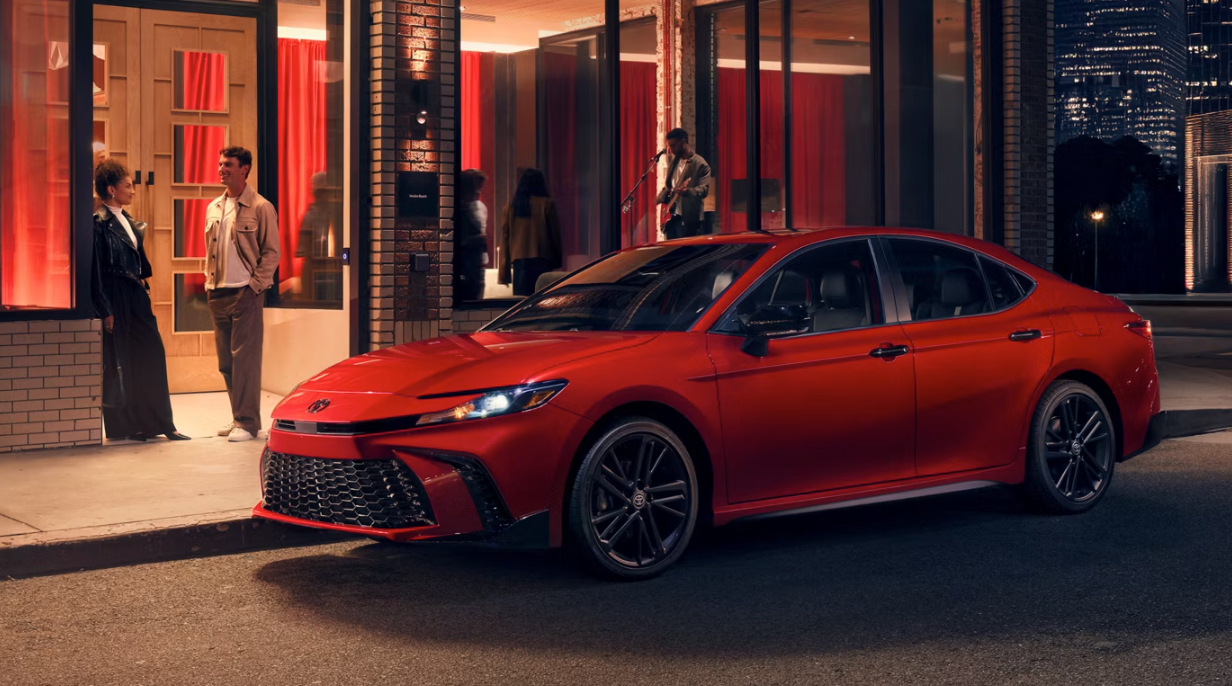
  • Toyota Camry
  • Toyota RAV4
  • Toyota Highlander
  • Toyota Grand Highlander
  • Toyota Prius
  • Toyota Crown
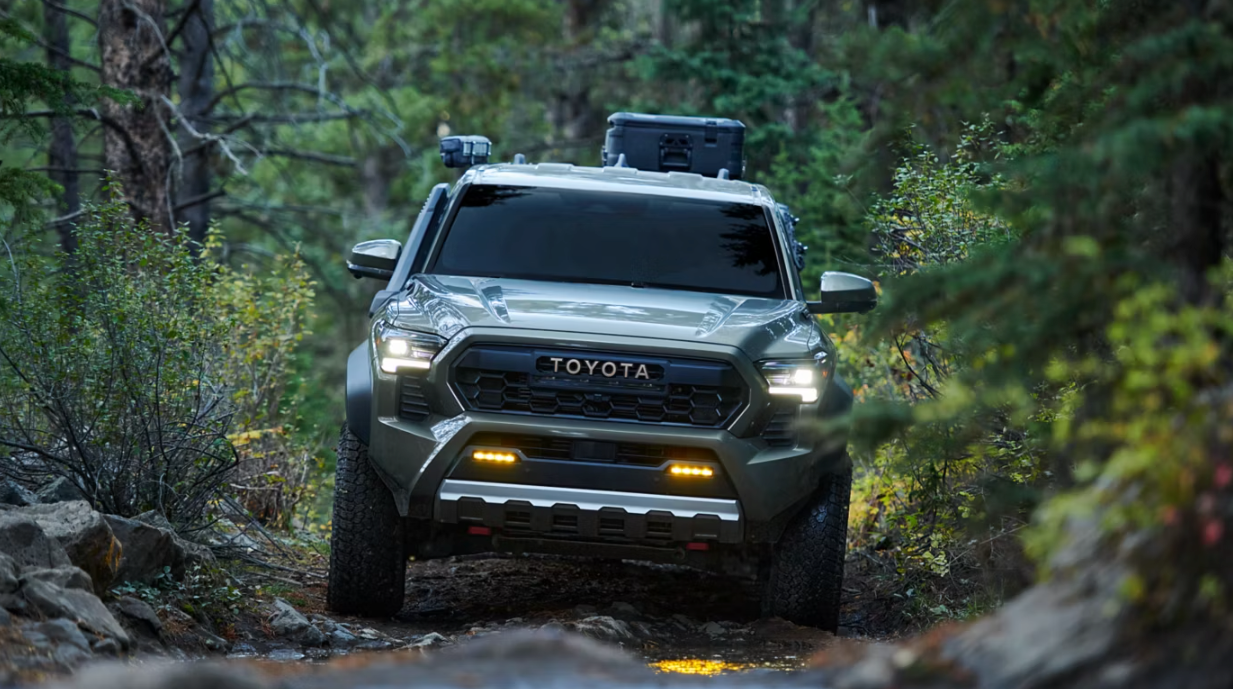
  • Toyota Tacoma
  • Toyota Tundra
  • Toyota Sequoia

Why is the front-engine layout so popular?

Why is the front-engine setup so popular? Here are just a few reasons.

It offers excellent everyday handling. The engine sits over the front wheels, which means more predictable steering and stable handing in everyday driving conditions.

It has more passenger and cargo space. The engine placement under the hood means the engineers can make the most of cabin space and cargo space, which means front-engine cars are great for families and commuters.

It has lower production and repair costs. Front-engine cars are usually easier and cheaper to manufacture and service. Most auto service techs work on this layout everyday, so maintenance and repairs are straightforward and quick.

It works with multiple drivetrains. A front-engine layout can be paired with:

  • Front-wheel drive (FWD)
  • Rear-wheel drive (RWD)
  • All-wheel drive (AWD)
  • Four-wheel drive (4WD)

This means manufacturers like Toyota can build everything from sleek sedans to rugged off-road trucks to spacious SUVs with the same basic engine placement.

Front-engine with rear-wheel drive: What to know

It’s important to note that not every front-engine car sends the powers to the front wheels. Rides like the Toyota Supra and Toyota Tundra have a front-engine, rear-wheel drive setup. This means the engine sends power to the rear wheels, and you get incredible acceleration and a sportier driving experience. However, it’s worth noting that rear-wheel drive can require a little more driver skill in wet or slippery conditions.
Orlando Toyota Camry

Type #2: Mid-engine layout

A mid-engine layout means the engine is behind the driver and front passenger, but ahead of the rear axle of the car. This design isn’t super common today, but it was on one legendary Orlando Toyota: The Toyota MR2.

This particular engine placement is used mostly in sports cars because it changes how the car behaves. Here are some highlights of a mid-engine placement:

It has outstanding balance. Putting the engine in the center of the car creates superior weight distribution from front to back. This helps your Orlando Toyota stay balanced during:

  • Hard acceleration
  • Heavy braking
  • Fast cornering
  • Quick transitions

It has sharper handling. Most of the weight is in the center, so mid-engine cars can respond more quickly to steering inputs. That’s one of the main reasons that exotic sports cars like Ferrari, McLaren, and others use this setup for their vehicles.

However, there are some trade-offs to a mid-engine setup.

  • It means limited interior space. The engine sits behind the front seats, so most mid-engine cars only seat two people.
  • It means less cargo room. There’s not much storage to be had because the engine takes up a lot of the available space.
  • It has less forgiving handling. Skilled drivers might love the responsiveness, but a mid-engine layout can be less predictable if you lose traction.
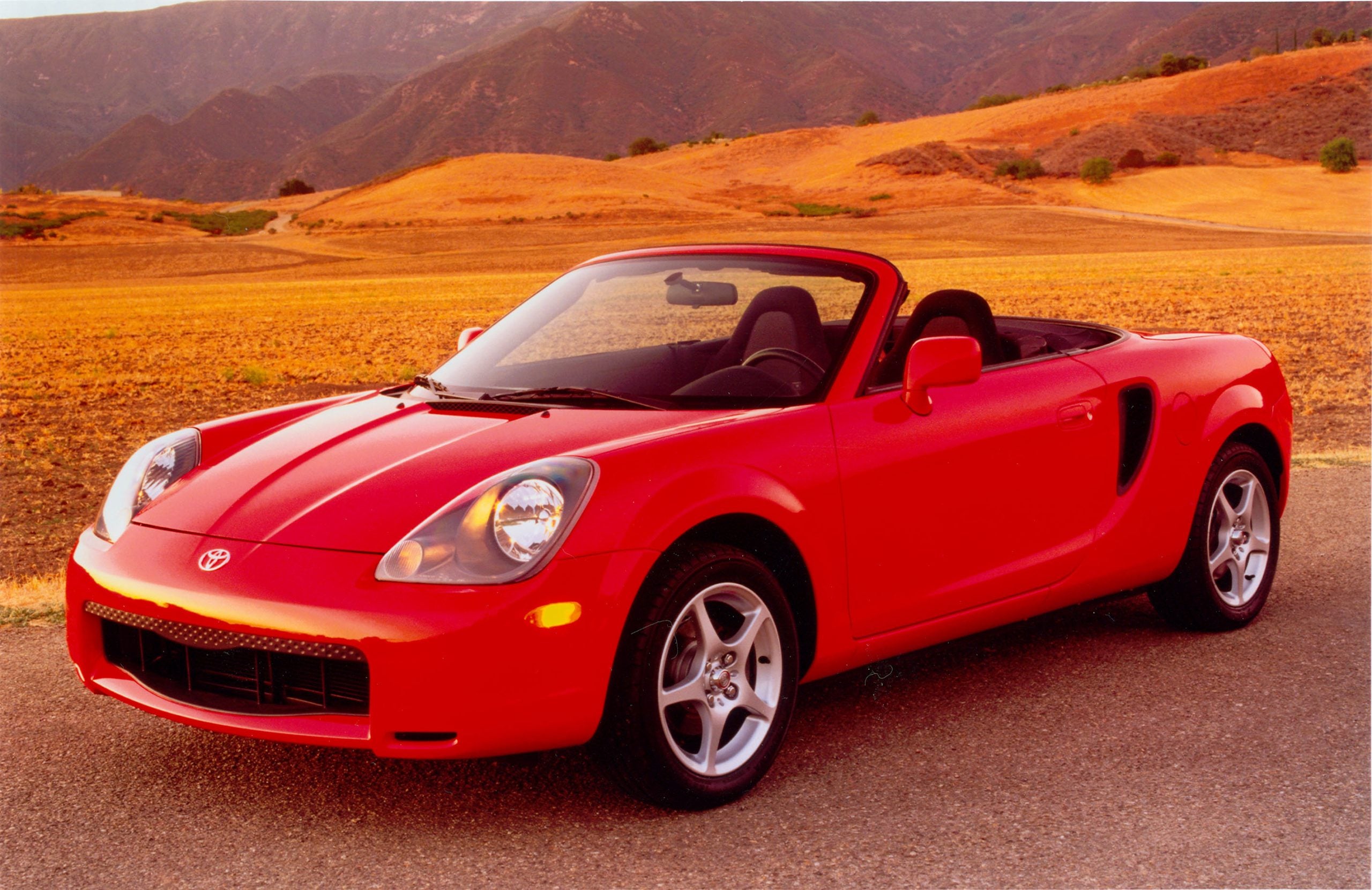
mid-engine Toyota

Type #3: Rear-engine layout

A rear-engine layout puts the engine behind the rear axle, where you’d usually find the trunk on an Orlando Toyota. This configuration is extremely rare now, but you will see the Porsche 911 still using a rear-engine design today.

Advantages of a rear-engine layout

There are some perks to a rear-engine setup (if you can find it), including:

  • Strong acceleration. There’s more weight over the back wheels, so you get crazy traction during acceleration.
  • A unique driving feel. A lot of driving enthusiasts like the distinct feel that comes with a rear-engine setup.

Rear-engine cars aren’t without their issues, though, like:

  • Oversteer. All of the weight is at the back of the car, which means this setup can cause a car to spin out if traction is lost.
  • More challenging handling. Unskilled drivers won’t be able to handle a vehicle with this setup as well during emergency maneuvers.
  • Limited packaging. Rear-engine setups also reduce your cargo space and make engineering more complicated.

All in all, this setup isn’t practical for a daily driver… which is why so many manufacturers have shifted away from it.

Which engine layout is best for your next Orlando Toyota?

The answer depends on what you want your car’s purpose to be. Here’s the breakdown from our Toyota of Orlando sales team.

Front-engine

Best for:

  • Daily commuting
  • Families
  • Road trips
  • Fuel efficiency
  • Practicality
  • Easy maintenance

Mid-engine

Best for:

  • Performance driving
  • Track days
  • Sports car enthusiasts
  • Maximum cornering ability

Rear-engine

Best for:

  • Enthusiast driving
  • Unique driving dynamics
  • High-performance sports cars

For the basic daily driver, a front-engine layout is the best all-around choice. You get dependable handling, a lot of passenger and cargo space, and lower ownership costs.
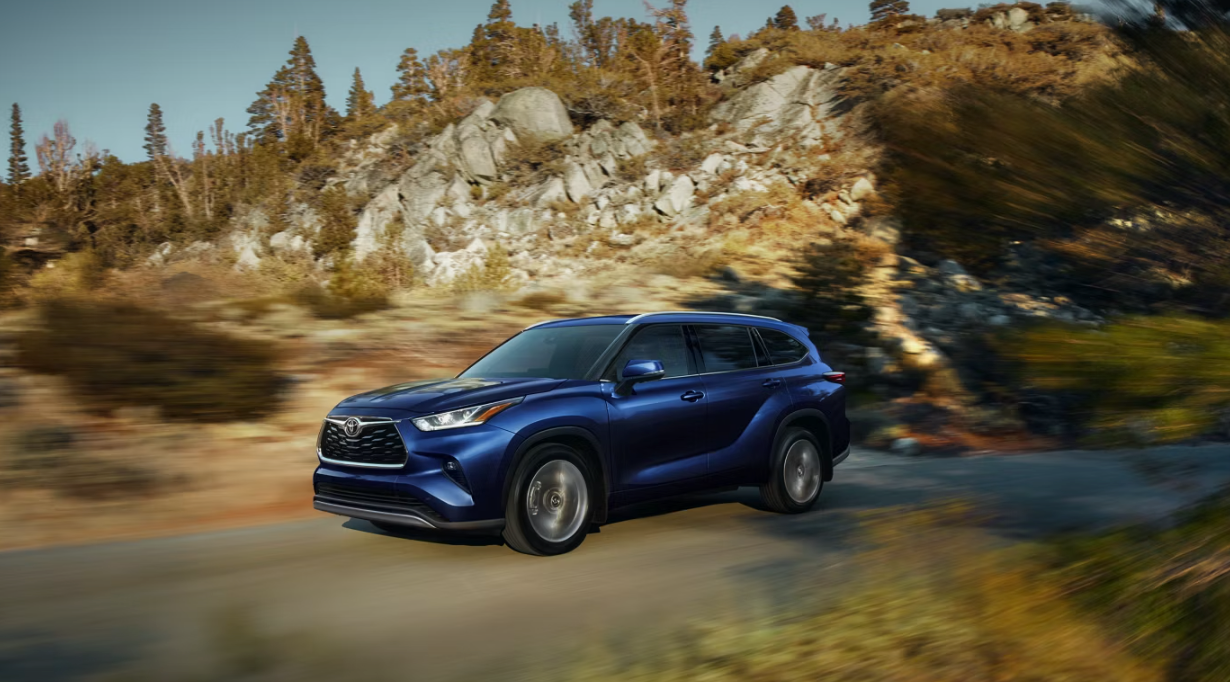
2026 Toyota Highlander

Why Toyota loves the front-engine layout

Toyota has spent decades focusing on its reputation for reliability, comfort, safety, and value… and a front-engine layout hits all of those goals. No matter which Orlando Toyota you’re taking home, a front-engine design gives you the predictability you need in a daily driver.

Learn more about Toyota engineering at Toyota of Orlando

Whether you're interested in performance, fuel efficiency, towing capability, or just understanding how your ride works, our experts at Toyota of Orlando are here to help. We can explain the engineering behind your Toyota, answer your questions, and help you find the model that's right for your lifestyle.

Stop by to explore the latest Toyota lineup or contact our team today to schedule a test drive. We’re open seven days a week and we’re just off I-4 near the Mall at Millenia!

Frequently Asked Questions

What is an engine layout?

An engine layout refers to where the engine is positioned within a vehicle. The three primary layouts are front-engine, mid-engine, and rear-engine, and each affects handling, weight distribution, interior space, and overall driving characteristics.

Why do most Toyota vehicles use a front-engine layout?

Toyota primarily uses a front-engine layout because it provides excellent reliability, predictable handling, spacious interiors, easier maintenance, and versatility across sedans, SUVs, trucks, and hybrids.

Is a mid-engine layout better than a front-engine layout?

Not necessarily. A mid-engine layout offers superior balance and handling for high-performance driving, but it usually sacrifices interior space and practicality. For everyday driving, a front-engine layout is the better choice for most drivers.
Posted in:

Related Posts

Toyota Sienna cargo space

2026 Toyota Sienna vs Honda Odyssey: Which is the Better Family Minivan?

Looking for a three-row ride with max passenger space? You probably have come across the 2026 Toyota Sienna and 2026 Honda Odyssey in your research. Both of these spacious solutions have roomy interiors, the best new technology, seating for up to eight, and tons of cargo space. However, they have very different approaches when it comes to your next family vehicle.. and that’s why we’re here to walk you through it. Let’s explore how this Orlando Toyota stands up to its Honda competition - we’re comparing the price, performance, efficiency, interior, tech, and safety. Check out our complete guide to the 2026 Toyota Sienna vs Honda Odyssey! Pricing and Value in the Toyota Sienna vs Honda Odyssey Value is not the same thing as price - it extends beyond what you initially pay for the car. But let’s start by comparing the MSRPs of these two family minivans. The 2026 Toyota Sienna starts at around $40,120. The 2026 Honda Odyssey starts at around $42,795. So when you look at the pricing at first, it doesn’t seem like there’s too much of a difference. However, the 2026 Toyota Sienna is all hybrid - this efficient new technology is standard on every money. You don’t have to shell out extra to save on gas. On top of that, this Orlando Toyota has lower long-term ownership costs. So you’re saving on owning the vehicle and fueling it… it’s pretty clear off the bat that in the Toyota Sienna vs Honda Odyssey comparison, the Sienna pulls ahead. What Are Performance and Driving Like In These Minivans? The biggest differences in the 2026 Toyota Sienna vs Honda Odyssey comparison lie under the hood. Here’s what you should know before you take a test drive at Toyota of Orlando. Every 2026 Sienna comes decked out with a: 2.5-liter four-cylinder hybrid powertrain 245 total system horsepower An electronically controlled continuously variable transmission (eCVT) Front-wheel drive or available Electronic On-Demand AWD This minivan was designed to make sure you have an efficient, smooth, and comfortable ride for everyday driving. Remember that you have that hybrid powertrain under the hood, which means instant torque for quick acceleration as well as a smooth, quiet drive time, every time. The 2026 Honda Odyssey features a: 3.5-liter V6 engine 280 horsepower 262 lb-ft of torque 10-speed automatic transmission Front-wheel drive only So yes, you get a faster ride when you pick the Honda. If you want more acceleration (thanks to that V6 powertrain) then you might want to opt for this particular family minivan. However, if you’re more concerned about gas savings, smooth driving, and easy handling, check out the 2026 Toyota Sienna. This Orlando Toyota Has Available All-Wheel Drive Here’s another perk you’ll love in the 2026 Toyota Sienna - all-wheel drive. It’s on most of the lineup as standard equipment, and the Honda Odyssey is mostly front-wheel drive. If you frequently hit the road or hate driving in Orlando thunderstorms, the Toyota Sienna is definitely going to be at the top of your list. Explore the Interiors of the Toyota Sienna vs Honda Odyssey If you’re looking for interior space, you’re in luck - the 23026 Toyota Sienna and Honda Odyssey are some of the most spacious rides on the market today. Let’s break down the differences so you can see which one best suits your needs. In the 2026 Toyota Sienna, you’ll get: Seating for seven or eight passengers depending on configuration Available captain's chairs in the second row Available ottoman-style second-row seating Multiple USB charging ports throughout the cabin Available panoramic moonroof Premium materials on higher trim level The interior design revolves around comfort and utility, and has numerous storage compartments and other family-friendly features throughout like second- and third-row sunshades. In the 2026 Honda Odyssey, you’ll find: Magic Slide® second-row seats Eight-passenger seating Flexible seat positioning options Easy third-row access The Magic Slide is definitely one of the strongest features on this minivan. You’ll find it easy to configure the cabin and move between rows. However, the Toyota Sienna also has this advantage with sliding second row seats and fold-flat third row seats. What About Cargo Capacity? There’s tons of cargo space in both of these family minivans. The Honda Odyssey does have more cargo volume when the seats are folded. However, the Toyota Sienna offers competitive storage space behind the third row, and still gives you tons of cargo volume with the second and third rows folded flat. Whether you’re on carpool duty or hitting the highway for a road trip, you’re set. How Easy Is It To Stay Connected in these Minivans? A modern family vehicle is basically a command center on wheels, which means you need the best of the best in terms of technology. Here’s our comparison of the Toyota Sienna vs Honda Odyssey in this department. Depending on trim level, the 2026 Toyota Sienna offers features like: Toyota Audio Multimedia system Large touchscreen display Wireless Apple CarPlay® Wireless Android Auto™ Available JBL® premium audio system Multiple USB-C charging ports Available digital rearview mirror Available rear-seat entertainment system Available wireless charging Toyota also added additional standard equipment to the Sienna lineup for 2026, which means you get more bang for your buck. The 2026 Honda Odyssey includes: 9-inch touchscreen Wireless Apple CarPlay® Wireless Android Auto™ CabinWatch® CabinTalk® Rear entertainment system Family-focused communication features Most of Honda’s top interior technology is dedicated to parents who need to monitor and communicate with rear-seat passengers. Both of these minivans offer exceptional features, but the Toyota Sienna has a newer multimedia platform that’s more modern and user-friendly. Safety Matters in These Family Rides When you’re shopping for a family vehicle, you want the best safety features on the market. We get it, and Toyota has long been known as one of the best when it comes to safety technology. Let’s break down the Toyota Sienna vs Honda Odyssey to see which comes out on top. Toyota Safety Sense™ 2.0 The 2026 Toyota Sienna includes Toyota Safety Sense as standard equipment, featuring: Pre-Collision System with Pedestrian Detection Lane Departure Alert Lane Tracing Assist Full-Speed Range Dynamic Radar Cruise Control Road Sign Assist Automatic High Beams The Orlando Toyota Sienna also includes numerous airbags, stability systems, and advanced driver-assistance technologies across the lineup. Honda Sensing® The Odyssey comes standard with: Collision Mitigation Braking System™ Road Departure Mitigation System Adaptive Cruise Control Lane Keeping Assist System Forward Collision Warning Lane Departure Warning So yes, minivans offer comprehensive safety technology packages. However, recent IIHS testing shows the Toyota Sienna earning a better rating in the updated moderate-overlap front crash test than the Odyssey. Fuel Efficiency: Which Saves You More Gas in the Toyota Sienna vs Honda Odyssey? Here’s where the differences really start to show in this van-to-van comparison. The 2026 Toyota Sienna gets an estimated: 36 MPG combined (FWD) 35 MPG combined (AWD) Every Orlando Toyota Sienna benefits from hybrid efficiency without you needing to to plug in or change your driving habits. The 2026 Honda Odyssey gets an estimated: 19 MPG city 28 MPG highway 22 MPG combined While solid for a V6 minivan, these numbers simply can't compete with the Sienna's hybrid efficiency. You’re going to save measurably less on fuel driving this Toyota. Over several years of ownership, you could end up saving thousands of dollars. Final Verdict: The 2026 Toyota Sienna vs Honda Odyssey So, which are you taking home? All in all, the Orlando Toyota Sienna is a comfortable, efficient, and safe way to get around… and you can see for yourself. Stop by Toyota of Orlando for a test drive today! We’re open seven days a week at 3575 Vineland Road, just off I-4 near the Mall at Millenia.

Orlando Toyota Tundra

The 2026 Toyota Tundra vs Ford F-150: Which Truck Gets Your More?

When you’re shopping for a full-size trucks, you want something capable… and that’s probably why the 2026 Toyota Tundra and 2026 Ford F-150 are on your list. They both offer pretty incredible towing abilities, top technology, durability meant for decades, and premium interiors. However, if we had to pick between the two, the 2026 Toyota Tundra would be at the top of our list in the number one spot (and it’s not because we’re an Orlando Toyota dealer). If you want modern and powerful performance, advanced technology at every turn, and reliability that’s tough to beat, it’s time to take the new Toyota Tundra for a spin. However, we know you’re doing your research - and that’s why we’re comparing the 2026 Toyota Tundra vs Ford F-150 for you. Let’s take a closer look! <span data-mce-type="bookmark" class="mce_SELRES_start"></span> Executive Summary The 2026 Toyota Tundra delivers more standard value, with a twin-turbo V6, 10-speed automatic transmission, and Toyota Safety Sense™ 3.0 included across the lineup, even if its starting MSRP is higher than the Ford F-150. Toyota's i-FORCE MAX hybrid stands out with up to 437 horsepower and 583 lb-ft of torque, giving the Tundra impressive acceleration, towing performance, and efficiency in one package. The Ford F-150 wins on maximum towing and payload, but most truck owners won't reach those limits. For everyday towing, hauling, and recreation, the Tundra has more than enough capability. The Tundra offers a more refined interior and standard safety features, while technology is essentially a draw thanks to Toyota's intuitive infotainment system and Ford's innovative Pro Power Onboard generator. Overall, the 2026 Toyota Tundra is the better all-around truck, combining power, comfort, technology, efficiency, and long-term reliability into one well-rounded package. How Does Price Stack Up in the 2026 Toyota Tundra vs Ford F-150 Comparison? At first glance, the 2026 Ford F-150 has a slightly cheaper starting point when it comes to entry-level pricing. Its base XL models start at around $37,000, and from there the different configurations can climb into the mid-$40,000 range and higher. The 2026 Toyota Tundra has a starting MSRP of around $43,000 for the base SR trim and moves into higher pricing as you explore the different models and configurations. Here’s what you should remember: yes, the 2026 Ford F-150 has a cheaper starting price point. However, you have to look beyond the base trim price. Toyota may cost a bit more, but it includes a substantial amount of better standard equipment - we’re talking Toyota Safety Sense 3.0, a 10-speed automatic transmission, and a twin-turbocharged powertrain. The face value price may be more, but you’re also getting a lot more value. Performance and Power in the 2026 Toyota Tundra vs Ford F-150 Let’s talk about performance and power - how do these two full-sized trucks stack up when it matters most? We’re breaking it down. The Tundra has a more simplified powertrain lineup - there are two versions of its 3.4L twin- turbocharged V6 engine. You can get: An i-FORCE Twin-Turbo V6 389 horsepower 479 lb-ft of torque 10-speed automatic transmission An i-FORCE MAX Hybrid 437 horsepower 583 lb-ft of torque 10-speed automatic transmission At Toyota of Orlando, we love the hybrid powertrain. It combines low-end torque with smooth acceleration and improved fuel efficiency, which means it’s an absolute powerhouse. And unlike some competitors that only use hybrid technology to improve fuel efficiency, Toyota uses it to enhance the truck as a whole. (It gets more horsepower and torque than its V8 predecessor!) Meanwhile, you’ll get more options with the Ford F-150 when it comes to powertrains, including: 2.7L EcoBoost V6 5.0L V8 3.5L EcoBoost V6 3.5L PowerBoost Hybrid High-Output EcoBoost V6 (Raptor) Supercharged V8 (Raptor R) The Powerboost hybrid gives you around 430 horsepower and 570 lb-ft of torque (still falling short of the Orlando Toyota Tundra). Winner: Toyota Tundra Yes, you get a lot of engine options when it comes to the Ford F-150. However, the Tundra will give you more horsepower and torque at the top, which means you get incredible acceleration, towing, and hauling abilities. Towing and Capability Speaking of towing and hauling, let’s get into the details. How does the 2026 Toyota Tundra vs Ford F-150 comparison pan out when it comes to these performance specifics? The Tundra has: Maximum towing capacity pf up to 12,000 pounds Maximum payload of approximately 1,940 pounds This powerhouse is also decked out with advanced towing technology like trailer backup assistance features, integrated towing cameras, and multiple drive modes including TOW/HAUL. The F-150 has: Maximum towing capacity of up to 13,500 pounds with the 3.5L EcoBoost V6. Maximum payload of up to 2,440 pounds in certain configurations. Like we said, Ford has tons of options when it comes to engine configurations, so you can maximize your payload and towing. Winner: Ford F-150 The 2026 Ford F-150 comes out on top on this one. However, it’s worth noting that most truck drivers never hit those maximum limits when it comes to towing and hauling. For most recreational trailers, work equipment, and boats, the Orlando Toyota Tundra will get the job done perfectly well. Comparing the Interior of the 2026 Toyota Tundra vs Ford F-150 We know that modern truck drivers are looking for a blend of capability and comfort, and refinement is always a nice touch. Here’s how the interiors of these two trucks compare: The Toyota Tundra Interior The Orlando Toyota Tundra was recently redesigned inside and out, and now it has one of the most upscale interiors on the market. You’ll love features like: SofTex® or premium leather seating Heated and ventilated front seats Panoramic moonroof 14-inch touchscreen Power vertical rear window Premium audio systems Massive center console storage If you go for a higher trim like the Platinum, Capstone, or 1794 Edition, you’ll find that the interior is similar to luxury SUVs in terms of its materials and craftsmanship. The Ford F-150 Interior The 2026 Ford F-150 is also comfortable and spacious inside the cabin. Available features include: Available features include: Leather seating Max Recline seats Large digital displays Work Surface center console Premium audio systems Numerous storage solutions Winner: Toyota Tundra Both of these full-size trucks have beautiful interiors, but Toyota’s feels more modern and upscale no matter which trim you choose. The materials feel more premium and the Capstone model offers you a true taste of luxury. Technology Features in these Full-Size Trucks Technology is important in every ride these days, so let’s take a look at how the 2026 Toyota Tundra vs Ford F-150 comparison works out in this category. Toyota Tundra Technology The Tundra offers: Available 14-inch Toyota Audio Multimedia touchscreen Wireless Apple CarPlay® Wireless Android Auto™ Cloud-based navigation Voice assistant functionality Digital gauge cluster Over-the-air updates Multiple camera views for towing and parking On top of that, Toyota’s newest infotainment system is fast and intuitive for users. Ford F-150 Technology The Ford F-150 offers: SYNC® infotainment system Large touchscreen displays Digital instrument cluster Pro Power Onboard generator system Trailer technology features Connected services One interesting feature that the Ford F-150 offers is the Pro Power Onboard system, which basically turns the truck into a mobile generator. Winner: Tie At the end of the day, it’s a tie. Toyota has a more user-friendly infotainment system, while Ford has interesting work-oriented technology. Safety Comparison for the 2026 Toyota Tundra vs Ford F-150 The Tundra definitely has a clear lead when it comes to safety technology (and it’s easy to see why - it’s a Toyota.). Here’s how these two trucks compare: Toyota Safety Sense™ 3.0 The Orlando Toyota Tundra includes Toyota Safety Sense™ 3.0, featuring: Pre-Collision System with Pedestrian Detection Dynamic Radar Cruise Control Lane Departure Alert Lane Tracing Assist Road Sign Assist Automatic High Beams Proactive Driving Assist Note: these are standard features across the lineup. Ford Co-Pilot360™ The new Ford F-150 offers: Automatic Emergency Braking Blind Spot Monitoring Lane Keeping System Adaptive Cruise Control Available BlueCruise hands-free driving technology Winner: Toyota Tundra You’re going to get comprehensive safety packages on both trucks. However, Toyota has a commitment to safety and as such, has made advanced driver-assistance technology standard throughout the lineup (you don’t have to pay more to get it). Who Wins When It Comes to Fuel Efficiency? Fuel economy varies a lot in both the 2026 Toyota Tundra and 2026 Ford F-150 based on their configurations, so it’s not a clearcut comparison. However, we want to note that the Orlando Toyota Tundra I-FORCE MAX hybrid powertrain stands out. It’s a seamless blend of power and fuel efficiency. This makes it a top choice for drivers who need both. Winner: Slight Edge to Toyota You can get a hybrid truck from both manufacturers, but Toyota’s I-FORCE MAX system offers you more horsepower and torque while still maintaining exceptional fuel efficiency. Who’s the Overall Winner in the 2026 Toyota Tundra vs Ford F-150 Comparison? We’ll admit it - the 2026 Ford F-150 is a strong contender and definitely one of the most capable trucks on the road, especially if you want towing, payload, and customization options. However, we think the all-around winner is the Orlando Toyota Tundra. It’s refined, powerful, efficient, and perfect for daily driving on top of towing and hauling. Ready to see it for yourself? Stop by Toyota of Orlando. We’re open seven days a week at 3575 Vineland Road, just off I-4 near the Mall at Millenia. FAQs Is the 2026 Toyota Tundra or Ford F-150 better? It depends on your priorities, but for most drivers, the 2026 Toyota Tundra is the better all-around choice. It offers more standard features, a more upscale interior, a powerful hybrid option, and Toyota's reputation for long-term reliability. Can the 2026 Toyota Tundra tow as much as the Ford F-150? The Ford F-150 has a higher maximum towing capacity of up to 13,500 pounds in select configurations, while the Toyota Tundra can tow up to 12,000 pounds. However, the Tundra is more than capable of handling most boats, campers, trailers, and work equipment that the average truck owner tows. Does the 2026 Toyota Tundra come with a hybrid engine? Yes. The available i-FORCE MAX hybrid powertrain produces up to 437 horsepower and 583 lb-ft of torque while also improving fuel efficiency. Unlike some hybrid trucks, Toyota's system is designed to boost both performance and efficiency. Which truck has better safety features: the 2026 Toyota Tundra or Ford F-150? Both trucks offer advanced driver-assistance technologies, but the Toyota Tundra has the advantage because Toyota Safety Sense™ 3.0 comes standard on every trim. That means you get features like Pre-Collision System, Dynamic Radar Cruise Control, Lane Tracing Assist, and Proactive Driving Assist without paying for higher trim levels.

Tacoma vs Colorado

The 2026 Toyota Tacoma vs Chevy Colorado: Which Truck Delivers More?

We know there are a lot of options out there when it comes to trucks - the market is competitive, and you’ve got plenty of choices. However, if you’re trying to narrow it down, two models should be at the top of your list: the 2026 Toyota Tacoma and 2026 Chevrolet Colorado. Both of these midsize trucks give you rugged style, powerful towing and performance, off-road-readiness, and the most modern tech options. However, if you really take a detailed look at the 2026 Toyota Tacoma vs Chevrolet Colorado comparison, you’ll see that the Tacoma pulls ahead when it comes to several categories. We’re taking a closer look - check out this complete guide to these midsize trucks! <span data-mce-type="bookmark" class="mce_SELRES_start"></span> Executive Summary The 2026 Toyota Tacoma offers more customization and value, with eight trim levels, multiple powertrain choices, and a wider range of cab, bed, and drivetrain configurations than the Chevrolet Colorado. Toyota leads in performance versatility thanks to its available i-FORCE MAX hybrid powertrain, which delivers up to 326 horsepower and 465 lb-ft of torque while also improving fuel efficiency. Off-road enthusiasts have more factory-built options in the Tacoma lineup, including the TRD Off-Road, TRD Pro, and Trailhunter trims with advanced features like Crawl Control, Multi-Terrain Select, and available FOX® suspension. The Tacoma provides a more comprehensive safety package, with Toyota Safety Sense™ 3.0 standard on every trim and a broader range of driver-assistance technologies than the Colorado. Long-term ownership favors the Tacoma, which continues to earn a reputation for reliability, strong resale value, and lower ownership costs compared to many competitors in the midsize truck segment. Price and Value in the 2026 Toyota Tacoma vs Chevrolet Colorado If you want options, you’re going to love the 2026 Toyota Tacoma. It has one of the biggest trim lineups in this particular truck segment. Whether you need a work truck, a daily driver, or an off-road-ready truck, you’ve got choices. 2026 trims at Toyota of Orlando include: SR SR5 TRD PreRunner TRD Sport TRD Off-Road Limited Trailhunter TRD Pro On the other hand, the 2026 Chevy Colorado lineup is simpler and includes: WT LT Trail Boss Z71 ZR2 Both of these trucks are competitively priced, but you get more flex when it comes to the Orlando Toyota Tacoma. You’ll have more cab, powertrain, drivetrain, and bed size configurations, as well as more customization for capability or premium features. Further, the Tacoma is renowned for its reliability ands resale value. Historically, it’s always retained its value exceptionally well. This means more money when you trade in and offset ownership costs. What Are the Performance and Powertrain Options for 2026 models? One of the biggest differentiators between these two trucks is what’s under the hood. Here’s the breakdown from our Orlando Toyota sales team. The 2026 Toyota Tacoma offers two powertrain choices. i-FORCE Turbocharged 2.4L Four-Cylinder, which gets: Up to 278 horsepower Up to 317 lb-ft of torque Available 8-speed automatic transmission i-FORCE MAX Hybrid Powertrain, which gets: 326 horsepower 465 lb-ft of torque The I-FORCE MAX hybrid system means Toyota has a big advantage when it comes to torque, as well as better fuel efficiency. The 2026 Chevy Colorado uses a single turbocharged 2.7-liter four-cylinder engine, which gets: 310 horsepower 430 lb-ft of torque 8-speed automatic transmission So yes, the Colorado has impressive power. But there’s no hybrid option up for grabs, so if you want that max torque and better fuel efficiency, this particular setup may not be right for you. Off-Road Performance: 2026 Toyota Tacoma vs Chevrolet Colorado You can opt for a specialized off-road trim in both of these trucks, but Toyota is the clear winner for advanced factory-built off-road packages. Orlando Toyota Tacoma highlights include: TRD Off-Road trim TRD Pro trim Trailhunter trim Multi-Terrain Select Crawl Control Stabilizer Disconnect Mechanism FOX® suspension on select trims ARB® accessories on Trailhunter The Chevy Colorado counters with: Trail Boss trim Z71 trim ZR2 trim Multimatic DSSV dampers on ZR2 The Chevy Colorado ZR2 is capable, but Toyota’s options like TRD Pro and Trailhunter give you more specialized choices depending on your off-road adventures. Towing and Payload: How Much Can They Handle? If you’re considering towing and payload before making a decision, here’s what you should know about the Toyota Tacoma vs Chevrolet Colorado. Depending on configuration, the Tacoma can tow up to 6,500 pounds. Maximum payload reaches approximately 1,700+ pounds. The Colorado offers up to 7,700 pounds of towing capacity and up to approximately 1,685 pounds of payload. So yes, the Colorado has a bigger payload capability. However, it’s rare that you’ll hit that limit unless you’re using your truck for serious work. The Tacoma is also more than sufficient to pull small trailers, campers, and boats. Check Out the Interiors of These Two Trucks The Orlando Toyota Tacoma recently got a complete overhaul, and its interior reflects that. It has upgraded comfort, materials, and functionality. You can opt for features like: Heated and ventilated front seats Power-adjustable front seats SofTex®-trimmed seating Leather-trimmed seating Panoramic View Monitor Digital rearview mirror Available power tailgate Available power open-and-close tailgate The cabin design is all about durability, but it also showcases modern style and an upscale feel. The new Chevy Colorado also offers a modern interior with features like: Available heated seats Available ventilated seats Wireless charging Premium materials on upper trims Digital instrumentation Both trucks provide comfortable accommodations, but Toyota's higher-end trims generally deliver a more premium feel and a wider range of available interior configurations. Technology Features Tech is important to every driver nowadays, and both of these midsize options are packed with it. Here’s how technology compares in the 2026 Toyota Tacoma vs Chevrolet Colorado comparison. This year, Orlando Toyota Tacoma technology includes: 8-inch or 14-inch Toyota Audio Multimedia touchscreen Wireless Apple CarPlay® Wireless Android Auto™ Available JBL® premium audio system Cloud-based navigation Over-the-air software updates Digital key capability 12.3-inch digital gauge cluster On top of that, Toyota’s multimedia system is one of the most user-friendly options out there with fast response times and super intuitive controls. The 2026 Chevrolet Colorado features: 11.3-inch touchscreen 11-inch digital driver display Wireless Apple CarPlay® Wireless Android Auto™ Google Built-In compatibility Available Bose® audio system The 2026 Chevy Colorado has a strong technology package, but Toyota offers more features and a bigger 14-inch screen. How Does Safety Stack Up in Both Trucks? Safety is Toyota’s bread and butter and the 2026 Toyota Tacoma is no exception. Here’s how this Orlando Toyota pans out in this part of the comparison. Every 2026 Toyota Tacoma comes equipped with Toyota Safety Sense™ 3.0, which includes: Pre-Collision System with Pedestrian Detection Full-Speed Range Dynamic Radar Cruise Control Lane Departure Alert with Steering Assist Lane Tracing Assist Road Sign Assist Automatic High Beams Proactive Driving Assist Other available features include: Blind Spot Monitor Rear Cross-Traffic Alert Front and Rear Parking Assist Panoramic View Monitor The 2026 Chevrolet Colorado includes: Automatic Emergency Braking Forward Collision Alert Front Pedestrian Braking Lane Keep Assist Following Distance Indicator IntelliBeam® automatic headlights Both of these trucks offer great safety tech, but Toyota has one of the most comprehensive safety suites on the market… and it comes standard. Fuel Efficiency In the 2026 Toyota Tacoma vs Chevrolet Colorado Comparison Fuel efficiency is always important, but especially now with gas prices the way they are. Here’s what our Toyota of Orlando team discovered when comparing these trucks. Toyota Tacoma: The estimated fuel economy varies by the trim but the hybrid powertrain helps the Orlando Toyota Tacoma achieve some of the strongest efficiency figures in the midsize truck segment. Benefits include: Improved city fuel economy Increased driving range Reduced fuel costs over time Exceptional torque delivery Chevrolet Colorado The Colorado offers solid fuel economy from its turbocharged engine but doesn’t offer a hybrid option. If you want long-term efficiency, the Toyota Tacoma's hybrid powertrain has a pretty significant advantage. Reliability and Long-Term Ownership Toyotas are renowned for being reliable, and the Orlando Toyota Tacoma is one of the most trusted trucks on the road. For decades, Tacomas have been praised for things like: Long-term durability Strong resale value Lower ownership costs Dependable performance Chevy has definitely improved its reliability over recent years, but the Toyota Tacoma is the truck that set the standard in the first place. Explore the Toyota Tacoma vs Chevrolet Colorado at Toyota of Orlando There’s no better way to experience everything the 2026 Toyota Tacoma has to offer than to take it for a spin. Stop by Toyota of Orlando today for your test drive - we’re open seven days a week at 3575 Vineland Road, just off I-4 near the Mall at Millenia! FAQs: Q: Which truck has better towing capacity: the 2026 Toyota Tacoma or Chevrolet Colorado? A: The Chevrolet Colorado offers a higher maximum towing capacity of up to 7,700 pounds, while the Toyota Tacoma can tow up to 6,500 pounds depending on configuration. Q: Does the 2026 Toyota Tacoma offer a hybrid engine? A: Yes. The Tacoma is available with the i-FORCE MAX hybrid powertrain, which produces up to 326 horsepower and 465 lb-ft of torque while improving fuel efficiency. Q: Which truck is better for off-road driving? A: Both trucks offer capable off-road trims, but the Toyota Tacoma provides more specialized options with the TRD Off-Road, TRD Pro, and Trailhunter models, each designed for different types of adventure.