



Updated July 2026
When you think about your car’s engine, you probably picture it sitting under the hood in front of you. And for most cars on the road today, that’s exactly where it is. But not every vehicle follows that design. Did you know engineers have experimented with different engine layout configurations for decades? It’s because where an engine is placed has a major impact on how your car accelerates, handles, brakes, and even how much interior space it has.
Most of the Toyotas at our dealership use a front-engine design. However, understanding the different types of engine layout can help you appreciate why sports cars, trucks, SUVs, and commuter cars all feel different behind the wheel. Whether you’re just curious or you’re shopping for your next ride, Toyota of Orlando is here to explain the three primary engine layouts and how they work.
Executive Summary
- The three main engine layout designs are front-engine, mid-engine, and rear-engine.
- Front-engine vehicles are the most common because they provide a great balance of comfort, safety, practicality, and predictable handling.
- Mid-engine layouts are favored for high-performance sports cars thanks to their exceptional balance and cornering ability.
- Rear-engine layouts are uncommon today but offer strong acceleration and unique driving characteristics.
- Most Toyota vehicles feature a front-engine layout designed for everyday reliability and confidence on the road.

What is an engine layout?
An engine layout is where the engine is placed in a vehicle. Yes, every engine has the same job (powering your ride) but its location changes how the car’s weight is distributed. This affects different aspects of your daily driving, including:
- Steering feel
- Cornering ability
- Traction
- Braking performance
- Ride comfort
- Interior and cargo space
Auto manufacturers have to be careful when they select an engine layout, and be sure that it matches the purpose of the car. For example, a family SUV has different priorities than a high-performance sports car. This is why you see different engine layouts depending on the car you’re looking at.
Type #1: Front-engine layout
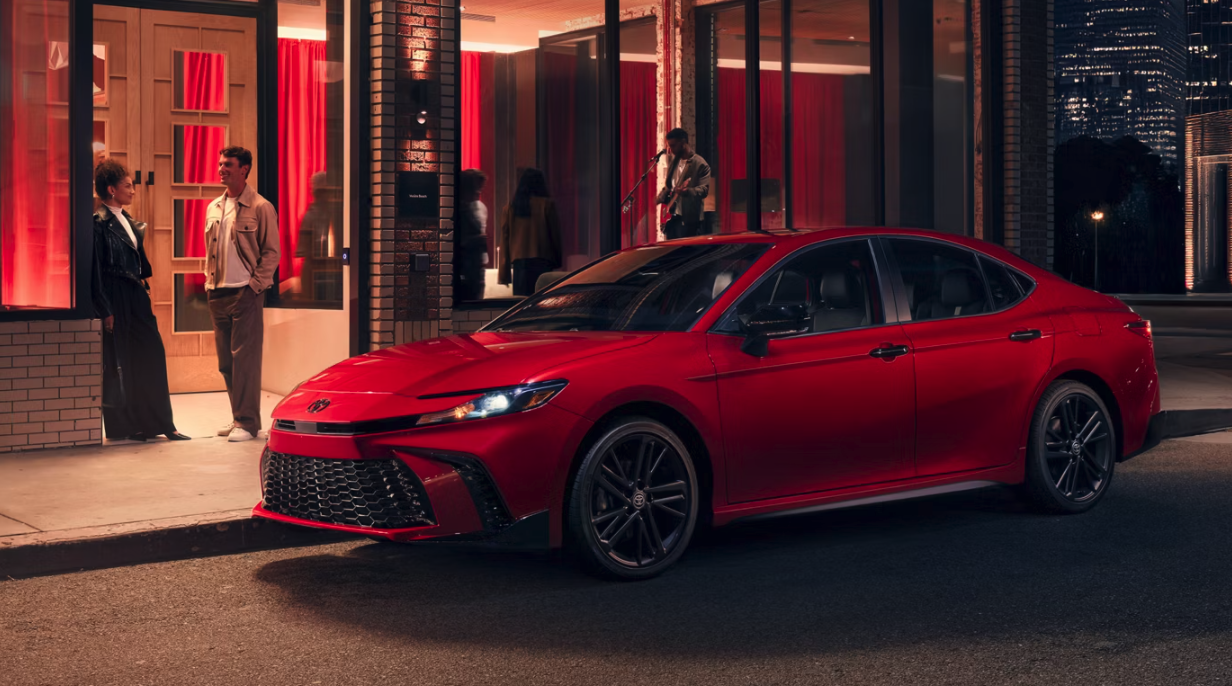
A front-engine layout is the most common configuration out there today. In this setup, the engine sits under the hood of the car in front of the driver and front passenger. It’s easily accessed by just popping the hood. We have this setup on almost every car at Toyota of Orlando, including:
- Toyota Corolla
- Toyota Camry
- Toyota RAV4
- Toyota Highlander
- Toyota Grand Highlander
- Toyota Prius
- Toyota Crown
- Toyota Tacoma
- Toyota Tundra
- Toyota Sequoia
Why is the front-engine layout so popular?
Why is the front-engine setup so popular? Here are just a few reasons.
It offers excellent everyday handling. The engine sits over the front wheels, which means more predictable steering and stable handing in everyday driving conditions.
It has more passenger and cargo space. The engine placement under the hood means the engineers can make the most of cabin space and cargo space, which means front-engine cars are great for families and commuters.
It has lower production and repair costs. Front-engine cars are usually easier and cheaper to manufacture and service. Most auto service techs work on this layout everyday, so maintenance and repairs are straightforward and quick.
It works with multiple drivetrains. A front-engine layout can be paired with:
- Front-wheel drive (FWD)
- Rear-wheel drive (RWD)
- All-wheel drive (AWD)
- Four-wheel drive (4WD)
This means manufacturers like Toyota can build everything from sleek sedans to rugged off-road trucks to spacious SUVs with the same basic engine placement.
Front-engine with rear-wheel drive: What to know
It’s important to note that not every front-engine car sends the powers to the front wheels. Rides like the Toyota Supra and Toyota Tundra have a front-engine, rear-wheel drive setup. This means the engine sends power to the rear wheels, and you get incredible acceleration and a sportier driving experience. However, it’s worth noting that rear-wheel drive can require a little more driver skill in wet or slippery conditions.
Type #2: Mid-engine layout
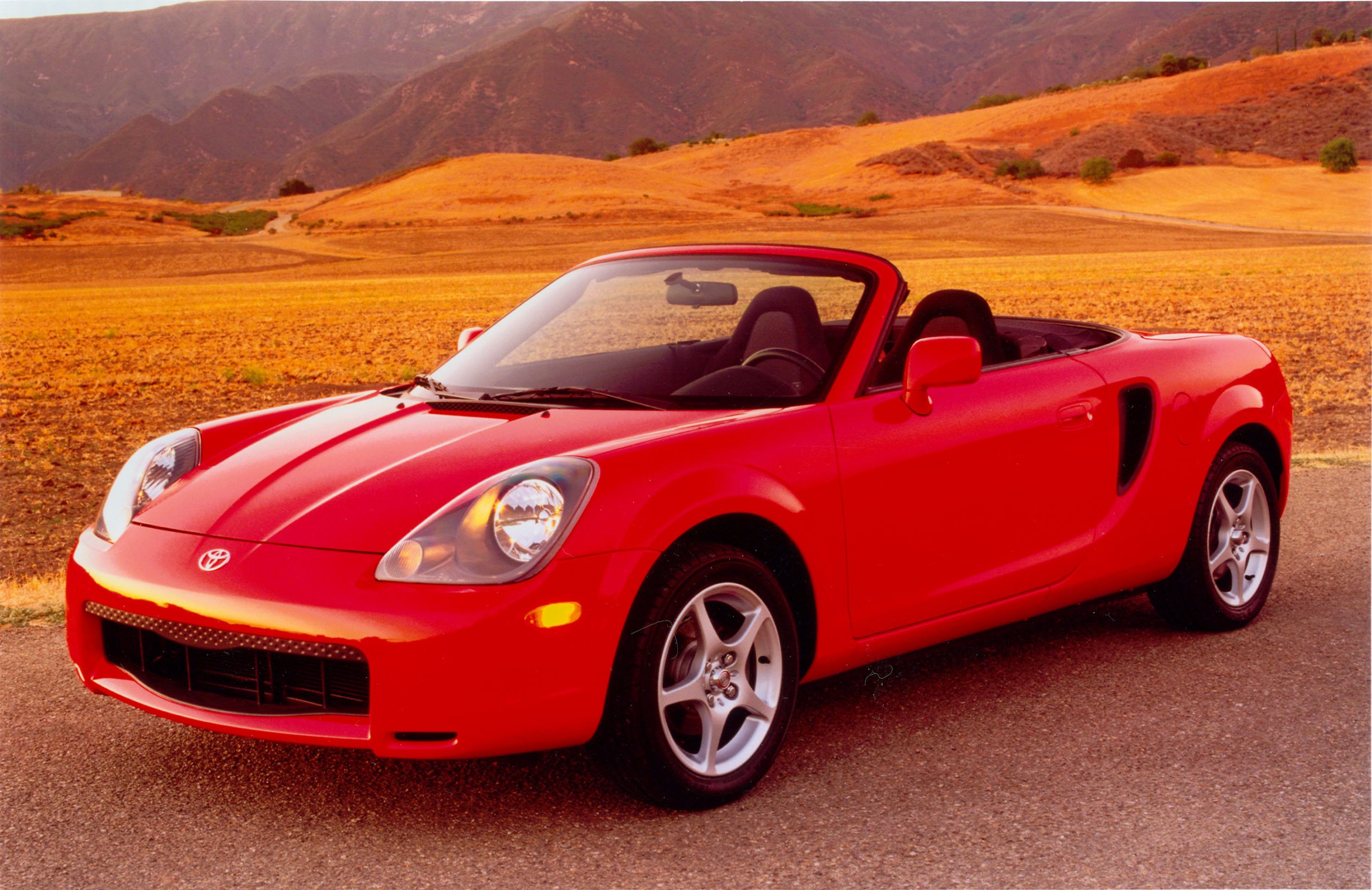
A mid-engine layout means the engine is behind the driver and front passenger, but ahead of the rear axle of the car. This design isn’t super common today, but it was on one legendary Orlando Toyota: The Toyota MR2.
This particular engine placement is used mostly in sports cars because it changes how the car behaves. Here are some highlights of a mid-engine placement:
It has outstanding balance. Putting the engine in the center of the car creates superior weight distribution from front to back. This helps your Orlando Toyota stay balanced during:
- Hard acceleration
- Heavy braking
- Fast cornering
- Quick transitions
It has sharper handling. Most of the weight is in the center, so mid-engine cars can respond more quickly to steering inputs. That’s one of the main reasons that exotic sports cars like Ferrari, McLaren, and others use this setup for their vehicles.
However, there are some trade-offs to a mid-engine setup.
- It means limited interior space. The engine sits behind the front seats, so most mid-engine cars only seat two people.
- It means less cargo room. There’s not much storage to be had because the engine takes up a lot of the available space.
- It has less forgiving handling. Skilled drivers might love the responsiveness, but a mid-engine layout can be less predictable if you lose traction.
Type #3: Rear-engine layout
A rear-engine layout puts the engine behind the rear axle, where you’d usually find the trunk on an Orlando Toyota. This configuration is extremely rare now, but you will see the Porsche 911 still using a rear-engine design today.
Advantages of a rear-engine layout
There are some perks to a rear-engine setup (if you can find it), including:
- Strong acceleration. There’s more weight over the back wheels, so you get crazy traction during acceleration.
- A unique driving feel. A lot of driving enthusiasts like the distinct feel that comes with a rear-engine setup.
Rear-engine cars aren’t without their issues, though, like:
- Oversteer. All of the weight is at the back of the car, which means this setup can cause a car to spin out if traction is lost.
- More challenging handling. Unskilled drivers won’t be able to handle a vehicle with this setup as well during emergency maneuvers.
- Limited packaging. Rear-engine setups also reduce your cargo space and make engineering more complicated.
All in all, this setup isn’t practical for a daily driver… which is why so many manufacturers have shifted away from it.
Which engine layout is best for your next Orlando Toyota?
The answer depends on what you want your car’s purpose to be. Here’s the breakdown from our Toyota of Orlando sales team.
Front-engine
Best for:
- Daily commuting
- Families
- Road trips
- Fuel efficiency
- Practicality
- Easy maintenance
Mid-engine
Best for:
- Performance driving
- Track days
- Sports car enthusiasts
- Maximum cornering ability
Rear-engine
Best for:
- Enthusiast driving
- Unique driving dynamics
- High-performance sports cars
For the basic daily driver, a front-engine layout is the best all-around choice. You get dependable handling, a lot of passenger and cargo space, and lower ownership costs.
Why Toyota loves the front-engine layout
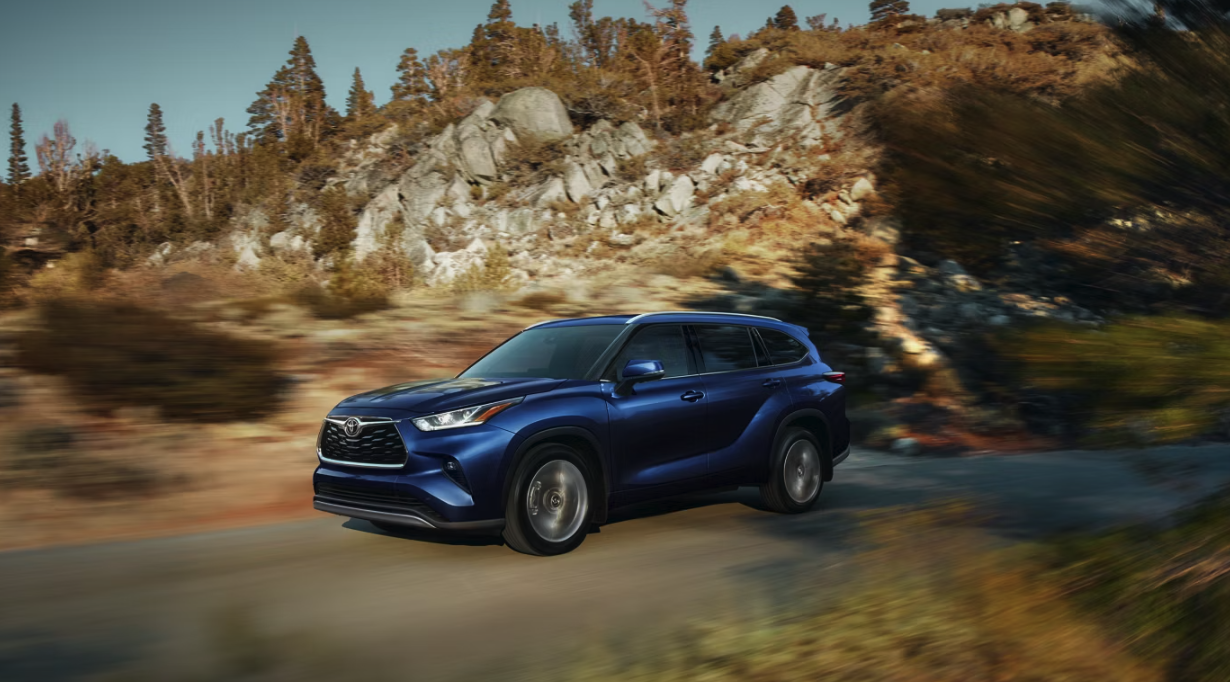
Toyota has spent decades focusing on its reputation for reliability, comfort, safety, and value… and a front-engine layout hits all of those goals. No matter which Orlando Toyota you’re taking home, a front-engine design gives you the predictability you need in a daily driver.
Learn more about Toyota engineering at Toyota of Orlando
Whether you’re interested in performance, fuel efficiency, towing capability, or just understanding how your ride works, our experts at Toyota of Orlando are here to help. We can explain the engineering behind your Toyota, answer your questions, and help you find the model that’s right for your lifestyle.
Stop by to explore the latest Toyota lineup or contact our team today to schedule a test drive. We’re open seven days a week and we’re just off I-4 near the Mall at Millenia!
Frequently Asked Questions
What is an engine layout?
An engine layout refers to where the engine is positioned within a vehicle. The three primary layouts are front-engine, mid-engine, and rear-engine, and each affects handling, weight distribution, interior space, and overall driving characteristics.
Why do most Toyota vehicles use a front-engine layout?
Toyota primarily uses a front-engine layout because it provides excellent reliability, predictable handling, spacious interiors, easier maintenance, and versatility across sedans, SUVs, trucks, and hybrids.
Is a mid-engine layout better than a front-engine layout?
Not necessarily. A mid-engine layout offers superior balance and handling for high-performance driving, but it usually sacrifices interior space and practicality. For everyday driving, a front-engine layout is the better choice for most drivers.
Connect with us


- September 2026
- August 2026
- July 2026
- June 2026
- May 2026
- April 2026
- March 2026
- February 2026
- January 2026
- December 2025
- November 2025
- October 2025
- September 2025
- August 2025
- July 2025
- June 2025
- May 2025
- April 2025
- March 2025
- February 2025
- January 2025
- December 2024
- November 2024
- October 2024
- September 2024
- August 2024
- July 2024
- June 2024
- May 2024
- April 2024
- March 2024
- February 2024
- January 2024
- December 2023
- November 2023
- October 2023
- September 2023
- August 2023
- July 2023
- June 2023
- May 2023
- April 2023
- March 2023
- February 2023
- January 2023
- December 2022
- November 2022
- October 2022
- September 2022
- August 2022
- July 2022
- June 2022
- May 2022
- April 2022
- March 2022
- February 2022
- January 2022
- December 2021
- November 2021
- October 2021
- September 2021
- August 2021
- July 2021
- June 2021
- May 2021
- April 2021
- March 2021
- February 2021
- January 2021
- December 2020
- November 2020
- October 2020
- September 2020
- August 2020
- July 2020
- June 2020
- May 2020
- April 2020
- March 2020
- February 2020
- January 2020
- December 2019
- November 2019
- October 2019
- September 2019
- August 2019
- July 2019
- June 2019
- May 2019
- April 2019
- March 2019
- February 2019
- January 2019
- December 2018
- November 2018
- October 2018
- September 2018
- August 2018
- July 2018
- June 2018
- May 2018
- April 2018
- March 2018
- February 2018
- January 2018
- July 2017
- June 2017
- May 2017