

Blog

All Toyota of Orlando's Tips Toyota of Orlando News New Toyota Toyota Service Orlando Toyota Service Used Cars Toyota of Orlando Service Toyota of Orlando Body Shop
Oil change schedule

Motor oil color: A quick guide to what it means

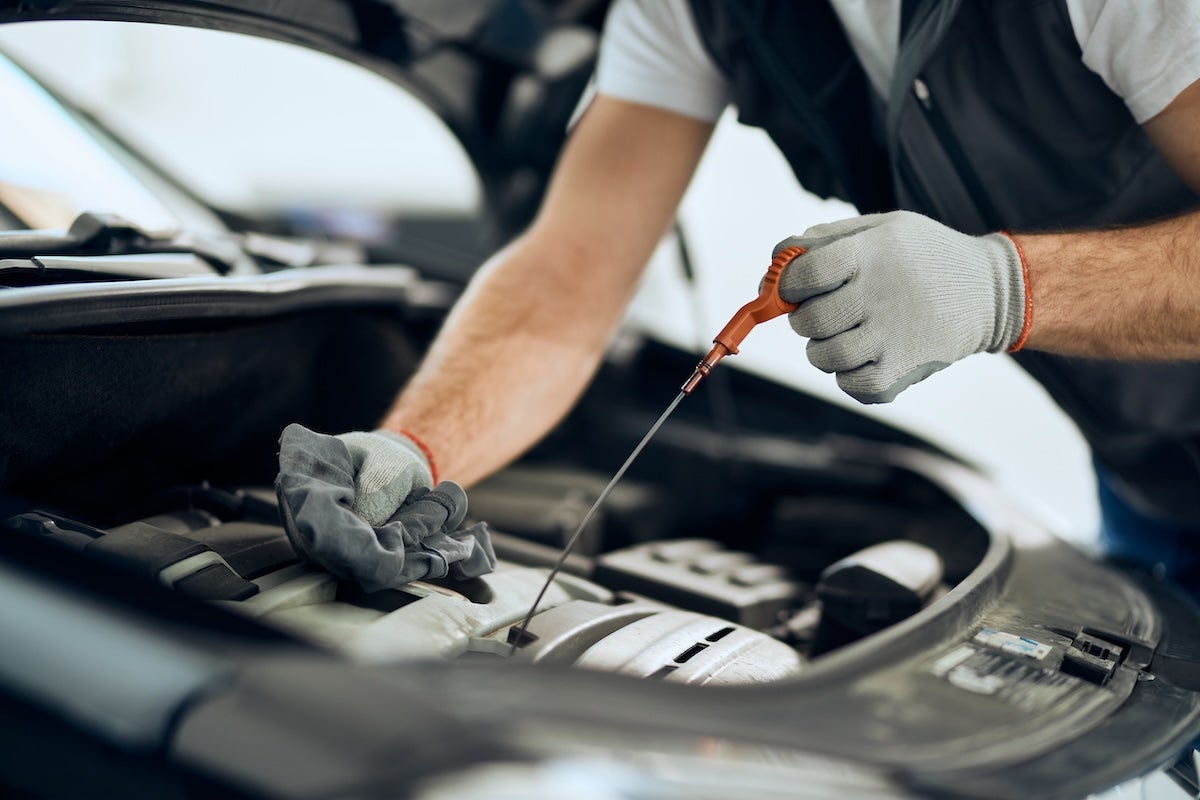
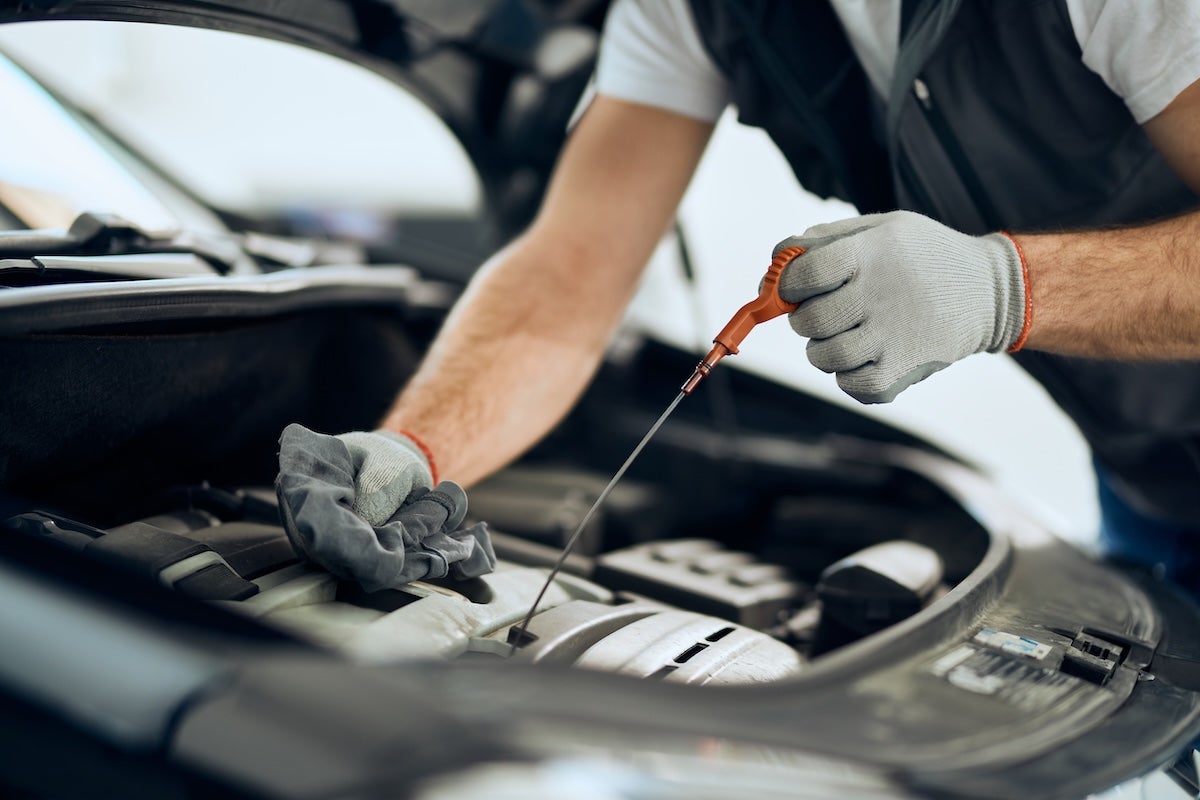
Updated on June 29, 2026 An oil change is one of the most common services you'll schedule for your car, and for good reason. Fresh oil helps lubricate your engine, reduce friction, regulate temperature, and protect important parts from wear and tear. <span data-mce-type="bookmark" class="mce_SELRES_start"></span> While sticking to your recommended maintenance schedule is important, it's also a smart idea to check your oil between service appointments. One of the easiest ways to monitor your car's health is by paying attention to engine oil color. The color and appearance of your oil can provide important clues about what's happening under the hood. Our expert team here at Toyota of Orlando has a simple guide to help you understand what different engine oil colors may mean. Executive Summary Engine oil color can reveal important information about your vehicle's condition and maintenance needs. Amber or light brown oil is typically healthy, especially if it's relatively fresh and free of debris. Dark brown or black oil often indicates it's time for an oil change due to age, heat exposure, or contamination. Milky or creamy oil may signal moisture contamination, which could point to a coolant leak or head gasket issue. Regular oil checks between service visits can help you catch problems early and potentially avoid costly repairs. Why Checking Engine Oil Color Matters Your engine oil works hard every single time you drive. It circulates through your engine, lubricating moving parts, reducing wear, preventing corrosion, and carrying away debris. Over time, your oil naturally changes color as it collects dirt, carbon deposits, and metal particles. Now, keep in mind that a change in engine oil color doesn't always mean something is wrong. It can actually be a useful indicator that your Orlando Toyota needs attention. Taking a few minutes to check your oil level and color can help you stay ahead of maintenance issues before they become expensive repairs. How to Check Your Engine Oil Here’s how to properly check your Orlando Toyota’s engine level to see what’s what under the hood: Park your car on level ground (avoid hills - it can give you a false result) Turn the engine off and allow it to cool for a few minutes Find and remove the dipstick Wipe it clean with a lint-free cloth Reinsert the dipstick fully and remove it again Check both the oil level and the oil's appearance Make sure the oil level falls between the minimum and maximum marks on the dipstick. Once you've confirmed the level, take a closer look at the engine oil color. Engine Oil Color: Amber, Caramel, or Light Brown What it means: You have healthy oil Fresh motor oil is usually amber, caramel, or light brown in color. This is the engine oil color you want to see, especially shortly after an oil change. It means that the oil is still able to properly lubricate your engine and protect important parts. Keep in mind that even healthy oil will gradually get darker as it does its job. Some modern engines might make your oil darker fairly quickly, especially if they run at higher temperatures or you do a lot of stop-and-go driving. If your oil is amber or light brown and you don’t see any debris in it, you're probably in good shape. Engine Oil Color: Dark Brown or Black What it means: Your oil might be old, dirty, or due for a change Dark brown or black oil is usually a sign that your oil has has contaminants in it and that it’s been exposed to too many heating and cooling cycles. While some darkening is normal, extremely dark oil - especially if it's thick or has debris in it - can mean it's time for an oil change. Common causes of this can include: Extended time between oil changes Frequent short trips Heavy towing or hauling Driving in extreme temperatures Stop-and-go traffic conditions If you notice dark oil and sluggish performance, increased engine noise, or reduced fuel economy, it's a good idea to schedule service at Toyota of Orlando as soon as possible. Engine Oil Color: Creamy or Milky What it means: You might have coolant contamination If your engine oil color looks creamy, tan, or milky, that's not normal. This appearance typically means that coolant and oil are mixing together. In many cases, this can be caused by: A leaking head gasket A cracked engine block A damaged cylinder head Other warning signs can include: White smoke from the exhaust Unexplained coolant loss Engine overheating Rough engine performance No matter what, it’s important that you deal with this immediately. Coolant contamination can cause serious and expensive engine damage if you don’t fix it ASAP. Have your car brought into Toyota of Orland so our techs can take a look. Engine Oil Color: Milky and Frothy What it means: You have moisture contamination Texture is just as important as color. If your engine oil color is milky and the oil looks frothy, foamy, or bubbly, moisture is probably in your oil system. While coolant contamination is one possibility, moisture can also accumulate through: Excessive condensation Frequent short-distance driving Long periods of vehicle storage Exposure to high humidity environments In some cases, a car that sits for extended periods might develop small amounts of condensation in the oil. However, constant frothy oil should always be checked by a professional at Toyota of Orlando to rule out more serious issues. What About Synthetic Oil? Many modern Orlando Toyota models use synthetic oil, which can sometimes act differently than conventional oil. Synthetic oil can darken more quickly without necessarily losing its effectiveness. That's why engine oil color should be considered along with: Mileage since your last oil change Manufacturer maintenance recommendations Oil level Vehicle performance Dashboard warning lights Never rely only on engine oil color to determine when you need your next oil change.Follow your owner's manual and recommended maintenance schedule for best results. Our Orlando Toyota techs can easily get you on a schedule and send you reminders. How Often Should You Check Your Oil? Even if your ride is running perfectly, it's a good habit to check your oil: Once per month Before long road trips After towing or hauling heavy loads If you notice unusual engine behavior Regular inspections can help you catch low oil levels, contamination, or other concerns before they lead to bigger problems. Schedule an Oil Change at Toyota of Orlando Today If your engine oil color doesn't look right, don't ignore it. Whether your oil is excessively dark, milky, frothy, or contaminated, our expert technicians can help diagnose the issue and find the right solution. From routine oil changes to advanced engine diagnostics, Toyota of Orlando has you covered. Visit us at 3575 Vineland Road, conveniently located just off I-4 near the Millenia Mall, or call (407) 298-0001 to schedule service today. Don’t forget to ask about our Toyota service specials! FAQs About Engine Oil Color 1. What is the normal engine oil color? Fresh engine oil is typically amber, caramel, or light brown in color. As it circulates through the engine and collects contaminants, it will gradually darken over time. 2. Does black engine oil always mean I need an oil change? Not always. Some engines and synthetic oils naturally darken more quickly. However, if the oil is extremely dark, thick, or contains debris, it's a good idea to have it checked and potentially replaced. 3. Why does my engine oil look milky? Milky engine oil usually indicates moisture contamination. This may be caused by condensation, but it can also signal a coolant leak, head gasket failure, or another serious engine issue that should be inspected immediately.
Oil change schedule

Motor oil color: A quick guide to what it means

Updated on June 29, 2026 An oil change is one of the most common services you'll schedule for your car, and for good reason. Fresh oil helps lubricate your engine, reduce friction, regulate temperature, and protect important parts from wear and tear. <span data-mce-type="bookmark" style="display: inline-block; width: 0px; overflow: hidden; line-height: 0;" class="mce_SELRES_start"></span> While sticking to your recommended maintenance schedule is important, it's also a smart idea to check your oil between service appointments. One of the easiest ways to monitor your car's health is by paying attention to engine oil color. The color and appearance of your oil can provide important clues about what's happening under the hood. Our expert team here at Toyota of Orlando has a simple guide to help you understand what different engine oil colors may mean. Executive Summary Engine oil color can reveal important information about your vehicle's condition and maintenance needs. Amber or light brown oil is typically healthy, especially if it's relatively fresh and free of debris. Dark brown or black oil often indicates it's time for an oil change due to age, heat exposure, or contamination. Milky or creamy oil may signal moisture contamination, which could point to a coolant leak or head gasket issue. Regular oil checks between service visits can help you catch problems early and potentially avoid costly repairs. Why Checking Engine Oil Color Matters Your engine oil works hard every single time you drive. It circulates through your engine, lubricating moving parts, reducing wear, preventing corrosion, and carrying away debris. Over time, your oil naturally changes color as it collects dirt, carbon deposits, and metal particles. Now, keep in mind that a change in engine oil color doesn't always mean something is wrong. It can actually be a useful indicator that your Orlando Toyota needs attention. Taking a few minutes to check your oil level and color can help you stay ahead of maintenance issues before they become expensive repairs. How to Check Your Engine Oil Here’s how to properly check your Orlando Toyota’s engine level to see what’s what under the hood: Park your car on level ground (avoid hills - it can give you a false result) Turn the engine off and allow it to cool for a few minutes Find and remove the dipstick Wipe it clean with a lint-free cloth Reinsert the dipstick fully and remove it again Check both the oil level and the oil's appearance Make sure the oil level falls between the minimum and maximum marks on the dipstick. Once you've confirmed the level, take a closer look at the engine oil color. Engine Oil Color: Amber, Caramel, or Light Brown What it means: You have healthy oil Fresh motor oil is usually amber, caramel, or light brown in color. This is the engine oil color you want to see, especially shortly after an oil change. It means that the oil is still able to properly lubricate your engine and protect important parts. Keep in mind that even healthy oil will gradually get darker as it does its job. Some modern engines might make your oil darker fairly quickly, especially if they run at higher temperatures or you do a lot of stop-and-go driving. If your oil is amber or light brown and you don’t see any debris in it, you're probably in good shape. Engine Oil Color: Dark Brown or Black What it means: Your oil might be old, dirty, or due for a change Dark brown or black oil is usually a sign that your oil has has contaminants in it and that it’s been exposed to too many heating and cooling cycles. While some darkening is normal, extremely dark oil - especially if it's thick or has debris in it - can mean it's time for an oil change. Common causes of this can include: Extended time between oil changes Frequent short trips Heavy towing or hauling Driving in extreme temperatures Stop-and-go traffic conditions If you notice dark oil and sluggish performance, increased engine noise, or reduced fuel economy, it's a good idea to schedule service at Toyota of Orlando as soon as possible. Engine Oil Color: Creamy or Milky What it means: You might have coolant contamination If your engine oil color looks creamy, tan, or milky, that's not normal. This appearance typically means that coolant and oil are mixing together. In many cases, this can be caused by: A leaking head gasket A cracked engine block A damaged cylinder head Other warning signs can include: White smoke from the exhaust Unexplained coolant loss Engine overheating Rough engine performance No matter what, it’s important that you deal with this immediately. Coolant contamination can cause serious and expensive engine damage if you don’t fix it ASAP. Have your car brought into Toyota of Orland so our techs can take a look. Engine Oil Color: Milky and Frothy What it means: You have moisture contamination Texture is just as important as color. If your engine oil color is milky and the oil looks frothy, foamy, or bubbly, moisture is probably in your oil system. While coolant contamination is one possibility, moisture can also accumulate through: Excessive condensation Frequent short-distance driving Long periods of vehicle storage Exposure to high humidity environments In some cases, a car that sits for extended periods might develop small amounts of condensation in the oil. However, constant frothy oil should always be checked by a professional at Toyota of Orlando to rule out more serious issues. What About Synthetic Oil? Many modern Orlando Toyota models use synthetic oil, which can sometimes act differently than conventional oil. Synthetic oil can darken more quickly without necessarily losing its effectiveness. That's why engine oil color should be considered along with: Mileage since your last oil change Manufacturer maintenance recommendations Oil level Vehicle performance Dashboard warning lights Never rely only on engine oil color to determine when you need your next oil change.Follow your owner's manual and recommended maintenance schedule for best results. Our Orlando Toyota techs can easily get you on a schedule and send you reminders. How Often Should You Check Your Oil? Even if your ride is running perfectly, it's a good habit to check your oil: Once per month Before long road trips After towing or hauling heavy loads If you notice unusual engine behavior Regular inspections can help you catch low oil levels, contamination, or other concerns before they lead to bigger problems. Schedule an Oil Change at Toyota of Orlando Today If your engine oil color doesn't look right, don't ignore it. Whether your oil is excessively dark, milky, frothy, or contaminated, our expert technicians can help diagnose the issue and find the right solution. From routine oil changes to advanced engine diagnostics, Toyota of Orlando has you covered. Visit us at 3575 Vineland Road, conveniently located just off I-4 near the Millenia Mall, or call (407) 298-0001 to schedule service today. Don’t forget to ask about our Toyota service specials! FAQs About Engine Oil Color 1. What is the normal engine oil color? Fresh engine oil is typically amber, caramel, or light brown in color. As it circulates through the engine and collects contaminants, it will gradually darken over time. 2. Does black engine oil always mean I need an oil change? Not always. Some engines and synthetic oils naturally darken more quickly. However, if the oil is extremely dark, thick, or contains debris, it's a good idea to have it checked and potentially replaced. 3. Why does my engine oil look milky? Milky engine oil usually indicates moisture contamination. This may be caused by condensation, but it can also signal a coolant leak, head gasket failure, or another serious engine issue that should be inspected immediately.
new Toyota truck in Orlando FL

How is the 2022 Toyota Tundra different from the 2022 Ford F-150?

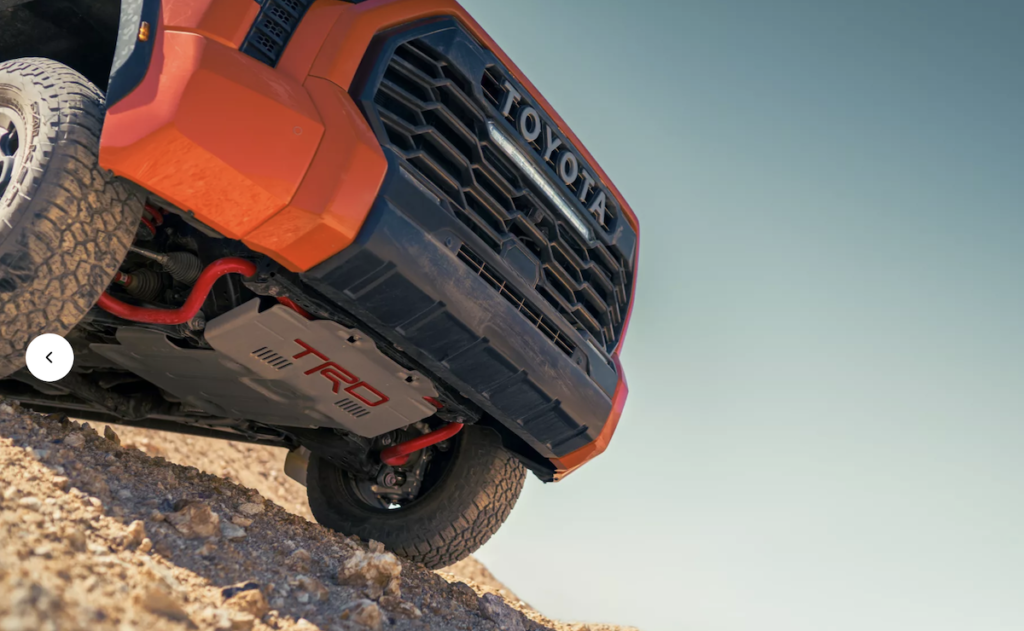
Unless you've been hiding under a rock, you're probably aware that the 2022 Toyota Tundra is back, redesigned, and better than ever. However, it's not without competition - Ford fans have been clamoring to prove how much better the F-150 is (it's a firm pass for us but to each his own). Today we're taking a look at how these two popular trucks compare and where the 2022 Toyota Tundra comes out on top. The 2022 Toyota Tundra vs the 2022 Ford F-150 First, a quick overview of what's new on the 22 Toyota Tundra: It's got a new turbocharged V6 engine under the hood, doing away with the 5.7L V8, and also offers a hybrid option for maximum fuel efficiency, horsepower, and torque. It's completely redesigned on the exterior AND interior, offering a sleeker and more modern look with premium materials and top-of-the-line technology in all arenas. So how does this Orlando Toyota truck compare to its competition? Here are the major highlights. Let's talk bang for your buck. The 2022 Toyota Tundra SR comes with no-cost maintenance for 24 months/25,000 miles, giving you a break from car maintenance bills for a while. The Ford F-150 doesn't offer this particular benefit. What about technology? Our Orlando Toyota edges out its Ford competition in a few areas here, offering an automatic-dimming rearview mirror, heated door mirrors, automatic high beams, auto climate control, and Sirius XM Satellite Radio as standard features; they're optional on the competitions. The Tundra also showcases features like adaptive cruise control, a standard Smart Key System, a multi-function steering wheel, and one-touch power windows. When it comes to performance, you've got more power at your fingertips in the 2022 Toyota Tundra SR. It gets 348 horsepower and 405 lb-ft of torque compared to Ford's 290 horsepower and 265 lb-ft of torque. On top of that, you'll get 23 mpg on the highway (Ford offers 22 mpg) and a standard Turbo feature. You'll also get all of the renowned Toyota safety features as well as standard knee airbags for both the driver and the front passenger. And on top of that, you'll get the peace of mind of knowing that you're driving a Toyota. Our cars are renowned worldwide for their durability, reliability, and longevity, no matter which model you choose. The Toyota Tundra is no exception - this Orlando Toyota can do everything from towing the Space Shuttle to getting the kids to and from school. Test drive this Orlando Toyota truck today However, don't just take our word for it. Why not see for yourself? Come on down to Toyota of Orlando and test drive the new 2022 Toyota Tundra in person. You can test out all the bells and whistles and see how it feels to be behind the wheel and THEN decide if it's the right new truck for you. Still have questions or want to schedule your test drive appointment? Call our Orlando Toyota dealership is ready and waiting. We're open seven days a week at (407) 298-4500 and you can always stop by and see us at 3575 Vineland Road, just off I-4 near the Millenia Mall.

new Toyota truck in Orlando FL

How is the 2022 Toyota Tundra different from the 2022 Ford F-150?

Unless you've been hiding under a rock, you're probably aware that the 2022 Toyota Tundra is back, redesigned, and better than ever. However, it's not without competition - Ford fans have been clamoring to prove how much better the F-150 is (it's a firm pass for us but to each his own). Today we're taking a look at how these two popular trucks compare and where the 2022 Toyota Tundra comes out on top. The 2022 Toyota Tundra vs the 2022 Ford F-150 First, a quick overview of what's new on the 22 Toyota Tundra: It's got a new turbocharged V6 engine under the hood, doing away with the 5.7L V8, and also offers a hybrid option for maximum fuel efficiency, horsepower, and torque. It's completely redesigned on the exterior AND interior, offering a sleeker and more modern look with premium materials and top-of-the-line technology in all arenas. So how does this Orlando Toyota truck compare to its competition? Here are the major highlights. Let's talk bang for your buck. The 2022 Toyota Tundra SR comes with no-cost maintenance for 24 months/25,000 miles, giving you a break from car maintenance bills for a while. The Ford F-150 doesn't offer this particular benefit. What about technology? Our Orlando Toyota edges out its Ford competition in a few areas here, offering an automatic-dimming rearview mirror, heated door mirrors, automatic high beams, auto climate control, and Sirius XM Satellite Radio as standard features; they're optional on the competitions. The Tundra also showcases features like adaptive cruise control, a standard Smart Key System, a multi-function steering wheel, and one-touch power windows. When it comes to performance, you've got more power at your fingertips in the 2022 Toyota Tundra SR. It gets 348 horsepower and 405 lb-ft of torque compared to Ford's 290 horsepower and 265 lb-ft of torque. On top of that, you'll get 23 mpg on the highway (Ford offers 22 mpg) and a standard Turbo feature. You'll also get all of the renowned Toyota safety features as well as standard knee airbags for both the driver and the front passenger. And on top of that, you'll get the peace of mind of knowing that you're driving a Toyota. Our cars are renowned worldwide for their durability, reliability, and longevity, no matter which model you choose. The Toyota Tundra is no exception - this Orlando Toyota can do everything from towing the Space Shuttle to getting the kids to and from school. Test drive this Orlando Toyota truck today However, don't just take our word for it. Why not see for yourself? Come on down to Toyota of Orlando and test drive the new 2022 Toyota Tundra in person. You can test out all the bells and whistles and see how it feels to be behind the wheel and THEN decide if it's the right new truck for you. Still have questions or want to schedule your test drive appointment? Call our Orlando Toyota dealership is ready and waiting. We're open seven days a week at (407) 298-4500 and you can always stop by and see us at 3575 Vineland Road, just off I-4 near the Millenia Mall.

hybrid trucks

How is the Tundra hybrid system different from the Prius hybrid system?

When you think of a hybrid vehicle, chances are that the first quality that comes to mind is either fuel efficiency or eco-friendliness. Since the inception of the Orlando Toyota Prius waaaay back in the early 2000's, hybrids have been synonymous with those two ideas. However, new innovations and new vehicles - like the 2022 Toyota Tundra - are evolving the hybrid system to better suit a wide range of drivers, not just those who want to save on gas or cut down on emissions. Which should you consider: The Toyota Tundra Hybrid or Toyota Prius? So how is the hybrid system in a new Toyota Tundra different from that in a Toyota Prius? Toyota of Orlando is here to break down the basics and explain. Let's compare the two cars in terms of performance first. The Orlando Toyota Prius, renowned for its fuel efficiency, gets an incredible 58/53 mpg and offers 121 horsepower. On the other hand, the new Toyota Tundra Hybrid will offer slightly less fuel efficiency (exact numbers have yet to be released) but offers an unbelievable 437 horsepower and 583 lb-ft torque. But how? Fuel efficiency and performance abilities seem to be on opposite ends of the spectrum... so how is it possible to get both? Basically, it boils down to the way the hybrid systems are set up. We're going to keep things basic here (if you want to get super granular, come talk to our Orlando Toyota sales specialists). Here's the breakdown. Hybrid cars like the Toyota Prius, Toyota Corolla Hybrid, etc. have a dual-motor setup. The first motor takes power from the engine and converts it over to the battery to give you that coveted electrical power. The second motor is connected directly to the wheels to power them. Instead of the engine solely sending torque to the wheels, the path is - for the most part - electrical. That's why while you'll get great fuel efficiency in this type of setup, it's not renowned for horsepower or torque. So how does the Orlando Toyota Tundra Hybrid offer such exceptional performance? The main difference is that the path that sends power (you know, the one that's mostly electric in the Prius) is mechanical. There's a single motor in this performance-driven truck, and there's a clutch in between it and the engine. If the clutch is open, the engine can turn off and the electric motor takes over to send power to the wheels. If the clutch is closed because the truck needs that internal combustion power, the twin-turbo V6 engine kicks into life to mechanically send power to the wheels. While one of these hybrid systems offers exceptional fuel efficiency and normal performance, the other offers exceptional performance and enhanced fuel efficiency. So which is better for you? The best way to decide is to take a test drive at our Orlando Toyota dealership or chat with one of our sales specialists. Test drive the hybrid of your dreams at Toyota of Orlando Ready to make it happen? Call Toyota of Orlando to explore our hybrid vehicles today. We're open seven days a week at (407) 298-4500 and conveniently located just off I-4 near the Millenia Mall at 3575 Vineland Road.

hybrid trucks

How is the Tundra hybrid system different from the Prius hybrid system?

When you think of a hybrid vehicle, chances are that the first quality that comes to mind is either fuel efficiency or eco-friendliness. Since the inception of the Orlando Toyota Prius waaaay back in the early 2000's, hybrids have been synonymous with those two ideas. However, new innovations and new vehicles - like the 2022 Toyota Tundra - are evolving the hybrid system to better suit a wide range of drivers, not just those who want to save on gas or cut down on emissions. Which should you consider: The Toyota Tundra Hybrid or Toyota Prius? So how is the hybrid system in a new Toyota Tundra different from that in a Toyota Prius? Toyota of Orlando is here to break down the basics and explain. Let's compare the two cars in terms of performance first. The Orlando Toyota Prius, renowned for its fuel efficiency, gets an incredible 58/53 mpg and offers 121 horsepower. On the other hand, the new Toyota Tundra Hybrid will offer slightly less fuel efficiency (exact numbers have yet to be released) but offers an unbelievable 437 horsepower and 583 lb-ft torque. But how? Fuel efficiency and performance abilities seem to be on opposite ends of the spectrum... so how is it possible to get both? Basically, it boils down to the way the hybrid systems are set up. We're going to keep things basic here (if you want to get super granular, come talk to our Orlando Toyota sales specialists). Here's the breakdown. Hybrid cars like the Toyota Prius, Toyota Corolla Hybrid, etc. have a dual-motor setup. The first motor takes power from the engine and converts it over to the battery to give you that coveted electrical power. The second motor is connected directly to the wheels to power them. Instead of the engine solely sending torque to the wheels, the path is - for the most part - electrical. That's why while you'll get great fuel efficiency in this type of setup, it's not renowned for horsepower or torque. So how does the Orlando Toyota Tundra Hybrid offer such exceptional performance? The main difference is that the path that sends power (you know, the one that's mostly electric in the Prius) is mechanical. There's a single motor in this performance-driven truck, and there's a clutch in between it and the engine. If the clutch is open, the engine can turn off and the electric motor takes over to send power to the wheels. If the clutch is closed because the truck needs that internal combustion power, the twin-turbo V6 engine kicks into life to mechanically send power to the wheels. While one of these hybrid systems offers exceptional fuel efficiency and normal performance, the other offers exceptional performance and enhanced fuel efficiency. So which is better for you? The best way to decide is to take a test drive at our Orlando Toyota dealership or chat with one of our sales specialists. Test drive the hybrid of your dreams at Toyota of Orlando Ready to make it happen? Call Toyota of Orlando to explore our hybrid vehicles today. We're open seven days a week at (407) 298-4500 and conveniently located just off I-4 near the Millenia Mall at 3575 Vineland Road.

Toyota of Orlando tips

Traffic fatalities are at an all-time high - so what can we do about it?

Bad news on the driving front today - traffic fatalities are at an all-time high, which means it's of the utmost importance that you not only drive a safe car but also know the ins and outs of defensive driving and how to conduct yourself when you're behind the wheel. Luckily, we've got both the info and the tips to help you stay safe on the open road - check it out. Why are traffic fatalities so high? The U.S. government reported yesterday that traffic deaths totaled over 31,000 for the first nine months of 2021, an all-time high that's 12% higher than the same time frame in 2020. Why? The NHTSA mostly attributes it to reckless driving, distracted driving, and bad behavior like not abiding by speed limits or wearing a seatbelt. The Secretary of Transportation, however, says that traffic fatalities can be reduced by safer roads, higher safety standards for cars, and new tech like automated braking in cars. But good news, especially if you're an Orlando Toyota driver. Everyone knows that safety is one of Toyota's top priorities; they even have an entire institute devoted to it in Ann Arbor, Michigan. And Toyota put out a press release describing yet another advancement in their safety tech research - they successfully programmed a car to drift autonomously on its own, which could mean fewer traffic fatalities due to black ice, hazardous road conditions, and collisions with other objects or vehicles. Toyota of Orlando tips for road safety So what does this mean for you as a driver? With traffic fatalities so high, it's imperative that you take two major steps: Ensure your car has the safety features you need, and take every safety measure you can when you're behind the wheel. If you drive an Orlando Toyota, you're already in a good place. All of our cars come decked out with incredible safety tech and options, including features like the Pre-Collision System, Dynamic Cruise Control, Toyota Safety Sense, Advanced Airbag Systems, and more to ensure you drive as safely as possible AND have the security you need should you get into a collision. Ensure you're on your best behavior when you're behind the wheel. This means putting your defensive driving skills to use every single time you get into the driver's seat, and also ignoring distractions. Here are a few quick tips: Put away your phone and focus on the road - your hands should be on the wheel and your eyes on the road. ALWAYS buckle up, and don't leave your driveway or parking spot until all of your passengers are buckled up as well. Follow the speed limits. They're there for a reason - to ensure you're moving at a speed at which you can still control your car and react accordingly to avoid an accident. Use your turn signal to indicate your movements on the road so other drivers know if they need to get out of your way. Put aggressive driving to bed - it's better to be late and stay safe than to rush or drive aggressively and get into a possibly-fatal collision or crash. Want more tips or think it's time to get yourself into a safe new Toyota? Call Toyota of Orlando today at (407) 298-4500. We're open seven days a week and conveniently located at 3575 Vineland Road, so feel free to pop by and see how our incredible safety technology works in person!

Toyota of Orlando tips

Traffic fatalities are at an all-time high - so what can we do about it?

Bad news on the driving front today - traffic fatalities are at an all-time high, which means it's of the utmost importance that you not only drive a safe car but also know the ins and outs of defensive driving and how to conduct yourself when you're behind the wheel. Luckily, we've got both the info and the tips to help you stay safe on the open road - check it out. Why are traffic fatalities so high? The U.S. government reported yesterday that traffic deaths totaled over 31,000 for the first nine months of 2021, an all-time high that's 12% higher than the same time frame in 2020. Why? The NHTSA mostly attributes it to reckless driving, distracted driving, and bad behavior like not abiding by speed limits or wearing a seatbelt. The Secretary of Transportation, however, says that traffic fatalities can be reduced by safer roads, higher safety standards for cars, and new tech like automated braking in cars. But good news, especially if you're an Orlando Toyota driver. Everyone knows that safety is one of Toyota's top priorities; they even have an entire institute devoted to it in Ann Arbor, Michigan. And Toyota put out a press release describing yet another advancement in their safety tech research - they successfully programmed a car to drift autonomously on its own, which could mean fewer traffic fatalities due to black ice, hazardous road conditions, and collisions with other objects or vehicles. Toyota of Orlando tips for road safety So what does this mean for you as a driver? With traffic fatalities so high, it's imperative that you take two major steps: Ensure your car has the safety features you need, and take every safety measure you can when you're behind the wheel. If you drive an Orlando Toyota, you're already in a good place. All of our cars come decked out with incredible safety tech and options, including features like the Pre-Collision System, Dynamic Cruise Control, Toyota Safety Sense, Advanced Airbag Systems, and more to ensure you drive as safely as possible AND have the security you need should you get into a collision. Ensure you're on your best behavior when you're behind the wheel. This means putting your defensive driving skills to use every single time you get into the driver's seat, and also ignoring distractions. Here are a few quick tips: Put away your phone and focus on the road - your hands should be on the wheel and your eyes on the road. ALWAYS buckle up, and don't leave your driveway or parking spot until all of your passengers are buckled up as well. Follow the speed limits. They're there for a reason - to ensure you're moving at a speed at which you can still control your car and react accordingly to avoid an accident. Use your turn signal to indicate your movements on the road so other drivers know if they need to get out of your way. Put aggressive driving to bed - it's better to be late and stay safe than to rush or drive aggressively and get into a possibly-fatal collision or crash. Want more tips or think it's time to get yourself into a safe new Toyota? Call Toyota of Orlando today at (407) 298-4500. We're open seven days a week and conveniently located at 3575 Vineland Road, so feel free to pop by and see how our incredible safety technology works in person!

Orlando Toyota tips

Out-of-state car accidents: A quick guide

Getting into a car accident is a stressful enough situation in itself, but if you're out of state for work or vacation, it's even worse. New rules and laws may apply, insurance may hit a few snags, and on top of that, you have to figure out whether or not you can make it home. That's why the body shop at Toyota of Orlando has put together this quick guide on how to deal with a car accident out of state. Read on! Luckily, you treat out-of-state car accidents pretty similar to ones in your hometown, albeit with a few small tweaks. Here's what the experts at our Orlando Toyota Collision Center recommend. How to deal with an out-of-state car accident Step #1: Check to see that everyone is OK. Was anyone in your car harmed during the accident? Your first step before you do anything else should be to check yourself and all of your passengers for injuries. Once you've done that, you should move your car off the road if possible. If you can't, remove yourself and your passengers to a safe spot on the side of the road that's far away from oncoming traffic. Step #2: Call police to have them come to the scene. You'll need police documentation of the car accident for your car insurance company regardless of whose fault it was. You can call 911 or the local non-emergency number to request that an officer come to the scene of the car accident. Be sure to get their name and a copy of the accident report before they leave the scene. Step #3: Document everything with photos and video. Now's the time to break out your phone and document EVERYTHING. Be sure to get photos/videos of the damage to both cars and the scene of the accident. You'll also want to write down a detailed account of what happened while it's fresh in your memory, as well as get the names and contact information of any witnesses to the accident. Further, get the name, contact info, and insurance info of the other driver, as well as the make, model, color, and license plate number of the other vehicle. Step #4: Decide if your car can make it home or not. If you have your own car out of state and you get into a car accident, can you make it home with the sustained damages? If it was a fender bender, you likely can. However, you definitely want to get your Orlando Toyota checked at a body shop when you get back to your hometown to ensure there aren't any hidden damages or issues that you didn't notice. And if you notice an issue while on the road, stop at your nearest mechanic to have things checked before you go any farther. Step #5: Contact the right people. Regardless of if it's your car or a rental, you'll definitely need to contact your insurance company to let them know about the accident so you can get the repair process started. If it's a rental car, you'll want to contact the rental agency as well. And if you borrowed a car through a rental service like Turo, you'll want to contact the owner of the vehicle to determine the next steps. Schedule repairs at Toyota of Orlando today Need repairs after a car accident? Whether you're out of state and visiting Orlando or live locally, we've got your back. Contact Toyota of Orlando today at (407) 298-6006 or stop by and see us at 3575 Vineland Road!

Orlando Toyota tips

Out-of-state car accidents: A quick guide

Getting into a car accident is a stressful enough situation in itself, but if you're out of state for work or vacation, it's even worse. New rules and laws may apply, insurance may hit a few snags, and on top of that, you have to figure out whether or not you can make it home. That's why the body shop at Toyota of Orlando has put together this quick guide on how to deal with a car accident out of state. Read on! Luckily, you treat out-of-state car accidents pretty similar to ones in your hometown, albeit with a few small tweaks. Here's what the experts at our Orlando Toyota Collision Center recommend. How to deal with an out-of-state car accident Step #1: Check to see that everyone is OK. Was anyone in your car harmed during the accident? Your first step before you do anything else should be to check yourself and all of your passengers for injuries. Once you've done that, you should move your car off the road if possible. If you can't, remove yourself and your passengers to a safe spot on the side of the road that's far away from oncoming traffic. Step #2: Call police to have them come to the scene. You'll need police documentation of the car accident for your car insurance company regardless of whose fault it was. You can call 911 or the local non-emergency number to request that an officer come to the scene of the car accident. Be sure to get their name and a copy of the accident report before they leave the scene. Step #3: Document everything with photos and video. Now's the time to break out your phone and document EVERYTHING. Be sure to get photos/videos of the damage to both cars and the scene of the accident. You'll also want to write down a detailed account of what happened while it's fresh in your memory, as well as get the names and contact information of any witnesses to the accident. Further, get the name, contact info, and insurance info of the other driver, as well as the make, model, color, and license plate number of the other vehicle. Step #4: Decide if your car can make it home or not. If you have your own car out of state and you get into a car accident, can you make it home with the sustained damages? If it was a fender bender, you likely can. However, you definitely want to get your Orlando Toyota checked at a body shop when you get back to your hometown to ensure there aren't any hidden damages or issues that you didn't notice. And if you notice an issue while on the road, stop at your nearest mechanic to have things checked before you go any farther. Step #5: Contact the right people. Regardless of if it's your car or a rental, you'll definitely need to contact your insurance company to let them know about the accident so you can get the repair process started. If it's a rental car, you'll want to contact the rental agency as well. And if you borrowed a car through a rental service like Turo, you'll want to contact the owner of the vehicle to determine the next steps. Schedule repairs at Toyota of Orlando today Need repairs after a car accident? Whether you're out of state and visiting Orlando or live locally, we've got your back. Contact Toyota of Orlando today at (407) 298-6006 or stop by and see us at 3575 Vineland Road!

What To Do If Your Steering Wheel Locks

What To Do If Your Steering Wheel Locks.

It's all happened to us. We're gathering our keys, wallets, purses, water bottles and sprinting out of our homes to quickly make it to our destinations. You get that feeling of relief as you check your estimated time of arrival, and you feel thankful that you will make it to your destination on time. Then, ironically, you turn on your car, and the key or steering wheel won’t budge. Unfortunately, it won't turn, and you can feel your cortisol levels rising. Life has a funny way of testing our patience. This situation might seem like your Orlando Toyota car has broken down, but not all hope has been lost. However, what is happening is that your Orlando Toyota's steering wheel has been locked. So, if you ever turn on your car and the key or steering wheel won't move, our experts got you with car tips that will save you worry and a call to AAA. Why does this happen? This feature of your Orlando Toyota is there as a precaution if you're parked on an incline. This safety feature will save your car from rolling down a hill if your brakes fail. It also helps to keep thieves from stealing your car! It can happen if you turn your steering wheel too far to one side after you take your keys out of your Orlando Toyota. How to fix your locked steering wheel Follow these steps, and your Orlando Toyota will be good to get going to your destination! Step 1. Put your key into the ignition. Gently put your key into the car. Start wiggling the steering wheel back and forth to see which direction the steering wheel will turn. Try turning it with a lot of force, I promise it won't break your wheel! Step 2. Turn your steering wheel to a direction with one hand. After that, go ahead and steer your wheel in the direction your wheel would go. So, if it moves slightly to the right, put your hand on the left side of the steering wheel and push it towards the right side with one hand. Step 3. Then, put the key into the ignition with the other hand. As you are doing that, go ahead and put the key in with your other hand. Step 4. It should unlock! If you follow these steps, it should unlock your steering wheel, and you'll be able to start driving to your destination. If it doesn't work, try it a few times if needed. Remember, turn your wheel with a lot of force! After that, your Orlando Toyota should be ok. And there you have it! Our experts are always here to help you in any car scenario. Still, having issues with your car? Call us if you have any questions at (407) 298-4500. We're here for you! We are located just off the I-4 near the Millenia Mall. Also, you can follow us on socials for more car tips @Toyotaoforlando.

What To Do If Your Steering Wheel Locks

What To Do If Your Steering Wheel Locks.

It's all happened to us. We're gathering our keys, wallets, purses, water bottles and sprinting out of our homes to quickly make it to our destinations. You get that feeling of relief as you check your estimated time of arrival, and you feel thankful that you will make it to your destination on time. Then, ironically, you turn on your car, and the key or steering wheel won’t budge. Unfortunately, it won't turn, and you can feel your cortisol levels rising. Life has a funny way of testing our patience. This situation might seem like your Orlando Toyota car has broken down, but not all hope has been lost. However, what is happening is that your Orlando Toyota's steering wheel has been locked. So, if you ever turn on your car and the key or steering wheel won't move, our experts got you with car tips that will save you worry and a call to AAA. Why does this happen? This feature of your Orlando Toyota is there as a precaution if you're parked on an incline. This safety feature will save your car from rolling down a hill if your brakes fail. It also helps to keep thieves from stealing your car! It can happen if you turn your steering wheel too far to one side after you take your keys out of your Orlando Toyota. How to fix your locked steering wheel Follow these steps, and your Orlando Toyota will be good to get going to your destination! Step 1. Put your key into the ignition. Gently put your key into the car. Start wiggling the steering wheel back and forth to see which direction the steering wheel will turn. Try turning it with a lot of force, I promise it won't break your wheel! Step 2. Turn your steering wheel to a direction with one hand. After that, go ahead and steer your wheel in the direction your wheel would go. So, if it moves slightly to the right, put your hand on the left side of the steering wheel and push it towards the right side with one hand. Step 3. Then, put the key into the ignition with the other hand. As you are doing that, go ahead and put the key in with your other hand. Step 4. It should unlock! If you follow these steps, it should unlock your steering wheel, and you'll be able to start driving to your destination. If it doesn't work, try it a few times if needed. Remember, turn your wheel with a lot of force! After that, your Orlando Toyota should be ok. And there you have it! Our experts are always here to help you in any car scenario. Still, having issues with your car? Call us if you have any questions at (407) 298-4500. We're here for you! We are located just off the I-4 near the Millenia Mall. Also, you can follow us on socials for more car tips @Toyotaoforlando.

Contact Us

Fill out this form below and we'll contact you shortly
*Required Fields