


Blog / Toyota Service

Motor oil color: A quick guide to what it means

Oil change schedule

Updated on June 29, 2026

An oil change is one of the most common services you'll schedule for your car, and for good reason. Fresh oil helps lubricate your engine, reduce friction, regulate temperature, and protect important parts from wear and tear.

While sticking to your recommended maintenance schedule is important, it's also a smart idea to check your oil between service appointments. One of the easiest ways to monitor your car's health is by paying attention to engine oil color. The color and appearance of your oil can provide important clues about what's happening under the hood. Our expert team here at Toyota of Orlando has a simple guide to help you understand what different engine oil colors may mean.

Executive Summary

  • Engine oil color can reveal important information about your vehicle's condition and maintenance needs.
  • Amber or light brown oil is typically healthy, especially if it's relatively fresh and free of debris.
  • Dark brown or black oil often indicates it's time for an oil change due to age, heat exposure, or contamination.
  • Milky or creamy oil may signal moisture contamination, which could point to a coolant leak or head gasket issue.
  • Regular oil checks between service visits can help you catch problems early and potentially avoid costly repairs.
Orlando oil change

Why Checking Engine Oil Color Matters

Your engine oil works hard every single time you drive. It circulates through your engine, lubricating moving parts, reducing wear, preventing corrosion, and carrying away debris. Over time, your oil naturally changes color as it collects dirt, carbon deposits, and metal particles.

Now, keep in mind that a change in engine oil color doesn't always mean something is wrong. It can actually be a useful indicator that your Orlando Toyota needs attention. Taking a few minutes to check your oil level and color can help you stay ahead of maintenance issues before they become expensive repairs.

How to Check Your Engine Oil

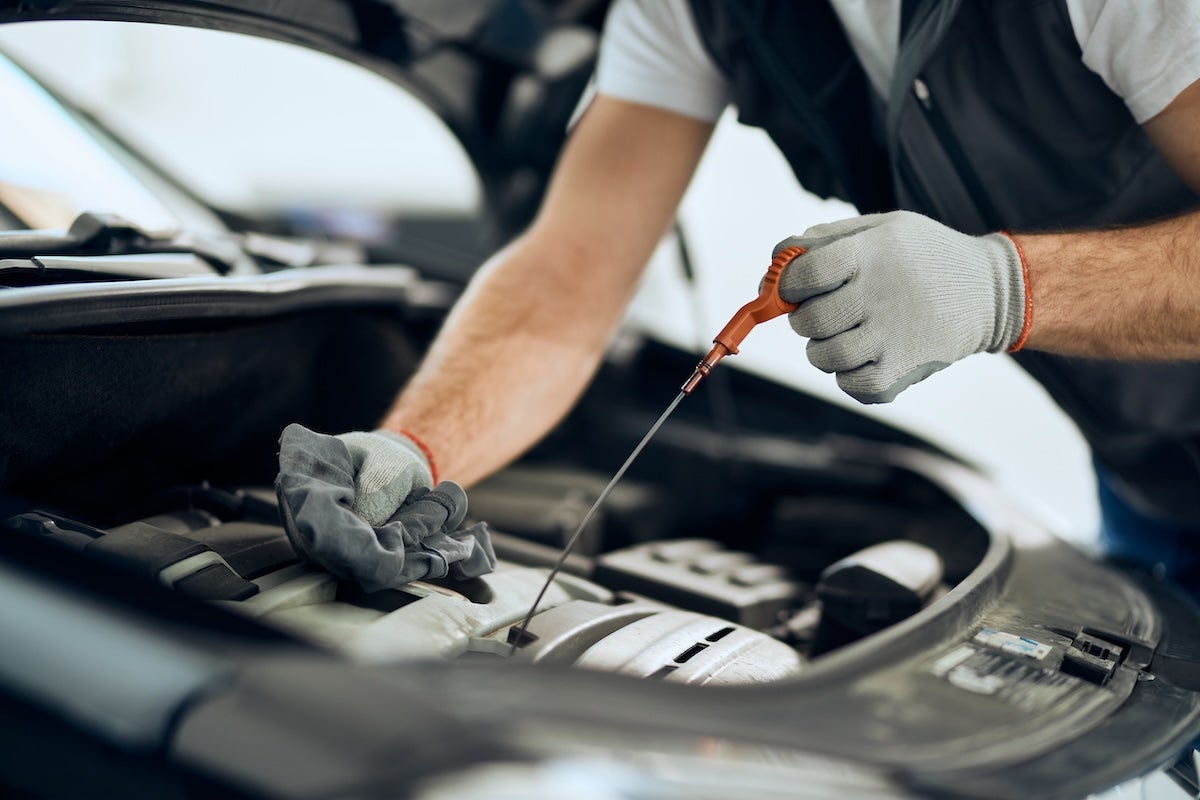
Here’s how to properly check your Orlando Toyota’s engine level to see what’s what under the hood:

  1. Park your car on level ground (avoid hills - it can give you a false result)
  2. Turn the engine off and allow it to cool for a few minutes
  3. Find and remove the dipstick
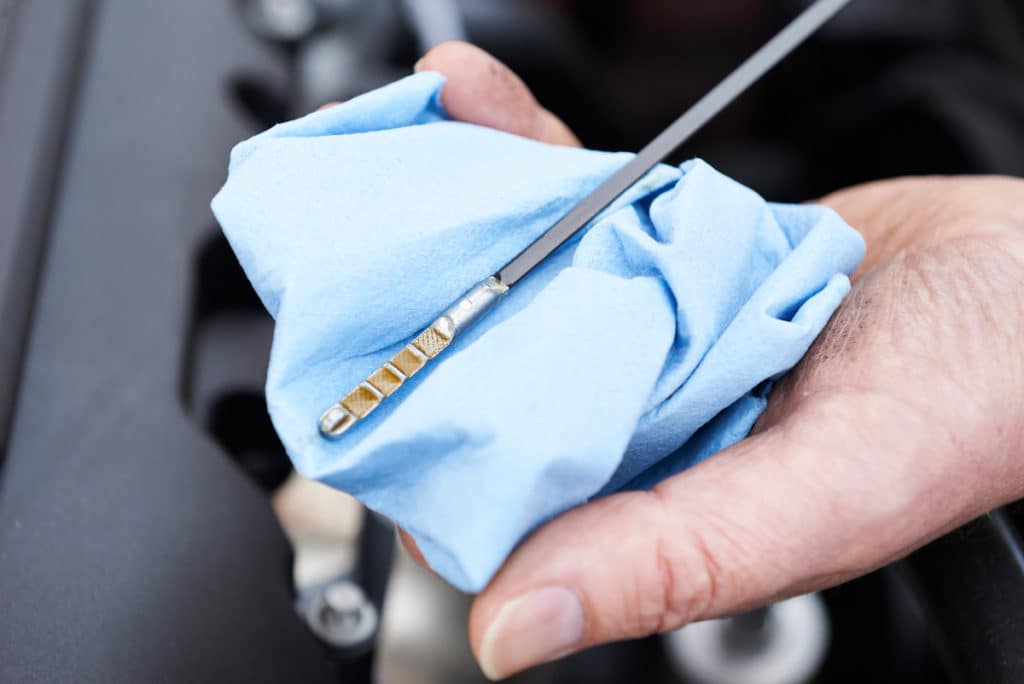
  4. Wipe it clean with a lint-free cloth
  5. Reinsert the dipstick fully and remove it again
  6. Check both the oil level and the oil's appearance

Make sure the oil level falls between the minimum and maximum marks on the dipstick. Once you've confirmed the level, take a closer look at the engine oil color.

Engine Oil Color: Amber, Caramel, or Light Brown

What it means: You have healthy oil

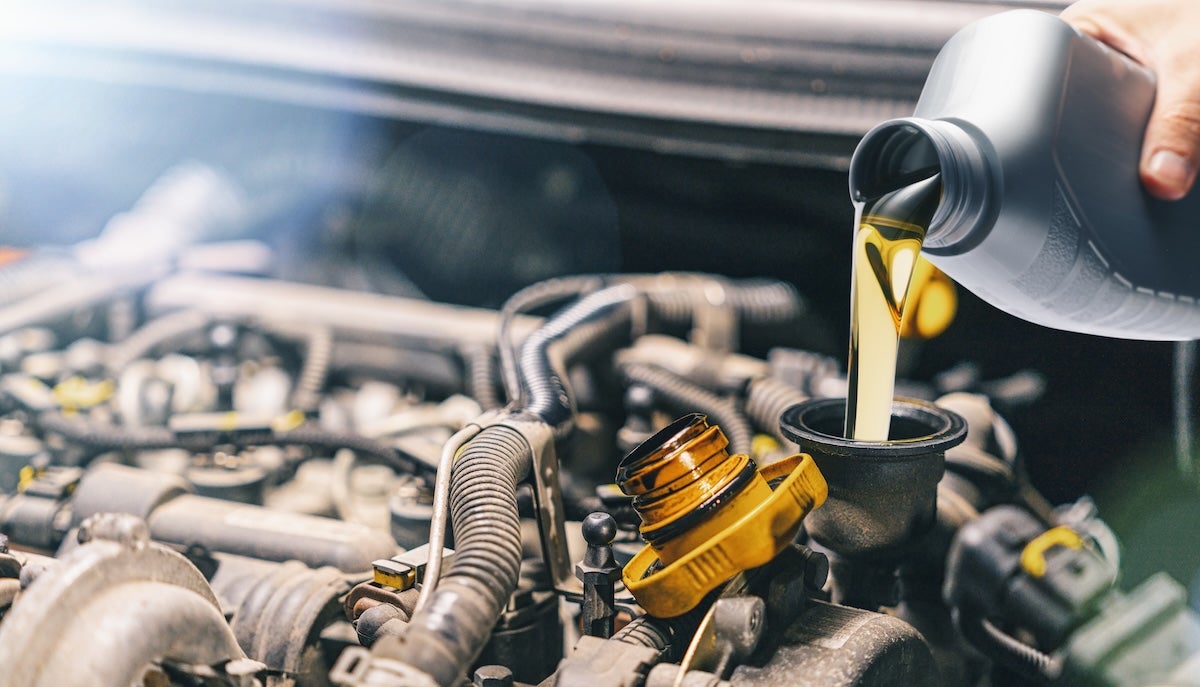
Fresh motor oil is usually amber, caramel, or light brown in color. This is the engine oil color you want to see, especially shortly after an oil change. It means that the oil is still able to properly lubricate your engine and protect important parts.

Keep in mind that even healthy oil will gradually get darker as it does its job. Some modern engines might make your oil darker fairly quickly, especially if they run at higher temperatures or you do a lot of stop-and-go driving.

If your oil is amber or light brown and you don’t see any debris in it, you're probably in good shape.

Engine Oil Color: Dark Brown or Black

What it means: Your oil might be old, dirty, or due for a change

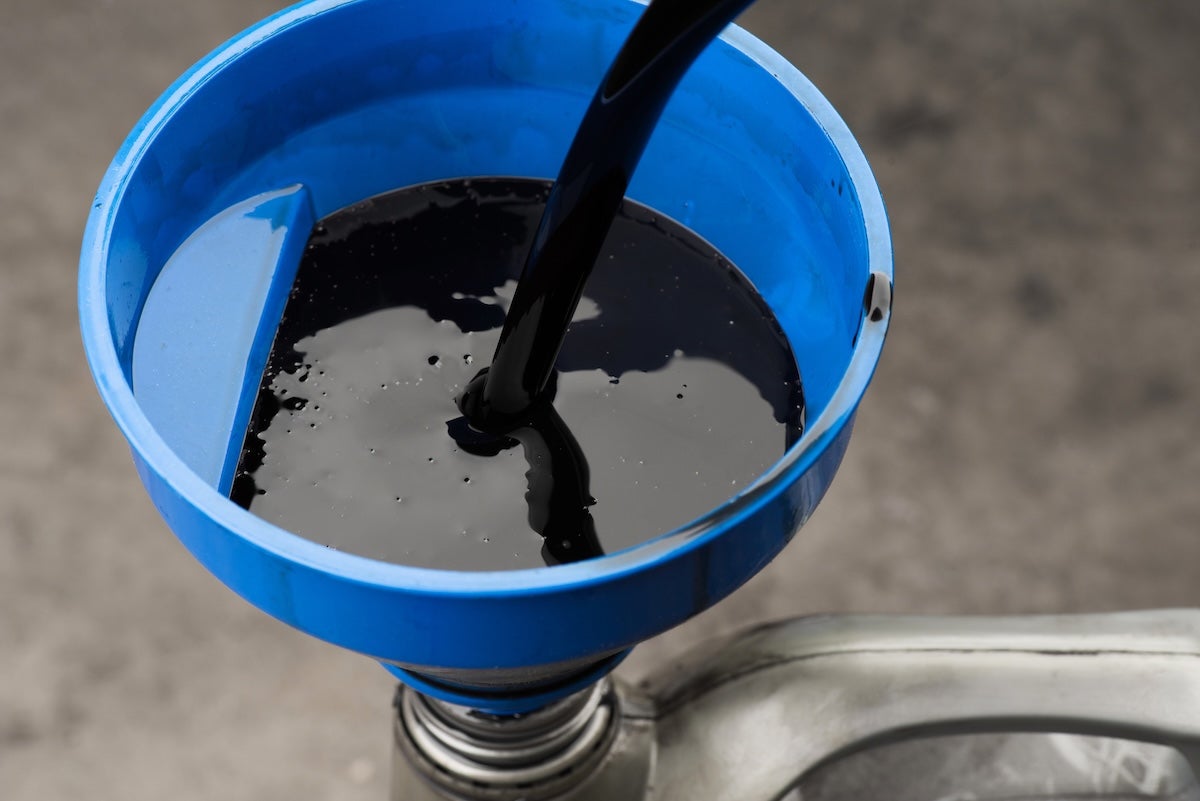
Dark brown or black oil is usually a sign that your oil has has contaminants in it and that it’s been exposed to too many heating and cooling cycles. While some darkening is normal, extremely dark oil - especially if it's thick or has debris in it - can mean it's time for an oil change.

Common causes of this can include:

  • Extended time between oil changes
  • Frequent short trips
  • Heavy towing or hauling
  • Driving in extreme temperatures
  • Stop-and-go traffic conditions

If you notice dark oil and sluggish performance, increased engine noise, or reduced fuel economy, it's a good idea to schedule service at Toyota of Orlando as soon as possible.
Toyota oil change

Engine Oil Color: Creamy or Milky

What it means: You might have coolant contamination

If your engine oil color looks creamy, tan, or milky, that's not normal. This appearance typically means that coolant and oil are mixing together. In many cases, this can be caused by:

  • A leaking head gasket
  • A cracked engine block
  • A damaged cylinder head

Other warning signs can include:

  • White smoke from the exhaust
  • Unexplained coolant loss
  • Engine overheating
  • Rough engine performance

No matter what, it’s important that you deal with this immediately. Coolant contamination can cause serious and expensive engine damage if you don’t fix it ASAP. Have your car brought into Toyota of Orland so our techs can take a look.

Engine Oil Color: Milky and Frothy

What it means: You have moisture contamination

Texture is just as important as color. If your engine oil color is milky and the oil looks frothy, foamy, or bubbly, moisture is probably in your oil system. While coolant contamination is one possibility, moisture can also accumulate through:

  • Excessive condensation
  • Frequent short-distance driving
  • Long periods of vehicle storage
  • Exposure to high humidity environments

In some cases, a car that sits for extended periods might develop small amounts of condensation in the oil. However, constant frothy oil should always be checked by a professional at Toyota of Orlando to rule out more serious issues.

oil change in Orlando FL

What About Synthetic Oil?

Many modern Orlando Toyota models use synthetic oil, which can sometimes act differently than conventional oil. Synthetic oil can darken more quickly without necessarily losing its effectiveness. That's why engine oil color should be considered along with:

  • Mileage since your last oil change
  • Manufacturer maintenance recommendations
  • Oil level
  • Vehicle performance
  • Dashboard warning lights

Never rely only on engine oil color to determine when you need your next oil change.Follow your owner's manual and recommended maintenance schedule for best results. Our Orlando Toyota techs can easily get you on a schedule and send you reminders.

How Often Should You Check Your Oil?

Even if your ride is running perfectly, it's a good habit to check your oil:

  • Once per month
  • Before long road trips
  • After towing or hauling heavy loads
  • If you notice unusual engine behavior

Regular inspections can help you catch low oil levels, contamination, or other concerns before they lead to bigger problems.
affordable oil change in Orlando FL

Schedule an Oil Change at Toyota of Orlando Today

If your engine oil color doesn't look right, don't ignore it. Whether your oil is excessively dark, milky, frothy, or contaminated, our expert technicians can help diagnose the issue and find the right solution. From routine oil changes to advanced engine diagnostics, Toyota of Orlando has you covered.

Visit us at 3575 Vineland Road, conveniently located just off I-4 near the Millenia Mall, or call (407) 298-0001 to schedule service today. Don’t forget to ask about our Toyota service specials!

FAQs About Engine Oil Color

1. What is the normal engine oil color?

Fresh engine oil is typically amber, caramel, or light brown in color. As it circulates through the engine and collects contaminants, it will gradually darken over time.

2. Does black engine oil always mean I need an oil change?

Not always. Some engines and synthetic oils naturally darken more quickly. However, if the oil is extremely dark, thick, or contains debris, it's a good idea to have it checked and potentially replaced.

3. Why does my engine oil look milky?

Milky engine oil usually indicates moisture contamination. This may be caused by condensation, but it can also signal a coolant leak, head gasket failure, or another serious engine issue that should be inspected immediately.
Posted in:

Related Posts

car fender

Everything you need to know about car fender repair

If you’re facing issues with your car fender (those fender benders - we know how it is sometimes), then you might be in need of a repair or even a replacement. Toyota of Orlando is here to walk you through what this car part is, why it’s important, and how to tell if you need a repair or a replacement to get it back into like-new shape. Let’s kick it off! Car Fender Repair vs. Replacement: What Orlando Drivers Need to Know Car fenders play a critical protective role by shielding your vehicle, paint, and surrounding drivers from debris kicked up by your tires, making them essential for both safety and aesthetics. Minor damage can often be repaired, including small dents, scratches, or surface rust. This makes it a faster, more affordable option that can even preserve your original paint. Severe damage requires full replacement, especially if the fender is cracked, bent, or misaligned, as this can impact safety, tire wear, and overall vehicle performance. Costs vary based on vehicle size and complexity, with replacements ranging from around $1,000 for smaller cars to up to $6,000 for larger vehicles, depending on labor, parts, and technology. Professional inspection is key, as hidden structural damage may not be visible, and certified technicians can ensure proper repair, part fitment, and safety restoration. <span data-mce-type="bookmark" class="mce_SELRES_start"></span> What is a car fender? First things first – what is a car fender, and why does it matter? Here’s what you should know about this part on your Orlando Toyota. A car fender is the part of your car that frames the wheels and wheel wells. You’ll have four of them on your Orlando Toyota – one on each wheel. It’s a curved panel that runs from the bumper to the doors. In simple terms, your car fender acts like a protective shield around your wheels. Because your tires are constantly rotating and making contact with the road, they kick up all kinds of debris. Without fenders, that debris would fly freely into your vehicle’s body and into surrounding traffic. So while they may seem like just another body panel, they actually play a big role in keeping your car protected and looking good. What does a car fender do? Now you know what a car fender is, but what does it do and why does it matter if yours is in good shape? Here’s your quick guide to this car part. A car fender is designed to prevent dirt, sand mud, rocks, and other debris from being thrown into the air by your tires. This helps protect your car’s paint, braking systems, and other parts of your Orlando Toyota. Fenders also prevent debris from being tossed into other cars and pedestrians around you. In other words, your car fender protects both your vehicle and everyone else on the road. When your fender is intact and properly aligned, it helps maintain your car’s aerodynamics and keeps road grime from constantly pelting your paint. That means fewer chips, fewer scratches, and less wear and tear over time. It also plays a role in safety. If debris is allowed to fly freely from your tires, it can cause visibility issues for drivers behind you or even lead to damage to nearby vehicles. Keeping your fenders in good condition is part of being a responsible driver here in Orlando. Have a clear understanding of what a car fender is and why it matters? Now let’s move on to what you should do if yours gets damaged. How to deal with fender repair and replacement Unfortunately, at some point in your car’s life, it’s bound to be damaged. Damage occurs from accidents, collisions, rogue shopping carts, and more. This means that at some point, you may need fender repair or replacement. But how do you know which is necessary? This is where our Orlando auto body repair experts step in. Here’s what they have to say about it. Sometimes the damage to your vehicle is minor, and fender repair is all you need. This tends to be less expensive and takes less time to complete, which is good news for you. The rule of thumb is that if the damage is cosmetic and doesn’t affect your car’s structural integrity or safety, simple repairs will do the trick. Here are the circumstances in which you’ll just need car fender repair (instead of replacement) on your Orlando Toyota: Minor dents and scratches. Surface scratches and dents can be easily repaired, especially if you bring your car to the Toyota of Orlando body shop. We may even be able to use PDR (paintless dent repair) to get your car looking like-new again. Small rusted areas. Rust is never good, but as long as the rust on your car fender is on the surface and doesn’t compromise the structure integrity of the metal, our techs can sand it down and repaint to get you back on the road. In many cases, fender repair can be completed relatively quickly. Depending on the extent of the cosmetic damage, you might even have your Orlando Toyota back the same day. Paintless dent repair is especially popular because it preserves your original factory paint, which helps maintain your vehicle’s value. How insurance impacts your car fender repair Another factor to consider is your insurance. If the damage is minor, some drivers choose to handle fender repair out-of-pocket to avoid filing a claim. Our Toyota of Orlando team can provide a free estimate so you can weigh your options and decide what works best for your situation. However, if the damage to your car fender affects the structural integrity of your vehicle or puts you and your passengers at risk, you’re going to need a replacement. Here are some signs you need to put these auto repairs on the books at Toyota of Orlando: Cracks. Cracks mean your fender can no longer function properly – its structural integrity has been compromised. If you were to get into another accident, the fender could actually damage other parts of your car. A fender that’s bent or misaligned. If you notice that your car’s fender is bent or misaligned, it could rub your tires or other parts of your Orlando Toyota. This is a sign that you need replacement ASAP. You may also notice unusual noises while driving, especially if the fender is rubbing against your tire. This can cause premature tire wear and create an unsafe driving condition. If your vehicle pulls to one side after an accident or the wheel well area looks uneven, it’s time to have it inspected by our Orlando auto body repair professionals. In some cases, hidden damage can also exist beneath the surface. What looks like a simple dent could actually indicate deeper structural issues. That’s why it’s always smart to bring your vehicle to a certified body shop like Toyota of Orlando. Our trained technicians can assess the full extent of the damage and recommend the right solution. What is the front fender replacement cost vs back fender replacement cost? It’s never cheap to replace parts on your car (sorry). We also can’t give you a black-and-white answer as to the cost (sorry again). Here’s what you should know: The front fender replacement cost – and back, for that matter – depends on the size of your vehicle. Smaller vehicles are usually around $1,000 (but again, it depends on the make, model, year, and size of your car). SUVs, pickup trucks, and other larger models can cost anywhere from $1,500 to $6,000. Labor, paint matching, and parts availability all factor into the final front fender replacement cost or back fender replacement cost. For example, if your Orlando Toyota has advanced safety features like sensors or cameras mounted near the fender, those components may need to be recalibrated after replacement. That can impact the overall cost as well. Keep in mind that OEM (original equipment manufacturer) parts are typically recommended to ensure proper fit and long-term durability. While aftermarket parts may sometimes be available, using OEM parts at Toyota of Orlando helps maintain your vehicle’s quality and resale value. The good news? Our team will always provide a transparent estimate before any work begins. That way, you know exactly what to expect when it comes to your car fender repair or replacement. Schedule car fender repair and replacement at Toyota of Orlando Need repairs or replacement for this important car part? Don’t wait – get your free estimate and schedule today at Toyota of Orlando. We’re just off I-4 near the Mall of Millenia at 3575 Vineland Road. Whether you’re dealing with a small dent or major collision damage, our Orlando auto body repair experts are here to help. We’ll inspect your car fender, walk you through your options, and get your Orlando Toyota back on the road looking like-new again. Schedule your appointment today and let us take care of the rest! FAQs about car fenders 1. Do you offer car bumper repair? We sure do. Our Orlando Toyota Collision Center is staffed with trained Toyota technicians and Genuine Toyota Parts to get every part on your ride back to like-new condition, including your car bumper. If you need car bumper repair, visit us today! 2. How can I fix scratches and dents in my car? It really depends on the extent of the scratches and dents. If they're superficial, small, and shallow, you may be able to swing DIY repairs at home. However, if you want to restore your car to like-new condition and have repairs that stand the test of time, it's best to get professional scratch and dent repair at Toyota of Orlando's body shop. 3. What is paintless dent repair, and do you offer it? Yes, we do! Paintless dent repair (PDR) is when a technician can repair a dent on your ride without having to touch up or replace the paint in that area. It seems simple, but it's actually more complicated than you think, which is why it's great to schedule it with our techs at our body shop.

car accessories

Barbie-fy your new Toyota with car accessories

If you've been living on this planet, you're probably aware that the new Barbie movie is about to hit theaters and make Millenials worldwide take a deep dive into nostalgia. And with the movie has come an endless parade of pink... well, everything. It's never been easier to live your best Barbie life, and our Orlando Toyota dealership is taking things up a level - check out this quick list of parts and car accessories to Barbie-fy your new Toyota before you hit the road! 6 car accessories to Barbie-fy your Orlando Toyota #1: Pink seat covers. Investing in pink seat covers is dual-purpose - not only will it create a vibrant pink vibe inside of your car, but it'll also protect your car seats from wear and tear. Car seat covers ward off harmful UV rays that can dry, crack, and fade seats, and also protect them from staining and other forms of damage from you sitting in them. You can even find covers for the backseat, too. #2: Pink cup holder coasters. Bringin your Starbies along for the ride and sick of spills and condensation accumulating in your cupholders? Try out a pair of cupholder coasters. They're designed to absorb moisture and protect your vehicle's cup holders from long-term damage... and they're pink. Every time you pick up your drink you'll get a flash of your fav color. #3: Pink steering wheel cover. Another dual-purpose car accessory is a steering wheel cover. There are endless options when it comes to pink, and not only will it up the ante for your Barbification, but also protect your steering wheel from the sun and your hands. It even has a third purpose - things heat up in the summer in Florida, and a steering wheel cover will protect your hands from a hot steering wheel when you get behind the wheel. #4: Pink license plate frames. When you buy a car at Toyota of Orlando, we hook you up with a sweet free license plate frame. But if you're going the Barbie route and want something with a little bling and a whole lot of pink, check out the endless pink license plate frame options on Amazon to customize your ride on the outside. #5: Pink push button start ring. Make yourself smile every time you start your car - consider a bedazzled, pink ring that goes around your push button start button. No matter where you're headed, you'll have a little Barbie in your life when you get things up and running in your Orlando Toyota. #6: Pink floor mats. And just one more car accessory that's pink AND useful - floor mats. Pink floor mats (especially if paired with pink seat covers) will transform the interior of your car into one worth a Barbie road trip, and they also protect the floor of your car from sand, mud, moisture, and dirty shoes. Visit our car accessory and parts store at Toyota of Orlando All of these car accessory options are easy ways to Barbiefy your car without having to shell out a ton of money OR time - and if you're in the market for even more pink accessories, contact Toyota of Orlando today! Our Toyota car accessory and parts store is open seven days a week at (407) 298-0001. You can also stop by and shop in person at 3575 Vineland Road, just off I-4 near the Millenia Mall.

worst auto repairs

Toyota of Orlando talks the nine worst auto repairs to deal with

Having the word " auto repair " on your horizon can lead to a bad case of nerves - and we get it. How much will it cost to fix your car? How long will it take? Today we're here to talk the worst - the worst auto repairs to deal with, that is. However, we're not just telling you how much each of them sucks; we're also here to tell you how to avoid them. Here's what our Orlando auto service experts have to say about the matter! 9 of the worst auto repairs to have to deal with and how to fix them #1: Seized engine from lack of oil This auto repair is necessary when - due to running out of oil - your engine has no lubrication, gets too hot inside, and all of the parts basically melt and meld together into one glob of metal. There's no way to fix this, unfortunately, which means you basically have to call it a loss and buy a new car. The fix: Make sure you stay on top of your routine oil changes and check the level and condition of your oil every few weeks. #2: Failed transmission A failed transmission can happen for multiple reasons, including software problems, old age, overheating, or bad driving habits. The fix could be small and inexpensive or large and painful - it really just depends on the reason your transmission failed. The costs range from $300 to upwards of $5,000. The fix: Stay on top of transmission service and get your multipoint inspections regularly. #3: Overheated engine Lots of things can cause your engine to overheat, but luckily, it gives you warning signs ahead of time. An overheated engine can result in serious damage, including a blown head gasket, a cracked head, or a cracked block. Costs can range from $100 to $10,000. The fix: Keep an eye on your coolant and oil levels. If you see your temperature gauge rising in the dashboard, don't ignore - it - pull over and have your car towed to Toyota of Orlando so we can get auto repairs started. #4: Blown head gasket A blown head gasket results from overheating most of the time, and can lead to leaked coolant in other parts of your car (like the cylinders or oil passages). It can cost between $1,000 to $4,000 to fix it. The fix: Take precautions to prevent your car from overheating. #5: Hydrolocked engine This auto repair is necessary when water gets inside of your engine's cylinders and damages the pistons by creating too much pressure. The cost to fix it can be anywhere from $3,000 to $10,000 - so maybe don't drive through that puddle after all. The fix: Avoid driving through water when you're not aware of how deep it is. #6: Bad timing belt So here's the thing: you'll have to replace your car's timing belt at some point in its life. That's just part of driving. However, if you decide not to heed your Orlando Toyota service tech's advice and change it when it's due, it can result in a broken timing belt, which can then lead to MORE broken parts and way more expensive auto repairs. A broken timing belt can result in costs ranging from $1,500 to $3,500. The fix: When it's time to change your timing belt, do it - don't delay until it's too late. #7:  Transmission fluid in the brake fluid reservoir If transmission fluid accidentally finds its way into your brake fluid reservoir and into the brake lines, you're going to be due for auto repairs - there's no getting around it. The cost can range anywhere from $800 to $2,000. The fix: Get routine multi-point inspections and fix any issues with your transmission that your Orlando auto service tech recommends. #8: Bad computer When your computer in your car goes bad, it can result in a whole slew of other problems. This is especially true if your computer gets ruined by jump-starting your car - it can result in a blown battery, electrical system damage, or even a fire. The cost to repair can range from $1,000 to... you don't even want to know. The fix: Be extra careful when you're jump-starting your car, and get routine multi-point inspections so our auto service techs can check the computer in your car while they're at it. #9: Worn-out clutch Just like your timing belt, you'll also have to replace your car's clutch at some point in life (hopefully much, much later). As you use it, it wears down and loses friction and can't do its job effectively. The cost to replace a burnt clutch? $1,000 to $2,500. The fix: Learn how to drive a stick well so you're not wearing it out fast and if you notice a burning smell, bring your car into Toyota of Orlando so our techs can take a look. Schedule your auto repairs at Toyota of Orlando today Have questions about any of the above auto repairs or think you're due for them? Call Toyota of Orlando today. We're open seven days a week with the longest service hours in Central Florida - you can reach us at (407) 298-0001. You can also stop by and see us at 3575 Vineland Road, just off I-4 near the Millenia Mall.