Blog / Toyota Service

Blog

All Toyota Service Toyota of Orlando's Tips Toyota of Orlando News New Toyota Orlando Toyota Service Used Cars Toyota of Orlando Service Toyota of Orlando Body Shop
motor oil

Do you really need to get a full oil change?

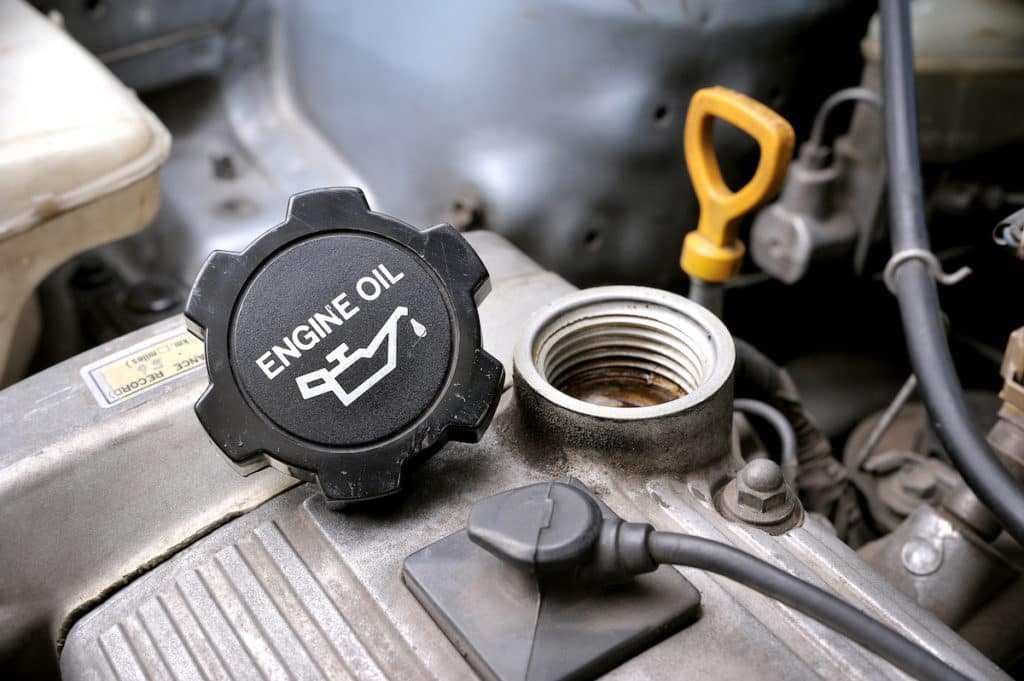
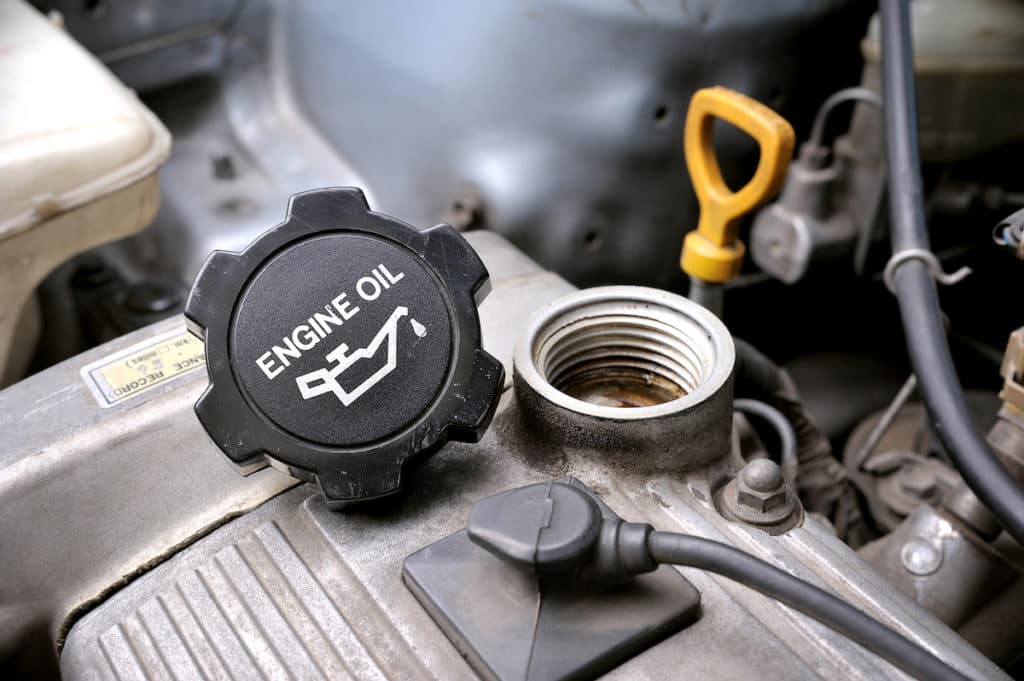
Here we go again... reminding you for the umpteenth time that yes, you do need to get your car on an oil change schedule. We know we've said it (multiple times) before, but scheduling routine oil changes in Orlando will help keep your engine cool, keep your car running reliably, and stave off a number of expensive repairs. It's worth it, trust us. However, we still get drivers every once in a while who think that sticking to a routine oil change schedule is tedious and expensive and want to take shortcuts. Our auto service techs recommend against this route when it comes to car care, and we're here to explain why. Can I top off my engine oil instead of changing it? One of the big questions we get when it comes to oil and car care is whether or not it's OK to just top the engine oil off instead of scheduling an Orlando oil change. Our answer? NO. Here's why. When you simply add more oil to your engine, yes, you are keeping it at the proper level so you won't have to worry about your engine running out. However, remember that as oil is circulated through your car's engine, it picks up dirt and debris. It's also exposed to high heat levels, which can change the consistency. Basically, if you were to never change your oil, you'd end up with black sludge in the engine. So when you just top things off, you're adding clean oil to the existing dirty oil and you're not really doing your engine any favors. As you circulate dirty motor oil through the engine, you can damage the engine itself, damage the piston rings and cylinder head valve guides, or get an oil leak. Not to mention, it can cause your engine to overheat and seize up. Overall, you're costing yourself more money because you'll undoubtedly end up having to do repairs on your vehicle. In short, you'll save money in the short term but not in the long run. On the other hand, when you get a full Orlando oil change on a routine schedule, you're providing your engine with the proper levels of clean oil so it can keep the system cool and lubricated. This results in better engine health, better vehicle health overall, and fewer issues with performance. Here are a few other perks of sticking to a routine schedule for this type of car care: A greener performance Better fuel efficiency Longer life for your engine and all associated parts and accessories Improved engine efficiency A worry-free emissions test Overall, it's worth it to stick to a schedule and not just "top things off" when the oil level gets low. Schedule an oil change in Orlando at our Toyota service center Need an oil change in Orlando to get things back to normal under the hood? Call us! Toyota of Orlando is open seven days a week with the longest service hours in Central Florida. You can reach us at (407) 298-0001, schedule online, or simply stop by and see us at 3575 Vineland Road just off I-4 across from the Millenia Mall.

motor oil

Do you really need to get a full oil change?

Here we go again... reminding you for the umpteenth time that yes, you do need to get your car on an oil change schedule. We know we've said it (multiple times) before, but scheduling routine oil changes in Orlando will help keep your engine cool, keep your car running reliably, and stave off a number of expensive repairs. It's worth it, trust us. However, we still get drivers every once in a while who think that sticking to a routine oil change schedule is tedious and expensive and want to take shortcuts. Our auto service techs recommend against this route when it comes to car care, and we're here to explain why. Can I top off my engine oil instead of changing it? One of the big questions we get when it comes to oil and car care is whether or not it's OK to just top the engine oil off instead of scheduling an Orlando oil change. Our answer? NO. Here's why. When you simply add more oil to your engine, yes, you are keeping it at the proper level so you won't have to worry about your engine running out. However, remember that as oil is circulated through your car's engine, it picks up dirt and debris. It's also exposed to high heat levels, which can change the consistency. Basically, if you were to never change your oil, you'd end up with black sludge in the engine. So when you just top things off, you're adding clean oil to the existing dirty oil and you're not really doing your engine any favors. As you circulate dirty motor oil through the engine, you can damage the engine itself, damage the piston rings and cylinder head valve guides, or get an oil leak. Not to mention, it can cause your engine to overheat and seize up. Overall, you're costing yourself more money because you'll undoubtedly end up having to do repairs on your vehicle. In short, you'll save money in the short term but not in the long run. On the other hand, when you get a full Orlando oil change on a routine schedule, you're providing your engine with the proper levels of clean oil so it can keep the system cool and lubricated. This results in better engine health, better vehicle health overall, and fewer issues with performance. Here are a few other perks of sticking to a routine schedule for this type of car care: A greener performance Better fuel efficiency Longer life for your engine and all associated parts and accessories Improved engine efficiency A worry-free emissions test Overall, it's worth it to stick to a schedule and not just "top things off" when the oil level gets low. Schedule an oil change in Orlando at our Toyota service center Need an oil change in Orlando to get things back to normal under the hood? Call us! Toyota of Orlando is open seven days a week with the longest service hours in Central Florida. You can reach us at (407) 298-0001, schedule online, or simply stop by and see us at 3575 Vineland Road just off I-4 across from the Millenia Mall.

Oil change schedule

Motor oil color: A quick guide to what it means

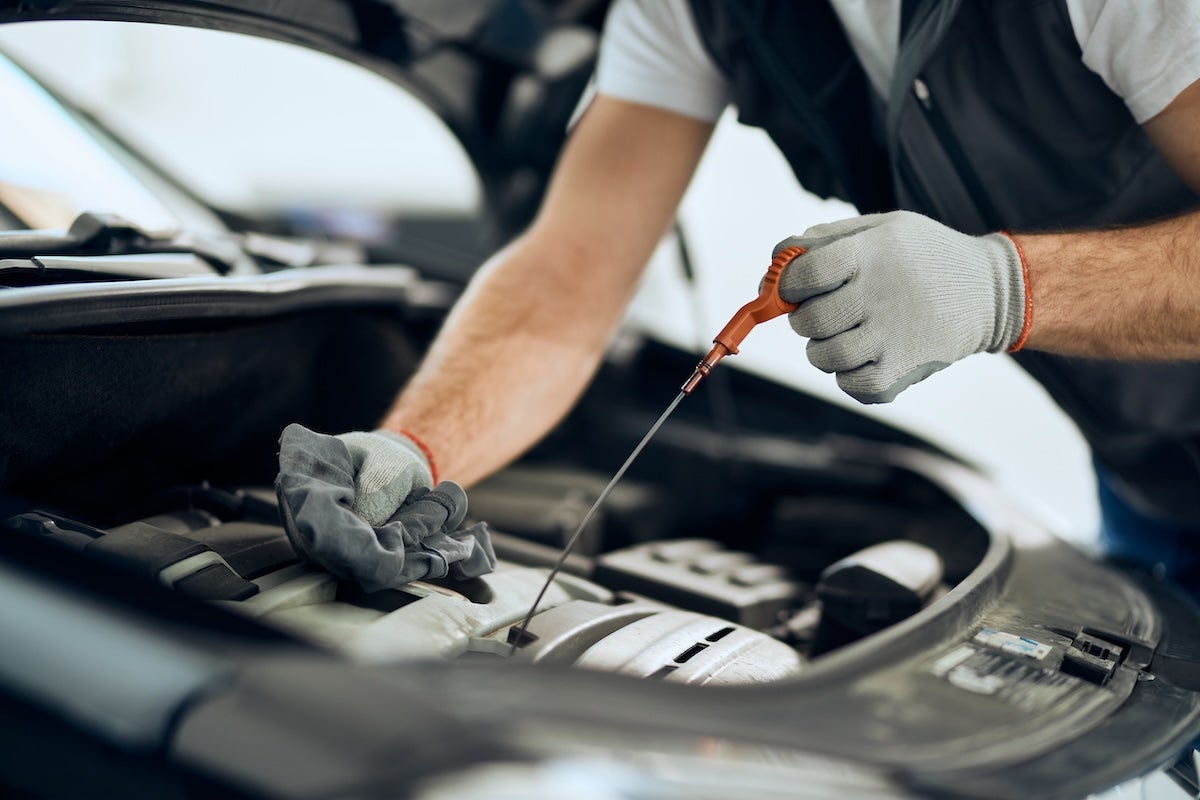
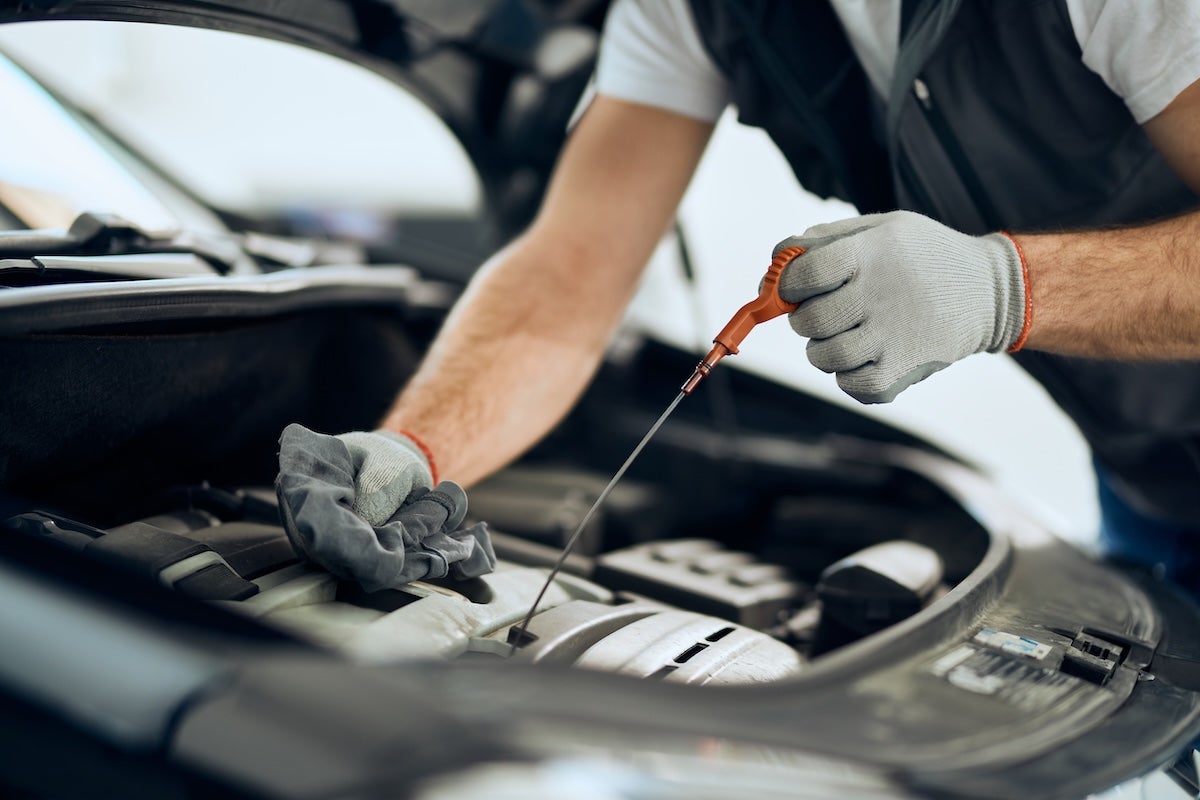
Updated on June 29, 2026 An oil change is one of the most common services you'll schedule for your car, and for good reason. Fresh oil helps lubricate your engine, reduce friction, regulate temperature, and protect important parts from wear and tear. <span data-mce-type="bookmark" class="mce_SELRES_start"></span> While sticking to your recommended maintenance schedule is important, it's also a smart idea to check your oil between service appointments. One of the easiest ways to monitor your car's health is by paying attention to engine oil color. The color and appearance of your oil can provide important clues about what's happening under the hood. Our expert team here at Toyota of Orlando has a simple guide to help you understand what different engine oil colors may mean. Executive Summary Engine oil color can reveal important information about your vehicle's condition and maintenance needs. Amber or light brown oil is typically healthy, especially if it's relatively fresh and free of debris. Dark brown or black oil often indicates it's time for an oil change due to age, heat exposure, or contamination. Milky or creamy oil may signal moisture contamination, which could point to a coolant leak or head gasket issue. Regular oil checks between service visits can help you catch problems early and potentially avoid costly repairs. Why Checking Engine Oil Color Matters Your engine oil works hard every single time you drive. It circulates through your engine, lubricating moving parts, reducing wear, preventing corrosion, and carrying away debris. Over time, your oil naturally changes color as it collects dirt, carbon deposits, and metal particles. Now, keep in mind that a change in engine oil color doesn't always mean something is wrong. It can actually be a useful indicator that your Orlando Toyota needs attention. Taking a few minutes to check your oil level and color can help you stay ahead of maintenance issues before they become expensive repairs. How to Check Your Engine Oil Here’s how to properly check your Orlando Toyota’s engine level to see what’s what under the hood: Park your car on level ground (avoid hills - it can give you a false result) Turn the engine off and allow it to cool for a few minutes Find and remove the dipstick Wipe it clean with a lint-free cloth Reinsert the dipstick fully and remove it again Check both the oil level and the oil's appearance Make sure the oil level falls between the minimum and maximum marks on the dipstick. Once you've confirmed the level, take a closer look at the engine oil color. Engine Oil Color: Amber, Caramel, or Light Brown What it means: You have healthy oil Fresh motor oil is usually amber, caramel, or light brown in color. This is the engine oil color you want to see, especially shortly after an oil change. It means that the oil is still able to properly lubricate your engine and protect important parts. Keep in mind that even healthy oil will gradually get darker as it does its job. Some modern engines might make your oil darker fairly quickly, especially if they run at higher temperatures or you do a lot of stop-and-go driving. If your oil is amber or light brown and you don’t see any debris in it, you're probably in good shape. Engine Oil Color: Dark Brown or Black What it means: Your oil might be old, dirty, or due for a change Dark brown or black oil is usually a sign that your oil has has contaminants in it and that it’s been exposed to too many heating and cooling cycles. While some darkening is normal, extremely dark oil - especially if it's thick or has debris in it - can mean it's time for an oil change. Common causes of this can include: Extended time between oil changes Frequent short trips Heavy towing or hauling Driving in extreme temperatures Stop-and-go traffic conditions If you notice dark oil and sluggish performance, increased engine noise, or reduced fuel economy, it's a good idea to schedule service at Toyota of Orlando as soon as possible. Engine Oil Color: Creamy or Milky What it means: You might have coolant contamination If your engine oil color looks creamy, tan, or milky, that's not normal. This appearance typically means that coolant and oil are mixing together. In many cases, this can be caused by: A leaking head gasket A cracked engine block A damaged cylinder head Other warning signs can include: White smoke from the exhaust Unexplained coolant loss Engine overheating Rough engine performance No matter what, it’s important that you deal with this immediately. Coolant contamination can cause serious and expensive engine damage if you don’t fix it ASAP. Have your car brought into Toyota of Orland so our techs can take a look. Engine Oil Color: Milky and Frothy What it means: You have moisture contamination Texture is just as important as color. If your engine oil color is milky and the oil looks frothy, foamy, or bubbly, moisture is probably in your oil system. While coolant contamination is one possibility, moisture can also accumulate through: Excessive condensation Frequent short-distance driving Long periods of vehicle storage Exposure to high humidity environments In some cases, a car that sits for extended periods might develop small amounts of condensation in the oil. However, constant frothy oil should always be checked by a professional at Toyota of Orlando to rule out more serious issues. What About Synthetic Oil? Many modern Orlando Toyota models use synthetic oil, which can sometimes act differently than conventional oil. Synthetic oil can darken more quickly without necessarily losing its effectiveness. That's why engine oil color should be considered along with: Mileage since your last oil change Manufacturer maintenance recommendations Oil level Vehicle performance Dashboard warning lights Never rely only on engine oil color to determine when you need your next oil change.Follow your owner's manual and recommended maintenance schedule for best results. Our Orlando Toyota techs can easily get you on a schedule and send you reminders. How Often Should You Check Your Oil? Even if your ride is running perfectly, it's a good habit to check your oil: Once per month Before long road trips After towing or hauling heavy loads If you notice unusual engine behavior Regular inspections can help you catch low oil levels, contamination, or other concerns before they lead to bigger problems. Schedule an Oil Change at Toyota of Orlando Today If your engine oil color doesn't look right, don't ignore it. Whether your oil is excessively dark, milky, frothy, or contaminated, our expert technicians can help diagnose the issue and find the right solution. From routine oil changes to advanced engine diagnostics, Toyota of Orlando has you covered. Visit us at 3575 Vineland Road, conveniently located just off I-4 near the Millenia Mall, or call (407) 298-0001 to schedule service today. Don’t forget to ask about our Toyota service specials! FAQs About Engine Oil Color 1. What is the normal engine oil color? Fresh engine oil is typically amber, caramel, or light brown in color. As it circulates through the engine and collects contaminants, it will gradually darken over time. 2. Does black engine oil always mean I need an oil change? Not always. Some engines and synthetic oils naturally darken more quickly. However, if the oil is extremely dark, thick, or contains debris, it's a good idea to have it checked and potentially replaced. 3. Why does my engine oil look milky? Milky engine oil usually indicates moisture contamination. This may be caused by condensation, but it can also signal a coolant leak, head gasket failure, or another serious engine issue that should be inspected immediately.


Oil change schedule

Motor oil color: A quick guide to what it means

Updated on June 29, 2026 An oil change is one of the most common services you'll schedule for your car, and for good reason. Fresh oil helps lubricate your engine, reduce friction, regulate temperature, and protect important parts from wear and tear. <span data-mce-type="bookmark" style="display: inline-block; width: 0px; overflow: hidden; line-height: 0;" class="mce_SELRES_start"></span> While sticking to your recommended maintenance schedule is important, it's also a smart idea to check your oil between service appointments. One of the easiest ways to monitor your car's health is by paying attention to engine oil color. The color and appearance of your oil can provide important clues about what's happening under the hood. Our expert team here at Toyota of Orlando has a simple guide to help you understand what different engine oil colors may mean. Executive Summary Engine oil color can reveal important information about your vehicle's condition and maintenance needs. Amber or light brown oil is typically healthy, especially if it's relatively fresh and free of debris. Dark brown or black oil often indicates it's time for an oil change due to age, heat exposure, or contamination. Milky or creamy oil may signal moisture contamination, which could point to a coolant leak or head gasket issue. Regular oil checks between service visits can help you catch problems early and potentially avoid costly repairs. Why Checking Engine Oil Color Matters Your engine oil works hard every single time you drive. It circulates through your engine, lubricating moving parts, reducing wear, preventing corrosion, and carrying away debris. Over time, your oil naturally changes color as it collects dirt, carbon deposits, and metal particles. Now, keep in mind that a change in engine oil color doesn't always mean something is wrong. It can actually be a useful indicator that your Orlando Toyota needs attention. Taking a few minutes to check your oil level and color can help you stay ahead of maintenance issues before they become expensive repairs. How to Check Your Engine Oil Here’s how to properly check your Orlando Toyota’s engine level to see what’s what under the hood: Park your car on level ground (avoid hills - it can give you a false result) Turn the engine off and allow it to cool for a few minutes Find and remove the dipstick Wipe it clean with a lint-free cloth Reinsert the dipstick fully and remove it again Check both the oil level and the oil's appearance Make sure the oil level falls between the minimum and maximum marks on the dipstick. Once you've confirmed the level, take a closer look at the engine oil color. Engine Oil Color: Amber, Caramel, or Light Brown What it means: You have healthy oil Fresh motor oil is usually amber, caramel, or light brown in color. This is the engine oil color you want to see, especially shortly after an oil change. It means that the oil is still able to properly lubricate your engine and protect important parts. Keep in mind that even healthy oil will gradually get darker as it does its job. Some modern engines might make your oil darker fairly quickly, especially if they run at higher temperatures or you do a lot of stop-and-go driving. If your oil is amber or light brown and you don’t see any debris in it, you're probably in good shape. Engine Oil Color: Dark Brown or Black What it means: Your oil might be old, dirty, or due for a change Dark brown or black oil is usually a sign that your oil has has contaminants in it and that it’s been exposed to too many heating and cooling cycles. While some darkening is normal, extremely dark oil - especially if it's thick or has debris in it - can mean it's time for an oil change. Common causes of this can include: Extended time between oil changes Frequent short trips Heavy towing or hauling Driving in extreme temperatures Stop-and-go traffic conditions If you notice dark oil and sluggish performance, increased engine noise, or reduced fuel economy, it's a good idea to schedule service at Toyota of Orlando as soon as possible. Engine Oil Color: Creamy or Milky What it means: You might have coolant contamination If your engine oil color looks creamy, tan, or milky, that's not normal. This appearance typically means that coolant and oil are mixing together. In many cases, this can be caused by: A leaking head gasket A cracked engine block A damaged cylinder head Other warning signs can include: White smoke from the exhaust Unexplained coolant loss Engine overheating Rough engine performance No matter what, it’s important that you deal with this immediately. Coolant contamination can cause serious and expensive engine damage if you don’t fix it ASAP. Have your car brought into Toyota of Orland so our techs can take a look. Engine Oil Color: Milky and Frothy What it means: You have moisture contamination Texture is just as important as color. If your engine oil color is milky and the oil looks frothy, foamy, or bubbly, moisture is probably in your oil system. While coolant contamination is one possibility, moisture can also accumulate through: Excessive condensation Frequent short-distance driving Long periods of vehicle storage Exposure to high humidity environments In some cases, a car that sits for extended periods might develop small amounts of condensation in the oil. However, constant frothy oil should always be checked by a professional at Toyota of Orlando to rule out more serious issues. What About Synthetic Oil? Many modern Orlando Toyota models use synthetic oil, which can sometimes act differently than conventional oil. Synthetic oil can darken more quickly without necessarily losing its effectiveness. That's why engine oil color should be considered along with: Mileage since your last oil change Manufacturer maintenance recommendations Oil level Vehicle performance Dashboard warning lights Never rely only on engine oil color to determine when you need your next oil change.Follow your owner's manual and recommended maintenance schedule for best results. Our Orlando Toyota techs can easily get you on a schedule and send you reminders. How Often Should You Check Your Oil? Even if your ride is running perfectly, it's a good habit to check your oil: Once per month Before long road trips After towing or hauling heavy loads If you notice unusual engine behavior Regular inspections can help you catch low oil levels, contamination, or other concerns before they lead to bigger problems. Schedule an Oil Change at Toyota of Orlando Today If your engine oil color doesn't look right, don't ignore it. Whether your oil is excessively dark, milky, frothy, or contaminated, our expert technicians can help diagnose the issue and find the right solution. From routine oil changes to advanced engine diagnostics, Toyota of Orlando has you covered. Visit us at 3575 Vineland Road, conveniently located just off I-4 near the Millenia Mall, or call (407) 298-0001 to schedule service today. Don’t forget to ask about our Toyota service specials! FAQs About Engine Oil Color 1. What is the normal engine oil color? Fresh engine oil is typically amber, caramel, or light brown in color. As it circulates through the engine and collects contaminants, it will gradually darken over time. 2. Does black engine oil always mean I need an oil change? Not always. Some engines and synthetic oils naturally darken more quickly. However, if the oil is extremely dark, thick, or contains debris, it's a good idea to have it checked and potentially replaced. 3. Why does my engine oil look milky? Milky engine oil usually indicates moisture contamination. This may be caused by condensation, but it can also signal a coolant leak, head gasket failure, or another serious engine issue that should be inspected immediately.

Orlando Toyota service

Why is my gas gauge reading incorrectly?

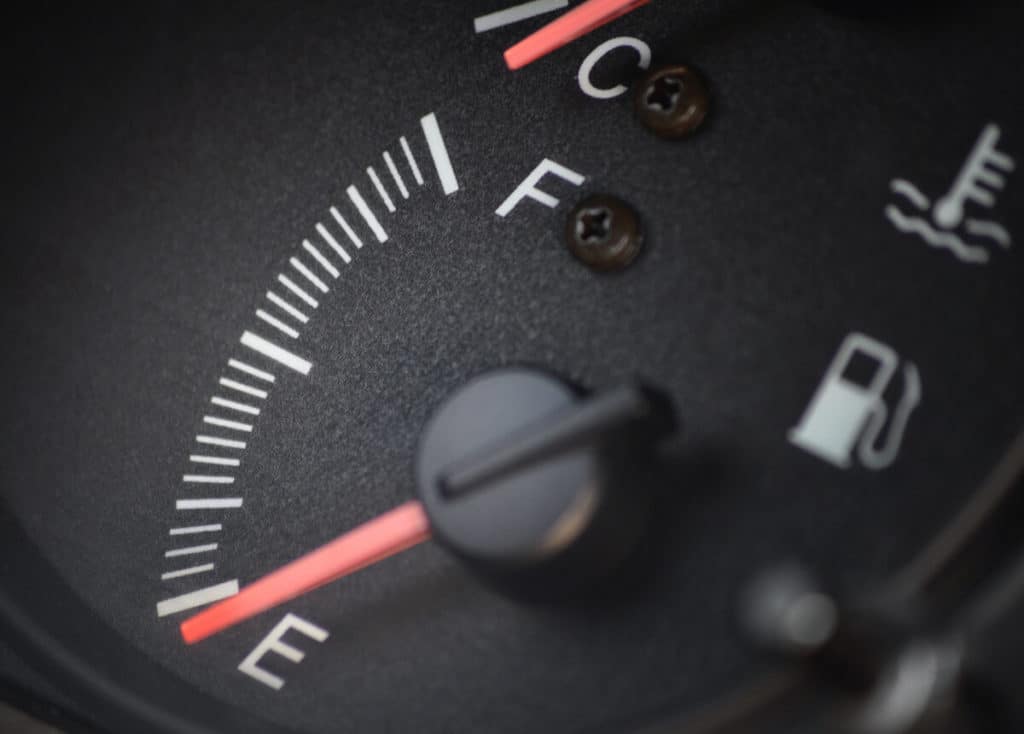
Most drivers pay pretty close attention to their car's gas gauge. After all, it's important to know when it's time to gas up so you don't find yourself stuck on the side of the road with an empty fuel tank. However, what happens when your car's gas gauge just... stops working? Remember, it's a part, and just like any other part, it can malfunction or wear out. Toyota of Orlando's service techs are here to help you figure out why your gas gauge isn't working and what to do about it. Before we can fully explain what's going on with your Orlando Toyota, we need to break down the pieces and parts involved: The most common reason for the fuel gauge to malfunction in a car is due to a bad fuel sending unit. The fuel sending unit measures the amount of gas in the tank and communicates the level to the fuel gauge in your car's dashboard. The fuel sending unit is composed of a float, a metal rod or arm, and a variable resistor. The floa t floats on top of the fuel in the tank. The float is connected to the variable resistor by the metal rod. The variable resistor connects to the gas gauge to communicate how much fuel is in the tank. The three main issue with gas gauges Now, let's talk about the issues at hand and what to do about them. Issue #1: The gauge is stuck on full. You filled up a week ago and you've been driving regularly. You know you're using full, but the gas gauge still reads completely full. No, you haven't been blessed with suddenly magically enhanced fuel efficiency - it's a lot more likely that you're having an issue with your variable resistor. It could be faulty wiring, an open circuit issue in the resistor, or rarely, just a bad gauge. Whatever it is, it's not a DIY fix and it's worth having our techs Issue #2: The gauge is stuck on empty. Conversely, you KNOW you filled up your tank (and so does your bank account). So why is your car still telling you that the tank is empty? This issue is usually caused by one of a few issues - either the float has separated from the metal arm and isn't sending any information about fuel level, the variable resistor is faulty and malfunctioning, or the wires in the system have corroded and are no longer sending information. Issue #3: The gauge swings back and forth between full and empty with no rhyme or reason. Does it feel like you're always playing a guessing game when trying to figure out how much fuel is in the tank? This is usually a result of the float "sticking" in place and then being jolted back into motion by the movement of the car. It can cause irregular readings. Another cause could be a faulty gauge itself. Whatever the issue and reason for it. this is definitely one for the experts! Call Toyota of Orlando's service center today for an appointment and let our techs check things out. We're open seven days a week at (407) 298-0001 and we're conveniently located just off I-4 near the Millenia Mall at 3575 Vineland Road.

Orlando Toyota service

Why is my gas gauge reading incorrectly?

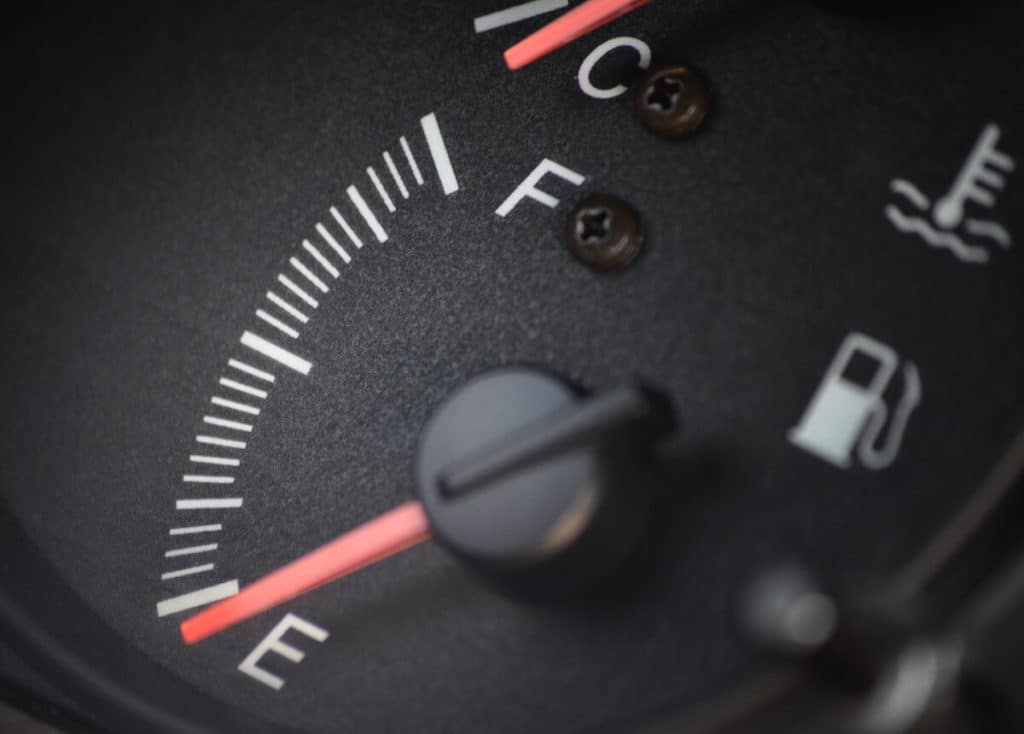
Most drivers pay pretty close attention to their car's gas gauge. After all, it's important to know when it's time to gas up so you don't find yourself stuck on the side of the road with an empty fuel tank. However, what happens when your car's gas gauge just... stops working? Remember, it's a part, and just like any other part, it can malfunction or wear out. Toyota of Orlando's service techs are here to help you figure out why your gas gauge isn't working and what to do about it. Before we can fully explain what's going on with your Orlando Toyota, we need to break down the pieces and parts involved: The most common reason for the fuel gauge to malfunction in a car is due to a bad fuel sending unit. The fuel sending unit measures the amount of gas in the tank and communicates the level to the fuel gauge in your car's dashboard. The fuel sending unit is composed of a float, a metal rod or arm, and a variable resistor. The floa t floats on top of the fuel in the tank. The float is connected to the variable resistor by the metal rod. The variable resistor connects to the gas gauge to communicate how much fuel is in the tank. The three main issue with gas gauges Now, let's talk about the issues at hand and what to do about them. Issue #1: The gauge is stuck on full. You filled up a week ago and you've been driving regularly. You know you're using full, but the gas gauge still reads completely full. No, you haven't been blessed with suddenly magically enhanced fuel efficiency - it's a lot more likely that you're having an issue with your variable resistor. It could be faulty wiring, an open circuit issue in the resistor, or rarely, just a bad gauge. Whatever it is, it's not a DIY fix and it's worth having our techs Issue #2: The gauge is stuck on empty. Conversely, you KNOW you filled up your tank (and so does your bank account). So why is your car still telling you that the tank is empty? This issue is usually caused by one of a few issues - either the float has separated from the metal arm and isn't sending any information about fuel level, the variable resistor is faulty and malfunctioning, or the wires in the system have corroded and are no longer sending information. Issue #3: The gauge swings back and forth between full and empty with no rhyme or reason. Does it feel like you're always playing a guessing game when trying to figure out how much fuel is in the tank? This is usually a result of the float "sticking" in place and then being jolted back into motion by the movement of the car. It can cause irregular readings. Another cause could be a faulty gauge itself. Whatever the issue and reason for it. this is definitely one for the experts! Call Toyota of Orlando's service center today for an appointment and let our techs check things out. We're open seven days a week at (407) 298-0001 and we're conveniently located just off I-4 near the Millenia Mall at 3575 Vineland Road.

Toyota service in Orlando FL

Ants in your car? Here's how to get rid of them.

Have you ever climbed into your car and noticed that you're not alone? We're not talking human passengers or four-legged friends - we're talking ants. Believe it or not, ant infestations in cars are pretty common and can do serious damage to your Orlando Toyota long-term. That's why it's critical to take care of the problem as soon as you notice your new six-legged passengers, and our Toyota of Orlando service center techs are here to give you tips on how to do it. Why might you find ants in your car? Ants find their way into your car because they deem it a viable source of food or water. They build nests, sure, but once their home base is established ants tend to forage for food and water to bring back, finding the necessities by scent. Once they've found food or water in your car, it's a free-for-all. And even worse, they leave scent trails so other ants know where to get the goods and can also invade your vehicle. This problem can quickly get out of hand, so as soon as you notice ants in your car it's important to act fast. If left unchecked, ants can chew through wood, foam, insulation, and worst of all, wires. Plus, they can bite you and your passengers. Tip #1: Clean your car from top to bottom. The first step to take when you notice ants in your car is to give your car a thorough detailing. Take out all trash, food, empty bottles, etc. and vacuum the interior. Wipe down all surfaces, clean the glass, and be sure to check in places like under the seats, in the seat cracks, under car seats, underneath floor mats, and in storage areas like the trunk, glovebox, and center console. Make sure your car is crumb-free and has nothing in it that may be deemed delicious by ants. Tip #2: Try DIY remedies. You can try at-home remedies at first if you're not overly keen on the idea of putting professional ant-killing products in your car. Some people swear by Dawn soap - mix two cups of warm water, three tablespoons of salt, and three tablespoons of soap in a spray bottle and spray down the ants. Ants also hate citrus (like spiders and other insects). Use a citrus-based cleaner when cleaning your car to deter them from wanting to hang out in there. You can also add orange oil to the above-mentioned Dawn soap mixture for an extra-potent extermination tool. Tip #3: Spring for ant spray and traps. If DIY remedies just won't cut it, it's time to break out the big guns. Hit Home Depot or Lowe's and look for ant-killing spray and ant bait or traps to leave in the car. Spray will kill the ones you see immediately, while bait/traps will take care of the ones that are hiding. Just be sure to be careful with what you're using, especially if you have kids or pets in the car. Tip #4: Change your parking spot. It's also a good idea to switch up where you park - this will confuse the ants and they won't be able to follow their scent trails to your vehicle anymore. Tip #5: Look for nests. If you see ant nests in your driveway or yard, get rid of them. This will destroy the home base and encourage the ants to get out of town and head elsewhere. Visit Toyota of Orlando for help with an ant infestation Need help with an ant infestation? Call Toyota of Orlando's auto service center. Our techs are here seven days a week to give you a hand! Toyota of Orlando is located at 3575 Vineland Road, just off I-4 near the Millenia Mall and you can reach us at (407) 298-0001.

Toyota service in Orlando FL

Ants in your car? Here's how to get rid of them.

Have you ever climbed into your car and noticed that you're not alone? We're not talking human passengers or four-legged friends - we're talking ants. Believe it or not, ant infestations in cars are pretty common and can do serious damage to your Orlando Toyota long-term. That's why it's critical to take care of the problem as soon as you notice your new six-legged passengers, and our Toyota of Orlando service center techs are here to give you tips on how to do it. Why might you find ants in your car? Ants find their way into your car because they deem it a viable source of food or water. They build nests, sure, but once their home base is established ants tend to forage for food and water to bring back, finding the necessities by scent. Once they've found food or water in your car, it's a free-for-all. And even worse, they leave scent trails so other ants know where to get the goods and can also invade your vehicle. This problem can quickly get out of hand, so as soon as you notice ants in your car it's important to act fast. If left unchecked, ants can chew through wood, foam, insulation, and worst of all, wires. Plus, they can bite you and your passengers. Tip #1: Clean your car from top to bottom. The first step to take when you notice ants in your car is to give your car a thorough detailing. Take out all trash, food, empty bottles, etc. and vacuum the interior. Wipe down all surfaces, clean the glass, and be sure to check in places like under the seats, in the seat cracks, under car seats, underneath floor mats, and in storage areas like the trunk, glovebox, and center console. Make sure your car is crumb-free and has nothing in it that may be deemed delicious by ants. Tip #2: Try DIY remedies. You can try at-home remedies at first if you're not overly keen on the idea of putting professional ant-killing products in your car. Some people swear by Dawn soap - mix two cups of warm water, three tablespoons of salt, and three tablespoons of soap in a spray bottle and spray down the ants. Ants also hate citrus (like spiders and other insects). Use a citrus-based cleaner when cleaning your car to deter them from wanting to hang out in there. You can also add orange oil to the above-mentioned Dawn soap mixture for an extra-potent extermination tool. Tip #3: Spring for ant spray and traps. If DIY remedies just won't cut it, it's time to break out the big guns. Hit Home Depot or Lowe's and look for ant-killing spray and ant bait or traps to leave in the car. Spray will kill the ones you see immediately, while bait/traps will take care of the ones that are hiding. Just be sure to be careful with what you're using, especially if you have kids or pets in the car. Tip #4: Change your parking spot. It's also a good idea to switch up where you park - this will confuse the ants and they won't be able to follow their scent trails to your vehicle anymore. Tip #5: Look for nests. If you see ant nests in your driveway or yard, get rid of them. This will destroy the home base and encourage the ants to get out of town and head elsewhere. Visit Toyota of Orlando for help with an ant infestation Need help with an ant infestation? Call Toyota of Orlando's auto service center. Our techs are here seven days a week to give you a hand! Toyota of Orlando is located at 3575 Vineland Road, just off I-4 near the Millenia Mall and you can reach us at (407) 298-0001.

Orlando Toyota tips

Car maintenance for your older vehicle: How can you keep up with it?

If you're driving a high mileage car, you know that even if it's the best quality around (ahem, Toyota) it's bound to have issues occasionally simply because as things get older, they wear out. However, there are ways to keep your older Toyota on the road for years to come. First, routine maintenance. We know we're always bugging you to get your oil changed, but sticking to a routine car maintenance schedule will keep everything running as it should and also give our techs the opportunity to spot any developing issues and nip them in the bud before they become big and expensive. <span data-mce-type="bookmark" class="mce_SELRES_start"></span> What car maintenance should you be doing for an older vehicle? On top of a car care schedule, here are a few other suggestions: Test things frequently. If you have an older vehicle, our Orlando Toyota service techs recommend checking things frequently (and they're not just talking about under the hood). It's to your benefit to check your A/C, heater, defroster, radio, all of your lighting, your power-adjustable seats and any other knobs, switches, or buttons in your ride. Oftentimes if you catch issues early, they're less expensive and time-consuming to deal with.  Our techs can give you an estimate on the repair and you can decide if you want to schedule it or if you can live without said feature for the remainder of your car's ownership. Get creative and find workarounds. Let's say your car does need repairs for something non-performance-related. Do you have to shell out for it, or can you find a workaround? Aesthetic imperfections can often be cured by aftermarket parts and accessories - faded seats can get seat covers, peeling wood-grain accents can be covered or painted, and non-functioning radios can be updated to newer audio systems. However, we don't recommend taking this course of action if you're dealing with mechanical or electrical issues. It's best to leave those to the experts at Toyota of Orlando so you don't cause a bigger (and much more expensive) problem. Do your research. Do your research before you schedule auto repairs for your older car. Is this something you can do DIY style at home? Is it an issue that needs to be addressed immediately, or can it wait a little bit? Make a list of all the auto repairs your ride needs and figure out how much it's going to cost. This can help you narrow things down to must-fix and fix later; it can also help you decide if it's worth it to sink the money into the car, or if it's time to trade in and trade up (and don't forget, our Vehicle Exchange Program can help you make that happen). Schedule high mileage car care at Toyota of Orlando Have questions about car maintenance for older cars or want to schedule some for yours? Whether you need car care or want to discuss trading in, Toyota of Orlando is here to help. Call us at (407) 298-0001 or stop by and see us at 3575 Vineland Road, just off I-4 near the Millenia Mall.

Orlando Toyota tips

Car maintenance for your older vehicle: How can you keep up with it?

If you're driving a high mileage car, you know that even if it's the best quality around (ahem, Toyota) it's bound to have issues occasionally simply because as things get older, they wear out. However, there are ways to keep your older Toyota on the road for years to come. First, routine maintenance. We know we're always bugging you to get your oil changed, but sticking to a routine car maintenance schedule will keep everything running as it should and also give our techs the opportunity to spot any developing issues and nip them in the bud before they become big and expensive. <span data-mce-type="bookmark" style="display: inline-block; width: 0px; overflow: hidden; line-height: 0;" class="mce_SELRES_start"></span> What car maintenance should you be doing for an older vehicle? On top of a car care schedule, here are a few other suggestions: Test things frequently. If you have an older vehicle, our Orlando Toyota service techs recommend checking things frequently (and they're not just talking about under the hood). It's to your benefit to check your A/C, heater, defroster, radio, all of your lighting, your power-adjustable seats and any other knobs, switches, or buttons in your ride. Oftentimes if you catch issues early, they're less expensive and time-consuming to deal with.  Our techs can give you an estimate on the repair and you can decide if you want to schedule it or if you can live without said feature for the remainder of your car's ownership. Get creative and find workarounds. Let's say your car does need repairs for something non-performance-related. Do you have to shell out for it, or can you find a workaround? Aesthetic imperfections can often be cured by aftermarket parts and accessories - faded seats can get seat covers, peeling wood-grain accents can be covered or painted, and non-functioning radios can be updated to newer audio systems. However, we don't recommend taking this course of action if you're dealing with mechanical or electrical issues. It's best to leave those to the experts at Toyota of Orlando so you don't cause a bigger (and much more expensive) problem. Do your research. Do your research before you schedule auto repairs for your older car. Is this something you can do DIY style at home? Is it an issue that needs to be addressed immediately, or can it wait a little bit? Make a list of all the auto repairs your ride needs and figure out how much it's going to cost. This can help you narrow things down to must-fix and fix later; it can also help you decide if it's worth it to sink the money into the car, or if it's time to trade in and trade up (and don't forget, our Vehicle Exchange Program can help you make that happen). Schedule high mileage car care at Toyota of Orlando Have questions about car maintenance for older cars or want to schedule some for yours? Whether you need car care or want to discuss trading in, Toyota of Orlando is here to help. Call us at (407) 298-0001 or stop by and see us at 3575 Vineland Road, just off I-4 near the Millenia Mall.

Orlando body shop repairs

Do you REALLY need body shop work for that scratch on your car?

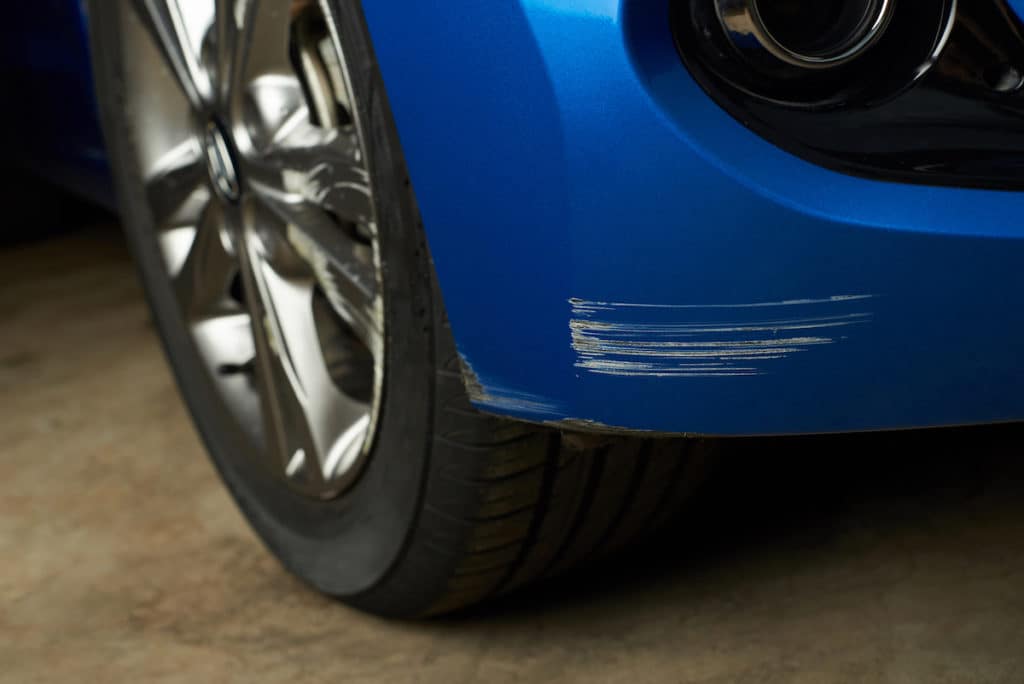
So you scratched your car. It's a terrible feeling to damage your car paint, especially if your car is on the newer side. Most of us have had that unpleasant feeling in the pit of our stomach from doing damage unintentionally to our ride. But do you REALLY need to visit a body shop for auto repairs to do away with the scratch, or can you live with it until later down the road when you feel like dealing with it? We're here with answers. Is a scratch on your Orlando Toyota really that big of a deal? Sure, you can live with the scratch. It's annoying to look at, but it's fine to just leave it for the time being, right? Actually, wrong. Leaving scratches in your car's paint can actually cause bigger problems down the road, and our Orlando Toyota techs are here to explain. Issue #1: Rust When you scratch your car, you're basically removing the clear coat and possibly the paint that go over and protect the metal. This means you're leaving the metal part of your car exposed to the elements; namely, moisture. Moisture can then attack the exposed metal and if left long enough, cause rust. We all know just how much damage rust can do to a car if it's left untreated, so fix the scratch at our auto repair shop. Issue #2: Paint wrinkling When you leave a scratch untreated, it can actually affect the paint around it, too. Exposed edges means the paint surrounding the scratch can start to wrinkle or peel, meaning more of your car is exposed to moisture and in time, rust. Plus, it's not a good look. Issue #3: Bigger issues underneath Let's say you got into a fender bender and scratched your car. How do you know that you didn't do further damage below the surface where you can't see it? This is especially true with all of the new safety technology in newer vehicles - just because it was only a fender bender doesn't mean you didn't accidentally do damage to the sensors and other equipment in your Orlando Toyota. Issue #4: Loss of value When it comes down to it, paint scratches aren't a good look. So if you're trying to sell or trade your car and it's covered in unsightly scratches, you're likely not going to get as much as you want for it. After all, most people are put off by a car that hasn't been cared for on the outside, assuming the same is true for the interior and under the hood. Schedule auto repairs at Toyota of Orlando today So it may just seem like a minor annoyance to leave a scratch in the paint, but unfortunately, it can lead to bigger (more expensive) problems down the road. Don't let it happen to you! Schedule auto repairs at the Toyota of Orlando body shop today and let our techs get your ride back into like-new condition. We're open seven days a week at (407) 298-6006 and we're conveniently located just off I-4 near the Millenia Mall at 3575 Vineland Road.

Orlando body shop repairs

Do you REALLY need body shop work for that scratch on your car?

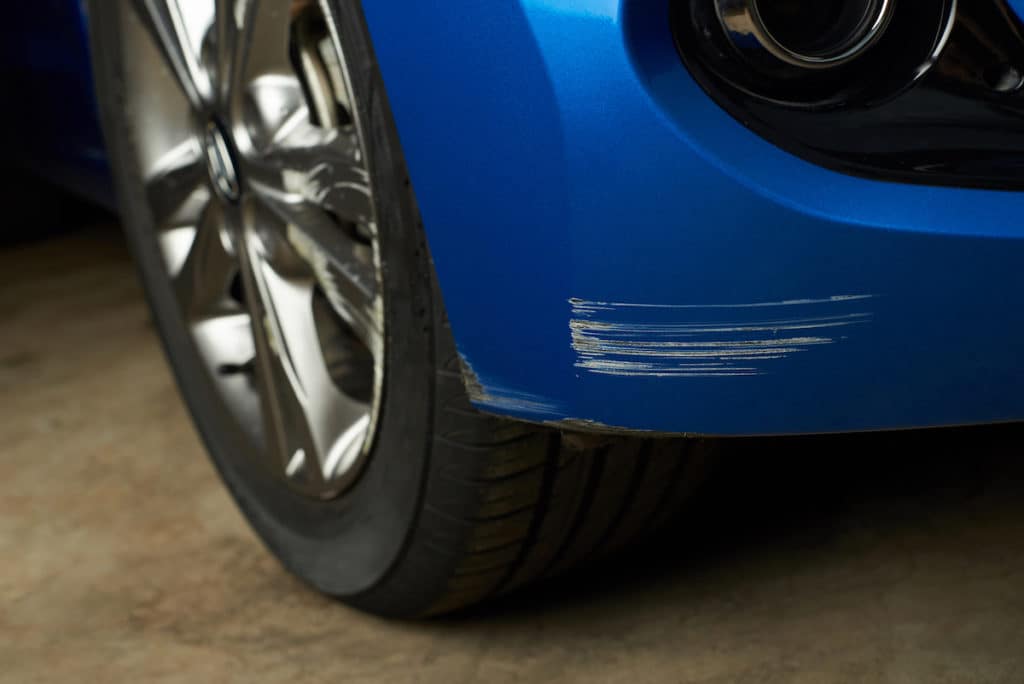
So you scratched your car. It's a terrible feeling to damage your car paint, especially if your car is on the newer side. Most of us have had that unpleasant feeling in the pit of our stomach from doing damage unintentionally to our ride. But do you REALLY need to visit a body shop for auto repairs to do away with the scratch, or can you live with it until later down the road when you feel like dealing with it? We're here with answers. Is a scratch on your Orlando Toyota really that big of a deal? Sure, you can live with the scratch. It's annoying to look at, but it's fine to just leave it for the time being, right? Actually, wrong. Leaving scratches in your car's paint can actually cause bigger problems down the road, and our Orlando Toyota techs are here to explain. Issue #1: Rust When you scratch your car, you're basically removing the clear coat and possibly the paint that go over and protect the metal. This means you're leaving the metal part of your car exposed to the elements; namely, moisture. Moisture can then attack the exposed metal and if left long enough, cause rust. We all know just how much damage rust can do to a car if it's left untreated, so fix the scratch at our auto repair shop. Issue #2: Paint wrinkling When you leave a scratch untreated, it can actually affect the paint around it, too. Exposed edges means the paint surrounding the scratch can start to wrinkle or peel, meaning more of your car is exposed to moisture and in time, rust. Plus, it's not a good look. Issue #3: Bigger issues underneath Let's say you got into a fender bender and scratched your car. How do you know that you didn't do further damage below the surface where you can't see it? This is especially true with all of the new safety technology in newer vehicles - just because it was only a fender bender doesn't mean you didn't accidentally do damage to the sensors and other equipment in your Orlando Toyota. Issue #4: Loss of value When it comes down to it, paint scratches aren't a good look. So if you're trying to sell or trade your car and it's covered in unsightly scratches, you're likely not going to get as much as you want for it. After all, most people are put off by a car that hasn't been cared for on the outside, assuming the same is true for the interior and under the hood. Schedule auto repairs at Toyota of Orlando today So it may just seem like a minor annoyance to leave a scratch in the paint, but unfortunately, it can lead to bigger (more expensive) problems down the road. Don't let it happen to you! Schedule auto repairs at the Toyota of Orlando body shop today and let our techs get your ride back into like-new condition. We're open seven days a week at (407) 298-6006 and we're conveniently located just off I-4 near the Millenia Mall at 3575 Vineland Road.

Contact Us

Fill out this form below and we'll contact you shortly
*Required Fields