

Blog / Toyota Service

Blog

All Toyota Service Toyota of Orlando's Tips Toyota of Orlando News New Toyota Orlando Toyota Service Used Cars Toyota of Orlando Service Toyota of Orlando Body Shop
motor oil

Do you really need to get a full oil change?

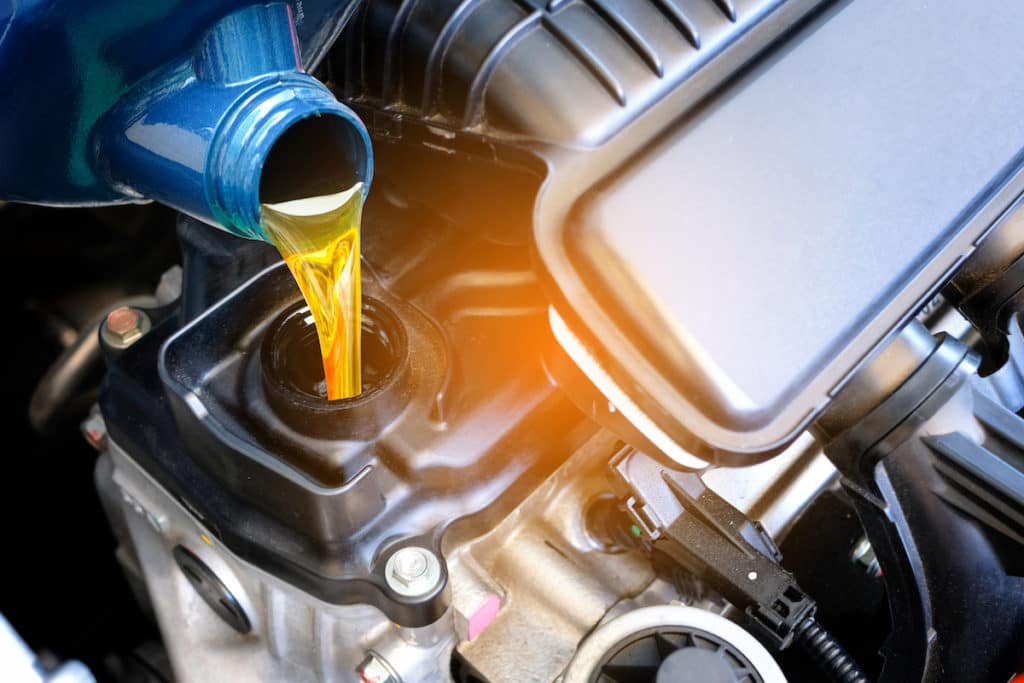
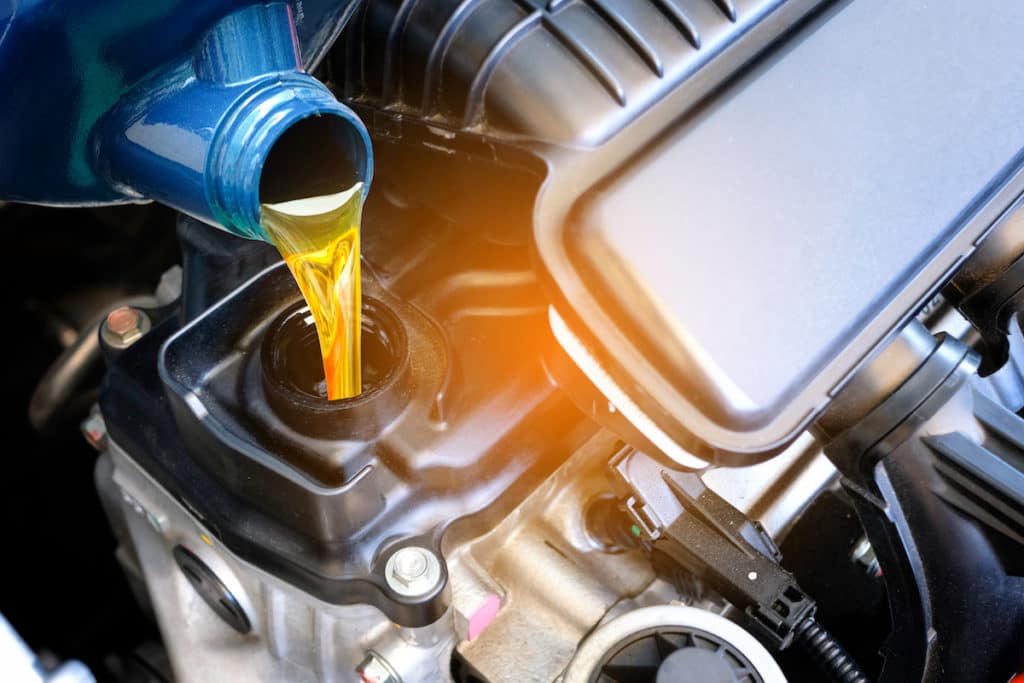
Here we go again... reminding you for the umpteenth time that yes, you do need to get your car on an oil change schedule. We know we've said it (multiple times) before, but scheduling routine oil changes in Orlando will help keep your engine cool, keep your car running reliably, and stave off a number of expensive repairs. It's worth it, trust us. However, we still get drivers every once in a while who think that sticking to a routine oil change schedule is tedious and expensive and want to take shortcuts. Our auto service techs recommend against this route when it comes to car care, and we're here to explain why. Can I top off my engine oil instead of changing it? One of the big questions we get when it comes to oil and car care is whether or not it's OK to just top the engine oil off instead of scheduling an Orlando oil change. Our answer? NO. Here's why. When you simply add more oil to your engine, yes, you are keeping it at the proper level so you won't have to worry about your engine running out. However, remember that as oil is circulated through your car's engine, it picks up dirt and debris. It's also exposed to high heat levels, which can change the consistency. Basically, if you were to never change your oil, you'd end up with black sludge in the engine. So when you just top things off, you're adding clean oil to the existing dirty oil and you're not really doing your engine any favors. As you circulate dirty motor oil through the engine, you can damage the engine itself, damage the piston rings and cylinder head valve guides, or get an oil leak. Not to mention, it can cause your engine to overheat and seize up. Overall, you're costing yourself more money because you'll undoubtedly end up having to do repairs on your vehicle. In short, you'll save money in the short term but not in the long run. On the other hand, when you get a full Orlando oil change on a routine schedule, you're providing your engine with the proper levels of clean oil so it can keep the system cool and lubricated. This results in better engine health, better vehicle health overall, and fewer issues with performance. Here are a few other perks of sticking to a routine schedule for this type of car care: A greener performance Better fuel efficiency Longer life for your engine and all associated parts and accessories Improved engine efficiency A worry-free emissions test Overall, it's worth it to stick to a schedule and not just "top things off" when the oil level gets low. Schedule an oil change in Orlando at our Toyota service center Need an oil change in Orlando to get things back to normal under the hood? Call us! Toyota of Orlando is open seven days a week with the longest service hours in Central Florida. You can reach us at (407) 298-0001, schedule online, or simply stop by and see us at 3575 Vineland Road just off I-4 across from the Millenia Mall.

Oil change schedule

Motor oil color: A quick guide to what it means

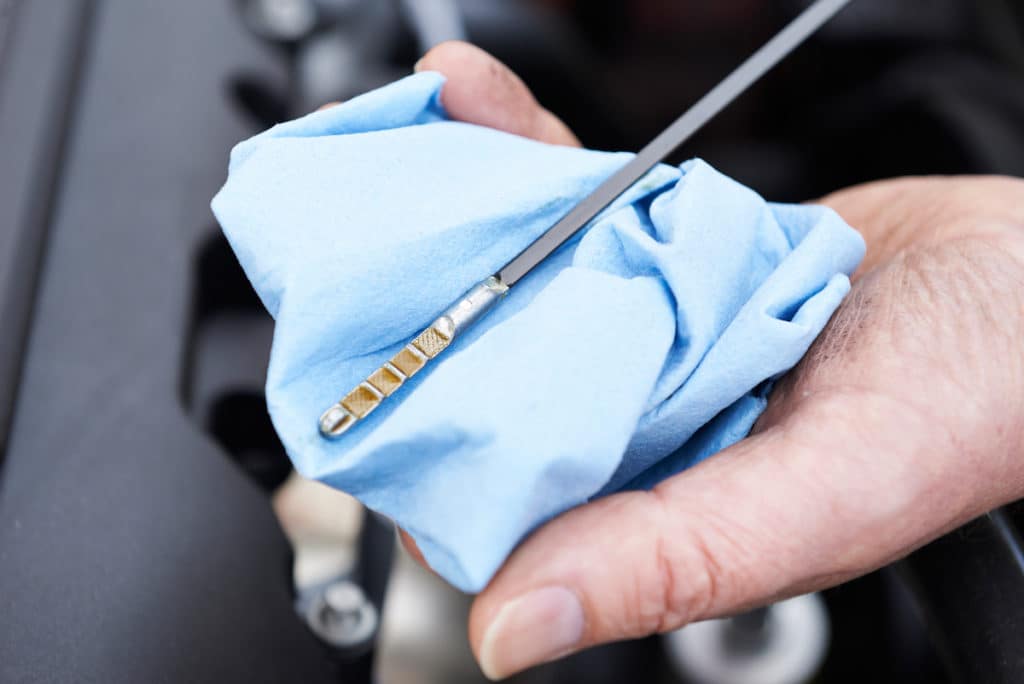
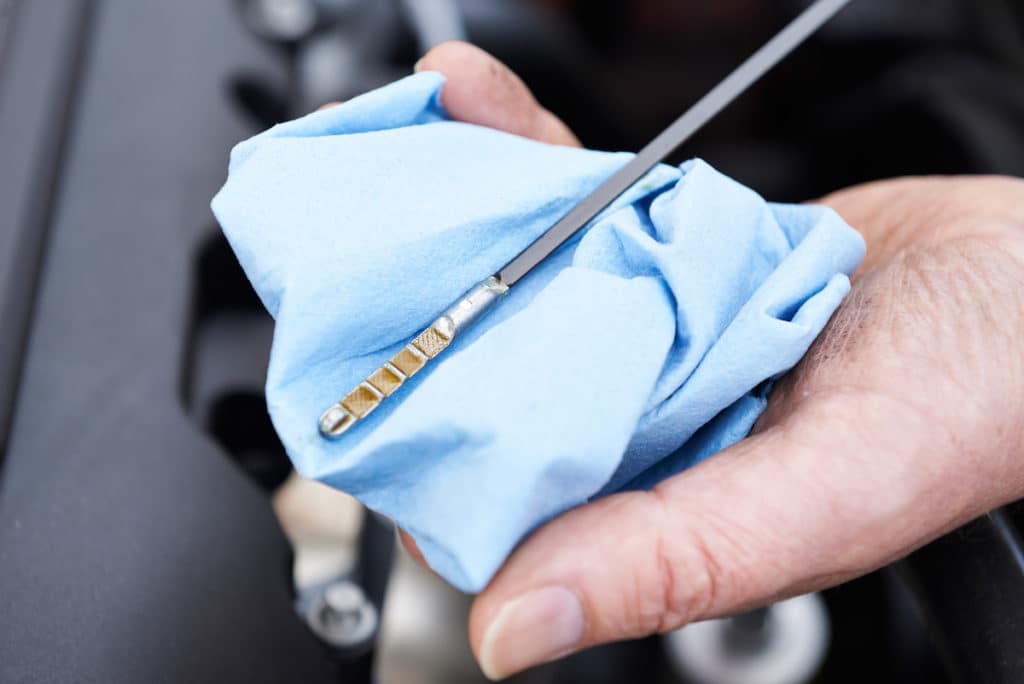
Updated on June 29, 2026 An oil change is one of the most common services you'll schedule for your car, and for good reason. Fresh oil helps lubricate your engine, reduce friction, regulate temperature, and protect important parts from wear and tear. <span data-mce-type="bookmark" class="mce_SELRES_start"></span> While sticking to your recommended maintenance schedule is important, it's also a smart idea to check your oil between service appointments. One of the easiest ways to monitor your car's health is by paying attention to engine oil color. The color and appearance of your oil can provide important clues about what's happening under the hood. Our expert team here at Toyota of Orlando has a simple guide to help you understand what different engine oil colors may mean. Executive Summary Engine oil color can reveal important information about your vehicle's condition and maintenance needs. Amber or light brown oil is typically healthy, especially if it's relatively fresh and free of debris. Dark brown or black oil often indicates it's time for an oil change due to age, heat exposure, or contamination. Milky or creamy oil may signal moisture contamination, which could point to a coolant leak or head gasket issue. Regular oil checks between service visits can help you catch problems early and potentially avoid costly repairs. Why Checking Engine Oil Color Matters Your engine oil works hard every single time you drive. It circulates through your engine, lubricating moving parts, reducing wear, preventing corrosion, and carrying away debris. Over time, your oil naturally changes color as it collects dirt, carbon deposits, and metal particles. Now, keep in mind that a change in engine oil color doesn't always mean something is wrong. It can actually be a useful indicator that your Orlando Toyota needs attention. Taking a few minutes to check your oil level and color can help you stay ahead of maintenance issues before they become expensive repairs. How to Check Your Engine Oil Here’s how to properly check your Orlando Toyota’s engine level to see what’s what under the hood: Park your car on level ground (avoid hills - it can give you a false result) Turn the engine off and allow it to cool for a few minutes Find and remove the dipstick Wipe it clean with a lint-free cloth Reinsert the dipstick fully and remove it again Check both the oil level and the oil's appearance Make sure the oil level falls between the minimum and maximum marks on the dipstick. Once you've confirmed the level, take a closer look at the engine oil color. Engine Oil Color: Amber, Caramel, or Light Brown What it means: You have healthy oil Fresh motor oil is usually amber, caramel, or light brown in color. This is the engine oil color you want to see, especially shortly after an oil change. It means that the oil is still able to properly lubricate your engine and protect important parts. Keep in mind that even healthy oil will gradually get darker as it does its job. Some modern engines might make your oil darker fairly quickly, especially if they run at higher temperatures or you do a lot of stop-and-go driving. If your oil is amber or light brown and you don’t see any debris in it, you're probably in good shape. Engine Oil Color: Dark Brown or Black What it means: Your oil might be old, dirty, or due for a change Dark brown or black oil is usually a sign that your oil has has contaminants in it and that it’s been exposed to too many heating and cooling cycles. While some darkening is normal, extremely dark oil - especially if it's thick or has debris in it - can mean it's time for an oil change. Common causes of this can include: Extended time between oil changes Frequent short trips Heavy towing or hauling Driving in extreme temperatures Stop-and-go traffic conditions If you notice dark oil and sluggish performance, increased engine noise, or reduced fuel economy, it's a good idea to schedule service at Toyota of Orlando as soon as possible. Engine Oil Color: Creamy or Milky What it means: You might have coolant contamination If your engine oil color looks creamy, tan, or milky, that's not normal. This appearance typically means that coolant and oil are mixing together. In many cases, this can be caused by: A leaking head gasket A cracked engine block A damaged cylinder head Other warning signs can include: White smoke from the exhaust Unexplained coolant loss Engine overheating Rough engine performance No matter what, it’s important that you deal with this immediately. Coolant contamination can cause serious and expensive engine damage if you don’t fix it ASAP. Have your car brought into Toyota of Orland so our techs can take a look. Engine Oil Color: Milky and Frothy What it means: You have moisture contamination Texture is just as important as color. If your engine oil color is milky and the oil looks frothy, foamy, or bubbly, moisture is probably in your oil system. While coolant contamination is one possibility, moisture can also accumulate through: Excessive condensation Frequent short-distance driving Long periods of vehicle storage Exposure to high humidity environments In some cases, a car that sits for extended periods might develop small amounts of condensation in the oil. However, constant frothy oil should always be checked by a professional at Toyota of Orlando to rule out more serious issues. What About Synthetic Oil? Many modern Orlando Toyota models use synthetic oil, which can sometimes act differently than conventional oil. Synthetic oil can darken more quickly without necessarily losing its effectiveness. That's why engine oil color should be considered along with: Mileage since your last oil change Manufacturer maintenance recommendations Oil level Vehicle performance Dashboard warning lights Never rely only on engine oil color to determine when you need your next oil change.Follow your owner's manual and recommended maintenance schedule for best results. Our Orlando Toyota techs can easily get you on a schedule and send you reminders. How Often Should You Check Your Oil? Even if your ride is running perfectly, it's a good habit to check your oil: Once per month Before long road trips After towing or hauling heavy loads If you notice unusual engine behavior Regular inspections can help you catch low oil levels, contamination, or other concerns before they lead to bigger problems. Schedule an Oil Change at Toyota of Orlando Today If your engine oil color doesn't look right, don't ignore it. Whether your oil is excessively dark, milky, frothy, or contaminated, our expert technicians can help diagnose the issue and find the right solution. From routine oil changes to advanced engine diagnostics, Toyota of Orlando has you covered. Visit us at 3575 Vineland Road, conveniently located just off I-4 near the Millenia Mall, or call (407) 298-0001 to schedule service today. Don’t forget to ask about our Toyota service specials! FAQs About Engine Oil Color 1. What is the normal engine oil color? Fresh engine oil is typically amber, caramel, or light brown in color. As it circulates through the engine and collects contaminants, it will gradually darken over time. 2. Does black engine oil always mean I need an oil change? Not always. Some engines and synthetic oils naturally darken more quickly. However, if the oil is extremely dark, thick, or contains debris, it's a good idea to have it checked and potentially replaced. 3. Why does my engine oil look milky? Milky engine oil usually indicates moisture contamination. This may be caused by condensation, but it can also signal a coolant leak, head gasket failure, or another serious engine issue that should be inspected immediately.

Orlando Toyota service

Why is my gas gauge reading incorrectly?

Most drivers pay pretty close attention to their car's gas gauge. After all, it's important to know when it's time to gas up so you don't find yourself stuck on the side of the road with an empty fuel tank. However, what happens when your car's gas gauge just... stops working? Remember, it's a part, and just like any other part, it can malfunction or wear out. Toyota of Orlando's service techs are here to help you figure out why your gas gauge isn't working and what to do about it. Before we can fully explain what's going on with your Orlando Toyota, we need to break down the pieces and parts involved: The most common reason for the fuel gauge to malfunction in a car is due to a bad fuel sending unit. The fuel sending unit measures the amount of gas in the tank and communicates the level to the fuel gauge in your car's dashboard. The fuel sending unit is composed of a float, a metal rod or arm, and a variable resistor. The floa t floats on top of the fuel in the tank. The float is connected to the variable resistor by the metal rod. The variable resistor connects to the gas gauge to communicate how much fuel is in the tank. The three main issue with gas gauges Now, let's talk about the issues at hand and what to do about them. Issue #1: The gauge is stuck on full. You filled up a week ago and you've been driving regularly. You know you're using full, but the gas gauge still reads completely full. No, you haven't been blessed with suddenly magically enhanced fuel efficiency - it's a lot more likely that you're having an issue with your variable resistor. It could be faulty wiring, an open circuit issue in the resistor, or rarely, just a bad gauge. Whatever it is, it's not a DIY fix and it's worth having our techs Issue #2: The gauge is stuck on empty. Conversely, you KNOW you filled up your tank (and so does your bank account). So why is your car still telling you that the tank is empty? This issue is usually caused by one of a few issues - either the float has separated from the metal arm and isn't sending any information about fuel level, the variable resistor is faulty and malfunctioning, or the wires in the system have corroded and are no longer sending information. Issue #3: The gauge swings back and forth between full and empty with no rhyme or reason. Does it feel like you're always playing a guessing game when trying to figure out how much fuel is in the tank? This is usually a result of the float "sticking" in place and then being jolted back into motion by the movement of the car. It can cause irregular readings. Another cause could be a faulty gauge itself. Whatever the issue and reason for it. this is definitely one for the experts! Call Toyota of Orlando's service center today for an appointment and let our techs check things out. We're open seven days a week at (407) 298-0001 and we're conveniently located just off I-4 near the Millenia Mall at 3575 Vineland Road.

Toyota service in Orlando FL

Ants in your car? Here's how to get rid of them.

Have you ever climbed into your car and noticed that you're not alone? We're not talking human passengers or four-legged friends - we're talking ants. Believe it or not, ant infestations in cars are pretty common and can do serious damage to your Orlando Toyota long-term. That's why it's critical to take care of the problem as soon as you notice your new six-legged passengers, and our Toyota of Orlando service center techs are here to give you tips on how to do it. Why might you find ants in your car? Ants find their way into your car because they deem it a viable source of food or water. They build nests, sure, but once their home base is established ants tend to forage for food and water to bring back, finding the necessities by scent. Once they've found food or water in your car, it's a free-for-all. And even worse, they leave scent trails so other ants know where to get the goods and can also invade your vehicle. This problem can quickly get out of hand, so as soon as you notice ants in your car it's important to act fast. If left unchecked, ants can chew through wood, foam, insulation, and worst of all, wires. Plus, they can bite you and your passengers. Tip #1: Clean your car from top to bottom. The first step to take when you notice ants in your car is to give your car a thorough detailing. Take out all trash, food, empty bottles, etc. and vacuum the interior. Wipe down all surfaces, clean the glass, and be sure to check in places like under the seats, in the seat cracks, under car seats, underneath floor mats, and in storage areas like the trunk, glovebox, and center console. Make sure your car is crumb-free and has nothing in it that may be deemed delicious by ants. Tip #2: Try DIY remedies. You can try at-home remedies at first if you're not overly keen on the idea of putting professional ant-killing products in your car. Some people swear by Dawn soap - mix two cups of warm water, three tablespoons of salt, and three tablespoons of soap in a spray bottle and spray down the ants. Ants also hate citrus (like spiders and other insects). Use a citrus-based cleaner when cleaning your car to deter them from wanting to hang out in there. You can also add orange oil to the above-mentioned Dawn soap mixture for an extra-potent extermination tool. Tip #3: Spring for ant spray and traps. If DIY remedies just won't cut it, it's time to break out the big guns. Hit Home Depot or Lowe's and look for ant-killing spray and ant bait or traps to leave in the car. Spray will kill the ones you see immediately, while bait/traps will take care of the ones that are hiding. Just be sure to be careful with what you're using, especially if you have kids or pets in the car. Tip #4: Change your parking spot. It's also a good idea to switch up where you park - this will confuse the ants and they won't be able to follow their scent trails to your vehicle anymore. Tip #5: Look for nests. If you see ant nests in your driveway or yard, get rid of them. This will destroy the home base and encourage the ants to get out of town and head elsewhere. Visit Toyota of Orlando for help with an ant infestation Need help with an ant infestation? Call Toyota of Orlando's auto service center. Our techs are here seven days a week to give you a hand! Toyota of Orlando is located at 3575 Vineland Road, just off I-4 near the Millenia Mall and you can reach us at (407) 298-0001.

Orlando Toyota tips

Car maintenance for your older vehicle: How can you keep up with it?

If you're driving a high mileage car, you know that even if it's the best quality around (ahem, Toyota) it's bound to have issues occasionally simply because as things get older, they wear out. However, there are ways to keep your older Toyota on the road for years to come. First, routine maintenance. We know we're always bugging you to get your oil changed, but sticking to a routine car maintenance schedule will keep everything running as it should and also give our techs the opportunity to spot any developing issues and nip them in the bud before they become big and expensive. <span data-mce-type="bookmark" class="mce_SELRES_start"></span> What car maintenance should you be doing for an older vehicle? On top of a car care schedule, here are a few other suggestions: Test things frequently. If you have an older vehicle, our Orlando Toyota service techs recommend checking things frequently (and they're not just talking about under the hood). It's to your benefit to check your A/C, heater, defroster, radio, all of your lighting, your power-adjustable seats and any other knobs, switches, or buttons in your ride. Oftentimes if you catch issues early, they're less expensive and time-consuming to deal with.  Our techs can give you an estimate on the repair and you can decide if you want to schedule it or if you can live without said feature for the remainder of your car's ownership. Get creative and find workarounds. Let's say your car does need repairs for something non-performance-related. Do you have to shell out for it, or can you find a workaround? Aesthetic imperfections can often be cured by aftermarket parts and accessories - faded seats can get seat covers, peeling wood-grain accents can be covered or painted, and non-functioning radios can be updated to newer audio systems. However, we don't recommend taking this course of action if you're dealing with mechanical or electrical issues. It's best to leave those to the experts at Toyota of Orlando so you don't cause a bigger (and much more expensive) problem. Do your research. Do your research before you schedule auto repairs for your older car. Is this something you can do DIY style at home? Is it an issue that needs to be addressed immediately, or can it wait a little bit? Make a list of all the auto repairs your ride needs and figure out how much it's going to cost. This can help you narrow things down to must-fix and fix later; it can also help you decide if it's worth it to sink the money into the car, or if it's time to trade in and trade up (and don't forget, our Vehicle Exchange Program can help you make that happen). Schedule high mileage car care at Toyota of Orlando Have questions about car maintenance for older cars or want to schedule some for yours? Whether you need car care or want to discuss trading in, Toyota of Orlando is here to help. Call us at (407) 298-0001 or stop by and see us at 3575 Vineland Road, just off I-4 near the Millenia Mall.

Orlando body shop repairs

Do you REALLY need body shop work for that scratch on your car?

So you scratched your car. It's a terrible feeling to damage your car paint, especially if your car is on the newer side. Most of us have had that unpleasant feeling in the pit of our stomach from doing damage unintentionally to our ride. But do you REALLY need to visit a body shop for auto repairs to do away with the scratch, or can you live with it until later down the road when you feel like dealing with it? We're here with answers. Is a scratch on your Orlando Toyota really that big of a deal? Sure, you can live with the scratch. It's annoying to look at, but it's fine to just leave it for the time being, right? Actually, wrong. Leaving scratches in your car's paint can actually cause bigger problems down the road, and our Orlando Toyota techs are here to explain. Issue #1: Rust When you scratch your car, you're basically removing the clear coat and possibly the paint that go over and protect the metal. This means you're leaving the metal part of your car exposed to the elements; namely, moisture. Moisture can then attack the exposed metal and if left long enough, cause rust. We all know just how much damage rust can do to a car if it's left untreated, so fix the scratch at our auto repair shop. Issue #2: Paint wrinkling When you leave a scratch untreated, it can actually affect the paint around it, too. Exposed edges means the paint surrounding the scratch can start to wrinkle or peel, meaning more of your car is exposed to moisture and in time, rust. Plus, it's not a good look. Issue #3: Bigger issues underneath Let's say you got into a fender bender and scratched your car. How do you know that you didn't do further damage below the surface where you can't see it? This is especially true with all of the new safety technology in newer vehicles - just because it was only a fender bender doesn't mean you didn't accidentally do damage to the sensors and other equipment in your Orlando Toyota. Issue #4: Loss of value When it comes down to it, paint scratches aren't a good look. So if you're trying to sell or trade your car and it's covered in unsightly scratches, you're likely not going to get as much as you want for it. After all, most people are put off by a car that hasn't been cared for on the outside, assuming the same is true for the interior and under the hood. Schedule auto repairs at Toyota of Orlando today So it may just seem like a minor annoyance to leave a scratch in the paint, but unfortunately, it can lead to bigger (more expensive) problems down the road. Don't let it happen to you! Schedule auto repairs at the Toyota of Orlando body shop today and let our techs get your ride back into like-new condition. We're open seven days a week at (407) 298-6006 and we're conveniently located just off I-4 near the Millenia Mall at 3575 Vineland Road.

PDR

Can you really do paintless dent repair at home?

Updated on March 13, 2026 Executive Summary Paintless Dent Repair (PDR) protects your factory finish by removing minor dents without sanding, fillers, or repainting. This makes it quicker and often more affordable than traditional repairs. DIY methods can work for very small, shallow dents, using techniques like a plunger, dry ice, boiling water (for plastic bumpers), or store-bought dent repair kits. However, results are not guaranteed. Not all dents are suitable for DIY repair. Deep creases, sharp body lines, cracked paint, or difficult-to-reach areas typically require professional tools and experience. Professional PDR delivers more precise and reliable results. Certified technicians use specialized tools and lighting to fully restore the panel while preserving your vehicle’s value. When unsure, it’s best to call the experts. Our Collision Center provides trained technicians, quality workmanship, and peace of mind for more complex dent repairs. Can You Really Do Paintless Dent Repair at Home? There’s nothing like stepping out to your Orlando Toyota vehicle in a parking lot, only to find an unexpected dent. Maybe someone banged a door into it, or you parked a little too close to a shopping cart. However, now you’re left with a dent that wasn’t there yesterday. Naturally, you start thinking, will a DIY work? We’re “Making it Simple” by going over how it works, whether you can do it at home, and the tips and tricks that might help. Also, we’ll help you decide when it’s smarter to call in the professionals at Toyota of Orlando Collision Center. What Is Paintless Dent Repair (PDR)? Paintless Dent Repair (PDR) is a technique that removes dents and dings without sanding, body filler, or repainting. Instead of traditional bodywork, it gently manipulates the metal back into its original shape, preserving the factory finish and keeping your Orlando Toyota paint intact. This means no mismatched paint, no primer, and often a much faster process than traditional dent repair. That’s why PDR has grown in popularity among car owners and professional body shops alike. Is DIY Paintless Dent Repair Worth Trying at Home? The simple answer? The answer is maybe, but it depends on many factors. Toyota of Orlando will go over it for you below! Some small dents can (sometimes) be popped out with DIY techniques at home. However, more complex dents benefit greatly from trained Orlando Toyota technicians and specialized tools like the ones we have at our dealership. Before you jump in, it’s important to understand both the limitations and possibilities of DIY PDR. 5 DIY Paintless Dent Repair Methods You Can Try Here are some of the common methods people use at home to try to fix minor dents without painting. 1. The Plunger Trick Believe it or not, a household plunger can help pull out shallow dents, especially on body panels with smooth surfaces. Wet the plunger, stick it over the dent, and pull firmly. If you get a good seal, the dent might pop back out. Best for: Minor dents on flatter sections of panels like doors or the rear quarter. Pros: No special tools needed. Cons: Doesn’t work on all dents, and sometimes only partially removes the dent. 2. Dry Ice Method This one sounds like a science experiment: wearing thick gloves, you rub dry ice over the dent. Plus, the idea is that rapid cooling contracts the metal, which can sometimes make the dent pop outward on its own. Warning: Always use gloves. Dry ice can cause serious skin injury. Best for: shallow, small dents. Note: This doesn’t always work, and it’s more of a “try it and see” method. 3. Boiling Water for Plastic Bumpers If the dent is on a plastic bumper, heating the area with boiling water can make the plastic more flexible. Then, you might be able to push the dent out from behind the panel using your hands. Best for: Plastic bumper dents, not metal body panels. Pros: Simple and inexpensive. Cons: Risk of burns if you’re not careful. 4. Hairdryer & Compressed Air This method combines heat and cold to manipulate metal. Heat the dented area with a hairdryer to expand the metal. Quickly spray a stream of compressed air (held upside down) to cool it and contract the metal. Sometimes, that sudden temperature change causes the dent to pop out! Best for: Shallow dents with minimal paint damage. 5. Metal Rod & Rubber Knockdown Additionally, the next technique is more like real Orlando Toyota paintless dent repair, but it’s also trickier. You use a long metal rod from behind the panel (through an access hole), and gently massage the dent from the inside out while knocking down any high spots with a rubber mallet. This is closer to what professionals do and requires patience, precision, and ideally, the right tools. Sound too complicated? Let us handle it at Toyota of Orlando. We’ll be happy to help! What Makes DIY Paintless Dent Repair Difficult? Before you fire up the glue gun or grab your plunger, consider a few things. Skill Matters Using professional paintless dent repair tools like dent rods, picks, glue tabs, and light boards takes practice. Also, a little pressure in the wrong spot can make the dent worse or even crack your paint. It may not be worth it, and you might be better off leaving it to the professionals at the Toyota of Orlando Collision Center. Not All Dents Are DIY-Friendly Deep creases, dents with paint damage, dents on sharp body lines, or panels with access issues are usually not good candidates for DIY PDR. These require an Orlando Toyota body shop’s expertise and tools. You Can Accidentally Make It Worse Applying too much force, using the wrong tool, or accidentally creating new dings can make the repair more expensive later on. It’ll save your wallet to leave it to the pros. DIY Kits from Auto Parts Stores: Helpful or Harmful? Yes, you can buy DIY paintless dent repair kits online or at auto parts stores that include: Glue pullers Dent tabs Hot glue gun Suction cups Simple rods However, while they’re inexpensive and might work for very minor dents, they don’t replace professional tools or training as you’d get at our dealership. Many car owners try these kits and see moderate results. However, others find the dent doesn’t fully go away, or they end up with paint damage that requires professional correction. When to Call a Professional Sometimes, DIY PDR is worth a shot, especially for small, shallow dents with no paint damage. But other times? It’s worth leaving it to the experts at our Collision Center. Also, here are some good reasons to bring your Toyota to the pros at our body shop: Paint Is Cracked or Scratched If the dent has affected the paint, DIY methods are not recommended. Also, scratching or chipping paint can lead to rust and bigger repair bills. Deep or Complex Dents Dents with sharp creases or deep impacts often need specialized tools and experience. You Want a Flawless Finish In addition, professional technicians use light boards and precision tools to ensure the metal is restored with minimal distortion and a clean finish. You Want Warranty & Peace of Mind Also, at our Collision Center, trained technicians can guarantee results, which is something DIY won’t offer. Professional PDR: What to Expect Here’s what to expect when you bring your Toyota to a certified body shop like our dealership for paintless dent repair: Technicians assess the dent’s size, location, and paint condition. In addition, they use precise metal rods and tools to massage the dent from behind. Also, light boards help reveal high and low spots so they can be smoothed out. Lastly, because no paint is removed or altered, your Toyota keeps its factory finish and value. PDR often costs less and takes less time than traditional dent repair, and it’s usually covered by insurance when appropriate. Final Thoughts: DIY or Professional? DIY paintless dent repair can work for very minor dents, and it’s a fun challenge if you enjoy hands-on projects. But it’s not a guaranteed fix, and it can be risky if you don’t know what you’re doing. For many Toyota owners, the best choice is to try simple methods as a first attempt. However, if the dent doesn’t pop out, call in the professionals for a quality, long-lasting repair that preserves your car paint and value. Need Help With Paintless Dent Repair at Toyota of Orlando? If you’ve tried at-home fixes and your Toyota still isn’t looking like it used to, or if the dent is more complicated than expected, we’ve got you covered! Visit our Collision Center, where our trained technicians specialize in: Paintless dent repair Paint touch-ups Scratch removal Dings, chips, and collision repair We’ll help get your Toyota back to like-new condition. Call today or schedule online! We’re open and waiting at 3575 Vineland Road, just off I-4 near the Mall at Millenia. FAQ 1. How can you protect your car paint? Our dealership offers professional car paint services at our Collision Center. Additionally, our trained technicians provide paint touch-ups, scratch repair, and full paint refinishing to restore your vehicle’s factory-quality finish. 2. How can you protect your car paint? Protect your car’s paint by washing it regularly, applying wax or paint sealant, and parking in shaded or covered areas whenever possible. Also, you can add extra protection with paint protection film or ceramic coating and address chips or scratches quickly to prevent rust and further damage. 3. How can you remove stains and blemishes from car paint? You can remove stains and blemishes from car paint by washing the area thoroughly and using a clay bar or specialized automotive cleaner.However, for more stubborn marks, light polishing with a quality compound can help restore the finish, but more serious damage may require professional detailing or paint correction.

Toyota of Orlando tips

Common types of off-roading damage and how to diagnose them

If you're the type of driver who likes to get off the pavement and into the great outdoors, then you probably also have done your fair share of damage to your vehicle. Off-roading comes with the inherent risk of both aesthetic and mechanical damage to your ride and there's really no way to get around it other than sticking to the pavement. However, if you're new to the game, our Orlando auto service experts are here to help. Here are four major types of off-roading damage and how you can diagnose them yourself. Four types of off-roading damage to watch for #1: Misaligned wheels. As you traverse different types of terrain while off-roading, your wheels and tires are taking a beating. They can easily be thrown out of alignment with all of the uneven terrain, and this can damage your suspension and other components of your Orlando Toyota out of time. The best way to diagnose a misalignment is to feel it out. If you feel vibrations in your steering wheel or feel that your car is pulling to one side, then you probably have a wheel alignment issue. Also, if your steering wheel is straight but your car is drifting to one side, that's another giveaway. If you notice any of these signs, bring your car to Toyota of Orlando to get a wheel alignment pronto. #2: Body damage. Body damage is almost inevitable when you're off-roading. Branches will scratch your paint, rocks and roots can leave dents and dings... it's going to happen. An easy way to find it is to just give your car a wash and wax when you get home. If you unearth any scratches, dents, or chips, bring your car into our Orlando body shop for repairs. #3: Transmission issues. As you traverse new terrain, it's likely that your RPMs will go up and down a lot. However, if they're consistently spiking too high and quickly dropping and vice versa, it can actually damage your car's transmission over time. A quick way to find transmission issues after off-roading is to look for leaks under the car (transmission fluid, in particular), and to watch for performance issues like a slipping transmission or difficulty shifting gears. #4: Undercarriage problems. Your undercarriage can also take a beating when you're off-roading as it has to contend with rocks, roots, and uneven ground. Unfortunately, the undercarriage also houses some of the VIP parts of your vehicle. This is where you'll find components like the exhaust system, oil pan, and more. It can, however, be tricky to diagnose issues with your undercarriage because you're not under the car that often. Look for things like leaks (oil, especially) and warning lights coming on in the dash. If you suspect undercarriage damage, don't delay - come into Toyota of Orlando for a diagnosis and repairs. Schedule auto repairs at our Orlando Toyota service center Have questions or need auto repairs after a day of off-roading? Contact Toyota of Orlando today. We're open seven days a week at (407) 298-4500!

Toyota of Orlando tips

What are the most difficult auto repair jobs out there?

Here at the Toyota of Orlando auto service center, we like to think that we can handle pretty much any auto repair you throw our way. No matter what's wrong with your car, we want to get you back on the road as quickly (and as affordably) as we possibly can. However, it's not always easy. While oil changes and tire rotations are a snap for our skilled techs, there are some jobs that are a lot tougher to see through to the finish. If you've ever wondered which auto repairs are the hardest to complete, you're about to find out! The four most difficult auto repairs (arguably) #1: Spark plugs When you think of spark plugs, you probably don't think of a tough repair. After all, they're so small and it seems like you just pluck the bad ones out and plug new ones in - how hard could it be? While the actual act of replacing a spark plug is easy, what's not that simple is accessing them in the first place. Their housing is usually tucked back into an inconvenient spot in the engine bay and actually accessing them is a daunting task in itself. It's a toss-up with this one - it can be a quick and simple auto repair or something that takes forever (and results in a ton of frustration) because you just can't get to them. #2: Clutch Our Orlando auto repair techs don't get this kind of job too often, to be honest - manual transmissions just aren't as popular or prevalent as they used to be. However, when a clutch repair does find its way into our Toyota service center, they know it's going to be a big one. When people have clutch issues it's usually because they've either been 1) driving them poorly and causing premature damage or degradation or 2) not maintaining them as necessary. This can cause damage to the transmission, which in turn leads to a much bigger repair job for our techs to tackle. #3: Transmission Your car transmission plays a major part in performance and thus, it's critical to maintain it. However, transmission repairs can be pricy and a lot of drivers make the choice to skip or delay them until it's too late and they have a major issue on their hands. But trust us - it's worth it to shell out for adding transmission fluid, replacing bad shift cables, and other smaller repairs. If you don't, your Orlando auto repair tech will likely have to remove or dismantle your transmission to fix the resulting problem, which is a lot more costly in the long run. #4: Engine swap Swapping an engine sounds simple, right? Pull out the old one and drop a new one in. But trust us, friends, it's anything but simple. Your Orlando Toyota's engine has what seems like a billion cables, wires, hoses, and more connected to it. All of them have to be disconnected when the old engine is removed, and then before a new engine can be dropped in our auto repair techs have to flush lines, do an inspection of all of the remaining parts, and make any small necessary repairs. After that's done, the new engine has to be reconnected to all of the hoses, lines, cables, wires... all in all, it's an extremely work-intensive process. Get all of your car care handled at Toyota of Orlando today Whether you need any of these complicated auto repairs or just a simple maintenance item ticked off your list, our Orlando Toyota service techs have got you covered. Call us today to schedule at (407) 298-0001 or stop by and see us at 3575 Vineland Road, just off I-4 across from the Millenia Mall.

Toyota of Orlando tips

How to shop for car tires: Toyota service tips

Is it time for you to invest in a new pair of shoes for your Orlando Toyota? We can hear you sighing all the way over here - we get it. Shopping for new car tires isn't exactly a fun task. They're expensive, you have to pay someone to install them, and there's really no way to get around replacing them. When you need new tires, you need new tires. However, it can be easier if you know what you're doing and how to navigate the process, and that's where our Orlando Toyota service center comes in. Check out these tips from our techs for shopping for new car tires. Tip #1: Make sure you actually do need new car tires. Before you drop the cash, are you really due for new car tires? This is probably a good time to have them inspected at our Toyota of Orlando service center for an expert opinion. However, if you prefer the DIY route, here are some surefire signs you're due for a new set: Age. If you've had the same set of car tires for five years, it's time to start thinking about replacing them. Just like anything else, they do wear out over time and degrade to a point where they're no longer safe to drive on. Tread depth. Take out a penny and do a tread depth test - if you stick the penny into your tire tread with Abe's head facing down, can you see the top of his head? If so, your tread is too shallow and you need a new set of car tires. Shallow tread reduces your traction and makes your chances of getting into a car accident a lot higher. Damage. Do you have obvious damage to your tires that's an impediment to their performance? We're talking punctures, sidewall separation, blisters or bulges, etc. Feel. How do your tires feel when you drive? If something feels off, don't assume automatically that your tires are the culprit. It could be another part altogether and it's worth haveing out Toyota of Orlando service techs take a look to investigate. Tip #2: Know your measurements. Before you start shopping, you need to know exactly what you're shopping for. Tires aren't one-size-fits-all; in fact, your car has very specific tire measurements that you have to stick to. Either ask our techs to give you your measurements or find them yourself in your owner's manual or on the tires themselves. The measurements should read something like "255/35R18. The first number (255) is the width of the tire in millimeters. The 35 is the aspect ratio (height to widtch), R means radial, and the 18 is the wheel diameter in inches. Make sure your new set matches up. You'll also need to shop for the right TYPE of tires - whether you're getting all-season, summer, racing, winter, or any other type, make sure they fit your car and your performance needs. Tip #3: Decide where to buy them. Where are you going to shop for new car tires? There are tons of options, and it really just depends on which fits your needs best. Here are three of the big ones: Online. You can buy pretty much anything online, including car tires. You'll have lots of options and can probably get them shipped to you quickly. The drawback? You have to find someone to install them after you arrive and if necessary, transport them to that location. A tire store. There are also dedicated tire stores where you can shop. You'll have lots of options here, too, and a specialist who can guide you to the right set. These shops can usually install them, too. However, the cost is bundled into the price of the tires and both tires and labor tend to be more expensive at these types of stores. A dealership service center. When you shop at a dealership (like here at Toyota of Orlando), you'll find plenty of options for your ride if it's the same make as the dealership. They'll also install them for you and can help you choose the specific type you need. However, if your car is a different make, you may not find what you need. Have questions or need help shopping for car tires? Call us! Toyota of Orlando's service center is open seven days a week at (407) 298-0001 and we're just off I-4 across from the Millenia Mall.

Toyota of Orlando car care

What exactly happens during your car brake service appointment?

When was the last time you brought your car in for brake service? If you're still buffering, trying to think of the last time you came to our Orlando Toyota service center, you may be due for some car care. Today we're taking a closer look at exactly what goes on during brake service so you can rest assured that not only is your car in the best hands, it's also getting exactly what it needs to keep you safe on the road. What steps will we take to keep your car brakes in the best shape possible? Your car brakes are absolutely integral to the performance. After all, they're what slows and stops your vehicle. It's critical that you keep them in the best shape possible, which is why it's critical to stay on top of brake service. Let's take a deep dive into exactly what happens when you bring your Orlando Toyota in for this type of car maintenance appointment. #1: We inspect the rotors and brake pads. The first thing our Toyota of Orlando service techs will do when you bring your car in for brake service is inspect the brake pads and rotors to assess their condition. Remember, when you hit the brakes, your brake pads rub against the rotors to slow your vehicle. If they get too thin, it can affect performance and also damage your rotors. Our techs will check their condition and decide if they need to be replaced or not, as well as check your rotors. #2: We may flush the brake fluid. We won't flush your brake fluid every time, but this part of brake service is usually necessary every few years OR if you have a leak in the lines. Brake lines are an essential part of your braking system and flushing them helps prevent rust or other buildup inside of them so you always have maximum stopping power. #3: We may bleed the brake line. Flushing the brake lines helps keep things in top condition, but bleeding them takes things a step further. Over time, oxygen gets into the lines and can interfere with their ability to bring your car to a stop. Bleeding the lines gets rid of this excess air. You should only need this brake service occasionally. #4:  We may replace or upgrade parts as needed. Everything wears out eventually, right? As your car parts go through routine wear and tear, they may need to be replaced for functionality or to provide a better and more efficient performance. This applies to your brake system; over time, you will need new brake pads, new rotors, etc. to ensure your car is always ready to hit the road. Schedule brake service at Toyota of Orlando today Have more questions or think you need brake service in Orlando? Call us! Our Orlando auto service center is open seven days a week at (407) 298-0001 and we're conveniently located just off I-4 near the Millenia Mall at 3575 Vineland Road. Don't forget to ask about our brake service specials before you come in!

Toyota of Orlando tips

How to install your own car battery, DIY style

When it comes to DIY car care, how confident are you? We know some drivers are pretty adept at handling whatever goes on under the hood while others break out in a cold sweat even thinking about checking their oil. No matter where you stand on DIY car maintenance, it's always good to have basic knowledge of the main aspects of your vehicle just in case you get into a car emergency. That's why today, we're teaching you how to install a car battery all by your lonesome. We get it - it's not something you may choose to do on a regular basis and that's fine; that's why our Orlando auto service center is here. We can perform car battery maintenance AND replace the battery when necessary while you sip coffee and watch TV in our service waiting area. However, what happens if you're stuck without a mechanic nearby and need a replacement battery? Knowing how to drop the battery in can save you a lot of time, money, and stress. Learn how to change your own car battery in an emergency Before you get started, here are a few things you should do: Find out which type of car battery your Orlando Toyota requires. Using the wrong one can cause expensive and even irreparable damage to your vehicle, so ask our Orlando Toyota parts store to give you a hand in choosing one. You can call for assistance seven days a week! Check your current car battery for corrosion. Corrosion can make it difficult to detach the cables from the terminals, so you may have to clean up a little first. Usually pouring a can of Coca-Cola over the terminals or cleaning them with a baking soda and water paste will do the trick. Gather supplies - you'll need the new battery, gloves, a socket wrench, and petroleum jelly. Protective eyewear doesn't hurt, either. Now let's get down to it - here are the steps to take to install your new battery DIY style. Remember, if you really get stuck, contact our Orlando Toyota service center! First, you'll turn your car off and pop the hood. Next, use your socket wrench to remove the clamps that are attached to the terminals. ALWAYS do the NEGATIVE (Black, -) FIRST, followed by the POSITIVE (Red, +) last. Pull the clamps off and set them aside. Pull the old battery out of its housing and set it aside. Remember, you can't just throw a car battery in the trash - you need to dispose of it appropriately. Slide the new battery into place and put petroleum jelly on the clamps. Not only will this be a great conductor, it'll also help prevent future corrosion on the cables and terminals. Next, you'll need to reattach the clamps to the terminals. You're going to do the OPPOSITE of what you did when you removed the cables. First, attach the POSITIVE (Red, +) , THEN attach the NEGATIVE (Black, -) to avoid doing damage to your car (or yourself). Finally, close the hood and start your car! If it starts up and runs normally, you're all set. <span data-mce-type="bookmark" class="mce_SELRES_start"></span> Call Toyota of Orlando with questions Still having issues or need some assistance? We're always here to help. Call Toyota of Orlando seven days a week at (407) 298-0001.

Contact Us

Fill out this form below and we'll contact you shortly
*Required Fields