Blog / Toyota of Orlando's Tips

Blog

All Toyota of Orlando's Tips Toyota of Orlando News New Toyota Toyota Service Orlando Toyota Service Used Cars Toyota of Orlando Service Toyota of Orlando Body Shop
Toyota of Orlando tips

Commuting tips: How to make your daily drive time suck less

Are you sick of being stuck behind the wheel in traffic every day and desperate for a way to make your commuting experience more tolerable? You're not alone - plenty of drivers dread that alarm going off in the morning, knowing they're going to have to head out and face the open road. However, believe it or not, there are ways to make your commute suck less. Check out these quick and easy tips from Toyota of Orlando. Six commuting tips for a way better drive time Tip #1: Consider a carpool. Carpooling may seem like it's for school kids, but it's actually a great way to make commuting more tolerable if you're a people person. Not only will you get to ride in the company of friends or coworkers, but you'll also be able to put fewer miles on your car and you won't have to be behind the wheel all the time. This means you'll have time to either sit back and relax OR get things done while someone else commandeers the road. Tip #2: Try to avoid rush hour. Try as hard as you can to avoid rush hour (when there are a million other people on the road). Rush hour brings out the worst in people - heavy traffic makes people frustrated, which brings out behaviors like speeding and aggressive driving. Not to mention, driving in stop-and-go traffic isn't great for your fuel efficiency. If you can leave earlier or later to avoid rush hour, do it. Tip #3: Longer MAY be better. Speaking of fuel efficiency, sometimes the longer route is better, even if it tacks a few miles or minutes onto commuting. A longer but traffic-free alternative is more fuel-efficient and a lot less maddening than fighting traffic all the way to work or school on your normal route. Tip #4: Be your own DJ. Why not be your own DJ to make commuting more enjoyable? Make playlists ahead of time for the season, your mood, the day of the week, one for morning and one for the evening, etc. Mix it up and keep things interesting so you can enjoy yourself more behind the wheel. Tip #5: Keep your Orlando Toyota clean and smelling good. No one wants to ride in a dirty, cluttered car that smells badly. And you definitely don't want to throw that factor into the commuting mix. Keep your car clean by wiping and vacuuming it biweekly, hanging air fresheners to change up the scent, and keeping clutter to a minimum. Not only will this make commuting in your Orlando Toyota more enjoyable, but it'll also keep you safe. Clutter in the car abruptly becomes missiles in a car accident, so it's best to keep it contained and to a minimum. Tip #6: Be as productive as possible. If you're not the type to sit back and relax, why not make the most of your commuting time to be productive? You could learn a new language, listen to an educational podcast, listen to audiobooks, or catch up on phone calls via hands-free Bluetooth. You can even use voice-to-text and Apple CarPlay to text friends and family. See if a new Toyota can improve your drive time at Toyota of Orlando You can also put yourself behind the wheel of a safe, comfortable, and teched-out new Toyota to make your commute a whole lot more enjoyable - see them all in person today at Toyota of Orlando! We're just off I-4 near the Millenia Mall at 3575 Vineland Road. Call us seven days a week to schedule a test drive at (407) 298-4500.

Toyota of Orlando repairs

How to handle hail damage to your car

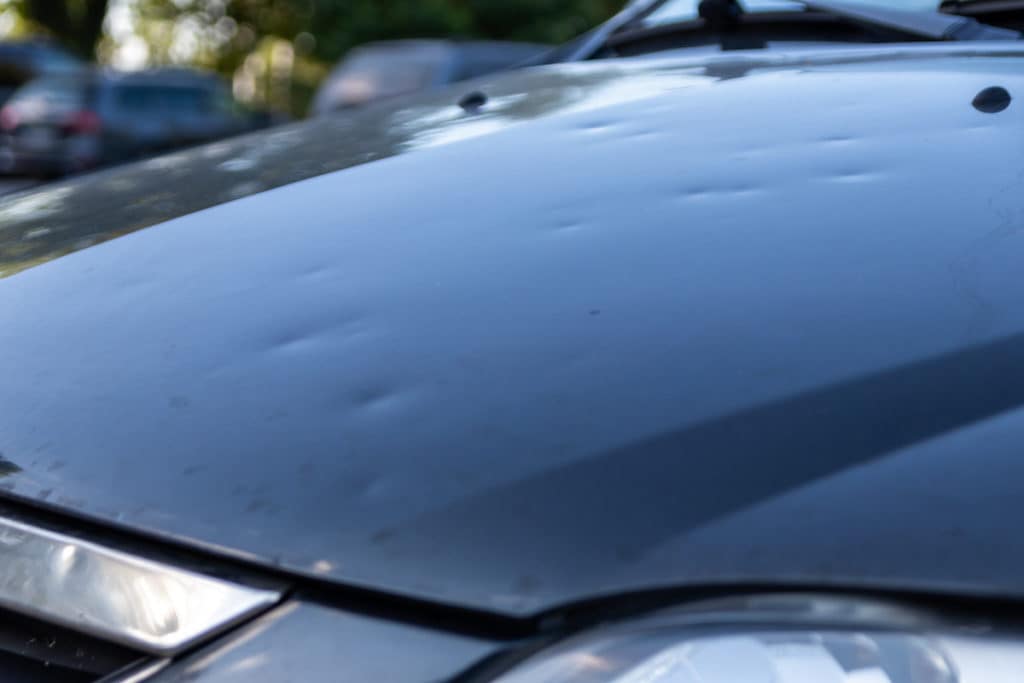
It's already February, which means that while it seems miles away, summer isn't really all that far off for us Central Floridians. Things will start heating up in May and soon after, our infamous summer thunderstorms will start to make their rounds across the state. And with them comes a real risk for severe weather, including heavy rains, high winds, lightning, and hail. Hail can do a serious number on your car, and our Orlando Toyota body shop is here to help you both prevent and deal with hail damage like a pro. How to avoid hail damage The best way to handle hail is to avoid it altogether (a no-brainer, but worth repeating). Hail can leave dings and dents all over the body of your car, damage the paint, crack glass and plastic, and more. So how can you keep your car out of the way of this type of damage? If you know bad weather is headed your way, put your car under as much cover as you can find. A parking garage or attached garage is best, but a carport or any other type of covered parking can help protect your ride from dings and dents. But as much as you try to prepare, sometimes bad storms just crop up or you're in a place where you can't find covered parking to protect your ride. If your Orlando Toyota does sustain hail damage, here are the steps to remedy it. Don't try to fix it DIY style at home. Hail damage can be serious and difficult to repair, so it's best if you leave it to the experts at Toyota of Orlando and let them restore your car back to like-new condition. You may want to contact your car insurance company. In most cases, hail damage should be covered under your comprehensive policy so you would just have to pay the deductible (which is going to be a lot cheaper than paying the full amount for repairs, especially if they're extensive). Also, in states like Florida, you can get a free windshield replacement via car insurance if you sustain cracks in the glass. Make sure you get an estimate through the insurance company for repairs so they can send you a check and your body shop can get to work immediately. This is especially true if you have paint damage - you don't want to leave the metal exposed to the elements, especially in summer. Choose a body shop - like Toyota of Orlando - that you trust for the repairs. Hail damage can be tricky and there's often paint repair involved, too, so you want to ensure you get quality workmanship. Plus, we offer a wide range of warranties to give you better peace of mind. Schedule all of your repairs at Toyota of Orlando today Need hail damage repairs or have questions about the process? Call Toyota of Orlando today at (407) 298-6006 or stop by and see us in person. We're just off I-4 near the Millenia Mall at 3575 Vineland Road.

hybrid trucks

How is the Tundra hybrid system different from the Prius hybrid system?

When you think of a hybrid vehicle, chances are that the first quality that comes to mind is either fuel efficiency or eco-friendliness. Since the inception of the Orlando Toyota Prius waaaay back in the early 2000's, hybrids have been synonymous with those two ideas. However, new innovations and new vehicles - like the 2022 Toyota Tundra - are evolving the hybrid system to better suit a wide range of drivers, not just those who want to save on gas or cut down on emissions. Which should you consider: The Toyota Tundra Hybrid or Toyota Prius? So how is the hybrid system in a new Toyota Tundra different from that in a Toyota Prius? Toyota of Orlando is here to break down the basics and explain. Let's compare the two cars in terms of performance first. The Orlando Toyota Prius, renowned for its fuel efficiency, gets an incredible 58/53 mpg and offers 121 horsepower. On the other hand, the new Toyota Tundra Hybrid will offer slightly less fuel efficiency (exact numbers have yet to be released) but offers an unbelievable 437 horsepower and 583 lb-ft torque. But how? Fuel efficiency and performance abilities seem to be on opposite ends of the spectrum... so how is it possible to get both? Basically, it boils down to the way the hybrid systems are set up. We're going to keep things basic here (if you want to get super granular, come talk to our Orlando Toyota sales specialists). Here's the breakdown. Hybrid cars like the Toyota Prius, Toyota Corolla Hybrid, etc. have a dual-motor setup. The first motor takes power from the engine and converts it over to the battery to give you that coveted electrical power. The second motor is connected directly to the wheels to power them. Instead of the engine solely sending torque to the wheels, the path is - for the most part - electrical. That's why while you'll get great fuel efficiency in this type of setup, it's not renowned for horsepower or torque. So how does the Orlando Toyota Tundra Hybrid offer such exceptional performance? The main difference is that the path that sends power (you know, the one that's mostly electric in the Prius) is mechanical. There's a single motor in this performance-driven truck, and there's a clutch in between it and the engine. If the clutch is open, the engine can turn off and the electric motor takes over to send power to the wheels. If the clutch is closed because the truck needs that internal combustion power, the twin-turbo V6 engine kicks into life to mechanically send power to the wheels. While one of these hybrid systems offers exceptional fuel efficiency and normal performance, the other offers exceptional performance and enhanced fuel efficiency. So which is better for you? The best way to decide is to take a test drive at our Orlando Toyota dealership or chat with one of our sales specialists. Test drive the hybrid of your dreams at Toyota of Orlando Ready to make it happen? Call Toyota of Orlando to explore our hybrid vehicles today. We're open seven days a week at (407) 298-4500 and conveniently located just off I-4 near the Millenia Mall at 3575 Vineland Road.

Orlando Toyota tips

Out-of-state car accidents: A quick guide

Getting into a car accident is a stressful enough situation in itself, but if you're out of state for work or vacation, it's even worse. New rules and laws may apply, insurance may hit a few snags, and on top of that, you have to figure out whether or not you can make it home. That's why the body shop at Toyota of Orlando has put together this quick guide on how to deal with a car accident out of state. Read on! Luckily, you treat out-of-state car accidents pretty similar to ones in your hometown, albeit with a few small tweaks. Here's what the experts at our Orlando Toyota Collision Center recommend. How to deal with an out-of-state car accident Step #1: Check to see that everyone is OK. Was anyone in your car harmed during the accident? Your first step before you do anything else should be to check yourself and all of your passengers for injuries. Once you've done that, you should move your car off the road if possible. If you can't, remove yourself and your passengers to a safe spot on the side of the road that's far away from oncoming traffic. Step #2: Call police to have them come to the scene. You'll need police documentation of the car accident for your car insurance company regardless of whose fault it was. You can call 911 or the local non-emergency number to request that an officer come to the scene of the car accident. Be sure to get their name and a copy of the accident report before they leave the scene. Step #3: Document everything with photos and video. Now's the time to break out your phone and document EVERYTHING. Be sure to get photos/videos of the damage to both cars and the scene of the accident. You'll also want to write down a detailed account of what happened while it's fresh in your memory, as well as get the names and contact information of any witnesses to the accident. Further, get the name, contact info, and insurance info of the other driver, as well as the make, model, color, and license plate number of the other vehicle. Step #4: Decide if your car can make it home or not. If you have your own car out of state and you get into a car accident, can you make it home with the sustained damages? If it was a fender bender, you likely can. However, you definitely want to get your Orlando Toyota checked at a body shop when you get back to your hometown to ensure there aren't any hidden damages or issues that you didn't notice. And if you notice an issue while on the road, stop at your nearest mechanic to have things checked before you go any farther. Step #5: Contact the right people. Regardless of if it's your car or a rental, you'll definitely need to contact your insurance company to let them know about the accident so you can get the repair process started. If it's a rental car, you'll want to contact the rental agency as well. And if you borrowed a car through a rental service like Turo, you'll want to contact the owner of the vehicle to determine the next steps. Schedule repairs at Toyota of Orlando today Need repairs after a car accident? Whether you're out of state and visiting Orlando or live locally, we've got your back. Contact Toyota of Orlando today at (407) 298-6006 or stop by and see us at 3575 Vineland Road!

What To Do If Your Steering Wheel Locks

What To Do If Your Steering Wheel Locks.

It's all happened to us. We're gathering our keys, wallets, purses, water bottles and sprinting out of our homes to quickly make it to our destinations. You get that feeling of relief as you check your estimated time of arrival, and you feel thankful that you will make it to your destination on time. Then, ironically, you turn on your car, and the key or steering wheel won’t budge. Unfortunately, it won't turn, and you can feel your cortisol levels rising. Life has a funny way of testing our patience. This situation might seem like your Orlando Toyota car has broken down, but not all hope has been lost. However, what is happening is that your Orlando Toyota's steering wheel has been locked. So, if you ever turn on your car and the key or steering wheel won't move, our experts got you with car tips that will save you worry and a call to AAA. Why does this happen? This feature of your Orlando Toyota is there as a precaution if you're parked on an incline. This safety feature will save your car from rolling down a hill if your brakes fail. It also helps to keep thieves from stealing your car! It can happen if you turn your steering wheel too far to one side after you take your keys out of your Orlando Toyota. How to fix your locked steering wheel Follow these steps, and your Orlando Toyota will be good to get going to your destination! Step 1. Put your key into the ignition. Gently put your key into the car. Start wiggling the steering wheel back and forth to see which direction the steering wheel will turn. Try turning it with a lot of force, I promise it won't break your wheel! Step 2. Turn your steering wheel to a direction with one hand. After that, go ahead and steer your wheel in the direction your wheel would go. So, if it moves slightly to the right, put your hand on the left side of the steering wheel and push it towards the right side with one hand. Step 3. Then, put the key into the ignition with the other hand. As you are doing that, go ahead and put the key in with your other hand. Step 4. It should unlock! If you follow these steps, it should unlock your steering wheel, and you'll be able to start driving to your destination. If it doesn't work, try it a few times if needed. Remember, turn your wheel with a lot of force! After that, your Orlando Toyota should be ok. And there you have it! Our experts are always here to help you in any car scenario. Still, having issues with your car? Call us if you have any questions at (407) 298-4500. We're here for you! We are located just off the I-4 near the Millenia Mall. Also, you can follow us on socials for more car tips @Toyotaoforlando.

driving in snow

Six winter driving myths you shouldn't fall for

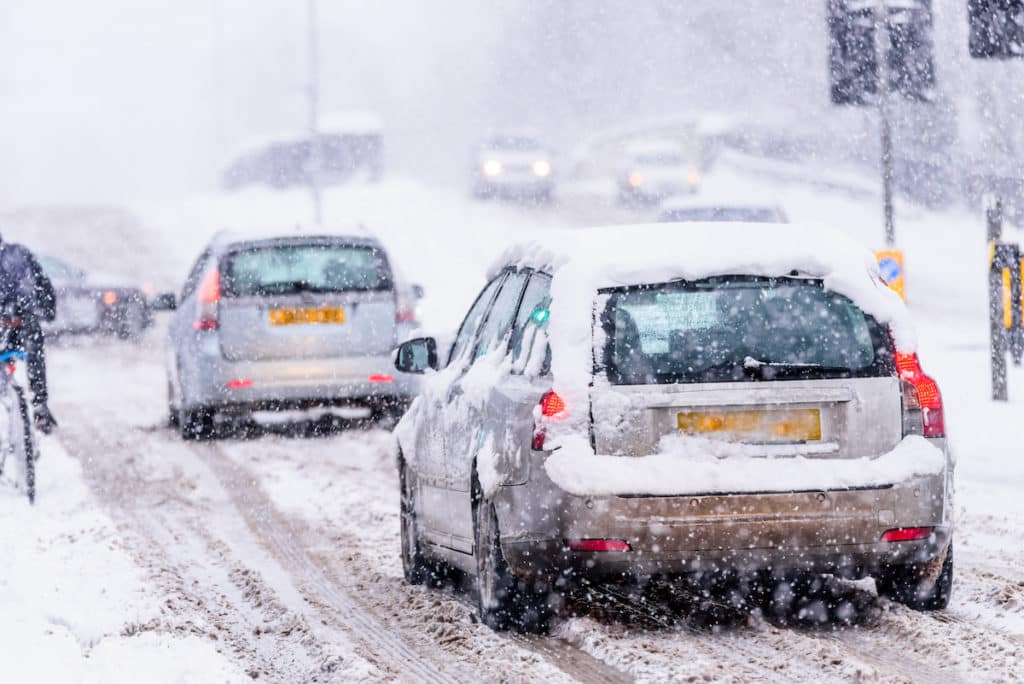
Winter is here - yup, even in Florida - and with it bringing its own set of driving challenges. Driving in winter weather is a whole different ball game, especially if you're headed out into snow, ice, or sleet. Our Orlando Toyota experts are here with tips to help you figure out what's fact and what's fiction when it comes to winter driving myths. Toyota of Orlando busts winter driving myths Myth #1: You have to warm up your car before you can drive it. Nope! This is a pretty common winter driving myth, but believe it or not, your car only needs about 20 seconds to get up and running and get oil moving through the engine. You don't have to sit and let the engine idle to be prepared for the open road - you can essentially start your car and go. (But if you still want to use this excuse to chill and scroll while you wait, we get it.) Myth #2: Pouring hot water on your windshield is an easy way to get rid of frost or ice. For the love of God, DO NOT do this. If your windshield is icy or frosted, that means the glass is cold, too. Pouring boiling or even super hot water over it will create an instant temperature change which can cause your windshield to crack or even shatter from the huge, instantaneous shift. DON'T DO IT. Break out your ice scraper or even a credit card to clear your windshield. And don't use your wipers, either - the ice can damage the blades. Myth #3: Deflate your tires to a lower PSI for better traction. Some people think that deflating their tires a little gives them better traction because the lower the PSI, the more surface area of the tire there is touching the road. Not the case - partially deflated tires actually have LESS traction because the tread can't perform as it should (and you'll also kill your fuel efficiency). Leave your tires inflated to the proper PSI! Myth #4: You can also put sandbags in your trunk for better traction. Drivers who have to deal with slippery winter driving conditions like snow and ice have probably heard the myth that putting sandbags in the trunk for extra weight will improve handling. However, as most cars today are front-wheel drive or four-wheel drive, this is unnecessary and actually throws your car out of balance. This can make handling a lot more difficult than it needs to be and leave you more prone to getting into an accident. Myth #5: You can use cruise control in icy or snowy weather. NOPE. Cruise control is not meant for winter driving - it's meant for dry, clear, and flat conditions where you can easily maintain a constant speed (aka no stoplights). Cruise control in winter weather is a bad idea; when the roads are slippery, you need complete control over your vehicle at all times. Myth #6: Don't worry about winter weather if you have four-wheel drive. Again, not true. While four-wheel drive is a great quality to have in your Orlando Toyota, especially if you're driving in snow, it's not going to save you from spinning out or losing control. Use it as a complement to safe, defensive driving rather than an excuse to drive as you normally would and hope that your four-wheel drive capabilities will save you from a collision. Schedule winter car service today at Toyota of Orlando Have questions about winter driving or need to get your car prepped? Call Toyota of Orlando today at (407) 298-0001. Our Orlando Toyota service center is open seven days a week at 3575 Vineland Road, just off I-4 near the Millenia Mall!

roadside emergency

What you should do if your car runs out of gas

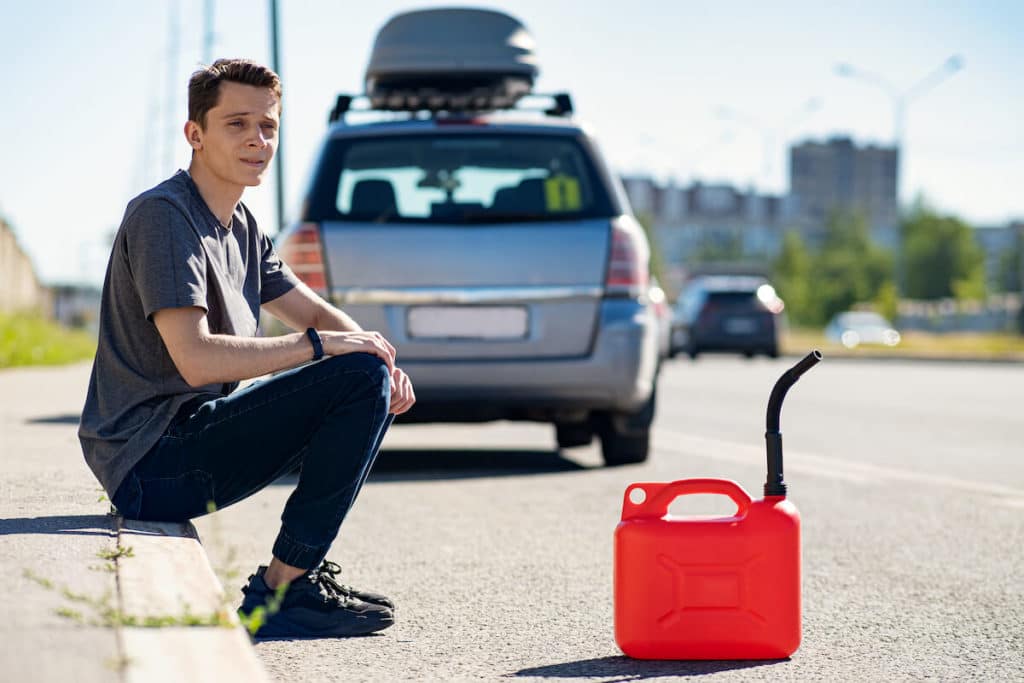
Have you ever run out of gas in your car? And we mean completely run out - not coasting into the gas station parking lot on fumes,  but literally having to stop on the side of the road because your car just can't make it any farther. Plenty of us have been there and for many reasons; it could be a broken gas gauge, an overestimation of how far you can get before filling up, or even just plain forgetting to fill your tank. It happens, but that doesn't make it any less stressful. So how should you handle this roadside emergency? Check out the tips from the experts at Toyota of Orlando. Four signs your car is about to run out of gas First, you have to know the signs that your car is about to run out of gas. Here are the main ones: Sputtering noises coming from the engine Backfiring noises coming from the tailpipe Jerking, surging motions (like sudden acceleration that only lasts a second or two) A lack of power or acceleration (when you hit the gas nothing happens) Now let's talk about what you should do if your Orlando Toyota runs out of gas and how to safely handle the situation with as little stress as possible. Toyota of Orlando tips for this roadside emergency #1: Pull off the road and out of the way of traffic. Your first priority when you notice that your Orlando Toyota is about to run out of gas is to get OFF the road. Find a safe spot to pull over and park; you should look for a flat spot that's free of sand and mud and gives you enough space to stay far away from traffic, especially if you're on the highway. If it's nighttime, try to find a well-lit space as well. Once you've parked, pull your emergency brake, turn on your hazard lights, and turn your steering wheel so your wheels are pointed AWAY from the road - the way on the slim chance someone hits you, you won't be pushed into traffic. #2: Figure out your exact location. You'll need to tell whoever is helping you exactly where you are, so figure it out before you make the call. If you're calling a friend or family member, you can always share your location with them on your smartphone. If you're calling for roadside assistance,  you can use the addresses of local businesses and cross streets to identify your location or if you're on the highway, exits and mile markers. #3: Decide who you're going to call for help. Who will you call to get you out of this pinch? Luckily, you've got options. You can call family or a friend to bring you a gas can full of fuel, or you can opt for roadside assistance. If you have AAA they offer fuel delivery and so do companies like Mach1. You may even want to check with your car insurance - they could have an option for free roadside assistance or towing. Worst case, you can try to walk to the nearest gas station for fuel. However, remember to stick to the sidewalks as often as you can and if you're on the highway, stay as far away as possible from traffic. Have questions? Toyota of Orlando has answers. Call us today at (407) 298-4500 or stop by and see us at 3575 Vineland Road. We're just off I-4 near the Millenia Mall!

hit a parked car

What should you do after you hit a parked car?

So you hit a parked car. Most of us - if not all of us - have been there. Whether you nailed someone else's car because you were in a hurry or rolled gently into it because your attention slipped for a minute, it happens. Fender benders are almost inevitable when you drive, but in this scenario, it's a little bit different than if you were to get into a car accident with another moving vehicle. Our Orlando Toyota body shop experts are here with tips on how to handle this particular type of car accident - check it out. The four things to do after you hit a parked car #1: Don't leave the scene of the accident even if the other car is empty. If you hit an empty parked car, do not - we repeat, do not - leave the scene of the car accident. Even if no one is injured, it will still be considered a hit and run, which is a major offense. It can result in jail time, losing your license or having it suspended, a big hike in your car insurance rates, and heavy fines. Plus, even if you think there weren't any witnesses, just keep in mind that cell phones and surveillance cameras are everywhere. Stick around and try to wait for the other driver to return to their car. #2: Document everything. While you're waiting, make good use of your time and document the car accident. You'll want to write down all the details, including: The make, model, color, and any distinguishing characteristics of the other car The date, time, and exact location of the accident What happened, in detail The names and contact information of any witnesses to the accident And on top of that, take pictures. You should photograph the damage to both your car AND the other car. #3: Make sure you leave them a note. What happens if the other person just doesn't show? You can only wait so long, but you don't want to leave the scene of the car accident and get in trouble. In this scenario, it's best to leave a note for the other driver in a conspicuous place (like under a windshield wiper) and ensure that it's going to stay dry. Leave them information like your name and phone number, your insurance info, and a brief explanation of what happened so they can get in touch with you and discuss the next steps. #4: Get your car insurance company involved. You hate to do it, but it's best to get your car insurance involved at this point. Your property damage liability clause should cover the damage to the other vehicle, while collision insurance coverage will cover your car. Trust us, even if you have to pay the deductible, it's still going to be cheaper than doing things out of pocket. Toyota of Orlando can take care of your auto repairs after an accident Have questions about what to do after hitting a parked car or need auto repairs? Either way, Toyota of Orlando has you covered. Call us today at (407) 298-0001 or stop by and see us! We're conveniently located just off I-4 near the Millenia Mall at 3575 Vineland Road.

Orlando Toyota parts tips

Floor mats: Should you get carpet or all-weather?

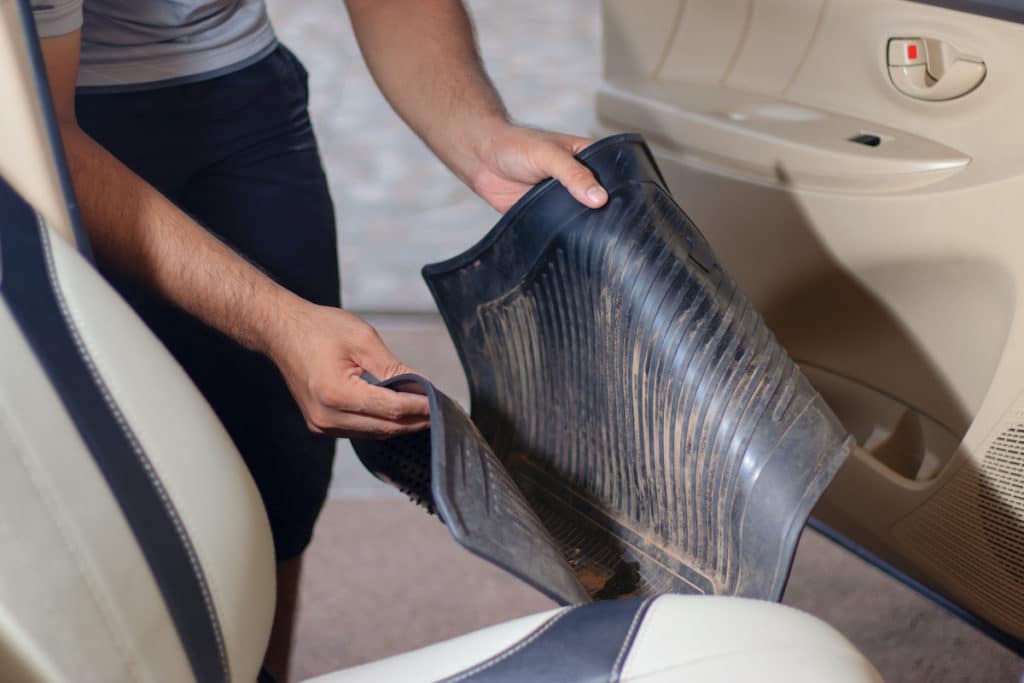
Updated on May 15, 2026 So you bought your new (or new to you) car, and now you’re ready to customize it AND take the steps to ensure that it stays in the best condition possible. One of the best ways to achieve both of these goals is to invest in a set of floor mats. However, just like any other part of the car purchasing process, you’re going to have multiple options available to you. One of the most common is choosing between carpet mats and all-weather mats. We checked in with the experts at our Orlando Toyota parts store to see which was better, and here’s what they had to say. Executive Summary: Floor mats are essential for protecting your Toyota’s interior from dirt, spills, wear and tear, while also helping maintain resale value. Carpet floor mats are more affordable, customizable, and offer a polished interior look, but they require more maintenance and can absorb stains and moisture. All-weather floor mats are more durable, easier to clean, and better at handling rain, mud, sand, pets, and active lifestyles common in Florida. Choosing between carpet and all-weather mats depends on your driving habits, passengers, maintenance preferences, and budget. Some drivers use both types interchangeably to balance style and protection depending on the season or situation. Orlando Toyota Parts Tips: What to Know About Floor Mats Why you need floor mats at all First of all, whichever you choose, you do need floor mats in your Orlando Toyota. Here are the top reasons why they’re a great investment: They protect your car. Just like the floor of your home, the floor of your car can easily get trashed. Muddy shoes, spilled coffee, crumbs… just existing in your vehicle can quickly destroy the carpet on the bottom of it, especially if you have kids or pets. Putting in floor mats will protect your car’s carpet, lead to fewer detailings, and keep your car’s resale value high over time as it keeps your interior cleaner and in better condition. They’re an easy way to customize your car. Floor mats come in various colors, textures, prints, and more. They’re a simple way to customize the interior of your car without having to spend a ton of time or money to make it happen. Beyond those basics, floor mats also help reduce your long-term wear and tear that you might not notice right away. Constant friction from shoes can thin out your car’s original carpet, and once that damage is done, it’s not easy (or cheap) to fix. Investing in the right floor mats upfront can save you from costly interior repairs down the line. Another benefit? Cleaner daily driving. Whether you’re commuting through Orlando traffic or heading out for a weekend road trip, having reliable floor mats makes cleanup quick and stress-free. Instead of worrying about every spill or mess, you can just remove and clean the mats when needed. So, which type of floor mats should you invest in for your new Toyota? Here’s the breakdown between of all-weather floor mats vs carpet options. Carpet mats vs all-weather mats Carpet mats have some pros, for sure. They’re cheaper, for starters, and you can find both OEM and aftermarket options that will fit your car. Additionally, they’re durable (usually made from Berber or other tough fabrics) and can be customized in terms of their color, embroidery, etc. Last, they’re less expensive than all-weather floor mats so if you’re on a budget, they’re a solid option. Carpet floor mats also tend to give your interior a more polished, upscale look. If you like a cohesive, lux finish inside your vehicle, carpet mats blend seamlessly with your existing interior. They’re especially popular for drivers who primarily stick to city driving and don’t deal with a lot of dirt, rain, or outdoor conditions. However, it’s worth noting that carpet mats do need a bit more maintenance. They can absorb liquids and stains, which means spills might need immediate attention to prevent odors or permanent stains. Regular vacuuming and occasional deep cleaning will help keep them looking fresh, but they’re not quite as low-maintenance as the all-weather options. All-weather mats, on the other hand, also have their pros. They last longer than carpet mats, which do wear out over time. All-weather mats are also better at containing messes like mud, dirt, and liquids. These special floor mats are made of water-repellant rubber and have special grooves laser cut into them to contain spills. They’re simple to clean; you can simply shake them out or even rinse them with a hose. And they’re perfect for people who live in winter weather and regularly have to deal with snow, slush, ice, and mud. Even here in Florida, all-weather floor mats vs carpet is still a relevant conversation. While we don’t deal with snow, we definitely get our fair share of rain, sand, and muddy conditions. If you love the beach, go hiking, or have kids involved in sports, all-weather floor mats can be a game changer. They keep moisture and debris contained so it doesn’t ruin your vehicle’s flooring. Another big advantage of all-weather mats is their durability over time. They’re designed to handle heavy use without breaking down, cracking, or wearing thin. For drivers who use their Orlando Toyota daily or for work, this can make a huge difference in maintaining the interior. How to choose between all-weather floor mats vs carpet Still deciding between all-weather floor mats vs carpet? It really comes down to your lifestyle and how you use your vehicle. Here are a few things to consider: Your daily routine: If your day-to-day driving is mostly commuting and errands, carpet mats may be all you need. If you’re constantly in and out of your car with messy shoes or gear, all-weather mats are the better option. Weather and environment: Orlando drivers may not see snow, but rainstorms, humidity, and sandy conditions are common here in Central Florida. All-weather floor mats can help protect against those elements. Passengers: Kids and pets can be tough on interiors; we know this. If you regularly have passengers who bring in dirt, snacks, or spills, all-weather mats are easier to manage. Maintenance preferences: If you want something low-effort, all-weather mats win. If you don’t mind occasional deep cleaning and prefer a softer or more polished look, carpet mats are a good fit. Budget: Carpet mats are generally more affordable upfront, but all-weather mats may last longer, giving you more value over time. When It Comes to Floor Mats, Why Not Both? Here’s a tip from our Orlando Toyota parts team: you don’t necessarily have to choose just one. Some drivers actually keep both types of floor mats and switch them out depending on the season or situation. For example, you might use carpet mats most of the year for a clean, comfortable look, then swap in all-weather mats during snowy or rainy months or road trips. This gives you the best of both worlds. Get style when you want it and protection when you need it. Keep Your Interior Looking Like New with Toyota of Orlando No matter which option you choose, investing in high-quality floor mats is one of the easiest ways to protect your car and keep it looking great. When it comes to all-weather floor mats vs carpet, there’s no one-size-fits-all answer. It’s really all about what works best for your driving habits and your lifestyle. Still not sure which you need for your new ride? Visit Toyota of Orlando today! Our Parts Store is open seven days a week at 3575 Vineland Road (just off I-4 near the Millenia Mall). On top of that, our Toyota parts experts are here to help you choose the perfect floor mats for your car. Call ahead of time for info at (407) 298-0001! FAQs: Where can I shop Toyota parts and accessories? Right here at Toyota of Orlando! We have a fully stocked parts store onsite, experienced parts specialists to help you find what you need, and a convenient online store if we don't have what you're looking for at that moment. How do I protect the interior of my car? One of the easiest ways to protect your car’s interior is by investing in high-quality floor mats to guard against dirt, spills, mud, and everyday wear. Regular cleaning, quick attention to stains, and using protective accessories like seat covers can also help keep your interior looking newer for longer and maintain your vehicle’s resale value. Does Toyota of Orlando have deals on floor mats? We run regular parts specials to help you get the best deals on parts and accessories. Ask about them when you stop by and see us!


shop for a new Toyota

New Year, New You, New Car? Signs You Need A New Toyota in 2022

When you get your first car, it's a pivotal moment in your life. Everyone can think of the time they got their first car. It's a great feeling knowing that it's yours and you can go wherever you want, whenever you want. In addition, owning a car opens up the gates to many new opportunities: going to meet-ups with your friends, to holiday dinners with your family, to the beach for a day of fun. However, there does come a time when the same car isn't working as well as it used to, and although it's served you well for many years, it's costing you a fortune to keep up. So let's talk about the 4 signs you need a new Orlando Toyota car in 2022. #1 It's costing you more than it's worth. You constantly have to take your older car in to be serviced, and it's costing you your time and money. So then, it's safe to say that it might be time to consider buying a new Orlando Toyota. It's great for vehicles to be scheduled for services routinely to maintain their good condition. However, if it's breaking down more than twice a year, it might be time to call it quits. Especially if you need to have significant repairs like replacing radiators, exhaust systems and fixing major engine malfunctions, it might cost you less in the long run to buy a new car. #2 It doesn't match your lifestyle anymore. There are different Orlando Toyotas for different lifestyles, and maybe you've realized that your sedan isn't going to be realistic for a growing family, or perhaps you need more durability to haul work equipment. Whatever the case is, stepping into a new stage of your life might mean adjusting the things you have to fit into it! #3 You feel unsafe in the car. It doesn't feel safe thinking that your car might break down at any point and could be very dangerous if you are on the highway. If you have an old car, your vehicle might not have the most advanced safety features. Our Orlando Toyotas have Toyota Safety Sense that comes with a Pre-Collision System with Vehicle and Pedestrian Detection, Dynamic Radar Cruise Control, Lane Departure Alert, and Automatic High Beams. If you constantly feel unsafe in your car, upgrading with better safety features might be better. #4 You refuel more frequently than you should. If you find yourself stopping at the gas station more than twice a week, this might be because your car has poor fuel efficiency. The latest vehicles come with better fuel efficiency and even electric models. For example, the 2022 Toyota Prius gets up to 58 mpg in the city and 53 mpg on the highway, so good! You might end up saving more money buying a new Orlando Toyota! Want to schedule a test drive with a Toyota? Visit our dealership! We're open seven days a week at 3575 Vineland Road. Call (407) 298-0001 to schedule a test drive for your new ride!

Toyota of Orlando tips

Driving in traffic on Christmas weekend: Toyota of Orlando tips

Are you hitting the road this weekend? Christmas is just a few days away, and while your commute to work this week might be easier than usual (no school, fewer people at work) things are about to pick up. Tons of people hit the road on Christmas Eve and Christmas Day to visit friends and family, attend parties, get in last-minute shopping, and more. This means more traffic, a higher chance of accidents, and more stress on your plate... unless you follow these useful tips from Toyota of Orlando for driving in Christmas traffic! Five tips for driving in traffic this Christmas weekend Tip #1: Leave plenty of extra time. We all know that traffic is going to be nuts, especially on Christmas Eve and the day after Christmas. Make sure that wherever you're going, you leave yourself plenty of time to get there. You know you'll be driving in traffic due to more people on the road and also a much higher chance of fender benders. Give yourself cushion when it comes to time so you aren't speeding or driving aggressively to get where you're going on time. Tip #2: Make sure your ride is ready for the road. Is your Orlando Toyota ready to hit the road this weekend? If you're heading out of town to visit friends and family, you need to ensure that your car is up to date on auto services like oil changes, tire rotations, brake service, and battery service. The last thing you want to do is have a breakdown when you're trying to get to your celebration. Tip #3: Check the weather and traffic. Make sure to check the weather and traffic BEFORE you leave the house. Bad weather and heavy traffic can cause delays, so if you know about them ahead of time, you can either reroute your trip or give yourself more time to get to your destination. Plus, it'll mentally prepare you for the road conditions so you're not stressing as much about it. Tip #4: Don't let distracted driving get the best of you. It's easy to get distracted any time you're behind the wheel, but especially so on Christmas. Excited kids in the backseat, people calling and texting you, Christmas lights, finding the right Christmas music on your Spotify... we get it, but distracted driving is one of the biggest causes of accidents. Use voice-to-text to reply to messages, make a Christmas playlist before you leave the house, and keep your hands on the wheel and your eyes on the road. Tip #5: If necessary, prep for winter weather. If you're heading north, make sure that both you and your car are prepped and ready for winter weather. You'll want to check your fluids, tires, heater, and defroster to ensure they're in good condition, and then mentally prepare yourself for driving on in snow and ice. Prep your car for driving in traffic at Toyota of Orlando From our family to yours, safe travels and Merry Christmas! If you need last-minute auto service to get ready for driving in traffic on the holiday, visit Toyota of Orlando today. We're open seven days a week at 3575 Vineland Road, just off I-4 near the Millenia Mall, and you can reach us at (407) 298-0001.

Toyota of Orlando tips

How to transport a Christmas tree: Toyota of Orlando tips

Christmas Eve is a week away (how did that happen so fast?). That means it's time to deck the halls - past time, really - and if you haven't already brought home a Christmas tree, now would be the time to do it. However, it's not like picking up the groceries; to get your tree home safely and in good condition, there are a few tips you should know. And luckily, your favorite Orlando Toyota dealership is here to explain them. Six tips to transport a Christmas tree Tip #1: Plan ahead. Before you go all Buddy the Elf, make sure you know how you're going to get your tree home. Do you have a truck with a bed to use, or will you attach it to the roof of your car? Planning ahead will save you time, stress, and money when it's time to transport your Christmas tree. Tip #2: Keep an eye on the weather. Make sure the weather is good when you pick a day to transport your Christmas tree. It won't hurt it to drive it through the rain, but it'll definitely leave it wet and you'll have to try and dry it out before you can bring it inside of the house. And driving a Christmas tree through high winds is never a good idea, FYI. Tip #3: Make sure the tree is somehow wrapped. Most Christmas trees will be wrapped up in netting so you can easily get it home in one piece (make sure you cut that netting up after you're done with it, too #savethewildlife). However, it's always smart to have a big blanket on hand just in case you aren't provided with netting. You can roll the tree up in the blanket to protect both the tree itself and the bed or top of your Orlando Toyota from scratches and sap. Tip #4: Use those roof racks. Do you have roof racks on your Orlando Toyota? If so, put them to use and attach your Christmas tree to them to make it simple to get home. If you don't, you're going to have to tie the tree directly to the roof of your car. Open the car doors and loop your rope or twine through that way to get a firm tie-down (and also so you don't tie the doors shut LOL). You'll want to tie down the tree at three points - the top, middle, and bottom. And make sure you have the trunk of the tree at the front of your car - this will help prevent wind damage to the tree's branches as you drive. Tip #5: If you're using the bed of a truck, secure the tree. If you're lucky enough to have a Toyota of Orlando truck at your disposal, you can simply place the tree in the bed of it. However, you should still use the tie-down points to secure it down to the bed just in case a gust of wind catches it on the way home. Tip #6: Take your time. Drive slow, especially if your Christmas tree is on the roof. Don't speed and be sure to take turns slowly and avoid slamming on the brakes. Merry Christmas from Toyota of Orlando! Questions? Need supplies to transport a Christmas tree? Toyota of Orlando is your go-to. Call us today at (407) 298-4500 or stop by and see us at 3575 Vineland Road, just off I-4 near the Millenia Mall!

Contact Us

Fill out this form below and we'll contact you shortly
*Required Fields