Blog / Toyota of Orlando's Tips

Blog

All Toyota of Orlando's Tips Toyota of Orlando News New Toyota Toyota Service Orlando Toyota Service Used Cars Toyota of Orlando Service Toyota of Orlando Body Shop
Toyota Tacoma

Pickup truck terms you should know before you buy

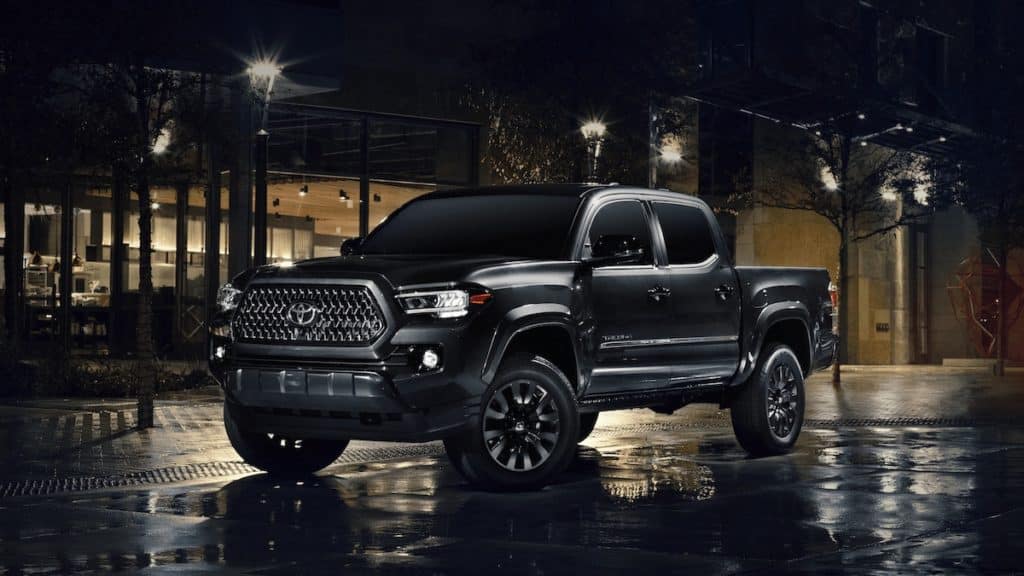
Thinking about putting a new pickup truck in your driveway anytime soon? If you've been a car or SUV owner up until now, sliding behind the wheel of a new Toyota truck can be quite a change. That's why before you buy, you should have some basic knowledge about pickup trucks in general (and the one you want to drive home). Check out this quick guide to truck terms that will help you find the best new Toyota for your drive time needs. What you need to know about pickup trucks Bed: The bed of your pickup truck is where you can stow cargo and haul things. Typically, it comes in different sizes so you can tailor your new truck to your preferences. Sizes usually include short (5'8"), standard (6'), and long (8'). Cab: The cab of your truck, on the other hand, is short for "cabin" and is where you and your passengers ride. (No one should ever ride in the bed of the truck, even over a short distance.) You'll also usually be able to choose from different sizes for this element, too. Orlando Toyota trucks usually come with options like regular cab (with 2 doors), extended cab (2 full-size doors and 2 smaller doors for access to the backseat), and crew cab (4 full-size doors). Payload: Payload ties into hauling. Basically, this number tells you how much weight you can carry in your cab and bed (combined). You don't want to exceed payload capacity, as it can do damage your suspension and other VIP parts of your Orlando Toyota. Towing capacity: Towing capacity, on the other hand, refers to how much weight you can safely pull behind your new Toyota truck. You also want to avoid exceeding this capacity or you could do serious damage to your vehicle. Weight class: Weight class is basically how big your truck is. Usually, trucks are divided into categories like half-ton, three-quarter-ton, and one-ton. Half-ton trucks are the light-duty options, while three-quarter ton are middle duty and one-ton are heavy duty. 2WD, 4WD, AWD: These acronyms refer to the performance capabilities that your new truck has. 2WD means it's powered by just two of the wheels (usually the rear wheels in a truck), while 4WD and AWD mean that power is supplied by all four wheels at certain times, giving you an advantage when you take things off the pavement or are driving on slick surfaces. Hitch: A hitch is where you connect the item that you're going to be towing behind your truck. Some trucks come with one, some trucks don't - but regardless, if you're going to tow, you're going to need one. Shop new Toyota trucks today at Toyota of Orlando Ready to shop for your new pickup truck? Come explore our inventory at Toyota of Orlando! We're open seven days a week at 3575 Vineland Road, just off I-4 near the Millenia Mall. You can call us ahead of time to learn more about our inventory or schedule an appointment at (407) 298-4500.

Toyota of Orlando tips

Toyota of Orlando busts driving myths

Do you ever feel like you sometimes don't have any idea what you're doing when you're behind the wheel of your car? We get it. Owning, maintaining, and operating your Orlando Toyota is a lot, and it requires a lot of responsibility but also a lot of know-how. You don't have to be an expert mechanic or a professional driver to get around town, but it does help to keep yourself well-versed in all things automotive for a smoother car ownership experience. That's where we come in! We're always here to give you tips, tricks, and the info you need to stay on top of owning a car and keep things stress-free. Today, we're talking about driving myths. There's a lot of information (and misinformation) out there about hitting the road, and we're here to bust four common driving myths so you know better next time you get behind the wheel. Four driving myths, busted Myth #1: Premium gas is better than regular. Big false on this one. While some vehicles DO require premium gas (you should be able to figure out if your car does by checking your owner's manual), putting premium fuel in a car that doesn't require make absolutely no difference. It won't improve performance, nor will it get you better fuel efficiency. All it's really going to do is drive up your fuel costs without any payoff. So if your car doesn't require it, stick with regular gasoline and save yourself a few bucks. Myth #2: Driving with your tailgate down will get you better fuel efficiency. Seems like it would make sense, right? Driving with your tailgate down would make your truck (supposedly) more aerodynamic. Well, unfortunately, it's not happening. Some drivers believe this myth but unfortunately, the problem lies with the bed itself, not the tailgate that closes it off. Truck beds create a pocket of drag behind your Orlando Toyota that slows you down slightly and pushes your MPGs lower. Putting the tailgate down doesn't allow the drag to escape in a stream like you'd think it would. It doesn't do anything, actually. If you want better MPGs consider putting a cover on the back of your truck, or investing in a car that's more fuel-efficient. Myth #3: If there's traffic, there must be an accident. Not always the case. People usually assume that if there's a bad traffic jam, it must be a car accident that caused it. This driving myth is untrue, though. Traffic jams can happen for all sorts of reasons. Bad weather, a slow driver, debris in the road, something cool to look at... all it takes is a handful of drivers slowing down for whatever reason, and a ripple effect occurs, slowing EVERYONE down. Myth #4: If you go the speed limit, you'll hit all green lights. If only, right? A lot of drivers believe that traffic lights are timed perfectly so if you go the speed limit, you'll never hit a red one. Not true. If it does happen to you, it's likely just a coincidence. Almost all traffic lights are sensor-based and respond to the flow of traffic rather than being impeccably timed. Not to mention, traffic jams, slow drivers, accidents, and different speed limits are all part of your drive time, which make this myth easily bustable. Visit Toyota of Orlando today Have questions about driving myths or want to put yourself behind the wheel of a new Orlando Toyota? Call us today! Toyota of Orlando is open seven days a week at (407) 298-4500 and we're conveniently located just off I-4 across from the Millenia Mall.

Toyota Prius

Should you buy a new Toyota Prius or a used one?

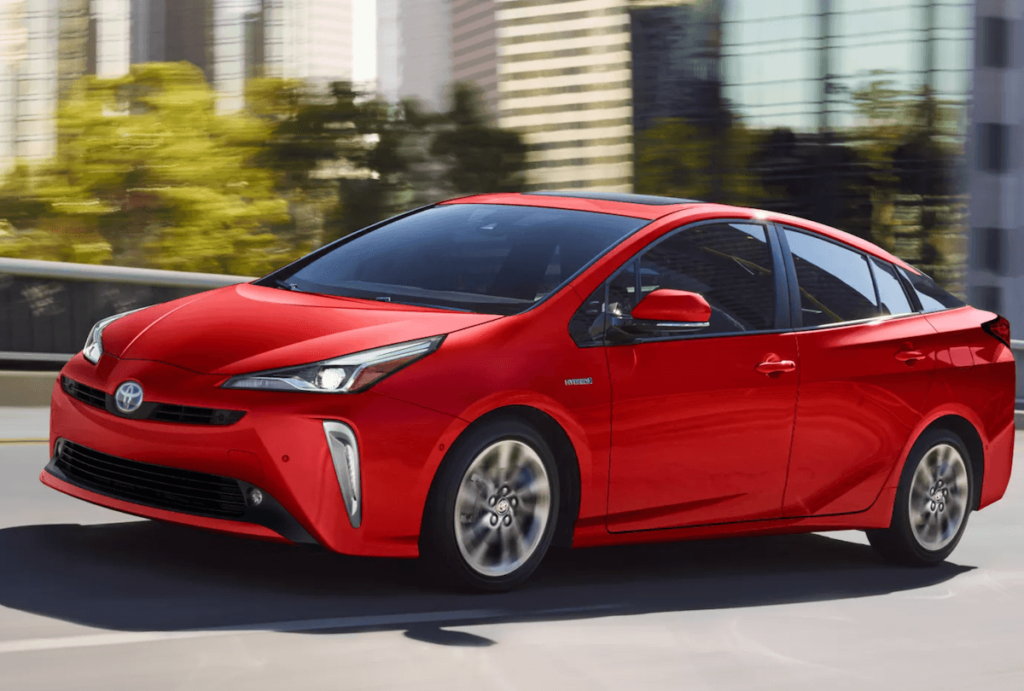
So you're shopping for a Toyota Prius. You're ready to jump into the hybrid game, go green, save some money on fuel, and have that cool blue badge looking at you every morning when you head out to your car. Congrats! However, you've got some more decisions to make when it comes to your new green ride. Which trim level will you choose? What about options and packages and accessories? Paint color? It can seem endless, but there's one especially important choice you need to make before you can take your test drive - whether you want to buy your Toyota Prius new or used. There are perks to both, just like any other car. However, hybrids are unlike other cars in many ways, so our Orlando Toyota dealership is here to break the pros and cons down for you. What are the perks of buying a new Toyota Prius? There are some perks to buying a new hybrid car. Here are some of the big ones: Peace of mind - you know where the car has been (the factory) and don't have to worry about previous owners and whether or not they've cared for the car. Additionally, you get great warranties with a new hybrid (which is important for a hybrid battery, as they're more expensive to replace) and also have the option to extend those warranties. No-cost maintenance. Our new Toyotas offer two years or 24,000 miles of no-cost routine maintenance, so you won't have to shell out for things like oil changes or tire rotations for a while. That new car smell. Need we say more? What about a used Toyota Prius? However, there are also perks to buying a used Toyota Prius (or any other hybrid car, for that matter). Here they are: You don't have to take the initial depreciation hit. Cars lose up to 20% of their value in their first year, and then 10% per year for the next three years. If you shop for a late-model pre-owned hybrid, you won't take that big depreciation loss right in the beginning. It's usually a bit cheaper. Hybrid or not, used cars are typically cheaper than new cars, so if you're on a budget but really want an eco-friendly car for your commute then you may want to opt for something preowned. You'll still have a ton of variety to choose from. The Orlando Toyota Prius is the most popular hybrid car on the road (it did kick off the hybrid car movement, after all). So even if you're buying used, there are plenty of options to peruse before you sign the dotted line. Either way, driving a Toyota Prius is a win. You get massively improved fuel economy, a greener and cleaner performance, and a reliable ride that will last you for years - if not decades - to come. Shop new AND used hybrid cars today - visit Toyota of Orlando! We're located just off I-4 across from the Millenia Mall at 3575 Vineland Road and we're open seven days week. Come see what the 2022 Toyota Prius AND all of our preowned hybrids can bring to your drive time.

car maintenance tips

How to get tough stains and blemishes off your car paint

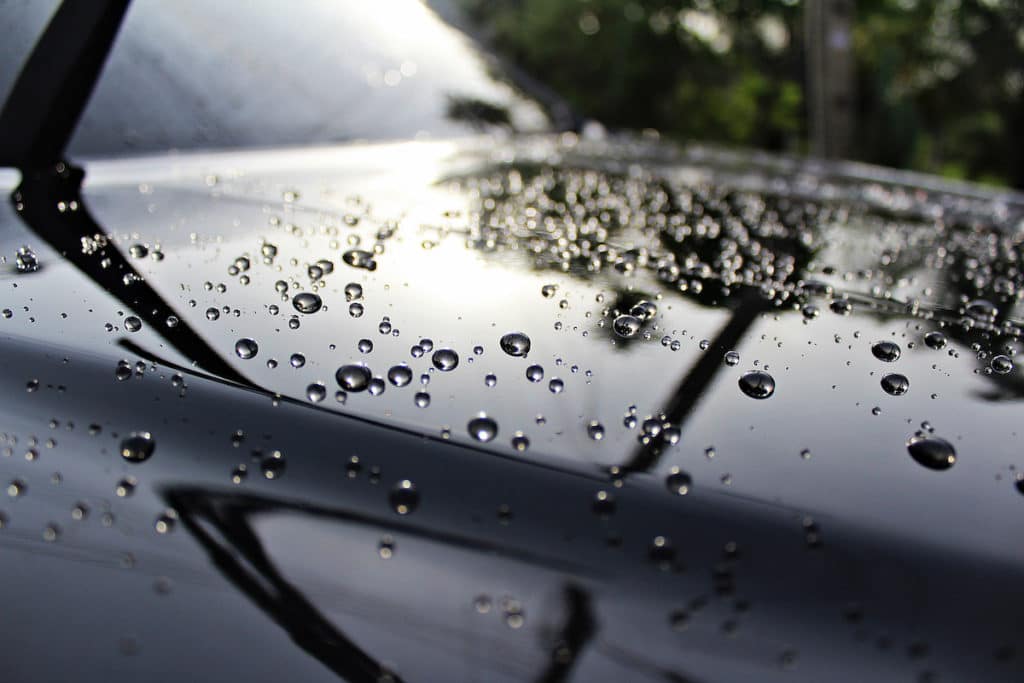
Updated on June 22, 2026 If you own a car, you know how important it is to take care of the exterior. Keeping up with your car paint will keep your ride looking new for years to come and it’ll also help maintain its resale value when it comes time to trade it in or sell it. A clean, glossy exterior not only looks great, but it also protects the metal panels underneath from the elements. However, sometimes caring for your car paint is easier said than done. Everyday driving exposes your vehicle to dirt, bugs, tree sap, road tar, bird droppings, water spots, and countless other substances. Some stains wipe away easily, but others can become stubborn blemishes that seem impossible to remove. The good news? Most common paint stains can be treated safely if you know what you're doing. Our Orlando Toyota body shop experts are here to help. Check out this guide to removing tough stains and protecting your car paint from future damage. Executive Summary Most common car paint stains can be removed safely if you act quickly and use the right cleaning products and techniques, helping prevent permanent damage to your vehicle's finish. Bird droppings, bug splatter, tree sap, road tar, water spots, wet cement, and fuel spills can all damage your clear coat if left untreated, so prompt cleanup is essential. Avoid harsh scrubbing and household cleaners, which can scratch your paint or strip away protective wax. Instead, use microfiber towels and automotive-safe cleaning products. Preventative care goes a long way. Regular washing, routine waxing, smart parking, and protective options like ceramic coatings or paint protection film (PPF) help keep your car paint looking newer for longer. For severe stains or paint damage, professional detailing or paint correction is often the safest solution to restore your vehicle's appearance without causing additional harm. <span data-mce-type="bookmark" class="mce_SELRES_start"></span> Why Taking Care of Your Car Paint Matters Before we dive into stain removal, it's important to understand why maintaining your car paint is so important. Your car's paint isn't just there for appearance. Modern automotive paint systems actually include multiple layers designed to: Protect metal surfaces from rust and corrosion Shield your vehicle from UV damage Help preserve your resale value Prevent premature wear and deterioration Keep your Toyota looking newer for longer When dirt and debris sit on the surface for too long, they can penetrate the clear coat and eventually damage the paint underneath. That's why quick action is always the best strategy. Four Tough Car Paint Stains & How to Remove Them Stain #1: Wet Cement or Paint It sounds strange, but it happens more often than you might think. Whether you've driven through a construction zone and accidentally splashed wet cement onto your car or got paint overspray on your Orlando Toyota during a home improvement project, these substances can wreak havoc on your car paint. Your best bet? Address the problem immediately before the material dries completely. For fresh paint or cement splatter, you should: Use an automotive-safe oil-based cleaner or detailing product Apply it carefully to the affected area Allow it to soften the material before gently wiping Use a microfiber cloth instead of an abrasive sponge One important tip: don't scrub aggressively. Cement particles can be very abrasive and can leave scratches, swirl marks, or clear coat damage if you rub it too hard. If the stain has already hardened, it’s time to head to Toyota of Orlando for some professional help. Trying to scrape dried cement or paint off yourself can cause more damage than the stain itself. Stain #2: Bird Droppings and Dead Bugs This is one of the most common threats to car paint, especially here in Orlando. Bird droppings contain acids that can damage your vehicle's clear coat fast. Dead bugs can be just as problematic. Love bugs, in particular, are notorious because their remains contain acidic compounds that can etch into paint surfaces if you don’t clean them off. The longer these contaminants remain on your Orlando Toyota, the harder they are to remove. For fresh bird droppings and bug residue, you should: Mix warm water with white vinegar Soak a microfiber towel or dryer sheet in the solution Place it over the affected area for several minutes Gently wipe away the residue You can also buy dedicated bug and tar removers designed specifically for cars. Ask our Toyota of Orlando parts specialists what will work best! On top of that, here’s what you can do to help prevent future damage: Wash your vehicle regularly Remove bug splatter after long highway drives Consider using wax or ceramic coating to create a barrier between contaminants and your car paint Stain #3: Oily Fingerprints You might not think fingerprints are a big deal, but they can leave noticeable marks on your car. This is especially true if your Orlando Toyota has a darker paint color like black, dark gray, or navy blue. Oils from your skin transfer easily onto painted surfaces and can attract dirt and dust. The solution is usually simple: Use a clean microfiber cloth Wash the area with warm water and automotive soap Dry thoroughly with a separate microfiber towel Avoid using household cleaners or dish soap whenever possible. These products can actually strip away protective wax coatings and leave your car paint more vulnerable to future damage. If fingerprints seem to show up a lot, applying a fresh coat of wax can make the surface easier to clean while adding additional shine. Stain #4: Water Spots Believe it or not, water itself can damage car paint!Many water sources have minerals like calcium and magnesium. When the water evaporates, those minerals are left behind on the surface, creating spots and stains. (You know what we’re talking about with Orlando summer thunderstorms.) Water spots commonly appear after: Washing your vehicle in direct sunlight Rainstorms Sprinkler overspray Automatic car washes To remove mild water spots, try: Use a 50/50 mixture of distilled water and white vinegar Spray the affected area Let it sit briefly Wipe clean with a microfiber towel And to prevent water spots from forming, you should: Dry your vehicle immediately after washing Use clean microfiber drying towels Avoid washing in direct sunlight whenever possible Apply quality wax several times per year Wax creates a protective barrier that helps water bead up and roll off instead of sitting on the surface and leaving mineral deposits. Other Common Car Paint Stains You Might See Tree Sap Parking under trees can provide shade from the relentless Orlando sun, but it can also leave sticky sap all over your ride. Tree sap can harden quickly and bond to the clear coat. If left untreated, it can stain or etch your car’s paint surface. To remove it, use things like: Automotive sap remover Rubbing alcohol on a microfiber towel Warm water and patience Never use razor blades or sharp tools to remove hardened sap! You’ll scratch your car. Road Tar Road construction projects can leave behind sticky tar that can splatter onto your car’s lower body panels and wheel wells. Road tar is hard to remove with soap alone, but specialized tar removers work well without harming your car paint. To remove tar, apply the product according to the manufacturer's instructions and wipe it away gently with a microfiber cloth. Fuel Stains Did you know that gasoline spills can sometimes leave residue on your car paint? If fuel splashes onto your Orlando Toyota, you should: Wipe it off immediately Wash the area with automotive soap and water Apply wax afterward if necessary Immediate cleanup helps prevent long-term paint damage! Tips to Keep Your Car Paint Looking New Preventing stains is much easier than removing them. Here are a few simple ways to protect your car paint year-round straight from our Orlando Toyota car care experts. Wash Regularly Routine washing removes contaminants before they can damage your paint. Use Quality Wax Wax helps protect against UV rays, water spots, bird droppings, and bug residue. Park Smart Whenever possible, avoid parking under trees, near construction zones, or next to sprinklers. Consider Paint Protection Options like paint protection film (PPF) and ceramic coatings provide additional defenses against stains and environmental damage. Address Problems Quickly The faster you remove contaminants, the less likely they are to permanently damage your car paint. Toyota of Orlando Can Help Restore Your Car Paint Whether you need help restoring your car paint to like-new condition, want advice on the best detailing products, or need professional paint correction services, Toyota of Orlando is here to help! Our experts can inspect your stains, scratches, oxidation, and other paint concerns and recommend the best solution for your ride. We can also help you find genuine Toyota-approved cleaning products and protective treatments that keep your car looking its best. Visit us at 3575 Vineland Road, just off I-4 near the Millenia Mall, or contact Toyota of Orlando today for more information. Let us help keep your Toyota shining for years to come!


car maintenance tips

Protect your car's black paint: Orlando Toyota tips

If you've ever owned a black car, you know that it pretty much constantly looks dirty. Black car paint is highly reflective AND contrasting, so every little blemish, speck of dirt, or grain of pollen will stand out on it a lot more than it would on a lighter-colored car. However, there are things you can do to protect your black car paint and keep it looking new - check out these tips from Toyota of Orlando's car care techs and protect your ride's paint like a pro. Four ways to protect black car paint Tip #1: Keep your car as clean as you can. We know that not everyone has time to detail their car every week and we get it. But it's wise to spot clean when you own a black car. If you get bird poop, insects, or any other really noticeable stains or dirt on your Orlando Toyota's paint, try to wash it off as quickly as you can to avoid damage to your car paint. (Plus, bird poop is going to show up a lot more on a black car - gross.) Tip #2: Buy a good, quality wax. Investing in a quality wax is a great way to protect your black car paint. Recall that when you scratch a car, there's typically a later of white underneath the colored paint. On a black car, this makes for a huge contrast and very noticeable scratches and blemishes. A few coats of quality wax can make a big difference when it comes to protecting your car paint from scratches, chips, and other blemishes. Our Toyota of Orlando parts experts can help you find the right car wax for your ride, and if you want to look into a ceramic coating for extra protection we can help you with that, too. Tip #3: Figure out your parking space. The sun can also do major damage to black car paint. Black paint absorbs more UV rays, which means it fades faster and can look less-than-new in no time if you're not careful. The aforementioned wax can protect your Orlando Toyota from the sun, but your parking choices can also help. Park under cover if you can - a garage is best, but any sort of covered parking or even shade can help to keep your car paint protected. Tip #4: Have the right tools on hand. Using old towels or rags while cleaning your black car paint can actually leave swirl marks over time, doing damage that you won't notice until it's too late. When cleaning your car, use a fresh sponge and microfiber cloths for all of your detailing to keep your paint unmarked and blemish-free. Get car detailing supplies at our Orlando Toyota parts store today! Whether you need help with car detailing, choosing the right supplies, or restoring your paint to its prior condition, Toyota of Orlando is here to help! Call us today at (407) 298-4500 or stop by. We're conveniently located just off I-4 across from the Millenia Mall at 3575 Vineland Road.

Orlando Toyota service tips

How to choose your next auto mechanic

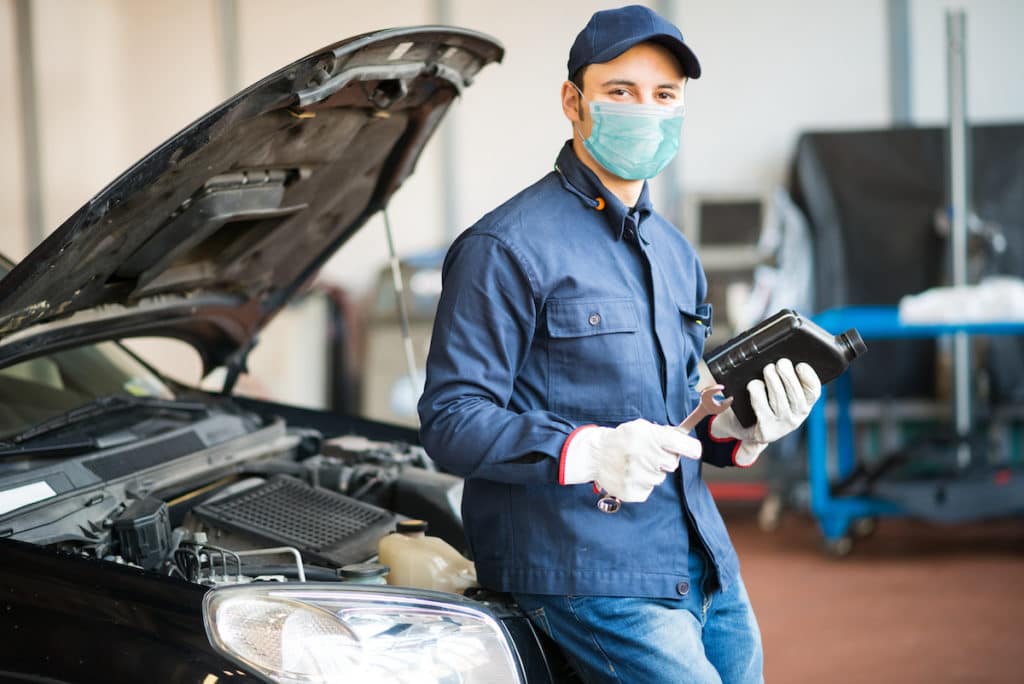
Are you dreading even the thought of having to find a new auto mechanic to help you with service and repairs for your ride? We get it. You put a huge amount of trust into a mechanic and count on them to keep your Orlando Toyota up and running in the best shape possible, so finding the right one can be a daunting task. As always, we're here to help - check out these quick tips to get the process rolling and to make it as easy as possible. Four tips for finding the right auto mechanic #1: Ask your friends and your family. Why not ask your friends, family, and coworkers which auto mechanic they use? This is a great way to get a personal referral to someone that they trust to work on their car. If they trust them, you probably can, too. #2: Do a little research online. It never hurts to put your smartphone to work, either. Do a little research online to at least narrow your auto mechanic options. You can search for repair and service shops near you and then look at things like customer reviews and testimonials, as well as the certifications that the shop has and the services that it offers. #3: Try a shop that specifically services your make. If you're stuck at a dead end, you can always look for an auto mechanic shop that services your make specifically. For example, if you were to service your Toyota at Toyota of Orlando, you could rest a little easier knowing that our techs are well-versed and certified in all things Toyota and that we'll use Genuine Toyota Parts to repair your car and KEEP it a Toyota. #4: Go for it. If all else fails, you can jump in feet first! Find a shop near you that's convenient to visit or look for a brand name you trust, and schedule an appointment. Start small with a routine auto service like an oil change or tire rotation; this will let you get a feel for the shop and the auto mechanics to see if you're comfortable with getting them on board for regular car care or bigger repairs in the future. Still can't decide? Give our Toyota of Orlando service center a try. Our auto mechanics can get you back on the road quickly and affordably; not only that, we have a Certified Toyota Collision Center onsite for your repairs. Schedule repairs or service at our Orlando Toyota service center today! Call Toyota of Orlando today! Our Toyota Service Center is conveniently located just off I-4 near the Millenia Mall at 3575 Vineland Road. We're open seven days a week to help with all of your auto mechanic needs. Call ahead with questions, to find out more about our auto service specials, and to schedule an appointment at (407) 298-4500.

Toyota of Orlando tips

Five road hazards to watch out for during back to school

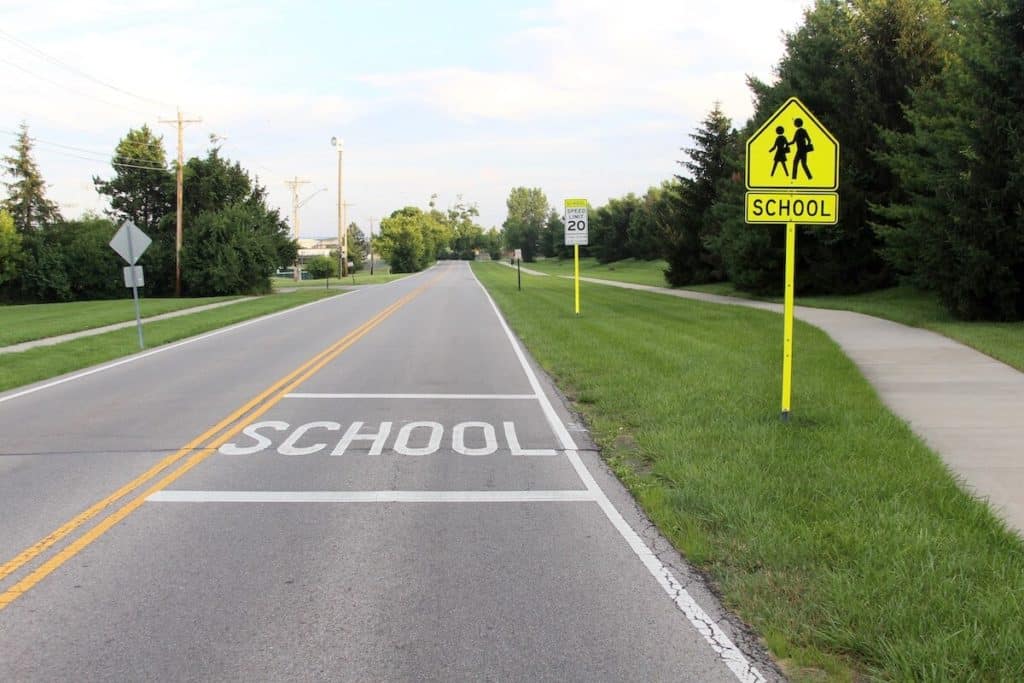
Are you ready for back to school? It's time to pack up the backpacks, plot your route to school, start setting the alarm earlier and prepare yourself for the busy school year to start. As you hit the road to get back to school this fall, however, remember that with the change in routine comes a whole new set of road hazards for you to look out for. Toyota of Orlando is here with tips to help you avoid these road hazards and get back to school safely (and as stress-free as possible!). Look out for these road hazards this fall Road hazard #1: Heavier traffic. Back to school means more traffic out and about on the roads as parents get their kids to campus. You'll need to be aware of this and give yourself extra time to get where you're going. The last thing you want to do is to drive recklessly to make it to homeroom on time, so be sure to plot out your route to and from school, give yourself an extra 10-15 minutes, and always check your route before you leave home to see if there are any serious delays. Things should slow down a little after a few weeks, but there will be more cars on the road in Orlando during the school year, period. Road hazard #2: School buses. Back to school also means school buses are back on the roads. Remember, you have to be extra vigilant when driving around school buses because new rules apply. When you see their lights flashing and the stop signs swing out, you also have to stop, even if you're on the opposite side of the road. The only time you don't have to stop is if you're on the opposite side of the road and there's a divided median. Also, never pass a stopped bus as students are loading and unloading, and be sure to leave plenty of space in between the school bus and your Orlando Toyota. Road hazard #3: Bicycles. Lots of kids bike to school (and some parents, too) so be sure to be on the lookout for bicyclists. You should always yield to them, give them plenty of space when passing them, and double-check your surroundings before making a right turn to ensure your path is clear. Remember, some kids aren't totally steady on bikes so it's a good idea to give them plenty of breathing room. Road hazard #4: School zones. School zones will once again be active next week in Orlando! These special zones always have a lower speed limit that you have to stick to, and you'll also need to be ready to come to a stop in case a crossing guard has to get students across the street. You'll need to be extra attentive in school zones and watch out for bicycles, skateboards, scooters, and pedestrians. Road hazard #5:  Pedestrians. Whether you're in or out of a school zone, there's always more foot traffic during back to school. Lots of kids walk to school or to their bus stop, so be sure to pay close attention to what you're doing when you're behind the wheel. No distracted driving and always look both ways before pulling through stop signs and stoplights. Shop for "school supplies" (i.e. a new Toyota) at Toyota of Orlando! Need a safe new Orlando Toyota to get you back to school for 2021? Call us! Toyota of Orlando is open seven days a week at (407) 298-4500 and we're located just off I-4 near the Millenia Mall.

car insurance tips

How to handle car insurance after a car accident

So you got into a car accident. Stressful, right? That's putting it lightly. Even if you're not injured and all of your passengers are OK, you still have to deal with the fact that your car is not. And usually, you have to go through an insurance company to get it fixed (remember, it's illegal to drive without car insurance in the state of Florida). Our Orlando Toyota body shop is here to walk you through the process so you can get your ride fixed and get back on the road after a car accident. Steps to take after a car accident to get your car fixed Step #1: Make sure you have all the info you need. Before you file a claim with car insurance, you need to make sure you have all the info about what happened during the car accident. This means getting everyone's name, contact information, vehicle information (make, model, plate number, car color), and insurance information. You'll also want to get a copy of the accident report and if necessary, the full traffic crash report from the agency that responded. Step #2: File a claim with insurance. Next, you'll file a claim with insurance. You'll need to figure out which company to file with - basically if the car accident was your fault, you file with your insurance. If it was the other driver's fault, you'll file with their insurance. Remember, there is a time limit on how long you can take to file a claim so get the ball rolling as soon as you possibly can. Step #3: Choose a repair shop. Choose a repair shop that you can trust - you'll want to ensure that they'll work with your insurance company, will use the right parts (for example, if you drive a Toyota car you only want Toyota parts used in it for the best outcome), and will do the repairs in a timely manner. Bonus points if they can help facilitate your rental car. (Toyota of Orlando can do all of the above, PS.) Step #4:Make sure you ask about your deductible and rental car coverage. Before you set everything up, ask your insurance company about your deductible and if you have rental car coverage. You'll want to know up front how much of your deductible you have to pay so you're prepared for the bill, and you also need to figure out a rental car and whether or not your policy includes coverage. If it does, the car insurance company will need to set things up with the car rental company so be sure to sort that out BEFORE you drop your car off for repairs. Step #5: Get an estimate conducted. Your insurance company (or the other driver's) will want to conduct an inspection of your car so they can prepare an estimate of how much the repairs will cost. You can't get repairs started without the estimate, so be sure to work with your insurance company to schedule it. Step #6: Commence with repairs. Now it's time to get repairs started! Make sure you schedule your rental car pickup in accordance with your repairs appointment. When you drop your car off, ensure that your body shop has your insurance company's information and ask them how long they think it will take for repairs. Stay in contact with them - some rental car agreements have limits. Schedule car repairs at Toyota of Orlando Have questions or need to get auto repairs started on your Orlando Toyota after a car accident? Call Toyota of Orlando! Our Toyota Body Shop is ready and waiting at (407) 298-6006.

Toyota of Orlando tips

Back to school driving tips for teen drivers

Is your teen driver about to head back to school in a few weeks? Getting back into the swing of things in the fall is hectic, so before things kick up a notch take a few minutes to sit down with them and go over some basic road rules for back to school driving. Check out this quick list of Orlando Toyota tips to get them through the semester safely! Five tips for your teen to get back to school safely Tip #1: Allow for cushion. Things happen and these things can cause delays. Whether it's a car accident or just a bit of extra traffic, delays can cause drivers - especially teen drivers who could be late to homeroom - to speed. Encourage your teen to give themselves 10-15 minutes of cushion time just in case they do encounter a delay on the road on their way to or from school, and remind them that it's better to be late than to get into an accident from driving recklessly. Tip #2: NO PHONES. We'll say it again - NO PHONES. Texting and driving is just as - if not more - dangerous as driving while intoxicated. Make it a hard and fast rule that your teen driver is NOT to use the phone at all while behind the wheel of their Orlando Toyota. You can even download apps that will lock their phone while the car is in motion if they're too easily swayed by the temptation of that text message tone. Tip #3: Watch for pedestrians and the bus. Encourage your teen to be extra aware of their surroundings when it comes to back to school driving. They should be paying attention anyway, but especially when there are so many more pedestrians out and about as well as school buses driving around them. This means no distractions - put away cell phones, limit passengers, stop playing with the radio, and keep hands on the wheel and eyes on the road. Tip #4: Click it or ticket. Wearing a seatbelt isn't just essential for safety - it's also illegal to NOT wear one. Remind your teen that driving without a seatbelt (or letting their passengers opt out of seatbelts, for that matter) can result in them being ticketed or worse. Everyone in a moving vehicle should be belted in properly, no exceptions. Tip #5: Get the required rest. Teens are busy, we get it - but it's still recommended that they get at least nine hours of sleep. This is especially true if they're going to get behind the wheel. They need to be alert and focused, and if they're fatigued it's almost as bad as driving while drunk. Encourage your teen to get the rest they need and if they're overly tired, drive them yourself or have them take the bus to school until they're more rested. Explore safe new Orlando Toyota options today Why not put your teen driver into a safe new Orlando Toyota? Take them for a test drive today - visit us at 3575 Vineland Road. Toyota of Orlando is open seven days a week and you can call to schedule your appointment at (407) 298-4500!

off-roading Toyota

Which Toyota vintage cars are the most collectible?

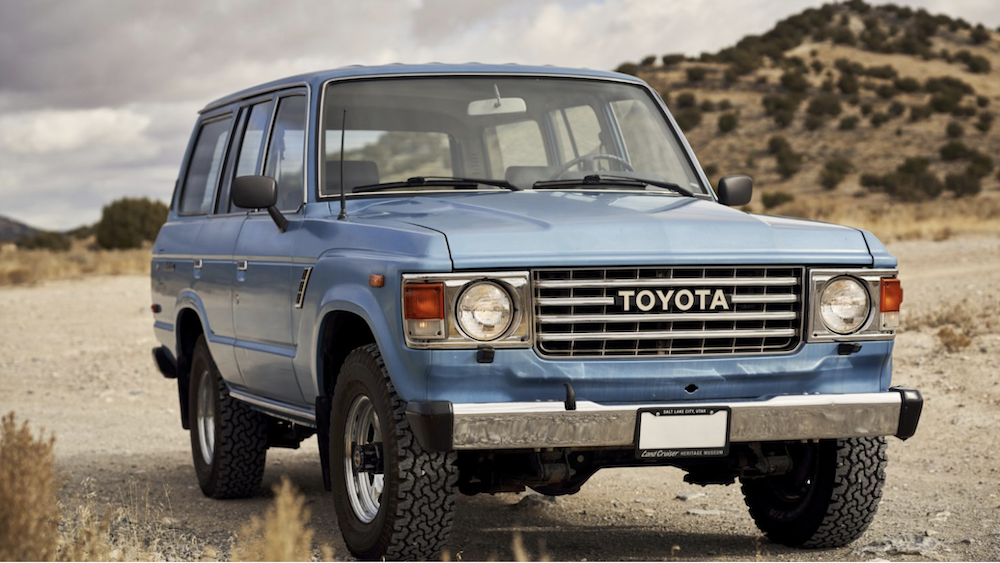
Do you love a good collectible item? Everyone has their thing - from coins to cars, most people enjoy collecting whether it's for monetary gain or just simple nostalgia. One collectible item that's taken an uptick in popularity recently is cars - believe it or not, collecting and restoring classic cars is becoming more and more common. And even more surprisingly, cars that were once considered common and run-of-the-mill are becoming hot ticket items to have in your garage! Are you on the hunt for a collectible Toyota vintage car? Whether you want to collect and restore vintage cars to turn a profit or just to hit the road on a lazy Sunday afternoon for a joy ride, here are some of the most collectible vintage Toyotas on the market right now (besides the ever-popular Toyota Supra). Toyota Land Cruiser The Toyota Land Cruiser has been a much-loved vehicle for decades, and they're popular cars to buy and sell across the board. However, several models in particular fetch a pretty high resale at the moment and might be worth considering, especially when it comes to the 1980s models. This particular era was boxier than the current models but excellent for off-roading and overlanding. The MSRP back in that time period was around $18,000, but these must-have Toyotas are currently closer to $40,000-$60,000 once restored. Toyota MR2 Spyder We never thought that this tiny two-seater Toyota would be considered a must-have collectible vintage car, but here we are. There's nothing wrong with the Toyota MR2 Spyder, but it wasn't at the top of the sports car game in its heyday. It's a mid-engine two-seater that had a fair amount of get-up-and-go but still offered an affordable price tag. Its MSRP around 2003 waS $22,000 - $24,000, and if you put a restored model in your garage today, you'd likely pay around the same. Toyota Celica The Toyota Celica is similar to the Toyota MR2 Spyder in that it was a popular, affordable option with a fun performance. However, some 1980s models are fetching upwards of $30,000 in the right condition in the current market, making this Toyota vintage car a highly-coveted collectible. Toyota Truck Remember the old Toyota Truck pickups - you know, the ones that were sold before the Toyota Tacoma and Toyota Tundra became national staples? It's back and more popular than ever before. Some models have sold upwards of $30,000 at auction even though it had an MSRP of $9,000 back in the 1990s. Let Toyota of Orlando help you with your search and restoration! No matter which Toyota vintage car you choose, they're all collectible in our minds. Ask how we can help you find the right preowned ride - call Toyota of Orlando today at (407) 298-4500!

Orlando Toyota driving tips

Driving in high winds: A quick guide

When it comes to driving in different types of weather, you need to be prepared for anything. Here in Florida, we face everything from extreme heat, to heavy rains, to high winds. Driving in all of these conditions is challenging, but today we're focusing on driving in high winds. Check out our Orlando Toyota tips below! Five tips for driving in high winds Tip #1: Go the speed limit. The speed limit is there for a reason, and especially when driving in weather conditions that are less-than-favorable. When driving in high winds you'll want to stick to the speed limit (or even go a little bit slower if you feel the need) so you can have better control of your vehicle. Our Orlando Toyota dealership advises against using cruise control in windy weather, too - you want to have complete control over your car. Tip #2: Remove anything on the exterior of your car. Unless you absolutely need them, you should try to stow exterior accessories on your car when you're in situations with high winds. This means bike racks, luggage racks, etc. - anything that the wind can grab and possibly even rip off of your car (which means it then turns into a projectile). Stow your accessories until things die down! Tip #3: Avoid driving near large trucks. Large trucks like semis and dump trucks have a lot of surface area, which means more area for the wind to hit. This makes them more prone to being blown all over the road and in turn, being blown into your vehicle. Avoid driving next to them as much as possible when driving in high winds. Tip #4: Leave plenty of space. When driving in high winds, there's always a risk that you're going to be blown off course a bit. That's why our Orlando Toyota dealership recommends that you keep your distance from other vehicles - don't follow too closely if you can help it, and hang back if you find yourself driving into a "wolf pack" (a.k.a. a big clump of cars). You also want to give yourself plenty of time to react and get out of the way if the car in front of you or next to you is pushed into your path. Tip #5: Keep your hands on the wheel. You never know when you'll have to react or make a sudden movement, so keeping both hands on the wheel at all times is in your best interest (i.e. put down your phone). This will give you the ability to react quickly and efficiently and hopefully avoid an accident should another vehicle or debris be blown into your path. And remember, you want to be up-to-date on essential service like tires and brakes before driving in high winds. You want the maximum stopping power on your side and you also want to ensure that your tires have the best traction possible so they can properly grip the road, even when your car is being buffeted by wind. Get your car ready for any weather at Toyota of Orlando Need auto service or have questions? Call Toyota of Orlando today! We're open seven days a week at (407) 298-4500.

driving in construction zone

Know these four summer road hazards to drive safely all season long

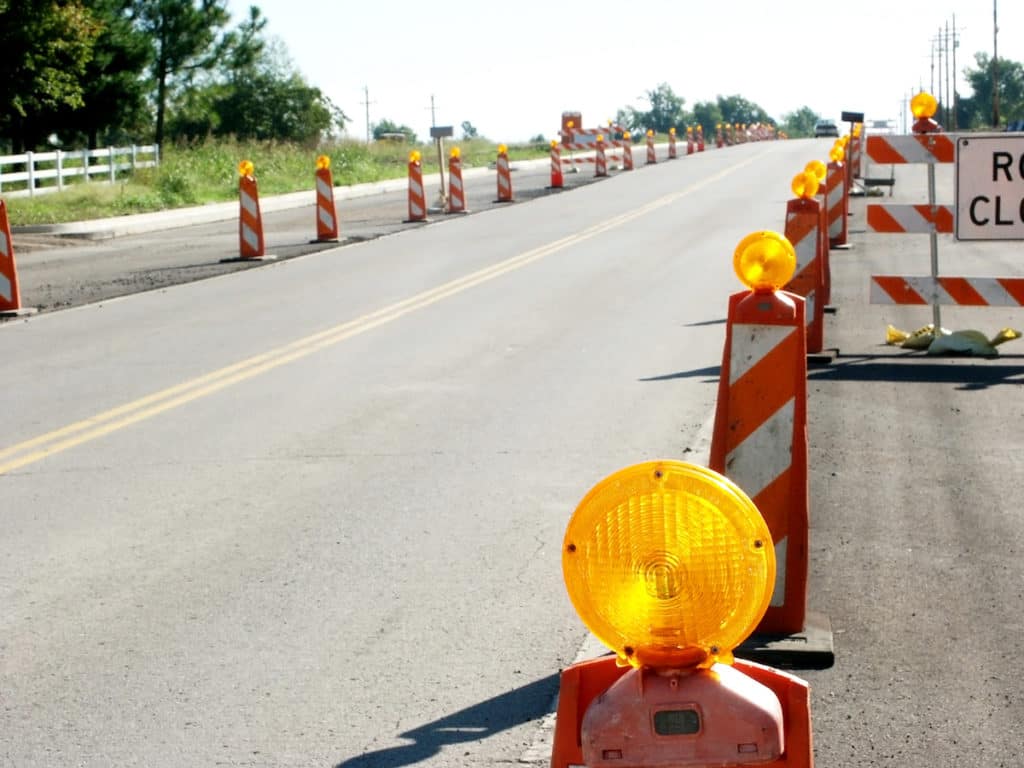
No matter what time of year you hit the road, it's key that you make it a priority to drive safely. Each season brings its own inherent hazards to the equation, and knowing what's coming can help you reach to it that much better. Toyota of Orlando is here with a quick list of four summer road hazards that you should be aware of so you can drive safely all season long, rain or shine. Watch out for these common road hazards this summer #1: More pedestrians. More people are out and about during the summer, especially if you live in a big city or tourist destination. It's critical that you pay close attention to your surroundings in order to drive safely. Be extra cautious at stop signs, red lights, crosswalks, and when driving in urban areas where there's more foot traffic. Always look both ways before pulling through stop signs and green lights and be sure to pay extra close attention when driving in congested areas where people may cross at places other than crosswalks. And remember, a lot of tourists aren't familiar with the ins and outs of your city and may not follow the pedestrian rules. #2: More motorcycles. Summer is prime time for motorcyclists to hit the road which means you need to brush up on checking your blind spots to drive safely. They're smaller than cars and you may not see them in your mirrors, so always be sure to check your blind spots before moving around on the road. Also, be sure to leave plenty of distance between your car and a motorcycle in front of you in case they have to come to a sudden stop. This is especially true in summer because tourists on motorcycles may not know their way around your city and may make sudden traffic maneuvers. # 3: More road construction. Believe it or not, summer is also prime time for road construction. There are more daylight hours to work in, which means you need to be on high alert. Be sure to follow the rules for driving in construction zones and pay close attention to your surroundings so you're aware of speed changes, road hazards, constructions workers, and trucks entering and leaving the highway. And don't forget, road work can cause delays and traffic. If you know you're going to be traveling through one as you make your way across Orlando, be sure to leave yourself a little bit of extra time to get to your destination on time. #4: More bicyclists. Summer sun and nice weather make this season a great excuse for people to get where they're going on bicycles instead of in cars or on public transport. Remember, a lot of times cyclists road on the road instead of the sidewalk so be prepared to share. Give them as much space as possible in case they take a tumble and check the road before making turns. Get into a safe new Toyota today at Toyota of Orlando Get more tips on how to drive safely AND get yourself into a safe new Toyota - call us today! Toyota of Orlando is open seven days a week at (407) 298-4500 and we're conveniently located just off I-4 across from the Millenia Mall at 3575 Vineland Road.

Contact Us

Fill out this form below and we'll contact you shortly
*Required Fields