Blog

All Toyota of Orlando's Tips Toyota of Orlando News New Toyota Toyota Service Orlando Toyota Service Used Cars Toyota of Orlando Service Toyota of Orlando Body Shop
limited-run Toyotas

Toyota special editions: A 2020 catalog

If you're someone who likes to have a unique spin on every aspect of their life, then Toyota is definitely the brand for you. Sure, we've got our fair share of economical mass production cars like the Toyota Corolla and Toyota Camry. However, did you know that we've also got a solid catalog of special edition models that are limited-production standouts? Today we're giving you a catalog of the current special edition models available at our Orlando Toyota dealership so you can get an idea of the unique options waiting for you to slide into the driver's seat. Nightshade Special Editions Go dark in this new limited-edition line up of special models. The Nightshade Edition is available in the Orlando Toyota Camry, Avalon, Corolla Hatchback, Corolla, 4Runner, and Sienna so there's an option for everyone whether you want a sleek and sporty hatchback or a spacious family vehicle. All models include special blacked-out appearance enhancements that add a serious edge no matter which one you choose. Rumor has it that the Orlando Toyota C-HR will also be joining the lineup this year if you're a fan of the cool crossover. Hakone Edition If you like the Toyota 86 but want a model that stands out from the rest, consider the Hakone Edition. This limited-production model sports an eye-catching and exclusive green paint on the exterior and a sleek brown leather interior as well as a few other aesthetic upgrades that make it one of a kind. Trail Editions If taking things off the pavement is your kind of drive time, then you'll be excited to hear that Trail Editions of three popular Toyotas are coming to Toyota of Orlando at some point this summer. Not only do they have aesthetic upgrades, but these special limited-edition models will also showcase performance enhancements to make them off-road ready. You'll find this special model available in the Toyota Tacoma, 4Runner, and Tundra lineups for a limited time. Launch Edition As if the revival of the iconic Toyota Supra wasn't enough, Toyota decided to throw in a special edition model called the Launch Edition. This model will sport a new duckbill spoiler in the back, a brand-new paint color called Refraction, and exclusively designed wheels. Anniversary Edition Trying to go green AND stand out? Check out the special Anniversary Edition of the 2020 Toyota Prius! This limited-edition model celebrates 20 years of hybrid ingenuity and the life of the iconic Toyota Prius and showcases blacked-out aesthetic elements inside and out for a seriously sleek look (and the green performance you know and love). Heritage Edition The Toyota Land Cruiser is renowned all over the world for its ready-for-anything performance capabilities, and the Heritage Edition celebrates that. This special limited-run model takes it back to basics and makes your ride more off-road-ready with exclusive aluminum wheels, a Yakima roof basket, and other special enhancements. Have questions about any of the special edition Orlando Toyotas OR any of our other models? Call us! Toyota of Orlando is open seven days a week at (407) 298-4500.

Toyota MR2 rumored to be returning

If you could get the chance to get behind the wheel of the Toyota MR2 again - albeit a slightly different iteration - would you take it? Well, you may get the opportunity soon(ish). Rumor has it that the much-loved Toyota MR2 may be making its way back onto the market in the upcoming decade and Toyota of Orlando is here to share the speculation. Buckle up - you may just get your shot to climb into the driver's seat of this sporty two-seater after all. Will this much-loved Toyota sports car make its way back to Orlando? According to rumors swirling in the automotive world, the Toyota MR2 could be making its way back to Orlando in 2024. However, it'll be a different type of vehicle - it's expected that given Toyota's push toward greener cars, it could be revived as a hybrid car or even an all-electric model. Here's what's been speculated so far: The next Toyota MR2 would be a ways out if it's coming back to the market - we likely wouldn't see it even revealed until 2023 or 2024. Akio Toyoda - the president of Toyota Motor Corporation - has spoken numerous times of his desire to have "three brothers" in the lineup (since there were three main sports cars in the 1980s). We've gotten the Orlando Toyota Supra back and the Toyota 86 is on the market (and could be in the place of the Toyota Celica), so it only makes sense that the Toyota MR2 is the next addition. It's likely that some collaboration with another automaker will take place. Remember, both the Orlando Toyota Supra and Toyota 86 were collabs (with BMW and Subaru, respectively). There's a high probability that in its efforts to make its lineup greener, Toyota would try to make the mid-engine sports car Toyota MR2 either hybrid or electric. And that's all we really can say for now... but we promise that the minute more information comes to light, we'll share it! The Toyota MR2: past and present For now, we'll give you a quick refresher on the basics of the Toyota MR2 and its history. The Toyota MR2 is a mid-engine, rear-wheel-drive sports car that has two seats - a driver's seat and front passenger's seat. It was on the market from 1994 - 2007 and spanned three generations of iterations. Although it was a sports car, it was economical and compact, not to mention fun to drive with its mid-engine placement. It had fully-independent MacPherson strut front and rear suspensions and showcased an inline-four engine that was transverse-mounted. The designers wanted to create a car that was fuel-efficient and fun, which evolved into this popular sports car. Some models were convertibles while others were traditional hard tops We'll keep you posted as more details come to fruition about this incredible news, but in the meantime, why not check out our current lineup of sports cars? You can see both the Toyota 86 and Toyota Supra in person today at Toyota of Orlando at 3575 Vineland Road, just off I-4 across from the Millenia Mall.

car care tips

5 bad car care habits you should break now

Your car is a big investment - huge, really. For some people, it's the next biggest investment they'll make next to their home. That's why it's critical to maintain and service your vehicle on a routine basis and take good care of it. Not only will it get you where you need to go for a long time, but it'll also retain its value and protect your investment. Routine car care is pretty simple to complete (especially if you let our Orlando auto service techs get you on a schedule and send you reminders), but you COULD be engaging in bad car care habits that can cost you money down the road. Here are some of the most common bad habits we see and why you should break them! Don't make these 5 car care mistakes Bad habit #1: Trying to run on empty. Are you in the bad car care habit of letting your gas tank run dry pretty often? If you're the type of person stops at the pump often to put in a few dollars at a time, stop. Keeping your tank full has benefits - like preserving your fuel pump and keeping it running cooler, which can save you big time repair costs. Filling your tank completely can also enhance your fuel efficiency because you're making fewer trips to the gas station. Bad habit #2: Shifting from reverse to drive too quickly. Some drivers get into the bad habit of shifting from reverse into drive too quickly, and this is bad for your transmission. You should wait until your car has come to a complete stop and THEN shift from reverse into drive, and vice versa. Bad habit #3: Keeping the trunk full. Are you guilty of keeping all of your junk in the trunk? It's time to clear things out. Keeping too much stuff in your trunk weighs your car down, which in turn can cause your fuel efficiency to take a dip. Additionally, too much weight in the back of your car can damage your suspension and brakes over time because your vehicle has to work harder to support the weight and bring you to a safe stop.  Make cleaning out your trunk part of your routine car care. Bad habit #4: Hitting the gas too hard. If you have a tendency to put the pedal to the metal, you may want to curb it. Not only does this burn excessive amounts of fuel (and in turn, bring down your fuel efficiency and make you spend more on gas), it also puts your drivetrain through the wringer. It also makes your brakes work harder to bring you to a safe stop, which means more frequent brake pads replacement and brake service. Bad habit #5: Not using your parking brake consistently. Most people think you only need to use your parking brake if you're going to be parked on a hill. This is definitely not the case; using your parking brake every time you park can actually help save your brakes by better distributing the weight in your car. Toyota of Orlando can help you build better car care habits Have questions or need car care help? Call Toyota of Orlando today at (407) 298-0001.

2021 Toyota

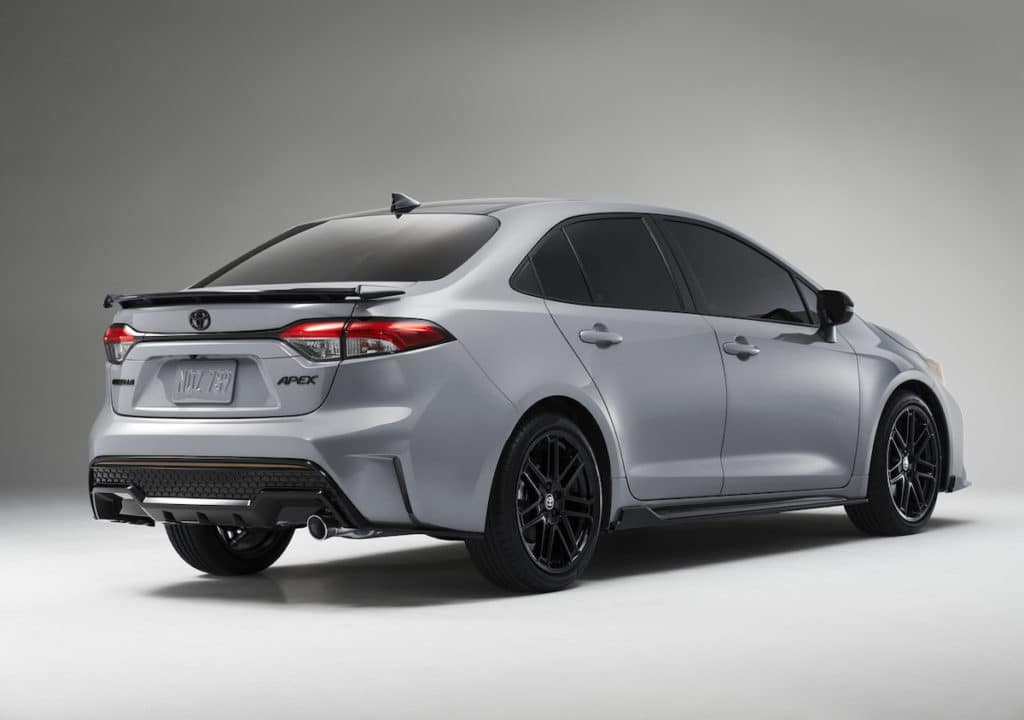
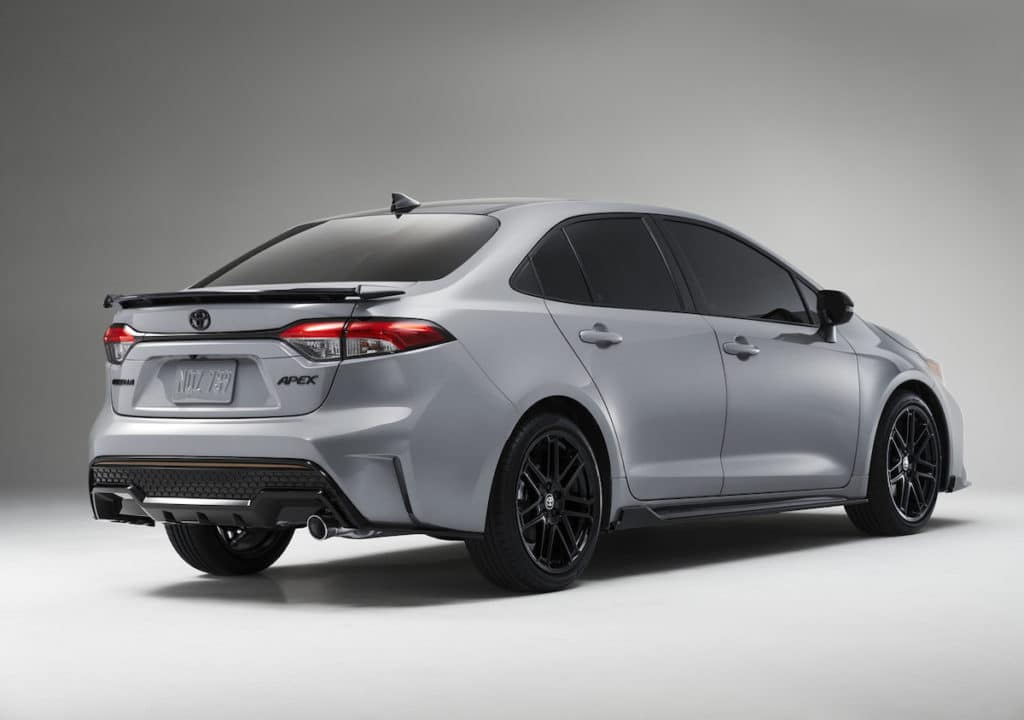
Meet the 2021 Toyota Corolla Apex Edition

The Orlando Toyota Corolla is a pretty sporty-looking sedan; it always has been. It's also great when it comes to performance - it's quick, fun to drive, and fuel-efficient so you save money every time you hit the gas pump. However, Toyota is taking this best-seller to a brand new level with the introduction of the 2021 Toyota Corolla Apex Edition. This limited-edition Toyota will offer not only an even sportier design but also an upgraded performance that will make your drive time more exciting than ever before. Toyota of Orlando has the details. What will the 2021 Toyota Corolla Apex Edition offer? We'll start with the basics - this special edition Toyota will only be available on the SE and XSE grades. It'll start arriving at dealerships this fall, and only 6,000 will be produced so you better get your hands on one quick if you want to put it in the driveway. The SE will start at $23,230 and the XSE will start at $26,680. Let's talk about performance changes next. We already know that the original Toyota Corolla is fuel-efficient and sporty when it comes to hitting the road. Here's what's new on the limited Apex Edition: Both the SE and XSE grades of this limited-edition Orlando Toyota Corolla will have a 2.0L 4-cylinder under the hood that offers 169 horsepower and 151 lb-ft of torque for a little get-up-and-go. The SE model will have a six-speed manual gearbox, while the XSE will stick with the automatic CVT transmission. Only 120 manual models will be available out of the 6,000 total models produced. A new track-tuned suspension system has been introduced with new coil springs that lower the car by .6 inches. There are also increased spring rates, new shock absorbers with built-in internal rebound springs, and new jounce jumpers. This results in superior handling, stability, and steering response, as well as improved comfort for driver and passengers alike, as well as enhanced roll stiffness (which means way better cornering). This new Toyota also showcases revised Electric Power Steering and a Catback exhaust system. Now let's talk looks. The design of the 2021 Toyota Corolla Apex Edition has been enhanced to offer upgrades like: 18" gloss black cast-aluminum wheels LED exterior lighting and smoked LED taillights Black mirror caps A redesigned front fascia and front spoiler A new body kit with side moldings and a rear diffuser, as well as new fog light covers (all of which help cut wind resistance) A 3.5" stainless steel exhaust tip And an interior decked out with premium SofTex and heated front seats. Get more info on this special edition from Toyota of Orlando As noted, this special-edition Toyota Corolla will be arriving at Toyota of Orlando this fall. We'll be sure to keep you posted as to when it gets here, and remember - only 6,000 total are being produced, so don't delay in getting behind the wheel! Call us today for more info at (407) 298-4500 ot stop by and chat with us. We're open seven days a week at 3575 Vineland Road, just off I-4 near the Millenia Mall.

Clermont Toyota sports car

The three different types of engine placements

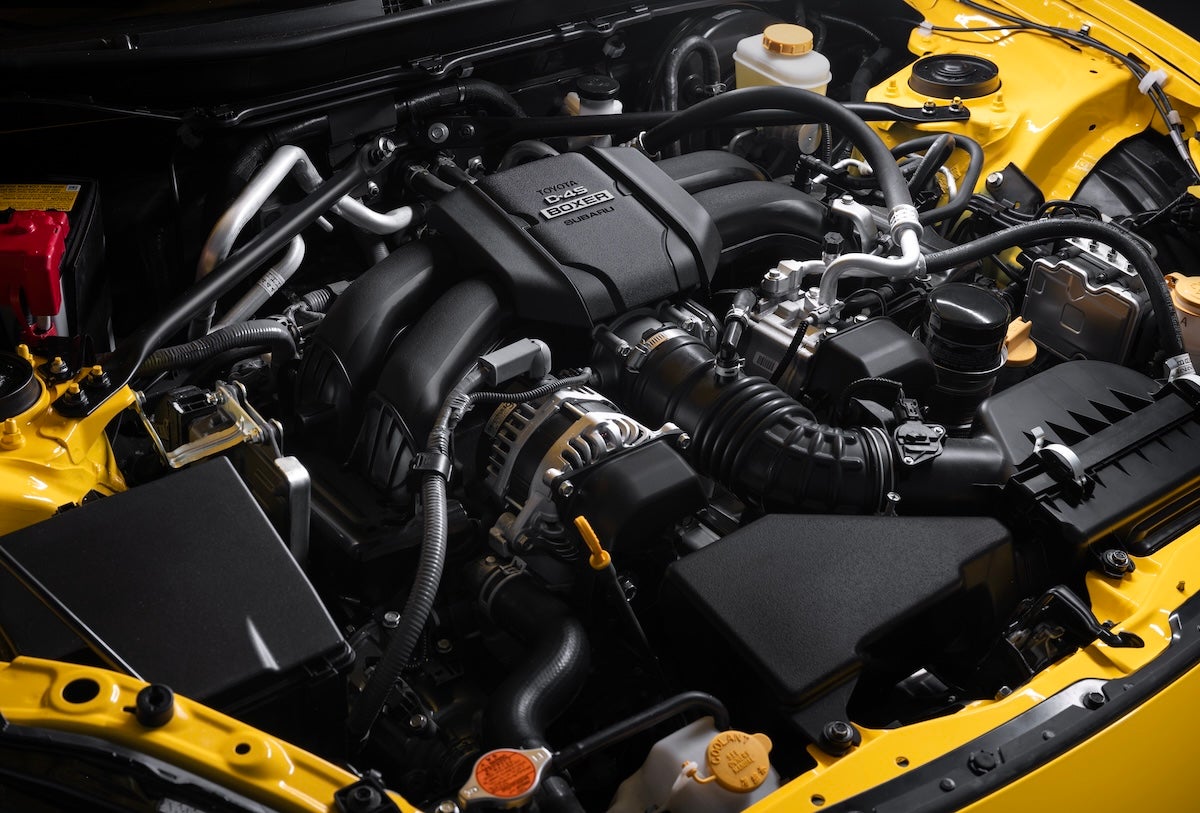
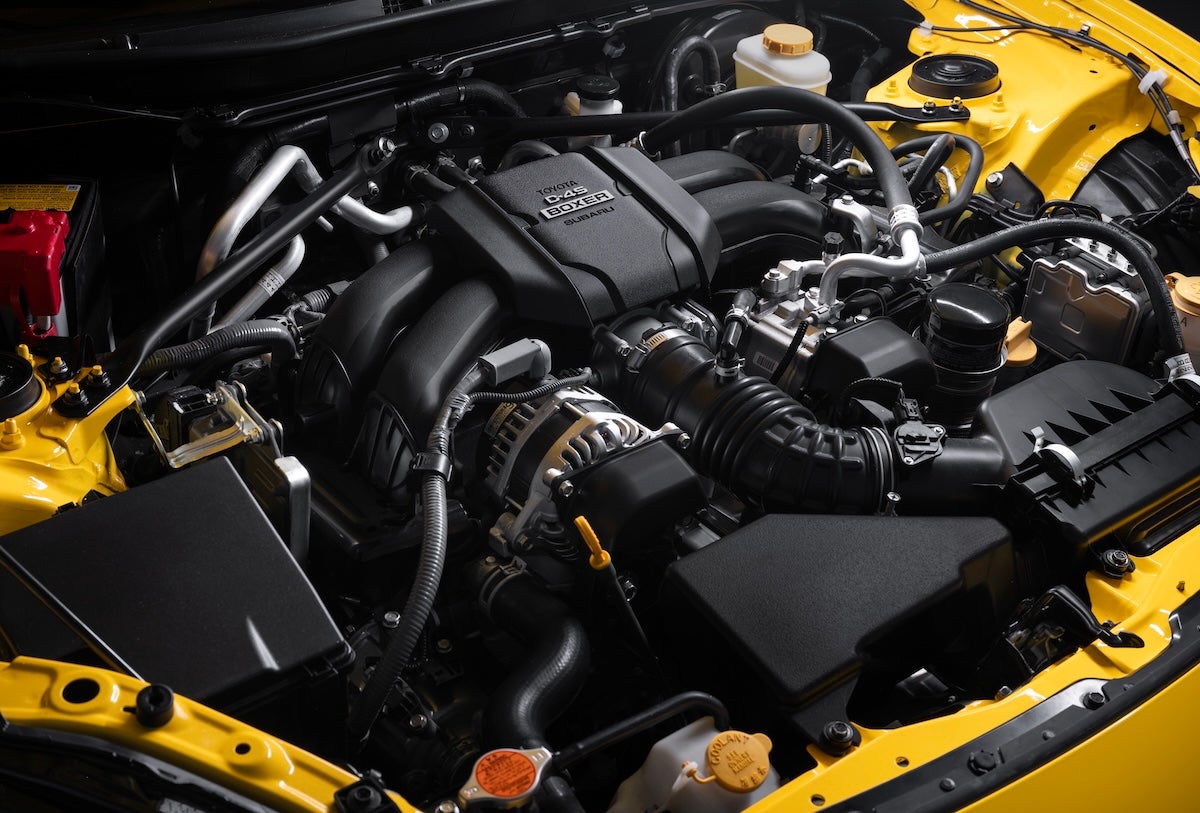
Updated July 2026 When you think about your car's engine, you probably picture it sitting under the hood in front of you. And for most cars on the road today, that's exactly where it is. But not every vehicle follows that design. Did you know engineers have experimented with different engine layout configurations for decades? It’s because where an engine is placed has a major impact on how your car accelerates, handles, brakes, and even how much interior space it has. Most of the Toyotas at our dealership use a front-engine design. However, understanding the different types of engine layout can help you appreciate why sports cars, trucks, SUVs, and commuter cars all feel different behind the wheel. Whether you're just curious or you’re shopping for your next ride, Toyota of Orlando is here to explain the three primary engine layouts and how they work. Executive Summary The three main engine layout designs are front-engine, mid-engine, and rear-engine. Front-engine vehicles are the most common because they provide a great balance of comfort, safety, practicality, and predictable handling. Mid-engine layouts are favored for high-performance sports cars thanks to their exceptional balance and cornering ability. Rear-engine layouts are uncommon today but offer strong acceleration and unique driving characteristics. Most Toyota vehicles feature a front-engine layout designed for everyday reliability and confidence on the road. What is an engine layout? An engine layout is where the engine is placed in a vehicle. Yes, every engine has the same job (powering your ride) but its location changes how the car’s weight is distributed. This affects different aspects of your daily driving, including: Steering feel Cornering ability Traction Braking performance Ride comfort Interior and cargo space Auto manufacturers have to be careful when they select an engine layout, and be sure that it matches the purpose of the car. For example, a family SUV has different priorities than a high-performance sports car. This is why you see different engine layouts depending on the car you’re looking at. Type #1: Front-engine layout A front-engine layout is the most common configuration out there today. In this setup, the engine sits under the hood of the car in front of the driver and front passenger. It’s easily accessed by just popping the hood. We have this setup on almost every car at Toyota of Orlando, including: Toyota Corolla Toyota Camry Toyota RAV4 Toyota Highlander Toyota Grand Highlander Toyota Prius Toyota Crown Toyota Tacoma Toyota Tundra Toyota Sequoia Why is the front-engine layout so popular? Why is the front-engine setup so popular? Here are just a few reasons. It offers excellent everyday handling. The engine sits over the front wheels, which means more predictable steering and stable handing in everyday driving conditions. It has more passenger and cargo space. The engine placement under the hood means the engineers can make the most of cabin space and cargo space, which means front-engine cars are great for families and commuters. It has lower production and repair costs. Front-engine cars are usually easier and cheaper to manufacture and service. Most auto service techs work on this layout everyday, so maintenance and repairs are straightforward and quick. It works with multiple drivetrains. A front-engine layout can be paired with: Front-wheel drive (FWD) Rear-wheel drive (RWD) All-wheel drive (AWD) Four-wheel drive (4WD) This means manufacturers like Toyota can build everything from sleek sedans to rugged off-road trucks to spacious SUVs with the same basic engine placement. Front-engine with rear-wheel drive: What to know It’s important to note that not every front-engine car sends the powers to the front wheels. Rides like the Toyota Supra and Toyota Tundra have a front-engine, rear-wheel drive setup. This means the engine sends power to the rear wheels, and you get incredible acceleration and a sportier driving experience. However, it’s worth noting that rear-wheel drive can require a little more driver skill in wet or slippery conditions. Type #2: Mid-engine layout A mid-engine layout means the engine is behind the driver and front passenger, but ahead of the rear axle of the car. This design isn’t super common today, but it was on one legendary Orlando Toyota: The Toyota MR2. This particular engine placement is used mostly in sports cars because it changes how the car behaves. Here are some highlights of a mid-engine placement: It has outstanding balance. Putting the engine in the center of the car creates superior weight distribution from front to back. This helps your Orlando Toyota stay balanced during: Hard acceleration Heavy braking Fast cornering Quick transitions It has sharper handling. Most of the weight is in the center, so mid-engine cars can respond more quickly to steering inputs. That’s one of the main reasons that exotic sports cars like Ferrari, McLaren, and others use this setup for their vehicles. However, there are some trade-offs to a mid-engine setup. It means limited interior space. The engine sits behind the front seats, so most mid-engine cars only seat two people. It means less cargo room. There’s not much storage to be had because the engine takes up a lot of the available space. It has less forgiving handling. Skilled drivers might love the responsiveness, but a mid-engine layout can be less predictable if you lose traction. Type #3: Rear-engine layout A rear-engine layout puts the engine behind the rear axle, where you’d usually find the trunk on an Orlando Toyota. This configuration is extremely rare now, but you will see the Porsche 911 still using a rear-engine design today. Advantages of a rear-engine layout There are some perks to a rear-engine setup (if you can find it), including: Strong acceleration. There’s more weight over the back wheels, so you get crazy traction during acceleration. A unique driving feel. A lot of driving enthusiasts like the distinct feel that comes with a rear-engine setup. Rear-engine cars aren’t without their issues, though, like: Oversteer. All of the weight is at the back of the car, which means this setup can cause a car to spin out if traction is lost. More challenging handling. Unskilled drivers won’t be able to handle a vehicle with this setup as well during emergency maneuvers. Limited packaging. Rear-engine setups also reduce your cargo space and make engineering more complicated. All in all, this setup isn’t practical for a daily driver… which is why so many manufacturers have shifted away from it. Which engine layout is best for your next Orlando Toyota? The answer depends on what you want your car’s purpose to be. Here’s the breakdown from our Toyota of Orlando sales team. Front-engine Best for: Daily commuting Families Road trips Fuel efficiency Practicality Easy maintenance Mid-engine Best for: Performance driving Track days Sports car enthusiasts Maximum cornering ability Rear-engine Best for: Enthusiast driving Unique driving dynamics High-performance sports cars For the basic daily driver, a front-engine layout is the best all-around choice. You get dependable handling, a lot of passenger and cargo space, and lower ownership costs. Why Toyota loves the front-engine layout Toyota has spent decades focusing on its reputation for reliability, comfort, safety, and value… and a front-engine layout hits all of those goals. No matter which Orlando Toyota you’re taking home, a front-engine design gives you the predictability you need in a daily driver. Learn more about Toyota engineering at Toyota of Orlando Whether you're interested in performance, fuel efficiency, towing capability, or just understanding how your ride works, our experts at Toyota of Orlando are here to help. We can explain the engineering behind your Toyota, answer your questions, and help you find the model that's right for your lifestyle. Stop by to explore the latest Toyota lineup or contact our team today to schedule a test drive. We’re open seven days a week and we’re just off I-4 near the Mall at Millenia! Frequently Asked Questions What is an engine layout? An engine layout refers to where the engine is positioned within a vehicle. The three primary layouts are front-engine, mid-engine, and rear-engine, and each affects handling, weight distribution, interior space, and overall driving characteristics. Why do most Toyota vehicles use a front-engine layout? Toyota primarily uses a front-engine layout because it provides excellent reliability, predictable handling, spacious interiors, easier maintenance, and versatility across sedans, SUVs, trucks, and hybrids. Is a mid-engine layout better than a front-engine layout? Not necessarily. A mid-engine layout offers superior balance and handling for high-performance driving, but it usually sacrifices interior space and practicality. For everyday driving, a front-engine layout is the better choice for most drivers.


Clermont Toyota sports car

The three different types of engine placements

Updated July 2026 When you think about your car's engine, you probably picture it sitting under the hood in front of you. And for most cars on the road today, that's exactly where it is. But not every vehicle follows that design. Did you know engineers have experimented with different engine layout configurations for decades? It’s because where an engine is placed has a major impact on how your car accelerates, handles, brakes, and even how much interior space it has. Most of the Toyotas at our dealership use a front-engine design. However, understanding the different types of engine layout can help you appreciate why sports cars, trucks, SUVs, and commuter cars all feel different behind the wheel. Whether you're just curious or you’re shopping for your next ride, Toyota of Orlando is here to explain the three primary engine layouts and how they work. Executive Summary The three main engine layout designs are front-engine, mid-engine, and rear-engine. Front-engine vehicles are the most common because they provide a great balance of comfort, safety, practicality, and predictable handling. Mid-engine layouts are favored for high-performance sports cars thanks to their exceptional balance and cornering ability. Rear-engine layouts are uncommon today but offer strong acceleration and unique driving characteristics. Most Toyota vehicles feature a front-engine layout designed for everyday reliability and confidence on the road. What is an engine layout? An engine layout is where the engine is placed in a vehicle. Yes, every engine has the same job (powering your ride) but its location changes how the car’s weight is distributed. This affects different aspects of your daily driving, including: Steering feel Cornering ability Traction Braking performance Ride comfort Interior and cargo space Auto manufacturers have to be careful when they select an engine layout, and be sure that it matches the purpose of the car. For example, a family SUV has different priorities than a high-performance sports car. This is why you see different engine layouts depending on the car you’re looking at. Type #1: Front-engine layout A front-engine layout is the most common configuration out there today. In this setup, the engine sits under the hood of the car in front of the driver and front passenger. It’s easily accessed by just popping the hood. We have this setup on almost every car at Toyota of Orlando, including: Toyota Corolla Toyota Camry Toyota RAV4 Toyota Highlander Toyota Grand Highlander Toyota Prius Toyota Crown Toyota Tacoma Toyota Tundra Toyota Sequoia Why is the front-engine layout so popular? Why is the front-engine setup so popular? Here are just a few reasons. It offers excellent everyday handling. The engine sits over the front wheels, which means more predictable steering and stable handing in everyday driving conditions. It has more passenger and cargo space. The engine placement under the hood means the engineers can make the most of cabin space and cargo space, which means front-engine cars are great for families and commuters. It has lower production and repair costs. Front-engine cars are usually easier and cheaper to manufacture and service. Most auto service techs work on this layout everyday, so maintenance and repairs are straightforward and quick. It works with multiple drivetrains. A front-engine layout can be paired with: Front-wheel drive (FWD) Rear-wheel drive (RWD) All-wheel drive (AWD) Four-wheel drive (4WD) This means manufacturers like Toyota can build everything from sleek sedans to rugged off-road trucks to spacious SUVs with the same basic engine placement. Front-engine with rear-wheel drive: What to know It’s important to note that not every front-engine car sends the powers to the front wheels. Rides like the Toyota Supra and Toyota Tundra have a front-engine, rear-wheel drive setup. This means the engine sends power to the rear wheels, and you get incredible acceleration and a sportier driving experience. However, it’s worth noting that rear-wheel drive can require a little more driver skill in wet or slippery conditions. Type #2: Mid-engine layout A mid-engine layout means the engine is behind the driver and front passenger, but ahead of the rear axle of the car. This design isn’t super common today, but it was on one legendary Orlando Toyota: The Toyota MR2. This particular engine placement is used mostly in sports cars because it changes how the car behaves. Here are some highlights of a mid-engine placement: It has outstanding balance. Putting the engine in the center of the car creates superior weight distribution from front to back. This helps your Orlando Toyota stay balanced during: Hard acceleration Heavy braking Fast cornering Quick transitions It has sharper handling. Most of the weight is in the center, so mid-engine cars can respond more quickly to steering inputs. That’s one of the main reasons that exotic sports cars like Ferrari, McLaren, and others use this setup for their vehicles. However, there are some trade-offs to a mid-engine setup. It means limited interior space. The engine sits behind the front seats, so most mid-engine cars only seat two people. It means less cargo room. There’s not much storage to be had because the engine takes up a lot of the available space. It has less forgiving handling. Skilled drivers might love the responsiveness, but a mid-engine layout can be less predictable if you lose traction. Type #3: Rear-engine layout A rear-engine layout puts the engine behind the rear axle, where you’d usually find the trunk on an Orlando Toyota. This configuration is extremely rare now, but you will see the Porsche 911 still using a rear-engine design today. Advantages of a rear-engine layout There are some perks to a rear-engine setup (if you can find it), including: Strong acceleration. There’s more weight over the back wheels, so you get crazy traction during acceleration. A unique driving feel. A lot of driving enthusiasts like the distinct feel that comes with a rear-engine setup. Rear-engine cars aren’t without their issues, though, like: Oversteer. All of the weight is at the back of the car, which means this setup can cause a car to spin out if traction is lost. More challenging handling. Unskilled drivers won’t be able to handle a vehicle with this setup as well during emergency maneuvers. Limited packaging. Rear-engine setups also reduce your cargo space and make engineering more complicated. All in all, this setup isn’t practical for a daily driver… which is why so many manufacturers have shifted away from it. Which engine layout is best for your next Orlando Toyota? The answer depends on what you want your car’s purpose to be. Here’s the breakdown from our Toyota of Orlando sales team. Front-engine Best for: Daily commuting Families Road trips Fuel efficiency Practicality Easy maintenance Mid-engine Best for: Performance driving Track days Sports car enthusiasts Maximum cornering ability Rear-engine Best for: Enthusiast driving Unique driving dynamics High-performance sports cars For the basic daily driver, a front-engine layout is the best all-around choice. You get dependable handling, a lot of passenger and cargo space, and lower ownership costs. Why Toyota loves the front-engine layout Toyota has spent decades focusing on its reputation for reliability, comfort, safety, and value… and a front-engine layout hits all of those goals. No matter which Orlando Toyota you’re taking home, a front-engine design gives you the predictability you need in a daily driver. Learn more about Toyota engineering at Toyota of Orlando Whether you're interested in performance, fuel efficiency, towing capability, or just understanding how your ride works, our experts at Toyota of Orlando are here to help. We can explain the engineering behind your Toyota, answer your questions, and help you find the model that's right for your lifestyle. Stop by to explore the latest Toyota lineup or contact our team today to schedule a test drive. We’re open seven days a week and we’re just off I-4 near the Mall at Millenia! Frequently Asked Questions What is an engine layout? An engine layout refers to where the engine is positioned within a vehicle. The three primary layouts are front-engine, mid-engine, and rear-engine, and each affects handling, weight distribution, interior space, and overall driving characteristics. Why do most Toyota vehicles use a front-engine layout? Toyota primarily uses a front-engine layout because it provides excellent reliability, predictable handling, spacious interiors, easier maintenance, and versatility across sedans, SUVs, trucks, and hybrids. Is a mid-engine layout better than a front-engine layout? Not necessarily. A mid-engine layout offers superior balance and handling for high-performance driving, but it usually sacrifices interior space and practicality. For everyday driving, a front-engine layout is the better choice for most drivers.

car maintenance tips

5 things to know about your parking brake

Do you routinely use your car parking brake? This small but essential part plays an important role in your car's day-to-day life and Toyota of Orlando is here to tell you how and why. Here are 5 things you should know about your parking brake before you hit the road so you can safely and effectively put it to work when you get behind the wheel. What you should know about your car parking brake #1: Your car parking brake can be a pedal OR a hand brake, depending on your car's make and model. Be sure to locate and test it during your test drive. If it's a hand brake, it'll be located in between the driver and passenger seats, near your gear shifter. You operate it by pulling it up until it locks into place, and you release it by pushing the button on the end and pushing it back down. If it's a foot brake, it'll be on the driver's side near the accelerator and brakes. You operate it by pushing it down until it sticks, and you release it by pushing down on the pedal and then letting go to release the brake. #2: You should NEVER drive with the parking brake engaged. If you try it, you'll immediately notice the resistance and remember to turn it off. However, don't try to drive with it engaged for any reason - it can cause major issues with your braking system. It can wear down your brake pads quickly AND cause temperatures to rise quickly, resulting in you wearing down the linings in your brakes. #3: It needs to be maintained. You won't have to do much for it - really, you can just ask our Orlando auto service techs to check it when you bring your car in for service - but it is necessary to have it routinely checked and cared for, especially if you use it a lot OR if your car has been sitting idle for a while. #4: You should engage your parking brake BEFORE you put your car in park. Many drivers put their vehicle in park and then engage the parking brake, but this actually causes the car to rock back slightly, putting weight on the transmission. Instead, once you're in your parking spot you should keep your right foot on the brake pedal (and leave your car running) and engage the parking brake, and THEN shift the car into park. #5: Your car parking brake will need to be adjusted. Just like you need your car brakes serviced (replacing brake lines, resurfacing rotors, etc.) you'll need to ensure that your car parking brake routinely serviced to replace bad lines or get rid of any corrosion that accumulates. Service this important part at Toyota of Orlando today Have more questions? Want to schedule car parking brake service at Toyota of Orlando? We've got you covered. Call Toyota of Orlando's service center seven days a week at (407) 298-0001. You can also visit us at 3575 Vineland Road, just off I-4 across from the Millenia Mall.

Contact Us

Fill out this form below and we'll contact you shortly
*Required Fields