

Blog

All Toyota of Orlando's Tips Toyota of Orlando News New Toyota Toyota Service Orlando Toyota Service Used Cars Toyota of Orlando Service Toyota of Orlando Body Shop
Toyota of Orlando tips

How much mileage is too much mileage?

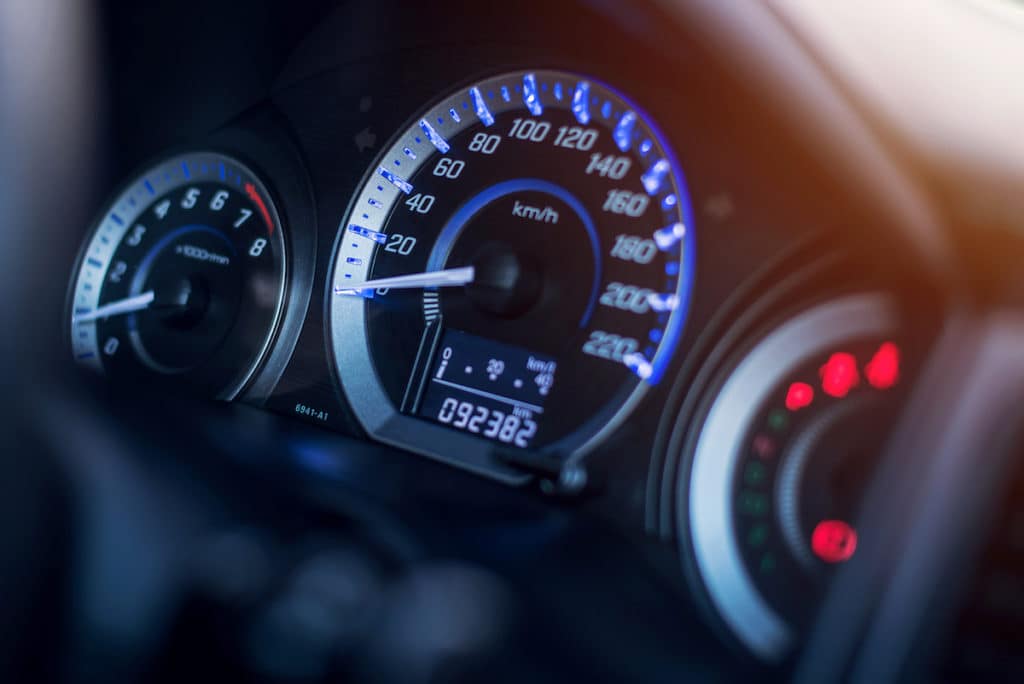
Do you know how many miles you drive in a day? How about in a year? What about used cars - is there a magic number where the mileage suddenly becomes too high for the car to become a good investment? Mileage is a big part of both buying and owning a car, new or used, and it's important to consider it when you're shopping and planning your commute. Toyota of Orlando is here to help; today we're talking how many miles are TOO many. <span data-mce-type="bookmark" style="display: inline-block; width: 0px; overflow: hidden; line-height: 0;" class="mce_SELRES_start"></span> Are you driving your car too much and kicking up the mileage? When it comes to annual driving, 15,000 miles a year is usually the industry standard. However, we know that number will vary from driver to driver - some drivers will be well under while others will be well over. Whatever mileage you're racking up on a yearly basis, you need to keep your car on a routine car care schedule. Even if you're hitting high mileage, regular car maintenance will keep your Orlando Toyota in good shape and keep its performance reliable. Make sure you schedule regular oil changes, tire rotations, brake service, battery service, and tune-ups as needed. What's the mileage limit for buying a used car? When it comes to shopping, how much mileage is too high for you to buy a used car? Here's where it can get a bit tricky because not all mileage is the same. Here's the breakdown: After 100,000 miles, cars tend to need a little bit more TLC in terms of maintenance and repairs. This shouldn't be a deal-breaker, but you should factor it into your car ownership costs to ensure that you're ready to handle the responsibility. Highway miles tend to do less damage on a car, believe it or not. It's because the car is moving at a constant speed during its travels and not stopping and starting for the duration of the drive. If the car is higher mileage but has mostly highway miles on it, it's still a good investment. Different makes retain value differently. Not to toot our own horn (OK we're tooting, we admit it), but some cars just last longer than others. Toyotas are renowned throughout the automotive industry for having major durability and reliability and lasting FOREVER. Seriously - did you see our Instagram post about the million mile Tundra? Its odometer literally hit one million miles and it was STILL RUNNING. You may not want to drive your car for a million miles, but it's nice to know it's got the longevity. Car care counts. Let's say you have two cars. One has 100,000 miles on it, but it's had one or two owners and has consistent service records to prove it's been cared for. The other only has 60,000 miles, but it's had numerous owners and spotty car maintenance. Honestly, the 100,000 mile car may be a better investment because it's been well cared for. Why not come see for yourself? You can shop ALL of our Orlando used cars and check out their mileage online or in person. Visit Toyota of Orlando today at 3575 Vineland Road, just off I-4 across from the Millenia Mall, or call us to schedule a test drive at (407) 298-4500
Toyota of Orlando tips

How much mileage is too much mileage?

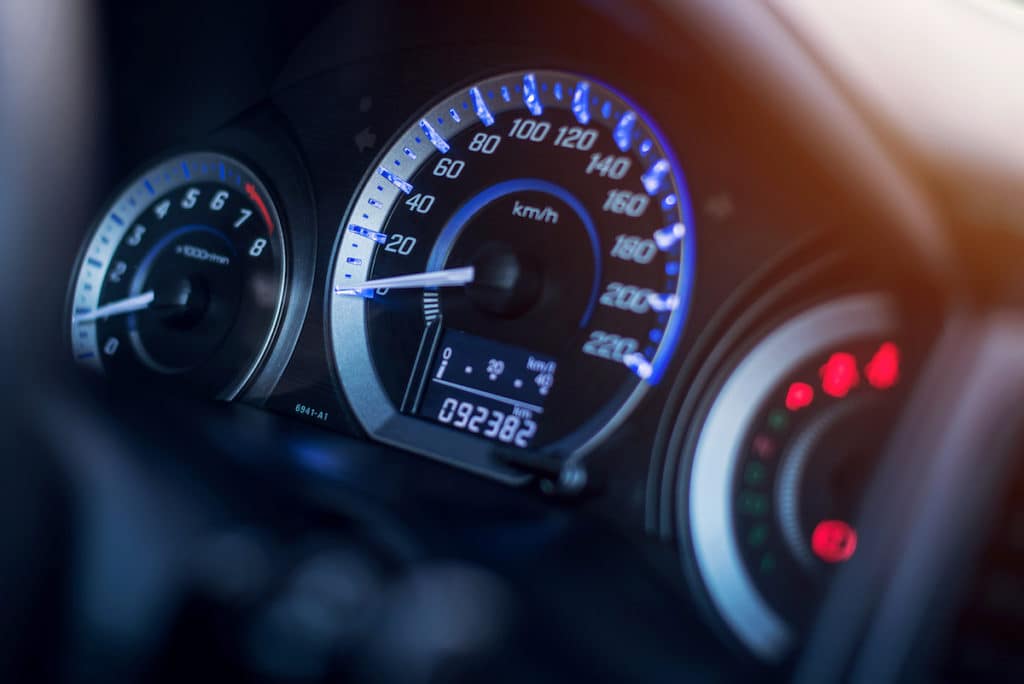
Do you know how many miles you drive in a day? How about in a year? What about used cars - is there a magic number where the mileage suddenly becomes too high for the car to become a good investment? Mileage is a big part of both buying and owning a car, new or used, and it's important to consider it when you're shopping and planning your commute. Toyota of Orlando is here to help; today we're talking how many miles are TOO many. <span data-mce-type="bookmark" class="mce_SELRES_start"></span> Are you driving your car too much and kicking up the mileage? When it comes to annual driving, 15,000 miles a year is usually the industry standard. However, we know that number will vary from driver to driver - some drivers will be well under while others will be well over. Whatever mileage you're racking up on a yearly basis, you need to keep your car on a routine car care schedule. Even if you're hitting high mileage, regular car maintenance will keep your Orlando Toyota in good shape and keep its performance reliable. Make sure you schedule regular oil changes, tire rotations, brake service, battery service, and tune-ups as needed. What's the mileage limit for buying a used car? When it comes to shopping, how much mileage is too high for you to buy a used car? Here's where it can get a bit tricky because not all mileage is the same. Here's the breakdown: After 100,000 miles, cars tend to need a little bit more TLC in terms of maintenance and repairs. This shouldn't be a deal-breaker, but you should factor it into your car ownership costs to ensure that you're ready to handle the responsibility. Highway miles tend to do less damage on a car, believe it or not. It's because the car is moving at a constant speed during its travels and not stopping and starting for the duration of the drive. If the car is higher mileage but has mostly highway miles on it, it's still a good investment. Different makes retain value differently. Not to toot our own horn (OK we're tooting, we admit it), but some cars just last longer than others. Toyotas are renowned throughout the automotive industry for having major durability and reliability and lasting FOREVER. Seriously - did you see our Instagram post about the million mile Tundra? Its odometer literally hit one million miles and it was STILL RUNNING. You may not want to drive your car for a million miles, but it's nice to know it's got the longevity. Car care counts. Let's say you have two cars. One has 100,000 miles on it, but it's had one or two owners and has consistent service records to prove it's been cared for. The other only has 60,000 miles, but it's had numerous owners and spotty car maintenance. Honestly, the 100,000 mile car may be a better investment because it's been well cared for. Why not come see for yourself? You can shop ALL of our Orlando used cars and check out their mileage online or in person. Visit Toyota of Orlando today at 3575 Vineland Road, just off I-4 across from the Millenia Mall, or call us to schedule a test drive at (407) 298-4500
Toyota of Orlando trucks

The 2022 Toyota Tundra: What you should know

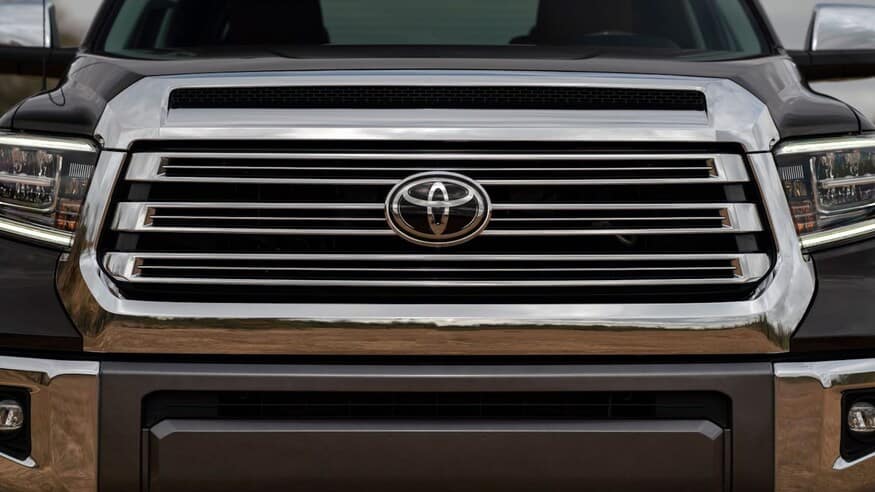
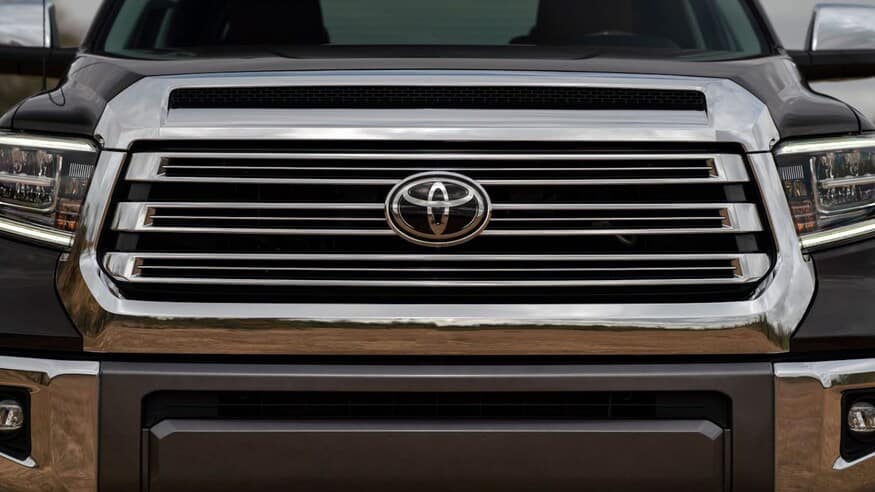
When you actually take a look back at the last time the Orlando Toyota Tundra was completely redesigned, you may be surprised - this popular truck has been a much-loved option for a long time, but it hasn't seen a complete overhaul since 2008. That's 12 years and while things have been updated and improved since then, the Toyota Tundra is still... well, the same. What will the 2022 Toyota Tundra feature? However, that's about to change. In 2022 this Orlando Toyota truck will be getting a full makeover from top to bottom, inside and out, bumper to bumper and Toyota of Orlando is here with the scoop on what you can expect when it arrives. Here are the highlights. The 2022 Toyota Tundra will no longer feature a V8 engine option... like, at all. From now on, this best-selling truck will be sporting a V6 engine. Higher-end models will likely offer a 3.4L option that gets 416 horsepower, while lower models will most likely offer a 3.5L that gets 278 horsepower. It's rumored that both will offer much-improved horsepower. We may even see a hybrid option up for grabs in the 2022 model year as other makes make their way into the electric segment alongside it and Toyota continued to expand its hybrid lineup. A new chassis is in play - the new Toyota Tundra will showcase body-on-frame construction with new high-strength steel that also lowers the overall weight of the truck. The chassis will reflect the TNGA-F design (Toyota New Global Architecture-F) which was recently introduced to the make. Gone are the leaf springs once found in the rear - the remodeled version of this Orlando Toyota truck will have coil springs as well as a live rear axle. We expect that due to the new design and chassic, the new elements, and the new engine, this popular truck will see big improvements in terms of towing, hauling, and performance in general (right now it maxes out at hauling 1,730 lbs and towing 10,200 lbs). The newest Entune infotainment system will be inside the cab, featuring a massive 12" touchscreen interface and a head-up display option. This new Toyota truck will also boast a full Safety Sense suite with the latest and greatest safety technology, including automatic lane centering, advanced radar cruise control, and more. The interior and exterior of this much-loved Toyota truck will boast a complete redesign, including a larger grille and taller hood, as well as an evolution reflecting the current design trends of this decade. When will it arrive? We expect to see this remodeled Toyota Tundra until mid-to-end 2021 and we haven't gotten details just yet about price, trim-levels available, or additional features and accessories. But we'll be sure to keep you posted! Call us with questions about this Orlando Toyota today Have questions or want to check out our current lineup of Toyota trucks? Call Toyota of Orlando today at (407) 298-4500 or stop by and see us at 3575 Vineland Road, just off I-4 across from the Millenia Mall.

Why do we never see Toyota convertibles anymore?

If you really sit and think about it, when was the last time you saw a Toyota convertible out on the road? The answer is probably not for a while - not a new one, at least. And in all actuality, you probably haven't seen many of them at all, new OR used. Why, though? Toyota convertibles and convertibles in general used to be exceptionally popular drive time solutions here at Toyota of Orlando and across the market, but the desire for this submodel has died off. We're here to examine why. What happened to Toyota convertibles? Back in the 1990s and 2000s, Toyota convertibles were a hot commodity on the market. The Orlando Toyota Solara was a fun and sporty way to hit the road in style and get your daily dose of fresh air and vitamin C. And it wasn't just Toyota convertibles that were on the must-have list - convertibles of all makes and models were popular drive time solutions. The Mazda Miata was released in 1989 and sold over a million units, making it the most popular convertible ever sold. So what happened? Why did convertibles fall off the map, including the Toyota Solara convertible? Here's what we think at Toyota of Orlando. They were not that safe. When you think about it, convertibles from that time period, in general, were not very safe vehicles. Their roofs were usually soft top or retractable tops that left you and your passengers vulnerable if you got into an accident or worse, rolled over. Additionally, because they didn't have a roof, this type of Orlando Toyota also had compromised structural integrity. This made them even more dangerous to pilot on the open road. If Toyota were to introduce a new convertible model onto the market today, we have a feeling they'd go back to the drawing board to redesign it for majorly improved safety and structural integrity. They're not very fuel-efficient. Let's talk aerodynamics really quickly. Take cars like the Orlando Toyota Prius for example - this sleek hybrid was designed in a shape that would allow air to easily flow over it. This means it can move through the air at a constant speed without having to use more power (or fuel) to maintain that speed because of wind resistance. Toyota convertibles, on the other hand, are anything but aerodynamic. As you drive them, they get pockets of trapped air that create drag and in turn, lower your fuel efficiency. Additionally, convertibles are heavy cars - this is intentional to counterbalance the lack of a roof. This extra weight in the design lowers your fuel efficiency even further. Will we see an Orlando Toyota convertible in the future? Like we said, we don't foresee this type of submodel coming back to the market anytime soon at Toyota of Orlando. But that doesn't mean we don't have tons of fun and sporty options for you to hit the road in - come shop our wide selection of new AND used cars today! We're open seven days a week at 3575 Vineland Road, just off I-4 near the Millenia Mall. Call us to schedule your test drive at (407) 298-4500.

Toyota of Orlando tips

Your car transmission: What you should know

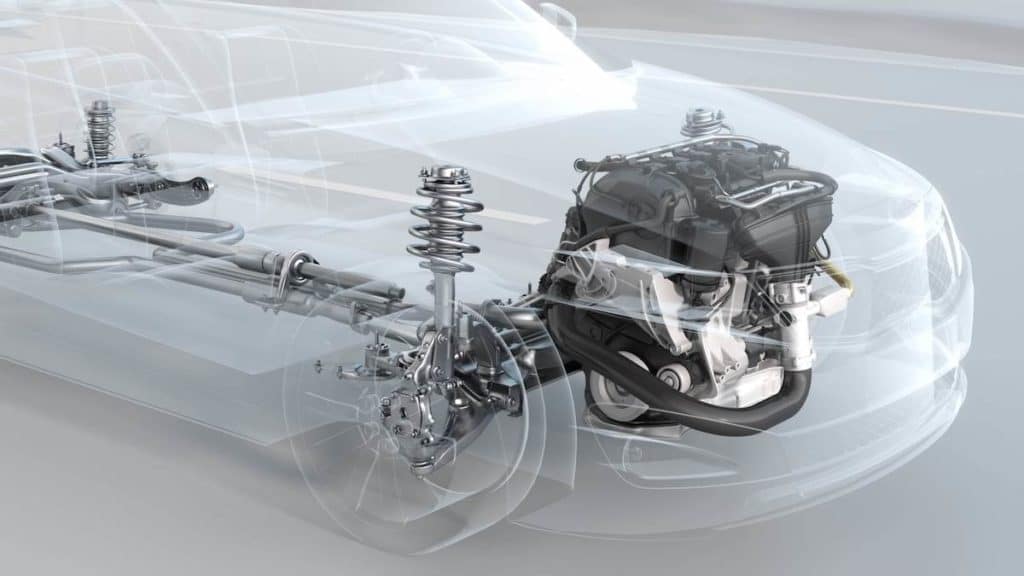
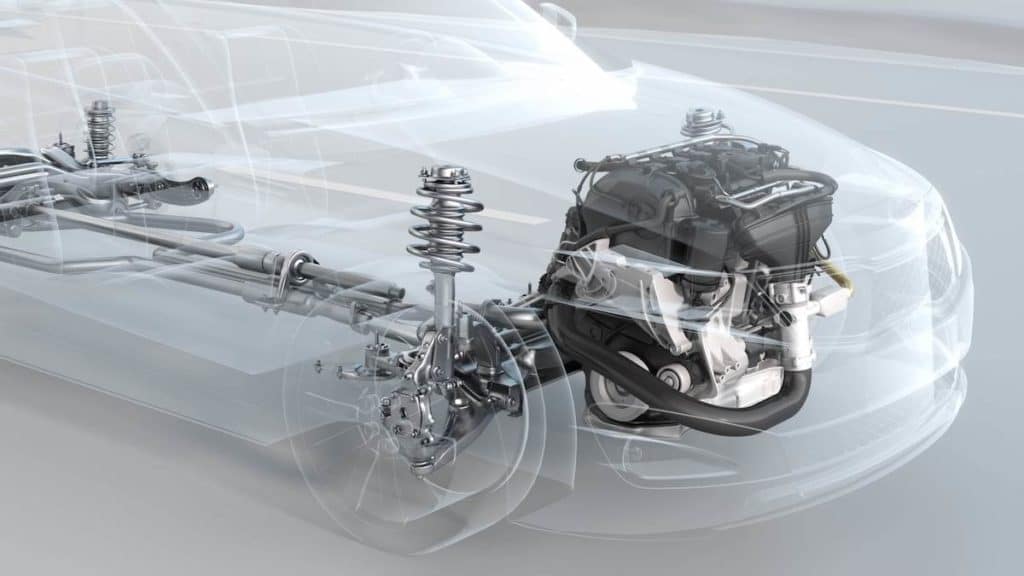
When you hit the road, a lot of moving parts make it happen. Your car's engine and the inner workings are more complicated than you might think and it's good to have a basic understanding of how it all comes together so you can better prepare for and comprehend your auto repair and maintenance needs. Today we're talking about your car's transmission and giving you the basics on what it does so you can understand why it's important to performance. Your car transmission, explained Did you know there are two main types of car transmissions? Here's the breakdown. Manual transmissions are the OG - back in the day, most cars had this type of transmission. In this configuration, shifting is done manually by the driver with a clutch and a shifter. The driver has to move up and down between gears as the vehicle accelerates and slows, which means you have to be paying close attention while you're behind the wheel. Automatic transmissions are newer and nowadays, the more common of the two types. Shifting is done automatically by your Orlando Toyota, requiring no shifting from you as the driver. This type of transmission usually allows for smoother shifting but at the same time, decreases fuel efficiency a bit due to a slight lag in gear shifting. What types of automatic transmissions are there? To break it down even further, there are actually 4 different types of automatic transmissions. Here are the basics: Continuously Variable Transmission (CVT): This type of transmission is one you'll find used a lot in our Orlando Toyotas. It sounds odd, but this one actually doesn't shift. CVTs use pulleys instead of gears to make your transition between speeds and RPMs as smooth as possible. They don't have the typical shifting "feel" of other vehicles, but they can be louder and usually can't produce a ton of power for your performance. Conventional automatic: This type of transmission uses a torque converter and electronically-controlled clutch pack to do all the shifting for you - all you have to do as a driver is accelerate with the gas pedal and hit the brakes to slow. Automated Manual: This type of transmission is a mix of automatic and manual. It doesn't use a manual clutch, instead using a computer-automated clutch. If you buy an Orlando Toyota with this type of car transmission, you'll usually find that it comes with paddle shifters or a manual sport mode. Dual-clutch automated manual: This is a particularly unique type of car transmission and you won't find it on too many vehicles. It uses two different gear shafts with one numbered for odd gears and one numbered for even gears, all in all numbering 1-7. Your car's computer pre-selects the gears and automatically shifts, disengaging the first gear to move to the next and taking care of all of the shifting for you as the car speeds up and slows. Have questions about your car transmission? Give us a call - Toyota of Orlando's auto service center is open seven days a week at (407) 298-0001!

new Toyota for families

The best new Toyotas for families

Are you shopping for a new Toyota with your family in mind? Whether you have a large family or just one child, it's essential that you find the perfect new car with the right family elements for your drivetime needs. Driving with kids in the car is a whole different ballgame and our Orlando Toyota dealership wants to ensure that you have the right vehicle and right features to make things as easy, convenient, and stress-free as possible. That's why we've compiled this quick guide to what we think the best family cars have - check it out. The best new Toyotas for families Let's start with a quick breakdown of the new Toyotas on our lot that we think are BEST for families. Toyota Highlander/Toyota Highlander Hybrid: This spacious SUV has seating for up to 8 and has the best of the best when it comes to convenience and safety technology. Toyota Sienna: This Orlando Toyota minivan offers dual sliding doors and a versatile interior that seats up to 8. Toyota 4Runner: This Toyota SUV is spacious inside, offers optional third-row seating, and is also up for anything on or off the road. Toyota RAV4/Toyota RAV4 Hybrid: This Orlando Toyota is compact and fuel-efficient but still spacious enough for a small family and their gear. Toyota Sequoia: If you want luxury for your family, the Toyota Sequoia is a safe and spacious way to go about getting it. And the upcoming 2021 Toyota Venza, which is a hybrid crossover that should arrive at our dealership anytime. Which features best suit your family's needs? Now let's talk about which features, in particular, make new Toyotas family-friendly so you know what to add to your must-have list when you start shopping. A spacious interior (some of our options seat up to 8) that's also versatile - we're talking fold-flat and removable seats, captain's chairs, etc. A large cargo area for all of your family's belongings, and features like tie-down hooks and tonneau covers don't hurt, either The BEST safety technology, including features like Toyota Safety Sense, the Star Safety System, Advanced Airbag Systems, and technology like Rear Cross-Traffic Alert, a blind spot monitor, a backup camera, and Safety Connect Services Convenience technology like power liftgates, dual sliding power doors, automatic climate control with different zones, HomeLink, second-row sunshades, Driver Easy Speak, and multiple USB ports for easy charging Entertainment technology like a Blu-Ray player system with wireless headphones, a JBL sound system, Sirius XM Satellite radio, Bluetooth streaming for music, AppleCar Play, and Android Auto Connectivity technology like hands-free calls, voice recognition, the Head-Up display, steering wheel controls, and a large multi-information display Plus features like easy-clean fabric, seatbelt alerts, power windows with jam protection, Qi-wireless charging for your devices, and heated power front seats. Ready to start shopping for your family's new Toyota? Get started today - call Toyota of Orlando! We're open seven days a week at (407) 298-4500 and you can stop by and view all of our new AND used inventory at 3575 Vineland Road, just off I-4 across from the Millenia Mall.

Toyota of Orlando tips

Practice safe driving around school buses

Back to school is just around the corner and while things definitely aren't typical, there are still some students heading back to campus. This means traffic may be a bit heavier during your daily commute and school buses will be out and about once more. Now is the perfect time to brush up on your safe driving skills for back to school driving, specifically for when it comes to school buses. Do you know which safe driving habits to use around school buses? There are specific laws you have to follow when you're driving around a school bus, even when you're not inside of a school zone. Plus, there are certain safe driving practices that you'll want to put into play to ensure your safety and the safety of those around you. Toyota of Orlando has all the tips you need - read on! Tip #1: Don't follow a school bus too closely. You want to ensure you have plenty of space to bring your car to a stop since school buses make frequent stops to pick up and unload passengers. You should follow the two-second rule - once the bus passes a landmark (like a street sign or tree) you should pass it no sooner than two seconds later. Additionally, when the bus stops you should leave about 10 feet of space in between the front of your car and the back of the bus. That way kids have space to pass between if they need to. Tip #2: Be ready to stop. School buses make frequent stops so you should keep your eyes on the road and be ready to come to a stop at a moment's notice. This means doing away with all distractions and focusing on safe driving and your surroundings. Tip #3: Stay out of their blind spot. Stay out of the driver's blind spot - buses are big and in turn, have big blind spots. If you can't see their mirrors, they can't see you and you should wait to pass. Always pass on the left and never try to pass when the yellow lights are flashing, indicating a stop. Tip #4: Know when you have to stop for the bus. Did you know it's against the law to pass the school bus when it's stopped? If you see the lights flashing, it's about to stop and you should also bring your Orlando Toyota to a stop even if you're not in the same lane as the bus. The only time you don't have to stop is if you're driving in the opposite direction and there's a double line in the middle of the road. If you're driving in the opposite direction and there's a raised barrier OR a paved median at least 5 feet wide in the middle of the road, you still have to stop when the bus stops. Tip #5: Never pass on the right. You shouldn't pass on the right - this is where passengers load and unload. Always pass the bus on the left. Toyota of Orlando has all the safe driving tips you need for back to school Want more safe driving tips for back to school? Call Toyota of Orlando today at (407) 298-4500!

Contact Us

Fill out this form below and we'll contact you shortly
*Required Fields