


Here at Toyota of Orlando, we're all about innovation. We love it when Toyota announces a new model or even a new concept because we know even if it doesn't necessarily make it to our dealership, it'll influence the vehicles in upcoming generations in a big way. However, sometimes the models and concepts released by Toyota can be a little... weird, to put it bluntly. Today we're talking five of the weirdest models and concepts we've seen in the past few decades - check it out. 5 of the weirdest Toyota models ever debuted Toyota Mega Cruiser: The Toyota Mega Cruiser - believe it or not - actually made it into production and was on the market from 1996 to 2002 in Japan only. It was designed to mirror the (once) popular Hummer vehicles and ended up being used primarily by the military in Japan as a transport vehicle, as well as by police, firefighters, and other first responders. This Toyota model was a 4-door SUV with a 4.1L turbo diesel inline-4 engine and an automatic transmission with a two-speed transfer case that sent power to all four wheels. It was also huge and weird and while well-suited for military purposes, looked seriously off on suburban streets. Toyota Tundrasine: This one is as weird as it gets. Back in 2015, Toyota thought - for whatever reason - that it would be a cool idea to introduce a new Toyota Tundra concept model at SEMA known as the Tundrasine. (We're cringing.) It's a mix of a 1794 Edition Toyota Tundra truck and a limousine (cringing even harder), was 26 feet long, and offered eight doors that led to an interior inspired by Lear jets - it was bedecked in brown leather and luxury features. And it still had a bed for cargo. Weird. Toyota Previa: The Toyota Previa was another Toyota model that made it to production; this minivan was actually a popular option back in the 1990's. It was produced in America from 1990-1997 and was then discontinued, but continued to be produced on a worldwide basis until 2019 (why? We don't know.). This minivan was actually a mid-engine model and important components could only be accessed by basically disassembling the interior. The first gen was also available in manual transmission, which is pretty odd for a minivan. Toyota Sera: When we think of this three-door hatchback coupe, we think of Back to the Future. Why? The doors say it all - instead of opening out like a normal Toyota model, they actually open up a la Delorian. It was manufactured from 1990-1995 and sold exclusively in Japan, and offered features like three models, a 1.5L inline-4 engine, automatic and manual transmissions, and oddly enough, a pretty spacious trunk area under the hatchback door. Toyota FC-V: The Toyota FC-V Plus was a concept car developed and debuted in 2015 and its vibe is extremely futuristic. It's a fuel cell vehicle that also produced its own electricity that you could tap into. Other than that... well, just look at it. Find a normal Toyota today at Toyota of Orlando Ready to get your hands on a more normal new Toyota model? Call us today - Toyota of Orlando is open seven days a week at (407) 298-4500.
5 of the weirdest Toyotas ever dreamed up
Here at Toyota of Orlando, we're all about innovation. We love it when Toyota announces a new model or even a new concept because we know even if it doesn't necessarily make it to our dealership, it'll influence the vehicles in upcoming generations in a big way. However, sometimes the models and concepts released by Toyota can be a little... weird, to put it bluntly. Today we're talking five of the weirdest models and concepts we've seen in the past few decades - check it out. 5 of the weirdest Toyota models ever debuted Toyota Mega Cruiser: The Toyota Mega Cruiser - believe it or not - actually made it into production and was on the market from 1996 to 2002 in Japan only. It was designed to mirror the (once) popular Hummer vehicles and ended up being used primarily by the military in Japan as a transport vehicle, as well as by police, firefighters, and other first responders. This Toyota model was a 4-door SUV with a 4.1L turbo diesel inline-4 engine and an automatic transmission with a two-speed transfer case that sent power to all four wheels. It was also huge and weird and while well-suited for military purposes, looked seriously off on suburban streets. Toyota Tundrasine: This one is as weird as it gets. Back in 2015, Toyota thought - for whatever reason - that it would be a cool idea to introduce a new Toyota Tundra concept model at SEMA known as the Tundrasine. (We're cringing.) It's a mix of a 1794 Edition Toyota Tundra truck and a limousine (cringing even harder), was 26 feet long, and offered eight doors that led to an interior inspired by Lear jets - it was bedecked in brown leather and luxury features. And it still had a bed for cargo. Weird. Toyota Previa: The Toyota Previa was another Toyota model that made it to production; this minivan was actually a popular option back in the 1990's. It was produced in America from 1990-1997 and was then discontinued, but continued to be produced on a worldwide basis until 2019 (why? We don't know.). This minivan was actually a mid-engine model and important components could only be accessed by basically disassembling the interior. The first gen was also available in manual transmission, which is pretty odd for a minivan. Toyota Sera: When we think of this three-door hatchback coupe, we think of Back to the Future. Why? The doors say it all - instead of opening out like a normal Toyota model, they actually open up a la Delorian. It was manufactured from 1990-1995 and sold exclusively in Japan, and offered features like three models, a 1.5L inline-4 engine, automatic and manual transmissions, and oddly enough, a pretty spacious trunk area under the hatchback door. Toyota FC-V: The Toyota FC-V Plus was a concept car developed and debuted in 2015 and its vibe is extremely futuristic. It's a fuel cell vehicle that also produced its own electricity that you could tap into. Other than that... well, just look at it. Find a normal Toyota today at Toyota of Orlando Ready to get your hands on a more normal new Toyota model? Call us today - Toyota of Orlando is open seven days a week at (407) 298-4500.
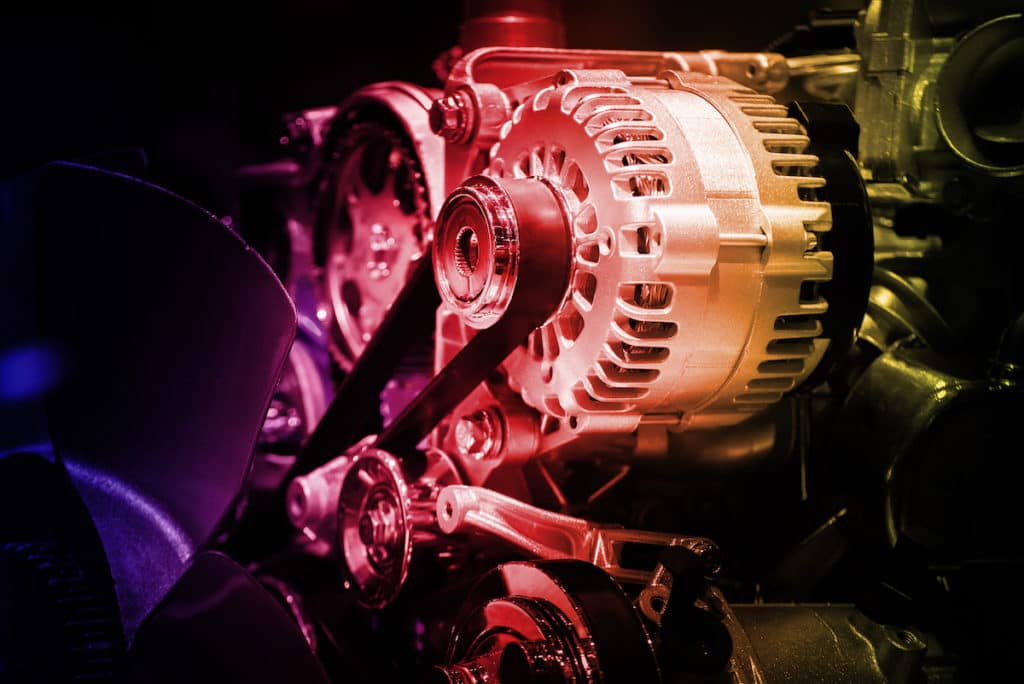
Gasoline and diesel engines, explained
If you're in the market for a new truck, you've probably encountered the decision of a gasoline or diesel engine. It can be confusing to decide which is better for your drivetime needs, so our Orlando Toyota dealership is here to break down the main differences and explain both gasoline and diesel engines for you so you can make an educated decision when it comes time to sign the dotted line. Check it out! Gasoline engines vs diesel engines First, let's talk about how things work under the hood. Gasoline engines use spark plugs to create a spark and start an internal combustion process that ignites the fuel to get your car up and running. Diesel engines, on the other hand, use extreme compression to generate enough heat to cause the necessary spark for combustion - these types of engines actually don't even have spark plugs. Diesel engines also have fewer parts in them, which means they're usually a bit more reliable and don't require as many repairs as a gasoline engine, which has a lot of moving parts in it to keep things running. Diesel engines have the capacity to be a bit more fuel-efficient than gasoline engines because of their higher compression rates and different parts. This is good because diesel fuel tends to be more expensive than regular gasoline, and you'll only have one grade to choose from (where if you're pumping gasoline, you'll typically find 3-4 grades to choose from that vary in price). So you may pay a bit more for diesel, but the engine uses it more efficiently than you're used to. If you're worried about how green your drive time won't be when you drive a diesel truck, don't. True, these trucks were traditionally seen as loud and bad for the environment because of all of the emissions they released. However, as technology keeps evolving, they get cleaner and quieter with every passing iteration. They're also a lot lighter in weight than they used to be, which means even better fuel efficiency. You'll also have access to more power when you drive a diesel vehicle. These engines can generate more horsepower and torque than traditional gasoline engines, and they don't have to be huge to do so because of their high compression rates. Which of these engine options is better for you? So how do you decide between the two? Here are some pointers to help guide your decision. If fuel costs concern you, diesel engines may cost a bit more to fill (as diesel fuel can be more expensive) but they're extremely efficient and in the long run, will likely cost less to run. If repair and maintenance costs are a concern, remember that diesel engines tend to be a bit more durable because they have fewer parts that need care. Diesel vehicles are especially efficient on the highway, so if you put a lot of highway miles on your ride this may be the way to go. Gasoline-powered vehicles are usually a bit less expensive than diesel vehicles when you shop. Have questions or want to shop our Orlando Toyota trucks and SUVs? Call us! Toyota of Orlando is open seven days a week at (407) 298-4500.
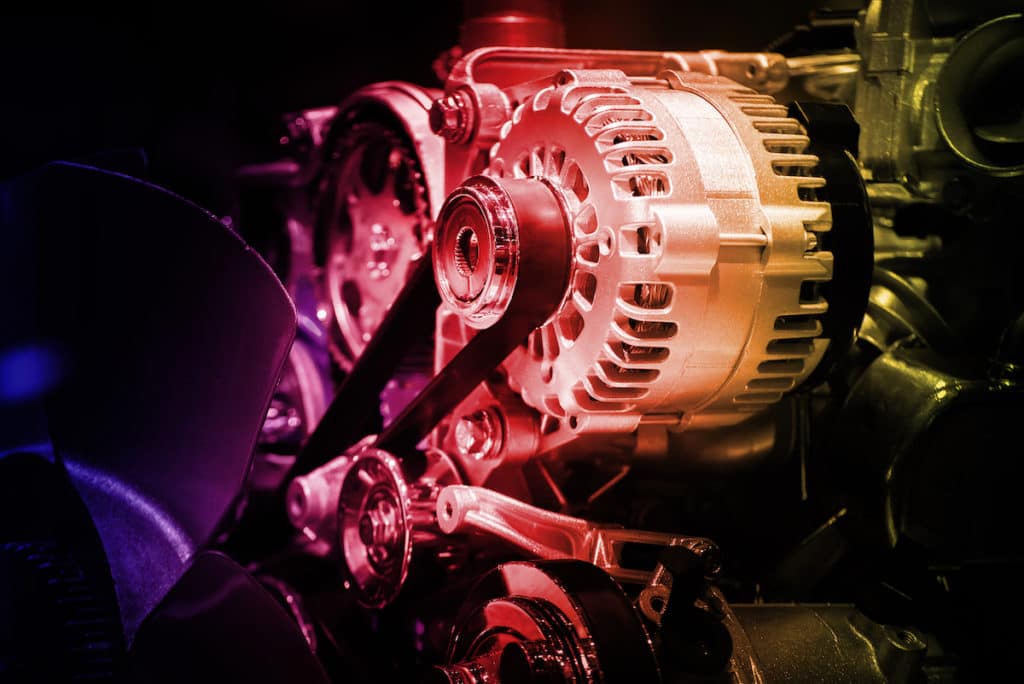
Gasoline and diesel engines, explained
If you're in the market for a new truck, you've probably encountered the decision of a gasoline or diesel engine. It can be confusing to decide which is better for your drivetime needs, so our Orlando Toyota dealership is here to break down the main differences and explain both gasoline and diesel engines for you so you can make an educated decision when it comes time to sign the dotted line. Check it out! Gasoline engines vs diesel engines First, let's talk about how things work under the hood. Gasoline engines use spark plugs to create a spark and start an internal combustion process that ignites the fuel to get your car up and running. Diesel engines, on the other hand, use extreme compression to generate enough heat to cause the necessary spark for combustion - these types of engines actually don't even have spark plugs. Diesel engines also have fewer parts in them, which means they're usually a bit more reliable and don't require as many repairs as a gasoline engine, which has a lot of moving parts in it to keep things running. Diesel engines have the capacity to be a bit more fuel-efficient than gasoline engines because of their higher compression rates and different parts. This is good because diesel fuel tends to be more expensive than regular gasoline, and you'll only have one grade to choose from (where if you're pumping gasoline, you'll typically find 3-4 grades to choose from that vary in price). So you may pay a bit more for diesel, but the engine uses it more efficiently than you're used to. If you're worried about how green your drive time won't be when you drive a diesel truck, don't. True, these trucks were traditionally seen as loud and bad for the environment because of all of the emissions they released. However, as technology keeps evolving, they get cleaner and quieter with every passing iteration. They're also a lot lighter in weight than they used to be, which means even better fuel efficiency. You'll also have access to more power when you drive a diesel vehicle. These engines can generate more horsepower and torque than traditional gasoline engines, and they don't have to be huge to do so because of their high compression rates. Which of these engine options is better for you? So how do you decide between the two? Here are some pointers to help guide your decision. If fuel costs concern you, diesel engines may cost a bit more to fill (as diesel fuel can be more expensive) but they're extremely efficient and in the long run, will likely cost less to run. If repair and maintenance costs are a concern, remember that diesel engines tend to be a bit more durable because they have fewer parts that need care. Diesel vehicles are especially efficient on the highway, so if you put a lot of highway miles on your ride this may be the way to go. Gasoline-powered vehicles are usually a bit less expensive than diesel vehicles when you shop. Have questions or want to shop our Orlando Toyota trucks and SUVs? Call us! Toyota of Orlando is open seven days a week at (407) 298-4500.
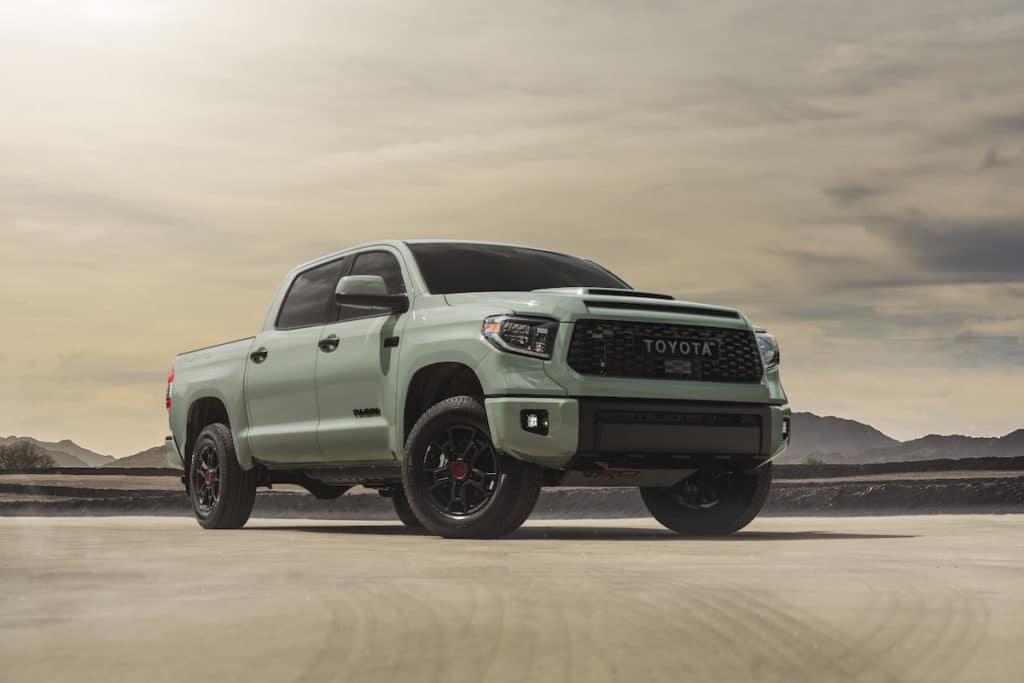
What's new on the 2021 Toyota Tundra
Are you thinking about putting yourself in the driver's seat of a new truck in the next few months? If so, we've got great news - the 2021 Toyota Tundra will soon be arriving at dealerships across the nation and bringing with it new special editions, new features, and new colors... but the same incredible performance. Toyota of Orlando has the info you need surrounding these updates, and we can't wait to set you up for a test drive. When the 2021 Toyota Tundra arrives at Toyota of Orlando, it'll be showcasing a 5.7L i-FORCE V8 under the hood. This means you can easily tow up to 10,200 lbs and have a maximum payload of 1,730 lbs; it also means you'll get the same powerful performance you've become accustomed to in prior models. On top of that, the new Orlando Toyota Tundra will be available in Double Cab or CrewMax trim-levels, both of which are four-door models. 2021 Toyota Tundra will offer two new special edition models The 2021 Toyota Tundra will bring two new special edition models to the lineup - the Trail Special Edition and the Nightshade Special Edition. Here's the breakdown. Trail Special Edition: This new model is designed for drivers who love the great outdoors - it's built with camping, fishing, hiking, biking, and more in mind. It's based on the SR5 CrewMax model and comes in both 2WD and 4WD, but offers a larger fuel tank, an anti-theft system with alarm and engine immobilizer, and front bucket seats. Here are a few more details: It's available in Army Green, Super White, Cement, and Midnight Black and has all-black exterior badging, as well as black seating on the interior with tan stitching accents. All-weather floor-liners are standard. The exterior boasts a chrome grille and special edition wheels. It also offers lockable bed storage that has insulation and a drain plug so you can use it as a cooler when you hit the open road. Nightshade Special Edition: This new special edition model will be based on the Limited trim-level and showcases a black leather interior, as well as an exterior with a darkened chrome grille, black mirror caps, black door handles, black wheels, and even a black exhaust tip. It comes in Midnight Black Metallic, Winchill Pearl, Super White, or Magnetic Gray Metallic paint, and offers the choice of 2WD or 4WD. And on top of those two special edition models, you can take the Orlando Toyota Tundra TRD Pro home in a brand-new color - Lunar Rock. Test drive a new Toyota truck today at Toyota of Orlando This new Toyota hasn't officially hit the market yet, but we'll be sure to inform you when it does. In the meantime, why don't you test drive the 2020 Toyota Tundra at Toyota of Orlando? Our store is open and ready to help, and you can either visit us in person OR explore our truck selection online. Thanks to our digital retailing tools, you can explore your options, ask questions, build your custom deal, and even find out how much you can get for your current car if you trade in! Shop today - or call us with questions. Toyota of Orlando is open seven days a week at (407) 298-4500 and we're conveniently located at 3575 Vineland Road, just off I-4 across from the Millenia Mall.
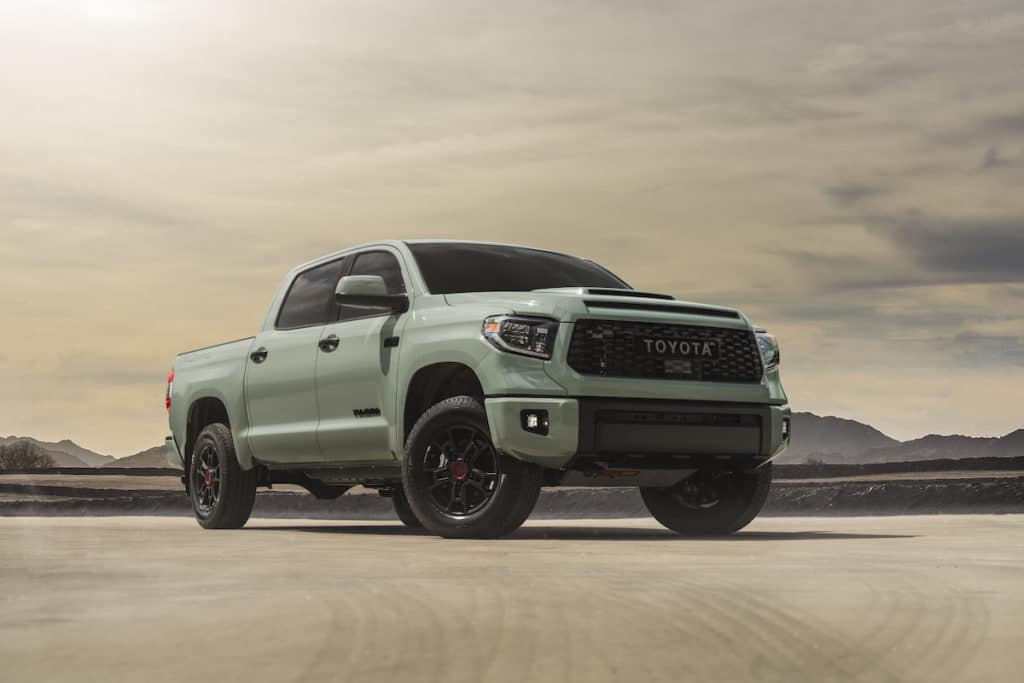
What's new on the 2021 Toyota Tundra
Are you thinking about putting yourself in the driver's seat of a new truck in the next few months? If so, we've got great news - the 2021 Toyota Tundra will soon be arriving at dealerships across the nation and bringing with it new special editions, new features, and new colors... but the same incredible performance. Toyota of Orlando has the info you need surrounding these updates, and we can't wait to set you up for a test drive. When the 2021 Toyota Tundra arrives at Toyota of Orlando, it'll be showcasing a 5.7L i-FORCE V8 under the hood. This means you can easily tow up to 10,200 lbs and have a maximum payload of 1,730 lbs; it also means you'll get the same powerful performance you've become accustomed to in prior models. On top of that, the new Orlando Toyota Tundra will be available in Double Cab or CrewMax trim-levels, both of which are four-door models. 2021 Toyota Tundra will offer two new special edition models The 2021 Toyota Tundra will bring two new special edition models to the lineup - the Trail Special Edition and the Nightshade Special Edition. Here's the breakdown. Trail Special Edition: This new model is designed for drivers who love the great outdoors - it's built with camping, fishing, hiking, biking, and more in mind. It's based on the SR5 CrewMax model and comes in both 2WD and 4WD, but offers a larger fuel tank, an anti-theft system with alarm and engine immobilizer, and front bucket seats. Here are a few more details: It's available in Army Green, Super White, Cement, and Midnight Black and has all-black exterior badging, as well as black seating on the interior with tan stitching accents. All-weather floor-liners are standard. The exterior boasts a chrome grille and special edition wheels. It also offers lockable bed storage that has insulation and a drain plug so you can use it as a cooler when you hit the open road. Nightshade Special Edition: This new special edition model will be based on the Limited trim-level and showcases a black leather interior, as well as an exterior with a darkened chrome grille, black mirror caps, black door handles, black wheels, and even a black exhaust tip. It comes in Midnight Black Metallic, Winchill Pearl, Super White, or Magnetic Gray Metallic paint, and offers the choice of 2WD or 4WD. And on top of those two special edition models, you can take the Orlando Toyota Tundra TRD Pro home in a brand-new color - Lunar Rock. Test drive a new Toyota truck today at Toyota of Orlando This new Toyota hasn't officially hit the market yet, but we'll be sure to inform you when it does. In the meantime, why don't you test drive the 2020 Toyota Tundra at Toyota of Orlando? Our store is open and ready to help, and you can either visit us in person OR explore our truck selection online. Thanks to our digital retailing tools, you can explore your options, ask questions, build your custom deal, and even find out how much you can get for your current car if you trade in! Shop today - or call us with questions. Toyota of Orlando is open seven days a week at (407) 298-4500 and we're conveniently located at 3575 Vineland Road, just off I-4 across from the Millenia Mall.

What to do if your car hydroplanes while you're driving in the rain
Central Florida got lucky this weekend - the forecasters were predicting a Saturday night and Sunday full of nothing but wet weather. Isaias, however, had other things in mind and decided to skirt the coast, which means we did get some rain but also saw our fair share of sunshine. Even if you did hit the road, the rain wasn't heavy enough to warrant bad driving conditions. What is hydroplaning? However, hurricane season is far from over (we've got until the end of November!) and we do live in Central Florida, which means daily afternoon thunderstorms with downpours, lightning, and wind gusts are pretty much par for the course. And one of the big risks of driving in the rain is hydroplaning, or when your car starts to slide because it can't grip the road anymore due to water. Toyota of Orlando is here to explain hydroplaning and what to do if you find yourself in this hazardous situation. To be more technical, hydroplaning is when your Orlando Toyota loses its traction when you're driving in the rain. Your tire treads displace water so your tires can properly grip the road and get you where you need to go. However, sometimes when you're traveling at higher speeds and there's a lot of water on the road (or it's just freshly rained and the water is mixing with oil on the road), the water actually starts to push your front tires up a bit, off the ground. This causes a thin film of water to form in between the road and your tires and subsequently, you hydroplane, and your car starts to slide because it can no longer grip the road. How to deal if you hydroplane while driving in the rain So how should you react if you find yourself in this dangerous situation while driving in the rain? Here are some tips from our Orlando Toyota experts: Avoid the urge to slam on the brakes (because that will be your natural reaction). Instead, take your foot off the gas pedal to let your car slow on its own. If you're still moving fast with no slowing in sight, you can gently push on the brakes (if you have anti-lock brakes - otherwise, you'll want to slowly pump the brakes to avoid them locking up and you spinning out more). Turn your steering wheel in the direction of your slide. It seems weird, we know, but turning it in the opposite direction can actually cause overcorrection and cause you to spin. Steer into the slide (the direction that your back wheels are going) with small adjustments - don't jerk the wheel. And take a moment to collect yourself when you've finally come to a stop. Hydroplaning can be extremely scary and nerve-wracking and you should give yourself a change to calm down before you hit the road again. And don't forget, an easy way to avoid hydroplaning while driving in the rain is to keep your tires in great shape. Schedule service at our Orlando Toyota auto service center today! Call us at (407) 298-0001 or stop by and see us at 3575 Vineland Road, just off I-4 across from the Millenia Mall.

What to do if your car hydroplanes while you're driving in the rain
Central Florida got lucky this weekend - the forecasters were predicting a Saturday night and Sunday full of nothing but wet weather. Isaias, however, had other things in mind and decided to skirt the coast, which means we did get some rain but also saw our fair share of sunshine. Even if you did hit the road, the rain wasn't heavy enough to warrant bad driving conditions. What is hydroplaning? However, hurricane season is far from over (we've got until the end of November!) and we do live in Central Florida, which means daily afternoon thunderstorms with downpours, lightning, and wind gusts are pretty much par for the course. And one of the big risks of driving in the rain is hydroplaning, or when your car starts to slide because it can't grip the road anymore due to water. Toyota of Orlando is here to explain hydroplaning and what to do if you find yourself in this hazardous situation. To be more technical, hydroplaning is when your Orlando Toyota loses its traction when you're driving in the rain. Your tire treads displace water so your tires can properly grip the road and get you where you need to go. However, sometimes when you're traveling at higher speeds and there's a lot of water on the road (or it's just freshly rained and the water is mixing with oil on the road), the water actually starts to push your front tires up a bit, off the ground. This causes a thin film of water to form in between the road and your tires and subsequently, you hydroplane, and your car starts to slide because it can no longer grip the road. How to deal if you hydroplane while driving in the rain So how should you react if you find yourself in this dangerous situation while driving in the rain? Here are some tips from our Orlando Toyota experts: Avoid the urge to slam on the brakes (because that will be your natural reaction). Instead, take your foot off the gas pedal to let your car slow on its own. If you're still moving fast with no slowing in sight, you can gently push on the brakes (if you have anti-lock brakes - otherwise, you'll want to slowly pump the brakes to avoid them locking up and you spinning out more). Turn your steering wheel in the direction of your slide. It seems weird, we know, but turning it in the opposite direction can actually cause overcorrection and cause you to spin. Steer into the slide (the direction that your back wheels are going) with small adjustments - don't jerk the wheel. And take a moment to collect yourself when you've finally come to a stop. Hydroplaning can be extremely scary and nerve-wracking and you should give yourself a change to calm down before you hit the road again. And don't forget, an easy way to avoid hydroplaning while driving in the rain is to keep your tires in great shape. Schedule service at our Orlando Toyota auto service center today! Call us at (407) 298-0001 or stop by and see us at 3575 Vineland Road, just off I-4 across from the Millenia Mall.
The 2021 Toyota 4Runner has been unveiled
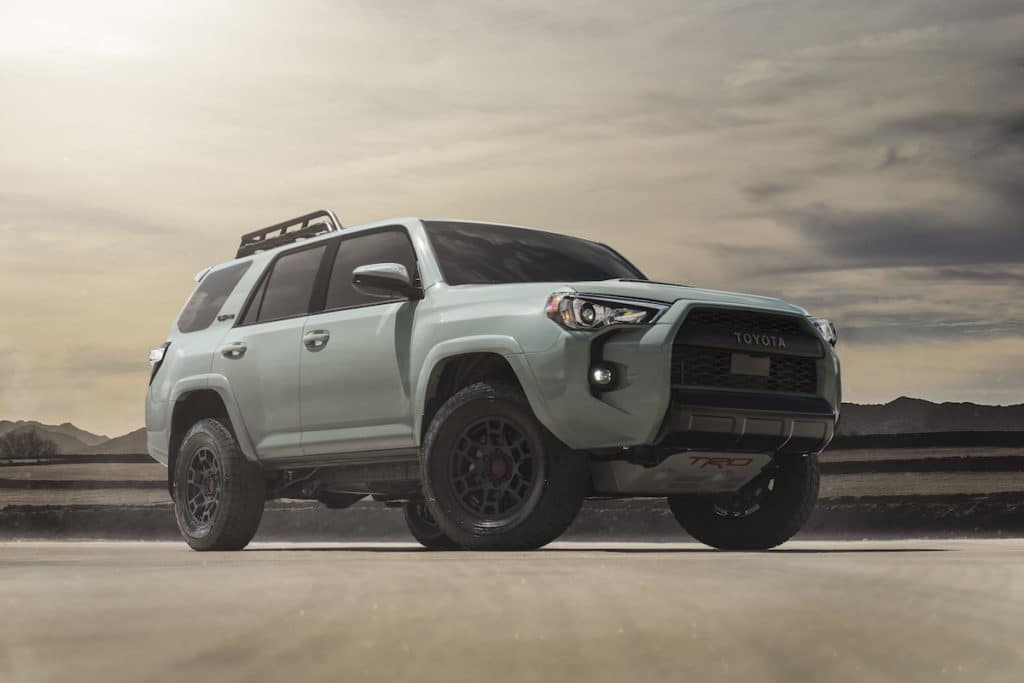
If versatility is the name of your game when it comes to your drive time, then you should definitely consider the Orlando Toyota 4Runner next time you're ready to shop. This rugged but comfortable SUV is ready for anything - whether you're getting around town or out of town, you'll be able to do it in style with the latest technology and safety features. The 2021 model was just officially revealed, and Toyota of Orlando has the details on what you can expect when you get behind the wheel. What can you expect on the latest model of the Toyota 4Runner? First, let's talk the base model. If you're going to shop the Orlando Toyota 4Runner in 2021, you can expect the same incredible performance capabilities, body-on-frame construction, comfortable and spacious interior, and top technology for both safety and entertainment. Additionally, new LED lighting schemes will be standard on all models, including LED fog lights for an edgy look. Next, let's take a look at the upcoming 2021 Toyota 4Runner TRD Pro model. It's got several enhancements on deck, including: A new paint color called Lunar Rock (it's replacing Army Green) New black alloy TRD flow form wheels and Nitto Terra Grappler tires that are more rigid and stronger than ever before. The wheels also showcase a deeper dish and more aggressive design. Flow form design of the wheel that allows for better handling and performance and re-tuned 2.5" Fox Internal Bypass Shocks New TRD-tuned coil springs on the front shocks for an inch of lift (which means you can tackle off-road terrain more efficiently) and piggyback-style remote reservoirs for enhanced damping Introducing the all-new Trail Edition And finally, the 2021 Trail Special Edition. This is a brand-new model never featured before in the lineup and we can't wait for it to arrive at Toyota of Orlando. Here's what it will feature when it does: Both 2WD and 4WD options (the trim is based on the SR5 model) Dark gray TRD off-road wheels Paint hues like Army Green, Midnight Black, Cement, and Super White Black exterior badging An interior decked out in black seating with tan stitching accents All-weather floormats A Yakima LoadWarrior rooftop cargo basket A sliding cargo tray and custom 40 quart cooler. This cooler boasts a freezer-grade gasket that ensures an air-tight seal and will keep ice frozen for up to seven days, as well as a flat top that allows it to also serve as a seat or a table. It also has tie-down straps and special brackets located in the sliding cargo deck to keep it secure when you hit the road. The model was designed with those who love the outdoors in mind - it truly is ready for anything whether you want to spend your weekend camping, hiking, fishing, hunting, or just exploring off the beaten path. We can't wait for the 2021 Toyota 4Runner to arrive at Toyota of Orlando and we'll be sure to keep you posted about its ETA. In the interim, come check out the current models on the lot and take a test drive! We're open seven days a week at 3575 Vineland Road, just off I-4 across from the Millenia Mall. Call Toyota of Orlando today at (407) 298-4500.
The 2021 Toyota 4Runner has been unveiled
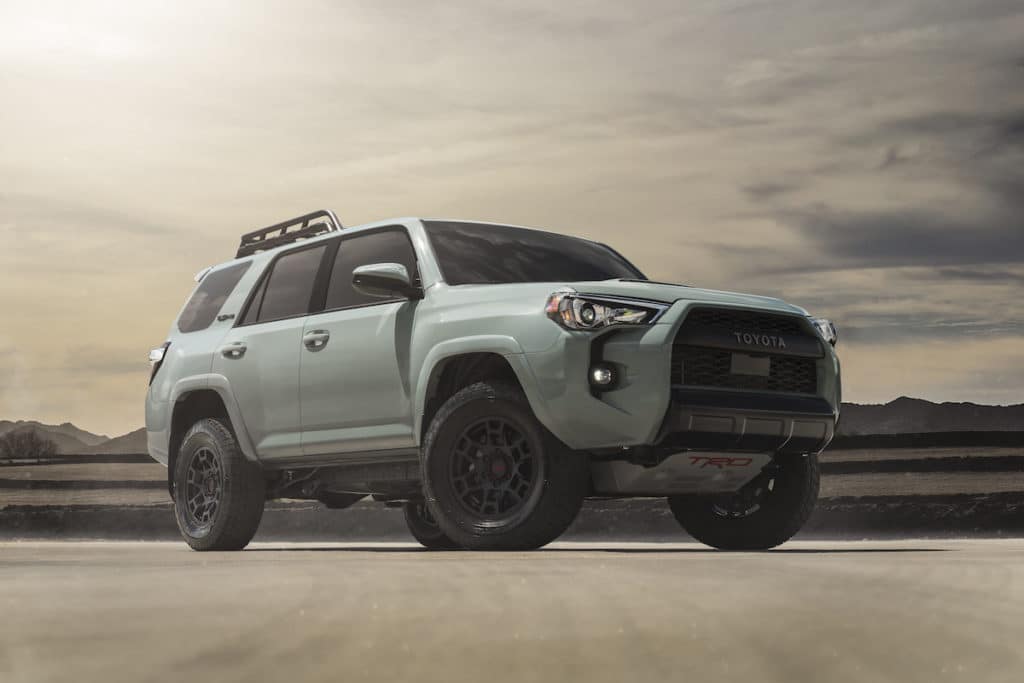
If versatility is the name of your game when it comes to your drive time, then you should definitely consider the Orlando Toyota 4Runner next time you're ready to shop. This rugged but comfortable SUV is ready for anything - whether you're getting around town or out of town, you'll be able to do it in style with the latest technology and safety features. The 2021 model was just officially revealed, and Toyota of Orlando has the details on what you can expect when you get behind the wheel. What can you expect on the latest model of the Toyota 4Runner? First, let's talk the base model. If you're going to shop the Orlando Toyota 4Runner in 2021, you can expect the same incredible performance capabilities, body-on-frame construction, comfortable and spacious interior, and top technology for both safety and entertainment. Additionally, new LED lighting schemes will be standard on all models, including LED fog lights for an edgy look. Next, let's take a look at the upcoming 2021 Toyota 4Runner TRD Pro model. It's got several enhancements on deck, including: A new paint color called Lunar Rock (it's replacing Army Green) New black alloy TRD flow form wheels and Nitto Terra Grappler tires that are more rigid and stronger than ever before. The wheels also showcase a deeper dish and more aggressive design. Flow form design of the wheel that allows for better handling and performance and re-tuned 2.5" Fox Internal Bypass Shocks New TRD-tuned coil springs on the front shocks for an inch of lift (which means you can tackle off-road terrain more efficiently) and piggyback-style remote reservoirs for enhanced damping Introducing the all-new Trail Edition And finally, the 2021 Trail Special Edition. This is a brand-new model never featured before in the lineup and we can't wait for it to arrive at Toyota of Orlando. Here's what it will feature when it does: Both 2WD and 4WD options (the trim is based on the SR5 model) Dark gray TRD off-road wheels Paint hues like Army Green, Midnight Black, Cement, and Super White Black exterior badging An interior decked out in black seating with tan stitching accents All-weather floormats A Yakima LoadWarrior rooftop cargo basket A sliding cargo tray and custom 40 quart cooler. This cooler boasts a freezer-grade gasket that ensures an air-tight seal and will keep ice frozen for up to seven days, as well as a flat top that allows it to also serve as a seat or a table. It also has tie-down straps and special brackets located in the sliding cargo deck to keep it secure when you hit the road. The model was designed with those who love the outdoors in mind - it truly is ready for anything whether you want to spend your weekend camping, hiking, fishing, hunting, or just exploring off the beaten path. We can't wait for the 2021 Toyota 4Runner to arrive at Toyota of Orlando and we'll be sure to keep you posted about its ETA. In the interim, come check out the current models on the lot and take a test drive! We're open seven days a week at 3575 Vineland Road, just off I-4 across from the Millenia Mall. Call Toyota of Orlando today at (407) 298-4500.

Common car maintenance terms you should know
Does car maintenance seem like a big mystery to you? We understand - there are so many moving (literally) parts on a vehicle that it can be hard to keep track of all of them and how they work in the big picture. However, knowing the basics can not only help you care for your car better but also feel more confident when you bring it in for routine car maintenance. That's why our Orlando car care techs have come up with a list of some of the most common car maintenance terms and their explanation. Check it out below! The most common car maintenance terms you should be familiar with Air filter: Has your Orlando car maintenance tech ever told you it's time to replace your air filter? This important car part is part of the air intake system (that pulls air into the engine) and prevents dirt and debris from getting pulled into the engine where it can negatively impact your performance and even damage your car's engine. It needs to be replaced every so often to function properly. Alternator: If your car won't start but your battery isn't the issue, it could mean you have issues with your alternator. This part is in charge of both charging your car's battery and powering the ignition and electrical system when your car is turned on. Catalytic converter: This car part is actually for the good of the planet - it's an emissions control device that helps convert the toxic gases within the engine into less harmful gases before they're released into the air. Coolant: Coolant is the liquid that runs throughout the engine to help keep it cool while it's up and running - without it, your car will overheat pretty quickly. It's usually a mixture of water and ethylene glycol. Dipstick: When you check the level and color of your car's oil, you do it via the dipstick. This long, thin piece of metal with a handle on the end actually reaches into your engine and lets you pull out a small sample of the oil so you can make sure it's clean and full. Fuel pump: This essential car part sends fuel from the gas tank to the engine - without it, you're going nowhere fast. Head gasket: The head gasket in your car serves as a seal between the cylinder head and engine block. It helps to seal in the internal combustion AND keep coolant and oil from mixing in your engine. OEM: OEM stands for Original Equipment Manufacturer - if you see this associated with a car part, it means the part was actually made by the manufacturer who made your car and it's not an aftermarket part. Oil filter: The oil filter helps prevent dirt and debris - basically anything abrasive - from the oil before it goes into the engine and does damage. Radiator: Your car's radiator is the most critical part of its cooling system. When it's in action, it basically absorbs heat from the coolant (which has been circulating through the engine) to keep your engine at an optimal temperature. Spark plug: Your car needs a spark to create the internal combustion that gets your engine up and running. Your spark plugs create that spark, which is why they're so essential to your vehicle's performance. Timing belt: The timing belt basically ensures that critical moving parts under the engine are synchronized so that valves open and close at the right times. Schedule car maintenance today at Toyota of Orlando Now that you're well-versed with the basics, get your car maintenance on the books! Call Toyota of Orlando at (407) 298-0001 or stop by our Toyota car maintenance center at 3575 Vineland Road, just off I-4 across from the Millenia Mall.

Common car maintenance terms you should know
Does car maintenance seem like a big mystery to you? We understand - there are so many moving (literally) parts on a vehicle that it can be hard to keep track of all of them and how they work in the big picture. However, knowing the basics can not only help you care for your car better but also feel more confident when you bring it in for routine car maintenance. That's why our Orlando car care techs have come up with a list of some of the most common car maintenance terms and their explanation. Check it out below! The most common car maintenance terms you should be familiar with Air filter: Has your Orlando car maintenance tech ever told you it's time to replace your air filter? This important car part is part of the air intake system (that pulls air into the engine) and prevents dirt and debris from getting pulled into the engine where it can negatively impact your performance and even damage your car's engine. It needs to be replaced every so often to function properly. Alternator: If your car won't start but your battery isn't the issue, it could mean you have issues with your alternator. This part is in charge of both charging your car's battery and powering the ignition and electrical system when your car is turned on. Catalytic converter: This car part is actually for the good of the planet - it's an emissions control device that helps convert the toxic gases within the engine into less harmful gases before they're released into the air. Coolant: Coolant is the liquid that runs throughout the engine to help keep it cool while it's up and running - without it, your car will overheat pretty quickly. It's usually a mixture of water and ethylene glycol. Dipstick: When you check the level and color of your car's oil, you do it via the dipstick. This long, thin piece of metal with a handle on the end actually reaches into your engine and lets you pull out a small sample of the oil so you can make sure it's clean and full. Fuel pump: This essential car part sends fuel from the gas tank to the engine - without it, you're going nowhere fast. Head gasket: The head gasket in your car serves as a seal between the cylinder head and engine block. It helps to seal in the internal combustion AND keep coolant and oil from mixing in your engine. OEM: OEM stands for Original Equipment Manufacturer - if you see this associated with a car part, it means the part was actually made by the manufacturer who made your car and it's not an aftermarket part. Oil filter: The oil filter helps prevent dirt and debris - basically anything abrasive - from the oil before it goes into the engine and does damage. Radiator: Your car's radiator is the most critical part of its cooling system. When it's in action, it basically absorbs heat from the coolant (which has been circulating through the engine) to keep your engine at an optimal temperature. Spark plug: Your car needs a spark to create the internal combustion that gets your engine up and running. Your spark plugs create that spark, which is why they're so essential to your vehicle's performance. Timing belt: The timing belt basically ensures that critical moving parts under the engine are synchronized so that valves open and close at the right times. Schedule car maintenance today at Toyota of Orlando Now that you're well-versed with the basics, get your car maintenance on the books! Call Toyota of Orlando at (407) 298-0001 or stop by our Toyota car maintenance center at 3575 Vineland Road, just off I-4 across from the Millenia Mall.