


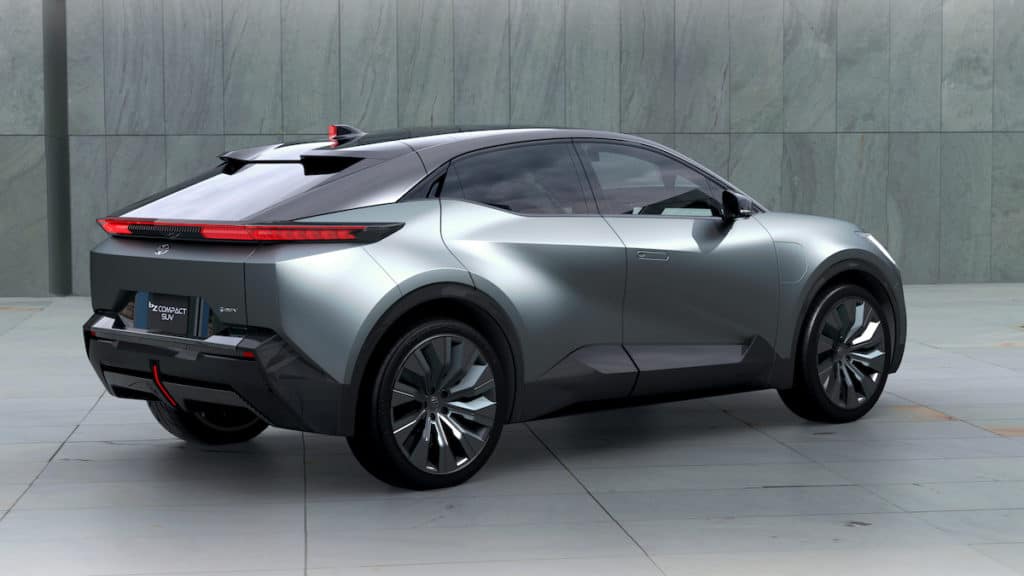
It seems like electric cars, plug-in hybrids, and hybrid cars are becoming increasingly popular options for drivers from all walks of life these days. These vehicles are packed with the latest and greatest technology, are stylishly futuristic, and despite their lack of internal combustion engine, are still as performance-driven as it gets. Not to mention, they cut down on emissions and are a green option for drivers who want to make a difference. But are electric cars really better for the environment?
The answer isn’t a clear-cut yes or no, unfortunately, and takes a little bit of a deep dive to answer. Here’s what the experts at Toyota of Orlando have to say about the environmental benefits of electric cars.

Are electric cars really better for the environment? Mostly yes.
Local emissions
When you’re talking about local emissions – aka the emissions that cars put out into the air as you’re driving – then yes, electric cars are really better for the environment.
- If you recall, true electric cars run on electricity alone and unlike an internal combustion engine, don’t put out emissions.
- Even plug-in hybrids and hybrids put out fewer emissions than internal combustion engines. For local air pollution, this is a big win.
Non-local emissions
However, when you scale back and look at the larger picture, electric cars do technically produce some emissions. They run on electricity, but that electricity has to come from somewhere.
- Where you live depends on how eco-friendly your electric car is.
- If your electricity is powered by fossil fuels like coal or natural gas, then you’re still contributing to CO2 emissions that are bad for the planet.
- If your electricity is powered by renewable energy like solar, hydroelectric, or wind, then your vehicle is a lot cleaner.
- Certain parts of the US – in particular, the Midwest – use a lot of fossil fuels to generate electricity, so driving electric cars in this region isn’t necessarily as eco-friendly as you think.
And don’t forget that hybrids and plug-in hybrids still have internal combustion abilities, meaning they can still put out emissions.
Batteries
Another concern about the environmental benefits of electric cars stems from the batteries found in them. Electric cars like the Orlando Toyota bz4X use lithium-ion batteries, similar to the ones found in your phone and laptop.
- First is the issue of battery production. It takes a lot of electricity to generate one of these batteries, which means more emissions are produced in the process. And again, the type of resources used to generate said electricity deeply affects how green the vehicle is overall.
- Next is the issue of recyclability. Lithium-ion batteries need to be disposed of carefully because of the materials they contain – they can’t just be tossed into a landfill. Over time, this can lead to a costly environmental problem. Researchers are working to figure out how to both reuse and recycle these batteries into other roles so they can still serve a purpose when their lifespan ends.
Overall, are electric cars really better for the environment? When all is said and done, mostly yes. And as renewable energy sources become more utilized and there are better ways to reuse and recycle the batteries, they’ll become even better for the environment.
Explore the environmental benefits of electric cars in person at Toyota of Orlando
Have questions or want to check out an electric car in person? Come to Toyota of Orlando today. We’re open seven days a week at 3575 Vineland Road, just off I-4 across from the Millenia Mall. You can call to schedule a test drive at (407) 298-4500!
Connect with us


- September 2026
- August 2026
- July 2026
- June 2026
- May 2026
- April 2026
- March 2026
- February 2026
- January 2026
- December 2025
- November 2025
- October 2025
- September 2025
- August 2025
- July 2025
- June 2025
- May 2025
- April 2025
- March 2025
- February 2025
- January 2025
- December 2024
- November 2024
- October 2024
- September 2024
- August 2024
- July 2024
- June 2024
- May 2024
- April 2024
- March 2024
- February 2024
- January 2024
- December 2023
- November 2023
- October 2023
- September 2023
- August 2023
- July 2023
- June 2023
- May 2023
- April 2023
- March 2023
- February 2023
- January 2023
- December 2022
- November 2022
- October 2022
- September 2022
- August 2022
- July 2022
- June 2022
- May 2022
- April 2022
- March 2022
- February 2022
- January 2022
- December 2021
- November 2021
- October 2021
- September 2021
- August 2021
- July 2021
- June 2021
- May 2021
- April 2021
- March 2021
- February 2021
- January 2021
- December 2020
- November 2020
- October 2020
- September 2020
- August 2020
- July 2020
- June 2020
- May 2020
- April 2020
- March 2020
- February 2020
- January 2020
- December 2019
- November 2019
- October 2019
- September 2019
- August 2019
- July 2019
- June 2019
- May 2019
- April 2019
- March 2019
- February 2019
- January 2019
- December 2018
- November 2018
- October 2018
- September 2018
- August 2018
- July 2018
- June 2018
- May 2018
- April 2018
- March 2018
- February 2018
- January 2018
- July 2017
- June 2017
- May 2017