


It's Memorial Day Weekend! Are you thinking about getting out of town for a short-distance road trip just to mix things up? Luckily, there are tons of destinations that seem far but don't require too much time behind the wheel. Check out some of Toyota of Orlando's favorite short-distance road trip destinations and get packing - the long weekend is here! #1: St. Augustine Get your fix of history AND the beach - pack up and plan a road trip to St. Augustine this weekend. This city is renowned for its rich history and incredible food. You'll be able to visit Castillo de San Marcos (dating back to the 17th century), the St. Augustine lighthouse, the National Historic Landmark District, the Lightner Museum, and historical Flagler College. And don't forget, you can park your car and leave it. St. Augustine has plenty of trolleys to get you around town and the beach is just miles from downtown. #2: Port Canaveral If you're a space fan, hit the road and head for Port Canaveral this weekend. You can visit the Kennedy Space Center and check out things like rocket exhibits, astronaut encounters, and 3D IMAX movies. You'll also be able to check out Canaveral National Seashore and the Everglades Airboat Safari if you want to get out in the fresh air, and the beach is minutes away. #3: Crystal Springs Swim with the manatees and get back to nature in Crystal Springs, which is just a few hours from Orlando. You can hike, fish, swim in Crystal River, have a manatee encounter, birdwatch, and even take an airboat tour of the area to get your fix of Mother Nature. On top of that, the area is surrounded by quiet, quaint towns where you can relax and get some piece before getting back to the grind next week. #4: New Smyrna Beach Hit the beach and find fun in the sun! Some beaches in New Smyrna even allow you to drive on them, cutting down on the whole dragging your gear down the sand part of your day. New Smyrna also boasts the Marine Discovery Center for boating and kayaking tours where you can spot dolphins, as well as walk the beach at night to spot baby sea turtles hatching. #5: Vero Beach Head south to Vero Beach - it's a beautiful beach town that also boasts quality outlet shopping, tons of restaurants, and more water sports than you'll have time to enjoy! You'll also love the ghost and walking tours available, as well as several museums to wander if you want to cool off. #6: Clearwater Beach Clearwater is one of Florida's most iconic beach towns - enough said. There are miles of wide sandy beaches, boating, kayaking, paddleboarding, tons of shopping, dining, bars, and more. Plus, the fishing is incredible whether you're fishing off the beach or heading out into the Gulf. No matter where you're headed, be sure to use your best defensive driving skills and be safe on the highway - there will be more traffic than usual. Happy Memorial Day Weekend from Toyota of Orlando!
Orlando's best short-distance road trips for a long weekend
It's Memorial Day Weekend! Are you thinking about getting out of town for a short-distance road trip just to mix things up? Luckily, there are tons of destinations that seem far but don't require too much time behind the wheel. Check out some of Toyota of Orlando's favorite short-distance road trip destinations and get packing - the long weekend is here! #1: St. Augustine Get your fix of history AND the beach - pack up and plan a road trip to St. Augustine this weekend. This city is renowned for its rich history and incredible food. You'll be able to visit Castillo de San Marcos (dating back to the 17th century), the St. Augustine lighthouse, the National Historic Landmark District, the Lightner Museum, and historical Flagler College. And don't forget, you can park your car and leave it. St. Augustine has plenty of trolleys to get you around town and the beach is just miles from downtown. #2: Port Canaveral If you're a space fan, hit the road and head for Port Canaveral this weekend. You can visit the Kennedy Space Center and check out things like rocket exhibits, astronaut encounters, and 3D IMAX movies. You'll also be able to check out Canaveral National Seashore and the Everglades Airboat Safari if you want to get out in the fresh air, and the beach is minutes away. #3: Crystal Springs Swim with the manatees and get back to nature in Crystal Springs, which is just a few hours from Orlando. You can hike, fish, swim in Crystal River, have a manatee encounter, birdwatch, and even take an airboat tour of the area to get your fix of Mother Nature. On top of that, the area is surrounded by quiet, quaint towns where you can relax and get some piece before getting back to the grind next week. #4: New Smyrna Beach Hit the beach and find fun in the sun! Some beaches in New Smyrna even allow you to drive on them, cutting down on the whole dragging your gear down the sand part of your day. New Smyrna also boasts the Marine Discovery Center for boating and kayaking tours where you can spot dolphins, as well as walk the beach at night to spot baby sea turtles hatching. #5: Vero Beach Head south to Vero Beach - it's a beautiful beach town that also boasts quality outlet shopping, tons of restaurants, and more water sports than you'll have time to enjoy! You'll also love the ghost and walking tours available, as well as several museums to wander if you want to cool off. #6: Clearwater Beach Clearwater is one of Florida's most iconic beach towns - enough said. There are miles of wide sandy beaches, boating, kayaking, paddleboarding, tons of shopping, dining, bars, and more. Plus, the fishing is incredible whether you're fishing off the beach or heading out into the Gulf. No matter where you're headed, be sure to use your best defensive driving skills and be safe on the highway - there will be more traffic than usual. Happy Memorial Day Weekend from Toyota of Orlando!
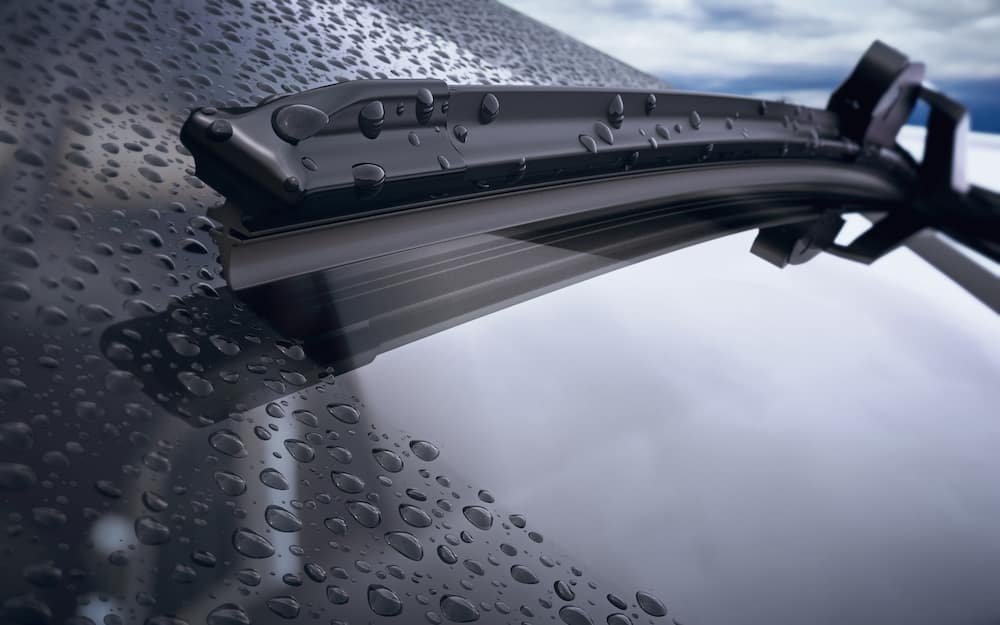
Do you know when to replace windshield wipers?
Summer in Florida means plenty of sunshine and (overly) warm temperatures, sure. But what lots of out-of-towners don't realize is that it's also the time of year where we see daily thunderstorms! These patches of rain, lighting and wind tend to roll through in the afternoons and blow over quickly, but being out on the road during them is certainly less than pleasant. That's why you need to ensure that your car can handle it, and you should start with your car wiper blades. Do you know when to replace your windshield wipers? Toyota of Orlando is here to give you the basics of this very important part. Kick off rainy season with these Orlando Toyota tips: When to replace your windshield wipers When the rain starts, you want to ensure you have a clear field of vision out of your windshield. (Oh, and don't forget to turn on your headlights, too.) This keeps you safe and helps you avoid accidents but to achieve a clear field of vision, you need car wiper blades that are in good condition. However, much like the other parts on your car the car wiper blades don't last forever and will need to be replaced from time to time. Toyota of Orlando is here to help you troubleshoot your wipers and figure out when to replace your windshield wipers. Check out signs from our auto service experts below! Sign #1: You see streaks on your windshield when you use them. If you turn on your wipers but just see water smearing around on the windshield or have noticeable streaks left after each swipe, then it's time to replace your windshield wipers. Your wipers should completely clear the glass every time they pass over it. Sign #2: They make a groaning or chattering noise on the wet windshield. Ugh, that noise - it's the worst. If your car wiper blades are making a chattering or groaning noise every time they run over the glass then it's time to replace them. This noise indicates that the blades aren't hitting the glass correctly. Sign #3: They're not hitting certain parts of the windshield. Speaking of not hitting the glass, if you notice spots on your windshield where the blades suddenly aren't quite reaching (like the corners or a random spot in the middle), it's time to both replace the rubber part and take a look at the arms to ensure they're not damaged. Sign #4: You can see visible damage to the blades. The rubber on the blades will wear out over time just like any other part. You'll notice deterioration in the form of cracks, splitting, tearing, and other imperfections. When the blades get into this state, they can't properly clean your windshield anymore and if not replaced, could scratch the glass. Sign #5: The arms are bent or damaged. If you find that the arms of even the metal parts of the blades are damaged due to mishandling, etc. then they definitely need to be replaced so they don't damage the glass on your windshield. You may also need to change car wiper blades coming into a new season, especially if you're heading into winter weather. Regular wipers aren't meant to withstand the harshness of snow and ice and will deteriorate quickly. Let our Orlando Toyota service center replace your car wiper blades today Is it time to replace your windshield wipers? Call Toyota of Orlando - we can help! You can reach our parts and service center at (407) 298-0001.
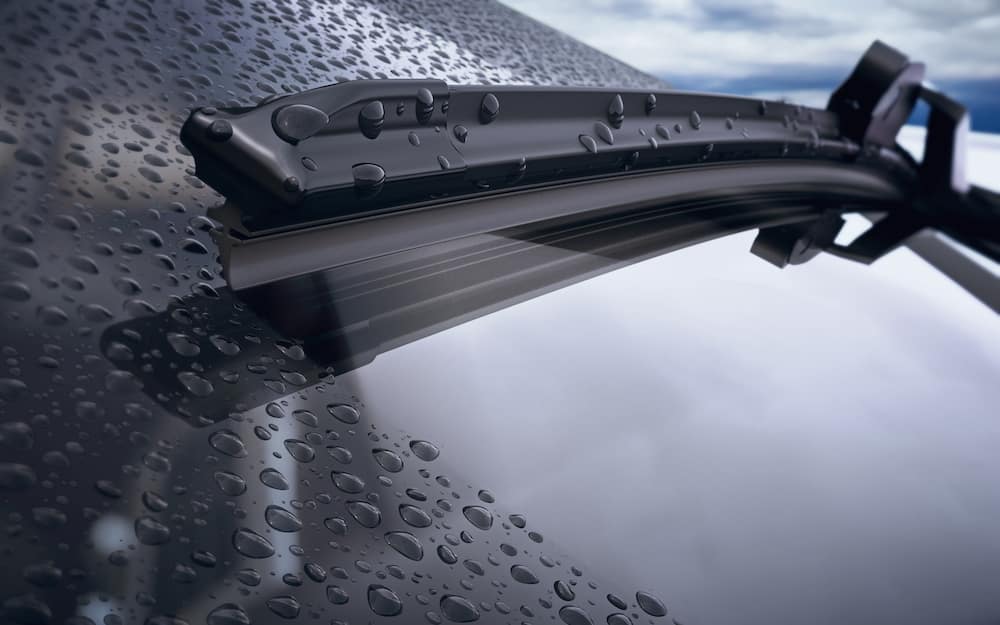
Do you know when to replace windshield wipers?
Summer in Florida means plenty of sunshine and (overly) warm temperatures, sure. But what lots of out-of-towners don't realize is that it's also the time of year where we see daily thunderstorms! These patches of rain, lighting and wind tend to roll through in the afternoons and blow over quickly, but being out on the road during them is certainly less than pleasant. That's why you need to ensure that your car can handle it, and you should start with your car wiper blades. Do you know when to replace your windshield wipers? Toyota of Orlando is here to give you the basics of this very important part. Kick off rainy season with these Orlando Toyota tips: When to replace your windshield wipers When the rain starts, you want to ensure you have a clear field of vision out of your windshield. (Oh, and don't forget to turn on your headlights, too.) This keeps you safe and helps you avoid accidents but to achieve a clear field of vision, you need car wiper blades that are in good condition. However, much like the other parts on your car the car wiper blades don't last forever and will need to be replaced from time to time. Toyota of Orlando is here to help you troubleshoot your wipers and figure out when to replace your windshield wipers. Check out signs from our auto service experts below! Sign #1: You see streaks on your windshield when you use them. If you turn on your wipers but just see water smearing around on the windshield or have noticeable streaks left after each swipe, then it's time to replace your windshield wipers. Your wipers should completely clear the glass every time they pass over it. Sign #2: They make a groaning or chattering noise on the wet windshield. Ugh, that noise - it's the worst. If your car wiper blades are making a chattering or groaning noise every time they run over the glass then it's time to replace them. This noise indicates that the blades aren't hitting the glass correctly. Sign #3: They're not hitting certain parts of the windshield. Speaking of not hitting the glass, if you notice spots on your windshield where the blades suddenly aren't quite reaching (like the corners or a random spot in the middle), it's time to both replace the rubber part and take a look at the arms to ensure they're not damaged. Sign #4: You can see visible damage to the blades. The rubber on the blades will wear out over time just like any other part. You'll notice deterioration in the form of cracks, splitting, tearing, and other imperfections. When the blades get into this state, they can't properly clean your windshield anymore and if not replaced, could scratch the glass. Sign #5: The arms are bent or damaged. If you find that the arms of even the metal parts of the blades are damaged due to mishandling, etc. then they definitely need to be replaced so they don't damage the glass on your windshield. You may also need to change car wiper blades coming into a new season, especially if you're heading into winter weather. Regular wipers aren't meant to withstand the harshness of snow and ice and will deteriorate quickly. Let our Orlando Toyota service center replace your car wiper blades today Is it time to replace your windshield wipers? Call Toyota of Orlando - we can help! You can reach our parts and service center at (407) 298-0001.

Are manual transmissions on the way out?
Do you drive a manual transmission car? If so, you're definitely in the minority. According to recent research, manual transmissions are becoming less and less popular when it comes to choosing your next drivetime solution. It could be because automatic transmissions are both easier to drive and more efficient, offering a simpler and more enjoyable drive time (for some drivers, at least - some still love the thrill of driving a stick shift). Because of this lack of interest, carmakers are slowly reducing their manual ranks and not offering the option anymore to trim down inventory and simplify production. Where have all the manual transmissions gone? Toyota conducted a study to see just how uncommon manual transmissions were actually becoming, and our Orlando Toyota dealership has skimmed the highlights for you. Check it out! As of this year, the Corolla, Tacoma, Yaris, and 86 are the only cars left in this drive time configuration. All other models - including the new Orlando Toyota Supra - are available in automatic only. In 2018, just 1% of all Toyota Corollas sold were manual - that's around 2,800 vehicles total. And a lot of those were the new Corolla Hatchback, which is a car designed for driving enthusiasts who would likely choose this transmission type for a more exciting drive time. When it comes to the Toyota Tacoma and Toyota Yaris, only 5% of all models sold were stick shift. In fact, so few Yaris models were sold in this transmission that it will no longer be available in 2020. Toyota will keep it as an option on the Tacoma because off-roaders tend to prefer it for more control. The 86 - our resident Orlando Toyota sports car - had a higher percentage of manual transmissions, clocking in a 33%. But conversely, that means that 67% of buyers preferred an automatic transmission with paddle shifters for more efficiency and a simpler drive time. As you can see, it looks like this particular type of transmission may be on its way out. It'll always have its place for sports car enthusiasts and truck drivers, but when it comes to the mainstream, it seems to be losing popularity. Ford no longer makes an F-150 pickup (surprisingly), and both Chevy and GMC did away with their manual transmissions for their best-selling trucks. You won't find it on most Dodges or Cadillacs, nor will you be able to pick one up if you're driving home a Ram 1500 or a Jeep Cherokee. Should you choose this transmission for your next Orlando Toyota? So, what's the allure of this type of transmission, then? Here are some perks to keep in mind when you start car shopping: They're typically easier to maintain - they're simple systems than automatic, and usually the clutch is the only part that really needs to be repaired (and not for a long while) You can get better fuel economy with them because you're in control of how your vehicle drives and how often it shifts, which gears it uses, etc. You have more control over your driving experience Your brakes don't wear as quickly because you can downshift to slow your vehicle They're typically cheaper than their automatic counterparts The best way to tell if this type of transmission is for you? Test drive one today! Come down to Toyota of Orlando and get into the driver's seat - we're located at 3575 Vineland Road, just off I-4 near the Millenia Mall.

Are manual transmissions on the way out?
Do you drive a manual transmission car? If so, you're definitely in the minority. According to recent research, manual transmissions are becoming less and less popular when it comes to choosing your next drivetime solution. It could be because automatic transmissions are both easier to drive and more efficient, offering a simpler and more enjoyable drive time (for some drivers, at least - some still love the thrill of driving a stick shift). Because of this lack of interest, carmakers are slowly reducing their manual ranks and not offering the option anymore to trim down inventory and simplify production. Where have all the manual transmissions gone? Toyota conducted a study to see just how uncommon manual transmissions were actually becoming, and our Orlando Toyota dealership has skimmed the highlights for you. Check it out! As of this year, the Corolla, Tacoma, Yaris, and 86 are the only cars left in this drive time configuration. All other models - including the new Orlando Toyota Supra - are available in automatic only. In 2018, just 1% of all Toyota Corollas sold were manual - that's around 2,800 vehicles total. And a lot of those were the new Corolla Hatchback, which is a car designed for driving enthusiasts who would likely choose this transmission type for a more exciting drive time. When it comes to the Toyota Tacoma and Toyota Yaris, only 5% of all models sold were stick shift. In fact, so few Yaris models were sold in this transmission that it will no longer be available in 2020. Toyota will keep it as an option on the Tacoma because off-roaders tend to prefer it for more control. The 86 - our resident Orlando Toyota sports car - had a higher percentage of manual transmissions, clocking in a 33%. But conversely, that means that 67% of buyers preferred an automatic transmission with paddle shifters for more efficiency and a simpler drive time. As you can see, it looks like this particular type of transmission may be on its way out. It'll always have its place for sports car enthusiasts and truck drivers, but when it comes to the mainstream, it seems to be losing popularity. Ford no longer makes an F-150 pickup (surprisingly), and both Chevy and GMC did away with their manual transmissions for their best-selling trucks. You won't find it on most Dodges or Cadillacs, nor will you be able to pick one up if you're driving home a Ram 1500 or a Jeep Cherokee. Should you choose this transmission for your next Orlando Toyota? So, what's the allure of this type of transmission, then? Here are some perks to keep in mind when you start car shopping: They're typically easier to maintain - they're simple systems than automatic, and usually the clutch is the only part that really needs to be repaired (and not for a long while) You can get better fuel economy with them because you're in control of how your vehicle drives and how often it shifts, which gears it uses, etc. You have more control over your driving experience Your brakes don't wear as quickly because you can downshift to slow your vehicle They're typically cheaper than their automatic counterparts The best way to tell if this type of transmission is for you? Test drive one today! Come down to Toyota of Orlando and get into the driver's seat - we're located at 3575 Vineland Road, just off I-4 near the Millenia Mall.

Summer driving safety tips from Toyota of Orlando
Summer is almost here! While the "official" start of summer is June 21, here in Florida we know that the season kicks off around Memorial Day Weekend when temperatures climb and beach weekends become part of the routine. However, hitting the road is different in every season, and summer is no exception. That's why we've come up with a list of summer driving safety tips spanning lots of different areas. Check it out before you hit the highway this summer. Don't hit the highway this summer without these driving safety tips Tip #1: Be ready for blowouts. Hot weather takes a toll on your tires - the pavement is a lot warmer and makes your tires work hard, and the hot air inside of your tires causes them to expand. If they're not in the greatest shape already, you're at risk for a blowout. Have our Orlando auto service techs inspect them to ensure they can handle summer driving, especially if you're traveling long distances. Tip #2: Watch out for teens. School is out during summer and there are a lot more teens on the road. Scarily enough, more teen driving deaths happen in the summer than any other time of year. Be sure to avoid distracted driving and pay close attention to your surroundings so you can prevent accidents rather than just react to them as they're happening. If you have a teen hitting the road in your household, be sure that they're schooled in driving safety and have had plenty of practice before you hand over the keys. Tip #3: Prepare for traffic. There are more drivers on the road in the summer because school is out and lots of people tend to travel. Know how to safely handle congested roads and be sure to check your route before you head out - you may want to take an alternate way to avoid traffic and save time. Tip #4: Be careful when towing. Summer is prime time to hitch up your boat, load up your bikes, and connect that new camping trailer to find some fun in the sun. However, if your vehicle isn't equipped with the right equipment or you aren't familiar with towing driving safety, you could be in a world of trouble. Make sure your ride is hitched up correctly and that you stay within your weight limits (our Toyota of Orlando techs can help you figure this all out), and study up on towing safety before you actually hit the highway. Tip #5: Don't let your car overheat, leaving you stranded. Make sure you're up to date on routine auto service like oil changes and fluid checks so your car can handle the higher temps without batting an eye. Our Orlando Toyota service center can help you stay on a schedule so you're ready for anything. Toyota of Orlando can get your ride road-ready for summer Call us today to schedule auto service or learn more about towing driving safety - we're open seven days a week and ready to help! You can reach us all summer at (407) 298-4500.

Summer driving safety tips from Toyota of Orlando
Summer is almost here! While the "official" start of summer is June 21, here in Florida we know that the season kicks off around Memorial Day Weekend when temperatures climb and beach weekends become part of the routine. However, hitting the road is different in every season, and summer is no exception. That's why we've come up with a list of summer driving safety tips spanning lots of different areas. Check it out before you hit the highway this summer. Don't hit the highway this summer without these driving safety tips Tip #1: Be ready for blowouts. Hot weather takes a toll on your tires - the pavement is a lot warmer and makes your tires work hard, and the hot air inside of your tires causes them to expand. If they're not in the greatest shape already, you're at risk for a blowout. Have our Orlando auto service techs inspect them to ensure they can handle summer driving, especially if you're traveling long distances. Tip #2: Watch out for teens. School is out during summer and there are a lot more teens on the road. Scarily enough, more teen driving deaths happen in the summer than any other time of year. Be sure to avoid distracted driving and pay close attention to your surroundings so you can prevent accidents rather than just react to them as they're happening. If you have a teen hitting the road in your household, be sure that they're schooled in driving safety and have had plenty of practice before you hand over the keys. Tip #3: Prepare for traffic. There are more drivers on the road in the summer because school is out and lots of people tend to travel. Know how to safely handle congested roads and be sure to check your route before you head out - you may want to take an alternate way to avoid traffic and save time. Tip #4: Be careful when towing. Summer is prime time to hitch up your boat, load up your bikes, and connect that new camping trailer to find some fun in the sun. However, if your vehicle isn't equipped with the right equipment or you aren't familiar with towing driving safety, you could be in a world of trouble. Make sure your ride is hitched up correctly and that you stay within your weight limits (our Toyota of Orlando techs can help you figure this all out), and study up on towing safety before you actually hit the highway. Tip #5: Don't let your car overheat, leaving you stranded. Make sure you're up to date on routine auto service like oil changes and fluid checks so your car can handle the higher temps without batting an eye. Our Orlando Toyota service center can help you stay on a schedule so you're ready for anything. Toyota of Orlando can get your ride road-ready for summer Call us today to schedule auto service or learn more about towing driving safety - we're open seven days a week and ready to help! You can reach us all summer at (407) 298-4500.

Hacks to battle lovebug season
Lovebug season... two words that strike dread into the hearts of Floridians. These pesky bugs may only show up for a few months a year throughout the Southeast, but a few months is more than enough for them to do major damage to your car. Toyota of Orlando is here with auto service hacks to help you battle lovebug season with no damage to your vehicle (or your sanity). Let's get started! How can such a small bug do so much damage to your ride? First, let's talk about lovebugs themselves. There's a big myth that the University of Florida created them and then released them by accident, but these annoying insects actually hail from South and Central America. They don't bite or sting, and they don't do damage to plants or crops during their brief appearances. They tend to swarm in the Southeastern states but we see the worst of them in Florida, Texas, Louisiana, and Alabama. They even have their uses - their larvae feed on decomposing plant and animal matter, so they help when it comes to natural recycling. However, they're a nuisance and because they're very acidic and hard to wash off, they can do major damage to the paint on your car. Toyota of Orlando's tips for handling lovebug season So, how do you protect your ride? Check out some of our Orlando Toyota service suggestions to protect your vehicle from lovebug damage. Apply a good coat of wax, and then apply another. This creates a barrier between your car and the bugs, so they're less likely to eat away at the paint after they splatter onto it. Try spraying your car with cooking oil or baby oil before you hit the road. This makes your vehicle slick so it's easier to spray the dead bugs off. But be careful and be sure to check with our Orlando Toyota service techs before you try this method - some oils don't play well with some paints, and you don't want to damage your ride further. Additionally, using oil means you'll have to use a little elbow grease to get it off so you don't leave streaks on your car. Wash your car every day as soon as you get home. The longer you leave the dead lovebugs on there, the more apt they are to do damage to your car's paint (and they're way harder to scrub off if you've left them on for a while). Try using a dryer sheet. If you rinse the front of your car and gently scrub it with a dryer sheet, the bug corpses should come right off. Invest in a car mask, grille filter, or even a windscreen to prevent the bugs from ever reaching your car's paint. Plan long-distance trips after sundown - they're a lot less likely to swarm after this point in the day. Need a little help in the paint department already? Call us at Toyota of Orlando! Our body shop techs can get your car looking like new in no time. You can reach us today at (407) 298-0001.

Hacks to battle lovebug season
Lovebug season... two words that strike dread into the hearts of Floridians. These pesky bugs may only show up for a few months a year throughout the Southeast, but a few months is more than enough for them to do major damage to your car. Toyota of Orlando is here with auto service hacks to help you battle lovebug season with no damage to your vehicle (or your sanity). Let's get started! How can such a small bug do so much damage to your ride? First, let's talk about lovebugs themselves. There's a big myth that the University of Florida created them and then released them by accident, but these annoying insects actually hail from South and Central America. They don't bite or sting, and they don't do damage to plants or crops during their brief appearances. They tend to swarm in the Southeastern states but we see the worst of them in Florida, Texas, Louisiana, and Alabama. They even have their uses - their larvae feed on decomposing plant and animal matter, so they help when it comes to natural recycling. However, they're a nuisance and because they're very acidic and hard to wash off, they can do major damage to the paint on your car. Toyota of Orlando's tips for handling lovebug season So, how do you protect your ride? Check out some of our Orlando Toyota service suggestions to protect your vehicle from lovebug damage. Apply a good coat of wax, and then apply another. This creates a barrier between your car and the bugs, so they're less likely to eat away at the paint after they splatter onto it. Try spraying your car with cooking oil or baby oil before you hit the road. This makes your vehicle slick so it's easier to spray the dead bugs off. But be careful and be sure to check with our Orlando Toyota service techs before you try this method - some oils don't play well with some paints, and you don't want to damage your ride further. Additionally, using oil means you'll have to use a little elbow grease to get it off so you don't leave streaks on your car. Wash your car every day as soon as you get home. The longer you leave the dead lovebugs on there, the more apt they are to do damage to your car's paint (and they're way harder to scrub off if you've left them on for a while). Try using a dryer sheet. If you rinse the front of your car and gently scrub it with a dryer sheet, the bug corpses should come right off. Invest in a car mask, grille filter, or even a windscreen to prevent the bugs from ever reaching your car's paint. Plan long-distance trips after sundown - they're a lot less likely to swarm after this point in the day. Need a little help in the paint department already? Call us at Toyota of Orlando! Our body shop techs can get your car looking like new in no time. You can reach us today at (407) 298-0001.
Do you remember the Toyota Previa?
When it comes to new Toyota minivans, the Orlando Toyota Sienna has pretty much everything you could want for a family-friendly vehicle. It's spacious and versatile on the interior, boasts top-of-the-line entertainment and safety technology, offers exceptional performance, and even looks good while doing it. However, it hasn't always been the go-to option on the market for the best minivan around - it actually replaced another great option, the Toyota Previa. Do you remember this unique Toyota minivan from back in the 1990's? What did the Toyota Previa have to offer? The Toyota Previa was first introduced in 1990 and it definitely turned heads (whether good or bad). This Orlando Toyota minivan had an interesting shape that was different from most models out on the road at that time - it was best recognized by its rounded front and back ends and the pronounced curve on the top of the van. Additionally, it was a unique vehicle because it was a mid-engined platform, which meant the inline-4-cylinder engine was actually installed under the front seats of the van rather than in the traditional front engine bay or in the back of the vehicle. Why? Toyota wanted to create a vehicle that was more balanced for better handling and a more comfortable ride. Here are some other highlights from the life of the Toyota Previa. This new Toyota minivan was introduced in 1990 to replace the Toyota Van and was significantly more popular than its predecessor. It had a short lifespan in the US (1990-1999) but is actually still in production in other parts of the world - namely, Japan and Australia. There it's known as the Toyota Estima. It's actually even been produced as a hybrid model in these particular parts of the world. It was replaced in the US by the Toyota Sienna, which was first introduced to the market in 1997 as an alternative option that was front-wheel drive and produced in the US on a Camry base. There was a problem with the mid-engined design - it sounds like a cool concept, but it actually meant there was a space limitation and you couldn't incorporate larger engine sizes (aka more horsepower and torque) into this Toyota minivan. Why was this an issue? Most of the competitors were putting V6 engines into their minivans and the Toyota Previa just couldn't fit the larger option. Toyota actually tried to fix the above problem by putting a supercharger into the mix, which brought horsepower to 158 and increased fuel efficiency. Some other cool features up for grabs on this Toyota minivan included swivel second-row seats, a dual moonroof, and a small ice-maker and refrigerator that could double as a beverage heater. Additionally, all models offered an almost panoramic view from inside due to the large windows. The Toyota Previa was officially retired in the US in 1999 to make way for the more practical Toyota Sienna... but we haven't forgotten it! Come see our selection of Orlando Toyota minivans today Curious to see what the latest Toyota minivan can offer your drive time? Come on down to Toyota of Orlando today - we're open seven days a week at 3575 Vineland Road, just off I-4 near the Millenia Mall.
Do you remember the Toyota Previa?
When it comes to new Toyota minivans, the Orlando Toyota Sienna has pretty much everything you could want for a family-friendly vehicle. It's spacious and versatile on the interior, boasts top-of-the-line entertainment and safety technology, offers exceptional performance, and even looks good while doing it. However, it hasn't always been the go-to option on the market for the best minivan around - it actually replaced another great option, the Toyota Previa. Do you remember this unique Toyota minivan from back in the 1990's? What did the Toyota Previa have to offer? The Toyota Previa was first introduced in 1990 and it definitely turned heads (whether good or bad). This Orlando Toyota minivan had an interesting shape that was different from most models out on the road at that time - it was best recognized by its rounded front and back ends and the pronounced curve on the top of the van. Additionally, it was a unique vehicle because it was a mid-engined platform, which meant the inline-4-cylinder engine was actually installed under the front seats of the van rather than in the traditional front engine bay or in the back of the vehicle. Why? Toyota wanted to create a vehicle that was more balanced for better handling and a more comfortable ride. Here are some other highlights from the life of the Toyota Previa. This new Toyota minivan was introduced in 1990 to replace the Toyota Van and was significantly more popular than its predecessor. It had a short lifespan in the US (1990-1999) but is actually still in production in other parts of the world - namely, Japan and Australia. There it's known as the Toyota Estima. It's actually even been produced as a hybrid model in these particular parts of the world. It was replaced in the US by the Toyota Sienna, which was first introduced to the market in 1997 as an alternative option that was front-wheel drive and produced in the US on a Camry base. There was a problem with the mid-engined design - it sounds like a cool concept, but it actually meant there was a space limitation and you couldn't incorporate larger engine sizes (aka more horsepower and torque) into this Toyota minivan. Why was this an issue? Most of the competitors were putting V6 engines into their minivans and the Toyota Previa just couldn't fit the larger option. Toyota actually tried to fix the above problem by putting a supercharger into the mix, which brought horsepower to 158 and increased fuel efficiency. Some other cool features up for grabs on this Toyota minivan included swivel second-row seats, a dual moonroof, and a small ice-maker and refrigerator that could double as a beverage heater. Additionally, all models offered an almost panoramic view from inside due to the large windows. The Toyota Previa was officially retired in the US in 1999 to make way for the more practical Toyota Sienna... but we haven't forgotten it! Come see our selection of Orlando Toyota minivans today Curious to see what the latest Toyota minivan can offer your drive time? Come on down to Toyota of Orlando today - we're open seven days a week at 3575 Vineland Road, just off I-4 near the Millenia Mall.