

Blog

All Toyota of Orlando's Tips Toyota of Orlando News New Toyota Toyota Service Orlando Toyota Service Used Cars Toyota of Orlando Service Toyota of Orlando Body Shop
Clermont Toyota sports car

The three different types of engine placements

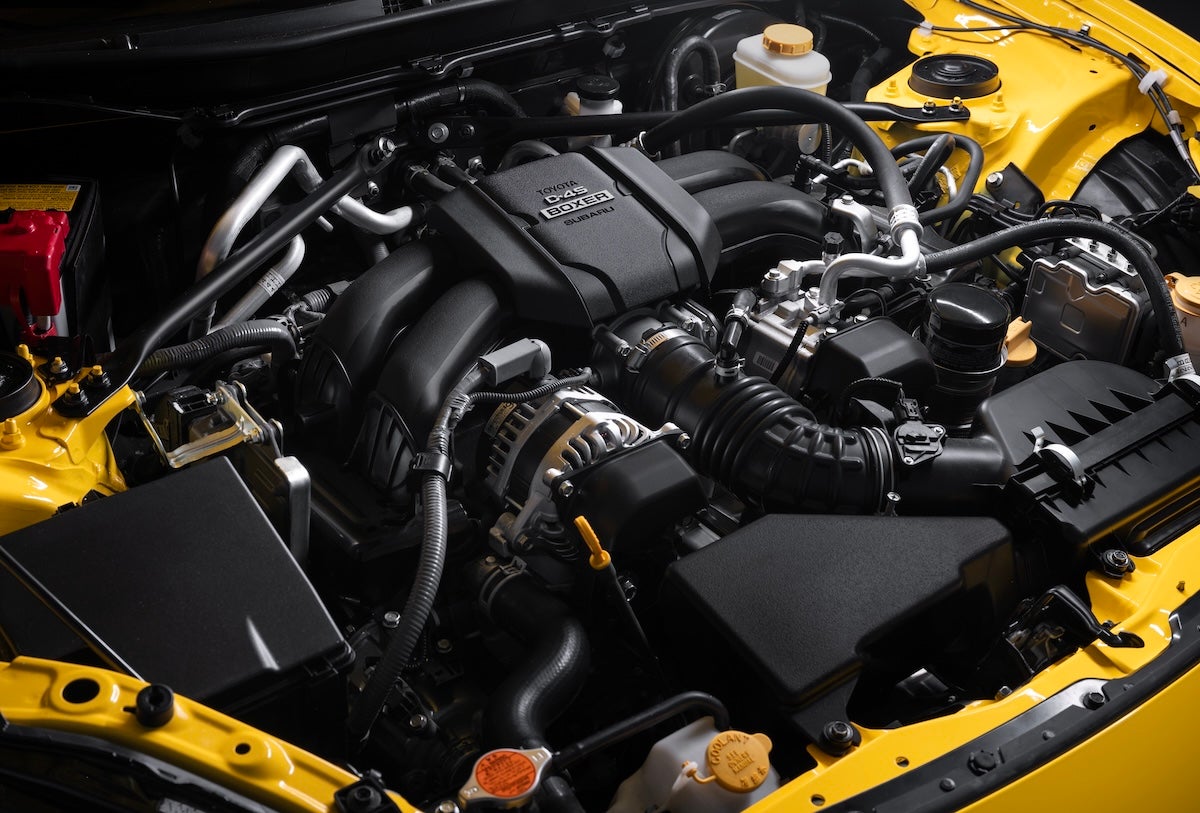
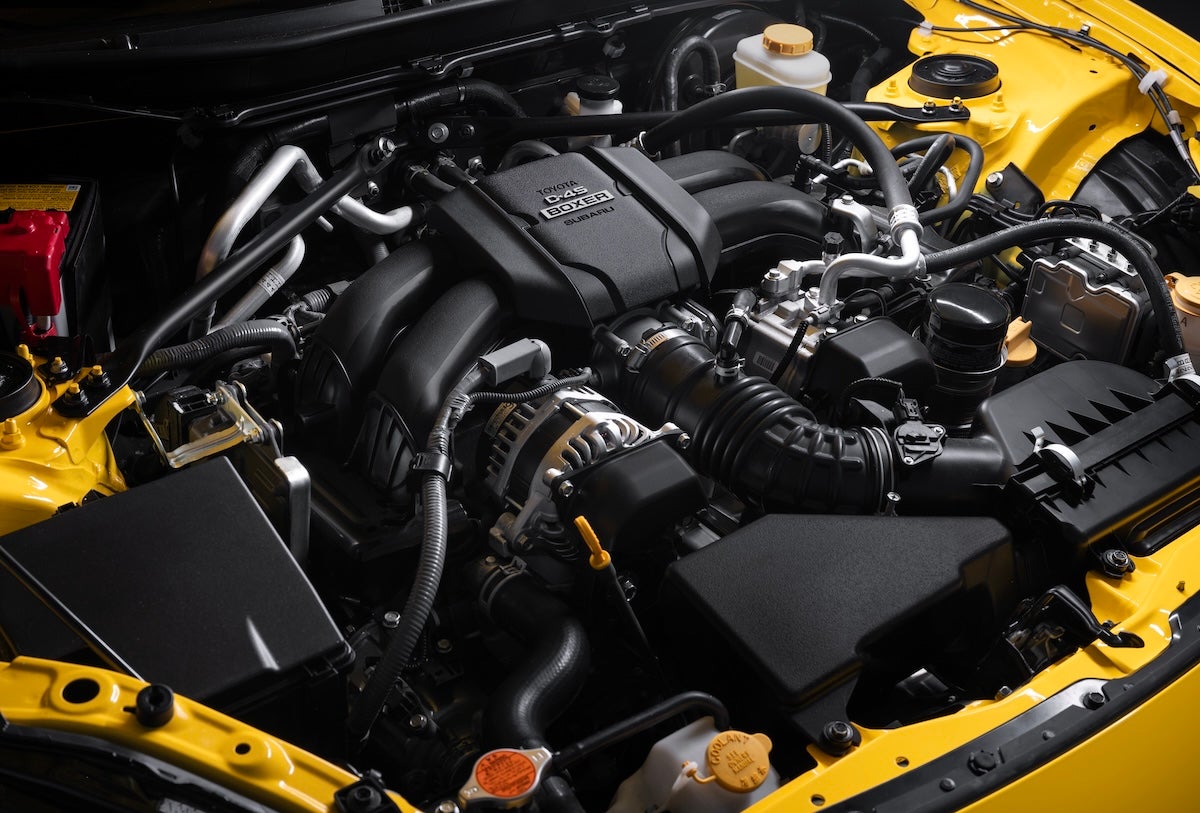
Updated July 2026 When you think about your car's engine, you probably picture it sitting under the hood in front of you. And for most cars on the road today, that's exactly where it is. But not every vehicle follows that design. Did you know engineers have experimented with different engine layout configurations for decades? It’s because where an engine is placed has a major impact on how your car accelerates, handles, brakes, and even how much interior space it has. Most of the Toyotas at our dealership use a front-engine design. However, understanding the different types of engine layout can help you appreciate why sports cars, trucks, SUVs, and commuter cars all feel different behind the wheel. Whether you're just curious or you’re shopping for your next ride, Toyota of Orlando is here to explain the three primary engine layouts and how they work. Executive Summary The three main engine layout designs are front-engine, mid-engine, and rear-engine. Front-engine vehicles are the most common because they provide a great balance of comfort, safety, practicality, and predictable handling. Mid-engine layouts are favored for high-performance sports cars thanks to their exceptional balance and cornering ability. Rear-engine layouts are uncommon today but offer strong acceleration and unique driving characteristics. Most Toyota vehicles feature a front-engine layout designed for everyday reliability and confidence on the road. What is an engine layout? An engine layout is where the engine is placed in a vehicle. Yes, every engine has the same job (powering your ride) but its location changes how the car’s weight is distributed. This affects different aspects of your daily driving, including: Steering feel Cornering ability Traction Braking performance Ride comfort Interior and cargo space Auto manufacturers have to be careful when they select an engine layout, and be sure that it matches the purpose of the car. For example, a family SUV has different priorities than a high-performance sports car. This is why you see different engine layouts depending on the car you’re looking at. Type #1: Front-engine layout A front-engine layout is the most common configuration out there today. In this setup, the engine sits under the hood of the car in front of the driver and front passenger. It’s easily accessed by just popping the hood. We have this setup on almost every car at Toyota of Orlando, including: Toyota Corolla Toyota Camry Toyota RAV4 Toyota Highlander Toyota Grand Highlander Toyota Prius Toyota Crown Toyota Tacoma Toyota Tundra Toyota Sequoia Why is the front-engine layout so popular? Why is the front-engine setup so popular? Here are just a few reasons. It offers excellent everyday handling. The engine sits over the front wheels, which means more predictable steering and stable handing in everyday driving conditions. It has more passenger and cargo space. The engine placement under the hood means the engineers can make the most of cabin space and cargo space, which means front-engine cars are great for families and commuters. It has lower production and repair costs. Front-engine cars are usually easier and cheaper to manufacture and service. Most auto service techs work on this layout everyday, so maintenance and repairs are straightforward and quick. It works with multiple drivetrains. A front-engine layout can be paired with: Front-wheel drive (FWD) Rear-wheel drive (RWD) All-wheel drive (AWD) Four-wheel drive (4WD) This means manufacturers like Toyota can build everything from sleek sedans to rugged off-road trucks to spacious SUVs with the same basic engine placement. Front-engine with rear-wheel drive: What to know It’s important to note that not every front-engine car sends the powers to the front wheels. Rides like the Toyota Supra and Toyota Tundra have a front-engine, rear-wheel drive setup. This means the engine sends power to the rear wheels, and you get incredible acceleration and a sportier driving experience. However, it’s worth noting that rear-wheel drive can require a little more driver skill in wet or slippery conditions. Type #2: Mid-engine layout A mid-engine layout means the engine is behind the driver and front passenger, but ahead of the rear axle of the car. This design isn’t super common today, but it was on one legendary Orlando Toyota: The Toyota MR2. This particular engine placement is used mostly in sports cars because it changes how the car behaves. Here are some highlights of a mid-engine placement: It has outstanding balance. Putting the engine in the center of the car creates superior weight distribution from front to back. This helps your Orlando Toyota stay balanced during: Hard acceleration Heavy braking Fast cornering Quick transitions It has sharper handling. Most of the weight is in the center, so mid-engine cars can respond more quickly to steering inputs. That’s one of the main reasons that exotic sports cars like Ferrari, McLaren, and others use this setup for their vehicles. However, there are some trade-offs to a mid-engine setup. It means limited interior space. The engine sits behind the front seats, so most mid-engine cars only seat two people. It means less cargo room. There’s not much storage to be had because the engine takes up a lot of the available space. It has less forgiving handling. Skilled drivers might love the responsiveness, but a mid-engine layout can be less predictable if you lose traction. Type #3: Rear-engine layout A rear-engine layout puts the engine behind the rear axle, where you’d usually find the trunk on an Orlando Toyota. This configuration is extremely rare now, but you will see the Porsche 911 still using a rear-engine design today. Advantages of a rear-engine layout There are some perks to a rear-engine setup (if you can find it), including: Strong acceleration. There’s more weight over the back wheels, so you get crazy traction during acceleration. A unique driving feel. A lot of driving enthusiasts like the distinct feel that comes with a rear-engine setup. Rear-engine cars aren’t without their issues, though, like: Oversteer. All of the weight is at the back of the car, which means this setup can cause a car to spin out if traction is lost. More challenging handling. Unskilled drivers won’t be able to handle a vehicle with this setup as well during emergency maneuvers. Limited packaging. Rear-engine setups also reduce your cargo space and make engineering more complicated. All in all, this setup isn’t practical for a daily driver… which is why so many manufacturers have shifted away from it. Which engine layout is best for your next Orlando Toyota? The answer depends on what you want your car’s purpose to be. Here’s the breakdown from our Toyota of Orlando sales team. Front-engine Best for: Daily commuting Families Road trips Fuel efficiency Practicality Easy maintenance Mid-engine Best for: Performance driving Track days Sports car enthusiasts Maximum cornering ability Rear-engine Best for: Enthusiast driving Unique driving dynamics High-performance sports cars For the basic daily driver, a front-engine layout is the best all-around choice. You get dependable handling, a lot of passenger and cargo space, and lower ownership costs. Why Toyota loves the front-engine layout Toyota has spent decades focusing on its reputation for reliability, comfort, safety, and value… and a front-engine layout hits all of those goals. No matter which Orlando Toyota you’re taking home, a front-engine design gives you the predictability you need in a daily driver. Learn more about Toyota engineering at Toyota of Orlando Whether you're interested in performance, fuel efficiency, towing capability, or just understanding how your ride works, our experts at Toyota of Orlando are here to help. We can explain the engineering behind your Toyota, answer your questions, and help you find the model that's right for your lifestyle. Stop by to explore the latest Toyota lineup or contact our team today to schedule a test drive. We’re open seven days a week and we’re just off I-4 near the Mall at Millenia! Frequently Asked Questions What is an engine layout? An engine layout refers to where the engine is positioned within a vehicle. The three primary layouts are front-engine, mid-engine, and rear-engine, and each affects handling, weight distribution, interior space, and overall driving characteristics. Why do most Toyota vehicles use a front-engine layout? Toyota primarily uses a front-engine layout because it provides excellent reliability, predictable handling, spacious interiors, easier maintenance, and versatility across sedans, SUVs, trucks, and hybrids. Is a mid-engine layout better than a front-engine layout? Not necessarily. A mid-engine layout offers superior balance and handling for high-performance driving, but it usually sacrifices interior space and practicality. For everyday driving, a front-engine layout is the better choice for most drivers.
Clermont Toyota sports car

The three different types of engine placements

Updated July 2026 When you think about your car's engine, you probably picture it sitting under the hood in front of you. And for most cars on the road today, that's exactly where it is. But not every vehicle follows that design. Did you know engineers have experimented with different engine layout configurations for decades? It’s because where an engine is placed has a major impact on how your car accelerates, handles, brakes, and even how much interior space it has. Most of the Toyotas at our dealership use a front-engine design. However, understanding the different types of engine layout can help you appreciate why sports cars, trucks, SUVs, and commuter cars all feel different behind the wheel. Whether you're just curious or you’re shopping for your next ride, Toyota of Orlando is here to explain the three primary engine layouts and how they work. Executive Summary The three main engine layout designs are front-engine, mid-engine, and rear-engine. Front-engine vehicles are the most common because they provide a great balance of comfort, safety, practicality, and predictable handling. Mid-engine layouts are favored for high-performance sports cars thanks to their exceptional balance and cornering ability. Rear-engine layouts are uncommon today but offer strong acceleration and unique driving characteristics. Most Toyota vehicles feature a front-engine layout designed for everyday reliability and confidence on the road. What is an engine layout? An engine layout is where the engine is placed in a vehicle. Yes, every engine has the same job (powering your ride) but its location changes how the car’s weight is distributed. This affects different aspects of your daily driving, including: Steering feel Cornering ability Traction Braking performance Ride comfort Interior and cargo space Auto manufacturers have to be careful when they select an engine layout, and be sure that it matches the purpose of the car. For example, a family SUV has different priorities than a high-performance sports car. This is why you see different engine layouts depending on the car you’re looking at. Type #1: Front-engine layout A front-engine layout is the most common configuration out there today. In this setup, the engine sits under the hood of the car in front of the driver and front passenger. It’s easily accessed by just popping the hood. We have this setup on almost every car at Toyota of Orlando, including: Toyota Corolla Toyota Camry Toyota RAV4 Toyota Highlander Toyota Grand Highlander Toyota Prius Toyota Crown Toyota Tacoma Toyota Tundra Toyota Sequoia Why is the front-engine layout so popular? Why is the front-engine setup so popular? Here are just a few reasons. It offers excellent everyday handling. The engine sits over the front wheels, which means more predictable steering and stable handing in everyday driving conditions. It has more passenger and cargo space. The engine placement under the hood means the engineers can make the most of cabin space and cargo space, which means front-engine cars are great for families and commuters. It has lower production and repair costs. Front-engine cars are usually easier and cheaper to manufacture and service. Most auto service techs work on this layout everyday, so maintenance and repairs are straightforward and quick. It works with multiple drivetrains. A front-engine layout can be paired with: Front-wheel drive (FWD) Rear-wheel drive (RWD) All-wheel drive (AWD) Four-wheel drive (4WD) This means manufacturers like Toyota can build everything from sleek sedans to rugged off-road trucks to spacious SUVs with the same basic engine placement. Front-engine with rear-wheel drive: What to know It’s important to note that not every front-engine car sends the powers to the front wheels. Rides like the Toyota Supra and Toyota Tundra have a front-engine, rear-wheel drive setup. This means the engine sends power to the rear wheels, and you get incredible acceleration and a sportier driving experience. However, it’s worth noting that rear-wheel drive can require a little more driver skill in wet or slippery conditions. Type #2: Mid-engine layout A mid-engine layout means the engine is behind the driver and front passenger, but ahead of the rear axle of the car. This design isn’t super common today, but it was on one legendary Orlando Toyota: The Toyota MR2. This particular engine placement is used mostly in sports cars because it changes how the car behaves. Here are some highlights of a mid-engine placement: It has outstanding balance. Putting the engine in the center of the car creates superior weight distribution from front to back. This helps your Orlando Toyota stay balanced during: Hard acceleration Heavy braking Fast cornering Quick transitions It has sharper handling. Most of the weight is in the center, so mid-engine cars can respond more quickly to steering inputs. That’s one of the main reasons that exotic sports cars like Ferrari, McLaren, and others use this setup for their vehicles. However, there are some trade-offs to a mid-engine setup. It means limited interior space. The engine sits behind the front seats, so most mid-engine cars only seat two people. It means less cargo room. There’s not much storage to be had because the engine takes up a lot of the available space. It has less forgiving handling. Skilled drivers might love the responsiveness, but a mid-engine layout can be less predictable if you lose traction. Type #3: Rear-engine layout A rear-engine layout puts the engine behind the rear axle, where you’d usually find the trunk on an Orlando Toyota. This configuration is extremely rare now, but you will see the Porsche 911 still using a rear-engine design today. Advantages of a rear-engine layout There are some perks to a rear-engine setup (if you can find it), including: Strong acceleration. There’s more weight over the back wheels, so you get crazy traction during acceleration. A unique driving feel. A lot of driving enthusiasts like the distinct feel that comes with a rear-engine setup. Rear-engine cars aren’t without their issues, though, like: Oversteer. All of the weight is at the back of the car, which means this setup can cause a car to spin out if traction is lost. More challenging handling. Unskilled drivers won’t be able to handle a vehicle with this setup as well during emergency maneuvers. Limited packaging. Rear-engine setups also reduce your cargo space and make engineering more complicated. All in all, this setup isn’t practical for a daily driver… which is why so many manufacturers have shifted away from it. Which engine layout is best for your next Orlando Toyota? The answer depends on what you want your car’s purpose to be. Here’s the breakdown from our Toyota of Orlando sales team. Front-engine Best for: Daily commuting Families Road trips Fuel efficiency Practicality Easy maintenance Mid-engine Best for: Performance driving Track days Sports car enthusiasts Maximum cornering ability Rear-engine Best for: Enthusiast driving Unique driving dynamics High-performance sports cars For the basic daily driver, a front-engine layout is the best all-around choice. You get dependable handling, a lot of passenger and cargo space, and lower ownership costs. Why Toyota loves the front-engine layout Toyota has spent decades focusing on its reputation for reliability, comfort, safety, and value… and a front-engine layout hits all of those goals. No matter which Orlando Toyota you’re taking home, a front-engine design gives you the predictability you need in a daily driver. Learn more about Toyota engineering at Toyota of Orlando Whether you're interested in performance, fuel efficiency, towing capability, or just understanding how your ride works, our experts at Toyota of Orlando are here to help. We can explain the engineering behind your Toyota, answer your questions, and help you find the model that's right for your lifestyle. Stop by to explore the latest Toyota lineup or contact our team today to schedule a test drive. We’re open seven days a week and we’re just off I-4 near the Mall at Millenia! Frequently Asked Questions What is an engine layout? An engine layout refers to where the engine is positioned within a vehicle. The three primary layouts are front-engine, mid-engine, and rear-engine, and each affects handling, weight distribution, interior space, and overall driving characteristics. Why do most Toyota vehicles use a front-engine layout? Toyota primarily uses a front-engine layout because it provides excellent reliability, predictable handling, spacious interiors, easier maintenance, and versatility across sedans, SUVs, trucks, and hybrids. Is a mid-engine layout better than a front-engine layout? Not necessarily. A mid-engine layout offers superior balance and handling for high-performance driving, but it usually sacrifices interior space and practicality. For everyday driving, a front-engine layout is the better choice for most drivers.
car maintenance tips

5 things to know about your parking brake

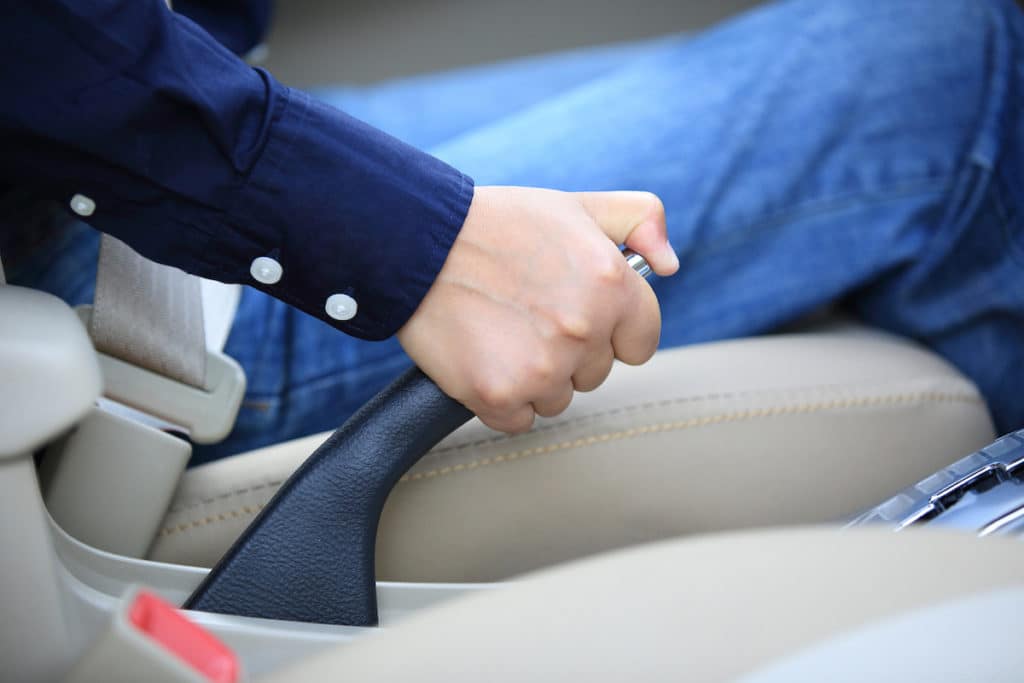
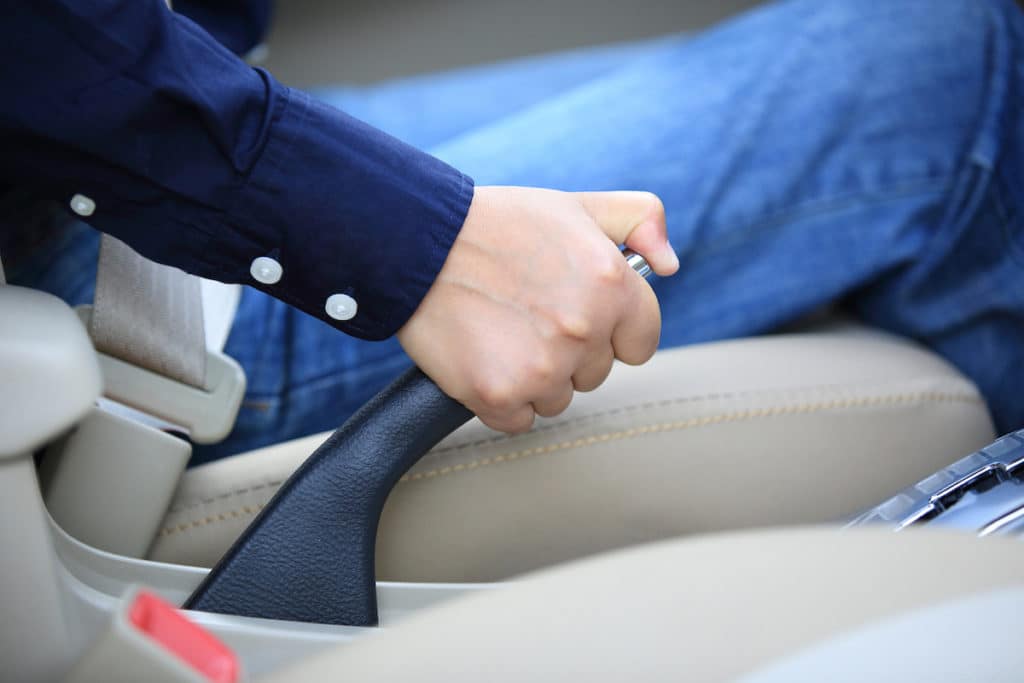
Do you routinely use your car parking brake? This small but essential part plays an important role in your car's day-to-day life and Toyota of Orlando is here to tell you how and why. Here are 5 things you should know about your parking brake before you hit the road so you can safely and effectively put it to work when you get behind the wheel. What you should know about your car parking brake #1: Your car parking brake can be a pedal OR a hand brake, depending on your car's make and model. Be sure to locate and test it during your test drive. If it's a hand brake, it'll be located in between the driver and passenger seats, near your gear shifter. You operate it by pulling it up until it locks into place, and you release it by pushing the button on the end and pushing it back down. If it's a foot brake, it'll be on the driver's side near the accelerator and brakes. You operate it by pushing it down until it sticks, and you release it by pushing down on the pedal and then letting go to release the brake. #2: You should NEVER drive with the parking brake engaged. If you try it, you'll immediately notice the resistance and remember to turn it off. However, don't try to drive with it engaged for any reason - it can cause major issues with your braking system. It can wear down your brake pads quickly AND cause temperatures to rise quickly, resulting in you wearing down the linings in your brakes. #3: It needs to be maintained. You won't have to do much for it - really, you can just ask our Orlando auto service techs to check it when you bring your car in for service - but it is necessary to have it routinely checked and cared for, especially if you use it a lot OR if your car has been sitting idle for a while. #4: You should engage your parking brake BEFORE you put your car in park. Many drivers put their vehicle in park and then engage the parking brake, but this actually causes the car to rock back slightly, putting weight on the transmission. Instead, once you're in your parking spot you should keep your right foot on the brake pedal (and leave your car running) and engage the parking brake, and THEN shift the car into park. #5: Your car parking brake will need to be adjusted. Just like you need your car brakes serviced (replacing brake lines, resurfacing rotors, etc.) you'll need to ensure that your car parking brake routinely serviced to replace bad lines or get rid of any corrosion that accumulates. Service this important part at Toyota of Orlando today Have more questions? Want to schedule car parking brake service at Toyota of Orlando? We've got you covered. Call Toyota of Orlando's service center seven days a week at (407) 298-0001. You can also visit us at 3575 Vineland Road, just off I-4 across from the Millenia Mall.

car maintenance tips

5 things to know about your parking brake

Do you routinely use your car parking brake? This small but essential part plays an important role in your car's day-to-day life and Toyota of Orlando is here to tell you how and why. Here are 5 things you should know about your parking brake before you hit the road so you can safely and effectively put it to work when you get behind the wheel. What you should know about your car parking brake #1: Your car parking brake can be a pedal OR a hand brake, depending on your car's make and model. Be sure to locate and test it during your test drive. If it's a hand brake, it'll be located in between the driver and passenger seats, near your gear shifter. You operate it by pulling it up until it locks into place, and you release it by pushing the button on the end and pushing it back down. If it's a foot brake, it'll be on the driver's side near the accelerator and brakes. You operate it by pushing it down until it sticks, and you release it by pushing down on the pedal and then letting go to release the brake. #2: You should NEVER drive with the parking brake engaged. If you try it, you'll immediately notice the resistance and remember to turn it off. However, don't try to drive with it engaged for any reason - it can cause major issues with your braking system. It can wear down your brake pads quickly AND cause temperatures to rise quickly, resulting in you wearing down the linings in your brakes. #3: It needs to be maintained. You won't have to do much for it - really, you can just ask our Orlando auto service techs to check it when you bring your car in for service - but it is necessary to have it routinely checked and cared for, especially if you use it a lot OR if your car has been sitting idle for a while. #4: You should engage your parking brake BEFORE you put your car in park. Many drivers put their vehicle in park and then engage the parking brake, but this actually causes the car to rock back slightly, putting weight on the transmission. Instead, once you're in your parking spot you should keep your right foot on the brake pedal (and leave your car running) and engage the parking brake, and THEN shift the car into park. #5: Your car parking brake will need to be adjusted. Just like you need your car brakes serviced (replacing brake lines, resurfacing rotors, etc.) you'll need to ensure that your car parking brake routinely serviced to replace bad lines or get rid of any corrosion that accumulates. Service this important part at Toyota of Orlando today Have more questions? Want to schedule car parking brake service at Toyota of Orlando? We've got you covered. Call Toyota of Orlando's service center seven days a week at (407) 298-0001. You can also visit us at 3575 Vineland Road, just off I-4 across from the Millenia Mall.

Toyota 2000GT to get new parts this year

Toyota has quite the heritage when it comes to sports cars with options like the Toyota Celica, Toyota Supra, Toyota 86, and a few other select models. And they've been busy offering new options to the market, too, with the introduction of the Toyota 86 (formerly known as the Scion FR-S) and the resurrection of the Toyota Supra. Additionally, the sporty Toyota Corolla hot hatch will also be hitting the market at some point in the near future, giving drivers who want a bit of an edge in their drive time tons of solutions to choose from. Do you remember the Toyota 2000GT? However, that's not all - Toyota is introducing a whole new element to their sports car game by creating new parts for the iconic Toyota 2000GT sports car. Toyota of Orlando has the scoop!   The Toyota 2000GT was a limited-production sports car (only 337 were produced) that came onto the market in 1967 and sadly, left it in 1970. This sleek two-seater sports car was a beauty and boasted rear-wheel drive, a hardtop, and Gran Turismo design elements (think flowing lines, pop-up headlights, and an extremely low stance). It was instantly popular because of its eye-catching design and exciting performance - this fan-favorite had a longitudinally-mounted 2.0L straight 6 engine under the hood and could achieve speeds of up to 135 mph. It was a manual transmission and disc brakes, which made it even more exciting to drive, and actually set several speed and endurance records at the time AND came in third place at the Fuji 100o Kilometres race in 1967. An open-top version was even created for a James Bond movie ( You Only Live Twice) - does it get much cooler than that? You'll soon be able to buy classic car parts at Toyota of Orlando However, all good things much come to an end and thus, the Toyota 2000GT was retired in 1970 and unfortunately, never made it back into production. However, Toyota is about to SORT OF make amends for that egregious offense - starting this year, they'll begin to introduce parts for this classic sports car onto the market. If you don't already own a Toyota 2000GT, then you're kind of out of luck (sorry, but you can come test drive a Toyota Supra or Toyota 86 at Toyota of Orlando anyway!). However, if you're the proud owner of this iconic Toyota, then good news! A line of new spare parts (parts that are no longer available)  is currently being created and manufactured for this vehicle, with orders opening up on August 1, 2020. You'll be able to get information about ordering parts on the TGR website and the best news? They'll be available at Toyota of Orlando and other Toyota dealers for purchase! Have questions? Want to test drive the new Orlando Toyota 86 or take a peek at the Toyota Supra? Need car parts for any other vehicle? We've got you covered on all accounts. Call Toyota of Orlando today at (407) 298-4500 or stop by and see us at 3575 Vineland Road!

Toyota 2000GT to get new parts this year

Toyota has quite the heritage when it comes to sports cars with options like the Toyota Celica, Toyota Supra, Toyota 86, and a few other select models. And they've been busy offering new options to the market, too, with the introduction of the Toyota 86 (formerly known as the Scion FR-S) and the resurrection of the Toyota Supra. Additionally, the sporty Toyota Corolla hot hatch will also be hitting the market at some point in the near future, giving drivers who want a bit of an edge in their drive time tons of solutions to choose from. Do you remember the Toyota 2000GT? However, that's not all - Toyota is introducing a whole new element to their sports car game by creating new parts for the iconic Toyota 2000GT sports car. Toyota of Orlando has the scoop!   The Toyota 2000GT was a limited-production sports car (only 337 were produced) that came onto the market in 1967 and sadly, left it in 1970. This sleek two-seater sports car was a beauty and boasted rear-wheel drive, a hardtop, and Gran Turismo design elements (think flowing lines, pop-up headlights, and an extremely low stance). It was instantly popular because of its eye-catching design and exciting performance - this fan-favorite had a longitudinally-mounted 2.0L straight 6 engine under the hood and could achieve speeds of up to 135 mph. It was a manual transmission and disc brakes, which made it even more exciting to drive, and actually set several speed and endurance records at the time AND came in third place at the Fuji 100o Kilometres race in 1967. An open-top version was even created for a James Bond movie ( You Only Live Twice) - does it get much cooler than that? You'll soon be able to buy classic car parts at Toyota of Orlando However, all good things much come to an end and thus, the Toyota 2000GT was retired in 1970 and unfortunately, never made it back into production. However, Toyota is about to SORT OF make amends for that egregious offense - starting this year, they'll begin to introduce parts for this classic sports car onto the market. If you don't already own a Toyota 2000GT, then you're kind of out of luck (sorry, but you can come test drive a Toyota Supra or Toyota 86 at Toyota of Orlando anyway!). However, if you're the proud owner of this iconic Toyota, then good news! A line of new spare parts (parts that are no longer available)  is currently being created and manufactured for this vehicle, with orders opening up on August 1, 2020. You'll be able to get information about ordering parts on the TGR website and the best news? They'll be available at Toyota of Orlando and other Toyota dealers for purchase! Have questions? Want to test drive the new Orlando Toyota 86 or take a peek at the Toyota Supra? Need car parts for any other vehicle? We've got you covered on all accounts. Call Toyota of Orlando today at (407) 298-4500 or stop by and see us at 3575 Vineland Road!

Toyota of Orlando tips

Common car brake issues you should be aware of

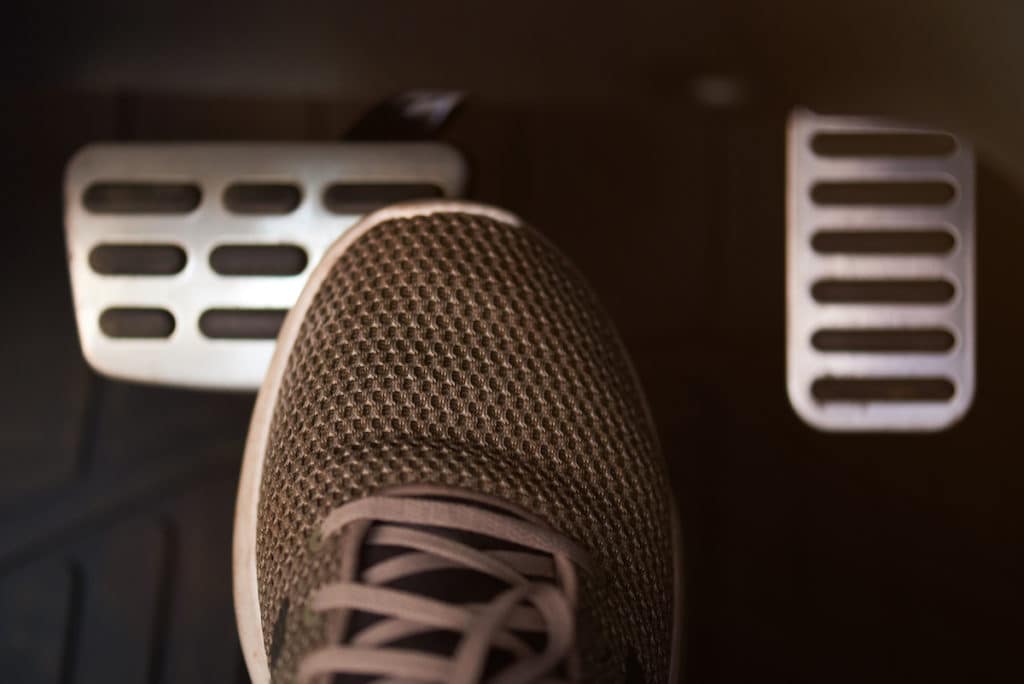
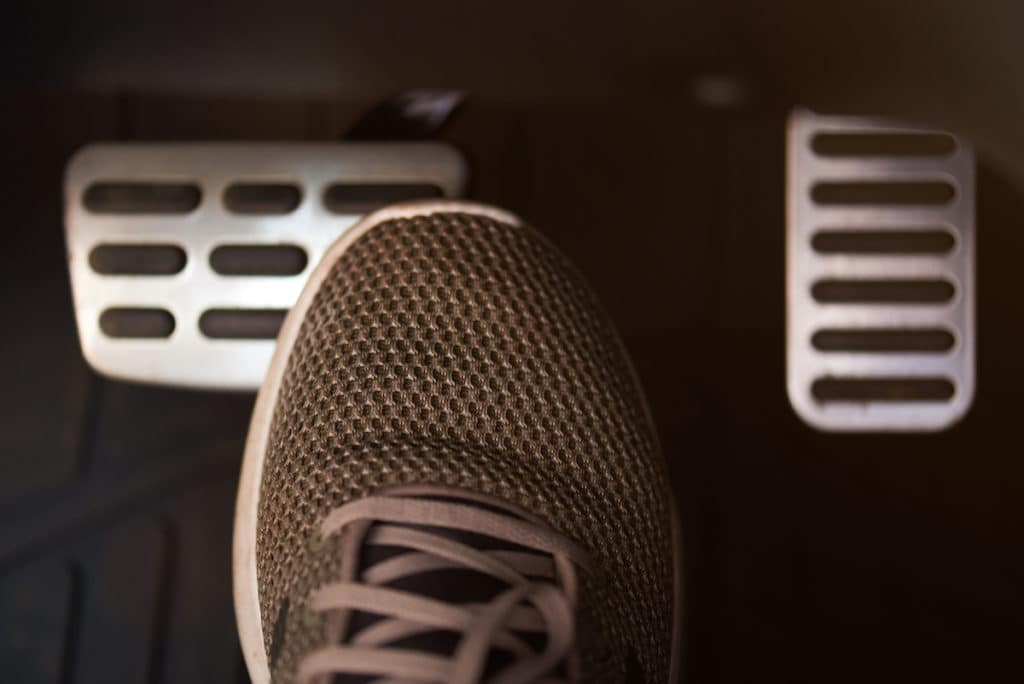
You want your car brakes to be in the best condition possible at all times - after all, they're the car part that brings you to a safe stop when you need it most. That's why it's critical that you stay on top of brake service at Toyota of Orlando AND be able to realize when your braking system is having issues. The good news is our techs are here to help - today we're talking some of the most common car brake issues and what they mean. Read on! 5 common car brake issues Issue: Your car shudders or shakes when you brake. If you hit the brakes and your Orlando Toyota shudders or shakes, it means there's an issue with your rotors. It could be that they're damaged from excessive heat (like when your brake pads get too thin), or that they have buildup on the surface that's giving them a warped shape. Either way, our auto service techs can either resurface or clean them so it's smooth sailing when you use your car brakes. Issue: Your pedal "sinks" to the floor when you're holding it. Does your pedal seem to sink down to the floor when you're holding it at a stoplight? This car brake issue can indicate that your brake pressure is low and you have an issue with your master cylinder. It could be something as small as a seal that needs to be replaced or a leak somewhere, but it's worth letting our Orlando auto service techs take a look under the hood. Issue: Your brake pedal feels soft. Does it feel like your brakes are soft or squishy when you press them? This can be indicative of several different issues, including a brake fluid leak, a problem with the master cylinder, a blown brake line, a bad wheel bearing, and more. Let our Orlando car brake specialists pinpoint the issue to save you time and money and get you back out on the road as quickly as possible. Issue: Your brake pedal is harder to push than usual. If you feel like you have to press the brake pedal much harder than you usually do to get your car to slow or stop, then you have a problem. Typically this issue stems from things like overworn brake pads, a problem with a vacuum hose, a seized up caliper, or a bad power booster. None of these are things you can usually fix DIY style, so visit Toyota of Orlando's service center. Issue: Your brake pedal won't stop braking. Does it feel like your brake pedal is still braking even after you release it? If your brakes aren't disengaging, it means you might have a problem with your calipers seizing, a clog in the master cylinder, a pinched brake line, or a problem with the parking brake cable. Let Toyota of Orlando get you back on the road today Regardless of what car brake issues you're having, we've got you covered. Come visit us! Toyota of Orlando's auto service center is open seven days a week for your convenience at 3575 Vineland Road. Call us at (407) 298-4500 to schedule your appointment!

Toyota of Orlando tips

Common car brake issues you should be aware of

You want your car brakes to be in the best condition possible at all times - after all, they're the car part that brings you to a safe stop when you need it most. That's why it's critical that you stay on top of brake service at Toyota of Orlando AND be able to realize when your braking system is having issues. The good news is our techs are here to help - today we're talking some of the most common car brake issues and what they mean. Read on! 5 common car brake issues Issue: Your car shudders or shakes when you brake. If you hit the brakes and your Orlando Toyota shudders or shakes, it means there's an issue with your rotors. It could be that they're damaged from excessive heat (like when your brake pads get too thin), or that they have buildup on the surface that's giving them a warped shape. Either way, our auto service techs can either resurface or clean them so it's smooth sailing when you use your car brakes. Issue: Your pedal "sinks" to the floor when you're holding it. Does your pedal seem to sink down to the floor when you're holding it at a stoplight? This car brake issue can indicate that your brake pressure is low and you have an issue with your master cylinder. It could be something as small as a seal that needs to be replaced or a leak somewhere, but it's worth letting our Orlando auto service techs take a look under the hood. Issue: Your brake pedal feels soft. Does it feel like your brakes are soft or squishy when you press them? This can be indicative of several different issues, including a brake fluid leak, a problem with the master cylinder, a blown brake line, a bad wheel bearing, and more. Let our Orlando car brake specialists pinpoint the issue to save you time and money and get you back out on the road as quickly as possible. Issue: Your brake pedal is harder to push than usual. If you feel like you have to press the brake pedal much harder than you usually do to get your car to slow or stop, then you have a problem. Typically this issue stems from things like overworn brake pads, a problem with a vacuum hose, a seized up caliper, or a bad power booster. None of these are things you can usually fix DIY style, so visit Toyota of Orlando's service center. Issue: Your brake pedal won't stop braking. Does it feel like your brake pedal is still braking even after you release it? If your brakes aren't disengaging, it means you might have a problem with your calipers seizing, a clog in the master cylinder, a pinched brake line, or a problem with the parking brake cable. Let Toyota of Orlando get you back on the road today Regardless of what car brake issues you're having, we've got you covered. Come visit us! Toyota of Orlando's auto service center is open seven days a week for your convenience at 3575 Vineland Road. Call us at (407) 298-4500 to schedule your appointment!

Orlando Toyota service tips

Budget-friendly car cleaning hacks

Are you trying to get your ride back into like-new condition but on a budget when it comes to car detailing supplies? We're here to help! We offer affordable car supplies at our Orlando Toyota parts store, but we're also here to share budget-friendly car cleaning hacks to get your ride into the best shape possible without having to break the bank. Check it out! Easy hacks for car cleaning Washing your car We know that when you're on a budget, the last thing you want to spend money on is car cleaning supplies like expensive auto soap. However, resist the temptation to use regular dish soap on your vehicle. The harsh chemicals in it can actually do more harm than good to your paint, so it's best to instead mix some hair conditioner with water if you're washing your car on the cheap. It'll actually help your car repel water and give it a nice, shiny finish. Win-win! Cleaning the interior Sprays formulated for the interior of your car are nice, but not absolutely necessary to get things clean. A little bit of olive oil on a soft cloth can work wonders for plastics, vinyl, and SofTex inside the car. If you have fabric seats that you want to freshen up, you can use regular soap, water, and a sponge - just scrub, rinse with clean water, and let dry. If there's a particularly tough stain in your car's upholstery or carpet, our Orlando Toyota car care experts recommend using club soda or a baking soda/water mixture (1/4 cup baking soda and one cup warm water) to scrub it out. Cleaning the windows It's essential to clean your windows and windshield so you have a clear field of vision at all times. However, using ammonia-based cleaners like Windex can damage the glass and your tint job that you shelled out hard-earned bucks for. Instead, use white vinegar mixed with water as a cleaner, and use crumbled newspapers instead of paper towels (newspaper is stronger and doesn't leave those little weird white things all over the window as you clean). Removing stuck-on debris from the exterior Bird poop and sap are notoriously hard to get off of car paint, but it's an essential part of car cleaning if you want to avoid paint damage in the long run. Our Orlando auto service techs recommend spraying a little WD40 on the spot to remove the offending debris - the grease will help loosen it up so you can wipe it away. Getting rid of bad smells Does the interior of your Orlando Toyota smell like it's seen better days? Get rid of offensive, lingering odors with baking soda. You can sprinkle it on the seats and carper, let it sit for a few hours, and then vacuum out. A small bag of charcoal under one of the seats is also a great odor absorber. Let Toyota of Orlando help you get your car looking like-new again Have more questions about budget-friendly car cleaning hacks? Call us today - Toyota of Orlando is open seven days a week at (407) 298-0001.

Orlando Toyota service tips

Budget-friendly car cleaning hacks

Are you trying to get your ride back into like-new condition but on a budget when it comes to car detailing supplies? We're here to help! We offer affordable car supplies at our Orlando Toyota parts store, but we're also here to share budget-friendly car cleaning hacks to get your ride into the best shape possible without having to break the bank. Check it out! Easy hacks for car cleaning Washing your car We know that when you're on a budget, the last thing you want to spend money on is car cleaning supplies like expensive auto soap. However, resist the temptation to use regular dish soap on your vehicle. The harsh chemicals in it can actually do more harm than good to your paint, so it's best to instead mix some hair conditioner with water if you're washing your car on the cheap. It'll actually help your car repel water and give it a nice, shiny finish. Win-win! Cleaning the interior Sprays formulated for the interior of your car are nice, but not absolutely necessary to get things clean. A little bit of olive oil on a soft cloth can work wonders for plastics, vinyl, and SofTex inside the car. If you have fabric seats that you want to freshen up, you can use regular soap, water, and a sponge - just scrub, rinse with clean water, and let dry. If there's a particularly tough stain in your car's upholstery or carpet, our Orlando Toyota car care experts recommend using club soda or a baking soda/water mixture (1/4 cup baking soda and one cup warm water) to scrub it out. Cleaning the windows It's essential to clean your windows and windshield so you have a clear field of vision at all times. However, using ammonia-based cleaners like Windex can damage the glass and your tint job that you shelled out hard-earned bucks for. Instead, use white vinegar mixed with water as a cleaner, and use crumbled newspapers instead of paper towels (newspaper is stronger and doesn't leave those little weird white things all over the window as you clean). Removing stuck-on debris from the exterior Bird poop and sap are notoriously hard to get off of car paint, but it's an essential part of car cleaning if you want to avoid paint damage in the long run. Our Orlando auto service techs recommend spraying a little WD40 on the spot to remove the offending debris - the grease will help loosen it up so you can wipe it away. Getting rid of bad smells Does the interior of your Orlando Toyota smell like it's seen better days? Get rid of offensive, lingering odors with baking soda. You can sprinkle it on the seats and carper, let it sit for a few hours, and then vacuum out. A small bag of charcoal under one of the seats is also a great odor absorber. Let Toyota of Orlando help you get your car looking like-new again Have more questions about budget-friendly car cleaning hacks? Call us today - Toyota of Orlando is open seven days a week at (407) 298-0001.

Orlando brake service

What happens when you get brake service for your car?

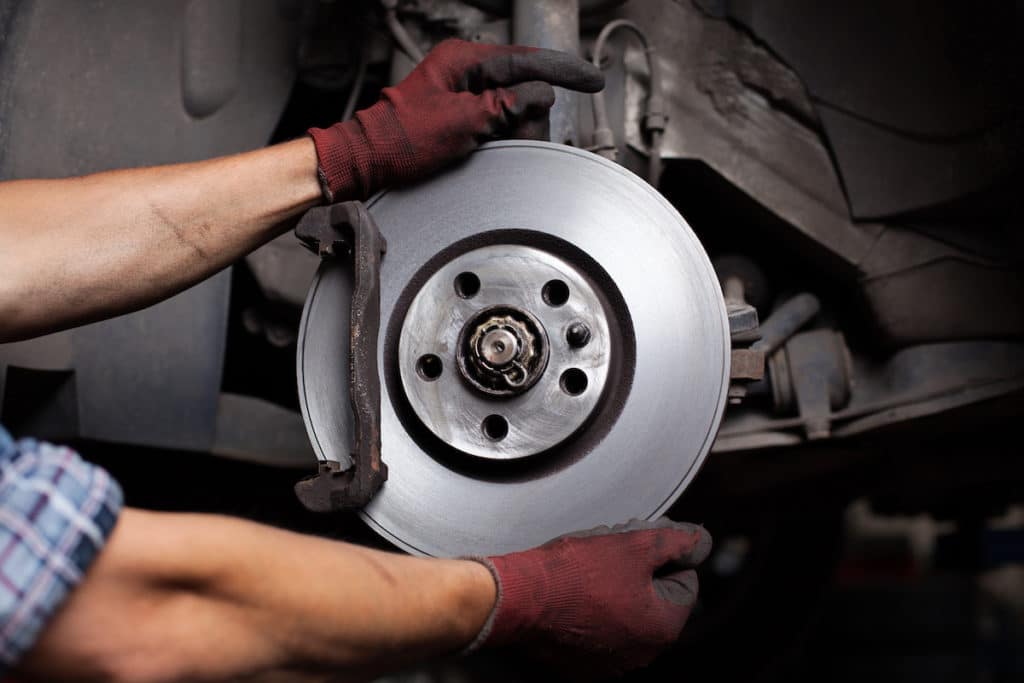
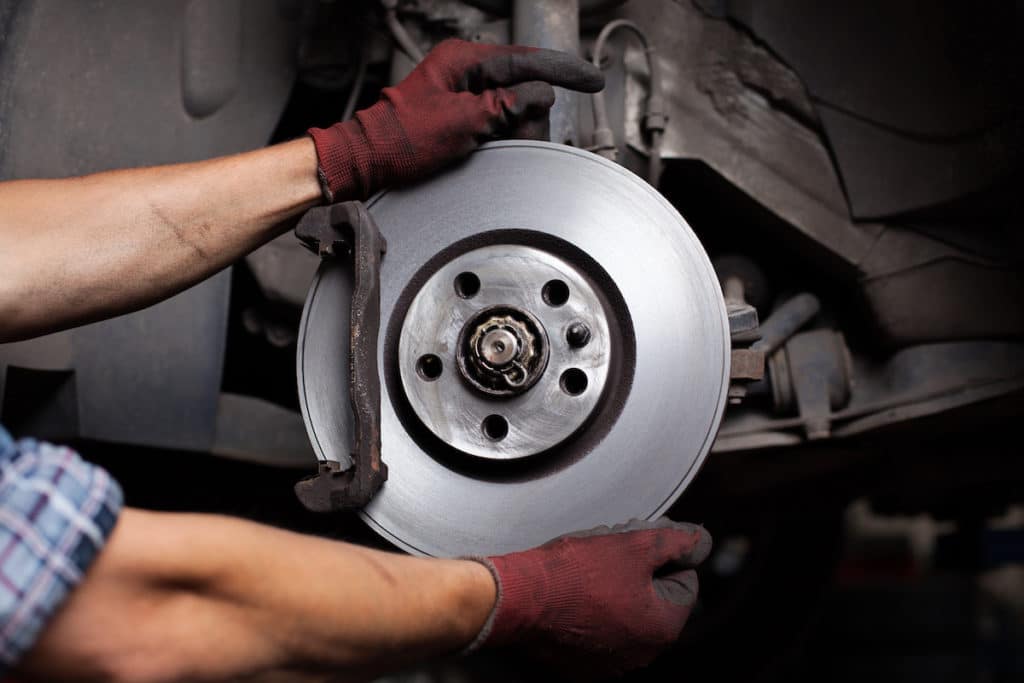
Have you scheduled brake service for your car lately? Most people don't put this particular type of Orlando auto service at the top of their to-do list when it comes to caring for their car. Brake service, however, is just as essential as an oil change or tire rotation. After all, your brakes are what bring you and your vehicle to a safe stop when it matters most. Toyota of Orlando offers affordable brake service to keep you safe out on the road, and we're here to tell you what to expect when you schedule this important car maintenance. Toyota of Orlando explains your car brake system Before we can explain what brake service actually consists of, it's probably best if we refresh your memory in terms of what's actually in your car braking system. Here are the main components that will be inspected, serviced, and repaired if necessary: Brake pads: Your brake pads are held in place against your rotors. When you press the brake pedal, they create the friction necessary to bring your vehicle to a stop. Calipers: Your calipers are metal pieces that actually hold your brake pads in place against the rotors and when you press the brake pedal, they push the brake pads firmly against the rotors to create the aforementioned necessary friction. Rotors: Your rotors are metal discs that work with the brake pads to make friction and slow/stop your car. Brake lines + fluid: Your brake lines connect your brake pedal to the rest of your brake system, and brake fluid keeps the entire system up and running when it matters most. What happens during brake service? So, what exactly happens when you schedule brake service at our Orlando Toyota service center? Here's what you can expect after you drop your car off. First, our Orlando car care techs will do a thorough inspection of your entire brake system to look for any existing OR developing issues that could cause trouble. Next, they'll check your brake pads. If they're in good shape, they get checked off the list. If they're too thin or worn down, they'll be replaced with a fresh set. Next up are the calipers. Our Orlando brake service techs will check then for rust and debris and if necessary, sand them down. If they're good to go, our techs will lubricate them and call it a day. Then they'll check your rotors to ensure they're in good condition and haven't been worn down due to bad brake pads. Finally, our techs will check your brake lines to ensure they aren't worn or leaking, and make sure you have enough clean brake fluid. If there's an issue, they may do a brake fluid flush. And then you're back on the road and ready to go. Have questions? Want to schedule brake service at our Orlando auto service center? You can call us today at (407) 298-4500 or schedule online. You can also stop by and see us at 3575 Vineland Road, just off I-4 across from the Millenia Mall.

Orlando brake service

What happens when you get brake service for your car?

Have you scheduled brake service for your car lately? Most people don't put this particular type of Orlando auto service at the top of their to-do list when it comes to caring for their car. Brake service, however, is just as essential as an oil change or tire rotation. After all, your brakes are what bring you and your vehicle to a safe stop when it matters most. Toyota of Orlando offers affordable brake service to keep you safe out on the road, and we're here to tell you what to expect when you schedule this important car maintenance. Toyota of Orlando explains your car brake system Before we can explain what brake service actually consists of, it's probably best if we refresh your memory in terms of what's actually in your car braking system. Here are the main components that will be inspected, serviced, and repaired if necessary: Brake pads: Your brake pads are held in place against your rotors. When you press the brake pedal, they create the friction necessary to bring your vehicle to a stop. Calipers: Your calipers are metal pieces that actually hold your brake pads in place against the rotors and when you press the brake pedal, they push the brake pads firmly against the rotors to create the aforementioned necessary friction. Rotors: Your rotors are metal discs that work with the brake pads to make friction and slow/stop your car. Brake lines + fluid: Your brake lines connect your brake pedal to the rest of your brake system, and brake fluid keeps the entire system up and running when it matters most. What happens during brake service? So, what exactly happens when you schedule brake service at our Orlando Toyota service center? Here's what you can expect after you drop your car off. First, our Orlando car care techs will do a thorough inspection of your entire brake system to look for any existing OR developing issues that could cause trouble. Next, they'll check your brake pads. If they're in good shape, they get checked off the list. If they're too thin or worn down, they'll be replaced with a fresh set. Next up are the calipers. Our Orlando brake service techs will check then for rust and debris and if necessary, sand them down. If they're good to go, our techs will lubricate them and call it a day. Then they'll check your rotors to ensure they're in good condition and haven't been worn down due to bad brake pads. Finally, our techs will check your brake lines to ensure they aren't worn or leaking, and make sure you have enough clean brake fluid. If there's an issue, they may do a brake fluid flush. And then you're back on the road and ready to go. Have questions? Want to schedule brake service at our Orlando auto service center? You can call us today at (407) 298-4500 or schedule online. You can also stop by and see us at 3575 Vineland Road, just off I-4 across from the Millenia Mall.

Contact Us

Fill out this form below and we'll contact you shortly
*Required Fields