



Updated August 2026
Your car brakes are one of the most important safety systems on your Toyota. Every time you slow down for a stoplight, avoid an obstacle in the road, or come to a stop in Orlando’s heavy traffic, you’re relying on your braking system. It has to perform perfectly or you could end up in an accident or collision. That’s why at Toyota of Orlando, routine brake maintenance isn’t just recommended… we see it as essential!
Executive Summary:
- Modern vehicles use four main braking systems: disc brakes, drum brakes, Anti-lock Braking Systems (ABS), and parking (emergency) brakes, and each one plays an important role in keeping you safe on the road.
- Disc brakes offer the strongest, most consistent stopping power and are the standard on most new Toyota models, while drum brakes are still found on some rear wheels and require regular maintenance to perform their best.
- ABS helps you maintain steering control during emergency braking, and your parking brake prevents your vehicle from rolling while reducing stress on your transmission when parked.
- Warning signs like squealing, grinding, vibrations, a soft brake pedal, or longer stopping distances shouldn’t be ignored. Regular brake inspections help catch worn pads, damaged rotors, sticking calipers, and old brake fluid before they become costly repairs.
- Orlando’s stop-and-go traffic, summer heat, and frequent rainstorms can accelerate brake wear, making routine brake maintenance even more important for local drivers.
Keeping your car brakes in the best condition helps protect you, your passengers, and everyone else on the road. Our Toyota of Orlando service technicians recommend:
- Replacing worn brake components before they fail
- Maintaining proper brake fluid levels
- Regularly inspecting important parts like your brake rotors, brake calipers, and brake pads to ensure everything is working together efficiently
Your braking system is made up of a lot of parts, and you don’t have to become a brake expert overnight. That’s where we come in! At Toyota of Orlando, our factory-trained techs handle everything from routine brake inspections to complete brake repairs using Genuine Toyota Parts whenever we can.
And to help you better understand what’s happening every time you press the brake pedal, check out this guide explaining the four main types of car brakes, how they work, and why regular brake maintenance is so important. We’re Making It Simple®!
What are the four main types of car brakes?
Modern cars use a few different braking technologies, but the two main mechanical braking systems are disc brakes and drum brakes. Our modern Orlando Toyotas are also equipped with Anti-lock Braking Systems (ABS) and an emergency (parking) brake that add another layer of safety.
1. Disc brakes: The most common type of car brakes
Disc brakes are the standard on pretty much every new Toyota because they’re powerful, reliable, and can easily handle a variety of driving conditions.
This type of car brakes system includes:
- Brake pads
- Brake rotors
- Brake calipers
- Hydraulic brake fluid
Here’s how everything works together – let our Orlando Toyota brake techs break it down for you.
- When you press the brake pedal, brake fluid travels through hydraulic brake lines.
- The pressure activates the brake calipers.
- The calipers squeeze the brake pads against the brake rotors.
- The friction created slows the wheels until your car comes to a complete stop.
Simple, right? One reason disc car brakes are so popular is because they can handle heat. The brake rotors are exposed to open air, so they cool much faster than enclosed systems. That helps reduce brake fade during repeated braking, like when you’re driving in stop-and-go Orlando traffic or down long hills.
Disc brakes are also exceptional in wet weather. As an Orlando driver, you know how fast afternoon thunderstorms can appear. Disc brakes shed water faster than drum brakes, which gives you full braking performance sooner after driving through heavy rain.
Our new Toyota models typically have disc brakes on all four wheels, which means excellent stopping performance, durability, and consistency.
2. Drum brakes: A traditional type of car brakes
Drum brakes are still found on some cars, but they’re a lot less common today. They’re usually on the rear wheels of smaller or more budget-friendly models.
Instead of using a brake rotor and brake pads, drum car brakes work differently. They have curved brake shoes inside a metal drum. When you apply the brakes:
- Hydraulic pressure forces the brake shoes outward.
- The shoes press against the inside surface of the spinning drum.
- Friction slows the wheel and brings the car to a stop.
While drum brakes work, they have some disadvantages compared to disc brakes.
- They retain heat longer.
- They’re more susceptible to brake fade during repeated stopping.
- Water can become trapped inside the drum, increasing the risk of corrosion.
- They’re generally more difficult to inspect and service.
That being said, drum brakes are perfectly safe if you maintain and adjust them. Many manufacturers still use them on rear wheels because they’re cheaper and integrate well with parking brake systems.
If your Orlando Toyota has drum brakes, routine inspections are especially important so we can make sure they’re wearing evenly and operating correctly.

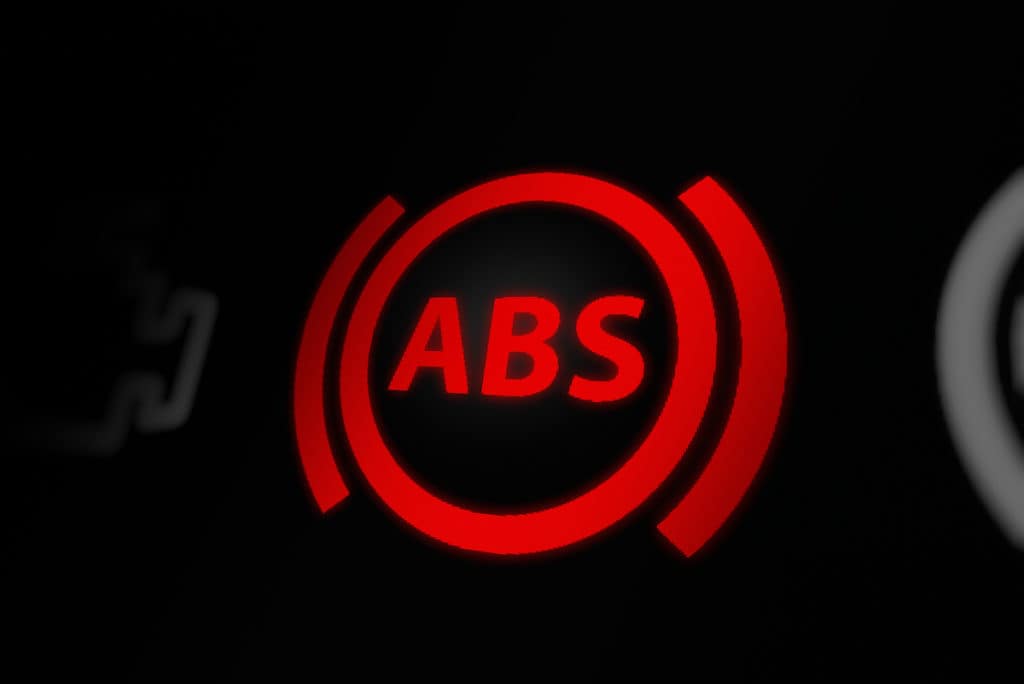
3. Anti-lock Braking System (ABS): Car brakes for emergency situations
Anti-lock Braking Systems (commonly known as ABS) aren’t actually a separate type of car brakes. They’re an advanced safety feature that works alongside your primary braking system.
ABS is designed to prevent your wheels from locking when you have to hit the brakes hard. Without ABS, slamming on the brakes could cause your tires to skid across the pavement, making it difficult to steer and avoid collisions.
Here’s how ABS works:
- Wheel speed sensors constantly monitor each wheel.
- If one wheel begins locking up during braking, the ABS computer detects it immediately.
- The system rapidly reduces and reapplies brake pressure several times per second.
- This allows the wheels to continue rotating while still slowing your car.
The result? Better steering control during emergency stops. You’ll probably notice the brake pedal vibrating or shaking during ABS activation. That’s completely normal and means the system is working like it should.
ABS can be especially important during:
- Heavy Orlando rainstorms
- Wet roads
- Loose gravel
- Emergency highway stops
- Sudden obstacle avoidance
And remember – ABS is great, but you should still use a safe following distance and keep up with your tires to ensure you can stop safely.
4. Emergency brakes (parking brakes)
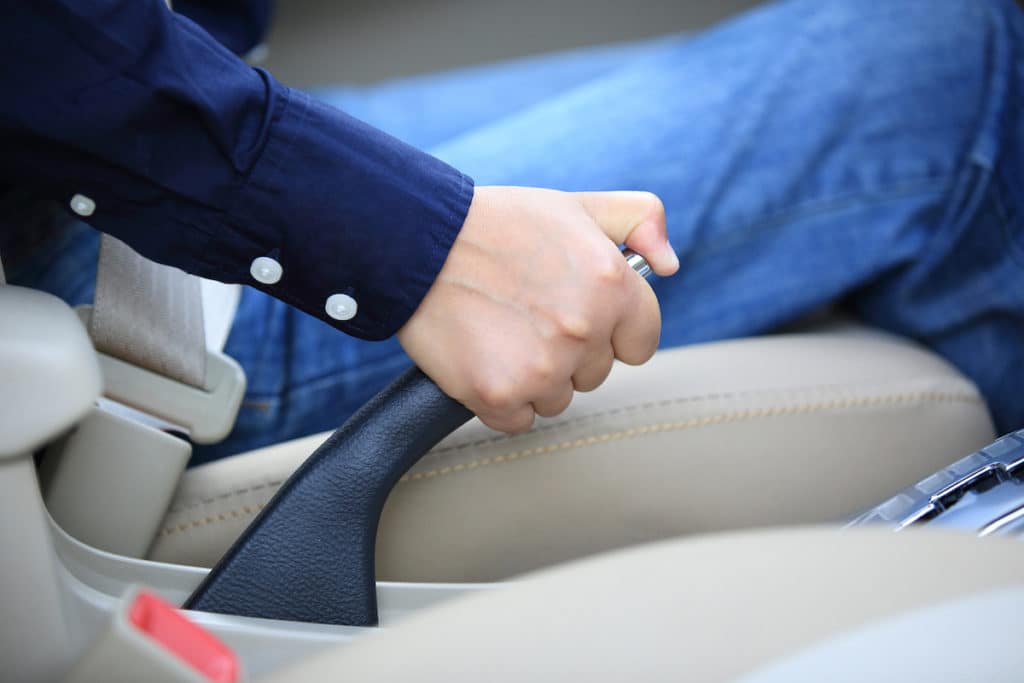
Your emergency brake – which is also called the parking brake – is another important part of your car’s overall braking system. Depending on your Orlando Toyota model, it will be:
- A traditional hand lever
- A foot pedal
- An electronic parking brake switch
Unlike your main car brakes, the parking brake doesn’t rely on hydraulic pressure. Instead, it uses a mechanical cable or electronic actuator to keep your ride from rolling when it’s parked.
You should use your parking brake regularly because it:
- Helps prevent your car from rolling on hills
- Reduces stress on your transmission when your car is parked
- Provides an additional layer of safety
- Keeps your parking brake parts from sticking due to lack of use
It’s not meant to stop your car during everyday driving, but the emergency brake can help gradually slow your ride if your primary braking system fails. If that ever happens, apply the parking brake slowly and steadily. Don’t yank it suddenly at highway speeds!
What are the signs your car brakes need service?
Your car brakes usually give you warning signs before they have a major issue. Paying attention to these symptoms can help prevent big repairs and also keep you and yours safer. Some common signs that your car brakes need service include:
- Squealing or squeaking when braking
- Grinding noises
- Vibrations in the brake pedal or steering wheel
- A soft or spongy brake pedal
- Your vehicle pulling to one side while braking
- Increased stopping distance
- Brake warning light illuminated
- Burning smells after heavy braking
If you notice any of these symptoms, bring your car to Toyota of Orlando ASAP for a brake inspection!
Why regular brake maintenance matters
Your braking system is made up of parts that naturally wear over time just like anything else. Regular brake maintenance helps catch problems early before they become bigger and more expensive. Here’s what our Toyota of Orlando technicians inspect during brake service.
Brake pads
Brake pads are designed to wear gradually as they create friction against the brake rotors. Most brake pads last anywhere from 30,000 to 70,000 miles, depending on your driving habits, traffic conditions, and car type.
Ignoring worn brake pads can damage your car’s rotors, which are significantly more expensive to replace.
Brake rotors
Brake rotors are the smooth metal surface your brake pads squeeze against. Over time they can become:
- Warped
- Scored
- Cracked
- Excessively worn
Damaged rotors usually cause vibrations while you’re braking and should be resurfaced or replaced if they’re in poor shape.
Brake calipers
Brake calipers hold the brake pads and apply the hydraulic pressure during braking. If a caliper sticks or leaks, it can cause:
- Uneven brake pad wear
- Pulling while braking
- Reduced stopping performance
- Premature rotor damage
Routine inspections help catch these issues early, so schedule yours at Toyota of Orlando.
Brake fluid
Brake fluid transfers hydraulic pressure through your braking system. Over time, it naturally absorbs moisture from the air. Moisture contamination lowers its boiling point and can reduce your brakes’ effectiveness, especially during heavy braking.
That’s why manufacturers recommend replacing brake fluid at regular service intervals. Our Toyota of Orlando techs can get you on a schedule!
Orlando driving can be harder on car brakes
Living in Orlando means your car brakes often work harder than drivers in other parts of the country. Some local driving conditions that increase brake wear include:
- Heavy stop-and-go Orlando traffic
- Frequent tourist congestion near attractions
- Summer heat that increases brake temperatures
- Daily commuting on I-4
- Sudden afternoon thunderstorms requiring additional braking
Regular brake inspections help ensure your braking system is prepared for whatever Orlando roads throw your way.
Trust Toyota of Orlando with your brake service
Whether your vehicle needs new brake pads, rotor replacement, brake fluid service, or a complete brake inspection, Toyota of Orlando is here to help. Schedule brake service with us at (407) 298-0001 or online, and don’t forget to ask about our money-saving brake service specials today!
Connect with us


- August 2026
- July 2026
- June 2026
- May 2026
- April 2026
- March 2026
- February 2026
- January 2026
- December 2025
- November 2025
- October 2025
- September 2025
- August 2025
- July 2025
- June 2025
- May 2025
- April 2025
- March 2025
- February 2025
- January 2025
- December 2024
- November 2024
- October 2024
- September 2024
- August 2024
- July 2024
- June 2024
- May 2024
- April 2024
- March 2024
- February 2024
- January 2024
- December 2023
- November 2023
- October 2023
- September 2023
- August 2023
- July 2023
- June 2023
- May 2023
- April 2023
- March 2023
- February 2023
- January 2023
- December 2022
- November 2022
- October 2022
- September 2022
- August 2022
- July 2022
- June 2022
- May 2022
- April 2022
- March 2022
- February 2022
- January 2022
- December 2021
- November 2021
- October 2021
- September 2021
- August 2021
- July 2021
- June 2021
- May 2021
- April 2021
- March 2021
- February 2021
- January 2021
- December 2020
- November 2020
- October 2020
- September 2020
- August 2020
- July 2020
- June 2020
- May 2020
- April 2020
- March 2020
- February 2020
- January 2020
- December 2019
- November 2019
- October 2019
- September 2019
- August 2019
- July 2019
- June 2019
- May 2019
- April 2019
- March 2019
- February 2019
- January 2019
- December 2018
- November 2018
- October 2018
- September 2018
- August 2018
- July 2018
- June 2018
- May 2018
- April 2018
- March 2018
- February 2018
- January 2018
- July 2017
- June 2017
- May 2017