Blog

All Toyota of Orlando's Tips Toyota of Orlando News New Toyota Toyota Service Orlando Toyota Service Used Cars Toyota of Orlando Service Toyota of Orlando Body Shop
driving at night

Daylight Saving Time: How to prep to fall back

Daylight savings time is almost over! The time change will happen on Halloween this year and whether you're ready for it or not, we'll fall back just as November arrives. While daylight savings time ending may not seem like a huge deal, our days will definitely be shorter and you may find yourself making your evening commute in the dark. That's why it's important to prep your car and yourself now so you're ready to fall back like a pro. Check out our Orlando Toyota tips for handling the time change below. 5 tips to prep yourself for daylight savings time to end Tip #1: Have your brakes and tires checked. When daylight savings time ends, you'll likely be driving part of your commute (if not all of it) in the dark. You should have our Orlando auto service center check your brakes and tires so you're ready to hit the road no matter the lighting situation. Our techs will ensure your brake system is in good condition and you can bring your car to a safe (and even sudden stop) whenever you need to, and they'll inspect your tires to ensure you have the proper amount of tread for good traction. They'll also assess the general condition of your car tires to ensure you're not headed for a blowout, which is the last thing you need in dim lighting. (Who wants to change a tire in the dark?) Tip #2: Ensure your lights - all of them - are in good working order. Before you hit the road this fall, take a minute to ensure ALL of your car's lights are working properly. This means headlights, taillights, turn signals, and hazard lights, but it also means all interior lights. Remember, you'll need to turn your headlights on from dusk until dawn so you have proper visibility and so other drivers can see you. Our Orlando auto service techs can replace burnt-out bulbs, fix broken headlights, and even perform headlight restoration to keep you safe while driving in the dark. Tip #3: Realize that it takes time to adjust to the time change and don't drive when fatigued. Remember, we may fall back (and gain an hour of sleep) but it still takes time to adjust to daylight savings. If you're overtired from staying up too late (especially since the time change falls on Halloween this year), be sure that you rest before you hit the road. Driving while fatigued is just as bad as driving while intoxicated. Tip #4: Pay close attention to your surroundings when driving in the dark. Driving in the dark brings a whole new set of challenges to the table. Animals tend to be more active at night and are more likely to cross your path, and you're also less likely to see issues on the road as soon as you would in the daylight. This means you need to be ready for anything, including coming to a sudden stop, so ensure that you keep your eyes on the road and your hands on the wheel at all times. Tip #5: Clean your windshield. Make sure you clean your windshield inside and out before daylight savings time ends. Any dust, fingerprints, or other debris on the glass can reflect light and make it more difficult for you to see clearly. Call Toyota of Orlando with all of your fall auto service needs Have questions or need Orlando auto service? We've got you covered all season long. Call Toyota of Orlando at (407) 298-0001 or visit us at 3575 Vineland Road, just off I-4 across from the Millenia Mall.

driving at night

Daylight Saving Time: How to prep to fall back

Daylight savings time is almost over! The time change will happen on Halloween this year and whether you're ready for it or not, we'll fall back just as November arrives. While daylight savings time ending may not seem like a huge deal, our days will definitely be shorter and you may find yourself making your evening commute in the dark. That's why it's important to prep your car and yourself now so you're ready to fall back like a pro. Check out our Orlando Toyota tips for handling the time change below. 5 tips to prep yourself for daylight savings time to end Tip #1: Have your brakes and tires checked. When daylight savings time ends, you'll likely be driving part of your commute (if not all of it) in the dark. You should have our Orlando auto service center check your brakes and tires so you're ready to hit the road no matter the lighting situation. Our techs will ensure your brake system is in good condition and you can bring your car to a safe (and even sudden stop) whenever you need to, and they'll inspect your tires to ensure you have the proper amount of tread for good traction. They'll also assess the general condition of your car tires to ensure you're not headed for a blowout, which is the last thing you need in dim lighting. (Who wants to change a tire in the dark?) Tip #2: Ensure your lights - all of them - are in good working order. Before you hit the road this fall, take a minute to ensure ALL of your car's lights are working properly. This means headlights, taillights, turn signals, and hazard lights, but it also means all interior lights. Remember, you'll need to turn your headlights on from dusk until dawn so you have proper visibility and so other drivers can see you. Our Orlando auto service techs can replace burnt-out bulbs, fix broken headlights, and even perform headlight restoration to keep you safe while driving in the dark. Tip #3: Realize that it takes time to adjust to the time change and don't drive when fatigued. Remember, we may fall back (and gain an hour of sleep) but it still takes time to adjust to daylight savings. If you're overtired from staying up too late (especially since the time change falls on Halloween this year), be sure that you rest before you hit the road. Driving while fatigued is just as bad as driving while intoxicated. Tip #4: Pay close attention to your surroundings when driving in the dark. Driving in the dark brings a whole new set of challenges to the table. Animals tend to be more active at night and are more likely to cross your path, and you're also less likely to see issues on the road as soon as you would in the daylight. This means you need to be ready for anything, including coming to a sudden stop, so ensure that you keep your eyes on the road and your hands on the wheel at all times. Tip #5: Clean your windshield. Make sure you clean your windshield inside and out before daylight savings time ends. Any dust, fingerprints, or other debris on the glass can reflect light and make it more difficult for you to see clearly. Call Toyota of Orlando with all of your fall auto service needs Have questions or need Orlando auto service? We've got you covered all season long. Call Toyota of Orlando at (407) 298-0001 or visit us at 3575 Vineland Road, just off I-4 across from the Millenia Mall.

alternative fuel vehicles

Don't make these 5 mistakes when buying an electric car

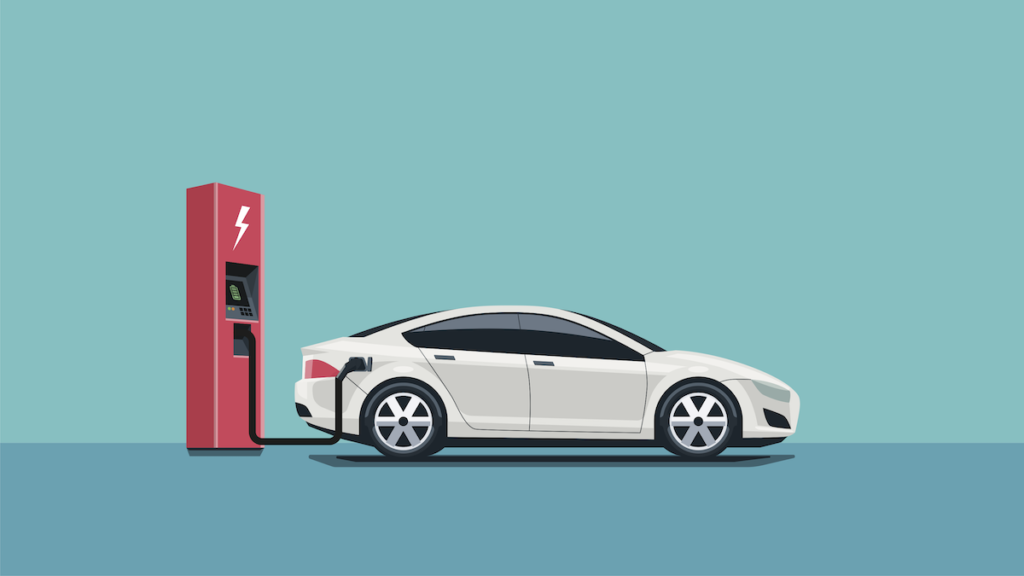
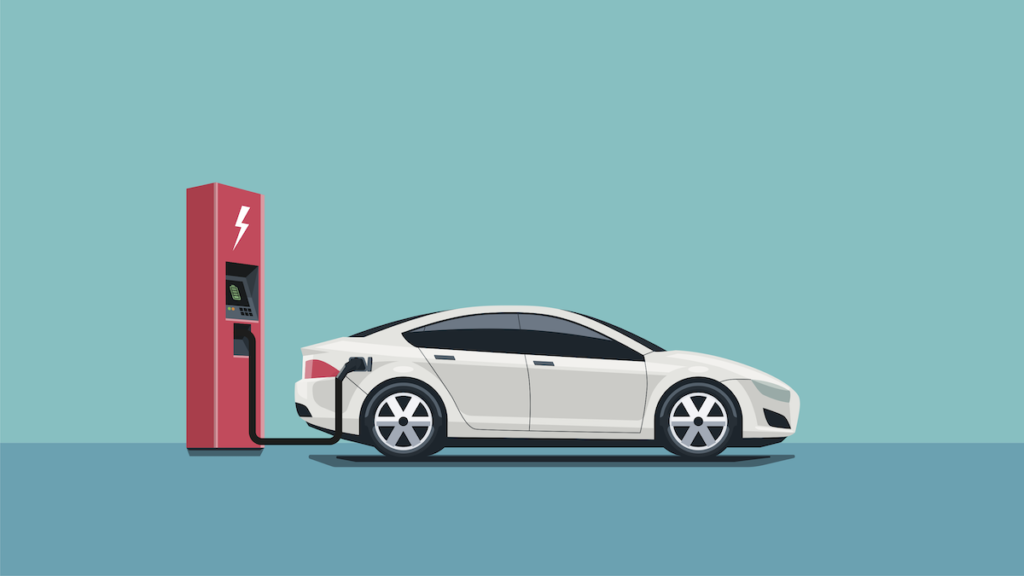
Are you considering putting an electric car in the driveway? These eco-friendly, tech-driven rides are a great way to get around town. However, they may not be a perfect fit for everyone, and that's why we encourage you to do your research BEFORE you sign the dotted line. Check out these 5 mistakes our Orlando Toyota sales specialists urge you not to make when shopping for one of these alternative fuel vehicles. 1. Not plotting out your budget First things first - let's talk money. Electric cars tend to be more expensive than hybrids and traditional gasoline cars because of all the technology they've got going on under the hood and inside the cabin. That being said, make sure you can afford it before you sign the dotted line. You don't want to get stuck in a car payment that you can't swing on a monthly basis. And don't forget to factor in both maintenance and car insurance when considering your budgetary situation. 2. Not looking into federal incentives Did you know that there are often federal tax credits available for EV cars bought here in the United States? You should do your research (or inform your accountant) when tax time rolls around - driving one of these Orlando Toyotas can get you a pretty nice refund, so factor that into your decision. 3. Not considering your commute What's your day-to-day commute like? Just like traditional gasoline cars can only get you so far on a tank of gas, electric cars can only get you so far on one charge. Make sure you do research on the "range" (how far you can get on one charge) that the model you're interested in has to offer. And don't forget, if your work or school doesn't have a charging station, you still have to make it back home, too. Factor your daily mileage before you settle on a particular make and model. If you live in a rural or even suburban area, a short range might not cut it. 4. Not taking into account your local climate Did you know that the local climate can actually have an effect on electric cars? Believe it or not, extremely cold weather can have a negative effect on your EV's performance. The batteries don't charge as well in super-cold conditions, nor do they hold the charge as well. This can have a big impact on your range and overall performance, so take your local climate into account before you sign the dotted line. (If you live here in Orlando, you're good to go.) 5. Not evaluating all of your drive time needs Make sure you take ALL of your drive time needs into account before you decide to buy an electric car. Do you need something that can tow or haul? Do you need a ton of interior space for passengers? What about off-roading - do you tend to take things off the pavement? Compile a list of ALL of your drive time needs and make sure an electric vehicle can meet them before you buy. Have questions about electric options or want to explore alternative fuel Orlando Toyotas? Call us today! Toyota of Orlando is open seven days a week at (407) 298-4500.

alternative fuel vehicles

Don't make these 5 mistakes when buying an electric car

Are you considering putting an electric car in the driveway? These eco-friendly, tech-driven rides are a great way to get around town. However, they may not be a perfect fit for everyone, and that's why we encourage you to do your research BEFORE you sign the dotted line. Check out these 5 mistakes our Orlando Toyota sales specialists urge you not to make when shopping for one of these alternative fuel vehicles. 1. Not plotting out your budget First things first - let's talk money. Electric cars tend to be more expensive than hybrids and traditional gasoline cars because of all the technology they've got going on under the hood and inside the cabin. That being said, make sure you can afford it before you sign the dotted line. You don't want to get stuck in a car payment that you can't swing on a monthly basis. And don't forget to factor in both maintenance and car insurance when considering your budgetary situation. 2. Not looking into federal incentives Did you know that there are often federal tax credits available for EV cars bought here in the United States? You should do your research (or inform your accountant) when tax time rolls around - driving one of these Orlando Toyotas can get you a pretty nice refund, so factor that into your decision. 3. Not considering your commute What's your day-to-day commute like? Just like traditional gasoline cars can only get you so far on a tank of gas, electric cars can only get you so far on one charge. Make sure you do research on the "range" (how far you can get on one charge) that the model you're interested in has to offer. And don't forget, if your work or school doesn't have a charging station, you still have to make it back home, too. Factor your daily mileage before you settle on a particular make and model. If you live in a rural or even suburban area, a short range might not cut it. 4. Not taking into account your local climate Did you know that the local climate can actually have an effect on electric cars? Believe it or not, extremely cold weather can have a negative effect on your EV's performance. The batteries don't charge as well in super-cold conditions, nor do they hold the charge as well. This can have a big impact on your range and overall performance, so take your local climate into account before you sign the dotted line. (If you live here in Orlando, you're good to go.) 5. Not evaluating all of your drive time needs Make sure you take ALL of your drive time needs into account before you decide to buy an electric car. Do you need something that can tow or haul? Do you need a ton of interior space for passengers? What about off-roading - do you tend to take things off the pavement? Compile a list of ALL of your drive time needs and make sure an electric vehicle can meet them before you buy. Have questions about electric options or want to explore alternative fuel Orlando Toyotas? Call us today! Toyota of Orlando is open seven days a week at (407) 298-4500.

Toyota of Orlando tips

6 bad driving habits you should avoid

Do you consider yourself to be a good driver? Most people do, but sometimes they're unaware that the driving habits they've cultivated actually aren't the best. Bad driving habits can put both you and other drivers on the road in danger and increase the risk of getting into an accident or collision. That's why our Orlando Toyota dealership has come up with a list of the top 6 worst driving habits we see and why you should avoid them. Check it out! The 6 worst driving habits we see 1. Distracted driving Distracted driving is just what it sounds like - engaging in distractions while driving. This is absolutely the #1 worst driving habit you can have. Whether it's using your phone, changing radio stations, turning to talk to passengers, eating, doing your makeup - whatever distraction it is, it highly increases your chances of getting into a car accident. Don't be selfish; put the distractions away and keep your hands on the wheel and your eyes on the road. 2. Not wearing a seatbelt You should ALWAYS wear a seatbelt, even if you're just running around the corner to the convenience store. Everyone - including yourself - should be buckled in securely before your Orlando Toyota leaves the driveway. Not only is it illegal to be in a moving vehicle without a seatbelt, not wearing one leaves you 30 times more likely to be ejected from the vehicle in a crash. Seatbelts reduce your risk of serious injury by 50% and your risk of death by 45%. The odds are in your favor - buckle up. 3. Tailgating Tailgating is when you drive too closely to the car in front of you. It's dangerous because if they have to come to sudden stop, you'll likely run into the back of them. You should always leave at least "four seconds" of space in between you and the car in front of you. When they pass a landmark (like a road sign), you should be able to count to four before you pass it. 4. Not using your turn signals Use your turn signals! They're there for a reason. Using them alerts other drivers to your movements and helps them avoid your vehicle (and subsequently, avoid an accident). 5. Driving aggressively Don't give in to road rage. Driving aggressively seriously increases your risk of getting into a fatal traffic accident and you're also putting everyone else on the road in danger. 6. Speeding (or going under the speed limit) The speed limit exists for a reason, too. This is the optimal speed for the road you're on. Going over the speed limit means you may not be able to control your car based on the road conditions and you're making it unsafe for other drivers, too. Conversely, going too slowly can also be dangerous to you and other drivers. Try to stick at or near the speed limit. Call Toyota of Orlando with questions! Have questions? Call us! Toyota of Orlando is open seven days a week at (407) 298-4500 and we're conveniently located just off I-4 across from the Millenia Mall at 3575 Vineland Road.

Toyota of Orlando tips

6 bad driving habits you should avoid

Do you consider yourself to be a good driver? Most people do, but sometimes they're unaware that the driving habits they've cultivated actually aren't the best. Bad driving habits can put both you and other drivers on the road in danger and increase the risk of getting into an accident or collision. That's why our Orlando Toyota dealership has come up with a list of the top 6 worst driving habits we see and why you should avoid them. Check it out! The 6 worst driving habits we see 1. Distracted driving Distracted driving is just what it sounds like - engaging in distractions while driving. This is absolutely the #1 worst driving habit you can have. Whether it's using your phone, changing radio stations, turning to talk to passengers, eating, doing your makeup - whatever distraction it is, it highly increases your chances of getting into a car accident. Don't be selfish; put the distractions away and keep your hands on the wheel and your eyes on the road. 2. Not wearing a seatbelt You should ALWAYS wear a seatbelt, even if you're just running around the corner to the convenience store. Everyone - including yourself - should be buckled in securely before your Orlando Toyota leaves the driveway. Not only is it illegal to be in a moving vehicle without a seatbelt, not wearing one leaves you 30 times more likely to be ejected from the vehicle in a crash. Seatbelts reduce your risk of serious injury by 50% and your risk of death by 45%. The odds are in your favor - buckle up. 3. Tailgating Tailgating is when you drive too closely to the car in front of you. It's dangerous because if they have to come to sudden stop, you'll likely run into the back of them. You should always leave at least "four seconds" of space in between you and the car in front of you. When they pass a landmark (like a road sign), you should be able to count to four before you pass it. 4. Not using your turn signals Use your turn signals! They're there for a reason. Using them alerts other drivers to your movements and helps them avoid your vehicle (and subsequently, avoid an accident). 5. Driving aggressively Don't give in to road rage. Driving aggressively seriously increases your risk of getting into a fatal traffic accident and you're also putting everyone else on the road in danger. 6. Speeding (or going under the speed limit) The speed limit exists for a reason, too. This is the optimal speed for the road you're on. Going over the speed limit means you may not be able to control your car based on the road conditions and you're making it unsafe for other drivers, too. Conversely, going too slowly can also be dangerous to you and other drivers. Try to stick at or near the speed limit. Call Toyota of Orlando with questions! Have questions? Call us! Toyota of Orlando is open seven days a week at (407) 298-4500 and we're conveniently located just off I-4 across from the Millenia Mall at 3575 Vineland Road.

car brake types

The four main types of car brakes

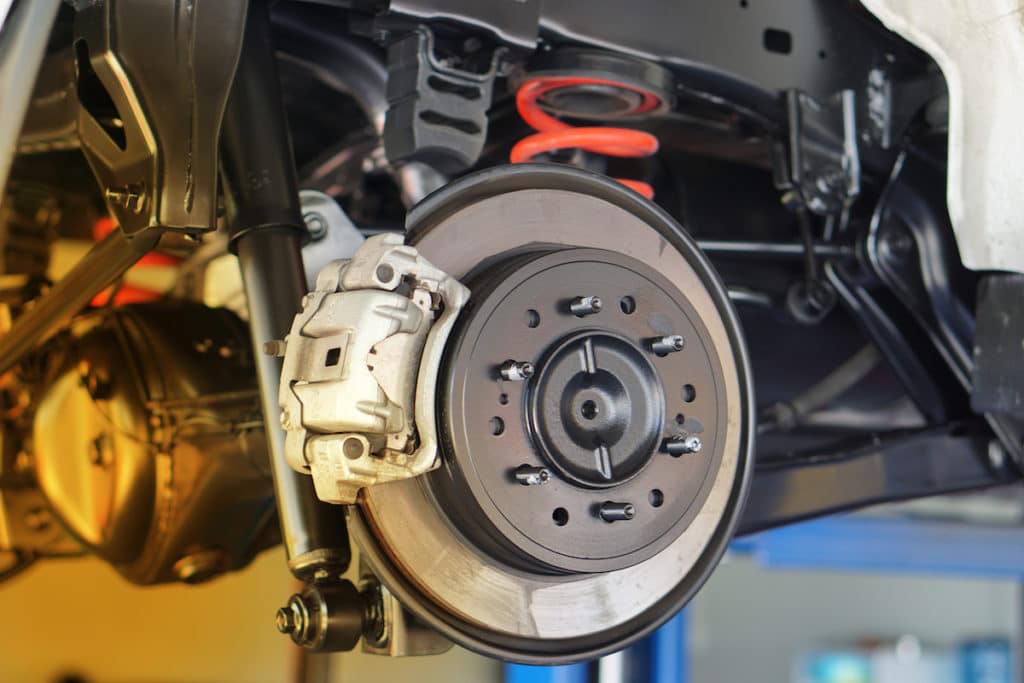
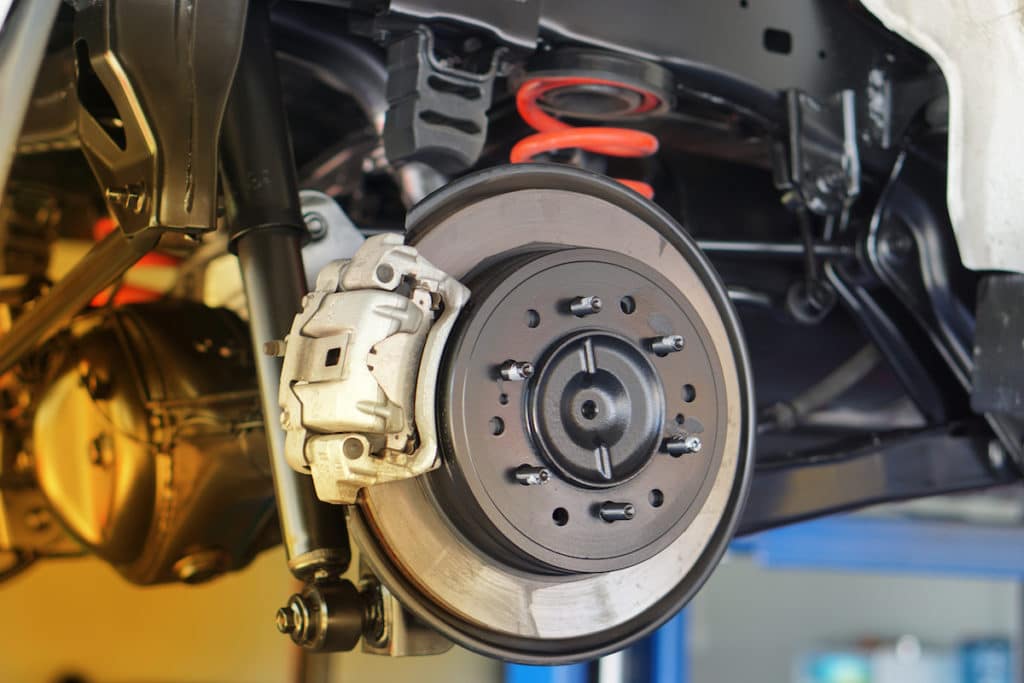
Updated August 2026 Your car brakes are one of the most important safety systems on your Toyota. Every time you slow down for a stoplight, avoid an obstacle in the road, or come to a stop in Orlando's heavy traffic, you're relying on your braking system. It has to perform perfectly or you could end up in an accident or collision. That's why at Toyota of Orlando, routine brake maintenance isn't just recommended… we see it as essential! Executive Summary: Modern vehicles use four main braking systems: disc brakes, drum brakes, Anti-lock Braking Systems (ABS), and parking (emergency) brakes, and each one plays an important role in keeping you safe on the road. Disc brakes offer the strongest, most consistent stopping power and are the standard on most new Toyota models, while drum brakes are still found on some rear wheels and require regular maintenance to perform their best. ABS helps you maintain steering control during emergency braking, and your parking brake prevents your vehicle from rolling while reducing stress on your transmission when parked. Warning signs like squealing, grinding, vibrations, a soft brake pedal, or longer stopping distances shouldn't be ignored. Regular brake inspections help catch worn pads, damaged rotors, sticking calipers, and old brake fluid before they become costly repairs. Orlando's stop-and-go traffic, summer heat, and frequent rainstorms can accelerate brake wear, making routine brake maintenance even more important for local drivers. Keeping your car brakes in the best condition helps protect you, your passengers, and everyone else on the road. Our Toyota of Orlando service technicians recommend: Replacing worn brake components before they fail Maintaining proper brake fluid levels Regularly inspecting important parts like your brake rotors, brake calipers, and brake pads to ensure everything is working together efficiently Your braking system is made up of a lot of parts, and you don’t have to become a brake expert overnight. That’s where we come in! At Toyota of Orlando, our factory-trained techs handle everything from routine brake inspections to complete brake repairs using Genuine Toyota Parts whenever we can. And to help you better understand what's happening every time you press the brake pedal, check out this guide explaining the four main types of car brakes, how they work, and why regular brake maintenance is so important. We're Making It Simple®! What are the four main types of car brakes? Modern cars use a few different braking technologies, but the two main mechanical braking systems are disc brakes and drum brakes.Our modern Orlando Toyotas are also equipped with Anti-lock Braking Systems (ABS) and an emergency (parking) brake that add another layer of safety. 1. Disc brakes: The most common type of car brakes Disc brakes are the standard on pretty much every new Toyota because they're powerful, reliable, and can easily handle a variety of driving conditions. This type of car brakes system includes: Brake pads Brake rotors Brake calipers Hydraulic brake fluid Here's how everything works together - let our Orlando Toyota brake techs break it down for you. When you press the brake pedal, brake fluid travels through hydraulic brake lines. The pressure activates the brake calipers. The calipers squeeze the brake pads against the brake rotors. The friction created slows the wheels until your car comes to a complete stop. Simple, right?One reason disc car brakes are so popular is because they can handle heat. The brake rotors are exposed to open air, so they cool much faster than enclosed systems. That helps reduce brake fade during repeated braking, like when you’re driving in stop-and-go Orlando traffic or down long hills. Disc brakes are also exceptional in wet weather. As an Orlando driver, you know how fast afternoon thunderstorms can appear. Disc brakes shed water faster than drum brakes, which gives you full braking performance sooner after driving through heavy rain. Our new Toyota models typically have disc brakes on all four wheels, which means excellent stopping performance, durability, and consistency. 2. Drum brakes: A traditional type of car brakes Drum brakes are still found on some cars, but they’re a lot less common today. They’re usually on the rear wheels of smaller or more budget-friendly models. Instead of using a brake rotor and brake pads, drum car brakes work differently. They have curved brake shoes inside a metal drum. When you apply the brakes: Hydraulic pressure forces the brake shoes outward. The shoes press against the inside surface of the spinning drum. Friction slows the wheel and brings the car to a stop. While drum brakes work, they have some disadvantages compared to disc brakes. They retain heat longer. They're more susceptible to brake fade during repeated stopping. Water can become trapped inside the drum, increasing the risk of corrosion. They're generally more difficult to inspect and service. That being said, drum brakes are perfectly safe if you maintain and adjust them. Many manufacturers still use them on rear wheels because they're cheaper and integrate well with parking brake systems. If your Orlando Toyota has drum brakes, routine inspections are especially important so we can make sure they're wearing evenly and operating correctly. 3. Anti-lock Braking System (ABS): Car brakes for emergency situations Anti-lock Braking Systems (commonly known as ABS) aren’t actually a separate type of car brakes. They're an advanced safety feature that works alongside your primary braking system. ABS is designed to prevent your wheels from locking when you have to hit the brakes hard. Without ABS, slamming on the brakes could cause your tires to skid across the pavement, making it difficult to steer and avoid collisions. Here's how ABS works: Wheel speed sensors constantly monitor each wheel. If one wheel begins locking up during braking, the ABS computer detects it immediately. The system rapidly reduces and reapplies brake pressure several times per second. This allows the wheels to continue rotating while still slowing your car. The result? Better steering control during emergency stops. You’ll probably notice the brake pedal vibrating or shaking during ABS activation. That's completely normal and means the system is working like it should. ABS can be especially important during: Heavy Orlando rainstorms Wet roads Loose gravel Emergency highway stops Sudden obstacle avoidance And remember - ABS is great, but you should still use a safe following distance and keep up with your tires to ensure you can stop safely. 4. Emergency brakes (parking brakes) Your emergency brake - which is also called the parking brake - is another important part of your car’s overall braking system. Depending on your Orlando Toyota model, it will be: A traditional hand lever A foot pedal An electronic parking brake switch Unlike your main car brakes, the parking brake doesn't rely on hydraulic pressure. Instead, it uses a mechanical cable or electronic actuator to keep your ride from rolling when it’s parked. You should use your parking brake regularly because it: Helps prevent your car from rolling on hills Reduces stress on your transmission when your car is parked Provides an additional layer of safety Keeps your parking brake parts from sticking due to lack of use It’s not meant to stop your car during everyday driving, but the emergency brake can help gradually slow your ride if your primary braking system fails. If that ever happens, apply the parking brake slowly and steadily. Don’t yank it suddenly at highway speeds! What are the signs your car brakes need service? Your car brakes usually give you warning signs before they have a major issue. Paying attention to these symptoms can help prevent big repairs and also keep you and yours safer.Some common signs that your car brakes need service include: Squealing or squeaking when braking Grinding noises Vibrations in the brake pedal or steering wheel A soft or spongy brake pedal Your vehicle pulling to one side while braking Increased stopping distance Brake warning light illuminated Burning smells after heavy braking If you notice any of these symptoms, bring your car to Toyota of Orlando ASAP for a brake inspection! Why regular brake maintenance matters Your braking system is made up of parts that naturally wear over time just like anything else. Regular brake maintenance helps catch problems early before they become bigger and more expensive.Here's what our Toyota of Orlando technicians inspect during brake service. Brake pads Brake pads are designed to wear gradually as they create friction against the brake rotors. Most brake pads last anywhere from 30,000 to 70,000 miles, depending on your driving habits, traffic conditions, and car type. Ignoring worn brake pads can damage your car’s rotors, which are significantly more expensive to replace. Brake rotors Brake rotors are the smooth metal surface your brake pads squeeze against. Over time they can become: Warped Scored Cracked Excessively worn Damaged rotors usually cause vibrations while you’re braking and should be resurfaced or replaced if they’re in poor shape. Brake calipers Brake calipers hold the brake pads and apply the hydraulic pressure during braking. If a caliper sticks or leaks, it can cause: Uneven brake pad wear Pulling while braking Reduced stopping performance Premature rotor damage Routine inspections help catch these issues early, so schedule yours at Toyota of Orlando. Brake fluid Brake fluid transfers hydraulic pressure through your braking system. Over time, it naturally absorbs moisture from the air. Moisture contamination lowers its boiling point and can reduce your brakes’ effectiveness, especially during heavy braking. That's why manufacturers recommend replacing brake fluid at regular service intervals. Our Toyota of Orlando techs can get you on a schedule! Orlando driving can be harder on car brakes Living in Orlando means your car brakes often work harder than drivers in other parts of the country. Some local driving conditions that increase brake wear include: Heavy stop-and-go Orlando traffic Frequent tourist congestion near attractions Summer heat that increases brake temperatures Daily commuting on I-4 Sudden afternoon thunderstorms requiring additional braking Regular brake inspections help ensure your braking system is prepared for whatever Orlando roads throw your way. Trust Toyota of Orlando with your brake service Whether your vehicle needs new brake pads, rotor replacement, brake fluid service, or a complete brake inspection, Toyota of Orlando is here to help. Schedule brake service with us at (407) 298-0001 or online, and don’t forget to ask about our money-saving brake service specials today!


car brake types

The four main types of car brakes

Updated August 2026 Your car brakes are one of the most important safety systems on your Toyota. Every time you slow down for a stoplight, avoid an obstacle in the road, or come to a stop in Orlando's heavy traffic, you're relying on your braking system. It has to perform perfectly or you could end up in an accident or collision. That's why at Toyota of Orlando, routine brake maintenance isn't just recommended… we see it as essential! Executive Summary: Modern vehicles use four main braking systems: disc brakes, drum brakes, Anti-lock Braking Systems (ABS), and parking (emergency) brakes, and each one plays an important role in keeping you safe on the road. Disc brakes offer the strongest, most consistent stopping power and are the standard on most new Toyota models, while drum brakes are still found on some rear wheels and require regular maintenance to perform their best. ABS helps you maintain steering control during emergency braking, and your parking brake prevents your vehicle from rolling while reducing stress on your transmission when parked. Warning signs like squealing, grinding, vibrations, a soft brake pedal, or longer stopping distances shouldn't be ignored. Regular brake inspections help catch worn pads, damaged rotors, sticking calipers, and old brake fluid before they become costly repairs. Orlando's stop-and-go traffic, summer heat, and frequent rainstorms can accelerate brake wear, making routine brake maintenance even more important for local drivers. Keeping your car brakes in the best condition helps protect you, your passengers, and everyone else on the road. Our Toyota of Orlando service technicians recommend: Replacing worn brake components before they fail Maintaining proper brake fluid levels Regularly inspecting important parts like your brake rotors, brake calipers, and brake pads to ensure everything is working together efficiently Your braking system is made up of a lot of parts, and you don’t have to become a brake expert overnight. That’s where we come in! At Toyota of Orlando, our factory-trained techs handle everything from routine brake inspections to complete brake repairs using Genuine Toyota Parts whenever we can. And to help you better understand what's happening every time you press the brake pedal, check out this guide explaining the four main types of car brakes, how they work, and why regular brake maintenance is so important. We're Making It Simple®! What are the four main types of car brakes? Modern cars use a few different braking technologies, but the two main mechanical braking systems are disc brakes and drum brakes.Our modern Orlando Toyotas are also equipped with Anti-lock Braking Systems (ABS) and an emergency (parking) brake that add another layer of safety. 1. Disc brakes: The most common type of car brakes Disc brakes are the standard on pretty much every new Toyota because they're powerful, reliable, and can easily handle a variety of driving conditions. This type of car brakes system includes: Brake pads Brake rotors Brake calipers Hydraulic brake fluid Here's how everything works together - let our Orlando Toyota brake techs break it down for you. When you press the brake pedal, brake fluid travels through hydraulic brake lines. The pressure activates the brake calipers. The calipers squeeze the brake pads against the brake rotors. The friction created slows the wheels until your car comes to a complete stop. Simple, right?One reason disc car brakes are so popular is because they can handle heat. The brake rotors are exposed to open air, so they cool much faster than enclosed systems. That helps reduce brake fade during repeated braking, like when you’re driving in stop-and-go Orlando traffic or down long hills. Disc brakes are also exceptional in wet weather. As an Orlando driver, you know how fast afternoon thunderstorms can appear. Disc brakes shed water faster than drum brakes, which gives you full braking performance sooner after driving through heavy rain. Our new Toyota models typically have disc brakes on all four wheels, which means excellent stopping performance, durability, and consistency. 2. Drum brakes: A traditional type of car brakes Drum brakes are still found on some cars, but they’re a lot less common today. They’re usually on the rear wheels of smaller or more budget-friendly models. Instead of using a brake rotor and brake pads, drum car brakes work differently. They have curved brake shoes inside a metal drum. When you apply the brakes: Hydraulic pressure forces the brake shoes outward. The shoes press against the inside surface of the spinning drum. Friction slows the wheel and brings the car to a stop. While drum brakes work, they have some disadvantages compared to disc brakes. They retain heat longer. They're more susceptible to brake fade during repeated stopping. Water can become trapped inside the drum, increasing the risk of corrosion. They're generally more difficult to inspect and service. That being said, drum brakes are perfectly safe if you maintain and adjust them. Many manufacturers still use them on rear wheels because they're cheaper and integrate well with parking brake systems. If your Orlando Toyota has drum brakes, routine inspections are especially important so we can make sure they're wearing evenly and operating correctly. 3. Anti-lock Braking System (ABS): Car brakes for emergency situations Anti-lock Braking Systems (commonly known as ABS) aren’t actually a separate type of car brakes. They're an advanced safety feature that works alongside your primary braking system. ABS is designed to prevent your wheels from locking when you have to hit the brakes hard. Without ABS, slamming on the brakes could cause your tires to skid across the pavement, making it difficult to steer and avoid collisions. Here's how ABS works: Wheel speed sensors constantly monitor each wheel. If one wheel begins locking up during braking, the ABS computer detects it immediately. The system rapidly reduces and reapplies brake pressure several times per second. This allows the wheels to continue rotating while still slowing your car. The result? Better steering control during emergency stops. You’ll probably notice the brake pedal vibrating or shaking during ABS activation. That's completely normal and means the system is working like it should. ABS can be especially important during: Heavy Orlando rainstorms Wet roads Loose gravel Emergency highway stops Sudden obstacle avoidance And remember - ABS is great, but you should still use a safe following distance and keep up with your tires to ensure you can stop safely. 4. Emergency brakes (parking brakes) Your emergency brake - which is also called the parking brake - is another important part of your car’s overall braking system. Depending on your Orlando Toyota model, it will be: A traditional hand lever A foot pedal An electronic parking brake switch Unlike your main car brakes, the parking brake doesn't rely on hydraulic pressure. Instead, it uses a mechanical cable or electronic actuator to keep your ride from rolling when it’s parked. You should use your parking brake regularly because it: Helps prevent your car from rolling on hills Reduces stress on your transmission when your car is parked Provides an additional layer of safety Keeps your parking brake parts from sticking due to lack of use It’s not meant to stop your car during everyday driving, but the emergency brake can help gradually slow your ride if your primary braking system fails. If that ever happens, apply the parking brake slowly and steadily. Don’t yank it suddenly at highway speeds! What are the signs your car brakes need service? Your car brakes usually give you warning signs before they have a major issue. Paying attention to these symptoms can help prevent big repairs and also keep you and yours safer.Some common signs that your car brakes need service include: Squealing or squeaking when braking Grinding noises Vibrations in the brake pedal or steering wheel A soft or spongy brake pedal Your vehicle pulling to one side while braking Increased stopping distance Brake warning light illuminated Burning smells after heavy braking If you notice any of these symptoms, bring your car to Toyota of Orlando ASAP for a brake inspection! Why regular brake maintenance matters Your braking system is made up of parts that naturally wear over time just like anything else. Regular brake maintenance helps catch problems early before they become bigger and more expensive.Here's what our Toyota of Orlando technicians inspect during brake service. Brake pads Brake pads are designed to wear gradually as they create friction against the brake rotors. Most brake pads last anywhere from 30,000 to 70,000 miles, depending on your driving habits, traffic conditions, and car type. Ignoring worn brake pads can damage your car’s rotors, which are significantly more expensive to replace. Brake rotors Brake rotors are the smooth metal surface your brake pads squeeze against. Over time they can become: Warped Scored Cracked Excessively worn Damaged rotors usually cause vibrations while you’re braking and should be resurfaced or replaced if they’re in poor shape. Brake calipers Brake calipers hold the brake pads and apply the hydraulic pressure during braking. If a caliper sticks or leaks, it can cause: Uneven brake pad wear Pulling while braking Reduced stopping performance Premature rotor damage Routine inspections help catch these issues early, so schedule yours at Toyota of Orlando. Brake fluid Brake fluid transfers hydraulic pressure through your braking system. Over time, it naturally absorbs moisture from the air. Moisture contamination lowers its boiling point and can reduce your brakes’ effectiveness, especially during heavy braking. That's why manufacturers recommend replacing brake fluid at regular service intervals. Our Toyota of Orlando techs can get you on a schedule! Orlando driving can be harder on car brakes Living in Orlando means your car brakes often work harder than drivers in other parts of the country. Some local driving conditions that increase brake wear include: Heavy stop-and-go Orlando traffic Frequent tourist congestion near attractions Summer heat that increases brake temperatures Daily commuting on I-4 Sudden afternoon thunderstorms requiring additional braking Regular brake inspections help ensure your braking system is prepared for whatever Orlando roads throw your way. Trust Toyota of Orlando with your brake service Whether your vehicle needs new brake pads, rotor replacement, brake fluid service, or a complete brake inspection, Toyota of Orlando is here to help. Schedule brake service with us at (407) 298-0001 or online, and don’t forget to ask about our money-saving brake service specials today!

safe driving tips

8 tips for driving in construction zones

No matter where you drive - city, rural, highway, or suburbs - you're likely to encounter construction zones at some point. Driving in these zones is very different from your typical drive time experience, so it's important to know how to adapt when you encounter them behind the wheel of your Orlando Toyota. Not only is it more hazardous to drive in these zones, but you can also be penalized more for bad driving habits. Here are our top 8 tips for safe driving in construction zones. Use these 8 tips to safely navigate construction zones Tip #1: Slow down. The posted speed will always be lower in a construction zone and you should take care to adhere to it. This also allows you more reaction time should you need to get out of the way or come to a sudden stop. Remember, speeding fines can be increased in a construction zone - in some areas, they can be doubled or more. Tip #2: Pay attention to the signs. Pay close attention to the signs when driving in these areas. You should be on the lookout for new speed limits, lane changes, merge signs, new stop signs, and more and adjust your driving accordingly. Tip #3: Obey the flaggers. Flaggers are there to direct traffic and keep you safe, so pay close attention to them and follow their instructions. Flying past them when they tell you to stop can end up in an accident or collision. Tip #4: Use defensive driving skills. Use your best defensive driving skills when driving in a construction zone. Leave plenty of distance between your car and the car ahead of you and be on the lookout for road hazards so you can act to avoid an accident rather than react as one's happening. Tip #5: Be ready for anything. You should be ready for anything in a construction zone - you may need to get out of the way or come to a sudden stop. This means you have to shelve all of your distracted driving habits and keep your hands on the wheel and your eyes on the road. Tip #6: Use the "take 10" method when you change lanes. When you change lanes, allow at least ten seconds to complete the switch. You should signal for at least three seconds before starting to move over and then take seven seconds to slowly shift into the next lane. Tip #7: Obey the rules until you're clear of the construction zone. Just because you can see the end sign of the zone doesn't mean you should speed up or ignore the posted signs - follow the rules until you've cleared the zone and are back on the open road. Tip #8: Be patient and expect delays. Construction zones can slow things down and cause delays as unexpected issues arise. Be patient, don't speed, and don't give in to aggressive driving practices because you're in a rush. Call Toyota of Orlando today with questions! Have questions? Call us! Toyota of Orlando is open seven days a week at (407) 298-4500 and we're conveniently located just off I-4 across from the Millenia Mall at 3575 Vineland Road.

safe driving tips

8 tips for driving in construction zones

No matter where you drive - city, rural, highway, or suburbs - you're likely to encounter construction zones at some point. Driving in these zones is very different from your typical drive time experience, so it's important to know how to adapt when you encounter them behind the wheel of your Orlando Toyota. Not only is it more hazardous to drive in these zones, but you can also be penalized more for bad driving habits. Here are our top 8 tips for safe driving in construction zones. Use these 8 tips to safely navigate construction zones Tip #1: Slow down. The posted speed will always be lower in a construction zone and you should take care to adhere to it. This also allows you more reaction time should you need to get out of the way or come to a sudden stop. Remember, speeding fines can be increased in a construction zone - in some areas, they can be doubled or more. Tip #2: Pay attention to the signs. Pay close attention to the signs when driving in these areas. You should be on the lookout for new speed limits, lane changes, merge signs, new stop signs, and more and adjust your driving accordingly. Tip #3: Obey the flaggers. Flaggers are there to direct traffic and keep you safe, so pay close attention to them and follow their instructions. Flying past them when they tell you to stop can end up in an accident or collision. Tip #4: Use defensive driving skills. Use your best defensive driving skills when driving in a construction zone. Leave plenty of distance between your car and the car ahead of you and be on the lookout for road hazards so you can act to avoid an accident rather than react as one's happening. Tip #5: Be ready for anything. You should be ready for anything in a construction zone - you may need to get out of the way or come to a sudden stop. This means you have to shelve all of your distracted driving habits and keep your hands on the wheel and your eyes on the road. Tip #6: Use the "take 10" method when you change lanes. When you change lanes, allow at least ten seconds to complete the switch. You should signal for at least three seconds before starting to move over and then take seven seconds to slowly shift into the next lane. Tip #7: Obey the rules until you're clear of the construction zone. Just because you can see the end sign of the zone doesn't mean you should speed up or ignore the posted signs - follow the rules until you've cleared the zone and are back on the open road. Tip #8: Be patient and expect delays. Construction zones can slow things down and cause delays as unexpected issues arise. Be patient, don't speed, and don't give in to aggressive driving practices because you're in a rush. Call Toyota of Orlando today with questions! Have questions? Call us! Toyota of Orlando is open seven days a week at (407) 298-4500 and we're conveniently located just off I-4 across from the Millenia Mall at 3575 Vineland Road.

Toyota of Orlando service

The 5 main types of car tires

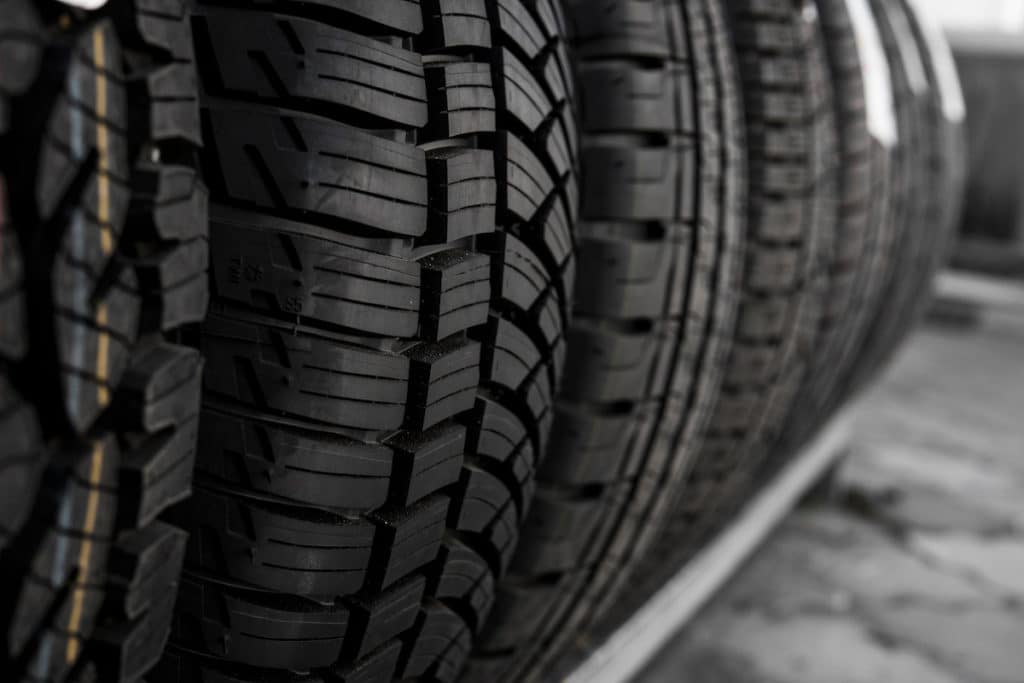
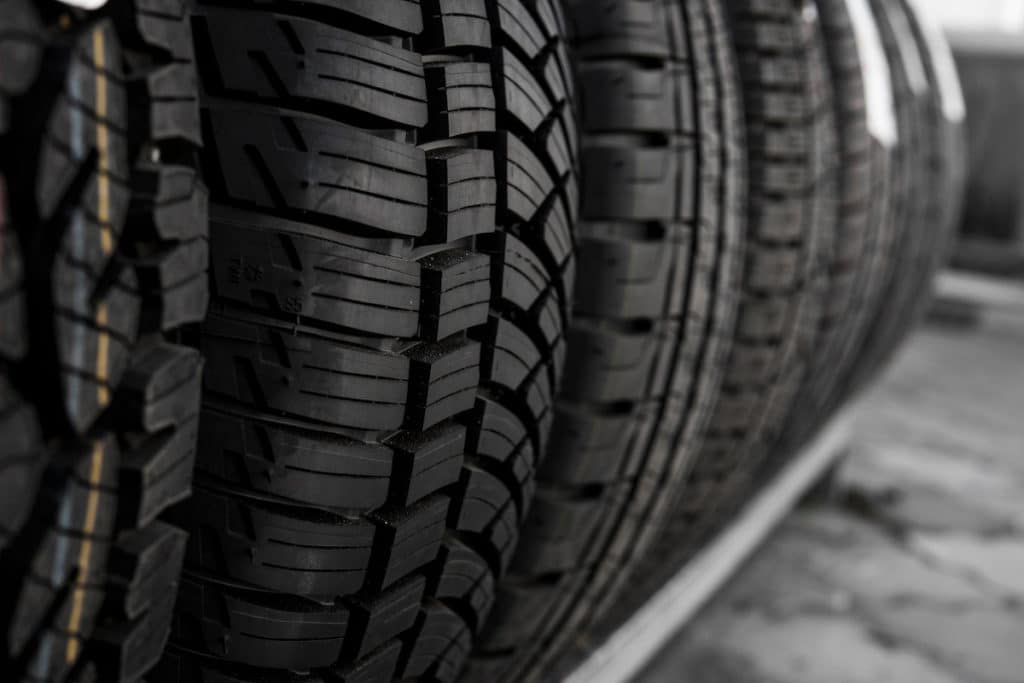
Are you in the market for new car tires? It can be confusing trying to wade through the options and choose the right one for your car and your drive time needs. That's where our Orlando Toyota service center comes in! Not only do we have a great selection of all types of tires at affordable prices (and deals on top of deals), we also have knowledgeable techs on board. We sat down with them to learn more about the main types of car tires, and here's the quick guide we compiled from their input. The five main types of car tires Type 1: All Season All season tires are good for... well, all seasons. But this is only true if your seasons aren't crazily intense - if you live in an area with heavy snow and ice, these tires may not cut it. All season tires can handle wet and dry roads as well as light snow and they come in two types (Touring and Passenger). Touring tires are quieter and have better handling, while passenger tires provide a smoother ride and tend to last longer. Type 2: Summer Summer tires are similar to all season tires; they're great for wet and dry conditions in climates that usually don't go below 45 degrees every year (i.e. they're a good bet for Orlando). Summer tires tend to have detailed tread patterns with orbital grooves, which allows for great handling in dry summer conditions. Type 3: Winter or Snow If you live in an area of the country that gets heavy snow and often has icy conditions, winter or snow tires may be a good investment for your Orlando Toyota. They're made of a special rubber that stays pliable and soft even when it's below freezing, which means you have better handling capabilities. They're also more durable than all-season car tires and their tread is designed with deep grooves and lots of small fissures and channels to help move through slush and snow and still provide superior traction. Type 4: Performance Do you like to hit the track? Performance tires are a great option if you love the feel of driving fast and want something with excellent handling and cornering capabilities, even if it's just for your sedan. These tires are usually wider than normal for more contact with the road and have shallow treads and a low profile look. They typically come in four subtypes - performance, high performance, ultra-high performance, and competition. Type 5: Truck If you drive a truck and like to make the most of its performance capabilities, you may want to look into specially crafted truck tires for your next ride. There are several main types. Highway truck tires are great for a smooth ride no matter the road, while performance truck tires are designed to withstand higher speeds and more aggressive driving. All-terrain truck tires are good for driving in sand, light mud, and gravel, while off-road tires are perfect for taking on challenging off-road conditions like deep sand, heavy mud, and snow. Toyota of Orlando can get you the tires you need Have questions about your car tires? Let Toyota of Orlando help. We're open seven days a week at (407) 298-0001 and you can stop by and see us at 3575 Vineland Road, just off I-4 across from the Millenia Mall.

Toyota of Orlando service

The 5 main types of car tires

Are you in the market for new car tires? It can be confusing trying to wade through the options and choose the right one for your car and your drive time needs. That's where our Orlando Toyota service center comes in! Not only do we have a great selection of all types of tires at affordable prices (and deals on top of deals), we also have knowledgeable techs on board. We sat down with them to learn more about the main types of car tires, and here's the quick guide we compiled from their input. The five main types of car tires Type 1: All Season All season tires are good for... well, all seasons. But this is only true if your seasons aren't crazily intense - if you live in an area with heavy snow and ice, these tires may not cut it. All season tires can handle wet and dry roads as well as light snow and they come in two types (Touring and Passenger). Touring tires are quieter and have better handling, while passenger tires provide a smoother ride and tend to last longer. Type 2: Summer Summer tires are similar to all season tires; they're great for wet and dry conditions in climates that usually don't go below 45 degrees every year (i.e. they're a good bet for Orlando). Summer tires tend to have detailed tread patterns with orbital grooves, which allows for great handling in dry summer conditions. Type 3: Winter or Snow If you live in an area of the country that gets heavy snow and often has icy conditions, winter or snow tires may be a good investment for your Orlando Toyota. They're made of a special rubber that stays pliable and soft even when it's below freezing, which means you have better handling capabilities. They're also more durable than all-season car tires and their tread is designed with deep grooves and lots of small fissures and channels to help move through slush and snow and still provide superior traction. Type 4: Performance Do you like to hit the track? Performance tires are a great option if you love the feel of driving fast and want something with excellent handling and cornering capabilities, even if it's just for your sedan. These tires are usually wider than normal for more contact with the road and have shallow treads and a low profile look. They typically come in four subtypes - performance, high performance, ultra-high performance, and competition. Type 5: Truck If you drive a truck and like to make the most of its performance capabilities, you may want to look into specially crafted truck tires for your next ride. There are several main types. Highway truck tires are great for a smooth ride no matter the road, while performance truck tires are designed to withstand higher speeds and more aggressive driving. All-terrain truck tires are good for driving in sand, light mud, and gravel, while off-road tires are perfect for taking on challenging off-road conditions like deep sand, heavy mud, and snow. Toyota of Orlando can get you the tires you need Have questions about your car tires? Let Toyota of Orlando help. We're open seven days a week at (407) 298-0001 and you can stop by and see us at 3575 Vineland Road, just off I-4 across from the Millenia Mall.

Contact Us

Fill out this form below and we'll contact you shortly
*Required Fields