

Blog

All Toyota of Orlando's Tips Toyota of Orlando News New Toyota Toyota Service Orlando Toyota Service Used Cars Toyota of Orlando Service Toyota of Orlando Body Shop
Toyota of Orlando

How long do new Toyotas last, and how can you make yours last longer?

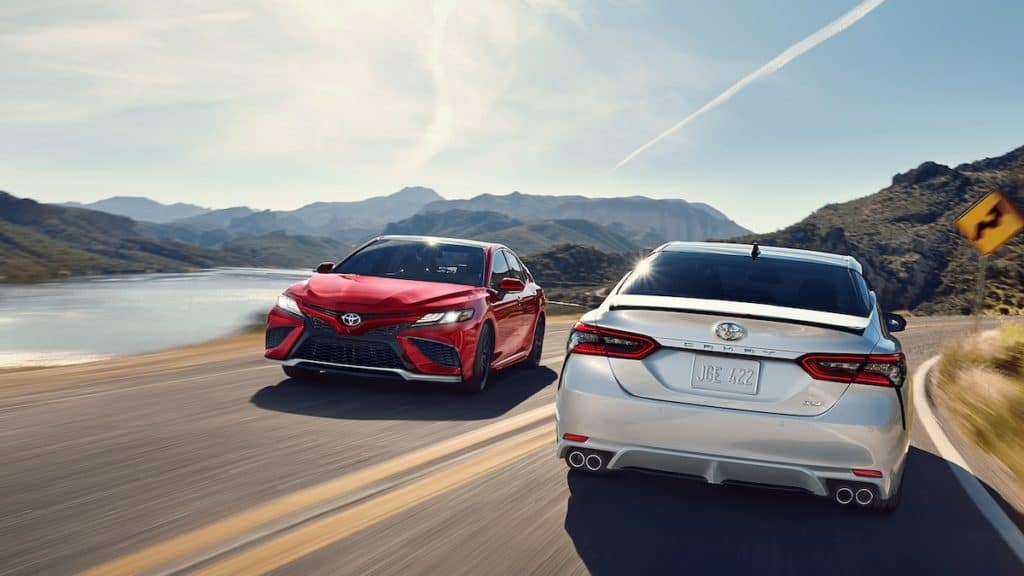
When you finally take the plunge and put a down payment on a vehicle, you want it to last a long time. This is especially true if you buy the car instead of leasing it; when you buy it, it's yours until the wheels fall off (or until you sell it down the road, in which case you want the resale value to remain high). But just how long will a new Toyota last, and what steps can you take as the owner to ensure it has a long and fruitful life? Check out these top tips from our Orlando auto service experts on how to keep your new Toyota in the best shape possible for as long as you can. New Toyotas offer major longevity If you bought a new Toyota, congrats - you've officially become the owner of a vehicle that's renowned throughout the automotive world for its long and reliable lifespan. Here's a quick fact - 80% of all Toyotas bought in the past 20 years are still out on the road. This is especially true of famed SUVs like the Toyota Land Cruiser and Toyota FJ Cruiser, both cult classics that drivers will restore and drive for decades. And many new Toyotas are perfectly capable of going more than 300,000 miles before they need any major part replacements, which means less money out of your pocket. However, there are always things you can do to ensure that your car has a long life regardless of whether or not you bought a new Toyota. Check out these quick tips from our Orlando Toyota service techs. Tip #1: Buy quality and look at it as an investment. Look at your car as an investment - after all, you want it to last many miles and years. This means you should pick something that's quality over something that's just a good deal. Buying a new car means you'll get even more longevity out of it, but plenty of used cars offer reliability and have the capability to get to high mileage without a problem. We highly recommend doing your research, looking at reviews, and talking to other drivers before you settle on a make and model (although we can tell you right now, a new Toyota is a VERY solid bet). Tip #2: Remember that less is more. Less is more when it comes to car longevity in terms of parts. The less you swap out parts and install new ones (especially if you're using aftermarket parts), the fewer problems you're likely to have in the future. Also, cars with fewer, more sophisticated parts tend to be cheaper to maintain, repair, and keep in excellent condition, like EVs (electric vehicles). This is another instance where buying a new car works in your favor. Tip #3: Consider advanced safety technology. If you can find a new Toyota that you like with advanced safety technology, you're helping to increase your car's lifespan. This safety tech will do an awesome job protecting you and your passengers, but it'll also help reduce your chances of getting into an accident and damaging your vehicle, which can reduce its lifespan and result in expensive repair bills... not to mention, lower its resale value. The more safety tech on board, the better. Tip #4: Pay attention to what your Toyota is telling you. It's tempting to ignore those pesky dashboard lights, but don't do it. They light up for a reason - to warn you that there's an issue that you need to address. The sooner you address it, the cheaper and less stressful it'll be. Keep your car like-new at Toyota of Orlando Have questions or want to shop our new Toyotas? Call Toyota of Orlando at (407) 298-4500 or stop by 3575 Vineland Road, just off I-4 across from the Millenia Mall.
Toyota of Orlando

How long do new Toyotas last, and how can you make yours last longer?

When you finally take the plunge and put a down payment on a vehicle, you want it to last a long time. This is especially true if you buy the car instead of leasing it; when you buy it, it's yours until the wheels fall off (or until you sell it down the road, in which case you want the resale value to remain high). But just how long will a new Toyota last, and what steps can you take as the owner to ensure it has a long and fruitful life? Check out these top tips from our Orlando auto service experts on how to keep your new Toyota in the best shape possible for as long as you can. New Toyotas offer major longevity If you bought a new Toyota, congrats - you've officially become the owner of a vehicle that's renowned throughout the automotive world for its long and reliable lifespan. Here's a quick fact - 80% of all Toyotas bought in the past 20 years are still out on the road. This is especially true of famed SUVs like the Toyota Land Cruiser and Toyota FJ Cruiser, both cult classics that drivers will restore and drive for decades. And many new Toyotas are perfectly capable of going more than 300,000 miles before they need any major part replacements, which means less money out of your pocket. However, there are always things you can do to ensure that your car has a long life regardless of whether or not you bought a new Toyota. Check out these quick tips from our Orlando Toyota service techs. Tip #1: Buy quality and look at it as an investment. Look at your car as an investment - after all, you want it to last many miles and years. This means you should pick something that's quality over something that's just a good deal. Buying a new car means you'll get even more longevity out of it, but plenty of used cars offer reliability and have the capability to get to high mileage without a problem. We highly recommend doing your research, looking at reviews, and talking to other drivers before you settle on a make and model (although we can tell you right now, a new Toyota is a VERY solid bet). Tip #2: Remember that less is more. Less is more when it comes to car longevity in terms of parts. The less you swap out parts and install new ones (especially if you're using aftermarket parts), the fewer problems you're likely to have in the future. Also, cars with fewer, more sophisticated parts tend to be cheaper to maintain, repair, and keep in excellent condition, like EVs (electric vehicles). This is another instance where buying a new car works in your favor. Tip #3: Consider advanced safety technology. If you can find a new Toyota that you like with advanced safety technology, you're helping to increase your car's lifespan. This safety tech will do an awesome job protecting you and your passengers, but it'll also help reduce your chances of getting into an accident and damaging your vehicle, which can reduce its lifespan and result in expensive repair bills... not to mention, lower its resale value. The more safety tech on board, the better. Tip #4: Pay attention to what your Toyota is telling you. It's tempting to ignore those pesky dashboard lights, but don't do it. They light up for a reason - to warn you that there's an issue that you need to address. The sooner you address it, the cheaper and less stressful it'll be. Keep your car like-new at Toyota of Orlando Have questions or want to shop our new Toyotas? Call Toyota of Orlando at (407) 298-4500 or stop by 3575 Vineland Road, just off I-4 across from the Millenia Mall.

designing a new Toyota

Toyota of Orlando breaks down car platforms and structure

When you think of a new Toyota, you likely think of how it looks and all of the features it includes. We're talking features like engine, off-roading elements, entertainment technology, safety technology, convenience elements... the list could go on, but we're willing to bet that one thing you've never thought about is the platform that your new Toyota (or the Toyota you currently drive) was built on. Toyota of Orlando is here to explain the ins and outs of car platforms so next time you're shopping, you can do the best research possible before signing the dotted line. What is a car platform and why does it matter? Essentially, a car platform is a structure upon which the vehicle is built. Think of it sort of like the foundation of a house - it's what the rest of your Orlando Toyota rests on and builds up from. It can translate to the chassis design, engineering points, and aesthetic features of the car, but typically refers to the technical aspects of the design of the car. For example, a car platform will usually define elements like: The types of suspension used both in the front and back of the car The power steering parts and other steering mechanisms The engine placement, powertrain parts, and type of engine to be installed Both the front and rear axles, as well as the wheelbase, which is the distance between the two axles To name a few. Why are car platforms shared? Another cool thing about car platforms is that they can actually be shared. This is when the platform or at least the platform specs are shared among models within a make, or even to other makes (like the Orlando Toyota 86 and the Subaru BRZ). Automakers do this because designing a new vehicle is expensive and time-consuming. It requires drawing up the design, assembling the vehicle, and then testing it thoroughly to ensure it performs the way it should and also is safe. By sharing car platforms, automakers can cut out a lot of these steps. This also means perks like: Tons of testing - even if a car platform is shared with another make or model, it's still tested for quality and safety (which gives you extra peace of mind). Production is cheaper since no design is required and in turn, this means it's cheaper for you to buy the vehicle. Familiarity emerges. When two models share a car platform, a driver can feel more comfortable behind the wheel and it can make switching between models easier for them. Here's an example for you. Since 2015, Toyota has been using the TNGA platform for nearly 50% of its vehicles. This Orlando Toyota car platform encompasses the steering system, airbags, seat frames, shifters, and pedals. This standardizes some elements to make it easy when it comes to production and design. Ready to get shopping? Call us! Toyota of Orlando is open seven days a week at (407) 298-4500.

designing a new Toyota

Toyota of Orlando breaks down car platforms and structure

When you think of a new Toyota, you likely think of how it looks and all of the features it includes. We're talking features like engine, off-roading elements, entertainment technology, safety technology, convenience elements... the list could go on, but we're willing to bet that one thing you've never thought about is the platform that your new Toyota (or the Toyota you currently drive) was built on. Toyota of Orlando is here to explain the ins and outs of car platforms so next time you're shopping, you can do the best research possible before signing the dotted line. What is a car platform and why does it matter? Essentially, a car platform is a structure upon which the vehicle is built. Think of it sort of like the foundation of a house - it's what the rest of your Orlando Toyota rests on and builds up from. It can translate to the chassis design, engineering points, and aesthetic features of the car, but typically refers to the technical aspects of the design of the car. For example, a car platform will usually define elements like: The types of suspension used both in the front and back of the car The power steering parts and other steering mechanisms The engine placement, powertrain parts, and type of engine to be installed Both the front and rear axles, as well as the wheelbase, which is the distance between the two axles To name a few. Why are car platforms shared? Another cool thing about car platforms is that they can actually be shared. This is when the platform or at least the platform specs are shared among models within a make, or even to other makes (like the Orlando Toyota 86 and the Subaru BRZ). Automakers do this because designing a new vehicle is expensive and time-consuming. It requires drawing up the design, assembling the vehicle, and then testing it thoroughly to ensure it performs the way it should and also is safe. By sharing car platforms, automakers can cut out a lot of these steps. This also means perks like: Tons of testing - even if a car platform is shared with another make or model, it's still tested for quality and safety (which gives you extra peace of mind). Production is cheaper since no design is required and in turn, this means it's cheaper for you to buy the vehicle. Familiarity emerges. When two models share a car platform, a driver can feel more comfortable behind the wheel and it can make switching between models easier for them. Here's an example for you. Since 2015, Toyota has been using the TNGA platform for nearly 50% of its vehicles. This Orlando Toyota car platform encompasses the steering system, airbags, seat frames, shifters, and pedals. This standardizes some elements to make it easy when it comes to production and design. Ready to get shopping? Call us! Toyota of Orlando is open seven days a week at (407) 298-4500.

Orlando Toyota Supra

Three things you should know about sports car maintenance

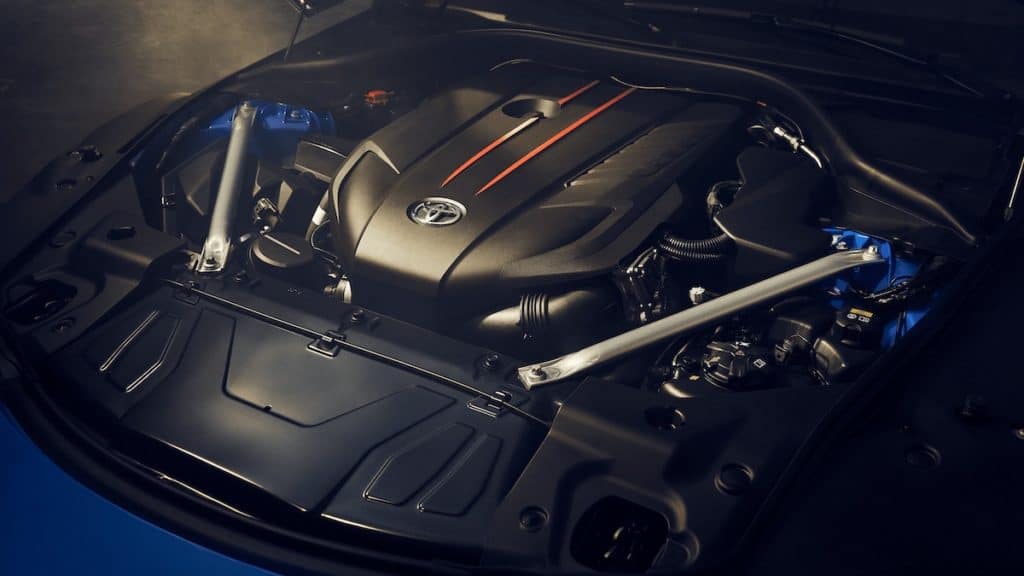
If you own a sports car, you're probably familiar with the fact that car maintenance for this type of vehicle isn't exactly run-of-the-mill. There's a little more to it than if you were to maintain a basic truck or sedan, and if you're in the market for a sports car then you should be aware of this. Toyota of Orlando is here to explain just how and why sports car maintenance differs from other vehicle care (and don't forget, you can schedule both with us today!). Here are three things you should know about this type of auto service. How is maintaining a sports car different than maintaining a basic vehicle? #1: Sports car maintenance can cost more because the parts are unique. As we mentioned, these cars aren't run-of-the-mill in any sense of the word. Their parts are often designed for that particular car only (versus being mass-produced because they can be used in various models of the make). This means the car parts can cost more than those of a typical sedan or SUV, and this can up the cost of car care overall. #2: Sports car maintenance can also cost more because these cars are supposed to be high-performance. If you drive a more everyday car - like the Orlando Toyota Camry, for example - it's a great ride, but it's not especially fast or track-worthy. Sports cars, on the other hand, are meant to make sharp maneuvers, travel at high speeds, and even be used on the track for racing. This means a lot more stress on the vehicle as well as more wear and tear on the parts. Overall, this can translate to more frequent maintenance on the vehicle just to keep it in running order. This is especially true if you find yourself on the track at regular intervals - you'll probably need to visit our Toyota of Orlando service center more frequently. #3: Let's not forget about detailing, either. TBH, you probably paid a fair amount of money for your sports can and because of that, you want to keep it in the best shape possible both to show off how awesome it is but also to keep its resale value high in case you want to trade it in down the road. That means you either schedule car detailing more frequently OR you spend more money on detailing supplies so you can DIY your detailing at home. Either way, it's more money out of your pocket. Get all of your car maintenance (and sports car) needs filled at Toyota of Orlando today Whether you need to schedule maintenance for your sports car, get detailing supplies, or want to check out the Orlando Toyota Supra (THE sports car, in our opinion) in person, you're in good hands with Toyota of Orlando. Call us today at (407) 298-4500 or stop by! We're open seven days a week at 3575 Vineland Road, just off I-4 across from the Millenia Mall. You can also schedule your service online for convenience, and don't forget to ask about our service specials and service financing.

Orlando Toyota Supra

Three things you should know about sports car maintenance

If you own a sports car, you're probably familiar with the fact that car maintenance for this type of vehicle isn't exactly run-of-the-mill. There's a little more to it than if you were to maintain a basic truck or sedan, and if you're in the market for a sports car then you should be aware of this. Toyota of Orlando is here to explain just how and why sports car maintenance differs from other vehicle care (and don't forget, you can schedule both with us today!). Here are three things you should know about this type of auto service. How is maintaining a sports car different than maintaining a basic vehicle? #1: Sports car maintenance can cost more because the parts are unique. As we mentioned, these cars aren't run-of-the-mill in any sense of the word. Their parts are often designed for that particular car only (versus being mass-produced because they can be used in various models of the make). This means the car parts can cost more than those of a typical sedan or SUV, and this can up the cost of car care overall. #2: Sports car maintenance can also cost more because these cars are supposed to be high-performance. If you drive a more everyday car - like the Orlando Toyota Camry, for example - it's a great ride, but it's not especially fast or track-worthy. Sports cars, on the other hand, are meant to make sharp maneuvers, travel at high speeds, and even be used on the track for racing. This means a lot more stress on the vehicle as well as more wear and tear on the parts. Overall, this can translate to more frequent maintenance on the vehicle just to keep it in running order. This is especially true if you find yourself on the track at regular intervals - you'll probably need to visit our Toyota of Orlando service center more frequently. #3: Let's not forget about detailing, either. TBH, you probably paid a fair amount of money for your sports can and because of that, you want to keep it in the best shape possible both to show off how awesome it is but also to keep its resale value high in case you want to trade it in down the road. That means you either schedule car detailing more frequently OR you spend more money on detailing supplies so you can DIY your detailing at home. Either way, it's more money out of your pocket. Get all of your car maintenance (and sports car) needs filled at Toyota of Orlando today Whether you need to schedule maintenance for your sports car, get detailing supplies, or want to check out the Orlando Toyota Supra (THE sports car, in our opinion) in person, you're in good hands with Toyota of Orlando. Call us today at (407) 298-4500 or stop by! We're open seven days a week at 3575 Vineland Road, just off I-4 across from the Millenia Mall. You can also schedule your service online for convenience, and don't forget to ask about our service specials and service financing.
Toyota of Orlando

Where do new Toyotas get their names?

Have you ever taken a close look at the new Toyota models in our inventory? If you have, then you've probably noticed that the names of the models are pretty unique. It's not like the Lexus lineup where each vehicle is a series of letters (RX, LX, GX) or the Mazda lineup, where nearly every vehicle is "Mazda" with a number and maybe a few letters after it to denote the model. No, Toyota definitely put some thought into their new Toyota names, and today we're breaking down the meaning of each so you can better understand them! Camry: Camry means "crown", so it makes sense that one of the cornerstones of the Toyota lineup would carry this moniker. After all, the Toyota Camry pretty much is kind when it comes to performance, reliability, and style. Highlander: The Orlando Toyota Highlander is named such because of the people who live in the Scottish Highlands. This particular region of Scotland is noted for its ruggedness, and its people are associated with energy and power. Makes sense in our eyes that this durable and reliable SUV would sport this name! Tacoma: The Toyota Tacoma is named after Mt. Tacoma (now Mt. Ranier) in Washington State. This versatile and rugged truck is also associated with strength and power, just like the mountain. Sequoia: The Toyota Sequoia is named after the Sequoia trees in California's Redwood forests. These trees are renowned for their huge size and beauty, as well as their longevity. Sounds like the Sequoia to us! Prius: Prius is actually Latin for "prior" or "to go before". The Orlando Toyota Prius was the first mass-produced hybrid vehicle in the world, so this name is definitely fitting. Tundra: The Toyota Tundra truck is well-known for its power, ruggedness, and toughness. That's why it's been named after the rugged region of the Arctic Tundra. Avalon: The Toyota Avalon is all about sophistication, mystery, and comfort. It's named after the mythical Celtic island paradise of Avalon, where King Arthur went to heal his wounds after his final battle. Yaris: The new Toyota Yaris is a unique blend of etymology. It's pulled from "Charis"; she's the Greek goddess of beauty and creativity. Toyota blended "Charis" with the German word "ja", which means "yes" and is pronounced "ya". Put the two together and what do you get? Ya-ris. Sienna: The new Toyota Sienna, known for its sophistication and sleek beauty despite the fact that it's a family vehicle, is named after the Italian city of Siena, also renowned for its beauty. RAV4: RAV4 is actually an acronym - it stands for "Recreational Active Vehicle with 4Wheel Drive". Corolla: Corolla is another word for the ring of petals around the center of a flower; Toyota chose this moniker because the Orlando Toyota Corolla is known for being compact, but still beautiful. 4Runner: 4Runner is a mashup of "off-road runner" and "4WD". 86: The Toyota 86 is named as such because of the legendary Toyota AE86 sports car that preceded it. Land Cruiser: Land Cruiser is derived from a vehicle that can literally go anywhere - as long as it's on land. Venza: Venza is a combination of the words "venture" and "Monza". Monza is a city in Italy that has an outdoor racecourse, and Toyota chose to mix it with venture to represent outdoor adventure, driving performance, and leisure. Supra: Supra means "above" or "to surpass" in Latin; it's pretty fitting for this powerful sports car known for its speed. C-HR: C-HR is an acronym for both "Compact High Rider" and "Cross Hatch Run-About". Mirai: Mirai means "future" in Japanese - fitting for a vehicle that's bringing the latest and greatest technology to your drive time. You can test drive any and all of these new Toyotas today to see if they really fit their name - contact Toyota of Orlando at (407) 298-4500!

Toyota of Orlando

Where do new Toyotas get their names?

Have you ever taken a close look at the new Toyota models in our inventory? If you have, then you've probably noticed that the names of the models are pretty unique. It's not like the Lexus lineup where each vehicle is a series of letters (RX, LX, GX) or the Mazda lineup, where nearly every vehicle is "Mazda" with a number and maybe a few letters after it to denote the model. No, Toyota definitely put some thought into their new Toyota names, and today we're breaking down the meaning of each so you can better understand them! Camry: Camry means "crown", so it makes sense that one of the cornerstones of the Toyota lineup would carry this moniker. After all, the Toyota Camry pretty much is kind when it comes to performance, reliability, and style. Highlander: The Orlando Toyota Highlander is named such because of the people who live in the Scottish Highlands. This particular region of Scotland is noted for its ruggedness, and its people are associated with energy and power. Makes sense in our eyes that this durable and reliable SUV would sport this name! Tacoma: The Toyota Tacoma is named after Mt. Tacoma (now Mt. Ranier) in Washington State. This versatile and rugged truck is also associated with strength and power, just like the mountain. Sequoia: The Toyota Sequoia is named after the Sequoia trees in California's Redwood forests. These trees are renowned for their huge size and beauty, as well as their longevity. Sounds like the Sequoia to us! Prius: Prius is actually Latin for "prior" or "to go before". The Orlando Toyota Prius was the first mass-produced hybrid vehicle in the world, so this name is definitely fitting. Tundra: The Toyota Tundra truck is well-known for its power, ruggedness, and toughness. That's why it's been named after the rugged region of the Arctic Tundra. Avalon: The Toyota Avalon is all about sophistication, mystery, and comfort. It's named after the mythical Celtic island paradise of Avalon, where King Arthur went to heal his wounds after his final battle. Yaris: The new Toyota Yaris is a unique blend of etymology. It's pulled from "Charis"; she's the Greek goddess of beauty and creativity. Toyota blended "Charis" with the German word "ja", which means "yes" and is pronounced "ya". Put the two together and what do you get? Ya-ris. Sienna: The new Toyota Sienna, known for its sophistication and sleek beauty despite the fact that it's a family vehicle, is named after the Italian city of Siena, also renowned for its beauty. RAV4: RAV4 is actually an acronym - it stands for "Recreational Active Vehicle with 4Wheel Drive". Corolla: Corolla is another word for the ring of petals around the center of a flower; Toyota chose this moniker because the Orlando Toyota Corolla is known for being compact, but still beautiful. 4Runner: 4Runner is a mashup of "off-road runner" and "4WD". 86: The Toyota 86 is named as such because of the legendary Toyota AE86 sports car that preceded it. Land Cruiser: Land Cruiser is derived from a vehicle that can literally go anywhere - as long as it's on land. Venza: Venza is a combination of the words "venture" and "Monza". Monza is a city in Italy that has an outdoor racecourse, and Toyota chose to mix it with venture to represent outdoor adventure, driving performance, and leisure. Supra: Supra means "above" or "to surpass" in Latin; it's pretty fitting for this powerful sports car known for its speed. C-HR: C-HR is an acronym for both "Compact High Rider" and "Cross Hatch Run-About". Mirai: Mirai means "future" in Japanese - fitting for a vehicle that's bringing the latest and greatest technology to your drive time. You can test drive any and all of these new Toyotas today to see if they really fit their name - contact Toyota of Orlando at (407) 298-4500!

Orlando Toyota car care

What you should know about your catalytic converter

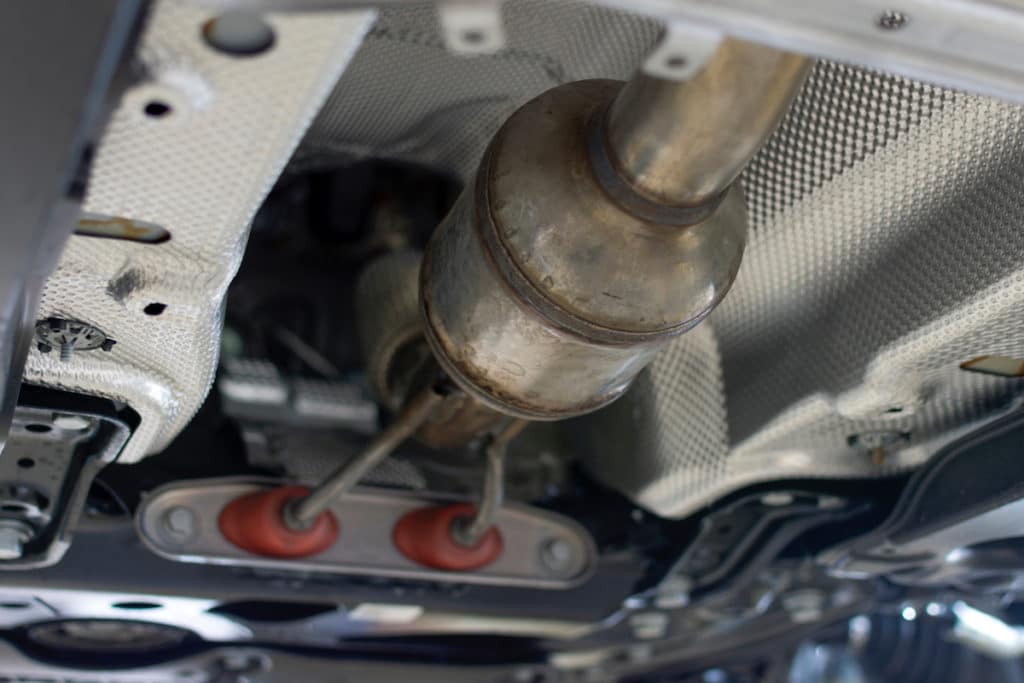
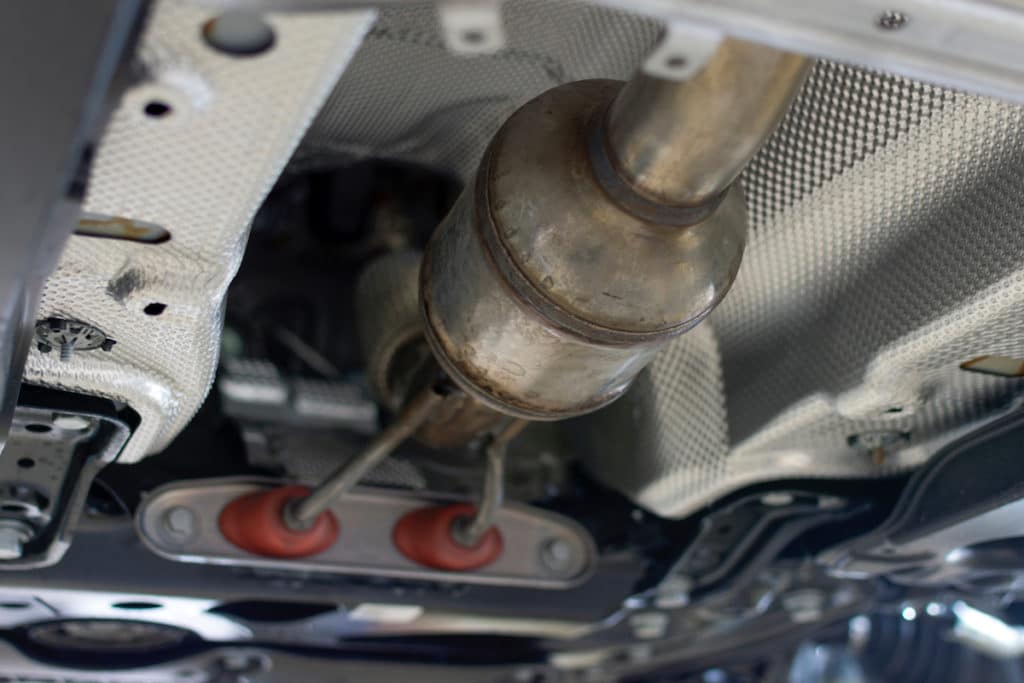
Have you ever had an issue with your catalytic converter? If you're not familiar with the part, it honestly sounds like something you'd find on a spaceship. However, it does play a critical part in your vehicle's performance AND the world around it. Toyota of Orlando is here to explain what a catalytic converter is, why it's important, and how to troubleshoot it. What is a catalytic converter and why does it matter? A catalytic converter is - in essence - the part of your car that turns harmful emissions into less harmful emissions. In an internal combustion engine, the exhaust gas contains toxic gases and pollution. Your catalytic converter reduces these harmful substances into less dangerous emissions through a chemical reaction - a redox reaction, to be specific, which basically means it changes the states of the atoms. (Science.)  Obviously, this part plays a crucial role in performance to both keep you safe and also reduce harmful emissions into the air. Here's a little bit of history for you - catalytic converters were first introduced designed in France in the late 19th century but didn't become commonplace on vehicles until the 1970s. In 1975 the US E.P.A. stepped up its emissions regulations and catalytic converters became a requirement on all gasoline-powered cars, as well as on vehicles like motorcycles, buses, forklifts, generators, trains, ships, and mining equipment. Why? To keep the air cleaner and freer of pollutants and toxic gases. So what happens if this critical part stops working or gets stolen? (Yup, believe it or not, it's a popular car part to steal because it often contains precious metals and is located on the exterior of the car, so it's easy to grab.) Basically, your car can't do its job of reducing harmful emissions anymore, putting you and everyone around you at risk. Not only that, it can affect your engine and over time, lead to an engine shutdown. While they usually last 10+ years, they can experience issues due to becoming clogged (like if there's a coolant or oil leak in the engine), if they overheat because of excess unburned gas, or if they're damaged because you ran over road debris or a curb. How to troubleshoot this car part How do you know if your catalytic converter is in need of repairs? Here are some surefire signs you need to visit Toyota of Orlando: Your car isn't accelerating as quickly as it usually does Your exhaust smoke is darker or black There's a lot of heat coming from under your car The engine seems sluggish You smell sulfur or rotten eggs coming from the vehicle If you notice any of these signs or have concerns in general about this important car part, call Toyota of Orlando! Our Toyota service techs can inspect your car from bumper to bumper and help you troubleshoot any issues or developing issues. You can reach us seven days a week at (407) 298-4500, or stop by and see us in person at 3575 Vineland Road, just off I-4 across from the Millenia Mall.
Orlando Toyota car care

What you should know about your catalytic converter

Have you ever had an issue with your catalytic converter? If you're not familiar with the part, it honestly sounds like something you'd find on a spaceship. However, it does play a critical part in your vehicle's performance AND the world around it. Toyota of Orlando is here to explain what a catalytic converter is, why it's important, and how to troubleshoot it. What is a catalytic converter and why does it matter? A catalytic converter is - in essence - the part of your car that turns harmful emissions into less harmful emissions. In an internal combustion engine, the exhaust gas contains toxic gases and pollution. Your catalytic converter reduces these harmful substances into less dangerous emissions through a chemical reaction - a redox reaction, to be specific, which basically means it changes the states of the atoms. (Science.)  Obviously, this part plays a crucial role in performance to both keep you safe and also reduce harmful emissions into the air. Here's a little bit of history for you - catalytic converters were first introduced designed in France in the late 19th century but didn't become commonplace on vehicles until the 1970s. In 1975 the US E.P.A. stepped up its emissions regulations and catalytic converters became a requirement on all gasoline-powered cars, as well as on vehicles like motorcycles, buses, forklifts, generators, trains, ships, and mining equipment. Why? To keep the air cleaner and freer of pollutants and toxic gases. So what happens if this critical part stops working or gets stolen? (Yup, believe it or not, it's a popular car part to steal because it often contains precious metals and is located on the exterior of the car, so it's easy to grab.) Basically, your car can't do its job of reducing harmful emissions anymore, putting you and everyone around you at risk. Not only that, it can affect your engine and over time, lead to an engine shutdown. While they usually last 10+ years, they can experience issues due to becoming clogged (like if there's a coolant or oil leak in the engine), if they overheat because of excess unburned gas, or if they're damaged because you ran over road debris or a curb. How to troubleshoot this car part How do you know if your catalytic converter is in need of repairs? Here are some surefire signs you need to visit Toyota of Orlando: Your car isn't accelerating as quickly as it usually does Your exhaust smoke is darker or black There's a lot of heat coming from under your car The engine seems sluggish You smell sulfur or rotten eggs coming from the vehicle If you notice any of these signs or have concerns in general about this important car part, call Toyota of Orlando! Our Toyota service techs can inspect your car from bumper to bumper and help you troubleshoot any issues or developing issues. You can reach us seven days a week at (407) 298-4500, or stop by and see us in person at 3575 Vineland Road, just off I-4 across from the Millenia Mall.
safe driving tips

More tips for driving at night from Toyota of Orlando

If you find yourself behind the wheel in the dark quite a bit, you know just how much of an adjustment it can be from driving during the day. Driving at night requires you to switch up your drive time habits to ensure the safety of both you and other drivers, and Toyota of Orlando is here to help you make the change with ease. Check out these quick additional tips for driving at night from our experts. Seven tips for driving at night Tip #1: Clean your windshield with a piece of newspaper. Before you drive in the dark, take a minute to clean your mirrors and your windshield with a piece of newspaper (that junk mail will finally come in handy) or microfiber cloth to remove any streaks. Smears and streaks may not be a big deal during the day, but when you're driving at night they can actually reflect light and cause a glare, making it difficult for you to see where you're headed. Tip #2: Make sure your headlights are aimed correctly. Sometimes your vehicle's headlights become misaligned and can point unevenly. Park your car so you're facing a wall and look at the beams - if they're not even, get out and adjust the bulbs until they are. Tip #3: Dim your instrument panel and dash lights. It's always a good idea to dim your instrument panel and dash lights when driving at night. Lights that are too bright can be distracting and actually diminish your view of the road ahead. Tip #4: Look for eyes. When you're driving at night, look for eyes on the road. We know it sounds like something out of a horror movie, but we're serious - light from headlights will reflect off of the retinas of animals in the road. If you see tiny spots of greenish light ahead, you know an animal is in the road and can slow or stop accordingly. Tip #5: Don't look at oncoming lights. If a car is passing you and they have their brights on, don't look at them. If you have to, shield your eyes with your hand to avoid it. Looking at bright lights can leave you momentarily blinded after you pass them. Tip #6: Use your rearview mirror correctly. Contrarily, if someone behind you has their brights on, you can avoid being blinded every time you look in the rearview mirror by using the tab on the bottom of the mirror. Flip the tab and your mirror will adjust so you can see clearly once again. Tip #7: Be careful if you wear glasses. It can be challenging driving at night with glasses on, as light reflects off the glass and distorts your vision. Make sure your glasses have an anti-reflective coating on them or consider putting nighttime lenses over them for safety. Toyota of Orlando can make you an expert nighttime driver Want more tips or need help with your headlights? Toyota of Orlando is conveniently located just off I-4 across from the Millenia Mall at 3575 Vineland Road. You can reach us at (407) 298-4500 - we're open seven days a week!

safe driving tips

More tips for driving at night from Toyota of Orlando

If you find yourself behind the wheel in the dark quite a bit, you know just how much of an adjustment it can be from driving during the day. Driving at night requires you to switch up your drive time habits to ensure the safety of both you and other drivers, and Toyota of Orlando is here to help you make the change with ease. Check out these quick additional tips for driving at night from our experts. Seven tips for driving at night Tip #1: Clean your windshield with a piece of newspaper. Before you drive in the dark, take a minute to clean your mirrors and your windshield with a piece of newspaper (that junk mail will finally come in handy) or microfiber cloth to remove any streaks. Smears and streaks may not be a big deal during the day, but when you're driving at night they can actually reflect light and cause a glare, making it difficult for you to see where you're headed. Tip #2: Make sure your headlights are aimed correctly. Sometimes your vehicle's headlights become misaligned and can point unevenly. Park your car so you're facing a wall and look at the beams - if they're not even, get out and adjust the bulbs until they are. Tip #3: Dim your instrument panel and dash lights. It's always a good idea to dim your instrument panel and dash lights when driving at night. Lights that are too bright can be distracting and actually diminish your view of the road ahead. Tip #4: Look for eyes. When you're driving at night, look for eyes on the road. We know it sounds like something out of a horror movie, but we're serious - light from headlights will reflect off of the retinas of animals in the road. If you see tiny spots of greenish light ahead, you know an animal is in the road and can slow or stop accordingly. Tip #5: Don't look at oncoming lights. If a car is passing you and they have their brights on, don't look at them. If you have to, shield your eyes with your hand to avoid it. Looking at bright lights can leave you momentarily blinded after you pass them. Tip #6: Use your rearview mirror correctly. Contrarily, if someone behind you has their brights on, you can avoid being blinded every time you look in the rearview mirror by using the tab on the bottom of the mirror. Flip the tab and your mirror will adjust so you can see clearly once again. Tip #7: Be careful if you wear glasses. It can be challenging driving at night with glasses on, as light reflects off the glass and distorts your vision. Make sure your glasses have an anti-reflective coating on them or consider putting nighttime lenses over them for safety. Toyota of Orlando can make you an expert nighttime driver Want more tips or need help with your headlights? Toyota of Orlando is conveniently located just off I-4 across from the Millenia Mall at 3575 Vineland Road. You can reach us at (407) 298-4500 - we're open seven days a week!

Contact Us

Fill out this form below and we'll contact you shortly
*Required Fields