

Blog

All Toyota of Orlando's Tips Toyota of Orlando News New Toyota Toyota Service Orlando Toyota Service Used Cars Toyota of Orlando Service Toyota of Orlando Body Shop
routine car care

Do you really need a new air filter?

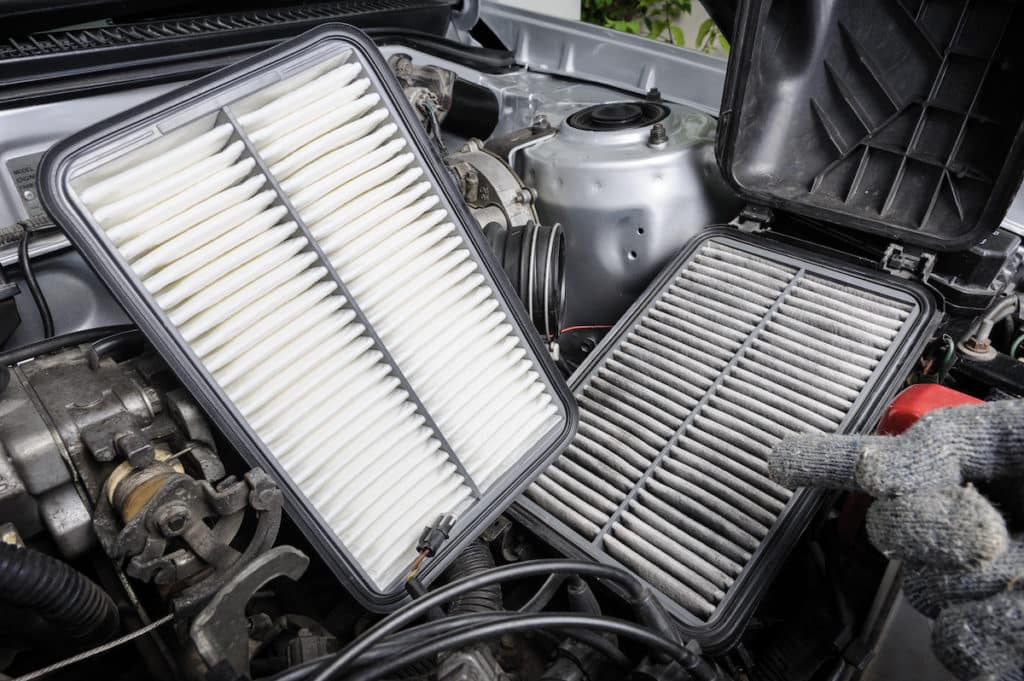
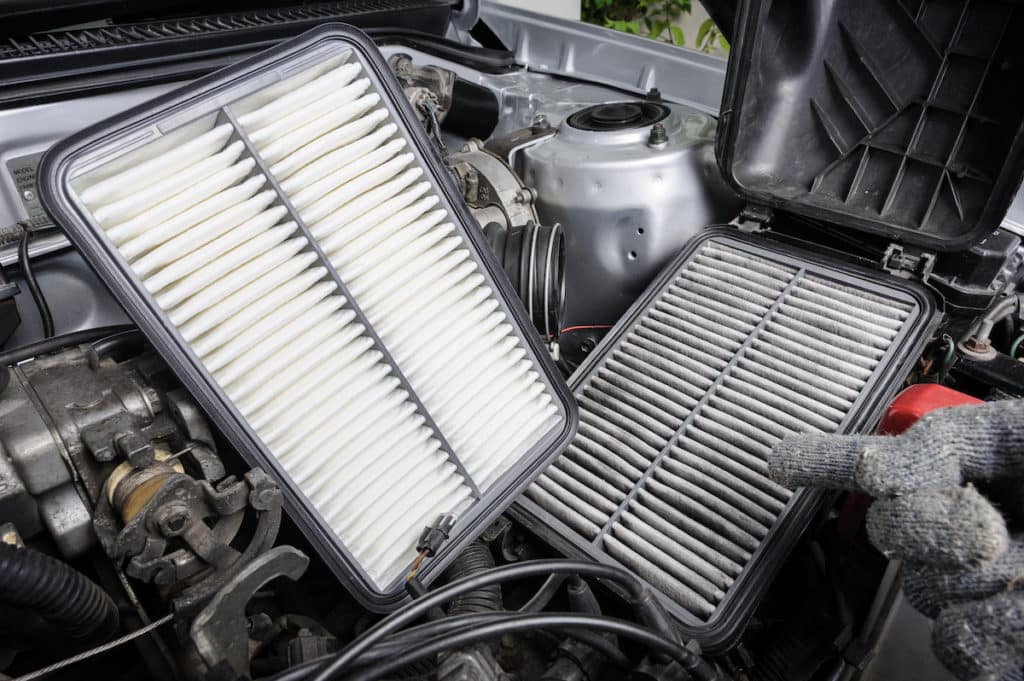
When you last visited your mechanic or auto service center, did they tell you that you needed a new engine air filter alongside your already scheduled service? This is a touchy subject among both drivers and auto service technicians alike. While some less trustworthy mechanics try to push this car care on drivers more frequently to make an extra buck, it actually IS a necessary item on your car maintenance checklist. Toyota of Orlando is here to clear the air surrounding this controversy. Believe it or not, you DO need to replace your engine air filter from time to time. This important car part plays a critical role in performance. Air is pulled into your car engine in order to ignite your fuel; the air filter prevents dirt and debris from being pulled into the engine alongside the air. And over time, the filter itself will become dirty. This means it needs to be cleaned regularly but as with any car part, you'll get to a point where cleaning just won't cut it and the part needs to be replaced. What happens if you don't replace your engine air filter as needed? Here are just a few scenarios: Not enough air is pulled into the engine. This leads to misfiring, low fuel efficiency (which means you have to spend more on gas), and a reduction in power (so you won't be able to put the pedal to the metal). The filter starts to come apart due to excessive wear and tear. This can actually lead to pieces of the filter being pulled into the engine, causing costly damage to the engine itself (and more auto repairs on your schedule). Ignoring your air filter can have expensive consequences so while you don't need to change it every single time you get an oil change or tire rotation, you do need to give it attention on a regular basis. But how often do you actually have to replace it? The answer to this really depends on your driving habits. While some will say that it's only necessary to replace this car part once a year, a better gauge is to change it according to mileage. Some drivers may put 50,000 miles on their car in a year while others drive infrequently and only rack up 10,000 miles. A good rule of thumb is that your engine air filter needs to be replaced every 20,000 to 30,000 miles. And if you notice performance issues in between these appointments, definitely have our Orlando auto service techs check things out for you. And here's the best news - we can both clean and replace this important car part right here at Toyota of Orlando. Our auto service techs can get you on a schedule and they'll inspect your air filter every time you come for service to ensure it's clean enough to function properly. If you think you need car care or just want to get answers, call us! Toyota of Orlando's service center is open seven days a week at (407) 298-0001 and we're conveniently located just off I-4 across from the Millenia Mall at 3575 Vineland Road.
routine car care

Do you really need a new air filter?

When you last visited your mechanic or auto service center, did they tell you that you needed a new engine air filter alongside your already scheduled service? This is a touchy subject among both drivers and auto service technicians alike. While some less trustworthy mechanics try to push this car care on drivers more frequently to make an extra buck, it actually IS a necessary item on your car maintenance checklist. Toyota of Orlando is here to clear the air surrounding this controversy. Believe it or not, you DO need to replace your engine air filter from time to time. This important car part plays a critical role in performance. Air is pulled into your car engine in order to ignite your fuel; the air filter prevents dirt and debris from being pulled into the engine alongside the air. And over time, the filter itself will become dirty. This means it needs to be cleaned regularly but as with any car part, you'll get to a point where cleaning just won't cut it and the part needs to be replaced. What happens if you don't replace your engine air filter as needed? Here are just a few scenarios: Not enough air is pulled into the engine. This leads to misfiring, low fuel efficiency (which means you have to spend more on gas), and a reduction in power (so you won't be able to put the pedal to the metal). The filter starts to come apart due to excessive wear and tear. This can actually lead to pieces of the filter being pulled into the engine, causing costly damage to the engine itself (and more auto repairs on your schedule). Ignoring your air filter can have expensive consequences so while you don't need to change it every single time you get an oil change or tire rotation, you do need to give it attention on a regular basis. But how often do you actually have to replace it? The answer to this really depends on your driving habits. While some will say that it's only necessary to replace this car part once a year, a better gauge is to change it according to mileage. Some drivers may put 50,000 miles on their car in a year while others drive infrequently and only rack up 10,000 miles. A good rule of thumb is that your engine air filter needs to be replaced every 20,000 to 30,000 miles. And if you notice performance issues in between these appointments, definitely have our Orlando auto service techs check things out for you. And here's the best news - we can both clean and replace this important car part right here at Toyota of Orlando. Our auto service techs can get you on a schedule and they'll inspect your air filter every time you come for service to ensure it's clean enough to function properly. If you think you need car care or just want to get answers, call us! Toyota of Orlando's service center is open seven days a week at (407) 298-0001 and we're conveniently located just off I-4 across from the Millenia Mall at 3575 Vineland Road.
The Toyota RAV4 5D Adventure Mountain Rescue is ready for anything (and we mean anything)

Here at Toyota of Orlando, we love concept cars. Like, LOVE them. They're a great way for automakers to take design and innovation to new levels, no holds barred, and bring something truly unique to drivers (even if there's a slim-to-none chance that the vehicle will ever actually be put into production). The new Toyota RAV4 5D Adventure Mountain Rescue is no exception. This incredible SUV has been decked out with features to ensure that it's ready for any terrain, any weather - basically, anything and everything you could imagine. Toyota of Orlando has the details! Meet the Toyota RAv4 5D Adventure Mountain Rescue The Toyota RAV4 5D Adventure Mountain Rescue was recently unveiled online by Toyota. It was supposed to have its big debut at the Tokyo Auto Show but since that event was canceled, we'll have to get more up close and personal with this innovative SUV at an upcoming dealer-sponsored Toyama Prefecture in Japan. This is actually perfect because this particular region of Japan is one that faces intense winter weather than can often leave drivers stranded (i.e., they'll love this thing). The concept crossover was built off of the Orlando Toyota RAV4 Adventure model gear. This means it has dynamic torque vectoring all-wheel drive with rear driveline disconnect, as well as multi-terrain select and a tow hitch. Toyota designed this concept with weather and terrain in mind, and here are some of the features you can expect when you get behind the wheel. New large-diameter wheels with knobby tires for extra grip on tricky terrain Damage-resistant bumpers in the front and rear, as well as steps on the corners fitted with material to add grip for when conditions are slippery Step rails to improve ingress and egress A ladder on the back to give the driver easy access to the roof racks Modular cube LED light units that can be fitted into docks on the outside of the crossover - eight on the roof rack and four below the headlights. However, LED lights aren't the only things that can be plugged in there. These outlets can also house cameras, wi-fi signal boosters, speakers, lidar for measuring distance, or USB charging ports. An emergency beacon bar and red lights embedded in the grille for major visibility in the worst of weather And that's just the exterior. The interior of this new Toyota RAV4 concept showcases an augmented reality projection on the windshield to ensure that the driver can navigate tricky, uneven terrain even in terrible weather conditions where visibility is limited (like snow). It also has a smartphone-controlled rooftop drone that reads the movements of people and other vehicles. Get offroad in a new Orlando Toyota today While it's not likely that we'll see this incredible concept at Toyota of Orlando anytime soon, we DO have plenty of off-road options waiting for you. Shop all of them today at 3575 Vineland Road, just off I-4 across from the Millenia Mall!

The Toyota RAV4 5D Adventure Mountain Rescue is ready for anything (and we mean anything)

Here at Toyota of Orlando, we love concept cars. Like, LOVE them. They're a great way for automakers to take design and innovation to new levels, no holds barred, and bring something truly unique to drivers (even if there's a slim-to-none chance that the vehicle will ever actually be put into production). The new Toyota RAV4 5D Adventure Mountain Rescue is no exception. This incredible SUV has been decked out with features to ensure that it's ready for any terrain, any weather - basically, anything and everything you could imagine. Toyota of Orlando has the details! Meet the Toyota RAv4 5D Adventure Mountain Rescue The Toyota RAV4 5D Adventure Mountain Rescue was recently unveiled online by Toyota. It was supposed to have its big debut at the Tokyo Auto Show but since that event was canceled, we'll have to get more up close and personal with this innovative SUV at an upcoming dealer-sponsored Toyama Prefecture in Japan. This is actually perfect because this particular region of Japan is one that faces intense winter weather than can often leave drivers stranded (i.e., they'll love this thing). The concept crossover was built off of the Orlando Toyota RAV4 Adventure model gear. This means it has dynamic torque vectoring all-wheel drive with rear driveline disconnect, as well as multi-terrain select and a tow hitch. Toyota designed this concept with weather and terrain in mind, and here are some of the features you can expect when you get behind the wheel. New large-diameter wheels with knobby tires for extra grip on tricky terrain Damage-resistant bumpers in the front and rear, as well as steps on the corners fitted with material to add grip for when conditions are slippery Step rails to improve ingress and egress A ladder on the back to give the driver easy access to the roof racks Modular cube LED light units that can be fitted into docks on the outside of the crossover - eight on the roof rack and four below the headlights. However, LED lights aren't the only things that can be plugged in there. These outlets can also house cameras, wi-fi signal boosters, speakers, lidar for measuring distance, or USB charging ports. An emergency beacon bar and red lights embedded in the grille for major visibility in the worst of weather And that's just the exterior. The interior of this new Toyota RAV4 concept showcases an augmented reality projection on the windshield to ensure that the driver can navigate tricky, uneven terrain even in terrible weather conditions where visibility is limited (like snow). It also has a smartphone-controlled rooftop drone that reads the movements of people and other vehicles. Get offroad in a new Orlando Toyota today While it's not likely that we'll see this incredible concept at Toyota of Orlando anytime soon, we DO have plenty of off-road options waiting for you. Shop all of them today at 3575 Vineland Road, just off I-4 across from the Millenia Mall!

car tire care

Three reasons to never ignore your tire pressure warning light

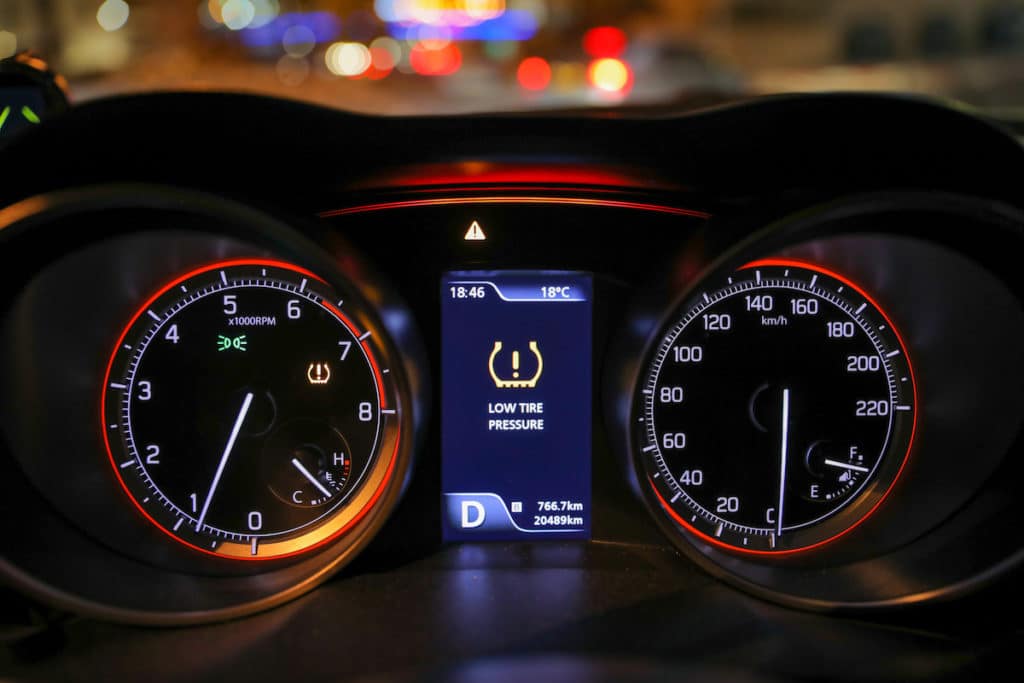
When you see a light - any light, really - turn on in your dashboard, you probably immediately feel uneasy. After all, seeing one of those lights come on could mean that auto repairs are in your near future and you may have to shell out your hard-earned money to keep your ride on the road. However, the longer you put them off, the more likely it is that they develop into serious issues. That's why it's so critical to not ignore your dashboard lights. Today we're talking about three reasons you should never ignore one light in particular - your tire pressure warning light. Why does your tire pressure light turn on? Your tire pressure warning light turns on to alert you that one or more of your car tires is too low in terms of air pressure. The air pressure has dropped below the recommended level and you should take immediate steps to add air to the tire(s) and get them back to the proper PSI. Some people don't think the tire pressure warning light is a big deal - after all, the tire's not flat yet, right? - but here are three reasons our Orlando auto service specialists recommend dealing with this simple car care task right away! Reason #1: You're more likely to have a flat or blowout. When your tire is underinflated, you're much more likely to have a flat tire or a blowout. And while that may seem like a minor inconvenience or no big deal, it's not -having a blowout can be pretty dangerous to you and the cars around you, especially if you have one while moving at high speeds (like on the highway). This could cause you to lose control of your vehicle and end up in a collision, or worse. Reason #2: Your tires will wear unevenly and wear out faster. If your PSIs aren't where they should be, your car tires will wear faster. Low tire pressure means your tire has more surface area on the road (more rubber touching road) which means it's going to wear out faster and wear unevenly. And this throws everything out of balance, so your other tires will likely wear unevenly, too. All in all, this means you're going to have to replace your tires more frequently and spend WAY more money than you rightfully should. Reason #3: You won't get the fuel efficiency you deserve. When your car tire pressure is too low, you won't get the fuel efficiency you deserve. Having tires inflated to the proper PSI is directly related to getting the right fuel efficiency. Let our Orlando Toyota service techs restore your tires to the right PSI It's easy to get your car tire pressure back to the right level - just pull into the gas station and use the air hose to fill them up, also using a gauge to ensure you don't overinflate them. If you're not comfortable with the DIY approach, though, just head on over to Toyota of Orlando! Our auto service techs can get you back on the road in no time. Toyota of Orlando is conveniently located just off I-4 across from the Millenia Mall at 3575 Vineland Road.
car tire care

Three reasons to never ignore your tire pressure warning light

When you see a light - any light, really - turn on in your dashboard, you probably immediately feel uneasy. After all, seeing one of those lights come on could mean that auto repairs are in your near future and you may have to shell out your hard-earned money to keep your ride on the road. However, the longer you put them off, the more likely it is that they develop into serious issues. That's why it's so critical to not ignore your dashboard lights. Today we're talking about three reasons you should never ignore one light in particular - your tire pressure warning light. Why does your tire pressure light turn on? Your tire pressure warning light turns on to alert you that one or more of your car tires is too low in terms of air pressure. The air pressure has dropped below the recommended level and you should take immediate steps to add air to the tire(s) and get them back to the proper PSI. Some people don't think the tire pressure warning light is a big deal - after all, the tire's not flat yet, right? - but here are three reasons our Orlando auto service specialists recommend dealing with this simple car care task right away! Reason #1: You're more likely to have a flat or blowout. When your tire is underinflated, you're much more likely to have a flat tire or a blowout. And while that may seem like a minor inconvenience or no big deal, it's not -having a blowout can be pretty dangerous to you and the cars around you, especially if you have one while moving at high speeds (like on the highway). This could cause you to lose control of your vehicle and end up in a collision, or worse. Reason #2: Your tires will wear unevenly and wear out faster. If your PSIs aren't where they should be, your car tires will wear faster. Low tire pressure means your tire has more surface area on the road (more rubber touching road) which means it's going to wear out faster and wear unevenly. And this throws everything out of balance, so your other tires will likely wear unevenly, too. All in all, this means you're going to have to replace your tires more frequently and spend WAY more money than you rightfully should. Reason #3: You won't get the fuel efficiency you deserve. When your car tire pressure is too low, you won't get the fuel efficiency you deserve. Having tires inflated to the proper PSI is directly related to getting the right fuel efficiency. Let our Orlando Toyota service techs restore your tires to the right PSI It's easy to get your car tire pressure back to the right level - just pull into the gas station and use the air hose to fill them up, also using a gauge to ensure you don't overinflate them. If you're not comfortable with the DIY approach, though, just head on over to Toyota of Orlando! Our auto service techs can get you back on the road in no time. Toyota of Orlando is conveniently located just off I-4 across from the Millenia Mall at 3575 Vineland Road.
preowned Toyota

Which used Toyotas are the best?

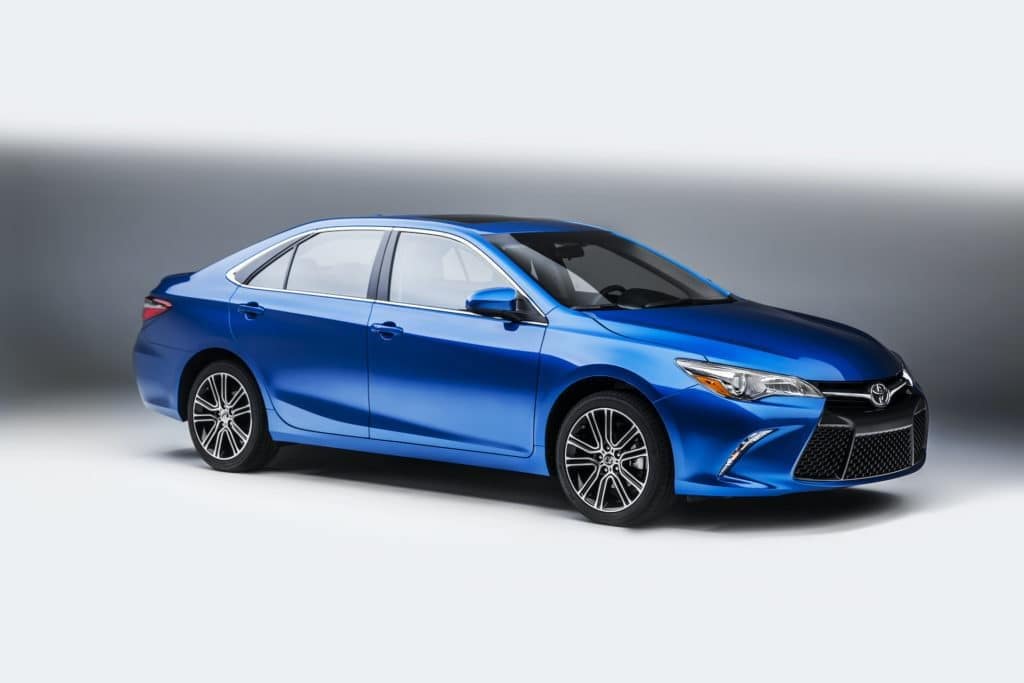
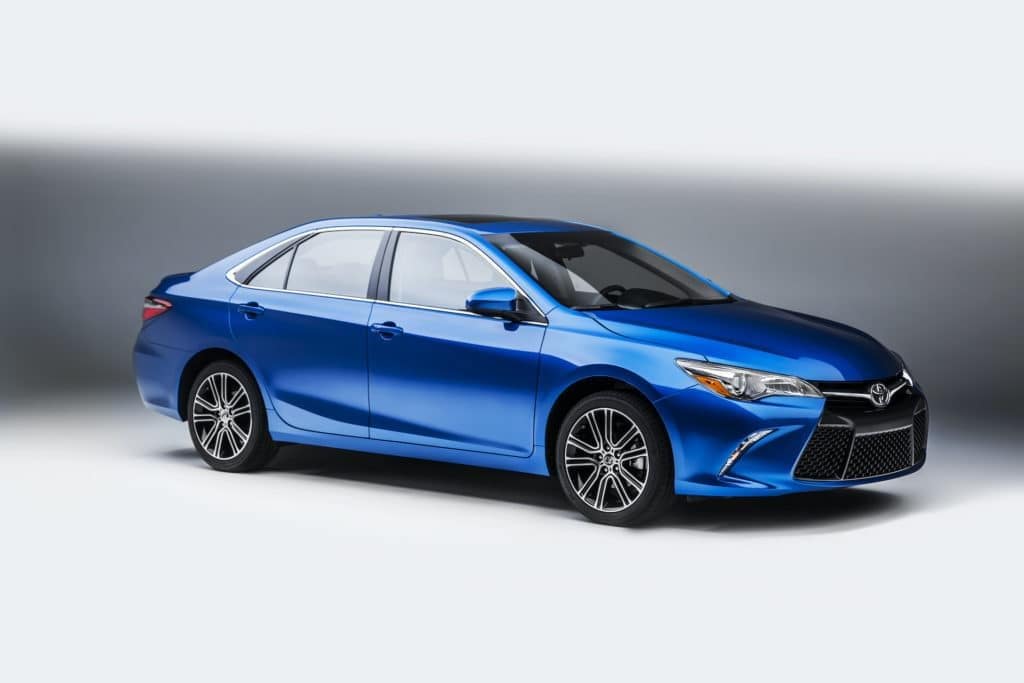
If you're thinking about buying a used Toyota, you know you're getting a high-quality and reliable preowned vehicle. After all, the best new cars make the best used cars, right? There's an implicit level of longevity and durability in Toyotas across the board, so buying a preowned one is never a bad idea. However, there are several years that - according to drivers and industry insiders alike - stand out and shine amongst their siblings. Check out this quick Orlando Toyota guide to the best used Toyotas you can put in your driveway today. The 2016 Toyota Camry The Toyota Camry is a best-seller on a global level, so any model year that you buy is going to be a win-win. However, 2016 truly stands out from the rest. Earlier models had the potential for engine failure (which means expensive repairs), but this model is smooth sailing when it comes to performance. It's also got an updated and modern aesthetic inside and out, better technology than earlier models, and updated safety technology. You're looking at around $15k for a model with 30,000 miles, which is a great bet considering you'll be able to drive this model for years (maybe even decades) to come. The 2015 Toyota Tacoma When you're shopping for a used car, you want one that's going to retain its value well so when it's time to sell or trade in down the road it gives you more bang for your buck. The Toyota Tacoma is renowned across the industry for doing just that and is considered one of the best used Toyota models for holding resale value. The 2015 model is a particular favorite among drivers; it looks good, has an efficient engine under the hood, has updated entertainment and safety technology, and has the versatility you need for a busy life. The 2014 Toyota Corolla The Toyota Corolla has been a fan favorite for decades - we mean DECADES - and we're not surprised. It's fuel-efficient, compact, fun to drive, and stylish in a sporty, unique way. Any model year will serve you well, but the 2014 model was redesigned for an even sportier look inside and out. It's also got more updated technology and safety features, gets around 42 mpg on the highway, and has a cheap pricepoint to start at - typically, you can get your hands on one of these used Toyotas for $10K or less. The 2016 Toyota RAV4 Looking for a family-friendly ride with a little more space? Consider a used Toyota RAV4 - specifically, a 2016 model year. SUVs tend to run a bit on the pricy side, even when used, but this model year precedes a redesign and as such, is more affordable than others. Plus, it's got reliable and fuel-efficient performance features, new tech, and great safety elements. You can likely find one for between $15-18k, depending on the mileage. The 2008 Toyota Highlander Trying to budget a little harder and looking for something a bit older to put in the garage? Check out the 2008 Highlander. While the mileage will likely be higher on an older model, it doesn't mean you're not getting a reliable ride. This particular model year fixed all of the engine issues that the 2006 model had to contest with, and it also has a sporty V6 engine under the hood for 270 horsepower. Plus, it's incredibly spacious and comfortable inside. As long as you stick to your routine car care, you should easily be able to drive this used Toyota for many more miles to come.

preowned Toyota

Which used Toyotas are the best?

If you're thinking about buying a used Toyota, you know you're getting a high-quality and reliable preowned vehicle. After all, the best new cars make the best used cars, right? There's an implicit level of longevity and durability in Toyotas across the board, so buying a preowned one is never a bad idea. However, there are several years that - according to drivers and industry insiders alike - stand out and shine amongst their siblings. Check out this quick Orlando Toyota guide to the best used Toyotas you can put in your driveway today. The 2016 Toyota Camry The Toyota Camry is a best-seller on a global level, so any model year that you buy is going to be a win-win. However, 2016 truly stands out from the rest. Earlier models had the potential for engine failure (which means expensive repairs), but this model is smooth sailing when it comes to performance. It's also got an updated and modern aesthetic inside and out, better technology than earlier models, and updated safety technology. You're looking at around $15k for a model with 30,000 miles, which is a great bet considering you'll be able to drive this model for years (maybe even decades) to come. The 2015 Toyota Tacoma When you're shopping for a used car, you want one that's going to retain its value well so when it's time to sell or trade in down the road it gives you more bang for your buck. The Toyota Tacoma is renowned across the industry for doing just that and is considered one of the best used Toyota models for holding resale value. The 2015 model is a particular favorite among drivers; it looks good, has an efficient engine under the hood, has updated entertainment and safety technology, and has the versatility you need for a busy life. The 2014 Toyota Corolla The Toyota Corolla has been a fan favorite for decades - we mean DECADES - and we're not surprised. It's fuel-efficient, compact, fun to drive, and stylish in a sporty, unique way. Any model year will serve you well, but the 2014 model was redesigned for an even sportier look inside and out. It's also got more updated technology and safety features, gets around 42 mpg on the highway, and has a cheap pricepoint to start at - typically, you can get your hands on one of these used Toyotas for $10K or less. The 2016 Toyota RAV4 Looking for a family-friendly ride with a little more space? Consider a used Toyota RAV4 - specifically, a 2016 model year. SUVs tend to run a bit on the pricy side, even when used, but this model year precedes a redesign and as such, is more affordable than others. Plus, it's got reliable and fuel-efficient performance features, new tech, and great safety elements. You can likely find one for between $15-18k, depending on the mileage. The 2008 Toyota Highlander Trying to budget a little harder and looking for something a bit older to put in the garage? Check out the 2008 Highlander. While the mileage will likely be higher on an older model, it doesn't mean you're not getting a reliable ride. This particular model year fixed all of the engine issues that the 2006 model had to contest with, and it also has a sporty V6 engine under the hood for 270 horsepower. Plus, it's incredibly spacious and comfortable inside. As long as you stick to your routine car care, you should easily be able to drive this used Toyota for many more miles to come.

car fueling tips

Ethanol gas: A quick guide from Toyota of Orlando

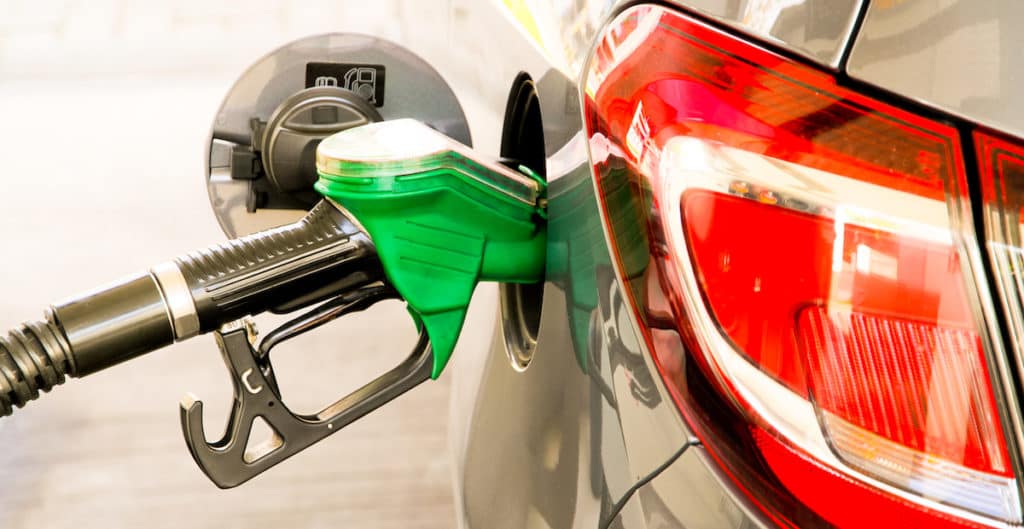
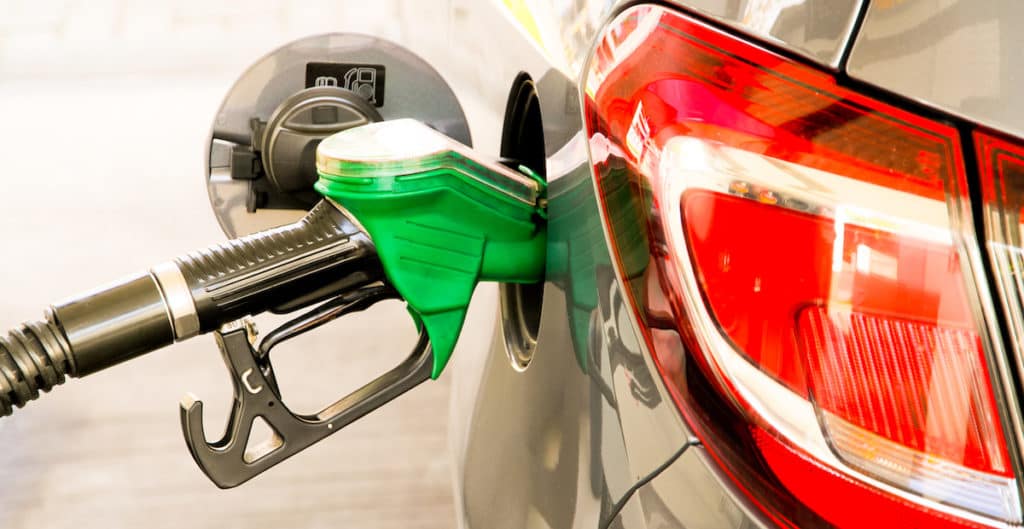
Have you ever pulled into the gas station, parked at the pump, and noticed the "Less than 10% Ethanol stickers" on it? If you're anything like most drivers, you probably didn't think twice about it and may not even know what that means. Toyota of Orlando is here to give you a mini (and pain-free) chemistry lesson on what ethanol is, why it's used as a fuel additive, and what it can mean for your car's performance. What is ethanol? Ethanol is actually found in almost every single grade of gasoline available today, although the amount of ethanol found in your fuel can vary. Here are a few quick facts on ethanol and where it comes from: This substance actually is created by a natural process - you get ethanol when you ferment yeast with sugars. It can be manufactured from a wide variety of crops, too - in North America, it's commonly created from corn whereas, in Brazil, they prefer to produce it using sugarcane since that's a plentiful crop in that region of the world. Ethanol can be found in lots of places besides gasoline - it's used in alcoholic beverages, for one, and is also sometimes used as a disinfectant substance in the medical field. It's actually distilled on a worldwide basis for a variety of purposes. It's also a viable fuel source and is commonly used as an additive in gasoline. But why? The U.S. started adding this substance to fuel back in the early 2000s. Ethanol is usually added to gasoline to help preserve fossil fuels; it stretches the gas a bit further, to put it as simply as possible. Additionally, it also helps to cut down on emissions. Typically you'll find that most gasoline here in the U.S. is about 10% ethanol or less (you can look at the stickers on the pump to determine just how much is in the fuel that you're using in your Orlando Toyota). What benefits come from adding this substance to fuel? Putting this substance in fuel helps to reduce the carbon emissions coming out of your Orlando Toyota's tailpipe, but let us be clear - this only works if the percentage of ethanol in the fuel is low. If you were to utilize a mixture that was more ethanol than gasoline (like 85% ethanol, 15% gasoline), you'd actually be putting the planet in a worse submission. Burning ethanol at levels like that creates more smog than if you were to just stick to pure gasoline. However, as great as this all sounds, there is a caveat. Ethanol is hygroscopic; this means it pulls in moisture and absorbs it from the surrounding air. Having excess moisture in your gas tank is never a good thing, especially in older cars where it could cause rust and performance problems. It shouldn't be an issue in a newer Orlando Toyota; these cars are built to guard against this issue (and ethanol levels are typically low enough to not cause issues). However, if you drive a classic, consider finding an ethanol-free fuel to fill up the tank. If you have questions about the type of fuel you should be using in your ride, give the Toyota of Orlando auto service center a call today. You can reach us seven days a week at (407) 298-4500 or stop by and see us at 3575 Vineland Road, just off I-4 across from the Millenia Mall.

car fueling tips

Ethanol gas: A quick guide from Toyota of Orlando

Have you ever pulled into the gas station, parked at the pump, and noticed the "Less than 10% Ethanol stickers" on it? If you're anything like most drivers, you probably didn't think twice about it and may not even know what that means. Toyota of Orlando is here to give you a mini (and pain-free) chemistry lesson on what ethanol is, why it's used as a fuel additive, and what it can mean for your car's performance. What is ethanol? Ethanol is actually found in almost every single grade of gasoline available today, although the amount of ethanol found in your fuel can vary. Here are a few quick facts on ethanol and where it comes from: This substance actually is created by a natural process - you get ethanol when you ferment yeast with sugars. It can be manufactured from a wide variety of crops, too - in North America, it's commonly created from corn whereas, in Brazil, they prefer to produce it using sugarcane since that's a plentiful crop in that region of the world. Ethanol can be found in lots of places besides gasoline - it's used in alcoholic beverages, for one, and is also sometimes used as a disinfectant substance in the medical field. It's actually distilled on a worldwide basis for a variety of purposes. It's also a viable fuel source and is commonly used as an additive in gasoline. But why? The U.S. started adding this substance to fuel back in the early 2000s. Ethanol is usually added to gasoline to help preserve fossil fuels; it stretches the gas a bit further, to put it as simply as possible. Additionally, it also helps to cut down on emissions. Typically you'll find that most gasoline here in the U.S. is about 10% ethanol or less (you can look at the stickers on the pump to determine just how much is in the fuel that you're using in your Orlando Toyota). What benefits come from adding this substance to fuel? Putting this substance in fuel helps to reduce the carbon emissions coming out of your Orlando Toyota's tailpipe, but let us be clear - this only works if the percentage of ethanol in the fuel is low. If you were to utilize a mixture that was more ethanol than gasoline (like 85% ethanol, 15% gasoline), you'd actually be putting the planet in a worse submission. Burning ethanol at levels like that creates more smog than if you were to just stick to pure gasoline. However, as great as this all sounds, there is a caveat. Ethanol is hygroscopic; this means it pulls in moisture and absorbs it from the surrounding air. Having excess moisture in your gas tank is never a good thing, especially in older cars where it could cause rust and performance problems. It shouldn't be an issue in a newer Orlando Toyota; these cars are built to guard against this issue (and ethanol levels are typically low enough to not cause issues). However, if you drive a classic, consider finding an ethanol-free fuel to fill up the tank. If you have questions about the type of fuel you should be using in your ride, give the Toyota of Orlando auto service center a call today. You can reach us seven days a week at (407) 298-4500 or stop by and see us at 3575 Vineland Road, just off I-4 across from the Millenia Mall.

Orlando Toyota tips

What to do if you have a car emergency on the highway

Having a car emergency like a flat tire or breakdown is never a fun experience, but it's even more stressful if it happens on the highway. You're moving at a high speed and so are all of the cars around you, and you're usually not close to a gas station or mechanic - in fact, you could be miles from the nearest exit. And if you're on a rural highway, it's even scarier. Toyota of Orlando is here with tips to help you deal with a car emergency on the highway and stay safe. Four tips for dealing with a car emergency on a highway Tip #1: Pull over. If you start having a car emergency like a tire blowout or engine failure, pull off the road as quickly as you can. You should look for a flat shoulder to stop on and get your vehicle as far away from the road as you safely can so you're farther away from traffic. Keep in mind that if you have to change a tire, you want the shoulder to be flat and sand-free. If there's nowhere to pull off (like on some sections of I-4), you should try to make it to the next exit or at least the next shoulder, even if it's going to do more damage. It's NEVER a good idea to stop your car on the highway in a lane unless you have no other option (like in the event of a car fire). Turn your wheel away from the road after you park - this way if you were hit from behind, your car isn't pushed into traffic. You should also set your parking brake. Tip #2: Make yourself as visible as possible. Now's the time to make your car as visible as you possibly can, especially if you're driving at night and have a car emergency. Turn on your hazard lights to alert other drivers to your presence, and if you have them, set up roadside flares or triangles. If you're really in a bind, you can also call the police. They likely won't be able to get your car back on the road, but they can turn on their lights and give you added visibility. Tip #3: Get back in the car. If you're in it for the long haul and need to wait for a tow truck, it's best to get back in your car. This way you're not anywhere near the traffic on the road. Lock the doors and keep an eye on the road around you while you wait for help to arrive. Tip #4: Call for assistance if needed. If you're dealing with a car emergency that you can fix on your own on the side of the highway, it's time to call for help. Call for a tow truck or roadside assistance to come to pick you up and get your car where it needs to go to get fixed. Toyota of Orlando can get you back on the road after a car emergency If you need auto repairs after a car emergency, call Toyota of Orlando today. Our Orlando auto service center is open seven days a week at (407) 298-0001 and we're conveniently located just off I-4 across from the Millenia Mall.

Orlando Toyota tips

What to do if you have a car emergency on the highway

Having a car emergency like a flat tire or breakdown is never a fun experience, but it's even more stressful if it happens on the highway. You're moving at a high speed and so are all of the cars around you, and you're usually not close to a gas station or mechanic - in fact, you could be miles from the nearest exit. And if you're on a rural highway, it's even scarier. Toyota of Orlando is here with tips to help you deal with a car emergency on the highway and stay safe. Four tips for dealing with a car emergency on a highway Tip #1: Pull over. If you start having a car emergency like a tire blowout or engine failure, pull off the road as quickly as you can. You should look for a flat shoulder to stop on and get your vehicle as far away from the road as you safely can so you're farther away from traffic. Keep in mind that if you have to change a tire, you want the shoulder to be flat and sand-free. If there's nowhere to pull off (like on some sections of I-4), you should try to make it to the next exit or at least the next shoulder, even if it's going to do more damage. It's NEVER a good idea to stop your car on the highway in a lane unless you have no other option (like in the event of a car fire). Turn your wheel away from the road after you park - this way if you were hit from behind, your car isn't pushed into traffic. You should also set your parking brake. Tip #2: Make yourself as visible as possible. Now's the time to make your car as visible as you possibly can, especially if you're driving at night and have a car emergency. Turn on your hazard lights to alert other drivers to your presence, and if you have them, set up roadside flares or triangles. If you're really in a bind, you can also call the police. They likely won't be able to get your car back on the road, but they can turn on their lights and give you added visibility. Tip #3: Get back in the car. If you're in it for the long haul and need to wait for a tow truck, it's best to get back in your car. This way you're not anywhere near the traffic on the road. Lock the doors and keep an eye on the road around you while you wait for help to arrive. Tip #4: Call for assistance if needed. If you're dealing with a car emergency that you can fix on your own on the side of the highway, it's time to call for help. Call for a tow truck or roadside assistance to come to pick you up and get your car where it needs to go to get fixed. Toyota of Orlando can get you back on the road after a car emergency If you need auto repairs after a car emergency, call Toyota of Orlando today. Our Orlando auto service center is open seven days a week at (407) 298-0001 and we're conveniently located just off I-4 across from the Millenia Mall.

Contact Us

Fill out this form below and we'll contact you shortly
*Required Fields