


Blog / Orlando Toyota Service

What Is a Cabin Air Filter, and When Should You Replace Yours?

Imagine riding around your car - whether it’s winter and you’ve got the windows up to stay warm, or it’s summer and you’ve got the windows up to stay cool, it’s a priority to be breathing in fresh clean air. This is all possible thanks to your cabin air filter - but how does this important car part work, and how do you know when it’s time to replace it? Toyota of Orlando’s expert service team is walking you through the cabin air filter’s job, how it works, and how to troubleshoot the one in your car. Let’s get started!
Auto service in Orlando FL

What Does the Cabin Air Filter Actually Do?

Your cabin air filter is a critical part of your Toyota’s heating, ventilation, and air-conditioning systems (HVAC). It’s main job is to clean the air entering your car’s interior. As the outside air flows through the ventilation system, the cabin air filter traps dirt, dust, pollen, smog, mold, bacteria, exhaust fumes, and even bad smells before they get into the cabin. Pretty important, right? Most modern cars feature it as a standard part to ensure drivers get a comfortable and safe driving experience.

Why Is the Cabin Air Filter Important?

Like we said, the cabin air filter has a pretty important job when it comes to your drive time. Here are some of the ways it impacts your time behind the wheel and why it’s so critical to have one in your Orlando Toyota.

  • Air quality and health: This filter acts like a barrier between outdoor pollutants and the cabin. This shields you and your passengers from allergens, irritants, and more. This is especially important for people who suffer from allergies or respiratory conditions.
  • Comfort: This car part keeps out dust and bad odors to ensure the air inside your cabin - you know, the air you’re breathing - stays clean and fresh.
  • HVAC performance: A clean air filter allows air to flow freely through your HVAC system. This means your Orlando Toyota is able to efficiently cool, heat, and defrost all of its windows.
  • Vehicle protection: This filter also helps extend the life of your HVAC system. By collecting all of the dirt, debris, etc. before they enter the HVAC system, the filter reduces the chance of breakdowns or expensive repairs.

Warning Signs That Your Cabin Air Filter Needs to Be Replaced

Like any car part, cabin air filters won’t last forever. So how can you troubleshoot to see if it’s time to replace yours? Here are some common warning signs from our Toyota of Orlando auto service techs to be on the lookout for.

  • Reduced airflow from vents: Does your car seem like it’s not blowing air as forcefully from the vents on your dashboard? This can happen if your cabin air filter is clogged - it blocks air movement.
  • Bad smells inside the cabin: If the inside of your car smells musty or moldy, especially when you’re running the AC or heat, it can mean your filter is dirty or moldy and needs to be replaced.
  • Foggy windows that won’t clear: If you’re struggling to clear your windshield, it might mean that your air filter is clogged. A clogged filter prevents enough air from moving through the system to dry the glass.
  • More dust on surfaces: Does it feel like your car is dustier than normal on the inside? A dirty air filter can’t trap as many dirt and dust particles, which means they make it into your cabin.
  • Noisy or strained HVAC: If you’re noticing weird sounds like whistling or fan noises, your cabin air filter may be clogged and need to be changed. This is also true if your system is working hard but isn’t effective in cooling or heating the cabin.
  • Increased allergy symptoms: If you’re sneezing, coughing, or have watery eyes while driving, this can signal that allergens are making it past your cabin filter and you need to replace it.
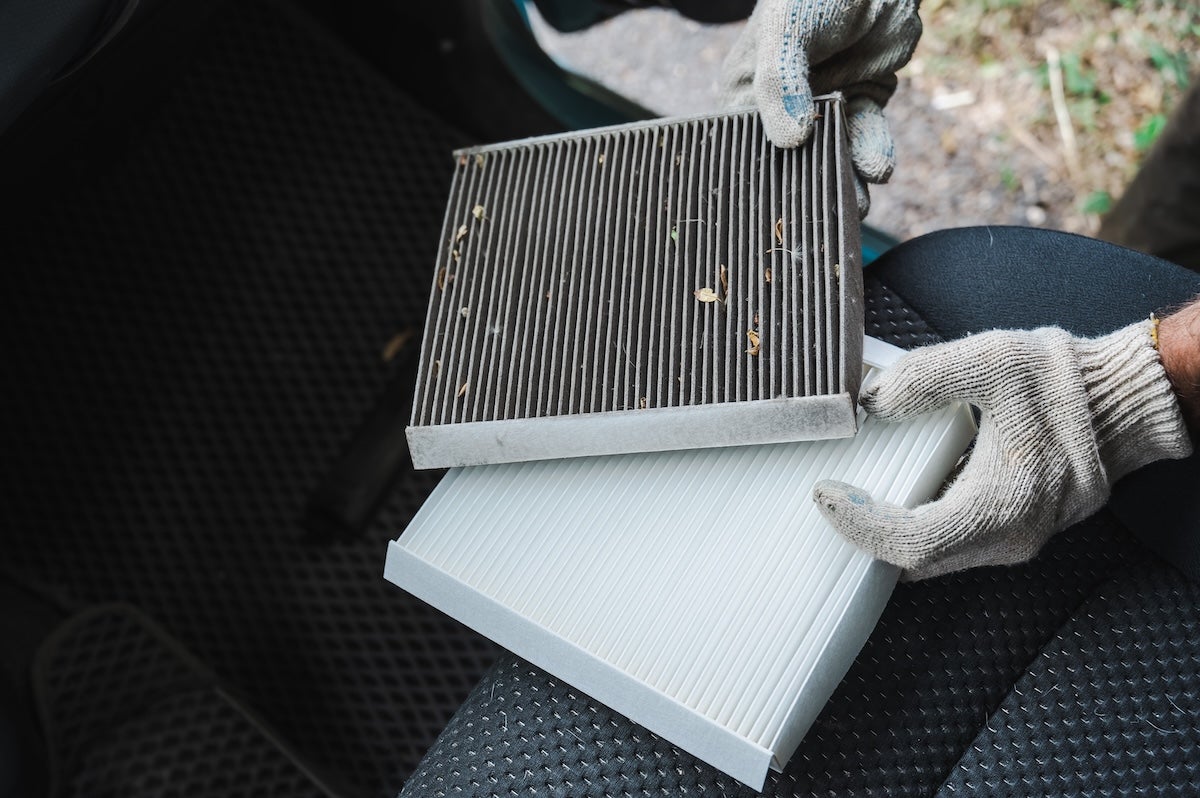
dirty cabin air filter

How Often Should You Change Your Cabin Air Filter?

Most auto manufacturers and our Toyota service techs recommend that you change your air filter every 12,000 - 15,000 miles. However, if you drive in cities, construction zones, areas with high pollen, or on dirt roads frequently, then you might need to swap your filter more often.

What Happens If You Don’t Replace this Part?

Not swapping out this filter can lead to multiple problems (that just aren’t worth dealing with), including:

1. Decreased Air Quality

A clogged or dirty air filter loses its effectiveness. This means it’s letting pollutants, dirt, allergens, and exhaust fumes into your car’s interior. This can make your commute wholly unpleasant and even lead to increased allergies or respiratory issues.

2. Reduced HVAC Efficiency

When your air filter is blocking airflow because it’s dirty, your HVAC system has to work harder to keep up. This means it’s harder for your AC to cool and your heater to heat. This can lead to your fan or blower motor overheating and failing (which means expensive repairs).

3. Persistent Odors

A dirty filter is the perfect home for mold and bacteria. This can create bad smells inside your cabin (like the kind that air fresheners won’t fix).

4. Poor Visibility

Like we discussed, a clogged filter can prevent your car from being able to defrost its windows. This means reduced visibility, which increases your risk of accidents as you travel through Orlando.

5. Dirty Cabin

A dirty cabin filter means more dirt, dust, and other contaminants in your Orlando Toyota’s cabin. This means a dirty cabin and more detailing duties for you.

6. Potential Environmental Impact + Money Lost

If your HVAC system is working hard to keep up with a dirty filter, you’ll find your car using more gas and also putting out more emissions. This means you’re not only contributing to pollution more, but you’re also wasting more hard-earned money on fuel.

Orlando car care

How to Check and Replace Your Cabin Air Filter

We can definitely help you change this filter at Toyota of Orlando, but we can also show you how to do it yourself if you’re a DIY type of person (and we can also sell you the right filter for your car). Here’s how to do it:

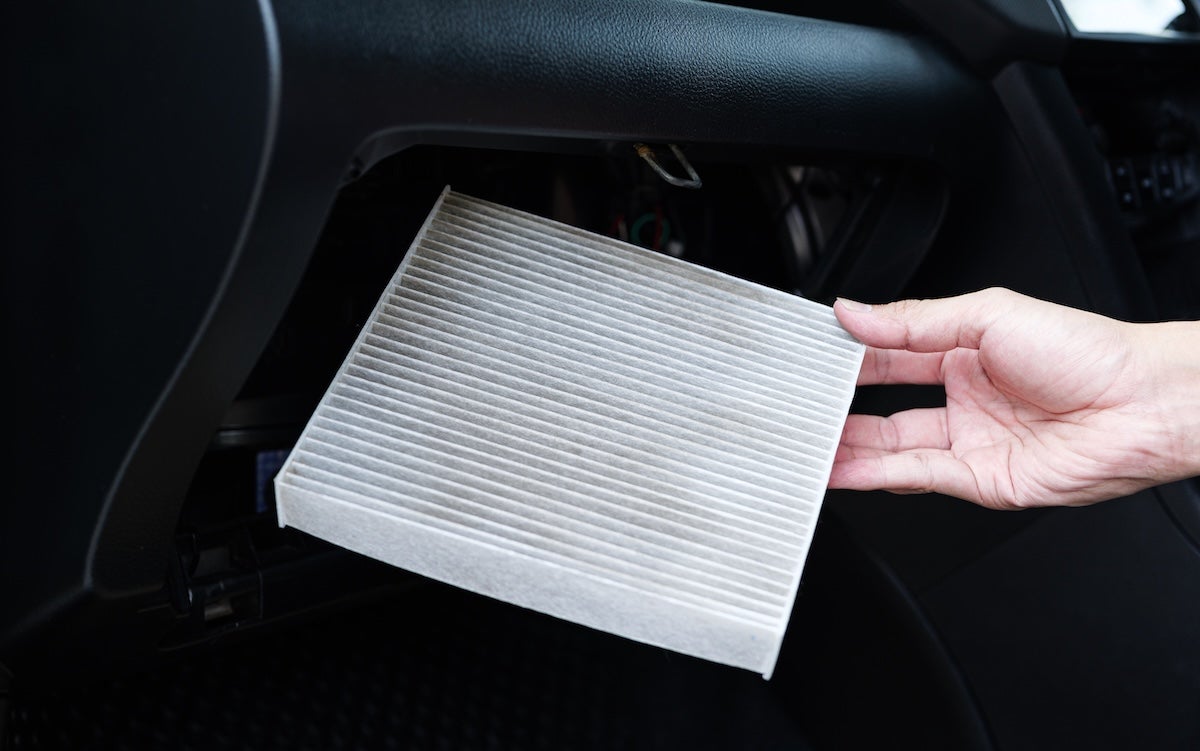
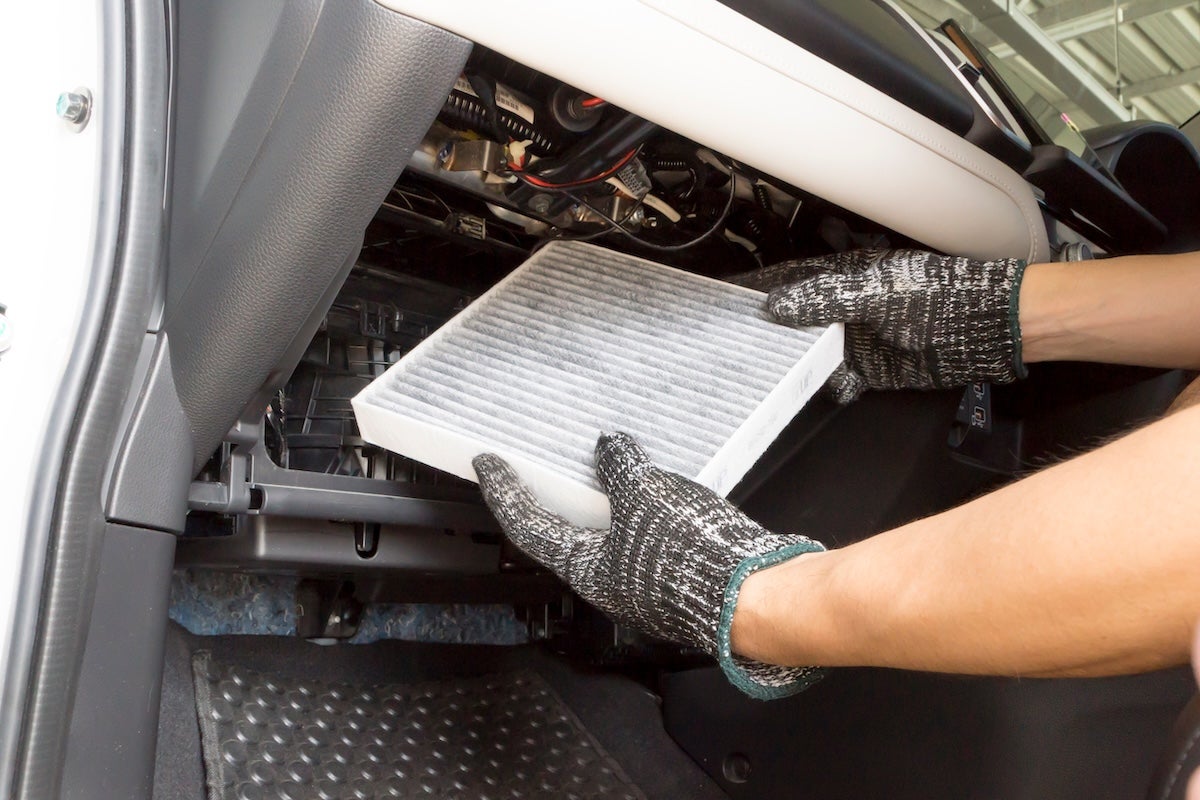
  • Locate it (it’s usually behind the glove box or under the dashboard), pull it out, and look for things like:
    • Heavy dust or dirt buildup
    • Discoloration or black spots (indicating mold)
    • Cracking or damage

If you notice any of these signs or just know you’re due for a replacement, swap it out. Replacement is easy and quick but again, our Orlando auto service techs can help you out if you’re unsure of how to do it.

Schedule a Cabin Air Filter Replacement at Toyota of Orlando

Ready to swap your cabin air filter? Get top-notch service and the best deals in Central Florida - schedule at Toyota of Orlando today. Our auto service techs can get you back on the road in no time with a fresh, clean-smelling cabin! Call us at (407) 298-0001 or stop by 3575 Vineland Road, just off I-4 near the Mall at Millenia.


Posted in:

Related Posts

guide to car belts

Car Belts: Your Complete Guide

If you own a car, you’re probably familiar with the basics of what’s going on under the hood. You know you need routine oil changes, tire rotations, brake checks, and battery service. But do you know what’s going on when it comes to your car belts? The belts in your car play a critical role in performance, and if they’re not in top shape, they can keep it from running properly. Not only that, car belts that are worn or damaged can actually lead to expensive repairs down the road. Here at Toyota of Orlando’s service center, our techs believe that every driver should have a basic understanding of how cars work and what each part does. Check out our beginner’s guide to car belts - we’re running through what they are, how they work, how to spot trouble, and when to schedule car belt service. Let’s get into it! Executive Summary: Car belts are essential to your vehicle's performance. Components like the serpentine belt and timing belt help power critical systems and keep your engine running properly, making routine inspections an important part of vehicle maintenance. Different belts serve different purposes. The serpentine belt powers accessories like the alternator, A/C compressor, and power steering, while the timing belt (or timing chain on many newer Toyotas) keeps the engine's internal components synchronized. Know the warning signs of a worn belt. Squealing noises, cracks, fraying, battery warning lights, overheating, loss of A/C, or difficult steering can all indicate it's time to have your car belts inspected. Replacing worn belts before they fail can prevent costly repairs. A broken serpentine belt can leave you stranded, while a failed timing belt can cause severe engine damage. Following your owner's manual and scheduling regular inspections can help avoid expensive breakdowns. Florida's heat can shorten belt life. High temperatures accelerate rubber wear, making routine multi-point inspections especially important for Central Florida drivers to catch problems before they become major repairs. Car Belts: What Are They? Let’s make things as simple as possible starting out. Car belts are basically reinforced rubber belts that send power from your car’s engine to other parts of your ride. As your engine runs, these belts spin pulleys, and these pulleys power other systems. All in all, belts keep your car running smoothly. Sounds pretty simple, right? Here’s another fun fact - modern car belts are built to stand up against friction, heat, and thousands of miles on the road… but they don’t last forever, just like anything else. With time and wear, they can stretch, wear out, or get damaged by heat. Car belts vary from car to car, but depending on your ride, you might have one or more of these common ones: Serpentine belt Timing belt (or a timing chain on many newer Toyota models) Drive belt Alternator belt Some car belt names are used interchangeable, but all of them serve a different purpose and our Orlando Toyota service techs are here to explain them. The Serpentine Belt: One of the Most Important Car Belts The serpentine belt is one of the most critical car belts in your vehicle. While older cars might use several separate belts, today’s Orlando Toyotas can use a single serpentine belt to power multiple parts of your car. These parts can include: The alternator The air conditioning compressor The power steering pump The water pump on some vehicles Why is it called a serpentine belt? Because it snakes around several pulleys in the engine compartment to power multiple parts at once. Convenient, right? The only drawback is that if the serpentine belt breaks while you’re driving, you’ll have immediate problems, like: The battery might stop charging because the alternator stops getting power Your steering could become difficult if your Orlando Toyota uses hydraulic power steering Your car could overheat if your water pump is powered by the serpentine belt Here’s the good news. Most serpentine belts last between 60,000 to 100,000 miles depending on the conditions you drive in and the miles you put on your car. The best way to keep track of this VIP car belt is to get it regularly inspected (we’ve got you covered at Toyota of Orlando). The Timing Belt: Keeps It All Together While the serpentine belt powers accessories outside the engine, the timing belt has an entirely different job. So by now you know that the serpentine belt powers parts outside of your engine, like your alternator. The timing belt has a very different job - it keeps your crankshaft and camshaft synchronized. To put it simply, it makes sure that your Orlando Toyota’s engine valves open and close at the exact right times. The timing here is important for a high-performing engine. Your timing belt is located inside your engine, behind protective covers (after all, it plays a critical role in performance). However, this makes it hard to inspect during a routine check under the hood. If you think you might have a timing belt issue, it’s important to bring your car to our Orlando auto service center ASAP. If the timing belt fails, it can cause expensive or even irreparable engine damage. Here’s a spot of hope if you drive a new Toyota - most of our new models use a timing chain instead of a timing belt. Timing chains usually last longer and don’t need as much routine maintenance. Not sure which one you have? Ask one of our Toyota of Orlando techs or check your owner’s manual. Drive Belt vs Alternator Belt: How Are They Different? If you've heard someone mention a drive belt or alternator belt, don't be confused. You may have heard people mention drive belts or alternator belts, and we’re here to clarify. The drive belt is another name for the serpentine belt because it powers some of the engine’s accessories. The alternator belt is an older term - in older cars, there was a dedicated alternator belt. However, newer cars use the serpentine belt for that. These names are still commonly used, but usually refer to the serpentine belt at the end of the day. Warning Signs Your Car Belts Need Service Since belts wear gradually over time, it's important to recognize the warning signs before one fails completely. Like we said, car belts wear out over time. It’s smart to be able to spot trouble and know when one is on the way out. Here are some common signs you may need a new car belt soon: Squealing or chirping noises from your engine Visible cracks or fraying on the belt Missing ribs on the belt A shiny or glazed appearance (this indicates wear) Your dashboard battery warning light comes on Your air conditioning suddenly stops working Difficulty steering (if you drive a car with hydraulic power steering) Your engine overheating These symptoms are warning signs. They don’t mean the belt has completely failed, but it could be a sign of problems to come. These signs can also mean you have an issue with a pulley or a belt tensioner. That’s why we’re so big on multi-point inspections at Toyota of Orlando - we want to spot issues before they become big, expensive repairs. How Often Should You Replace Car Belts? There isn't a single replacement schedule that applies to every vehicle. There’s no single replacement schedule for every car. However, we can give you some rough guidelines on when to replace car belts. Use these, your owner’s manual, and multi-point inspections to keep your car in good shape. Your serpentine belt should be checked during your routine maintenance appointments (like oil changes, etc.). It should be replaced when it shows signs of excessive wear, or if you’re at the recommended service interval for replacement. Your timing belt should be replaced according to the guidelines in your owner’s manual. If you wait too long, you could do catastrophic engine damage. It’s especially important to do regular inspections in Florida. The heat here can cause the rubber in the belts to age more quickly over time. What Happens If You Don’t Replace Car Belts? It can be tempting to ignore a squealing belt for a few days or weeks, but small problems can become much bigger ones if left unaddressed. We know it’s tempting to ignore car belt issues for a bit - you’ll get to it when you can, right? However, ignoring a small issue can actually cause bigger issues for you down the road. A worn belt can snap and leave you with a broken car and a big bill. Replacing a belt before it fails is almost always cheaper than dealing with the aftermath of a belt breaking. Our Toyota of Orlando Team Can Inspect Your Car Belts Hearing a funny noise or think you might have a car belt issue? Visit Toyota of Orlando today. Our techs are trained to keep your car in the best shape possible and we’re open seven days a week to ensure we can. Call us today at (407) 298-4500 or stop by and see us at 3575 Vineland Road, just off I-4 near the Mall at Millenia. Frequently Asked Questions What does a serpentine belt do? A serpentine belt powers important engine accessories like your alternator, A/C compressor, power steering pump, and water pump. Is the drive belt the same as the serpentine belt? In most modern Toyotas, yes. The drive belt can be used to describe the serpentine belt because it powers or “drives” multiple engine accessories. Does every Toyota have a timing belt? Nope.A lot of newer Toyota models use a timing chain instead of a timing belt. Your owner's manual or your Toyota service advisor can tell you which one your car uses.
Hybrid car battery

What To Do If Your Hybrid Car Battery Dies

Hybrid vehicles are known to be reliable, fuel-efficient, and have a long battery life. However, occasional hybrid car battery issues can occur. Trust us, we know it can be overwhelming, especially with two batteries to consider (the standard 12-volt battery and the high-voltage hybrid battery). While most no-start situations are caused by the 12-volt battery, the hybrid battery can fail and cause some complex issues. So what happens when you find yourself in one of these situations? Today, Toyota of Orlando is going over what signs you need to watch for and the smartest next steps to protect your hybrid car battery from danger. Understanding the Hybrid Car Battery The hybrid car battery (also called the traction battery) is the high-voltage battery pack in your Orlando Toyota that powers the electric motor and works alongside the gas engine to move your car. Unlike the 12-volt standard battery, it’s designed to last many years and hundreds of thousands of miles. It also can’t be jump-started, which makes it hard to repair at home. When the traction battery begins to fail, the main symptoms are vastly different from those of a dead standard battery. Signs Your Hybrid Car Battery May Be Failing If you notice one or more of the following signs, the hybrid car battery may be failing: Dashboard Warning Messages Alerts such as “Check Hybrid System” or “Hybrid System Malfunction” keep appearing. These messages often indicate that the vehicle’s control systems have detected an issue with the battery pack or related components. Engine Running Constantly The gas engine runs almost all the time, even at lower speeds or when idling. The vehicle’s fuel economy will drop significantly since the electric motor is no longer assisting as it should. Vehicle Will Not Go Into “READY” Mode The car powers on, but it refuses to enter READY mode. If the 12-volt battery has been tested and confirmed healthy, this is a strong indicator of a high-voltage system issue. Loss of Power or No Electric Driving You’ll notice reduced acceleration or a sluggish performance on the road. The vehicle is unable to drive on electric power at all, even briefly. If you notice any of these symptoms, it’s time to stop guessing and move on to a professional for an official diagnosis. Next Steps to Deal With Hybrid Car Battery Issues If you notice your hybrid car battery starting to fail, here are your next steps: Do Not Attempt DIY High-Voltage Repairs: Hybrid car batteries operate at very high voltage, which can be extremely dangerous to work with without the proper training and equipment. Never remove battery covers or panels. Do not touch or disconnect any orange-colored cables (these indicate high-voltage components in your Toyota). Avoid attempting any internet “fixes” or home repairs. High-voltage systems should only be handled by factory-trained hybrid or EV technicians with specialized safety gear. Get a Professional Diagnosis: Your Orlando Toyota will need a proper inspection by experts who work with hybrid cars every day. Have your hybrid towed or drive it carefully (if it’s still safe to do so) to Toyota of Orlando or another hybrid-specialist repair facility. Technicians can access the vehicle's control modules, retrieve diagnostic trouble codes, test the health and performance of the hybrid car battery, and check any related symptoms, such as the wiring. This will ensure you’re not replacing a hybrid car battery when it could be a completely different issue (and even covered under warranty). Ask about Hybrid Car Battery Repair or Replacement Options: If the battery is the confirmed source of issues, there are several paths you can follow. New OEM Hybrid Battery - Most reliable option with the longest expected lifespan, but also the most expensive. Remanufactured/Reconditioned Battery - More affordable than a new battery, but quality and longevity will greatly vary depending on the rebuilder. Used Battery from Salvaged Vehicle - Cheapest option and is best for a short-term solution due to the uncertain lifespan. Check Your Warranty or Goodwill Assistance: The majority of hybrid vehicles come with extended hybrid car battery warranties and vary based on the model year and region. Often, the battery will remain under warranty for 8-10 years or up to a significant mileage. Even if your vehicle is slightly out of the warranty, it’s still worth asking about. In some cases, manufacturers or dealerships may offer goodwill assistance if the battery failure is premature or unusual. Always ask before committing to a full replacement. Tips For Top Hybrid Car Battery Health Once you’re able to hit the road again in your hybrid Toyota, or if you’re trying to prevent possible issues in the future, here are some simple habits to help maximize your hybrid car battery health! Drive Regularly: Long periods of sitting can stress both the 12-volt standard battery and the traction battery. Avoid Extreme Heat: When possible, try not to park your hybrid Toyota in direct sunlight for extended periods (especially in the summer). Keep Battery Cooling Vents Clear: Make sure to keep these vents (often near the rear seats or cargo area) clear by removing dust buildup. Avoid blocking the vents with luggage, and regularly clean out any pet hair if you travel with animals. 12-Volt vs. Hybrid Battery Issues: Conclusion So let’s go back to the start. If your Orlando hybrid won’t start and you’re seeing: A dark dashboard Weak or non-responsive remote No READY light You’re probably dealing with a weak 12-volt standard battery. This is an inexpensive issue and is easy to replace. However, if you’re noticing major warning signs while experiencing driving problems, or if the vehicle is refusing to even go into READY mode to drive, then it’s time to call for professional help. These are some very common signs that point towards an issue with the hybrid car battery. When in doubt, a trained hybrid technician can help give you clarity, peace of mind, and the safest guidance for what to do. Have you noticed a problem with one of your batteries? We’re ready to assist you! Give the Toyota of Orlando Service Center a call at 407-298-0001, or visit us in person at 3575 Vineland Road to get your car batteries checked out today.

Can you jumpstart a hybrid?

Can You Jumpstart a Hybrid? Everything You Need to Know

Have you ever asked yourself, “ Can you jumpstart a hybrid car?” While the short answer is yes, the long answer is more complicated. You have to understand what’s going on underneath the hood of your Toyota and how both (yes, both) of your batteries power your hybrid car. This is everything you need to know to answer “Can you jumpstart a hybrid?” the next time someone asks! Two Batteries, Two Jobs for “Can You Jumpstart a Hybrid?” As we mentioned earlier, you need to understand both batteries in your hybrid Toyota before answering the question, “Can you jumpstart a hybrid?” These two batteries are separate and have very different responsibilities. 12-Volt Battery Purpose: This battery powers the computers, dashboard, locks, lights, and relays in your Toyota. Its main job is to “wake up” the car and close contactors so the hybrid system can turn on. If you’re asking, “Can you jumpstart a hybrid battery?”, then this is the only one that’s possible! Location: In a hybrid car, the battery can be located under the hood (similar to a gas vehicle), or it may be stored in the trunk, cargo area, or under a rear seat. If it’s not under the hood, many models have a special jump terminal. This way, you don’t have to reach the physical battery in order to jumpstart it, which can make the answer to “can you jumpstart a vehicle?” much easier! High Voltage Hybrid Battery Purpose: This battery feeds the electric motor(s) that power your car forward and works with the gasoline engine to improve fuel economy and give your car extra energy. Location: Usually, the high voltage battery is buried under a rear seat or is under the rear of the car, and is sealed behind covers, orange-colored cables, and warning labels. Why You Can’t Jumpstart the Hybrid Battery When your hybrid Toyota won’t start, and you’re trying to search “can you jumpstart a hybrid?”, most of the time the issue is with the 12-volt battery. The high voltage hybrid battery, on the other hand, should never be used to jumpstart and should only be serviced by trained technicians. These batteries aren’t designed to be “boosted” like a normal car battery. Some key reasons why you cannot and should not jumpstart the hybrid battery are: Dangerous Voltage Levels: The hybrid pack runs at several hundred volts. Improper contact can result in severe shocks, burns, or worse. Complex Battery Management: The hybrid pack is monitored by a battery management system (BMS) that tracks its temperature, cell balance, and state of charge. By jumping it, you could bypass its safety and monitoring logic, which risks damage to the cells, wiring, or control modules. Fire and Damage Risk: Connecting external power incorrectly to a high-voltage pack can cause rapid overheating, venting, or even a fire! This is the main concern for people researching “can you jumpstart a hybrid?’ Can You Jumpstart a Hybrid? Here’s How! Now that we’ve saved you a search of “Can you jumpstart a hybrid?”, let’s get into the one battery you can jumpstart: the standard, 12-volt battery. This one comes standard in the majority of cars, so everyone knows it. The goal with a hybrid vehicle is to power the 12-volt system enough for the car to enter “READY” mode. Before you start, we recommend: Read your owner’s manual carefully on jumpstarting. It may specify a special underhood jump terminal and exact grounding points that you need to know when searching “can you jumpstart a hybrid?” Make sure to use good cables or a quality jump pack. Thin or floppy cables may not work well and can overheat with your hybrid battery. Ensure both vehicles (or the car and the jump pack) are on a flat, safe surface with the parking brake(s) on, in park, and everything switched off. Step One: Locate the Proper Connection Points Open the hood of your Toyota. Find the designated positive jump terminal (usually under a red plastic cap in a fuse/relay box) and the recommended ground point (often a solid, unpainted metal part of the body/engine bay). Even if the 12-volt battery is in the trunk, there will still be an underhood terminal for you to use! Step Two: Connect the Cables in the Right Order Perhaps one of the more common reasons people search “Can you jumpstart a hybrid?” is to find out the order for connecting the cables on their Toyotas. To reduce the chance of sparks, use this order: Red clamp to the positive (+) jump terminal on the hybrid Toyota. Red clamp to the positive (+) terminal on the helper car/jump pack. Black clamp to the negative (-) terminal on the helper car/jump pack. Black clamp to the approved ground point on the Toyota hybrid. This will be away from moving parts and fuel components, and ideally, isn’t the direct negative post of the 12-volt battery. Step Three: Energize and Wait Briefly If you’re using another car, start the helper car and let it idle for a few minutes. If you’re using a jump pack, turn it on and let it sit connected for a few minutes. Step Four: Turn On the Hybrid Toyota Sit in the hybrid Toyota that you’re researching “can you jumpstart a hybrid?” for. Press the brake pedal firmly, and press the START/POWER button as normal. You’re not listening for a big motor sound, but instead you’re looking for: A “READY” light on the dashboard, or The main display is illuminating normally, or Indicator lights are behaving as they do on a normal start. The gasoline engine may or may not start immediately. In many hybrids, it will only kick on when it’s needed! Step Five: Remove the Cables in Reverse Order Once your hybrid is in READY mode and is stable, remove the cables in this order: The black clamp from the hybrid’s ground point. The black clamp from the helper vehicle/jump pack. The red clamp from the helper vehicle/jump pack. The red clamp from the hybrid’s positive jump terminal. Step Six: Keep the Toyota in READY Leave the car in READY for about 30 minutes so the system can recharge the 12-volt battery, and then drive to our Orlando Service Center to get the battery checked out! If the battery is weak and you turn the car off too soon, it might not have enough charge to power the computers the next time, and you’ll be stuck again. Ta-da, you’ve answered, “Can you jumpstart a hybrid?” and you’re good to go! Ask “Can You Jumpstart a Hybrid?” & More at Toyota of Orlando! So can you jumpstart a hybrid? You definitely can! If you’re still unsure or have any more questions, our Toyota of Orlando service techs can help! Give our service center a call at 407-298-0001 or visit us in person at 3575 Vineland Road!