



Updated June 19, 2026
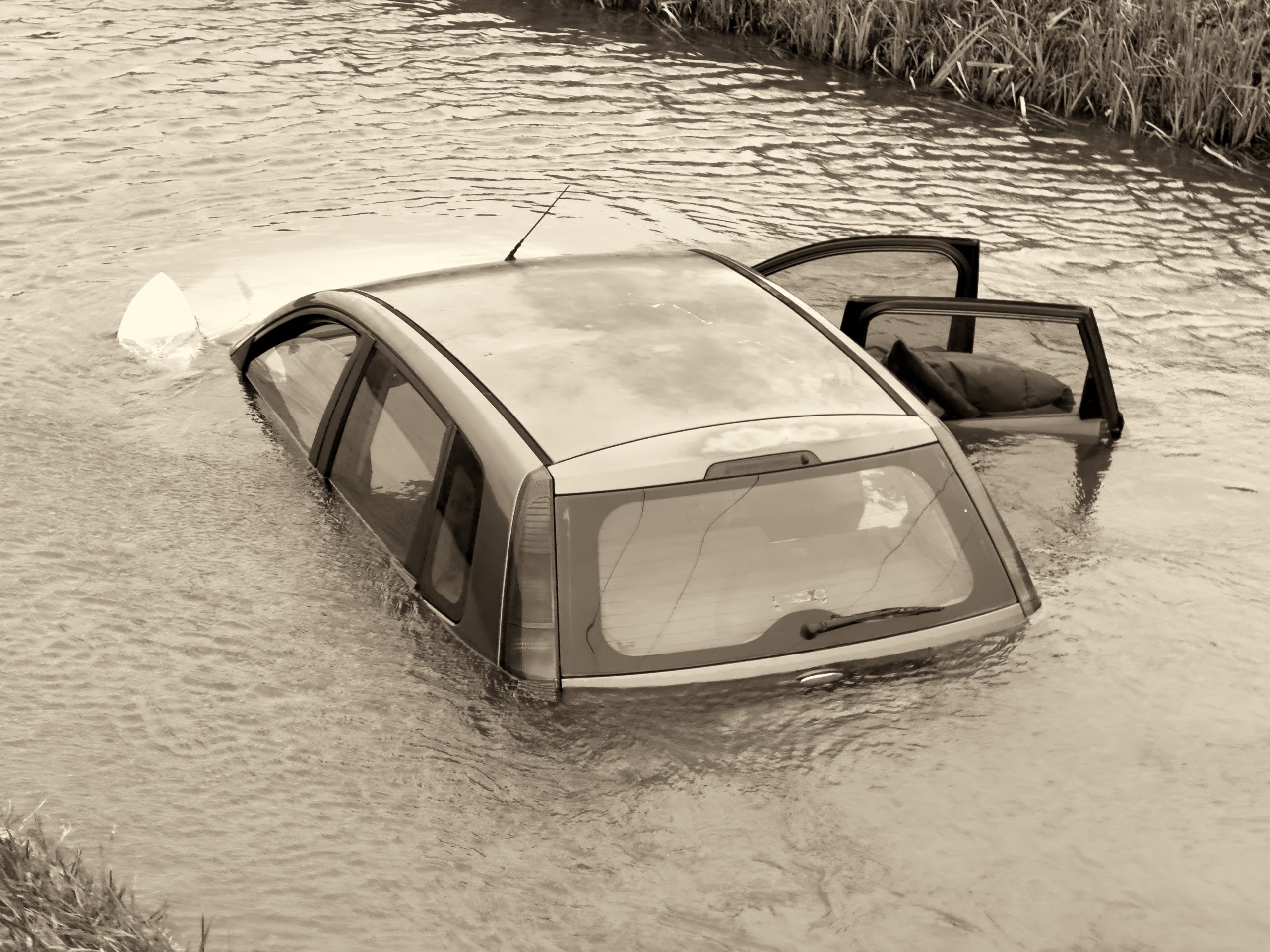
Did you know that thousands of water-related vehicle accidents happen in the United States every year? While crashes that end up in water aren’t common for most drivers, they can happen unexpectedly because of flooding, heavy rain, storm surge, washed-out roads, or accidentally driving into a body of water.
So the question is, would you know how to react if your vehicle left the road, landed in water, and started to sink?
At Toyota of Orlando, we believe that being prepared for emergencies is just as important as keeping up with your routine car maintenance. That’s why we’re sharing this guide on how to escape a sinking car so you’ll have the information you need if you ever face this scary emergency.
Executive Summary:
- Escaping a sinking vehicle depends on acting immediately and staying calm. Experts recommend remembering: “Seatbelts. Windows. Out.” Unbuckle, open or break a side window, and exit as quickly as possible before the vehicle fills with water.
- Time is critical. Most vehicles float briefly after entering water, often providing a small escape window of roughly 30 seconds to 2 minutes. Do not waste time calling for help, collecting belongings, or waiting for first responders.
- Windows are usually the best escape route. Doors quickly become difficult to open due to water pressure. If power windows fail, use a dedicated emergency escape tool with a window breaker and seatbelt cutter to exit through a side window.
- Do not wait for the vehicle to fill with water. Although pressure may eventually equalize, waiting increases the risk of panic, reduced visibility, cold-water exposure, and running out of air. Early escape offers the best chance of survival.
- Preparation can save lives. Keep an emergency escape tool in your vehicle, familiarize yourself with your vehicle’s controls, discuss emergency plans with family members, and avoid driving through flooded roads—especially in Central Florida, where heavy rain and flash flooding can occur quickly.
Why Water Emergencies Can Be So Dangerous
A lot of people assume that cars immediately sink when they enter deep water, but that’s usually not the case. Most vehicles actually float briefly before sinking. This short floating period is the best time for you to escape!
The problem is that many people lose valuable time trying to call for help, gather their personal belongings, or assess the damage to their car. In a water emergency, your first and main focus should be getting yourself and your passengers out of the car as quickly as possible. Need an easy way to remember? Commit this phrase to memory:
Seatbelts. Windows. Out.
Let’s take a closer look at the steps – our Orlando Toyota team is here to help!
How to Escape a Sinking Car in Five Steps
Step #1: Stay Calm
Easier said than done, we know! But staying calm is one of the most important parts of how to escape a sinking car. Panic can cause people to make bad decisions, waste energy, and lose precious oxygen. Take a deep breath and focus on what you need to do.
If you have passengers, quickly explain what you’re doing. A calm voice can help them stay focused and not panic. Remember:
- Take slow, controlled breaths
- Focus on one step at a time
- Avoid screaming or frantic movements
- Keep your communication short and clear
The calmer you stay, the better your chances of making good decisions under pressure.
Step #2: Act Quickly
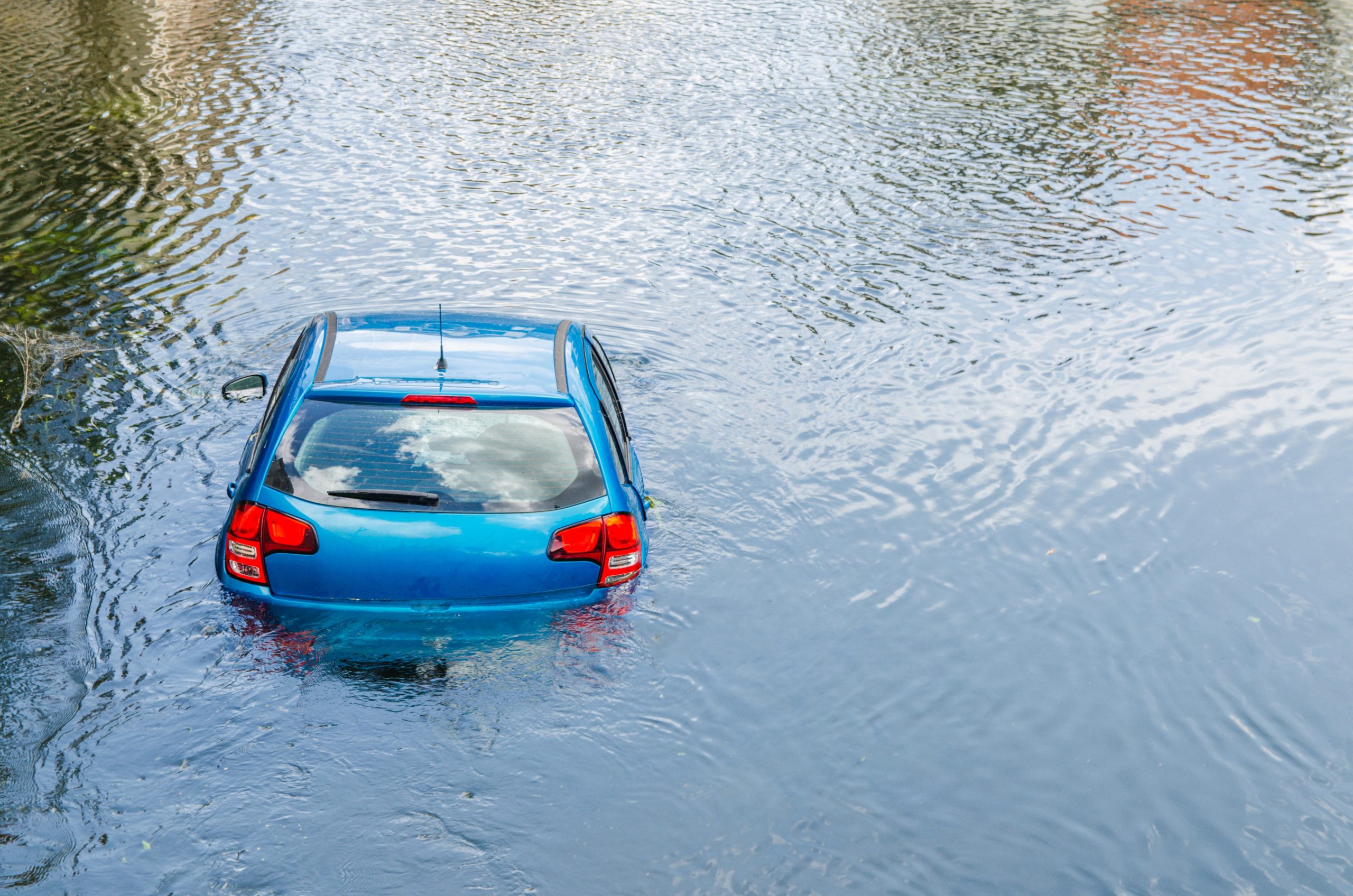
Time is critical! Most cars will float for only a short period of time after entering the water. In most situations, your best bet to escape occurs within the first 30 seconds to 2 minutes.
The moment your vehicle enters the water, you should:
- Unbuckle your seatbelt
- Tell your passengers to unbuckle theirs
- Help any children in the car
- Begin preparing an exit immediately
Don’t waste time:
- Calling someone
- Looking for your personal belongings
- Retrieving your phones or purses
- Waiting for first responders
Emergency services might already be on the way if someone saw the accident, but your immediate priority should be getting out of the vehicle.
Step #3: Know How to Exit the Car
One of the most important parts of learning how to escape a sinking car is understanding that your doors are usually not your best escape route. As water surrounds your car, the outside pressure makes the doors extremely hard to open. Instead, focus on the windows!
If Your Power Windows Still Work
Modern power windows might still work for a short amount of time after entering the water. If the water level is still below your window controls, you should:
- Immediately lower the window
- Exit through the window
- Help passengers escape the same way
Do this as quickly as possible before your electrical systems fail or the water pressure increases.
If the Window Won’t Open
If your car is already sinking and the window won’t roll down, you’ll need to break it. This is why many safety experts recommend carrying a vehicle escape tool in your car. Popular emergency escape tools include things like:
- A tempered glass window breaker
- A seatbelt cutter
- Compact storage size
These tools can be kept in your center console, glove compartment, or attached to your keychain.
Which Window Should You Break?
If possible:
- Break a side window
- Use a front side window whenever possible
- Avoid the windshield
Windshields are designed differently than side windows and are significantly harder to break. Many car side windows use tempered glass, which shatters more easily when you hit it with your window breaking tool.
If children are in the car with you, then you should:
- Open or break the nearest exit window
- Assist children first
- Push or guide them out of the car
- Exit immediately after them
Having a plan before an emergency occurs can help save valuable seconds!
Step #4: Don’t Wait for the Car to Completely Fill with Water
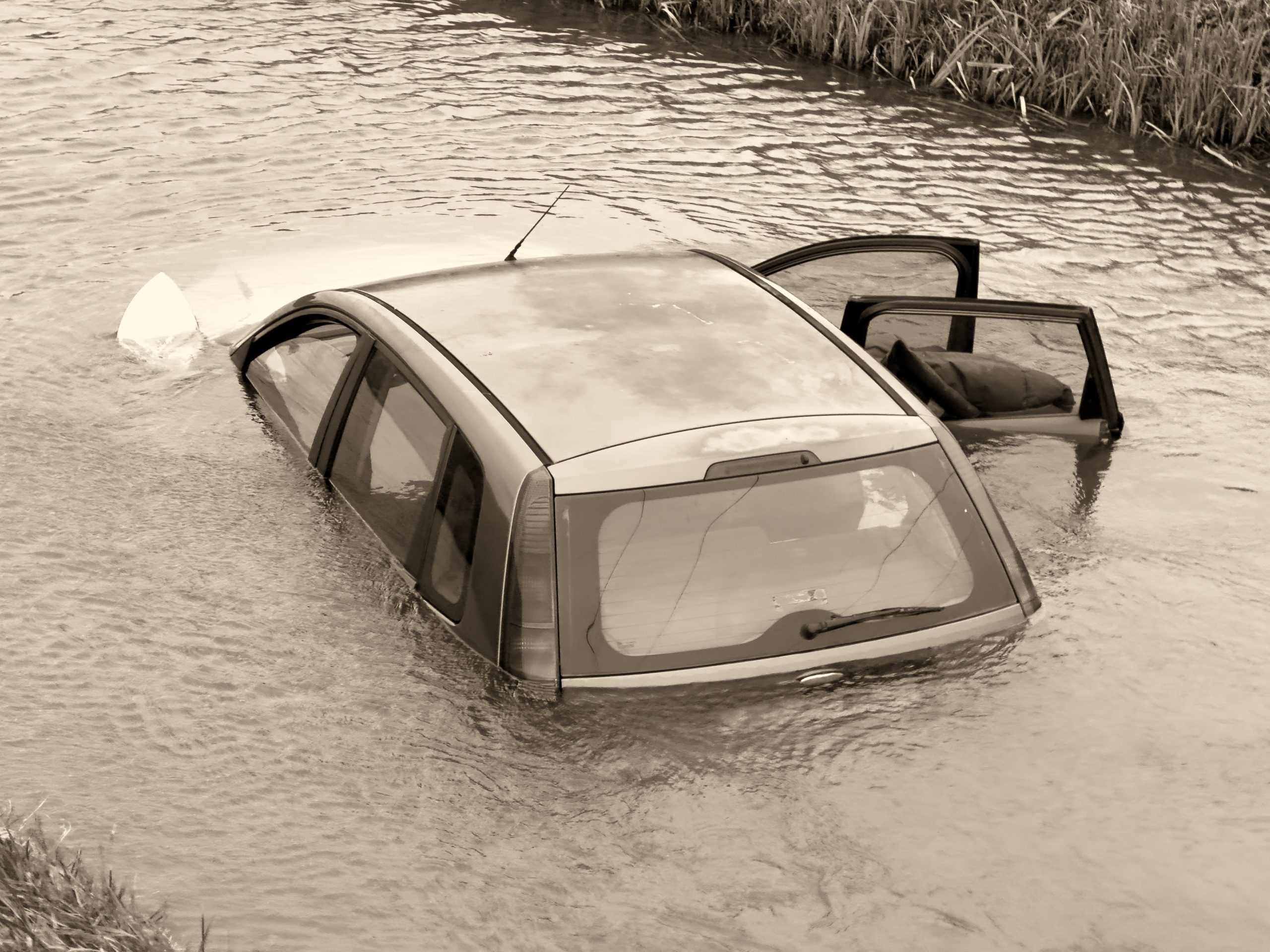
One of the most common myths about how to escape a sinking car is that you should wait for the car to fill with water before trying to leave. The theory is that pressure will equalize inside and outside the vehicle, making it easier to open the door. Bottom line? Yes, the pressure can equalize, but you still shouldn’t wait for that moment.
- It takes time
- You may run out of air
- Panic can set in
- Visibility becomes much worse
- Water temperatures might be dangerously cold
Most safety organizations recommend escaping through a window as early as possible instead of waiting for the vehicle to completely fill with water. The faster you act, the better your chances of escaping safely.
Step #5: Swim to Safety
Once you’re outside the car, focus on reaching the surface. Leave your belongings behind – they can be a dangerous distraction and even slow you down.
Instead:
- Swim upward immediately
- Follow any visible light
- Watch for bubbles rising from the vehicle
- Use the bubbles to determine which direction leads to the surface
After reaching the surface, you should:
- Move away from the car
- Signal for help
- Get to shore if possible
- Seek medical attention even if you feel fine
Cold water, shock, and adrenaline can sometimes mask your injuries.
How to Prepare Before an Emergency Happens
The best time to learn how to escape a sinking car is before you ever need to. Here are some expert tips to get you planning!
Keep an Escape Tool in Your Vehicle
A dedicated emergency escape tool is cheap and easy to store – get one. Look for one that includes:
- Window-breaking capability
- Seatbelt cutter
- Easy-grip design
Know Your Ride
Take a few minutes to get to know your car and how to work:
- Window controls
- Door lock operation
- Child safety locks
- Rear seat access
The more familiar you are with your ride, the easier it will be to react under pressure.
Discuss a Plan with Family Members
If you regularly travel with children, spouses, or other family members, discuss what everyone should do in a water emergency. Even a short conversation can make a huge difference during a stressful situation.
Avoid Driving Through Flooded Roads
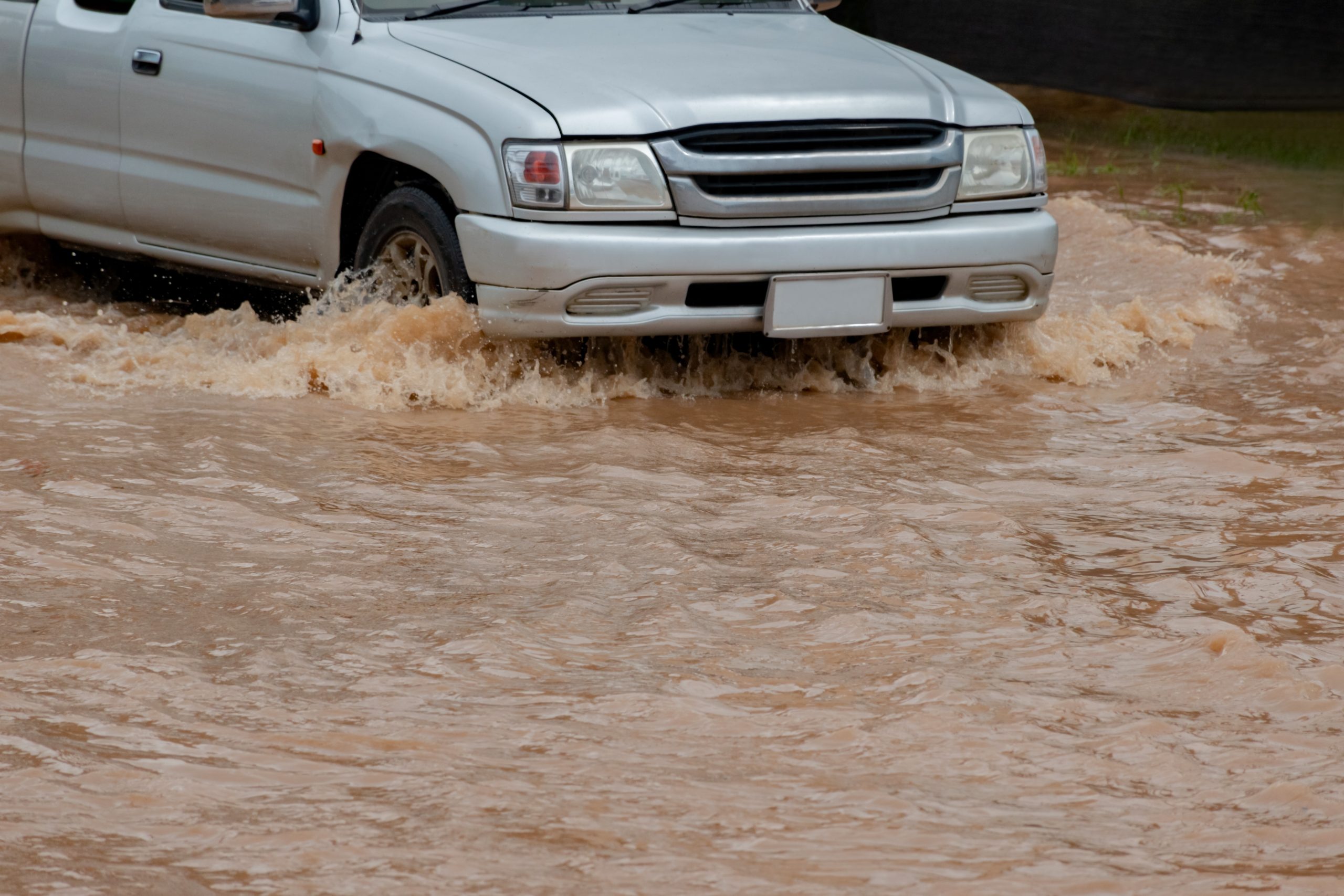
Many water accidents occur because people underestimate floodwater depth. Remember that:
- Just a few inches of moving water can affect your control
- Floodwater can hide road damage.
- Water depth can change rapidly.
When in doubt, turn around and find another route!
Orlando Drivers Should Be Extra Prepared
Here in Orlando, sudden thunderstorms and flash flooding can happen quickly. Low-lying roads, retention ponds, canals, and flooded intersections can create hazardous driving conditions.
Being familiar with how to escape a sinking car is especially valuable for Orlando drivers who regularly see heavy rain during hurricane season and summer storms. While nobody expects to face a water emergency, having a plan and understanding how to handle it can help protect you and your passengers.
Toyota of Orlando Has the Answers You Need
Whether you’re looking for vehicle safety tips, maintenance advice, or help finding your next Toyota, our team is here to help. Visit Toyota of Orlando at 3575 Vineland Road, just off I-4 near the Mall at Millenia, or give us a call today!
FAQs About How to Escape a Sinking Car
How long does it take for a car to sink?
Every situation is different depending on the vehicle type, water depth, and damage sustained during the accident. Many vehicles float briefly before gradually sinking, which is why acting immediately is so important.
Should I try to open the door of a sinking car?
If the vehicle has just entered the water and the door can be opened immediately, it may work. However, once water pressure builds outside the vehicle, doors become extremely difficult to open. Most safety experts recommend using a window as your primary escape route.
What is the best tool for escaping a sinking car?
A dedicated vehicle escape tool that combines a seatbelt cutter and tempered-glass window breaker is generally considered the most effective option. Keeping one within reach of the driver’s seat can help you respond quickly during an emergency.
Connect with us


- August 2026
- July 2026
- June 2026
- May 2026
- April 2026
- March 2026
- February 2026
- January 2026
- December 2025
- November 2025
- October 2025
- September 2025
- August 2025
- July 2025
- June 2025
- May 2025
- April 2025
- March 2025
- February 2025
- January 2025
- December 2024
- November 2024
- October 2024
- September 2024
- August 2024
- July 2024
- June 2024
- May 2024
- April 2024
- March 2024
- February 2024
- January 2024
- December 2023
- November 2023
- October 2023
- September 2023
- August 2023
- July 2023
- June 2023
- May 2023
- April 2023
- March 2023
- February 2023
- January 2023
- December 2022
- November 2022
- October 2022
- September 2022
- August 2022
- July 2022
- June 2022
- May 2022
- April 2022
- March 2022
- February 2022
- January 2022
- December 2021
- November 2021
- October 2021
- September 2021
- August 2021
- July 2021
- June 2021
- May 2021
- April 2021
- March 2021
- February 2021
- January 2021
- December 2020
- November 2020
- October 2020
- September 2020
- August 2020
- July 2020
- June 2020
- May 2020
- April 2020
- March 2020
- February 2020
- January 2020
- December 2019
- November 2019
- October 2019
- September 2019
- August 2019
- July 2019
- June 2019
- May 2019
- April 2019
- March 2019
- February 2019
- January 2019
- December 2018
- November 2018
- October 2018
- September 2018
- August 2018
- July 2018
- June 2018
- May 2018
- April 2018
- March 2018
- February 2018
- January 2018
- July 2017
- June 2017
- May 2017