Blog / Toyota Service

Blog

All Toyota Service Toyota of Orlando's Tips Toyota of Orlando News New Toyota Orlando Toyota Service Used Cars Toyota of Orlando Service Toyota of Orlando Body Shop
Orlando car care tips

Signs you need to replace your car headlights

Your car headlights play an integral part in your car's performance, especially when you're driving in inclement weather (like rain or snow) and at night. They allow you to have visibility of your surroundings and also allow other drivers and pedestrians to see you on the road, so it's critical that they're working at all times. However, just like any other part they do wear out over time and need to be restored and have bulbs replaced. Toyota of Orlando's service team is here to share 4 signs you've got car headlight issues and need to pay our Toyota service center a visit. 4 signs you need headlight service at Toyota of Orlando Sign #1: Your low beams work, but your high beams don't. Can you turn on your headlights like you usually would but when it's time to use the high beams, you get no response from them? You may have a burnt out bulb, so try replacing that first. If that doesn't do the trick, you might have blown a fuse or have an issue with wiring. Have our Orlando auto service team take a look at it to troubleshoot. Sign #2: Your headlights seem dimmer than usual. You know how your car headlights should look and if they seem dimmer than usual, it's typically indicative of one of two problems. Your headlight bulb may be on its way out (which is an easy fix - just replace it) or you may have a corroded or damaged ground wire. If replacing the bulb doesn't fix the issues, schedule an appointment at Toyota of Orlando. Sign #3: The light coming from them is flickering. Is the light coming from your car headlights flickering and uneven? If so, it could mean your bulbs are going bad (remember, they wear out over time). Flickering means they're very close to not working at all. If the bulbs aren't the culprit, you could have issues with a problematic battery connection or even a bad harness. In these cases, it's best to let the experts take a look. Sign #4: You keep blowing fuses. If your headlights keep giving out on you and you find burnt out fuses under the hood constantly, you might have a larger wiring or electrical problem on your hands. Our Orlando Toyota car care team can help you pinpoint and repair the issue. Don't drive with burnt out lights or broken lenses Remember, we're here to help with everything from a simple bulb replacement to overall headlight restoration to replacing a smashed headlight (taping it up won't work long term, just FYI). It's illegal to drive without two working headlights and you can find yourself with a hefty ticket to pay if you get pulled over. Let us help you avoid the issue and fix all of your lighting issues at our Toyota service center and Toyota collision center today. Give us a call - we're here seven days a week with the longest service hours in Central Florida at (407) 298-0001! You can also stop by to see us and ask all of your lighting questions at 3575 Vineland Road, just off I-4 across from the Millenia Mall.

Orlando car care tips

Signs you need to replace your car headlights

Your car headlights play an integral part in your car's performance, especially when you're driving in inclement weather (like rain or snow) and at night. They allow you to have visibility of your surroundings and also allow other drivers and pedestrians to see you on the road, so it's critical that they're working at all times. However, just like any other part they do wear out over time and need to be restored and have bulbs replaced. Toyota of Orlando's service team is here to share 4 signs you've got car headlight issues and need to pay our Toyota service center a visit. 4 signs you need headlight service at Toyota of Orlando Sign #1: Your low beams work, but your high beams don't. Can you turn on your headlights like you usually would but when it's time to use the high beams, you get no response from them? You may have a burnt out bulb, so try replacing that first. If that doesn't do the trick, you might have blown a fuse or have an issue with wiring. Have our Orlando auto service team take a look at it to troubleshoot. Sign #2: Your headlights seem dimmer than usual. You know how your car headlights should look and if they seem dimmer than usual, it's typically indicative of one of two problems. Your headlight bulb may be on its way out (which is an easy fix - just replace it) or you may have a corroded or damaged ground wire. If replacing the bulb doesn't fix the issues, schedule an appointment at Toyota of Orlando. Sign #3: The light coming from them is flickering. Is the light coming from your car headlights flickering and uneven? If so, it could mean your bulbs are going bad (remember, they wear out over time). Flickering means they're very close to not working at all. If the bulbs aren't the culprit, you could have issues with a problematic battery connection or even a bad harness. In these cases, it's best to let the experts take a look. Sign #4: You keep blowing fuses. If your headlights keep giving out on you and you find burnt out fuses under the hood constantly, you might have a larger wiring or electrical problem on your hands. Our Orlando Toyota car care team can help you pinpoint and repair the issue. Don't drive with burnt out lights or broken lenses Remember, we're here to help with everything from a simple bulb replacement to overall headlight restoration to replacing a smashed headlight (taping it up won't work long term, just FYI). It's illegal to drive without two working headlights and you can find yourself with a hefty ticket to pay if you get pulled over. Let us help you avoid the issue and fix all of your lighting issues at our Toyota service center and Toyota collision center today. Give us a call - we're here seven days a week with the longest service hours in Central Florida at (407) 298-0001! You can also stop by to see us and ask all of your lighting questions at 3575 Vineland Road, just off I-4 across from the Millenia Mall.

Orlando Toyota service tips

10 car parts you should know

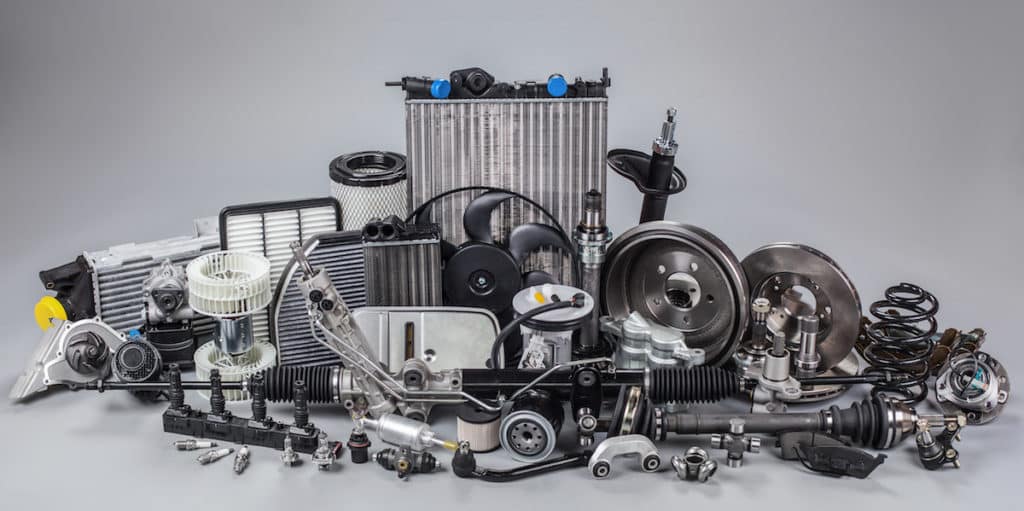
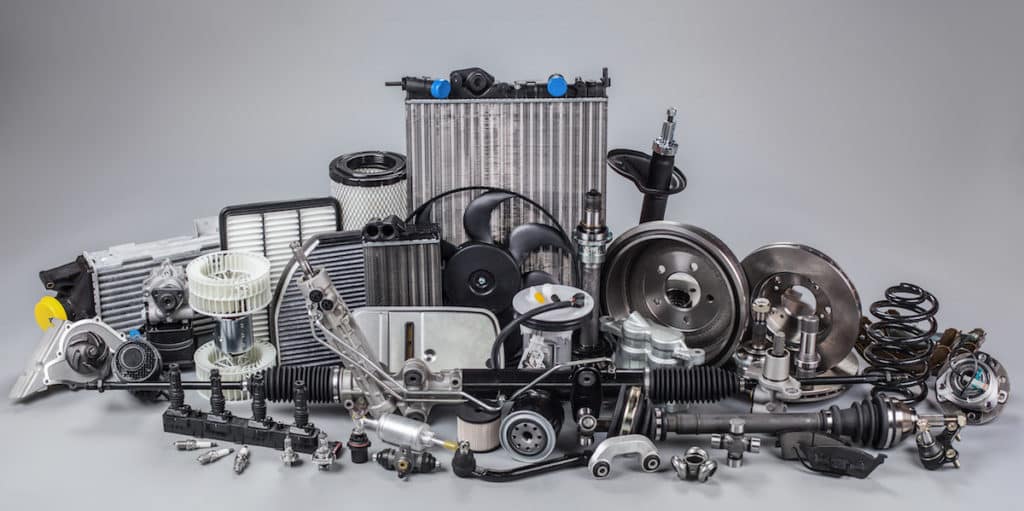
The phrase "your car is due for maintenance" is enough to strike fear into the hearts of some drivers. If you don't have a trusted relationship with your mechanic, you likely start to worry about how much said maintenance will cost. Could a routine auto service appointment turn into major repairs once the mechanic pops the hood? You can rest easy (and even easier if you service at Toyota of Orlando). At our car care center, we think it's important for our customers to have a basic idea of what's going on under the hood so they can make educated decisions about their car care. Today we're giving you quick explanations of 10 commonly mentioned car parts. Check it out! 10 common car parts to know about 1. Camshaft: The camshaft's job is to open and close the valves in your engine. This ensures that air and fuel make it into the engine and exhaust gases make it out. They don't really need to be replaced regularly, but if you're having issues with low oil, they could be damaged and need to be replaced. 2. Heater core: This key car part is used to heat the inside of your Orlando Toyota's cabin (we know, not something we do often here in Central Florida). It's similar to a car radiator and is located behind your car's dashboard. 3. Power window switch: Most cars nowadays have power windows and this switch is responsible for ensuring they can go up and down. They can fail over time due to dust and debris or just heavy use in general. 4. Wiper motor: We're always harping on you about how important it is to use your windshield wipers. This car part is responsible for ensuring you can. If it stops working, so do your wipers. 5. Axle or CV shaft: These take power from your differential to your front or rear wheels (depending on whether you have front-wheel drive or rear-wheel drive). They're encased in rubber boots which wear down over time so your mechanic may say you need new boots for them before you actually have to replace the shafts themselves. <span data-mce-type="bookmark" style="display: inline-block; width: 0px; overflow: hidden; line-height: 0;" class="mce_SELRES_start"></span> 6. Mass airflow sensor: This part reads how much air is being pulled into the engine so it can figure out how much fuel is needed to be added into the mixture, which will then be ignited to start your car. 7. Shock absorbers: These important car parts help to absorb the shock when your car is traveling over rough road so you're more comfortable inside the cabin. They do wear out and may need to be replaced over time. 8. Ignition coil: This car part sends voltage to your spark plugs to help them ignite, which in turn creates the combustion that gets your Orlando Toyota's engine up and running. They do wear out over time and need to be replaced to ensure your car doesn't misfire or refuse to start. 9. Muffler: The muffler quiets your car, essentially. It helps to dull the roar of your engine so it's quieter both inside your car's cabin AND to the people around you on the road. 10. A/C compressor: The compressor is responsible for ensuring your car A/C works, which is crucial here in Orlando. If your A/C isn't running properly, be sure to have this car part checked. Toyota of Orlando can help keep your car parts in working order Have questions or need help fixing or replacing car parts? Call Toyota of Orlando! Our Toyota service center is open seven days a week at (407) 298-0001.

Orlando Toyota service tips

10 car parts you should know

The phrase "your car is due for maintenance" is enough to strike fear into the hearts of some drivers. If you don't have a trusted relationship with your mechanic, you likely start to worry about how much said maintenance will cost. Could a routine auto service appointment turn into major repairs once the mechanic pops the hood? You can rest easy (and even easier if you service at Toyota of Orlando). At our car care center, we think it's important for our customers to have a basic idea of what's going on under the hood so they can make educated decisions about their car care. Today we're giving you quick explanations of 10 commonly mentioned car parts. Check it out! 10 common car parts to know about 1. Camshaft: The camshaft's job is to open and close the valves in your engine. This ensures that air and fuel make it into the engine and exhaust gases make it out. They don't really need to be replaced regularly, but if you're having issues with low oil, they could be damaged and need to be replaced. 2. Heater core: This key car part is used to heat the inside of your Orlando Toyota's cabin (we know, not something we do often here in Central Florida). It's similar to a car radiator and is located behind your car's dashboard. 3. Power window switch: Most cars nowadays have power windows and this switch is responsible for ensuring they can go up and down. They can fail over time due to dust and debris or just heavy use in general. 4. Wiper motor: We're always harping on you about how important it is to use your windshield wipers. This car part is responsible for ensuring you can. If it stops working, so do your wipers. 5. Axle or CV shaft: These take power from your differential to your front or rear wheels (depending on whether you have front-wheel drive or rear-wheel drive). They're encased in rubber boots which wear down over time so your mechanic may say you need new boots for them before you actually have to replace the shafts themselves. <span data-mce-type="bookmark" class="mce_SELRES_start"></span> 6. Mass airflow sensor: This part reads how much air is being pulled into the engine so it can figure out how much fuel is needed to be added into the mixture, which will then be ignited to start your car. 7. Shock absorbers: These important car parts help to absorb the shock when your car is traveling over rough road so you're more comfortable inside the cabin. They do wear out and may need to be replaced over time. 8. Ignition coil: This car part sends voltage to your spark plugs to help them ignite, which in turn creates the combustion that gets your Orlando Toyota's engine up and running. They do wear out over time and need to be replaced to ensure your car doesn't misfire or refuse to start. 9. Muffler: The muffler quiets your car, essentially. It helps to dull the roar of your engine so it's quieter both inside your car's cabin AND to the people around you on the road. 10. A/C compressor: The compressor is responsible for ensuring your car A/C works, which is crucial here in Orlando. If your A/C isn't running properly, be sure to have this car part checked. Toyota of Orlando can help keep your car parts in working order Have questions or need help fixing or replacing car parts? Call Toyota of Orlando! Our Toyota service center is open seven days a week at (407) 298-0001.

car brake types

The four main types of car brakes

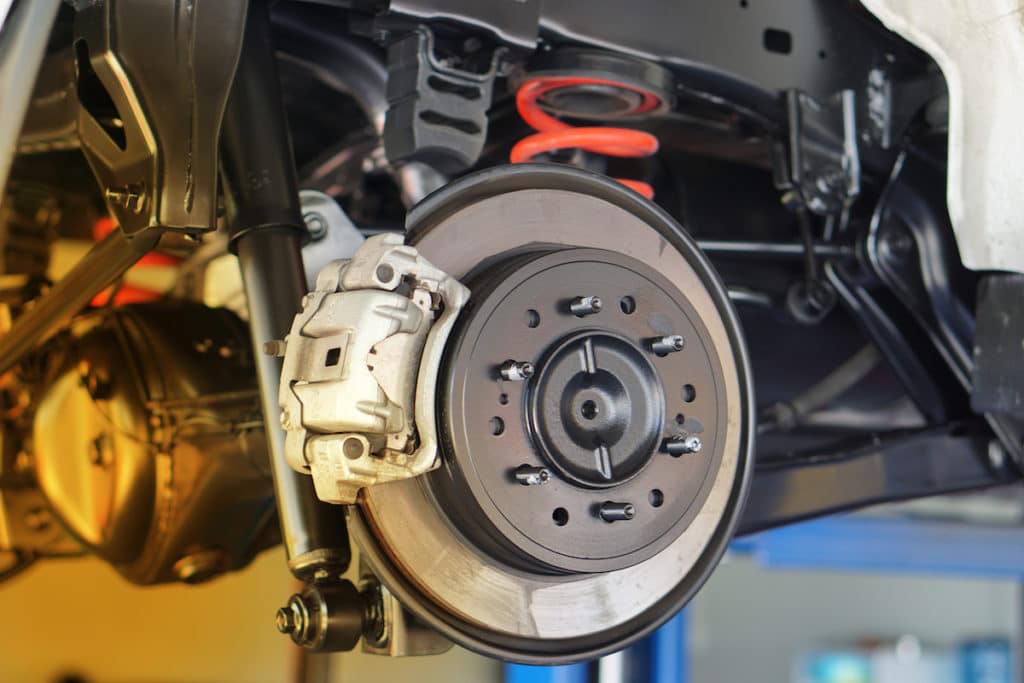
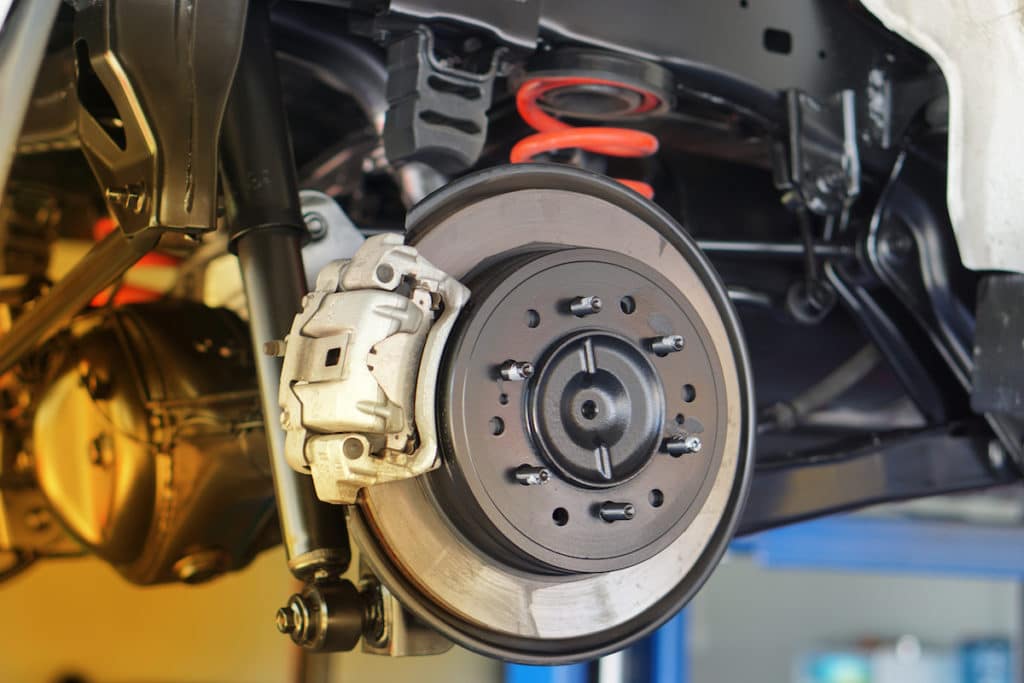
Updated August 2026 Your car brakes are one of the most important safety systems on your Toyota. Every time you slow down for a stoplight, avoid an obstacle in the road, or come to a stop in Orlando's heavy traffic, you're relying on your braking system. It has to perform perfectly or you could end up in an accident or collision. That's why at Toyota of Orlando, routine brake maintenance isn't just recommended… we see it as essential! Executive Summary: Modern vehicles use four main braking systems: disc brakes, drum brakes, Anti-lock Braking Systems (ABS), and parking (emergency) brakes, and each one plays an important role in keeping you safe on the road. Disc brakes offer the strongest, most consistent stopping power and are the standard on most new Toyota models, while drum brakes are still found on some rear wheels and require regular maintenance to perform their best. ABS helps you maintain steering control during emergency braking, and your parking brake prevents your vehicle from rolling while reducing stress on your transmission when parked. Warning signs like squealing, grinding, vibrations, a soft brake pedal, or longer stopping distances shouldn't be ignored. Regular brake inspections help catch worn pads, damaged rotors, sticking calipers, and old brake fluid before they become costly repairs. Orlando's stop-and-go traffic, summer heat, and frequent rainstorms can accelerate brake wear, making routine brake maintenance even more important for local drivers. Keeping your car brakes in the best condition helps protect you, your passengers, and everyone else on the road. Our Toyota of Orlando service technicians recommend: Replacing worn brake components before they fail Maintaining proper brake fluid levels Regularly inspecting important parts like your brake rotors, brake calipers, and brake pads to ensure everything is working together efficiently Your braking system is made up of a lot of parts, and you don’t have to become a brake expert overnight. That’s where we come in! At Toyota of Orlando, our factory-trained techs handle everything from routine brake inspections to complete brake repairs using Genuine Toyota Parts whenever we can. And to help you better understand what's happening every time you press the brake pedal, check out this guide explaining the four main types of car brakes, how they work, and why regular brake maintenance is so important. We're Making It Simple®! What are the four main types of car brakes? Modern cars use a few different braking technologies, but the two main mechanical braking systems are disc brakes and drum brakes.Our modern Orlando Toyotas are also equipped with Anti-lock Braking Systems (ABS) and an emergency (parking) brake that add another layer of safety. 1. Disc brakes: The most common type of car brakes Disc brakes are the standard on pretty much every new Toyota because they're powerful, reliable, and can easily handle a variety of driving conditions. This type of car brakes system includes: Brake pads Brake rotors Brake calipers Hydraulic brake fluid Here's how everything works together - let our Orlando Toyota brake techs break it down for you. When you press the brake pedal, brake fluid travels through hydraulic brake lines. The pressure activates the brake calipers. The calipers squeeze the brake pads against the brake rotors. The friction created slows the wheels until your car comes to a complete stop. Simple, right?One reason disc car brakes are so popular is because they can handle heat. The brake rotors are exposed to open air, so they cool much faster than enclosed systems. That helps reduce brake fade during repeated braking, like when you’re driving in stop-and-go Orlando traffic or down long hills. Disc brakes are also exceptional in wet weather. As an Orlando driver, you know how fast afternoon thunderstorms can appear. Disc brakes shed water faster than drum brakes, which gives you full braking performance sooner after driving through heavy rain. Our new Toyota models typically have disc brakes on all four wheels, which means excellent stopping performance, durability, and consistency. 2. Drum brakes: A traditional type of car brakes Drum brakes are still found on some cars, but they’re a lot less common today. They’re usually on the rear wheels of smaller or more budget-friendly models. Instead of using a brake rotor and brake pads, drum car brakes work differently. They have curved brake shoes inside a metal drum. When you apply the brakes: Hydraulic pressure forces the brake shoes outward. The shoes press against the inside surface of the spinning drum. Friction slows the wheel and brings the car to a stop. While drum brakes work, they have some disadvantages compared to disc brakes. They retain heat longer. They're more susceptible to brake fade during repeated stopping. Water can become trapped inside the drum, increasing the risk of corrosion. They're generally more difficult to inspect and service. That being said, drum brakes are perfectly safe if you maintain and adjust them. Many manufacturers still use them on rear wheels because they're cheaper and integrate well with parking brake systems. If your Orlando Toyota has drum brakes, routine inspections are especially important so we can make sure they're wearing evenly and operating correctly. 3. Anti-lock Braking System (ABS): Car brakes for emergency situations Anti-lock Braking Systems (commonly known as ABS) aren’t actually a separate type of car brakes. They're an advanced safety feature that works alongside your primary braking system. ABS is designed to prevent your wheels from locking when you have to hit the brakes hard. Without ABS, slamming on the brakes could cause your tires to skid across the pavement, making it difficult to steer and avoid collisions. Here's how ABS works: Wheel speed sensors constantly monitor each wheel. If one wheel begins locking up during braking, the ABS computer detects it immediately. The system rapidly reduces and reapplies brake pressure several times per second. This allows the wheels to continue rotating while still slowing your car. The result? Better steering control during emergency stops. You’ll probably notice the brake pedal vibrating or shaking during ABS activation. That's completely normal and means the system is working like it should. ABS can be especially important during: Heavy Orlando rainstorms Wet roads Loose gravel Emergency highway stops Sudden obstacle avoidance And remember - ABS is great, but you should still use a safe following distance and keep up with your tires to ensure you can stop safely. 4. Emergency brakes (parking brakes) Your emergency brake - which is also called the parking brake - is another important part of your car’s overall braking system. Depending on your Orlando Toyota model, it will be: A traditional hand lever A foot pedal An electronic parking brake switch Unlike your main car brakes, the parking brake doesn't rely on hydraulic pressure. Instead, it uses a mechanical cable or electronic actuator to keep your ride from rolling when it’s parked. You should use your parking brake regularly because it: Helps prevent your car from rolling on hills Reduces stress on your transmission when your car is parked Provides an additional layer of safety Keeps your parking brake parts from sticking due to lack of use It’s not meant to stop your car during everyday driving, but the emergency brake can help gradually slow your ride if your primary braking system fails. If that ever happens, apply the parking brake slowly and steadily. Don’t yank it suddenly at highway speeds! What are the signs your car brakes need service? Your car brakes usually give you warning signs before they have a major issue. Paying attention to these symptoms can help prevent big repairs and also keep you and yours safer.Some common signs that your car brakes need service include: Squealing or squeaking when braking Grinding noises Vibrations in the brake pedal or steering wheel A soft or spongy brake pedal Your vehicle pulling to one side while braking Increased stopping distance Brake warning light illuminated Burning smells after heavy braking If you notice any of these symptoms, bring your car to Toyota of Orlando ASAP for a brake inspection! Why regular brake maintenance matters Your braking system is made up of parts that naturally wear over time just like anything else. Regular brake maintenance helps catch problems early before they become bigger and more expensive.Here's what our Toyota of Orlando technicians inspect during brake service. Brake pads Brake pads are designed to wear gradually as they create friction against the brake rotors. Most brake pads last anywhere from 30,000 to 70,000 miles, depending on your driving habits, traffic conditions, and car type. Ignoring worn brake pads can damage your car’s rotors, which are significantly more expensive to replace. Brake rotors Brake rotors are the smooth metal surface your brake pads squeeze against. Over time they can become: Warped Scored Cracked Excessively worn Damaged rotors usually cause vibrations while you’re braking and should be resurfaced or replaced if they’re in poor shape. Brake calipers Brake calipers hold the brake pads and apply the hydraulic pressure during braking. If a caliper sticks or leaks, it can cause: Uneven brake pad wear Pulling while braking Reduced stopping performance Premature rotor damage Routine inspections help catch these issues early, so schedule yours at Toyota of Orlando. Brake fluid Brake fluid transfers hydraulic pressure through your braking system. Over time, it naturally absorbs moisture from the air. Moisture contamination lowers its boiling point and can reduce your brakes’ effectiveness, especially during heavy braking. That's why manufacturers recommend replacing brake fluid at regular service intervals. Our Toyota of Orlando techs can get you on a schedule! Orlando driving can be harder on car brakes Living in Orlando means your car brakes often work harder than drivers in other parts of the country. Some local driving conditions that increase brake wear include: Heavy stop-and-go Orlando traffic Frequent tourist congestion near attractions Summer heat that increases brake temperatures Daily commuting on I-4 Sudden afternoon thunderstorms requiring additional braking Regular brake inspections help ensure your braking system is prepared for whatever Orlando roads throw your way. Trust Toyota of Orlando with your brake service Whether your vehicle needs new brake pads, rotor replacement, brake fluid service, or a complete brake inspection, Toyota of Orlando is here to help. Schedule brake service with us at (407) 298-0001 or online, and don’t forget to ask about our money-saving brake service specials today!


car brake types

The four main types of car brakes

Updated August 2026 Your car brakes are one of the most important safety systems on your Toyota. Every time you slow down for a stoplight, avoid an obstacle in the road, or come to a stop in Orlando's heavy traffic, you're relying on your braking system. It has to perform perfectly or you could end up in an accident or collision. That's why at Toyota of Orlando, routine brake maintenance isn't just recommended… we see it as essential! Executive Summary: Modern vehicles use four main braking systems: disc brakes, drum brakes, Anti-lock Braking Systems (ABS), and parking (emergency) brakes, and each one plays an important role in keeping you safe on the road. Disc brakes offer the strongest, most consistent stopping power and are the standard on most new Toyota models, while drum brakes are still found on some rear wheels and require regular maintenance to perform their best. ABS helps you maintain steering control during emergency braking, and your parking brake prevents your vehicle from rolling while reducing stress on your transmission when parked. Warning signs like squealing, grinding, vibrations, a soft brake pedal, or longer stopping distances shouldn't be ignored. Regular brake inspections help catch worn pads, damaged rotors, sticking calipers, and old brake fluid before they become costly repairs. Orlando's stop-and-go traffic, summer heat, and frequent rainstorms can accelerate brake wear, making routine brake maintenance even more important for local drivers. Keeping your car brakes in the best condition helps protect you, your passengers, and everyone else on the road. Our Toyota of Orlando service technicians recommend: Replacing worn brake components before they fail Maintaining proper brake fluid levels Regularly inspecting important parts like your brake rotors, brake calipers, and brake pads to ensure everything is working together efficiently Your braking system is made up of a lot of parts, and you don’t have to become a brake expert overnight. That’s where we come in! At Toyota of Orlando, our factory-trained techs handle everything from routine brake inspections to complete brake repairs using Genuine Toyota Parts whenever we can. And to help you better understand what's happening every time you press the brake pedal, check out this guide explaining the four main types of car brakes, how they work, and why regular brake maintenance is so important. We're Making It Simple®! What are the four main types of car brakes? Modern cars use a few different braking technologies, but the two main mechanical braking systems are disc brakes and drum brakes.Our modern Orlando Toyotas are also equipped with Anti-lock Braking Systems (ABS) and an emergency (parking) brake that add another layer of safety. 1. Disc brakes: The most common type of car brakes Disc brakes are the standard on pretty much every new Toyota because they're powerful, reliable, and can easily handle a variety of driving conditions. This type of car brakes system includes: Brake pads Brake rotors Brake calipers Hydraulic brake fluid Here's how everything works together - let our Orlando Toyota brake techs break it down for you. When you press the brake pedal, brake fluid travels through hydraulic brake lines. The pressure activates the brake calipers. The calipers squeeze the brake pads against the brake rotors. The friction created slows the wheels until your car comes to a complete stop. Simple, right?One reason disc car brakes are so popular is because they can handle heat. The brake rotors are exposed to open air, so they cool much faster than enclosed systems. That helps reduce brake fade during repeated braking, like when you’re driving in stop-and-go Orlando traffic or down long hills. Disc brakes are also exceptional in wet weather. As an Orlando driver, you know how fast afternoon thunderstorms can appear. Disc brakes shed water faster than drum brakes, which gives you full braking performance sooner after driving through heavy rain. Our new Toyota models typically have disc brakes on all four wheels, which means excellent stopping performance, durability, and consistency. 2. Drum brakes: A traditional type of car brakes Drum brakes are still found on some cars, but they’re a lot less common today. They’re usually on the rear wheels of smaller or more budget-friendly models. Instead of using a brake rotor and brake pads, drum car brakes work differently. They have curved brake shoes inside a metal drum. When you apply the brakes: Hydraulic pressure forces the brake shoes outward. The shoes press against the inside surface of the spinning drum. Friction slows the wheel and brings the car to a stop. While drum brakes work, they have some disadvantages compared to disc brakes. They retain heat longer. They're more susceptible to brake fade during repeated stopping. Water can become trapped inside the drum, increasing the risk of corrosion. They're generally more difficult to inspect and service. That being said, drum brakes are perfectly safe if you maintain and adjust them. Many manufacturers still use them on rear wheels because they're cheaper and integrate well with parking brake systems. If your Orlando Toyota has drum brakes, routine inspections are especially important so we can make sure they're wearing evenly and operating correctly. 3. Anti-lock Braking System (ABS): Car brakes for emergency situations Anti-lock Braking Systems (commonly known as ABS) aren’t actually a separate type of car brakes. They're an advanced safety feature that works alongside your primary braking system. ABS is designed to prevent your wheels from locking when you have to hit the brakes hard. Without ABS, slamming on the brakes could cause your tires to skid across the pavement, making it difficult to steer and avoid collisions. Here's how ABS works: Wheel speed sensors constantly monitor each wheel. If one wheel begins locking up during braking, the ABS computer detects it immediately. The system rapidly reduces and reapplies brake pressure several times per second. This allows the wheels to continue rotating while still slowing your car. The result? Better steering control during emergency stops. You’ll probably notice the brake pedal vibrating or shaking during ABS activation. That's completely normal and means the system is working like it should. ABS can be especially important during: Heavy Orlando rainstorms Wet roads Loose gravel Emergency highway stops Sudden obstacle avoidance And remember - ABS is great, but you should still use a safe following distance and keep up with your tires to ensure you can stop safely. 4. Emergency brakes (parking brakes) Your emergency brake - which is also called the parking brake - is another important part of your car’s overall braking system. Depending on your Orlando Toyota model, it will be: A traditional hand lever A foot pedal An electronic parking brake switch Unlike your main car brakes, the parking brake doesn't rely on hydraulic pressure. Instead, it uses a mechanical cable or electronic actuator to keep your ride from rolling when it’s parked. You should use your parking brake regularly because it: Helps prevent your car from rolling on hills Reduces stress on your transmission when your car is parked Provides an additional layer of safety Keeps your parking brake parts from sticking due to lack of use It’s not meant to stop your car during everyday driving, but the emergency brake can help gradually slow your ride if your primary braking system fails. If that ever happens, apply the parking brake slowly and steadily. Don’t yank it suddenly at highway speeds! What are the signs your car brakes need service? Your car brakes usually give you warning signs before they have a major issue. Paying attention to these symptoms can help prevent big repairs and also keep you and yours safer.Some common signs that your car brakes need service include: Squealing or squeaking when braking Grinding noises Vibrations in the brake pedal or steering wheel A soft or spongy brake pedal Your vehicle pulling to one side while braking Increased stopping distance Brake warning light illuminated Burning smells after heavy braking If you notice any of these symptoms, bring your car to Toyota of Orlando ASAP for a brake inspection! Why regular brake maintenance matters Your braking system is made up of parts that naturally wear over time just like anything else. Regular brake maintenance helps catch problems early before they become bigger and more expensive.Here's what our Toyota of Orlando technicians inspect during brake service. Brake pads Brake pads are designed to wear gradually as they create friction against the brake rotors. Most brake pads last anywhere from 30,000 to 70,000 miles, depending on your driving habits, traffic conditions, and car type. Ignoring worn brake pads can damage your car’s rotors, which are significantly more expensive to replace. Brake rotors Brake rotors are the smooth metal surface your brake pads squeeze against. Over time they can become: Warped Scored Cracked Excessively worn Damaged rotors usually cause vibrations while you’re braking and should be resurfaced or replaced if they’re in poor shape. Brake calipers Brake calipers hold the brake pads and apply the hydraulic pressure during braking. If a caliper sticks or leaks, it can cause: Uneven brake pad wear Pulling while braking Reduced stopping performance Premature rotor damage Routine inspections help catch these issues early, so schedule yours at Toyota of Orlando. Brake fluid Brake fluid transfers hydraulic pressure through your braking system. Over time, it naturally absorbs moisture from the air. Moisture contamination lowers its boiling point and can reduce your brakes’ effectiveness, especially during heavy braking. That's why manufacturers recommend replacing brake fluid at regular service intervals. Our Toyota of Orlando techs can get you on a schedule! Orlando driving can be harder on car brakes Living in Orlando means your car brakes often work harder than drivers in other parts of the country. Some local driving conditions that increase brake wear include: Heavy stop-and-go Orlando traffic Frequent tourist congestion near attractions Summer heat that increases brake temperatures Daily commuting on I-4 Sudden afternoon thunderstorms requiring additional braking Regular brake inspections help ensure your braking system is prepared for whatever Orlando roads throw your way. Trust Toyota of Orlando with your brake service Whether your vehicle needs new brake pads, rotor replacement, brake fluid service, or a complete brake inspection, Toyota of Orlando is here to help. Schedule brake service with us at (407) 298-0001 or online, and don’t forget to ask about our money-saving brake service specials today!

Toyota of Orlando service

The 5 main types of car tires

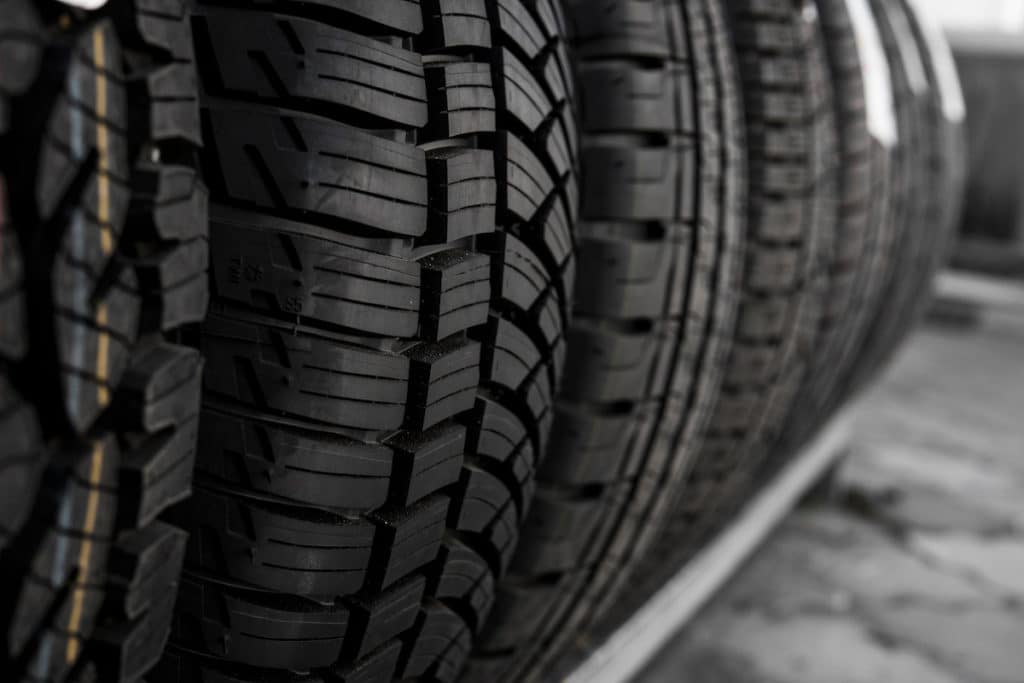
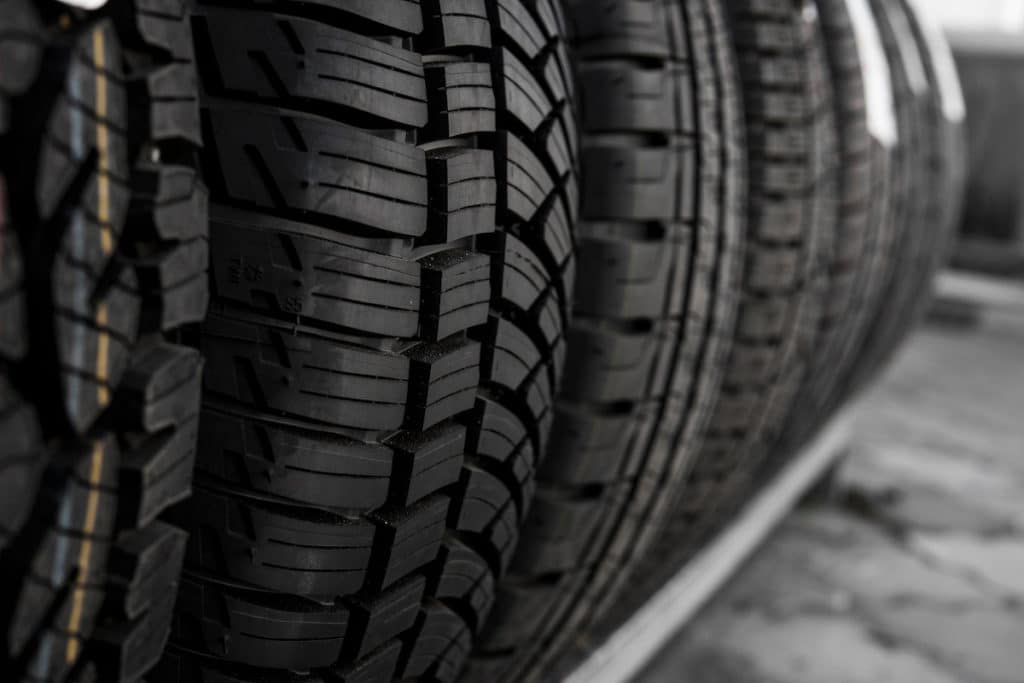
Are you in the market for new car tires? It can be confusing trying to wade through the options and choose the right one for your car and your drive time needs. That's where our Orlando Toyota service center comes in! Not only do we have a great selection of all types of tires at affordable prices (and deals on top of deals), we also have knowledgeable techs on board. We sat down with them to learn more about the main types of car tires, and here's the quick guide we compiled from their input. The five main types of car tires Type 1: All Season All season tires are good for... well, all seasons. But this is only true if your seasons aren't crazily intense - if you live in an area with heavy snow and ice, these tires may not cut it. All season tires can handle wet and dry roads as well as light snow and they come in two types (Touring and Passenger). Touring tires are quieter and have better handling, while passenger tires provide a smoother ride and tend to last longer. Type 2: Summer Summer tires are similar to all season tires; they're great for wet and dry conditions in climates that usually don't go below 45 degrees every year (i.e. they're a good bet for Orlando). Summer tires tend to have detailed tread patterns with orbital grooves, which allows for great handling in dry summer conditions. Type 3: Winter or Snow If you live in an area of the country that gets heavy snow and often has icy conditions, winter or snow tires may be a good investment for your Orlando Toyota. They're made of a special rubber that stays pliable and soft even when it's below freezing, which means you have better handling capabilities. They're also more durable than all-season car tires and their tread is designed with deep grooves and lots of small fissures and channels to help move through slush and snow and still provide superior traction. Type 4: Performance Do you like to hit the track? Performance tires are a great option if you love the feel of driving fast and want something with excellent handling and cornering capabilities, even if it's just for your sedan. These tires are usually wider than normal for more contact with the road and have shallow treads and a low profile look. They typically come in four subtypes - performance, high performance, ultra-high performance, and competition. Type 5: Truck If you drive a truck and like to make the most of its performance capabilities, you may want to look into specially crafted truck tires for your next ride. There are several main types. Highway truck tires are great for a smooth ride no matter the road, while performance truck tires are designed to withstand higher speeds and more aggressive driving. All-terrain truck tires are good for driving in sand, light mud, and gravel, while off-road tires are perfect for taking on challenging off-road conditions like deep sand, heavy mud, and snow. Toyota of Orlando can get you the tires you need Have questions about your car tires? Let Toyota of Orlando help. We're open seven days a week at (407) 298-0001 and you can stop by and see us at 3575 Vineland Road, just off I-4 across from the Millenia Mall.

Toyota of Orlando service

The 5 main types of car tires

Are you in the market for new car tires? It can be confusing trying to wade through the options and choose the right one for your car and your drive time needs. That's where our Orlando Toyota service center comes in! Not only do we have a great selection of all types of tires at affordable prices (and deals on top of deals), we also have knowledgeable techs on board. We sat down with them to learn more about the main types of car tires, and here's the quick guide we compiled from their input. The five main types of car tires Type 1: All Season All season tires are good for... well, all seasons. But this is only true if your seasons aren't crazily intense - if you live in an area with heavy snow and ice, these tires may not cut it. All season tires can handle wet and dry roads as well as light snow and they come in two types (Touring and Passenger). Touring tires are quieter and have better handling, while passenger tires provide a smoother ride and tend to last longer. Type 2: Summer Summer tires are similar to all season tires; they're great for wet and dry conditions in climates that usually don't go below 45 degrees every year (i.e. they're a good bet for Orlando). Summer tires tend to have detailed tread patterns with orbital grooves, which allows for great handling in dry summer conditions. Type 3: Winter or Snow If you live in an area of the country that gets heavy snow and often has icy conditions, winter or snow tires may be a good investment for your Orlando Toyota. They're made of a special rubber that stays pliable and soft even when it's below freezing, which means you have better handling capabilities. They're also more durable than all-season car tires and their tread is designed with deep grooves and lots of small fissures and channels to help move through slush and snow and still provide superior traction. Type 4: Performance Do you like to hit the track? Performance tires are a great option if you love the feel of driving fast and want something with excellent handling and cornering capabilities, even if it's just for your sedan. These tires are usually wider than normal for more contact with the road and have shallow treads and a low profile look. They typically come in four subtypes - performance, high performance, ultra-high performance, and competition. Type 5: Truck If you drive a truck and like to make the most of its performance capabilities, you may want to look into specially crafted truck tires for your next ride. There are several main types. Highway truck tires are great for a smooth ride no matter the road, while performance truck tires are designed to withstand higher speeds and more aggressive driving. All-terrain truck tires are good for driving in sand, light mud, and gravel, while off-road tires are perfect for taking on challenging off-road conditions like deep sand, heavy mud, and snow. Toyota of Orlando can get you the tires you need Have questions about your car tires? Let Toyota of Orlando help. We're open seven days a week at (407) 298-0001 and you can stop by and see us at 3575 Vineland Road, just off I-4 across from the Millenia Mall.

Toyota of Orlando tips

Your car transmission: What you should know

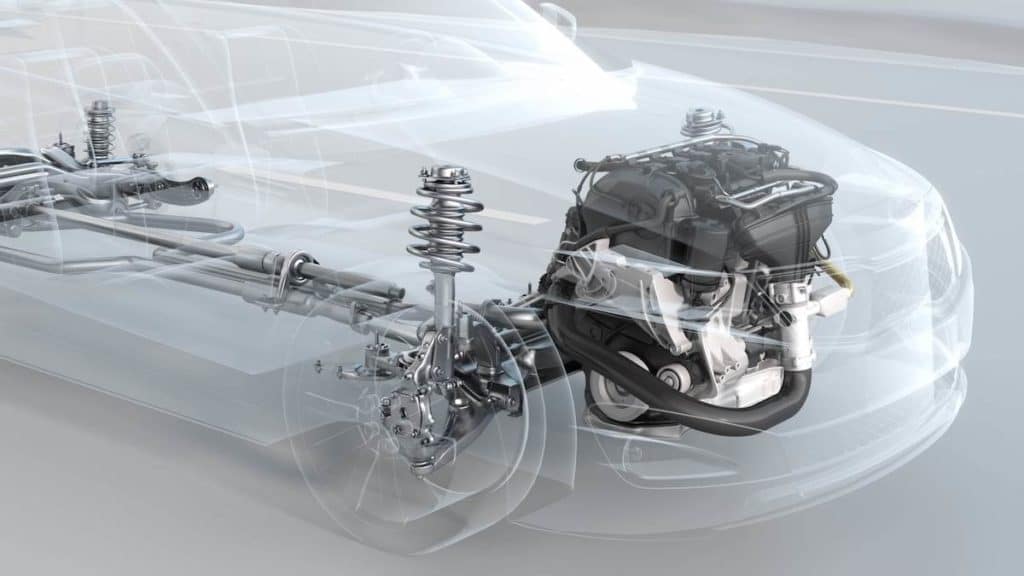
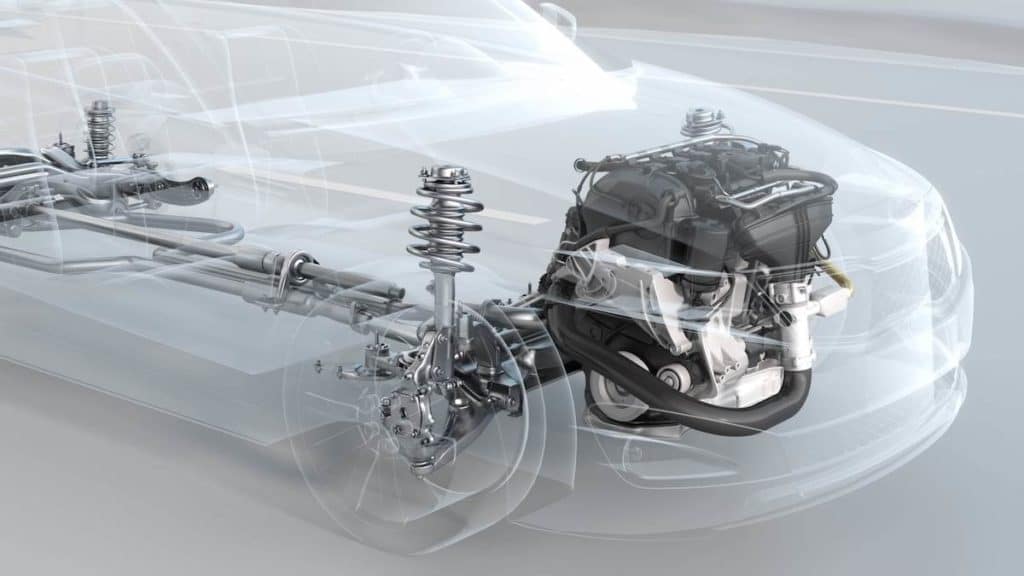
When you hit the road, a lot of moving parts make it happen. Your car's engine and the inner workings are more complicated than you might think and it's good to have a basic understanding of how it all comes together so you can better prepare for and comprehend your auto repair and maintenance needs. Today we're talking about your car's transmission and giving you the basics on what it does so you can understand why it's important to performance. Your car transmission, explained Did you know there are two main types of car transmissions? Here's the breakdown. Manual transmissions are the OG - back in the day, most cars had this type of transmission. In this configuration, shifting is done manually by the driver with a clutch and a shifter. The driver has to move up and down between gears as the vehicle accelerates and slows, which means you have to be paying close attention while you're behind the wheel. Automatic transmissions are newer and nowadays, the more common of the two types. Shifting is done automatically by your Orlando Toyota, requiring no shifting from you as the driver. This type of transmission usually allows for smoother shifting but at the same time, decreases fuel efficiency a bit due to a slight lag in gear shifting. What types of automatic transmissions are there? To break it down even further, there are actually 4 different types of automatic transmissions. Here are the basics: Continuously Variable Transmission (CVT): This type of transmission is one you'll find used a lot in our Orlando Toyotas. It sounds odd, but this one actually doesn't shift. CVTs use pulleys instead of gears to make your transition between speeds and RPMs as smooth as possible. They don't have the typical shifting "feel" of other vehicles, but they can be louder and usually can't produce a ton of power for your performance. Conventional automatic: This type of transmission uses a torque converter and electronically-controlled clutch pack to do all the shifting for you - all you have to do as a driver is accelerate with the gas pedal and hit the brakes to slow. Automated Manual: This type of transmission is a mix of automatic and manual. It doesn't use a manual clutch, instead using a computer-automated clutch. If you buy an Orlando Toyota with this type of car transmission, you'll usually find that it comes with paddle shifters or a manual sport mode. Dual-clutch automated manual: This is a particularly unique type of car transmission and you won't find it on too many vehicles. It uses two different gear shafts with one numbered for odd gears and one numbered for even gears, all in all numbering 1-7. Your car's computer pre-selects the gears and automatically shifts, disengaging the first gear to move to the next and taking care of all of the shifting for you as the car speeds up and slows. Have questions about your car transmission? Give us a call - Toyota of Orlando's auto service center is open seven days a week at (407) 298-0001!

Toyota of Orlando tips

Your car transmission: What you should know

When you hit the road, a lot of moving parts make it happen. Your car's engine and the inner workings are more complicated than you might think and it's good to have a basic understanding of how it all comes together so you can better prepare for and comprehend your auto repair and maintenance needs. Today we're talking about your car's transmission and giving you the basics on what it does so you can understand why it's important to performance. Your car transmission, explained Did you know there are two main types of car transmissions? Here's the breakdown. Manual transmissions are the OG - back in the day, most cars had this type of transmission. In this configuration, shifting is done manually by the driver with a clutch and a shifter. The driver has to move up and down between gears as the vehicle accelerates and slows, which means you have to be paying close attention while you're behind the wheel. Automatic transmissions are newer and nowadays, the more common of the two types. Shifting is done automatically by your Orlando Toyota, requiring no shifting from you as the driver. This type of transmission usually allows for smoother shifting but at the same time, decreases fuel efficiency a bit due to a slight lag in gear shifting. What types of automatic transmissions are there? To break it down even further, there are actually 4 different types of automatic transmissions. Here are the basics: Continuously Variable Transmission (CVT): This type of transmission is one you'll find used a lot in our Orlando Toyotas. It sounds odd, but this one actually doesn't shift. CVTs use pulleys instead of gears to make your transition between speeds and RPMs as smooth as possible. They don't have the typical shifting "feel" of other vehicles, but they can be louder and usually can't produce a ton of power for your performance. Conventional automatic: This type of transmission uses a torque converter and electronically-controlled clutch pack to do all the shifting for you - all you have to do as a driver is accelerate with the gas pedal and hit the brakes to slow. Automated Manual: This type of transmission is a mix of automatic and manual. It doesn't use a manual clutch, instead using a computer-automated clutch. If you buy an Orlando Toyota with this type of car transmission, you'll usually find that it comes with paddle shifters or a manual sport mode. Dual-clutch automated manual: This is a particularly unique type of car transmission and you won't find it on too many vehicles. It uses two different gear shafts with one numbered for odd gears and one numbered for even gears, all in all numbering 1-7. Your car's computer pre-selects the gears and automatically shifts, disengaging the first gear to move to the next and taking care of all of the shifting for you as the car speeds up and slows. Have questions about your car transmission? Give us a call - Toyota of Orlando's auto service center is open seven days a week at (407) 298-0001!

car care tips

5 bad car care habits you should break now

Your car is a big investment - huge, really. For some people, it's the next biggest investment they'll make next to their home. That's why it's critical to maintain and service your vehicle on a routine basis and take good care of it. Not only will it get you where you need to go for a long time, but it'll also retain its value and protect your investment. Routine car care is pretty simple to complete (especially if you let our Orlando auto service techs get you on a schedule and send you reminders), but you COULD be engaging in bad car care habits that can cost you money down the road. Here are some of the most common bad habits we see and why you should break them! Don't make these 5 car care mistakes Bad habit #1: Trying to run on empty. Are you in the bad car care habit of letting your gas tank run dry pretty often? If you're the type of person stops at the pump often to put in a few dollars at a time, stop. Keeping your tank full has benefits - like preserving your fuel pump and keeping it running cooler, which can save you big time repair costs. Filling your tank completely can also enhance your fuel efficiency because you're making fewer trips to the gas station. Bad habit #2: Shifting from reverse to drive too quickly. Some drivers get into the bad habit of shifting from reverse into drive too quickly, and this is bad for your transmission. You should wait until your car has come to a complete stop and THEN shift from reverse into drive, and vice versa. Bad habit #3: Keeping the trunk full. Are you guilty of keeping all of your junk in the trunk? It's time to clear things out. Keeping too much stuff in your trunk weighs your car down, which in turn can cause your fuel efficiency to take a dip. Additionally, too much weight in the back of your car can damage your suspension and brakes over time because your vehicle has to work harder to support the weight and bring you to a safe stop.  Make cleaning out your trunk part of your routine car care. Bad habit #4: Hitting the gas too hard. If you have a tendency to put the pedal to the metal, you may want to curb it. Not only does this burn excessive amounts of fuel (and in turn, bring down your fuel efficiency and make you spend more on gas), it also puts your drivetrain through the wringer. It also makes your brakes work harder to bring you to a safe stop, which means more frequent brake pads replacement and brake service. Bad habit #5: Not using your parking brake consistently. Most people think you only need to use your parking brake if you're going to be parked on a hill. This is definitely not the case; using your parking brake every time you park can actually help save your brakes by better distributing the weight in your car. Toyota of Orlando can help you build better car care habits Have questions or need car care help? Call Toyota of Orlando today at (407) 298-0001.

car care tips

5 bad car care habits you should break now

Your car is a big investment - huge, really. For some people, it's the next biggest investment they'll make next to their home. That's why it's critical to maintain and service your vehicle on a routine basis and take good care of it. Not only will it get you where you need to go for a long time, but it'll also retain its value and protect your investment. Routine car care is pretty simple to complete (especially if you let our Orlando auto service techs get you on a schedule and send you reminders), but you COULD be engaging in bad car care habits that can cost you money down the road. Here are some of the most common bad habits we see and why you should break them! Don't make these 5 car care mistakes Bad habit #1: Trying to run on empty. Are you in the bad car care habit of letting your gas tank run dry pretty often? If you're the type of person stops at the pump often to put in a few dollars at a time, stop. Keeping your tank full has benefits - like preserving your fuel pump and keeping it running cooler, which can save you big time repair costs. Filling your tank completely can also enhance your fuel efficiency because you're making fewer trips to the gas station. Bad habit #2: Shifting from reverse to drive too quickly. Some drivers get into the bad habit of shifting from reverse into drive too quickly, and this is bad for your transmission. You should wait until your car has come to a complete stop and THEN shift from reverse into drive, and vice versa. Bad habit #3: Keeping the trunk full. Are you guilty of keeping all of your junk in the trunk? It's time to clear things out. Keeping too much stuff in your trunk weighs your car down, which in turn can cause your fuel efficiency to take a dip. Additionally, too much weight in the back of your car can damage your suspension and brakes over time because your vehicle has to work harder to support the weight and bring you to a safe stop.  Make cleaning out your trunk part of your routine car care. Bad habit #4: Hitting the gas too hard. If you have a tendency to put the pedal to the metal, you may want to curb it. Not only does this burn excessive amounts of fuel (and in turn, bring down your fuel efficiency and make you spend more on gas), it also puts your drivetrain through the wringer. It also makes your brakes work harder to bring you to a safe stop, which means more frequent brake pads replacement and brake service. Bad habit #5: Not using your parking brake consistently. Most people think you only need to use your parking brake if you're going to be parked on a hill. This is definitely not the case; using your parking brake every time you park can actually help save your brakes by better distributing the weight in your car. Toyota of Orlando can help you build better car care habits Have questions or need car care help? Call Toyota of Orlando today at (407) 298-0001.

Contact Us

Fill out this form below and we'll contact you shortly
*Required Fields