

Blog

All Toyota of Orlando's Tips Toyota of Orlando News New Toyota Toyota Service Orlando Toyota Service Used Cars Toyota of Orlando Service Toyota of Orlando Body Shop
PDR

Can you really do paintless dent repair at home?

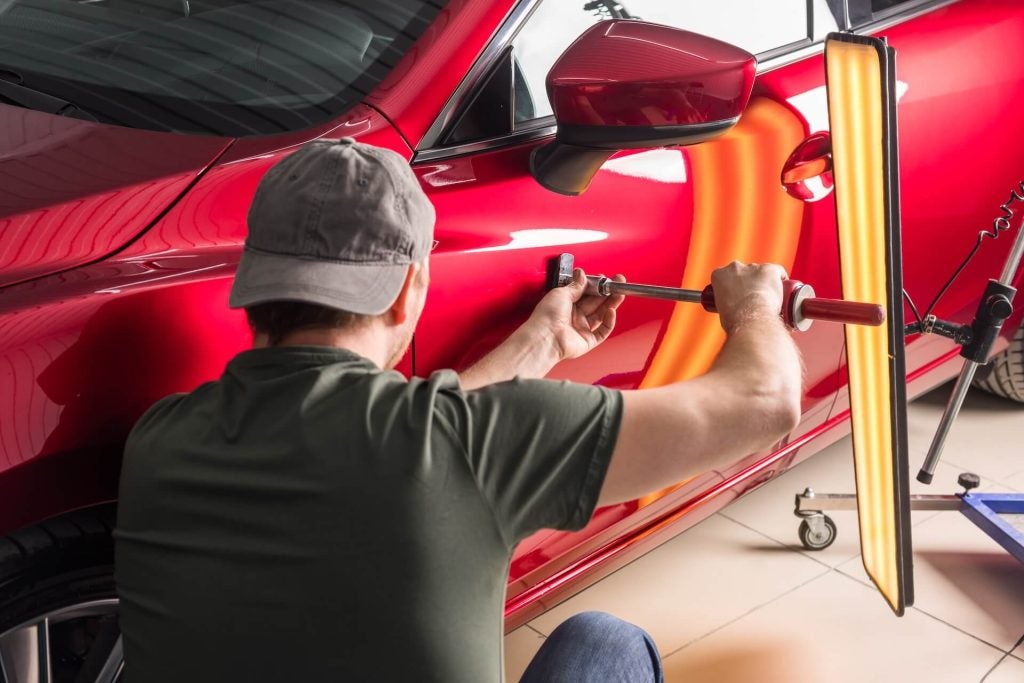
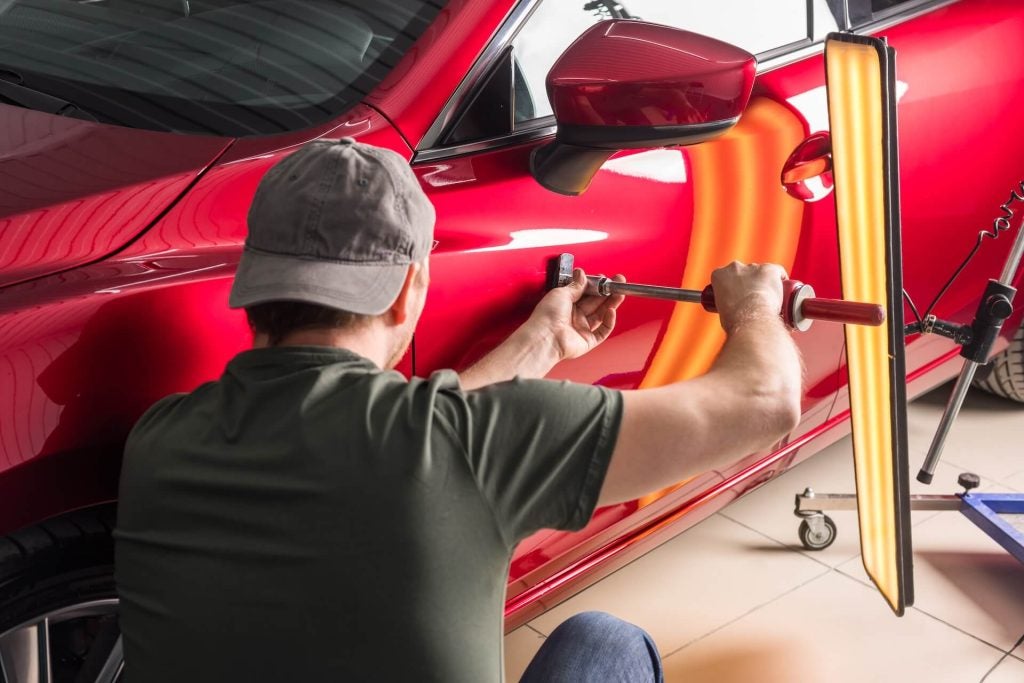
Updated on March 13, 2026 Executive Summary Paintless Dent Repair (PDR) protects your factory finish by removing minor dents without sanding, fillers, or repainting. This makes it quicker and often more affordable than traditional repairs. DIY methods can work for very small, shallow dents, using techniques like a plunger, dry ice, boiling water (for plastic bumpers), or store-bought dent repair kits. However, results are not guaranteed. Not all dents are suitable for DIY repair. Deep creases, sharp body lines, cracked paint, or difficult-to-reach areas typically require professional tools and experience. Professional PDR delivers more precise and reliable results. Certified technicians use specialized tools and lighting to fully restore the panel while preserving your vehicle’s value. When unsure, it’s best to call the experts. Our Collision Center provides trained technicians, quality workmanship, and peace of mind for more complex dent repairs. Can You Really Do Paintless Dent Repair at Home? There’s nothing like stepping out to your Orlando Toyota vehicle in a parking lot, only to find an unexpected dent. Maybe someone banged a door into it, or you parked a little too close to a shopping cart. However, now you’re left with a dent that wasn’t there yesterday. Naturally, you start thinking, will a DIY work? We’re “Making it Simple” by going over how it works, whether you can do it at home, and the tips and tricks that might help. Also, we’ll help you decide when it’s smarter to call in the professionals at Toyota of Orlando Collision Center. What Is Paintless Dent Repair (PDR)? Paintless Dent Repair (PDR) is a technique that removes dents and dings without sanding, body filler, or repainting. Instead of traditional bodywork, it gently manipulates the metal back into its original shape, preserving the factory finish and keeping your Orlando Toyota paint intact. This means no mismatched paint, no primer, and often a much faster process than traditional dent repair. That’s why PDR has grown in popularity among car owners and professional body shops alike. Is DIY Paintless Dent Repair Worth Trying at Home? The simple answer? The answer is maybe, but it depends on many factors. Toyota of Orlando will go over it for you below! Some small dents can (sometimes) be popped out with DIY techniques at home. However, more complex dents benefit greatly from trained Orlando Toyota technicians and specialized tools like the ones we have at our dealership. Before you jump in, it’s important to understand both the limitations and possibilities of DIY PDR. 5 DIY Paintless Dent Repair Methods You Can Try Here are some of the common methods people use at home to try to fix minor dents without painting. 1. The Plunger Trick Believe it or not, a household plunger can help pull out shallow dents, especially on body panels with smooth surfaces. Wet the plunger, stick it over the dent, and pull firmly. If you get a good seal, the dent might pop back out. Best for: Minor dents on flatter sections of panels like doors or the rear quarter. Pros: No special tools needed. Cons: Doesn’t work on all dents, and sometimes only partially removes the dent. 2. Dry Ice Method This one sounds like a science experiment: wearing thick gloves, you rub dry ice over the dent. Plus, the idea is that rapid cooling contracts the metal, which can sometimes make the dent pop outward on its own. Warning: Always use gloves. Dry ice can cause serious skin injury. Best for: shallow, small dents. Note: This doesn’t always work, and it’s more of a “try it and see” method. 3. Boiling Water for Plastic Bumpers If the dent is on a plastic bumper, heating the area with boiling water can make the plastic more flexible. Then, you might be able to push the dent out from behind the panel using your hands. Best for: Plastic bumper dents, not metal body panels. Pros: Simple and inexpensive. Cons: Risk of burns if you’re not careful. 4. Hairdryer & Compressed Air This method combines heat and cold to manipulate metal. Heat the dented area with a hairdryer to expand the metal. Quickly spray a stream of compressed air (held upside down) to cool it and contract the metal. Sometimes, that sudden temperature change causes the dent to pop out! Best for: Shallow dents with minimal paint damage. 5. Metal Rod & Rubber Knockdown Additionally, the next technique is more like real Orlando Toyota paintless dent repair, but it’s also trickier. You use a long metal rod from behind the panel (through an access hole), and gently massage the dent from the inside out while knocking down any high spots with a rubber mallet. This is closer to what professionals do and requires patience, precision, and ideally, the right tools. Sound too complicated? Let us handle it at Toyota of Orlando. We’ll be happy to help! What Makes DIY Paintless Dent Repair Difficult? Before you fire up the glue gun or grab your plunger, consider a few things. Skill Matters Using professional paintless dent repair tools like dent rods, picks, glue tabs, and light boards takes practice. Also, a little pressure in the wrong spot can make the dent worse or even crack your paint. It may not be worth it, and you might be better off leaving it to the professionals at the Toyota of Orlando Collision Center. Not All Dents Are DIY-Friendly Deep creases, dents with paint damage, dents on sharp body lines, or panels with access issues are usually not good candidates for DIY PDR. These require an Orlando Toyota body shop’s expertise and tools. You Can Accidentally Make It Worse Applying too much force, using the wrong tool, or accidentally creating new dings can make the repair more expensive later on. It’ll save your wallet to leave it to the pros. DIY Kits from Auto Parts Stores: Helpful or Harmful? Yes, you can buy DIY paintless dent repair kits online or at auto parts stores that include: Glue pullers Dent tabs Hot glue gun Suction cups Simple rods However, while they’re inexpensive and might work for very minor dents, they don’t replace professional tools or training as you’d get at our dealership. Many car owners try these kits and see moderate results. However, others find the dent doesn’t fully go away, or they end up with paint damage that requires professional correction. When to Call a Professional Sometimes, DIY PDR is worth a shot, especially for small, shallow dents with no paint damage. But other times? It’s worth leaving it to the experts at our Collision Center. Also, here are some good reasons to bring your Toyota to the pros at our body shop: Paint Is Cracked or Scratched If the dent has affected the paint, DIY methods are not recommended. Also, scratching or chipping paint can lead to rust and bigger repair bills. Deep or Complex Dents Dents with sharp creases or deep impacts often need specialized tools and experience. You Want a Flawless Finish In addition, professional technicians use light boards and precision tools to ensure the metal is restored with minimal distortion and a clean finish. You Want Warranty & Peace of Mind Also, at our Collision Center, trained technicians can guarantee results, which is something DIY won’t offer. Professional PDR: What to Expect Here’s what to expect when you bring your Toyota to a certified body shop like our dealership for paintless dent repair: Technicians assess the dent’s size, location, and paint condition. In addition, they use precise metal rods and tools to massage the dent from behind. Also, light boards help reveal high and low spots so they can be smoothed out. Lastly, because no paint is removed or altered, your Toyota keeps its factory finish and value. PDR often costs less and takes less time than traditional dent repair, and it’s usually covered by insurance when appropriate. Final Thoughts: DIY or Professional? DIY paintless dent repair can work for very minor dents, and it’s a fun challenge if you enjoy hands-on projects. But it’s not a guaranteed fix, and it can be risky if you don’t know what you’re doing. For many Toyota owners, the best choice is to try simple methods as a first attempt. However, if the dent doesn’t pop out, call in the professionals for a quality, long-lasting repair that preserves your car paint and value. Need Help With Paintless Dent Repair at Toyota of Orlando? If you’ve tried at-home fixes and your Toyota still isn’t looking like it used to, or if the dent is more complicated than expected, we’ve got you covered! Visit our Collision Center, where our trained technicians specialize in: Paintless dent repair Paint touch-ups Scratch removal Dings, chips, and collision repair We’ll help get your Toyota back to like-new condition. Call today or schedule online! We’re open and waiting at 3575 Vineland Road, just off I-4 near the Mall at Millenia. FAQ 1. How can you protect your car paint? Our dealership offers professional car paint services at our Collision Center. Additionally, our trained technicians provide paint touch-ups, scratch repair, and full paint refinishing to restore your vehicle’s factory-quality finish. 2. How can you protect your car paint? Protect your car’s paint by washing it regularly, applying wax or paint sealant, and parking in shaded or covered areas whenever possible. Also, you can add extra protection with paint protection film or ceramic coating and address chips or scratches quickly to prevent rust and further damage. 3. How can you remove stains and blemishes from car paint? You can remove stains and blemishes from car paint by washing the area thoroughly and using a clay bar or specialized automotive cleaner.However, for more stubborn marks, light polishing with a quality compound can help restore the finish, but more serious damage may require professional detailing or paint correction.
PDR

Can you really do paintless dent repair at home?

Updated on March 13, 2026 Executive Summary Paintless Dent Repair (PDR) protects your factory finish by removing minor dents without sanding, fillers, or repainting. This makes it quicker and often more affordable than traditional repairs. DIY methods can work for very small, shallow dents, using techniques like a plunger, dry ice, boiling water (for plastic bumpers), or store-bought dent repair kits. However, results are not guaranteed. Not all dents are suitable for DIY repair. Deep creases, sharp body lines, cracked paint, or difficult-to-reach areas typically require professional tools and experience. Professional PDR delivers more precise and reliable results. Certified technicians use specialized tools and lighting to fully restore the panel while preserving your vehicle’s value. When unsure, it’s best to call the experts. Our Collision Center provides trained technicians, quality workmanship, and peace of mind for more complex dent repairs. Can You Really Do Paintless Dent Repair at Home? There’s nothing like stepping out to your Orlando Toyota vehicle in a parking lot, only to find an unexpected dent. Maybe someone banged a door into it, or you parked a little too close to a shopping cart. However, now you’re left with a dent that wasn’t there yesterday. Naturally, you start thinking, will a DIY work? We’re “Making it Simple” by going over how it works, whether you can do it at home, and the tips and tricks that might help. Also, we’ll help you decide when it’s smarter to call in the professionals at Toyota of Orlando Collision Center. What Is Paintless Dent Repair (PDR)? Paintless Dent Repair (PDR) is a technique that removes dents and dings without sanding, body filler, or repainting. Instead of traditional bodywork, it gently manipulates the metal back into its original shape, preserving the factory finish and keeping your Orlando Toyota paint intact. This means no mismatched paint, no primer, and often a much faster process than traditional dent repair. That’s why PDR has grown in popularity among car owners and professional body shops alike. Is DIY Paintless Dent Repair Worth Trying at Home? The simple answer? The answer is maybe, but it depends on many factors. Toyota of Orlando will go over it for you below! Some small dents can (sometimes) be popped out with DIY techniques at home. However, more complex dents benefit greatly from trained Orlando Toyota technicians and specialized tools like the ones we have at our dealership. Before you jump in, it’s important to understand both the limitations and possibilities of DIY PDR. 5 DIY Paintless Dent Repair Methods You Can Try Here are some of the common methods people use at home to try to fix minor dents without painting. 1. The Plunger Trick Believe it or not, a household plunger can help pull out shallow dents, especially on body panels with smooth surfaces. Wet the plunger, stick it over the dent, and pull firmly. If you get a good seal, the dent might pop back out. Best for: Minor dents on flatter sections of panels like doors or the rear quarter. Pros: No special tools needed. Cons: Doesn’t work on all dents, and sometimes only partially removes the dent. 2. Dry Ice Method This one sounds like a science experiment: wearing thick gloves, you rub dry ice over the dent. Plus, the idea is that rapid cooling contracts the metal, which can sometimes make the dent pop outward on its own. Warning: Always use gloves. Dry ice can cause serious skin injury. Best for: shallow, small dents. Note: This doesn’t always work, and it’s more of a “try it and see” method. 3. Boiling Water for Plastic Bumpers If the dent is on a plastic bumper, heating the area with boiling water can make the plastic more flexible. Then, you might be able to push the dent out from behind the panel using your hands. Best for: Plastic bumper dents, not metal body panels. Pros: Simple and inexpensive. Cons: Risk of burns if you’re not careful. 4. Hairdryer & Compressed Air This method combines heat and cold to manipulate metal. Heat the dented area with a hairdryer to expand the metal. Quickly spray a stream of compressed air (held upside down) to cool it and contract the metal. Sometimes, that sudden temperature change causes the dent to pop out! Best for: Shallow dents with minimal paint damage. 5. Metal Rod & Rubber Knockdown Additionally, the next technique is more like real Orlando Toyota paintless dent repair, but it’s also trickier. You use a long metal rod from behind the panel (through an access hole), and gently massage the dent from the inside out while knocking down any high spots with a rubber mallet. This is closer to what professionals do and requires patience, precision, and ideally, the right tools. Sound too complicated? Let us handle it at Toyota of Orlando. We’ll be happy to help! What Makes DIY Paintless Dent Repair Difficult? Before you fire up the glue gun or grab your plunger, consider a few things. Skill Matters Using professional paintless dent repair tools like dent rods, picks, glue tabs, and light boards takes practice. Also, a little pressure in the wrong spot can make the dent worse or even crack your paint. It may not be worth it, and you might be better off leaving it to the professionals at the Toyota of Orlando Collision Center. Not All Dents Are DIY-Friendly Deep creases, dents with paint damage, dents on sharp body lines, or panels with access issues are usually not good candidates for DIY PDR. These require an Orlando Toyota body shop’s expertise and tools. You Can Accidentally Make It Worse Applying too much force, using the wrong tool, or accidentally creating new dings can make the repair more expensive later on. It’ll save your wallet to leave it to the pros. DIY Kits from Auto Parts Stores: Helpful or Harmful? Yes, you can buy DIY paintless dent repair kits online or at auto parts stores that include: Glue pullers Dent tabs Hot glue gun Suction cups Simple rods However, while they’re inexpensive and might work for very minor dents, they don’t replace professional tools or training as you’d get at our dealership. Many car owners try these kits and see moderate results. However, others find the dent doesn’t fully go away, or they end up with paint damage that requires professional correction. When to Call a Professional Sometimes, DIY PDR is worth a shot, especially for small, shallow dents with no paint damage. But other times? It’s worth leaving it to the experts at our Collision Center. Also, here are some good reasons to bring your Toyota to the pros at our body shop: Paint Is Cracked or Scratched If the dent has affected the paint, DIY methods are not recommended. Also, scratching or chipping paint can lead to rust and bigger repair bills. Deep or Complex Dents Dents with sharp creases or deep impacts often need specialized tools and experience. You Want a Flawless Finish In addition, professional technicians use light boards and precision tools to ensure the metal is restored with minimal distortion and a clean finish. You Want Warranty & Peace of Mind Also, at our Collision Center, trained technicians can guarantee results, which is something DIY won’t offer. Professional PDR: What to Expect Here’s what to expect when you bring your Toyota to a certified body shop like our dealership for paintless dent repair: Technicians assess the dent’s size, location, and paint condition. In addition, they use precise metal rods and tools to massage the dent from behind. Also, light boards help reveal high and low spots so they can be smoothed out. Lastly, because no paint is removed or altered, your Toyota keeps its factory finish and value. PDR often costs less and takes less time than traditional dent repair, and it’s usually covered by insurance when appropriate. Final Thoughts: DIY or Professional? DIY paintless dent repair can work for very minor dents, and it’s a fun challenge if you enjoy hands-on projects. But it’s not a guaranteed fix, and it can be risky if you don’t know what you’re doing. For many Toyota owners, the best choice is to try simple methods as a first attempt. However, if the dent doesn’t pop out, call in the professionals for a quality, long-lasting repair that preserves your car paint and value. Need Help With Paintless Dent Repair at Toyota of Orlando? If you’ve tried at-home fixes and your Toyota still isn’t looking like it used to, or if the dent is more complicated than expected, we’ve got you covered! Visit our Collision Center, where our trained technicians specialize in: Paintless dent repair Paint touch-ups Scratch removal Dings, chips, and collision repair We’ll help get your Toyota back to like-new condition. Call today or schedule online! We’re open and waiting at 3575 Vineland Road, just off I-4 near the Mall at Millenia. FAQ 1. How can you protect your car paint? Our dealership offers professional car paint services at our Collision Center. Additionally, our trained technicians provide paint touch-ups, scratch repair, and full paint refinishing to restore your vehicle’s factory-quality finish. 2. How can you protect your car paint? Protect your car’s paint by washing it regularly, applying wax or paint sealant, and parking in shaded or covered areas whenever possible. Also, you can add extra protection with paint protection film or ceramic coating and address chips or scratches quickly to prevent rust and further damage. 3. How can you remove stains and blemishes from car paint? You can remove stains and blemishes from car paint by washing the area thoroughly and using a clay bar or specialized automotive cleaner.However, for more stubborn marks, light polishing with a quality compound can help restore the finish, but more serious damage may require professional detailing or paint correction.
Toyota Tacoma

Pickup truck terms you should know before you buy

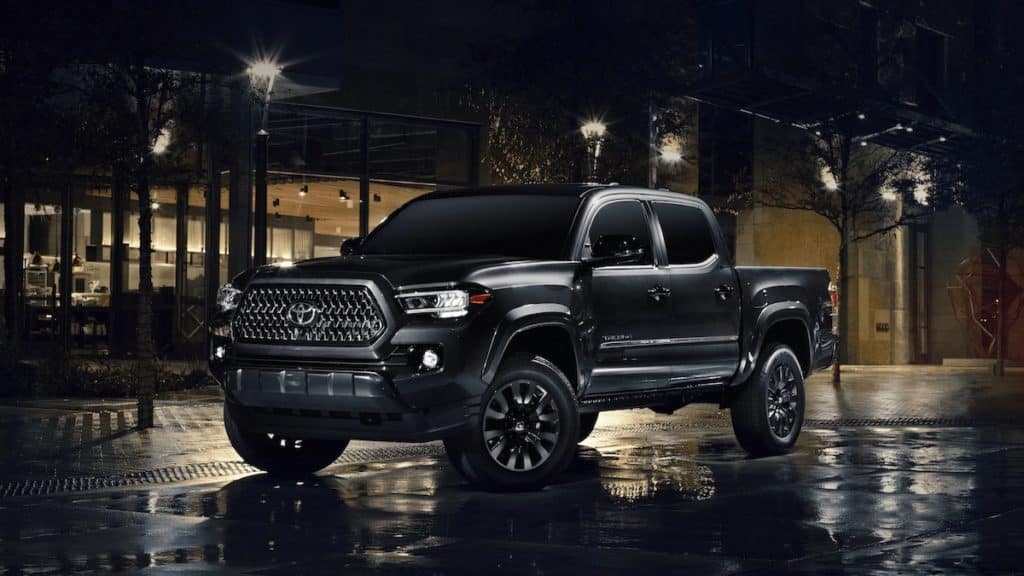
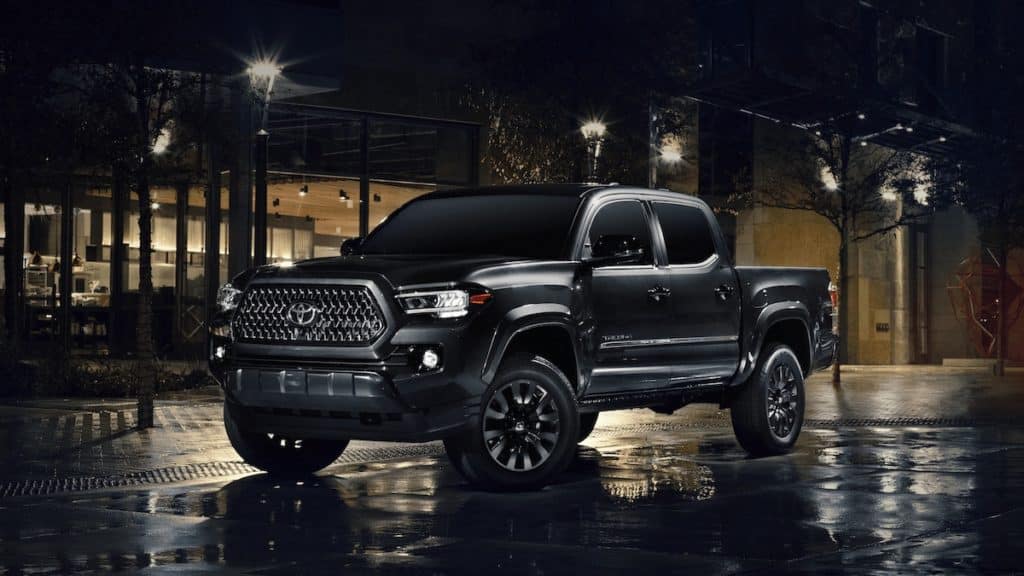
Thinking about putting a new pickup truck in your driveway anytime soon? If you've been a car or SUV owner up until now, sliding behind the wheel of a new Toyota truck can be quite a change. That's why before you buy, you should have some basic knowledge about pickup trucks in general (and the one you want to drive home). Check out this quick guide to truck terms that will help you find the best new Toyota for your drive time needs. What you need to know about pickup trucks Bed: The bed of your pickup truck is where you can stow cargo and haul things. Typically, it comes in different sizes so you can tailor your new truck to your preferences. Sizes usually include short (5'8"), standard (6'), and long (8'). Cab: The cab of your truck, on the other hand, is short for "cabin" and is where you and your passengers ride. (No one should ever ride in the bed of the truck, even over a short distance.) You'll also usually be able to choose from different sizes for this element, too. Orlando Toyota trucks usually come with options like regular cab (with 2 doors), extended cab (2 full-size doors and 2 smaller doors for access to the backseat), and crew cab (4 full-size doors). Payload: Payload ties into hauling. Basically, this number tells you how much weight you can carry in your cab and bed (combined). You don't want to exceed payload capacity, as it can do damage your suspension and other VIP parts of your Orlando Toyota. Towing capacity: Towing capacity, on the other hand, refers to how much weight you can safely pull behind your new Toyota truck. You also want to avoid exceeding this capacity or you could do serious damage to your vehicle. Weight class: Weight class is basically how big your truck is. Usually, trucks are divided into categories like half-ton, three-quarter-ton, and one-ton. Half-ton trucks are the light-duty options, while three-quarter ton are middle duty and one-ton are heavy duty. 2WD, 4WD, AWD: These acronyms refer to the performance capabilities that your new truck has. 2WD means it's powered by just two of the wheels (usually the rear wheels in a truck), while 4WD and AWD mean that power is supplied by all four wheels at certain times, giving you an advantage when you take things off the pavement or are driving on slick surfaces. Hitch: A hitch is where you connect the item that you're going to be towing behind your truck. Some trucks come with one, some trucks don't - but regardless, if you're going to tow, you're going to need one. Shop new Toyota trucks today at Toyota of Orlando Ready to shop for your new pickup truck? Come explore our inventory at Toyota of Orlando! We're open seven days a week at 3575 Vineland Road, just off I-4 near the Millenia Mall. You can call us ahead of time to learn more about our inventory or schedule an appointment at (407) 298-4500.

Toyota of Orlando tips

Toyota of Orlando busts driving myths

Do you ever feel like you sometimes don't have any idea what you're doing when you're behind the wheel of your car? We get it. Owning, maintaining, and operating your Orlando Toyota is a lot, and it requires a lot of responsibility but also a lot of know-how. You don't have to be an expert mechanic or a professional driver to get around town, but it does help to keep yourself well-versed in all things automotive for a smoother car ownership experience. That's where we come in! We're always here to give you tips, tricks, and the info you need to stay on top of owning a car and keep things stress-free. Today, we're talking about driving myths. There's a lot of information (and misinformation) out there about hitting the road, and we're here to bust four common driving myths so you know better next time you get behind the wheel. Four driving myths, busted Myth #1: Premium gas is better than regular. Big false on this one. While some vehicles DO require premium gas (you should be able to figure out if your car does by checking your owner's manual), putting premium fuel in a car that doesn't require make absolutely no difference. It won't improve performance, nor will it get you better fuel efficiency. All it's really going to do is drive up your fuel costs without any payoff. So if your car doesn't require it, stick with regular gasoline and save yourself a few bucks. Myth #2: Driving with your tailgate down will get you better fuel efficiency. Seems like it would make sense, right? Driving with your tailgate down would make your truck (supposedly) more aerodynamic. Well, unfortunately, it's not happening. Some drivers believe this myth but unfortunately, the problem lies with the bed itself, not the tailgate that closes it off. Truck beds create a pocket of drag behind your Orlando Toyota that slows you down slightly and pushes your MPGs lower. Putting the tailgate down doesn't allow the drag to escape in a stream like you'd think it would. It doesn't do anything, actually. If you want better MPGs consider putting a cover on the back of your truck, or investing in a car that's more fuel-efficient. Myth #3: If there's traffic, there must be an accident. Not always the case. People usually assume that if there's a bad traffic jam, it must be a car accident that caused it. This driving myth is untrue, though. Traffic jams can happen for all sorts of reasons. Bad weather, a slow driver, debris in the road, something cool to look at... all it takes is a handful of drivers slowing down for whatever reason, and a ripple effect occurs, slowing EVERYONE down. Myth #4: If you go the speed limit, you'll hit all green lights. If only, right? A lot of drivers believe that traffic lights are timed perfectly so if you go the speed limit, you'll never hit a red one. Not true. If it does happen to you, it's likely just a coincidence. Almost all traffic lights are sensor-based and respond to the flow of traffic rather than being impeccably timed. Not to mention, traffic jams, slow drivers, accidents, and different speed limits are all part of your drive time, which make this myth easily bustable. Visit Toyota of Orlando today Have questions about driving myths or want to put yourself behind the wheel of a new Orlando Toyota? Call us today! Toyota of Orlando is open seven days a week at (407) 298-4500 and we're conveniently located just off I-4 across from the Millenia Mall.

New Toyota TRD SUV

The latest Toyota news for September

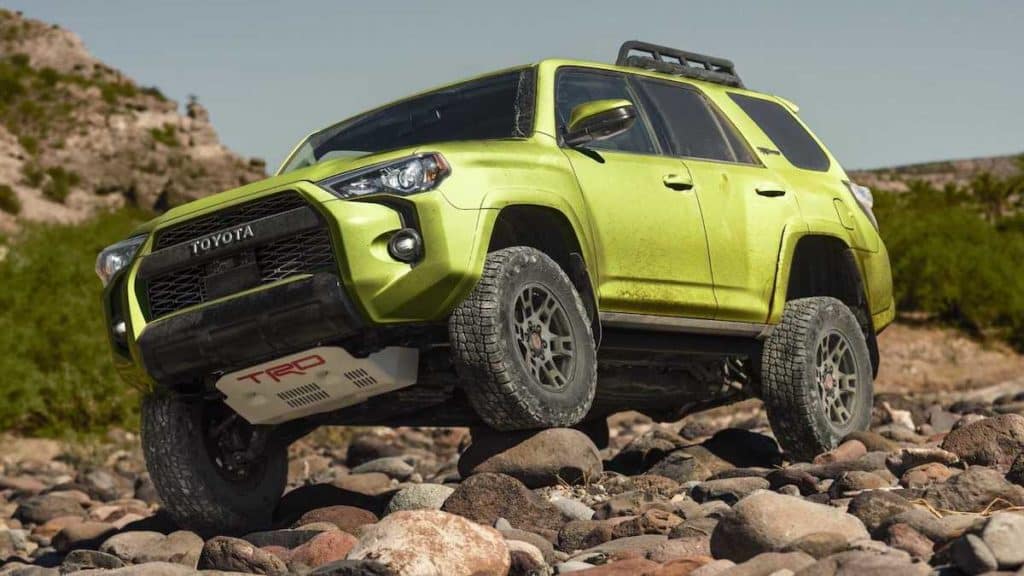
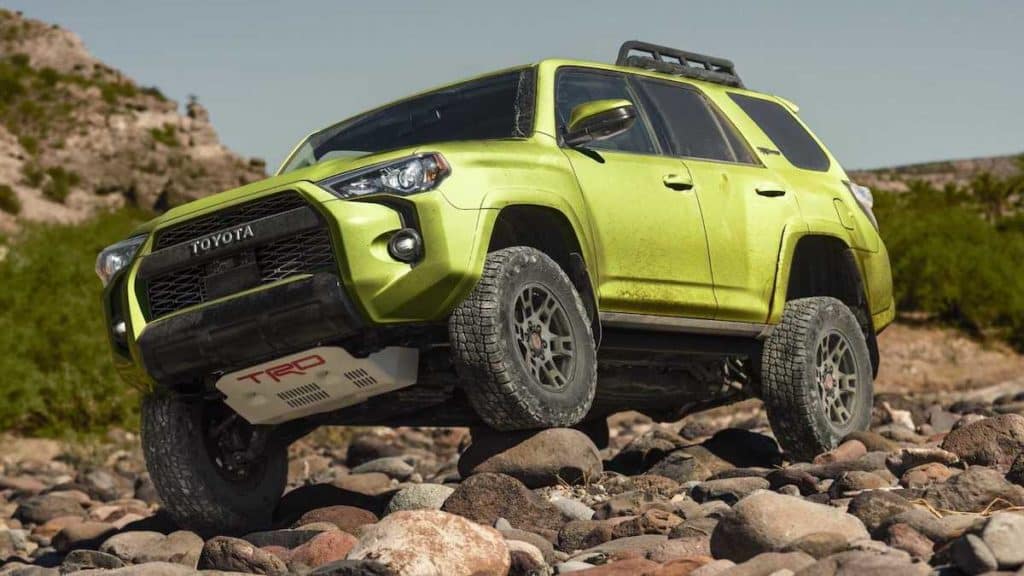
September is in full swing and a new round of Toyota news has arrived with the onslaught of pumpkin-spiced everything. Check out the latest updates - our Orlando Toyota dealership has the scoop. Will the 2023 Toyota Sequoia follow in the Tundra's footsteps? The automotive world has been abuzz with rumors surrounding the new 2022 Toyota Tundra. So far we know that it's completely redesigned inside and out and is swapping its 5.7L V8 engine for a more efficient twin-turbo V6, and could likely offer a hybrid model as well. However, no one has really taken the time to consider what this engine update could mean for other models that shared that same 5.7L V8, like the Orlando Toyota Sequoia. Now speculators are thinking that the 2023 Toyota Sequoia might mimic the new Tundra and be completely redesigned as well as sport the new, more efficient V6 engine. Only time will tell! 2022 Toyota Corolla Cross officially for sale The new 2022 Toyota Corolla Cross - a sporty crossover recently unveiled - is headed to an Orlando Toyota dealership near you. If you're in the market for a small SUV that's fuel-efficient, sporty, decked out with the latest technology, and full of safety features, this is it. It should be arriving at Toyota of Orlando soon, and you can follow us on social media for updates OR call and let our internet sales team know you're interested so they can contact you once it officially hits our lot. 2022 Toyota Land Cruiser drivers have a long wait ahead If you live overseas and were planning on putting a new Toyota Land Cruiser in your garage, you may have a wait ahead of you. Like, a long wait. Rumor has it that the high demand for this redesigned Toyota SUV (Toyota has received over 20,000 orders so far) combined with the chip shortage is resulting in up to a four-year wait for delivery. It'll be worth it, but dang. Toyota to invest $13.6 billion in new EV batteries Toyota has always been committed to clean performance (they did introduce the first major hybrid to the market, after all). They're taking it a step further, though, vowing to invest $13.6 billion into batteries and battery production to work toward their goal of carbon neutrality. They want to both improve the quality of the batteries as well as make the production more flexible (and increase it by 50%), resulting in a reduction of battery costs of up to 30%. This will make EVs and hybrids more affordable and more readily available to consumers. 2022 Toyota 4Runner TRD Sport coming to market soon An all-new trim of the 2022 Toyota 4Runner is coming to market soon - get ready for the TRD Sport to arrive at Toyota of Orlando! Rocking a new bright green paint color - Lime Rush - as well as new safety technology and enhanced performance capabilities (like X-REAS suspension and 4WD), it's ready to take on anything on OR off the pavement and look good doing it. Want more Toyota news updates? Either follow us on social media OR call us at (407) 298-4500. Toyota of Orlando is open seven days a week and we're conveniently located at 3575 Vineland Road, just off I-4 near the Millenia Mall.

Toyota of Orlando tips

Common types of off-roading damage and how to diagnose them

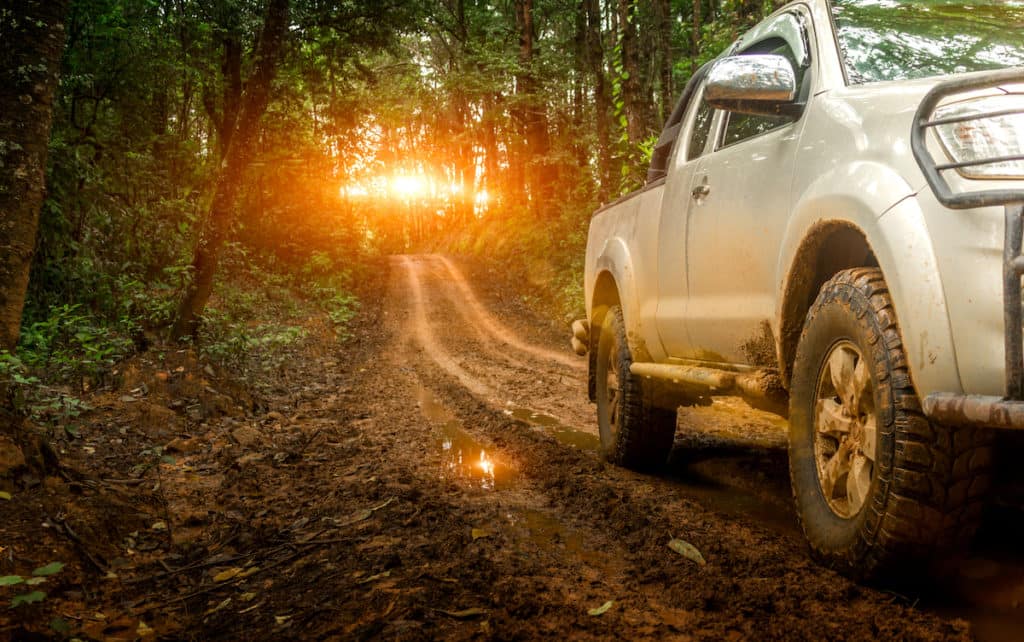
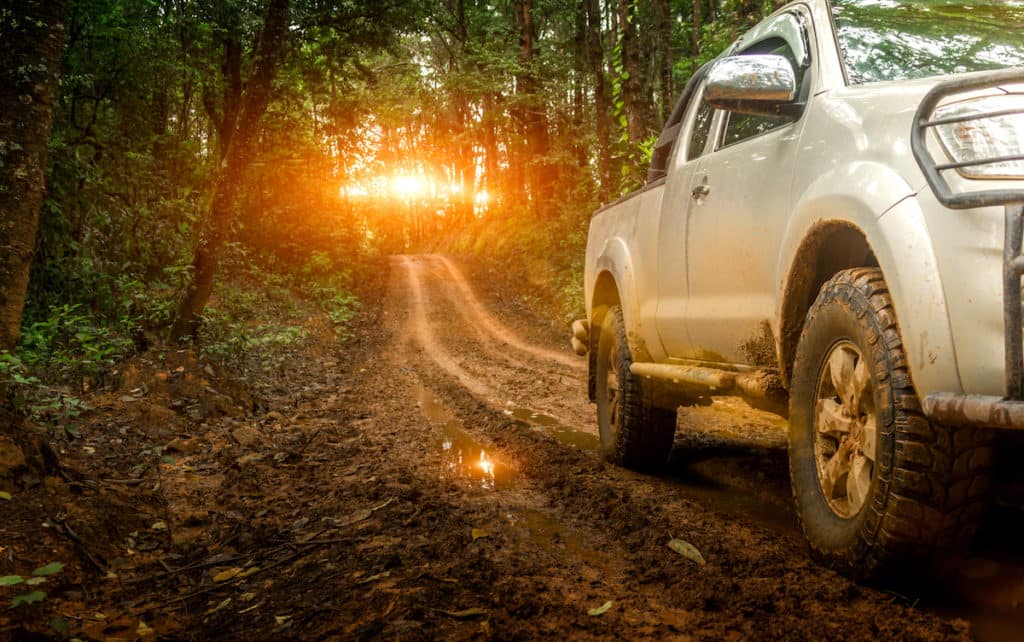
If you're the type of driver who likes to get off the pavement and into the great outdoors, then you probably also have done your fair share of damage to your vehicle. Off-roading comes with the inherent risk of both aesthetic and mechanical damage to your ride and there's really no way to get around it other than sticking to the pavement. However, if you're new to the game, our Orlando auto service experts are here to help. Here are four major types of off-roading damage and how you can diagnose them yourself. Four types of off-roading damage to watch for #1: Misaligned wheels. As you traverse different types of terrain while off-roading, your wheels and tires are taking a beating. They can easily be thrown out of alignment with all of the uneven terrain, and this can damage your suspension and other components of your Orlando Toyota out of time. The best way to diagnose a misalignment is to feel it out. If you feel vibrations in your steering wheel or feel that your car is pulling to one side, then you probably have a wheel alignment issue. Also, if your steering wheel is straight but your car is drifting to one side, that's another giveaway. If you notice any of these signs, bring your car to Toyota of Orlando to get a wheel alignment pronto. #2: Body damage. Body damage is almost inevitable when you're off-roading. Branches will scratch your paint, rocks and roots can leave dents and dings... it's going to happen. An easy way to find it is to just give your car a wash and wax when you get home. If you unearth any scratches, dents, or chips, bring your car into our Orlando body shop for repairs. #3: Transmission issues. As you traverse new terrain, it's likely that your RPMs will go up and down a lot. However, if they're consistently spiking too high and quickly dropping and vice versa, it can actually damage your car's transmission over time. A quick way to find transmission issues after off-roading is to look for leaks under the car (transmission fluid, in particular), and to watch for performance issues like a slipping transmission or difficulty shifting gears. #4: Undercarriage problems. Your undercarriage can also take a beating when you're off-roading as it has to contend with rocks, roots, and uneven ground. Unfortunately, the undercarriage also houses some of the VIP parts of your vehicle. This is where you'll find components like the exhaust system, oil pan, and more. It can, however, be tricky to diagnose issues with your undercarriage because you're not under the car that often. Look for things like leaks (oil, especially) and warning lights coming on in the dash. If you suspect undercarriage damage, don't delay - come into Toyota of Orlando for a diagnosis and repairs. Schedule auto repairs at our Orlando Toyota service center Have questions or need auto repairs after a day of off-roading? Contact Toyota of Orlando today. We're open seven days a week at (407) 298-4500!

Toyota Prius

Should you buy a new Toyota Prius or a used one?

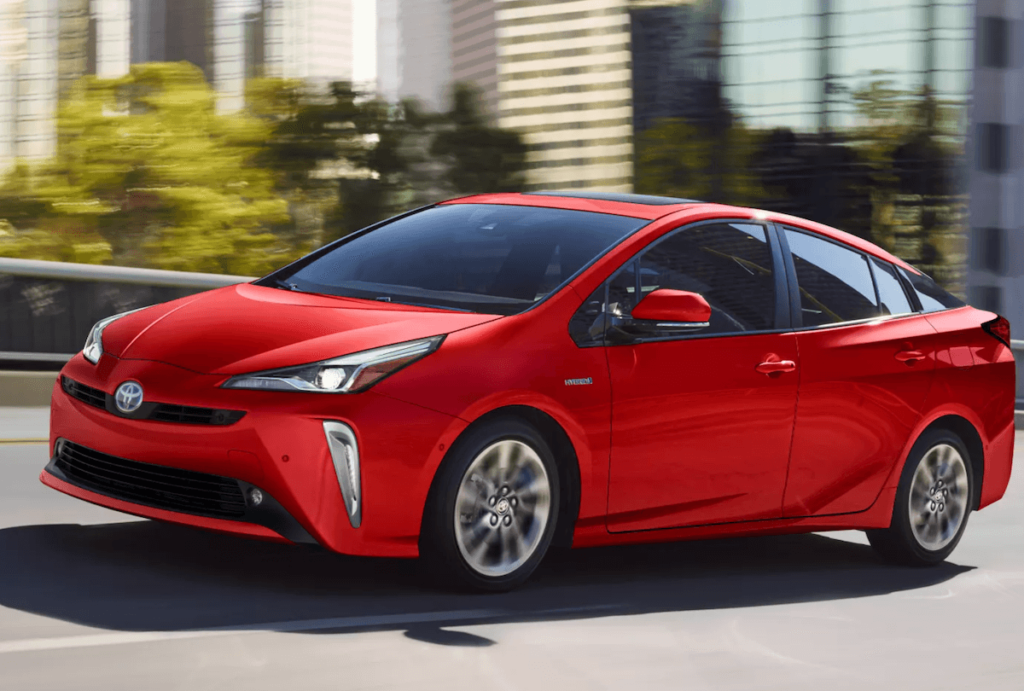
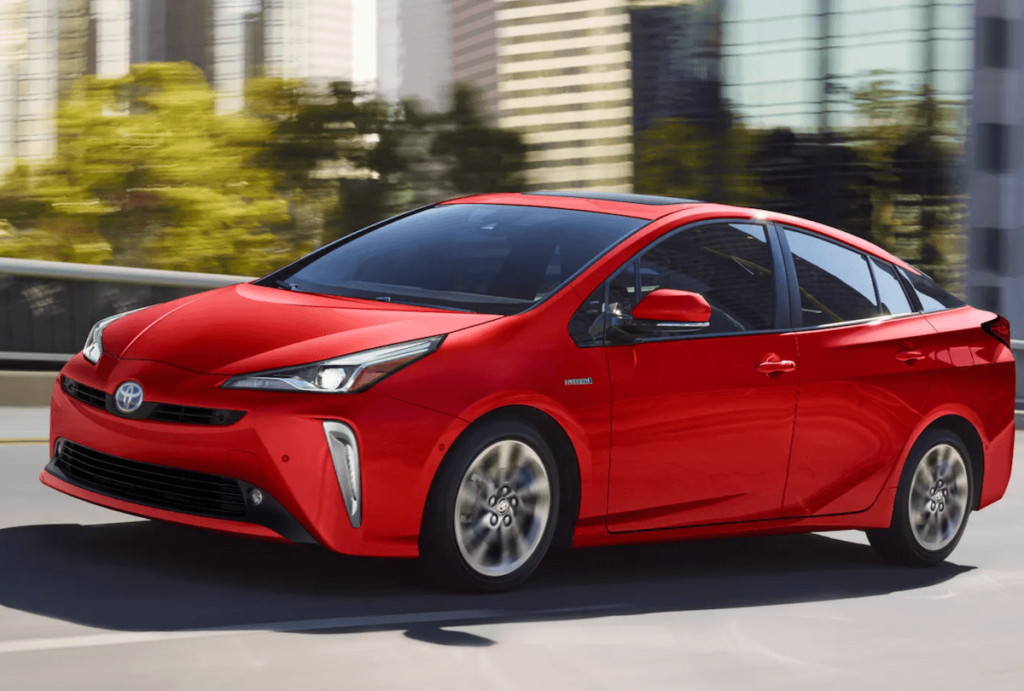
So you're shopping for a Toyota Prius. You're ready to jump into the hybrid game, go green, save some money on fuel, and have that cool blue badge looking at you every morning when you head out to your car. Congrats! However, you've got some more decisions to make when it comes to your new green ride. Which trim level will you choose? What about options and packages and accessories? Paint color? It can seem endless, but there's one especially important choice you need to make before you can take your test drive - whether you want to buy your Toyota Prius new or used. There are perks to both, just like any other car. However, hybrids are unlike other cars in many ways, so our Orlando Toyota dealership is here to break the pros and cons down for you. What are the perks of buying a new Toyota Prius? There are some perks to buying a new hybrid car. Here are some of the big ones: Peace of mind - you know where the car has been (the factory) and don't have to worry about previous owners and whether or not they've cared for the car. Additionally, you get great warranties with a new hybrid (which is important for a hybrid battery, as they're more expensive to replace) and also have the option to extend those warranties. No-cost maintenance. Our new Toyotas offer two years or 24,000 miles of no-cost routine maintenance, so you won't have to shell out for things like oil changes or tire rotations for a while. That new car smell. Need we say more? What about a used Toyota Prius? However, there are also perks to buying a used Toyota Prius (or any other hybrid car, for that matter). Here they are: You don't have to take the initial depreciation hit. Cars lose up to 20% of their value in their first year, and then 10% per year for the next three years. If you shop for a late-model pre-owned hybrid, you won't take that big depreciation loss right in the beginning. It's usually a bit cheaper. Hybrid or not, used cars are typically cheaper than new cars, so if you're on a budget but really want an eco-friendly car for your commute then you may want to opt for something preowned. You'll still have a ton of variety to choose from. The Orlando Toyota Prius is the most popular hybrid car on the road (it did kick off the hybrid car movement, after all). So even if you're buying used, there are plenty of options to peruse before you sign the dotted line. Either way, driving a Toyota Prius is a win. You get massively improved fuel economy, a greener and cleaner performance, and a reliable ride that will last you for years - if not decades - to come. Shop new AND used hybrid cars today - visit Toyota of Orlando! We're located just off I-4 across from the Millenia Mall at 3575 Vineland Road and we're open seven days week. Come see what the 2022 Toyota Prius AND all of our preowned hybrids can bring to your drive time.

Contact Us

Fill out this form below and we'll contact you shortly
*Required Fields