

Blog / Toyota of Orlando Service

Truck Steps: A Beginner's Guide

2025 Toyota Tundra

Whether you just bought a truck or you’re ready to upgrade your current ride, you’ve probably come across the idea of truck steps. And at first glance, they probably all seem the same… an easy way to get into your ride and make it look a little more aggressive. However, not all truck steps are created equally, and there are different styles designed for different needs.

We know it’s also easy to feel overwhelmed when you’re exploring parts and accessories for your Orlando Toyota truck, and we’re here to help. This guide will walk you through all of the types of truck steps and what they’re used for so you can choose which is best for your needs. On top of that, our Toyota of Orlando parts team is always here to help you find the perfect solution in person! We’re all about Making It Simple ®.

Executive Summary

  • Truck steps make it easier and safer to get into your Orlando Toyota truck, but different styles are designed for different needs, from daily commuting and family driving to work and off-road adventures.
  • Traditional and power running boards offer the most everyday convenience, while nerf bars and hoop steps give you a sportier or more compact option without taking up as much space.
  • If you’re hitting the trails, rock sliders offer heavy-duty protection for your truck’s rocker panels, while bed steps and hitch steps make loading and unloading cargo easier.
  • Materials matter, too. Aluminum, stainless steel, powder-coated steel, and composite truck steps each offer different advantages when it comes to durability, corrosion resistance, maintenance, and price.
  • Some truck steps are easy DIY bolt-on accessories, but power running boards, lighted steps, rock sliders, and other heavy-duty options are often best left to the pros for a secure and properly aligned installation.

What are Truck Steps?

First things first - what are truck steps?

Basically, they’re accessories that give you a safer and more convenient way to climb inside the cab of your truck. They can be mounted in different locations, including beside the truck bed, under the doors, or by the rear bumper. They can also be factory-installed or aftermarket. Most Orlando Toyota truck owners consider truck steps because they can:

  • Make getting into taller trucks easier, especially for children, seniors, and shorter passengers
  • Add style and customization
  • Help protect the truck's body from road debris
  • Make loading cargo easier
  • Improve everyday convenience

Which are the best truck steps for you? Well, that depends on how you use your truck, where you drive, and what you need on a day-to-day basis. Let’s jump into it.

Type 1: Running Boards

Running boards are probably the most common and most popular truck steps out there. They run the full length of your truck’s cab and are the largest stepping surface, which makes getting in and out of the truck much easier. You can install running boards in different widths, materials, and finishes so you can truly customize your Orlando Toyota.

Pros

  • A wide, stable stepping surface
  • Excellent for families and daily drivers
  • Protect lower body panels from road debris
  • Available in numerous styles and finishes

Cons

  • Can reduce ground clearance slightly
  • Larger surfaces can collect dirt or mud
  • Some finishes require regular cleaning

Best for: Daily drivers, families, commuters, and anyone who wants maximum comfort in their Orlando Toyota truck.
Orlando Toyota truck parts

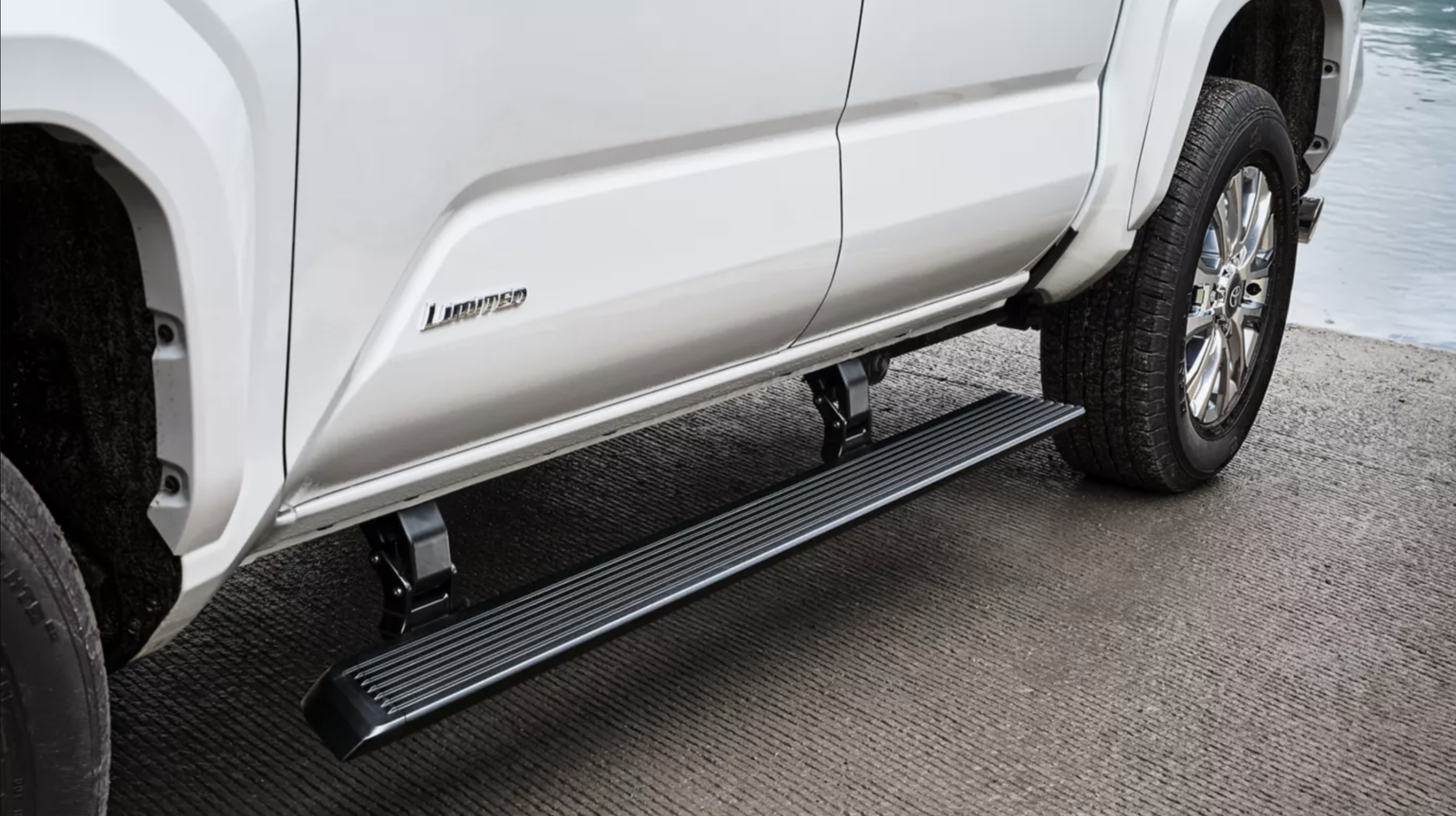
Type 2: Power Running Boards

If you want the most when it comes to convenience, power running boards may be it. These unique truck steps retract underneath the truck when the doors are closed to stay hidden most of the time. They automatically extend when you open your door to let you enter and exit the truck with ease. This feature means you get a clean, streamlined appearance when you’re out and about, but convenience when you need it most.

Pros

  • Automatic deployment
  • Cleaner appearance
  • Better ground clearance when retracted
  • Premium look and feel

Cons

  • Higher purchase price
  • More complicated installation
  • Electrical components might require maintenance over time

Best for: Luxury trucks, lifted trucks, and drivers who want both convenience and style.
Orlando Toyota Tacoma

Type 3: Lighted Running Boards

If you hit the road at night a lot, lighted truck steps can make it even easier and safer to climb in and out of your truck. These special running boards have built-in LED lighting that illuminates your steps whenever you unlock or open the doors.

Pros

  • Improved nighttime visibility
  • Sleek style
  • Easier entry in dark parking lots
  • Available with customizable lighting on some models

Cons

  • Higher cost
  • More wiring during installation
  • Lighting components might eventually need replacement

Best for: Night drivers and anyone looking for a premium appearance on their Orlando Toyota.

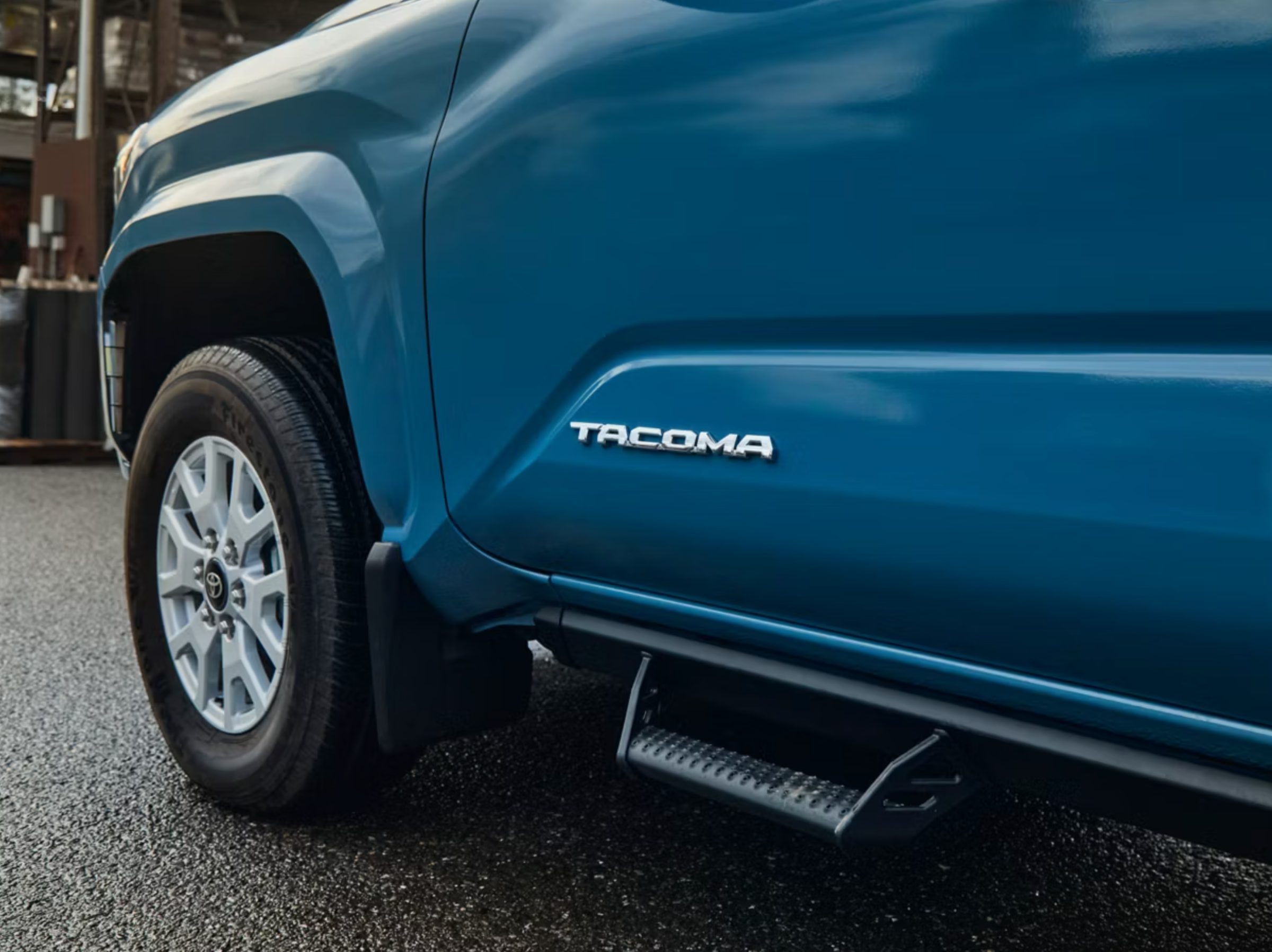
Type 4: Nerf Bars or Step Bars

Nerf bars, which are also called step bars, are another popular type of truck steps. Instead of a wide platform like traditional running boards, nerf bars have round or oval tubes with textured step pads under the driver and passenger doors. They’re narrower, which makes them a little sportier than traditional running boards.

Pros

  • Generally more affordable
  • Easier installation
  • Sleek, rugged appearance
  • Lightweight design

Cons

  • Smaller stepping surface
  • Less protection than running boards
  • Can be slippery if not cleaned regularly

Best for: Budget-conscious truck owners and those who prefer a sportier look on their Orlando Toyota.
truck steps

Type 5: Rock Sliders

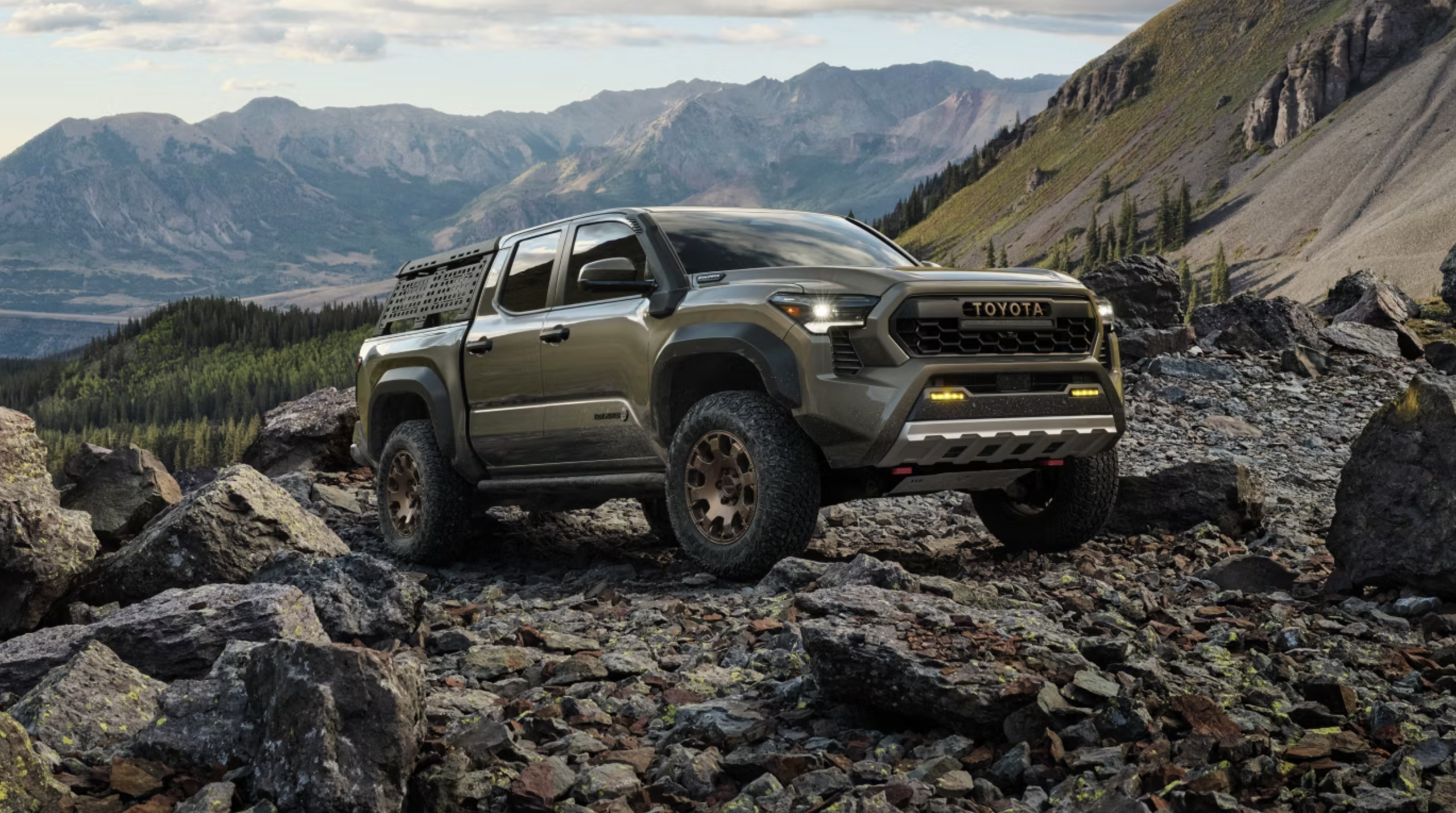
Rock sliders are more than the average truck steps. They offer serious off-road protection on tough trails. Rock sliders are mounted directly to the truck’s frame, and they’re specially designed to protect the truck’s rocker panels from rocks, trees, and other obstacles on the trail. If you’re an off-road enthusiast, they’re a must on your new Toyota.

Pros

  • Extremely durable
  • Excellent body protection
  • Better ground clearance than many running boards
  • Built for demanding trails

Cons

  • Less comfortable as everyday steps
  • Heavier
  • More expensive
  • Professional installation is recommended

Best for: Off-road enthusiasts and overlanding builds, like the Orlando Toyota Trailhunter models.
rock sliders

Type 6: Hoop Steps

Hoop steps are compact truck steps that put an individual step under each door, rather than a full-length running board or step bar. If you want easy cab access without having to install a large accessory on your Orlando Toyota, hoop steps are a great option.

Pros

  • Compact design
  • Affordable
  • Minimal visual impact
  • Easy installation

Cons

  • Smaller stepping surface
  • Less convenient than full-length boards
  • Limited body protection

Best for: Drivers who want a simple entry solution without changing their truck's appearance too much.

Type 7: Bed Steps

Most truck steps are designed to help you get into the cab, but bed steps are designed specifically to help you get into the bed of your Toyota truck. We see them commonly on rides like the Orlando Toyota Tundra; they fold down from beneath the rear bumper or bedside, and fold back up when they’re not in use.

These are especially helpful on tall or lifted trucks to give you the extra height you need to access the bed easily.

Pros

  • Easier cargo loading
  • Fold away when not needed
  • Stable footing
  • Great for work trucks

Cons

  • Don't help with entering the cab
  • May interfere with certain accessories
  • Some need model-specific installation

Best for: Contractors, DIYers, and anyone who frequently uses their truck bed.

Type 8: Hitch Steps

Hitch steps are truck steps that slide directly into your truck’s trailer hitch receiver. This is a convenient way to step up and access the bed. The cool thing about hitch steps is that they’re removable, and they’re also easy to install (and cost less than traditional truck steps).

Pros

  • Quick installation
  • Affordable
  • Improves rear access
  • Easily removable

Cons

  • Occupies the hitch receiver

  • Doesn't help passengers enter the cab
  • Can reduce the departure angle slightly

Best for: Truck owners who frequently load and unload gear from the bed.

Which Truck Steps Should You Choose?

Choosing the right truck steps really boils down to how you use your truck every day and what you want the overall style to look like. Here’s a quick reference guide:

Daily commuting: Traditional running boards or nerf bars are convenient, easy to use, and fit style-wise.

Families: Wide running boards can make it easier for kids and older passengers to climb into the cab of the truck.

Work trucks: Bed steps and running boards are perfect for loading tools and equipment, not to mention crews.

Off-road adventures: Rock sliders give you the protection and durability you need, as well as the height.

Lifted trucks: Power running boards give you the access without sacrificing ground clearance.

What Are Truck Steps Made Of?

You’ll find that most truck steps come in one of these four common materials.

Aluminum, which is:

  • Lightweight
  • Rust-resistant
  • Excellent for humid climates like Orlando

Stainless Steel, which is:

  • Premium in appearance
  • Highly durable
  • Excellent in terms of corrosion resistance

Powder-Coated Steel, which is:

  • Strong and affordable
  • Popular for work trucks
  • Available in textured black finishes

Composite Materials, which are:

  • Lightweight
  • Low maintenance
  • Resistant to corrosion
  • More budget-friendly
truck steps

Can You Install Truck Steps At Home DIY Style?

A lot of truck steps are designed as bolt-on accessories that use factory mounting points. This means that if you’re up for it, they could be a DIY weekend project for you (but keep in mind you need the time and the tools). However, we do recommend professional installation sometimes if you’re installing:

  • Power running boards
  • Rock sliders
  • Lighted truck steps
  • Heavy-duty work accessories

Having a Toyota of Orlando pro do the install can help ensure that you have secure mounting and proper alignment, and that they’ll offer safety and convenience for years to come.

Are Truck Steps Worth It?

Almost all of the time, yes. They can add convenience to your day-to-day driving, safety for your family, protection while off-roading, and a customized style to your Orlando Toyota truck. The key? Choosing the right ones… and our team is here to help.

Explore Truck Step Options at Toyota of Orlando

Want to explore the truck steps out there and choose which ones fit your needs and ride best? Visit our parts department at Toyota of Orlando today - we’re open seven days a week at 3575 Vineland Road, just off I-4 near the Mall at Millenia.

FAQs

What type of truck steps are best for everyday driving?
Traditional running boards are one of the best choices for everyday driving because they offer a wide, stable stepping surface and make getting into the cab easier. Nerf bars are another great option if you want something a little sportier and more budget-friendly.

What are the best truck steps for a lifted truck?
Power running boards are a great fit for lifted trucks because they extend when you open the door and retract when you don’t need them. This gives you easier access to the cab without permanently sacrificing as much ground clearance.

Do I need rock sliders if I go off-roading?
If you regularly tackle tough trails, rock sliders can be a smart addition to your Orlando Toyota truck. They mount to the frame and help protect the rocker panels from rocks, trees, and other obstacles you might encounter off-road.

Can I install truck steps myself?
Many truck steps use factory mounting points and can be installed at home if you have the right tools and experience. However, power running boards, lighted steps, rock sliders, and heavy-duty accessories may be better suited for professional installation.

Posted in:

Related Posts

moonroof on car

Moonroof Maintenance: Your Total Guide to Caring for Your Car's Moonroof

Everyone loves a moonroof on their car - in fact, it’s one of the most popular comfort features out there. It’s a way to bring fresh air and natural light into your ride, and it makes everything just feel more open. Whether you’re sitting in traffic on the way to work or hitting the open highway for a road trip, it’s feature that you’ll use pretty often. However, just like any other part on your Orlando Toyota, it needs routine maintenance to continue operating in peak condition. Executive Summary Moonroof maintenance is essential for preventing leaks, reducing wear on moving parts, and avoiding expensive repairs down the road. Simple DIY maintenance like cleaning the glass, tracks, seals, and drainage channels can keep your moonroof operating smoothly for years. Watch for warning signs such as water leaks, unusual noises, slow operation, or a moonroof that won't fully open or close, as these often indicate it's time for professional service. Panoramic moonroofs require extra attention because of their larger size and additional moving components, making regular inspections and cleaning even more important. Routine moonroof maintenance helps protect your vehicle's interior from water damage while extending the life of the motor, seals, and other components. Most people don’t think about moonroof maintenance - that is, until something goes wrong or it stops working. Problems can range from dripping water to a slow-moving window to a moonroof that won’t close at all. And these problems can turn this favorite feature into a big hassle and an even bigger repair bill. The good news? You can avoid most of these issues by staying on top of moonroof maintenance. And here’s the better news - our Orlando Toyota service team is here to help! We’e explaining how to maintain a moonroof, avoid common issues like moonroof leaks, and basically just giving you our best moonroof maintenance tips. Let’s get started! Why Is Moonroof Maintenance So Important? Your car’s moonroof is more than just a piece of glass and a way to let the outside in. It’s actually a pretty complex system of moving parts, and they all have to work together seamlessly every time you open or close it. A moonroof is composed of these parts: Sliding tracks Electric motors Drainage channels Rubber weather seals Hinges and guide rails Electronic switches and controls As you can see, there’s a lot going on. And that’s why it’s so important to get regular moonroof maintenance at Toyota of Orlando to make sure all of the parts work together properly. Without the right service, you can get things like dirt, leaves, pollen, and other debris built up inside the tracks and drains. This can eventually cause issues with opening and closing the moonroof, as well as leaks. If you stay on top of moonroof maintenance, it can: Help prevent water leaks Extend the life of your moonroof motor Reduce the wind noise inside your car Keep your moonroof glass operating smoothly Prevent expensive repairs Protect your Orlando Toyota’s interior from water damage Just a few quick minutes of your time - or a quick service appointment at Toyota of Orlando - can save you hundreds, even thousands of dollars in future repairs. Why wouldn’t you take the time? DIY Moonroof Maintenance To Do At Home You don’t have to schedule moonroof maintenance too often, and there are steps you can take at home to stretch it out even further. Check out these tips from our Toyota of Orlando service team. Keep the Glass Clean One of the easiest types of car moonroof care you can do is to simply clean the glass itself. Whenever you wash your car, clean the moonroof glass with an automotive glass cleaner and a soft microfiber towel. Be sure to use an automotive glass cleaner. Regular cleaners can be abrasive and could scratch the glass or damage the surrounding trim. Clean around the edges of the glass, too. Dirt collects where the glass meets the frame a lot of the time, and from there the dirt and debris can work into the moving parts of your moonroof system. This will remove dirt, pollen, dust, bird droppings, and fingerprints and ensure that you have clear visibility and that the glass doesn’t look dull or clouded. Clean the Moonroof Tracks Regularly Another piece of DIY moonroof maintenance you can do is to keep the moonroof tracks clean. Every time you open your moonroof, you expose the tracks to debris like leaves, dust, sand, pine needles, pollen, dirt, and other debris. And over time, it can all build up to prevent smooth operation. This buildup can cause your moonroof to open and close slowly, make grinding noises, or stop opening altogether. Here’s how you can clean moonroof tracks quickly and easily. Open the moonroof all the way Remove loose debris with a soft brush or a handheld vacuum. Wipe the tracks with a damp microfiber cloth Dry the tracks thoroughly before closing the moonroof Do not use screwdrivers, metal tools, or anything sharp to clean the moonroof tracks. These can all damage the track or its protective coating and leave you with pricy repairs. Keeping your moonroof tracks clean is one of the easiest ways to prevent them! Lubricate Parts When Needed Let’s preface this by saying that our techs at Toyota of Orlando can definitely help you with anything that’s not DIY enough for your comfort level. That being said, a lot of drivers think that you should add grease to moonroof tracks… but that’s not necessarily a good idea. Here’s why. Different manufacturers recommend different lubricants, and your moonroof system may need a specific product. The wrong product can attract MORE dirt and debris for bigger problems. Lubrication is an important part of how to maintain a moonroof, so don’t skip it. Bottom line, if your owner’s manual recommends lubrication for the tracks, only apply a small amount and be sure to use a product that’s recommended by the manufacturer. And only apply it to the right parts! If you’re at all unsure about this process, let the experts handle it - we can definitely help out at the Toyota of Orlando service center. Inspect the Moonroof Seals Your moonroof seals are critical in keeping water, wind, and outside air from creeping into your cabin. But because they’re constantly exposed to the sun, rain, heat, and changing temperatures, they naturally are going to wear out over time. That’s why we recommend inspecting them every few months. Look for things like: Cracks Tears Dryness Shrinking Brittleness Areas pulling away from the frame It’s also a good idea to clean the seals with mild soap and water and dry them. If your manufacturer recommends it, you can also apply a rubber conditioner to keep them soft and flexible. Damaged or worn out seats are one of the most common causes of moonroof leaks, and water can creep all the way into your car’s headliner. Be sure to inspect them regularly so you can catch damage before it causes bigger issues and repairs. Clean Your Moonroof Drain A lot of people incorrectly assume that a moonroof is totally waterproof. However, most moonroofs let a little bit of water past the seal - they’re designed that way. The water is then pushed into a hidden drainage channel and carried away through drain tubes inside the moonroof system. This system works great… until the moonroof drains get clogged. Leaves, pollen, bugs, dirt, and other debris can block the drainage system over time. When this happens, the water has nowhere to go and starts leaking inside your Orlando Toyota’s cabin. Routinely doing a moonroof drain cleaning can help stop: Wet carpets Water stains on your car’s headliner Mold and mildew Damp seats Interior cabin odors Electrical damage If you find water dripping inside your cabin after it rains or you go through a car wash, you may have clogged moonroof drains. Luckily for you, we offer moonroof drain cleaning at Toyota of Orlando! It’s a quick maintenance service that can help prevent expensive repairs down the road. Know What Warning Signs to Look For If your moonroof is in good shape, it should operate smoothly and quietly. If you hear sounds like: Grinding Clicking Popping Squeaking Rattling When you’re using it, then it’s time for an inspection. Our Orlando Toyota techs can help. And don’t delay, because those noises can mean: Dirty tracks Dry moving parts Worn hardware Misalignment A failing motor If you deal with these issues right away, you can usually prevent big moonroof repairs later on. Never Force Your Moonroof Open or Closed Here’s another pro tip from our Toyota of Orlando service team - never try to force your moonroof open if it hesitates or seems stuck. Trying to manually move the glass can damage parts, including: The electric motor Sliding cables Guide rails Track alignment Glass mounting hardware Instead of pushing on it, stop and check the tracks for debris. If you don’t see anything or clearing the debris doesn’t do anything, it’s time to bring your ride to Toyota of Orlando for an inspection. And if your moonroof won’t close, get it repaired ASAP. If you don’t and it rains, you could have water damage inside your Orlando Toyota’s cabin. Be Careful In Automatic Car Washes If your moonroof is factory-installed, it’s designed to deal with rain and automatic car washes. However, don’t take your chances. Before you drive into an automatic car wash, be sure to check the seals for damage and make sure it’s completely closed. If you find yourself with a moonroof leak after a car wash but not a normal rainstorm, it could mean your seals or drains need some professional TLC. Open Your Moonroof Sometimes OK so maybe your car came with a moonroof that you don’t really care about, so you don’t use it very much. It’s still a good idea to open and close it every few weeks. This helps keep the parts moving smoothly, and can keep the seals from sticking. It can also confirm that the motor is working correctly. Cars that don’t use their moonroof often sometimes end up having more issues because the parts sit unused for long periods of time. Panoramic Moonroof Maintenance Tips If you’re one of the lucky ones who has a panoramic moonroof in your car, it’s even more important to do routine maintenance. A panoramic moonroof has a larger glass panel, which means it has more moving parts than a regular moonroof. Because it’s notably larger, it’s important to keep the tracks clean and the drainage system clear. If your Orlando Toyota has a pano moonroof, use this moonroof maintenance checklist: Clean the glass regularly Inspect the moonroof seals Keep the moonroof tracks free of debris Schedule moonroof drain cleaning when it’s needed Deal with strange noises or slow operation right away If you give it the right care, your panoramic moonroof can roll on reliably for years to come. Nine Signs You Need Professional Moonroof Repair Just like any other part of your car, moonroof parts can eventually wear out. Here are some common signs that you need moonroof repairs at Toyota of Orlando. Water leaking into your car’s cabin Excessive wind noise Grinding or clicking sounds Slow operation Uneven glass alignment A moonroof that won't close completely Visible damage to the seals Water stains on the headliner The controls stop responding If you catch these signs early on and deal with them, it can mean a simpler and cheaper moonroof repair. How to Keep Your Moonroof Working Like New Keeping up with moonroof maintenance is the best way to protect your car and your money. By taking the steps our Toyota of Orlando service team recommended above, you can stop problems before they start and enjoy years of fresh air and sunshine. Think you might need some help with moonroof maintenance, or know you need moonroof repairs that you can’t put off any longer? Contact Toyota of Orlando today. We’re open seven days a week at (407) 298-0001 and we’re conveniently located just off I-4 near the Mall at Millenia. FAQs: How often should I perform moonroof maintenance? It's a good idea to inspect and clean your moonroof every few months, especially if you park outdoors. Regular cleaning of the tracks, seals, and drains can prevent many common problems before they start. Why is my moonroof leaking water? Most moonroof leaks are caused by clogged drain tubes or worn weather seals rather than the glass itself. Keeping the drains clear and inspecting the seals regularly can help prevent water from entering your vehicle. Can I lubricate my moonroof tracks myself? Yes, but only if your owner's manual recommends it and you use the manufacturer-approved lubricant. Using the wrong product can attract dirt and actually create more problems over time. What are the signs my moonroof needs professional repair? Water leaks, excessive wind noise, grinding or clicking sounds, slow operation, uneven glass alignment, or controls that stop responding are all signs it's time to have your moonroof inspected by a professional. Catching these issues early can help avoid more expensive repairs.

best tire deals

Ultimate Guide to Tires for Toyota Tundra trucks

If you just took the leap and invested in a new Toyota Tundra, or if you've owned one of these fan favorites for a while, we need to talk about tires. Tire care is one of the most important aspects of auto service, especially if you're driving a workhorse truck that tows, hauls, and goes off-road. We're "Making It Simple™" for you at Toyota of Orlando - check out our ultimate guide to tires for Toyota Tundra trucks. What are the best tires for Toyota Tundra trucks? Let's start with the most obvious question - what tires for Toyota Tundra trucks are best? Here are our picks: All-season tires are perfect for this truck if you live here in Orlando and want something suitable for daily driving, towing, and hauling. We recommend brands like Michelin, Goodyear, and Toyo. If you like to get off-road and explore the great outdoors, you want something more suitable for different terrains. In this case, we recommend all-terrain tire options like Falken WILDPEAK All-Terrain tires or Michelin LTX Trail All-Terrain tires. Here's the best news - you can find those off-roading tires on several models of the Orlando Toyota Tundra when you purchase it. And to keep it simple, we offer a wide variety of all-terrain, off-roading, AND all-season tires for Toyota Tundra trucks right here at Toyota of Orlando (and did we mention we also offer price-matching and great service specials?). Toyota Tundra Tire Size: What to Know The Toyota Tundra tire size you'll need really depends on your truck's year and model, as well as any modifications you've made to it. Here are some guidelines for the year 2022 and newer. 1974 Edition: 265/60R20 Capstone: 265/50R22 Limited: 265/60R20 Platinum: 265/60R20 SR: 245/75R18 SR5: 265/70R18, 265/60R20 TRD Pro: 285/65R18 However, if you're not sure which tires for Toyota Tundra trucks you need for your ride, we can help. You can check your owner's manual for its recommendations (also available in your Toyota app), or you can come visit us at Toyota of Orlando. Our expert parts specialists can find the right tires for your driving needs and get you a great price on them, too. How To Make Your Toyota Tundra Tires Last How can you get the most out of your new Tundra tires? We know tires aren't cheap no matter what you're driving, so it's important to properly care for them and make them last as long as possible. Here are a few tips from our Orlando Toyota service experts. Keep them properly inflated. Underinflated tires wear out faster and drag down your fuel efficiency. Overinflated tires are a safety hazard and can lead to blowouts. You want your tires inflated to their recommended PSI at all times - if you still have your original tires on your Tundra, your owner's manual can tell you the right PSI. If not, check with our Toyota of Orlando car care team to get guidance. Get tire rotations. You need to rotate your tires routinely to ensure even wear and a long life. The Toyota recommended maintenance schedule says you should schedule this car care appointment every 5,000 to 7,000 miles. Do routine inspections. Walk around your car once a week and take a quick look at your tires. Look for punctures, tears, sidewall separation, blisters, or any other damage that could lead to a flat or blowout. It's easier to replace a tire in your driveway or at our service center than it is to replace it on the side of a busy highway. You should also inspect your tires before you tow anything to ensure they're up to the job, and after off-roading to ensure they didn't sustain any damage. Replace them as needed. You never want to be running on bald tires - tires without enough tread - or tires that are in poor condition. This is especially true if you're towing, hauling heavy loads, or exploring tough terrain. When you're due for a new set of tires, get it done... and don't forget to check out our deals at Toyota of Orlando to save. Find Tires for Toyota Tundra Trucks Today Need new tires? We're always here to help. Shop our tires and get help from our expert Toyota service team at Toyota of Orlando! You can call us seven days a week at (407) 298-0001, schedule online, or stop by in person at 3575 Vineland Road, just off I-4 near the Mall at Millenia.