



Blog / Toyota of Orlando's Tips

How to defog your windshield: A quick guide

how to defog windshield
 

Updated June 1, 2026

Foggy windshields are just part of life here in muggy Florida. One minute you’re ready to head out the door and hit your daily commute, and the next you can barely see through your windshield to get out of the driveway. Between the Orlando humidity, summer thunderstorms, and the almost constant need for air-conditioning in the car, it’s no surprise that so many drivers are looking up how to defog windshield glass when they get behind the wheel.

Executive Summary:
  • Windshields fog because of moisture and temperature differences. In Florida, fog commonly forms when humid air meets cooler glass, either on the outside (hot weather) or inside (cold or rainy weather).
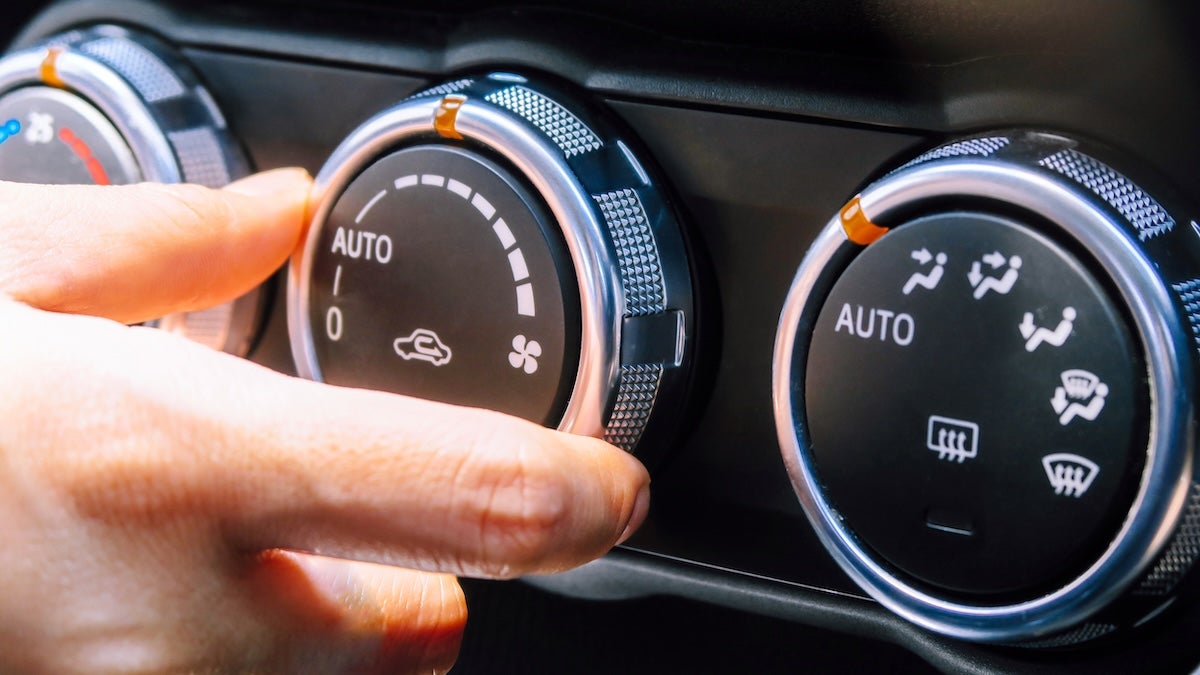
  • To defog the inside of your windshield: turn on the defroster with heat, run the A/C to remove moisture, turn off air recirculation, and crack the windows slightly to let humid air escape.
  • To clear fog on the outside of the windshield: use your wipers, reduce extreme A/C cooling, and allow the cabin and outside temperatures to equalize by slightly opening the windows.
  • Prevention is key. Keep the windshield clean, remove excess moisture from the cabin, replace dirty cabin air filters, maintain the A/C system, and consider using anti-fog products.
  • Persistent fogging may indicate a vehicle issue. Problems such as water leaks, faulty weather stripping, heater core issues, clogged cabin air filters, or A/C malfunctions should be inspected by a service technician.

Here’s the good news: you can learn how to defog your windshield pretty quickly and easily. It’s simpler than you think, especially when you understand why the fog happens in the first place. Our Toyota of Orlando team of experts is here with your easy guide to clearing your windshield fast, as well as tips on how to prevent fog buildup AND stay safe on the road in less-than-ideal weather.

driving safety tips

Why Does Your Windshield Fog Up?

Before you learn how to defog windshield glass, let’s talk about what causes the fog in the first place. In almost every case, it comers down to temperature differences and moisture (plenty of that here in Orlando).

Fog happens when warm, humid air hits a cooler surface. It then condenses into tiny water droplets. Your windshield is the perfect place for this reaction because the glass temperature is usually pretty different from the air temperature both inside and outside of the car.

Here’s a more in-depth breakdown:

Fog On The Outside Of The Windshield

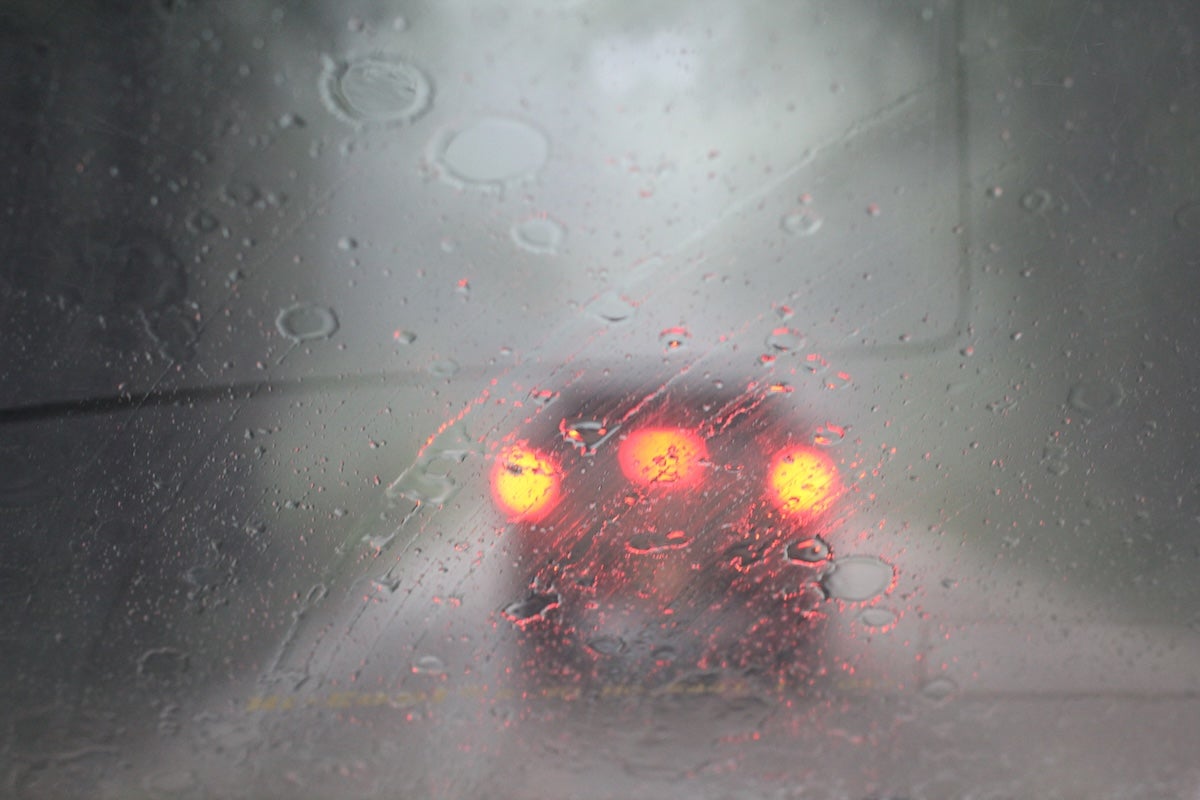
Fog on the outside of the glass happens most often in hot and humid weather. The outside air is extremely moisture-laden, and the windshield is cool from the air-conditioning inside of your Orlando Toyota’s cabin. When that humid air hits the cold glass, you get condensation- aka fog - on the outside.

This is especially common during:

  • Summer mornings
  • Heavy rainstorms
  • Humid evenings
  • Sudden temperature changes
how to defog windshield tips

Fog On The Inside Of The Windshield

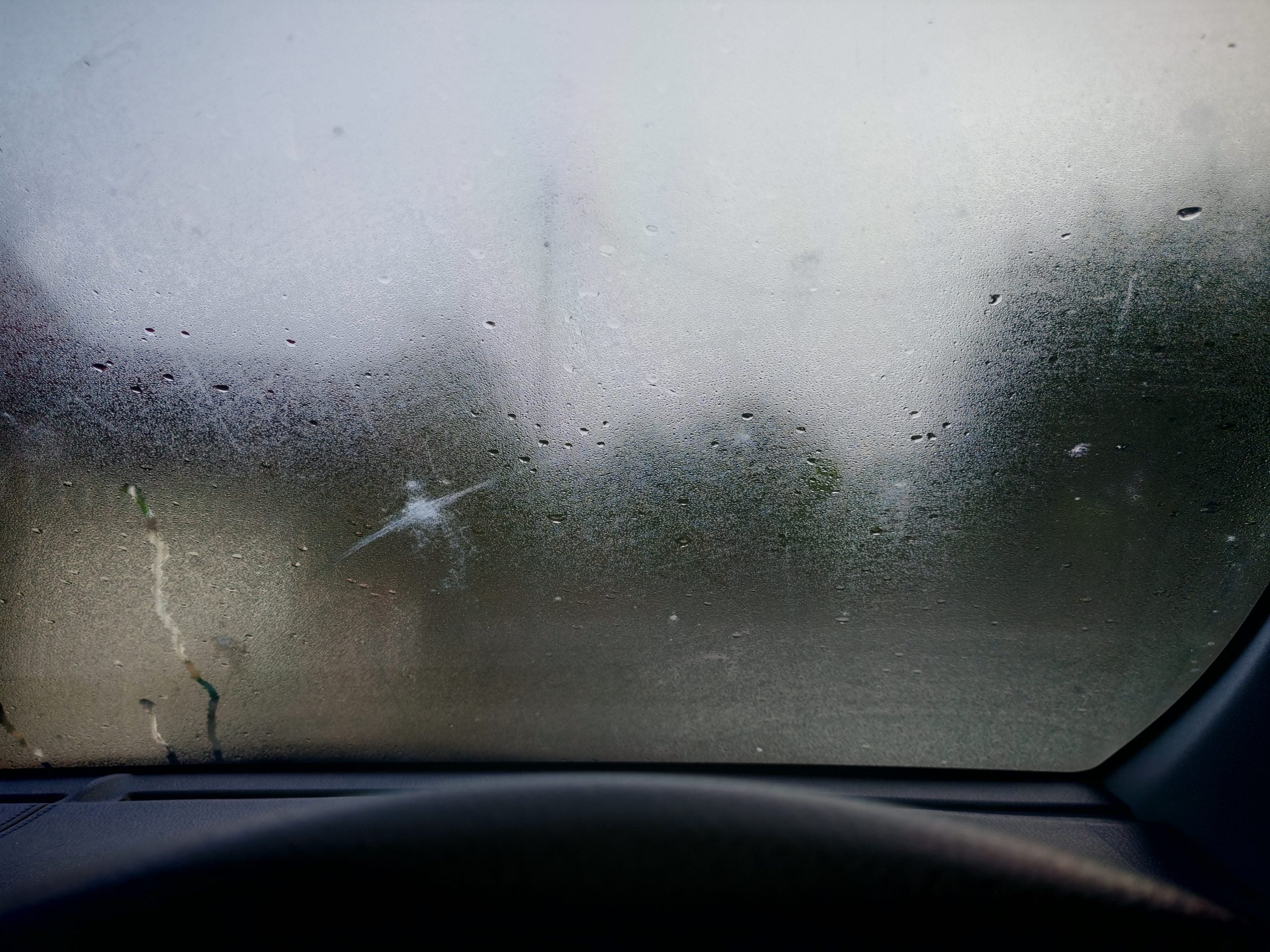
Fog on the inside of the glass happens when it’s colder outside. Moisture inside of your car from breathing, damp shoes, umbrellas, and wet clothing can hit the cold windshield glass and cause condensation.

This is common during:

  • Cold mornings
  • Rainy weather
  • Winter months
  • After entering the car with wet clothes

Regardless, no matter where the fog forms, it’s important that you clear it away before driving. A foggy windshield means reduced visibility, which makes it harder for you to see traffic, pedestrians, and road hazards.

Toyota of Orlando defog windshield tips

How To Defog Windshield Glass In Cold Weather

Let’s start with the cold weather scenario. If the fog is forming on the inside of your Orlando Toyota’s windshield, you’ll want to remove moisture from the cabin air. Here’s the fastest and most effective method to make it happen.

Step 1: Turn On The Defroster

Start by turning your front defroster on high heat. The warm air helps evaporate moisture from your windshield’s surface.

Pro tip: Many newer Orlando Toyotas automatically direct their airflow toward the windshield when you activate defrost mode, which makes the process even easier.

Step 2: Turn On The A/C

This might sound weird, but your air conditioning system actually helps remove moisture from the air inside your car. Even during winter, running the A/C while using the heater can help dry out your cabin faster.

Step 3: Turn Off Air Recirculation

Fresh air is your friend here. If your recirculation button is on, your car continues cycling humid air throughout the cabin. Turning it off allows cooler, drier outside air to enter your ride and dry things out.

Step 4: Crack The Windows

Opening the windows slightly can also help humid air escape more quickly. Even a small amount of airflow can make a big difference.

Step 5: Be Patient

Sometimes it takes a few minutes for the moisture to fully clear. Be patient - a car accident isn’t worth it!

how to defog windshield in winter

How To Defog Windshield Glass In Hot Weather

If the fog is on the outside of the windshield, it’s a pretty easy fix. Here are some quick tips to get the glass clear again.

Use Your Windshield Wipers

A lot of times, a quick swipe of your wipers clears the condensation immediately.

Lower The A/C

If your A/C is making the windshield too cold compared to the outside air, try raising the cabin temperature a bit.

Roll The Windows Down For a Minute

Allowing warm outside air into the cabin can help stabilize the temperature difference that’s causing the condensation.

Avoid Blasting Maximum Cold Air Immediately

Sometimes jumping straight into ice cold A/C creates exterior fogging. Gradually cooling your cabin can help prevent it.
driving in the rain

Tips To Prevent Windshield Fogging

Now that you know how to defog windshield glass, let’s talk about prevention. Here are a few simple habits that can make foggy windows much less common.

Tip #1: Keep Your Windshield Clean

Did you know that dirty glass traps moisture more easily? Dust, oils, fingerprints, and grime all give water droplets something to cling to, which means condensation can form more easily.Clean both the inside and outside of your windshield regularly using:

  • Automotive glass cleaner
  • Microfiber towels
  • Ammonia-free products if you have window tint

A clean windshield helps reduces fogging, and it also improves visibility at night.

car detailing tips

Tip #2: Remove Excess Moisture From Your Car

Florida humidity loves to sneak into your car, especially on those insanely hot summer days. Try to minimize moisture buildup inside your cabin by:

  • Shaking off your umbrellas before entering
  • Wiping your shoes dry
  • Removing wet floor mats
  • Avoiding leaving damp towels or clothing inside the car

Too much moisture trapped in the cabin can make fogging much worse.

Tip #3: Replace Old Cabin Air Filters

Your cabin air filter plays a big role in airflow and humidity control. A dirty or clogged filter can reduce your defroster’s effectiveness and make window fogging worse.

If you notice things like:

  • Weak airflow
  • Musty odors
  • Slow defogging
  • Excess humidity

…it might be time for a replacement.

Tip #4: Stay On Top Of A/C Maintenance

Your air conditioning system does a lot more than keep you cool. It also removes humidity from your cabin air. If your A/C system isn’t working properly, your windows can fog more often. Routine auto service at Toyota of Orlando can help ensure your:

  • Air conditioning system
  • Defroster
  • Heater core
  • Ventilation system

…are all working efficiently.
Car A/C service

Tip #5: Use Anti-Fog Products

There are plenty of anti-fog sprays and wipes designed specifically for automotive glass. These products create a barrier that reduces condensation buildup. Our Toyota of Orlando Parts Center can help you find products that:

  • Are safe for tinted windows
  • Work on interior glass
  • Work on exterior glass
  • Last longer in humid climates

Just call or visit us today!

Do Home Remedies Actually Work for Windshield Fog?

You’ve probably heard about DIY tricks for how to defog windshield glass. Some drivers swear by them, and our Toyota of Orlando team is breaking them down for you.

One of the most popular DIY hacks for windshield fog is shaving cream. Supposedly, applying a thin layer to the inside of your windshield and wiping it away leaves behind a film that helps reduce condensation. Other home remedies include things like:

  • Vinegar and water solutions
  • Potato slices
  • Anti-fog chalk products

Your results will vary, of course, but a lot of drivers swear that these tricks help, even if only temporarily.

Modern Toyota Features That Help Prevent Fogging

Many of the newer Toyotas here at Toyota of Orlando come equipped with advanced climate control features that make foggy windows less of a hassle. Depending on your Toyota model, you might have features like:

  • Automatic climate control
  • Rear window defrosters
  • Heated side mirrors
  • Smart airflow systems
  • Humidity sensors
  • Remote start climate prep

Vehicles like the new Toyota Camry, Toyota RAV4, Toyota Highlander, and Toyota Corolla are designed with comfort and visibility in mind, especially during unpredictable Florida weather.
Toyota of Orlando car care tips

Don’t Ignore Persistent Fogging

If your windshield fogs excessively all the time, it could point to a larger issue. Potential causes include:

  • Water leaks inside the cabin
  • Faulty weather stripping
  • Heater core problems
  • Malfunctioning A/C systems
  • Clogged cabin air filters

If your windows constantly fog no matter the weather, it’s a good idea to schedule a service appointment at our Orlando car care center.

Visit Toyota Of Orlando For Service And Parts

Still have questions about how to defog windshield glass or need help finding anti-fog products? Toyota of Orlando is here to help. Our service experts can inspect your A/C system, replace cabin air filters, and make sure your defroster is working properly so you can drive safely year-round.

Call Toyota of Orlando today at (407) 298-0001 or visit us at 3575 Vineland Road, just off I-4 near the Millenia Mall.

FAQs: 

1. How do I know if my car air-conditioning or heat isn't working?

If your air-conditioning or heat isn't working properly, you may notice weak airflow, unusual noises, strange odors, inconsistent temperatures, or windows that take longer than normal to defog. If your cabin never gets comfortably cool or warm, or your windshield stays fogged despite using the defroster, it's a good idea to have your HVAC system inspected by a service professional here at Toyota of Orlando.

2. How do I know if I need new wipers?

You may need new windshield wipers if they leave streaks, skip across the glass, make squeaking noises, or fail to clear water effectively. Cracked, torn, or worn rubber blades are also signs it's time for a replacement, especially if visibility is reduced during rain.

3. Where can I get new windshield wipers?

You can get new windshield wipers from the Toyota of Orlando Parts Center, where our team can help you find the right blades for your specific Toyota model. We offer genuine Toyota parts and can even assist with installation recommendations to help keep your visibility clear in all weather conditions.

Posted in:

Related Posts

Orlando car tire care tips

Roadside Assistance in Florida: What You Should Know

If you’ve ever found yourself broken down on the side of I-4 with a flat tire or stuck in a parking lot in the blazing heat with a dead battery, you have a solid idea of how important roadside assistance can be. Whether you’re doing your day to day commute in Orlando or heading out of town, car trouble can show up when you least expect it. Here’s the good news - roadside assistance can help! It’s designed to get you back on the road as quickly and safely as possibly. Our Orlando Toyota team is breaking down some of the most common FAQs about roadside assistance, how to use it, and how to stay prepared for car emergencies. We’re Making It Simple®! Executive Summary: Roadside assistance provides emergency help when your vehicle can't be safely driven, including jump-starts, flat tire changes, fuel delivery, lockout assistance, towing, and winching (when covered by your plan). If your car breaks down in Florida, move to a safe location if possible, turn on your hazard lights, stay inside your vehicle when it's safe, and contact your roadside assistance provider. If you're in immediate danger or blocking traffic, call 911. Most roadside assistance plans cover towing, but mileage limits and services vary. Review your coverage so you know exactly what's included before you need it. Orlando's heat, heavy traffic, afternoon thunderstorms, and hurricane season can increase the likelihood of breakdowns and affect response times. Preventative maintenance is one of the best ways to avoid roadside emergencies. Regular battery checks, tire inspections, oil changes, and keeping an emergency kit in your vehicle can help reduce your chances of needing roadside assistance and keep you safer on Florida roads. What is Roadside Assistance? Roadside assistance is a service that gets you emergency help when your car is disabled and can’t be safely driven. Instead of being stranded or trying to figure out the problem yourself, you can call roadside assistance and have trained professionals sent to your exact location. It depends on the plan that you have, but roadside assistance can include things like: Jump-starting a dead battery Changing a flat tire Delivering fuel if you run out of gas Lockout assistance if your keys are locked inside your ride Towing to a nearby repair shop Winching if your car is stuck (under qualifying conditions) Did you know that a lot of new Toyota models (and Toyota Certified Used Cars) actually offer complimentary roadside assistance for a limited time? You can also explore coverage through your car insurance company, your credit card company, or join a roadside assistance membership organization. Can I Get Roadside Assistance in Florida? Yes! Most roadside assistance providers will get you help throughout Florida. This includes major cities like Orlando, Tampa, Jacksonville, Miami, and more, as well as other towns and highways. Here’s one thing to keep in mind, though - roadside assistance response times can vary due to external factors like: Weather conditions Traffic congestion Your exact location Demand during holidays or severe storms For example, if you’re stuck on I-4 during a thunderstorm in Friday rush hour, you may have to wait longer for help than you would on a sunny Sunday morning. What Should You Do If Your Car Breaks Down on a Florida Highway? If you find yourself stranded on a highway, always remember safety first before anything else. Here’s what our Orlando Toyota team recommends: First, move your car completely onto the shoulder. Next, turn on your hazard lights immediately. Stay inside your car if it’s safe to do so. Call your roadside assistance provider. If you feel unsafe or you’re blocking traffic, call 911. Florida highways like I-4, the Turnpike, and I-95 see heavy traffic on the daily, so you really should stay inside your car unless you absolutely can’t. It’s safer! What Should I Have Ready When I Call Roadside Assistance? To make your roadside assistance service as fast as possible, you should have information ready to go including: Your exact location (GPS or nearby landmarks help) Your car's make, model, and color A description of the problem Your phone number Your roadside assistance membership information, if applicable A lot of roadside assistance apps can automatically share your GPS location, too - this makes it easier for the service providers to find you. Will Roadside Assistance Fix My Car Right Then and There? It depends on what’s wrong with it. Sometimes, with a minor issue, the technician can get you back out on the road pretty quickly. Common repairs are easier to do on the fly, including: Jump-starting the battery Installing your spare tire Unlocking your vehicle Adding enough fuel to reach a nearby gas station However, if it’s a bigger issue like engine or transmission trouble or electrical problems, you might need a tow to our Orlando Toyota service center. Does Roadside Assistance Cover Towing? Most roadside assistance plans cover towing your car, but the distance they’ll tow varies. Some plans will tow you to the nearest repair shop, while others have a mileage limit before you have to pay additional charges. That’s why our Orlando Toyota service team recommends reviewing your coverage and asking any questions. Be sure to ask things like: How many miles are included If there are service limits Which repair shops qualify If there are additional fees Can Roadside Assistance Change My Flat Tire? Definitely! Flat tires are actually one of the most common roadside repairs. A technician should be able to: Install your spare tire as long as it's in good condition Check that it's properly inflated Help see if the damaged tire should be repaired or replaced If your spare tire isn’t usable or is in bad condition, you may have to get a tow to our Toyota of Orlando auto service center. What Happens If My Car Battery Dies? We know that Orlando’s high temperatures are rough on car batteries. Heat speeds up the chemical reactions inside the battery, which can actually shorten its lifespan. Your battery may wear out sooner than you’d expect, which can leave you in a tough spot. Good news, though - roadside assistance techs can usually: Test your battery Jump-start your car Tell you if the battery should be replaced If your car battery has constant issues, you should schedule a battery inspection at Toyota of Orlando to avoid another breakdown. Can Roadside Assistance Unlock My Car? Sure can! Lockout assistance is common and it’s included with a lot of roadside assistance plans. If you lock your keys in the car, a roadside tech can unlock your car without damaging your locks or windows. It’s worth noting that if you drive a newer Toyota with the SmartKey System, the process might change a little, but a roadside tech can still get your car unlocked. Don’t try to force your car door open yourself. You can damage the weather seals, paint, trim, or locking mechanism on the door. Call for help to avoid expensive future repairs! Can Roadside Assistance Bring Me Gas? Ooof, you ran out of gas. It actually happens more often than you think, and most roadside assistance plans will deliver you enough fuel to make it to the nearest gas station. It depends on your plan, but: The fuel might be included You might pay only for the fuel delivered Additional delivery fees could apply It’s always smart to avoid getting to E, especially if your’e driving more rural roads around Orlando. Can Roadside Assistance Help Me After a Hurricane? Technically, yes. But you should keep in mind that response times can be a lot longer after major storms. Our hurricane season here in Florida runs from June to November, and severe storms can cause road closures, fallen trees, flooding, and other delays. If your car is having issues after a hurricane, you should: Stay away from floodwaters Never attempt to drive through standing water Contact roadside assistance once you're in a safe location Follow any local emergency guidance regarding road closures If conditions are bad, the roads may not be safe enough for roadside assistance to get to you so be sure to drive carefully. Is Roadside Assistance Worth Having in Orlando? Our vote? Yes. We have heavy traffic, intense heat, severe storms, and we’re a hub for long-distance travel. We think roadside assistance is well worth it and a great safety net to have as you travel Orlando and its surrounding areas. Even if you never need it, the fact that you can get a tow, a battery jump, a fuel delivery, and more can give you better peace of mind and reduce your stress. How Can You Reduce Your Chances of Needing Roadside Assistance? Roadside assistance is great, but it’s even better if you never get in a situation where you need it. We recommend preventative maintenance at Toyota of Orlando to reduce your risk of a breakdown. Our checklist includes: Check your tire pressure monthly Replace worn tires before they fail Test your battery annually Keep up with oil changes and scheduled maintenance Watch for dashboard warning lights Replace worn windshield wipers before Florida's rainy season Keep your fuel tank from getting too low Carry a basic emergency kit with water, a flashlight, and a phone charger You’ll never be able to predict what happens are you drive, but regular maintenance can reduce your changes of needing roadside assistance in a big way. Stay Prepared with Toyota of Orlando No one plans for a roadside emergency, but they can happen to anyone. And whether you’re curious about the roadside assistance available with a new Toyota purchase or want to keep your current car in the best shape possible, we can help! Visit Toyota of Orlando today or call us at (407) 298-4500. FAQs What services does roadside assistance usually include? Most roadside assistance plans cover common emergencies like jump-starting a dead battery, changing a flat tire, fuel delivery, lockout assistance, towing, and, in some cases, winching. The exact services depend on your provider and membership plan. Does roadside assistance cover towing? Yes, most roadside assistance plans include towing, but the distance covered varies by provider. Some plans tow to the nearest repair facility, while others include a set number of miles before additional charges apply. What should I do if my car breaks down on a Florida highway? If it's safe, move your vehicle completely onto the shoulder and turn on your hazard lights. Stay inside your vehicle if possible, contact your roadside assistance provider, and call 911 if you're in an unsafe location or blocking traffic. Is roadside assistance worth having in Florida? For many Florida drivers, the answer is yes. Between heavy traffic, high temperatures, long road trips, and severe weather, roadside assistance provides valuable peace of mind and can save you time, stress, and potentially expensive towing costs.

most fuel efficient Toyotas

The Most Fuel-Efficient Toyotas of 2026: Top 8 Picks for Every Driver

If saving money at the pump is high on your priority list, Toyota continues to lead the way in 2026 with one of the most fuel-efficient lineups on the road. Whether you're commuting around Orlando, planning road trips across Florida, or just want a smarter daily driver, there’s a Toyota built to help you go further on less. <span data-mce-type="bookmark" class="mce_SELRES_start"></span> From compact sedans to full-size trucks and even fully electric vehicles, Toyota has something for everyone. Let’s break down the top 8 most fuel-efficient Toyotas of 2026, covering a mix of cars, SUVs, trucks, and more so you can find the right fit for your lifestyle! 1. Toyota Prius (Compact Hybrid Leader) It wouldn’t be a list of fuel-efficient Toyotas without the 2026 Toyota Prius. The latest generation of this Orlando Toyota continues to raise the bar with sleek styling and incredible MPG. Estimated MPG: Up to ~57 city / 56 highway Best For: Daily commuters, eco-conscious drivers Why It Stands Out: The Toyota Prius is still one of the most efficient non-plug-in vehicles available. It’s perfect for navigating Orlando traffic without constantly worrying about gas prices. On top of that, Toyota has made the Prius more fun to drive and better-looking than ever, proving efficiency doesn’t have to be boring. 2. Toyota Corolla Hybrid (Compact Sedan Value) <span data-mce-type="bookmark" class="mce_SELRES_start"></span> The 2026 Toyota Corolla Hybrid delivers outstanding fuel economy at an affordable price point, making it one of the smartest buys in the lineup. Estimated MPG: Around 50 city / 43 highway Best For: Budget-conscious drivers, first-time buyers Why It Stands Out: You get legendary Toyota Corolla reliability with hybrid efficiency. If you're looking for a dependable, low-cost commuter car in Orlando, the Toyota Corolla Hybrid is hard to beat! 3. Toyota Camry Hybrid (Midsize Comfort + Efficiency) <span data-mce-type="bookmark" class="mce_SELRES_start"></span> For drivers who want a little more space and comfort, the 2026 Toyota Camry (now all hybrid)  blends midsize refinement with impressive fuel economy. Estimated MPG: Up to ~51 city / 53 highway Best For: Families, long-distance commuters Why It Stands Out: This Orlando Toyota offers a smooth ride, roomy interior, and excellent MPG for its size. The Toyota Camry is a great step up if you want more room without sacrificing efficiency. 4. Toyota Crown (Full-Size Sedan with Hybrid Power) The 2026 Toyota Crown offers a more premium feel while still maintaining strong fuel efficiency thanks to its hybrid system. Estimated MPG: Around 40+ combined (varies by trim) Best For: Drivers wanting luxury and efficiency Why It Stands Out: You'll get an elevated ride height, upscale interior, and hybrid-only powertrain. This Orlando Toyota crossover is a unique option if you want something more refined but still efficient for your daily drives. 5. Toyota RAV4 (Compact SUV Favorite) The 2026 Toyota RAV4 (also now all hybrid) continues to dominate the compact SUV segment with its versatility and fuel savings. Estimated MPG: Around 41 city / 38 highway Best For: Families, adventurers, commuters Why It Stands Out: All-wheel drive comes standard on hybrid models, making it both efficient and capable. This is one of the most popular vehicles at any Toyota dealership in Orlando, and for good reason. 6. Toyota Sienna (Fuel-Efficient Minivan) Yes, even minivans can be efficient. The 2026 Toyota Sienna is another hybrid-only model, making it one of the most fuel-efficient family haulers on the market. Estimated MPG: Around 36 city / 36 highway Best For: Families, carpooling, road trips Why It Stands Out: You're on the receiving end of incredible MPG for a vehicle that can carry up to eight passengers. If you need space but don’t want to sacrifice fuel economy, the Orlando Toyota Sienna is a standout. 7. Toyota Tundra Hybrid (Full-Size Truck Efficiency) <span data-mce-type="bookmark" class="mce_SELRES_start"></span> Trucks aren’t usually known for efficiency, but the 2026 Toyota Tundra Hybrid changes the game. Estimated MPG: Around 20+ combined (varies by configuration) Best For: Truck buyers who want power and better fuel economy Why It Stands Out: Get strong towing capability combined with improved MPG compared to traditional V8 trucks. The latest generation of the Toyota Tundra Hybrid proves you can have capability without completely sacrificing efficiency. 8. Toyota bZ (All-Electric SUV) For those ready to ditch gas entirely, the 2026 Toyota bZ is Toyota’s fully electric SUV offering. Estimated Range: Up to ~250+ miles Best For: EV drivers, eco-conscious commuters Why It Stands Out: Zero emissions and no fuel costs. Perfect for city driving around Orlando, the new Toyota bZ offers smooth acceleration and a quiet ride with modern tech features. Choosing the Right Fuel-Efficient Toyota for You With so many efficient options, the best choice really depends on your lifestyle: Commuting daily? Opt for the Toyota Prius or Corolla Hybrid. Need more space? The Toyota Camry Hybrid or RAV4 Hybrid are safe bets. Have a growing family? Toyota Sienna is your best option. Need towing power? Check out a Toyota Tundra Hybrid. Ready to go electric? Toyota bZ has got your back. Toyota’s strategy of offering hybrid options across nearly every segment means you don’t have to compromise. Whether you want a compact car, SUV, truck, or minivan, there’s a fuel-efficient Orlando Toyota designed for you. Why Fuel Efficiency Matters More Than Ever With fluctuating gas prices and growing environmental awareness, choosing a fuel-efficient vehicle is more important than ever. This is especially true in a city like Orlando where commuting and travel are part of daily life. Benefits of fuel-efficient rides like Toyota hybrids include: Lower fuel costs over time Reduced emissions Fewer stops at the gas station Higher resale value And Toyota continues to lead in hybrid technology, making it easier than ever to make a smart, long-term investment. Test Drive the Most Fuel-Efficient Toyotas of 2026 Today The most fuel-efficient Toyotas of 2026 prove that efficiency comes in all shapes and sizes. From the iconic Prius to the powerful Tundra Hybrid and the all-electric bZ4X, there’s no shortage of options. See them all at Toyota of Orlando! We're open seven days a week at 3575 Vineland Road, just off I-4 near the Millenia Mall. .

test drive tips

What Car Should I Buy? Choosing the Best Toyota

Are you asking yourself “what car should I buy” and not able to come up with a clear answer? Our Toyota of Orlando team is here to help. Check out this complete guide to choosing the best Toyota - we’ll help you find the perfect car to match your life, your budget, your comfort level behind the wheel. And on top of that, we’ll give you test drive tips to cement your choice. Let’s get started! Step 1: Outline your needs Kick off your process by writing down how you’re going to use your new Toyota. This can help narrow our big lineup into an easy-to-digest handful of vehicles. Here are some main questions to start with: How many people do you carry most days, and do you need a 3rd row? (The 2026 Toyota Corolla and Camry fit 4–5, while the 2026 Toyota Highlander, Grand Highlander, and Sequoia offer 3 rows.) Do you prioritize fuel savings or horsepower? Hybrid Toyotas like the Camry, RAV4 Hybrid, and Prius focus on efficiency, while trucks like the Tacoma and Tundra focus on towing and hauling. Do you spend a lot of time on Orlando city streets only, or do you need something that can handle towing and off‑road? If you’re mostly commuting around Orlando, the Camry, Corolla, Prius, and RAV4 are great options. If you have a big family and like road trips, consider the RAV4, Highlander, Sienna, and Grand Highlander. If you off-road or regularly tow and haul, consider the Tacoma, Tundra, 4Runner, Land Cruiser, or Sequoia. Also think about parking. If you routinely park in a tight parking garage or lot, compact models like the Corolla and Corolla Cross are perfect. <span data-mce-type="bookmark" class="mce_SELRES_start"></span> Make a short “must-have” list of all the qualities you need in your next ride, and then you can use it to cross-reference the Orlando Toyota possibilities. Step 2: Pick your vehicle type Now align your needs with the main Toyota categories to answer the “what car should I buy” conundrum. Here’s a quick guide to get you started from our expert team at Toyota of Orlando. Sedans like the Corolla and Camry: Best for commuting, have good fuel economy, easier to park Both are available in hybrid Camry offers more space while Corolla is more compact Compact SUVs/Crossovers like the RAV4, RAV4 Hybrid, Corolla Cross, and Crown Signia: Best for small families, road trips, and light outdoor use. More cargo space and higher seating than sedans, and the hybrid options save fuel. 3‑Row SUVs & Minivan like the Highlander, Grand Highlander, Sequoia, and Sienna: Best for larger families or frequent passengers. The Grand Highlander and Sequoia offer more space and power, while the Sienna is hybrid-only and very family-focused. Trucks & Off‑road like the Tacoma, Tundra, 4Runner, and Land Cruiser: Best for towing boats/trailers, rough roads, and camping. The Tacoma and Tundra emphasize towing and payload, while the 4Runner and Land Cruiser are top picks for off‑road durability. Try to narrow your options to one or two body styles (like compact SUV or sedan). Step 3: Shortlist 2-3 Orlando Toyota models Next, use our site to look at our model lineup. This will let you filter our inventory by size, price, and fuel efficiency. Use your “must haves” list and pick two to three models to consider. Here are a few solid examples of good shortlists you could bring to Toyota of Orlando with you: Fuel-efficient commuter Toyota: Corolla Hybrid, Prius, Camry Hybrid. Small family in Florida: RAV4, RAV4 Hybrid, Highlander. Trailer or boat owner: Tacoma, Tundra, Sequoia. Check basic details for each, including: The seating and cargo volume. The EPA fuel economy (MPG). The towing and hauling capacity. The starting prices and their typical trim levels (LE, XLE, Limited, etc.). This gives you a much more focused list to bring with you when you want to explore options - our Toyota of Orlando team can easily work from a list like this to find the perfect solution. Step 4: Understand key safety and tech Almost all of our Orlando Toyotas - the new ones - come with a standard safety suite called Toyota Safety Sense. Getting familiar with the features before your test drive can help you ask better questions AND see if they meet your daily drivers needs. Here are the main TSS features you’ll be able to explore: Pre‑Collision System with Pedestrian Detection: Warns you of a possible forward crash and can help you brake, including for people and bikes. Lane Departure Alert / Lane Tracing Assist: Warns you and gently assists you if you drift. Also helps keep you centered in your lane. Dynamic Radar Cruise Control: Keeps your car a set distance from the car ahead on the highway. Automatic High Beams and Road Sign Assist: Helps you with nighttime visibility and recognizing certain road signs. You should also think about entertainment and convenience tech. Explore Toyota features like: Smartphone integration: Apple CarPlay and Android Auto are widely available on our Orlando Toyotas, so decide if they’re important to you. Convenience: Consider features like power seats, heated seats, power liftgates, and sunroofs. Driver aid tech: Look at element like a blind spot monitor, rear cross-traffic alert, and advanced parking sensors. Circle which of these features are “must-have” vs “nice to have” before going in for your test drive at Toyota of Orlando. Step 5: Set a realistic budget Before visiting any dealer, have a price or monthly payment range in mind as a guide. Think about things like: The current starting MSRPs for your shortlisted models on our site If you’re paying cash, financing (loan), or leasing You can also use our online payment calculator to explore your payments with different down payments and terms. Step 6: Prepare for the dealership visit A little prep makes your visit to us smoother and less stressful. Here are some tips to get you rolling: Gather important documents: You’ll likely need your driver’s license and proof of insurance. Call or schedule online: Ask to drive specific models and trims (for example, “RAV4 XLE and RAV4 Hybrid XLE”) when you give our Orlando Toyota sales team a ring. Pick the right time: Choose a daylight test drive time and, if possible, avoid rush hour so you’re not stressed. Make a simple checklist for when you get behind the wheel: Space and comfort. Visibility. Ride quality and noise. Controls, buttons, and tech ease of use. Acceleration, braking, and steering feel. Give our sales team a heads up that you’re comparing models and you want to test drive more than one to ensure you find the perfect fit. Step 7: Inspect the Toyota before driving it Before you pull away for your test drive, take 5–10 minutes to walk around and sit in the driver’s seat. Here’s what you should look for: Outside the car: Walk around and look for obvious defects (like panel gaps, paint issues, tire condition), even on a new car. Better safe than sorry! Open the trunk or cargo area. Check the loading height and space for strollers, golf clubs, luggage, etc. - anything you know you’ll be loading in the back Open rear doors and sit in the backseat. This is your chance to check legroom, headroom, and how easy it is to get in and out. Inside the car: Adjust your seat, the steering wheel, and the mirrors until you’re comfortable. make sure you can see clearly in all directions. Try the controls and buttons, including: The headlights, wipers, climate controls, parking brake, and shifter. Test the infotainment system, pairing your phone if you can (at least do this before you leave the dealership). Look around for blind spots created by pillars or headrests. If anything feels cramped or your visibility is poor, note it. This may not be the right Orlando Toyota for you! Step 8: What to do during your test drive Starting the car up and low‑speed driving Listen when you start the car: The engine should sound smooth and free of odd knocking or grinding noises. Check the smoothness pulling away from a stop. Test the brake response (not too grabby or too soft). Examine the steering effort at low speeds and how easy it is to park. Orlando streets Drive through normal stop‑and‑go traffic, turns, and lane changes. Notice things like: How the transmission shifts and how responsive the throttle feels. How the suspension handles bumps, speed humps, and rough patches in the road. Cabin noise from wind, tires, and traffic. Also see how stable the car feels at speed and how much noise you hear. Parking and tight maneuvering Practice a few parking situations, like parallel or backing into a spot. Evaluate the backup camera, parking sensors, and turning circle to ensure they’re easy to use. You can also ask your Toyota of Orlando salesperson to demonstrate safety features that you’re unsure about. And finally, after your test drive sit in the driver’s seat and ask yourself “can I see myself driving this Toyota every day?” If you’re not sure, talk to your sales person about your doubts. Schedule a test drive at Toyota of Orlando Ready to get behind the wheel yourself? We’re ready to make it happen - schedule a test drive at Toyota of Orlando and answer the “what car should I buy” question with the most confidence possible. You can call us at (407) 298-4500 or swing by - we’re open until 10pm every night at 3575 Vineland Road, just off I-4 near the Mall at Millenia!