

It can be overwhelming when you're shopping for a new ride. What make and model will suit you best? How are you going to pay for it? What features do you need to make your drive time easy and efficient? One of the biggest questions we get is whether someone should buy a used car or a new car. There's no real right answer; it depends on your personal preferences and your ideal driving situation. Toyota of Orlando is here to explain the pros and cons of both sides to help you make a more educated decision when it comes to buying a new ride. Buying a new car Buying a new car definitely has its perks. Here are some of the highlights you'll get when you purchase new from our Orlando Toyota dealership: The car is brand-new, so it hasn't had any previous owners (or any previous repairs or accident damage). You know exactly where it's coming from. You get excellent warranties from the factory to cover any issues that the car might have - these typically span the first 2 years or 24,000 miles, bumper to bumper. It's sometimes easier to get financing on a new car, which can affect how much your monthly payment is. Most makes offer no-cost maintenance for the first 2 years/24,000 miles or so for routine auto service, saving you a pretty penny when it comes to car care. And here are some of the possible cons of buying new over used: New cars sometimes have more expensive price tags attached to them, which can affect how much you pay overall as well as your monthly payment. Buying a used car Buying a used car also has its benefits. Here are some of the things you can look forward to if you shop pre-owned: Price tags are typically lower on used vehicles, meaning you'll pay less overall and on a monthly basis. The car may have a history, but you can always request both a CarFax report and service records to ensure that it's accident-free and has been well cared for over the course of its life. If you buy from a dealer, you may have the option of a warranty for the vehicle. This is especially true if you shop cars like our Toyota Certified Used inventory, all of which come with exceptional warranties to give you peace of mind. A used vehicle may be cheaper to insure than a new vehicle. And here are some of the perceived cons of choosing a preowned option over a brand-new car: Used cars do have a history, which makes some drivers nervous when it comes to reliability. You have to pay for maintenance and the older the car is, the more likely it is that you'll have larger services or repairs coming up. Still confused as to which option is best for you? Let Toyota of Orlando help. We have a great selection of both new and used cars for sale right now and you can get behind the wheel of any and all of them. We're open seven days a week at 3575 Vineland Road, just off I-4 near the Millenia Mall.
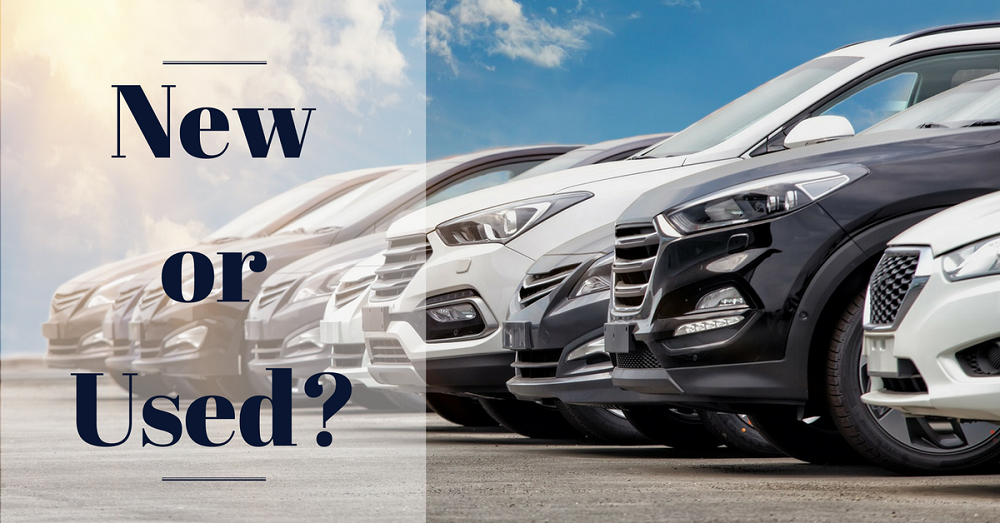
Should you buy a used car or a new car?
It can be overwhelming when you're shopping for a new ride. What make and model will suit you best? How are you going to pay for it? What features do you need to make your drive time easy and efficient? One of the biggest questions we get is whether someone should buy a used car or a new car. There's no real right answer; it depends on your personal preferences and your ideal driving situation. Toyota of Orlando is here to explain the pros and cons of both sides to help you make a more educated decision when it comes to buying a new ride. Buying a new car Buying a new car definitely has its perks. Here are some of the highlights you'll get when you purchase new from our Orlando Toyota dealership: The car is brand-new, so it hasn't had any previous owners (or any previous repairs or accident damage). You know exactly where it's coming from. You get excellent warranties from the factory to cover any issues that the car might have - these typically span the first 2 years or 24,000 miles, bumper to bumper. It's sometimes easier to get financing on a new car, which can affect how much your monthly payment is. Most makes offer no-cost maintenance for the first 2 years/24,000 miles or so for routine auto service, saving you a pretty penny when it comes to car care. And here are some of the possible cons of buying new over used: New cars sometimes have more expensive price tags attached to them, which can affect how much you pay overall as well as your monthly payment. Buying a used car Buying a used car also has its benefits. Here are some of the things you can look forward to if you shop pre-owned: Price tags are typically lower on used vehicles, meaning you'll pay less overall and on a monthly basis. The car may have a history, but you can always request both a CarFax report and service records to ensure that it's accident-free and has been well cared for over the course of its life. If you buy from a dealer, you may have the option of a warranty for the vehicle. This is especially true if you shop cars like our Toyota Certified Used inventory, all of which come with exceptional warranties to give you peace of mind. A used vehicle may be cheaper to insure than a new vehicle. And here are some of the perceived cons of choosing a preowned option over a brand-new car: Used cars do have a history, which makes some drivers nervous when it comes to reliability. You have to pay for maintenance and the older the car is, the more likely it is that you'll have larger services or repairs coming up. Still confused as to which option is best for you? Let Toyota of Orlando help. We have a great selection of both new and used cars for sale right now and you can get behind the wheel of any and all of them. We're open seven days a week at 3575 Vineland Road, just off I-4 near the Millenia Mall.
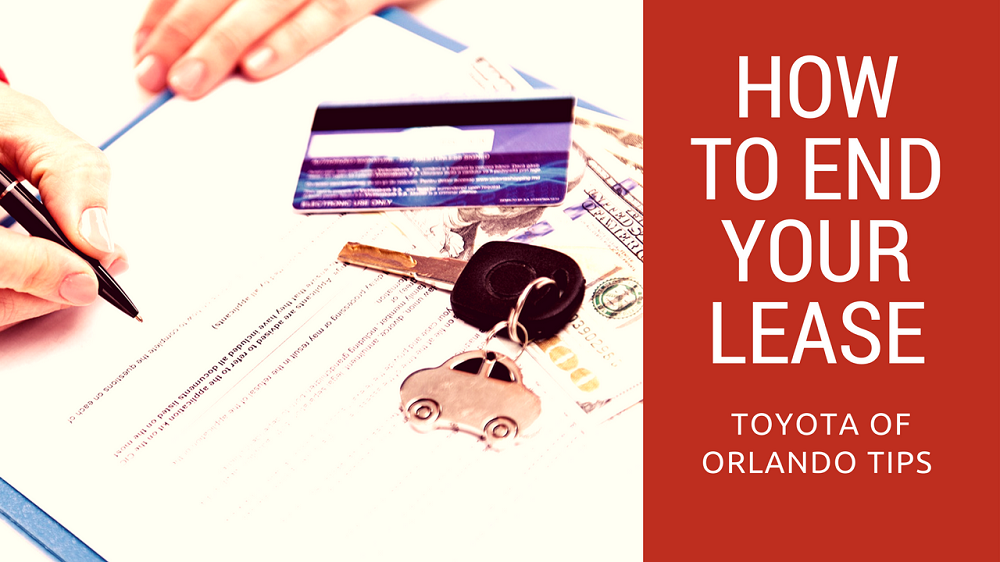
Toyota lease end tips: What should you do before turning in your lease?
Are you leasing a vehicle? If so, then you know that at a certain point you're going to have to turn it back into the dealership (unless you choose to purchase at lease end - in that case, it's all yours). However, if you're not planning on purchasing, what should you do BEFORE you return a lease to the dealership? Toyota of Orlando has Toyota lease end tips to help you prepare your car and yourself to end your new car lease. How do you end a new Toyota lease? Tip #1: Do a thorough inspection. You'll want to inspect the car for damage when you turn in your Toyota lease, as you may be penalized if there's a lot to fix. We suggest doing a thorough inspection both of the interior and of the exterior and looking for excessive wear and tear that you may need to remedy before you bring your car back in. Remember, if there's collision damage, scratches or dings bigger than 2" in length, or excessive stains or damage to the interior, you may be charged. Also, consider bringing your ride by our Orlando Toyota service center to have them conduct a multi-point inspection - this will ensure that you're aware of any auto repairs that are needed before your lease is up. Tip #2: Clean your car, inside and out. Detailing your car helps it to look and smell like-new again, and that's exactly how you want to present the vehicle to the dealership (it helps lessen your chance of being penalized). Detail the inside making sure to wipe down all surfaces, shampoo carpets and upholstery if necessary, and dust out cracks and crevices. Finish things off by vacuuming. And don't forget about the exterior; it's always smart to give your car a wash and apply a fresh coat of wax to get it nice and shiny before you hand over the keys. Save money when ending a car lease with our Orlando Toyota tips Tip #3: Take care of minor auto repairs. Need an oil change? Headlight burnt out? Have accident damage? These are things you may want to consider handling before ending your Toyota lease. Get an estimate on any service and repairs and compare it to the penalties you'll have to pay at lease end to see which route is the most cost-effective for you. Be sure to check your tires; according to most lease terms, your tires must have at least 1/8" tread left on them when you turn it in. And don't forget to remove any aftermarket parts or accessories you may have added that violate lease terms. Tip #4: Check your mileage and gather your belongings. All leases have a mileage agreement - most of them require that you keep it under 12,000 miles a year. Check your mileage to ensure you haven't gone over (you may be penalized financially if you have). Also, gather up things that go with the car like spare keys, etc. You could be charged if your Toyota lease is missing keys, parts, or accessories when you turn it back in. Ready to end your Orlando Toyota lease? Come by the dealership today. Toyota of Orlando is open seven days a week at 3575 Vineland Road, just off I-4 near the Millenia Mall.
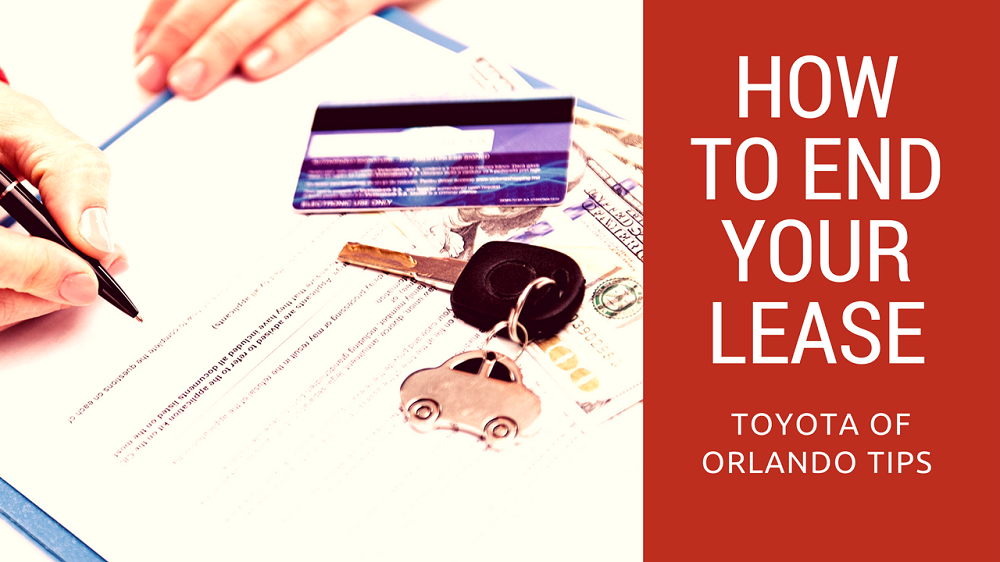
Toyota lease end tips: What should you do before turning in your lease?
Are you leasing a vehicle? If so, then you know that at a certain point you're going to have to turn it back into the dealership (unless you choose to purchase at lease end - in that case, it's all yours). However, if you're not planning on purchasing, what should you do BEFORE you return a lease to the dealership? Toyota of Orlando has Toyota lease end tips to help you prepare your car and yourself to end your new car lease. How do you end a new Toyota lease? Tip #1: Do a thorough inspection. You'll want to inspect the car for damage when you turn in your Toyota lease, as you may be penalized if there's a lot to fix. We suggest doing a thorough inspection both of the interior and of the exterior and looking for excessive wear and tear that you may need to remedy before you bring your car back in. Remember, if there's collision damage, scratches or dings bigger than 2" in length, or excessive stains or damage to the interior, you may be charged. Also, consider bringing your ride by our Orlando Toyota service center to have them conduct a multi-point inspection - this will ensure that you're aware of any auto repairs that are needed before your lease is up. Tip #2: Clean your car, inside and out. Detailing your car helps it to look and smell like-new again, and that's exactly how you want to present the vehicle to the dealership (it helps lessen your chance of being penalized). Detail the inside making sure to wipe down all surfaces, shampoo carpets and upholstery if necessary, and dust out cracks and crevices. Finish things off by vacuuming. And don't forget about the exterior; it's always smart to give your car a wash and apply a fresh coat of wax to get it nice and shiny before you hand over the keys. Save money when ending a car lease with our Orlando Toyota tips Tip #3: Take care of minor auto repairs. Need an oil change? Headlight burnt out? Have accident damage? These are things you may want to consider handling before ending your Toyota lease. Get an estimate on any service and repairs and compare it to the penalties you'll have to pay at lease end to see which route is the most cost-effective for you. Be sure to check your tires; according to most lease terms, your tires must have at least 1/8" tread left on them when you turn it in. And don't forget to remove any aftermarket parts or accessories you may have added that violate lease terms. Tip #4: Check your mileage and gather your belongings. All leases have a mileage agreement - most of them require that you keep it under 12,000 miles a year. Check your mileage to ensure you haven't gone over (you may be penalized financially if you have). Also, gather up things that go with the car like spare keys, etc. You could be charged if your Toyota lease is missing keys, parts, or accessories when you turn it back in. Ready to end your Orlando Toyota lease? Come by the dealership today. Toyota of Orlando is open seven days a week at 3575 Vineland Road, just off I-4 near the Millenia Mall.
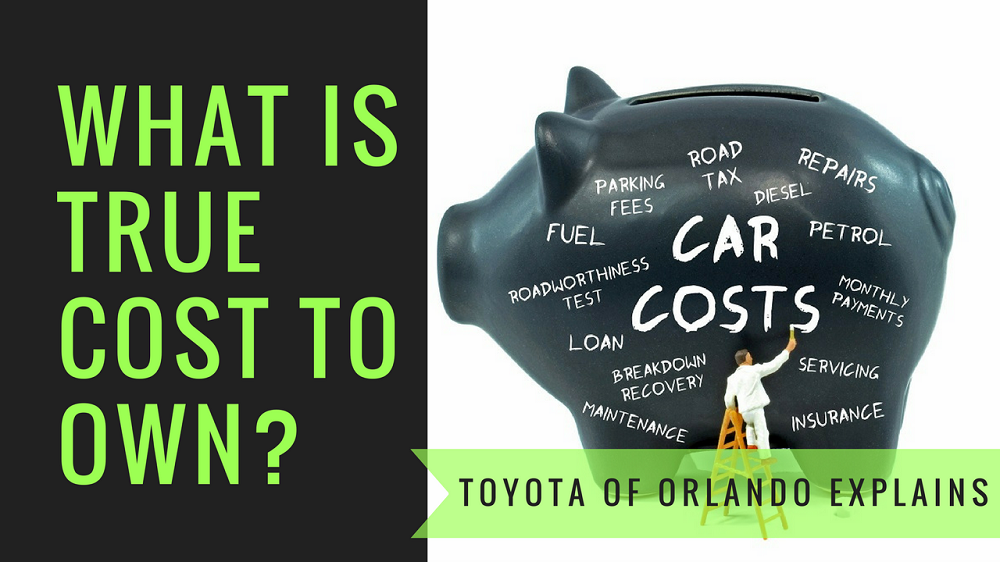
True cost to own: Toyota of Orlando explains
What is true cost to own? It's undoubtedly a phrase you've heard before, especially if you're researching cars. However, do you know what it really means or how it applies to you? Toyota of Orlando is here to explain exactly what true cost to own is and why it's important to factor into your car shopping process. Learn how to calculate true cost to own True cost to own is just what it sounds like - what it REALLY costs to own a car. Most drivers assume that when budgeting for a new ride, they really just need to worry about setting aside money for a down payment and then the monthly car payment if they're going to finance the vehicle. There's a lot more to it than that! Take a closer look at exactly what you need to budget for besides the monthly payment when planning to get behind the wheel for a new ride. Fuel costs: How much will it cost to keep your car gassed up every month? Some vehicles are more fuel-efficient than others - for example, the Orlando Toyota Prius gets much higher efficiency than the Toyota Tundra. Be sure to calculate how much it'll cost you to keep your car running or the fuel costs could be the part of the equation that just doesn't add up. Insurance: It's illegal (and dangerous!) to drive a vehicle without insurance. In fact, you can't buy a car without insurance most places! But how much will it cost you to insure your new ride? Rates will vary based on whether it's new or used, your financing, your neighborhood, and your prior driving habits. It's always smart to call around and get an idea of how much insurance will run you so you can add it to your true cost to own. Depreciation: Cars depreciate - there's no getting around it. You can lose 20-30% of the value of a new car just driving it off the lot. While this may not affect your monthly costs, it WILL affect how much money you get for the vehicle if you decide to sell or trade in a few years down the road. Be sure to pick a car that holds its value well, and do what you need to do to keep the resale value high. Routine car maintenance: How much will it cost to keep your car running in tip-top shape? Take a look at the recommended maintenance schedule for the car you're considering and calculate the cost of oil changes, tire rotations and balancing, brake service, and any other routine car care the vehicle will need. And don't forget to have a small sum set aside for unforeseen repairs! State fees: You have to pay to register your car yearly - driving without it is illegal. Calculate how much it'll cost to register your car and factor it into your overall budget on a yearly basis. Toyota of Orlando can help you calculate costs Ready to shop? Toyota of Orlando is ready to get you into the driver's seat. To schedule a test drive or get more information about the true cost to own of a particular car on our lot, call us today! We're ready and waiting at (407) 298-4500.
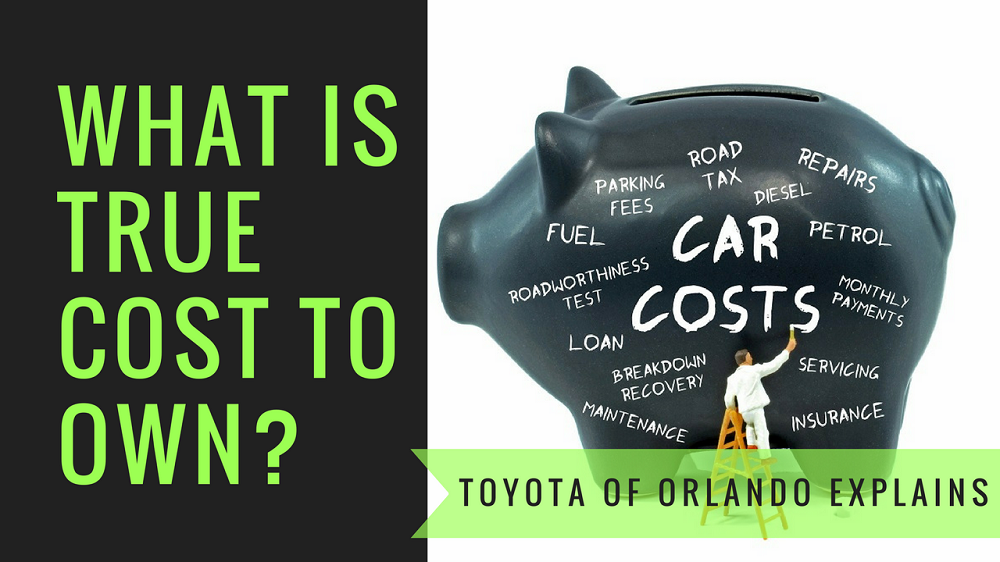
True cost to own: Toyota of Orlando explains
What is true cost to own? It's undoubtedly a phrase you've heard before, especially if you're researching cars. However, do you know what it really means or how it applies to you? Toyota of Orlando is here to explain exactly what true cost to own is and why it's important to factor into your car shopping process. Learn how to calculate true cost to own True cost to own is just what it sounds like - what it REALLY costs to own a car. Most drivers assume that when budgeting for a new ride, they really just need to worry about setting aside money for a down payment and then the monthly car payment if they're going to finance the vehicle. There's a lot more to it than that! Take a closer look at exactly what you need to budget for besides the monthly payment when planning to get behind the wheel for a new ride. Fuel costs: How much will it cost to keep your car gassed up every month? Some vehicles are more fuel-efficient than others - for example, the Orlando Toyota Prius gets much higher efficiency than the Toyota Tundra. Be sure to calculate how much it'll cost you to keep your car running or the fuel costs could be the part of the equation that just doesn't add up. Insurance: It's illegal (and dangerous!) to drive a vehicle without insurance. In fact, you can't buy a car without insurance most places! But how much will it cost you to insure your new ride? Rates will vary based on whether it's new or used, your financing, your neighborhood, and your prior driving habits. It's always smart to call around and get an idea of how much insurance will run you so you can add it to your true cost to own. Depreciation: Cars depreciate - there's no getting around it. You can lose 20-30% of the value of a new car just driving it off the lot. While this may not affect your monthly costs, it WILL affect how much money you get for the vehicle if you decide to sell or trade in a few years down the road. Be sure to pick a car that holds its value well, and do what you need to do to keep the resale value high. Routine car maintenance: How much will it cost to keep your car running in tip-top shape? Take a look at the recommended maintenance schedule for the car you're considering and calculate the cost of oil changes, tire rotations and balancing, brake service, and any other routine car care the vehicle will need. And don't forget to have a small sum set aside for unforeseen repairs! State fees: You have to pay to register your car yearly - driving without it is illegal. Calculate how much it'll cost to register your car and factor it into your overall budget on a yearly basis. Toyota of Orlando can help you calculate costs Ready to shop? Toyota of Orlando is ready to get you into the driver's seat. To schedule a test drive or get more information about the true cost to own of a particular car on our lot, call us today! We're ready and waiting at (407) 298-4500.
Horsepower vs Torque: which matters most?
When it comes down to horsepower and torque, which one matters the most? Which should you be more concerned about when purchasing a new vehicle? Toyota of Orlando is here to break down these performance qualities so you know exactly what they are, how they work, and why they're important. Then you can get shopping for the perfect new Toyota. First, let's get into the definitions. Horsepower is a unit used to measure power. Scientifically speaking, it's equal to 550 lb-ft per second. In car ownership terms, it's the amount of power that the new Toyota you're shopping can produce via the engine. Torque is a little more complex, but to break it down into simple terms related to car performance, it's a measure of turning power in the engine. In essence, it's the muscle of the vehicle. Why is horsepower important? Basically, it's what makes your car go fast. Horsepower translates to acceleration which is why it's such an important element in race cars and high-performance vehicles. Additionally, the more a car weighs the more horsepower it needs to get going (and the lighter the car is, the faster it'll hit high speeds, especially when paired with high horsepower). Horsepower allows you to accelerate rapidly to your desired speed; without it, you'll be going nowhere fast. Why is torque important? Torque is like a "muscle" in the car, as mentioned above. It's especially important if you want to tow or haul heavy items as it's the force that allows you to do so. You can have all the horsepower you want in a vehicle but if you don't have torque, you won't be able to move a heavy load. Obviously, these two forces work hand-in-hand to give you maximized performance. But which one is more important to you when you're shopping our new Toyotas at Toyota of Orlando? Here are some things to consider before making a decision: Horsepower translates to quickness. If you want a fast car that's fun to maneuver and could even be capable of the track, then you want a car with high horsepower to get you where you need to go. An example? The new Toyota 86. It has a 2.0L 4-cylinder engine that puts out 205 horsepower. Combine that with rear-wheel drive and you'll be able to easily satisfy your need for speed. Torque means towing. If you want to tow a heavy load or haul a lot in your bed, you definitely want the torque to make it happen. A great example of a torque-heavy vehicle is the new Toyota Tundra. This powerful truck gets 401 lb-ft of torque so you're able to tow up to 10,000 pounds without batting an eye. Having trouble deciding which performance factor is more important? Call Toyota of Orlando today at (407) 298-4500. Our sales specialists can answer any questions and set up a test drive for your next ride today.
Horsepower vs Torque: which matters most?
When it comes down to horsepower and torque, which one matters the most? Which should you be more concerned about when purchasing a new vehicle? Toyota of Orlando is here to break down these performance qualities so you know exactly what they are, how they work, and why they're important. Then you can get shopping for the perfect new Toyota. First, let's get into the definitions. Horsepower is a unit used to measure power. Scientifically speaking, it's equal to 550 lb-ft per second. In car ownership terms, it's the amount of power that the new Toyota you're shopping can produce via the engine. Torque is a little more complex, but to break it down into simple terms related to car performance, it's a measure of turning power in the engine. In essence, it's the muscle of the vehicle. Why is horsepower important? Basically, it's what makes your car go fast. Horsepower translates to acceleration which is why it's such an important element in race cars and high-performance vehicles. Additionally, the more a car weighs the more horsepower it needs to get going (and the lighter the car is, the faster it'll hit high speeds, especially when paired with high horsepower). Horsepower allows you to accelerate rapidly to your desired speed; without it, you'll be going nowhere fast. Why is torque important? Torque is like a "muscle" in the car, as mentioned above. It's especially important if you want to tow or haul heavy items as it's the force that allows you to do so. You can have all the horsepower you want in a vehicle but if you don't have torque, you won't be able to move a heavy load. Obviously, these two forces work hand-in-hand to give you maximized performance. But which one is more important to you when you're shopping our new Toyotas at Toyota of Orlando? Here are some things to consider before making a decision: Horsepower translates to quickness. If you want a fast car that's fun to maneuver and could even be capable of the track, then you want a car with high horsepower to get you where you need to go. An example? The new Toyota 86. It has a 2.0L 4-cylinder engine that puts out 205 horsepower. Combine that with rear-wheel drive and you'll be able to easily satisfy your need for speed. Torque means towing. If you want to tow a heavy load or haul a lot in your bed, you definitely want the torque to make it happen. A great example of a torque-heavy vehicle is the new Toyota Tundra. This powerful truck gets 401 lb-ft of torque so you're able to tow up to 10,000 pounds without batting an eye. Having trouble deciding which performance factor is more important? Call Toyota of Orlando today at (407) 298-4500. Our sales specialists can answer any questions and set up a test drive for your next ride today.
What is resale value? Toyota of Orlando explains.
What is resale value? For a lot of people shopping for a car is treading into unknown waters. All they know is that they want to get a good deal on a reliable car and not have to worry about anything past that. However, when it comes to buying, owning, and selling a vehicle, resale value is an extremely important element in the decision-making process. Toyota of Orlando is here to explain to you exactly what it is and why you should consider it when it comes to vehicle ownership. Resale value is the value that your car holds over the course of its life - in other words, how much money you can get for it if you sell it. Obviously, it's at its highest when a car is brand-new. However, as time goes on, cars depreciate and lose value. In fact, your car can lose up to 30% as soon as you drive it off the lot because it's technically not brand-new anymore and has one owner under its belt. All cars depreciate differently and some vehicles hold their value better than others (like our new Toyotas - they're renowned worldwide for their incredible value). Plus, there are things you can do to keep resale value at its highest level. Toyota of Orlando is here with tips! Tip #1: Shop carefully when it comes to color. Some car colors just aren't as popular as others (for example, bright orange). Consequently, those cars tend to have a little less resale value when it comes time to hand over the keys. If you're concerned about value, consider buying a car that's red, white, silver, or black - those are the most popular paint colors. Tip #2: Shop for the area you live in when it comes to features. If you live in a mountainous area that sees a lot of precipitation and winter weather, then having a vehicle with 4x4 or all-wheel drive can really come in handy. However, if you live in the suburbs of Central Florida, a vehicle with off-roading capabilities may not hold as much appeal for the typical buyer. Shop for the features that you need but make sure they're popular enough to appeal to a pool of buyers should you ever want to sell your car in the future. Tip #3: Consider technology and other features carefully. Some features, like technology, may seem like they can boost the resale value of your car but actually won't make much of a difference. For example, audio systems and navigation - technology changes so quickly that the tech you pick now may be dated in five years. However, features like a sunroof or leather-trimmed interior can boost value no matter how far down the road you sell your car. Tip #4: Get regular service. Get your car maintenanced on a regular basis (our Orlando Toyota service center can help you get on a schedule). Regular auto service like oil changes, tire rotations, brake service, and battery replacement will not only help your car run at peak performance but also make it more desirable for future owners. They'll be able to rest assured that the car was well cared for and won't have any major mechanical issues in the near future. Also, keep your service records! Tip #5: Detail your car on a routine basis. Keeping your car neat and clean will help keep the value high. The interior will stay nice and keep the car looking new, and your paint is less likely to have damage if you wash and wax your car on a regular basis. If you don't want to do it yourself, visit Toyota of Orlando for affordable car detailing. Have questions? Want to get shopping or schedule some routine auto service? Call Toyota of Orlando today. We're open seven days a week at (407) 298-4500 and we're conveniently located just off I-4 near the Millenia Mall.
What is resale value? Toyota of Orlando explains.
What is resale value? For a lot of people shopping for a car is treading into unknown waters. All they know is that they want to get a good deal on a reliable car and not have to worry about anything past that. However, when it comes to buying, owning, and selling a vehicle, resale value is an extremely important element in the decision-making process. Toyota of Orlando is here to explain to you exactly what it is and why you should consider it when it comes to vehicle ownership. Resale value is the value that your car holds over the course of its life - in other words, how much money you can get for it if you sell it. Obviously, it's at its highest when a car is brand-new. However, as time goes on, cars depreciate and lose value. In fact, your car can lose up to 30% as soon as you drive it off the lot because it's technically not brand-new anymore and has one owner under its belt. All cars depreciate differently and some vehicles hold their value better than others (like our new Toyotas - they're renowned worldwide for their incredible value). Plus, there are things you can do to keep resale value at its highest level. Toyota of Orlando is here with tips! Tip #1: Shop carefully when it comes to color. Some car colors just aren't as popular as others (for example, bright orange). Consequently, those cars tend to have a little less resale value when it comes time to hand over the keys. If you're concerned about value, consider buying a car that's red, white, silver, or black - those are the most popular paint colors. Tip #2: Shop for the area you live in when it comes to features. If you live in a mountainous area that sees a lot of precipitation and winter weather, then having a vehicle with 4x4 or all-wheel drive can really come in handy. However, if you live in the suburbs of Central Florida, a vehicle with off-roading capabilities may not hold as much appeal for the typical buyer. Shop for the features that you need but make sure they're popular enough to appeal to a pool of buyers should you ever want to sell your car in the future. Tip #3: Consider technology and other features carefully. Some features, like technology, may seem like they can boost the resale value of your car but actually won't make much of a difference. For example, audio systems and navigation - technology changes so quickly that the tech you pick now may be dated in five years. However, features like a sunroof or leather-trimmed interior can boost value no matter how far down the road you sell your car. Tip #4: Get regular service. Get your car maintenanced on a regular basis (our Orlando Toyota service center can help you get on a schedule). Regular auto service like oil changes, tire rotations, brake service, and battery replacement will not only help your car run at peak performance but also make it more desirable for future owners. They'll be able to rest assured that the car was well cared for and won't have any major mechanical issues in the near future. Also, keep your service records! Tip #5: Detail your car on a routine basis. Keeping your car neat and clean will help keep the value high. The interior will stay nice and keep the car looking new, and your paint is less likely to have damage if you wash and wax your car on a regular basis. If you don't want to do it yourself, visit Toyota of Orlando for affordable car detailing. Have questions? Want to get shopping or schedule some routine auto service? Call Toyota of Orlando today. We're open seven days a week at (407) 298-4500 and we're conveniently located just off I-4 near the Millenia Mall.
10 things to always keep in your car: Toyota tips
There are usually two types of people when it comes to car owners - the people who have way too much stuff in their car and the people who don't have enough. We're here to help you find the middle ground with some helpful Toyota tips! We've chatted with our sales specialists, our auto service techs, and our parts department to compile a list of ten things you should always have in your car, so let's get started. Orlando Toyota tips for keeping your car organized and efficient 1) Jumper cables. This one is pretty obvious - our Orlando Toyota service techs recommend always having a set of jumper cables in your trunk. This way you're prepared if you find yourself with a dead battery - you can simply get a jump from another driver and make your way to the closest Toyota auto service center. 2) Spare tire, jack, and wrench. Getting a flat tire can be but a minor annoyance if you have the supplies to quickly change it yourself. Our Toyota tip? Keep a fully inflated spare, a jack, and a wrench to help with those stubborn lug nuts in your trunk at all times. 3) Car info folder. Create a folder full of important info to keep alongside your owner's manual in your glovebox. Our Orlando Toyota specialists recommend keeping your insurance information, emergency contacts, and details about any medical conditions or medications you or your passengers have in the folder. 4) First aid kit. A small first aid kit can make bumps and bruises easier to handle on the road, especially if you have kids. Pick up a kit that has the basics and be sure to restock it as necessary. 5) Snacks. Who doesn't like snacks? They can also come in handy if you find yourself stuck somewhere or out on the road longer than intended. Keep a stash of snacks in your car; just make sure to keep them out of direct sunlight and don't choose anything perishable or capable of melting everywhere. 6) Blanket or jacket. You'll be thankful for a blanket or jacket if your car breaks down and you're stuck waiting for a while in cool temperatures. Plus, who knows if it's going to be cold in restaurants or shops? 7) Flashlight. Flashlights can come in handy both for car trouble at night AND for searching for that pesky lipstick cap under the seat. Be sure to have one in the glovebox and check it periodically to ensure the batteries are still working. 8) A portable cell phone charger. A lot of people have car chargers for their phones but what if your car's battery dies? Have a portable cell phone charger in your glovebox - you don't want to be stuck somewhere with a dead car AND a dead phone. 9) Cash. Stash some cash in your car for emergencies - $40 should do it. Be sure to keep it out of sight! 10) Toiletry kit. Ever get in the car and realize halfway through your commute you forgot to brush your teeth? Some basic toiletries - mouthwash, deodorant, and baby wipes - can go a long way in a pinch. Call us for more Toyota tips today Need to shop for any of these things or get more Toyota tips for efficiency? Check out the Toyota of Orlando parts store for jumper cables, spare tires, and more. We're open seven days a week at 3575 Vineland Road!
10 things to always keep in your car: Toyota tips
There are usually two types of people when it comes to car owners - the people who have way too much stuff in their car and the people who don't have enough. We're here to help you find the middle ground with some helpful Toyota tips! We've chatted with our sales specialists, our auto service techs, and our parts department to compile a list of ten things you should always have in your car, so let's get started. Orlando Toyota tips for keeping your car organized and efficient 1) Jumper cables. This one is pretty obvious - our Orlando Toyota service techs recommend always having a set of jumper cables in your trunk. This way you're prepared if you find yourself with a dead battery - you can simply get a jump from another driver and make your way to the closest Toyota auto service center. 2) Spare tire, jack, and wrench. Getting a flat tire can be but a minor annoyance if you have the supplies to quickly change it yourself. Our Toyota tip? Keep a fully inflated spare, a jack, and a wrench to help with those stubborn lug nuts in your trunk at all times. 3) Car info folder. Create a folder full of important info to keep alongside your owner's manual in your glovebox. Our Orlando Toyota specialists recommend keeping your insurance information, emergency contacts, and details about any medical conditions or medications you or your passengers have in the folder. 4) First aid kit. A small first aid kit can make bumps and bruises easier to handle on the road, especially if you have kids. Pick up a kit that has the basics and be sure to restock it as necessary. 5) Snacks. Who doesn't like snacks? They can also come in handy if you find yourself stuck somewhere or out on the road longer than intended. Keep a stash of snacks in your car; just make sure to keep them out of direct sunlight and don't choose anything perishable or capable of melting everywhere. 6) Blanket or jacket. You'll be thankful for a blanket or jacket if your car breaks down and you're stuck waiting for a while in cool temperatures. Plus, who knows if it's going to be cold in restaurants or shops? 7) Flashlight. Flashlights can come in handy both for car trouble at night AND for searching for that pesky lipstick cap under the seat. Be sure to have one in the glovebox and check it periodically to ensure the batteries are still working. 8) A portable cell phone charger. A lot of people have car chargers for their phones but what if your car's battery dies? Have a portable cell phone charger in your glovebox - you don't want to be stuck somewhere with a dead car AND a dead phone. 9) Cash. Stash some cash in your car for emergencies - $40 should do it. Be sure to keep it out of sight! 10) Toiletry kit. Ever get in the car and realize halfway through your commute you forgot to brush your teeth? Some basic toiletries - mouthwash, deodorant, and baby wipes - can go a long way in a pinch. Call us for more Toyota tips today Need to shop for any of these things or get more Toyota tips for efficiency? Check out the Toyota of Orlando parts store for jumper cables, spare tires, and more. We're open seven days a week at 3575 Vineland Road!