
Blog / Toyota of Orlando's Tips

Blog

All Toyota of Orlando's Tips Toyota of Orlando News New Toyota Toyota Service Orlando Toyota Service Used Cars Toyota of Orlando Service Toyota of Orlando Body Shop
car fueling tips

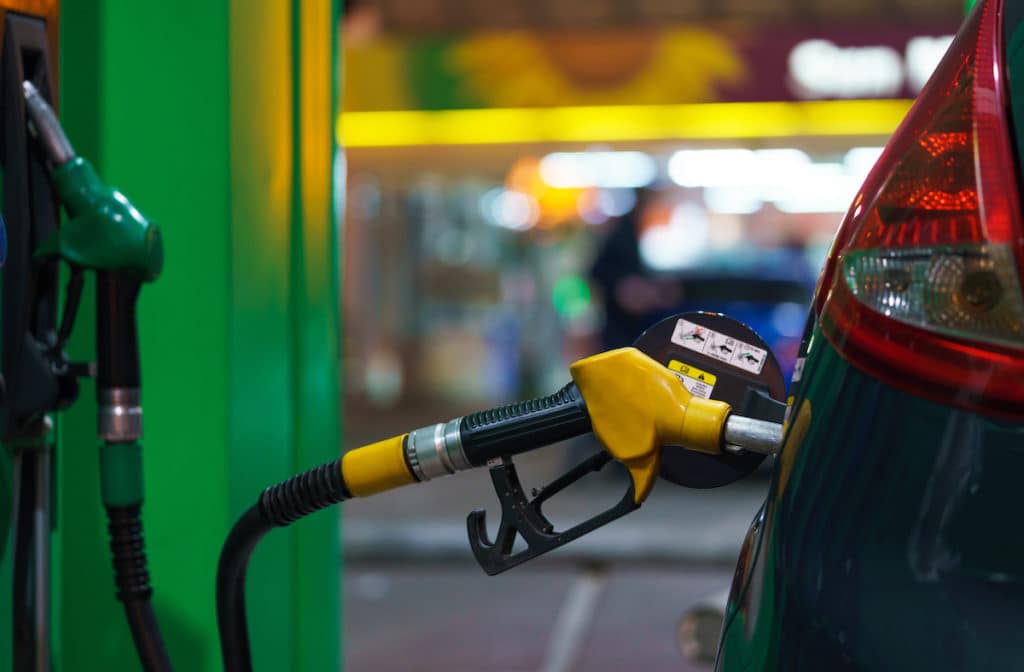
Ethanol gas: A quick guide from Toyota of Orlando

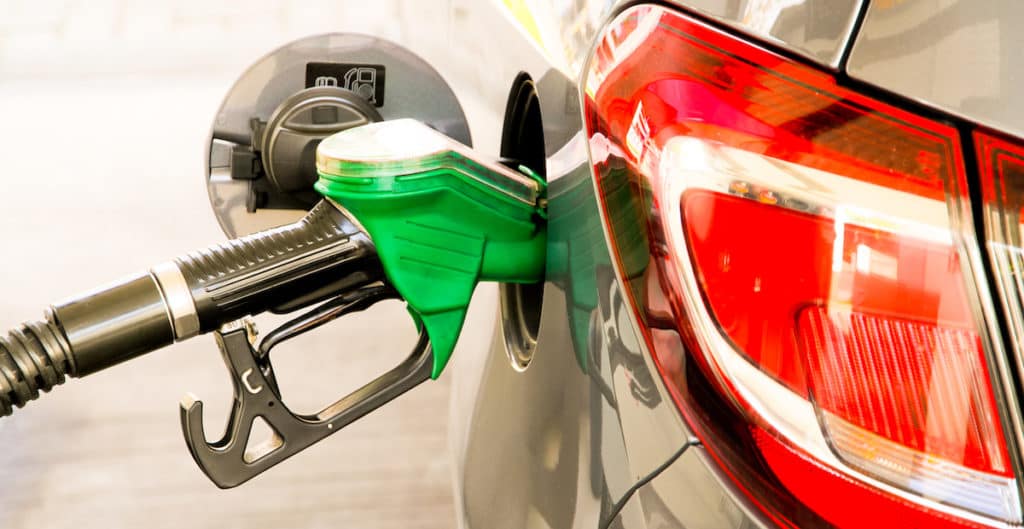
Have you ever pulled into the gas station, parked at the pump, and noticed the "Less than 10% Ethanol stickers" on it? If you're anything like most drivers, you probably didn't think twice about it and may not even know what that means. Toyota of Orlando is here to give you a mini (and pain-free) chemistry lesson on what ethanol is, why it's used as a fuel additive, and what it can mean for your car's performance. What is ethanol? Ethanol is actually found in almost every single grade of gasoline available today, although the amount of ethanol found in your fuel can vary. Here are a few quick facts on ethanol and where it comes from: This substance actually is created by a natural process - you get ethanol when you ferment yeast with sugars. It can be manufactured from a wide variety of crops, too - in North America, it's commonly created from corn whereas, in Brazil, they prefer to produce it using sugarcane since that's a plentiful crop in that region of the world. Ethanol can be found in lots of places besides gasoline - it's used in alcoholic beverages, for one, and is also sometimes used as a disinfectant substance in the medical field. It's actually distilled on a worldwide basis for a variety of purposes. It's also a viable fuel source and is commonly used as an additive in gasoline. But why? The U.S. started adding this substance to fuel back in the early 2000s. Ethanol is usually added to gasoline to help preserve fossil fuels; it stretches the gas a bit further, to put it as simply as possible. Additionally, it also helps to cut down on emissions. Typically you'll find that most gasoline here in the U.S. is about 10% ethanol or less (you can look at the stickers on the pump to determine just how much is in the fuel that you're using in your Orlando Toyota). What benefits come from adding this substance to fuel? Putting this substance in fuel helps to reduce the carbon emissions coming out of your Orlando Toyota's tailpipe, but let us be clear - this only works if the percentage of ethanol in the fuel is low. If you were to utilize a mixture that was more ethanol than gasoline (like 85% ethanol, 15% gasoline), you'd actually be putting the planet in a worse submission. Burning ethanol at levels like that creates more smog than if you were to just stick to pure gasoline. However, as great as this all sounds, there is a caveat. Ethanol is hygroscopic; this means it pulls in moisture and absorbs it from the surrounding air. Having excess moisture in your gas tank is never a good thing, especially in older cars where it could cause rust and performance problems. It shouldn't be an issue in a newer Orlando Toyota; these cars are built to guard against this issue (and ethanol levels are typically low enough to not cause issues). However, if you drive a classic, consider finding an ethanol-free fuel to fill up the tank. If you have questions about the type of fuel you should be using in your ride, give the Toyota of Orlando auto service center a call today. You can reach us seven days a week at (407) 298-4500 or stop by and see us at 3575 Vineland Road, just off I-4 across from the Millenia Mall.
car fueling tips

Ethanol gas: A quick guide from Toyota of Orlando

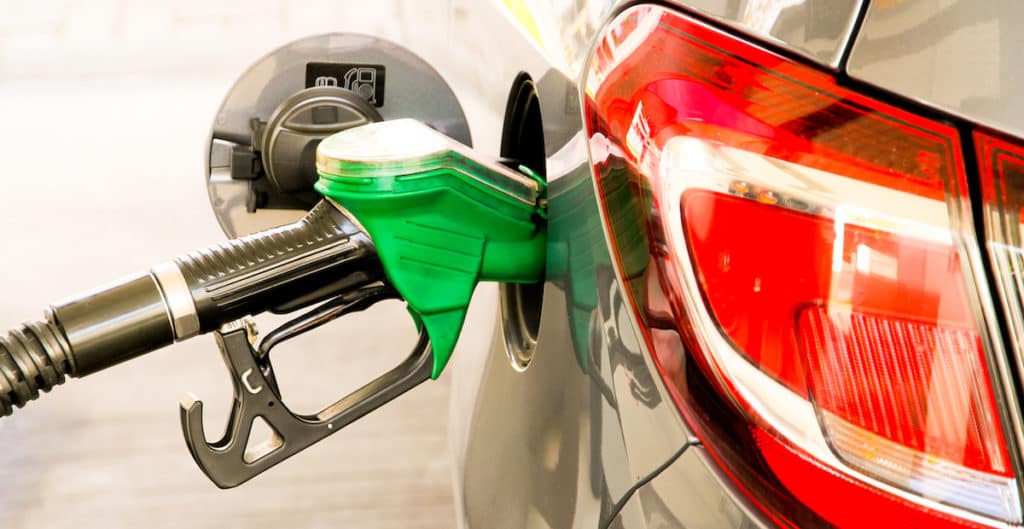
Have you ever pulled into the gas station, parked at the pump, and noticed the "Less than 10% Ethanol stickers" on it? If you're anything like most drivers, you probably didn't think twice about it and may not even know what that means. Toyota of Orlando is here to give you a mini (and pain-free) chemistry lesson on what ethanol is, why it's used as a fuel additive, and what it can mean for your car's performance. What is ethanol? Ethanol is actually found in almost every single grade of gasoline available today, although the amount of ethanol found in your fuel can vary. Here are a few quick facts on ethanol and where it comes from: This substance actually is created by a natural process - you get ethanol when you ferment yeast with sugars. It can be manufactured from a wide variety of crops, too - in North America, it's commonly created from corn whereas, in Brazil, they prefer to produce it using sugarcane since that's a plentiful crop in that region of the world. Ethanol can be found in lots of places besides gasoline - it's used in alcoholic beverages, for one, and is also sometimes used as a disinfectant substance in the medical field. It's actually distilled on a worldwide basis for a variety of purposes. It's also a viable fuel source and is commonly used as an additive in gasoline. But why? The U.S. started adding this substance to fuel back in the early 2000s. Ethanol is usually added to gasoline to help preserve fossil fuels; it stretches the gas a bit further, to put it as simply as possible. Additionally, it also helps to cut down on emissions. Typically you'll find that most gasoline here in the U.S. is about 10% ethanol or less (you can look at the stickers on the pump to determine just how much is in the fuel that you're using in your Orlando Toyota). What benefits come from adding this substance to fuel? Putting this substance in fuel helps to reduce the carbon emissions coming out of your Orlando Toyota's tailpipe, but let us be clear - this only works if the percentage of ethanol in the fuel is low. If you were to utilize a mixture that was more ethanol than gasoline (like 85% ethanol, 15% gasoline), you'd actually be putting the planet in a worse submission. Burning ethanol at levels like that creates more smog than if you were to just stick to pure gasoline. However, as great as this all sounds, there is a caveat. Ethanol is hygroscopic; this means it pulls in moisture and absorbs it from the surrounding air. Having excess moisture in your gas tank is never a good thing, especially in older cars where it could cause rust and performance problems. It shouldn't be an issue in a newer Orlando Toyota; these cars are built to guard against this issue (and ethanol levels are typically low enough to not cause issues). However, if you drive a classic, consider finding an ethanol-free fuel to fill up the tank. If you have questions about the type of fuel you should be using in your ride, give the Toyota of Orlando auto service center a call today. You can reach us seven days a week at (407) 298-4500 or stop by and see us at 3575 Vineland Road, just off I-4 across from the Millenia Mall.

Orlando Toyota tips

What to do if you have a car emergency on the highway

Having a car emergency like a flat tire or breakdown is never a fun experience, but it's even more stressful if it happens on the highway. You're moving at a high speed and so are all of the cars around you, and you're usually not close to a gas station or mechanic - in fact, you could be miles from the nearest exit. And if you're on a rural highway, it's even scarier. Toyota of Orlando is here with tips to help you deal with a car emergency on the highway and stay safe. Four tips for dealing with a car emergency on a highway Tip #1: Pull over. If you start having a car emergency like a tire blowout or engine failure, pull off the road as quickly as you can. You should look for a flat shoulder to stop on and get your vehicle as far away from the road as you safely can so you're farther away from traffic. Keep in mind that if you have to change a tire, you want the shoulder to be flat and sand-free. If there's nowhere to pull off (like on some sections of I-4), you should try to make it to the next exit or at least the next shoulder, even if it's going to do more damage. It's NEVER a good idea to stop your car on the highway in a lane unless you have no other option (like in the event of a car fire). Turn your wheel away from the road after you park - this way if you were hit from behind, your car isn't pushed into traffic. You should also set your parking brake. Tip #2: Make yourself as visible as possible. Now's the time to make your car as visible as you possibly can, especially if you're driving at night and have a car emergency. Turn on your hazard lights to alert other drivers to your presence, and if you have them, set up roadside flares or triangles. If you're really in a bind, you can also call the police. They likely won't be able to get your car back on the road, but they can turn on their lights and give you added visibility. Tip #3: Get back in the car. If you're in it for the long haul and need to wait for a tow truck, it's best to get back in your car. This way you're not anywhere near the traffic on the road. Lock the doors and keep an eye on the road around you while you wait for help to arrive. Tip #4: Call for assistance if needed. If you're dealing with a car emergency that you can fix on your own on the side of the highway, it's time to call for help. Call for a tow truck or roadside assistance to come to pick you up and get your car where it needs to go to get fixed. Toyota of Orlando can get you back on the road after a car emergency If you need auto repairs after a car emergency, call Toyota of Orlando today. Our Orlando auto service center is open seven days a week at (407) 298-0001 and we're conveniently located just off I-4 across from the Millenia Mall.

driving tips

Easy ways to make your new Toyota even more comfortable

You did it - you finally signed the dotted line on a new Toyota car and now you're ready to hit the road. However, no matter how comfortable your new ride is, it may not feel like sitting in a recliner after a few hours at the wheel. And if you're going to be in the driver's seat on a routine basis for your daily drive time, you want to make sure you're not uncomfortable. That's why it's important to know how to make your vehicle as pleasant as possible to drive (and without spending a ton of money or time on it). Toyota of Orlando is here with tips - check it out! Four ways to make your drive time as pleasant as possible 1. Make sure your seat is adjusted properly. Did you know that there's actually a proper way to sit in the driver's seat? And luckily, a lot of our new Toyotas come with power adjustable seats that also have memory settings so you can program in your position. When you sit, your thighs should touch the back of the seat, but the backs of your knees shouldn't. You want to make sure that your feet touch the pedals with ease and you're not stretching for them or cramped, and also that you can comfortably reach the wheel. Your chin should be as high as the steering wheel and your back should be straight, and your hips should be as high as your knees. 2. Keep the air as clean as possible. If you're spending a lot of time in your car, you want to ensure that the air you're breathing is as clean and fresh as possible. This means checking and changing your cabin air filter at the recommended intervals. And if you start to smell a weird or musty odor inside the cabin, bring your car in right away so our Orlando Toyota service techs can check things out under the hood. 3. Ensure your cabin is set to the right temperature. There's probably not much worse than going through an Orlando summer without air-conditioning in your car. Keeping your cabin at the right temperature is integral to a comfortable drive time, so make sure you stay on top of routine car care for your air-conditioning system. If you notice an issue with your A/C, heat, or defroster, come to Toyota of Orlando and let our techs try to pinpoint what's going on. 4. Splurge a little. If you're uncomfortable at all, it might be time to splurge on a few accessories for your new Toyota. You may want to consider padded seat covers or lumbar support for comfort, or a phone holder to keep your phone in plain view. You may even want to spend your cash on other car accessories designed for convenience and efficiency, like a lap desk if you work from the car or a condiment holder if you're a frequent guest at Chick-Fil-A. Shop parts and accessories at Toyota of Orlando today Whatever you need to make your new Toyota comfortable, we can help you find it. Contact Toyota of Orlando at (407) 298-4500 or stop by for a chat at 3575 Vineland Road, just off I-4 across from the Millenia Mall.

car shopping tips

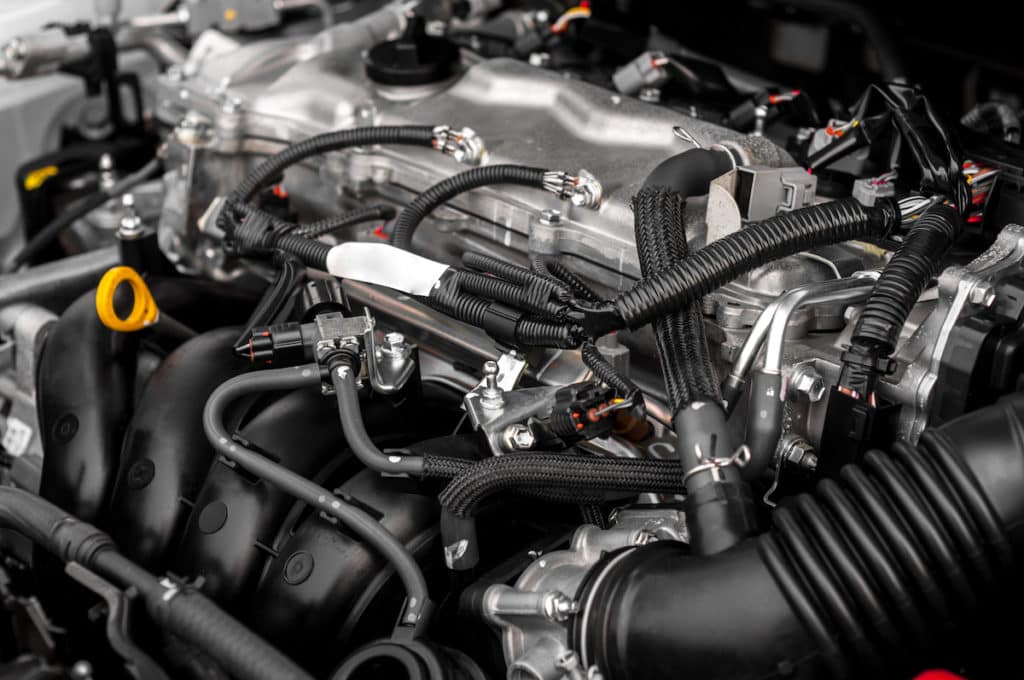
A quick guide to choosing the right car engine

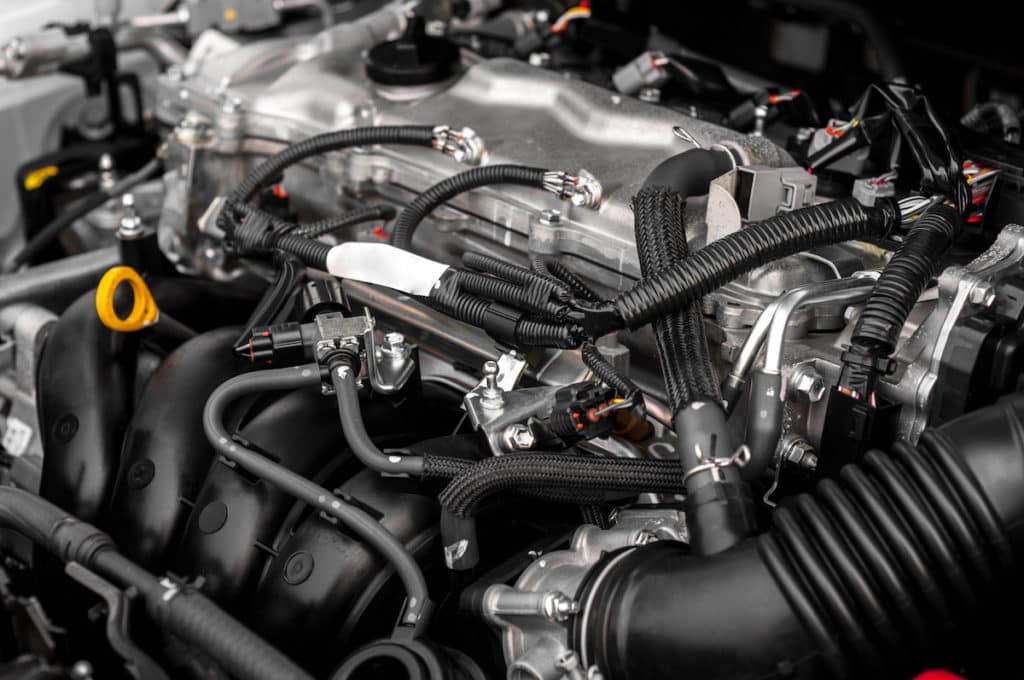
If you're in the process of car shopping right now, you might feel a little overwhelmed (and understandably). There's so much to consider before you even take a test drive. Which make and model do you prefer? What about the trim, color, and additional accessories? How about safety and entertainment features, as well as interior space? We get it - you have a lot to think about before you even visit the dealership. Good news; it's our job to make your car shopping process easy and stress-free even if you haven't walked through our doors. Today we're talking about car engines and how to choose the right one for your drive time needs. How do you decide on the right car engine? Before you can pinpoint which car engine is going to be the right solution for your needs, you have to think about your driving habits. Here are a few questions to ask yourself so you can narrow the field: Where are you driving? Are you making a daily commute to and from work and school and not much else? If so, a smaller and more fuel-efficient car engine should suffice. Are you in need of interior space? If you're head of the carpool or need an interior cargo area for gear, then you might want to consider a slightly larger engine (you'll usually find these on the bigger cars, anyway). Do you need to haul or tow on a regular basis? If so, a larger car engine is probably going to be your go-to so you have the horsepower and torque you need. Once you've answered those questions, it's time to start considering options. Here are the three main types of car engines that you'll find at Toyota of Orlando when you shop our inventory. Three types of car engines to consider in your next Orlando Toyota 4-cylinder: This type of car engine is one you'll find in smaller Orlando Toyotas; it's built for driving and carrying light amounts of cargo. These types of engines are pretty fuel-efficient and are often used in hybrid drivetrains, paired with electrical motors. Some common Orlando Toyotas that have this engine include the Corolla, Yaris, and Camry. 6-cylinder or V6: This is more of a mid-sized car engine that offers a lot of versatility. It's more fuel-efficient than a large engine, but still gives you more power than a 4-cylinder if you need to do some light towing or hauling (or like putting the pedal to the metal). You'll often find these engines in the Toyota Highlander and Tacoma, as well as some models of the Camry. 8-cylinder or V8: This is a large and powerful engine that's great for towing, hauling, and any other drive-time task that requires power. However, there's a trade-off. While you have a lot of power at your disposal, your fuel efficiency is going to go down. This type of engine is currently found in the Toyota Land Cruiser, Tundra, and Sequoia models. Want to get shopping or need a little guidance? Call Toyota of Orlando today at (407) 298-4500 or stop by and see us at 3575 Vineland Road, just off I-4 across from the Millenia Mall.

car shopping tips

A quick guide to choosing the right car engine

If you're in the process of car shopping right now, you might feel a little overwhelmed (and understandably). There's so much to consider before you even take a test drive. Which make and model do you prefer? What about the trim, color, and additional accessories? How about safety and entertainment features, as well as interior space? We get it - you have a lot to think about before you even visit the dealership. Good news; it's our job to make your car shopping process easy and stress-free even if you haven't walked through our doors. Today we're talking about car engines and how to choose the right one for your drive time needs. How do you decide on the right car engine? Before you can pinpoint which car engine is going to be the right solution for your needs, you have to think about your driving habits. Here are a few questions to ask yourself so you can narrow the field: Where are you driving? Are you making a daily commute to and from work and school and not much else? If so, a smaller and more fuel-efficient car engine should suffice. Are you in need of interior space? If you're head of the carpool or need an interior cargo area for gear, then you might want to consider a slightly larger engine (you'll usually find these on the bigger cars, anyway). Do you need to haul or tow on a regular basis? If so, a larger car engine is probably going to be your go-to so you have the horsepower and torque you need. Once you've answered those questions, it's time to start considering options. Here are the three main types of car engines that you'll find at Toyota of Orlando when you shop our inventory. Three types of car engines to consider in your next Orlando Toyota 4-cylinder: This type of car engine is one you'll find in smaller Orlando Toyotas; it's built for driving and carrying light amounts of cargo. These types of engines are pretty fuel-efficient and are often used in hybrid drivetrains, paired with electrical motors. Some common Orlando Toyotas that have this engine include the Corolla, Yaris, and Camry. 6-cylinder or V6: This is more of a mid-sized car engine that offers a lot of versatility. It's more fuel-efficient than a large engine, but still gives you more power than a 4-cylinder if you need to do some light towing or hauling (or like putting the pedal to the metal). You'll often find these engines in the Toyota Highlander and Tacoma, as well as some models of the Camry. 8-cylinder or V8: This is a large and powerful engine that's great for towing, hauling, and any other drive-time task that requires power. However, there's a trade-off. While you have a lot of power at your disposal, your fuel efficiency is going to go down. This type of engine is currently found in the Toyota Land Cruiser, Tundra, and Sequoia models. Want to get shopping or need a little guidance? Call Toyota of Orlando today at (407) 298-4500 or stop by and see us at 3575 Vineland Road, just off I-4 across from the Millenia Mall.

Orlando Toyota tips

Why is my fuel efficiency lower than it should be?

When you shop for a car, fuel efficiency is probably on your list of things to research. After all, no one wants to pay more than they have to for gas, especially if they're trying to maintain a budget. And even after you buy your Orlando Toyota, you probably know off-hand just about how many MPGs it's supposed to get when you hit the road. So you'll definitely notice when they drop - why aren't you getting the fuel efficiency you deserve? Toyota of Orlando's auto service center is here with answers. There are many reasons why your fuel efficiency may drop, but there are several main culprits that you should look into first. Here are six big reasons why your MPGs have dropped. Six reasons your fuel efficiency isn't what it should be 1. Your air filter is dirty. Your air filter is responsible for ensuring that clean air is pulled into the engine to be mixed with fuel. If it's dirty, the right amount of air isn't making it in. Luckily, this is an easy fix at our Orlando auto service center. 2. Your tires are underinflated. Driving with underinflated tires isn't just dangerous - it also can drag down your fuel efficiency in a big way. Make sure your tires are inflated to the proper PSI, which you can find on the sticker on the inside of the driver's door OR in your owner's manual. 3. You need new spark plugs. Your spark plugs may be on the fritz if you have reduced MPGs - they wear out over time, so if they're misfiring or dead, it can drop your fuel economy. Toyota of Orlando's tecns can replace them in no time and get you back on the road. 4. You have a problem with your exhaust system. If there's a problem with your exhaust, catalytic converter, or oxygen sensors, it can absolutely negatively affect the gas mileage you get on your car. This one requires a skilled technician to get under the hood and fix things, so visit us. 5. Your fuel system has an issue. If you notice your fuel efficiency dropping, it may be because of an issue with your fuel system. This includes your fuel pump, fuel injector, and a few other key components. Let our auto service techs take a peek. 6. You're putting the pedal to the metal. If you have bad driving habits, you may be burning more fuel than necessary. If you find yourself slamming on the accelerator and brakes or idling for long periods of time, it's time to change things up - these bad habits can drastically drop your MPGs, leaving you shelling out more than you should for gas. <span data-mce-type="bookmark" style="display: inline-block; width: 0px; overflow: hidden; line-height: 0;" class="mce_SELRES_start"></span> Get the MPGs you deserve at Toyota of Orlando Whether you have questions about your current car's fuel efficiency or you want to shop for a more efficient Orlando Toyota, we can help! Visit us today at 3575 Vineland Road, just off I-4 across from the Millenia Mall. You can also call us at (407) 298-4500, seven days a week.

Orlando Toyota tips

Why is my fuel efficiency lower than it should be?

When you shop for a car, fuel efficiency is probably on your list of things to research. After all, no one wants to pay more than they have to for gas, especially if they're trying to maintain a budget. And even after you buy your Orlando Toyota, you probably know off-hand just about how many MPGs it's supposed to get when you hit the road. So you'll definitely notice when they drop - why aren't you getting the fuel efficiency you deserve? Toyota of Orlando's auto service center is here with answers. There are many reasons why your fuel efficiency may drop, but there are several main culprits that you should look into first. Here are six big reasons why your MPGs have dropped. Six reasons your fuel efficiency isn't what it should be 1. Your air filter is dirty. Your air filter is responsible for ensuring that clean air is pulled into the engine to be mixed with fuel. If it's dirty, the right amount of air isn't making it in. Luckily, this is an easy fix at our Orlando auto service center. 2. Your tires are underinflated. Driving with underinflated tires isn't just dangerous - it also can drag down your fuel efficiency in a big way. Make sure your tires are inflated to the proper PSI, which you can find on the sticker on the inside of the driver's door OR in your owner's manual. 3. You need new spark plugs. Your spark plugs may be on the fritz if you have reduced MPGs - they wear out over time, so if they're misfiring or dead, it can drop your fuel economy. Toyota of Orlando's tecns can replace them in no time and get you back on the road. 4. You have a problem with your exhaust system. If there's a problem with your exhaust, catalytic converter, or oxygen sensors, it can absolutely negatively affect the gas mileage you get on your car. This one requires a skilled technician to get under the hood and fix things, so visit us. 5. Your fuel system has an issue. If you notice your fuel efficiency dropping, it may be because of an issue with your fuel system. This includes your fuel pump, fuel injector, and a few other key components. Let our auto service techs take a peek. 6. You're putting the pedal to the metal. If you have bad driving habits, you may be burning more fuel than necessary. If you find yourself slamming on the accelerator and brakes or idling for long periods of time, it's time to change things up - these bad habits can drastically drop your MPGs, leaving you shelling out more than you should for gas. <span data-mce-type="bookmark" class="mce_SELRES_start"></span> Get the MPGs you deserve at Toyota of Orlando Whether you have questions about your current car's fuel efficiency or you want to shop for a more efficient Orlando Toyota, we can help! Visit us today at 3575 Vineland Road, just off I-4 across from the Millenia Mall. You can also call us at (407) 298-4500, seven days a week.

Toyota of Orlando tips

Everything you need to know about car titles

When you buy a car - whether new or used - you're going to have to sign a bunch of paperwork. Just like any other large purchase, you've got a lot of ground to cover in terms of legally transferring ownership of the item to yourself! One of the most important things you'll sign when you buy an Orlando Toyota is the car title, and Toyota of Orlando is here to explain exactly what it is, the different types of titles, and what to look for in a title when you're buying a preowned vehicle. What is a car title? A car title comes from the state in which you buy the car. It contains information like: The identifying information for your car. This means elements like the make, model, year, VIN number, etc. The license plate number now attached to your car. Technical specifications, like the weight of the car. The owner's information, including name and address. And if you're financing your car, the car title will include the lienholder's (who you borrowed the money from) information. This is so the state can ensure that before you officially sell the car to someone else, the debt will be paid to the lienholder. The four types of car titles There are four types of car titles that you should be aware of, especially if you're buying a used vehicle in Orlando. Here are the basics: Type 1: Clean If the car is clean, it means that it's in excellent shape structurally and there are no issues with the title or the vehicle itself. You'll always find this type of title attached to a new car, and it's a good thing to look for when you shop for something preowned. Type 2: Clear A clear car title means there's no debt against the car - the person who owns it owns it outright and doesn't have a lienholder. Type 3: Salvage If the car title is a salvage title, it means that the car has been wrecked - and badly - in the past. Basically, the car was deemed totaled by the insurance company. The damage to these cars was so extensive that they're typically not safe to drive, and you'll have a hard time getting insurance coverage for it, so buyer, beware. Type 4: Rebuilt or reconstructed If a salvage car has been repaired and rebuilt so it's safe to drive again, the salvage title will be upgraded to rebuilt or reconstructed. However, you should check with your insurance company to ensure they'll cover rebuilt cars and also keep in mind that it can be difficult to resell these cars. Your car title will also indicate if your car was branded a lemon in the past according to the "Lemon Law", which means the buyer was actually able to return it to the dealer because the car doesn't meet standards for quality and safety. What if you lose your paper title? It happens, but it's not the end of the world. Gather up info like the make, model, VIN, your driver's license, any lienholder information, and some receipt of how you paid for the car and you can get a duplicate title sent to you. And remember, if you finance a car, you won't get the title right away because you don't own it outright. Instead, it'll be mailed to you when the car is paid off completely. Have questions about car titles, or want to shop for a new Toyota or used vehicle? Toyota of Orlando is your go-to. Call us at (407) 298-4500 or stop by and see us at 3575 Vineland Road, just off I-4 across from the Millenia Mall.

Toyota of Orlando tips

Everything you need to know about car titles

When you buy a car - whether new or used - you're going to have to sign a bunch of paperwork. Just like any other large purchase, you've got a lot of ground to cover in terms of legally transferring ownership of the item to yourself! One of the most important things you'll sign when you buy an Orlando Toyota is the car title, and Toyota of Orlando is here to explain exactly what it is, the different types of titles, and what to look for in a title when you're buying a preowned vehicle. What is a car title? A car title comes from the state in which you buy the car. It contains information like: The identifying information for your car. This means elements like the make, model, year, VIN number, etc. The license plate number now attached to your car. Technical specifications, like the weight of the car. The owner's information, including name and address. And if you're financing your car, the car title will include the lienholder's (who you borrowed the money from) information. This is so the state can ensure that before you officially sell the car to someone else, the debt will be paid to the lienholder. The four types of car titles There are four types of car titles that you should be aware of, especially if you're buying a used vehicle in Orlando. Here are the basics: Type 1: Clean If the car is clean, it means that it's in excellent shape structurally and there are no issues with the title or the vehicle itself. You'll always find this type of title attached to a new car, and it's a good thing to look for when you shop for something preowned. Type 2: Clear A clear car title means there's no debt against the car - the person who owns it owns it outright and doesn't have a lienholder. Type 3: Salvage If the car title is a salvage title, it means that the car has been wrecked - and badly - in the past. Basically, the car was deemed totaled by the insurance company. The damage to these cars was so extensive that they're typically not safe to drive, and you'll have a hard time getting insurance coverage for it, so buyer, beware. Type 4: Rebuilt or reconstructed If a salvage car has been repaired and rebuilt so it's safe to drive again, the salvage title will be upgraded to rebuilt or reconstructed. However, you should check with your insurance company to ensure they'll cover rebuilt cars and also keep in mind that it can be difficult to resell these cars. Your car title will also indicate if your car was branded a lemon in the past according to the "Lemon Law", which means the buyer was actually able to return it to the dealer because the car doesn't meet standards for quality and safety. What if you lose your paper title? It happens, but it's not the end of the world. Gather up info like the make, model, VIN, your driver's license, any lienholder information, and some receipt of how you paid for the car and you can get a duplicate title sent to you. And remember, if you finance a car, you won't get the title right away because you don't own it outright. Instead, it'll be mailed to you when the car is paid off completely. Have questions about car titles, or want to shop for a new Toyota or used vehicle? Toyota of Orlando is your go-to. Call us at (407) 298-4500 or stop by and see us at 3575 Vineland Road, just off I-4 across from the Millenia Mall.
Contact Us

Fill out this form below and we'll contact you shortly
*Required Fields