Blog

All Toyota of Orlando's Tips Toyota of Orlando News New Toyota Toyota Service Orlando Toyota Service Used Cars Toyota of Orlando Service Toyota of Orlando Body Shop
Toyota concept car

New Toyota custom SEMA builds unveiled today

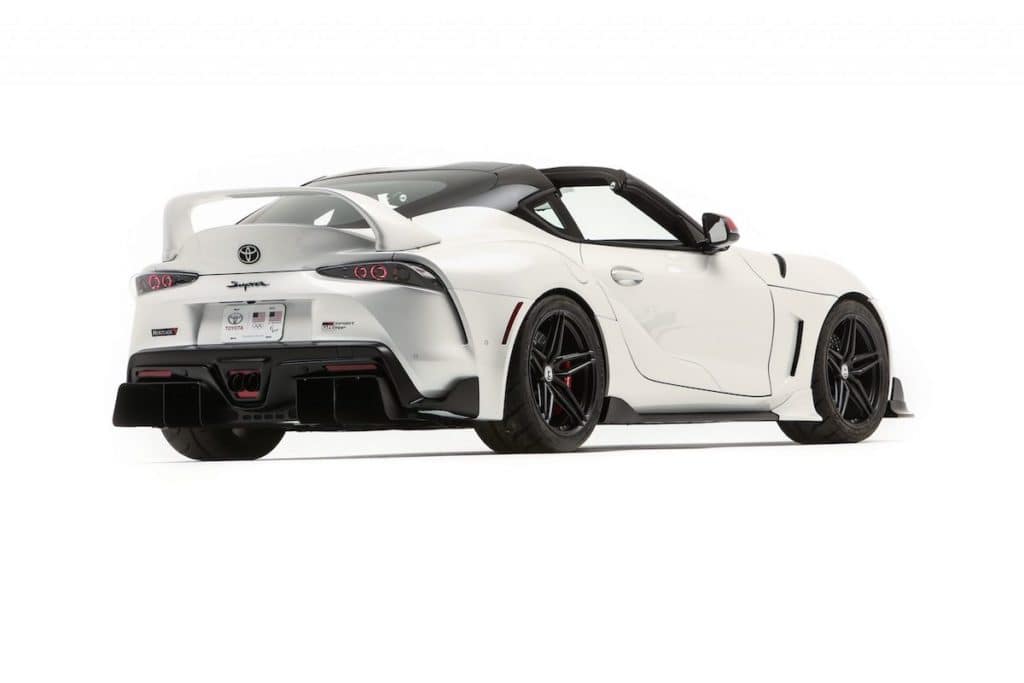
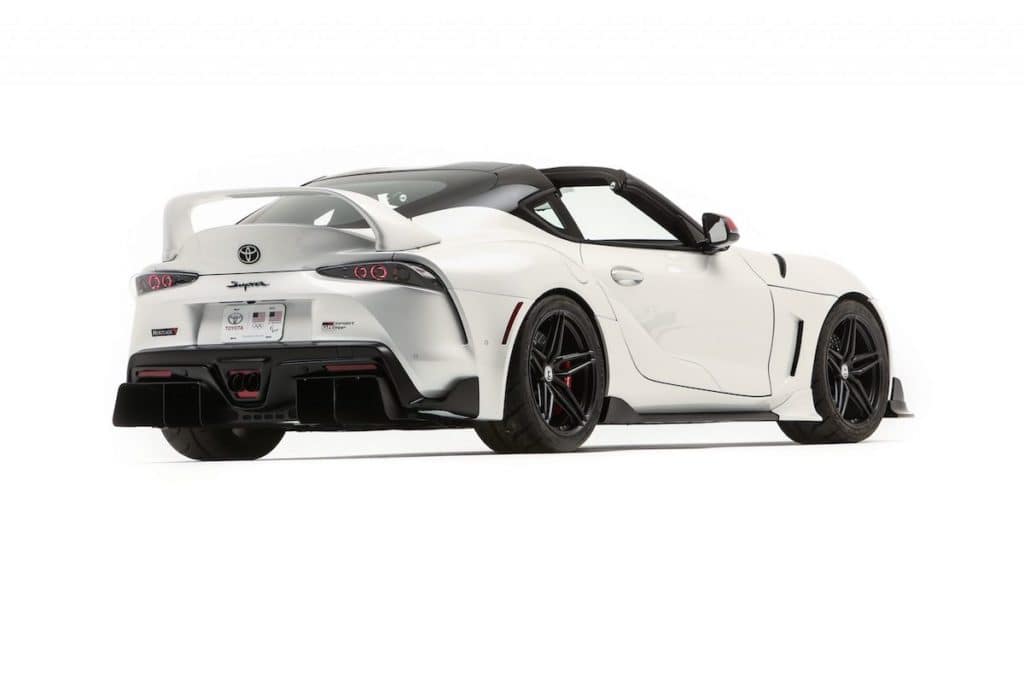
SEMA is always an exciting time for both automakers and auto enthusiasts. This one-of-a-kind car show not only introduces new models and vehicles to the various lineups but also brings exciting new concept vehicles to the table for drivers to ponder. 2020 was no exception and Toyota has followed their initial wave of four new SEMA builds with an additional two models to send out the year with a bang. Today we're taking a closer look at the 2021 Toyota GR Supra Sport Top and the TRD-Sport Trailer for the 2021 Toyota Tacoma. The unique 2021 GR Supra Sport Top lets the outside in The Toyota GR Supra is a blast from the past that's gained some serious traction since its initial release. This incredible sports car offers aggressive and sporty aesthetics both inside and out as well as an exciting performance, but the new Sport Top model adds a whole new element - an open-air top. Yup, you heard right! This concept car is a tribute to the older Supra models (now retired) that had a removable top to make the car a convertible. However, it wasn't quite as simple as merely taking the top off - structural integrity and engineering had to be taken into account to ensure that even as an open-top concept, the vehicle remained safe. Toyota is never one to shirk from a challenge (especially when it comes to safety), so they dove right in. They ended up reinforcing large sections of the vehicle's frame to ensure structural rigidity and integrity; in doing so, they were able to do away with the customary "t-shaped" roof so there's no center bar blocking your view. This cool new concept car is also showcasing a sleek wing in the back, rounded taillights, and a canopy with a piano-black finish. The TRD-Sport Trailer can get you off the grid Overlanding enthusiasts, this one's for you! In the first wave of new SEMA concept cars, Toyota introduced an overlanding-ready Toyota Tacoma pickup truck. This unique trailer is designed to go along with it, serving as a sort of home-away-from-home for people who like to get off the grid. It showcases a remote-operated scissor lift that actually boosts a platform out of the bed of the trailer for additional space. It can be pulled by a Toyota truck or SUV and offers incredibly cool features like a Yakima four-person tent, a toilet, a hot water heater, a refrigerator, a slide-out sink and stove, a trash can, tanks for both fresh and gray water, and even lighting for the campsite. On top of that, the tent offers an awning for cover and fishing pole holders. Talk about being ready for anything! We don't know when - if ever - that we'll see these two new cool concepts at Toyota of Orlando... but if we do, you can bet on us letting you know. In the interim, come check out the 2021 Toyota GR Supra and Toyota Tacoma in person! Both of these new Toyotas are ready and waiting for you to take them home in time for the holidays at 3575 Vineland Road, just off I-4 across from the Millenia Mall.

sports car in Orlando FL

A brief history of the Toyota Supra

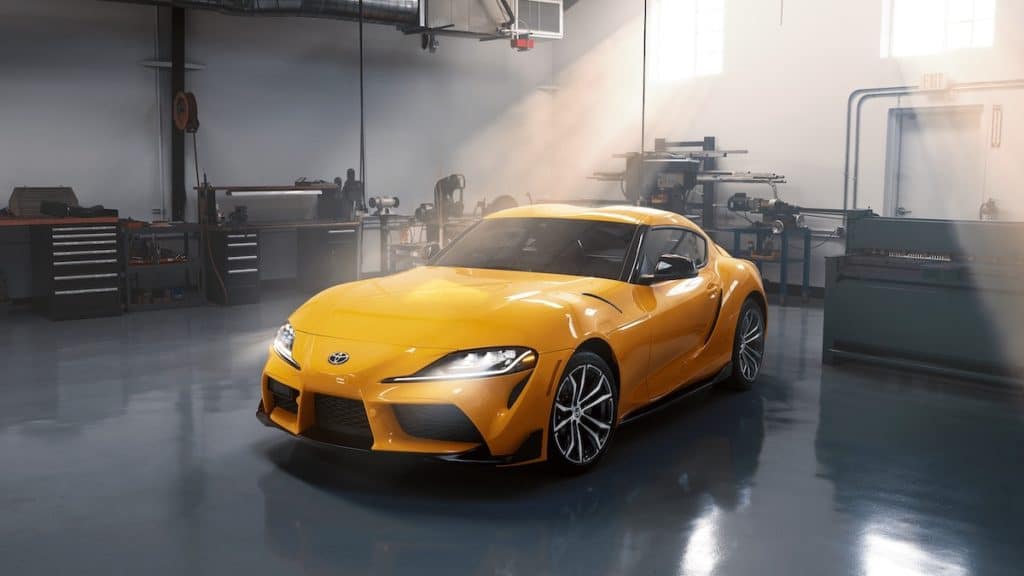
Updated on February 9, 2026 Executive Summary Iconic Heritage (1978–2026): The Toyota Supra debuted in 1978 and quickly became a motorsports and pop culture legend. After a hiatus from 2002 to 2019, it was revived to great acclaim and remains one of Toyota’s most celebrated performance cars. Five Generations of Evolution: Each generation advanced in power, design, and technology. There was the Celica -based A40/A50 with a modest 123 horsepower. Also, the twin-turbocharged A80 produces up to 276 horsepower. Finally, the BMW co-developed the 2026 GR Supra MkV Final Edition. Engineering Excellence: The Supra has consistently delivered thrilling driving experiences with Toyota’s signature reliability. Cultural Impact: Beyond the racetrack, the Supra has achieved global fame through appearances in movies, video games, and car enthusiast circles, securing its status as a symbol of speed, style, and tuning potential. Modern Relevance: The latest Supra continues Toyota’s legacy of innovation by offering cutting-edge performance and technology while paying homage to its classic roots. <span data-mce-type="bookmark" class="mce_SELRES_start"></span><span data-mce-type="bookmark" class="mce_SELRES_start"></span> The Toyota Supra History At this point in time, if you haven’t heard of the Toyota Supra, you may have been living under a rock. This iconic sports car was incredibly popular from 1978 until 2002, when it was retired. Popular demand saw its revival in 2019, and since then, it’s continued to be a fan favorite for drivers who want an exciting experience every single time they get behind the wheel. This vehicle is known for its sleek styling, impressive performance, and motorsports heritage. The Supra has earned a legendary reputation that few vehicles can match. Also, the Toyota Supra has become deeply embedded in pop culture. From dominating racetracks to starring in movies, video games, and car enthusiast communities around the world, the Supra has transcended being “just a car.” Its tuning potential, reliability, and powerful inline-six engines have made it a staple among performance enthusiasts and collectors alike. We’re “Making it Simple®” by going over the history of the Orlando Toyota Supra. What is the history of the Orlando Toyota Supra? As noted, the Orlando Toyota Supra was introduced to the market way back in 1978. There are five generations of this sports car, with the latest being introduced in 2019 after a period of retirement. Across each generation, Toyota refined the Supra’s balance of speed, comfort, and cutting-edge technology, ensuring it stayed competitive with some of the world’s most respected performance cars. Here’s the breakdown of the different generations. First generation: This generation was referred to as the A40/A50; it was based heavily on the popular Toyota Celica. It was first introduced in Japan as the Celica XX and then in America as the Celica Supra and had a 2.0L inline-six engine that offered 123 horsepower and electronic fuel injection. You could choose from a four-speed automatic transmission or a five-speed manual transmission, and the car came with disc brakes, four-link rear suspension, and MacPherson strut front suspension. Subsequent model years featured updates like power door locks and windows, an optional sunroof, and a four-speaker stereo system. This generation was available through 1980. Second generation: In addition, the second generation of the Orlando Toyota Supra was introduced in 1981 and was called the A60. It was available in two models: The Performance (P-Type) and Luxury (L-Type). The two cars were identical when it came to mechanics, but had pretty vast differences when it came to appearance. The P-type had fender flares, headlight washers, and was also available in a manual transmission. The L-type showcased a leather interior, a digital instrument cluster, and came in an automatic transmission. In 1984, significant changes were made in terms of performance – power was increased to 160 horsepower and 163 lb-ft of torque. In 1985, the Toyota Supra was redesigned again to feature slightly increased power, automatic-off headlights, and a theft-deterrent system. Third generation: In addition, the third generation of the Toyota Supra, or the A70, was introduced to the market in 1986. Also, it was now the Toyota Supra (not the Celica Supra) and had a rear-wheel-drive layout, an updated 3.0L inline-six engine with 200 horsepower, and the option of a turbocharger in 1987. It also showcased major technology updates like a 3-channel ABS, an Acoustic Control Induction System, double wishbone suspension, and more. This model carried through to 1992. Fourth generation: Next, the fourth generation of the Toyota Supra was introduced in 1992 and was around through 2002. It was the A80 model and was a high-performance car. It offered two engines. Also, there was a naturally-aspirated inline-six that got 220 horsepower and 210 lb-ft of torque, and a twin-turbocharged engine that offered 276 horsepower and 318 lb-ft of torque. It was also lighter despite the fact that it offered more features than previous generations (like dual airbags, bigger tires, traction control, etc.). Fifth generation: The fifth generation of the Toyota Supra was introduced in 2019. Also, this sports car was a collaboration with BMW and is based on the Z4; it showcases two engine options (a turbocharged 2.0L inline-four and a turbocharged 3.0L inline-six) and comes in an automatic transmission. And the best news? You can see it in person today at Toyota of Orlando! Why the Toyota Supra still matters today Even decades after its original debut, the Toyota Supra continues to represent Toyota’s commitment to performance engineering. The fifth-generation model blends modern technology, precision handling, and turbocharged power while paying homage to the Supra’s storied past. Additionally, for drivers around Toyota of Orlando looking for a sports car that delivers excitement, heritage, and everyday drivability, the Supra remains a standout choice. Test Drive the Toyota Supra at Toyota of Orlando Schedule your test drive with the Toyota Supra today at Toyota of Orlando. We’re located at 3575 Vineland Road. Our sales specialists will be happy to take care of you! Common FAQ of the Toyota Supra 1. What other sports cars does Toyota have? Toyota’s got a few other sports cars besides the Toyota Supra: the GR86 (a light, rear‑wheel‑drive coupe), the rally-inspired GR Corolla hot hatch, plus GR‑tuned versions of some regular models that crank up the sporty feel. If you’re into smaller, tossable cars, the GR86 and GR Corolla are the ones you’ll probably vibe with most. 2. What does turbocharged mean? Turbocharged basically means the engine has a little “air pump” that uses exhaust gas to shove extra air into the engine, so it can make more power without getting much bigger. More air plus more fuel equals a stronger “boom” in each cylinder, so the car feels quicker and more fun to drive. 3. Is the Toyota Supra still for sale? You can still buy a new GR Supra right now, including the 2026 Toyota Supra MkV Final Edition, but it’s in its last model year and production is ending in 2026, so they won’t be around new for much longer. If you’re thinking about one, it’s definitely a “don’t wait too long” situation.


sports car in Orlando FL

A brief history of the Toyota Supra

Updated on February 9, 2026 Executive Summary Iconic Heritage (1978–2026): The Toyota Supra debuted in 1978 and quickly became a motorsports and pop culture legend. After a hiatus from 2002 to 2019, it was revived to great acclaim and remains one of Toyota’s most celebrated performance cars. Five Generations of Evolution: Each generation advanced in power, design, and technology. There was the Celica -based A40/A50 with a modest 123 horsepower. Also, the twin-turbocharged A80 produces up to 276 horsepower. Finally, the BMW co-developed the 2026 GR Supra MkV Final Edition. Engineering Excellence: The Supra has consistently delivered thrilling driving experiences with Toyota’s signature reliability. Cultural Impact: Beyond the racetrack, the Supra has achieved global fame through appearances in movies, video games, and car enthusiast circles, securing its status as a symbol of speed, style, and tuning potential. Modern Relevance: The latest Supra continues Toyota’s legacy of innovation by offering cutting-edge performance and technology while paying homage to its classic roots. <span data-mce-type="bookmark" style="display: inline-block; width: 0px; overflow: hidden; line-height: 0;" class="mce_SELRES_start"></span><span data-mce-type="bookmark" style="display: inline-block; width: 0px; overflow: hidden; line-height: 0;" class="mce_SELRES_start"></span> The Toyota Supra History At this point in time, if you haven’t heard of the Toyota Supra, you may have been living under a rock. This iconic sports car was incredibly popular from 1978 until 2002, when it was retired. Popular demand saw its revival in 2019, and since then, it’s continued to be a fan favorite for drivers who want an exciting experience every single time they get behind the wheel. This vehicle is known for its sleek styling, impressive performance, and motorsports heritage. The Supra has earned a legendary reputation that few vehicles can match. Also, the Toyota Supra has become deeply embedded in pop culture. From dominating racetracks to starring in movies, video games, and car enthusiast communities around the world, the Supra has transcended being “just a car.” Its tuning potential, reliability, and powerful inline-six engines have made it a staple among performance enthusiasts and collectors alike. We’re “Making it Simple®” by going over the history of the Orlando Toyota Supra. What is the history of the Orlando Toyota Supra? As noted, the Orlando Toyota Supra was introduced to the market way back in 1978. There are five generations of this sports car, with the latest being introduced in 2019 after a period of retirement. Across each generation, Toyota refined the Supra’s balance of speed, comfort, and cutting-edge technology, ensuring it stayed competitive with some of the world’s most respected performance cars. Here’s the breakdown of the different generations. First generation: This generation was referred to as the A40/A50; it was based heavily on the popular Toyota Celica. It was first introduced in Japan as the Celica XX and then in America as the Celica Supra and had a 2.0L inline-six engine that offered 123 horsepower and electronic fuel injection. You could choose from a four-speed automatic transmission or a five-speed manual transmission, and the car came with disc brakes, four-link rear suspension, and MacPherson strut front suspension. Subsequent model years featured updates like power door locks and windows, an optional sunroof, and a four-speaker stereo system. This generation was available through 1980. Second generation: In addition, the second generation of the Orlando Toyota Supra was introduced in 1981 and was called the A60. It was available in two models: The Performance (P-Type) and Luxury (L-Type). The two cars were identical when it came to mechanics, but had pretty vast differences when it came to appearance. The P-type had fender flares, headlight washers, and was also available in a manual transmission. The L-type showcased a leather interior, a digital instrument cluster, and came in an automatic transmission. In 1984, significant changes were made in terms of performance – power was increased to 160 horsepower and 163 lb-ft of torque. In 1985, the Toyota Supra was redesigned again to feature slightly increased power, automatic-off headlights, and a theft-deterrent system. Third generation: In addition, the third generation of the Toyota Supra, or the A70, was introduced to the market in 1986. Also, it was now the Toyota Supra (not the Celica Supra) and had a rear-wheel-drive layout, an updated 3.0L inline-six engine with 200 horsepower, and the option of a turbocharger in 1987. It also showcased major technology updates like a 3-channel ABS, an Acoustic Control Induction System, double wishbone suspension, and more. This model carried through to 1992. Fourth generation: Next, the fourth generation of the Toyota Supra was introduced in 1992 and was around through 2002. It was the A80 model and was a high-performance car. It offered two engines. Also, there was a naturally-aspirated inline-six that got 220 horsepower and 210 lb-ft of torque, and a twin-turbocharged engine that offered 276 horsepower and 318 lb-ft of torque. It was also lighter despite the fact that it offered more features than previous generations (like dual airbags, bigger tires, traction control, etc.). Fifth generation: The fifth generation of the Toyota Supra was introduced in 2019. Also, this sports car was a collaboration with BMW and is based on the Z4; it showcases two engine options (a turbocharged 2.0L inline-four and a turbocharged 3.0L inline-six) and comes in an automatic transmission. And the best news? You can see it in person today at Toyota of Orlando! Why the Toyota Supra still matters today Even decades after its original debut, the Toyota Supra continues to represent Toyota’s commitment to performance engineering. The fifth-generation model blends modern technology, precision handling, and turbocharged power while paying homage to the Supra’s storied past. Additionally, for drivers around Toyota of Orlando looking for a sports car that delivers excitement, heritage, and everyday drivability, the Supra remains a standout choice. Test Drive the Toyota Supra at Toyota of Orlando Schedule your test drive with the Toyota Supra today at Toyota of Orlando. We’re located at 3575 Vineland Road. Our sales specialists will be happy to take care of you! Common FAQ of the Toyota Supra 1. What other sports cars does Toyota have? Toyota’s got a few other sports cars besides the Toyota Supra: the GR86 (a light, rear‑wheel‑drive coupe), the rally-inspired GR Corolla hot hatch, plus GR‑tuned versions of some regular models that crank up the sporty feel. If you’re into smaller, tossable cars, the GR86 and GR Corolla are the ones you’ll probably vibe with most. 2. What does turbocharged mean? Turbocharged basically means the engine has a little “air pump” that uses exhaust gas to shove extra air into the engine, so it can make more power without getting much bigger. More air plus more fuel equals a stronger “boom” in each cylinder, so the car feels quicker and more fun to drive. 3. Is the Toyota Supra still for sale? You can still buy a new GR Supra right now, including the 2026 Toyota Supra MkV Final Edition, but it’s in its last model year and production is ending in 2026, so they won’t be around new for much longer. If you’re thinking about one, it’s definitely a “don’t wait too long” situation.

Orlando auto service tips

What car care should you schedule before driving in the snow?

It's beginning to look a lot like Christmas... except the snow part. We don't see much winter precipitation in the City Beautiful except for rain so driving in the snow isn't really a big concern for us. However, if you're headed out of town on a road trip to celebrate with family and friends or take a vacation, you might find yourself in more challenging driving conditions. This means not only should you be ready for driving in the snow, but you should also ensure your car is ready for driving in the snow. Here are some car care appointments you'll want to make to get it prepped. Five car care items to check off your list before driving in the snow #1: Tires: Before you attempt driving in the snow, you should ensure that your tires are in the BEST condition possible. If they're underinflated or the tread is too low, they won't be able to grip the slick surfaces you'll be driving on. Have our Orlando auto service techs inspect them for general condition, tread depth, and inflation level before you hit the road. If your tread is too low for safe driving, ensure that you replace your tires before you take off. #2: Brakes: When the road is slippery, you want as much stopping power as you can get. After all, you may have to come to a sudden stop to avoid an accident or collision. Our Orlando Toyota service techs will inspect your car's brake system, including your brake pads and brake fluid, and replace or repair anything that would prevent you from bringing your ride to a halt. #3: Headlights: You'll want to use your headlights when driving in the snow, especially if snow is actively falling. This helps make you more visible to other drivers on the road. On top of that, winter means shorter days and longer nights. Be ready to turn on your headlights as soon as dusk falls and leave them on until dawn. #4: Wipers: You'll definitely want to use your windshield wipers when driving in winter weather. Whether you're facing rain, sleet, or snow, your wipers will keep your windshield clear so you have a full view of everything around you (so you can better avoid an accident). #5: Heater/defroster: Don't forget to test out your heater and defroster before you take off. You'll want a working heater for comfort reasons, and you'll want a working defroster to ensure that you can see better out of your front and rear windows. If you have issues with them, bring them to Toyota of Orlando's service center to let our techs get them working again. And don't forget about your battery. It's a good idea to have our techs give it a quick once-over before you leave because cold temperatures can have a negative effect on it if it's not in the best shape. Get winter auto service handled at Toyota of Orlando Ready to tackle driving in the snow? Prep your car for the holidays at Toyota of Orlando. We're open seven days a week at 3575 Vineland Road, just off I-4 across from the Millenia Mall. Call us to schedule your auto service at (407) 298-4500!

Toyota safety tests

What in the world is the Moose Test?

When you get behind the wheel of an Orlando Toyota, you know that you're in safe hands. Toyota does extensive safety testing for each and every one of its vehicles and on top of that, it's always conducting new research to create, design, and implement new safety technologies. In fact, Toyota even has a facility devoted entirely to safety research in Ann Arbor, Michigan - the Toyota Collaborative Safety Research Center. This institution spends countless hours researching, testing, and designing different features and technologies to keep you and your loved ones safe when you're behind the wheel. On top of that, all Toyotas undergo stringent testing for safety before they hit the road. Both the IIHS and NHTSA assign ratings to each vehicle to ensure it's meeting the standards it should for the safest performance possible. What exactly is the Moose Test? However, one safety test that you may not have heard of yet is the Moose Test. This unique test isn't very commonly known and we're here to give you the details. All of our Orlando Toyotas undergo testing for crashing and rollovers to see how they'll fare in those instances. The Moose Test, however, tests just how well your vehicle would fare if a large animal (like a moose) were to wander into the roadway as you're driving. Here are a few things to know about the Moose Test: It's most commonly used in Sweden and it actually originates from there, having been created and put into use in the 1970s. (Apparently, they see a lot of wandering moose.) Researchers set up an s-shaped pattern of orange cones on the road with a sudden left turn and a straight-away bookending the segment. The test is designed to simulate an object suddenly crossing into your Orlando Toyota's path and obstructing the way forward. To avoid a collision, the driver has to swerve out of the way of the object and then regain control of their car to continue driving in a straight line. The vehicles in this test typically travel at 40-50 mph. The test isn't easy - a lot of vehicles don't pass it on the first go, leading automakers to reconsider the design and implementation of their safety systems, features, and technologies. However, the test is really only performed in Sweden - it's not often in North America that you'll have a moose pass in front of you on the open road. And don't forget, some of the responsibility in this test AND in real-life situation lies with the driver. It's critical that whenever you're behind the wheel you're focused on driving and driving alone. This means no distractions, no taking your hands off the wheel, and no taking your eyes off the road. It also means implementing your best defensive driving skills so you can react to a situation BEFORE an accident occurs, rather than reacting to an accident as it's happening. Have questions about Toyota safety features or the Moose Test? Toyota of Orlando - as always - has answers. Visit us at 3575 Vineland Road or call us at (407) 298-4500 today!

Toyota trucks

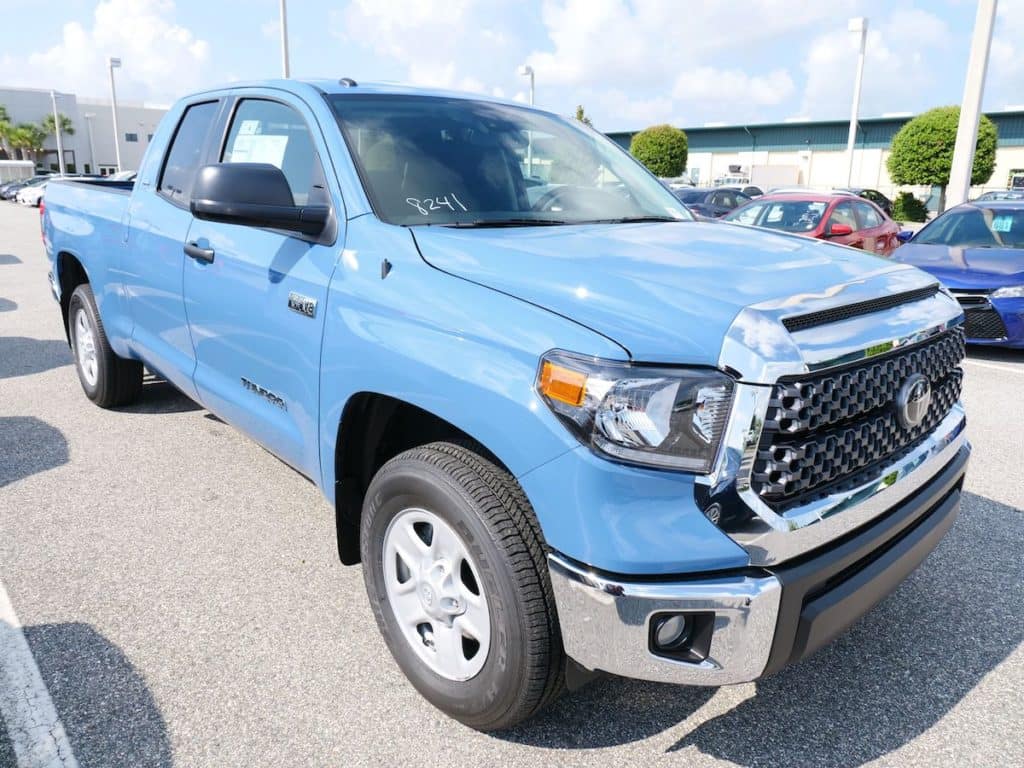
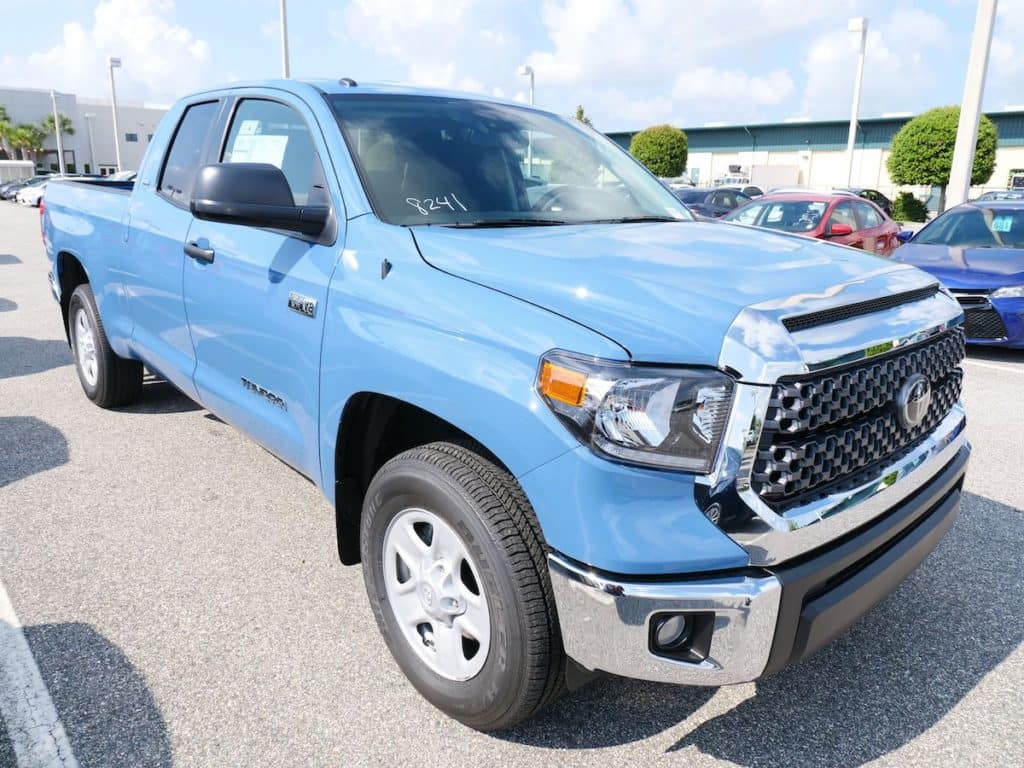
The Million Mile Tundra, unpacked

Have you heard of the Million Mile Tundra? This incredible truck is a 2007 Toyota Tundra owned by Victor Sheppard and believe it or not, nearly five years ago it passed one million miles on the odometer. It sounds impossible - after all, cars with over 100k miles are usually considered to be "high mileage". However, this Toyota just kept on trucking right past one million and given the opportunity, would likely still be out on the road today. Instead, it's been officially retired and after an extensive tour of company facilities, it's being stripped down to see just what's going on under the hood. Toyota of Orlando has the details! What is the Million Mile Tundra? The Million Mile Tundra was put through its paces during its lifetime. Sheppard used it to transport heavy loads long distances, even cross-country, so it was towing, hauling, and driving on the highway for much of its existence. That's a lot of wear and tear on any vehicle, so you'll understand why Toyota was so eager to get it back and see how the engine fared. Here's what happened when they started to take this iconic Toyota truck apart piece by piece. First, the team took the engine out. It's a 4.7L V8 2UZ-FE engine and was one of the first Toyota V8 engines to be produced in America. Toyota put the engine on a dynamometer to test its abilities and see if all those miles had any negative effect on its capability to perform. To their surprise... they didn't. The engine performed almost as well as a brand-new engine in everything from idling to pushing the redline at 5,700 rpm. The engine itself was in incredible physical condition. The engine block fared exceptionally well and there was very little carbon buildup on the valve stems. There were no visible wear marks on the crankshaft journals, and you could still see cross-hatching on the cylinder walls. There was only one small blemish on a bearing but otherwise, they were all clean. The engine scored 99/100 on a quality test, which is more than enough to pass. The truck bed held its weight (literally) considerably well. The only dents that it sustained during its lifetime were NOT from engineering shortfalls; rather, wear and tear from towing and hauling for such a long time. The only major damage was on the wheel wells and Sheppard himself admitted that the damage ensued after he hauled a load of pallets that were too large for the bed. The tailgate still worked perfectly, and there was no rust on the frame despite Sheppard driving the truck through wind, snow, and rain. The frame and leaf springs were in excellent condition, which was surprising to Toyota execs because of all the heavy weight put in the bed on a regular basis. The interior also fared incredibly well - parts you'd expect to wear out like the driver's side door latch, the glovebox latch, the center console, and the seat were all still in great working condition. Test drive the Orlando Toyota Tundra today! Think you'd like to try to put a million miles on your truck? Come test drive the Orlando Toyota Tundra! You can reach us seven days a week at (407) 298-4500 to schedule your appointment!

Orlando auto body shop

Seven questions to ask your mechanic

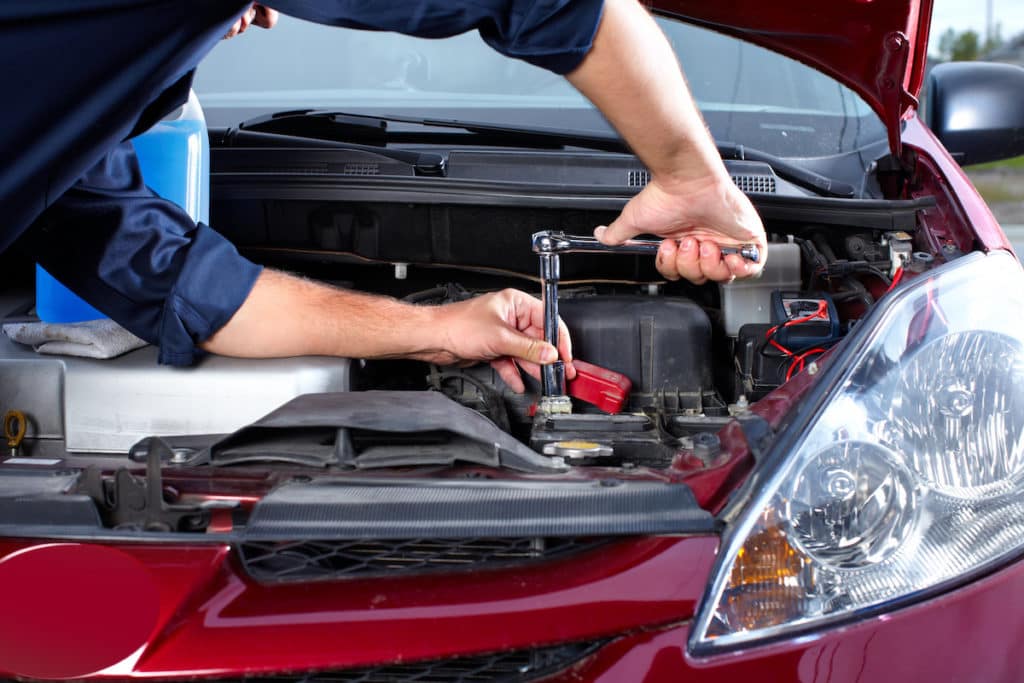
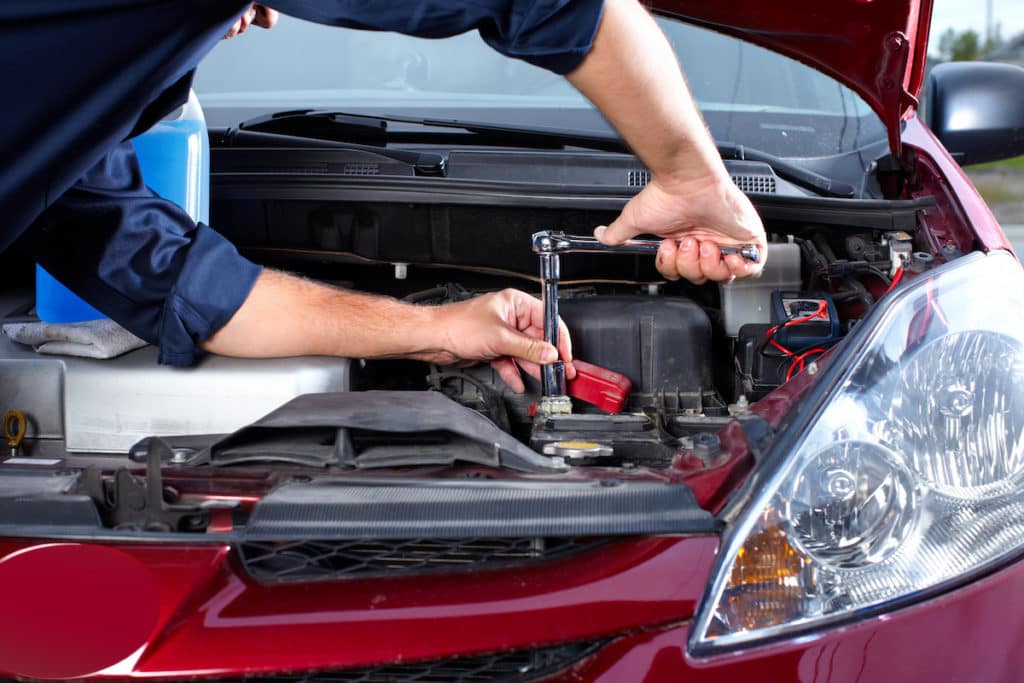
Does it make you nervous when you see the check engine light come on? Do you feel a sense of dread if you need to get a scratch in your car's paint fixed? You're not the only one - plenty of drivers get nervous when it's time to pay a visit to their auto repair technician. However, here at Toyota of Orlando, it's our goal to make it as pleasant and stress-free as possible for you to get your car back into like-new condition and get back out on the road. That's why we came up with a list of questions to ask your auto repair tech to feel more comfortable with the process. Check it out! What should you ask your auto repair mechanic? 1. Do you tow? You should ask the auto repair shop you've chosen if they can tow your car if necessary. It could save you time and money and you'll know your Orlando Toyota is being transported by someone you trust. 2. What kinds of warranties do you offer? Asking about warranties is key when you're seeking out any type of auto repair. For example, at our Toyota of Orlando Collision Center, we offer lifetime warranties on workmanship and paint services. You should ask about warranties for both labor and parts and be sure to take advantage of them if they're available for added peace of mind. 3. Do you utilize used parts? Always ask what the policy is when it comes to car parts. Used parts can be cheaper, but they can also be unreliable, void existing warranties on your car, and be problematic when it comes to performance. At Toyota of Orlando, we only use Toyota parts on your car to keep your Toyota a Toyota. That way, you know the parts are both reliable and compatible. 4. What's the process? Ask what the process is for getting auto repairs started, especially if you've been involved in an accident and have to deal with your insurance company. That way you know what you need to bring to the table and what to expect during the process, including the timeline. 5. How long before I get my car back? Try to get at least an estimate of when your car will be ready to pick up so you can arrange your life accordingly. This is especially important if you're getting a rental car. 6. Will I have a written record of repairs? Make sure you have a written record of repairs. This will be helpful if you sell the car down the road, and it'll also help you troubleshoot if you have issues down the road. 7. Can you help me find a rental car? If you need assistance in finding a rental car, ask. Your auto repair tech can either help you rent one (we have an office onsite at Toyota of Orlando) or point you in the right direction to make the process easier. Schedule service at Toyota of Orlando today Need to schedule auto repairs in Orlando? Call us! Toyota of Orlando is open seven days a week at (407) 298-0001. We'll see you soon!

Contact Us

Fill out this form below and we'll contact you shortly
*Required Fields