


How To Change a Brake Light on a Toyota
How to change a brake light on a Toyota
A burnt-out brake light may seem like no big deal, but it can be much more of a hassle than you'd imagine. Not only can you get in trouble for driving with a bad brake light, but you can also get into a collision as the cars behind you may not be able to properly anticipate your movements on the road. Luckily, our Orlando Toyota service center is here to help you — check out this guide on how to change a brake light on a Toyota DIY style to save time and money.
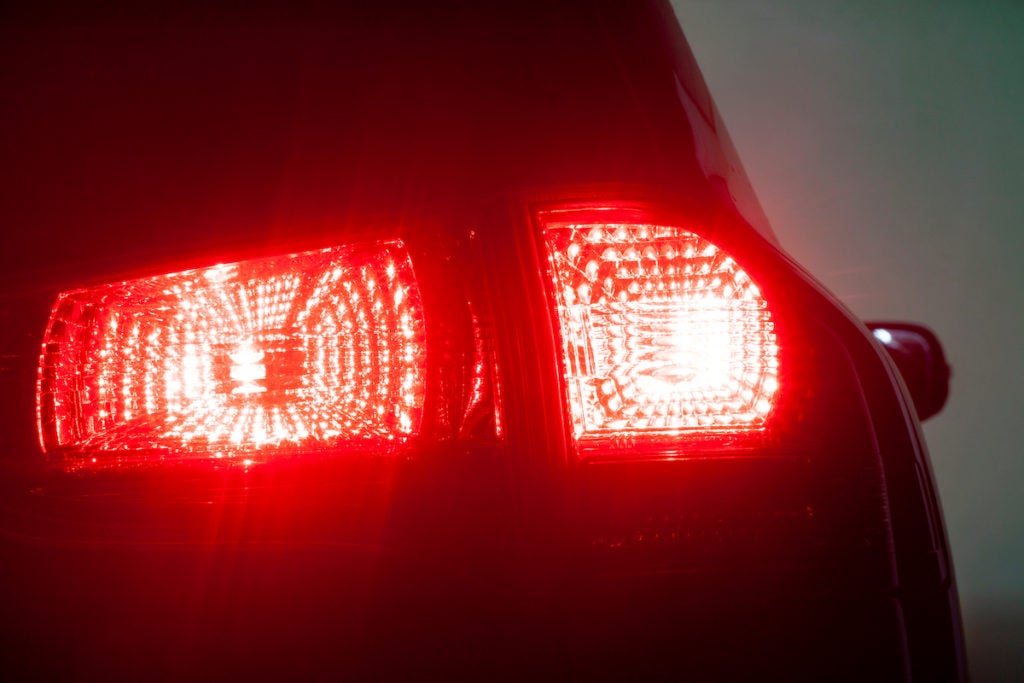
So if you're not the savviest when it comes to car care and auto repairs, we get it — and we're still here to help. The Toyota of Orlando service team can change a brake light for you and get you back on the road as quickly and efficiently as possible. However, if you want to tackle things DIY, here's how to change a brake light on a Toyota.
A step-by-step guide on how to change a brake light
Step #1: Find the correct bulb for your car. You can check your owner's manual to see which bulbs your Orlando Toyota requires (do this before it's time to change a brake light so you have everything you need on hand) and grab a few of them. The Toyota of Orlando parts store can also help you determine which bulb is right and order it for you.
Step #2: Next, you'll need to take off the tail light housing. This is the plastic, colored lens that covers and protects the bulb. You'll need a Philips head screwdriver for this step; undo the screws and remove the housing.
Step #3: Remove the bad bulb and insert the new one. Unscrew the bad bulb from your Toyota and insert the new one. You can also put some dielectric grease on the end of the new bulb (the metal thread, not the glass). This will help prevent moisture from getting in and also help prevent corrosion on the metal of the bulb. Once you've done that, screw the new bulb in.
Step #4: Replace the housing. The final step is to put the plastic housing back on to protect your brake light from the elements and from getting smashed (hopefully). Replace the screws and then test your brake lights by starting your car and pressing the brakes.
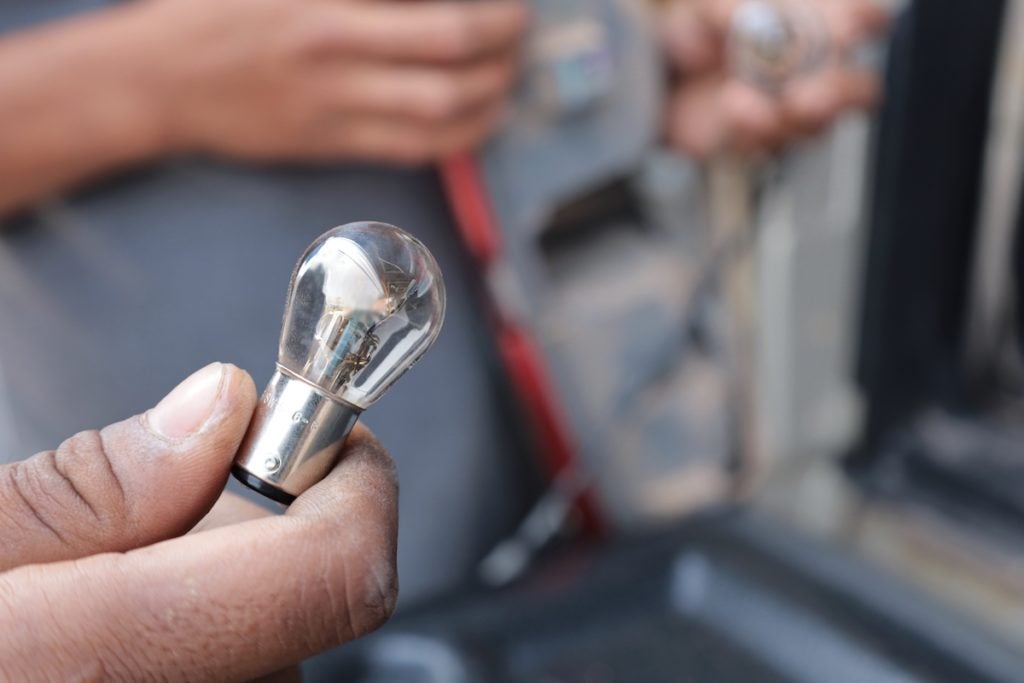
If you notice a burnt-out bulb, you need to change the brake light ASAP. As noted, you can get a ticket from a police officer for having a bad bulb. Additionally, if other drivers can't see your brake lights when you're slowing down, they might not be able to slow down accordingly and you could end up in a rear-end collision. It's a lot cheaper, easier, and a lot less stressful to just change a brake light and get on with your day.
What if you change a brake light and it still doesn't work?
But what if you change a brake light and it still doesn't work, even when a new bulb has been installed? It's best to bring your car to the Toyota of Orlando service center at this point — you could be facing a few other issues that aren't exactly DIY in nature, such as:
- A bad brake light switch. When you press the brake, it triggers a switch to let your brake light know to illuminate. Switches wear out over time just like any part, and they also get dirty. This can interfere with their ability to work properly and prevent your brake light from illuminating.
- A blown fuse. If neither of your brake lights is working and you know for a fact that the bulbs and switches are in good condition, you may have a blown fuse. Our Orlando auto service experts can replace it for you and get your lights up and running again.
- A bad socket. If your fuses, switches, and bulbs are all good to go and you still can't get your brake lights to turn on, you may have a bad socket. Bad sockets can result from dirty or corroded connections, or wiring that's on its way out. Again, Toyota of Orlando can replace this part for you.
Let us help you change a brake light today
Have questions on how to change a brake light on a Toyota? We've got answers. Call Toyota of Orlando today at 407-298-4500 or stop by. We're located at 3575 Vineland Road, just off I-4 near the Millenia Mall, and our service center is open seven days a week.
| Monday | 6:00AM - 8:00PM |
| Tuesday | 6:00AM - 8:00PM |
| Wednesday | 6:00AM - 8:00PM |
| Thursday | 6:00AM - 8:00PM |
| Friday | 6:00AM - 8:00PM |
| Saturday | 6:00AM - 7:00PM |
| Sunday | 7:00AM - 5:00PM |
| Monday | 8:30AM - 10:00PM |
| Tuesday | 8:30AM - 10:00PM |
| Wednesday | 8:30AM - 10:00PM |
| Thursday | 8:30AM - 10:00PM |
| Friday | 8:30AM - 10:00PM |
| Saturday | 8:30AM - 10:00PM |
| Sunday | 10:00AM - 10:00PM |
| Monday | 6:00AM - 8:00PM |
| Tuesday | 6:00AM - 8:00PM |
| Wednesday | 6:00AM - 8:00PM |
| Thursday | 6:00AM - 8:00PM |
| Friday | 6:00AM - 8:00PM |
| Saturday | 6:00AM - 7:00PM |
| Sunday | 7:00AM - 5:00PM |