Unibody vs Body On Frame vehicles: What you should know
If you’re car shopping and you’re pretty well-versed in all things automotive, then you’re probably heard the terms “body on frame” and “unibody” before. They refer to the construction of the vehicle and how the frame and chassis are set up. While most cars, minivans, and SUVs are unibody construction, a lot of trucks and off-road-ready SUVs are constructed in a body on frame configuration (like the Orlando Toyota 4Runner). Today we’re discussing unibody vs body on frame and which is best for your drive time.
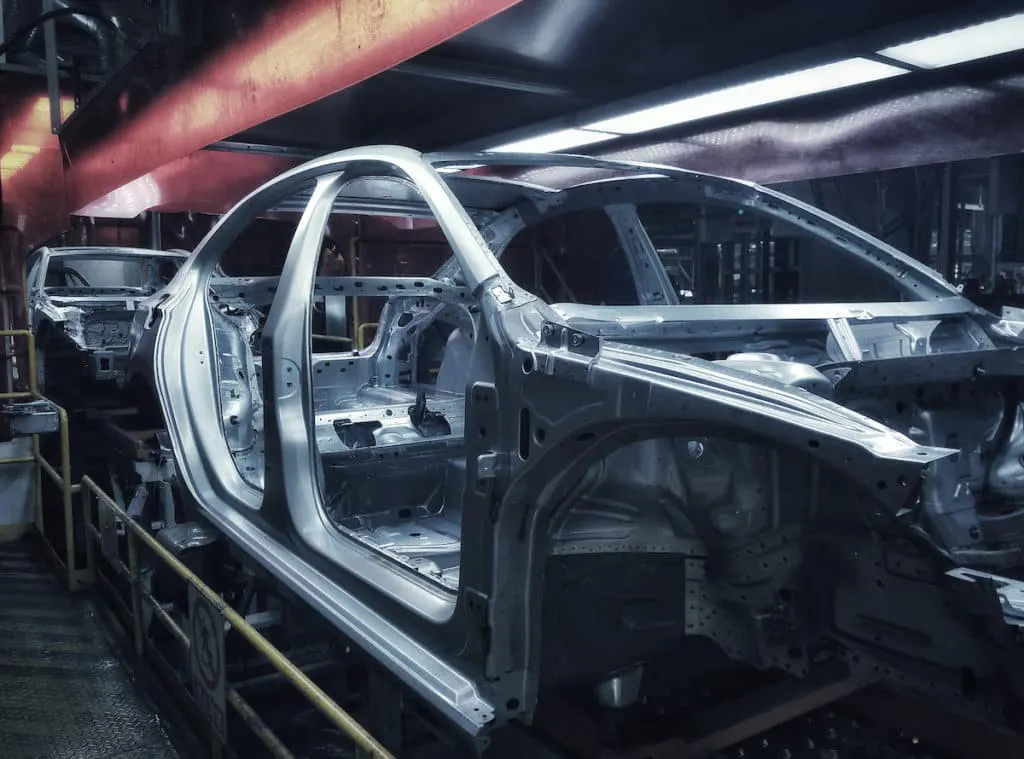
Unibody frame vehicles
Most vehicles today use unibody frame construction in their designs. In this configuration, the chassis and the frame of the car are made as one single unit rather than two separate pieces. It’s easier to find this type of vehicle, and it’s also usually cheaper (as you’ll find it on sedans, hatchbacks, and crossovers – trucks and off-road SUVs can tend to cost a bit more). However, there are pros and cons to unibody frame vehicles.
Pros:
- Better fuel efficiency. Unibody frame cars tend to be lighter in construction than body on frame vehicles, which means they get better fuel efficiency right off the bat. This is a major reason why so many Orlando Toyota crossovers and SUVs use this type of frame construction.
- Safer. Unibody frame vehicles also offer a high degree of safety. It’s easier to integrate elements like crumple zones and other advanced safety features into this type of Orlando Toyota.
- Sportier performance. Orlando Toyotas that have unibody frame construction typically offer better cornering abilities than body on frame vehicles, and they’re also more comfortable for the driver and passengers.
Cons:
- Not off-road-ready. If you’re one who likes to take things off the pavement, a unibody frame is not for you. These vehicles are best suited for paved roads and offer all-wheel drive to handle slippery situations.
- More expensive to repair. Unibody frame vehicles are usually more expensive to repair after an accident or collision. When the car is damaged, the damage tends to affect the entire body of the car since everything is one unit. This can mean major part reconstruction and replacement to get the car back into like-new condition.
Body on frame vehicles
Body on frame vehicles, on the other hand, aren’t as common as unibody frame vehicles. This type of configuration is mostly found on trucks and SUVs that are designed with off-roading in mind. In this setup, the chassis is a separate unit from the frame and is attached to the frame during the manufacturing of the vehicle. Here are the pros and cons.
Pros:
- Better at off-roading. This is one of the main reasons that so many trucks and off-road SUVs like the Orlando Toyota 4Runner offer this type of construction. Body on frame construction allows for a larger amount of “flex” in the vehicle, allowing the car to tackle uneven terrain and surfaces without damaging it. The chances of warping the frame are significantly lower than in a unibody frame car since it’s not a single unit with the chassis.
- Cheaper to manufacture. Body on frame vehicles are typically cheaper to manufacture because they have a simpler, two-piece design. A single chassis and single frame can be used on multiple models across the make (multi-purpose), whereas in a unibody frame vehicle, the unit usually can’t be reused for other models.
- More towing capacity and payload. The aforementioned flexibility allows for better towing and hauling than unibody frame vehicles, which is why so many trucks are made in this configuration.
- Easier to repair. We mentioned that unibody frame cars are harder and more expensive to repair because everything is one unit, so the damage tends to radiate. Conversely, body on frame vehicles have higher flexibility and it’s easier to replace single parts (instead of having to replace the entire body of the vehicle).
Cons:
- Heavier. Body on frame vehicles are heavier, which means they can be slower and don’t offer the same fuel efficiency perks as unibody frame vehicles.
- Not as safe. Unfortunately, it’s easier to integrate safety features into a unibody vehicle. Body on frame Orlando Toyotas are definitely still safe, but if advanced safety tech and design are your top priority, a body on frame vehicle may not be for you.
- Less comfortable. Due to their construction, this type of Orlando Toyota tends to be less comfortable inside the cabin for the driver and passengers. All of that ruggedness does come at a bit of a cost. Additionally, they don’t handle as well as unibody frame vehicles and have a higher chance of rollovers because they usually have a higher center of gravity.
Find your next Toyota at Toyota of Orlando
Have more questions about unibody frame vs body on frame vehicles? Toyota of Orlando has answers, and we can show you both. Come see us in person at 3575 Vineland Rd, just off I-4 near the Millenia Mall. You can also see all of our inventory online or call to schedule your test drive at 407.298.0001.


 EN
 ES
